25 items
4.8/5 based on 5155 reviews collected online and in stores

Tent Transport Bags FAQs

What should I look for when choosing a transport bag for my tent?

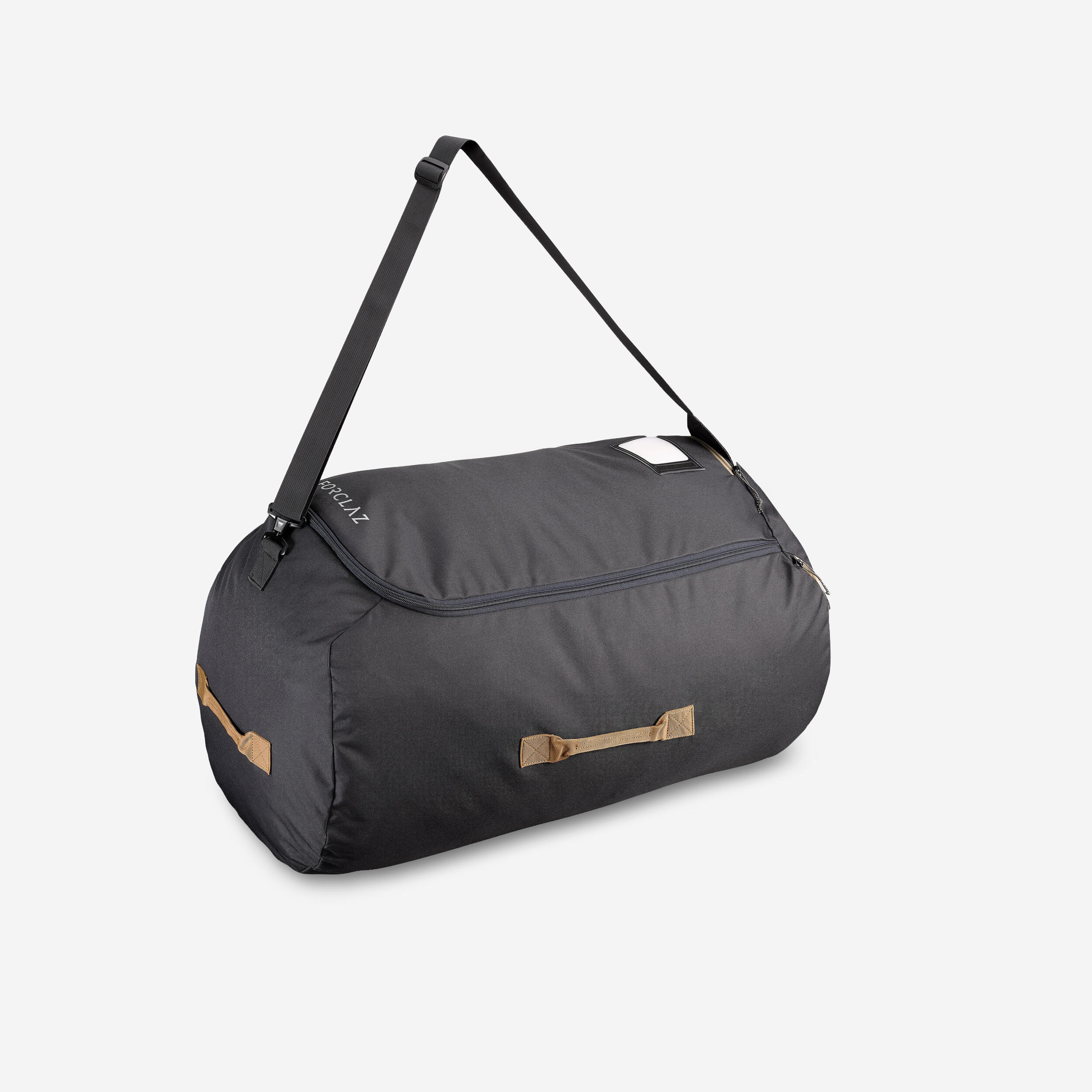
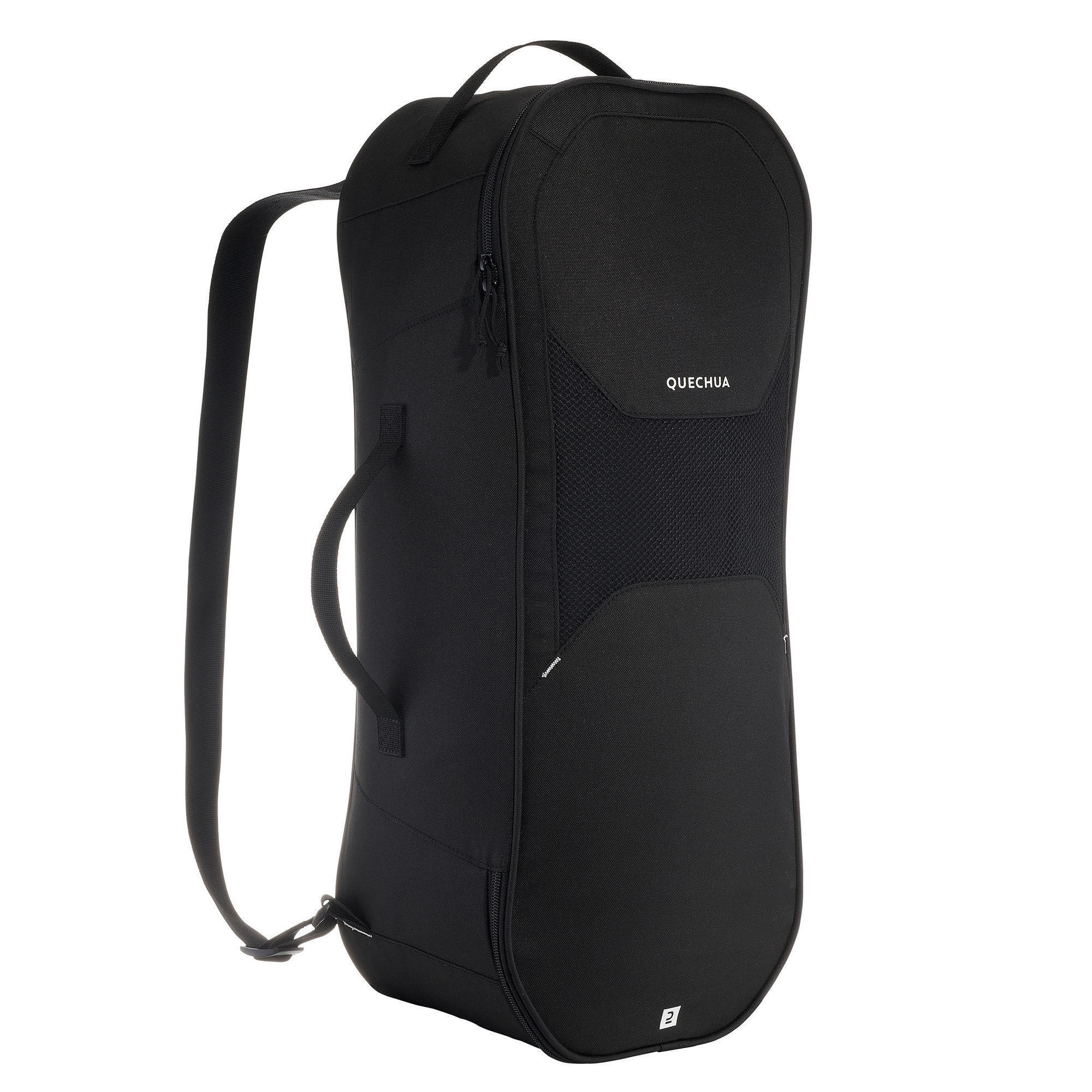
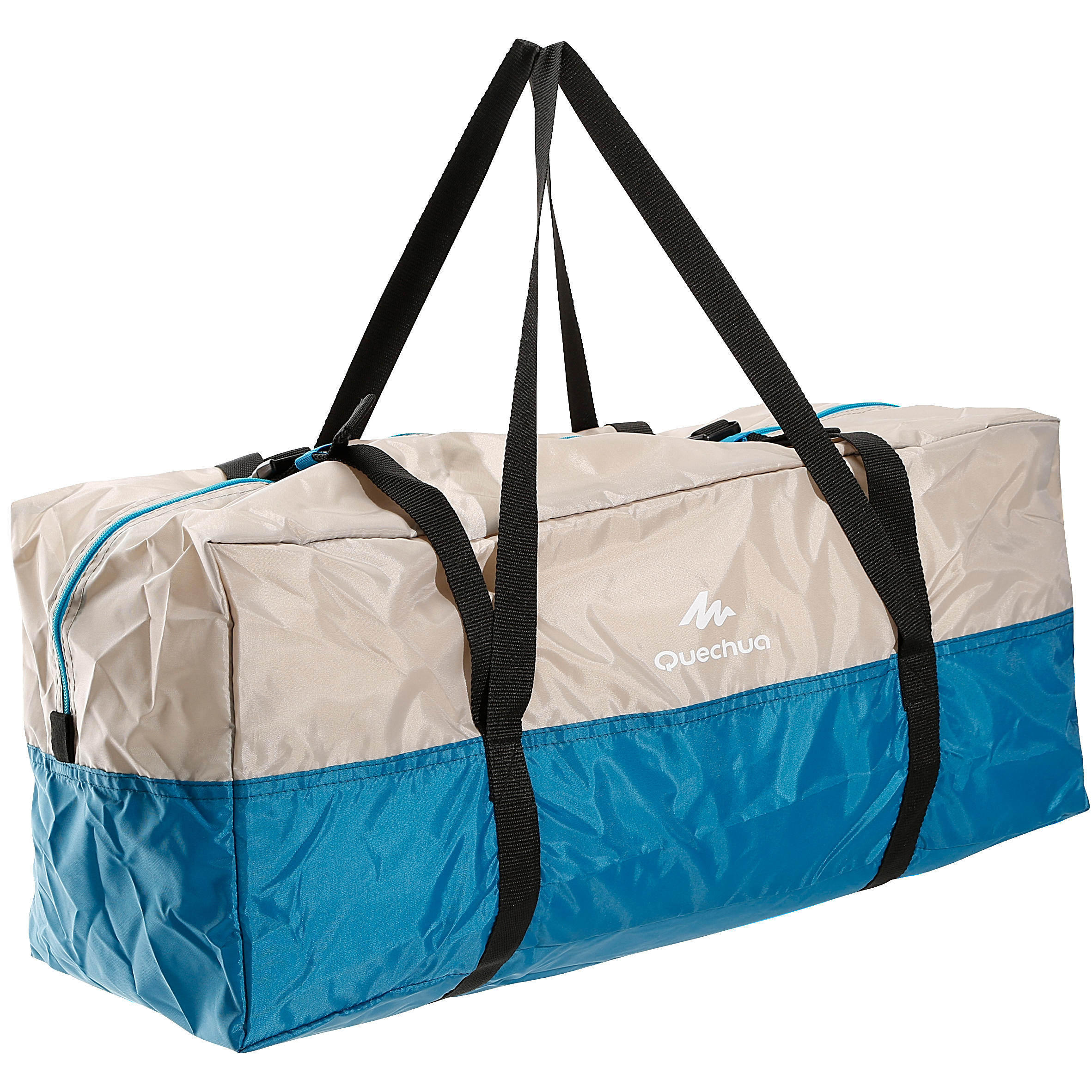
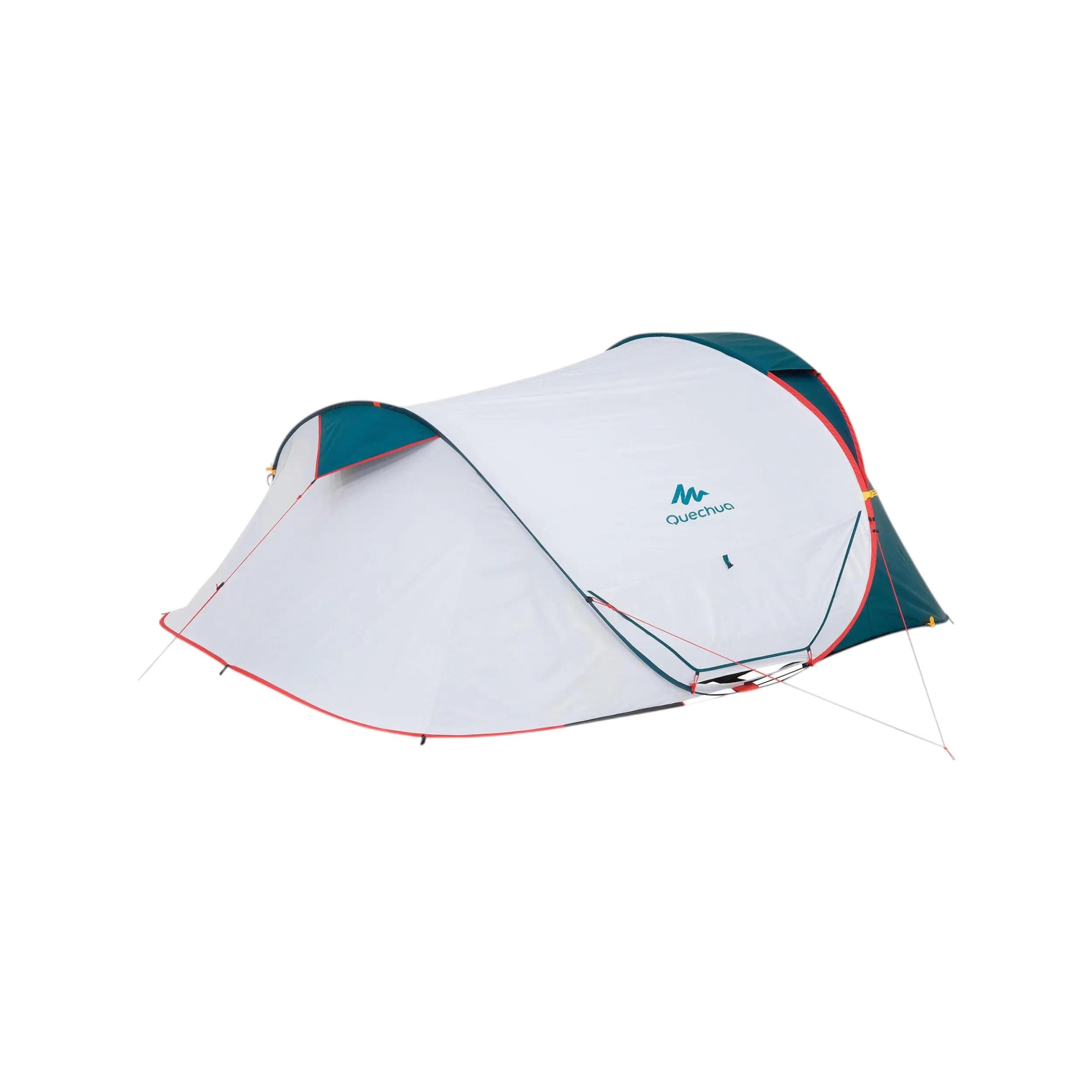
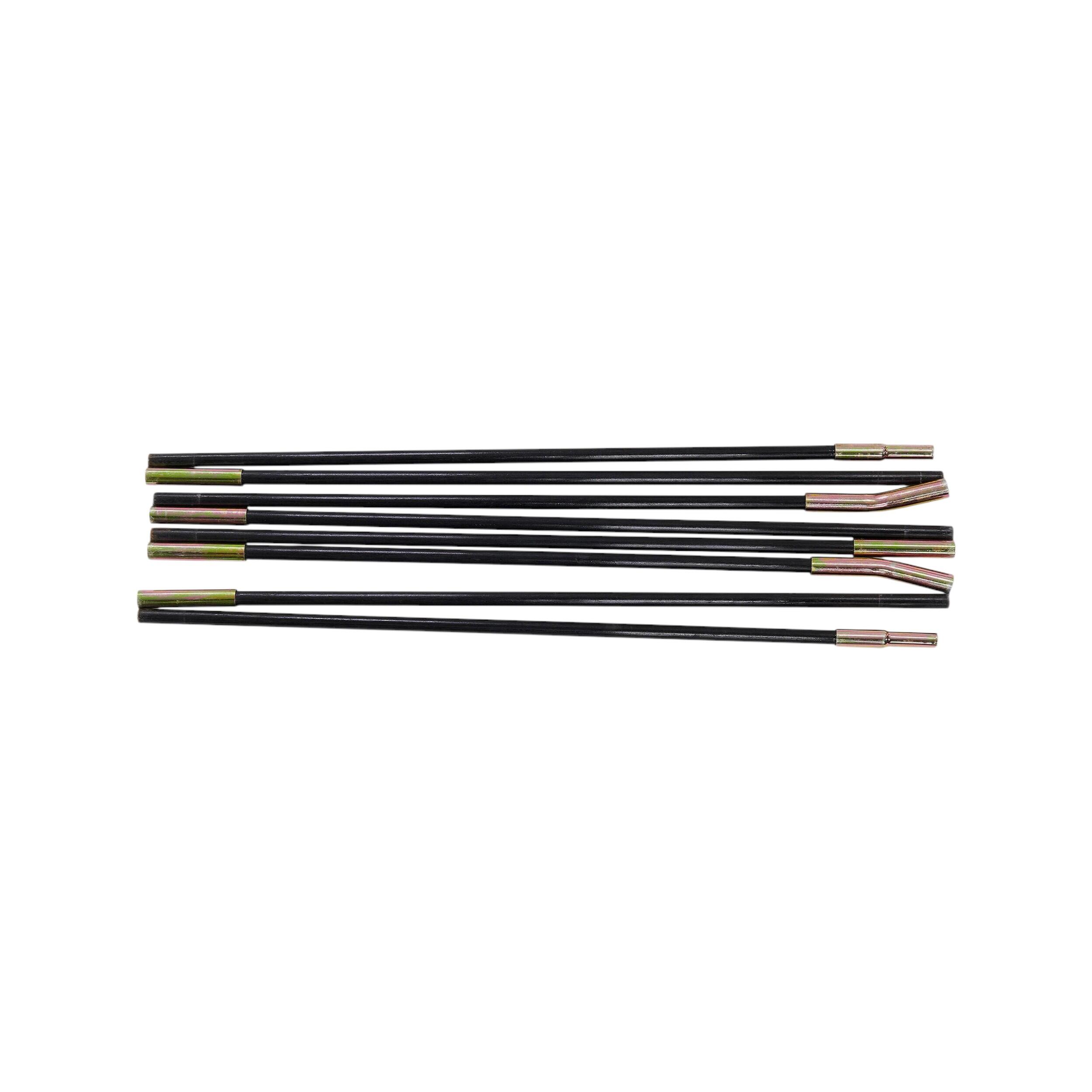
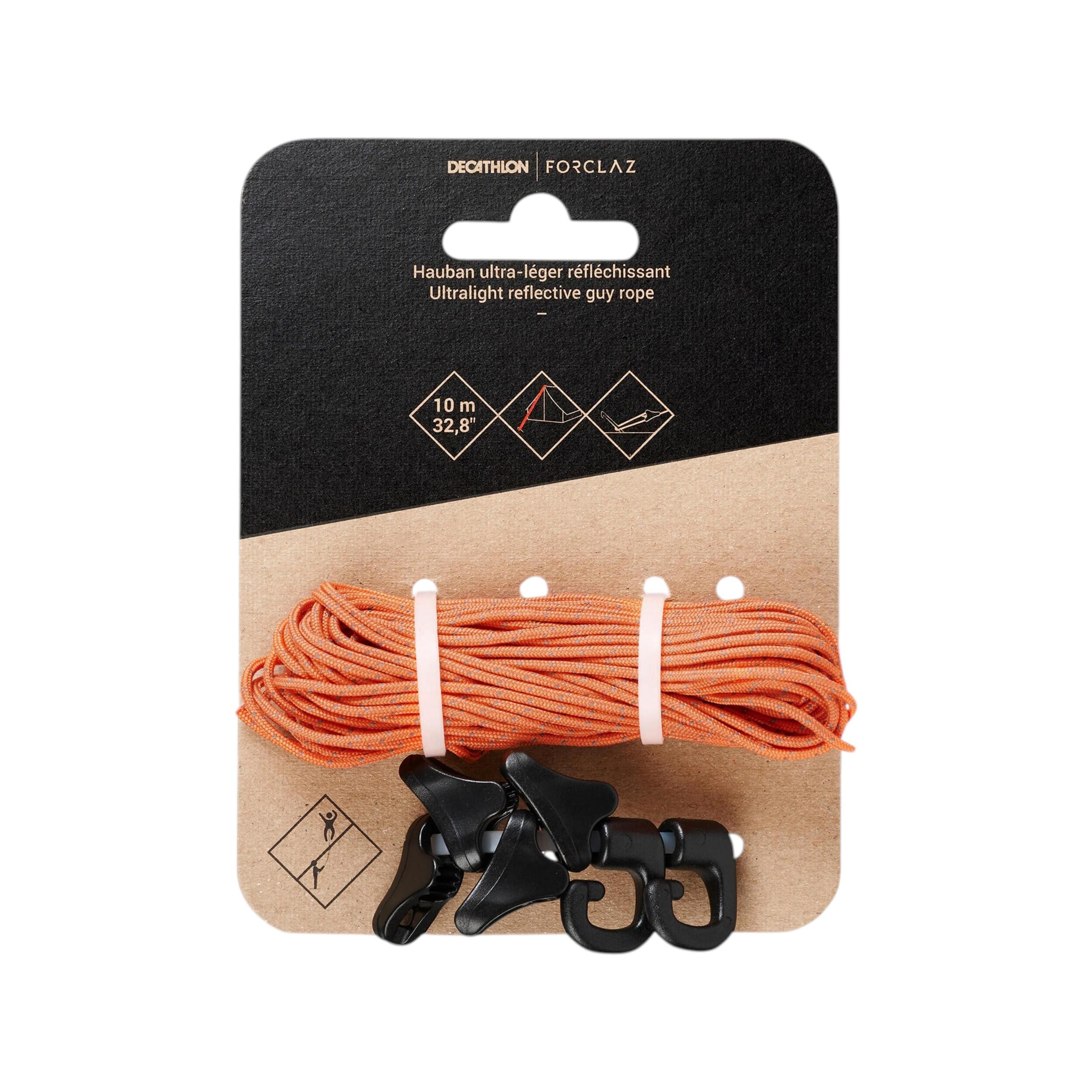
The most important factors when choosing a tent transport bag are fit, material durability, and whether the bag has a separate pole compartment. A bag that's too tight forces you to compress the tent beyond its intended packing size, which puts repeated stress on the waterproof coating along the fold lines and cracks it over successive trips. A bag with too much space lets the packed tent shift in transit, so the pole sections press against the flysheet and abrade the coating from the inside. Material durability matters because a transport bag takes more punishment than the tent itself: it gets dragged across boot floors, dropped on gravel, and squashed under luggage. A reinforced base panel and bar-tacked stress points at the handle attachments are the two details that most affect how long it lasts. A separate pole compartment keeps the rigid sections away from soft fabric, stops the ferrule tips from puncturing the flysheet in transit, and makes pitching faster because everything comes out in the right order. One tip: pack the flysheet last so it comes out first, which lets you lay it on the ground before handling the inner or poles and cuts the chance of the inner picking up ground moisture before pitching. Refreshing your anchoring kit at the same time can be worthwhile, as new guy ropes help keep the entire shelter setup ready for the season ahead.

Does a tent transport bag need to be waterproof?

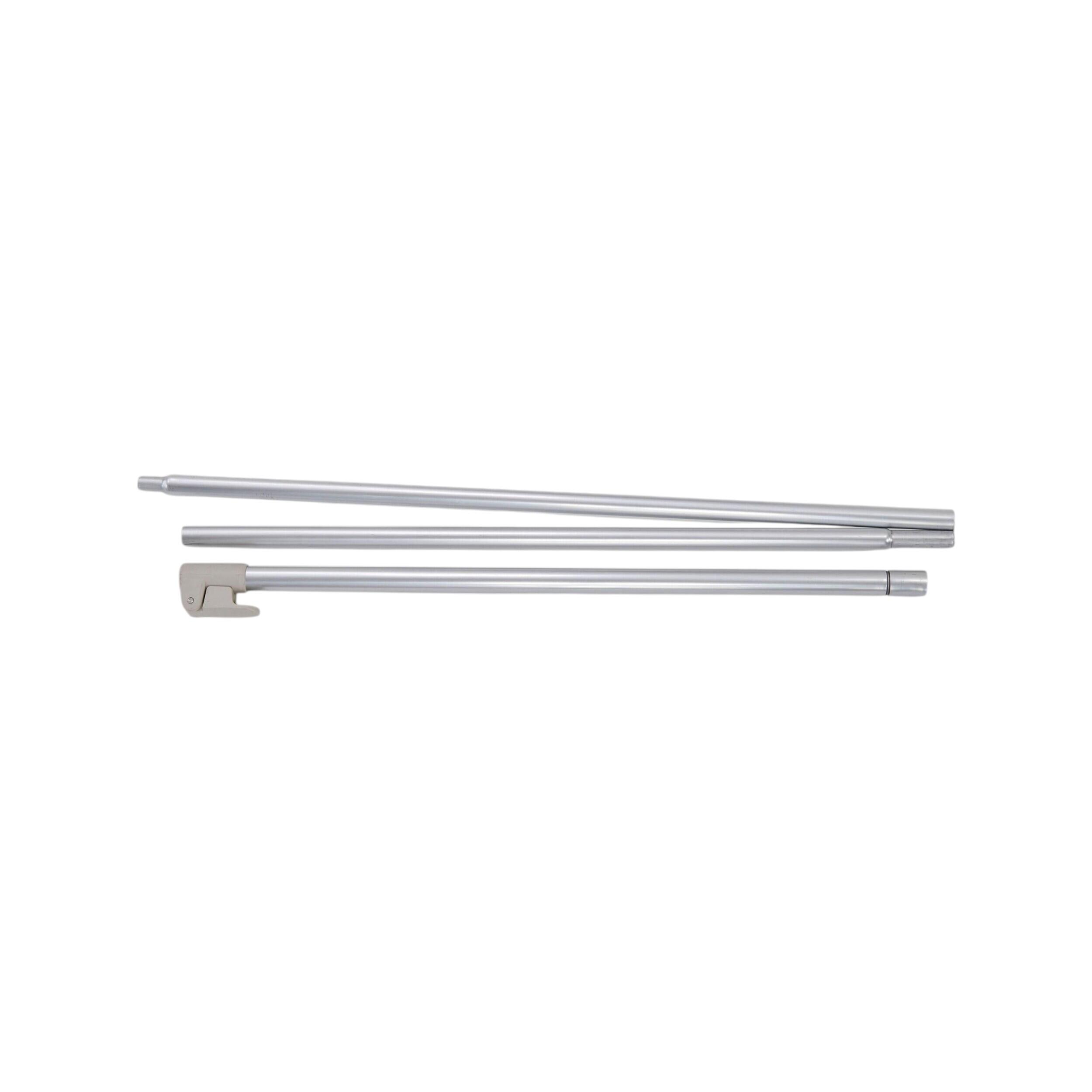
A waterproof transport bag is worth having even if you never camp in rain, because the more common risk is a wet tent going into the bag after a damp morning pitch rather than rain falling on the bag in transit. When a tent is packed while still carrying surface moisture, that moisture has nowhere to escape inside a sealed bag and starts promoting mildew within a day or two. A water-resistant outer fabric slows external moisture from getting in while you load up in the wet, which is a genuinely useful feature rather than a marketing claim. That said, the more important feature is ventilation: a bag with a mesh panel or a partly open top lets residual moisture from a damp tent keep evaporating in transit, which a fully sealed bag can't. Replacing worn pole sections alongside a new bag is often a sensible upgrade, and our tent poles are listed by diameter and material to make selecting the correct size straightforward.

Can I use a tent transport bag to store a groundsheet separately?

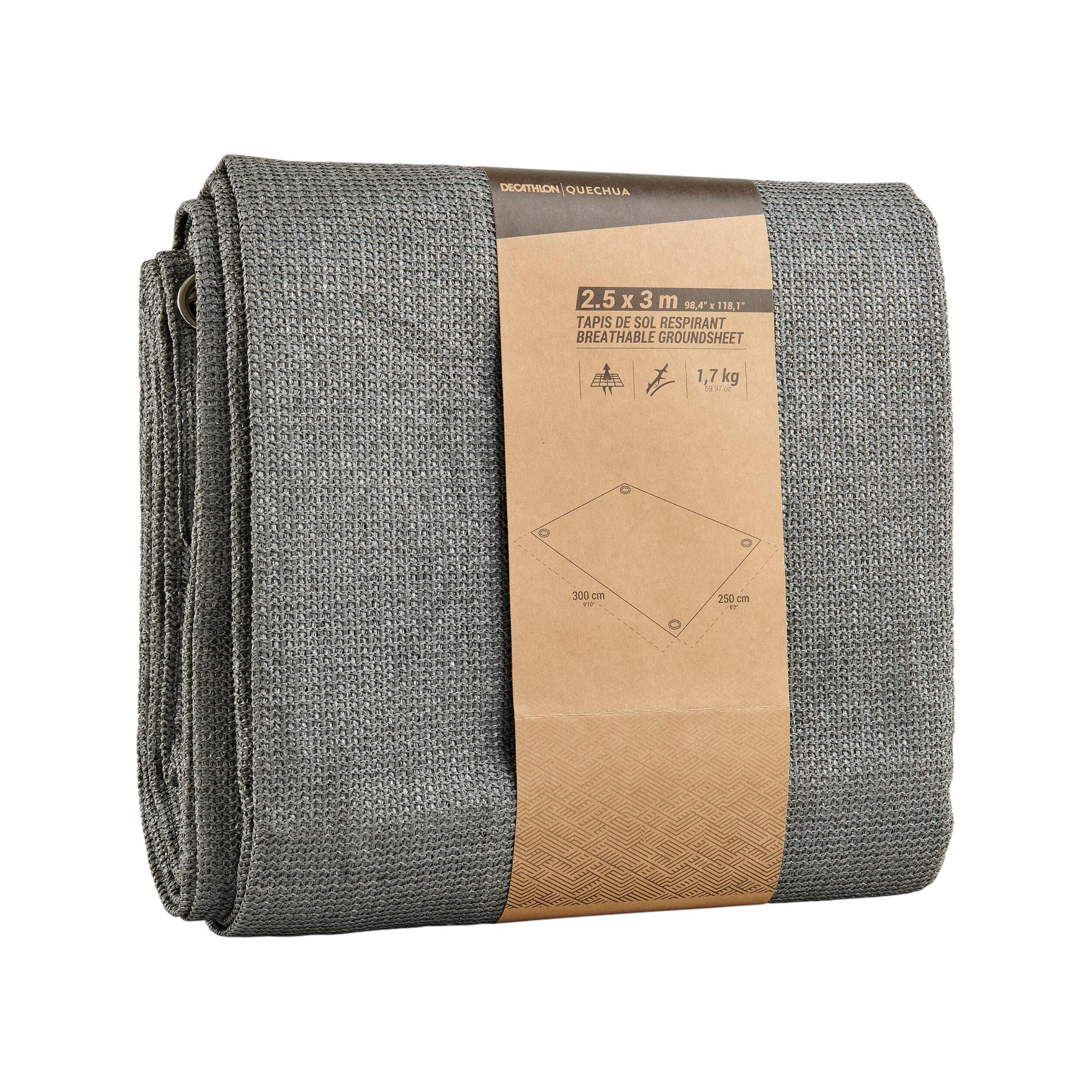
A tent transport bag can double as a groundsheet carry bag, but the fit and material need to suit the groundsheet's dimensions. Polyethene groundsheets fold down to a flat, rigid rectangle rather than a compressible roll, so a bag with a structured base and a wide opening is more practical than a cylindrical stuff sack. Anyone using an external footprint will usually find separate storage more practical, allowing the groundsheet to be laid out first and packed away last without opening the main tent bag. A dedicated bag also stops the abrasive polyethene surface from rubbing against the flysheet in transit. A correctly sized camping ground sheet paired with a transport bag helps protect the tent floor from abrasion and moisture throughout repeated camping trips.

What size transport bag fits a large family tent?

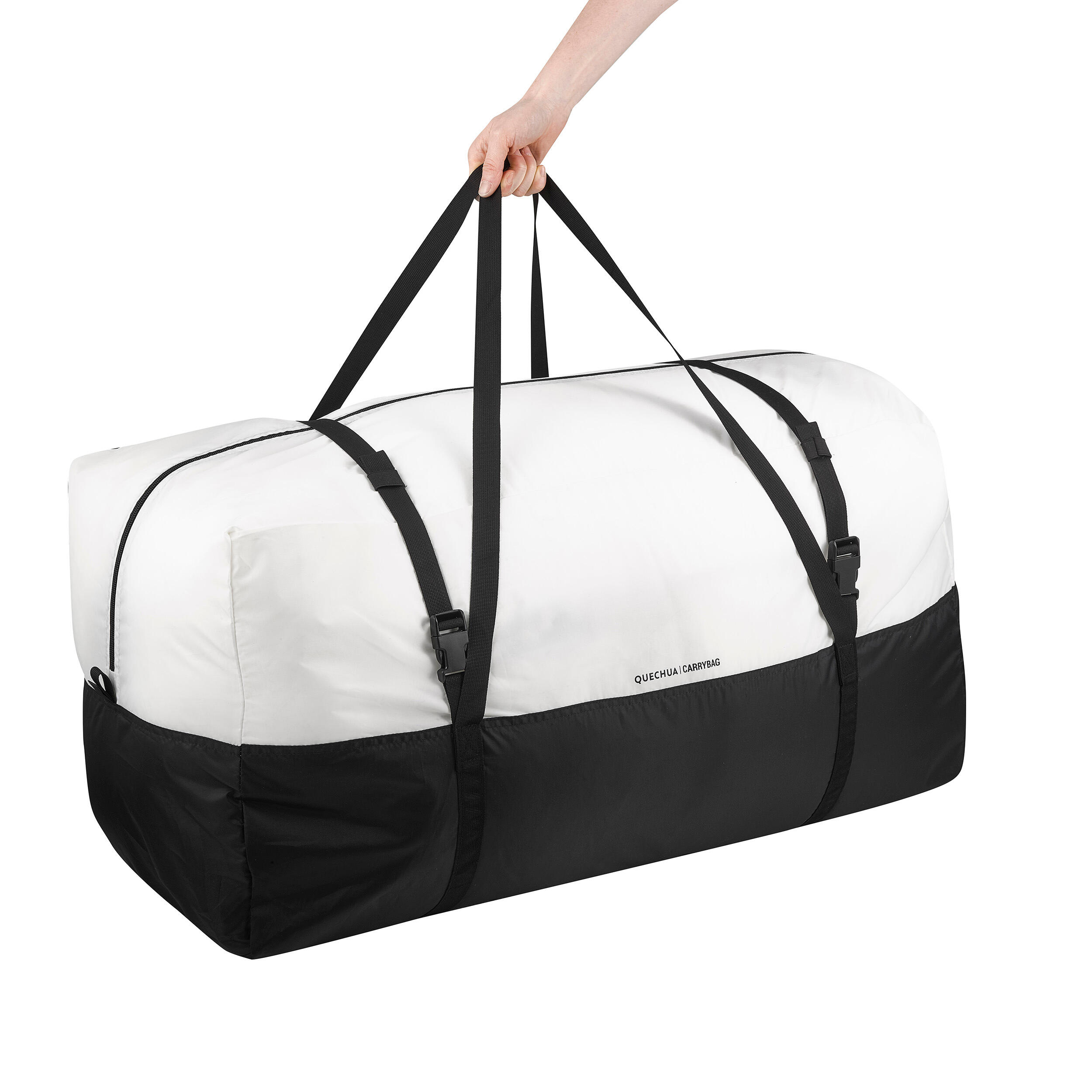
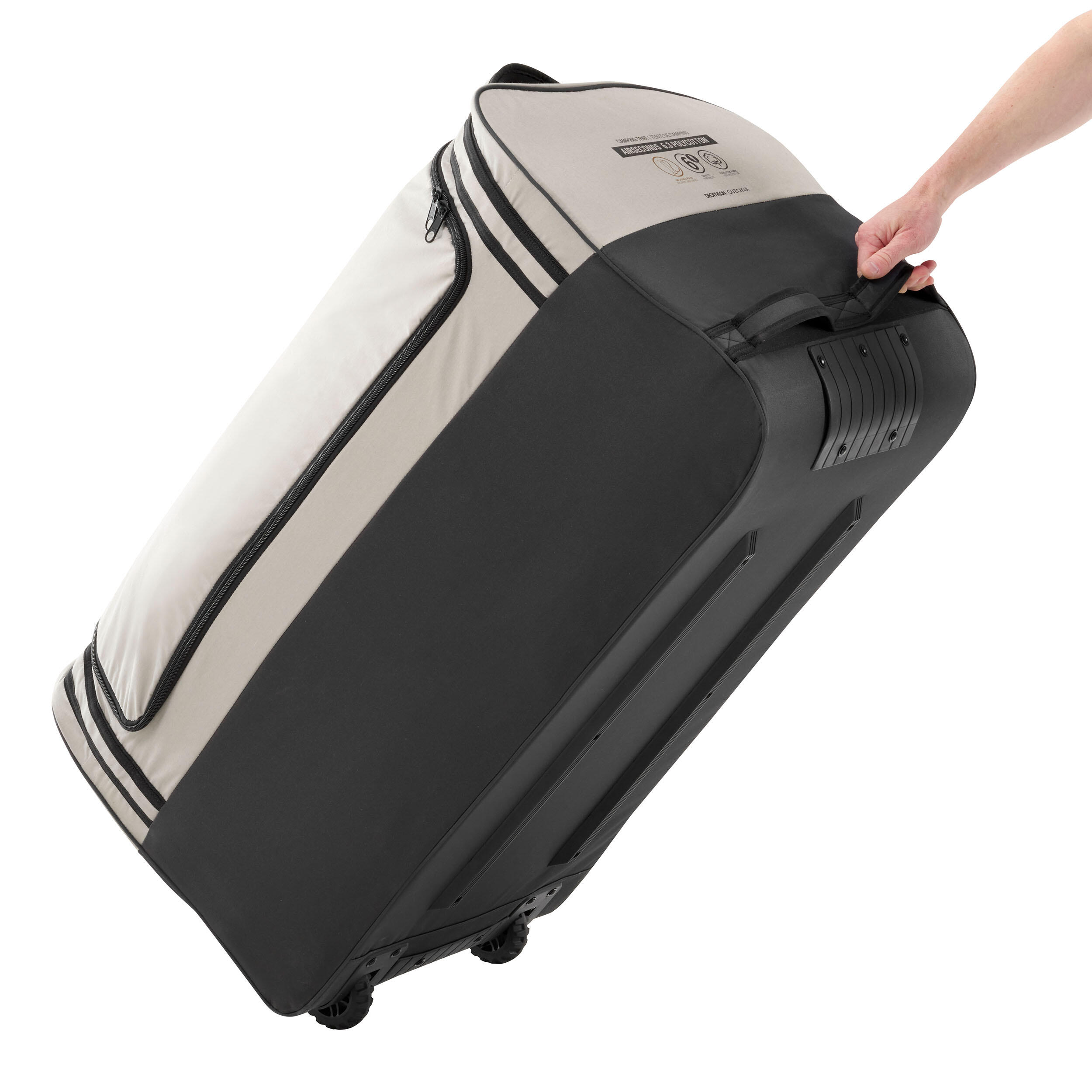
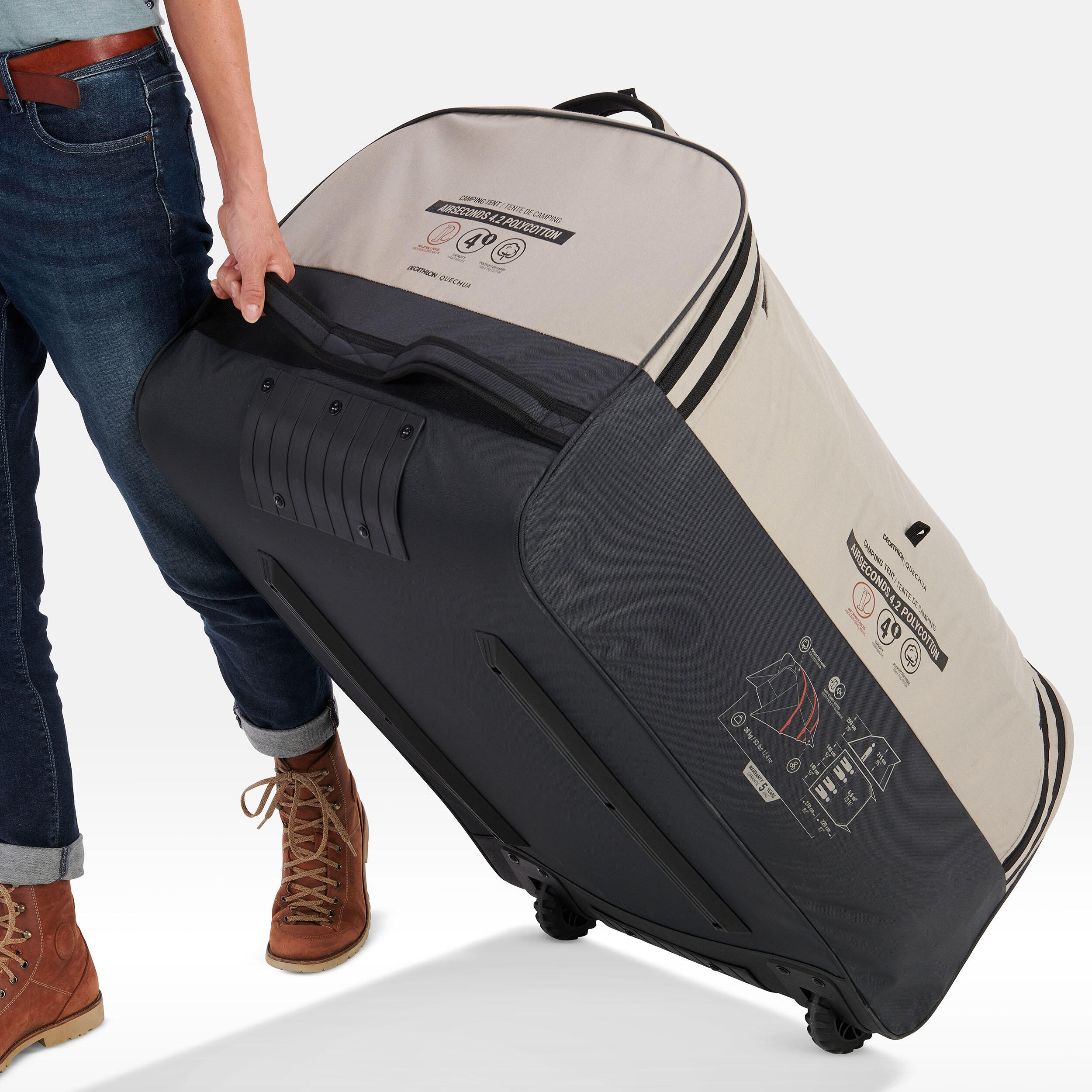
Large family tunnel and cabin tents with separate sleeping and living areas pack down to far larger volumes than their pitched footprint suggests, because their pole sets are longer and heavier than those on dome tents. A bag for a tent in the four to six-person category needs to take a flysheet and inner that together fold to roughly the size of a large sleeping bag, plus a pole bag that can be a metre or more in length. Most Quechua transport bags are model-specific, with dimensions matched to the exact packed volume and pole length of a given tent, so checking your tent's product reference number before ordering makes sure the bag fits without forcing the zip. Frequent campers can extend the life of their tent frame by fitting a compatible reinforcement bar before wear develops into a more significant issue.

How does a tent transport bag fit into the overall camping storage system?

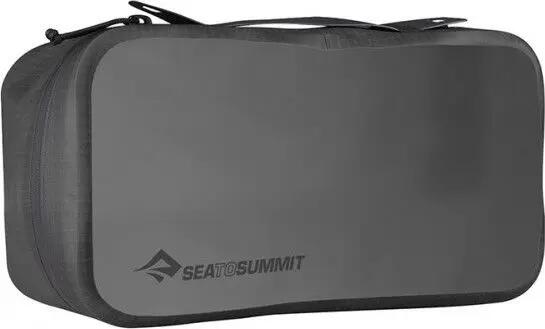
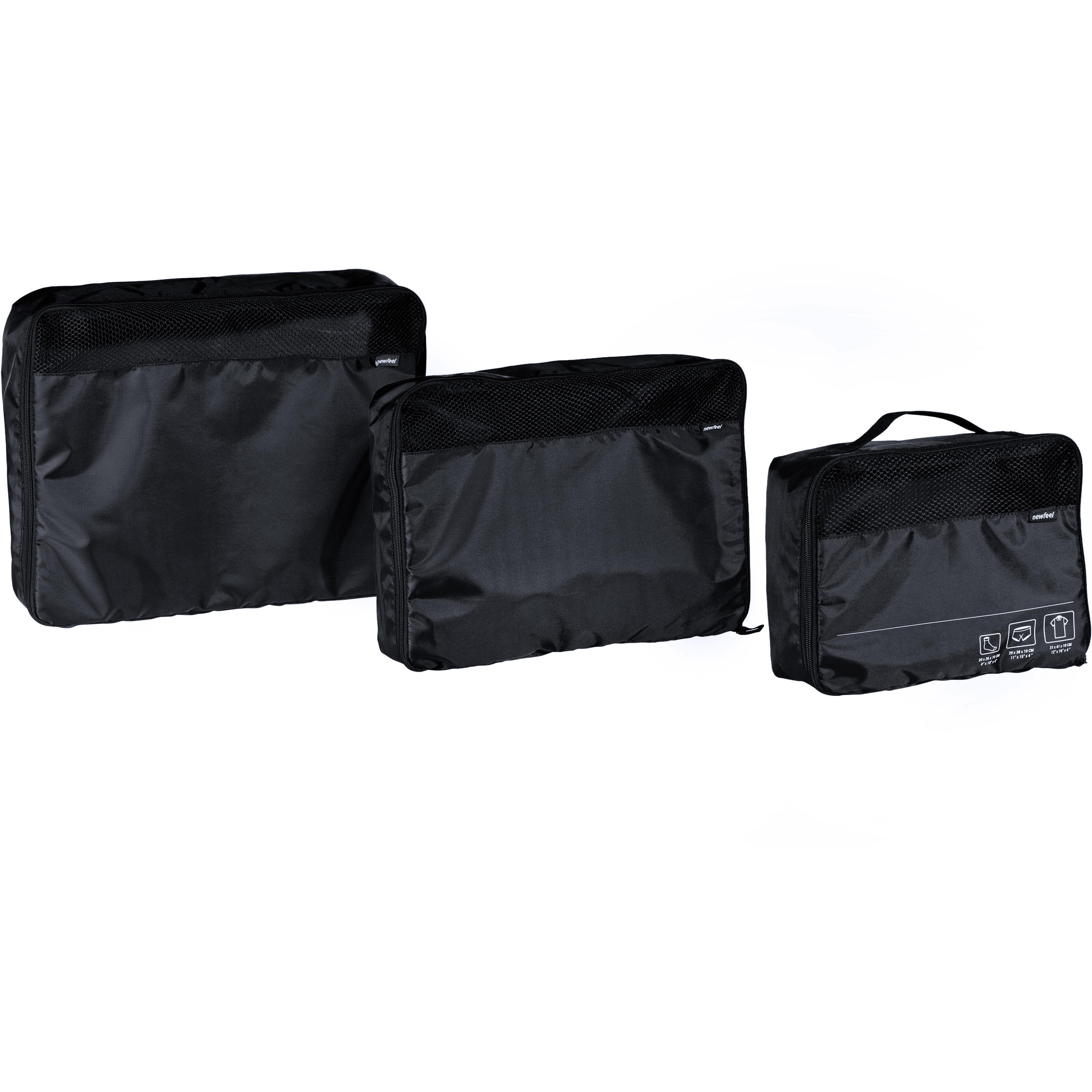
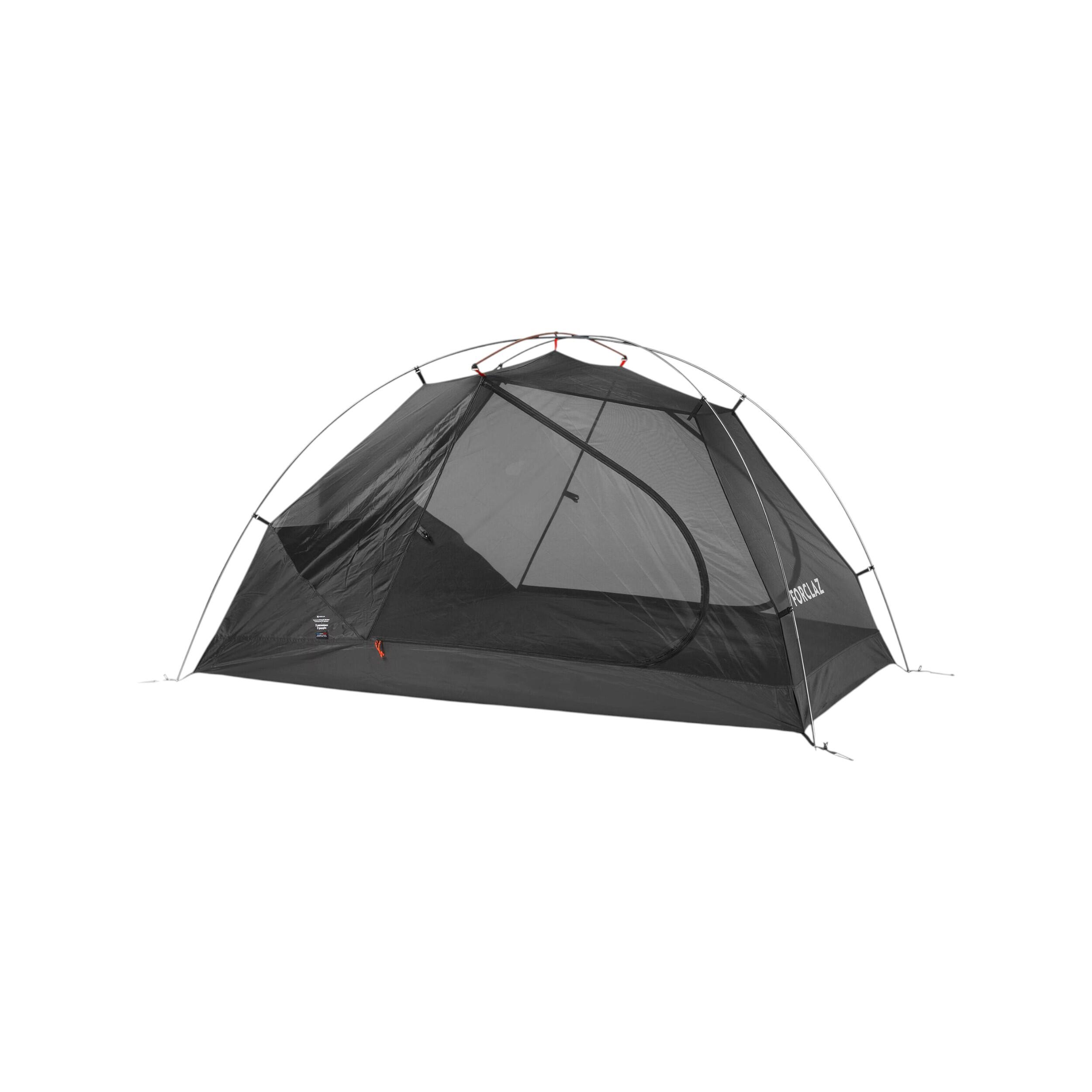
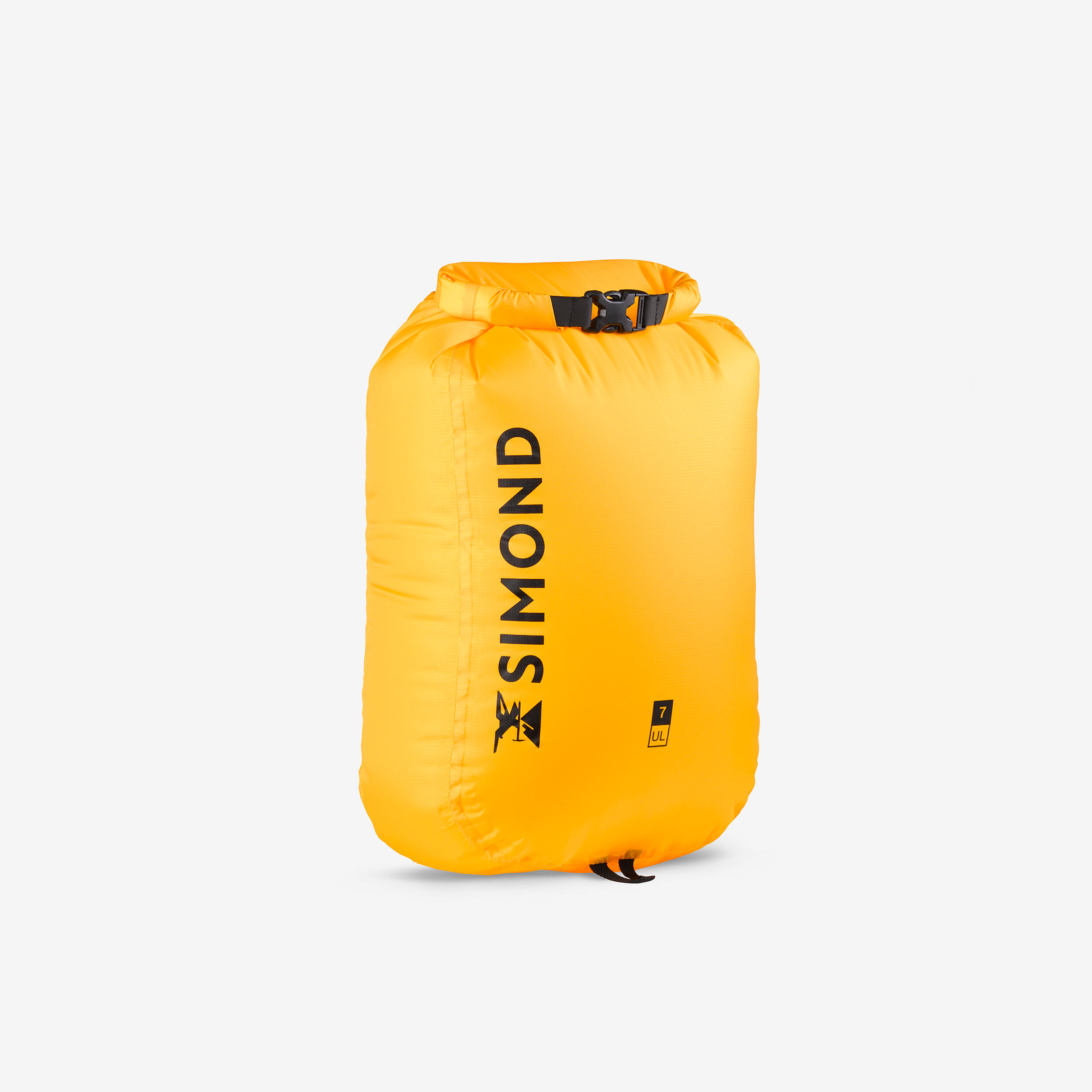
A tent transport bag is one part of a broader storage system that keeps shelter components organised, protected, and ready to pitch efficiently. The bag handles transport and weather protection; the pole compartment within it protects the most rigid and potentially damaging components; and internal stuff sacks or compression bags manage the inner and flysheet separately inside the main bag. This layered approach means each component can be pulled out and inspected on its own without unpacking everything, which is handy for a mid-season check on seam-tape condition or flysheet waterproofing. Labelling each stuff sack by component also speeds up pitching in fading light. A pre-season check often shows whether the inner still holds up, and our inner tents collection covers most current Quechua models by reference number, making it easy to pair a replacement with a new transport bag when refreshing the full setup.