397 items
4.3/5 based on 10307 reviews collected online and in stores

Tent Spare Parts FAQs

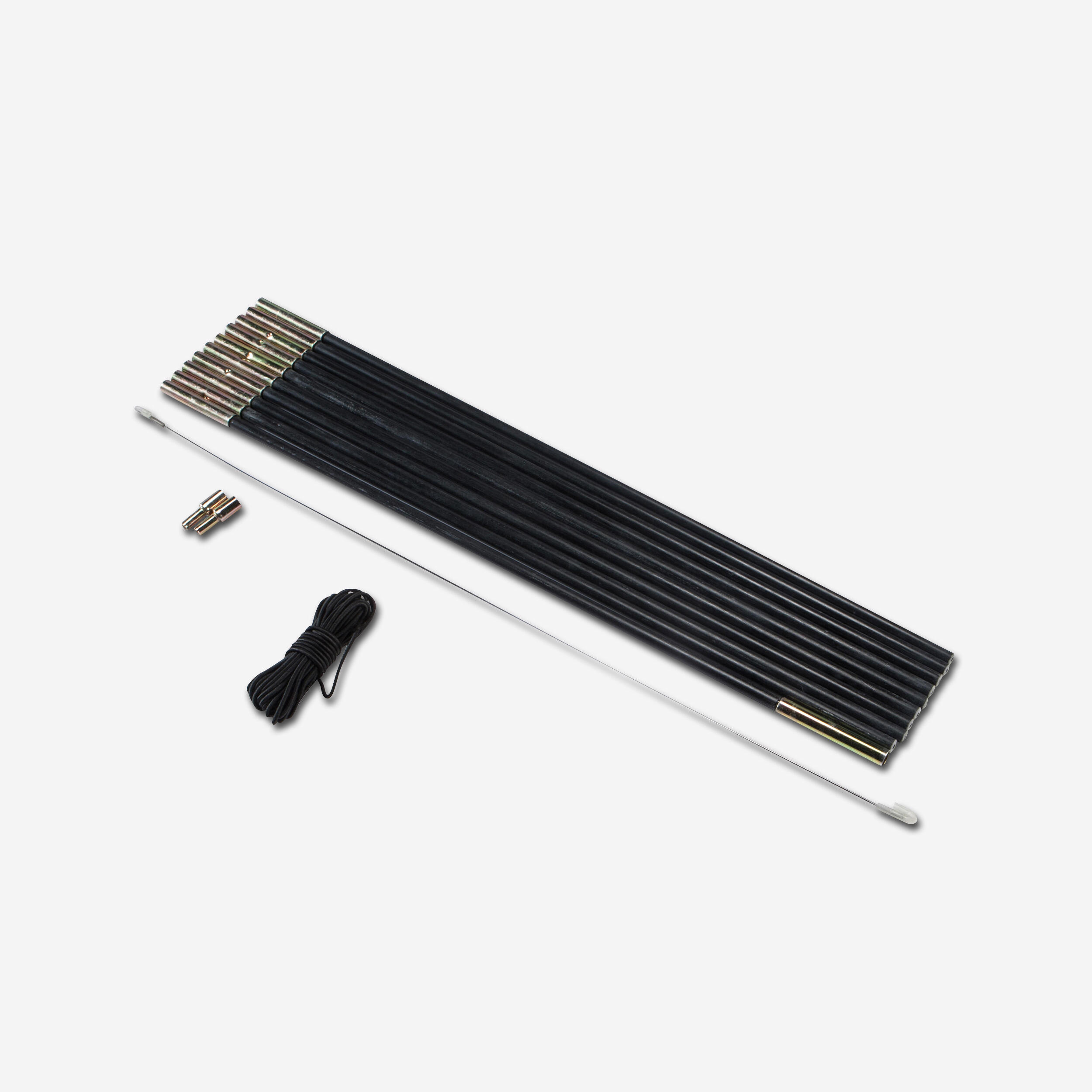
Which tent spare parts should I replace after a bent or snapped pole?

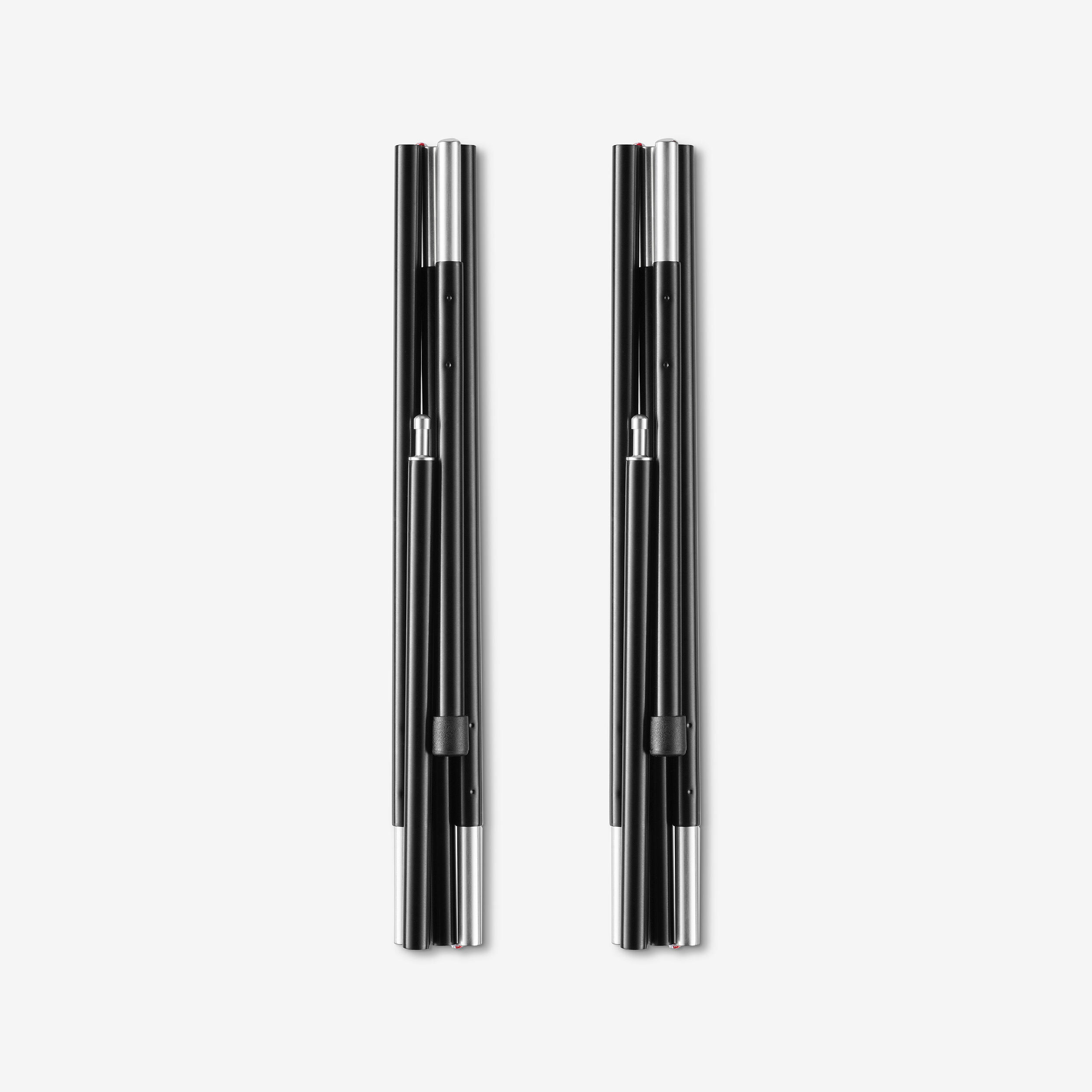
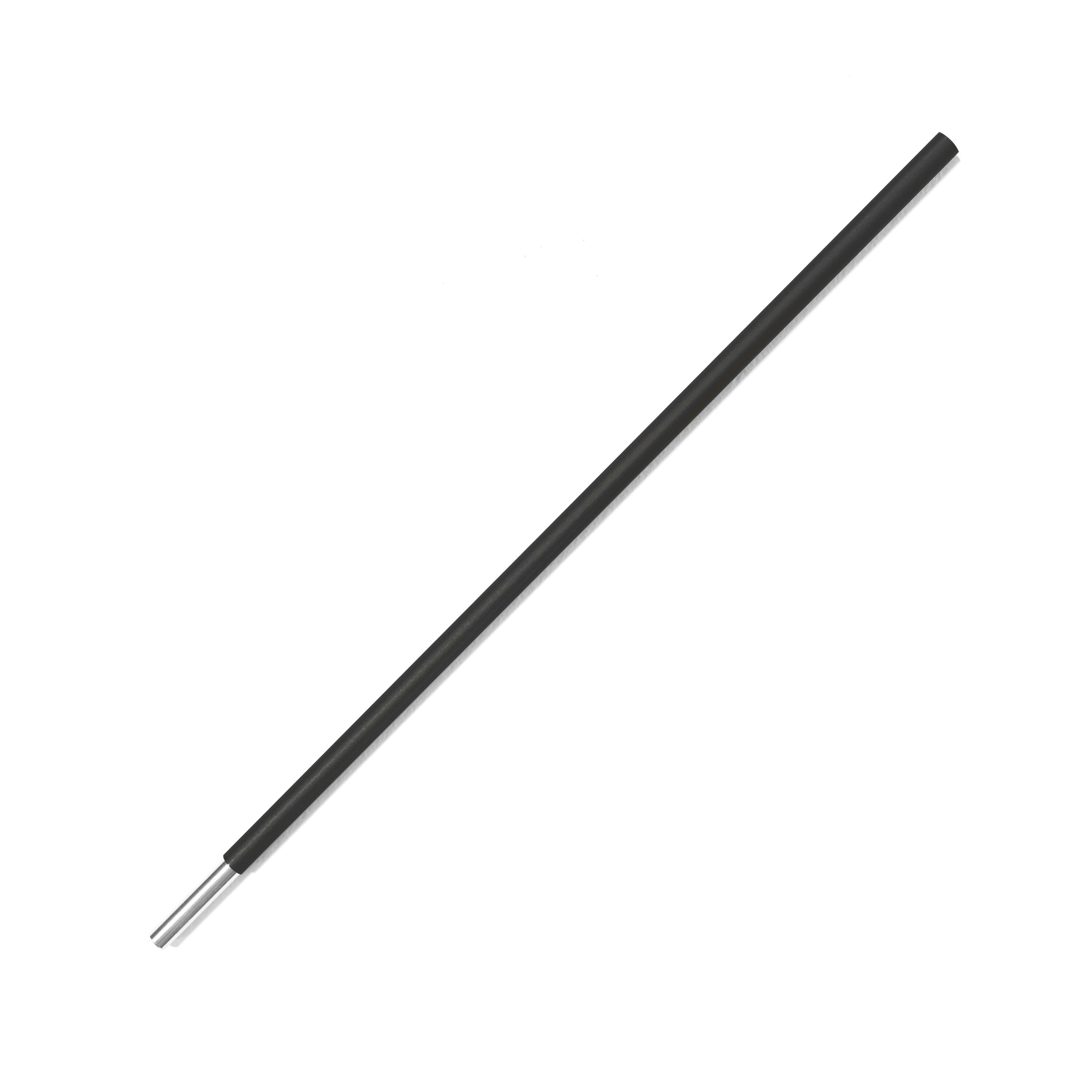
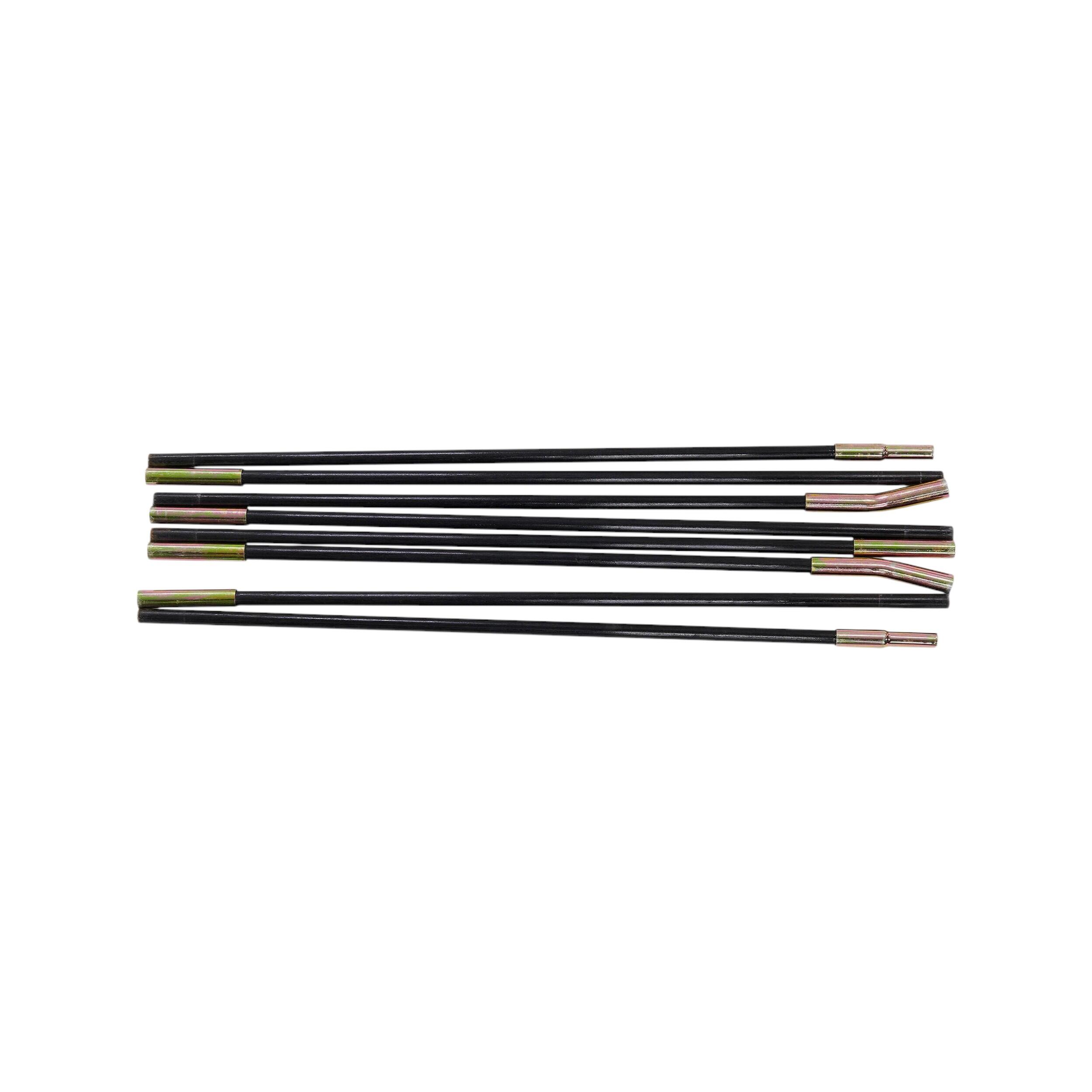
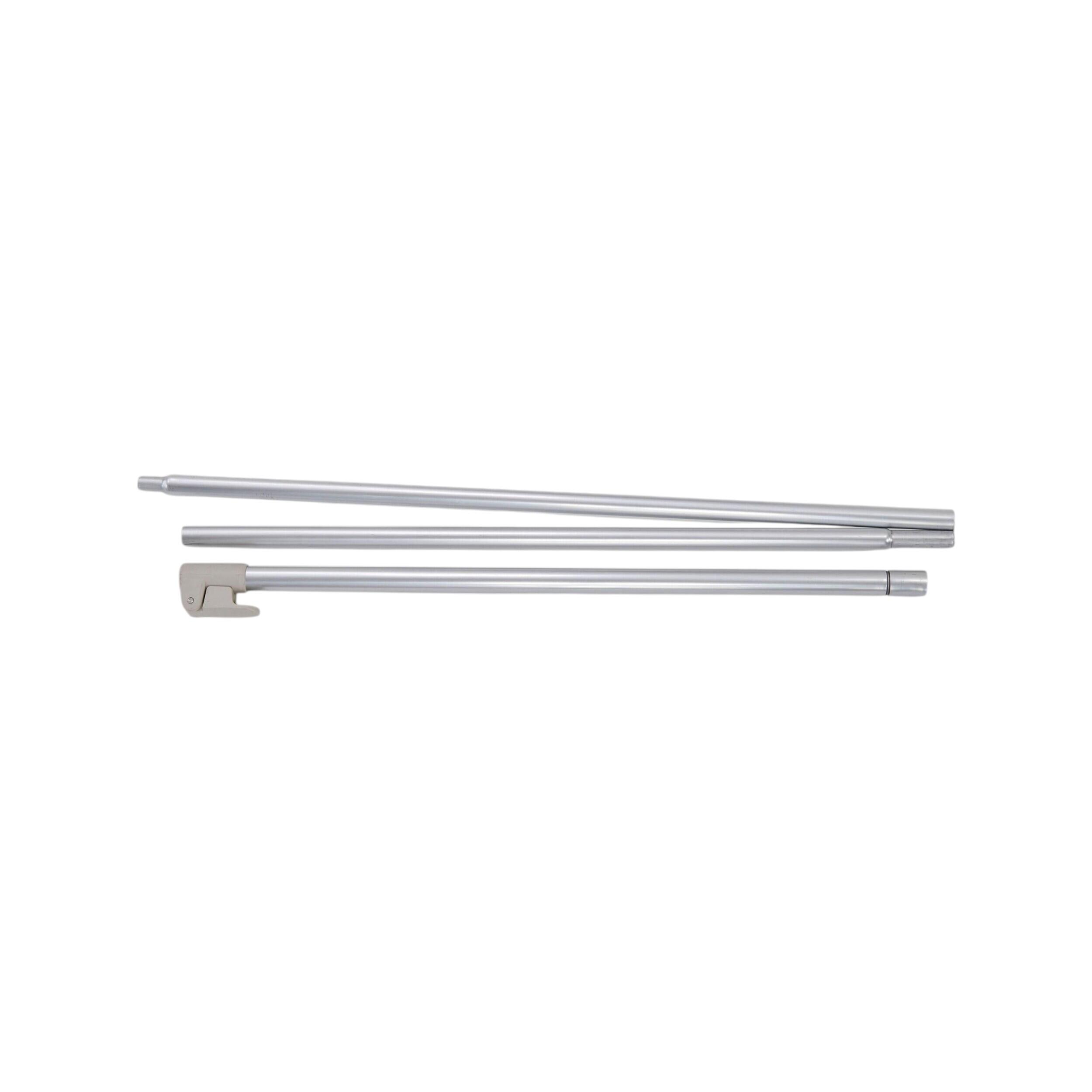
A bent or snapped pole is one of the most common camping setbacks, but it rarely means the whole tent needs replacing. In most cases, you only need to swap out the damaged section rather than the full pole set. Start by working out whether the break is at a joint or along the shaft, since that decides whether a sleeve repair or a full section swap is the practical choice. On fibreglass models, a cracked section can splinter and weaken the whole assembly, so it's worth replacing that segment promptly. Aluminium poles, by contrast, are more likely to bend than snap outright and can sometimes be straightened before a full swap becomes necessary. Choosing the correct diameter matters too, as most Quechua tent poles come in 8.5 mm, 9.5 mm, or 11 mm sections, so check your model's specifications before ordering. Replacement tent poles are sold as individual sections, letting you swap only the broken part and keeping both costs and waste down. And always carry a short repair sleeve when camping away from home, since it bridges a snapped section and restores enough rigidity to see you through a weekend until a proper replacement arrives.

What is a tent ferrule, and when does it need replacing?

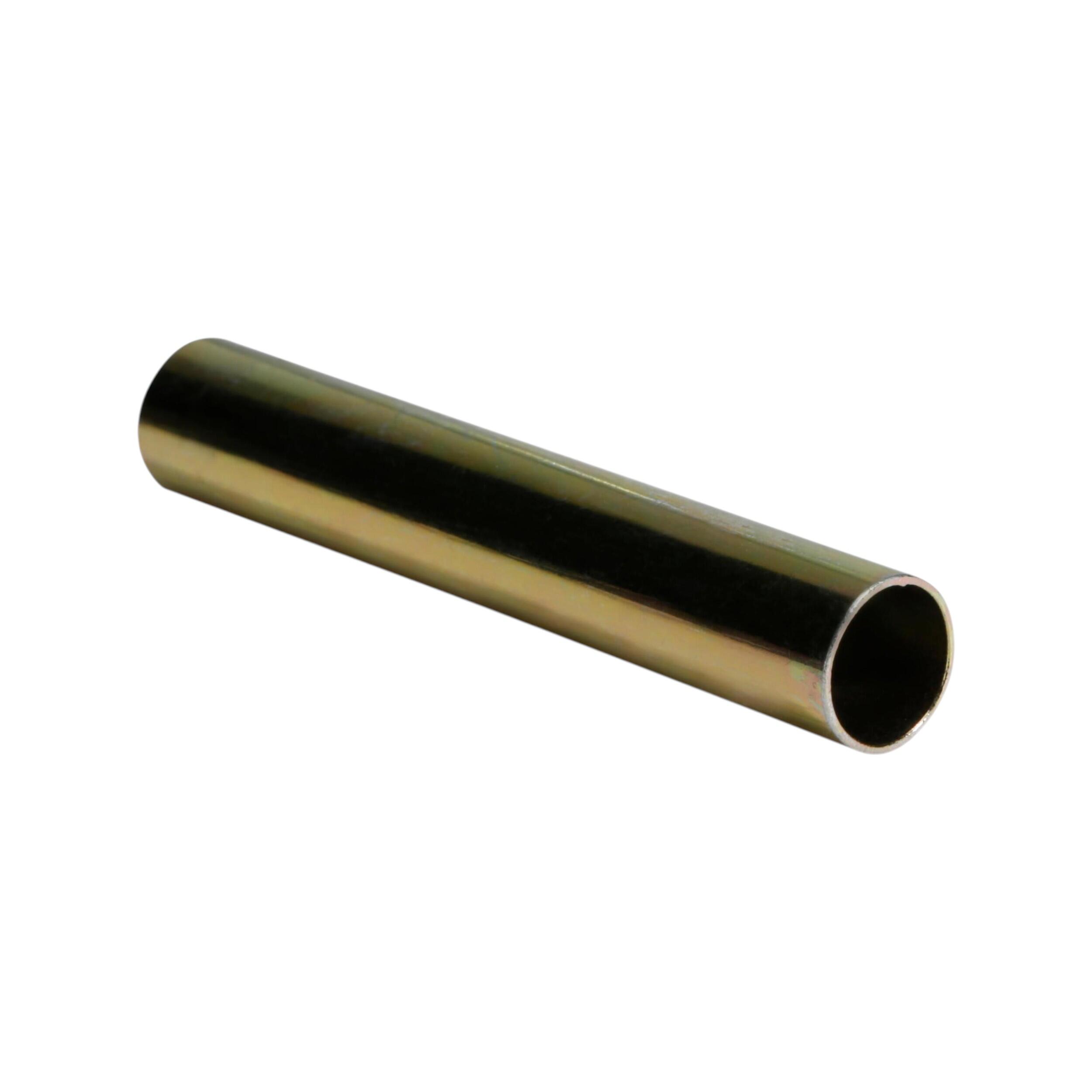
A ferrule is the small metal or plastic collar fitted to the tip of a pole section that slots into the next section or into a junction hub. Over repeated assembly cycles, ferrules can crack, split, or deform enough that the sections no longer lock together securely, leaving the frame to sag or collapse under wind load. It matters because a loose ferrule spreads stress unevenly along the pole shaft, accelerating fatigue cracking at the joint. Run your thumb around each ferrule before every trip; any roughness, visible splitting, or noticeable wobble between sections is a clear sign to swap it before pitching. Keeping a couple of spare tent ferrules in the repair kit costs very little and can save a frustrating setback at the campsite. Match the outer diameter of the ferrule precisely to your pole, as even a 0.5 mm mismatch leaves it either loose or unable to seat at all.

When should I replace an inner tent rather than repair it?

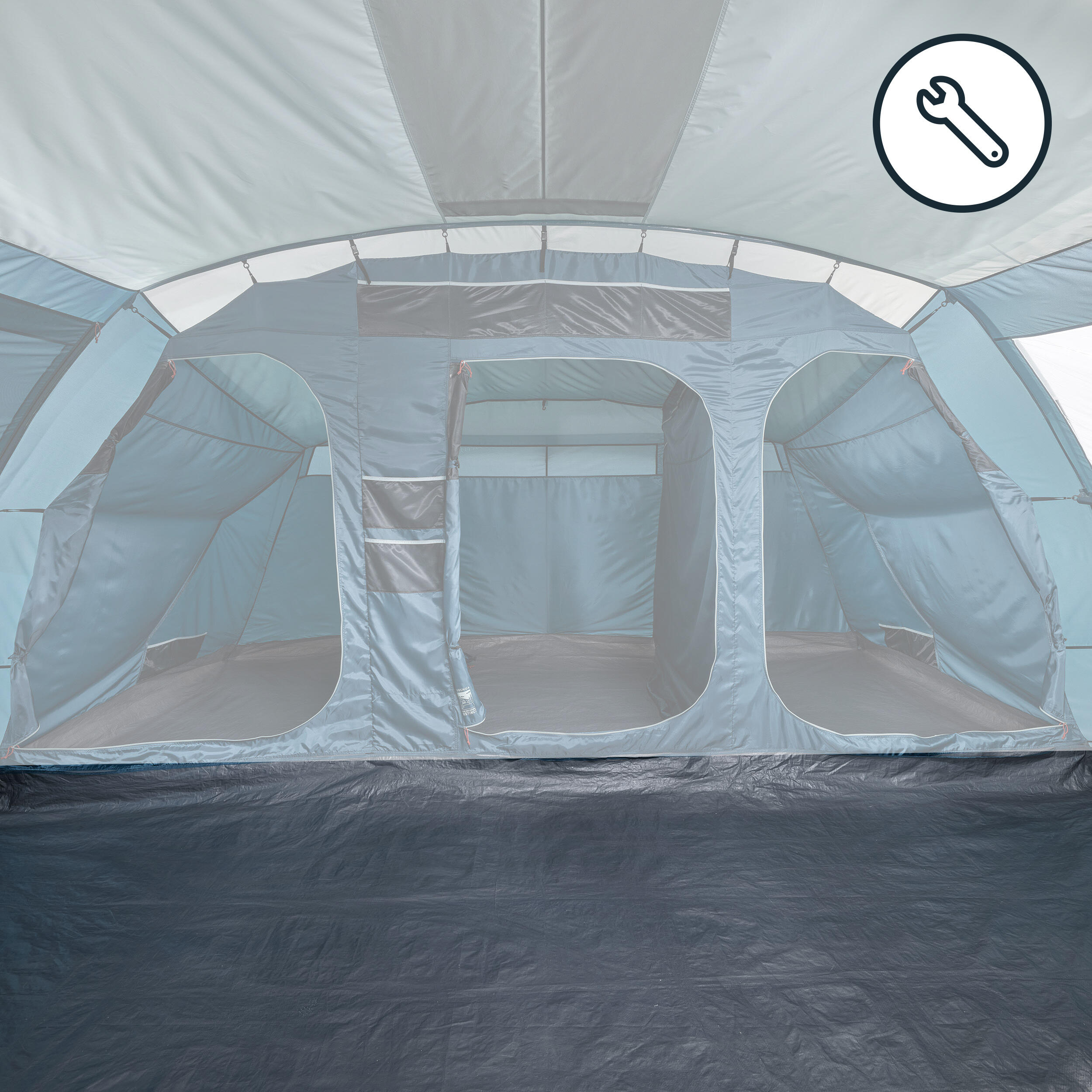
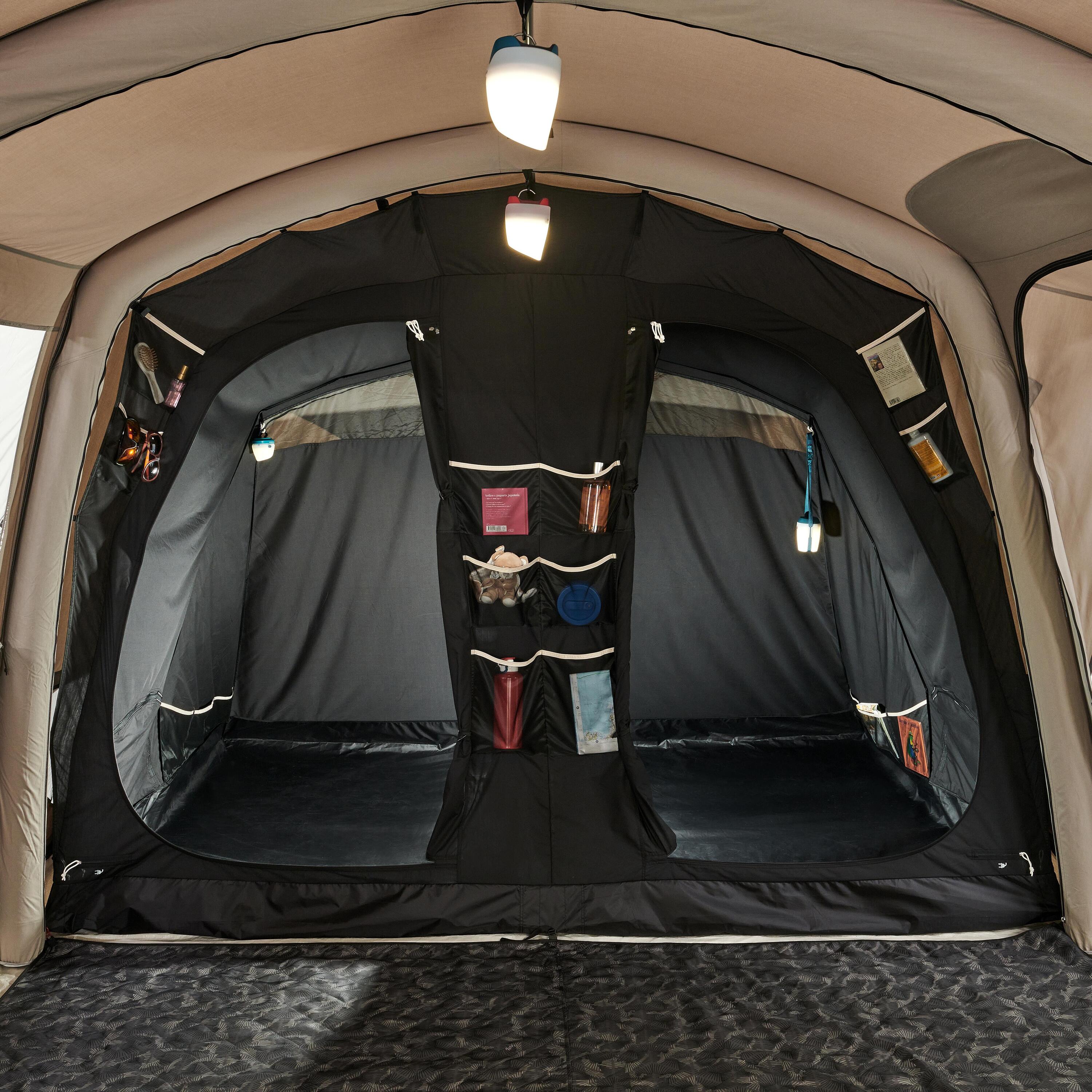
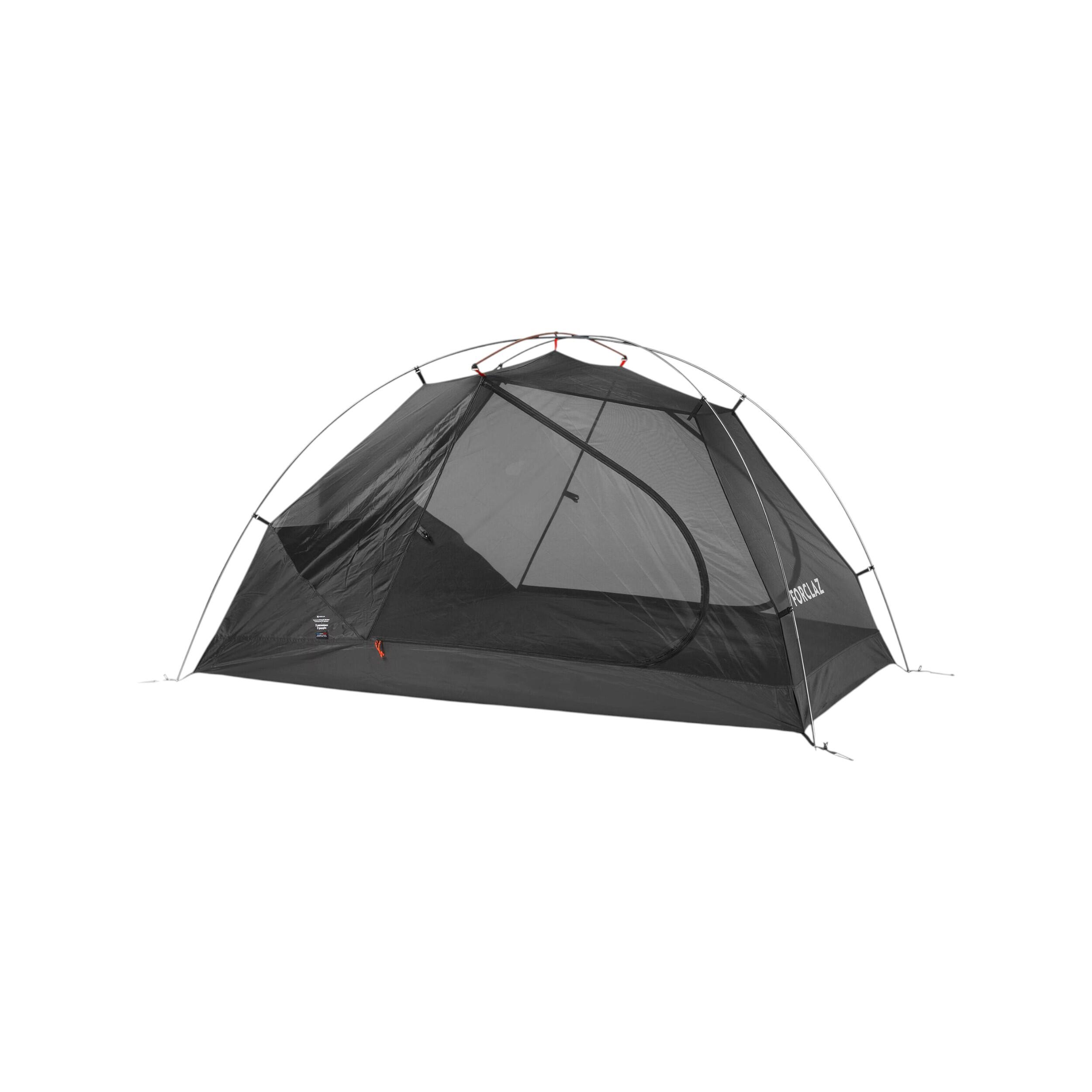
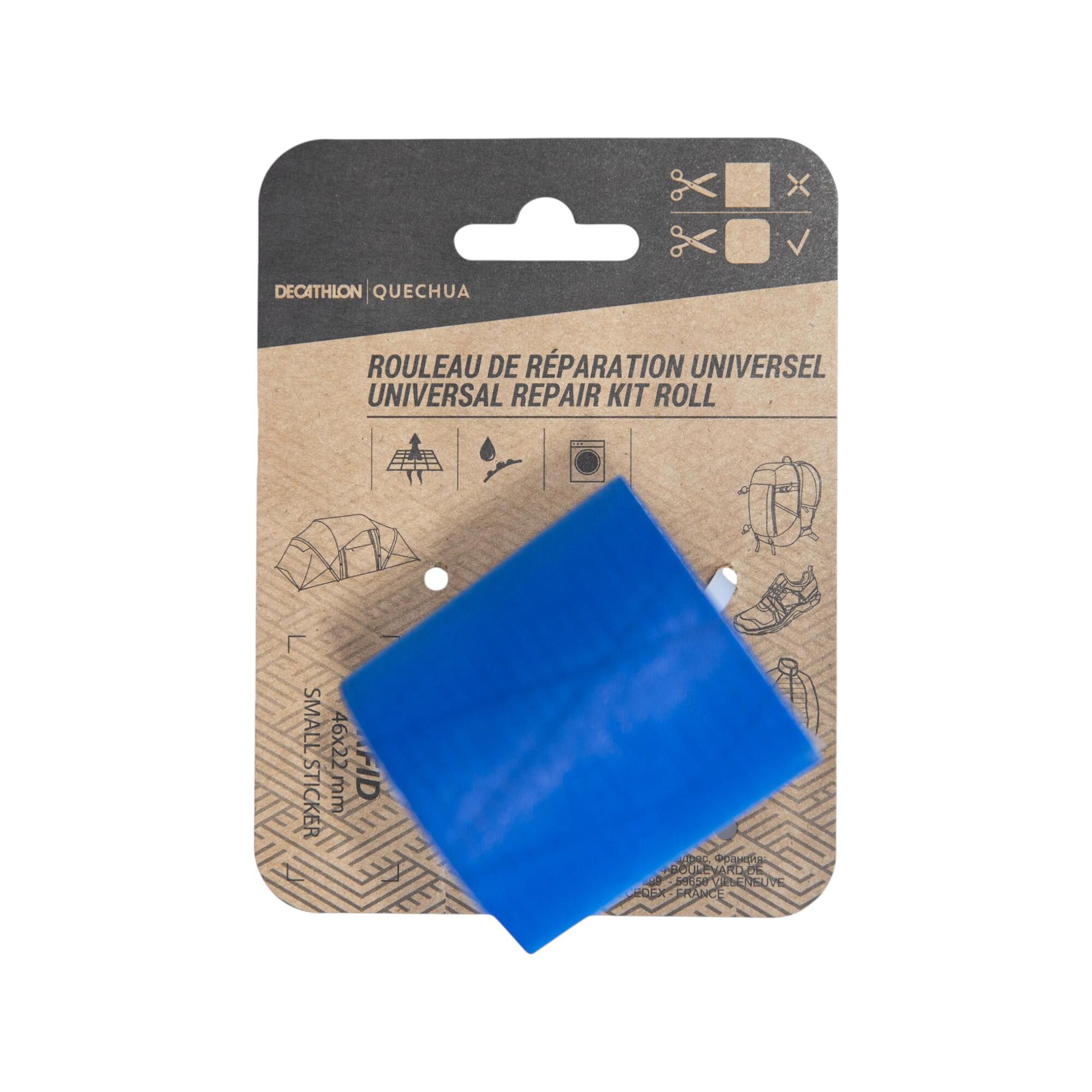
Small punctures or minor mesh tears in an inner tent can usually be patched with adhesive repair tape, but there are times when a full replacement is the more practical call. If the sewn-in groundsheet has delaminated along a seam, or the zip runner has separated from the fabric rather than just sticking, a patch is unlikely to hold under repeated use. A separate inner also becomes the right choice when you want to turn a two-person shelter into a larger sleeping setup, or when you're adapting a shell you already own for a different season. Spare inner tents are model-specific across most Quechua and Forclaz ranges, so cross-reference your tent's model number before buying to confirm compatibility. A correctly fitted inner also preserves the ventilation gap between the inner and the flysheet, which is what stops condensation soaking your sleeping bag overnight.

How do guy ropes affect tent stability in strong wind?

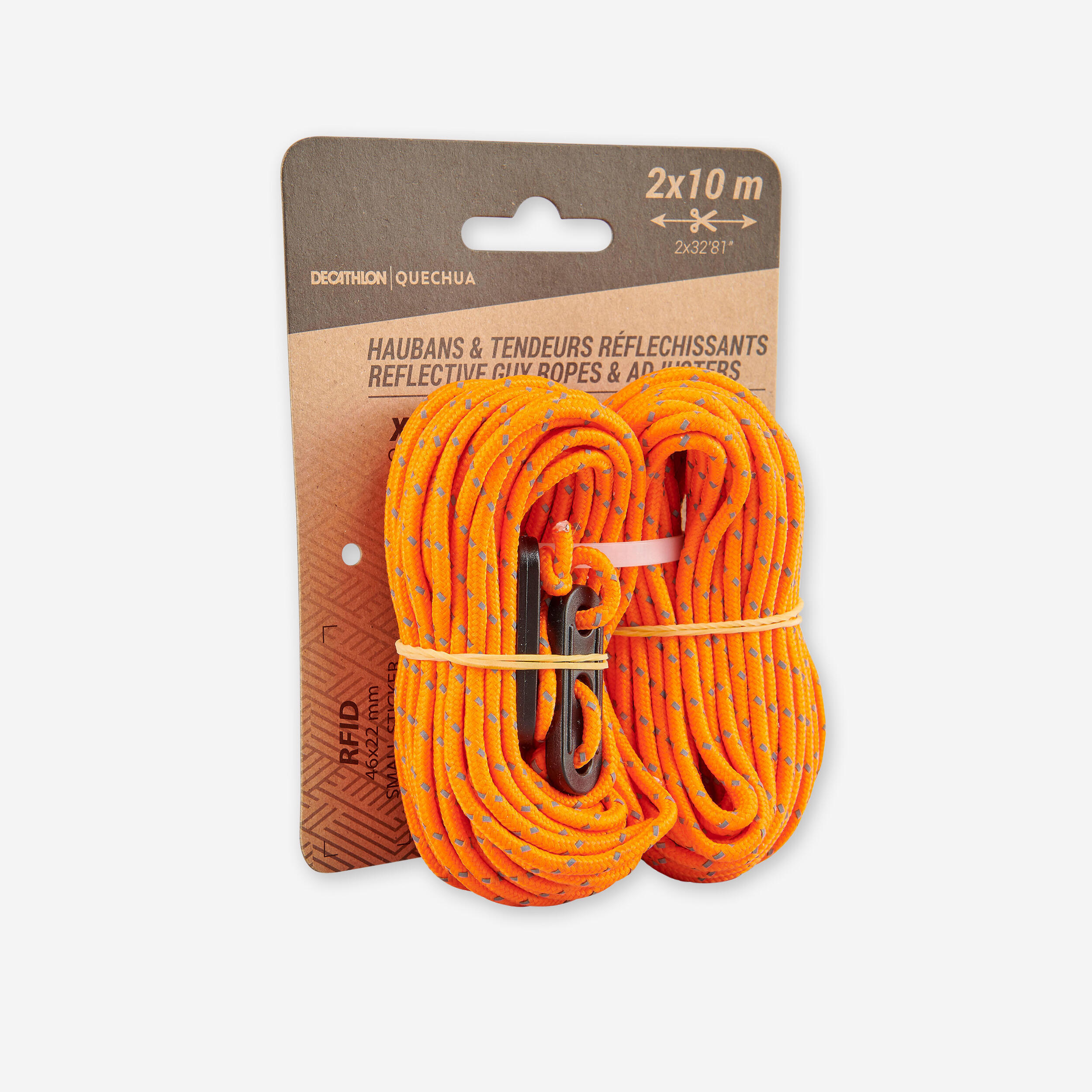
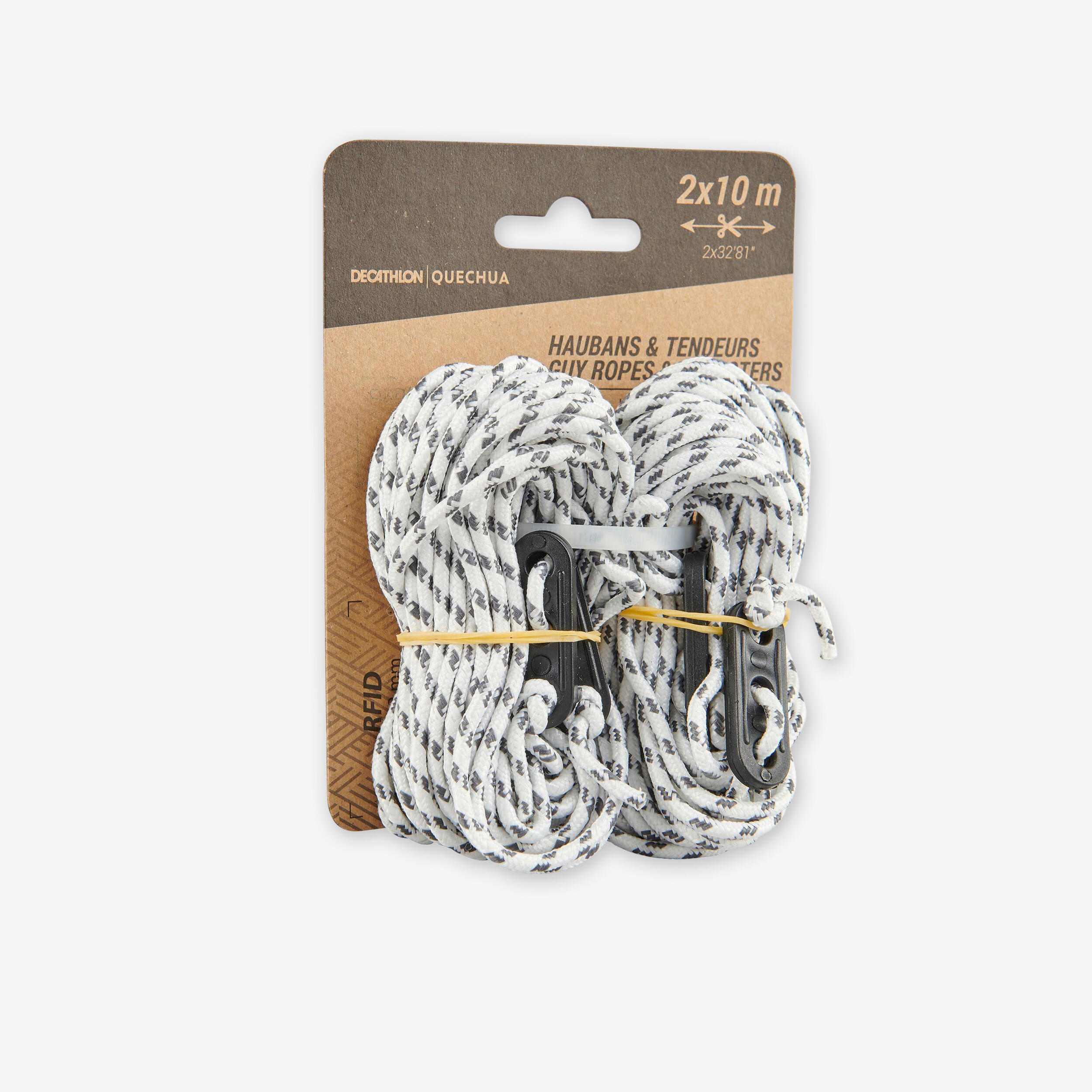
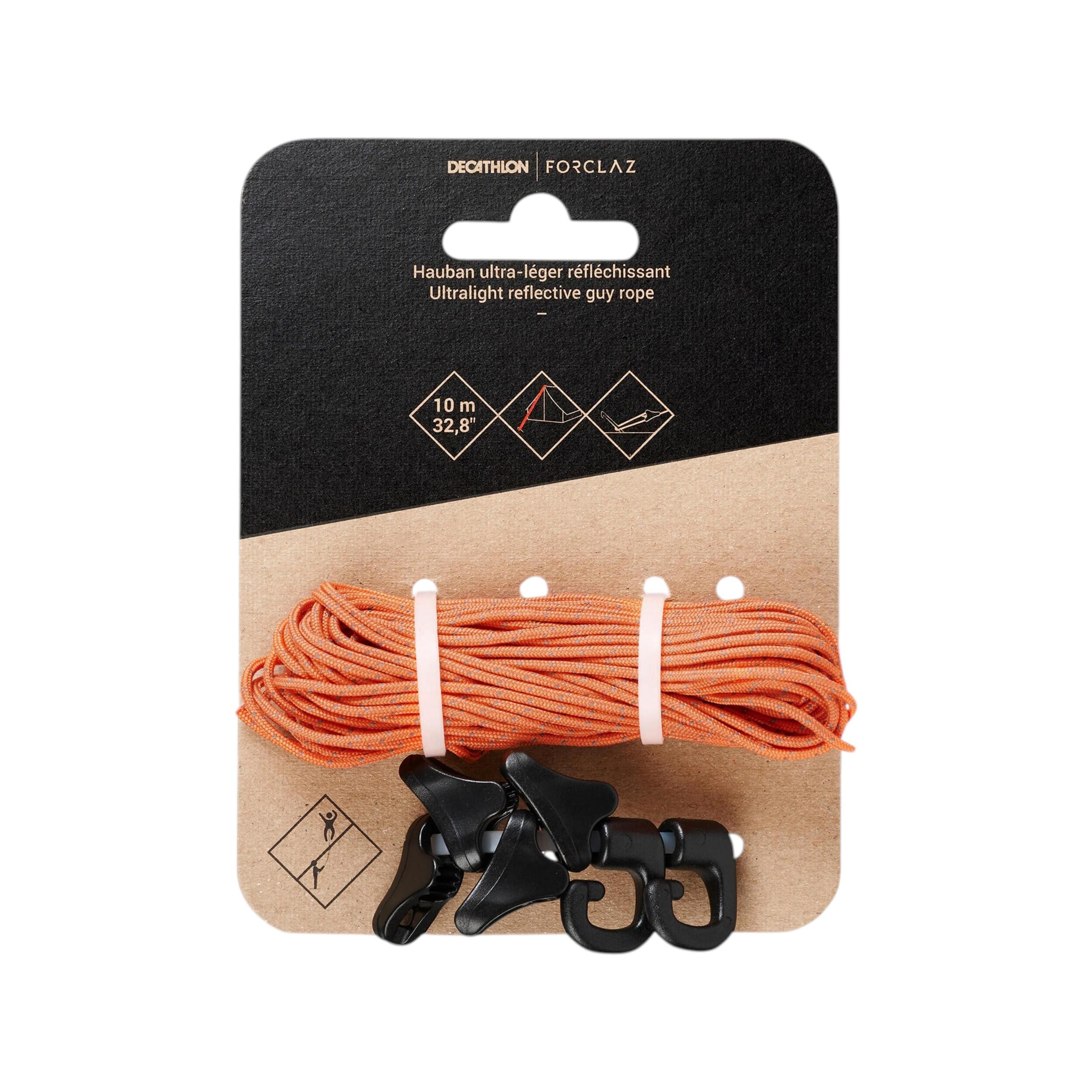
Guy ropes transfer the lateral load that wind puts on the flysheet and poles down into the ground anchors, cutting the bending stress on the pole structure significantly. Without taut guy ropes, a freestanding tent relies entirely on its poles to resist that sideways force, which puts repeated strain on the ferrule joints and pole bases. The rope angle matters too: a line set at roughly 45 degrees from the attachment point to the peg gives the most efficient load path, whereas a near-vertical line offers very little lateral resistance. On soft ground, use a longer peg at a slightly outward angle so the tension pulls it deeper rather than levering it out. Our guy ropes in pre-stretched polyester or Dyneema resist the sagging that comes with overnight humidity, so you won't wake up to a slack, flapping flysheet after a damp night. In exposed or elevated spots, stake out every available guy point, not just the four corners.
What's the difference between a tent groundsheet and a camping groundsheet?

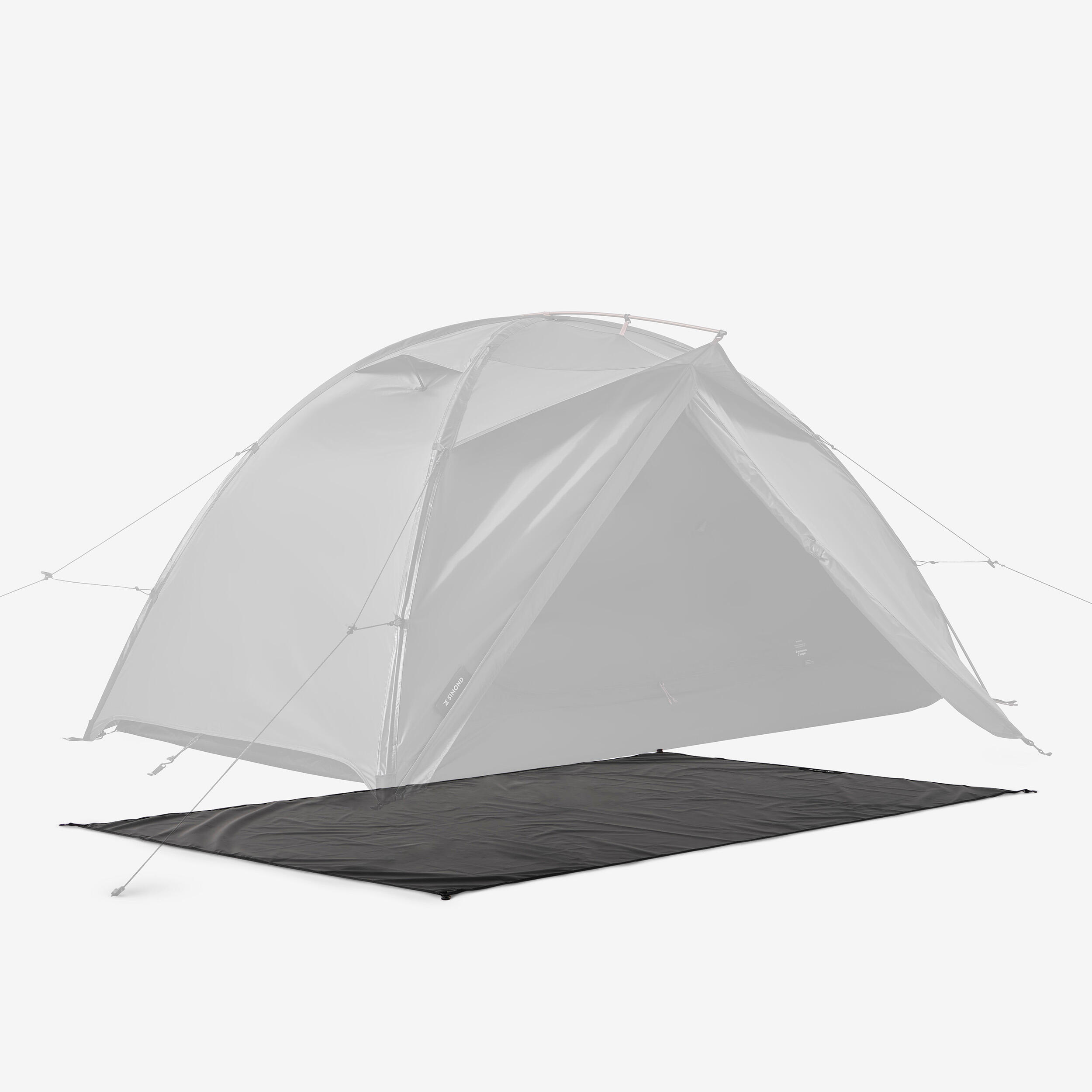
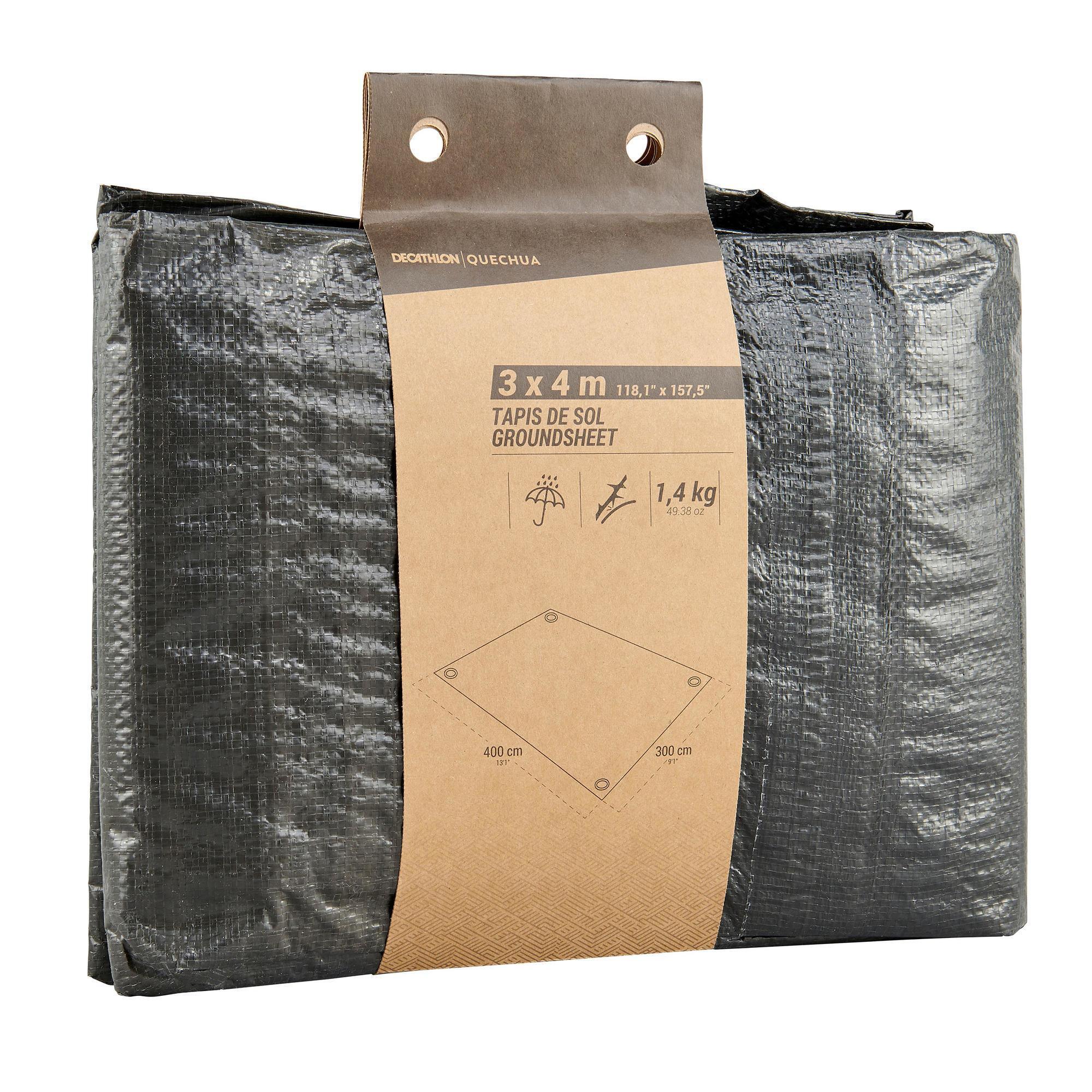
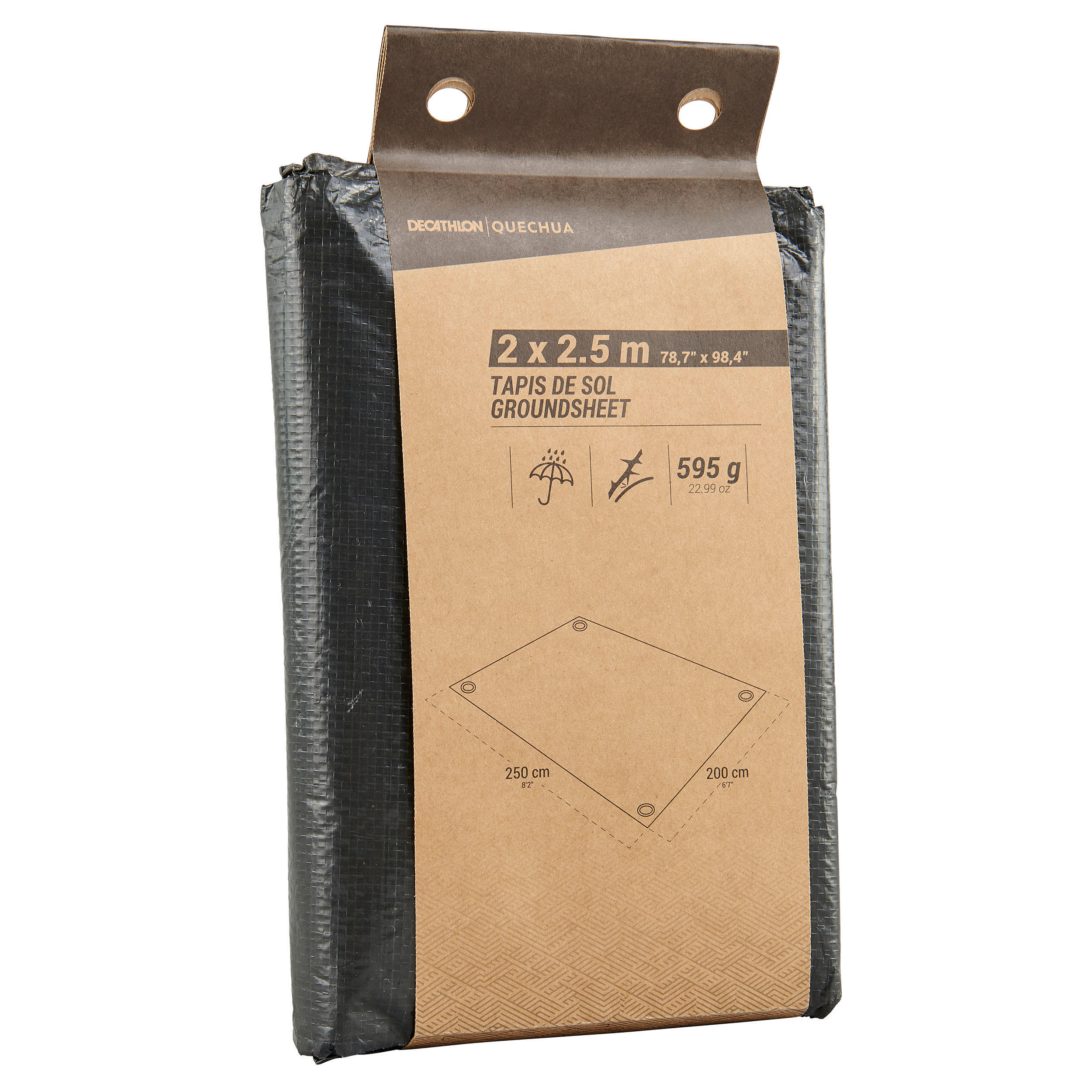
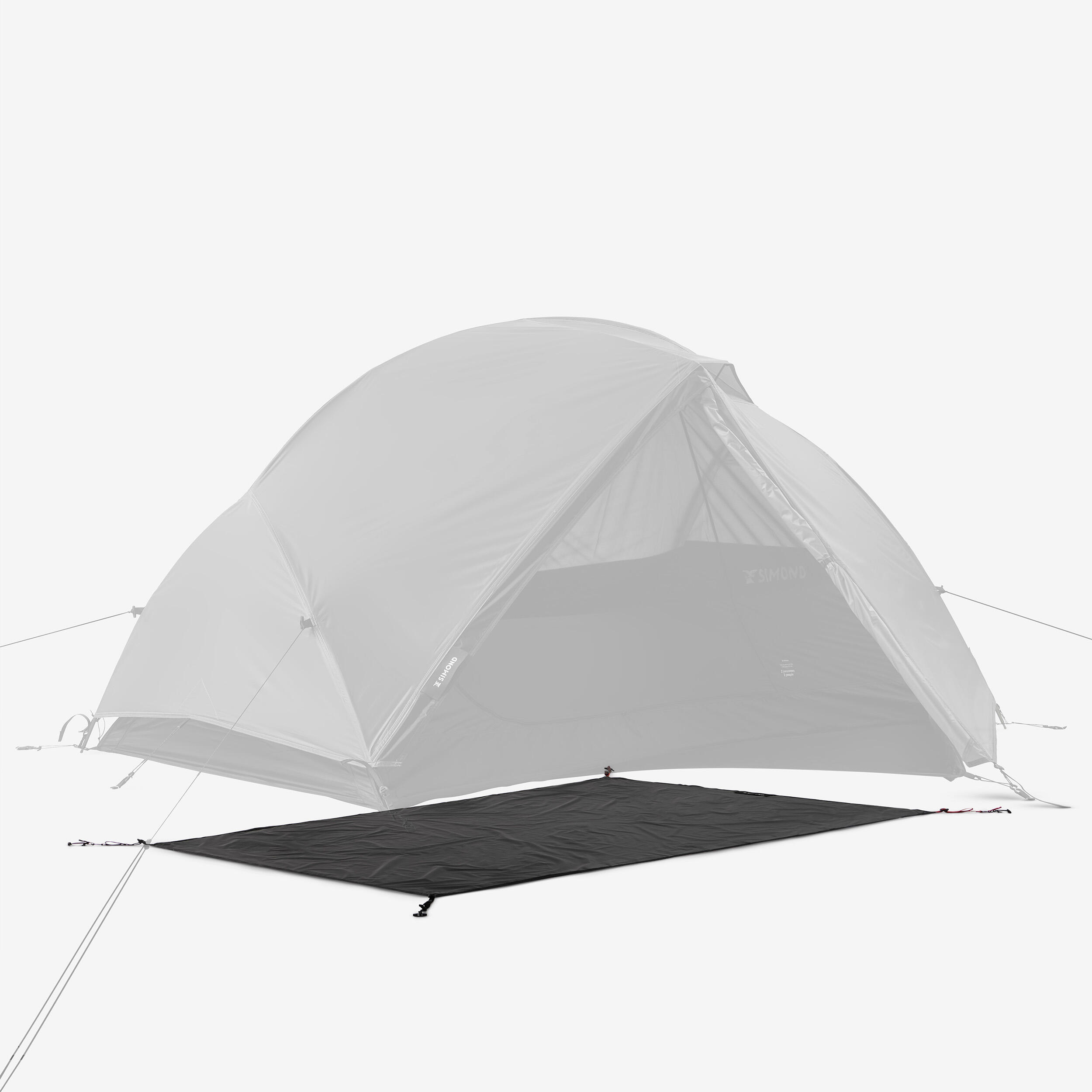
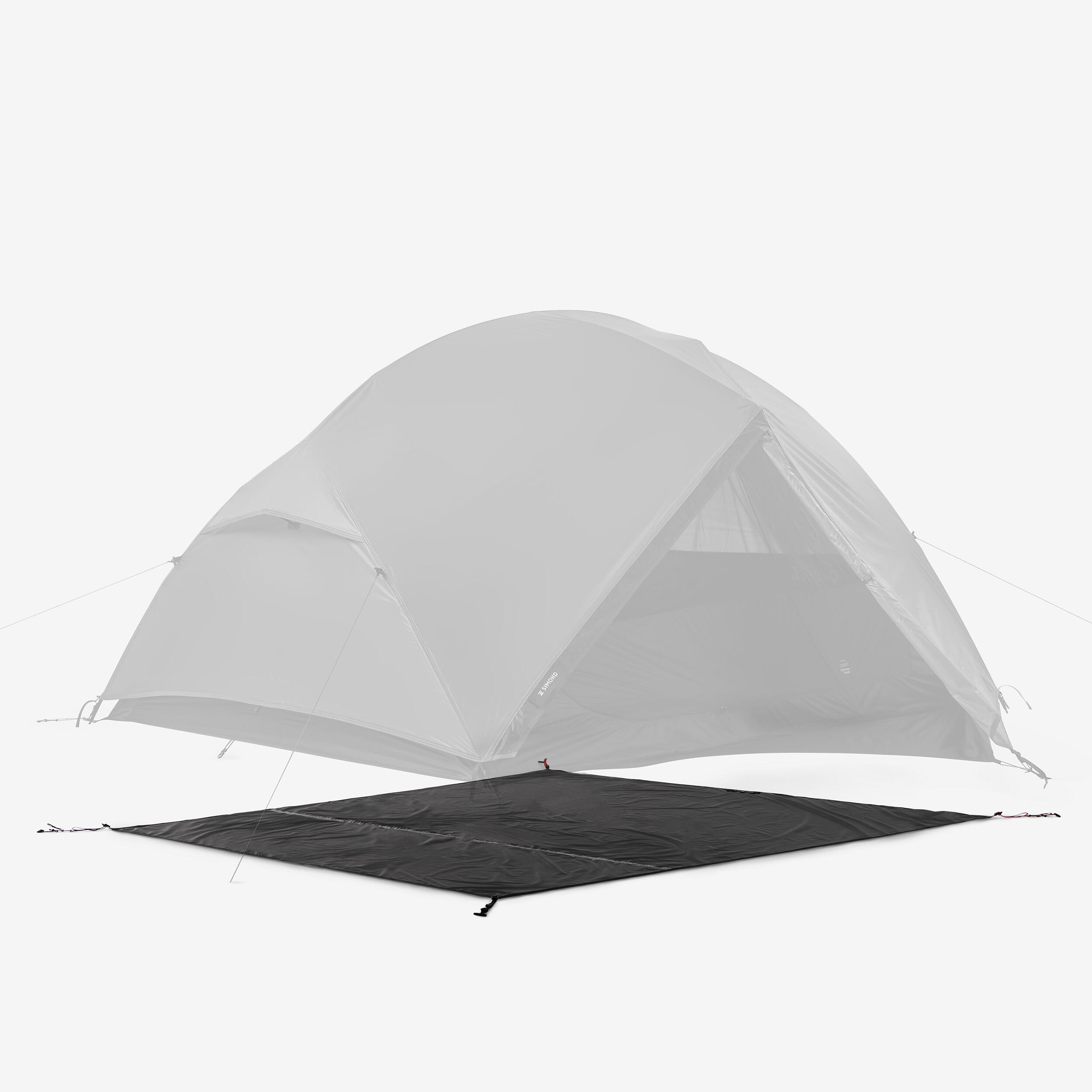
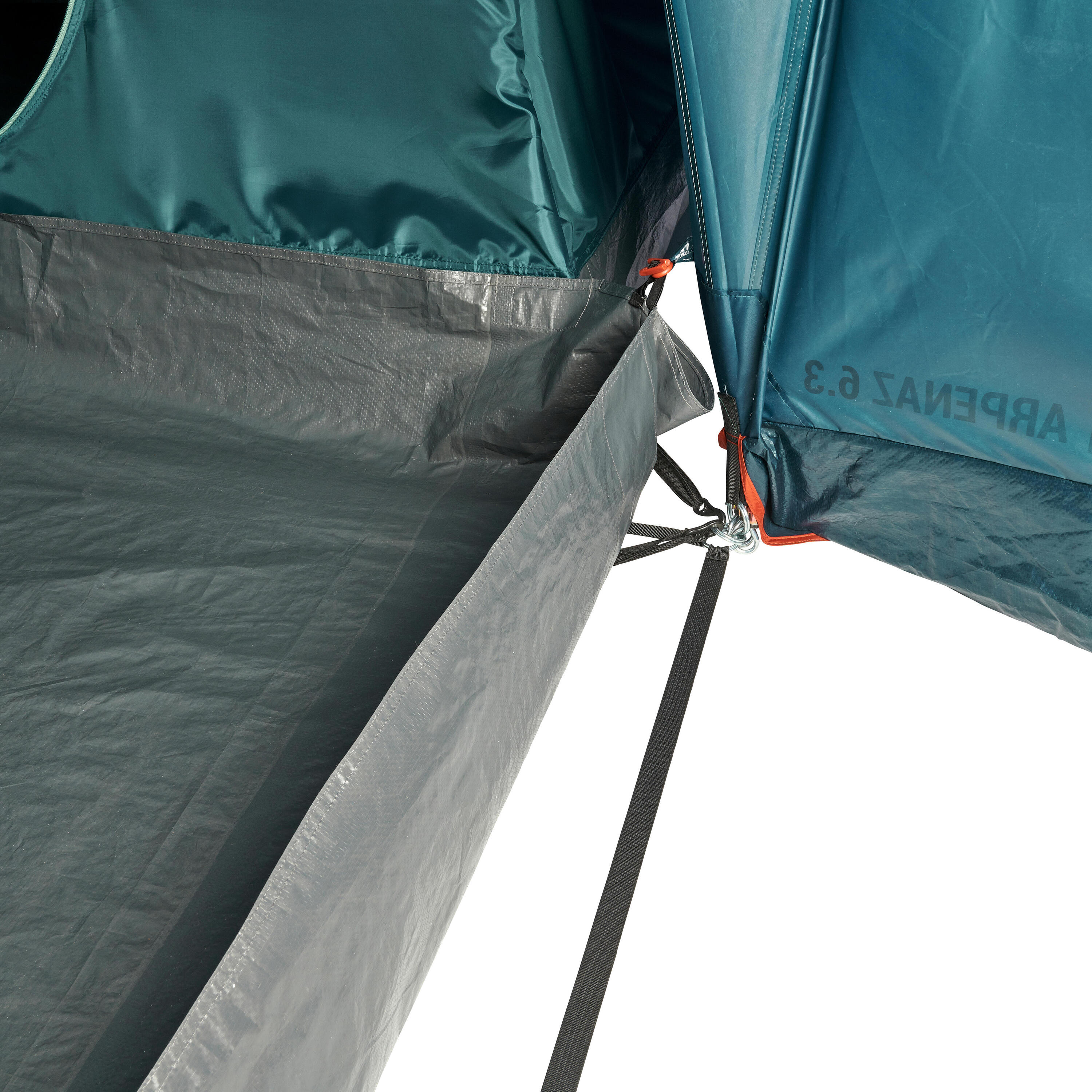
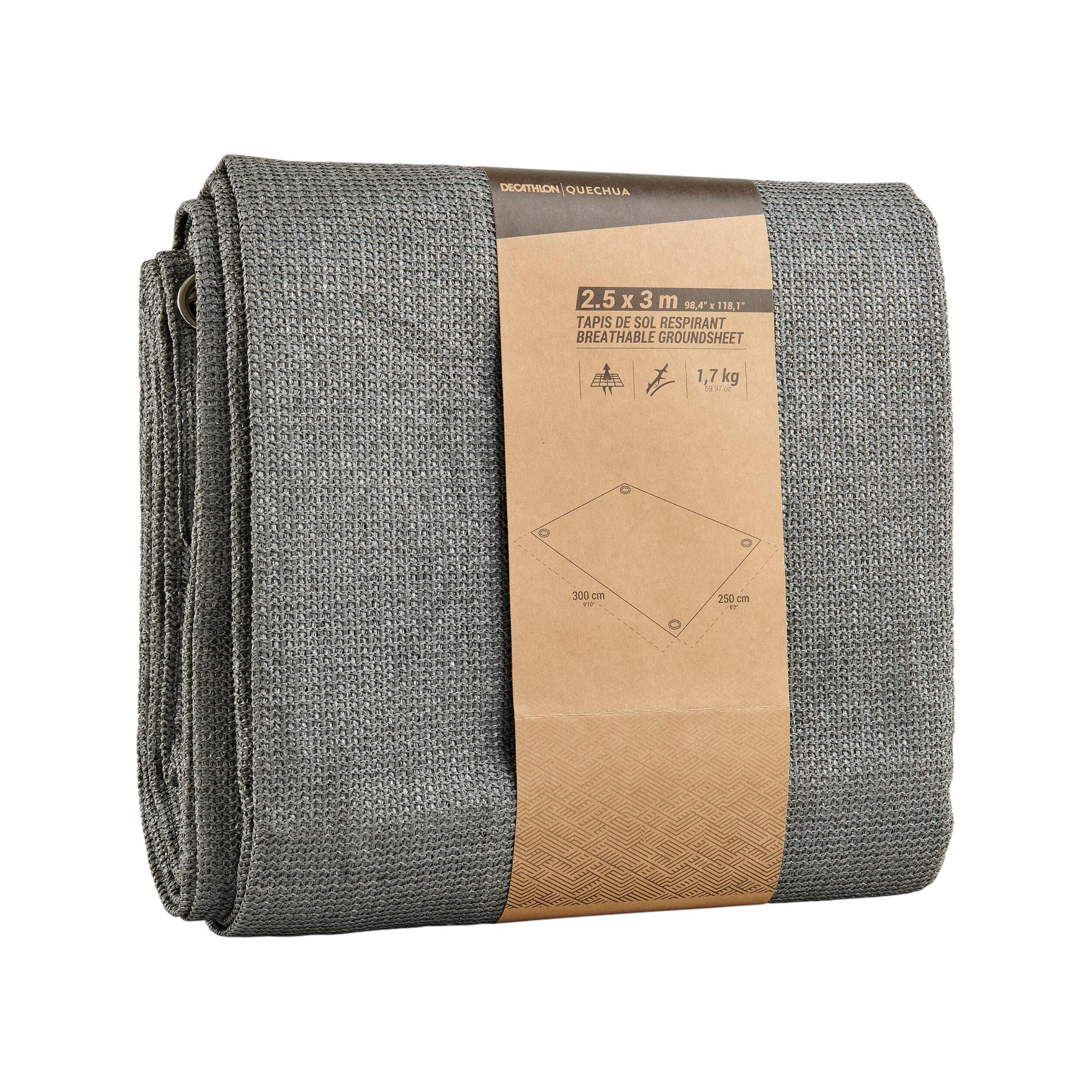
A sewn-in groundsheet is fixed to the inner tent and forms part of the waterproof bathtub floor, whereas a standalone footprint or camping groundsheet is a separate protective layer placed underneath the whole tent. The footprint does a different job: it takes the abrasion from stones and roots so the tent floor itself doesn't wear through, and it stops damp wicking upward through the fabric on wet ground. Used together, the two give the most complete protection. Footprints are usually cut slightly smaller than the tent's outer perimeter, so rainwater running off the flysheet can't pool between the footprint and the floor and force moisture up through the groundsheet seams. For solo campers or anyone watching pack weight, a lightweight polyethene footprint adds very little but can noticeably extend the life of a tent floor, especially on rocky or gritty pitches where abrasion wears fabric fast.