48 items
4.7/5 based on 3422 reviews collected online and in stores

Saltwater Spoons FAQs

What movement does a casting jig create as it falls?

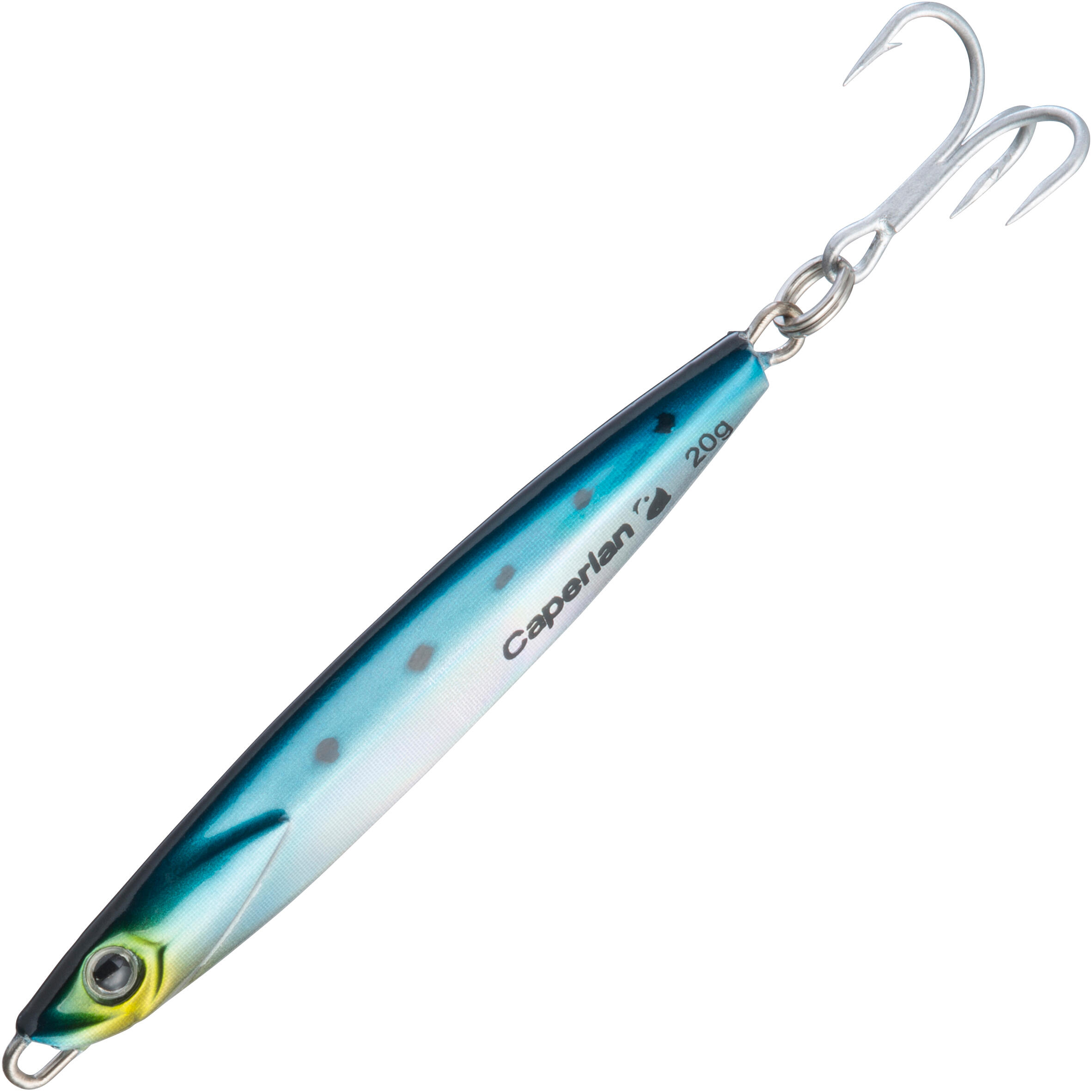
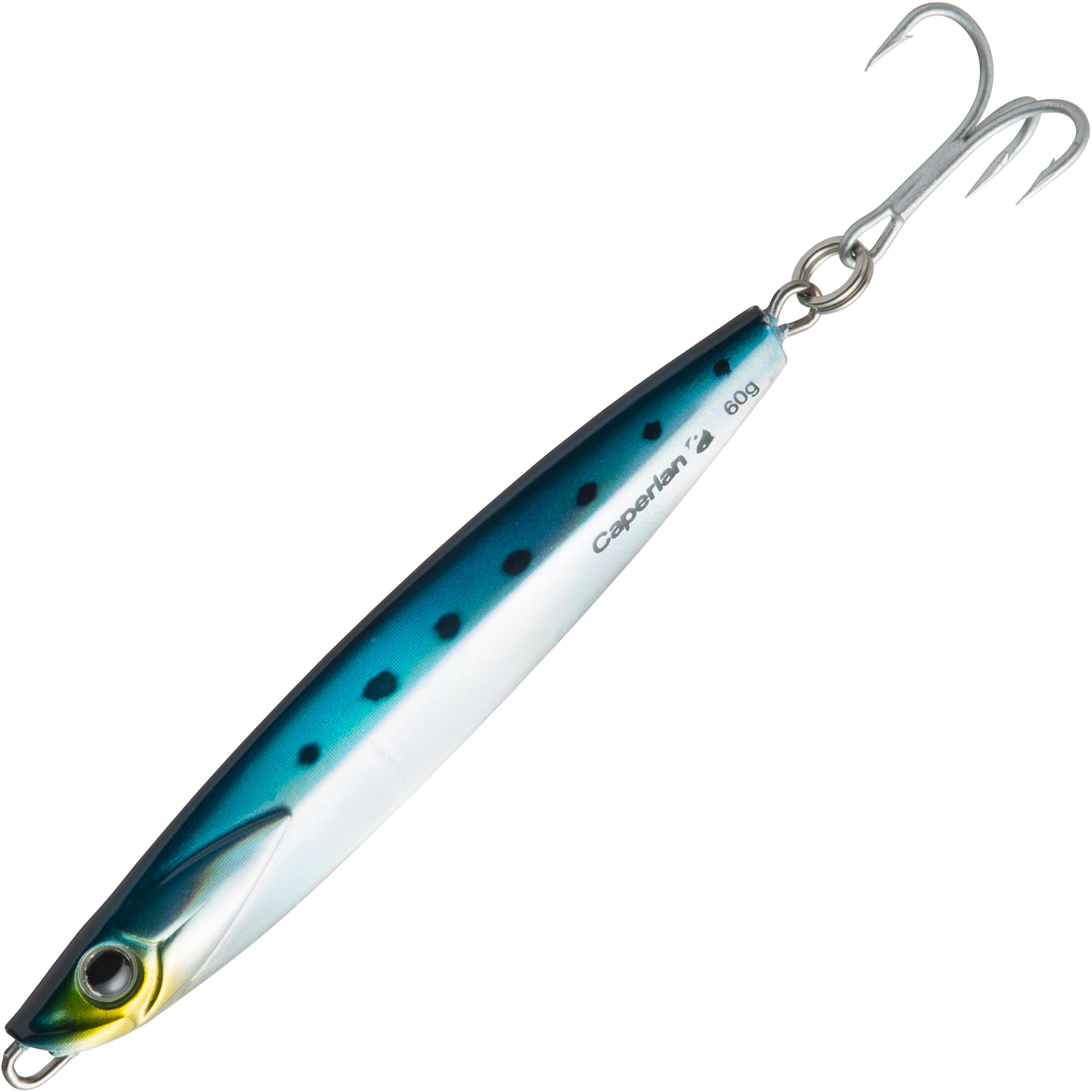
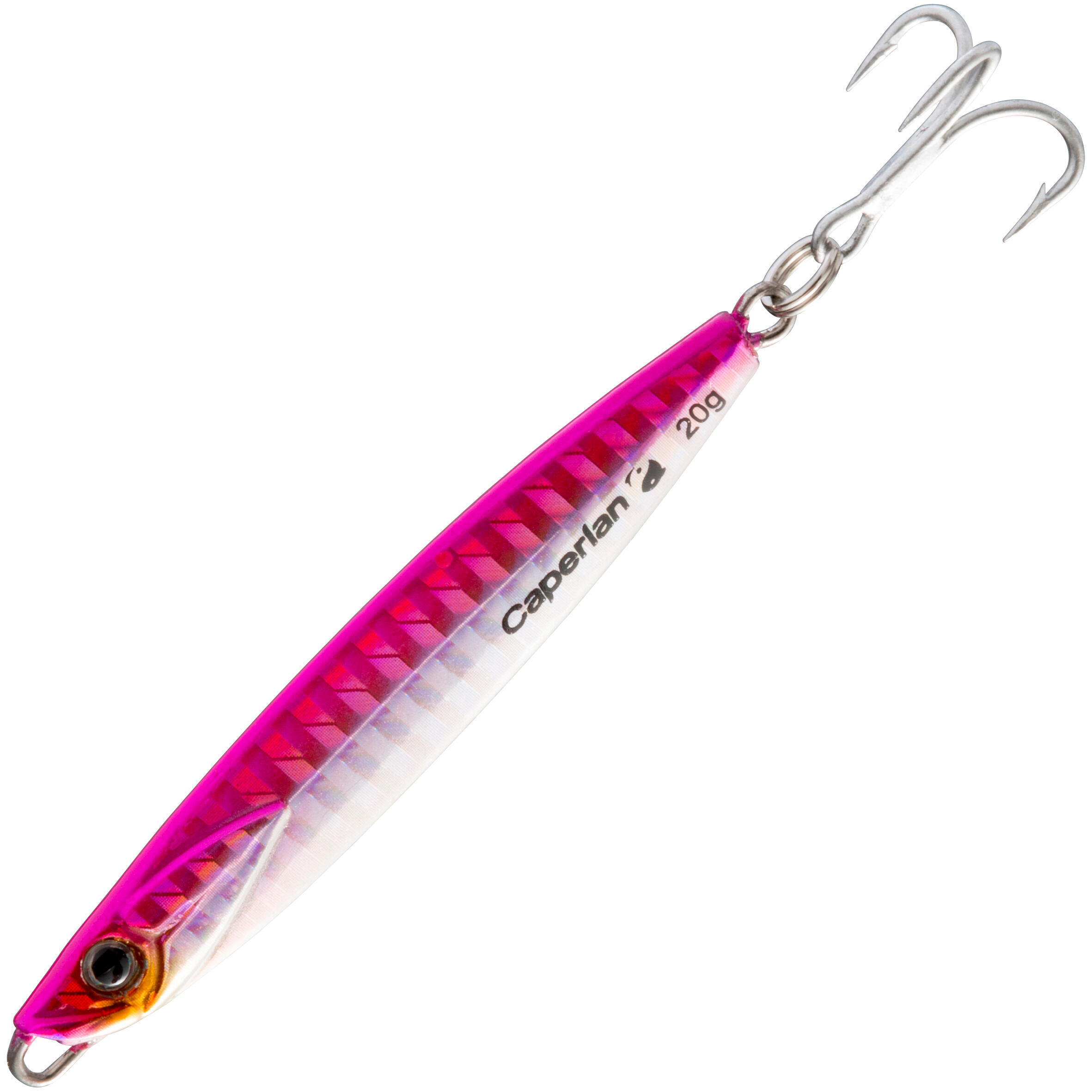
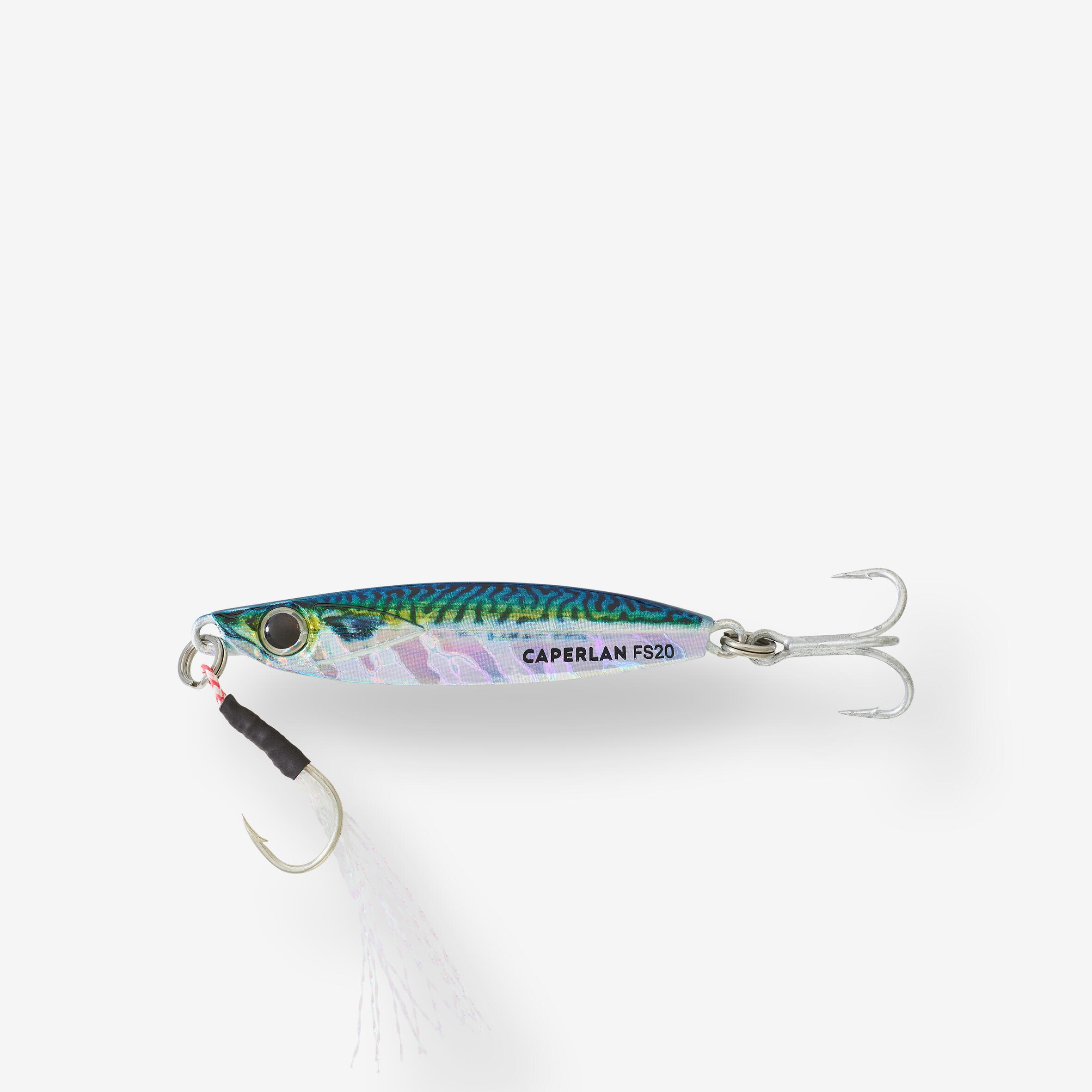
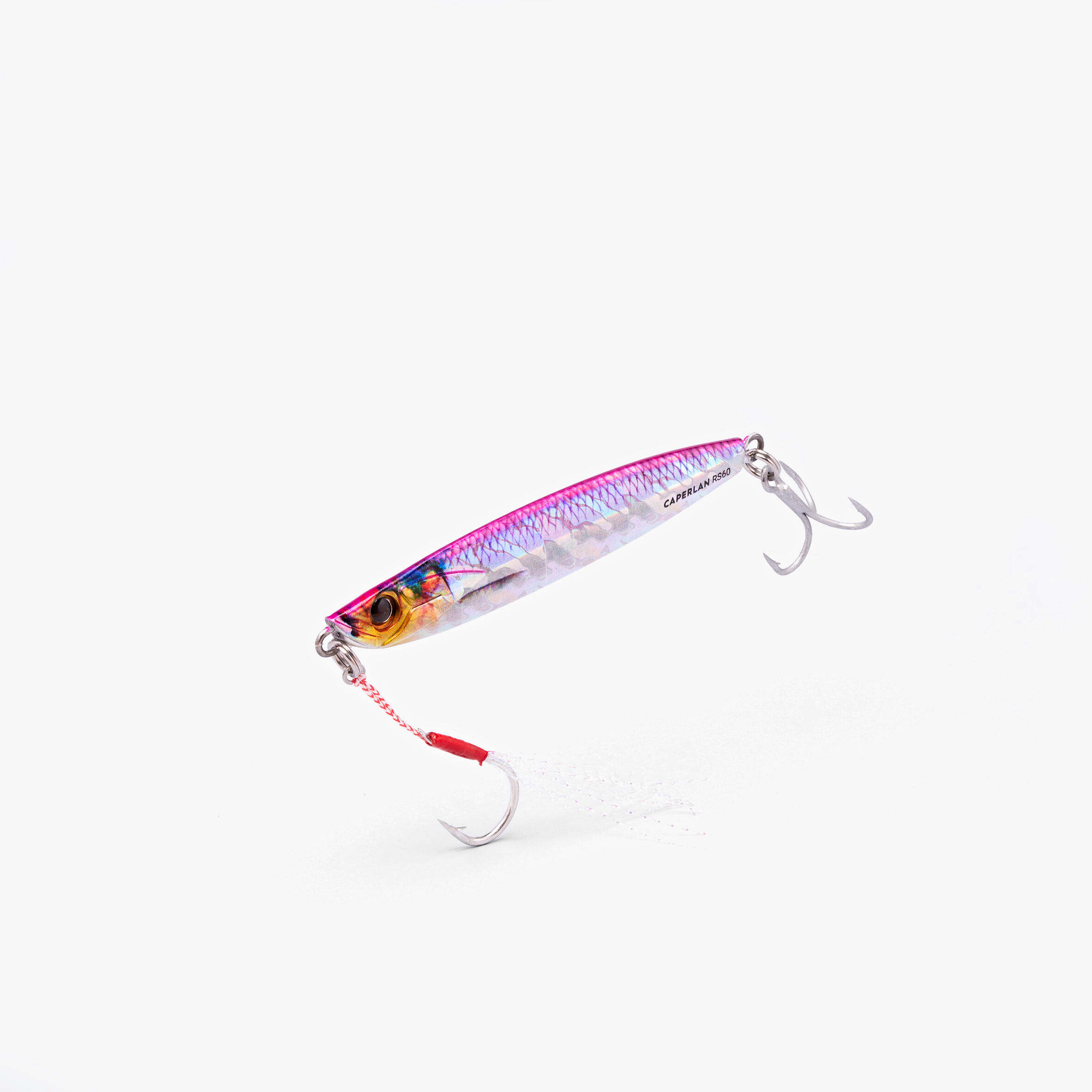
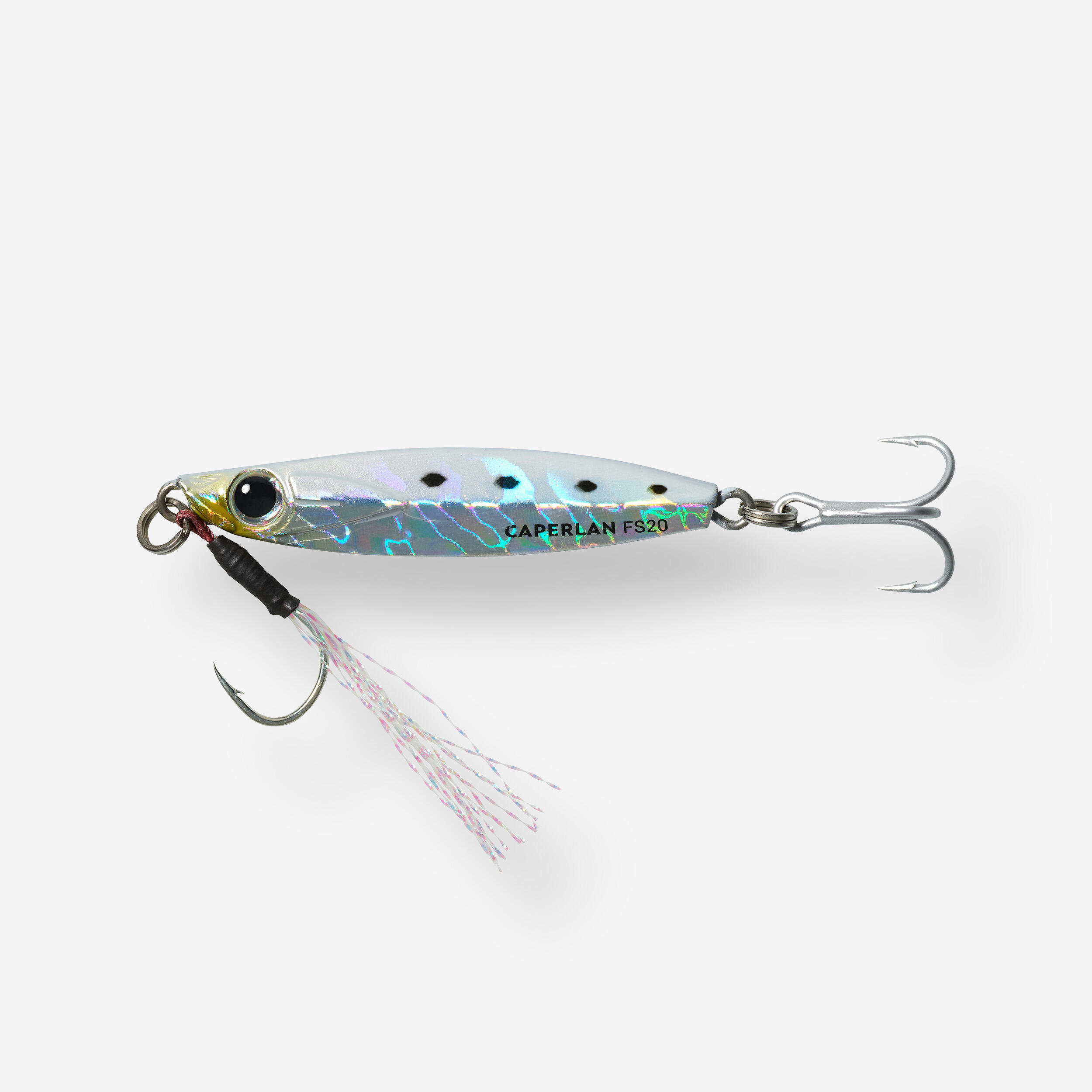
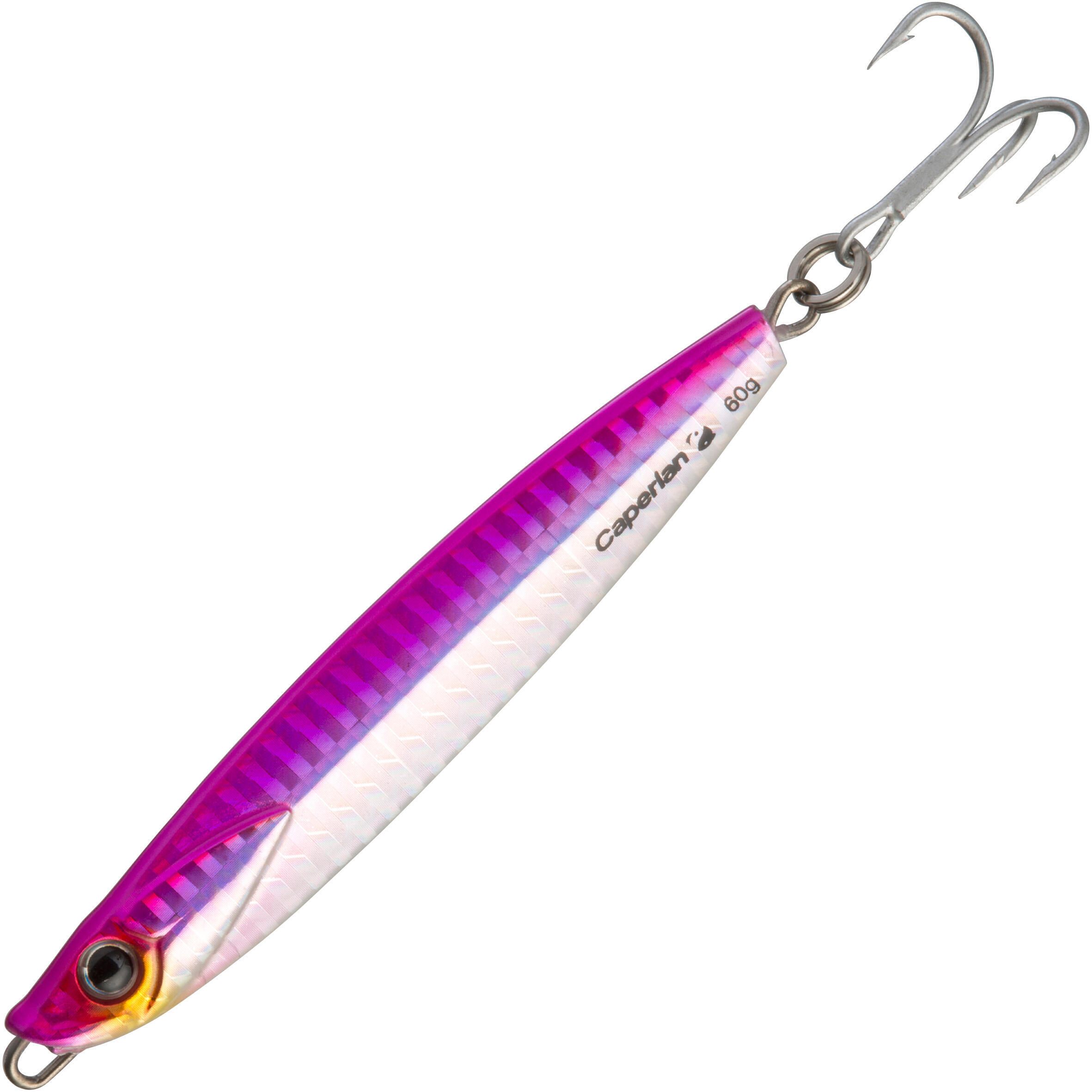
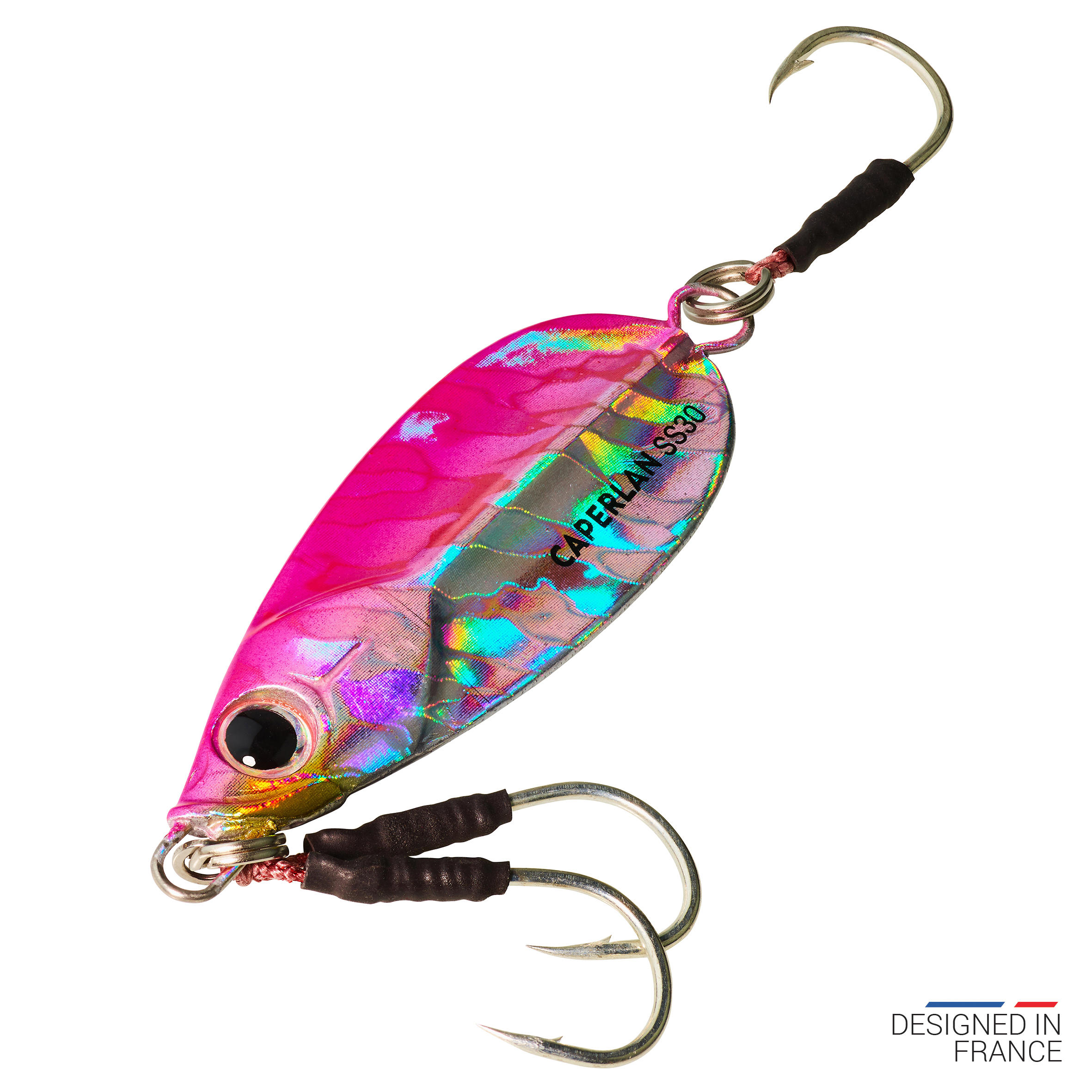
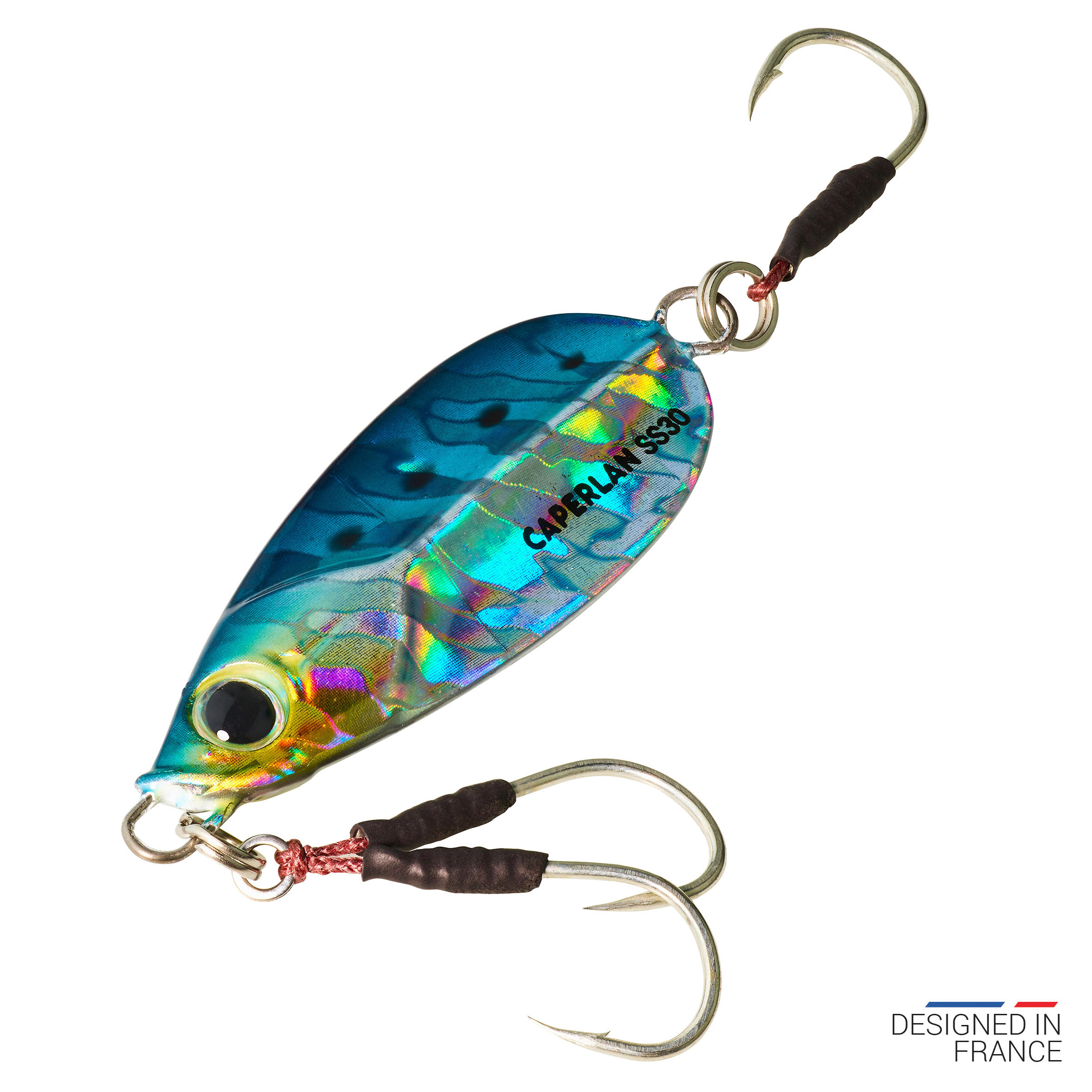
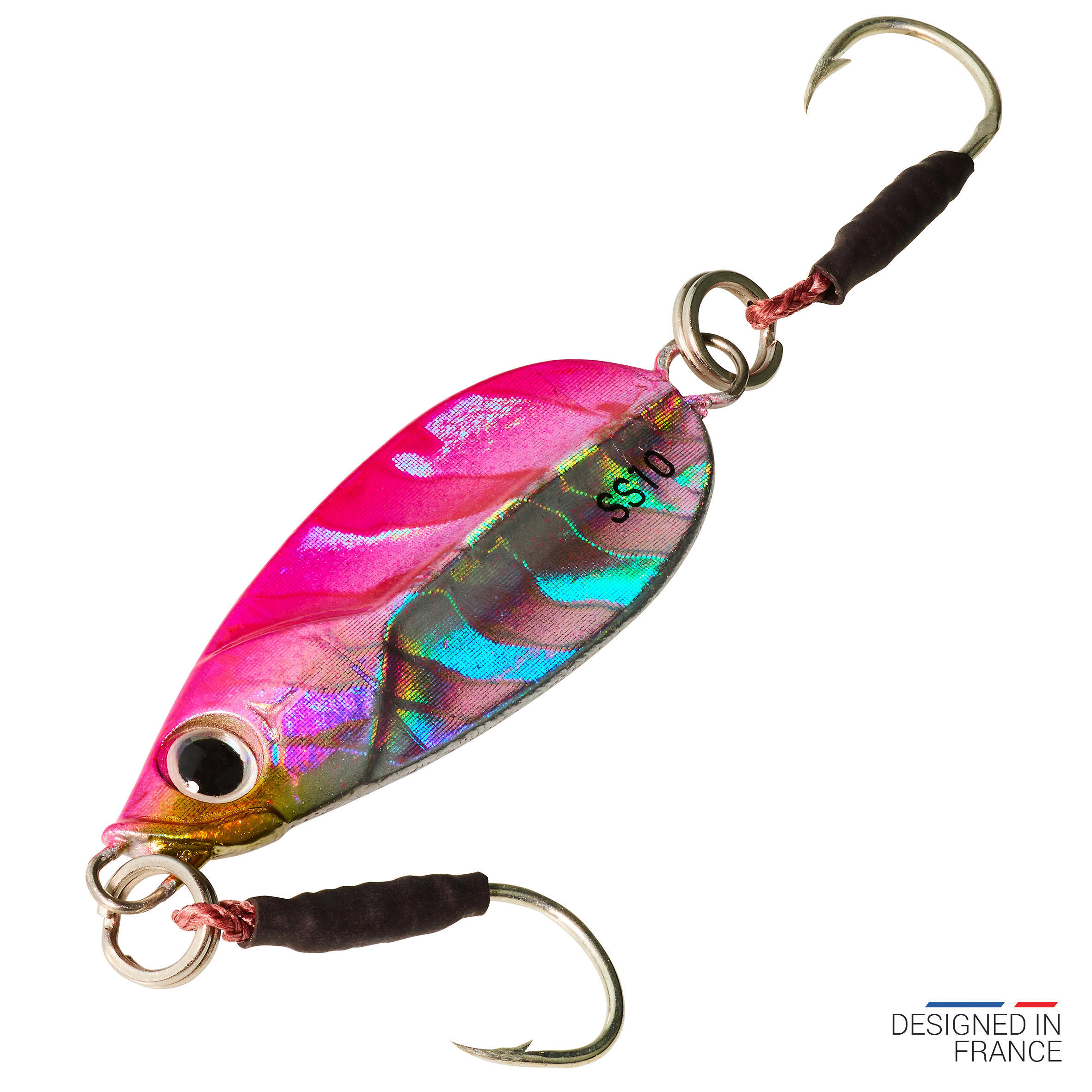
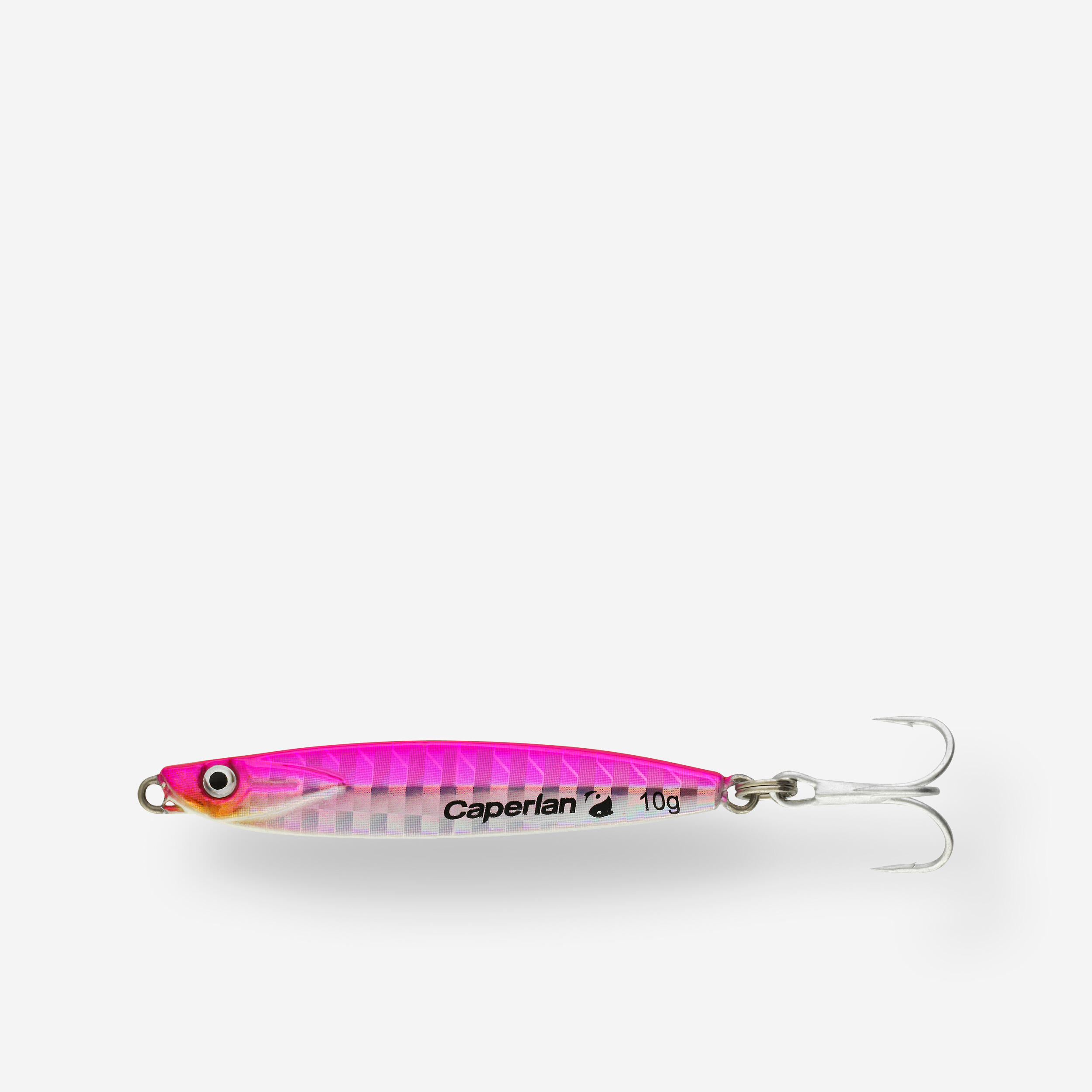
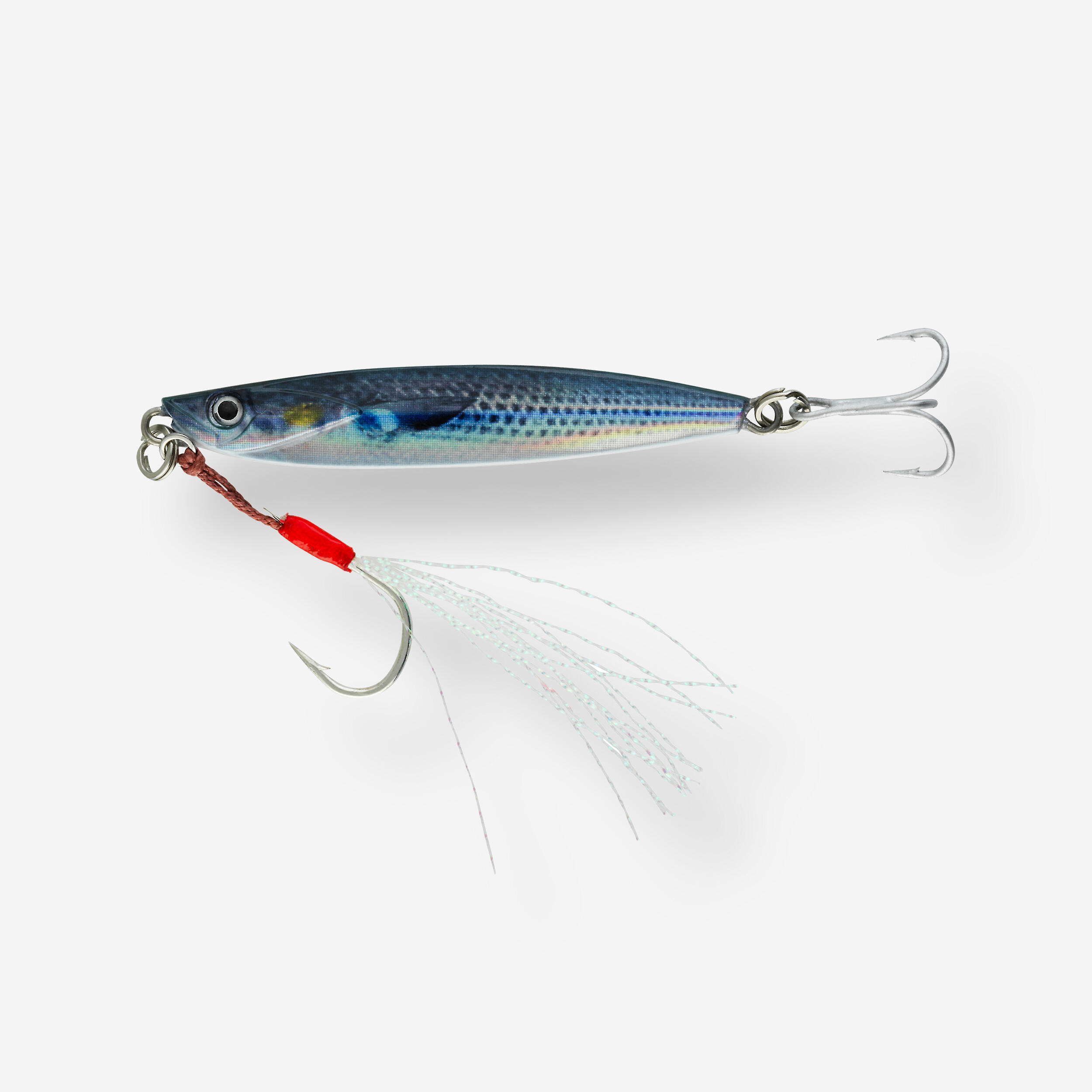
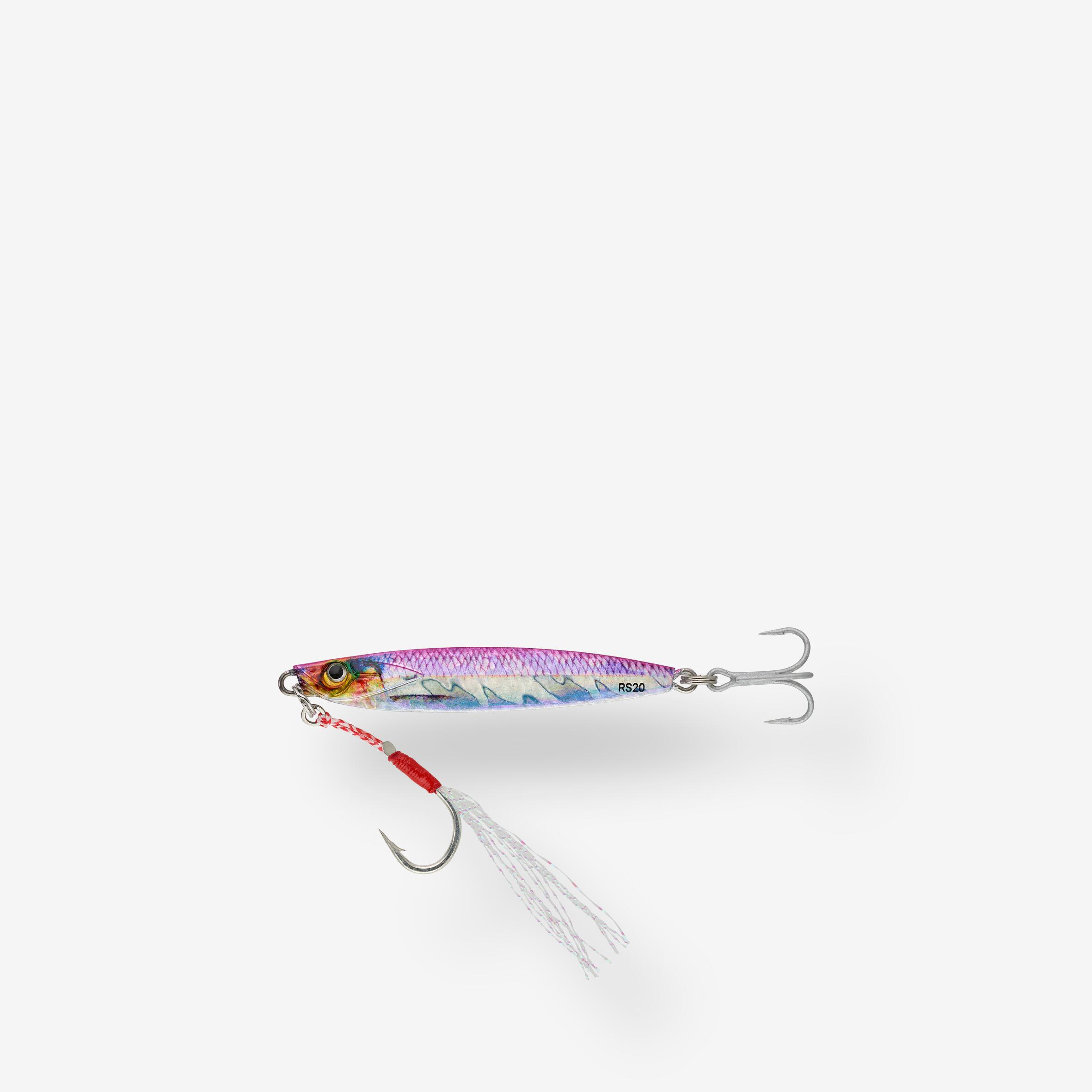
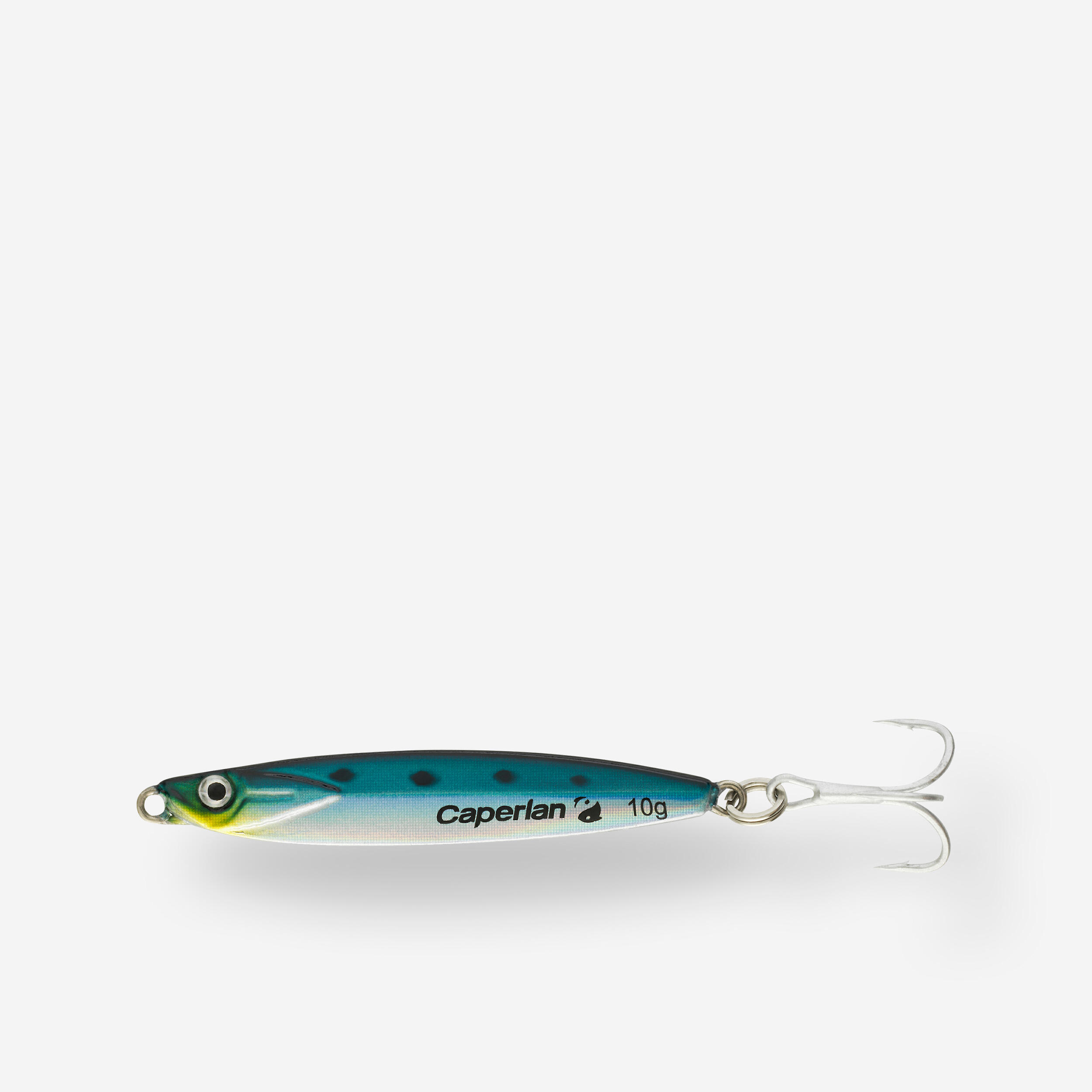
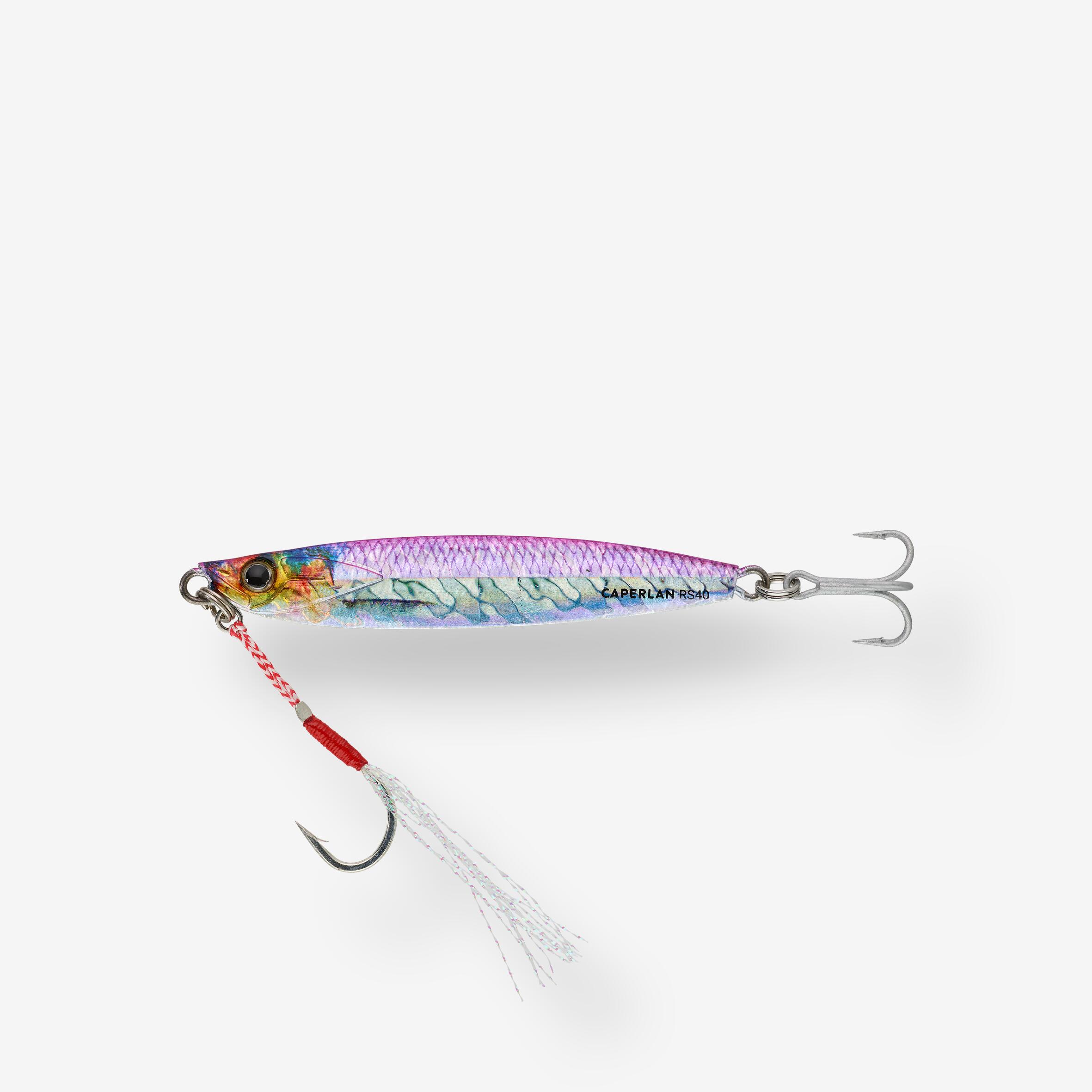
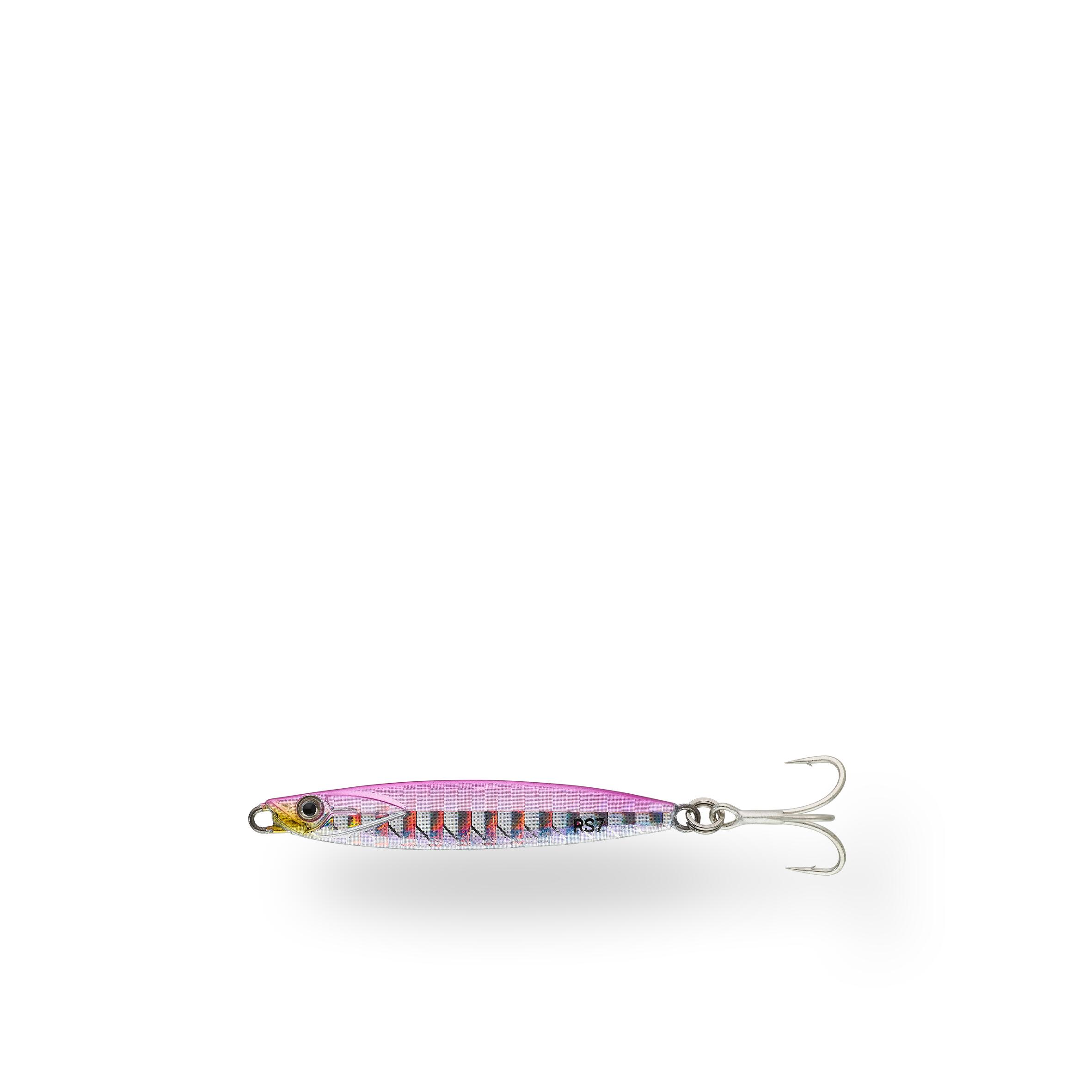
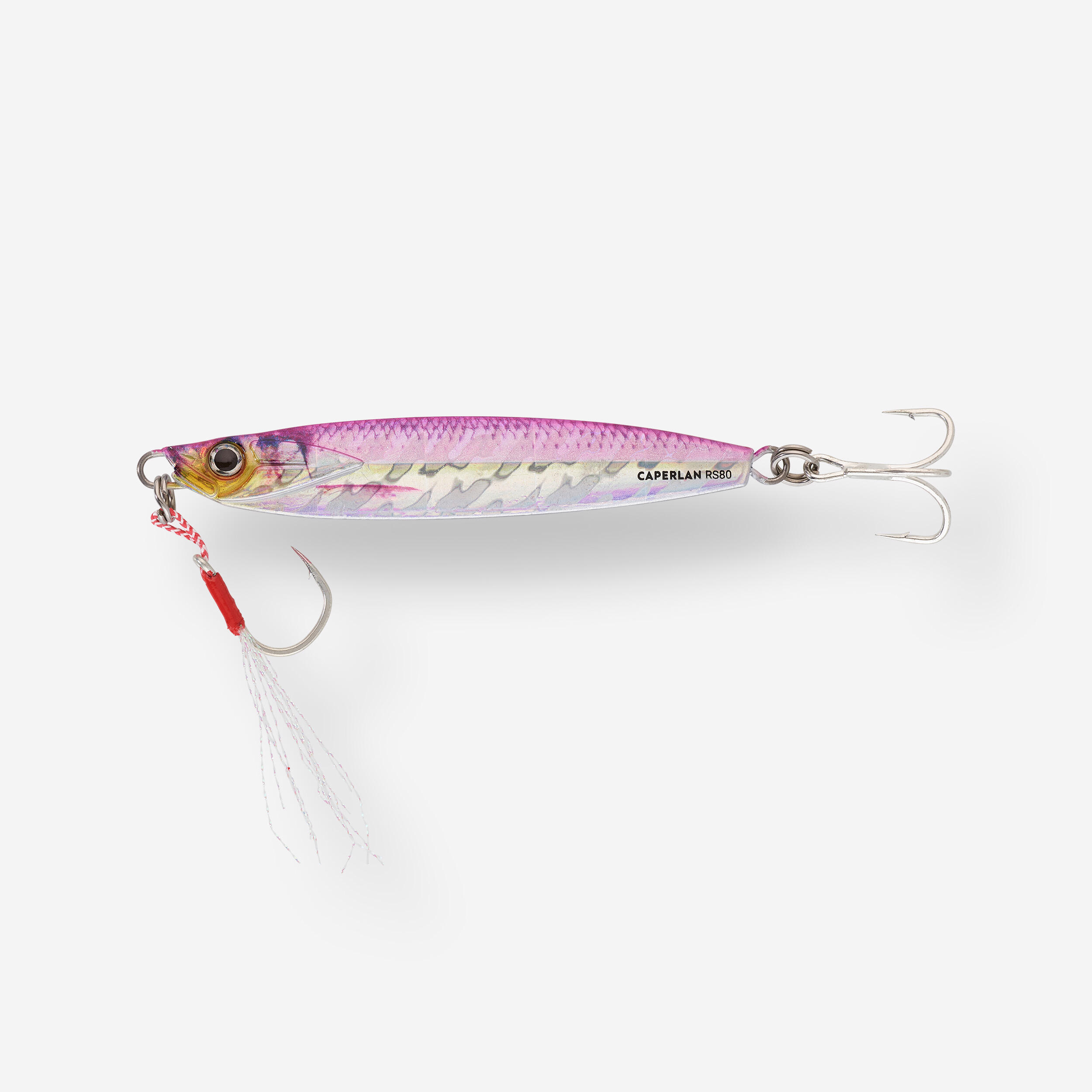
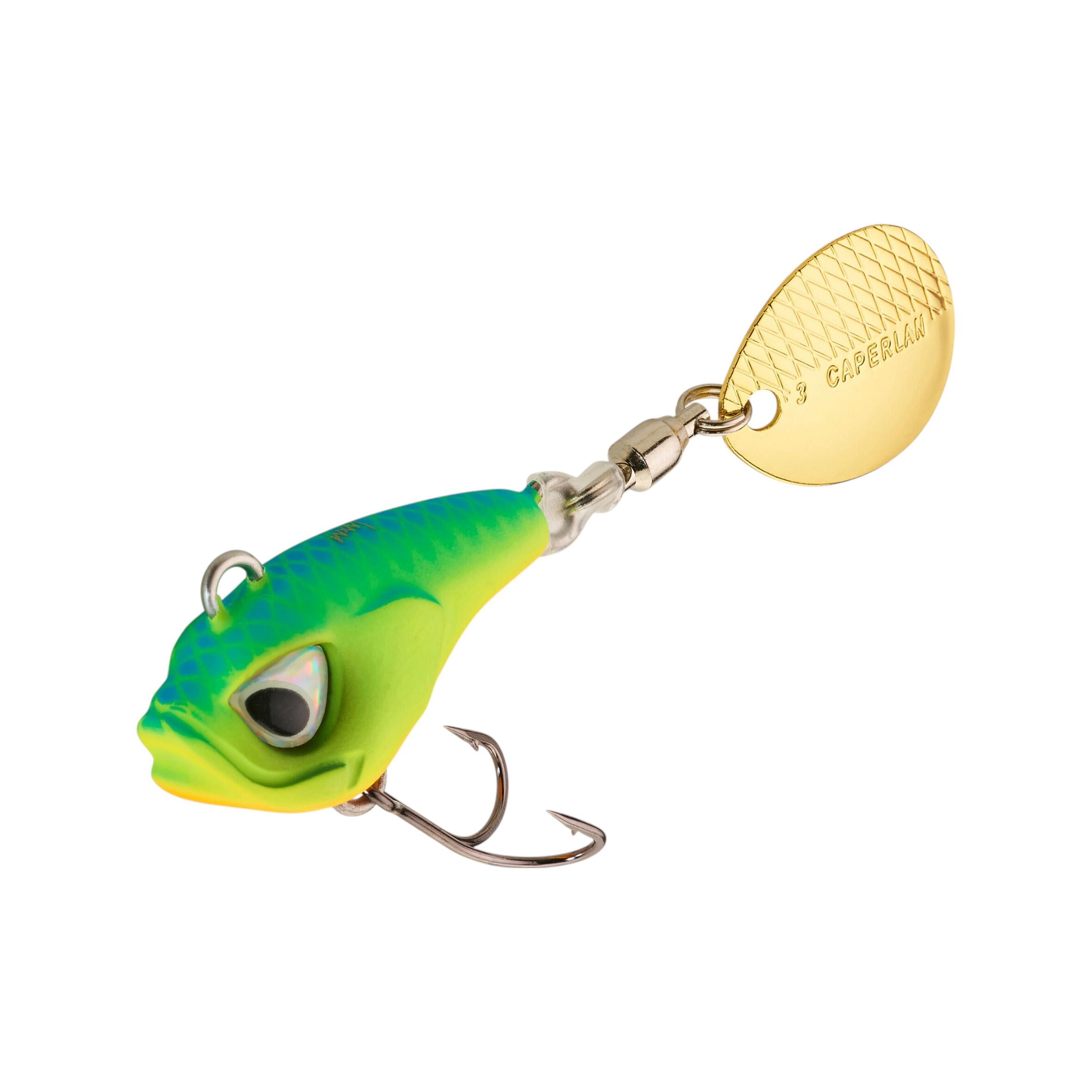
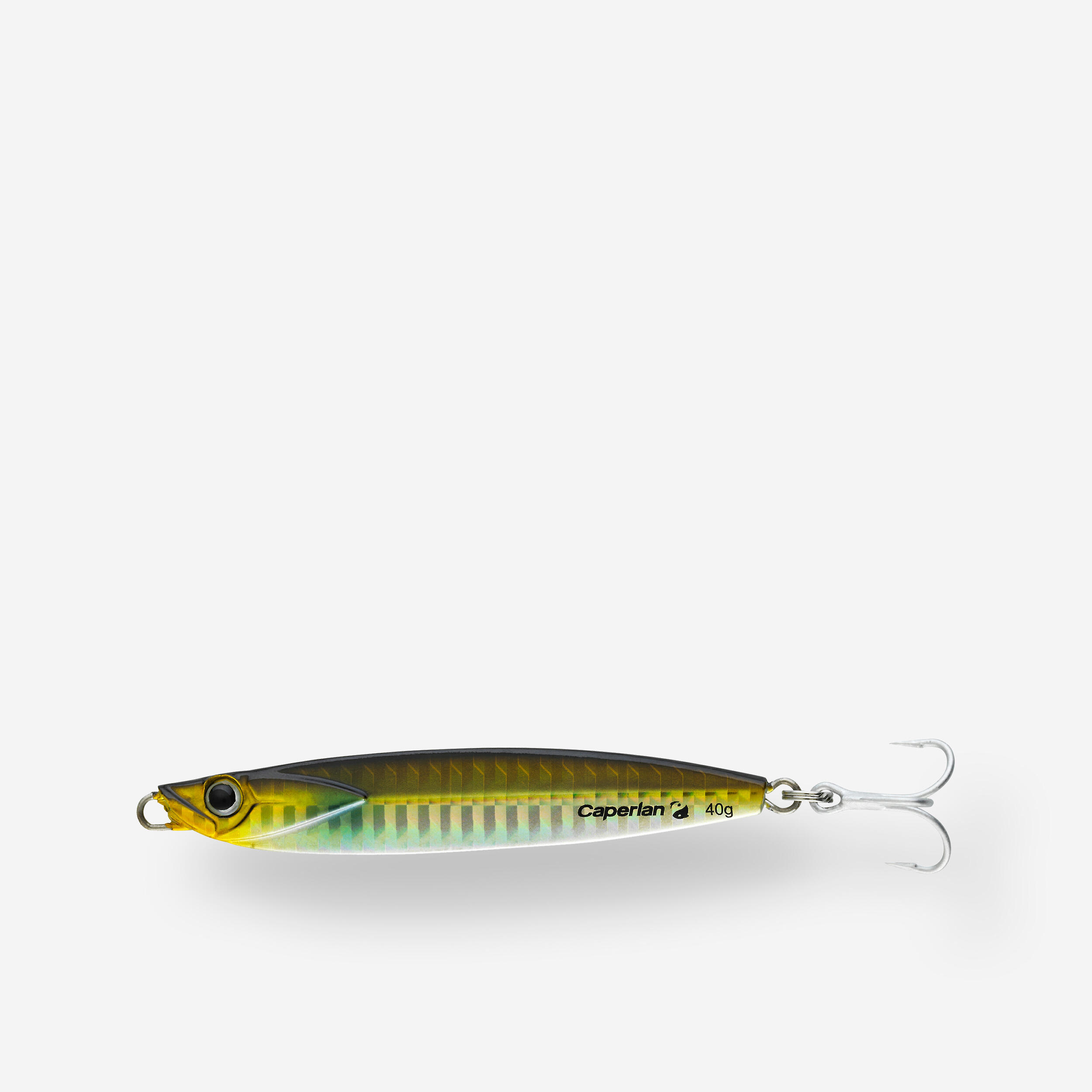
A metal lure can continue attracting fish while it sinks, so its body shape matters during pauses as well as retrieval. Caperlan's lure fishing sea casting jig uses a 3D angular body that produces a fluttering descent. You can work the BIASTOS 20 g with a continuous retrieve or use a sink-and-draw approach with short twitches and pauses. The 6.5 cm lure also uses 3D eyes, holographic reflections and a protective resin layer that improves resistance to fish teeth, sand and rocks. Match the retrieve to fish activity rather than keeping the lure moving at one constant speed throughout every cast.

When can a heavier spoon work better in deep water?

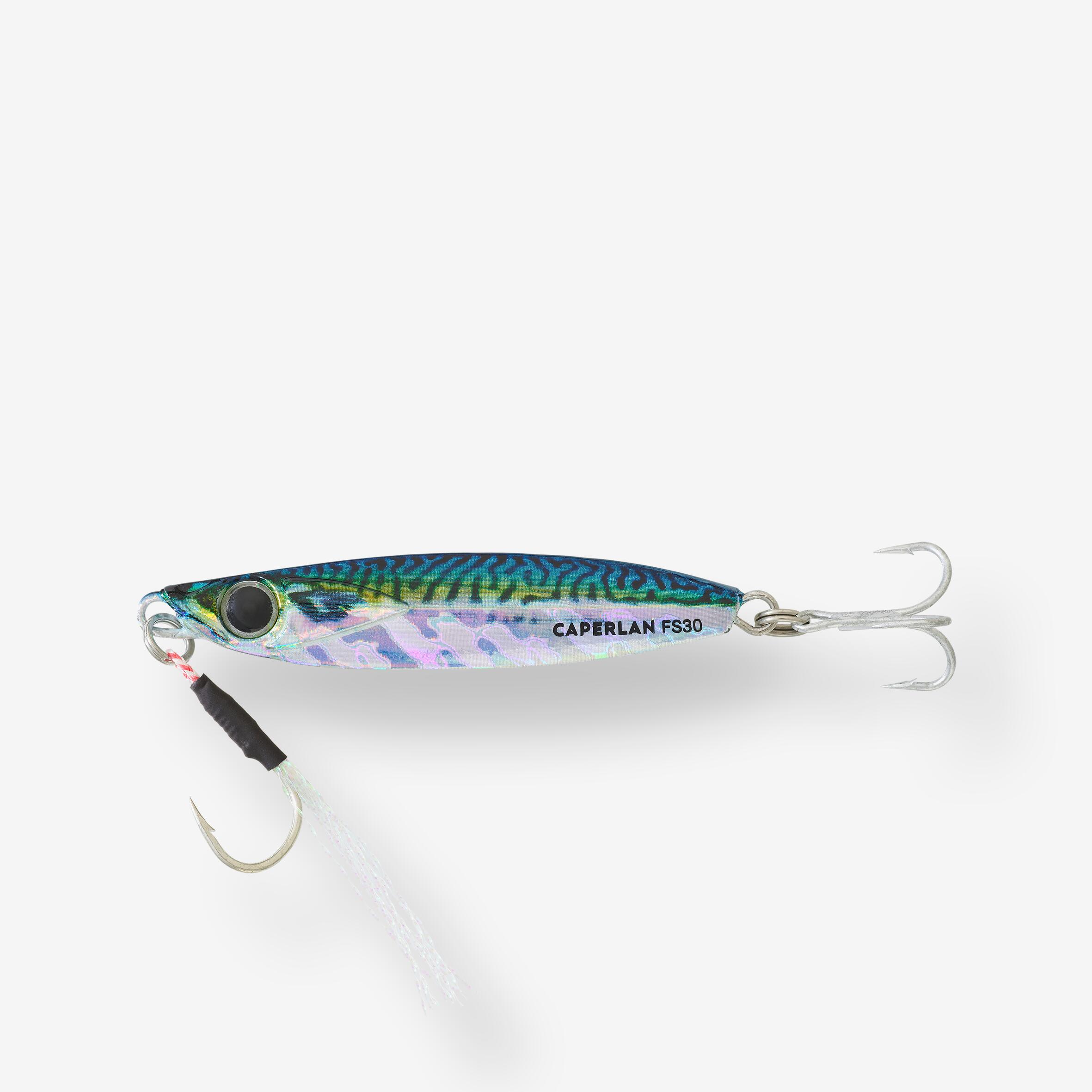
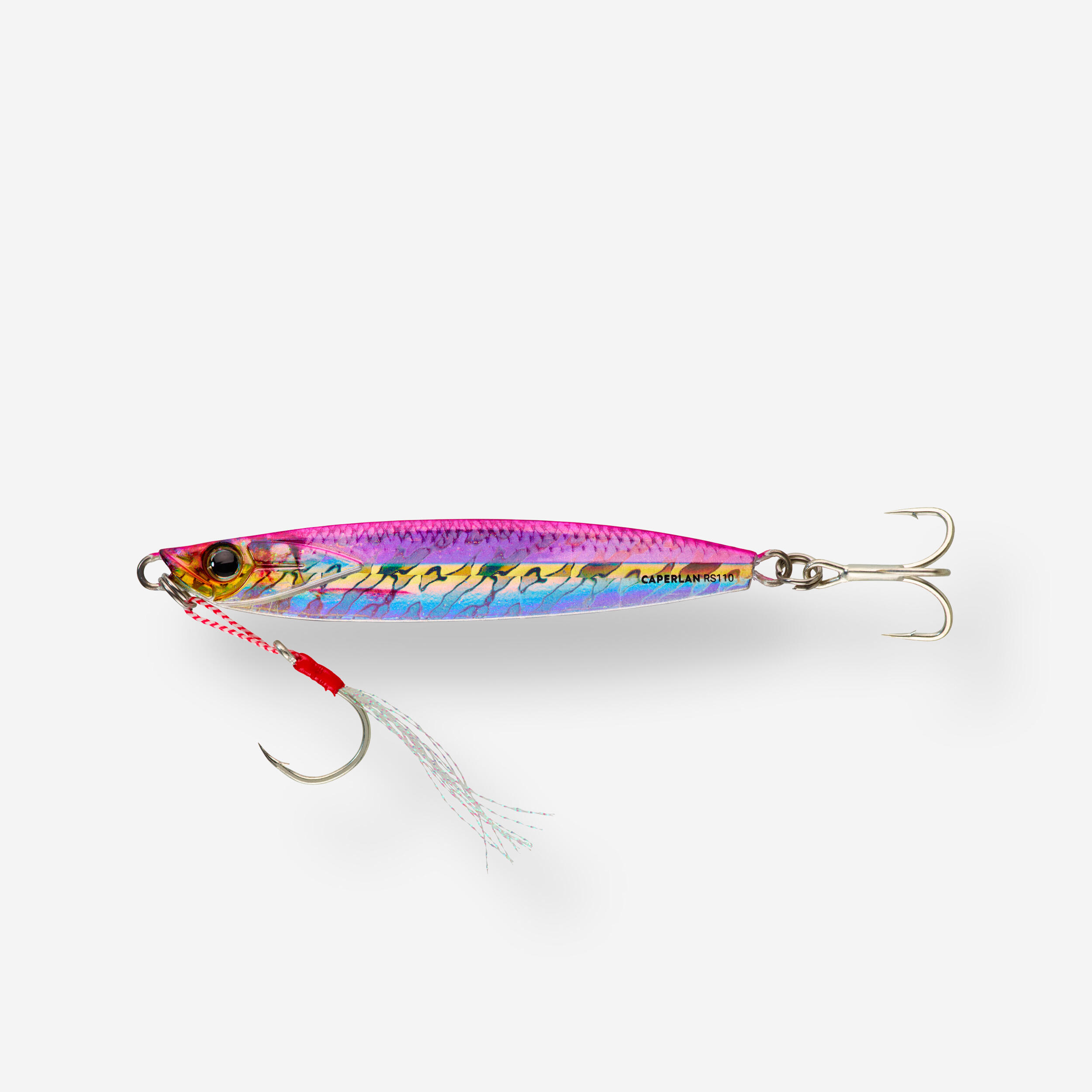
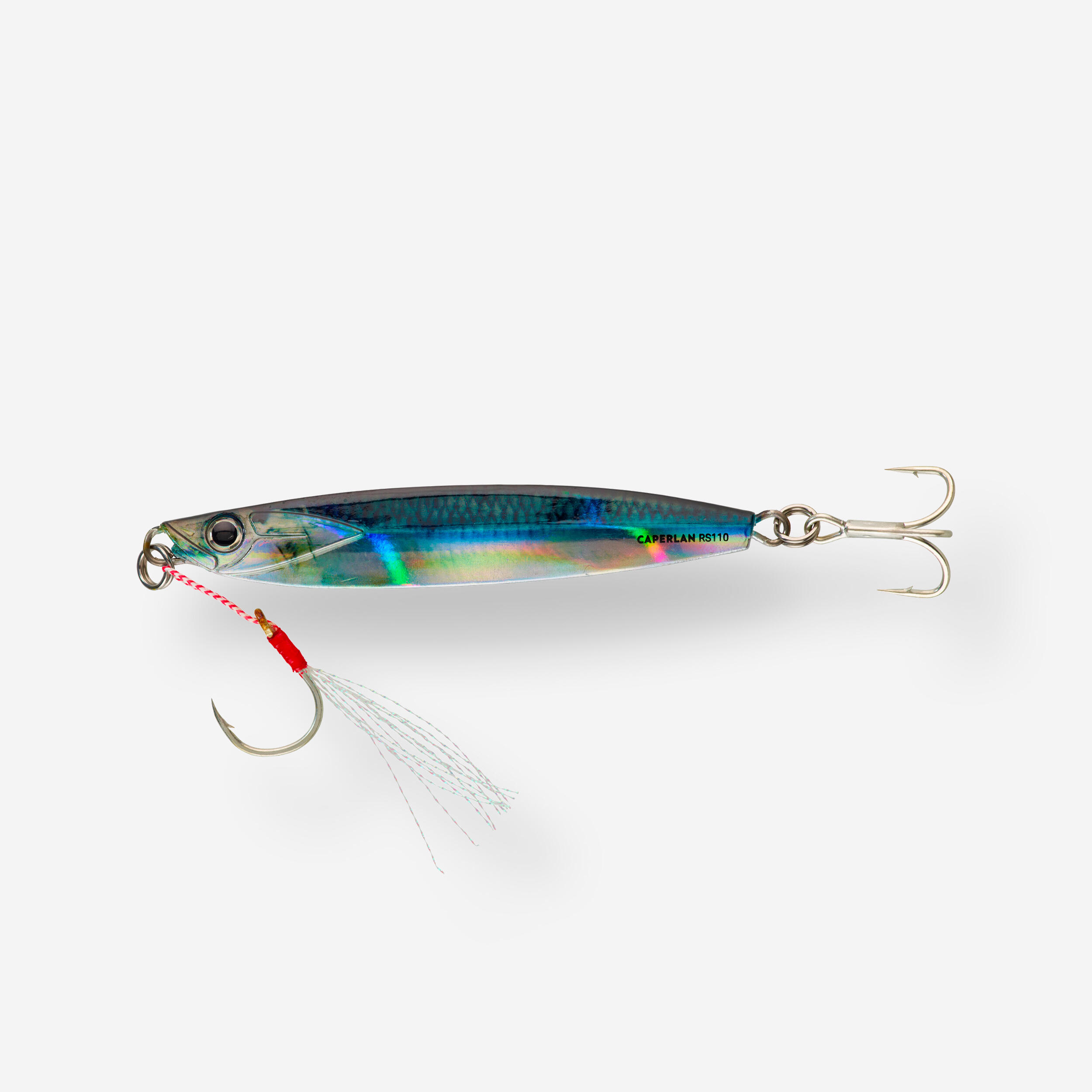
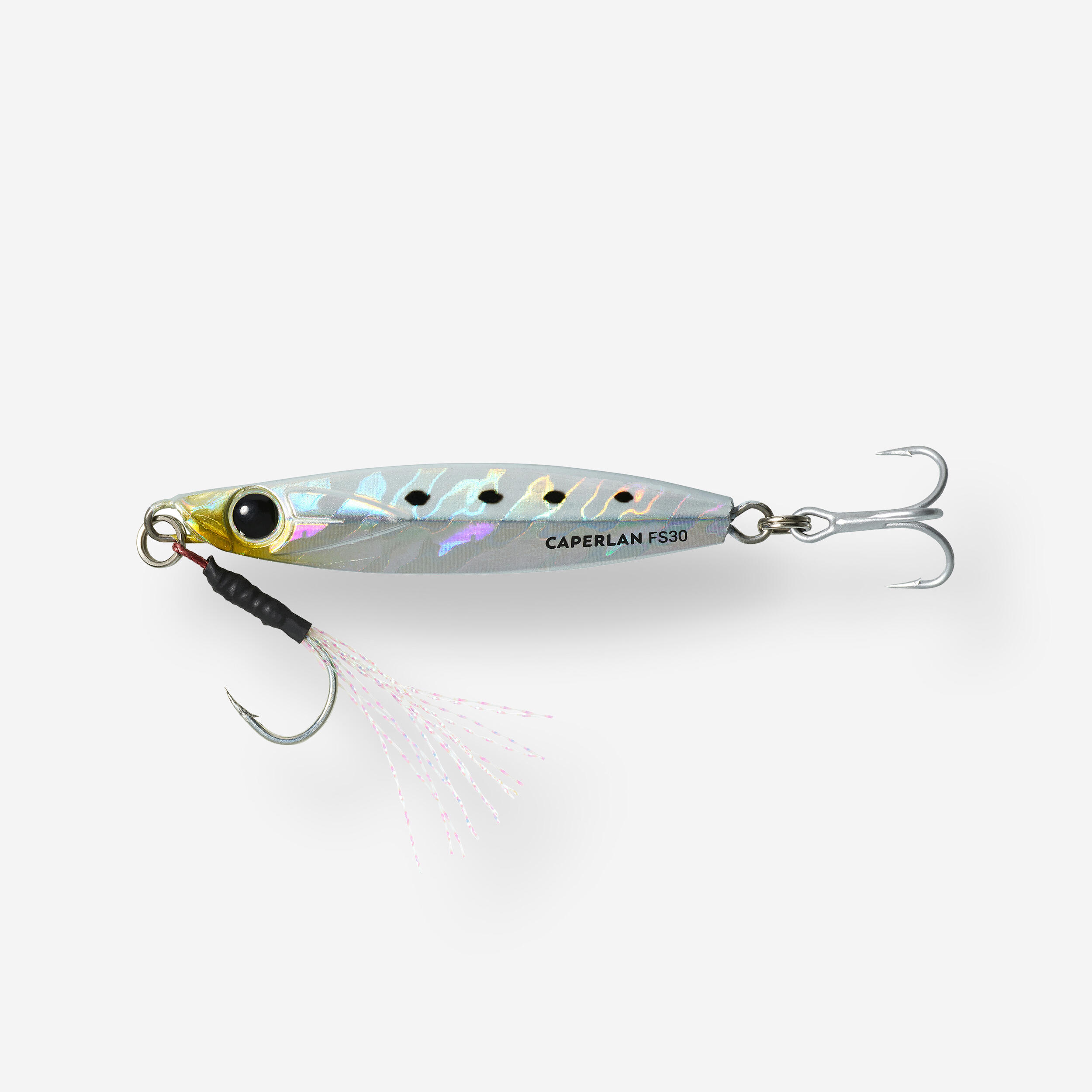
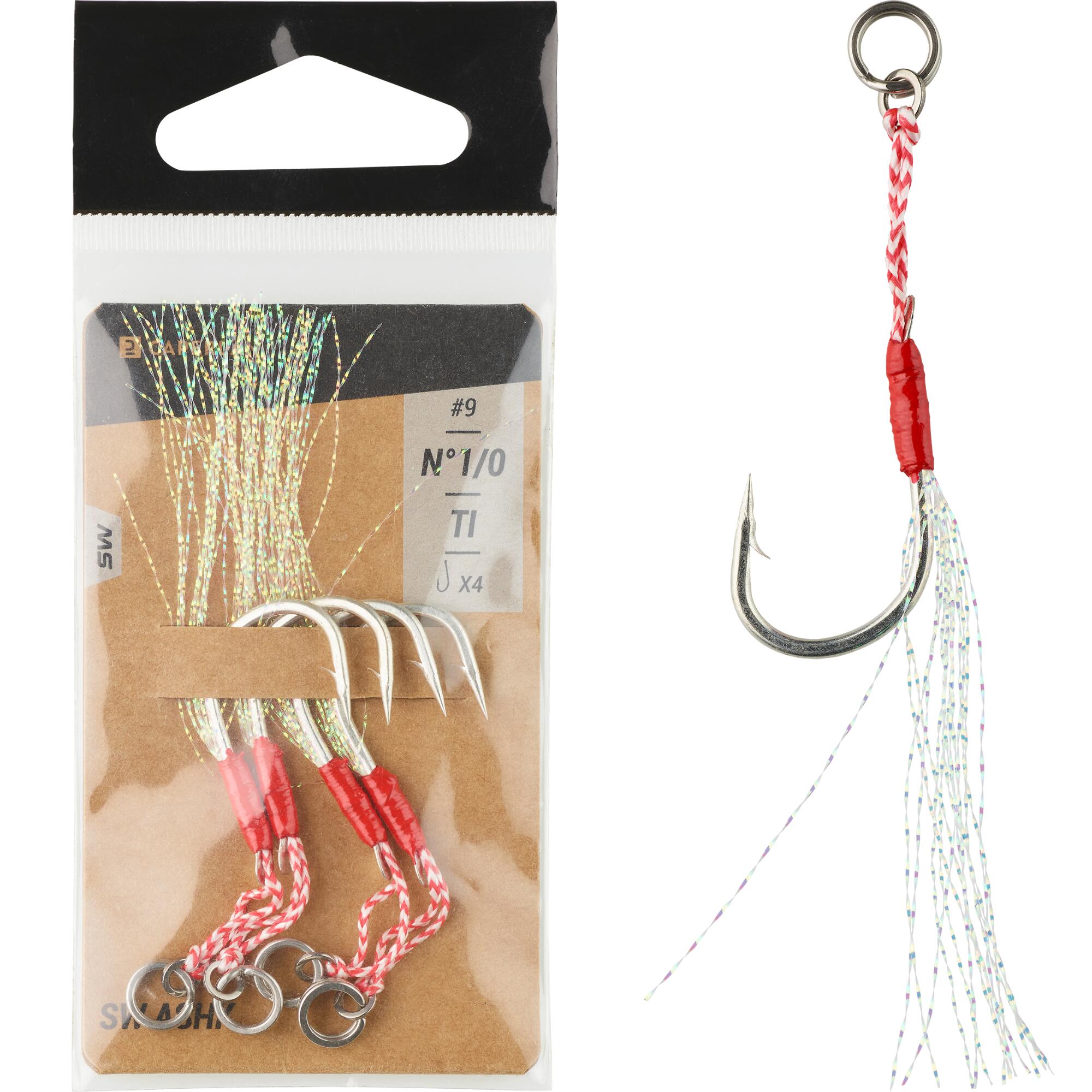
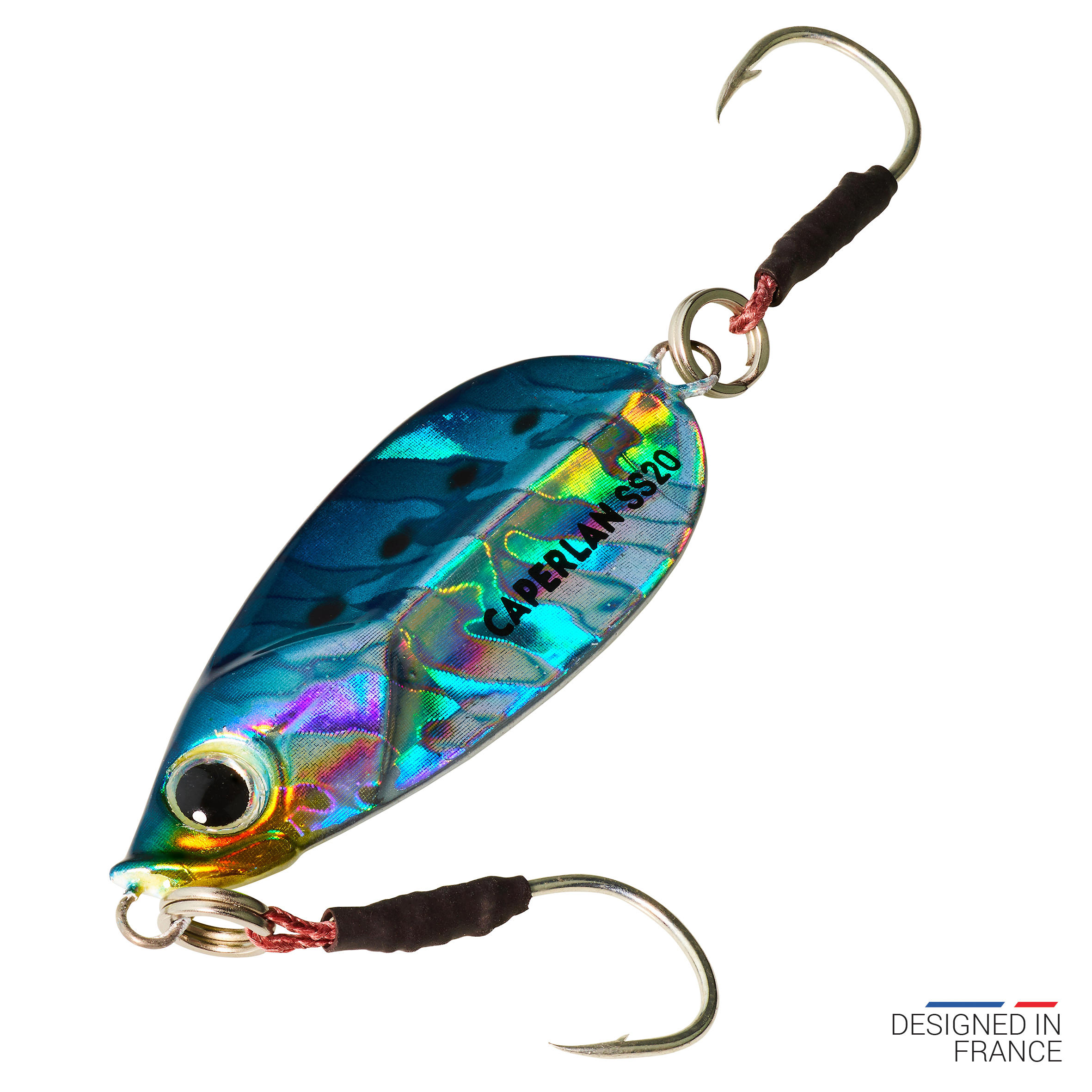
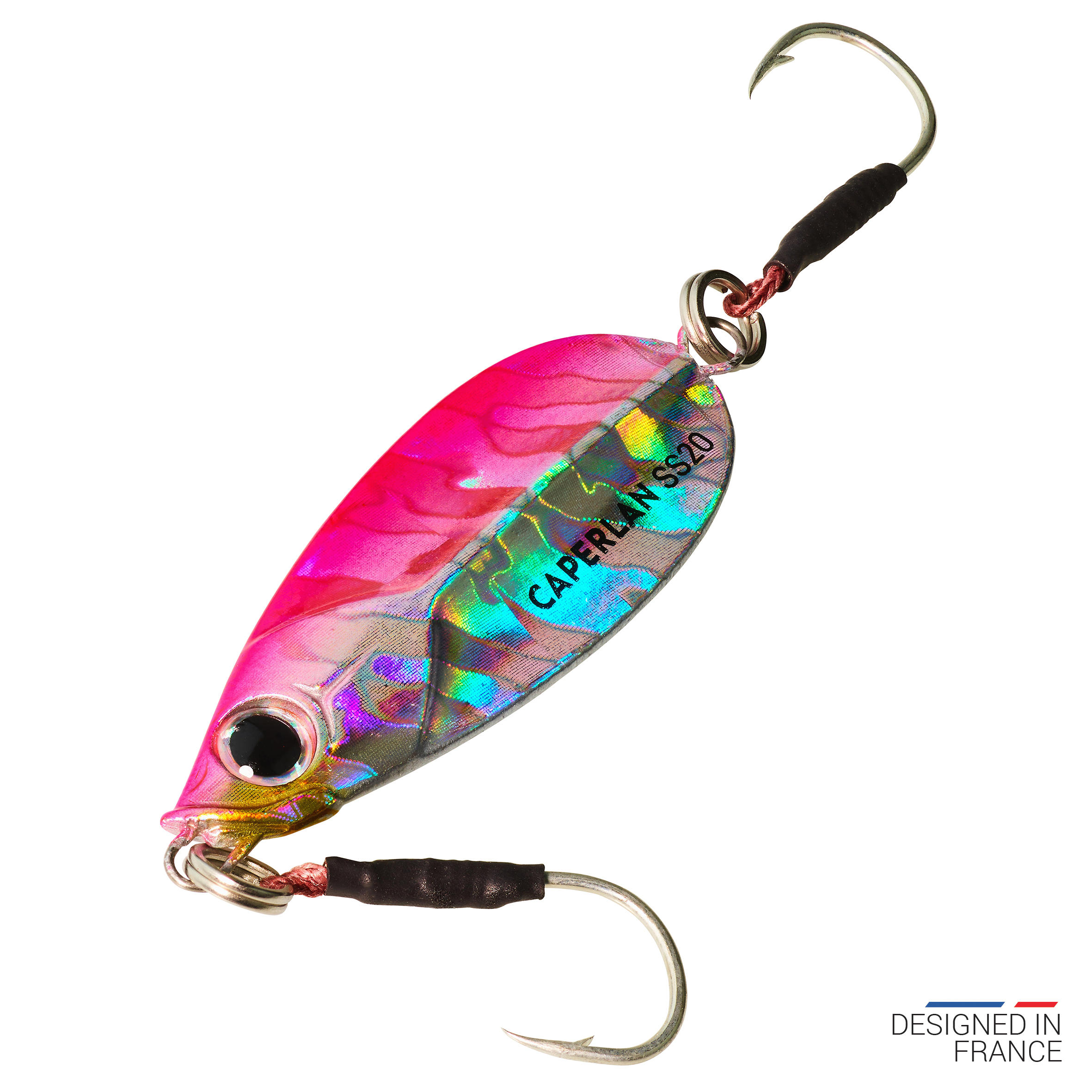
Extra lure weight can help you reach deeper water or maintain control when stronger current pushes a lighter lure away from the intended fishing area. The sea lure fishing spoon weighs 110 g and uses the same 3D angular principle to flutter as it falls. Caperlan positions it for deeper water and stronger currents, where you can work it vertically with pauses and short movements near the bottom. It also combines a tin-finish treble hook with a holographic single assist hook. Protective resin resists abrasion, while the realistic 3D finish creates flashes that make the lure more visible to predators.

Why use a SEASPOON beneath a feather rig?

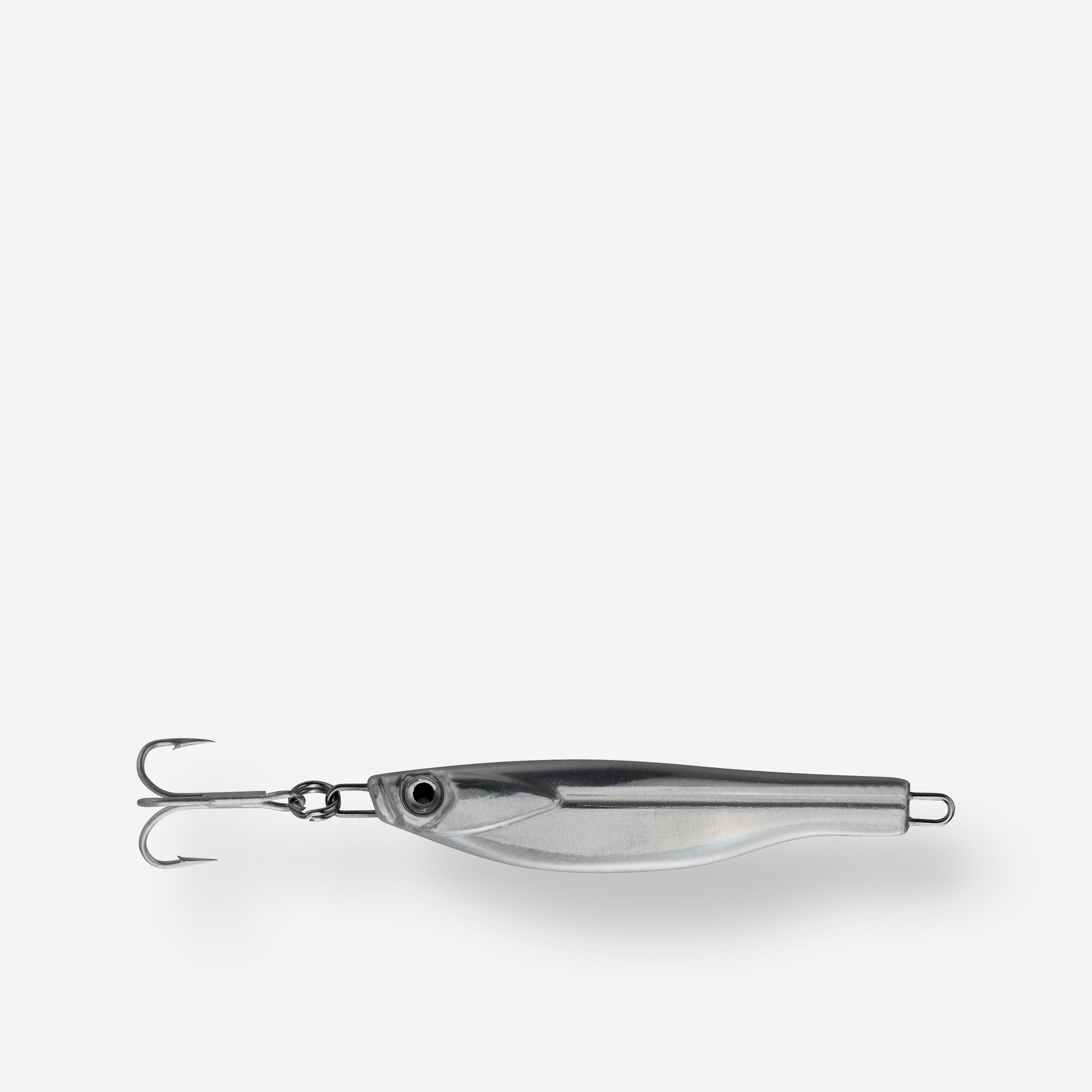
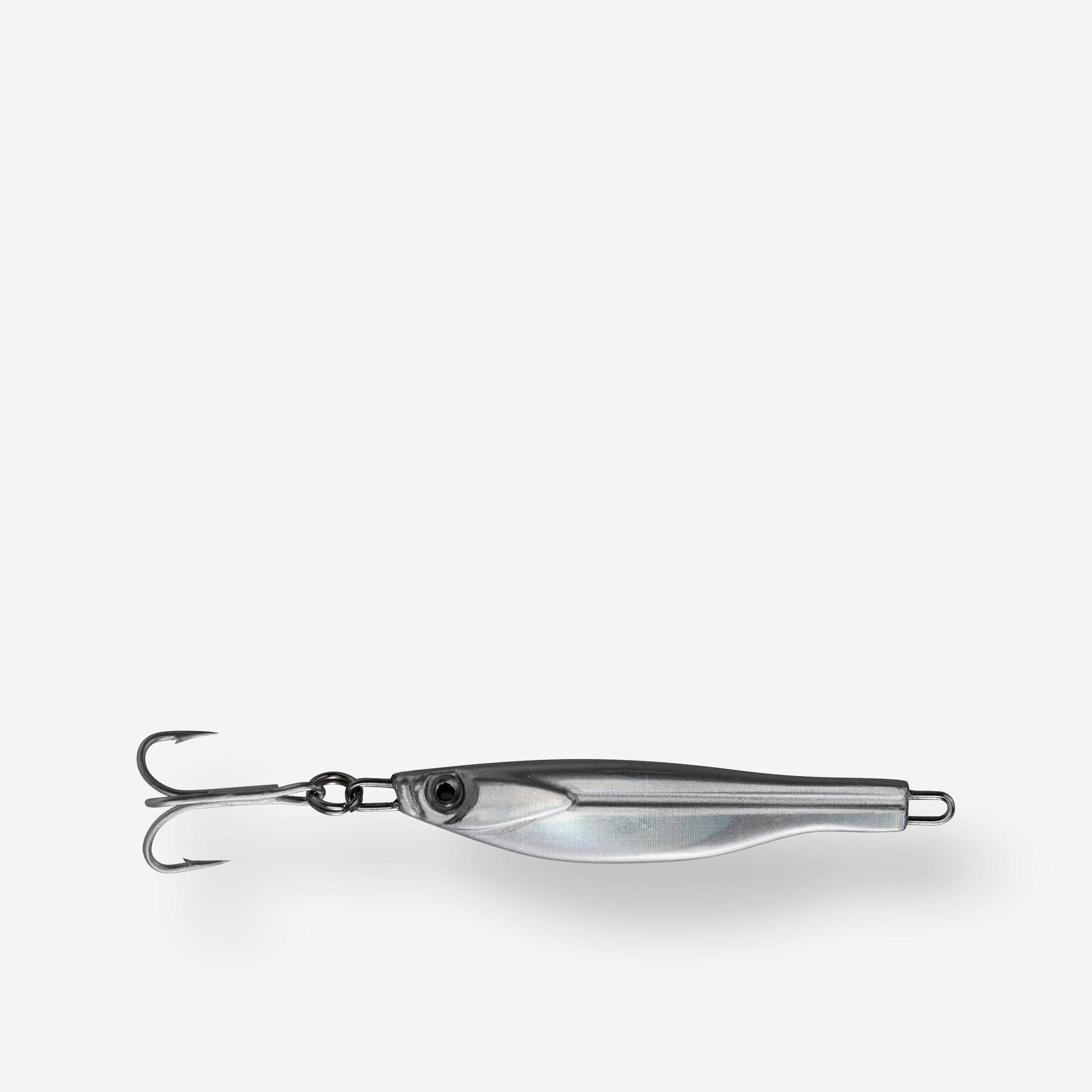
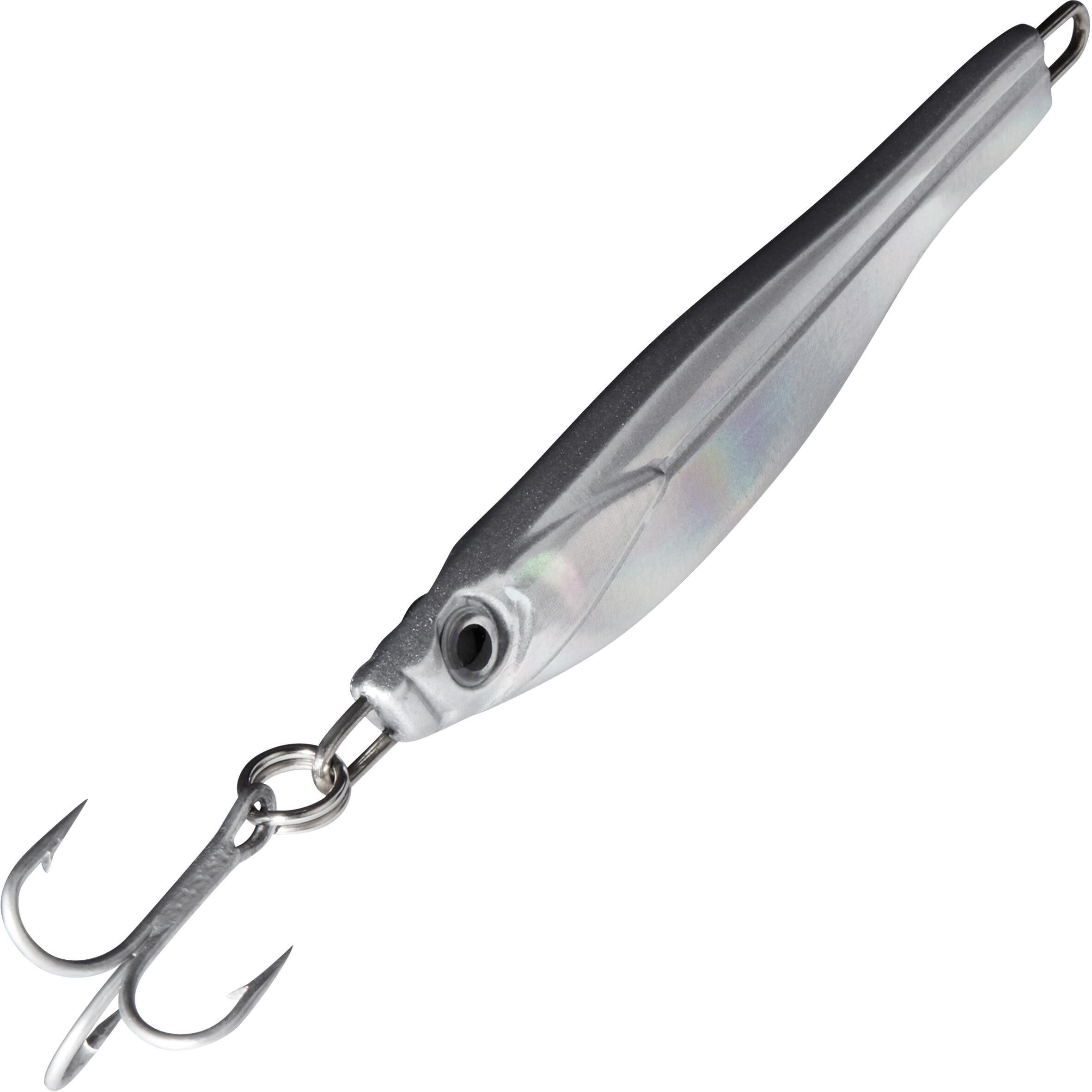
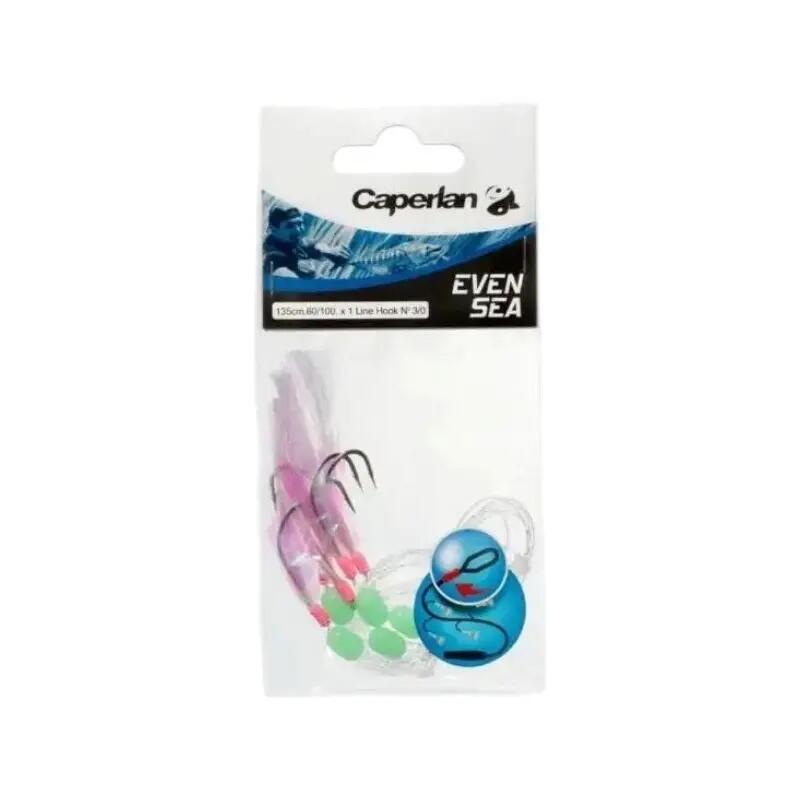
A feather train needs enough weight to reach the feeding depth, and a weighted lure can perform this job while adding its own movement and visual attraction. The SEASPOON spinner silver lure places its centre of gravity towards the head, helping the 80 g spoon sink rapidly and start working quickly. Caperlan fits it with a MUSTAD treble hook, 3D eyes and holographic reflections. The same spoon can also work for trolling, giving it another role beyond weighting feathers. Select the spoon weight according to depth, current and rod rating so the complete feather-and-lure system remains manageable during repeated drops and retrieves.

How can spoon weight and action affect lure presentation?

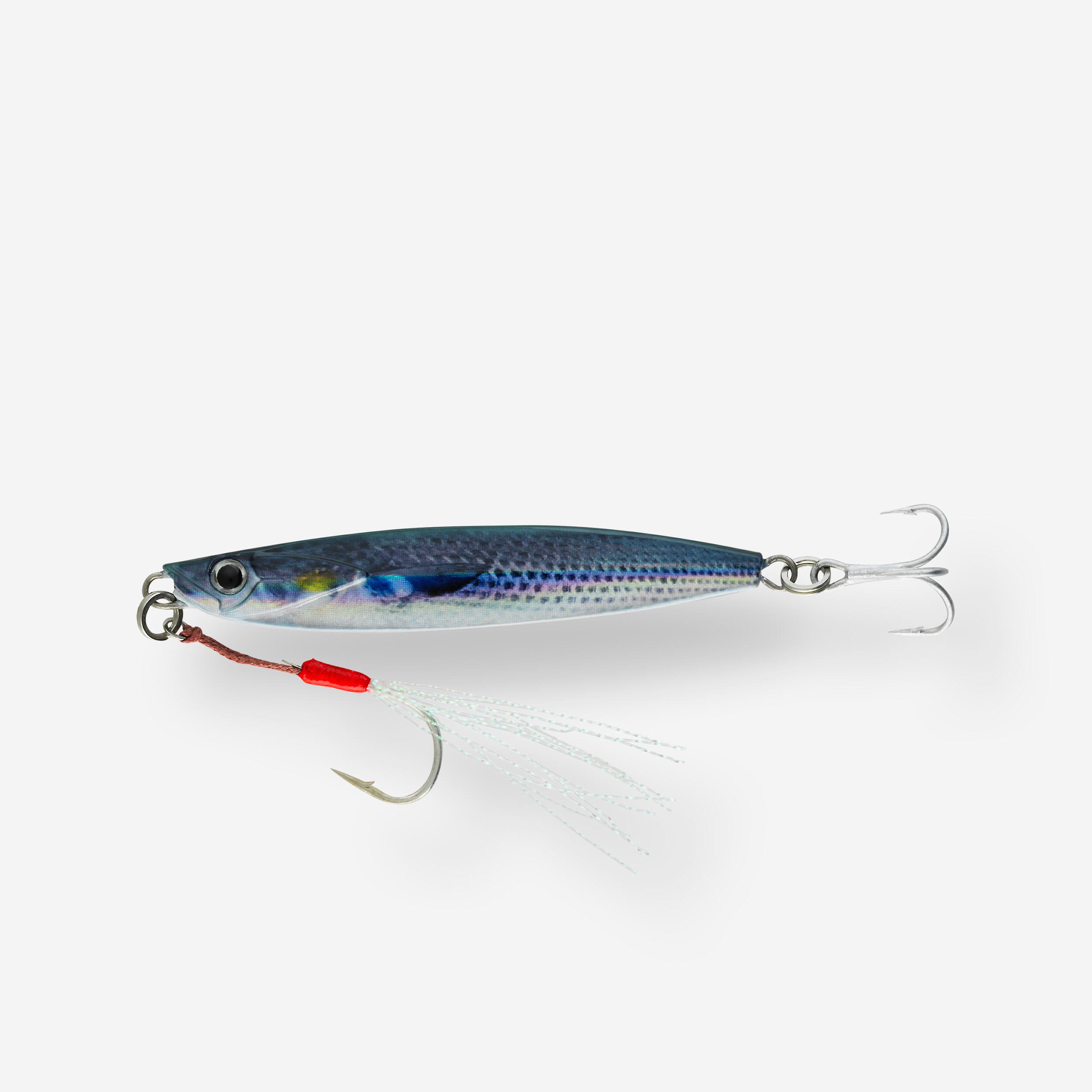
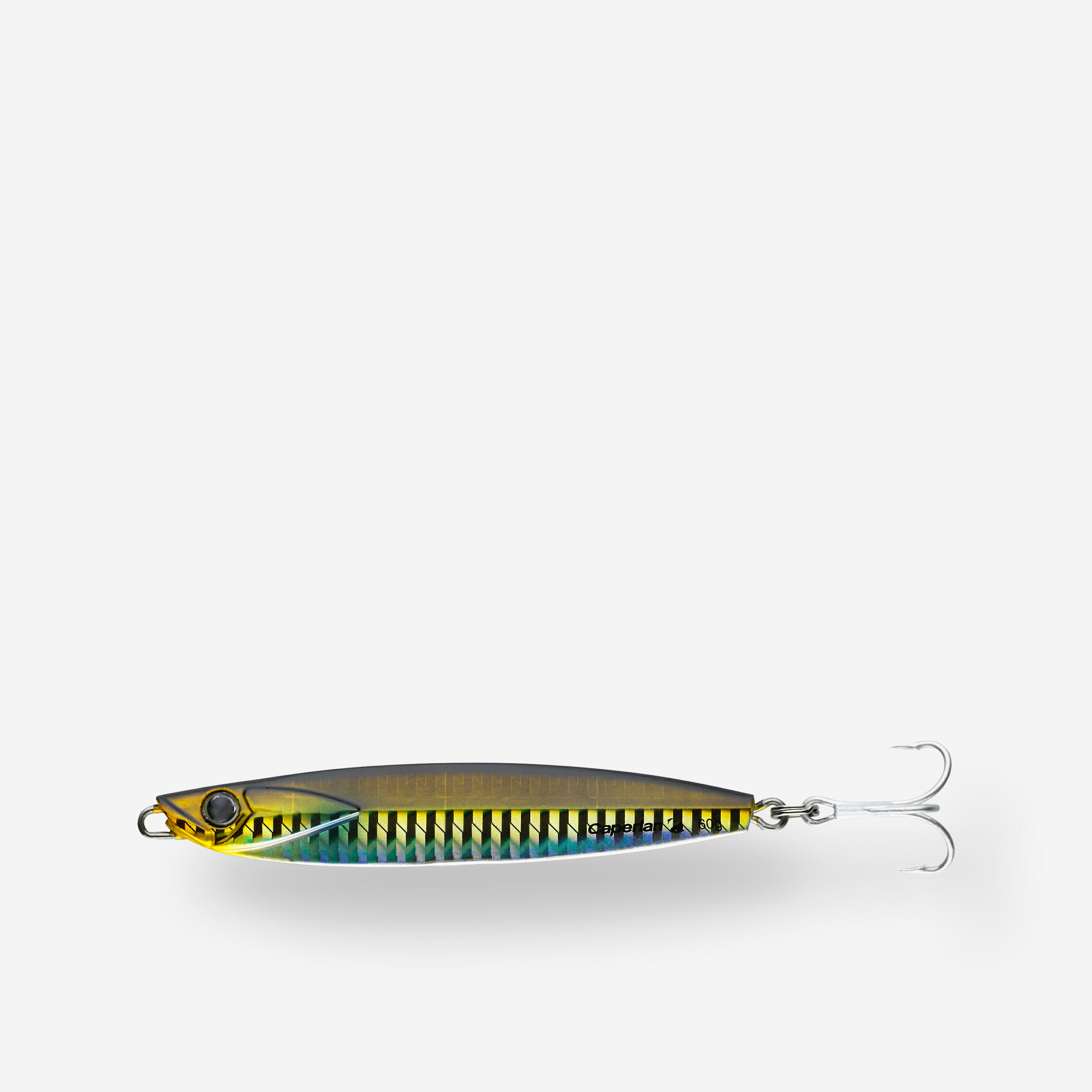
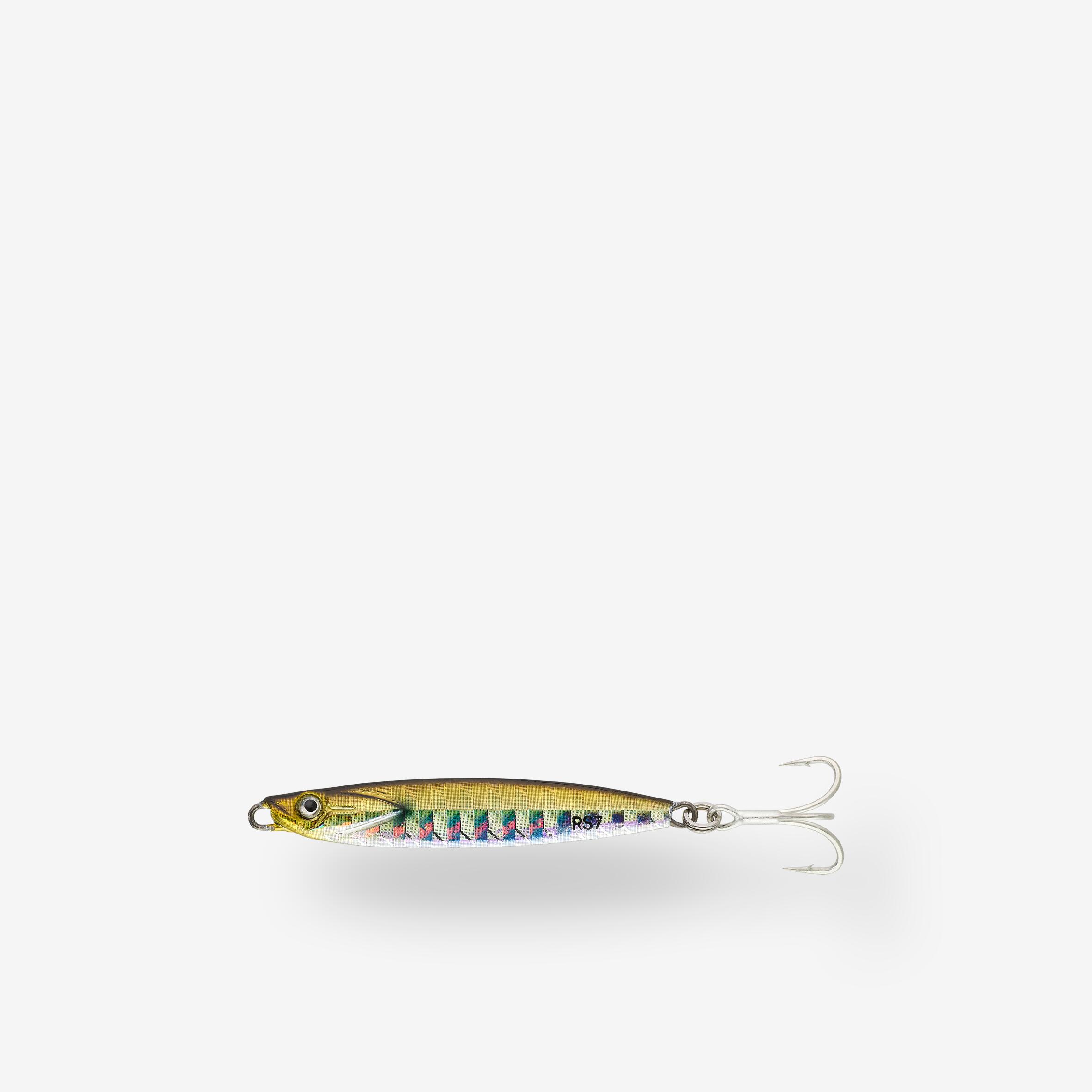
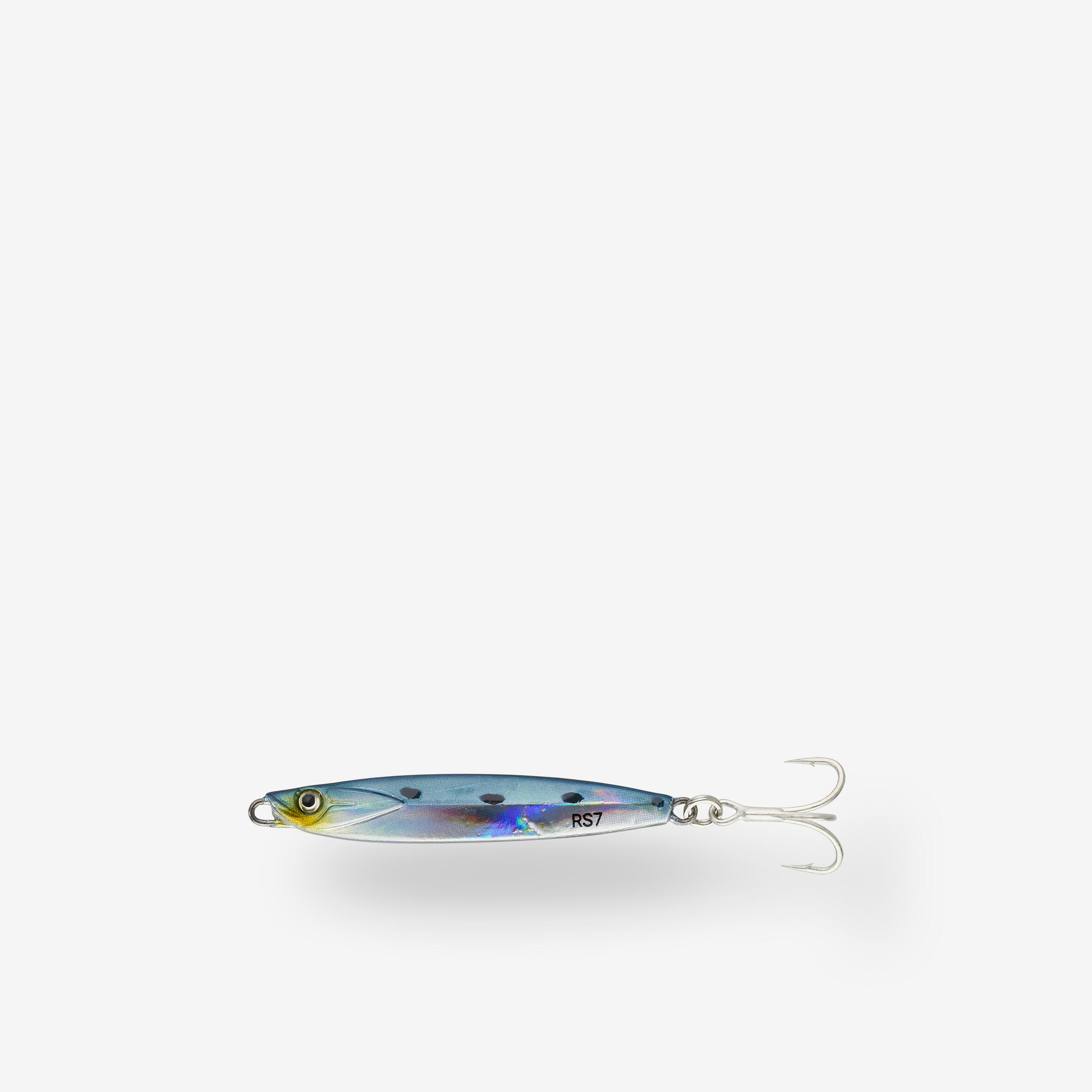
Start with the depth you want to fish, then consider current and how quickly you want the lure to descend. Standard BIASTOS jigs create an active flutter on the fall, while slower asymmetric versions spend more time descending and can suit shallower presentations. SEASPOON moves in the opposite direction by putting more weight towards the head for a quicker drop. Different sea fishing with lures setups can therefore call for different lure behaviour even when you target similar species. Lighter models can suit shallower water or a slower presentation, while heavier options give you more control at depth. Keep every lure within the casting or jigging weight stated for your rod.

Which maintenance steps help keep saltwater spoons in good condition?

Hooks, split rings, and lure finishes face repeated contact with salt, fish teeth, sand and rocks, so inspect them before putting tackle away. Rinse suitable metal components with fresh water and let them dry fully before closing the lure box. Check treble and assist-hook points for bending or bluntness, and replace them with compatible sizes when necessary. Protective resin improves wear resistance, but it does not remove the need to inspect damaged finishes and terminal connections. Keep heavier metal lures separated from softer or more delicate saltwater fishing tackle during transport so they cannot repeatedly strike other equipment. A dry, organised box also makes damaged hooks or swivels easier to spot before your next session.