47 items
4.7/5 based on 4695 reviews collected online and in stores

Hardbaits FAQs

How do floating and suspending hardbaits behave differently?

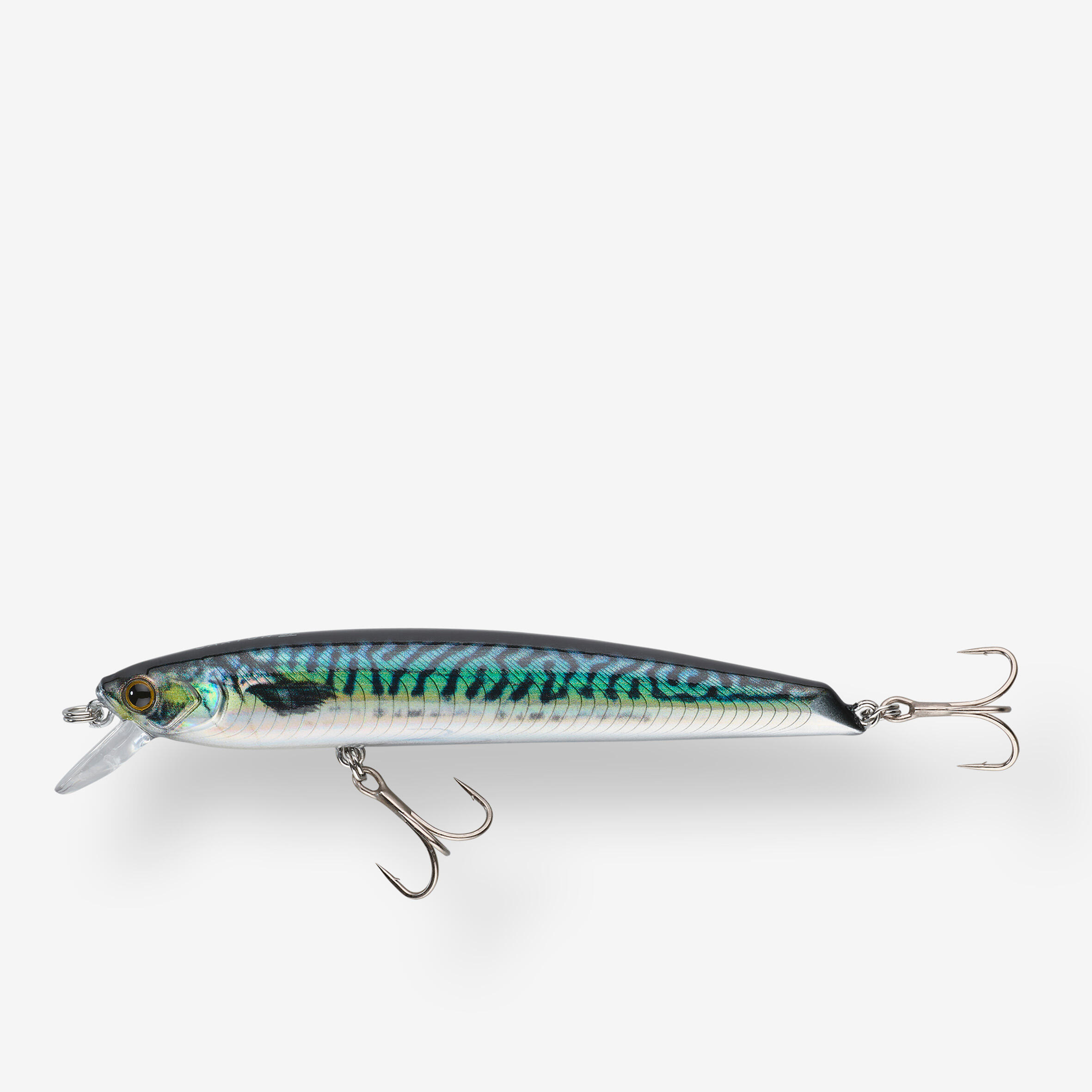
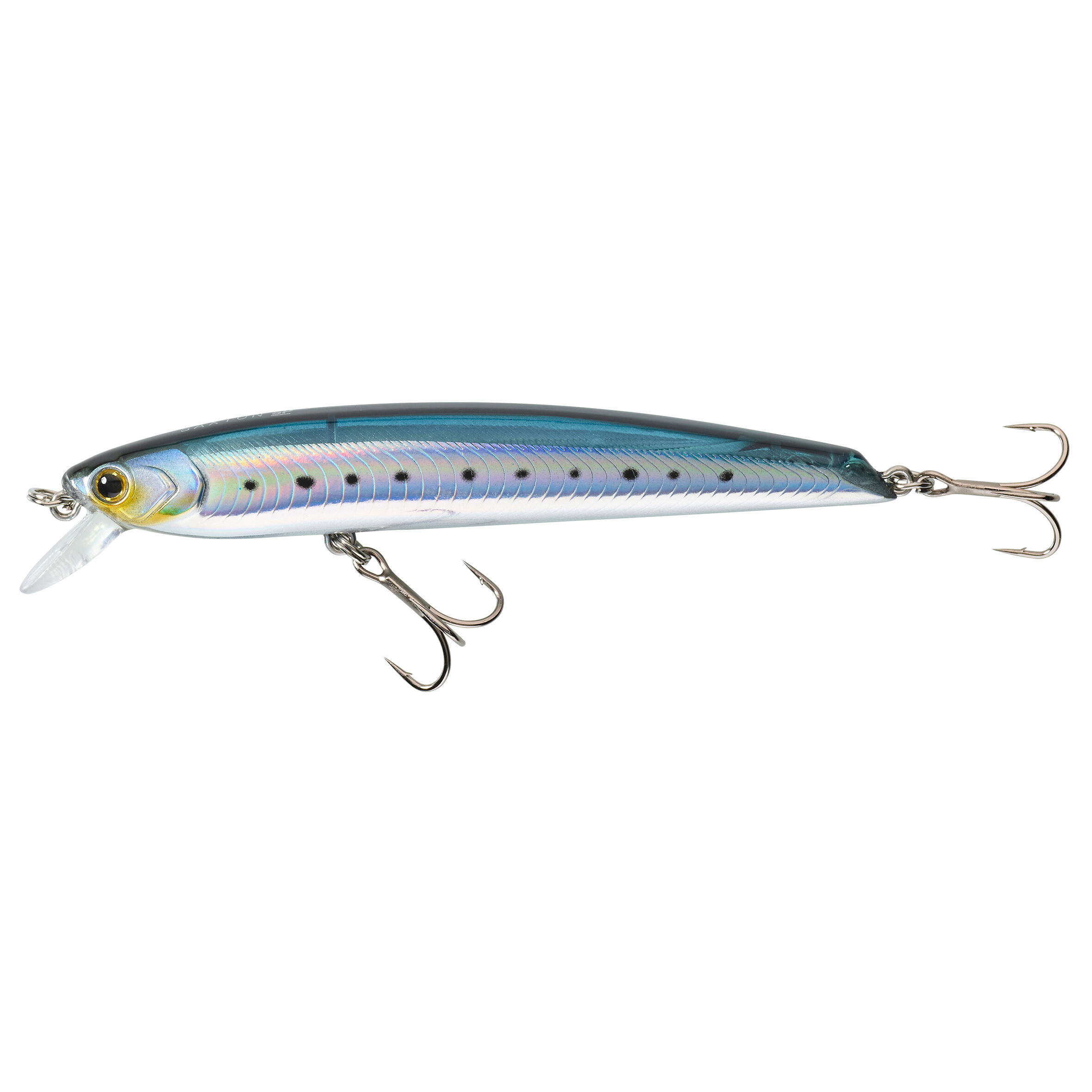
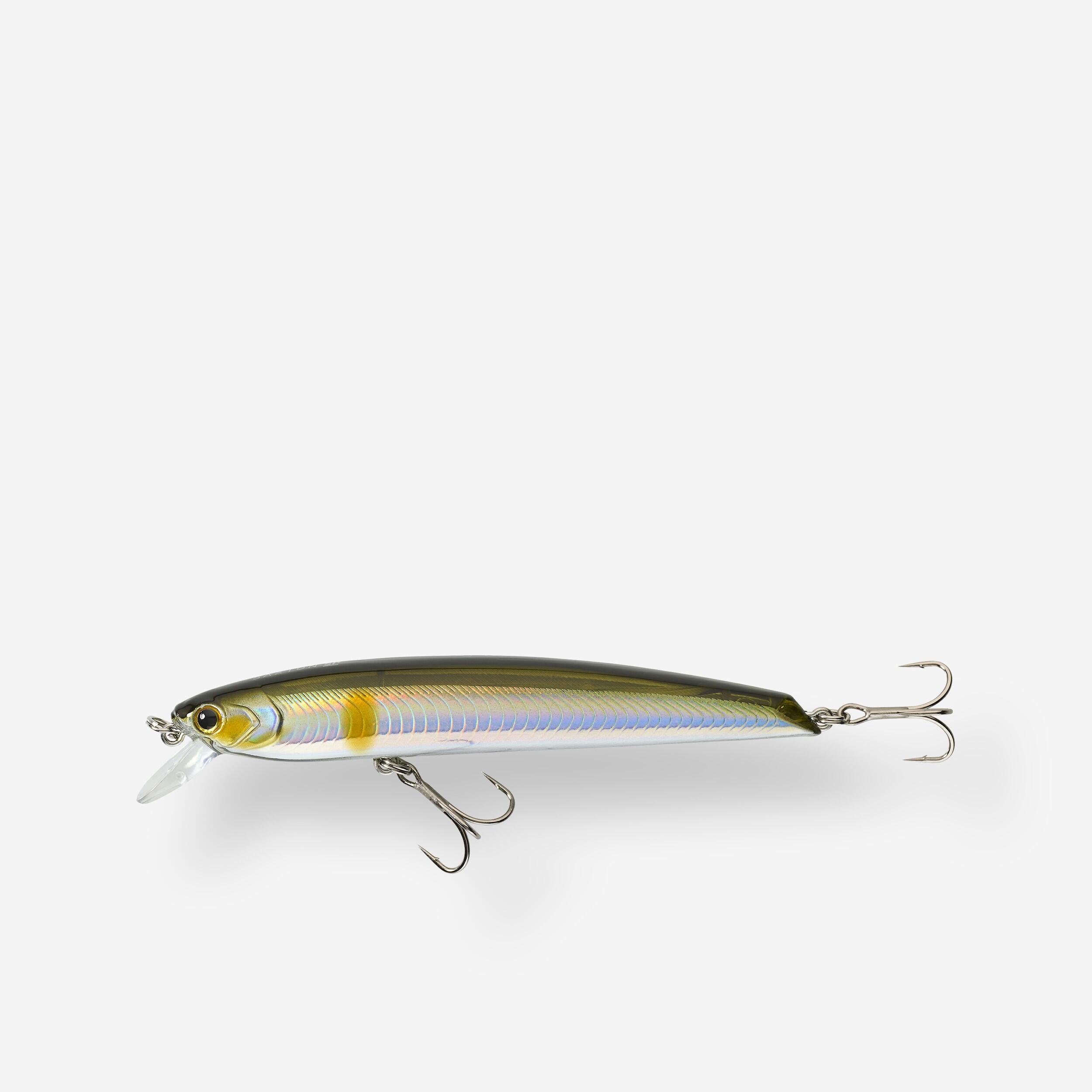
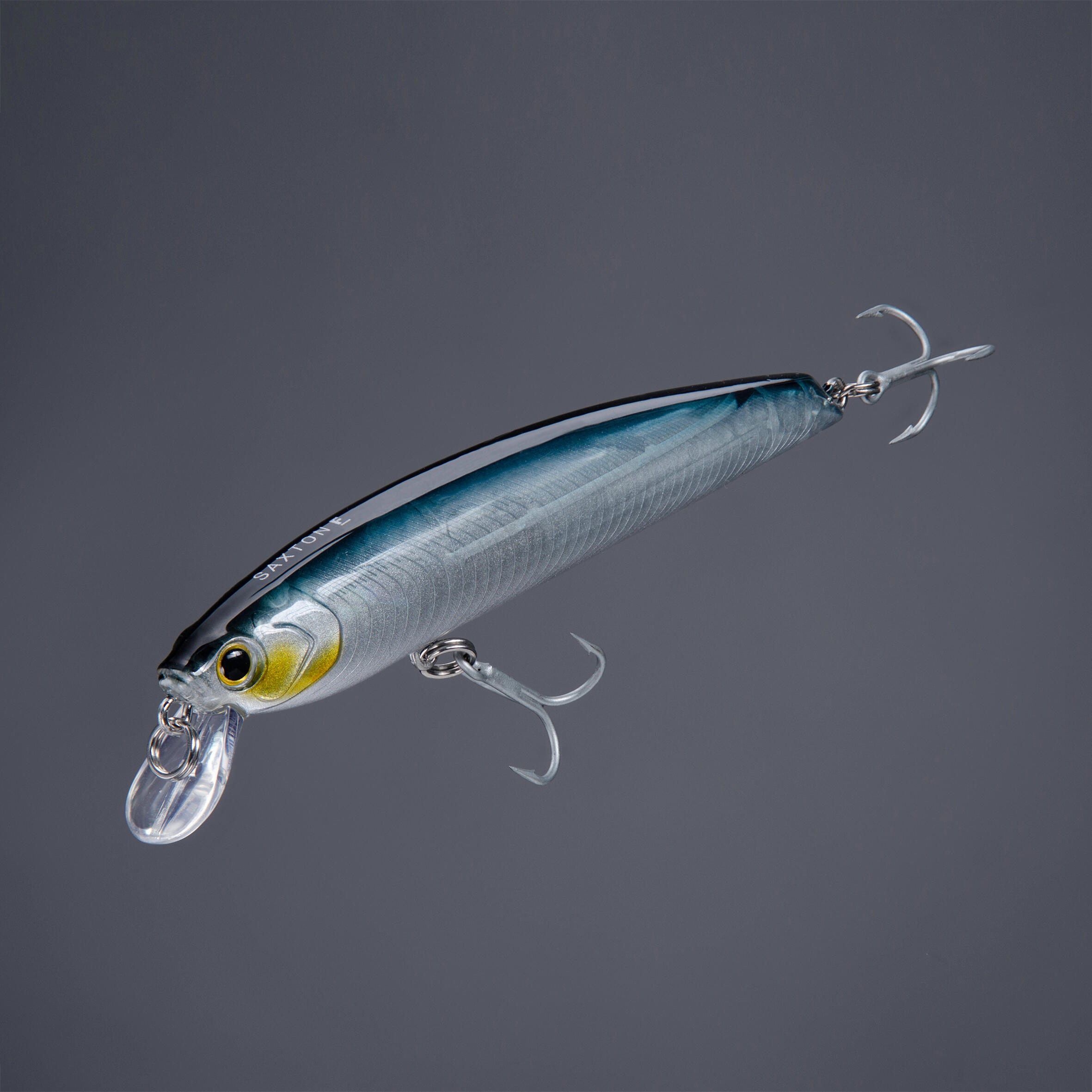
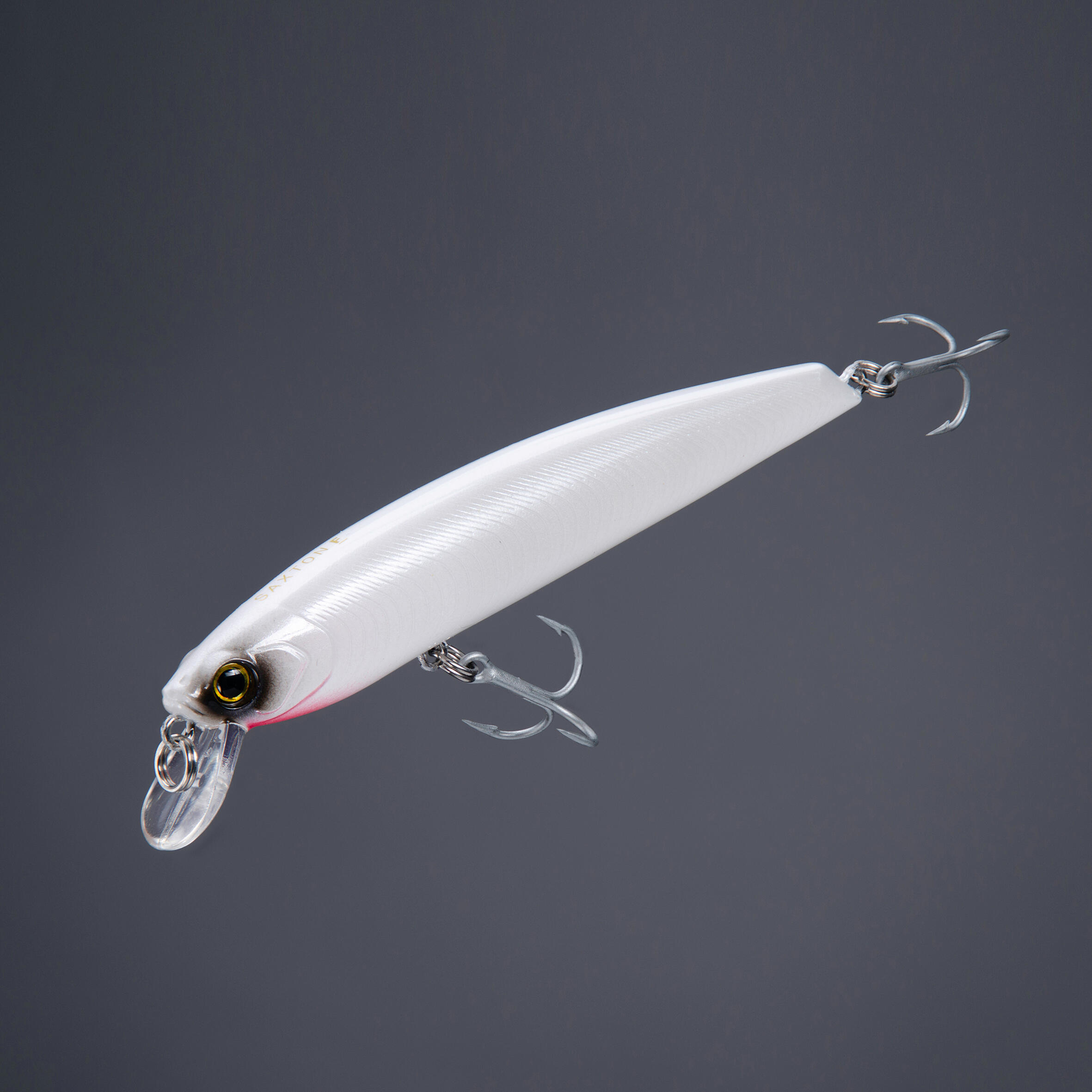
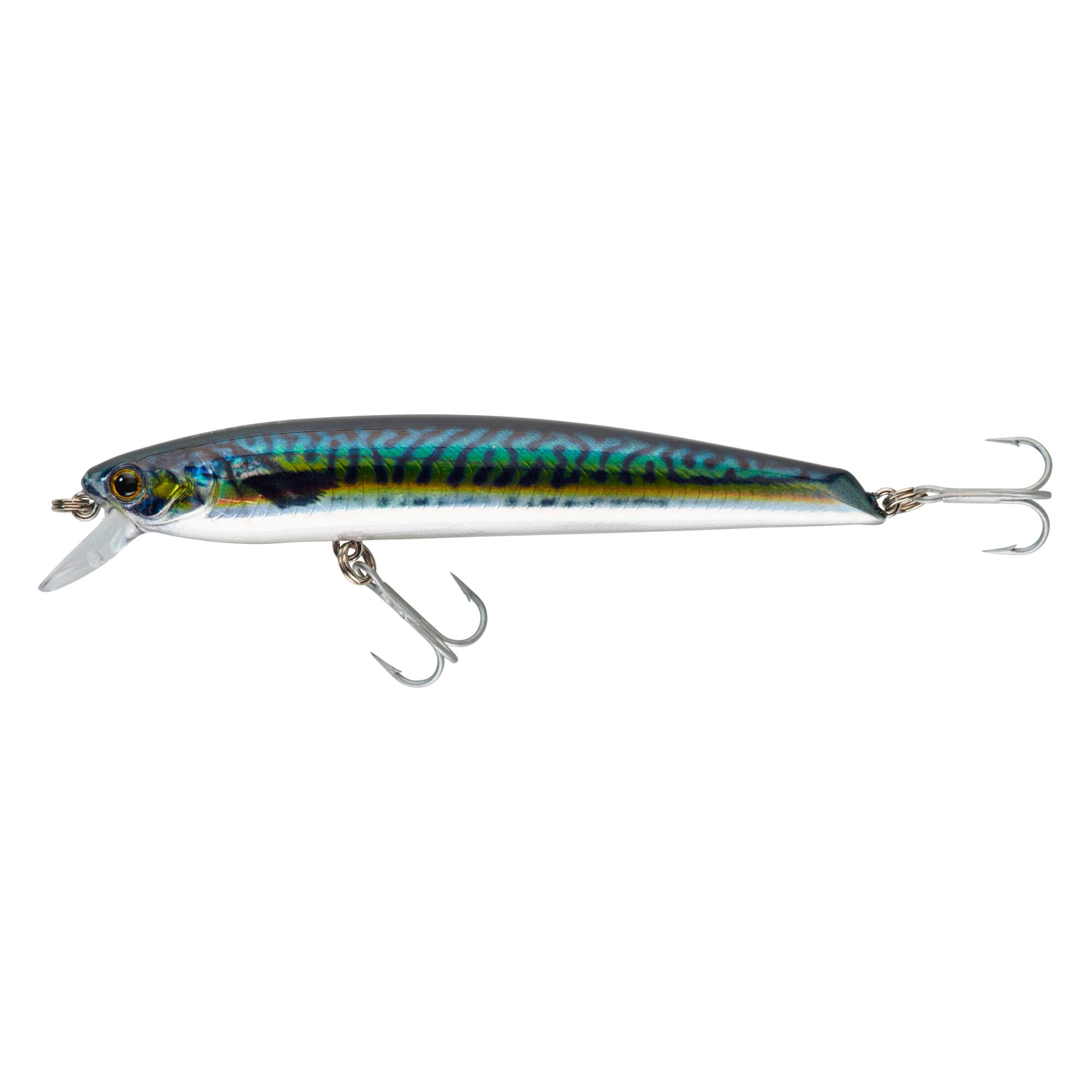
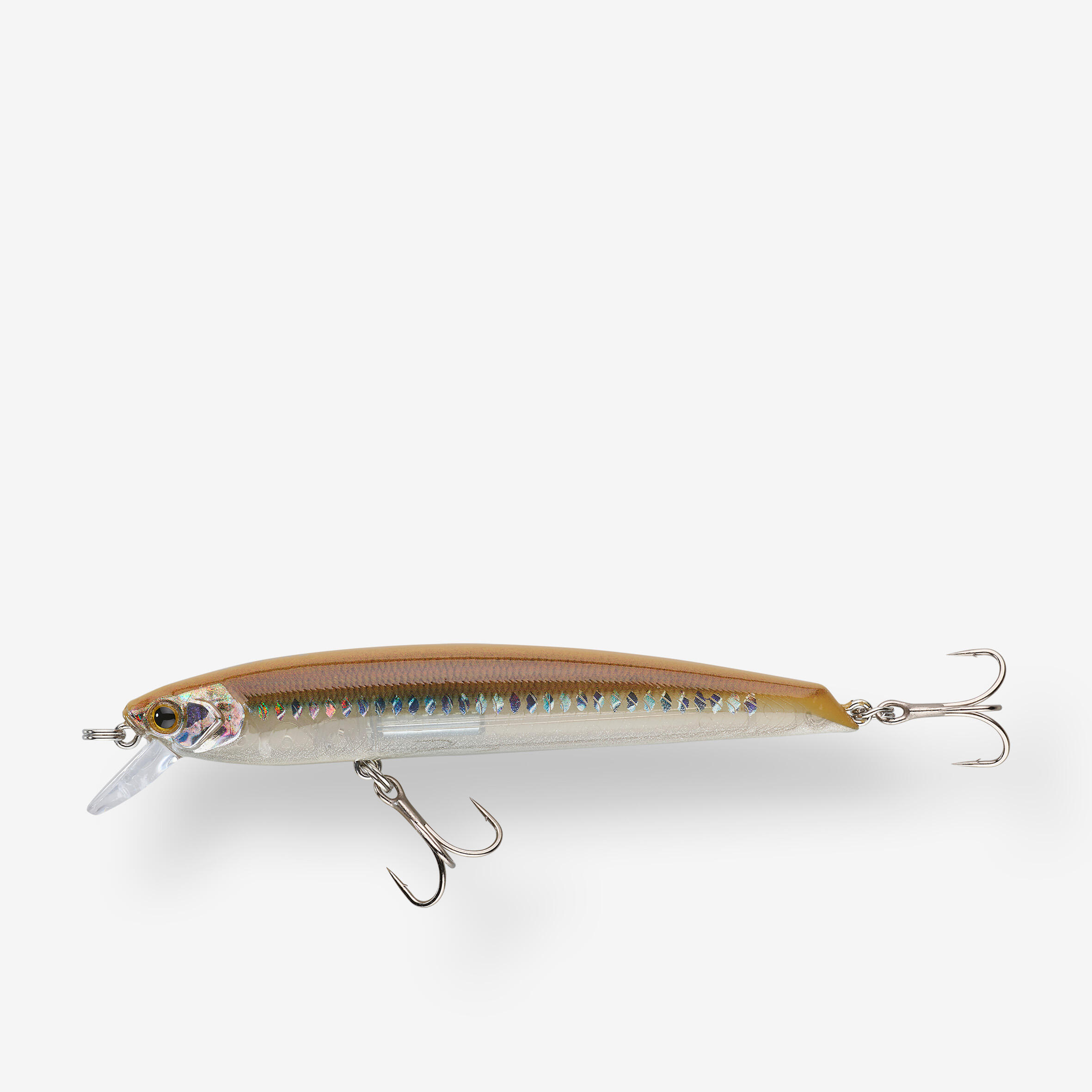
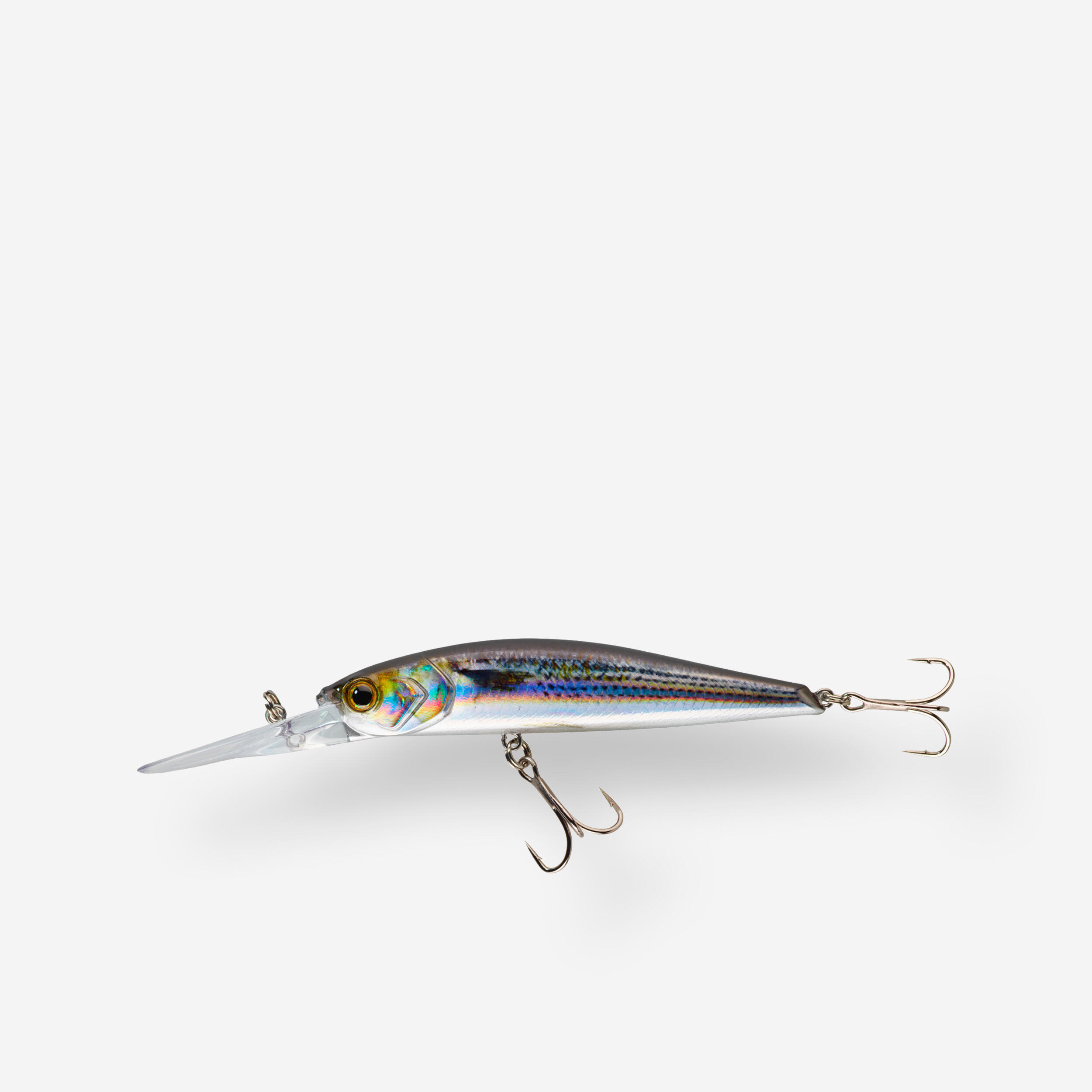
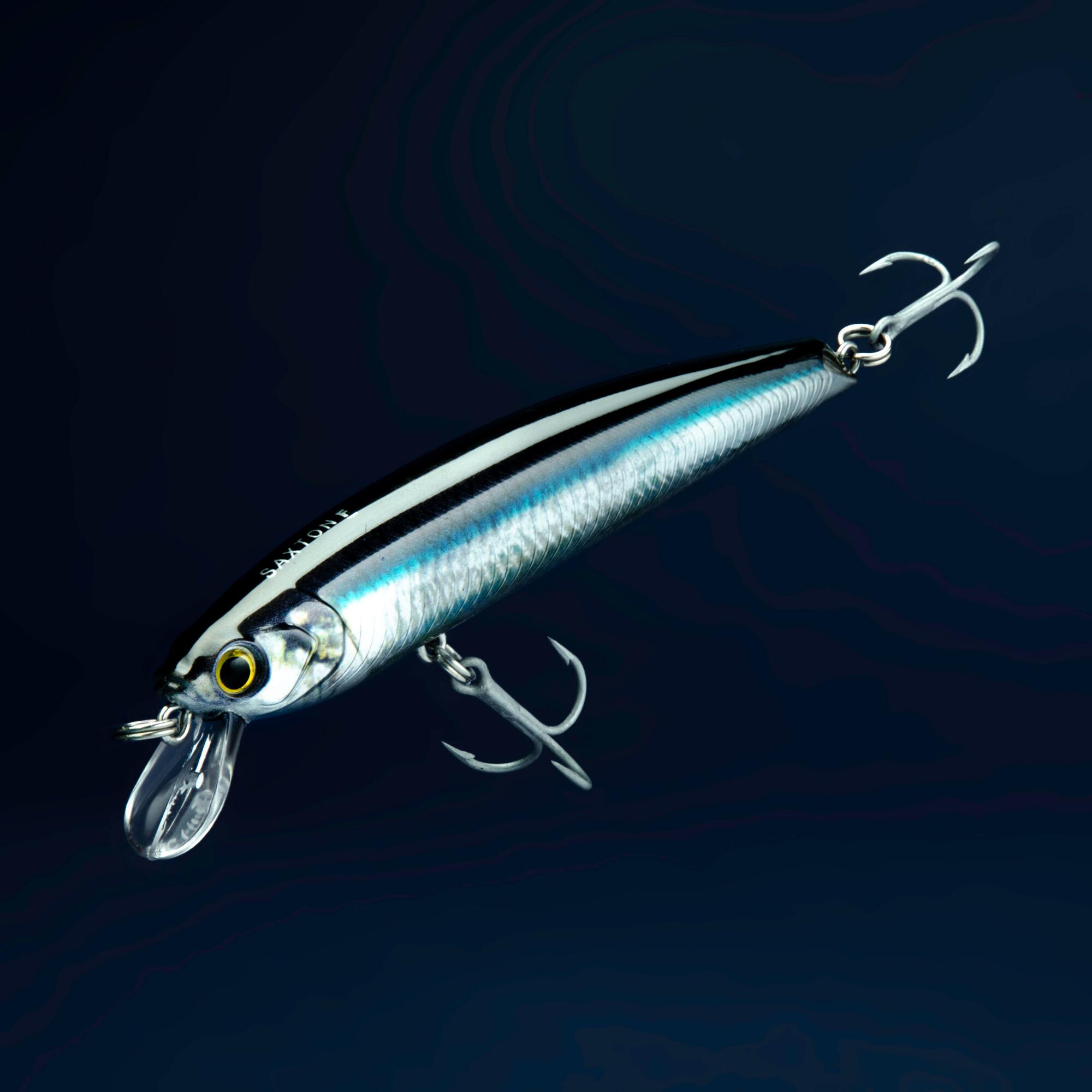
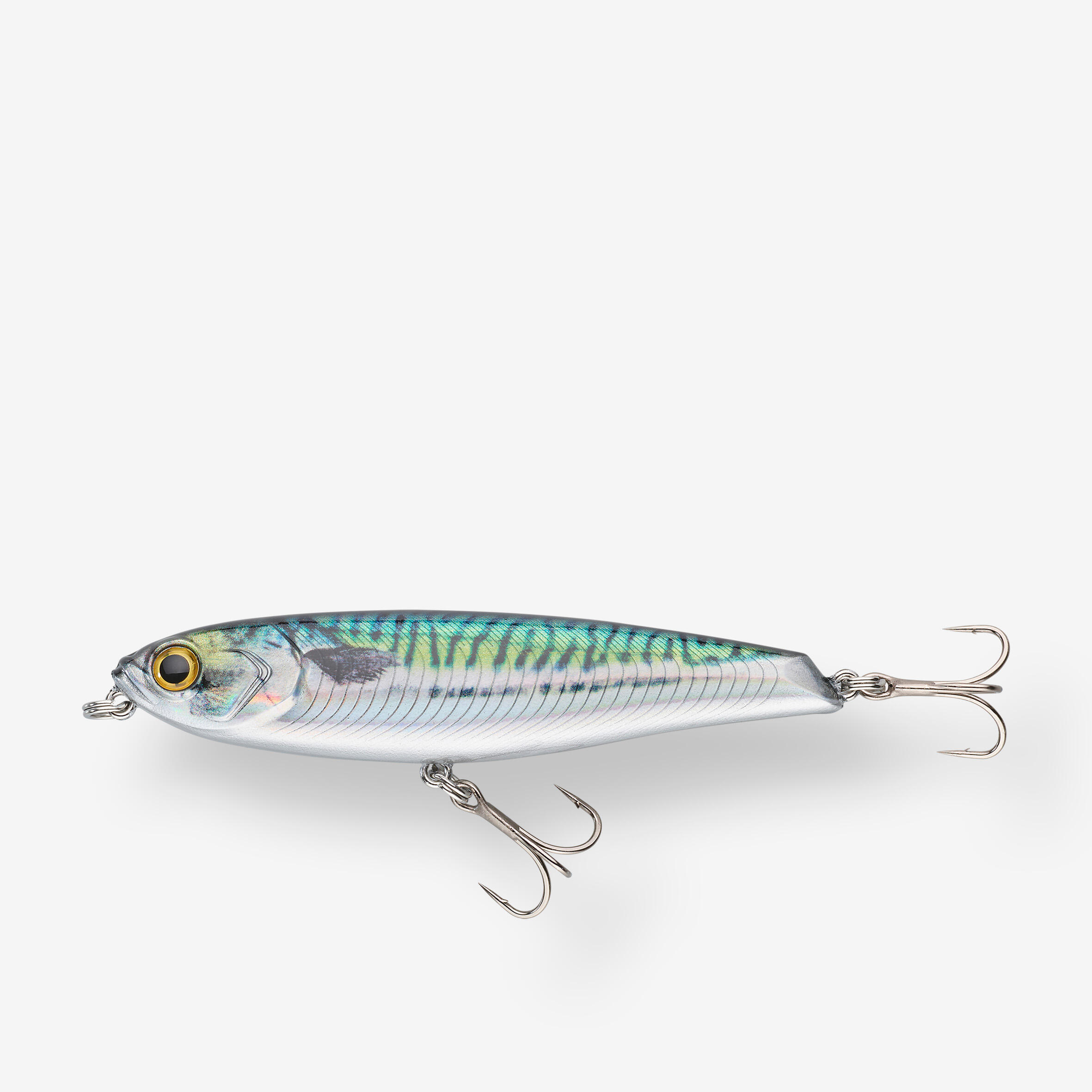
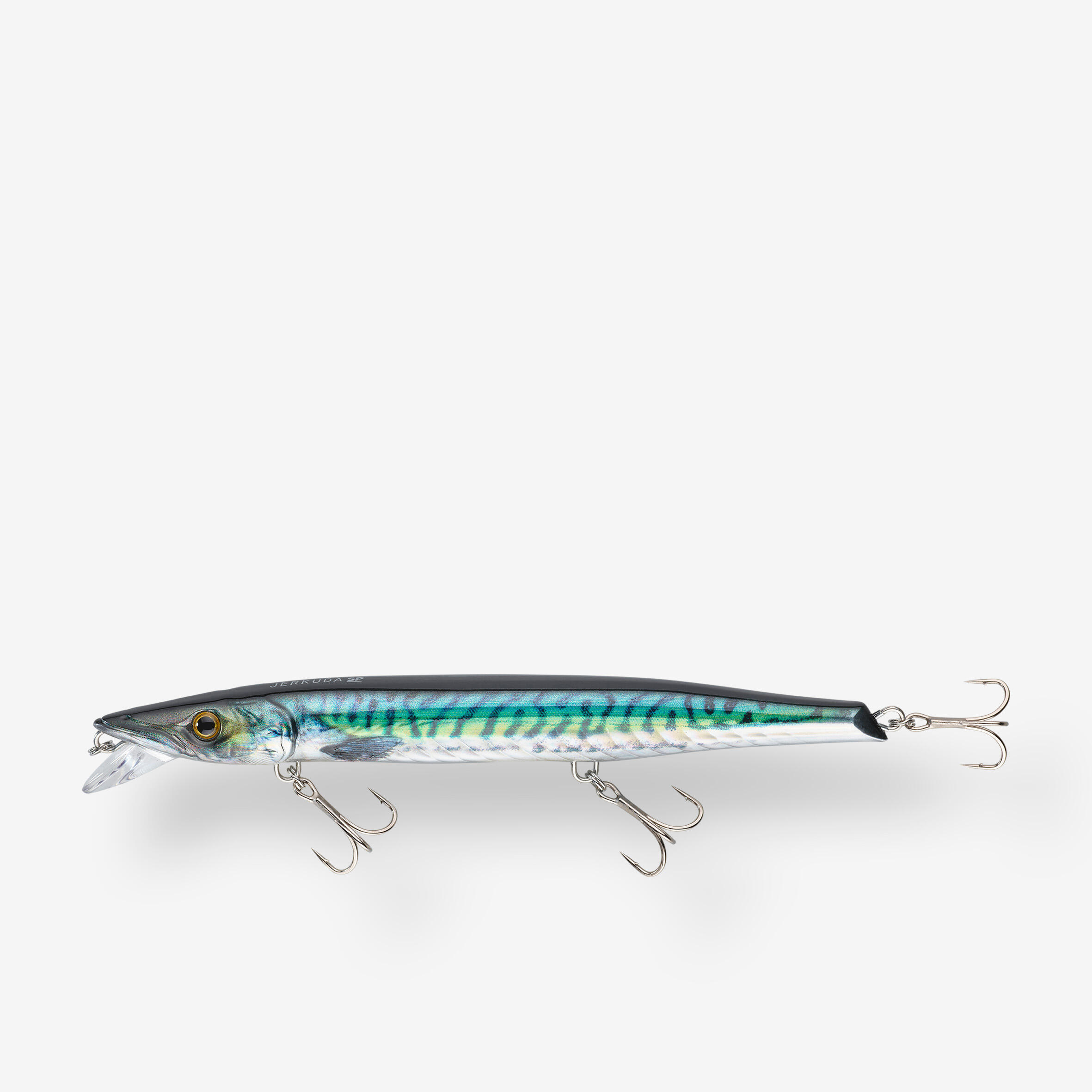
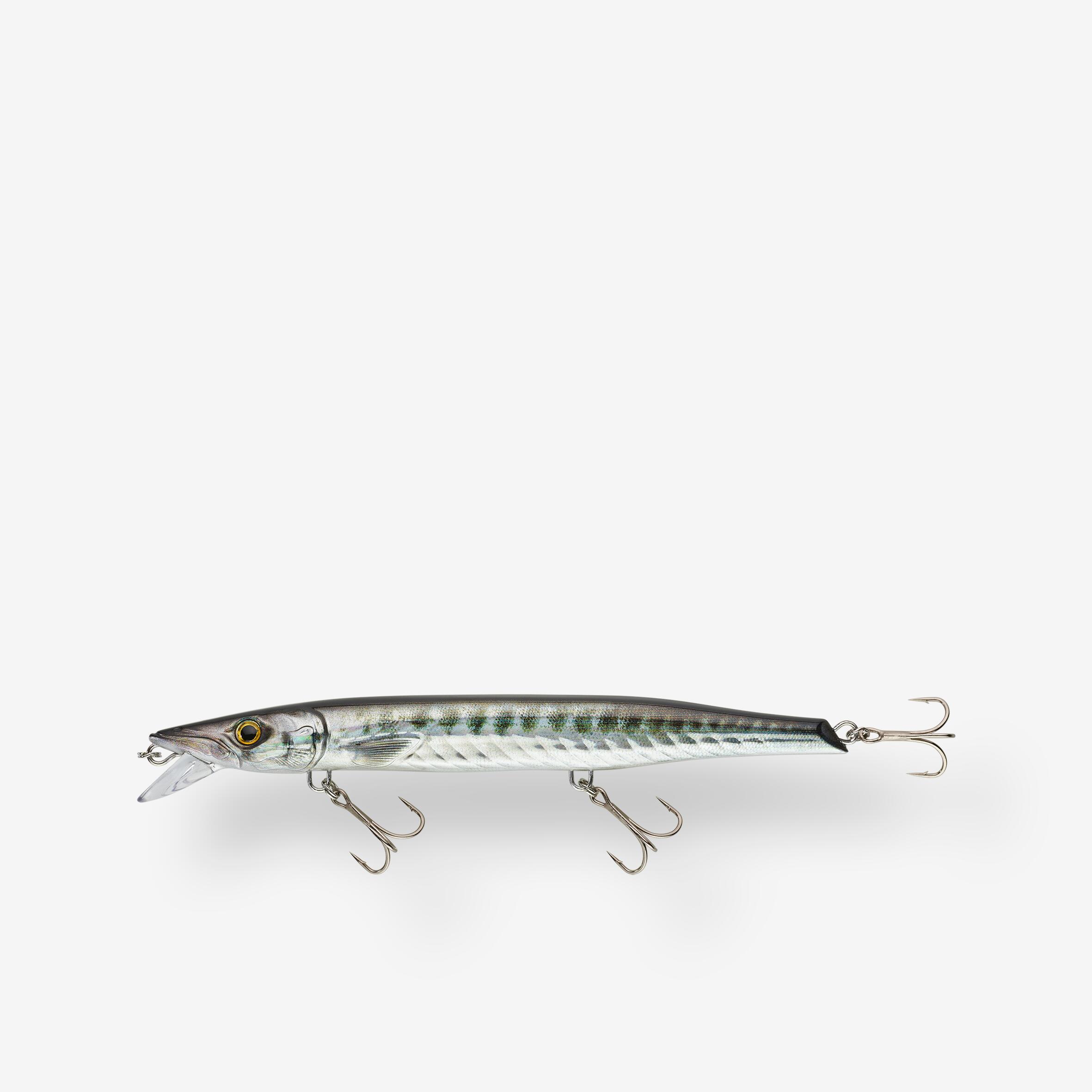
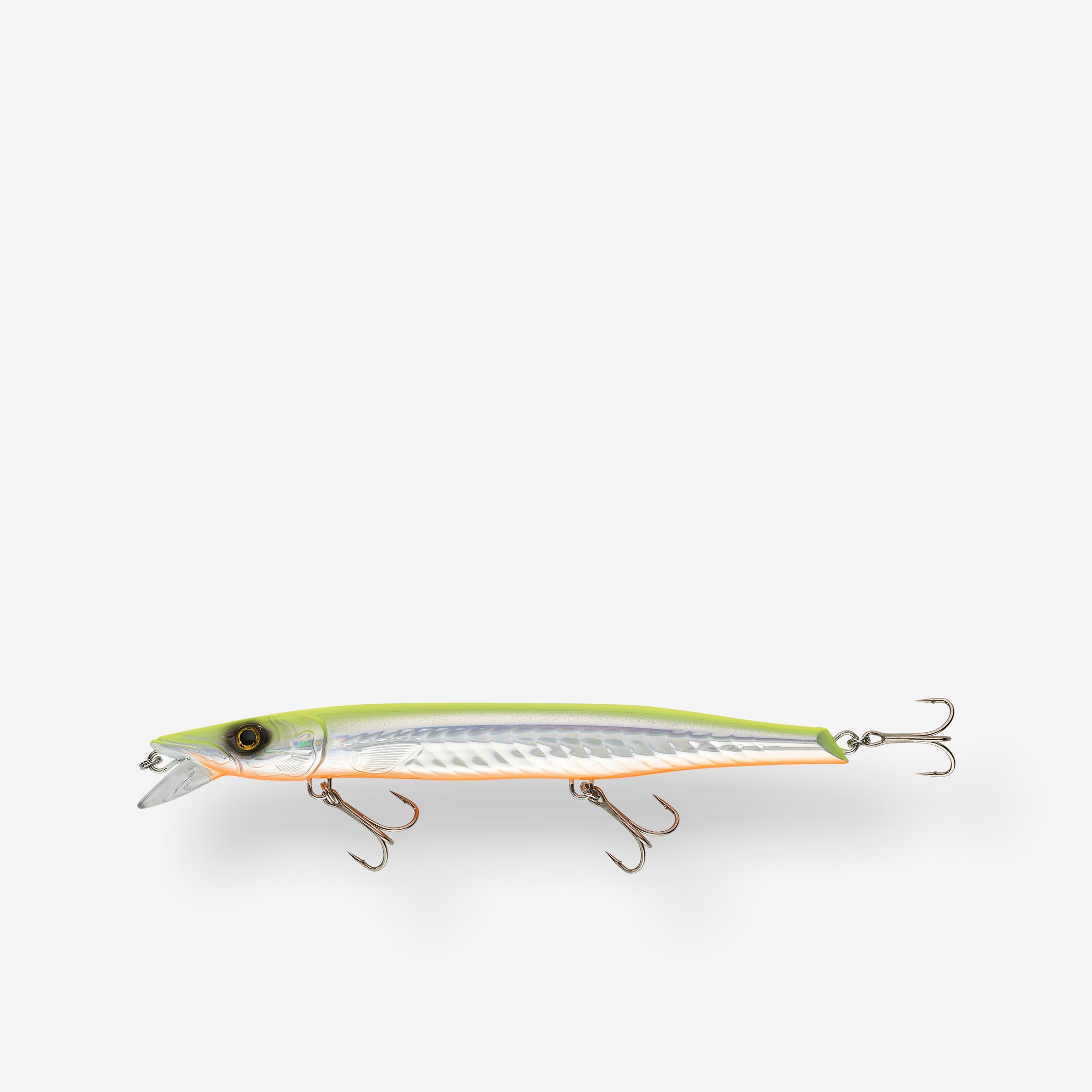
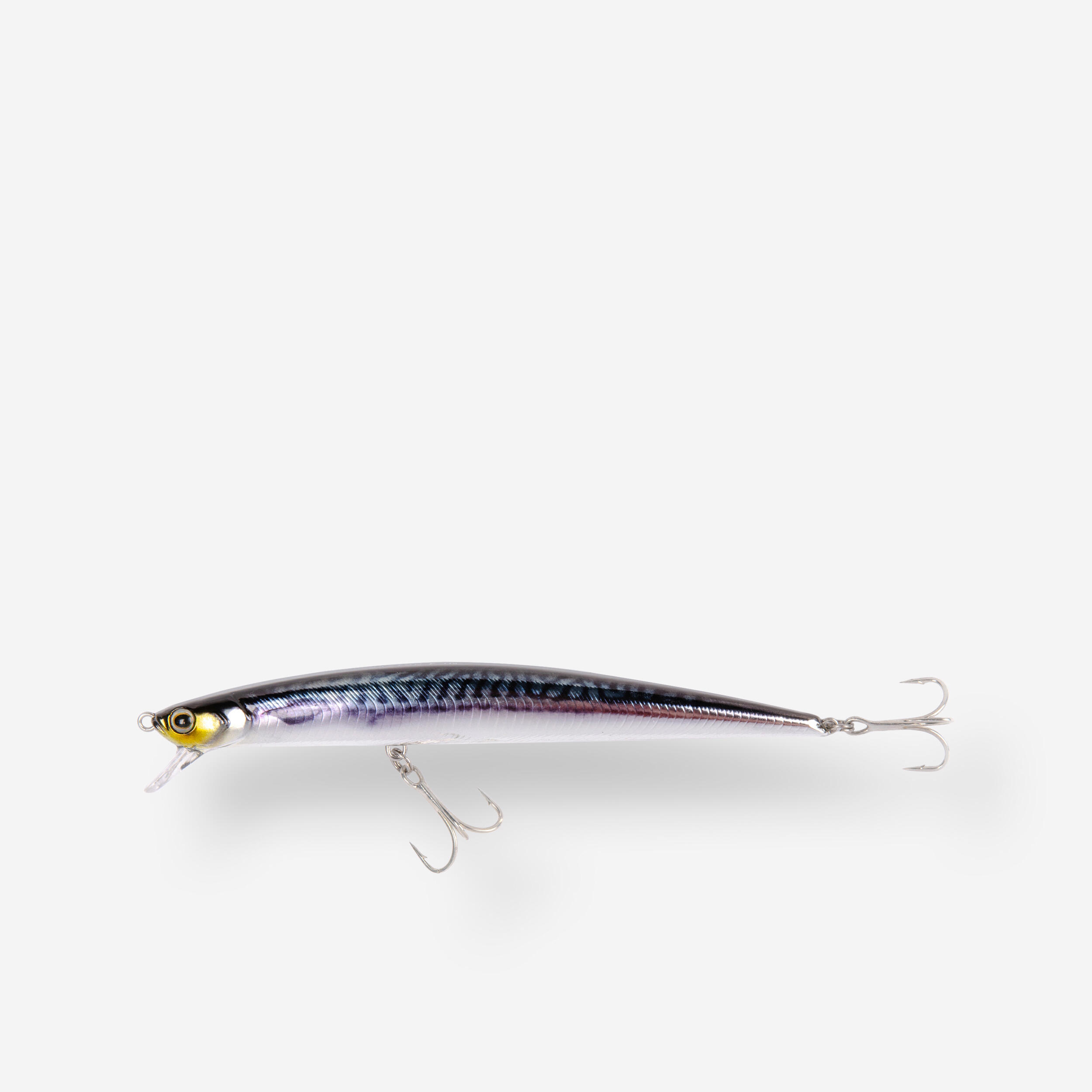
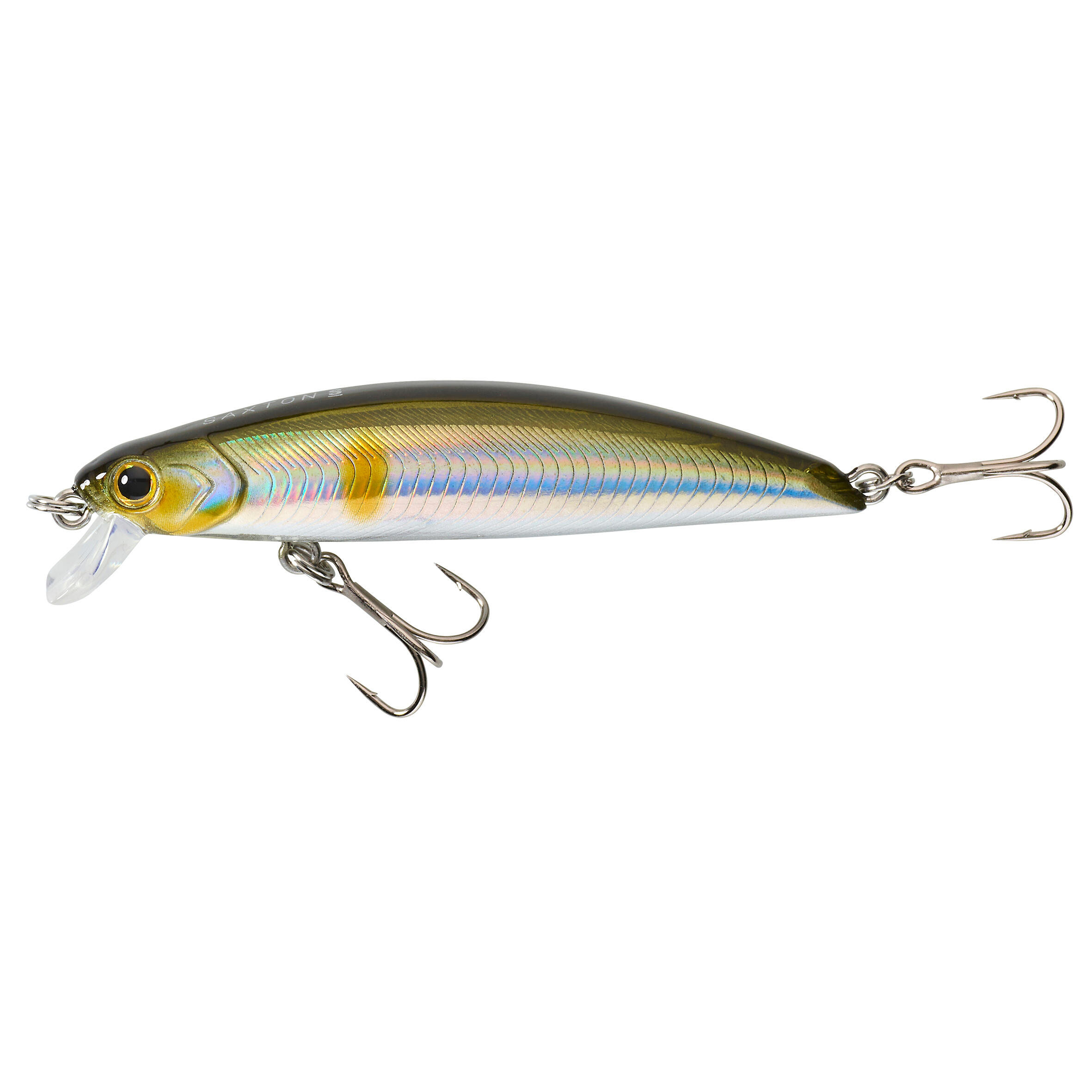
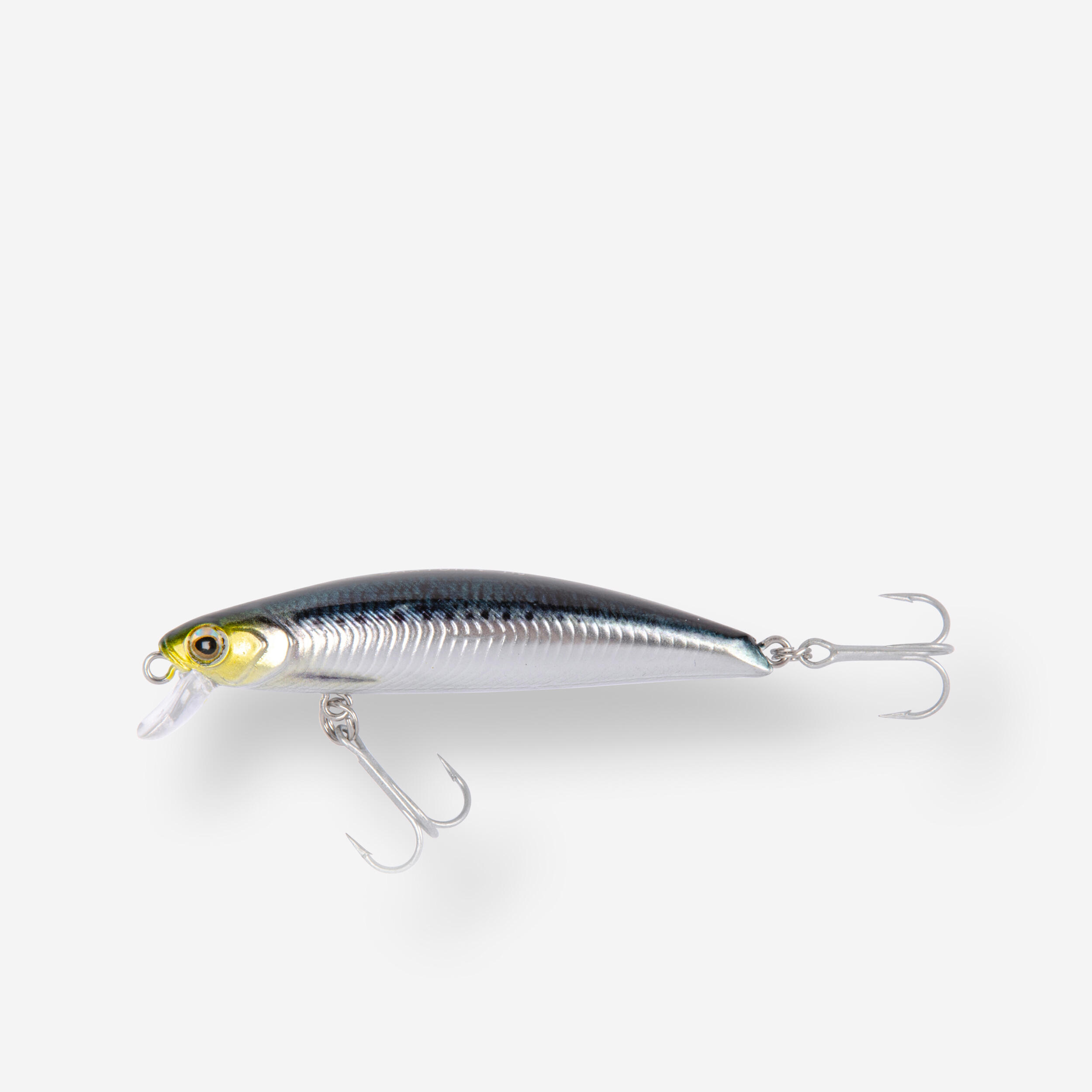
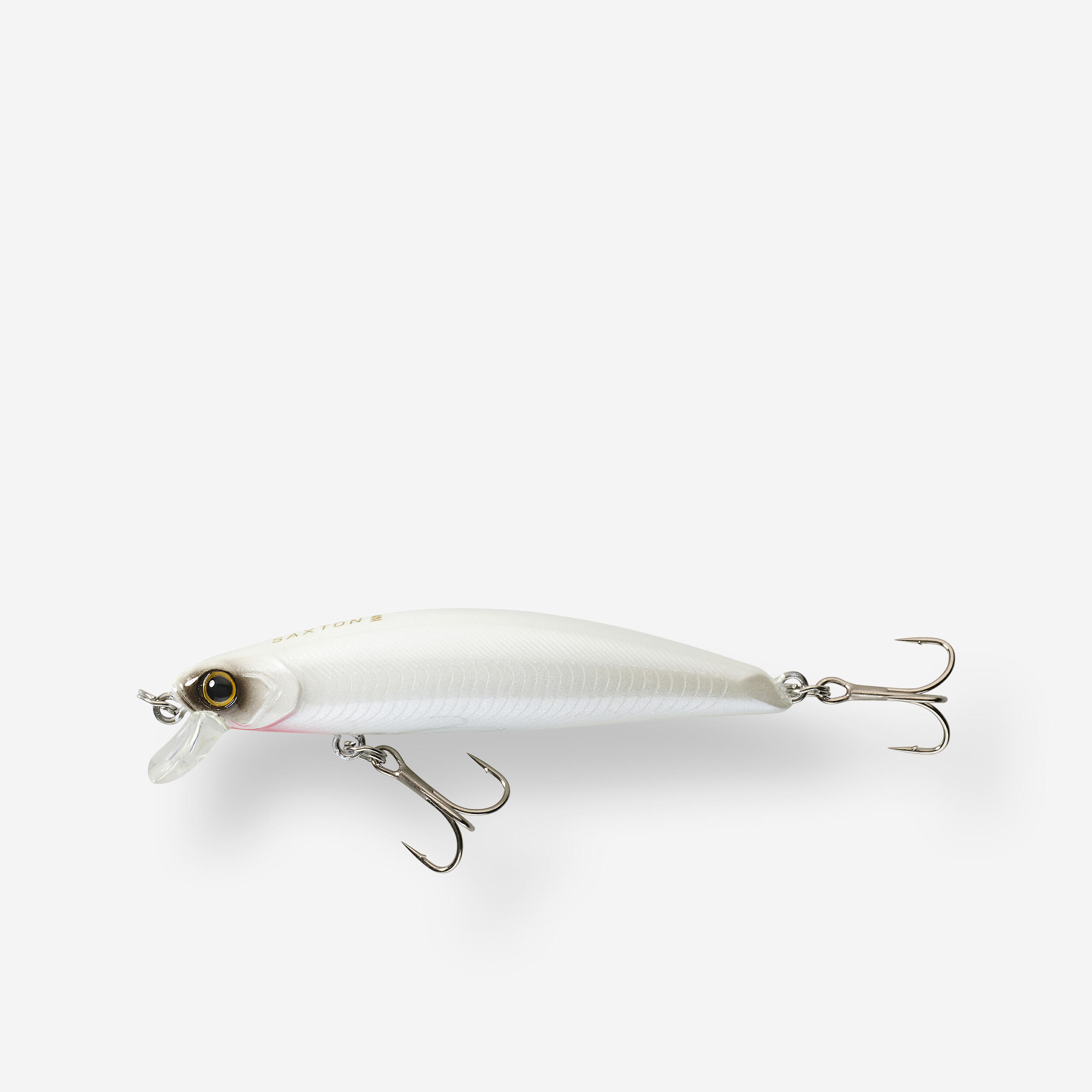
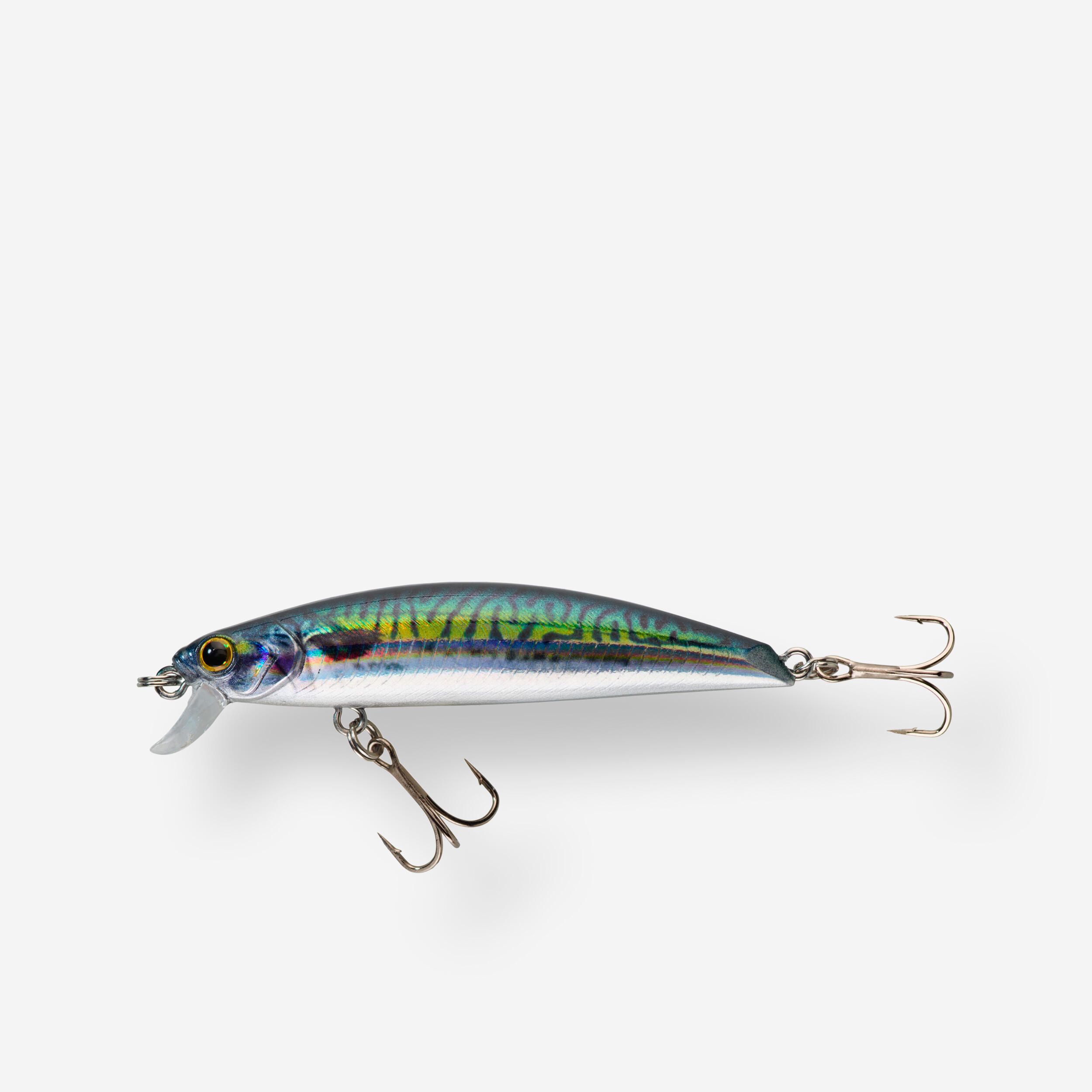
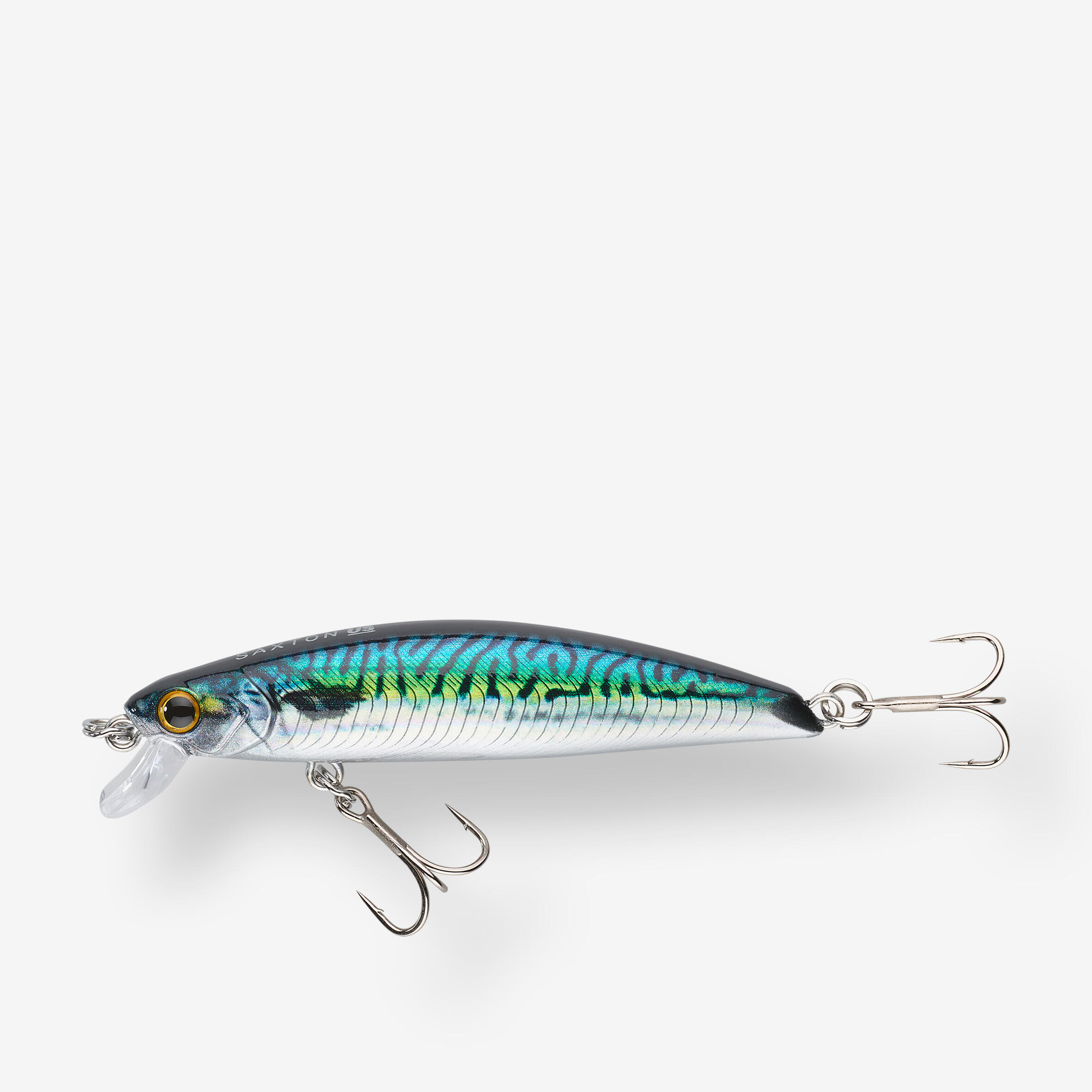
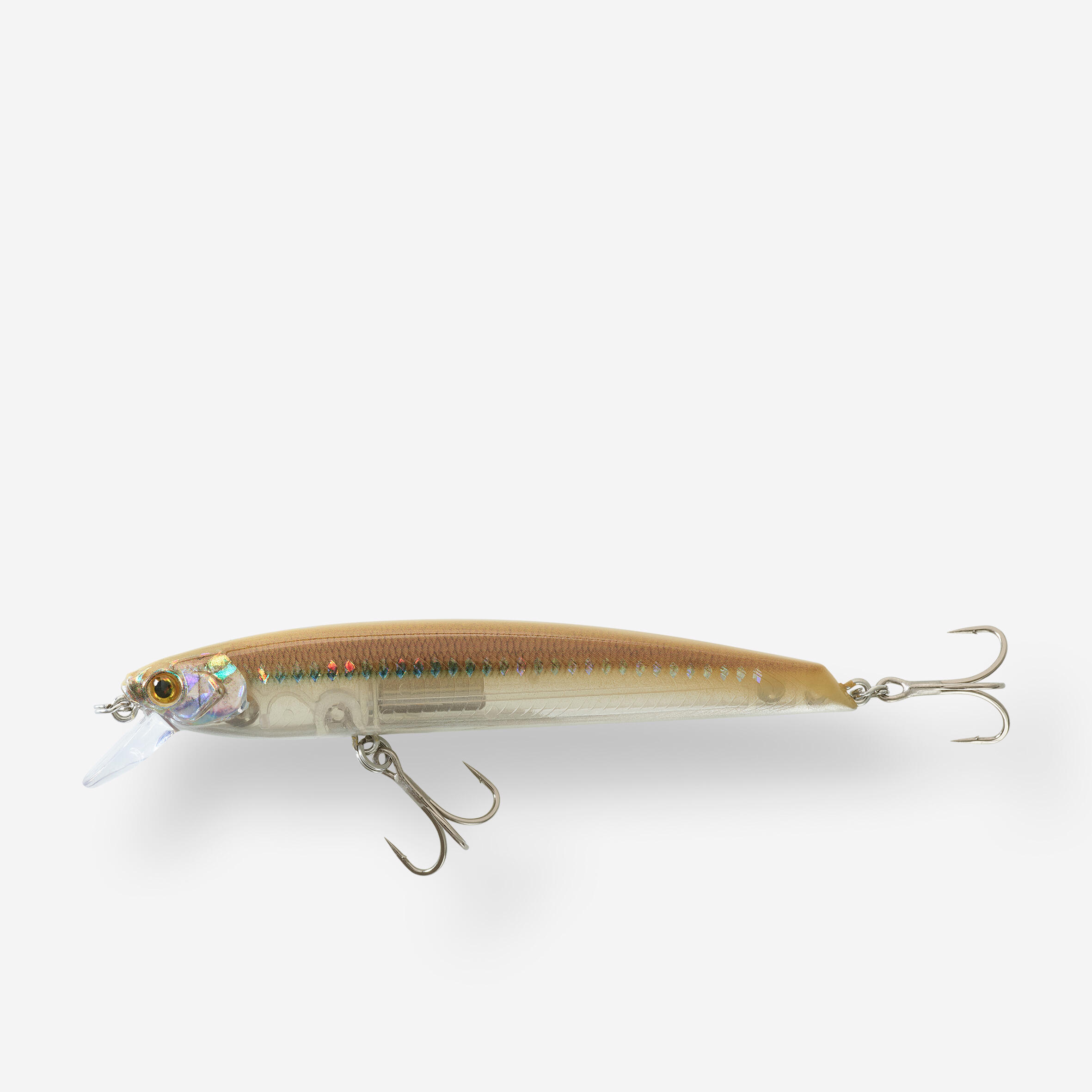
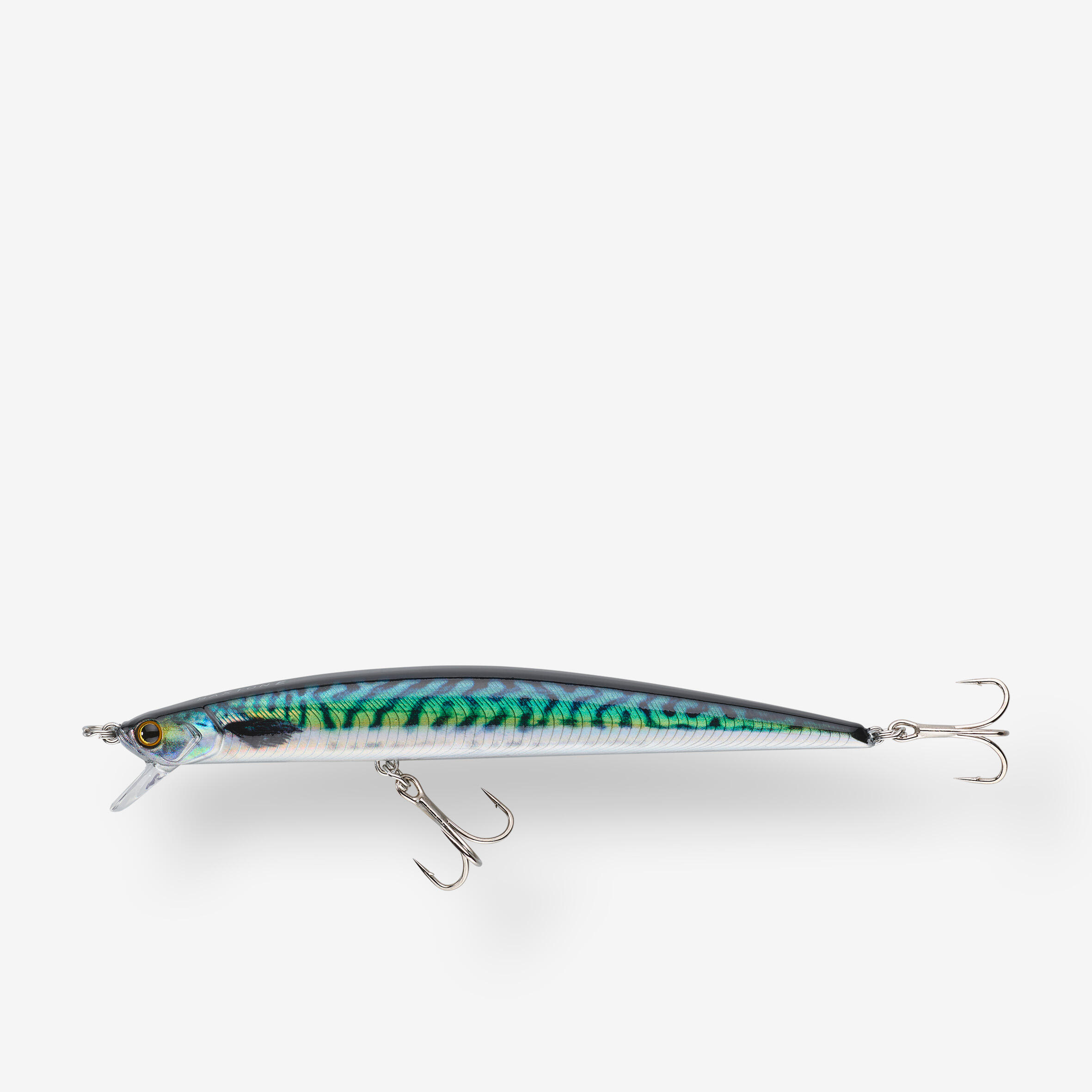
Buoyancy changes what happens when you pause the retrieve, which can alter how a predator reacts to the lure. A floating lure rises towards the surface when you stop winding, while a suspending lure stays close to its working depth. Caperlan's lure fishing hardbaits in the SAXTON 110SP format work at roughly 40-70 cm and remain suspended during pauses. This version also contains rattles, adding sound to the presentation. Floating SAXTON models work in a similar shallow zone but rise when stationary. Use pauses deliberately so the lure changes behaviour instead of keeping every retrieve at one constant pace.
What qualifies a pencil stickbait useful for surface fishing?

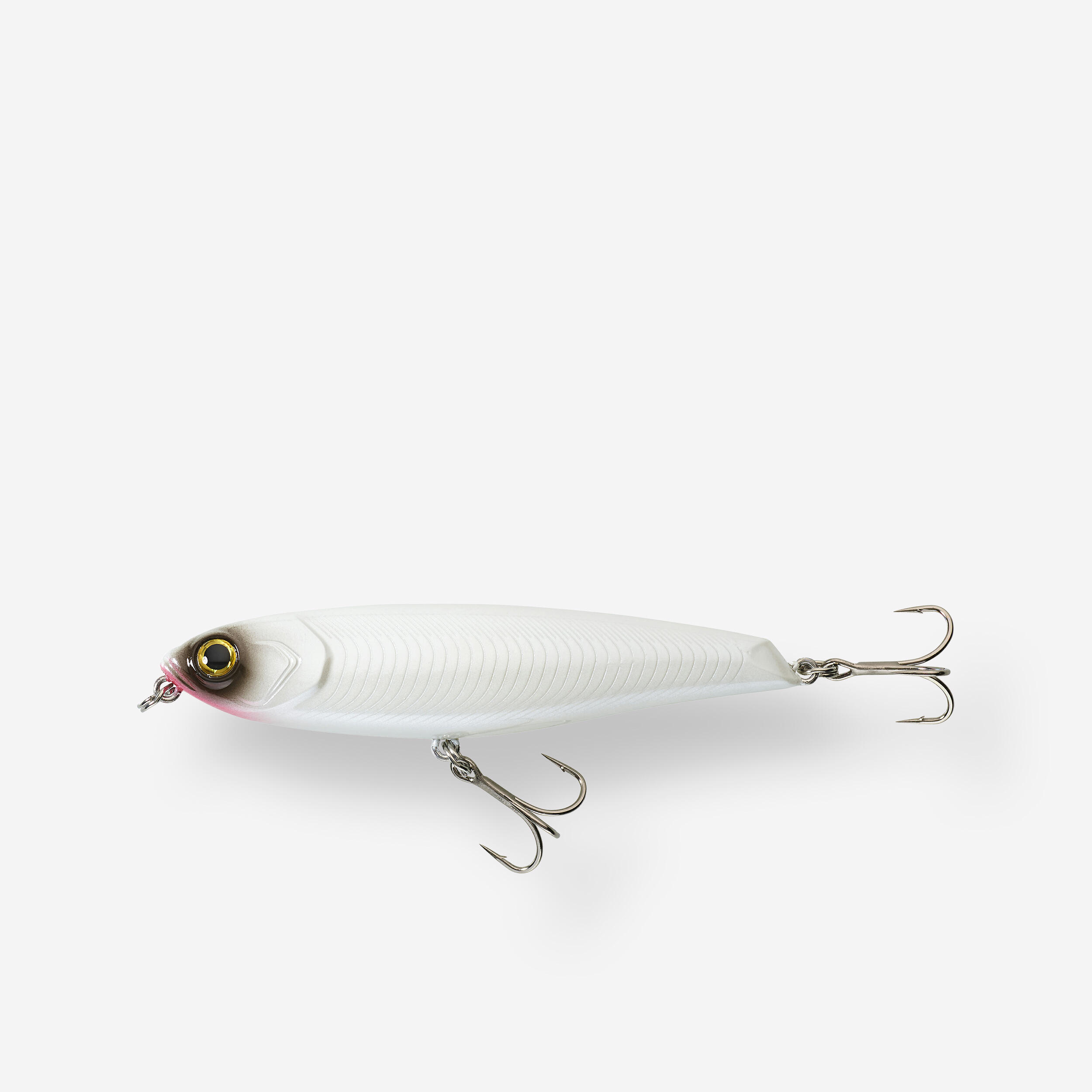
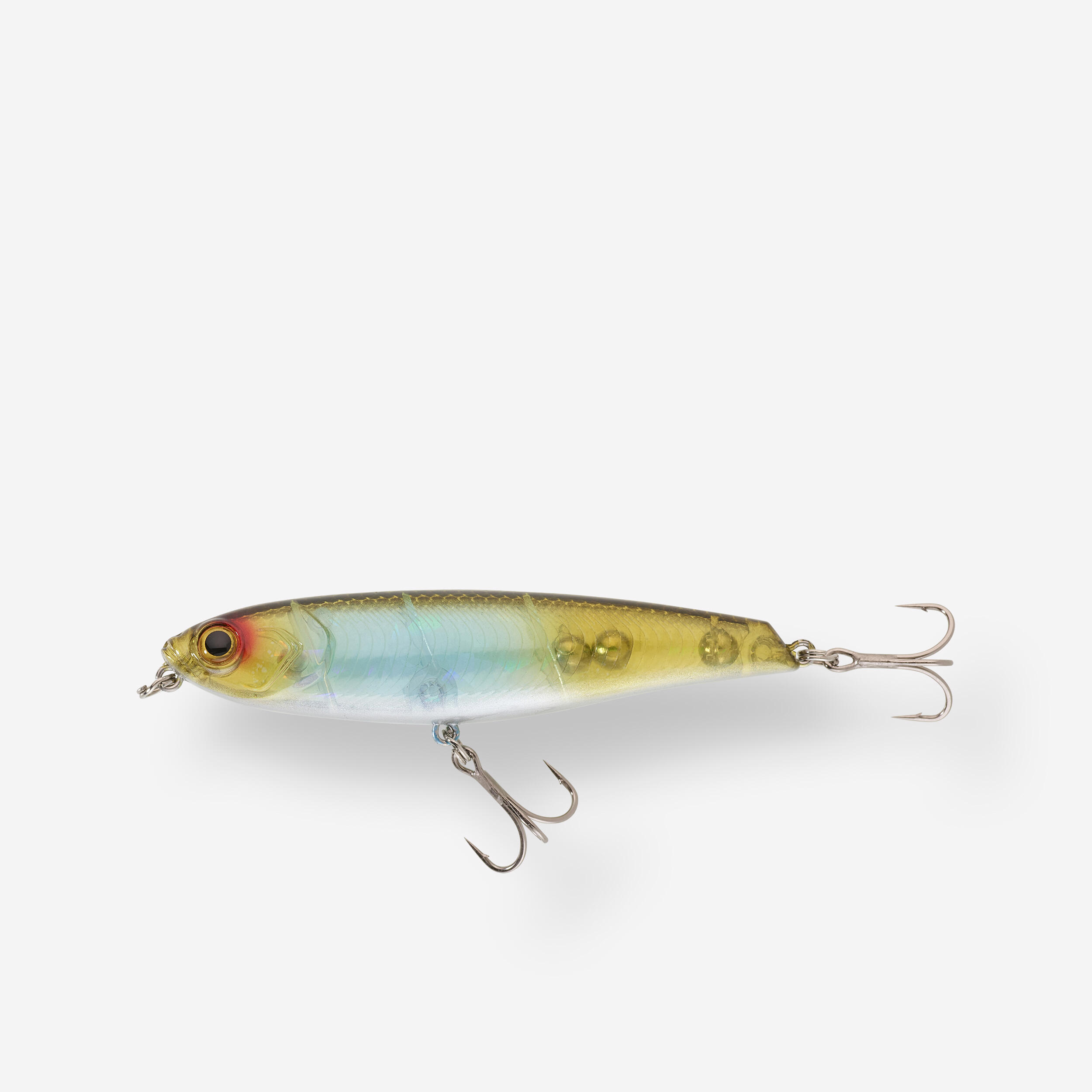
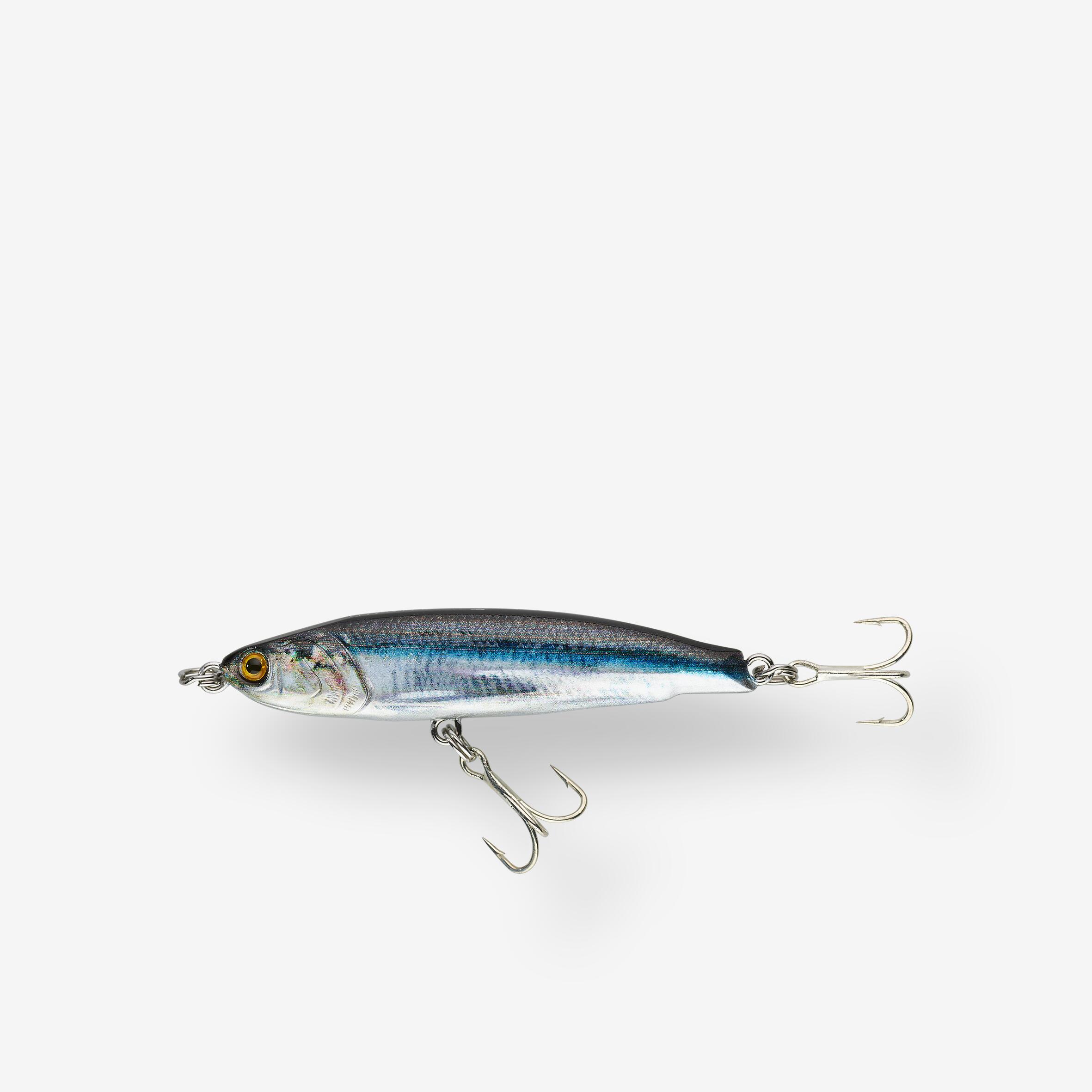
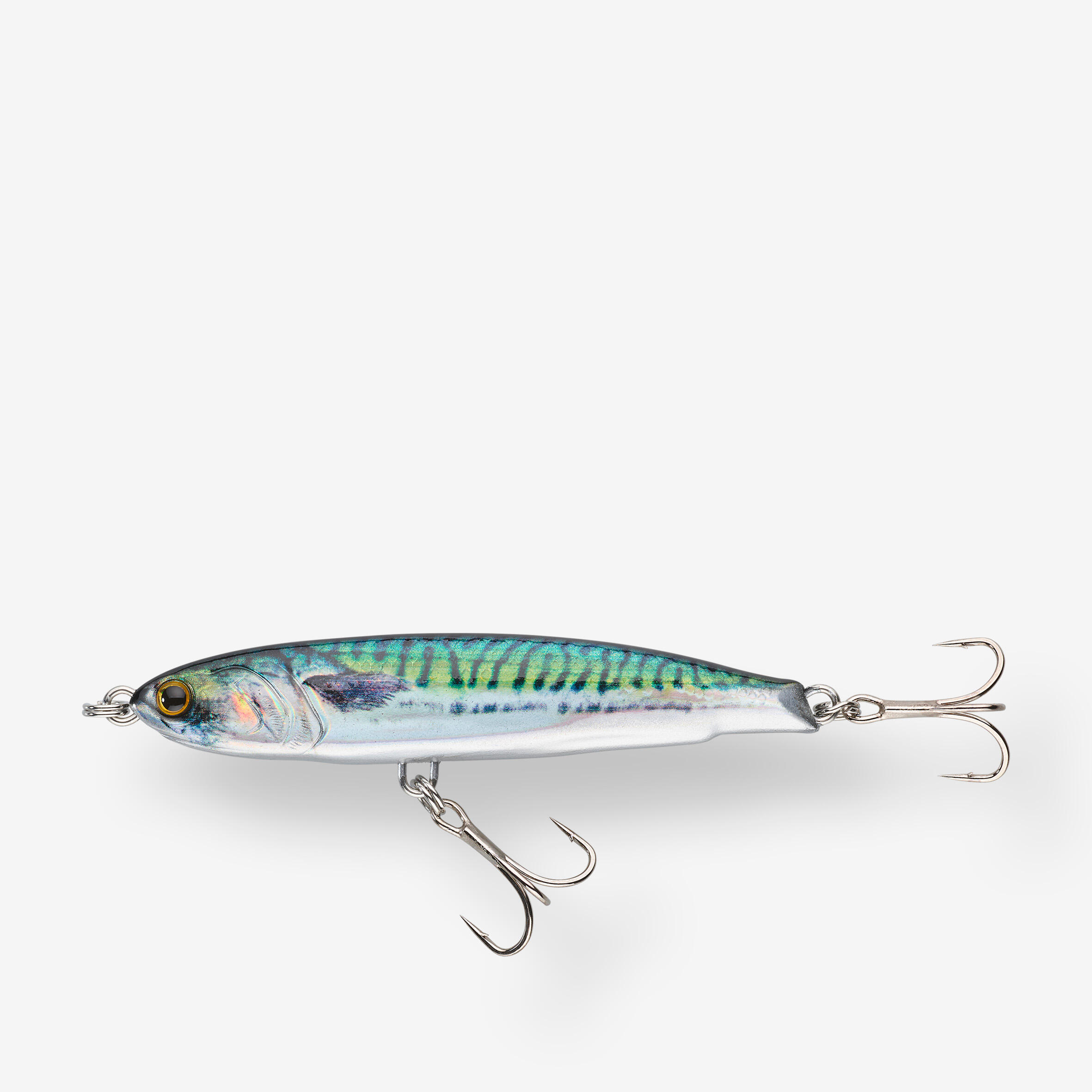
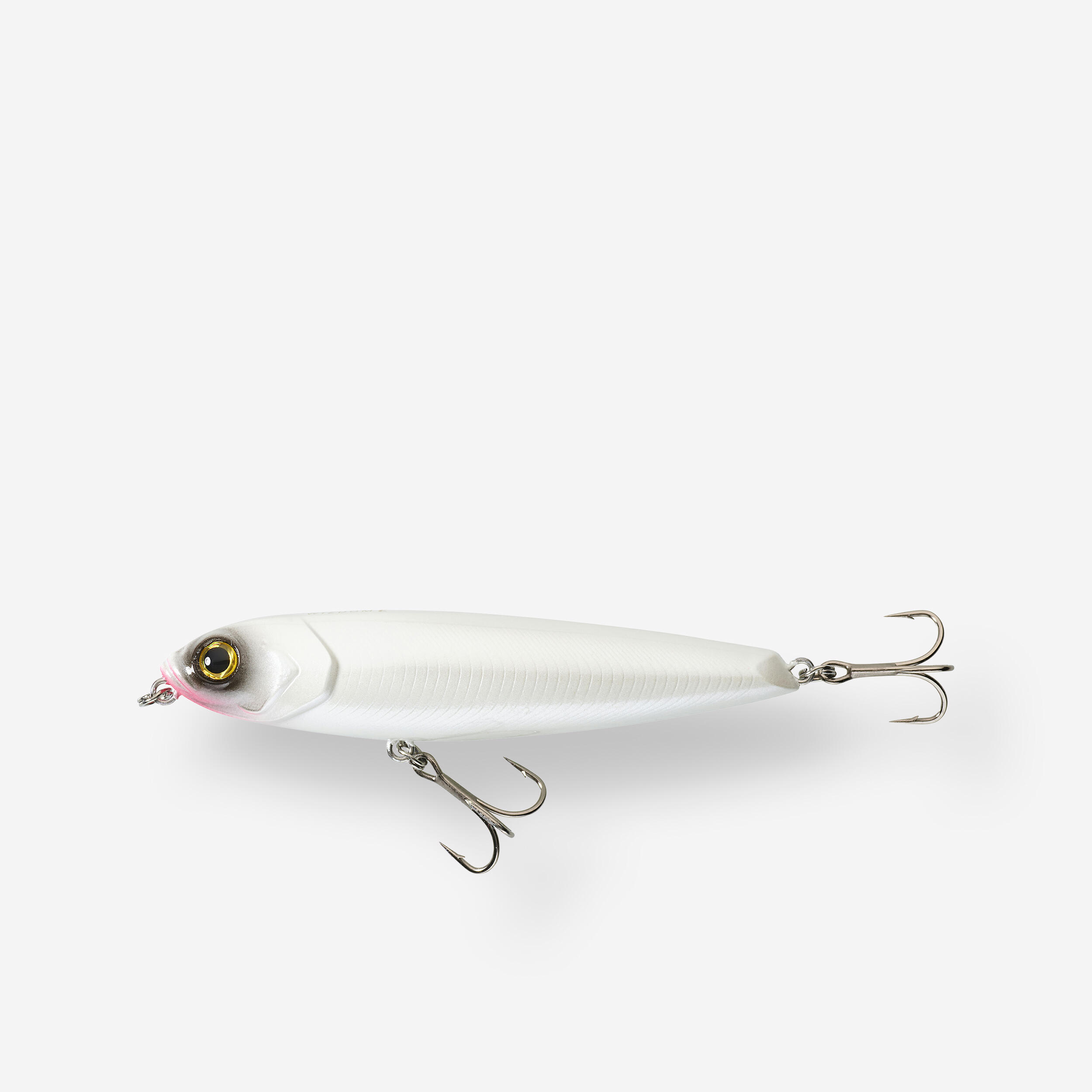
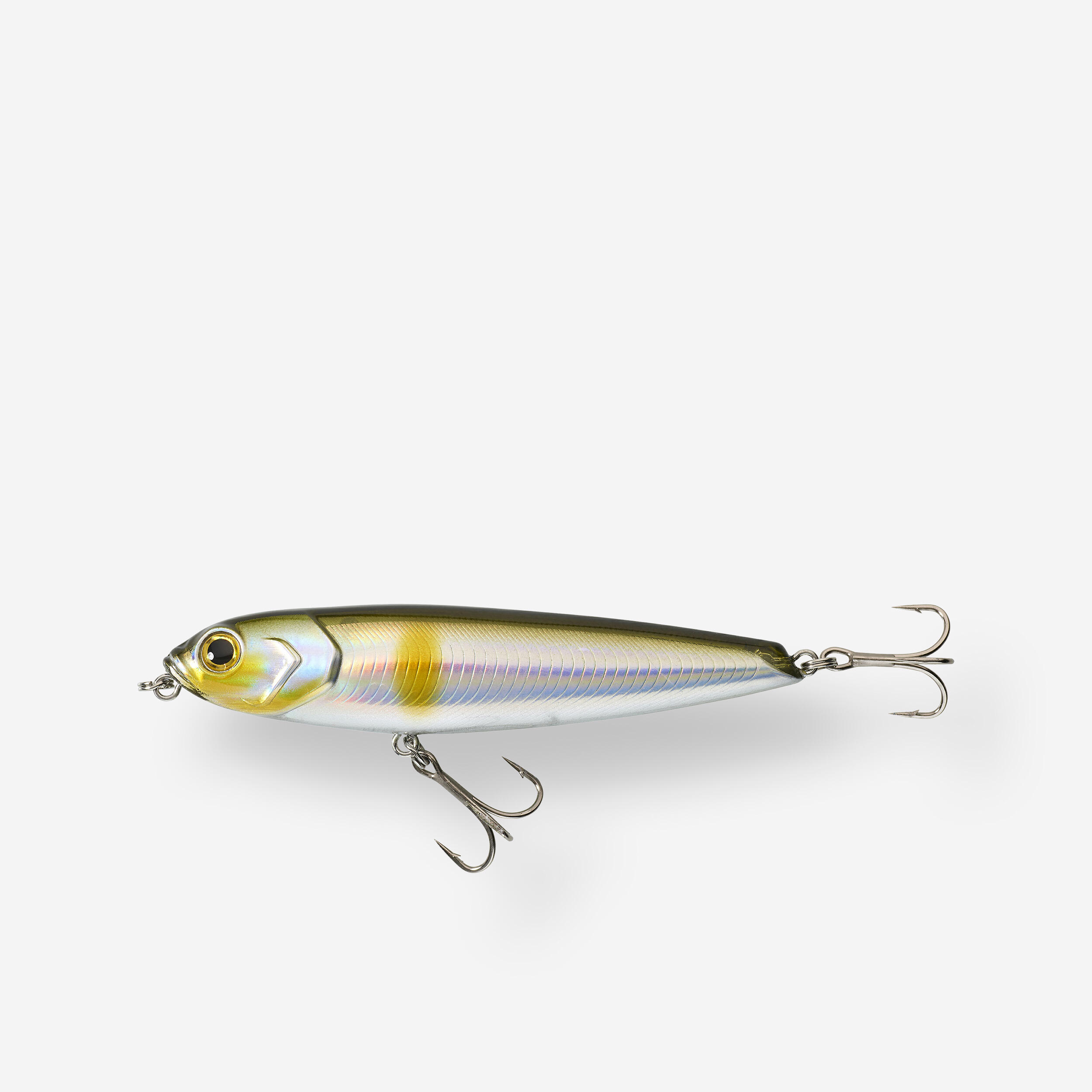
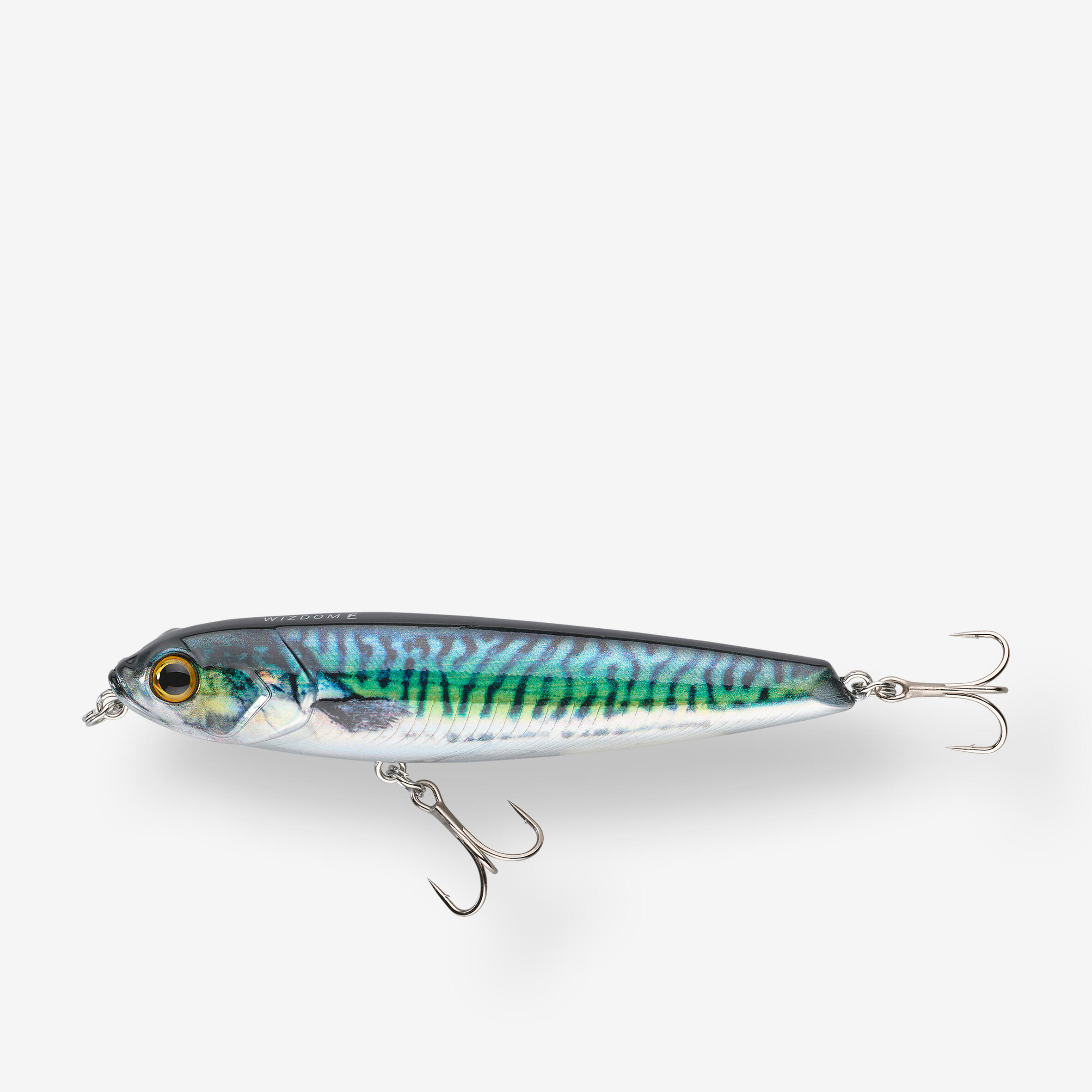
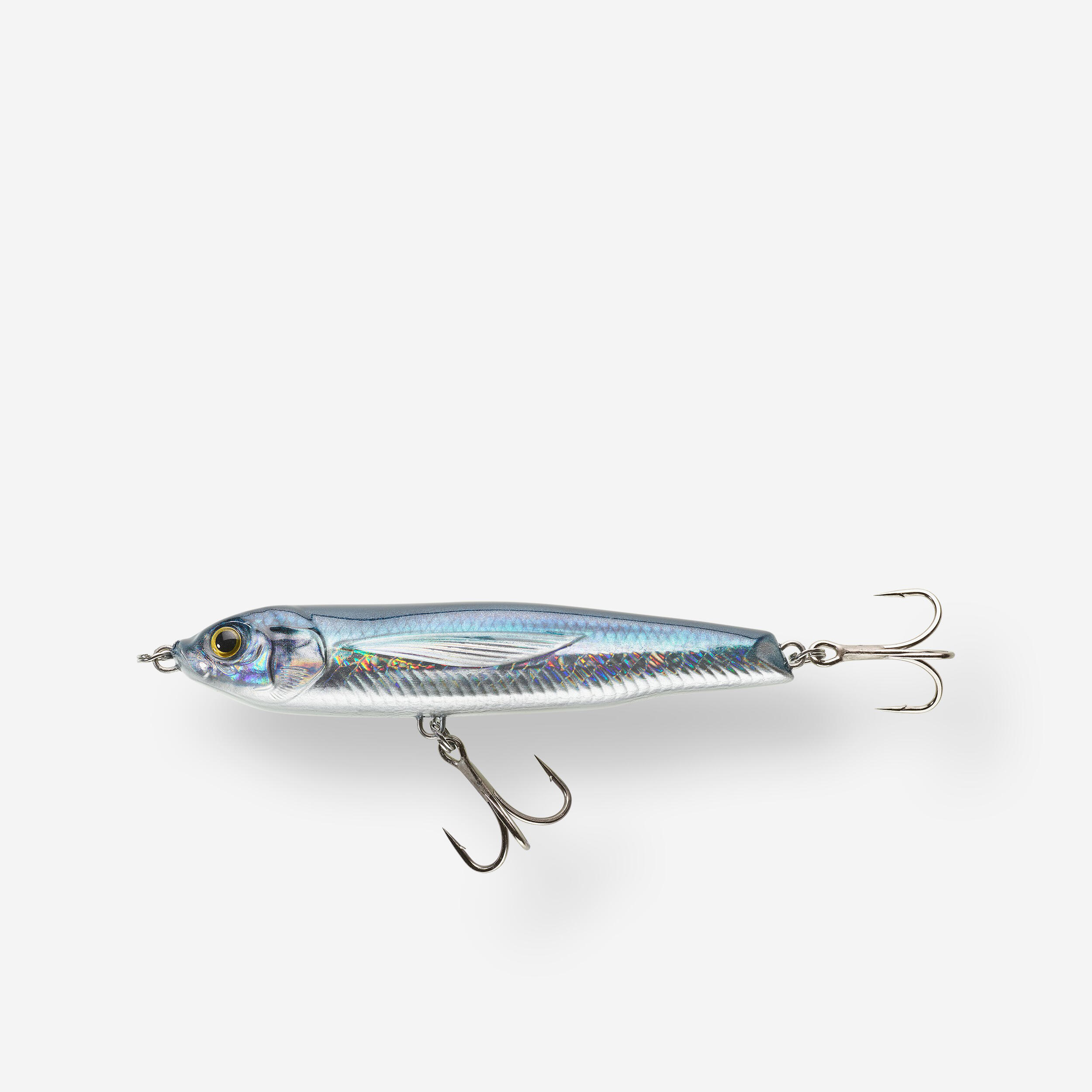
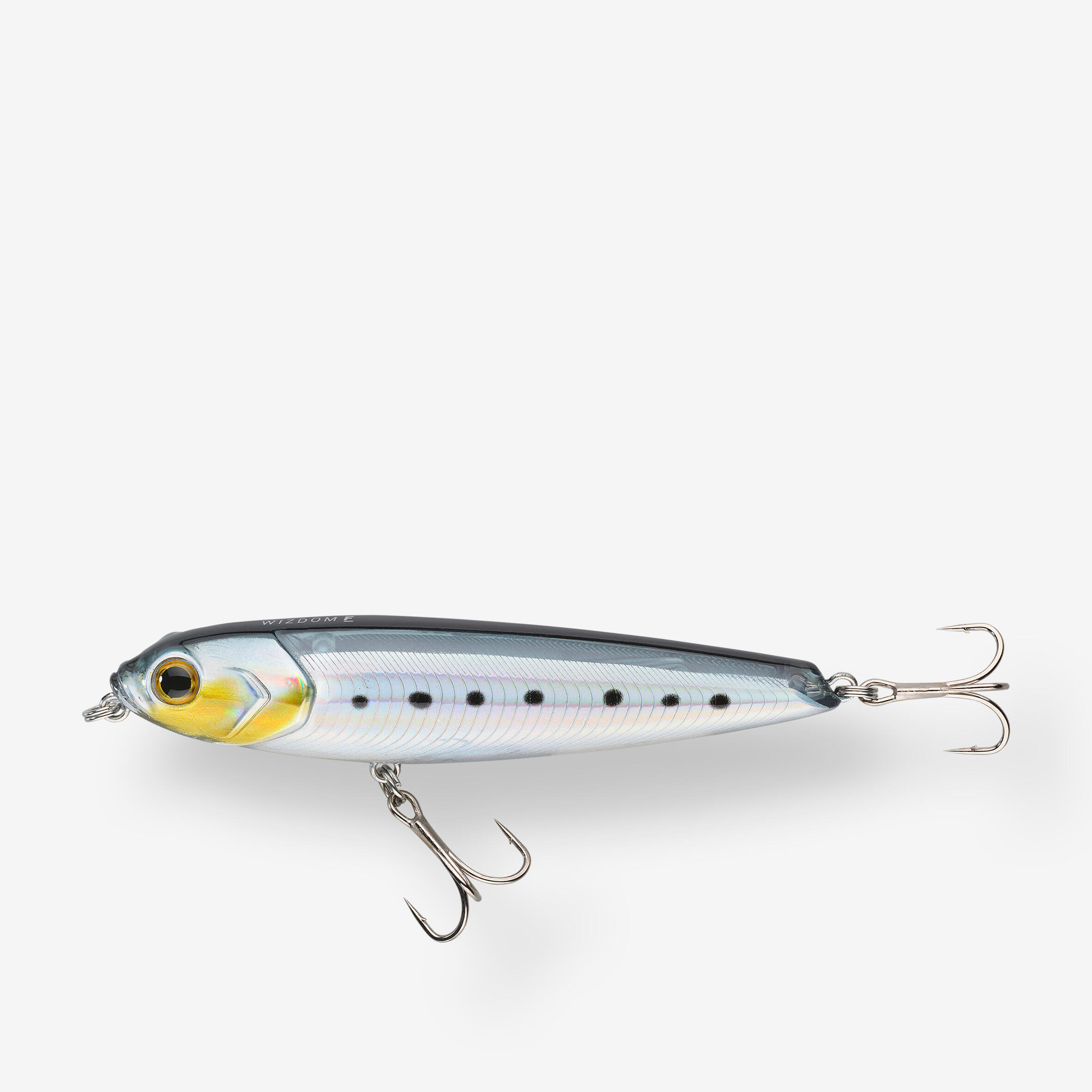
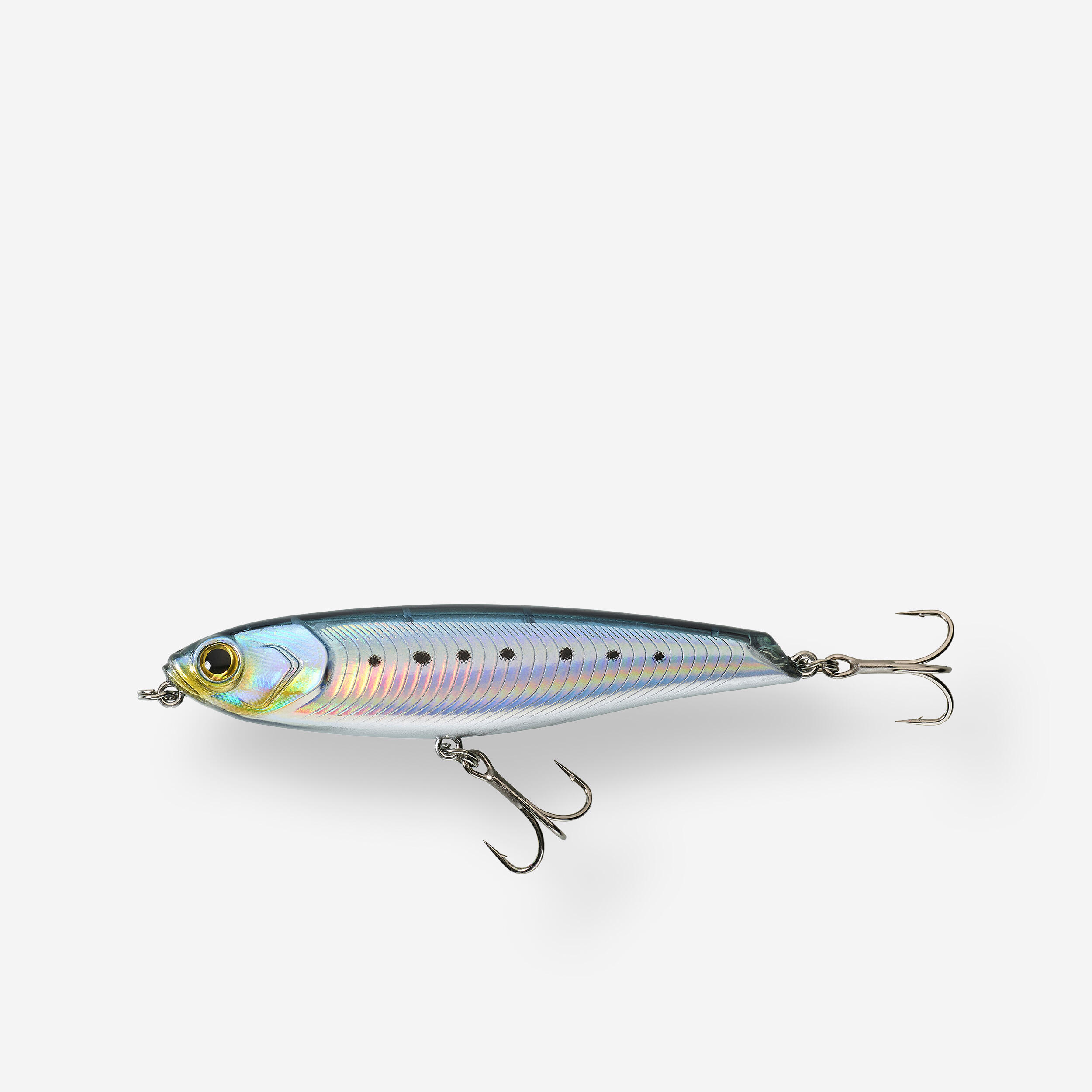
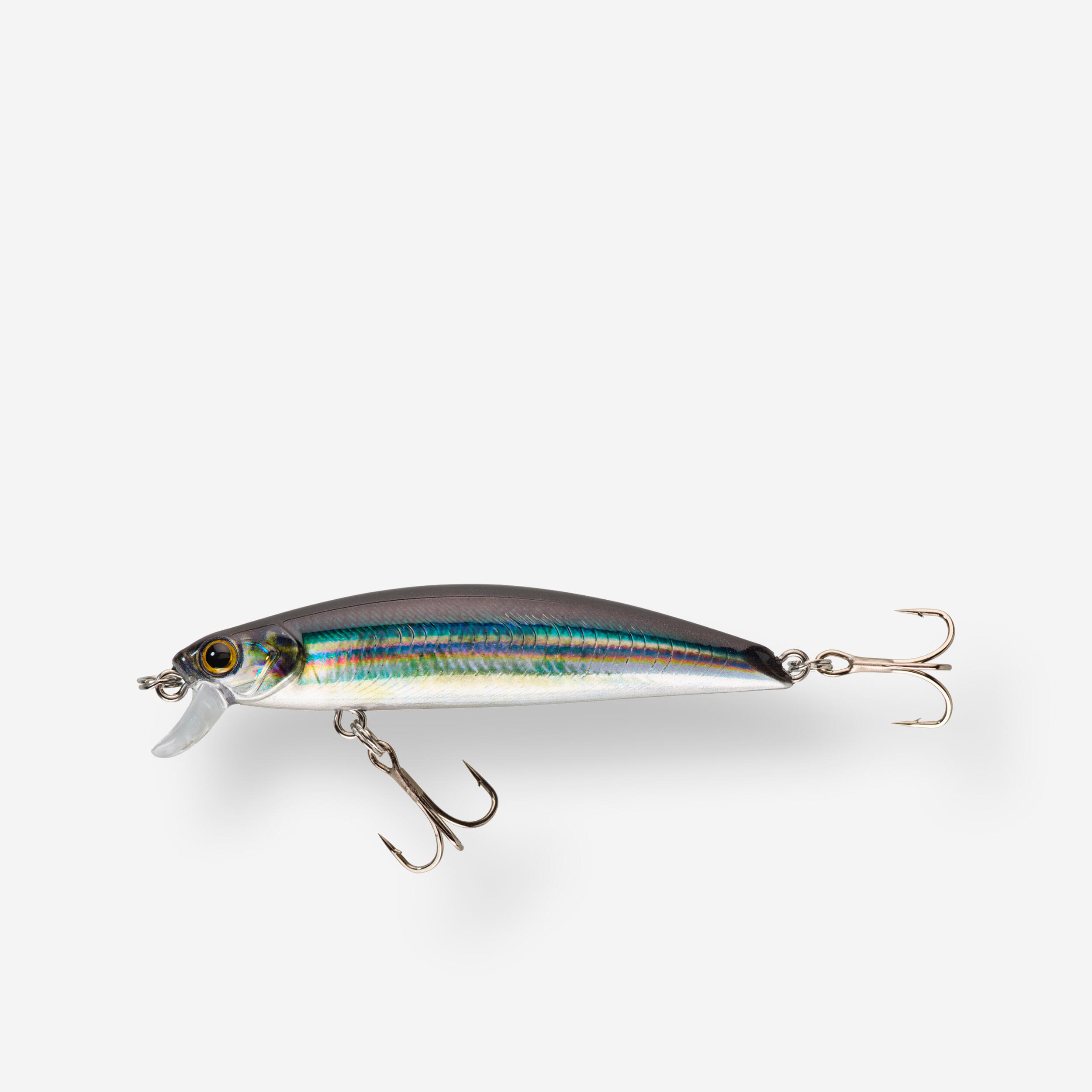
A floating pencil lure works on the surface, making it useful when fish are feeding high in the water or reacting to visible prey movement. Caperlan's hard lure pencil stickbaits for sea fishing use an S-shaped surface action that creates side-to-side movement. An internal counterweight helps with casting distance, while rattles add sound as the lure moves. The WIZDOM 95F measures 95 mm and weighs around 12.5 g, keeping it compact enough for lighter surface presentations. Work the lure with controlled rod-tip movements and short pauses so the side-to-side action remains clear rather than pulling it straight across the surface.

When can a floating plug bait be effective in shallow water?

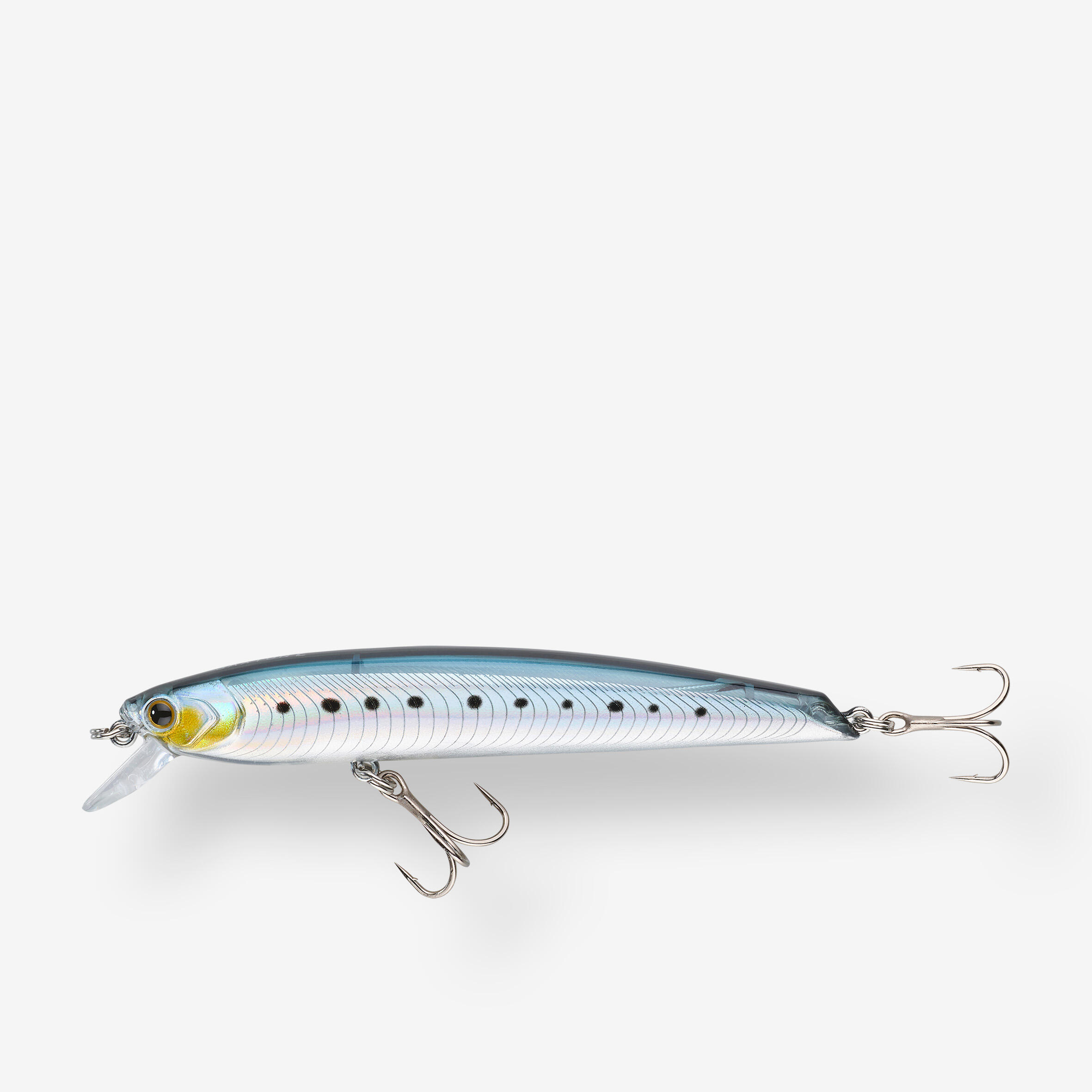
A floating plug can cover water just below the surface while still rising when the retrieve stops. The hard lure plug bait in the SAXTON 110F format works at approximately 40-60 cm and uses a magnetic mass-transfer system that shifts weight during the cast to improve distance. Once the lure starts swimming, the internal mass returns to its working position. This version is silent, creating a different presentation from rattling suspending models. Use it when you want shallow swimming action with a quieter approach, and vary the retrieve speed or pauses according to how actively fish are chasing prey.

How do you match a hardbait to the depth you want to fish?

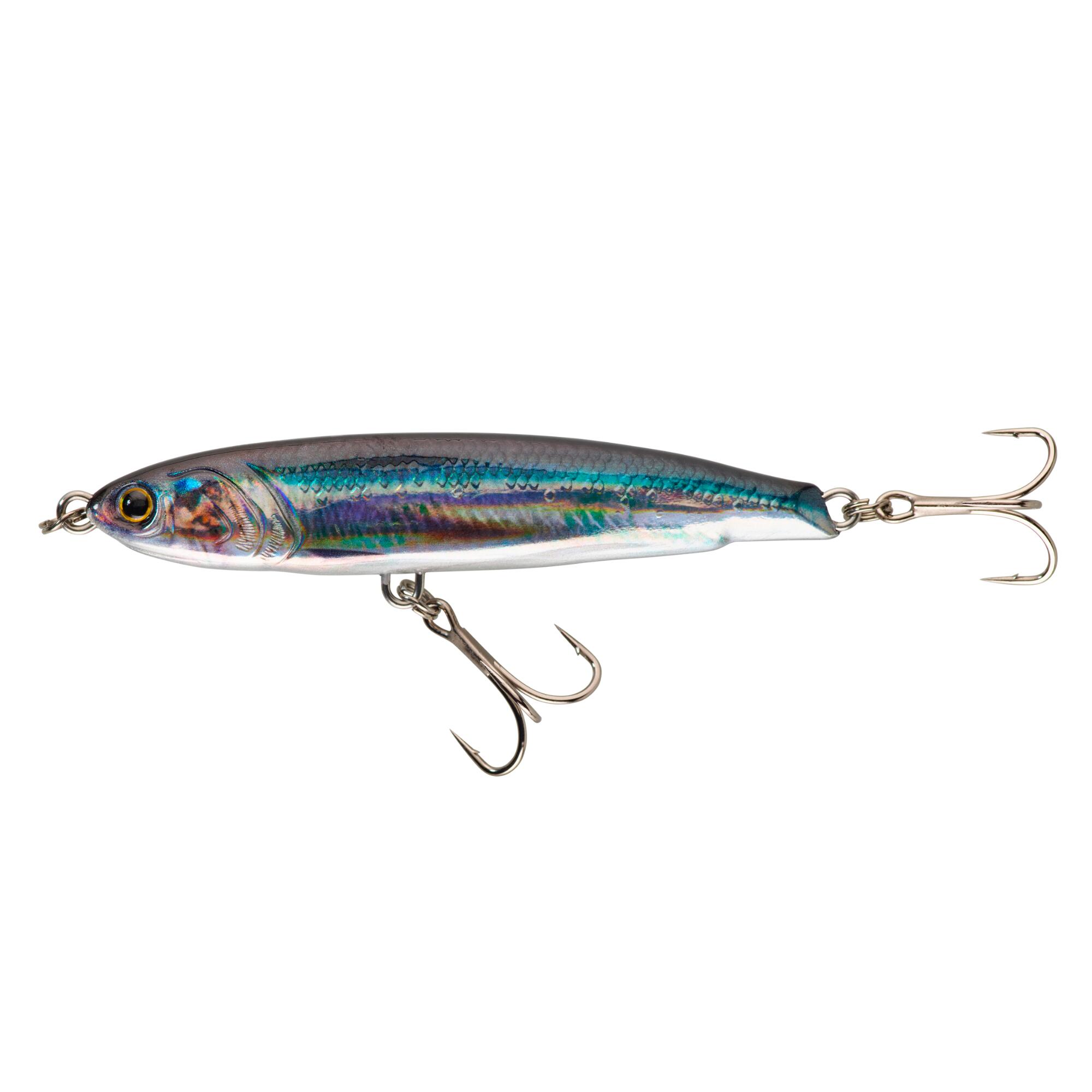
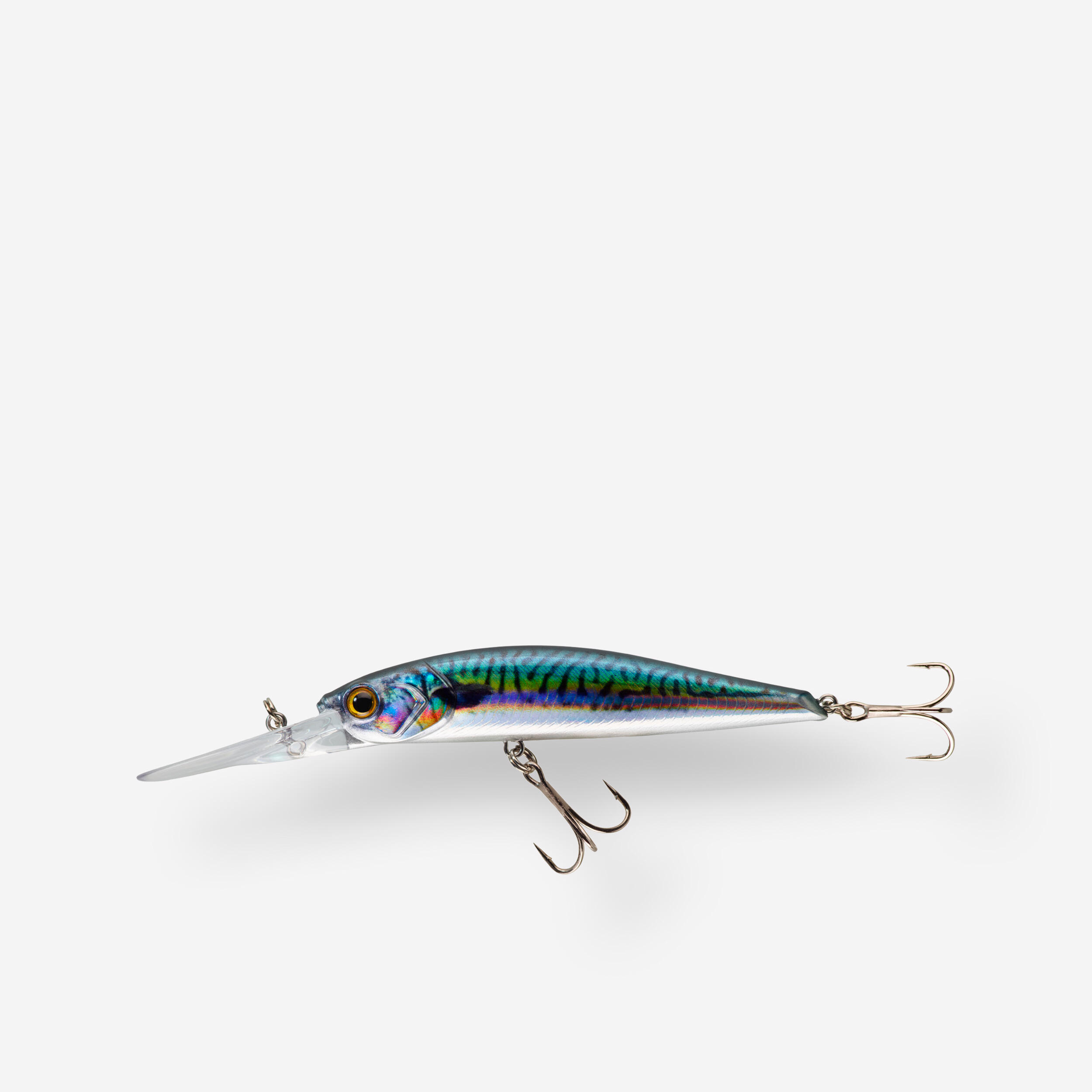
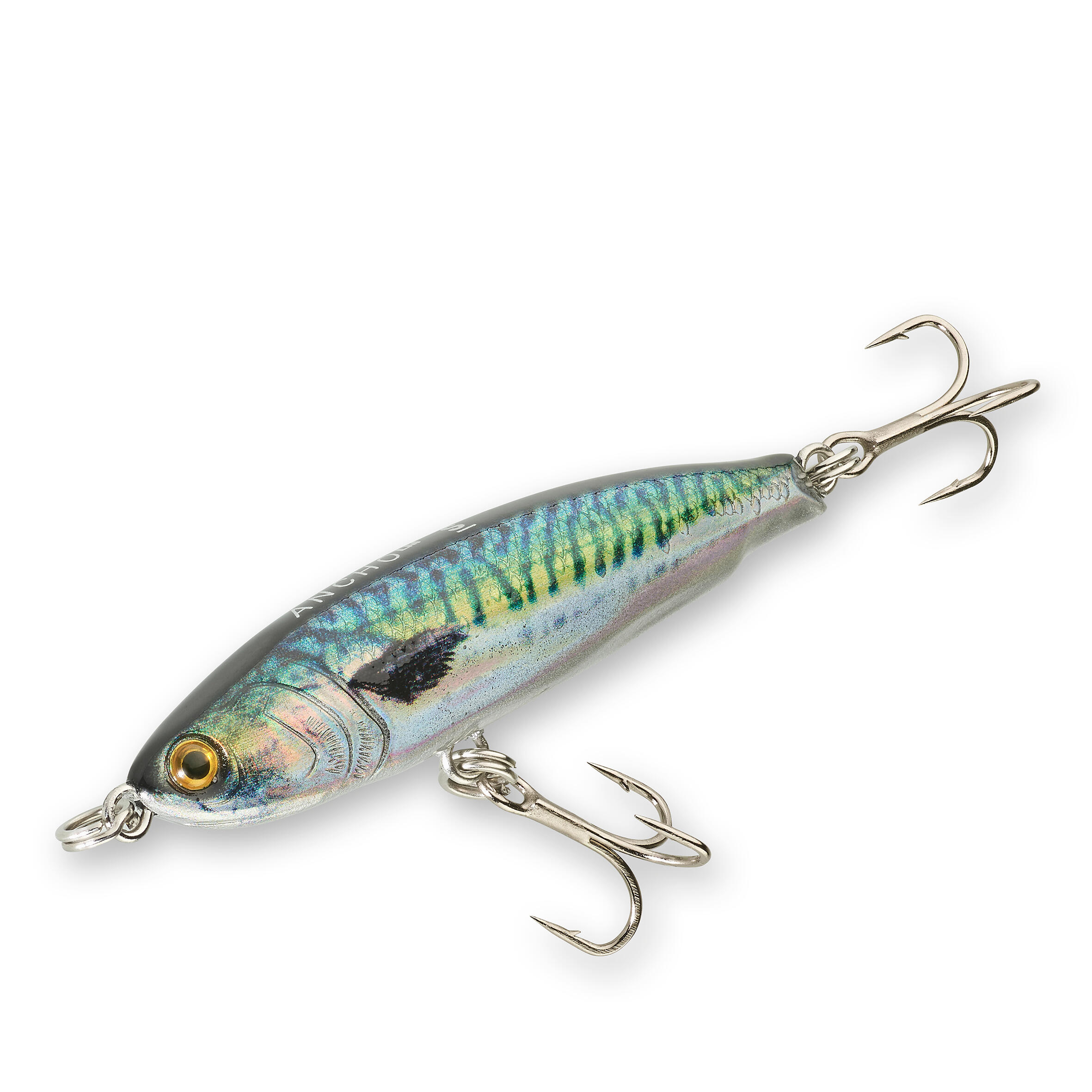
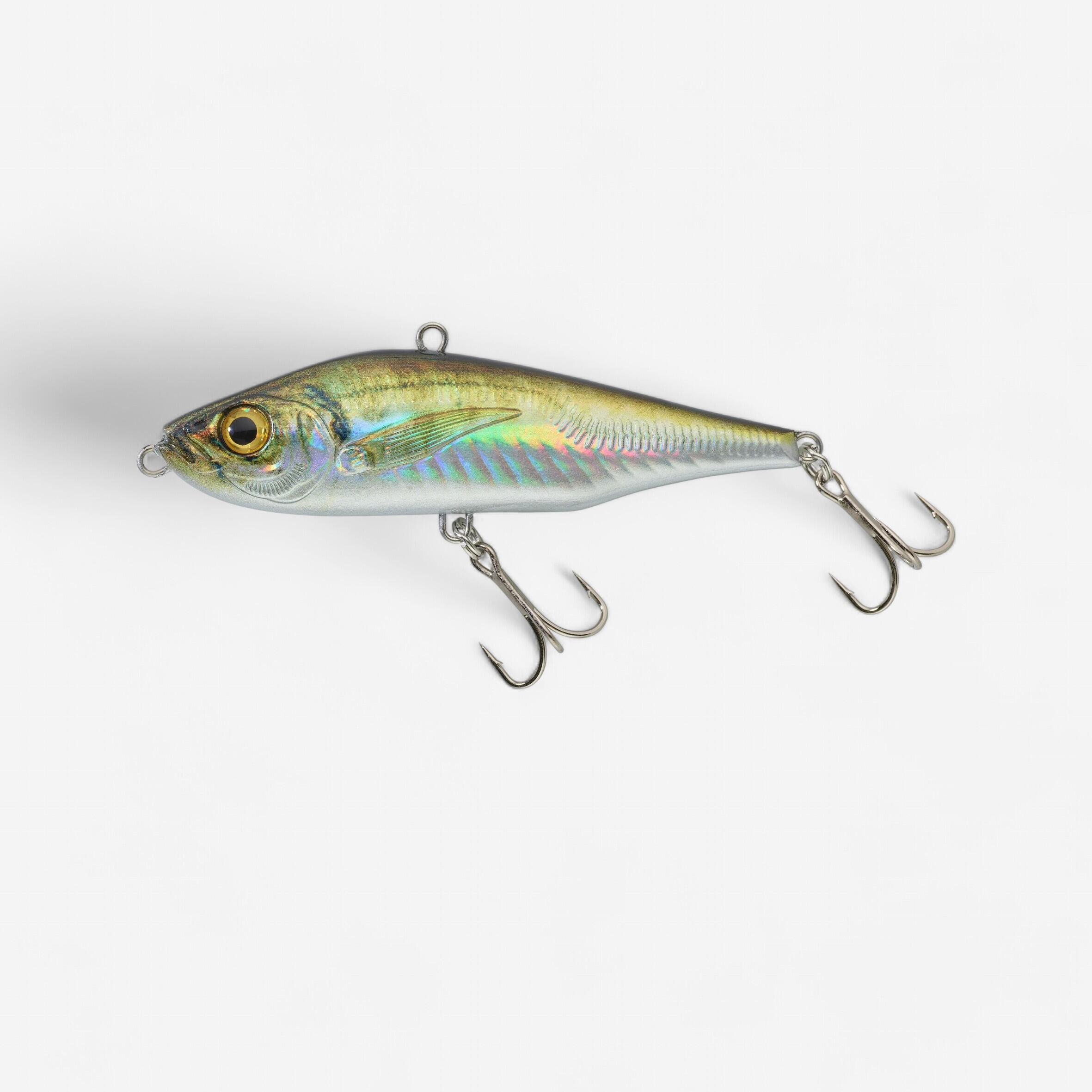
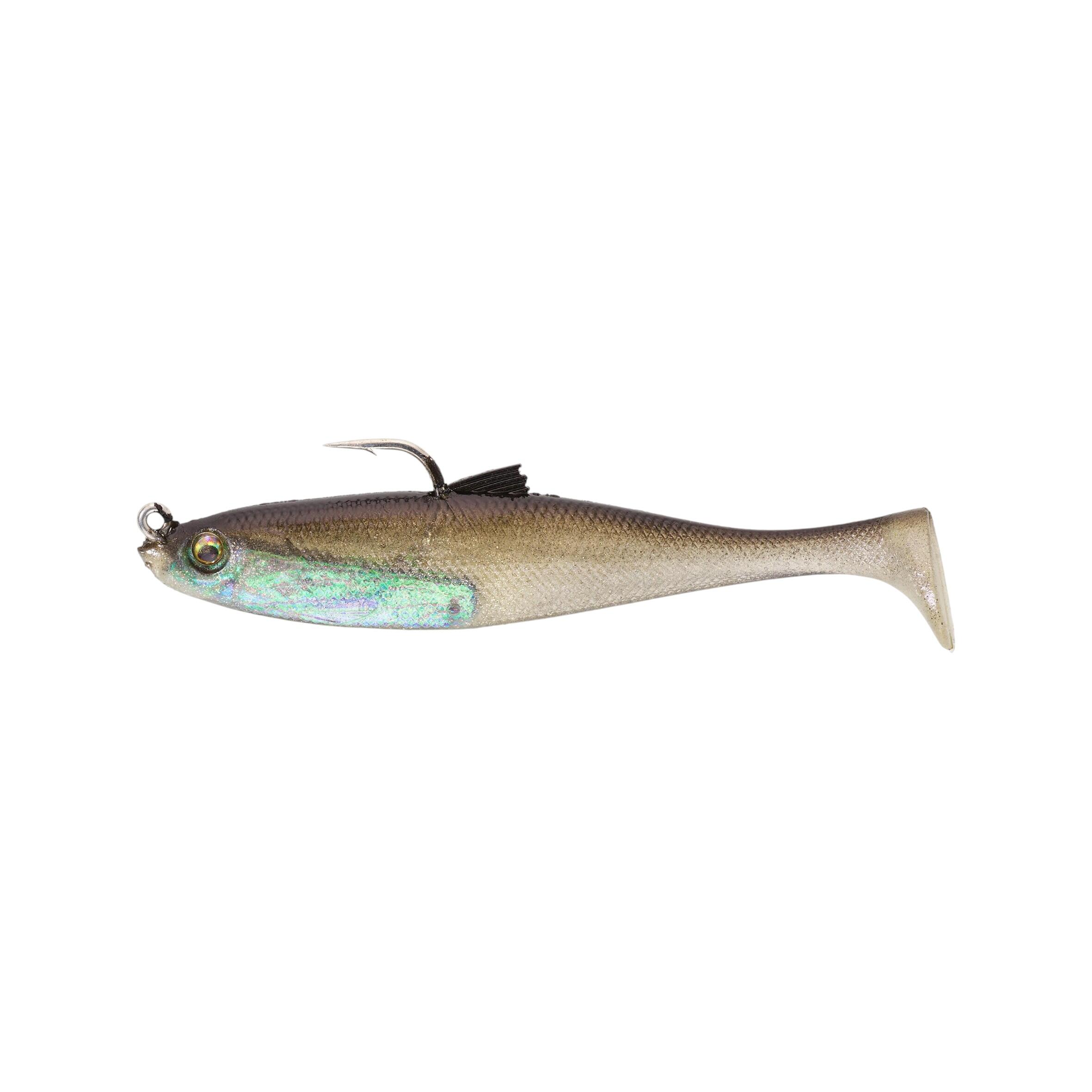
Start with the lure's stated swimming behaviour rather than relying only on colour or body size. Surface stickbaits stay on top, shallow jerkbaits work just below the surface, and sinking lipless lures can be allowed to reach deeper water before retrieval begins. Caperlan also uses different sound profiles, including silent and rattling constructions, so you can alter more than depth alone. When preparing a wider sea fishing with lures setup, match lure weight to the rod rating and consider water clarity, current and fish activity. If fish are feeding high, a deep-sinking lure can waste time below them, while a surface lure may miss fish holding lower in the water.

Why is it important to clean hardbaits after sea fishing?

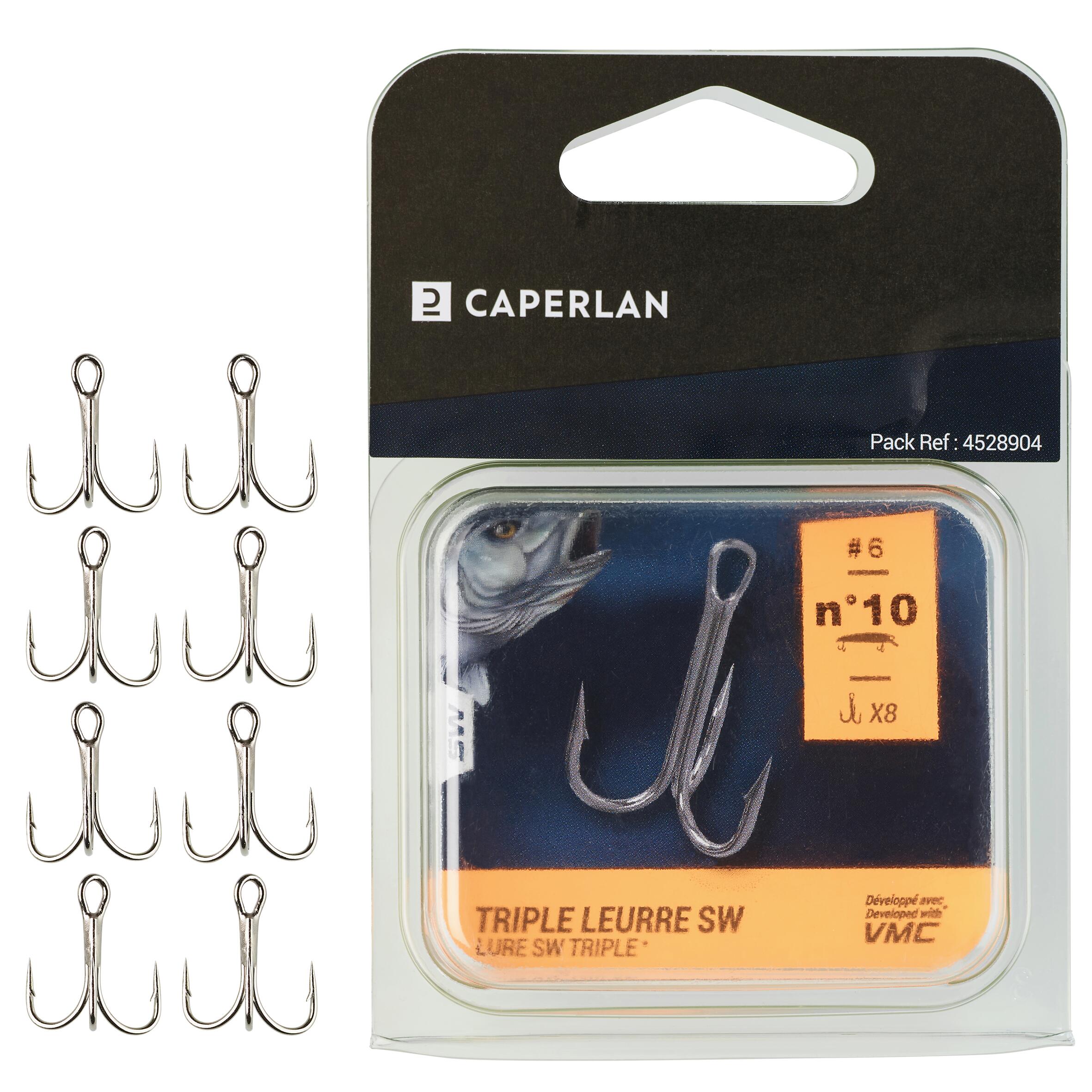
Hooks, split rings and internal hardware can face repeated salt exposure, so rinse suitable metal parts with fresh water and let the lure dry fully before storage. Caperlan uses VMC treble hooks across many hardbaits and stainless-steel components on selected models, but regular inspection still matters. Check hook points for bluntness or bending and look for cracks around screw eyes or the lure body after contact with rocks. Keep hardbaits in a dry, well-ventilated place rather than closing wet lures into a box. Regular care of other saltwater fishing tackle can also help reveal corrosion, damaged fittings and worn connections before the next session.