43 items
4.6/5 based on 1778 reviews collected online and in stores

Squid Fishing FAQs

How does sinking speed affect a squid fishing jig?

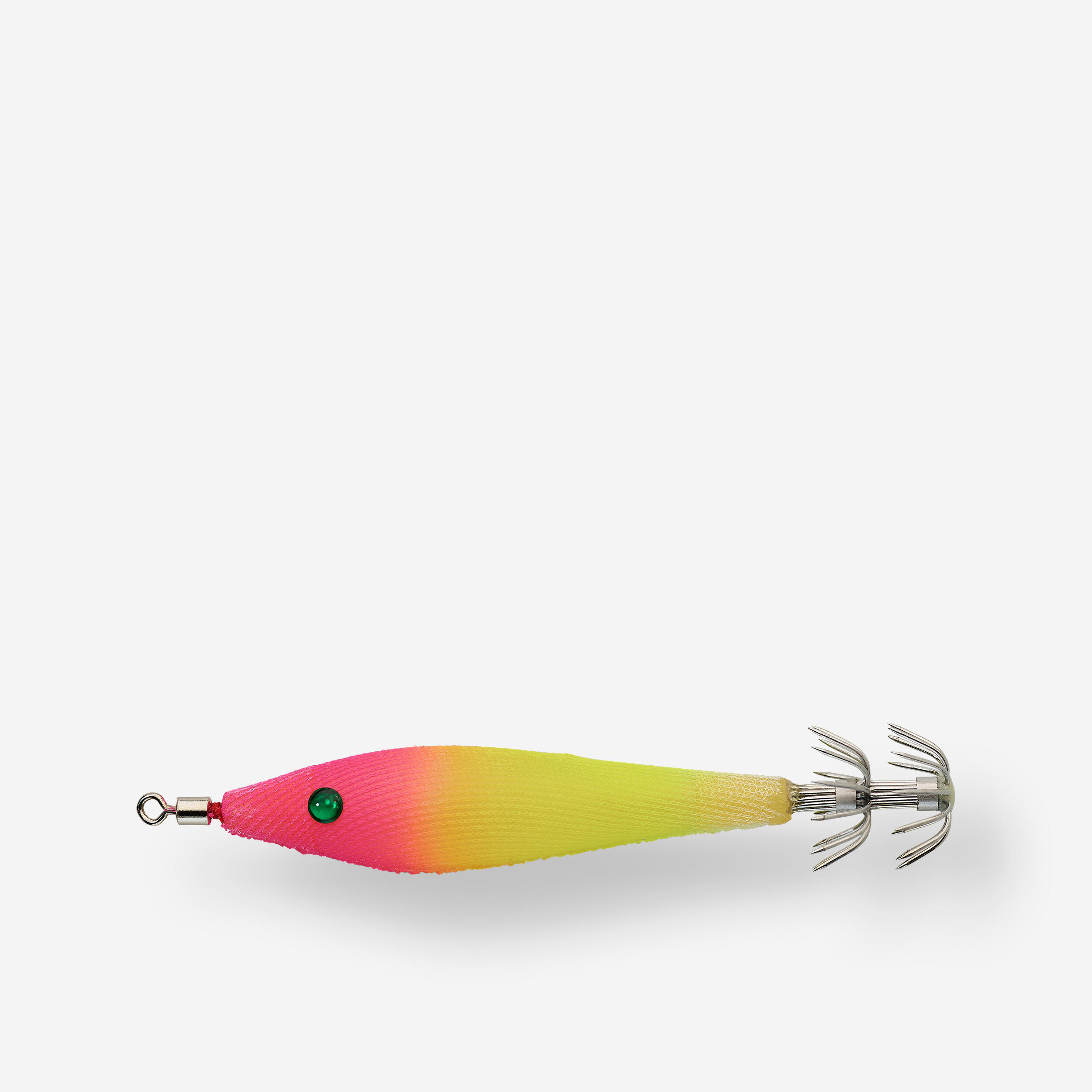
Sinking speed determines how quickly your jig reaches the depth where squid or cuttlefish are feeding. Caperlan EBI S jigs use different sizes, weights and sinking characteristics so you can adapt the presentation to water depth and current. The squid fishing sinking jig combines a bright neon finish with resistant 3D mesh and a multi-prong cage for retaining squid after a take. You can work this type of jig through midwater using short, abrupt movements or add a 5-40 g pear weight when you need to fish closer to the bottom. Increase extra weight gradually so the jig still moves naturally rather than dropping without useful action.

What is a ready-made squid leader useful for tataki fishing?

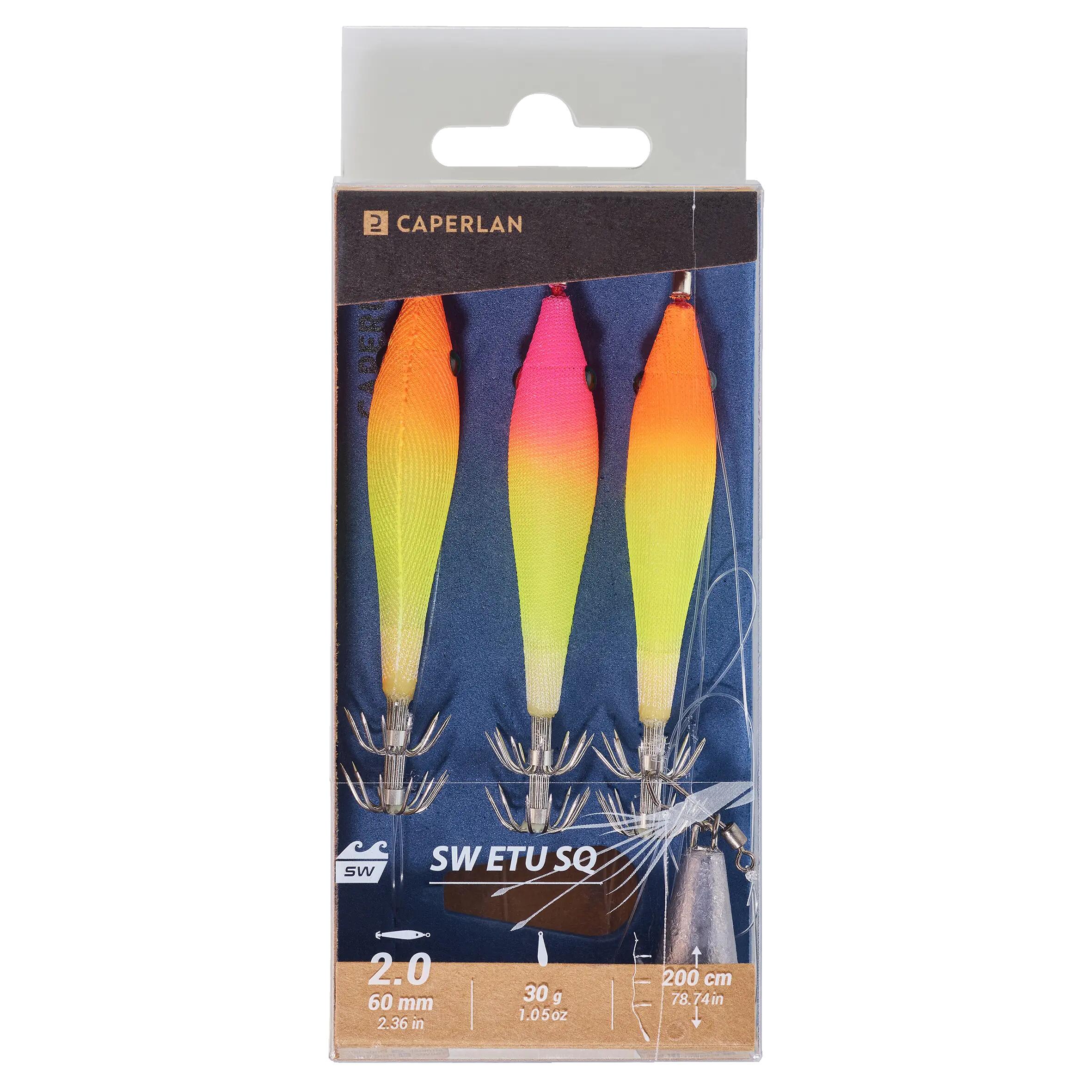
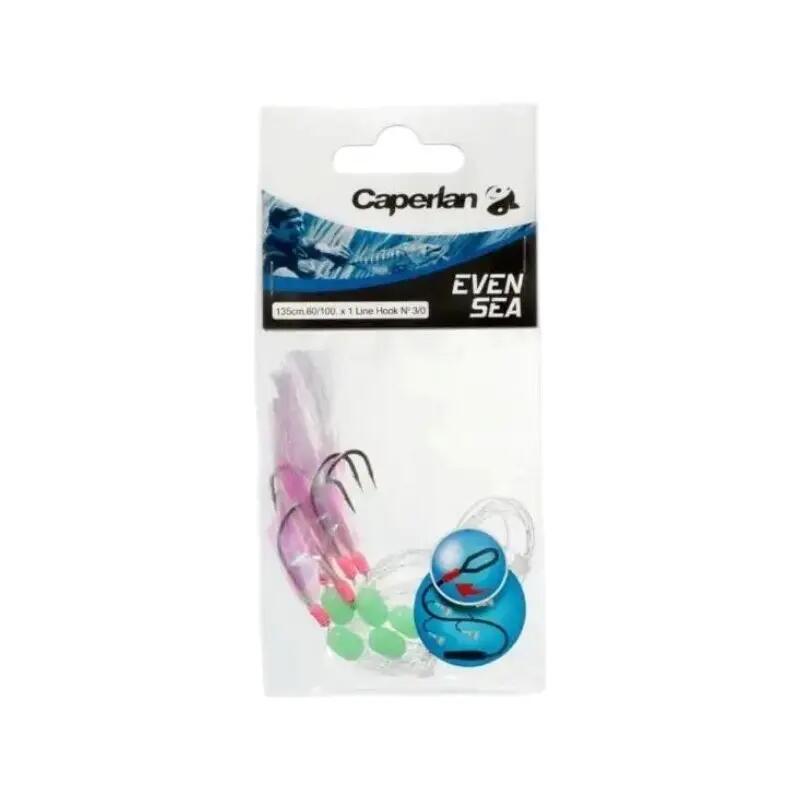
Tataki fishing often uses more than one squid jig, so a prepared leader can make the terminal setup quicker and more consistent. Caperlan's squid fishing line leader uses 35/100 fluorocarbon and two quick jig snaps across a 1 m rig. You can attach suitable jigs directly to the snaps or add fluorocarbon branches of around 20 cm or more for a different presentation. Caperlan recommends approximately 20-60 g of sinker weight depending on depth and current. Work the rig from the bottom upwards using short tugs and varied pauses, as the pause often gives squid time to approach and take a suspending jig.

What qualifies a rod and reel set practical for starting squid fishing?

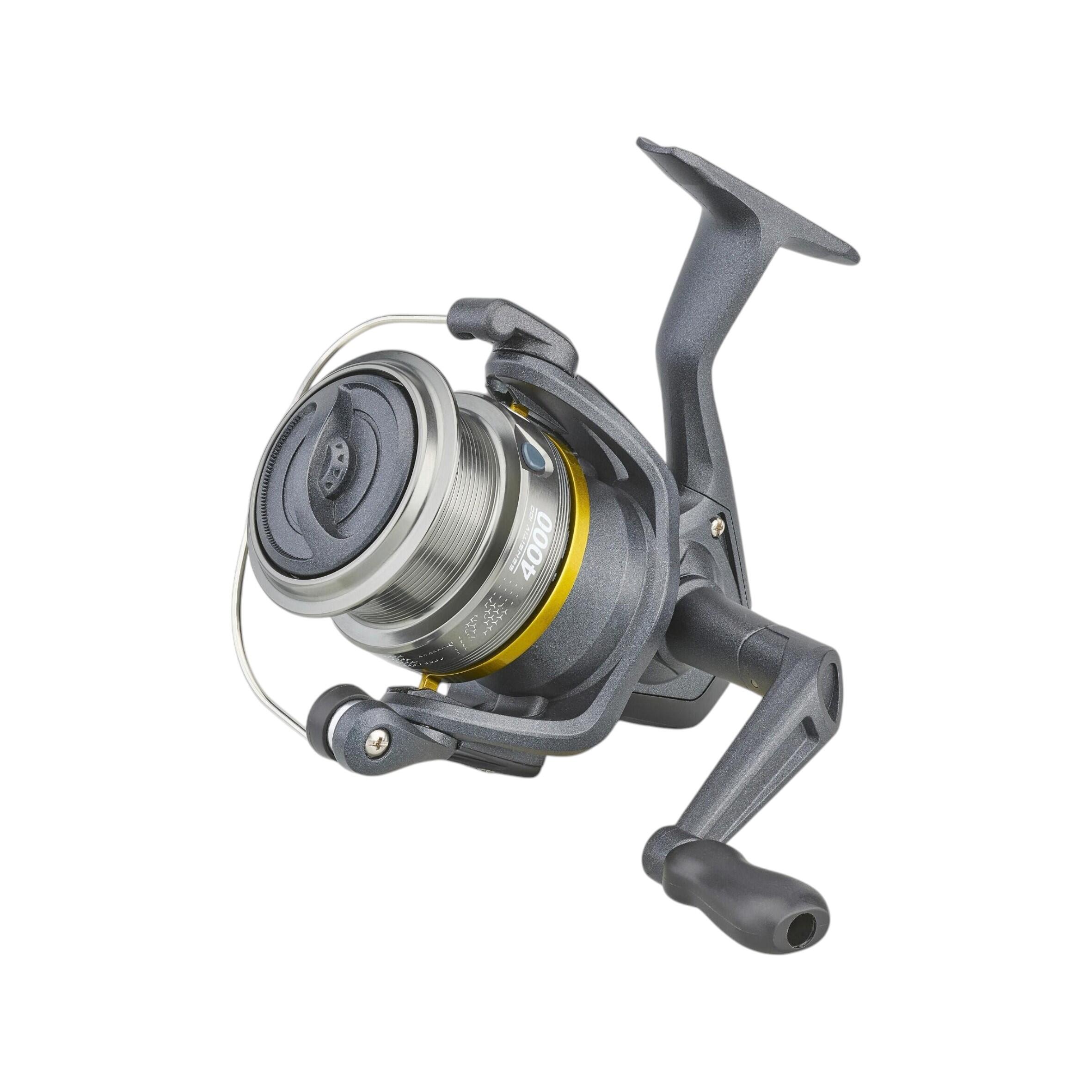
A matched rig removes the need to pair the rod, reel and basic specifications separately. The squid fishing rod and reel set combines a 2.30 m fibreglass UKIYO rod with a BAUXIT SW 3000 reel. The rod uses a medium parabolic action and a 10-40 g casting range, while nine guides sit close to the blank to improve feedback when working near the bottom. Black-painted guides add corrosion resistance, and the reel provides 5 kg of drag with roughly 80 cm of retrieval per handle turn. This rig can work from shore or boat, giving you one starting point for practising cast-and-retrieve and deeper squid presentations.

How do colour, phosphorescence and sound change squid-jig attraction?

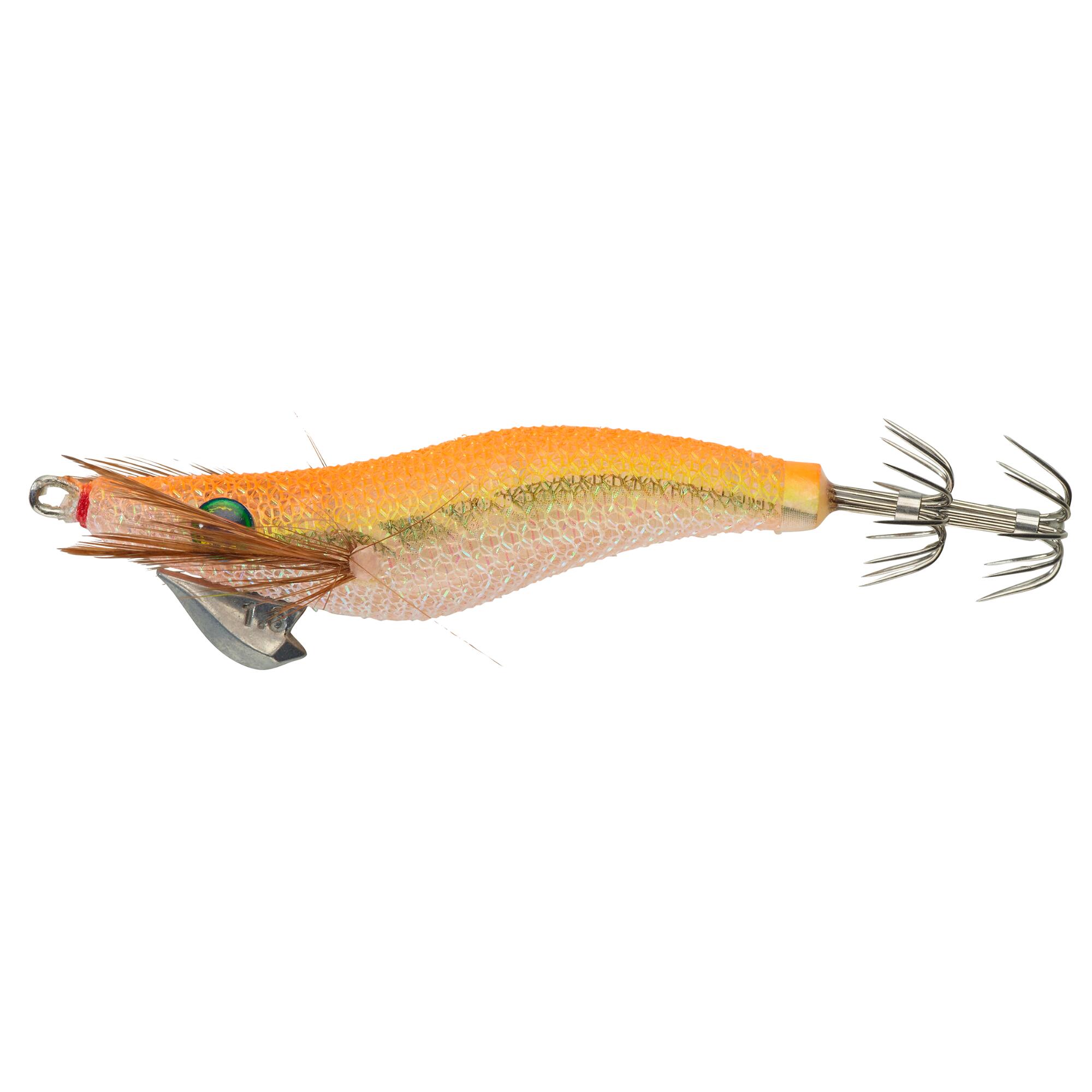
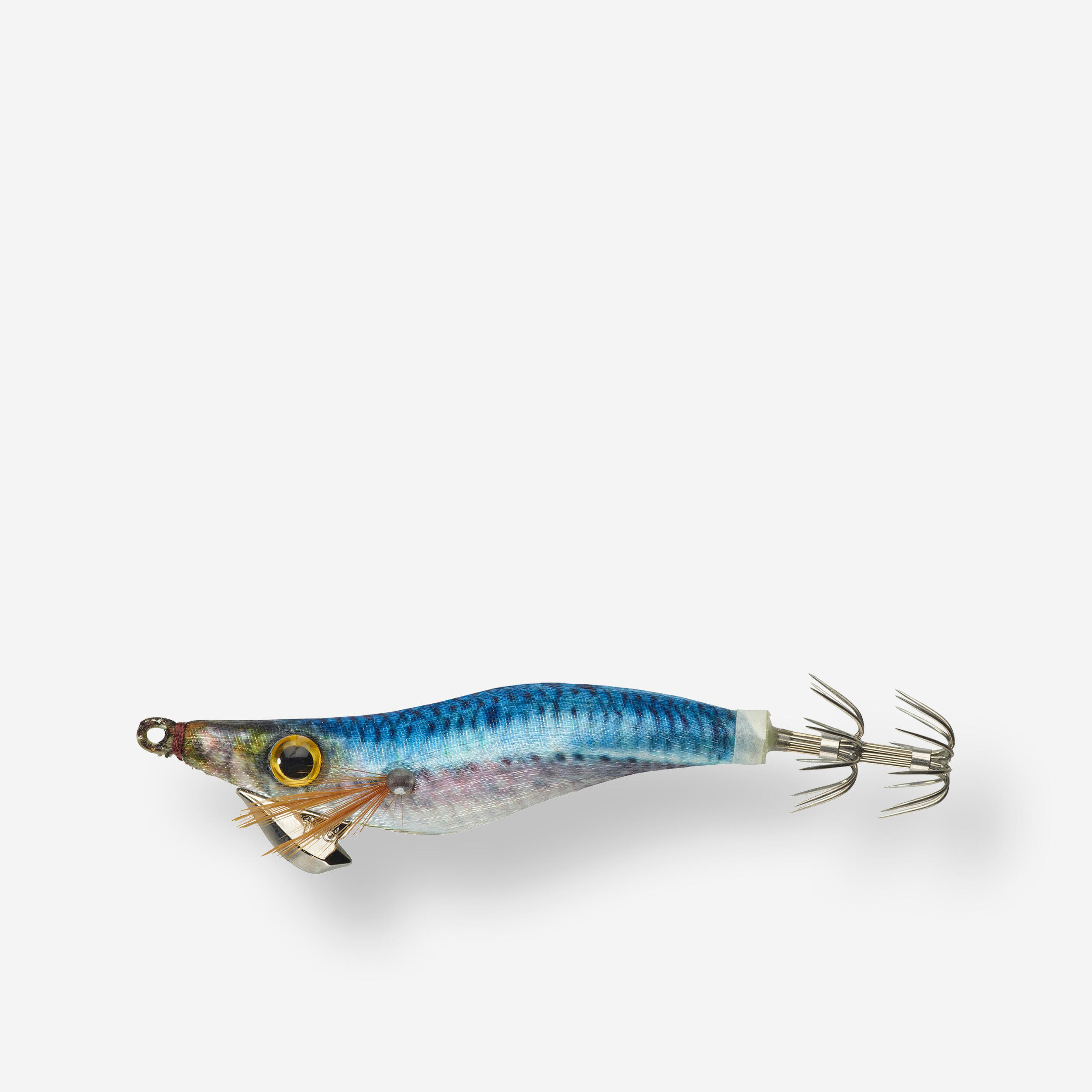
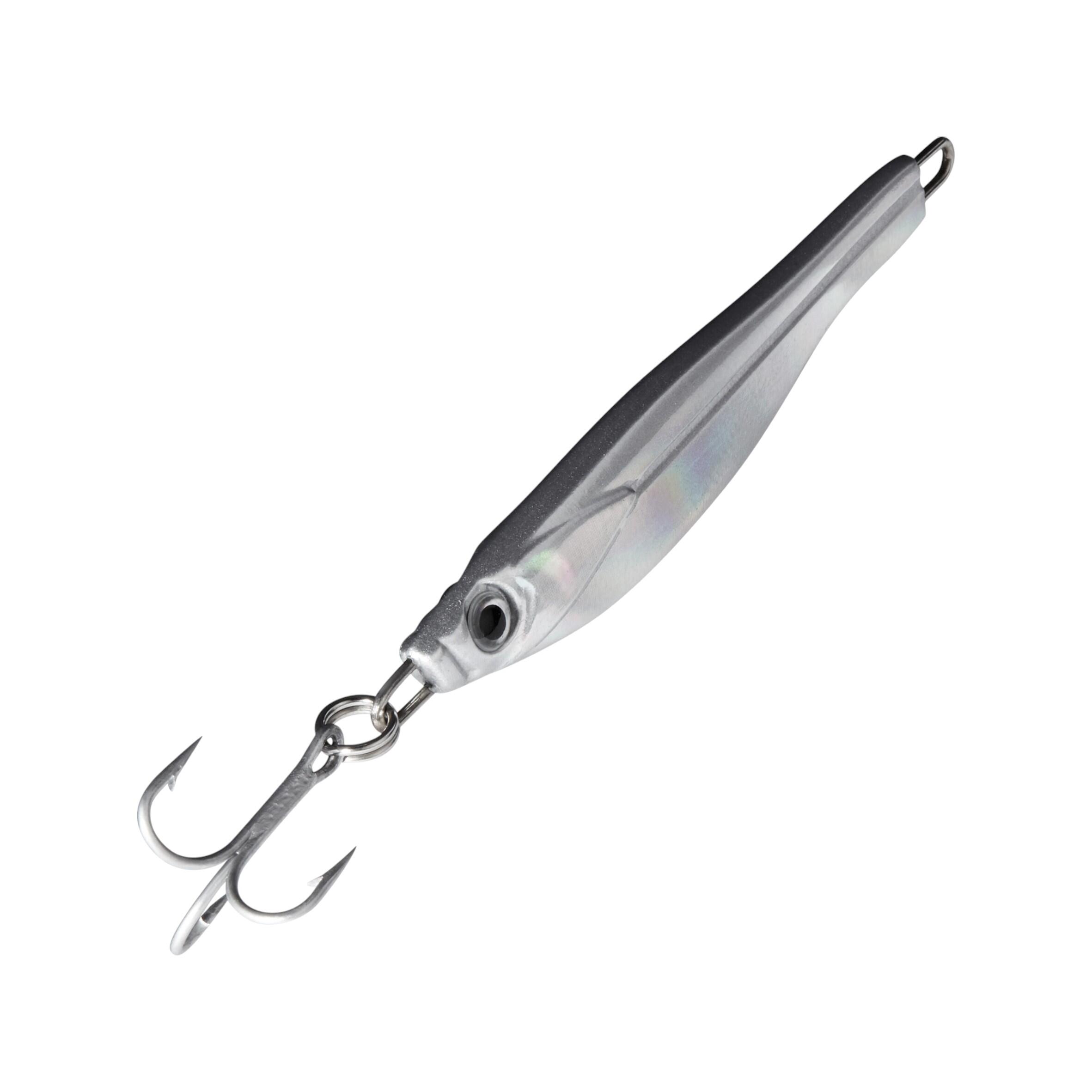
Squid jigs can use several attraction cues at once rather than relying only on body colour. Caperlan EBIKA models combine features such as phosphorescent materials, holographic mesh, realistic fish patterns, 3D eyes and, on selected versions, internal rattling balls. Some jigs also rest at approximately a 45-degree angle on the seabed, giving them a defined presentation during pauses. Bright neon colours can help in particular light conditions, while phosphorescent elements add visibility as natural light decreases. If you also use other sea fishing with lures techniques, keep squid jigs separate from conventional hard lures and spoons because their multi-prong cages can easily catch other hooks during transport.

When should you clean squid fishing equipment after fishing?

Salt residue can remain around jig cages, guides, reel components and terminal clips after a session, so rinse suitable parts with fresh water and let them dry fully before storage. Inspect the multi-prong cage on each jig for bent or damaged points, and check mesh coverings for wear after repeated contact with squid, rocks or the seabed. Reel-equipped rigs also benefit from checking the drag and handle movement before the next trip. Keep phosphorescent and realistic-finish jigs in separate compartments where their surfaces cannot rub continuously against heavier tackle. Apply the same rinse, inspection and dry-storage routine across your saltwater fishing equipment so corrosion or damaged connections are easier to spot before they affect the next session.