42 items
4.7/5 based on 4017 reviews collected online and in stores

Softbaits FAQs

How does softbait shape change its movement in the water?

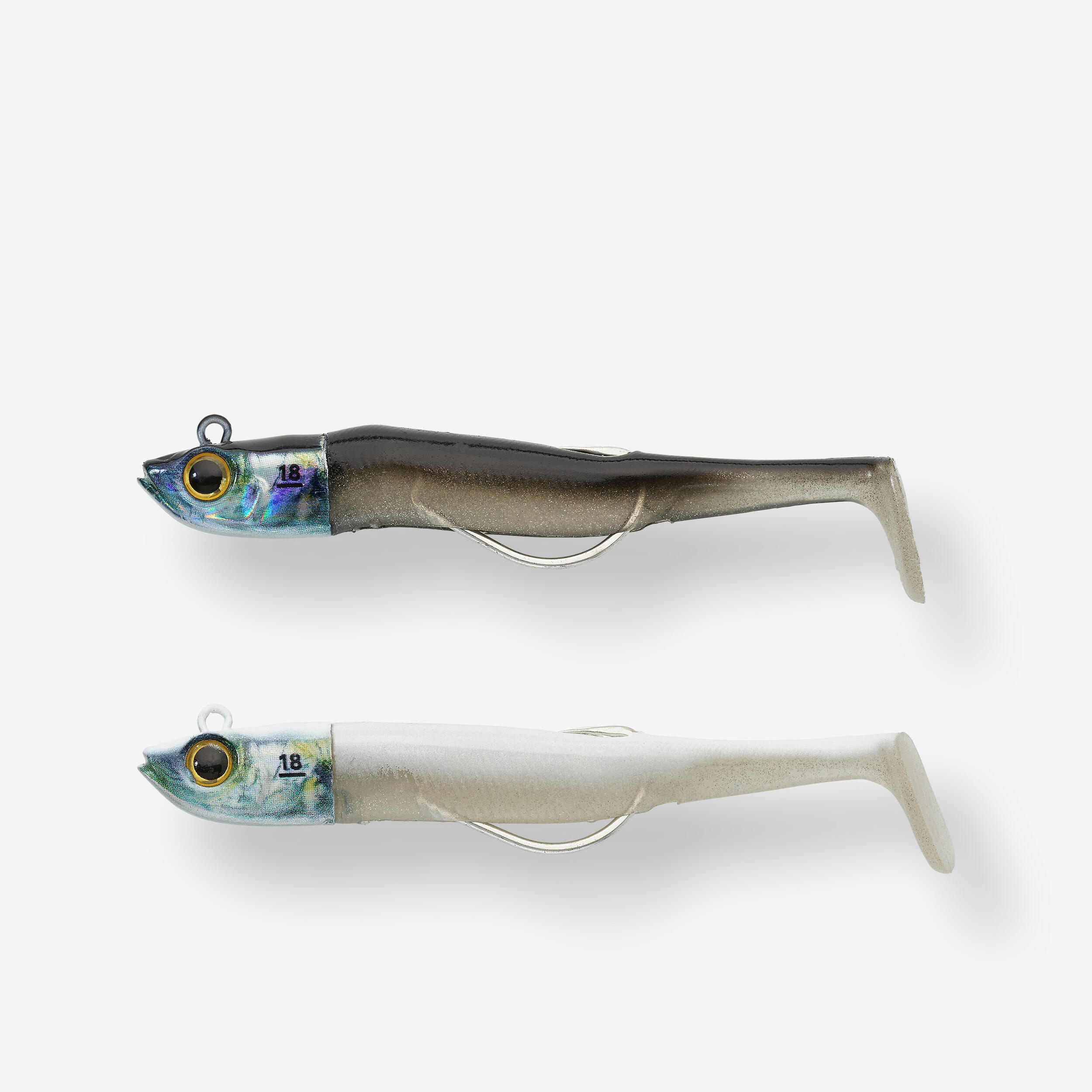
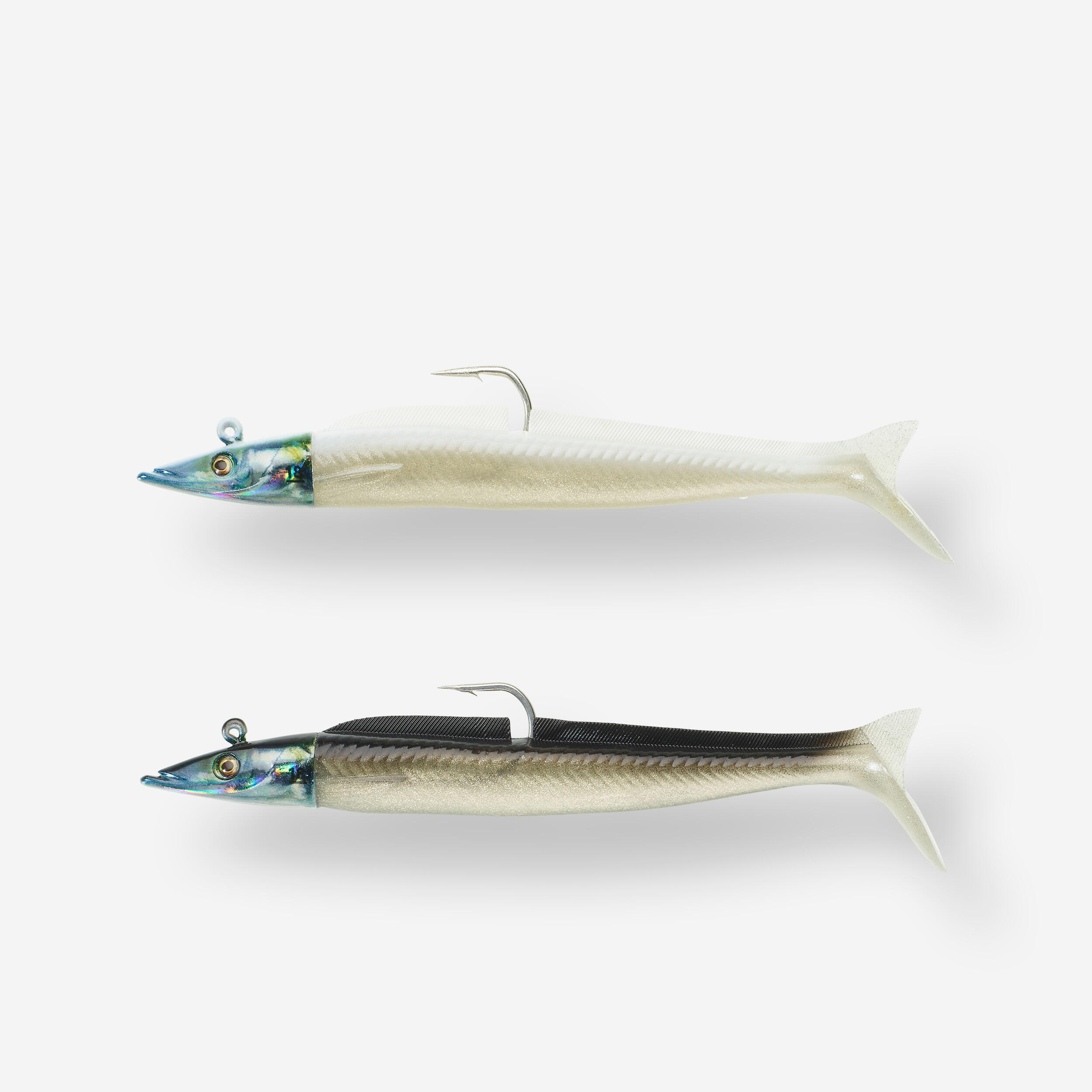
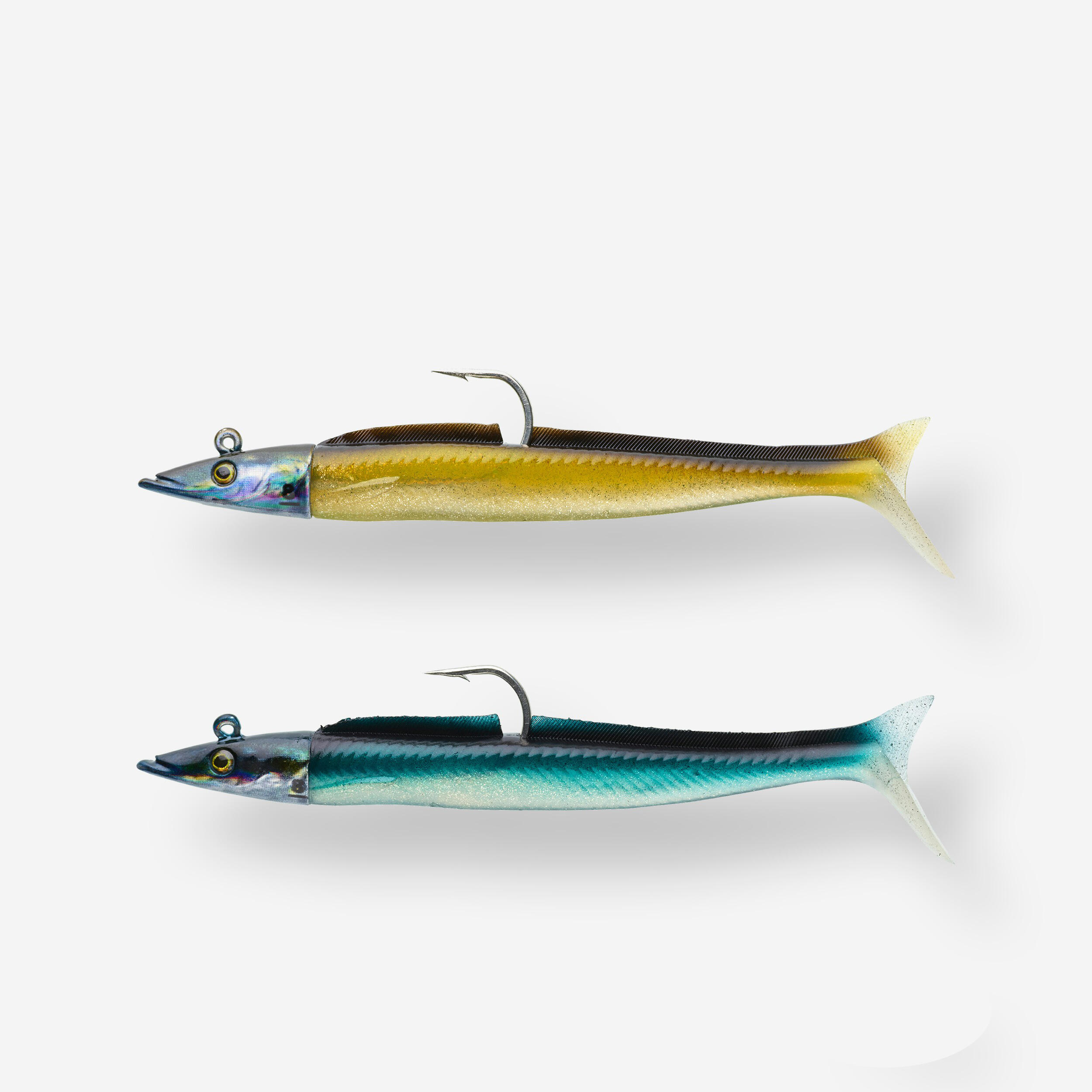
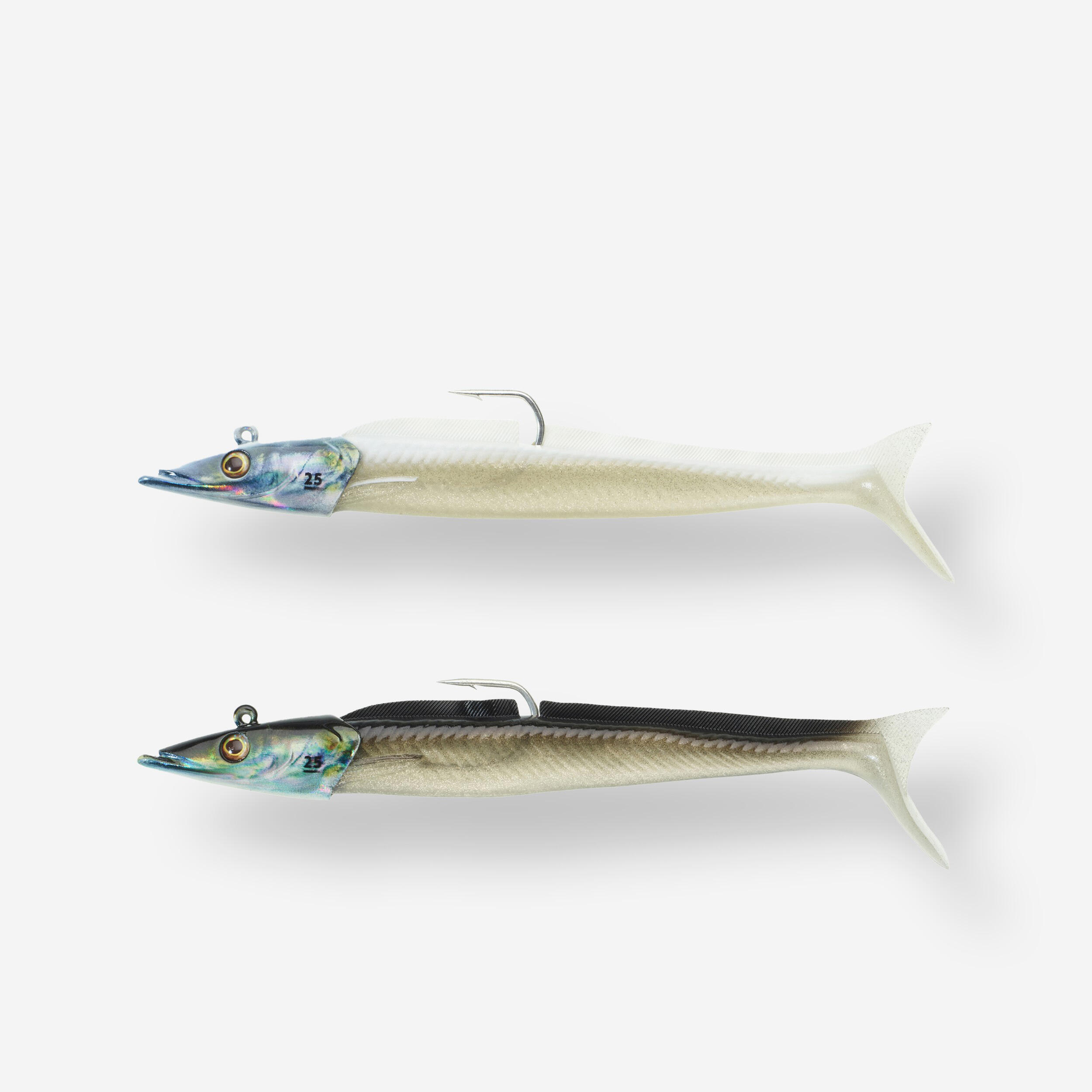
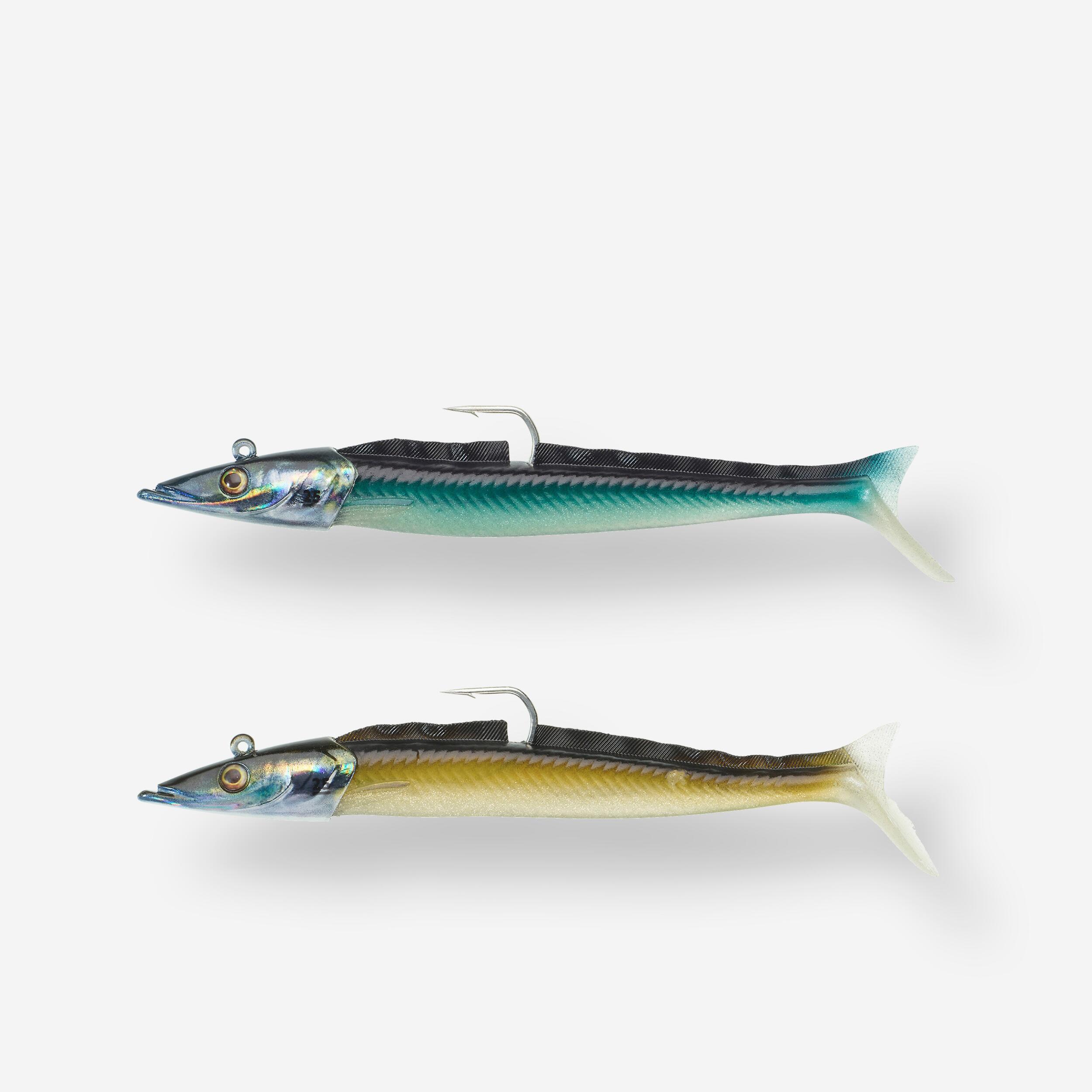
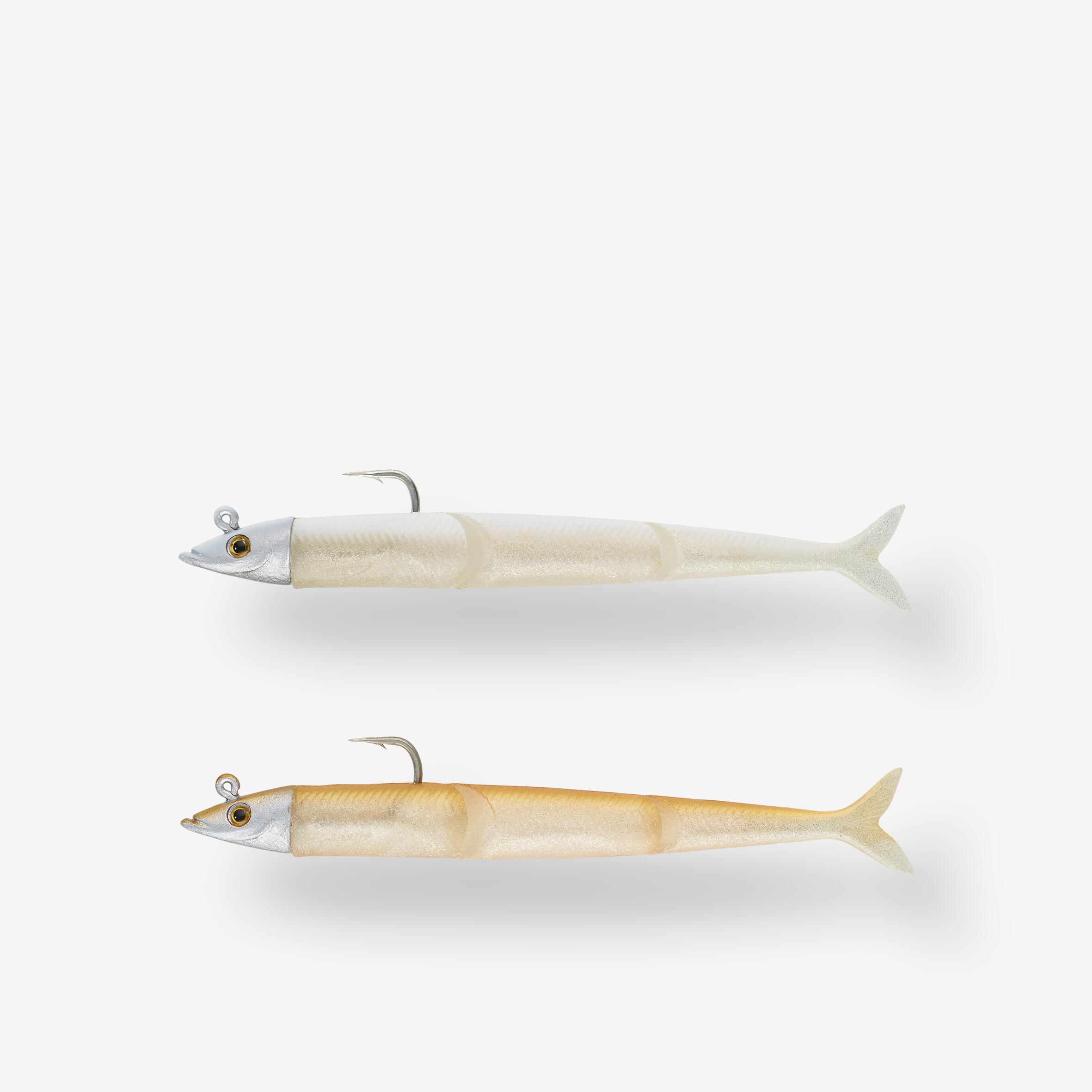
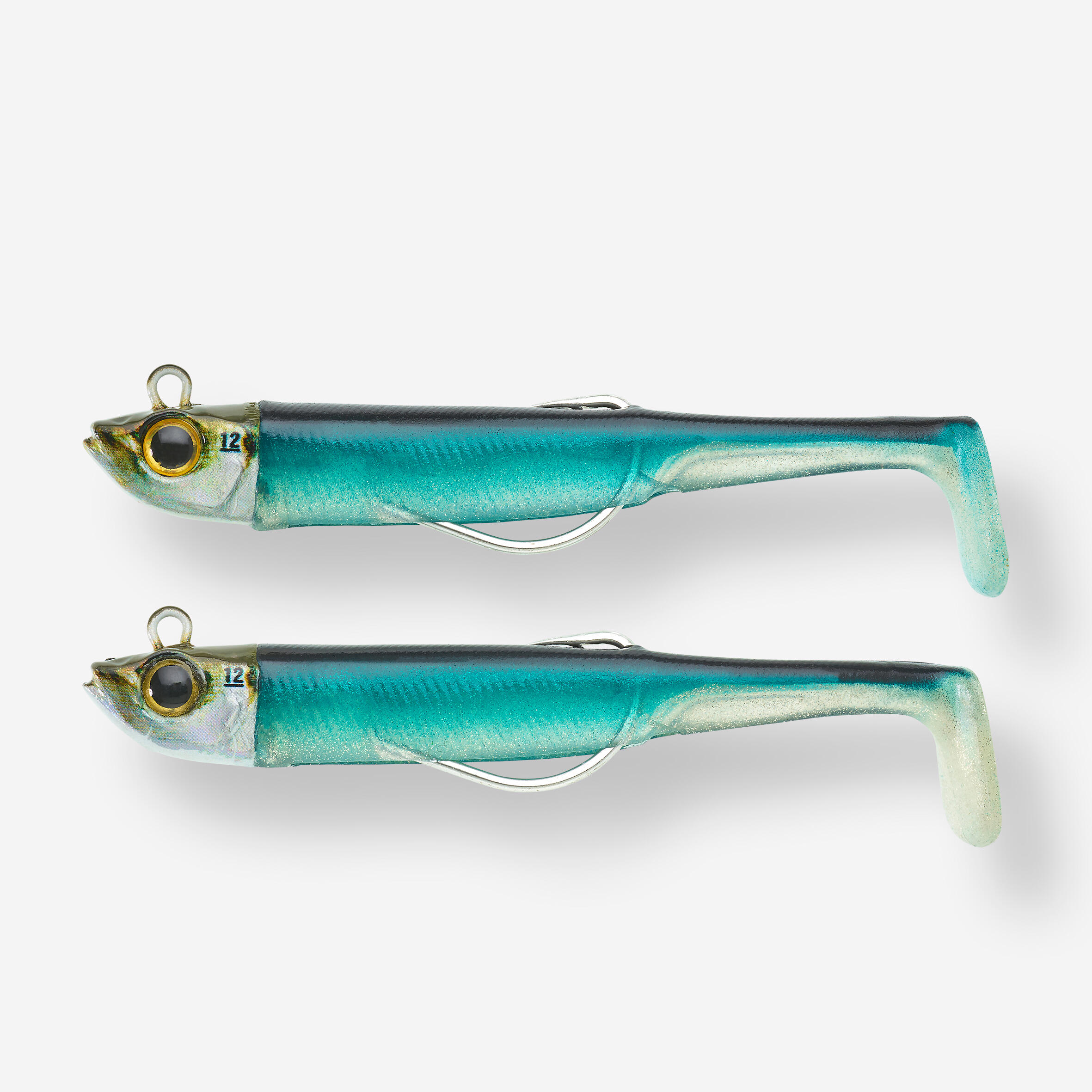
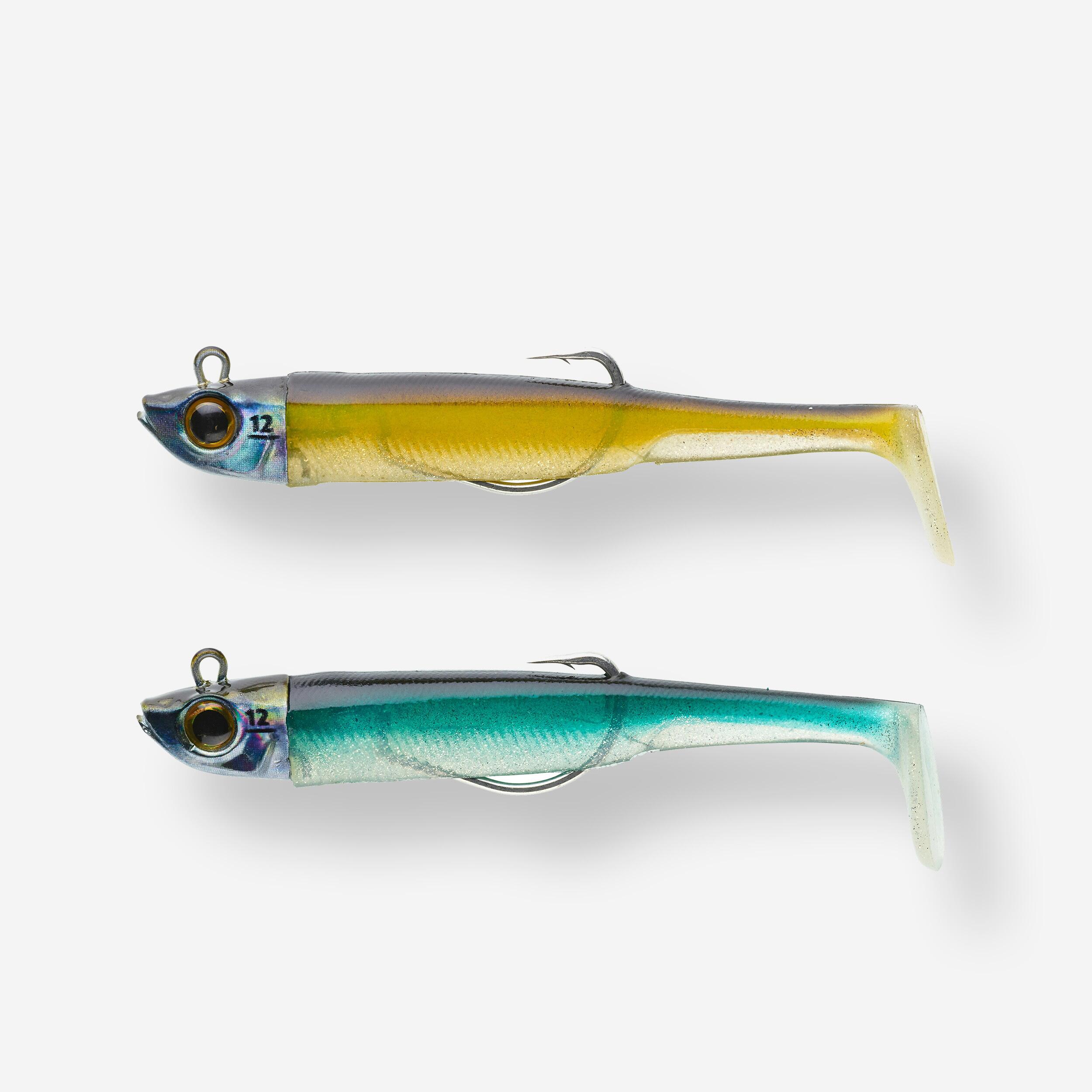
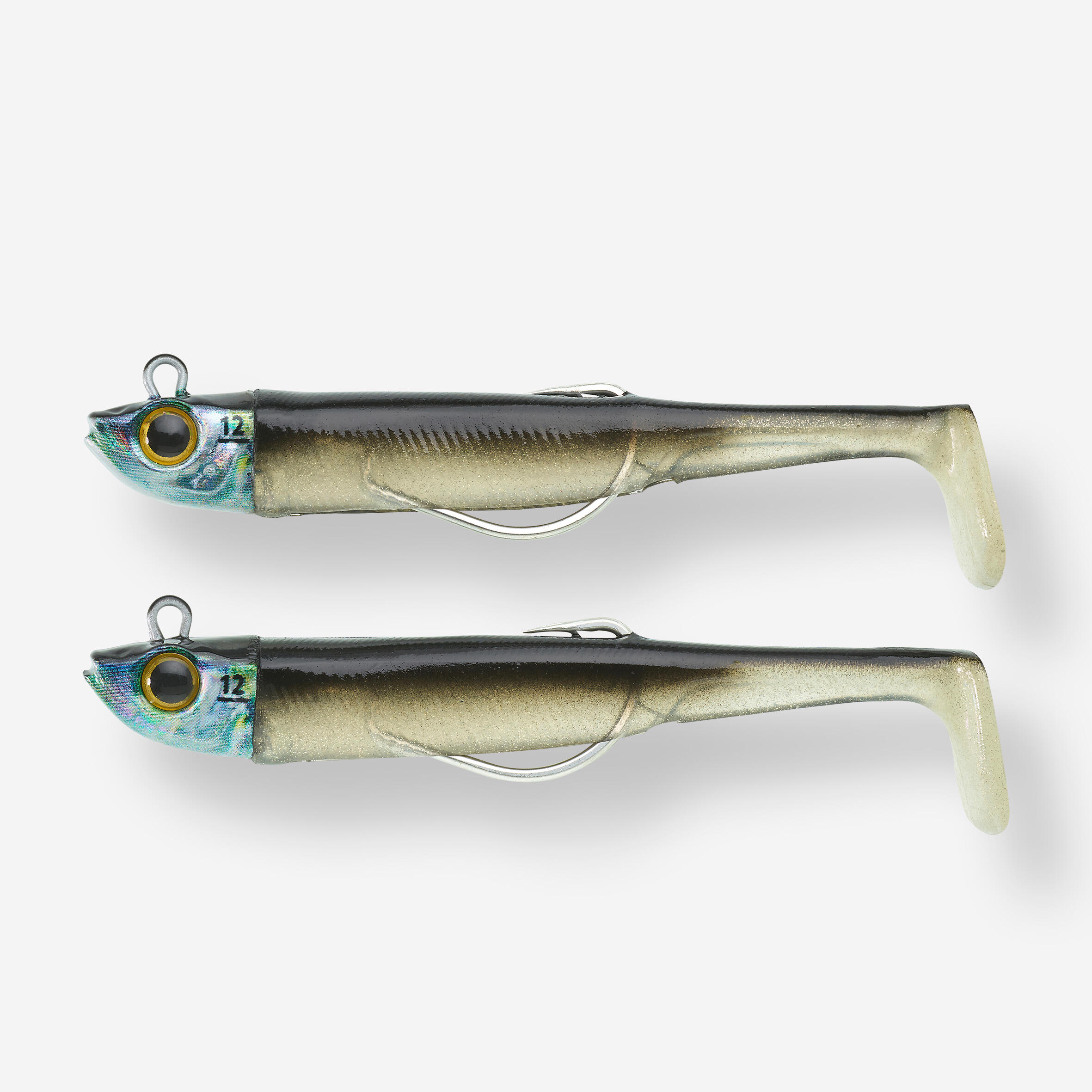
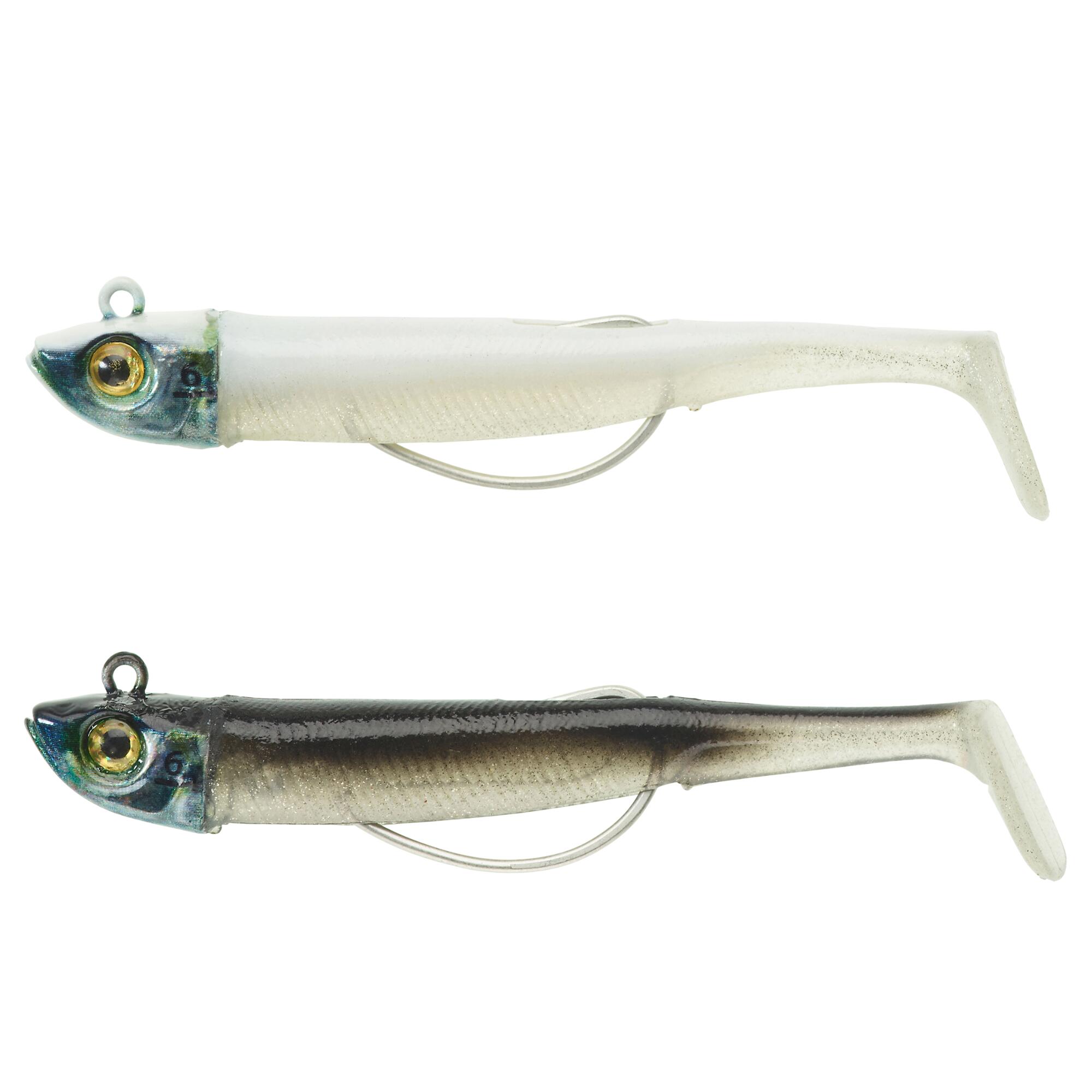
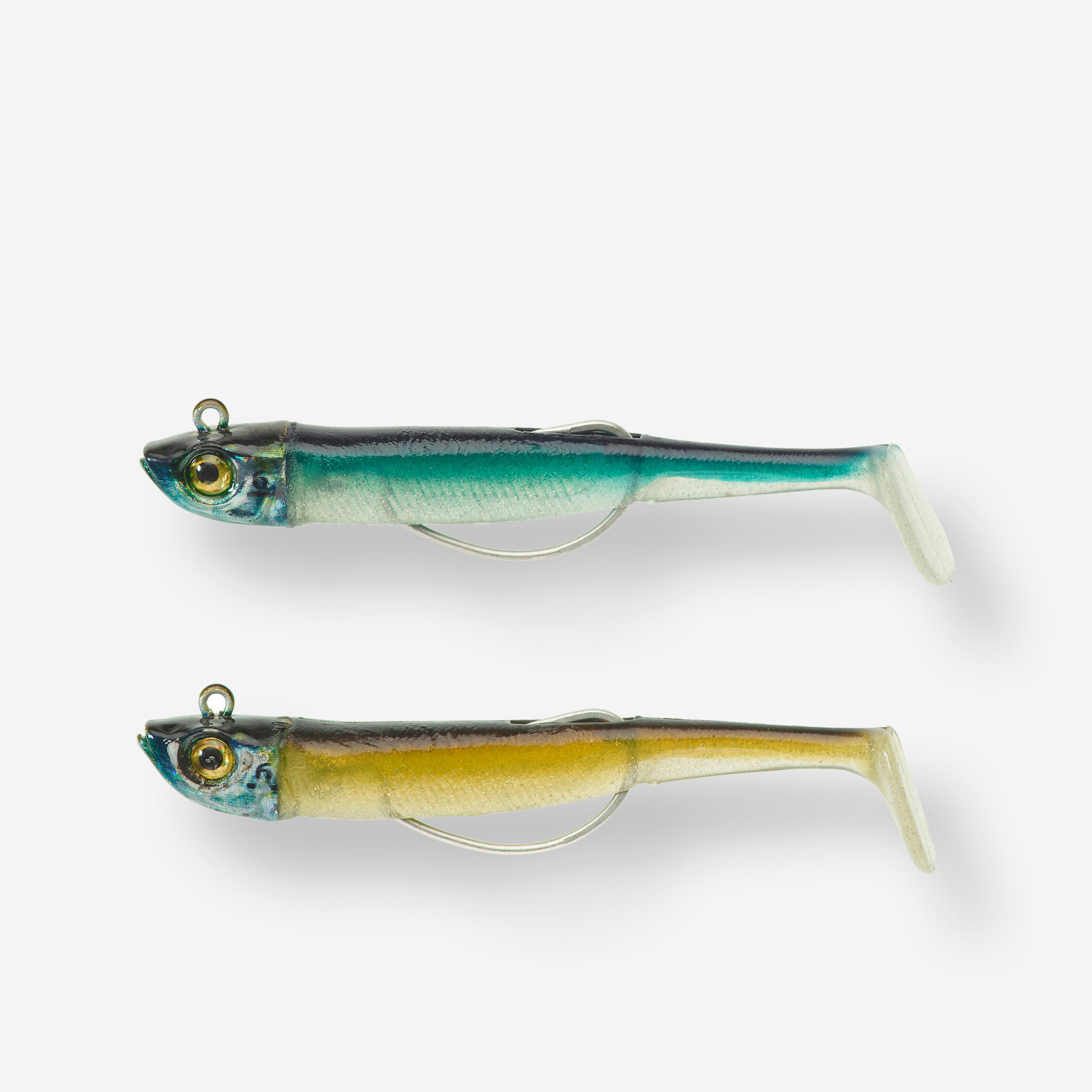
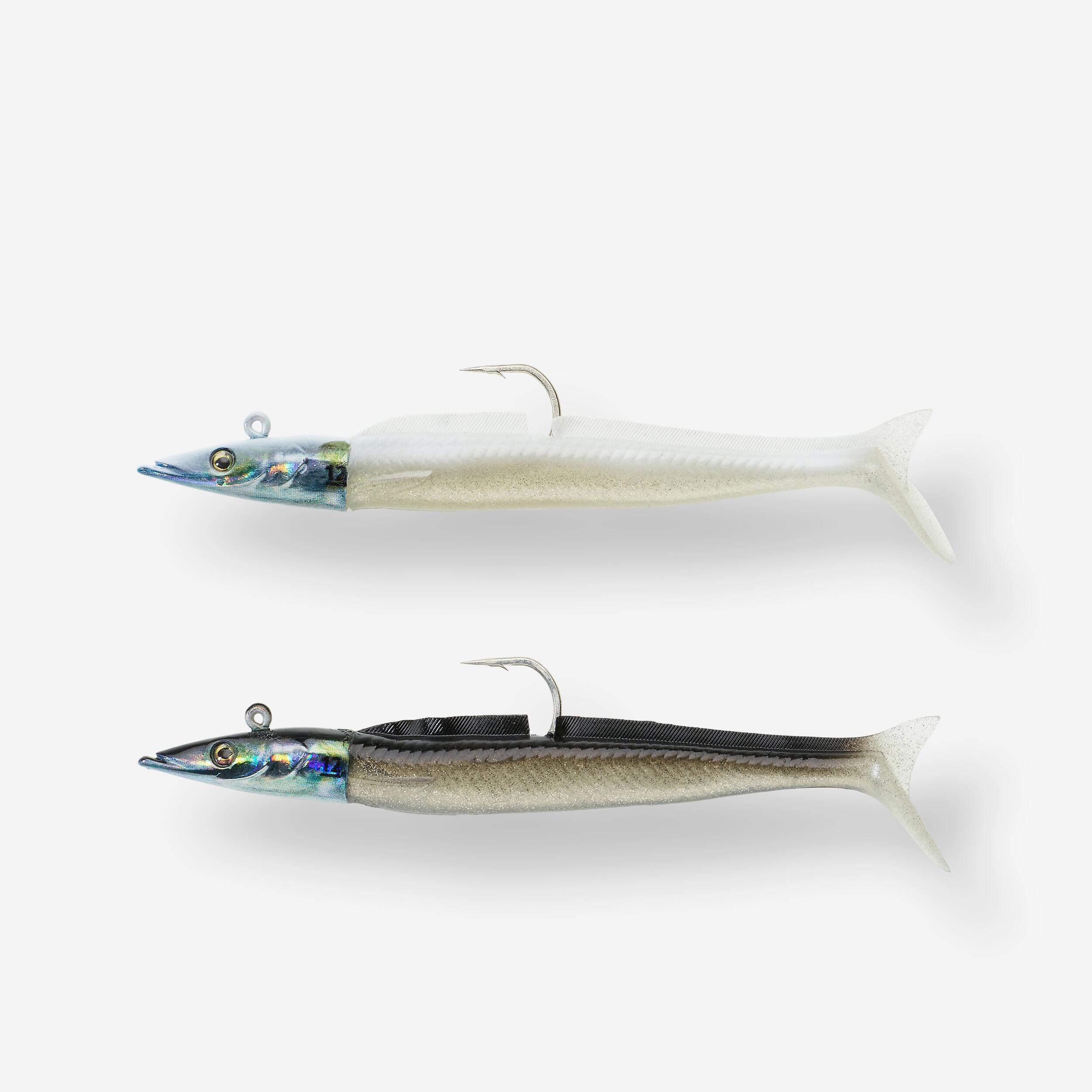
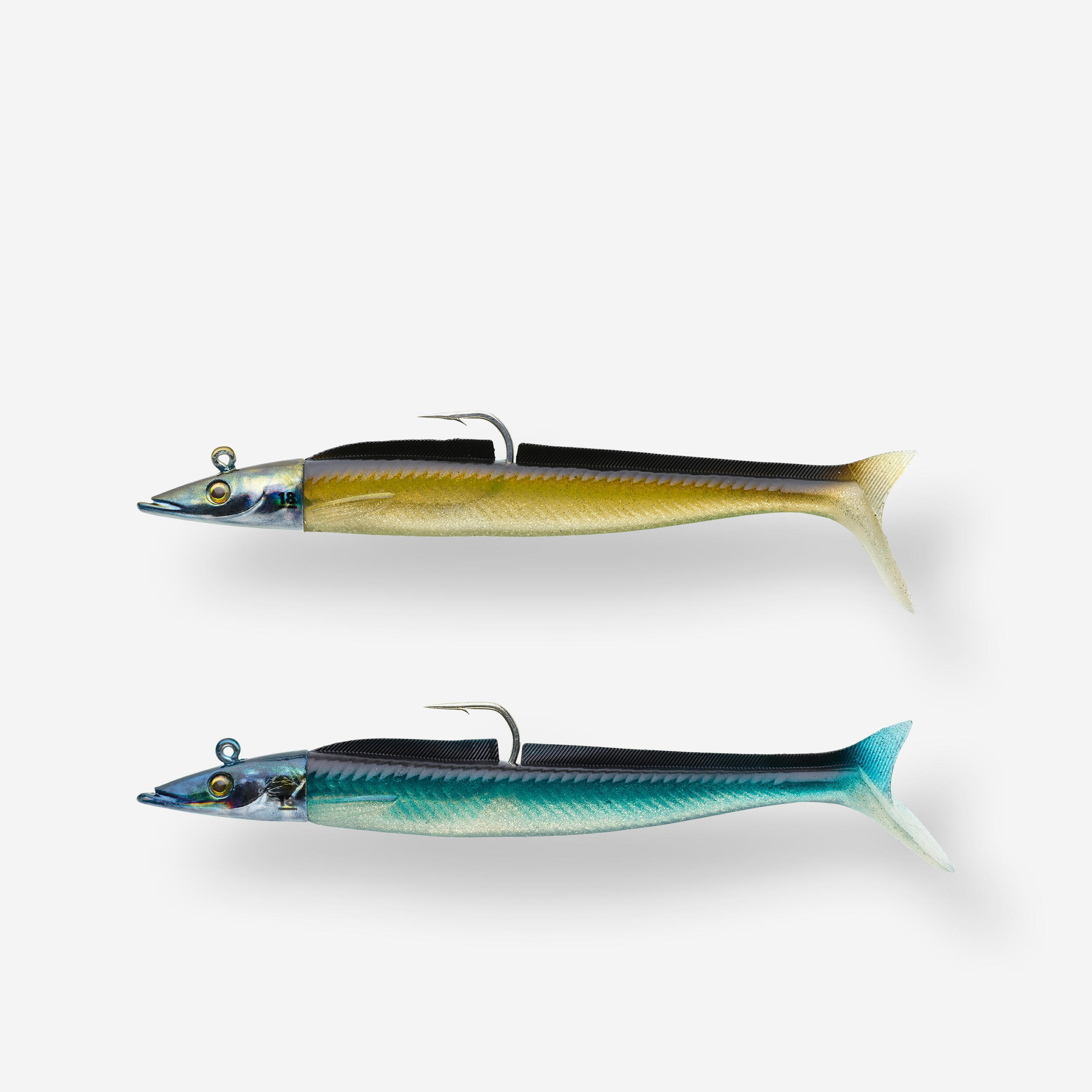
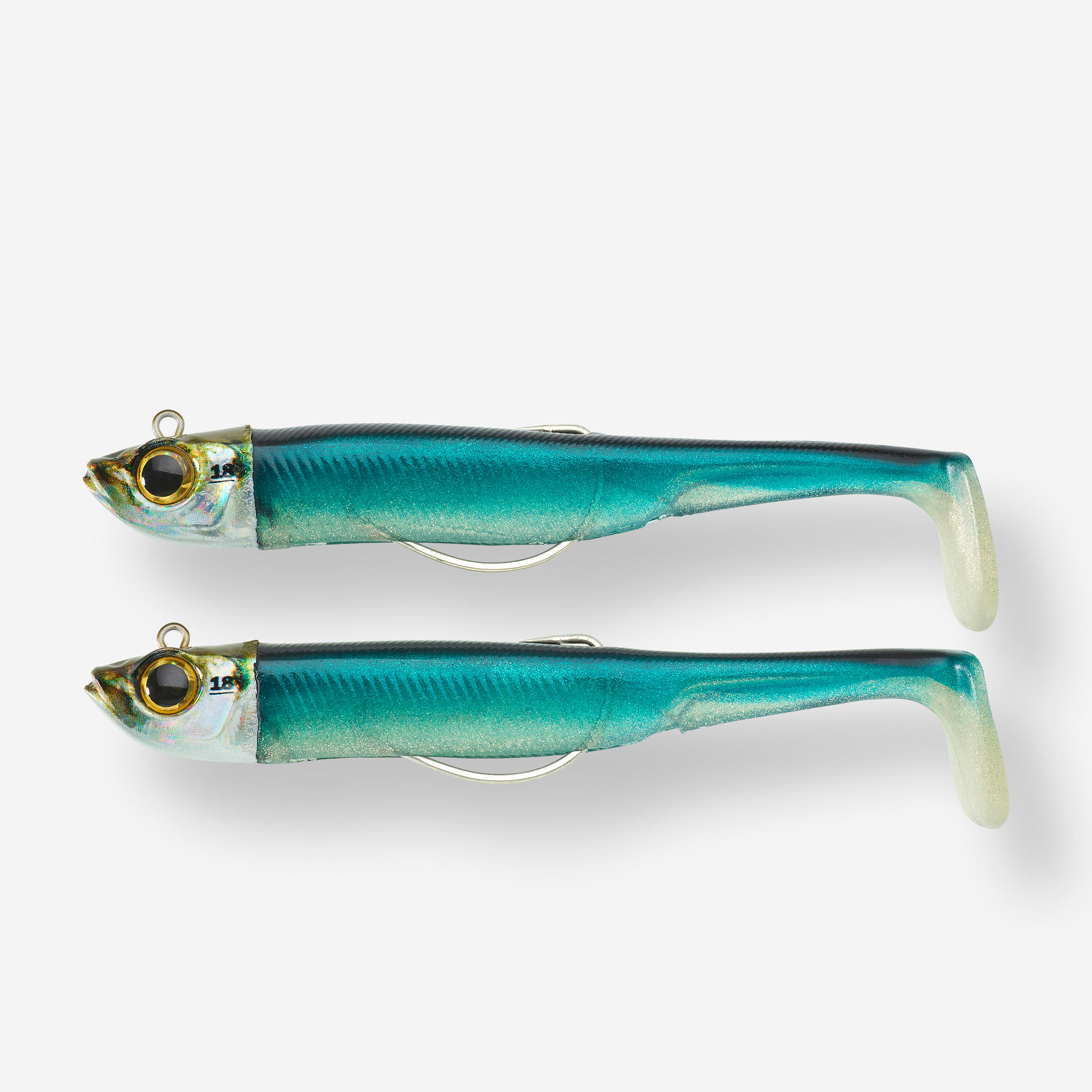
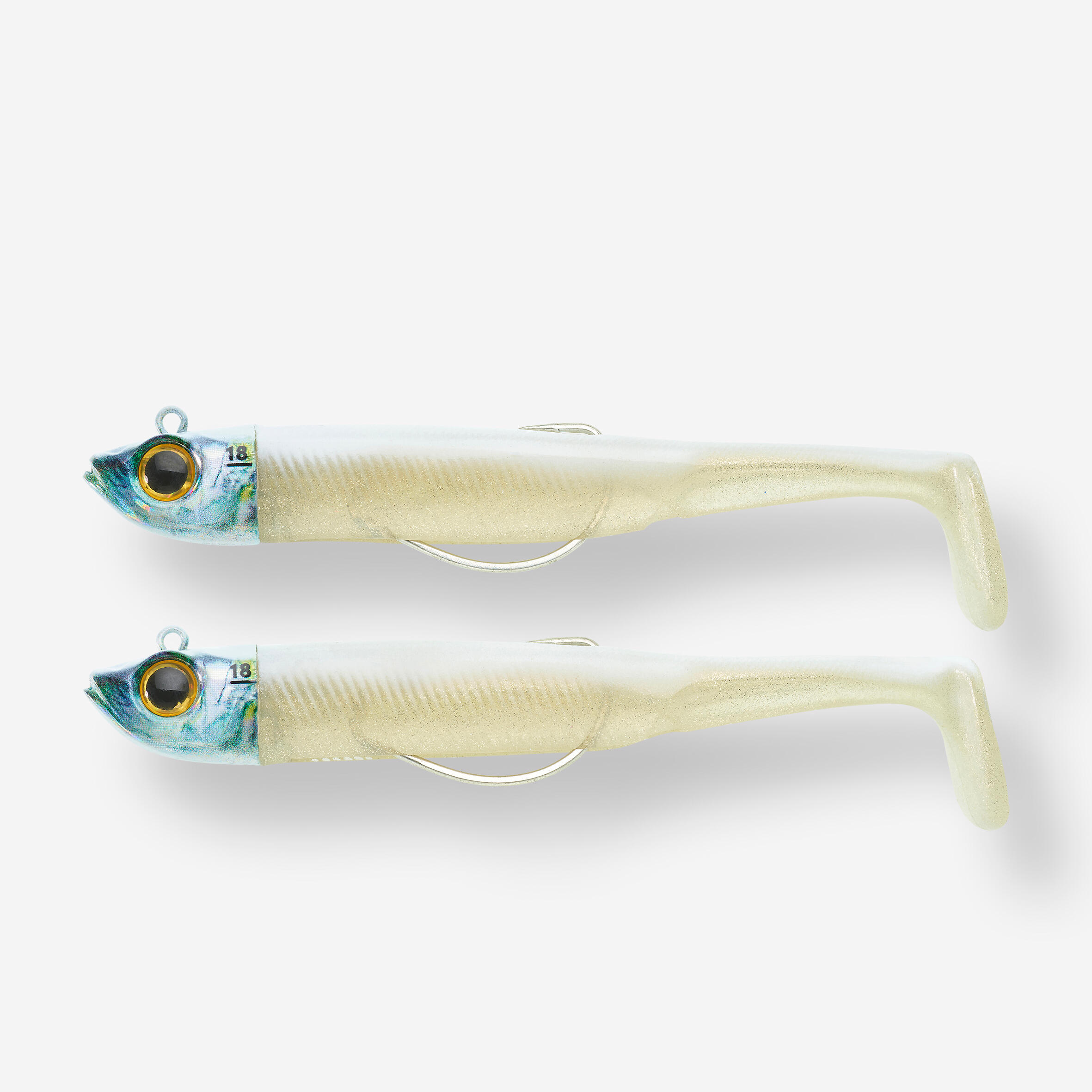
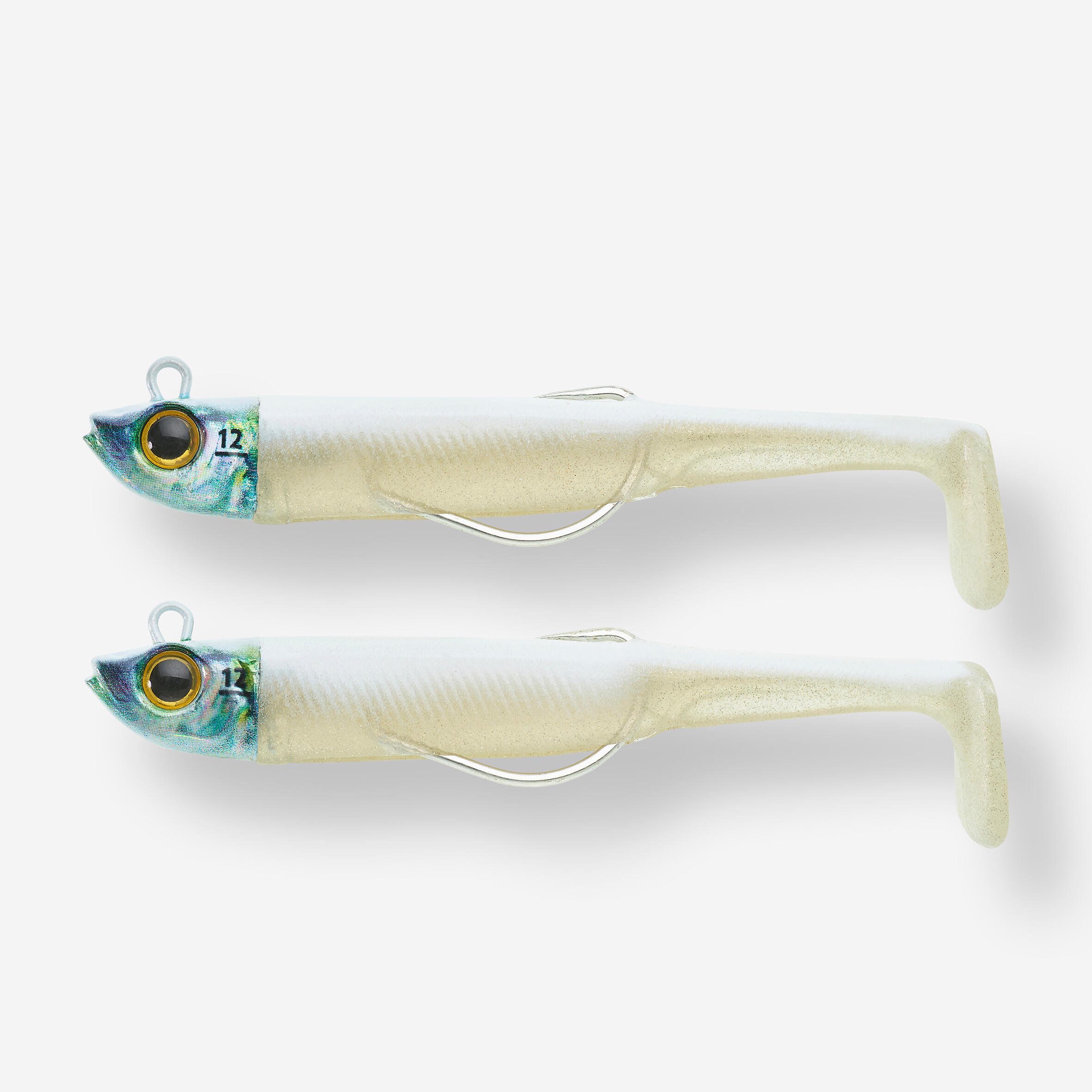
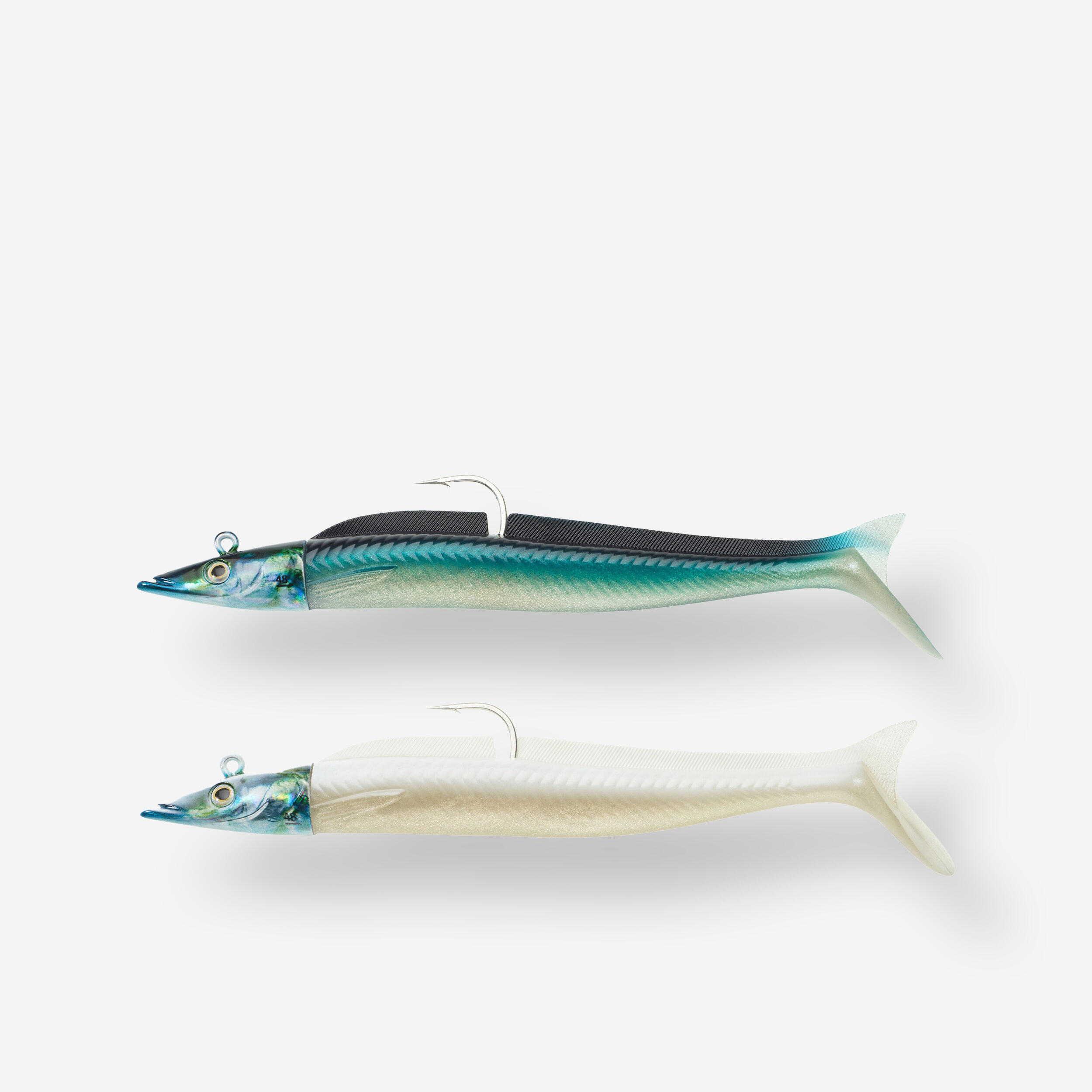
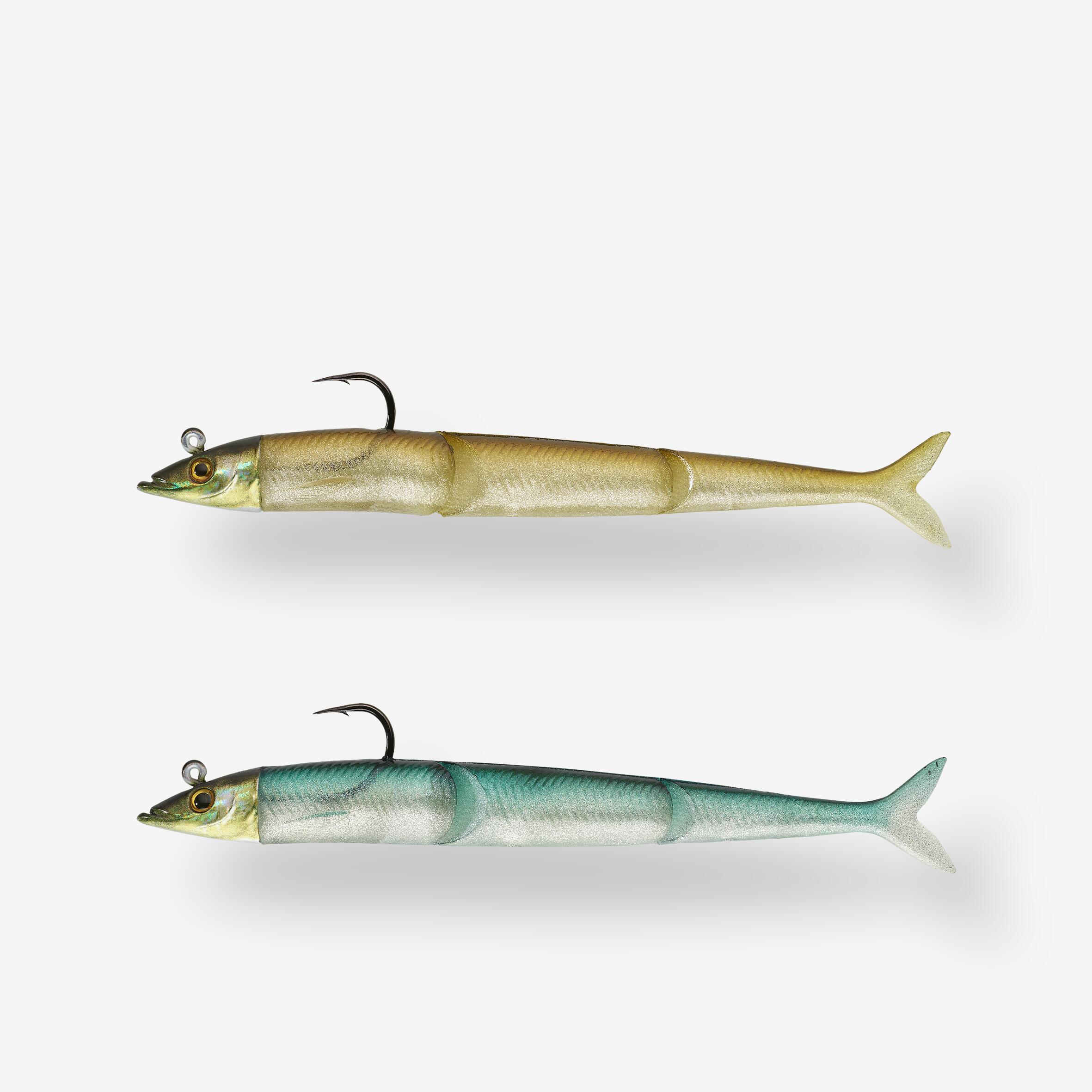
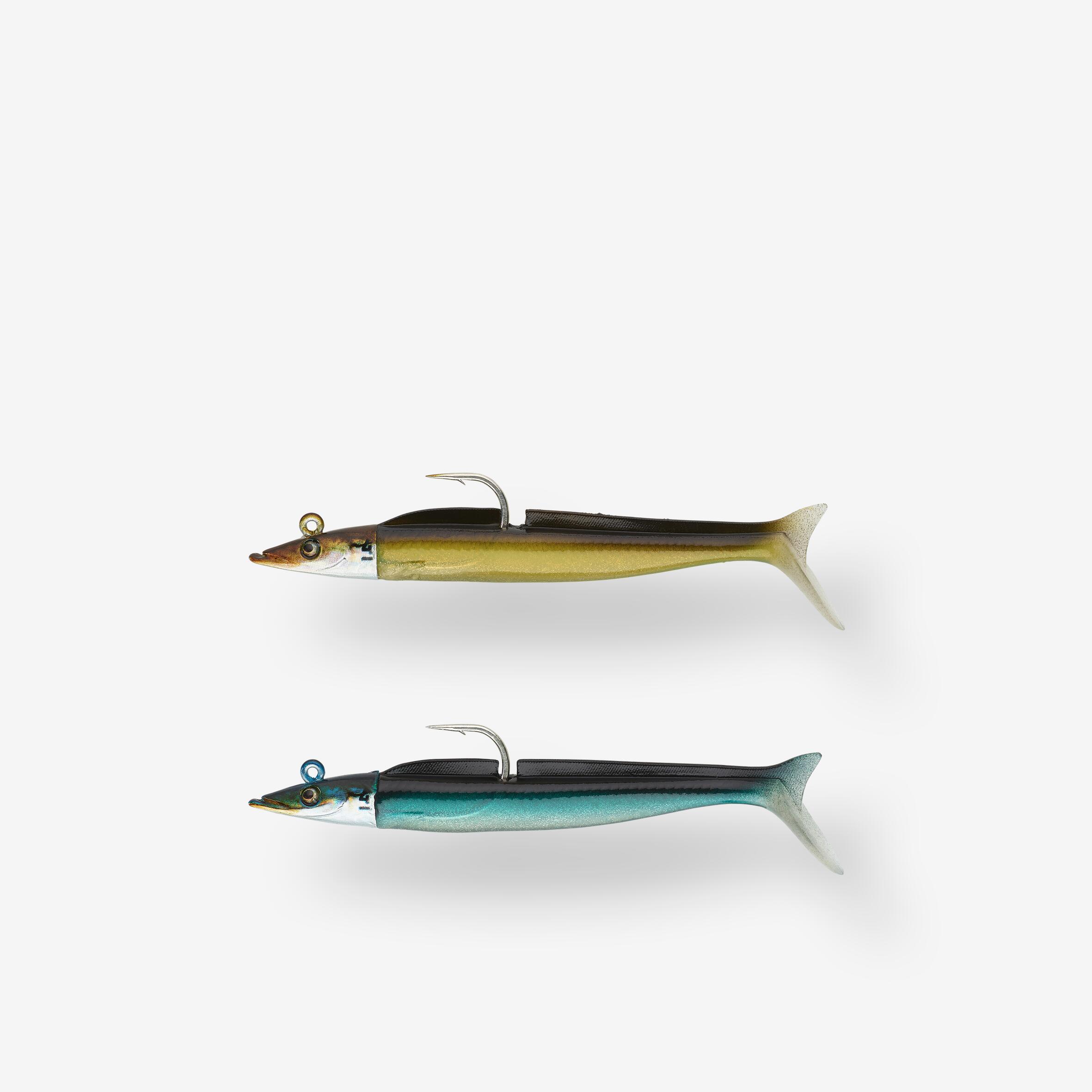
Body shape and tail construction determine how much vibration a softbait creates and how naturally it moves during the retrieve. Caperlan bases selected lures on 3D scans of real prey fish, giving the body proportions a recognisable anchovy or sand-eel profile. The supple lures sand eel combo uses an EELO body with a natural S-shaped swimming action. Its paddle sits at roughly 60 degrees, reducing water resistance so the lure can descend efficiently towards deeper fishing areas. This differs from stronger paddle-tail actions that produce more pronounced vibration. Match the movement style to the depth, current and way you want the lure to imitate prey.
Why can a Texas-style soft lure help around rocks and seaweed?

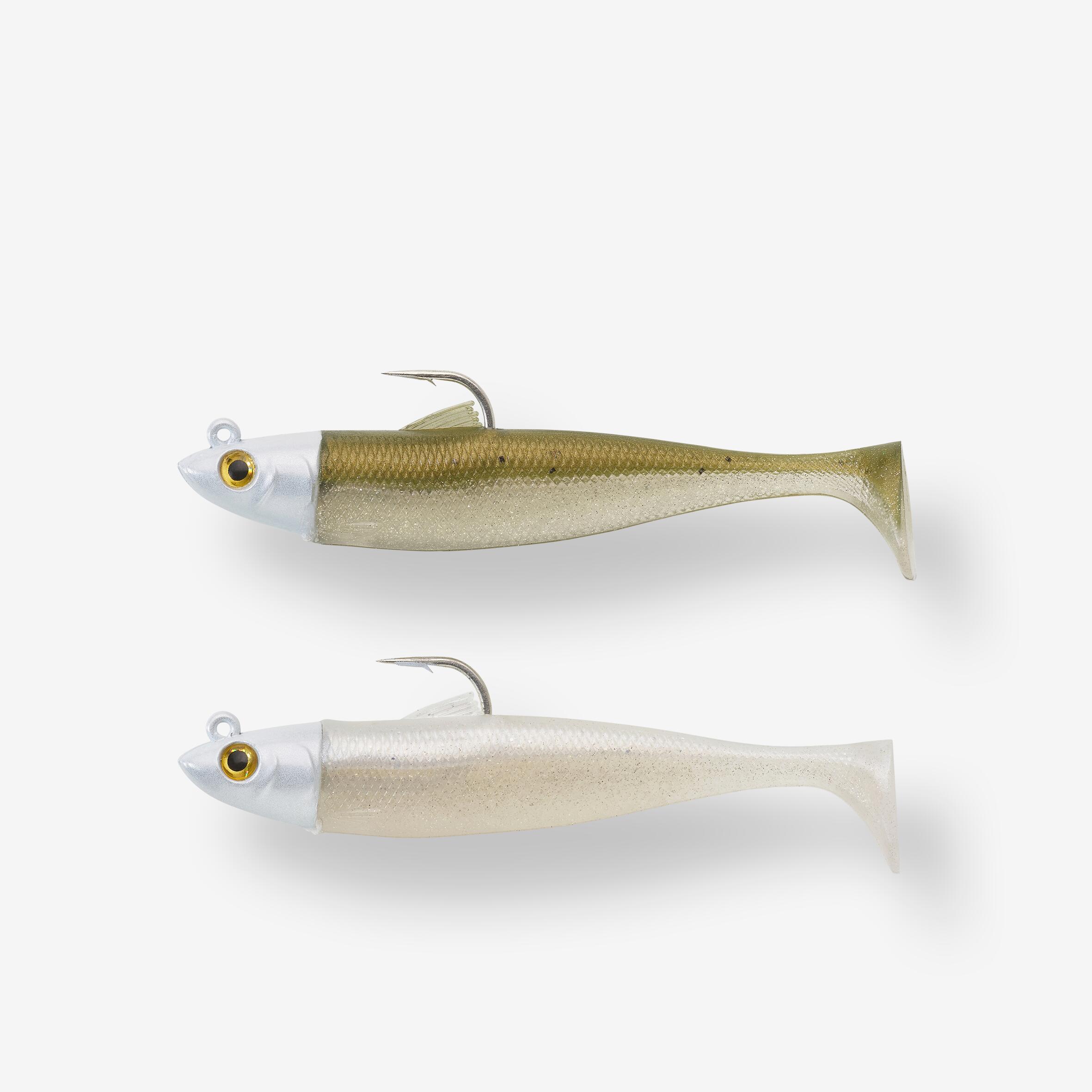
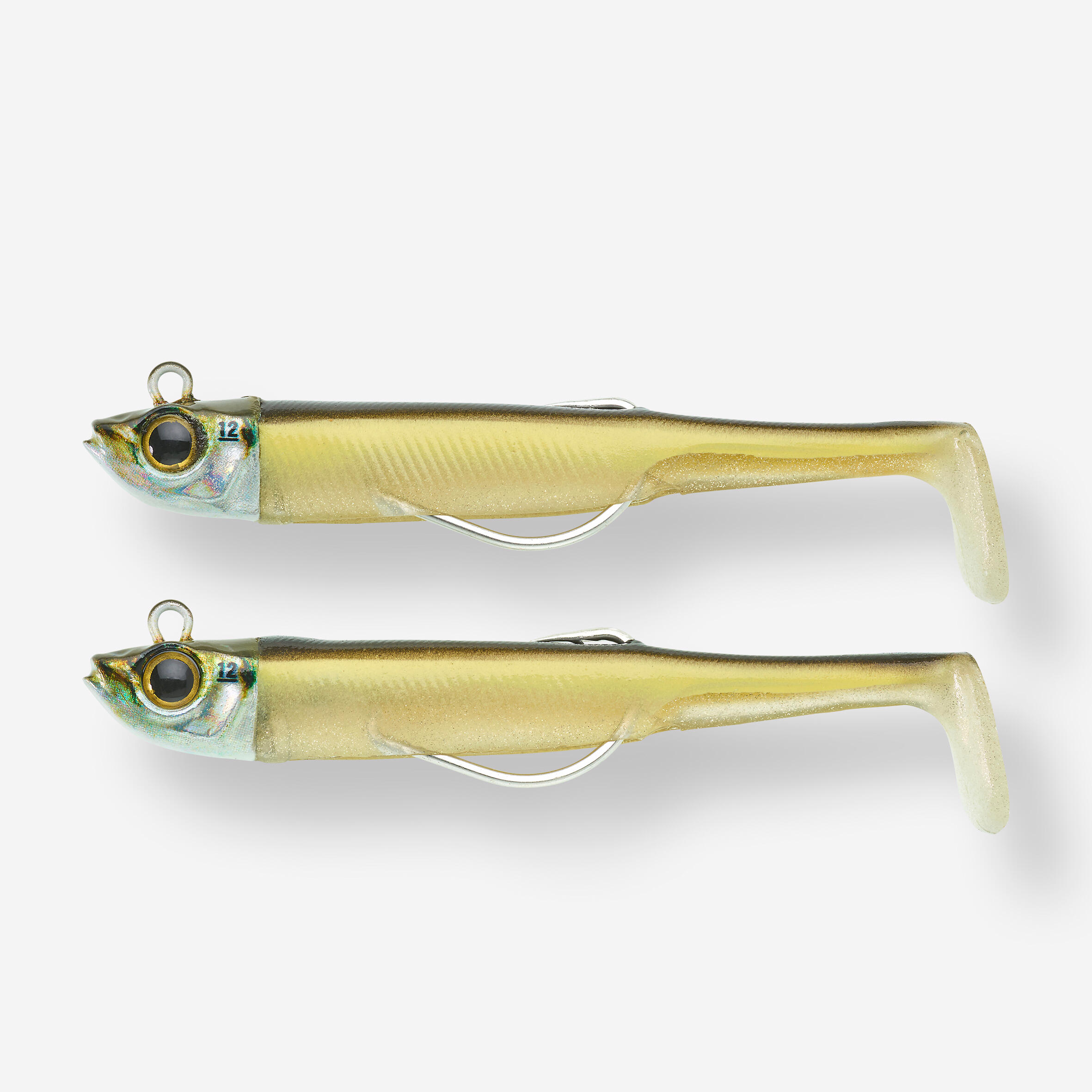
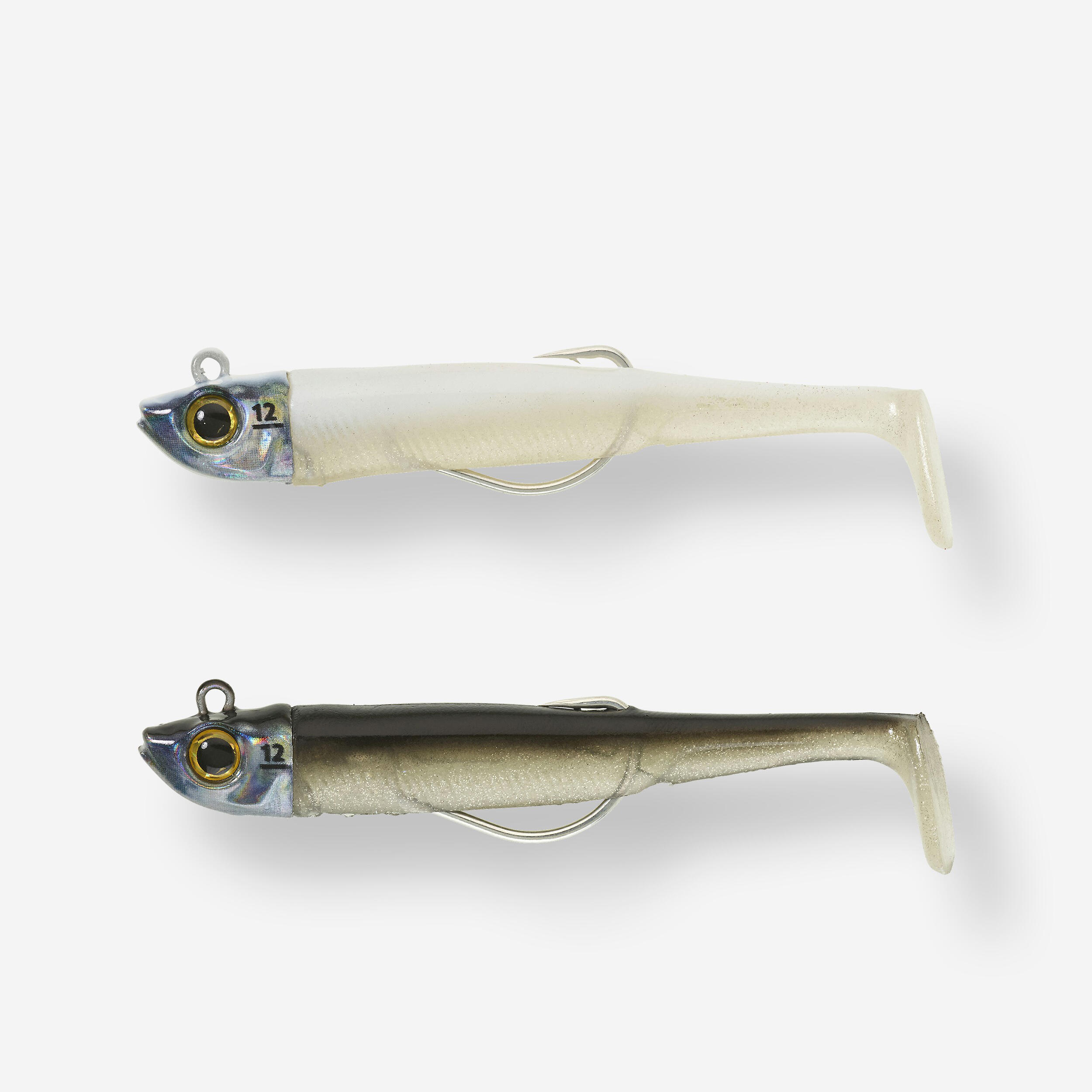
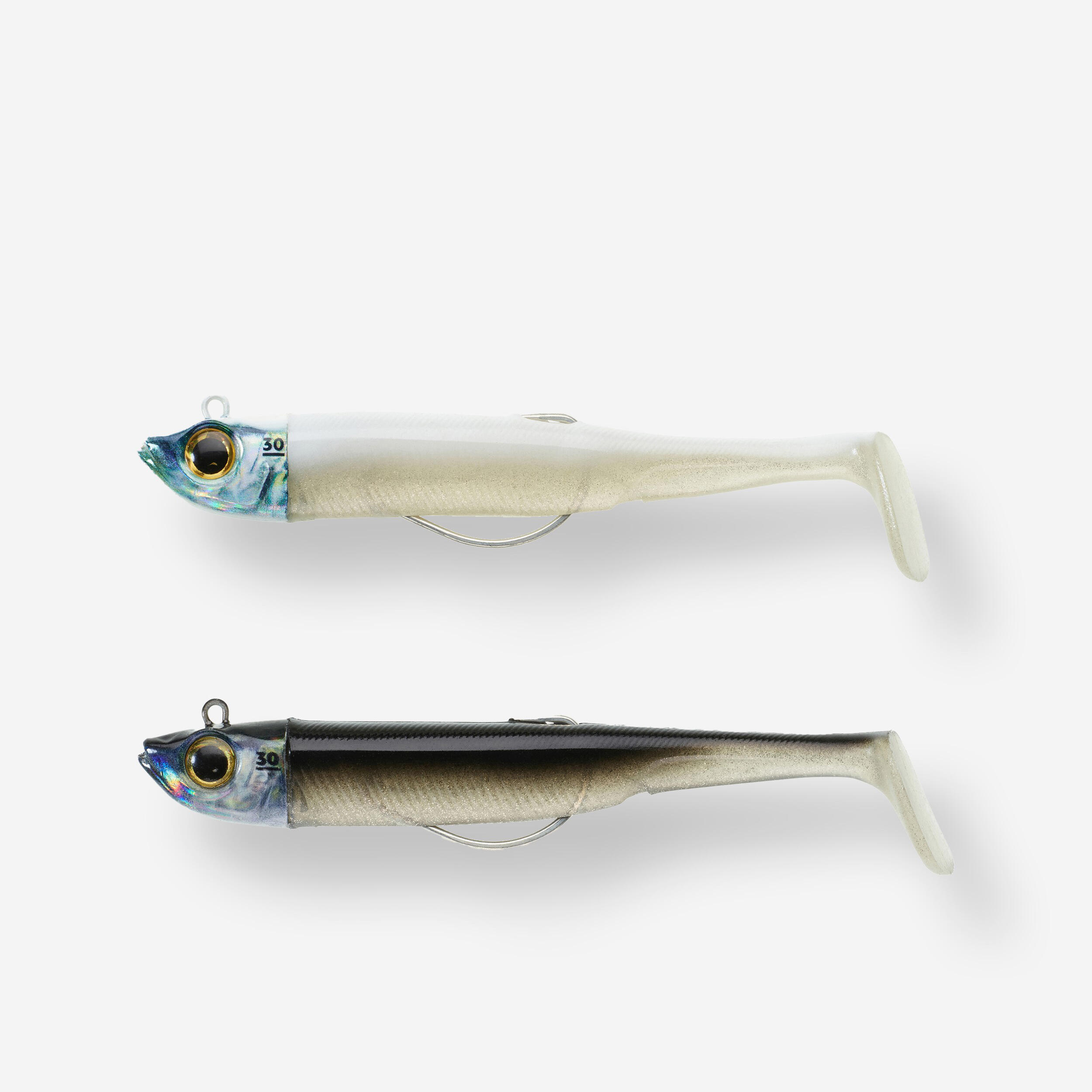
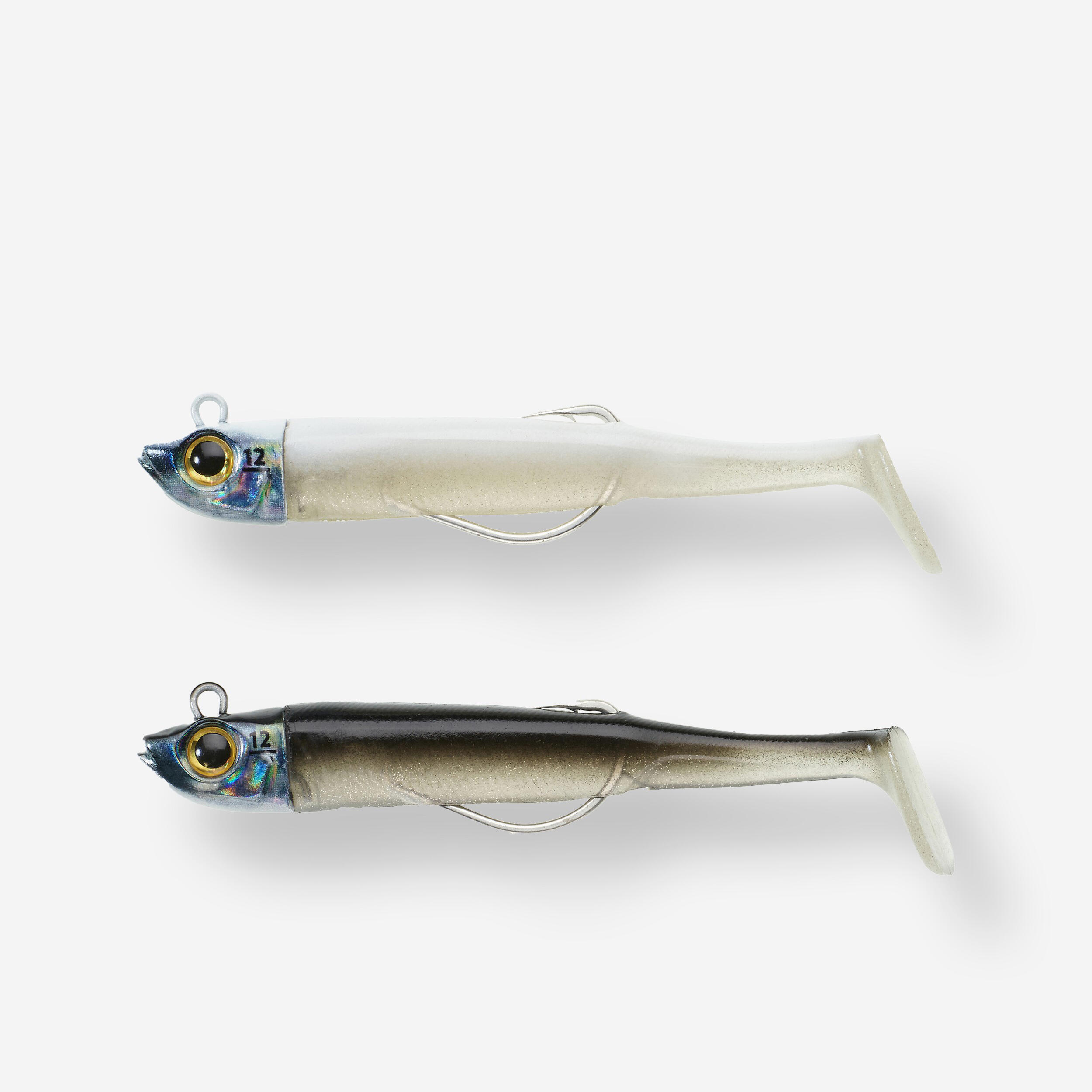
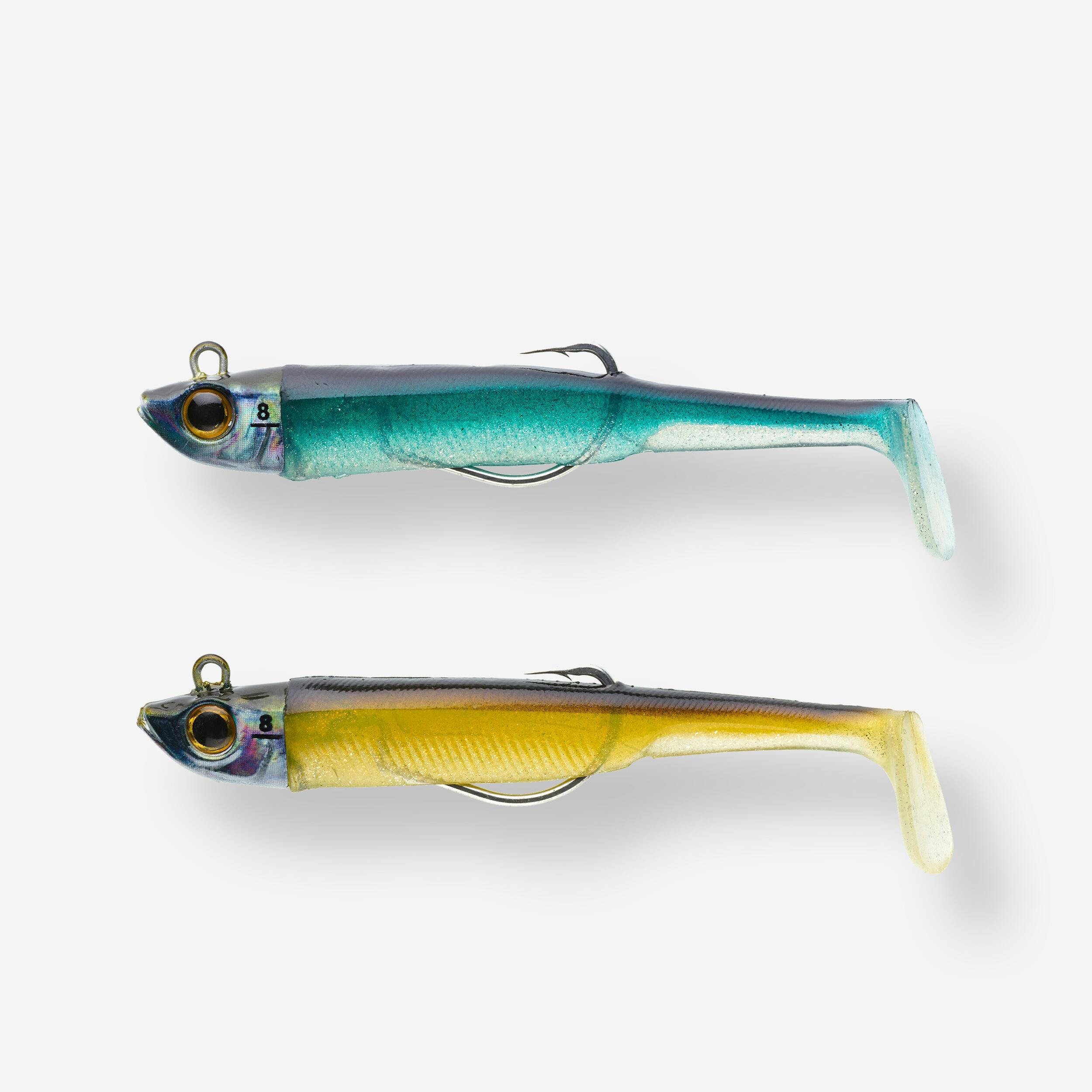
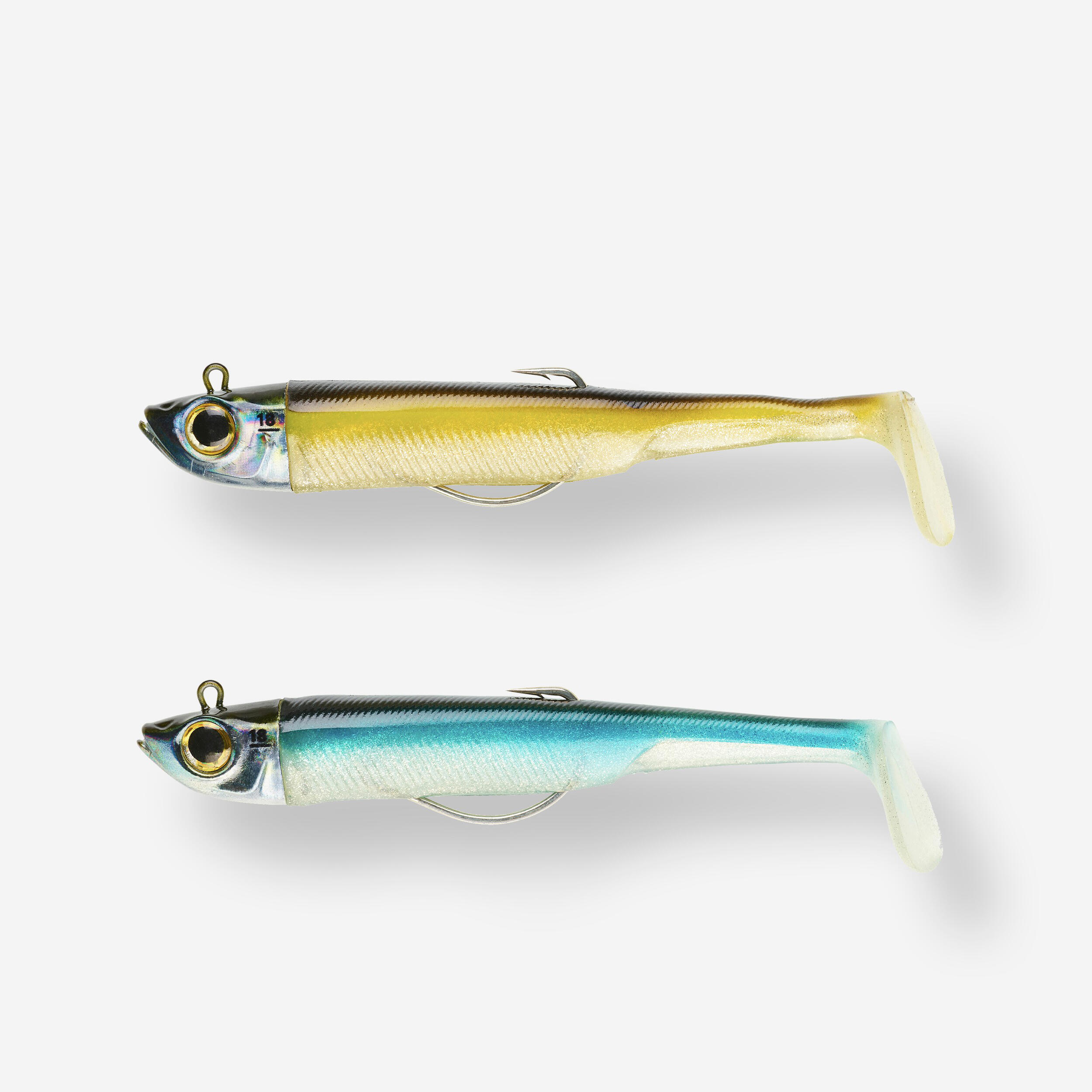
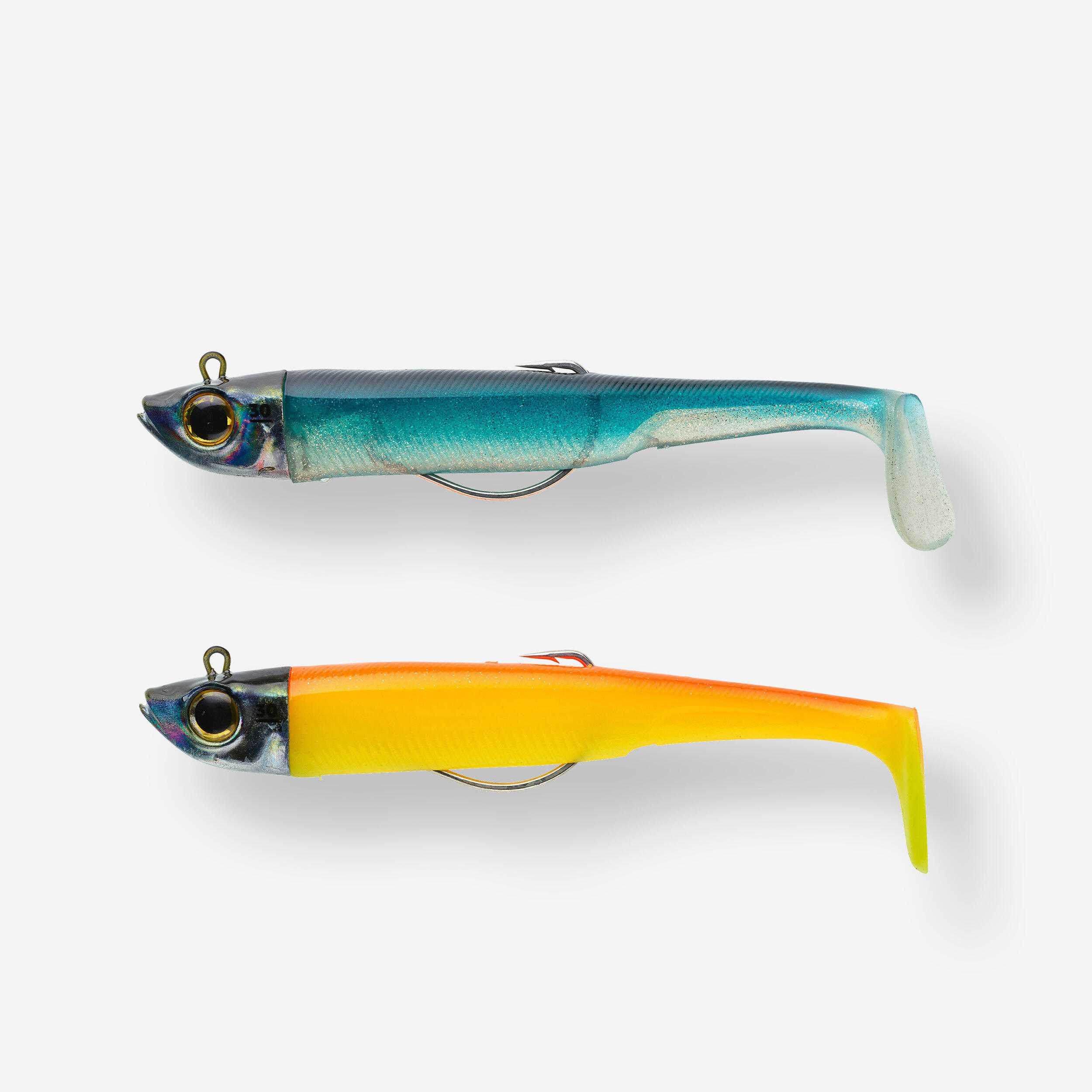
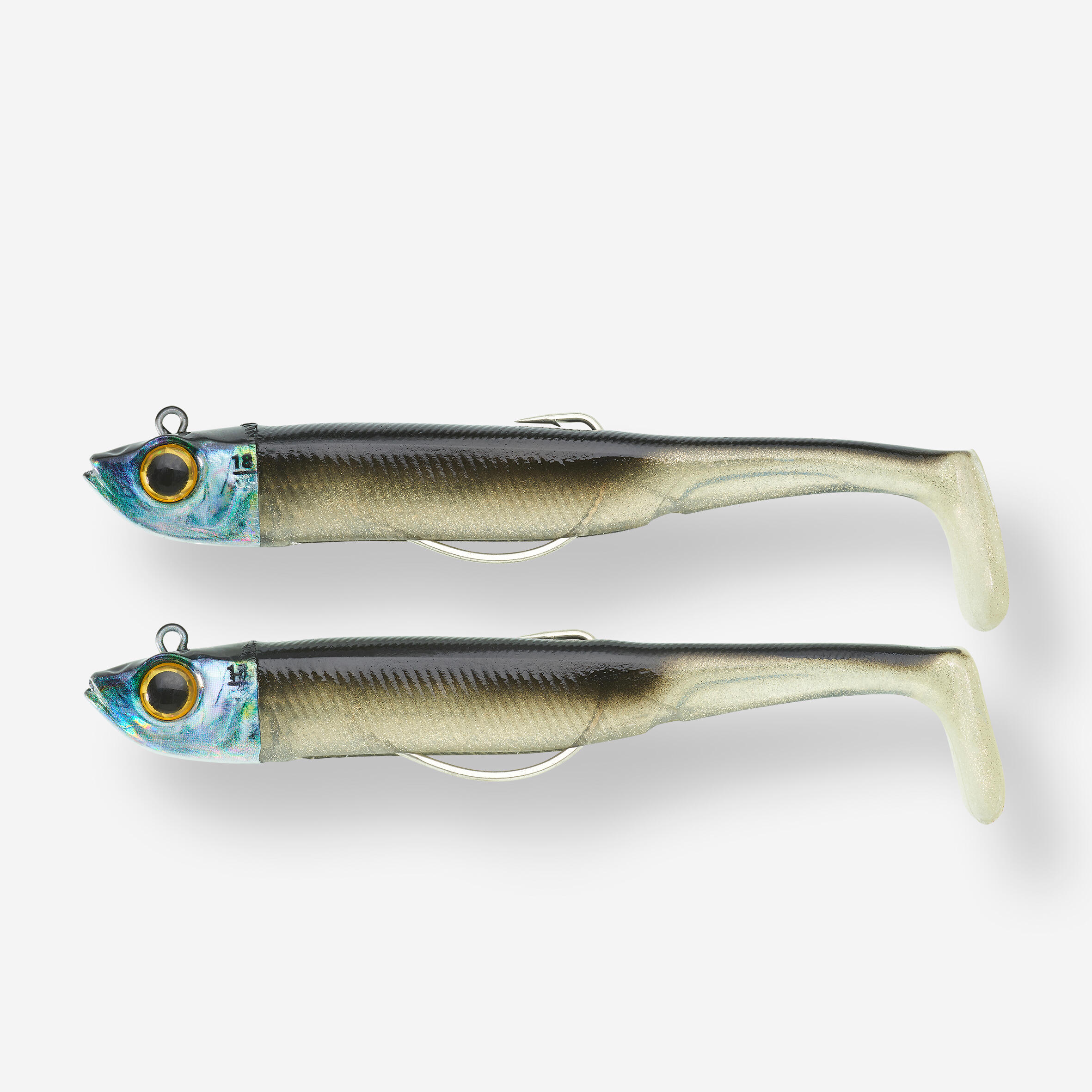
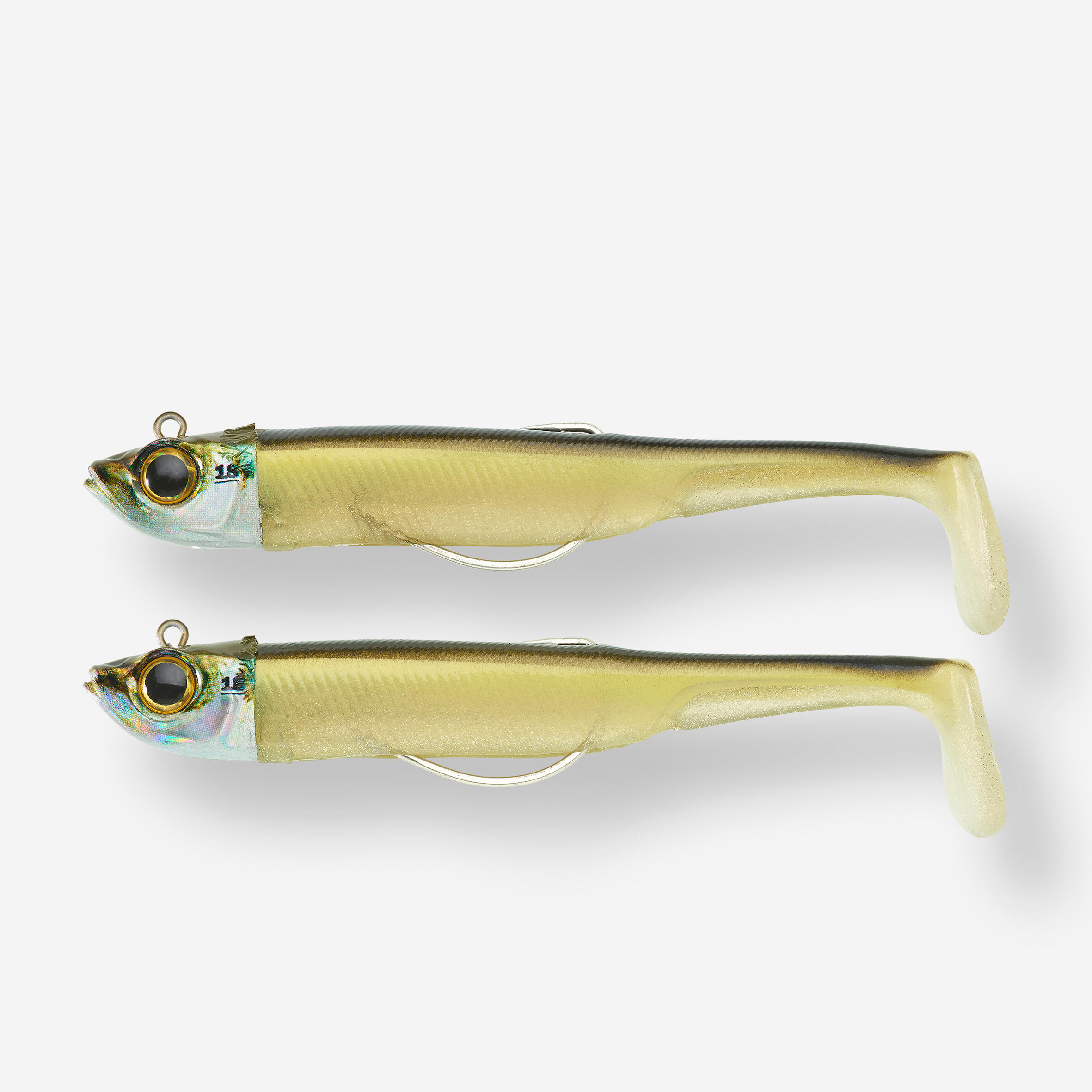
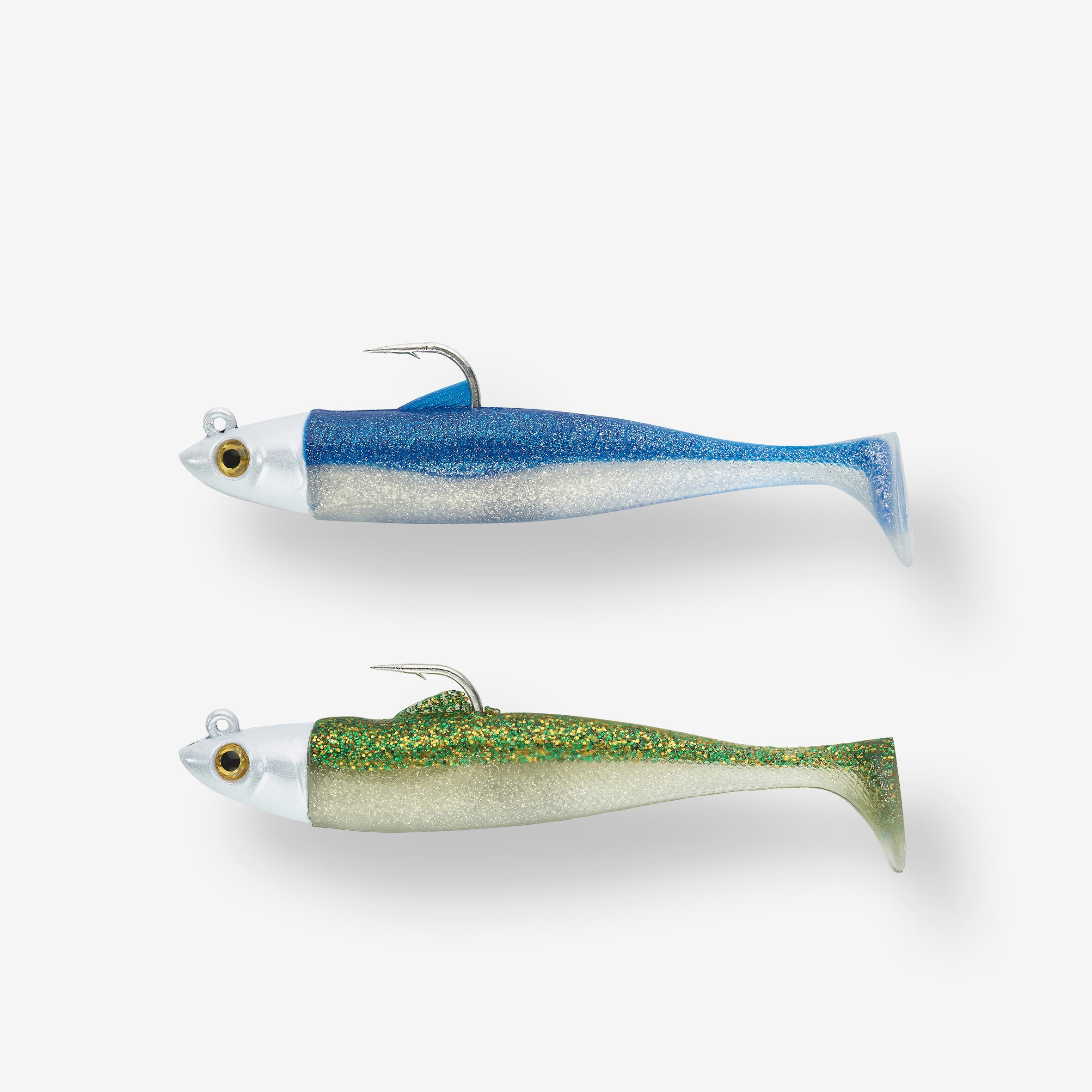
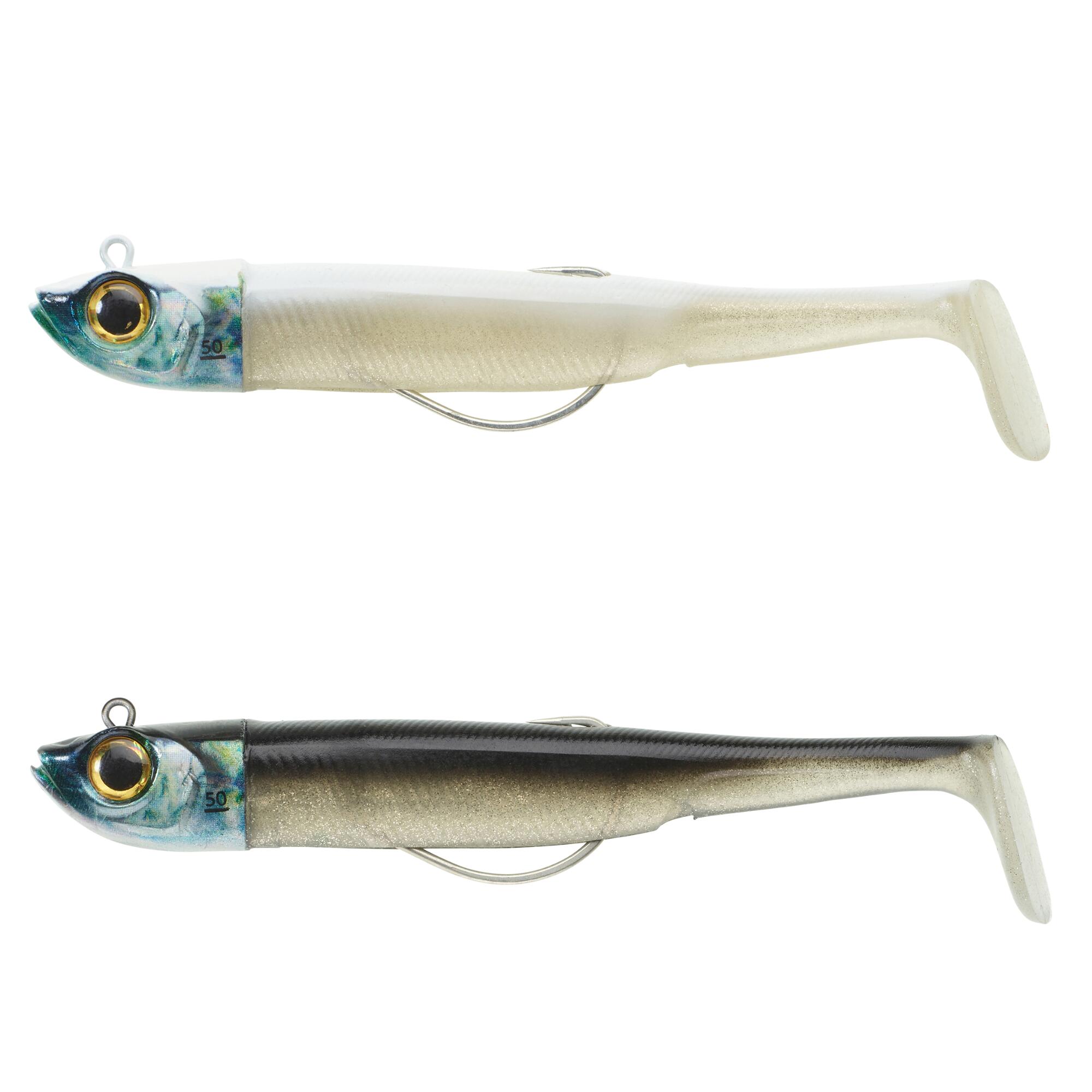
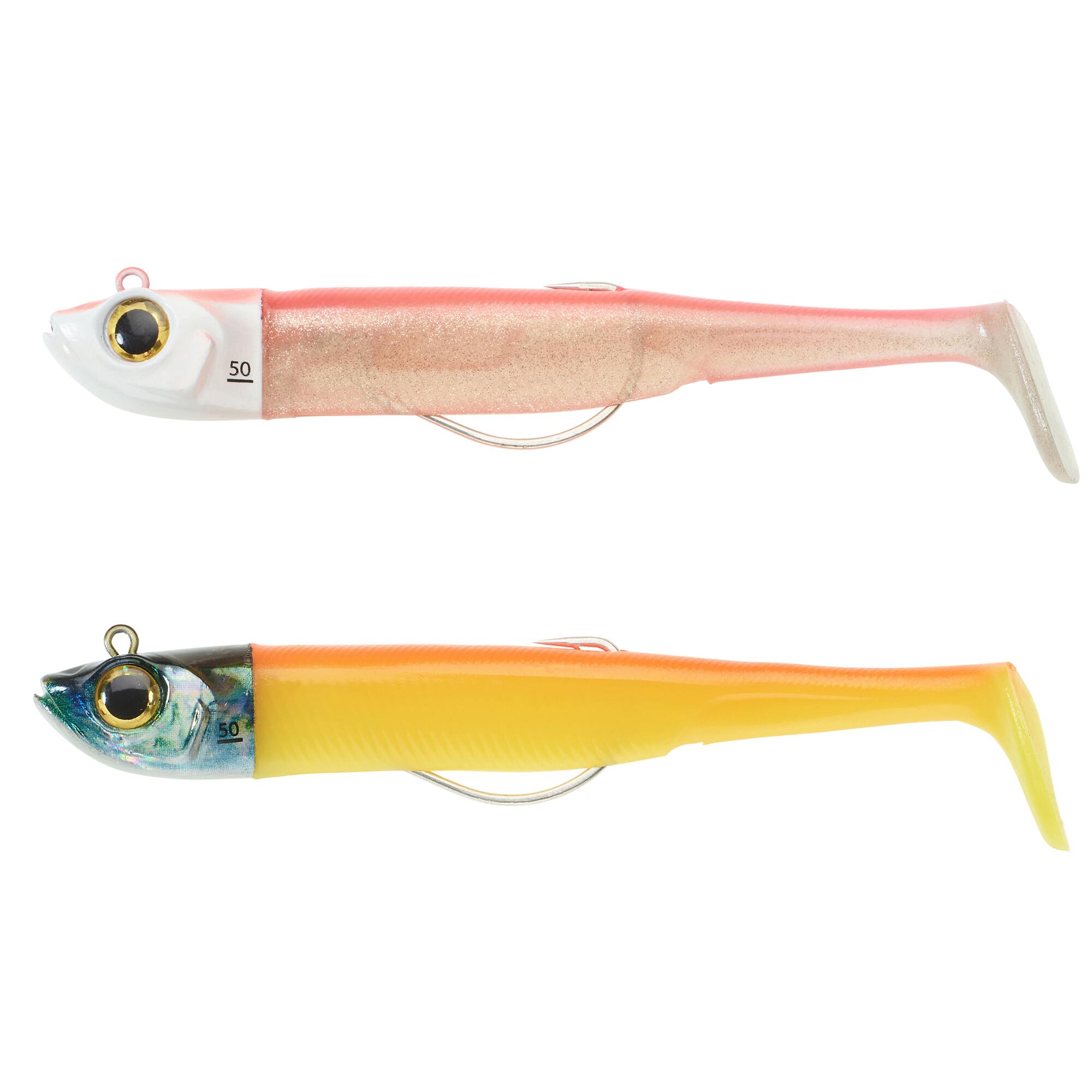
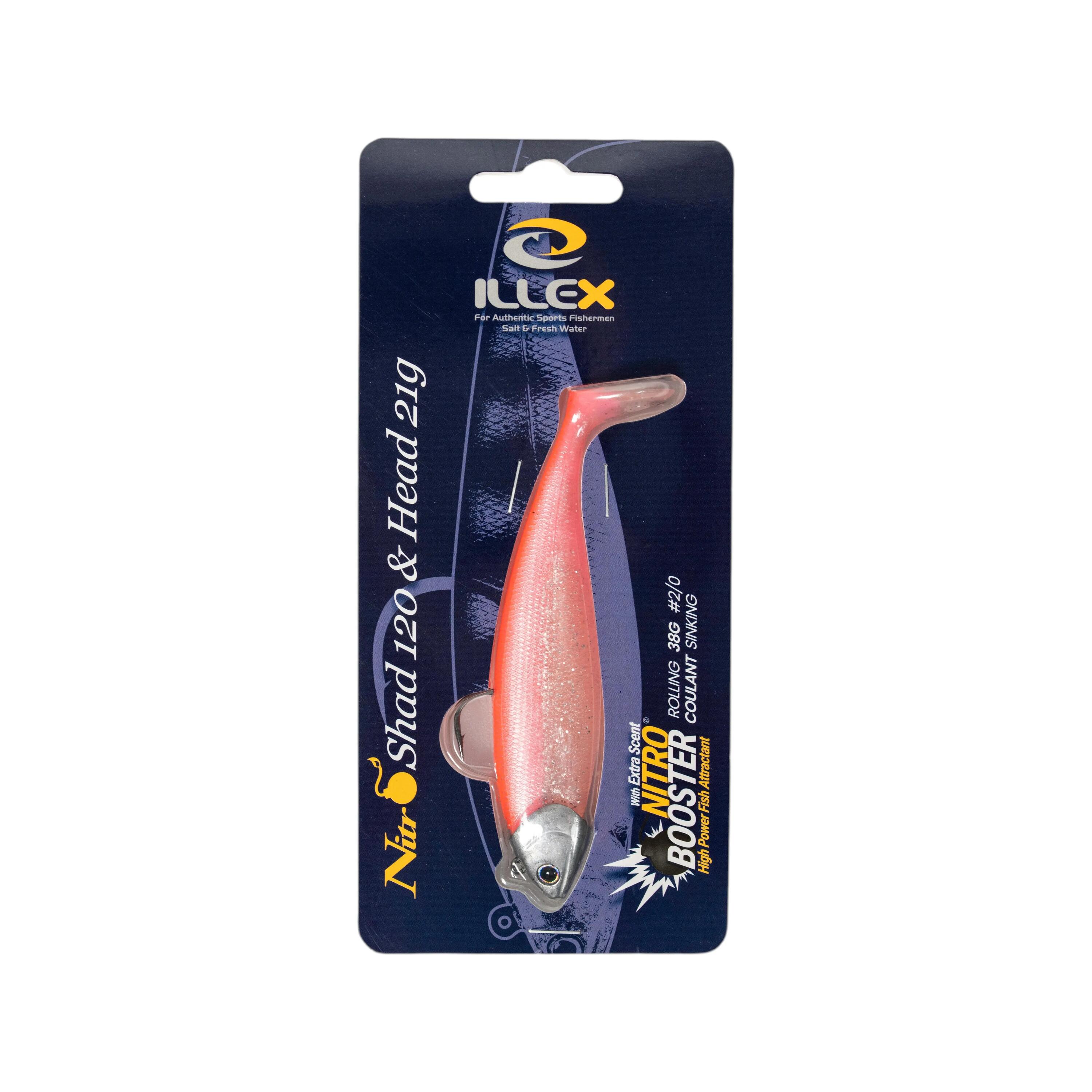
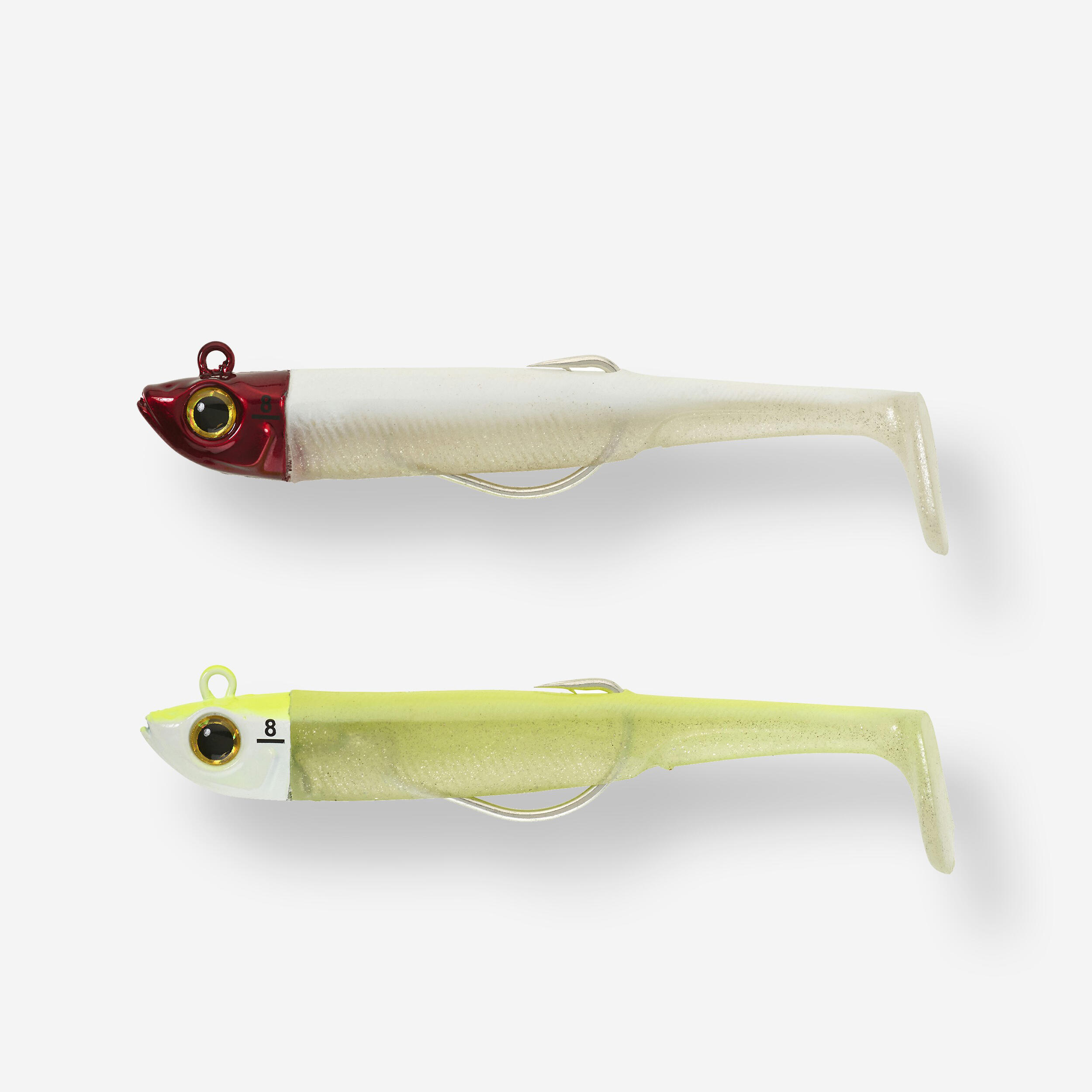
Snags become more likely when a lure passes close to rocks, algae or weed, so hook position can make a noticeable difference. Caperlan's sea fishing soft lure combo uses a Texas-style hook arrangement that reduces how readily the hook catches on surrounding cover. The ANCHO body is based on a 3D scan of an anchovy and uses a paddle tail that combines twitching and wobbling movements. This creates strong vibration while allowing you to work the lure through midwater or closer to the bottom. Keep enough tension to feel contact with the seabed, but avoid dragging the lure continuously through rough ground where any rig can still become caught.

When can a heavier lure help you fish deeper water?

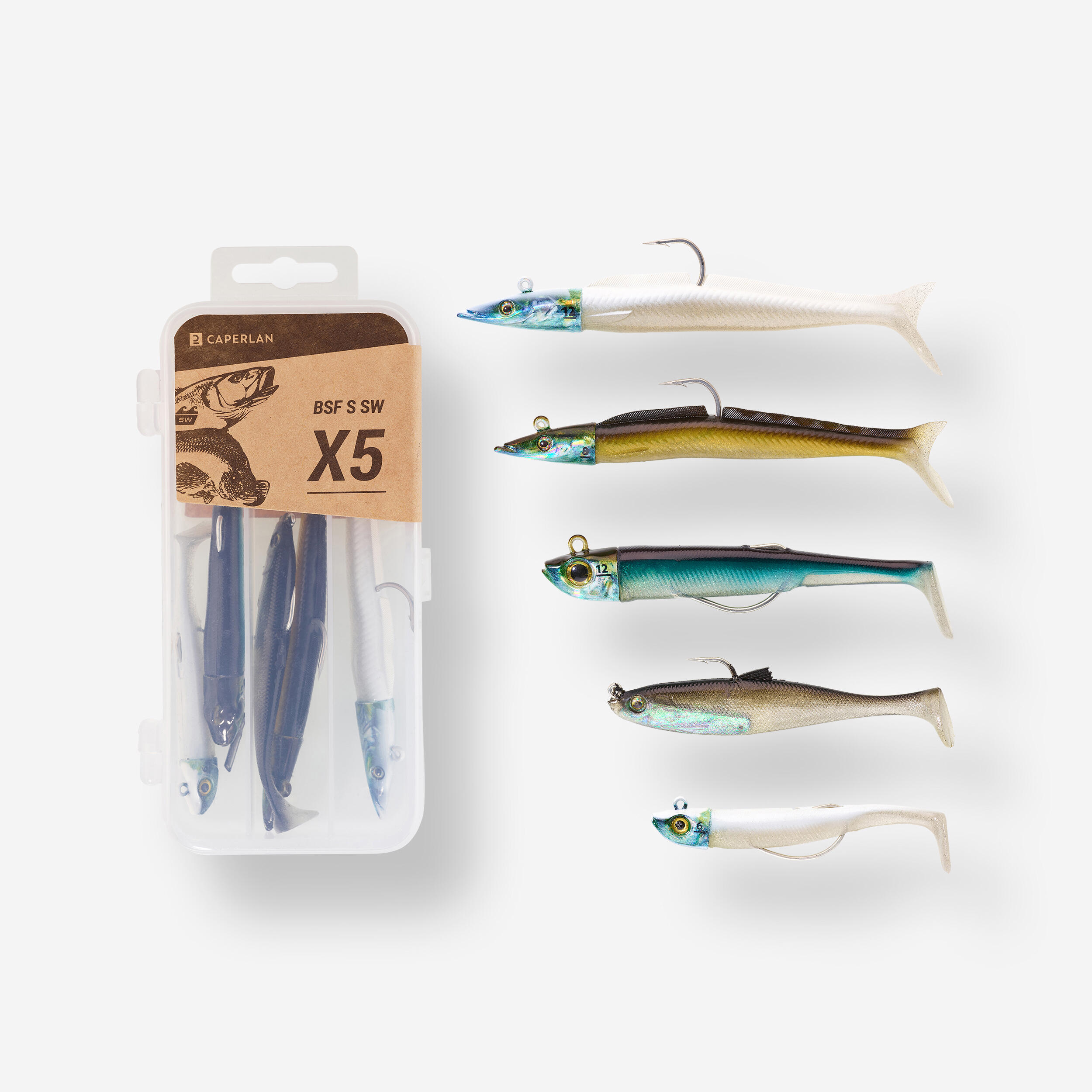
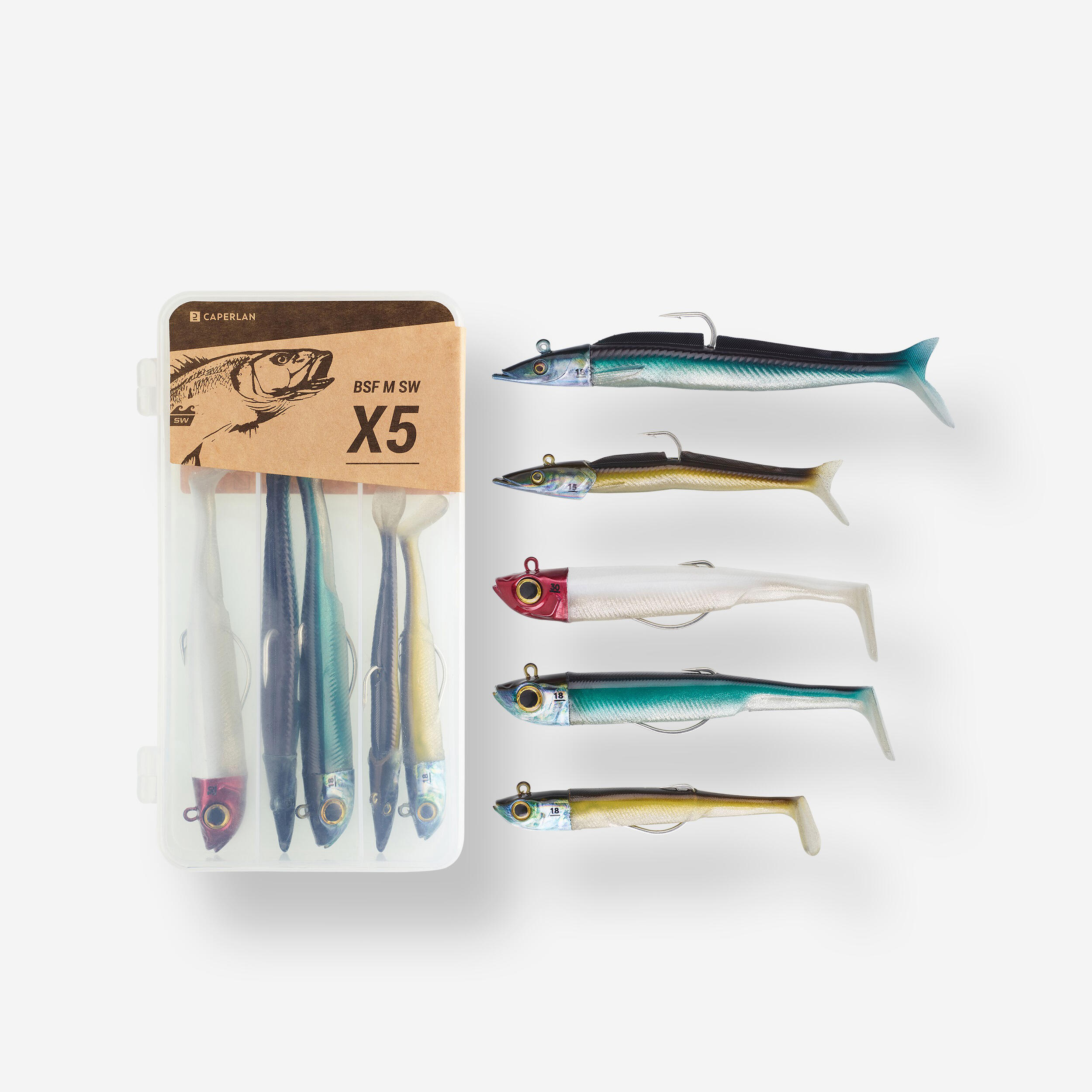
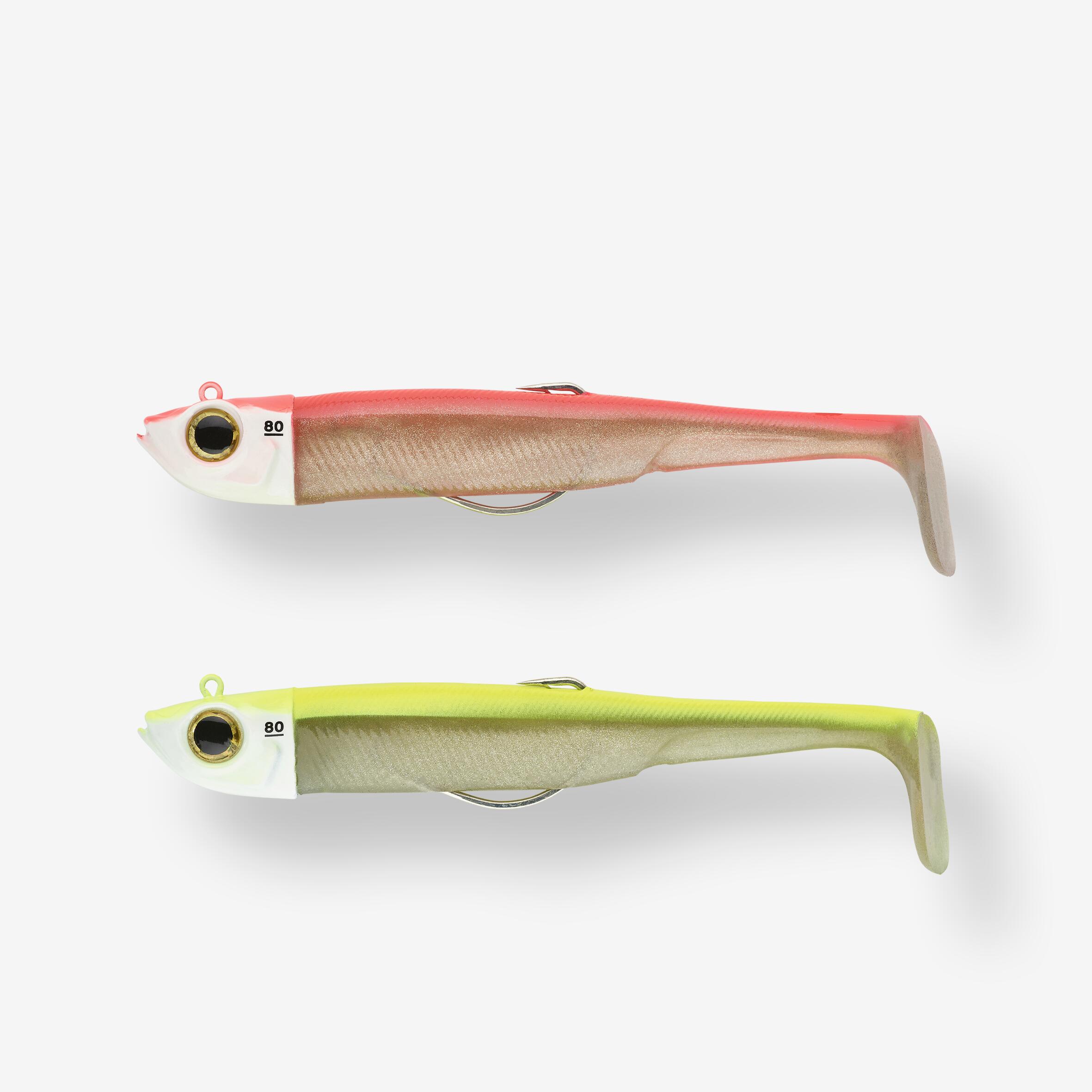
Heavier jig heads generally help a softbait sink faster and stay closer to the bottom when depth or current increases. Caperlan varies ANCHO and EELO weights so the same prey style can cover different water levels rather than relying on one fixed system. Lighter versions can suit shallower water or slower presentations, while heavier options make deeper fishing more manageable. A sea fishing box soft lure kit gives you several already rigged lure styles and weights in one organised setup, making it easier to change presentation as conditions alter. Keep every lure within your rod's stated casting weight and consider current strength as well as depth before increasing jig-head weight.

What sea fishing situations suit a softbait?

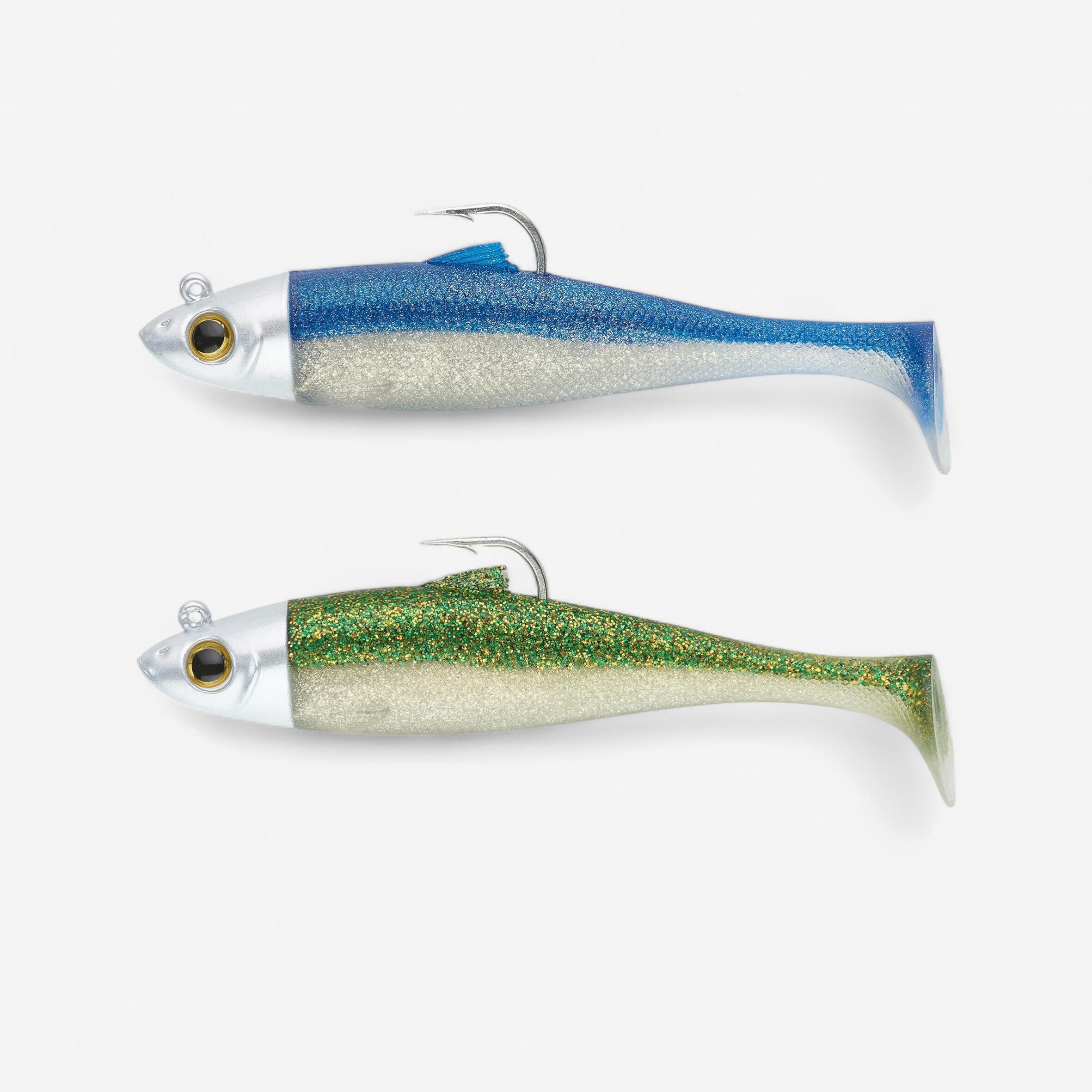
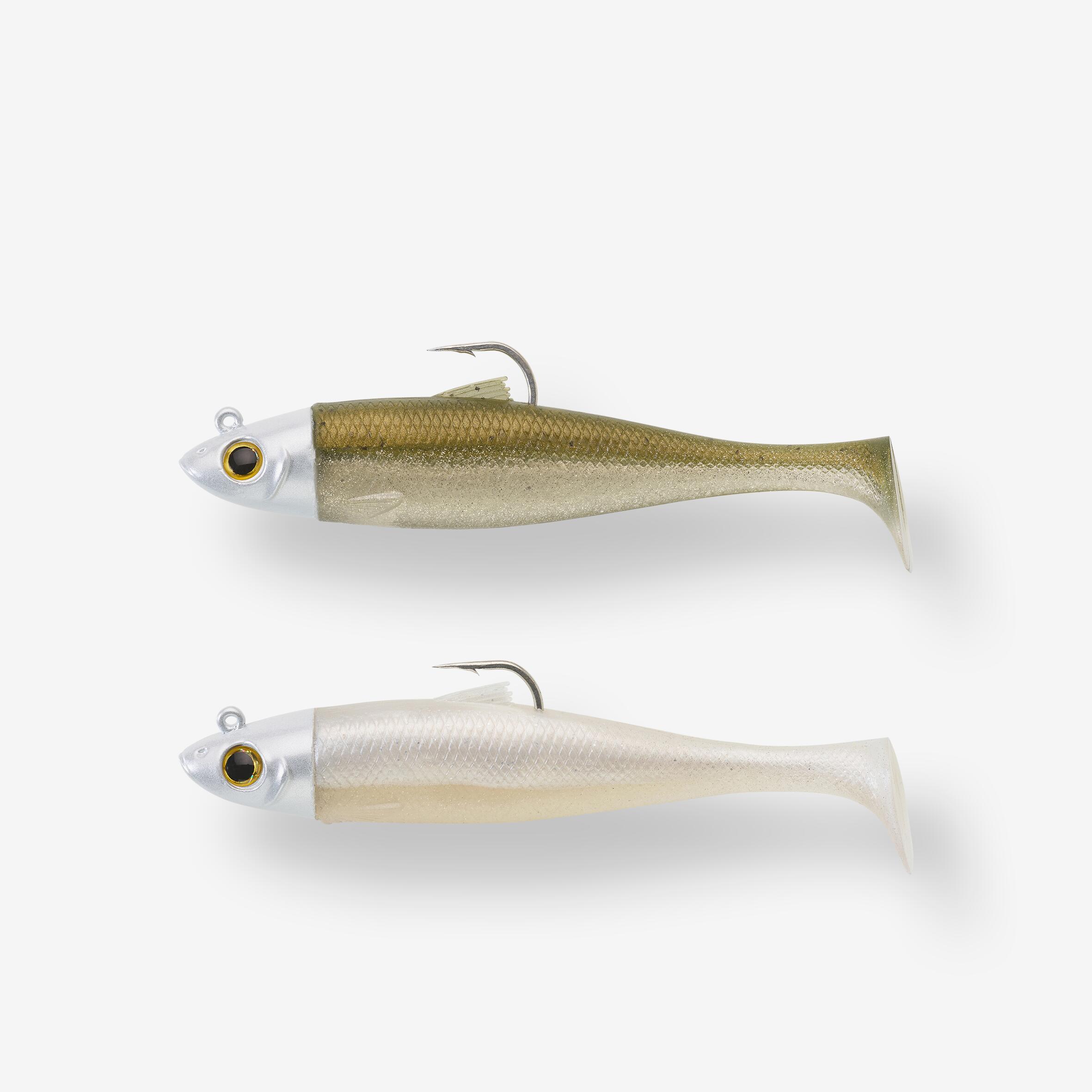
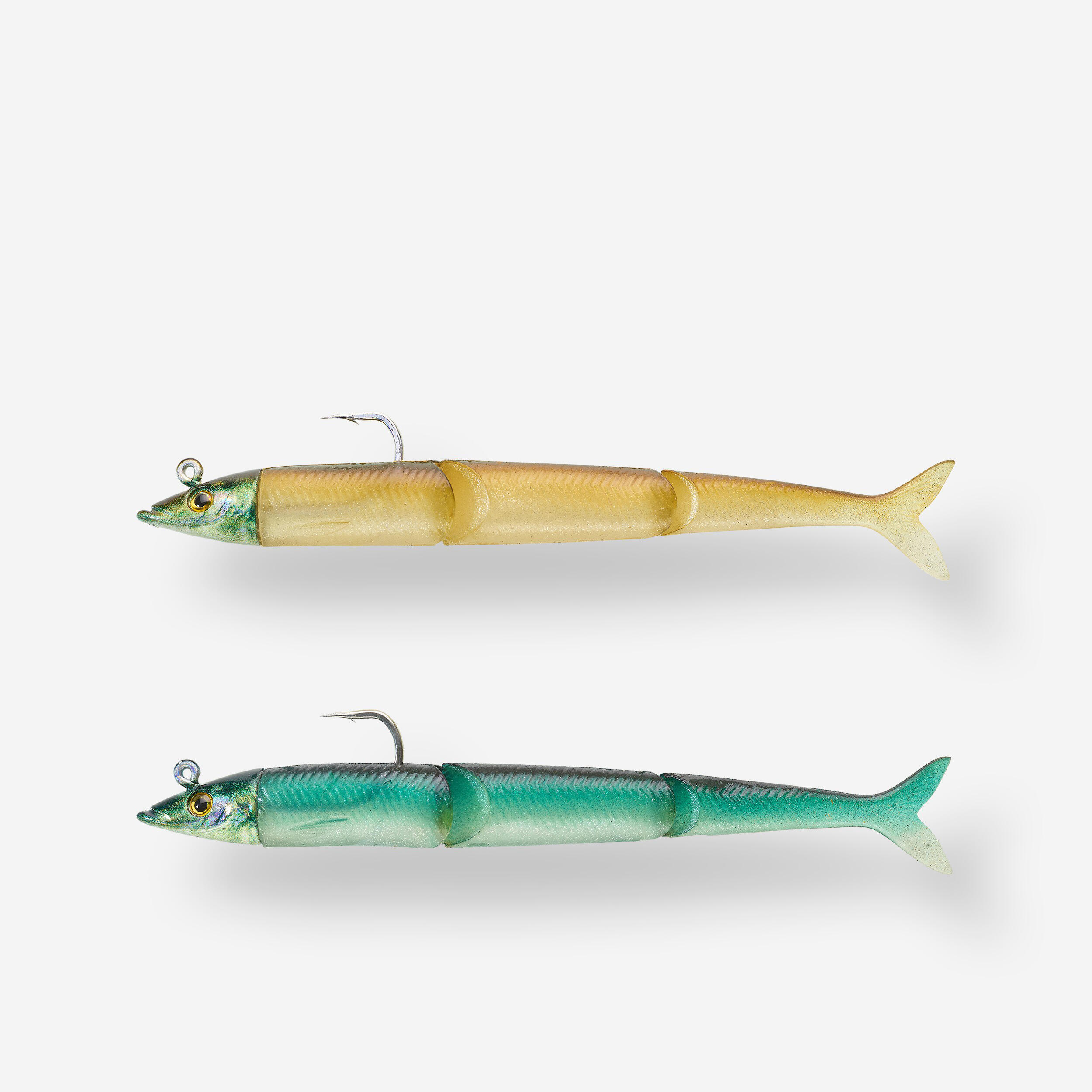
Softbaits work well when you want to vary retrieve speed, depth and prey movement without changing the complete rod-and-reel arrangement. Paddle-tail lures can create stronger vibration, while sand-eel profiles offer smoother movement for a more subtle presentation. Pre-rigged bodies also remove the need to align the soft plastic and jig head separately before fishing. Different sea fishing with lures techniques can involve working the lure through midwater, close to the seabed or vertically from a boat. Watch how the lure responds during pauses as well as retrieval, and alter the weight or body profile when fish are holding at a different depth or reacting poorly to a stronger vibration.

What helps softbaits keep their shape during storage?

Heat and pressure can deform soft lure bodies, so storage matters once the fishing session ends. Caperlan advises keeping selected softbaits flat, dry, well ventilated and away from heat sources. Remove damaged bodies from your main lure box so torn material does not interfere with other rigged lures, and inspect hooks for corrosion or blunt points before putting them away. Pre-rigged softbaits benefit from compartments that prevent heavier jig heads from pressing continuously against neighbouring bodies. After saltwater fishing, rinse suitable metal hook components with fresh water and let them dry fully. Keeping each lure flat and separated helps preserve its intended tail movement and body profile for the next session.