33 items
4.2/5 based on 250 reviews collected online and in stores

Adults' Goalkeeper Equipment FAQs

What protection matters most on hard futsal courts?

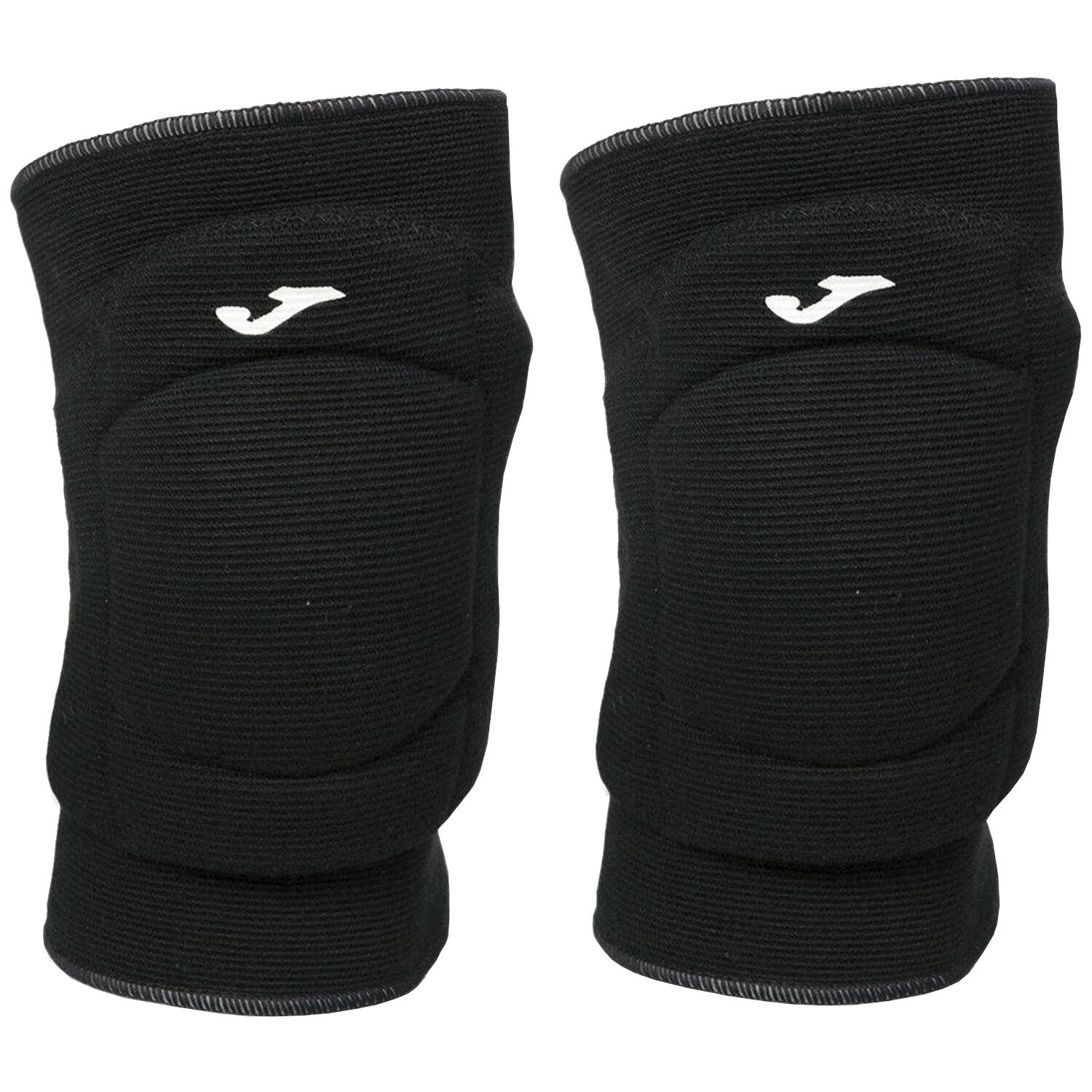
Adult futsal goalkeepers repeatedly land on their knees and elbows during blocks, slides and low saves, making targeted joint protection particularly useful. Double-thickness foam cushions impact, while abrasion-resistant outer materials help protect the padding from repeated contact with indoor floors. The current category focuses mainly on pads, supports, sleeves and strapping rather than complete kits containing gloves or goalkeeper clothing. Players who need those additional items can use the broader adults football goalkeeper category. Protective equipment still needs to be combined with controlled landing technique and a clean, dry playing surface, as pads cannot prevent every injury caused by collisions, awkward movement or damaged flooring.

Why does measured fit matter more than clothing size?

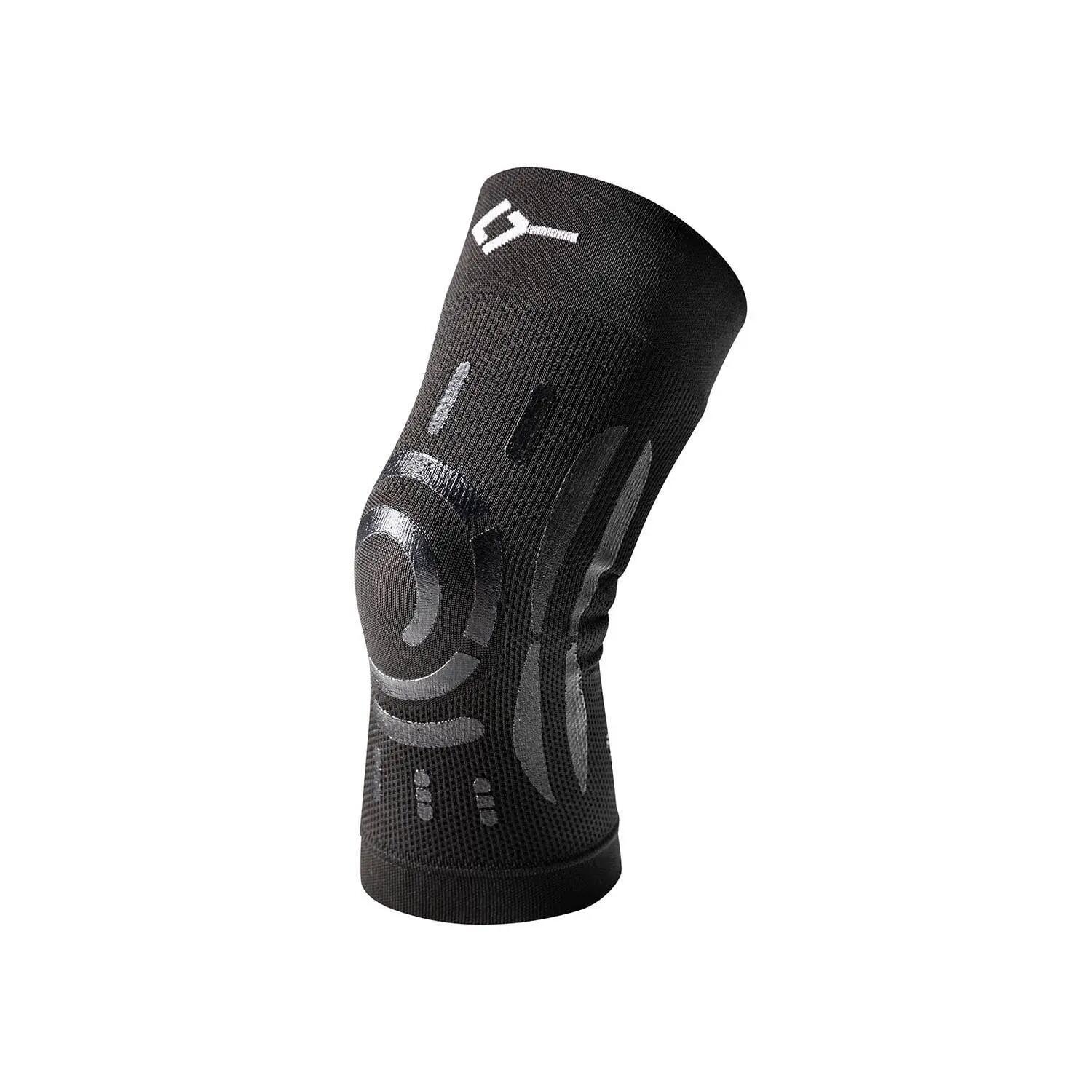
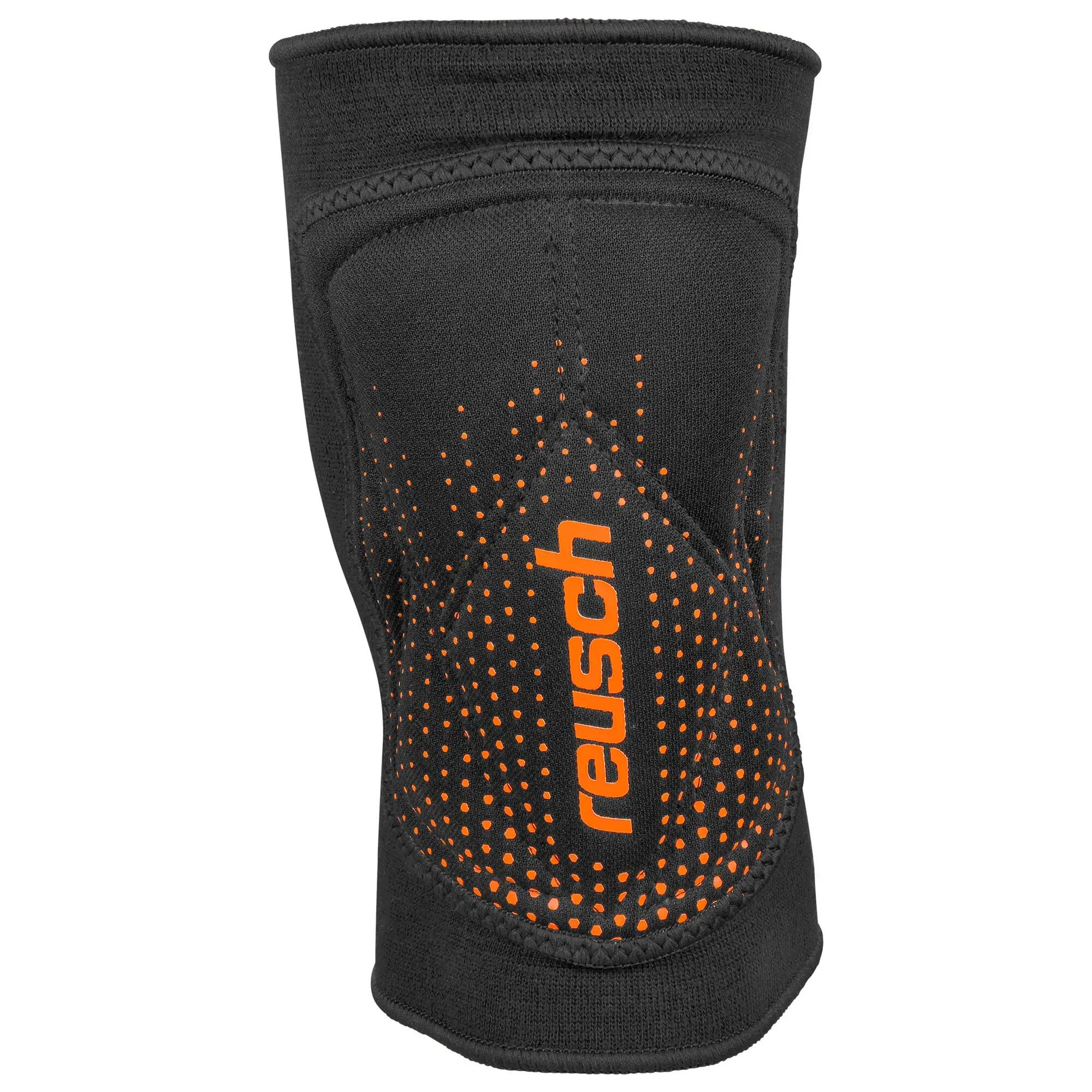
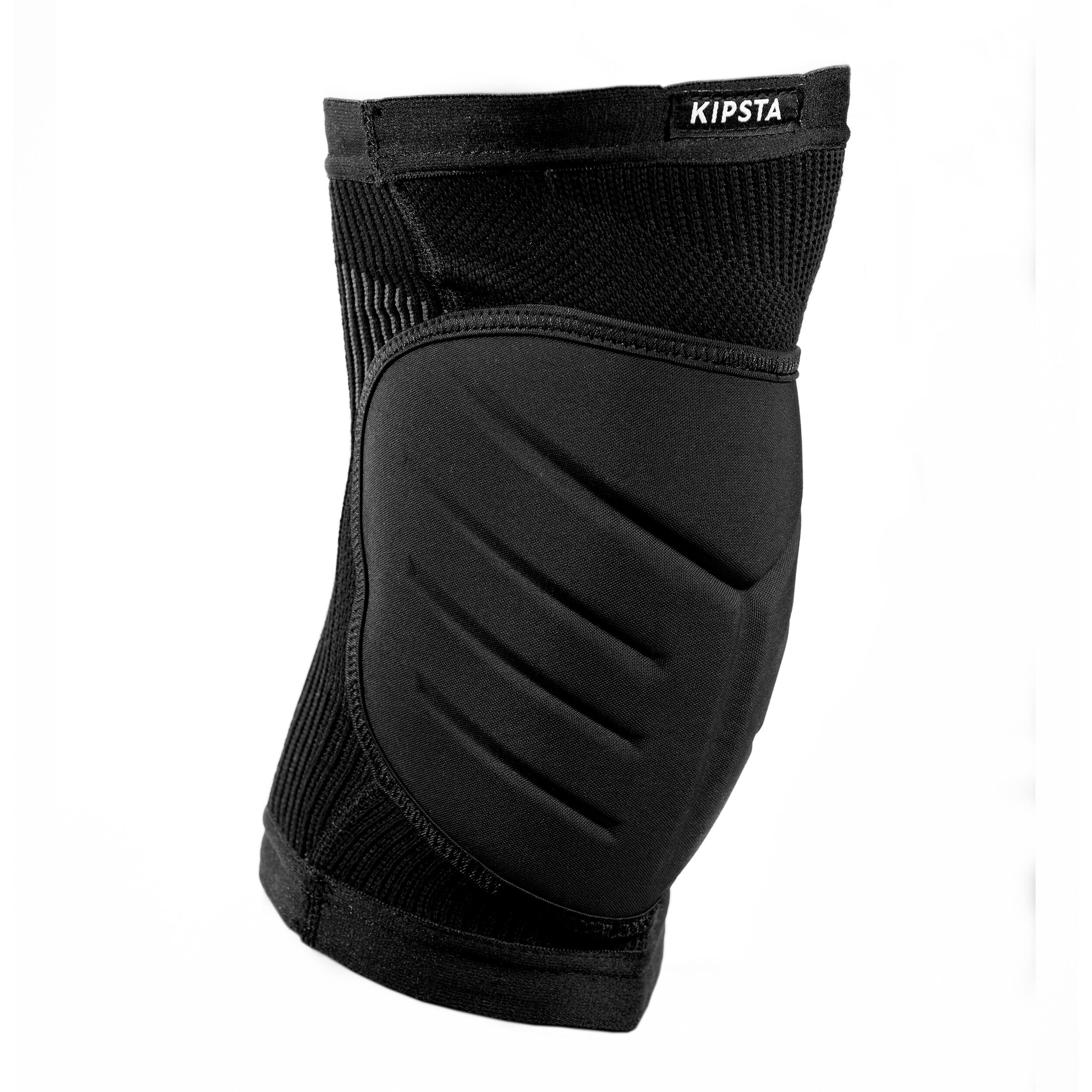
Goalkeeper pads need to remain centred during crouching, side steps, dives and floor contact, so limb circumference provides a more reliable guide than a general small, medium or large label. KIPSTA futsal goalkeeper knee pads use five size bands based on the thigh measured 8 cm above the kneecap, covering 32-36 cm through 47-51 cm. Their separate left and right shapes extend protection towards the inner knee, while silicone within the elastic band supports stability. Complete several squats and lateral movements after fitting them. Rolling edges, twisting or deep pressure marks indicate that another size may provide more reliable coverage.

Does EU PPE compliance confirm a tested protective function?

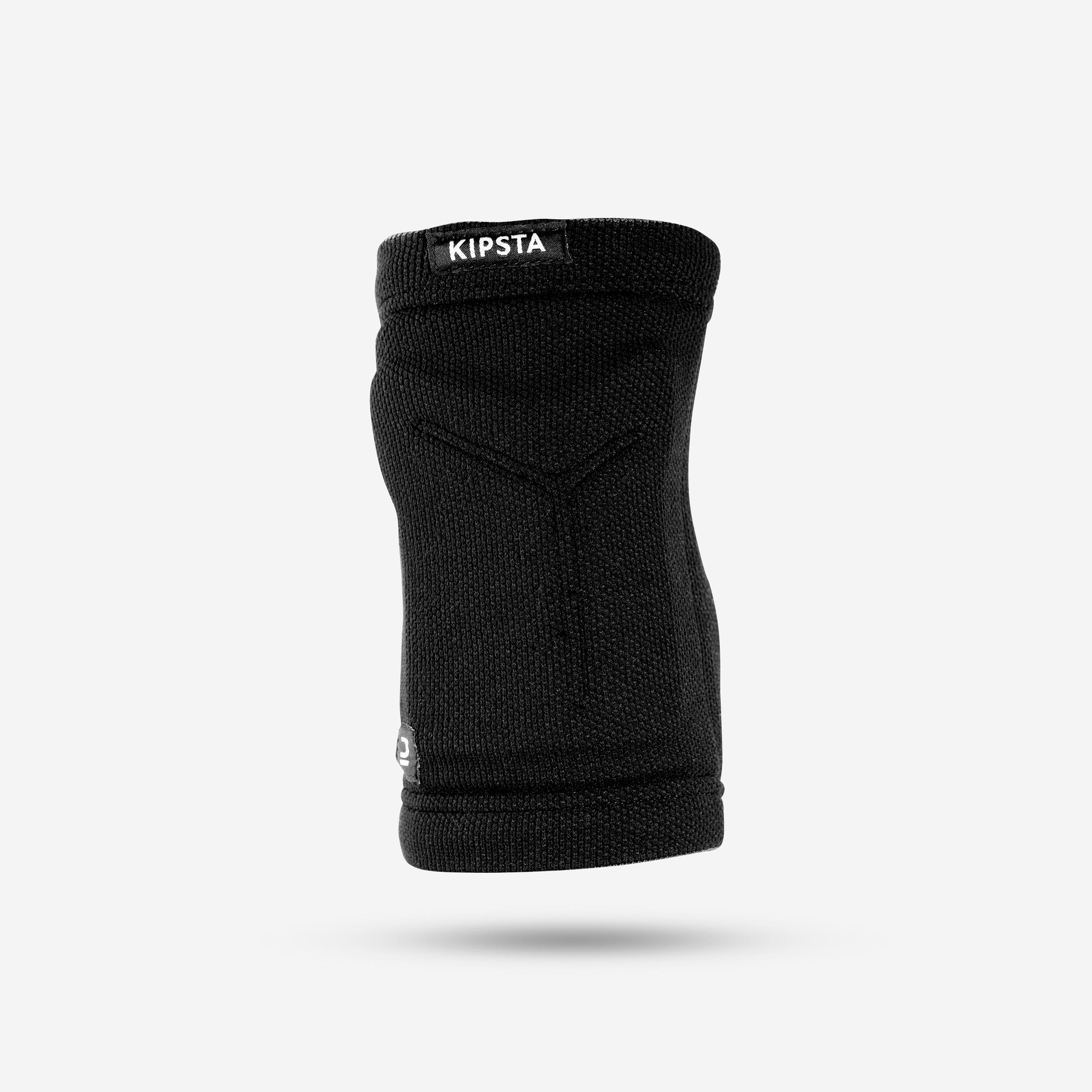
The KIPSTA knee and elbow pads are classified as personal protective equipment rather than ordinary padded sportswear. Their pages state compliance with Regulation (EU) 2016/425 through impact-absorption and fit testing linked with EN 15613 for indoor sport. The futsal goalkeeper elbow pads specifically refer to Class B testing and use double-thickness EVA foam beneath a knitted abrasion-resistant outer. Professional futsal goalkeepers also contributed to court validation through KIPSTA's team at Kipstadium in northern France. Formal testing supports the stated protective purpose, but correct sizing and stable positioning remain essential during use.

How do elbow and knee pads support goalkeepers?

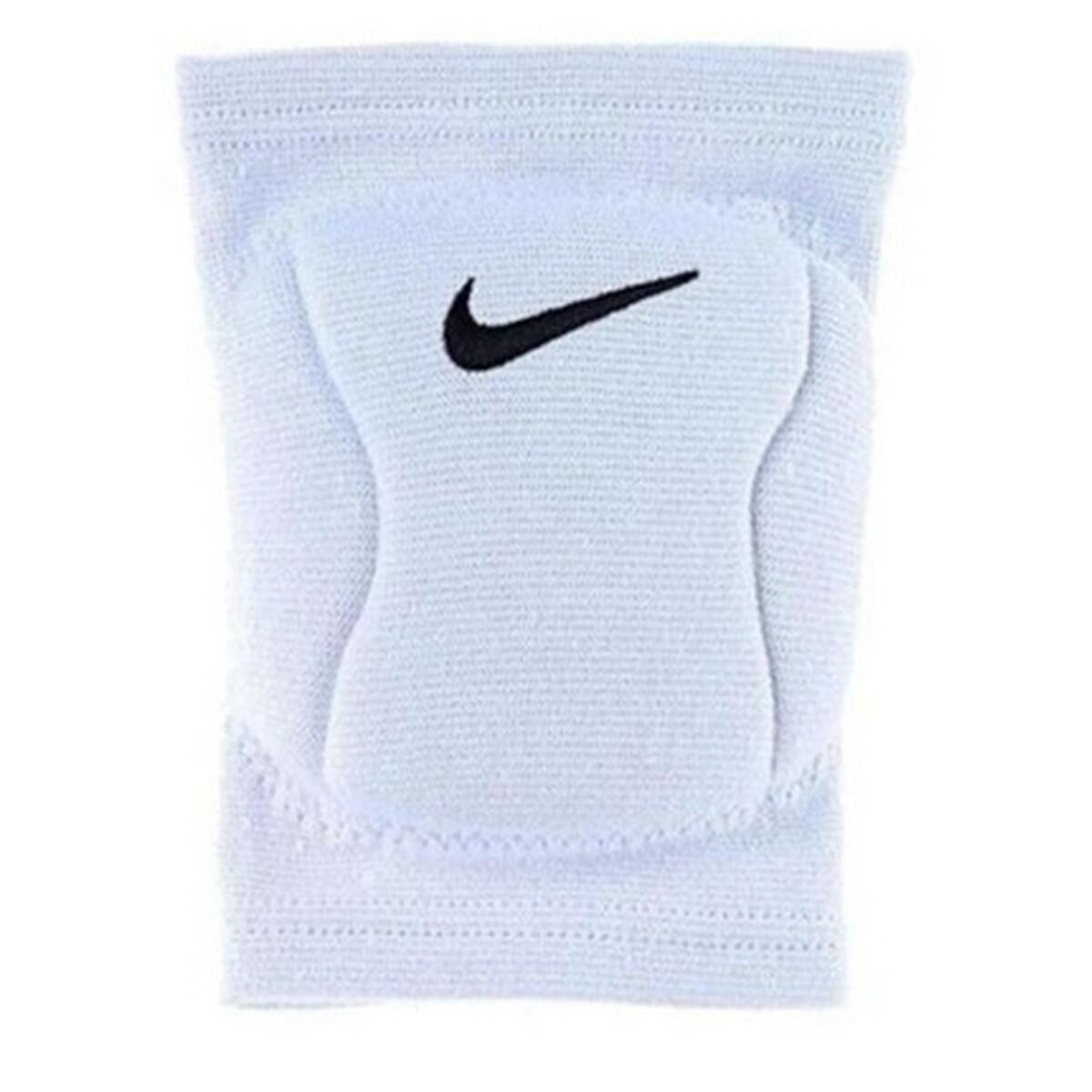
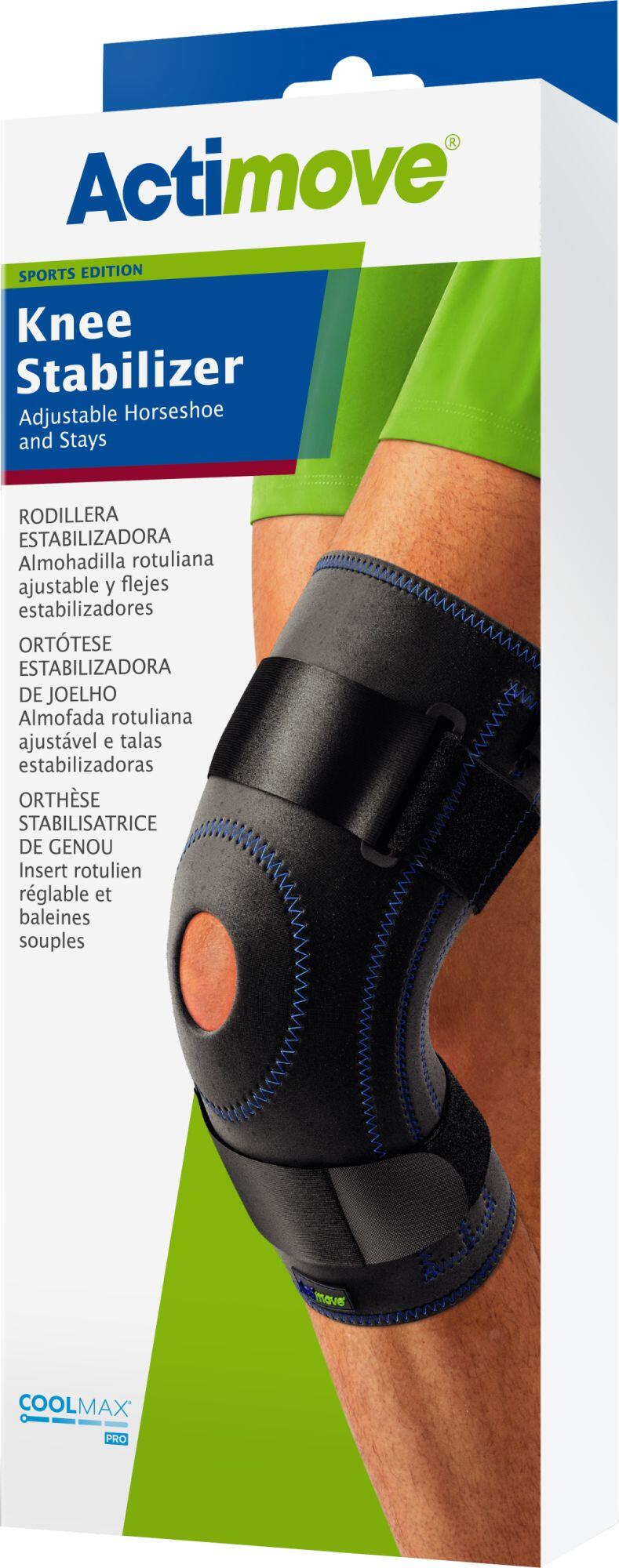
Knee pads cover the joints used during kneeling blocks, lateral slides and low saves, while elbow pads cushion the arms during reaching dives and floor contact. The knee construction uses EVA and polyurethane foam with an asymmetric shape, whereas the elbow protection uses EVA cushioning and a flexible textile structure. Both aim to balance impact absorption, abrasion resistance and freedom of movement. The football goalkeeper selection may also include braces or sleeves with different purposes. Rehabilitation braces and medical supports need to be treated separately from routine goalkeeper padding, particularly when an injury, persistent pain or joint instability is involved.

What should be done after a hard-court session?

Allow damp pads to air before placing them in a closed kit bag, then remove loose court dust and inspect the outer fabric, seams, elastic and cushioning. The KIPSTA knee pads can be washed on a very moderate cycle at a maximum of 30 degrees Celsius and must not be tumble dried, ironed, bleached or dry cleaned. The elbow-pad page contains contradictory cleaning symbols, so follow the sewn-in care label rather than relying on uncertain online instructions. Store all pads dry and uncompressed, away from hard-edged football training equipment that could deform the foam. Both KIPSTA protectors contain latex, which is relevant for players with a known sensitivity.