56 items
4.5/5 based on 88430 reviews collected online and in stores

Stand Up Paddle Clothing FAQs

What stand-up paddle clothing should you wear in different conditions?

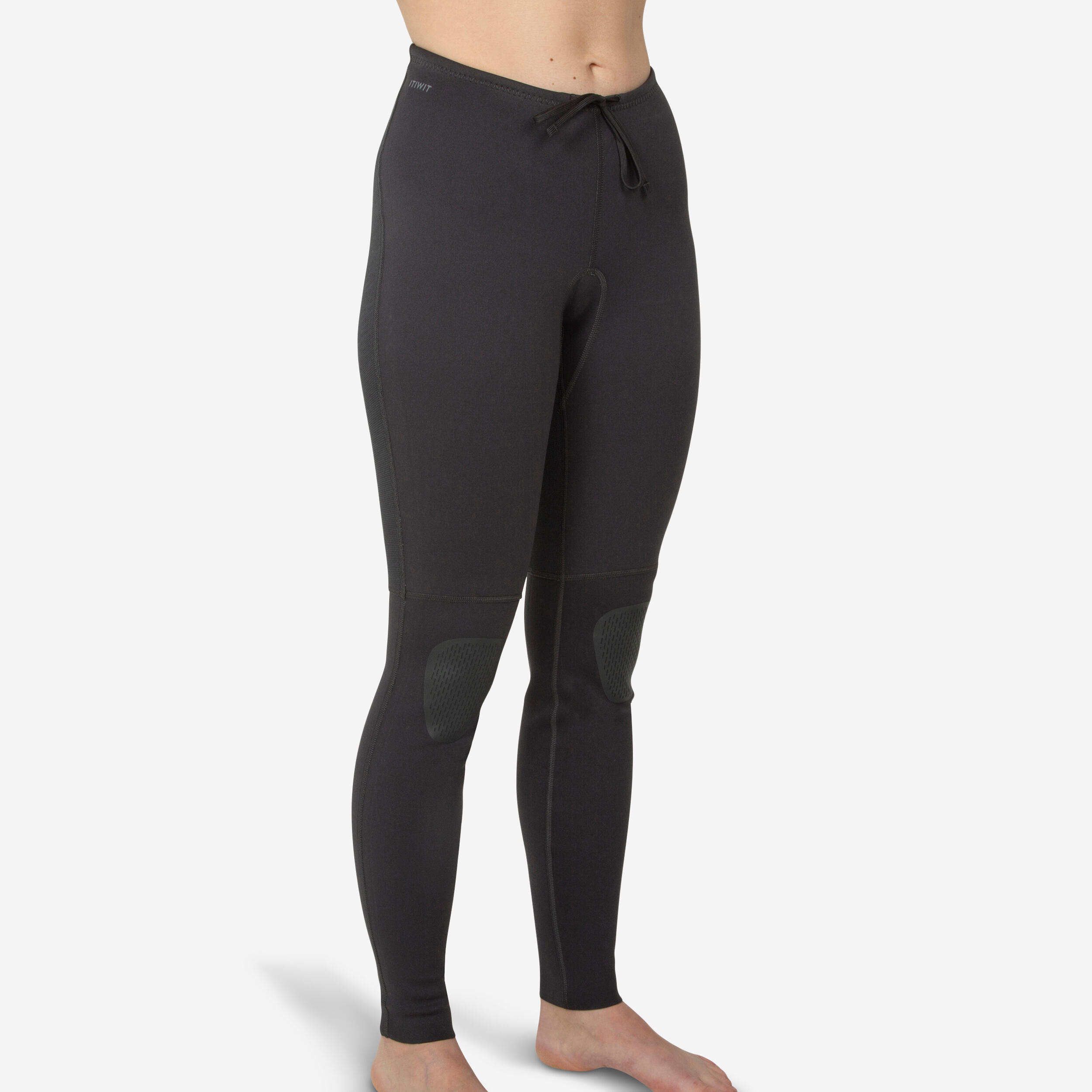
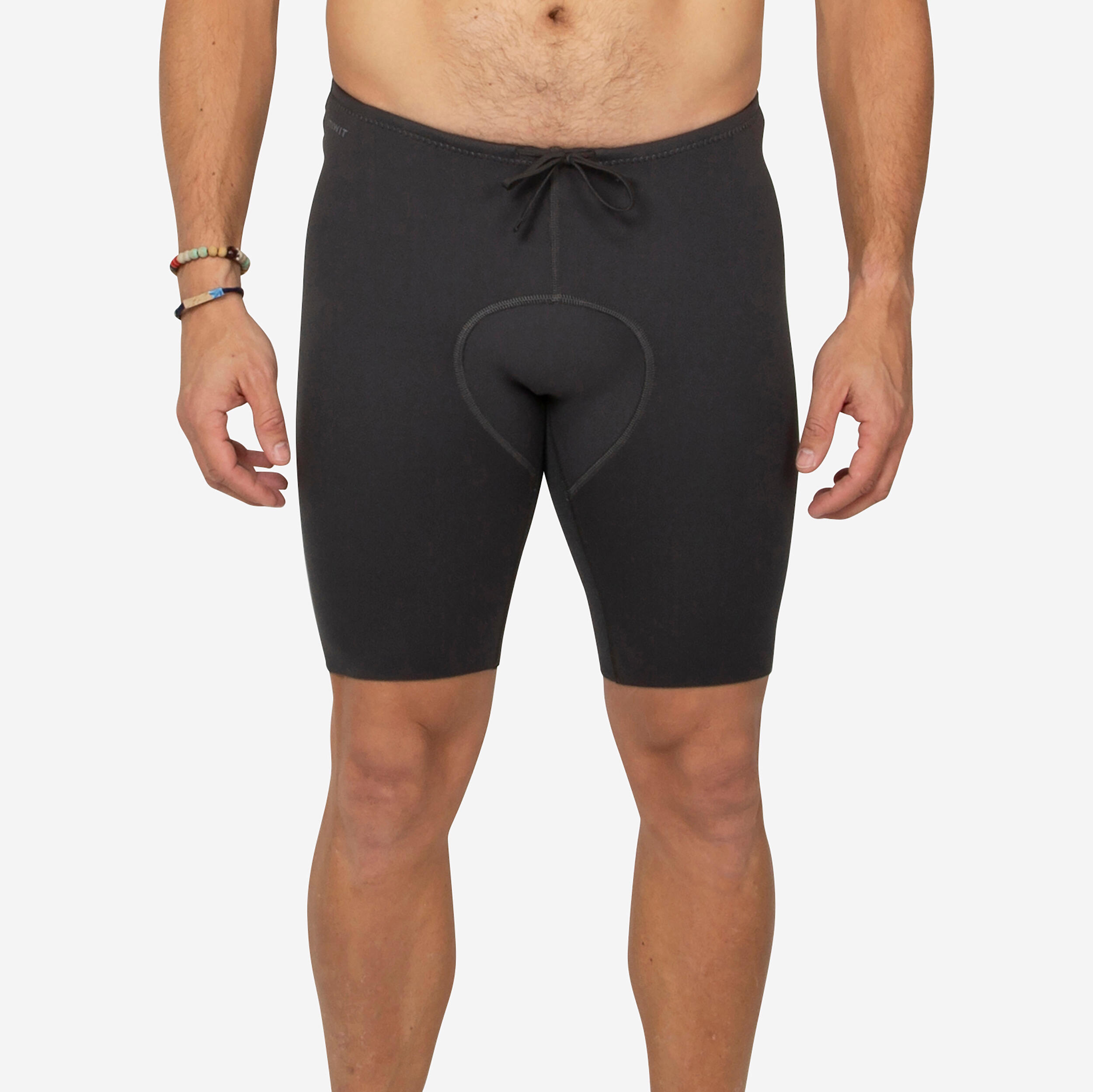
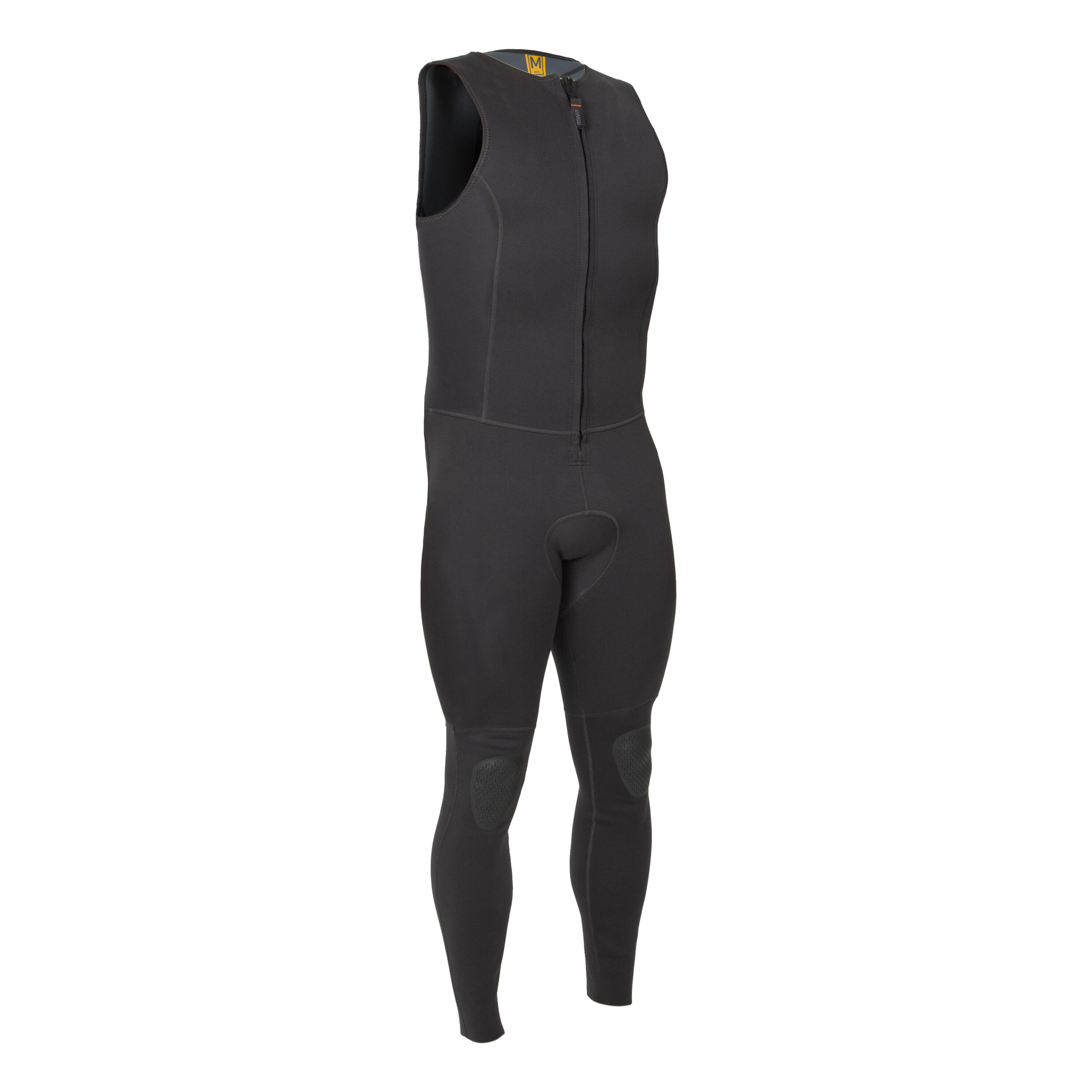
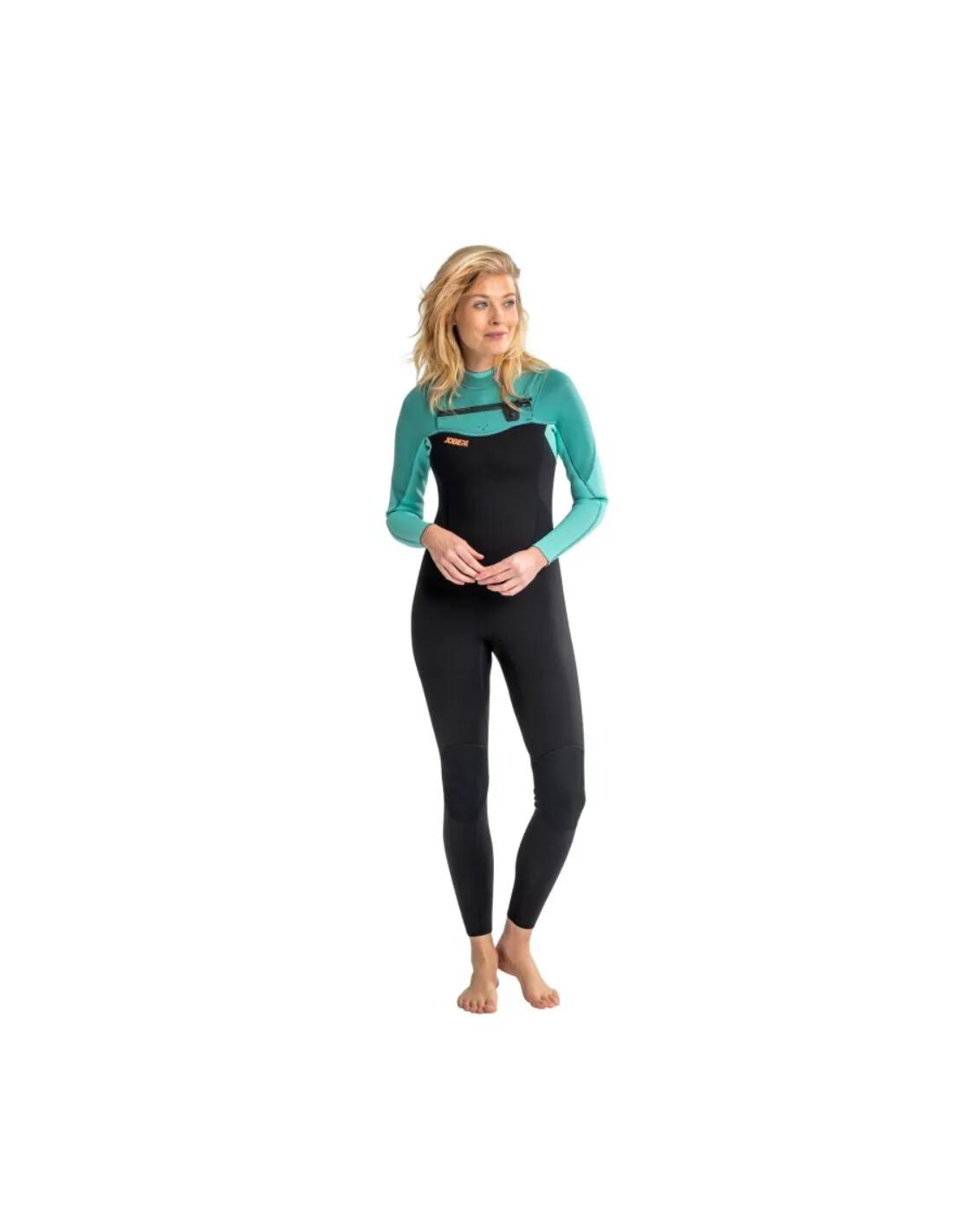
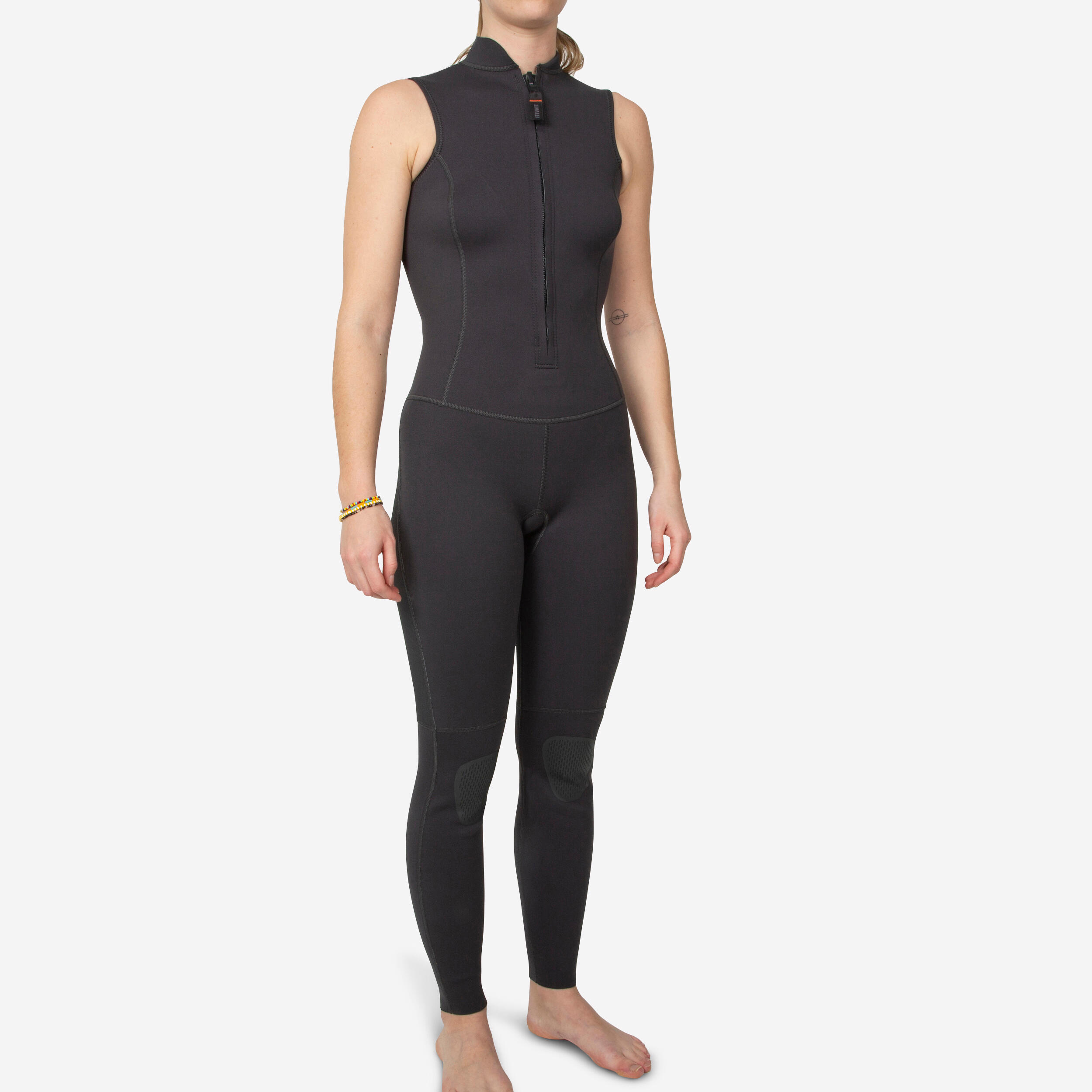
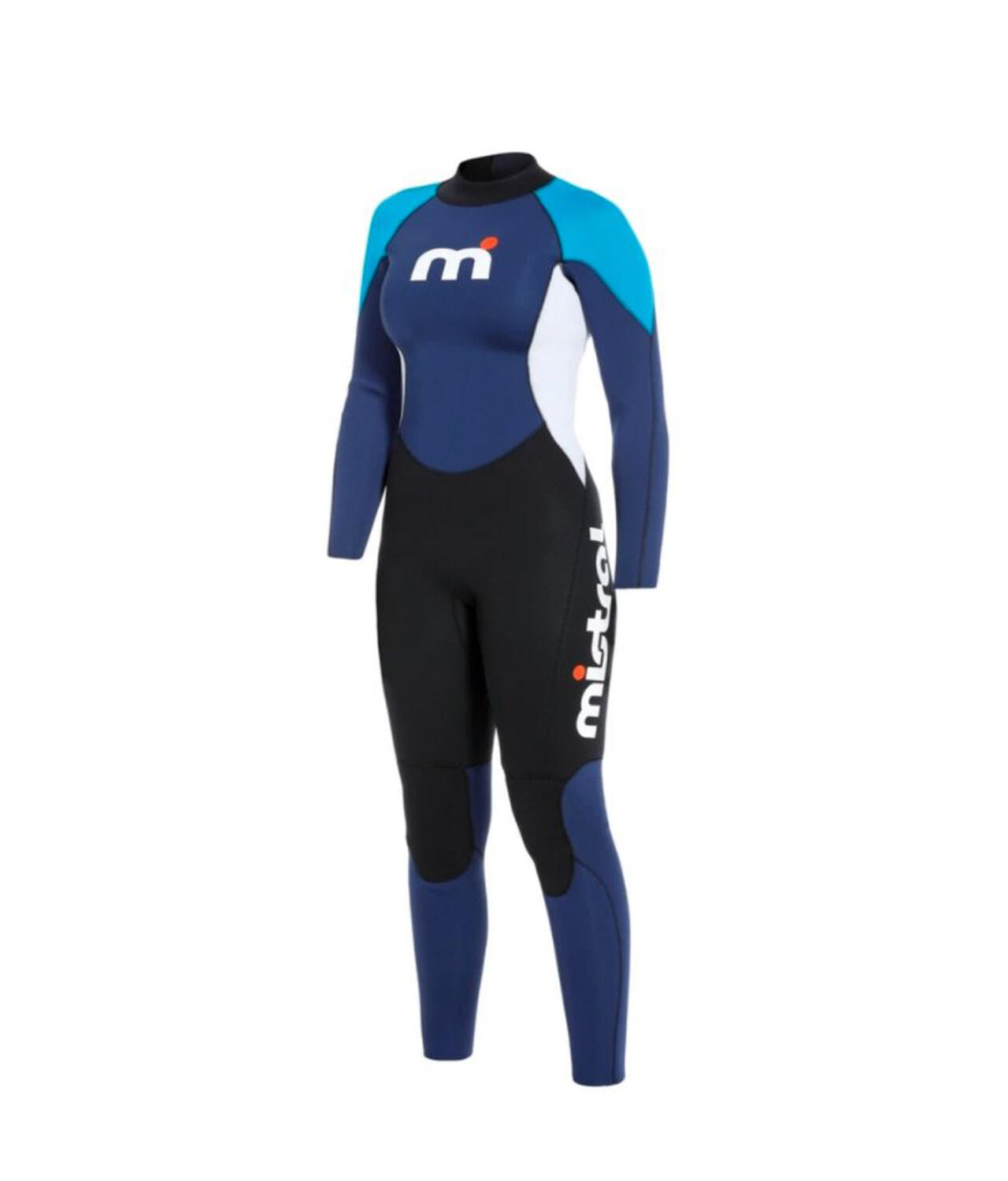
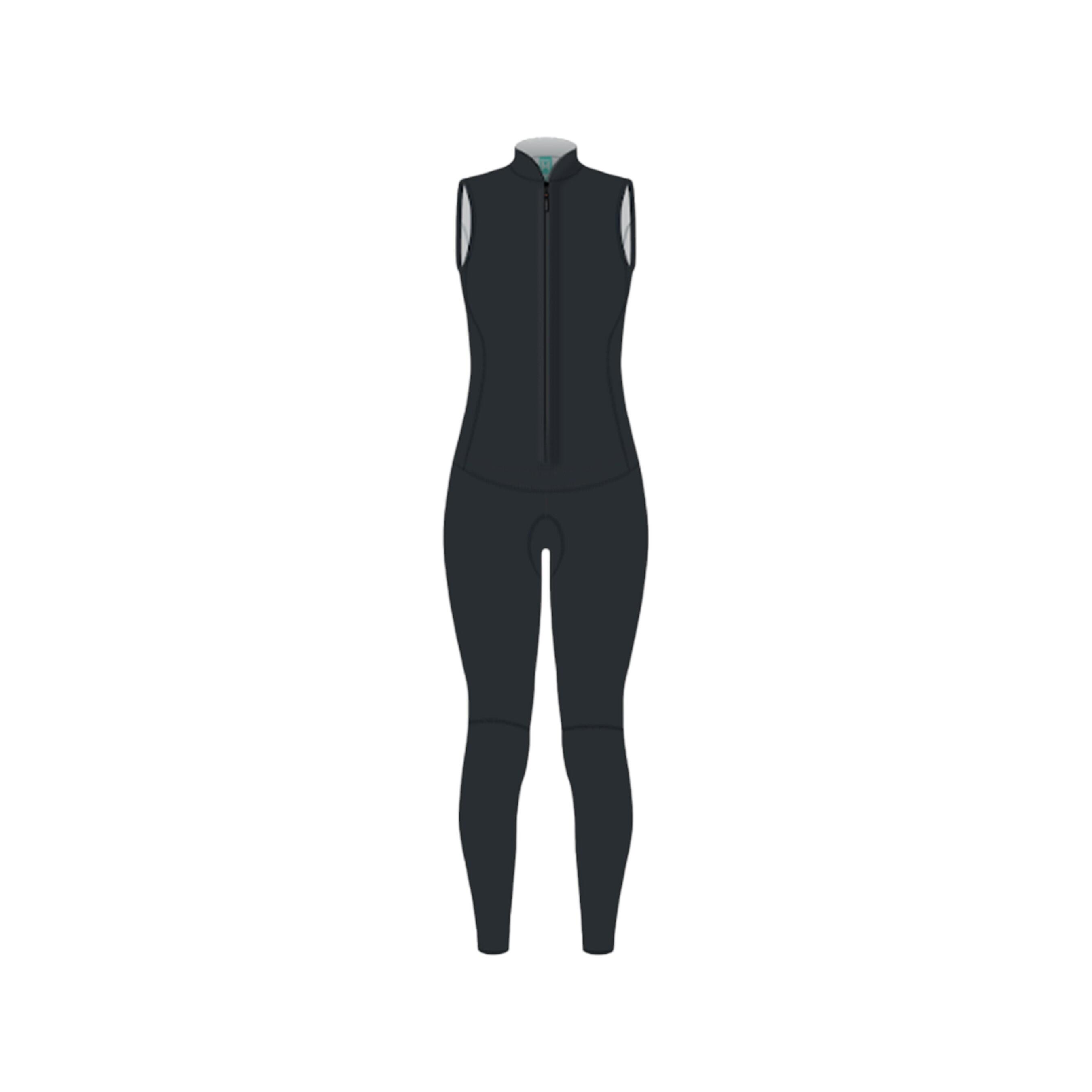
Choose your clothing around water temperature, weather, how hard you expect to paddle and how often you may get wet. A warm summer session may call for lighter coverage, while cooler water can make neoprene more useful even when the air feels mild. Decathlon's stand-up paddle neoprene wetsuits include modular 2 mm shorts, trousers and sleeveless Long John or Long Jane styles, letting you adjust coverage without unnecessarily restricting your upper body. Open-shoulder cuts are useful for SUP because repeated paddle strokes need plenty of movement around the shoulders. Reinforced seat and knee areas on selected garments also help with the repeated kneeling, sitting and standing that happen on a board. As a practical rule, think about mobility and thermal protection together rather than simply choosing the thickest neoprene available.

What makes SUP footwear suitable for paddling?

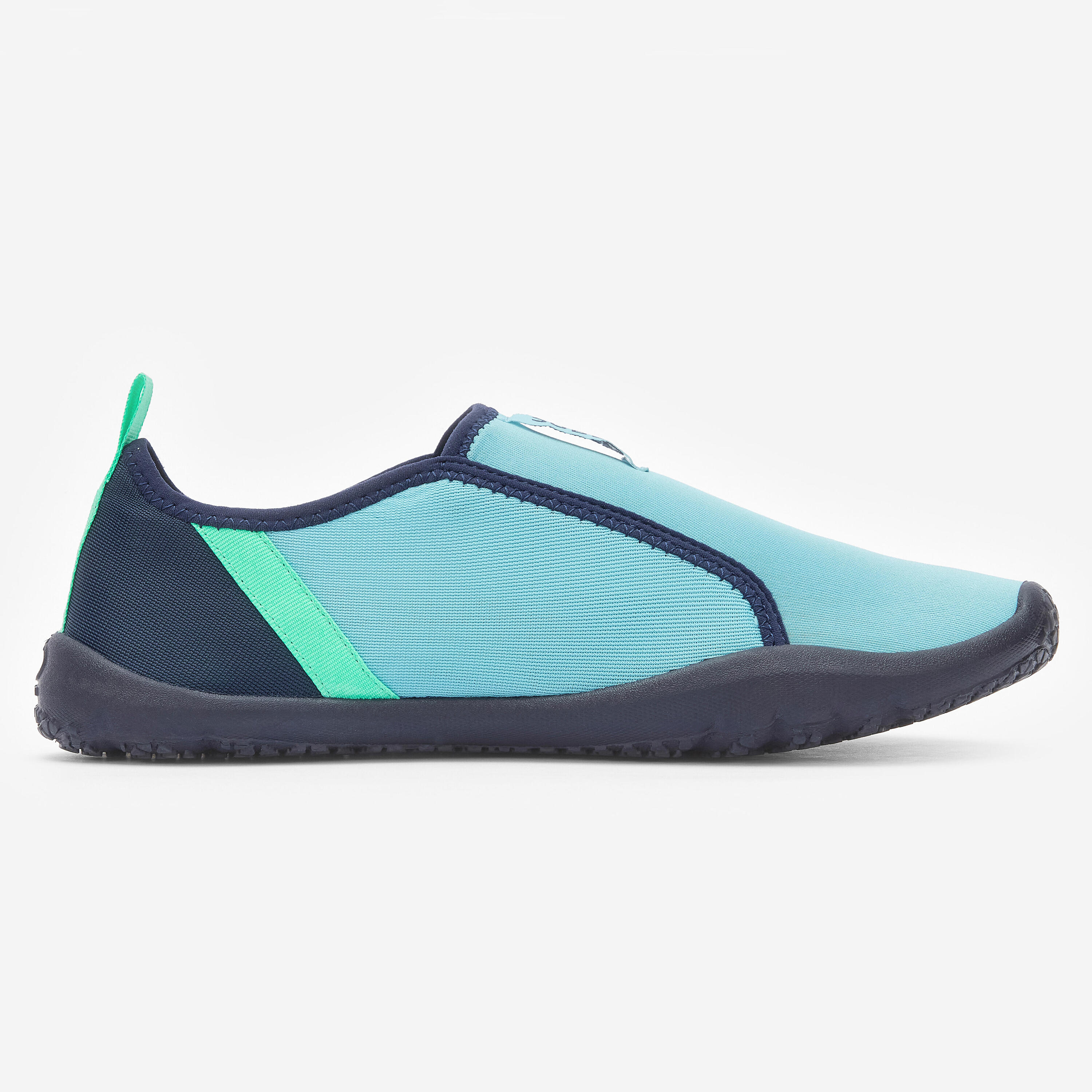
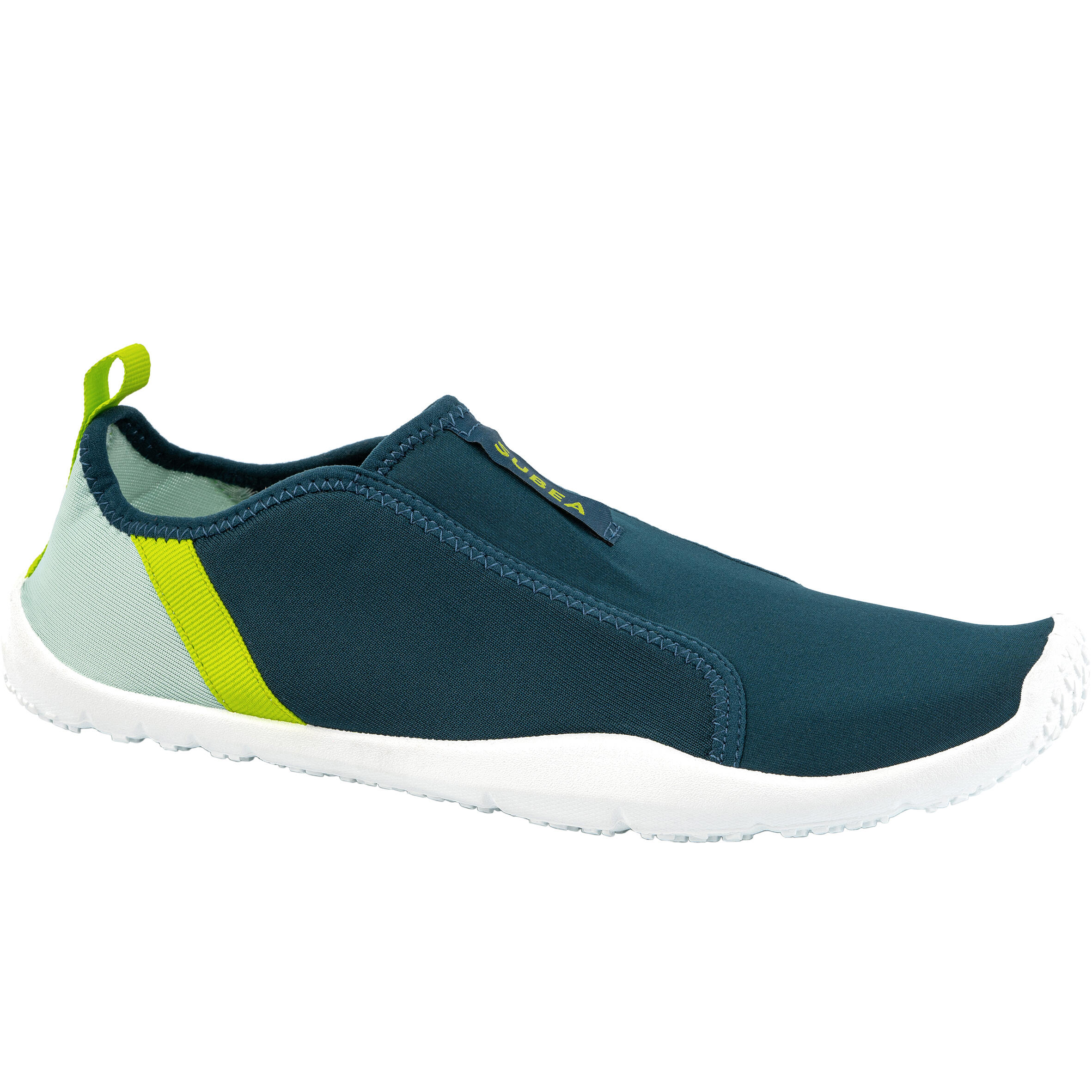
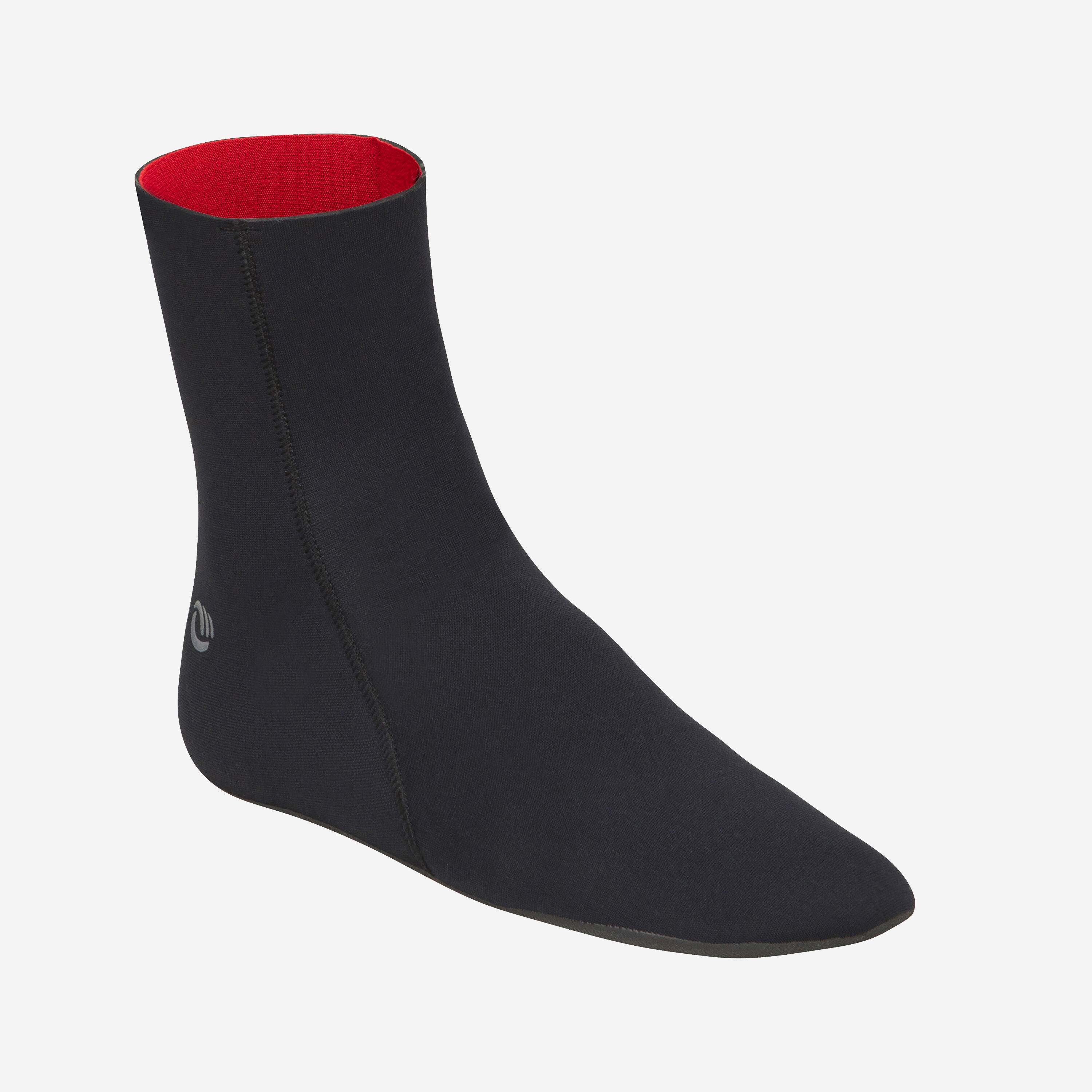
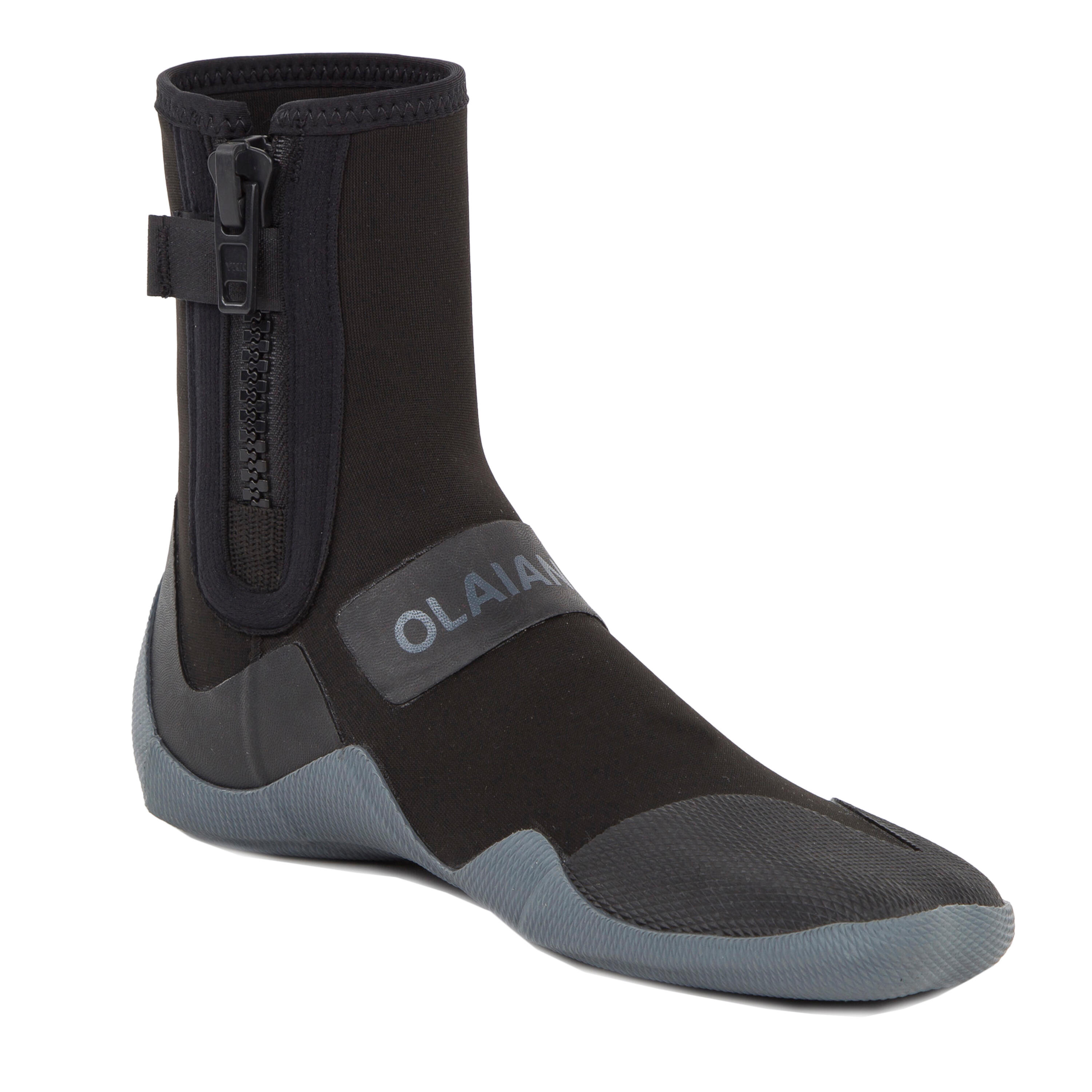
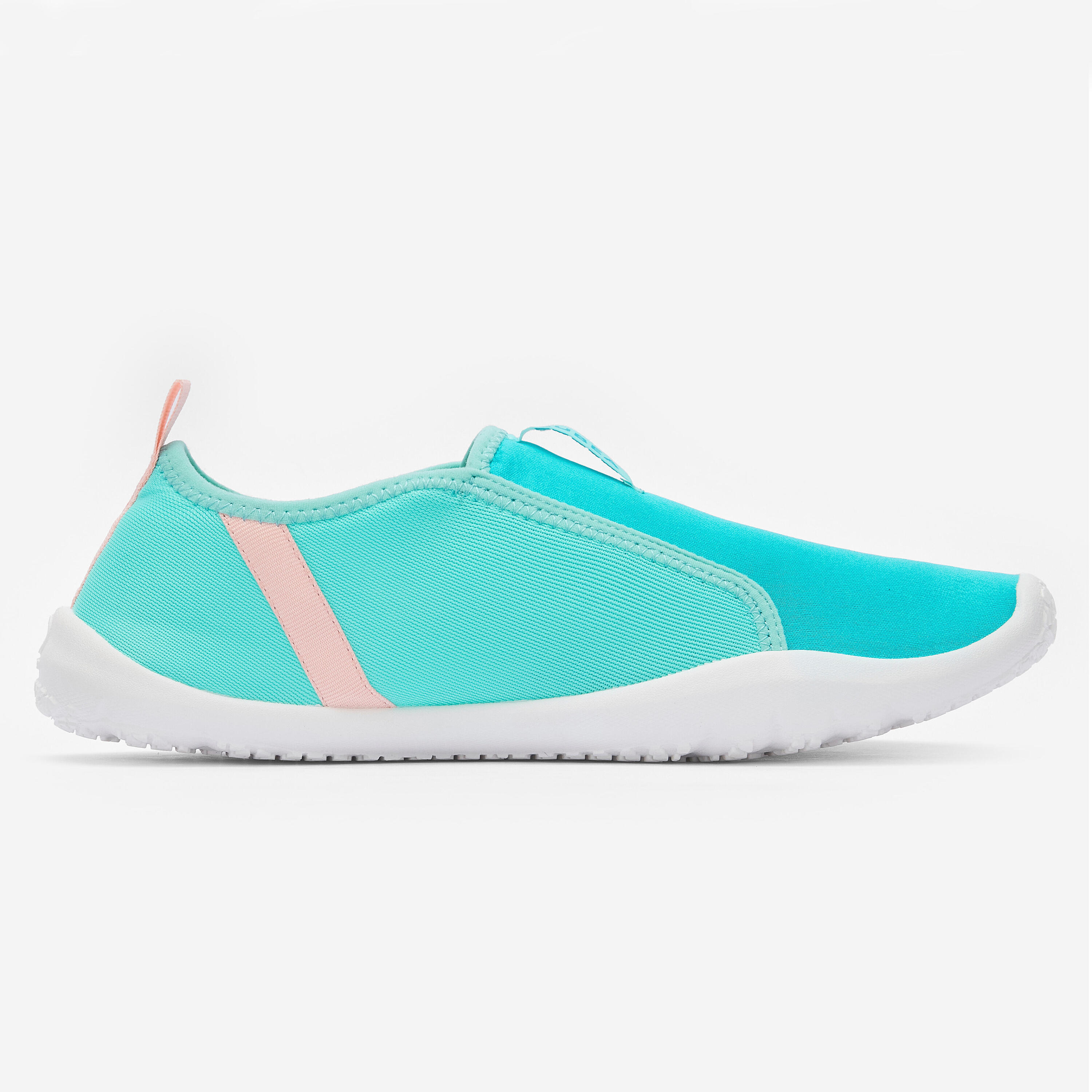
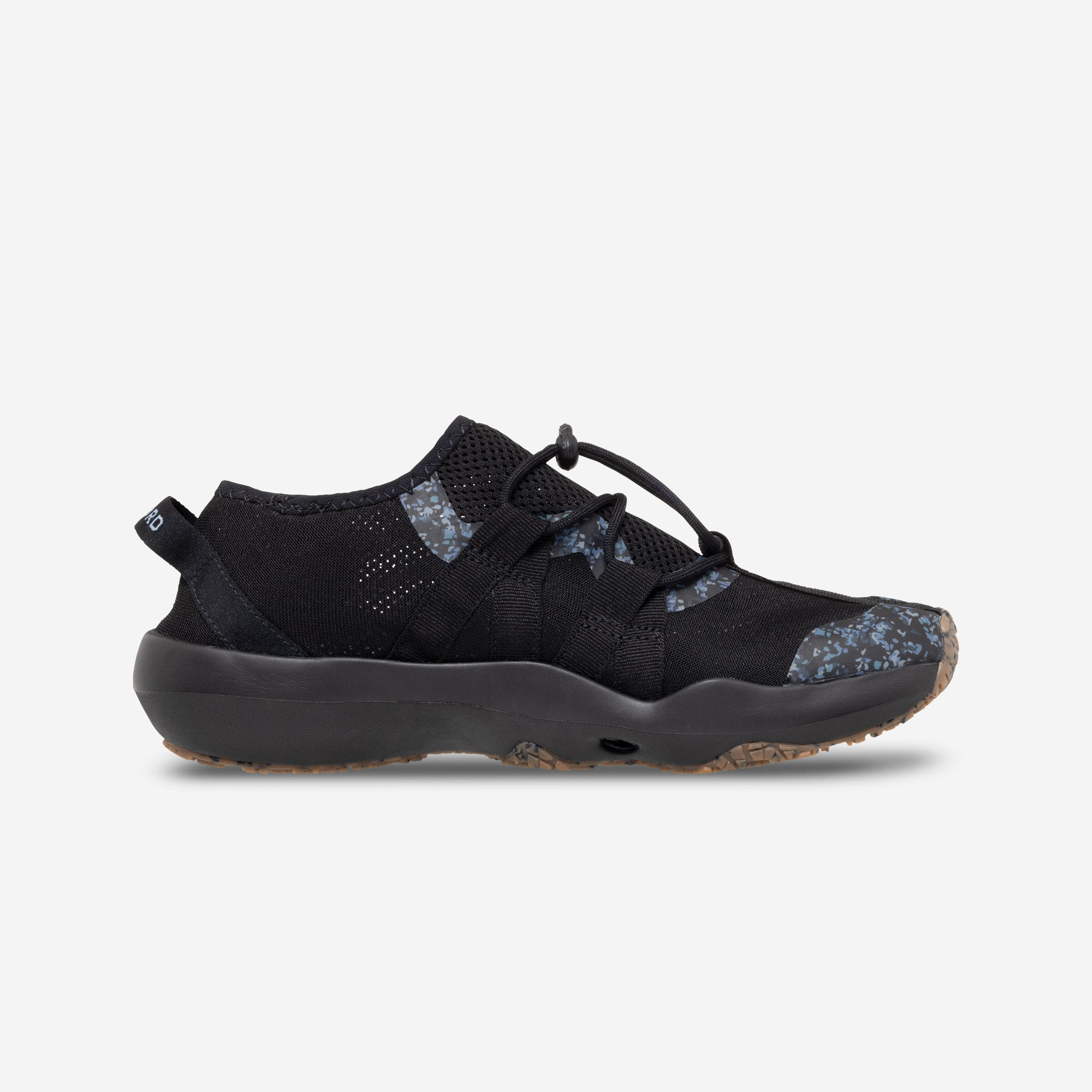
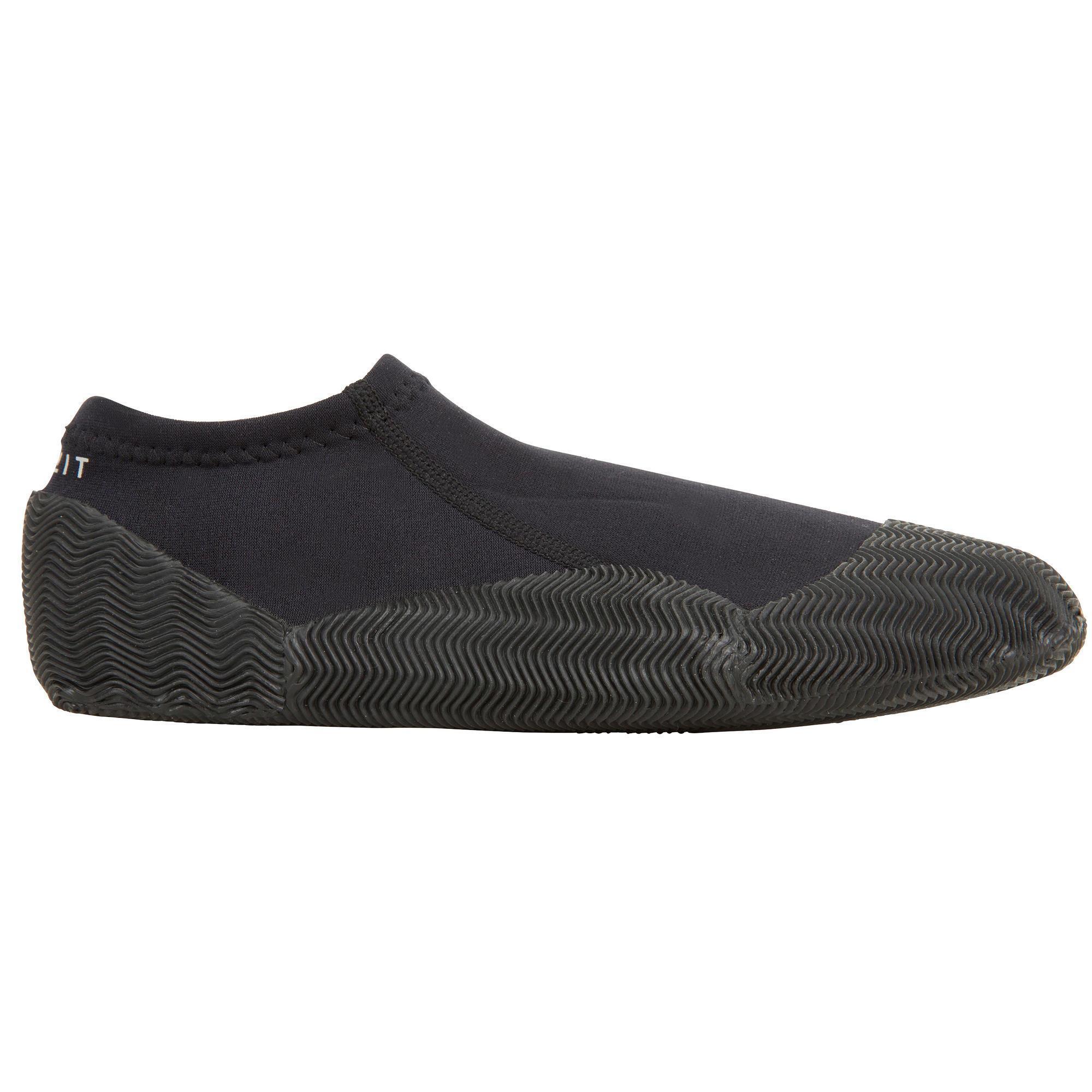
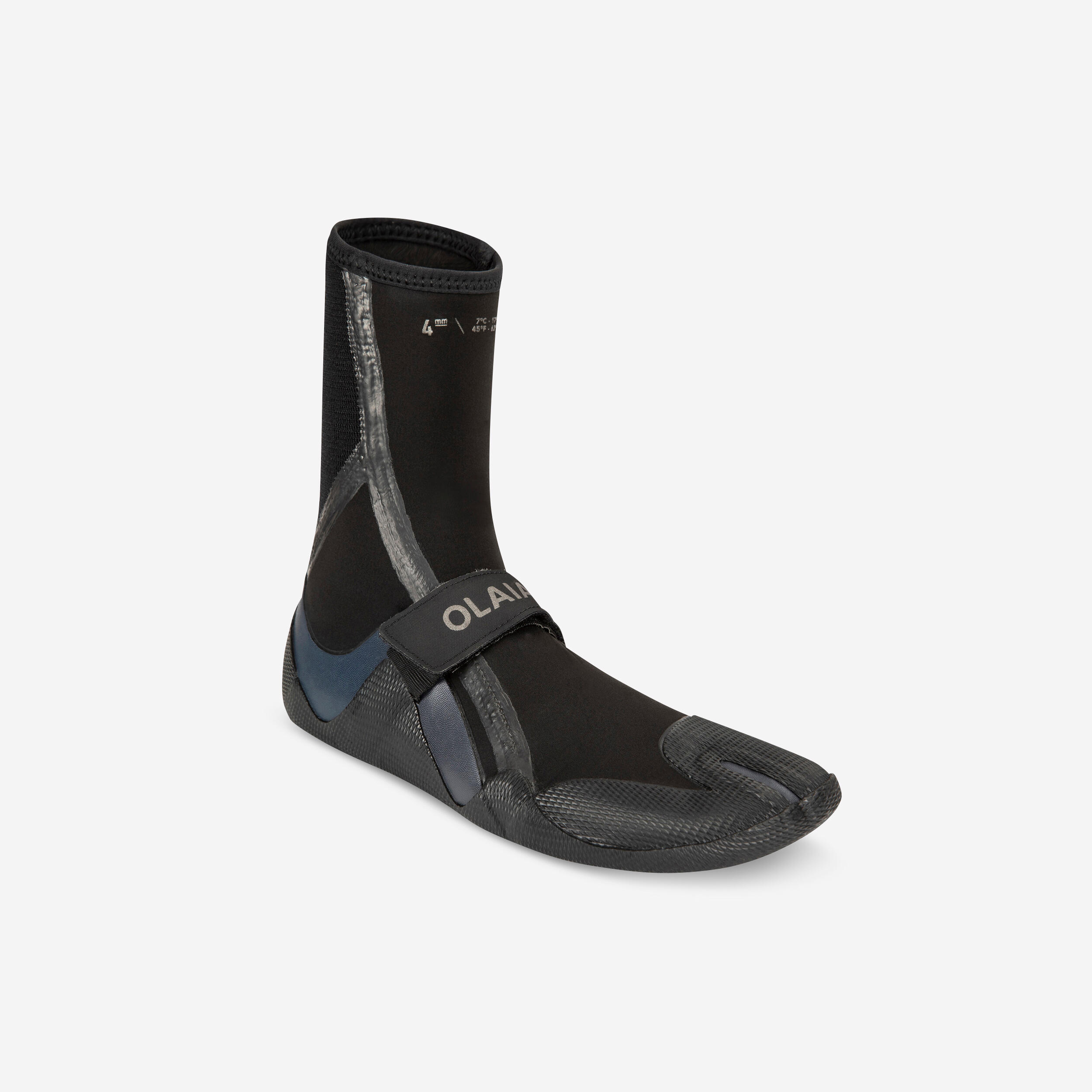
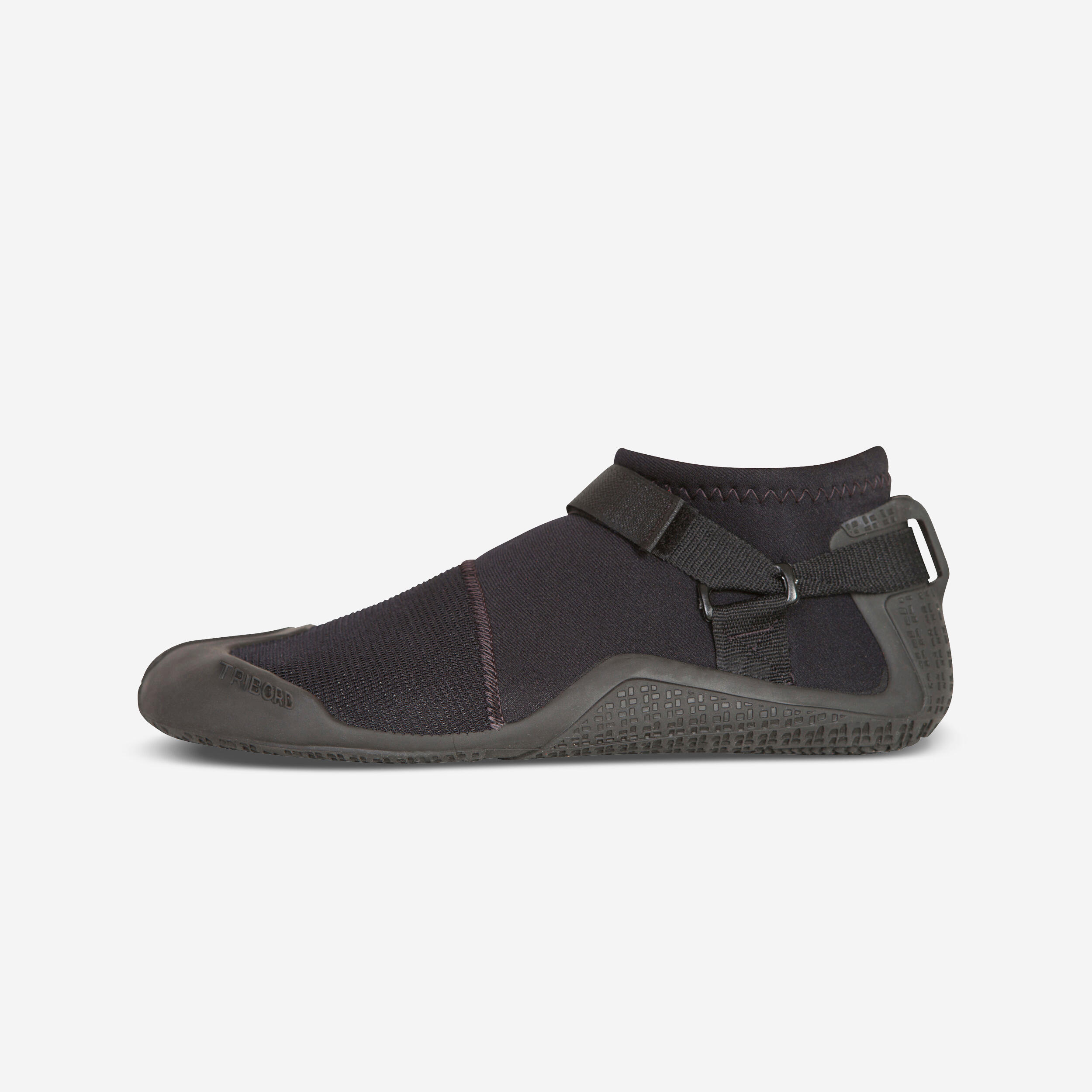
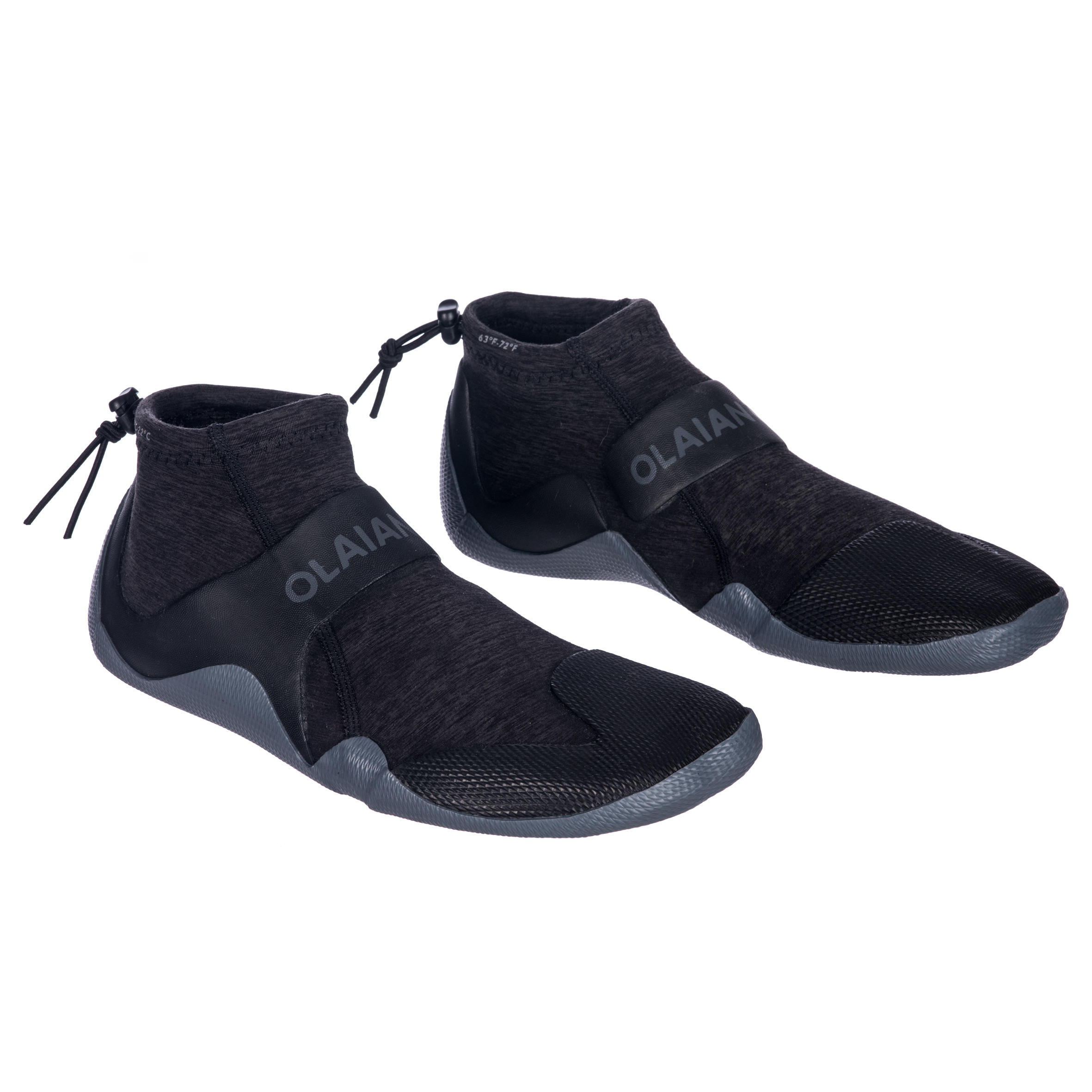
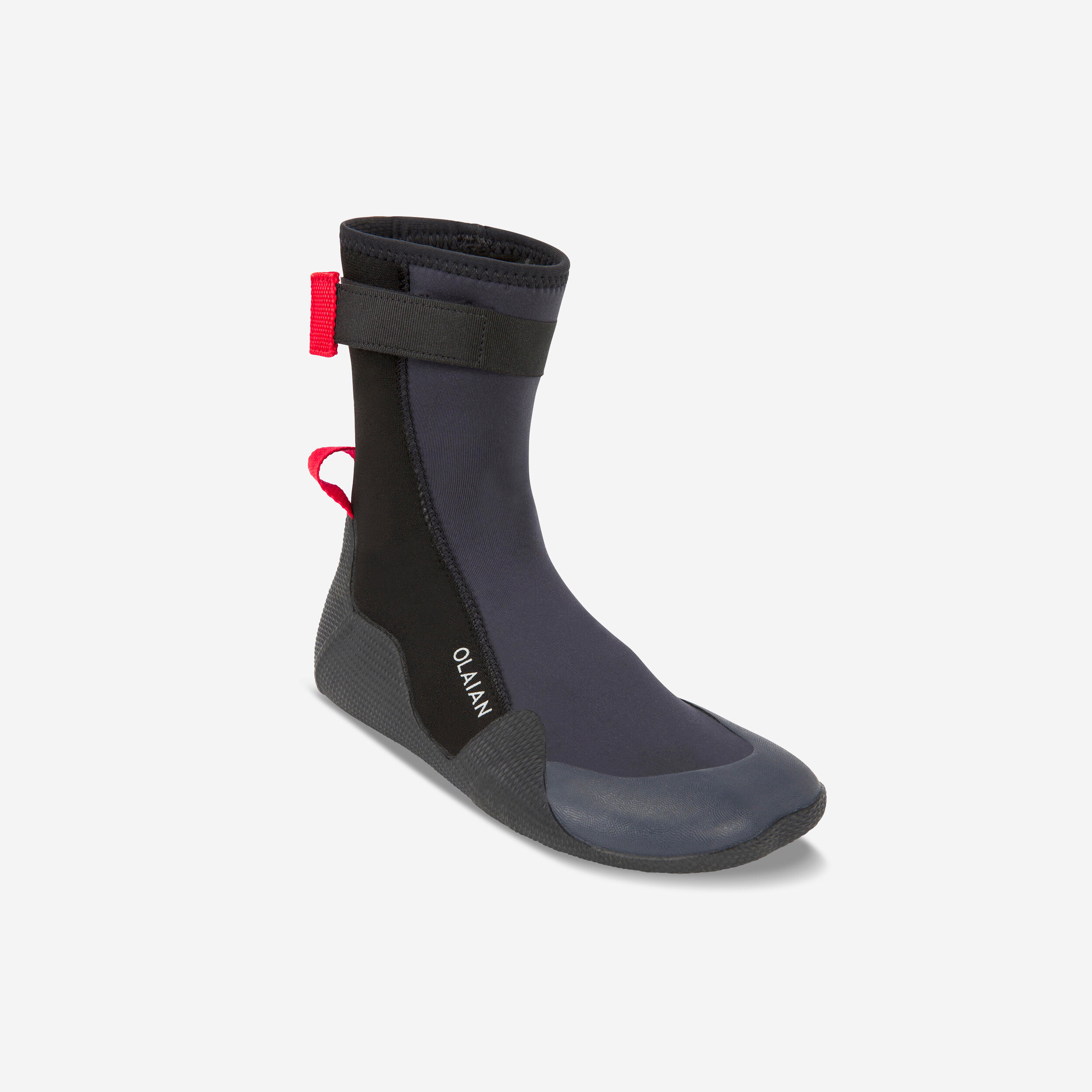
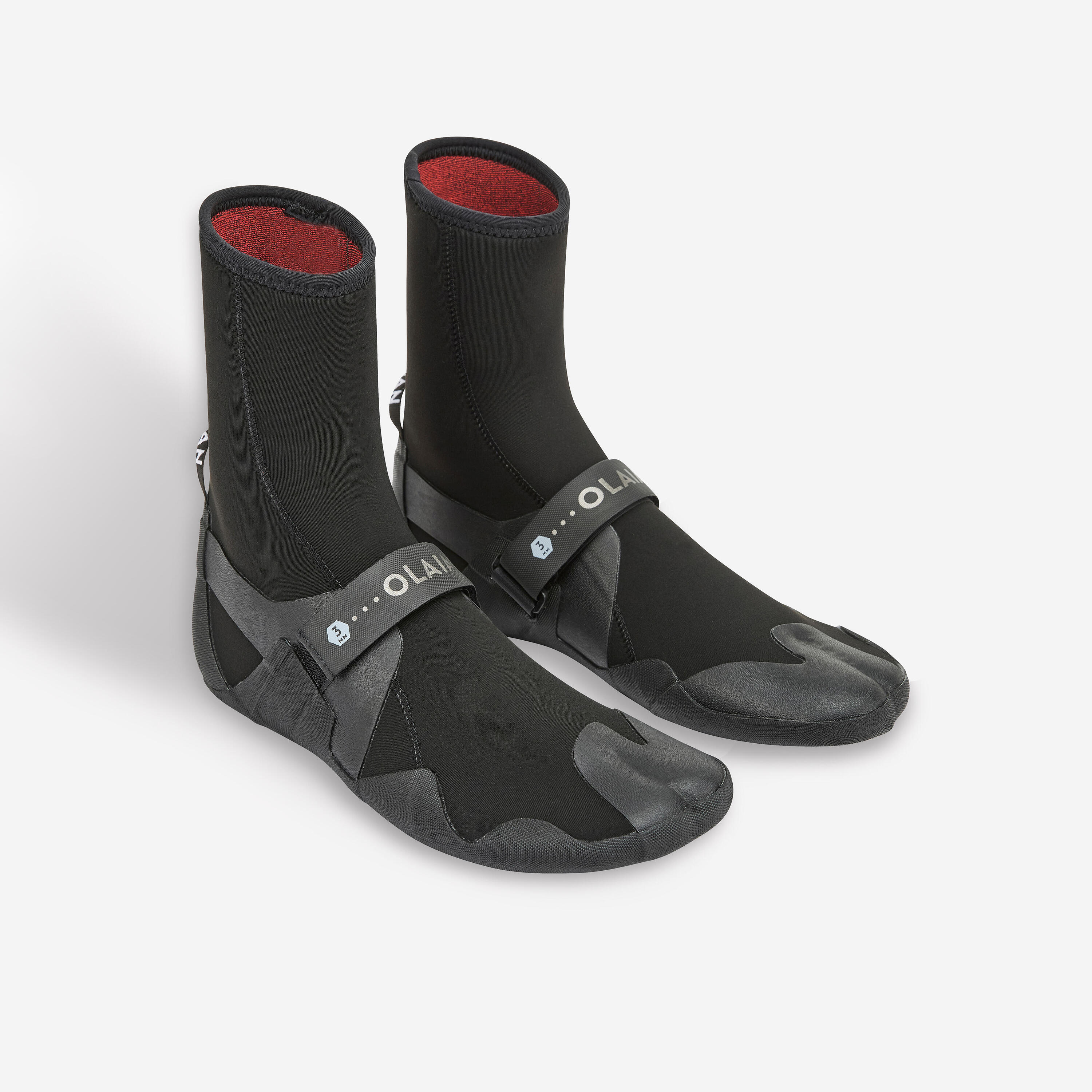
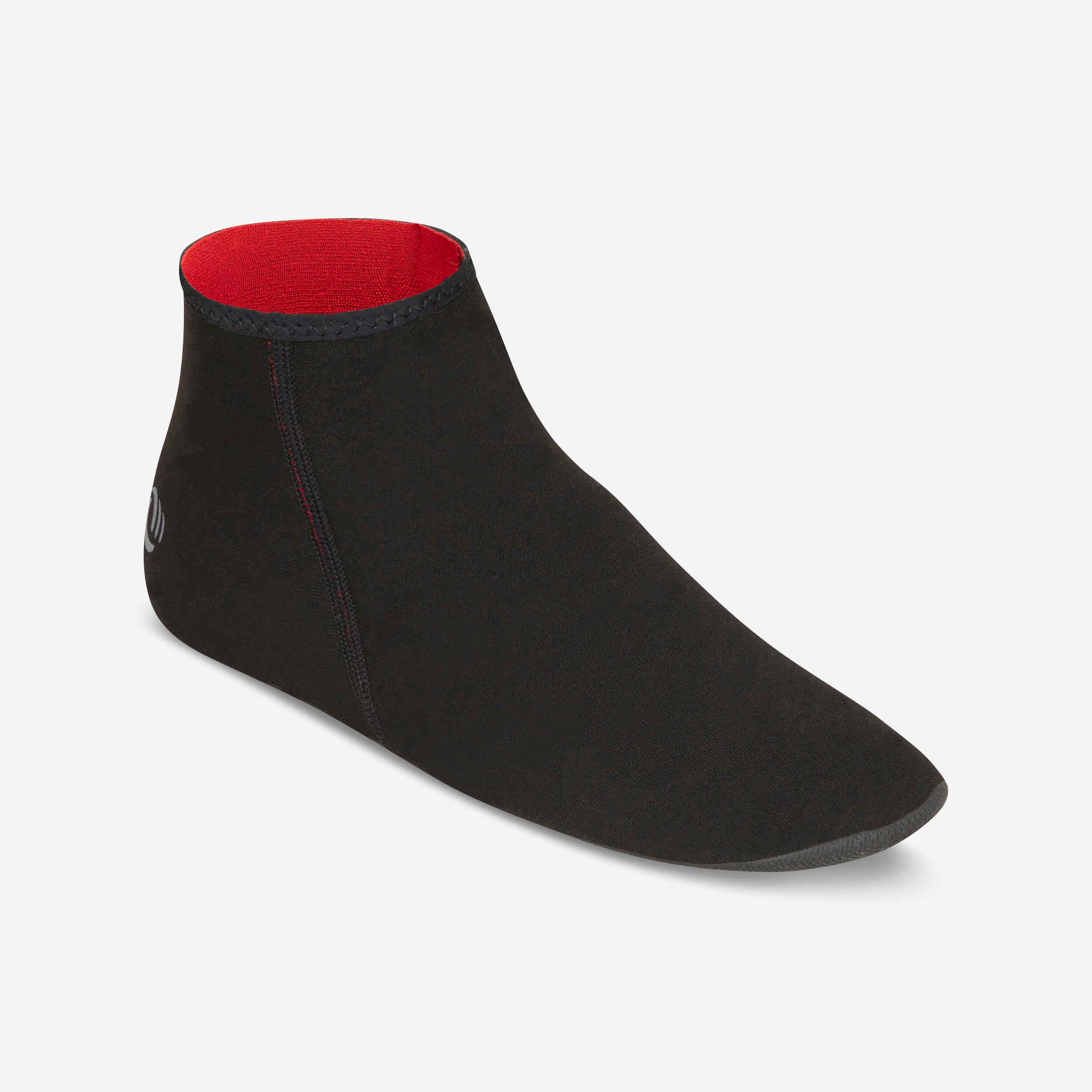
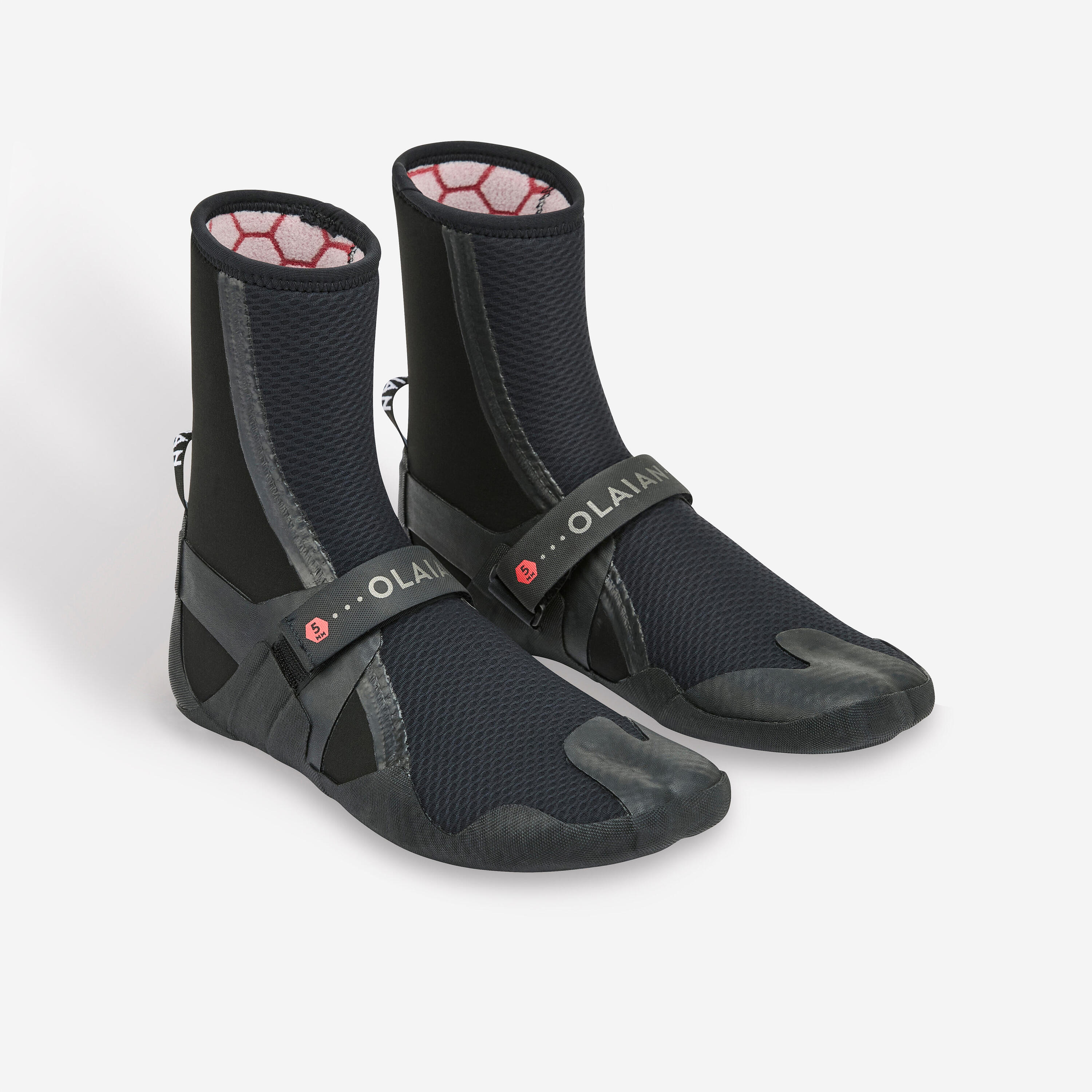
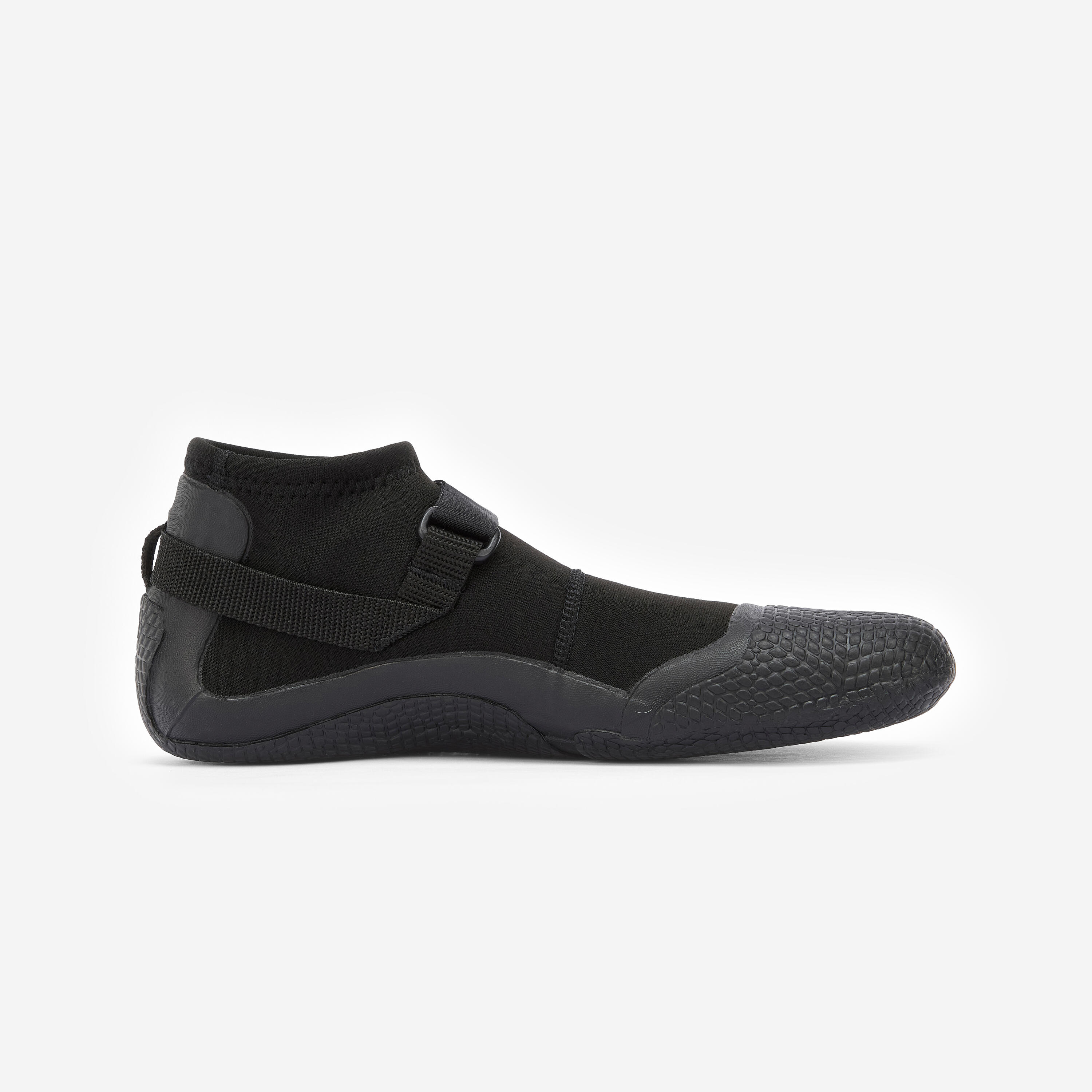
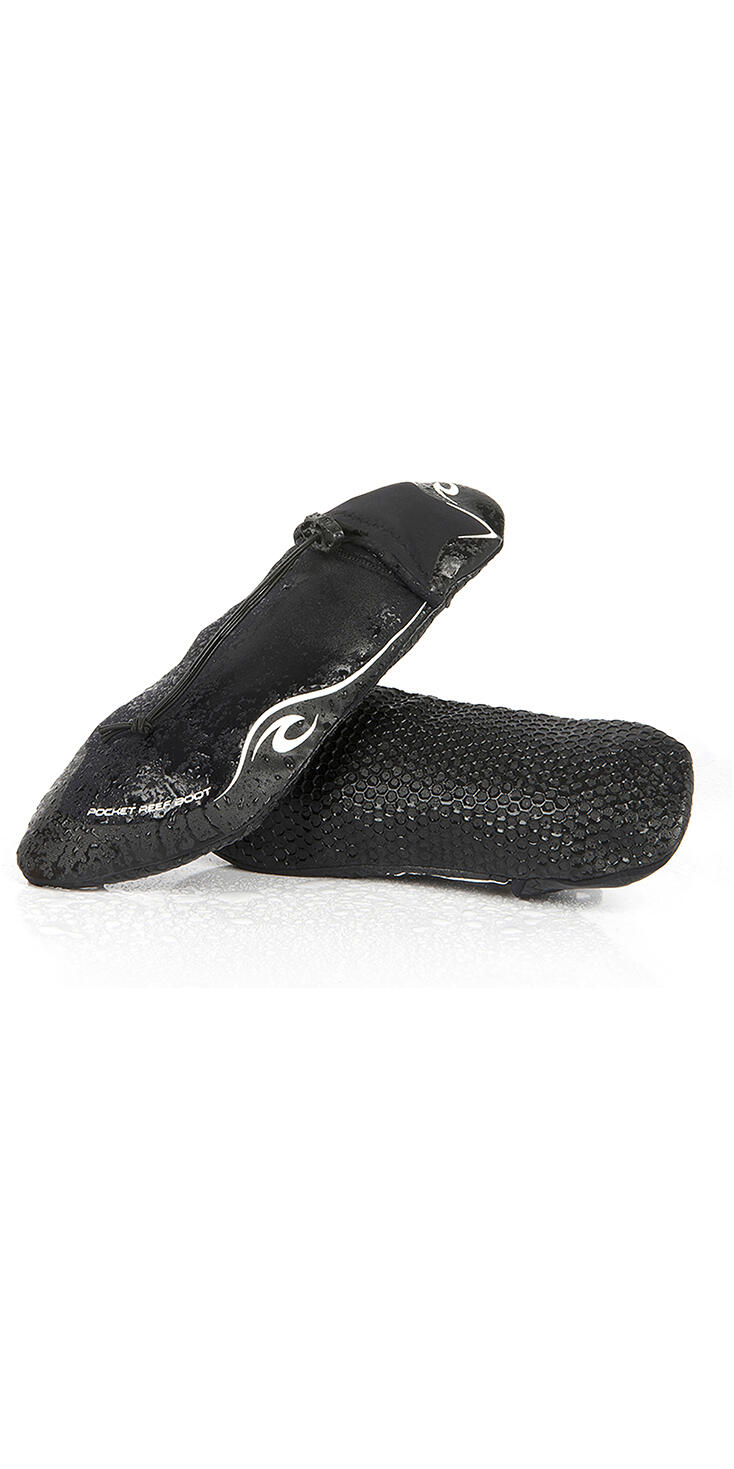
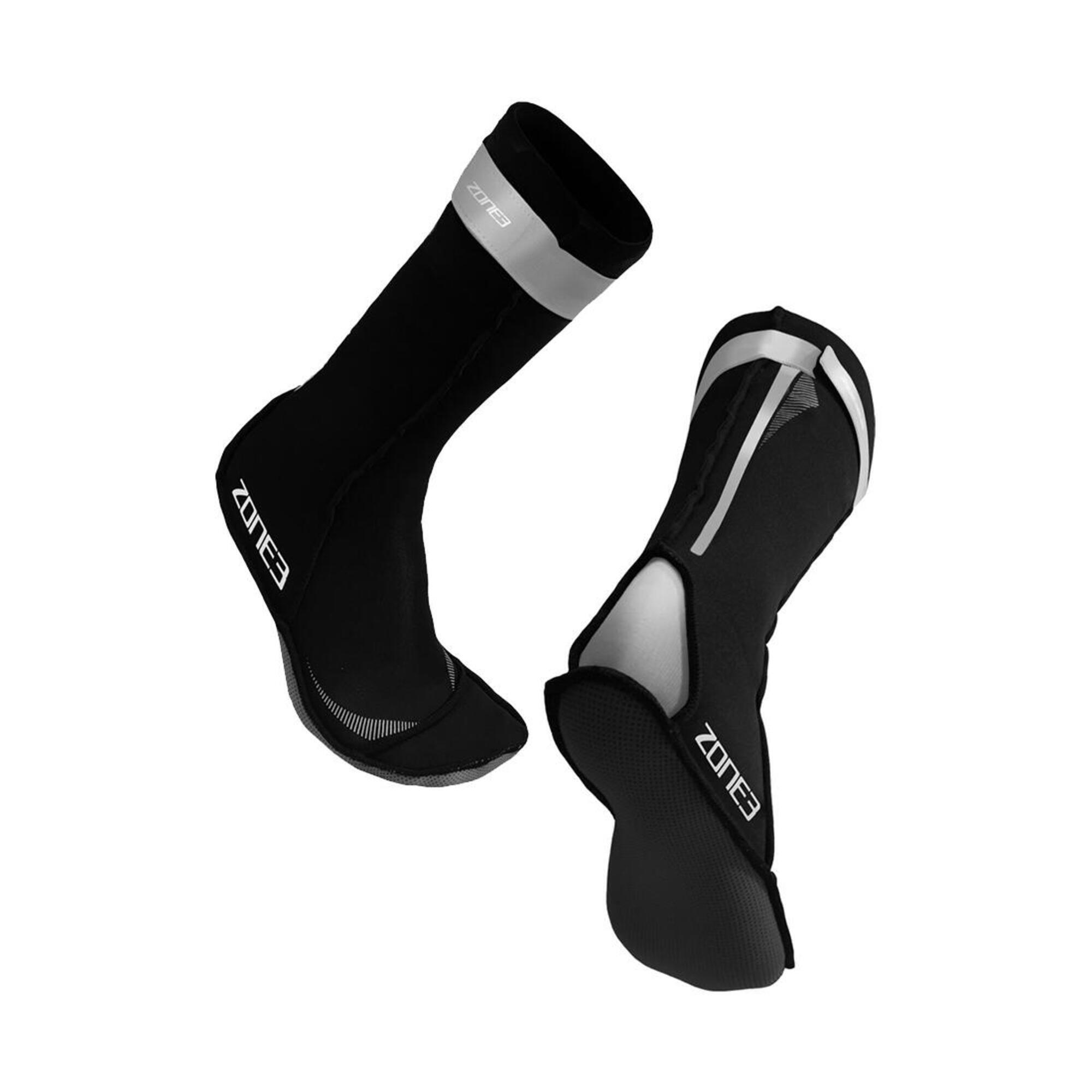
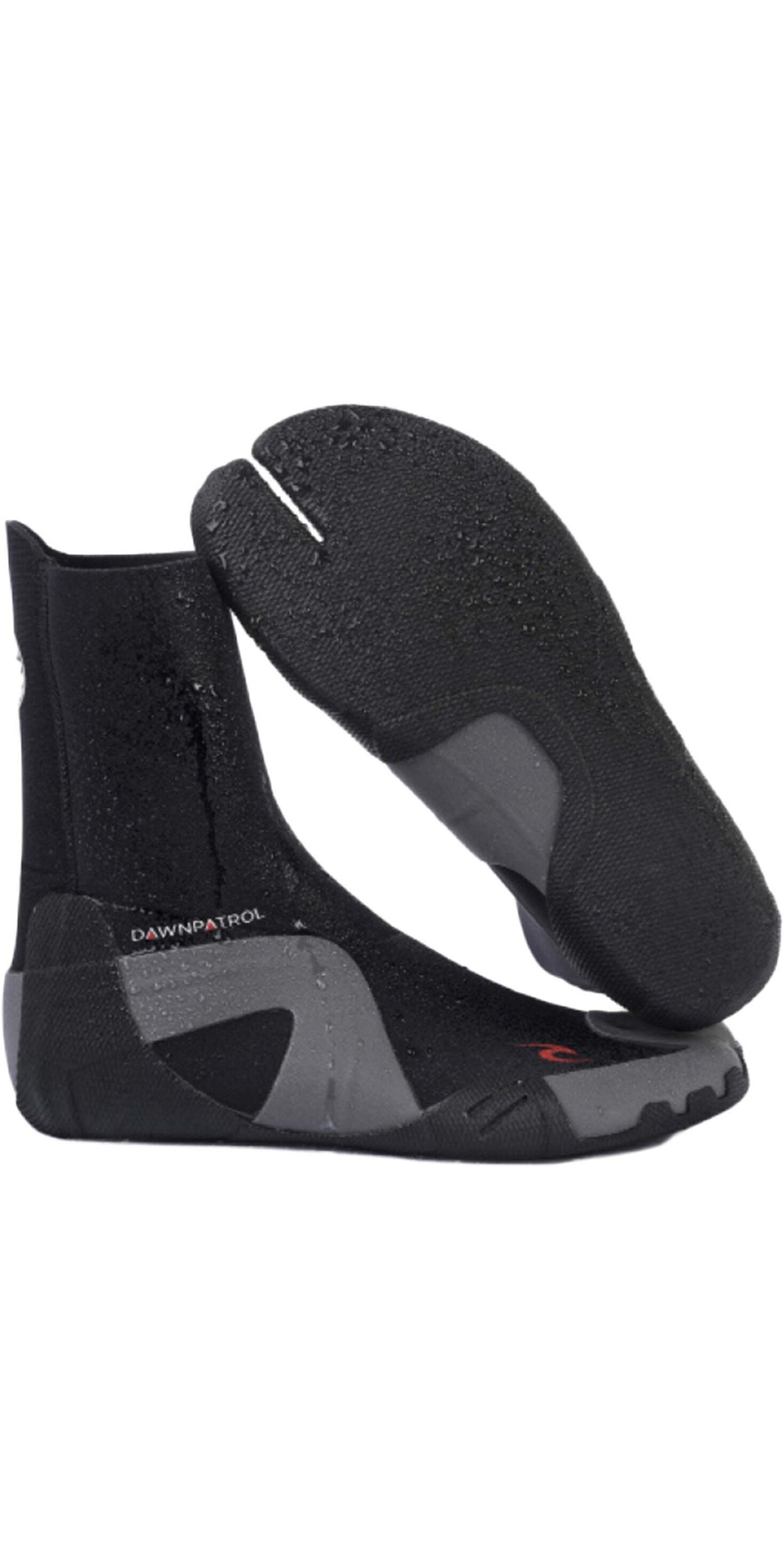
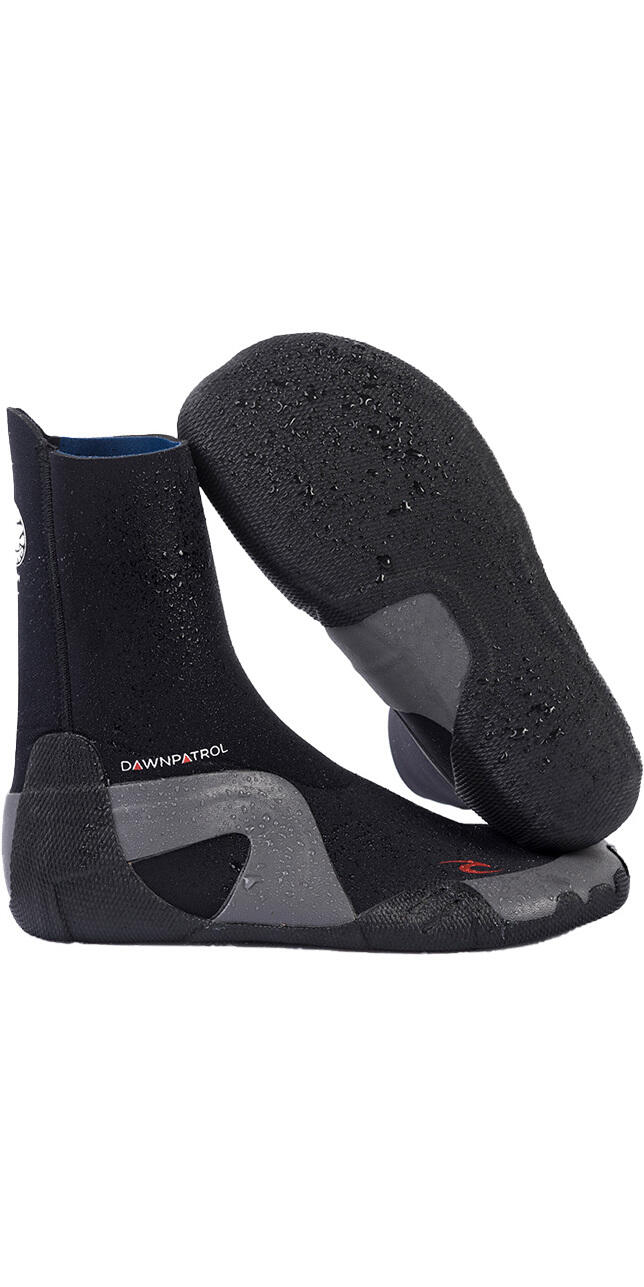
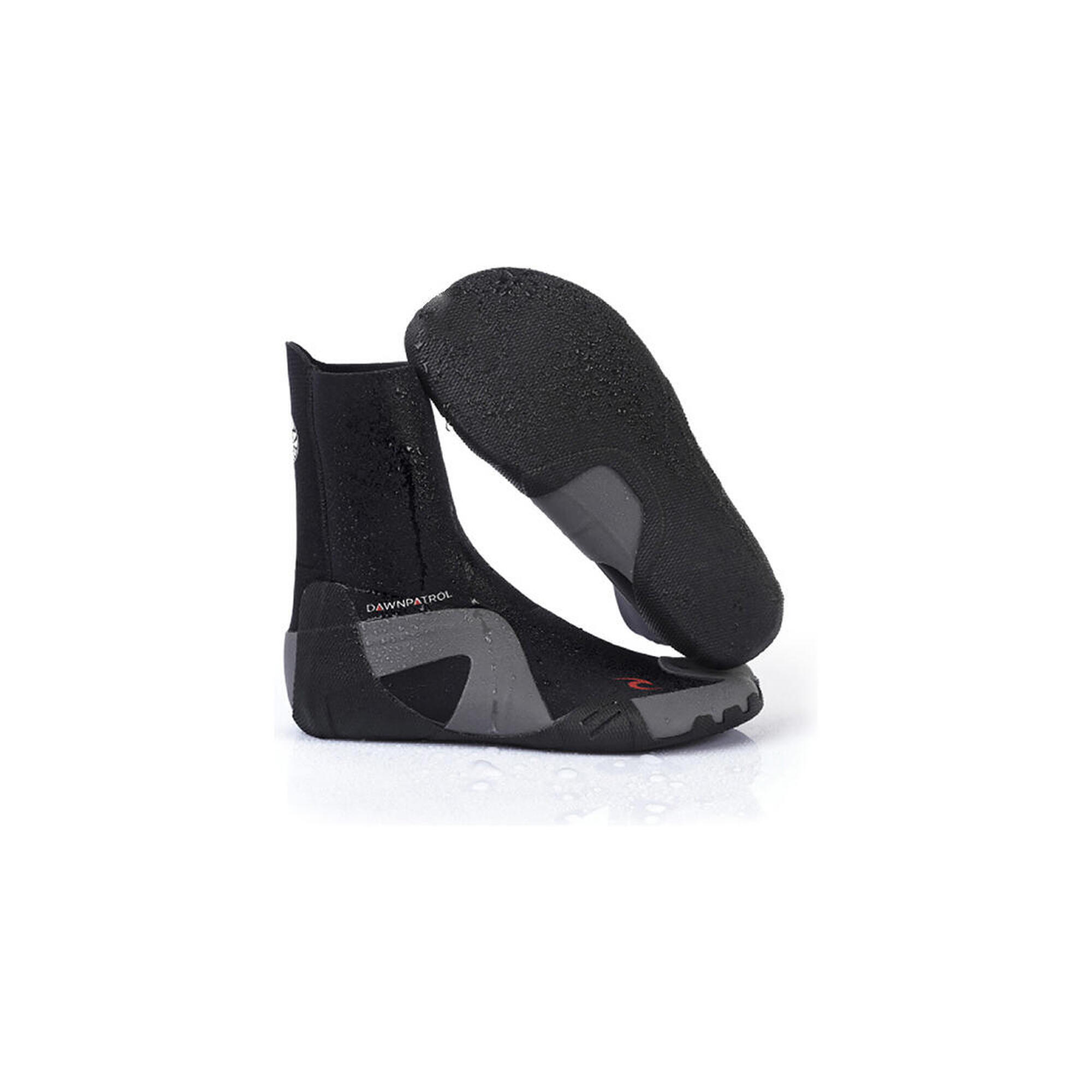
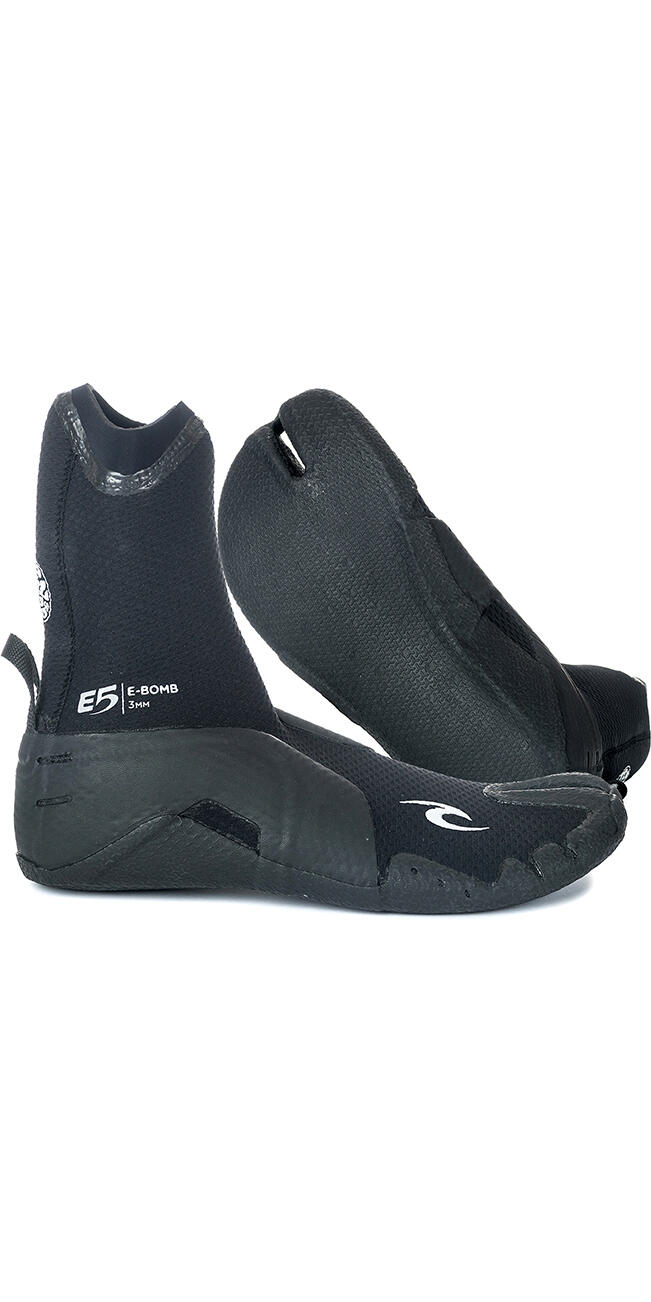
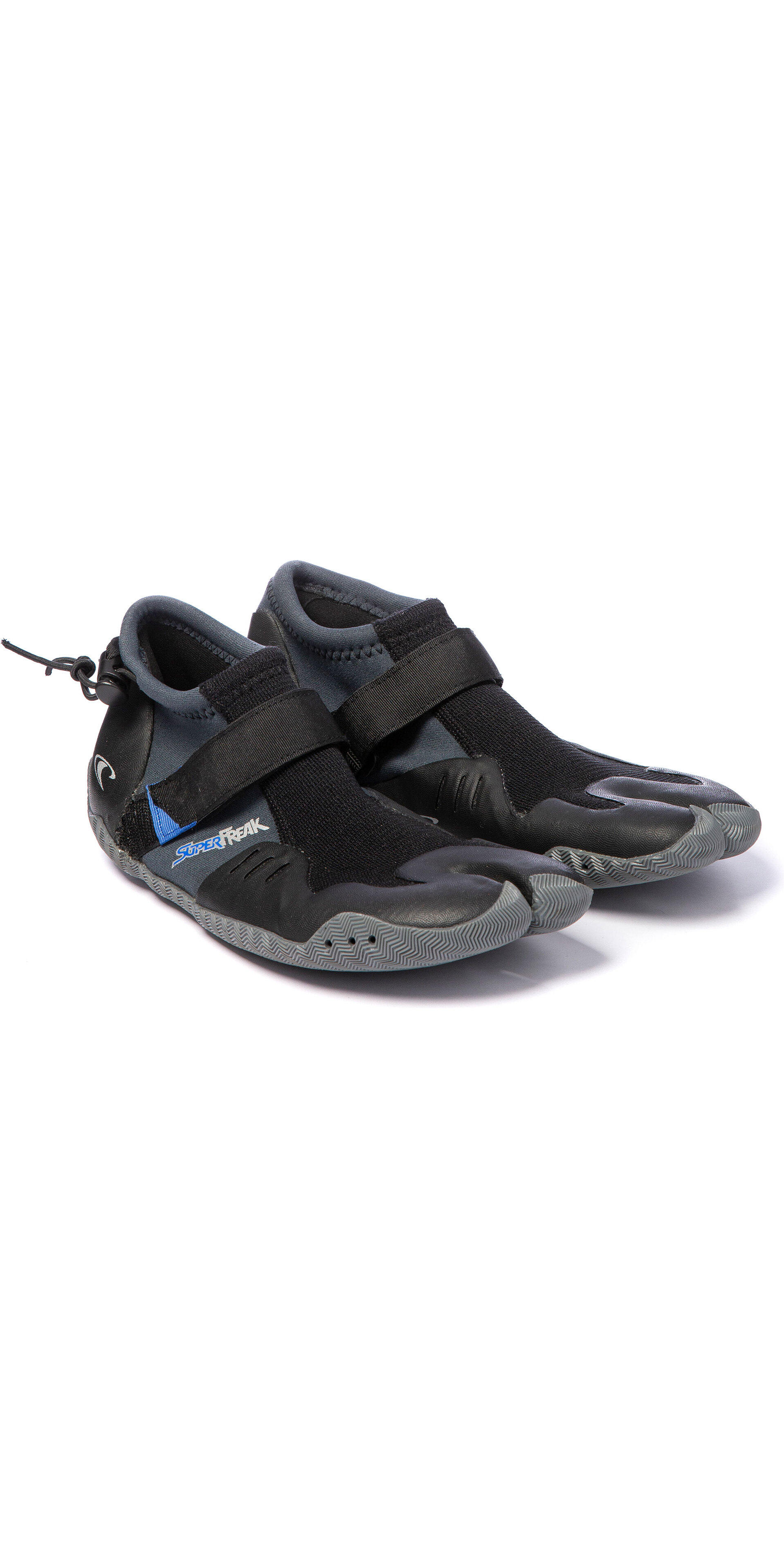
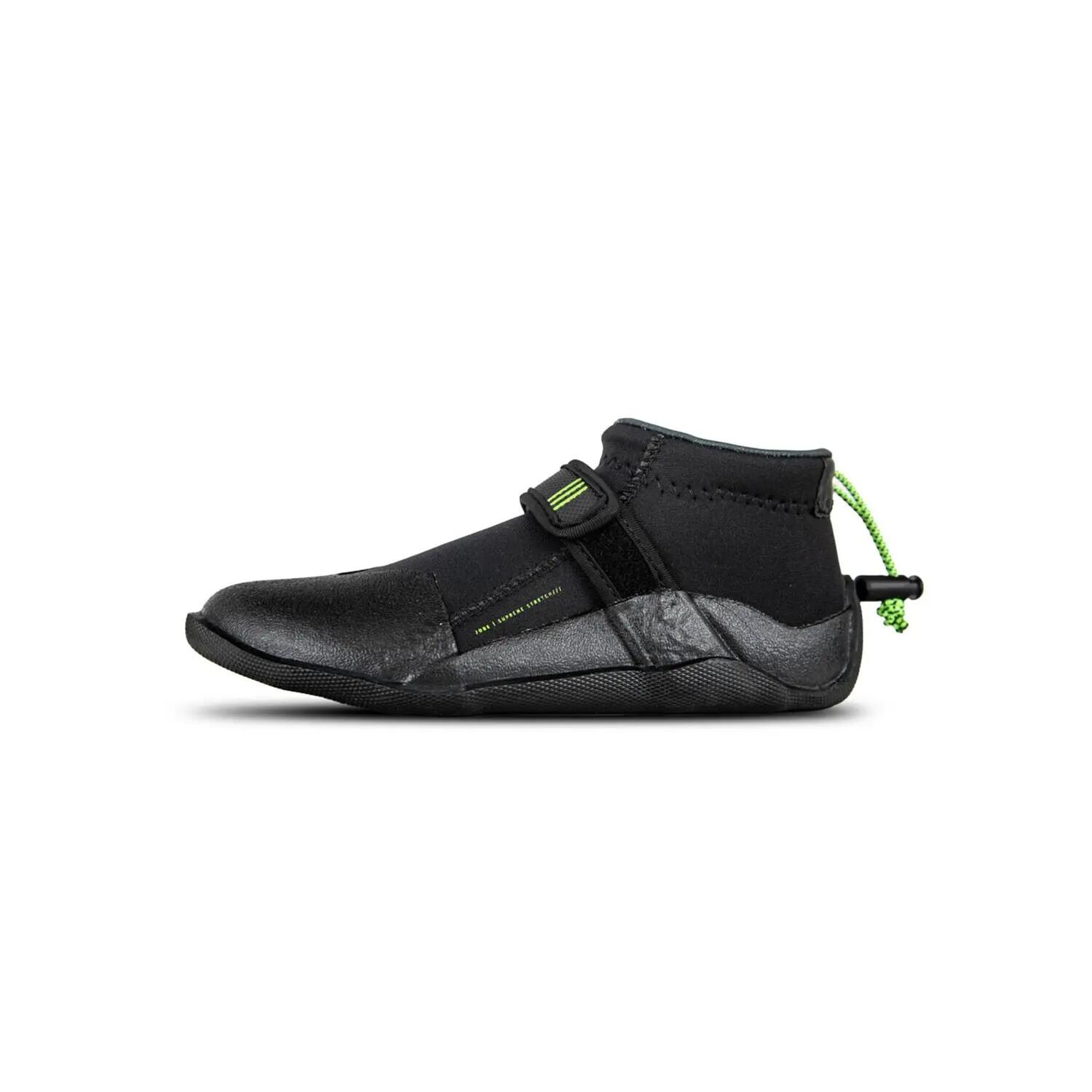
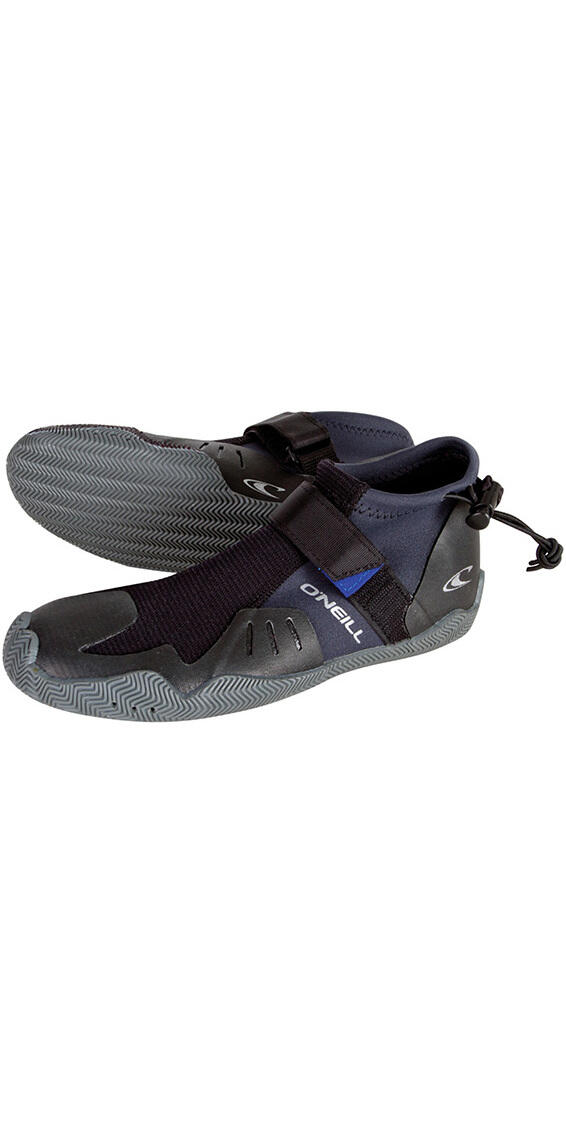
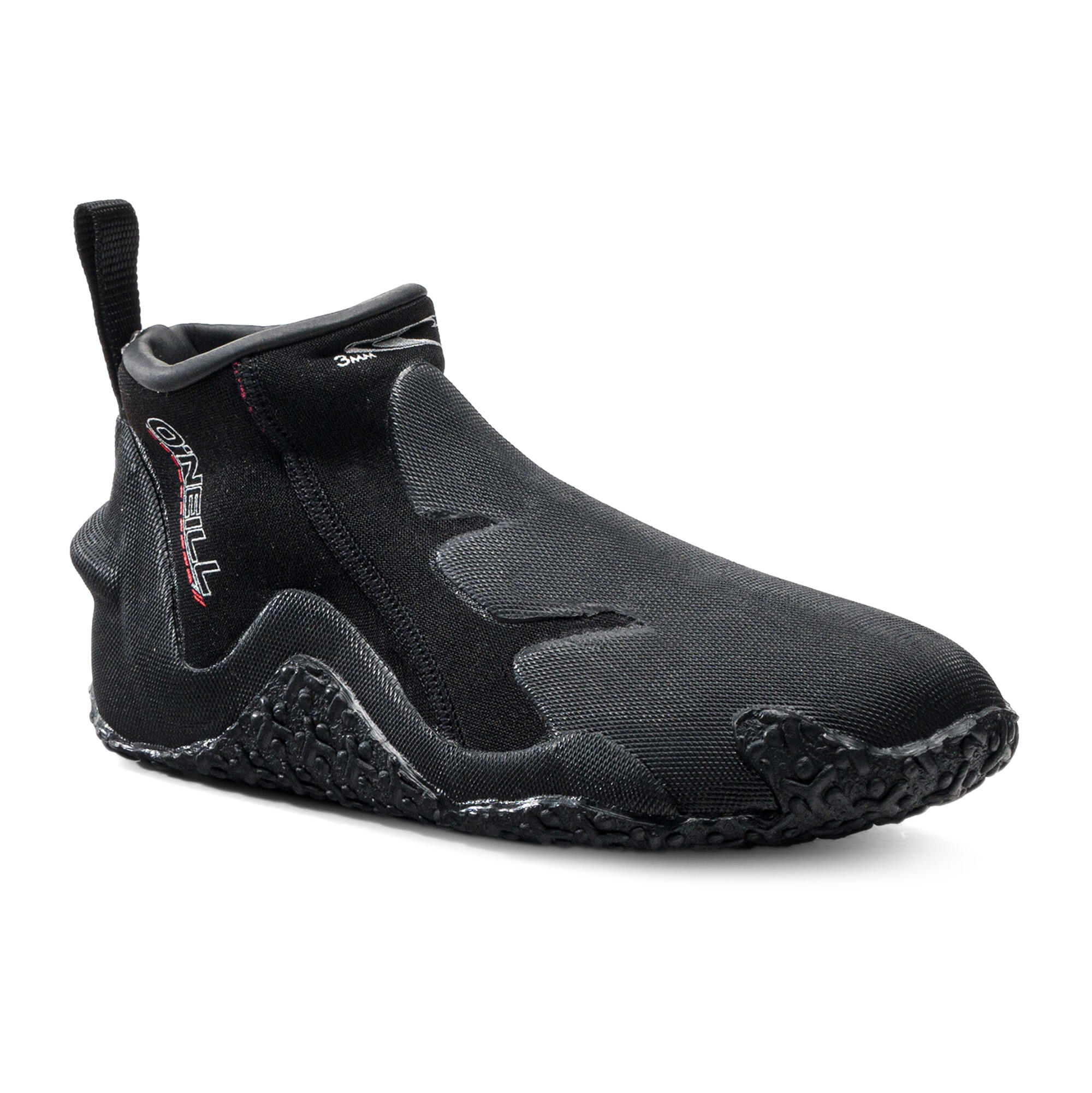
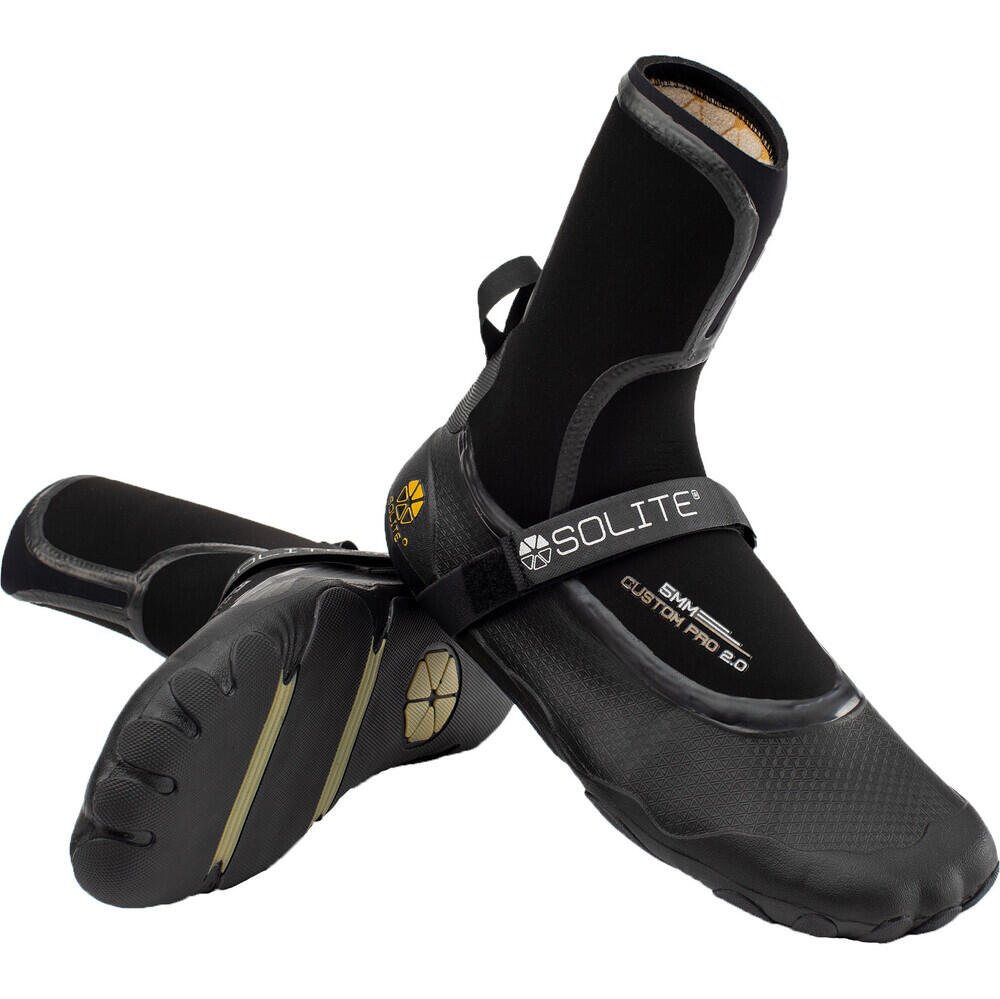
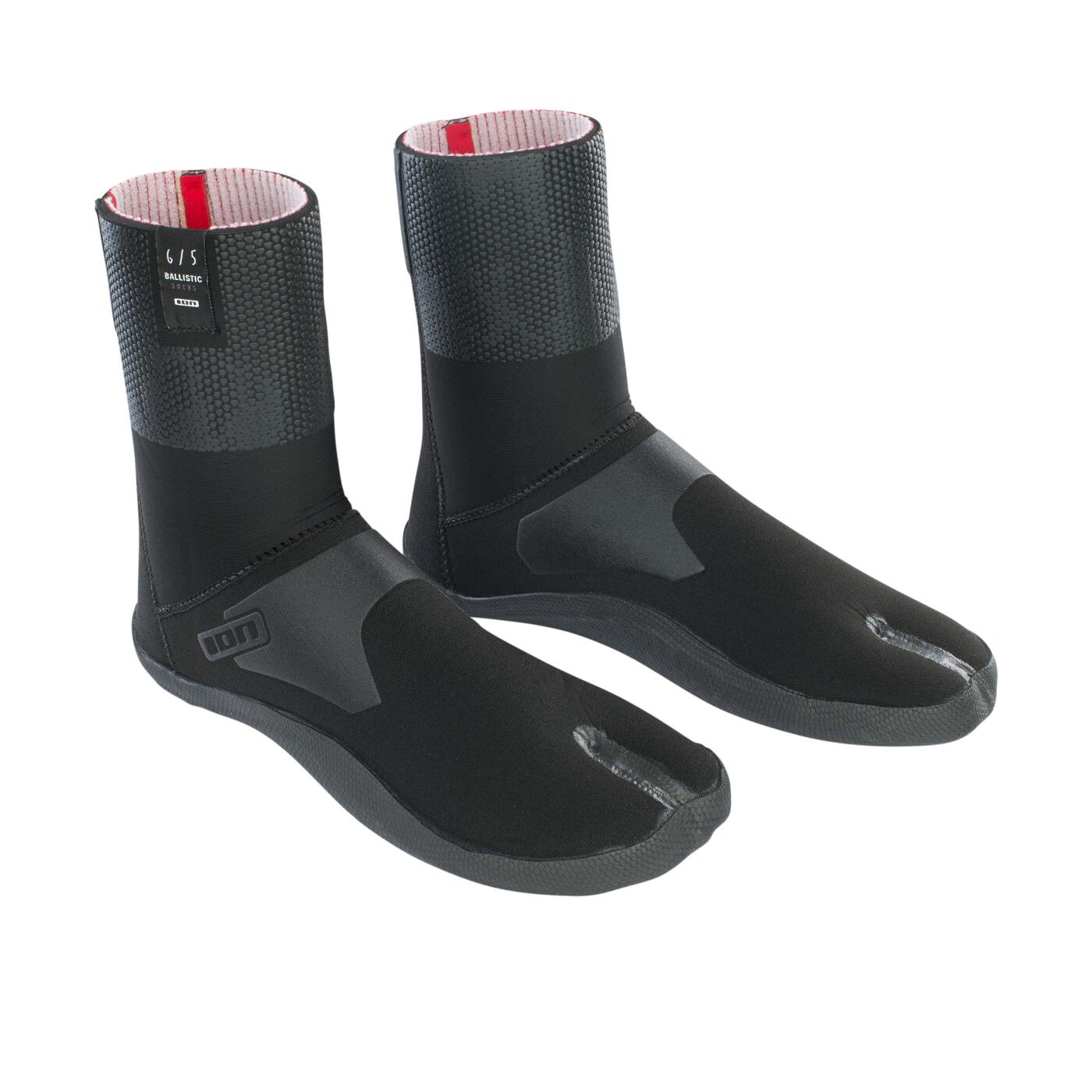
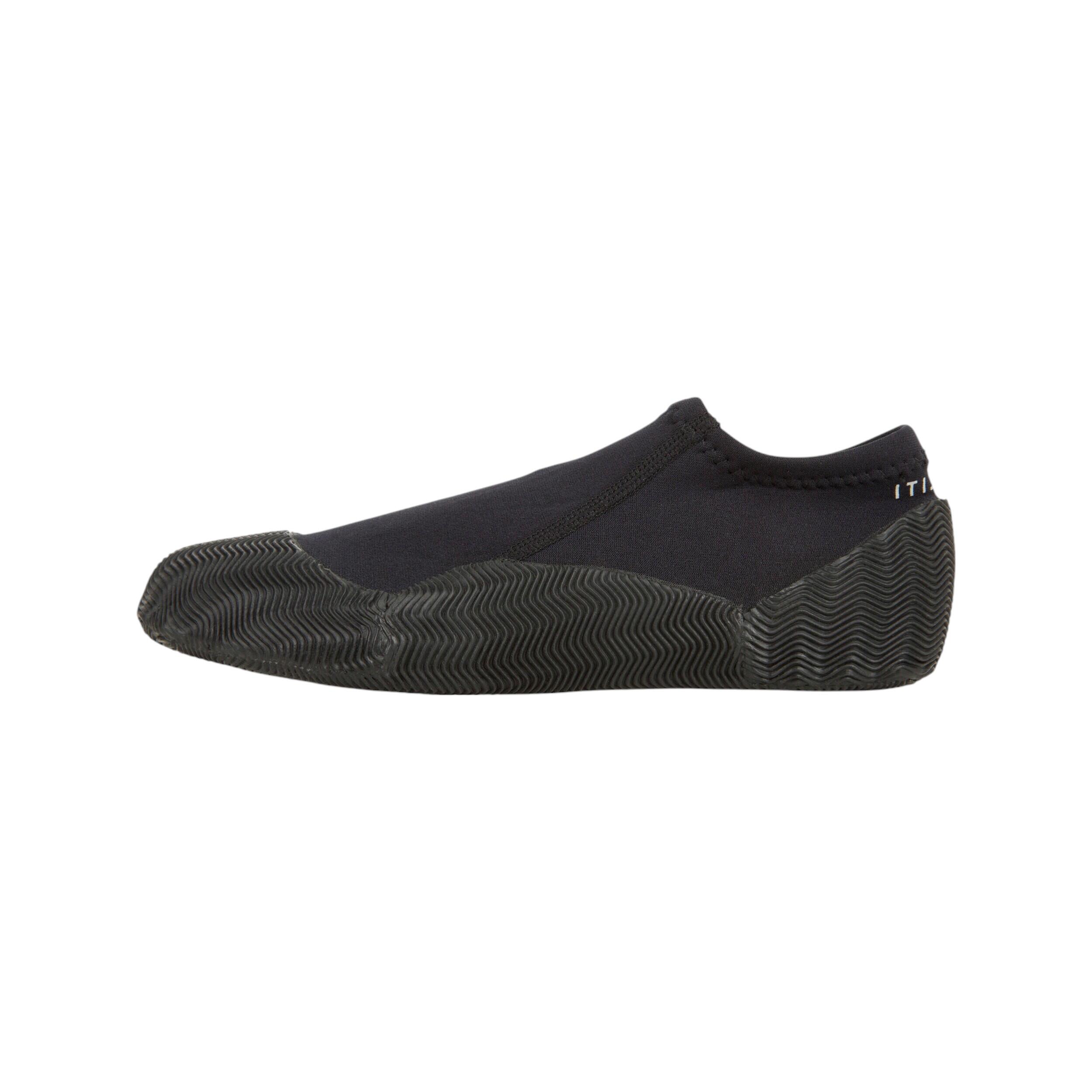
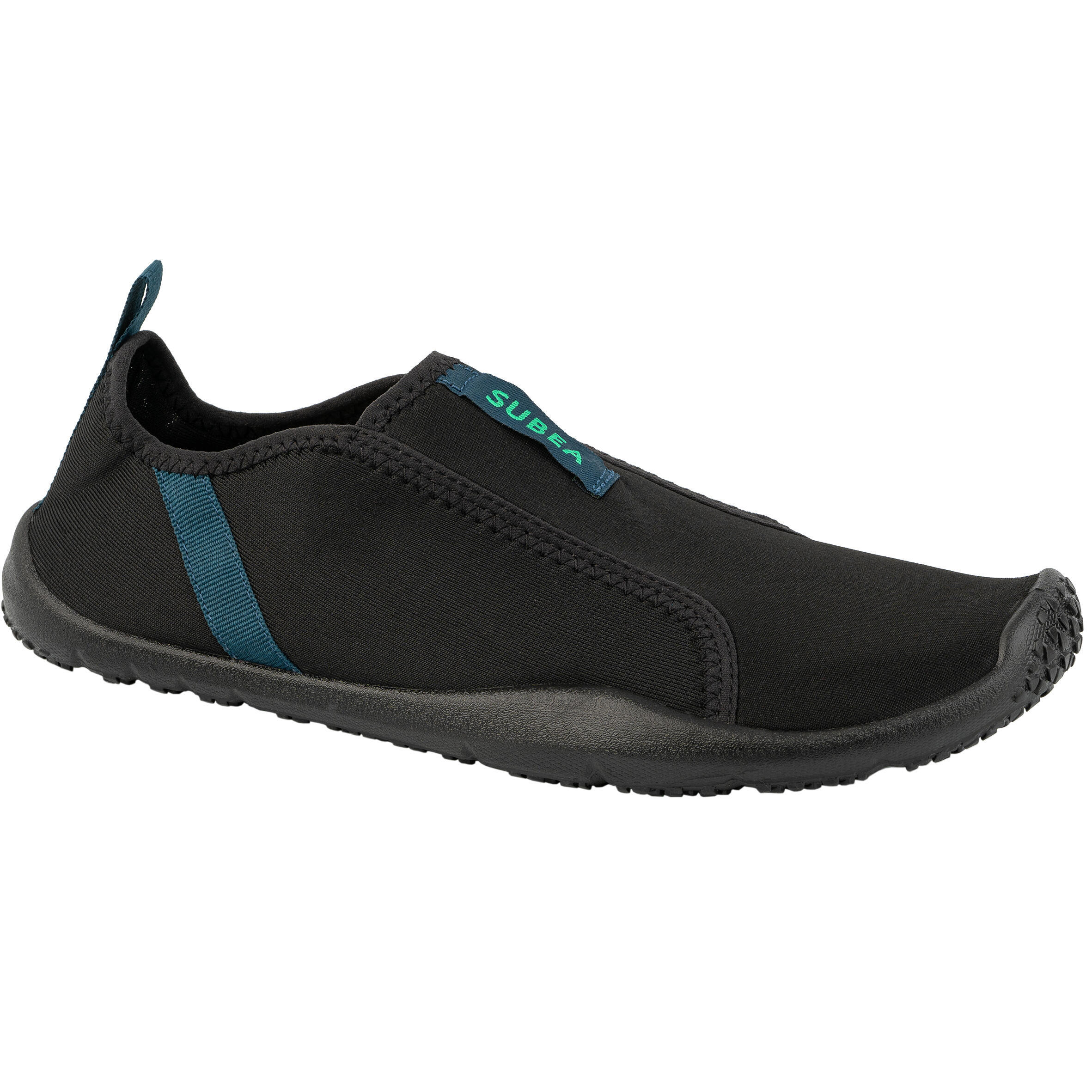
Good SUP footwear should protect your feet without making it difficult to feel or control the board. Decathlon's stand-up paddle boots include thin neoprene shoes, low boots and warmer options for different water conditions. Flexible soles can maintain closer contact with the deck, while reinforced toes and heels help protect areas that may rub against boards, rocks or launch points. Grip also matters because a wet deck, slipway or shoreline can become slippery. Selected models use non-slip rubber, textured surfaces or studded soles for traction. Neoprene thickness should suit the conditions rather than warmth alone: thinner footwear can provide better board feel in milder water, while thicker booties offer more insulation when temperatures drop.

When can you wear a jacket or neoprene trousers for paddleboarding?

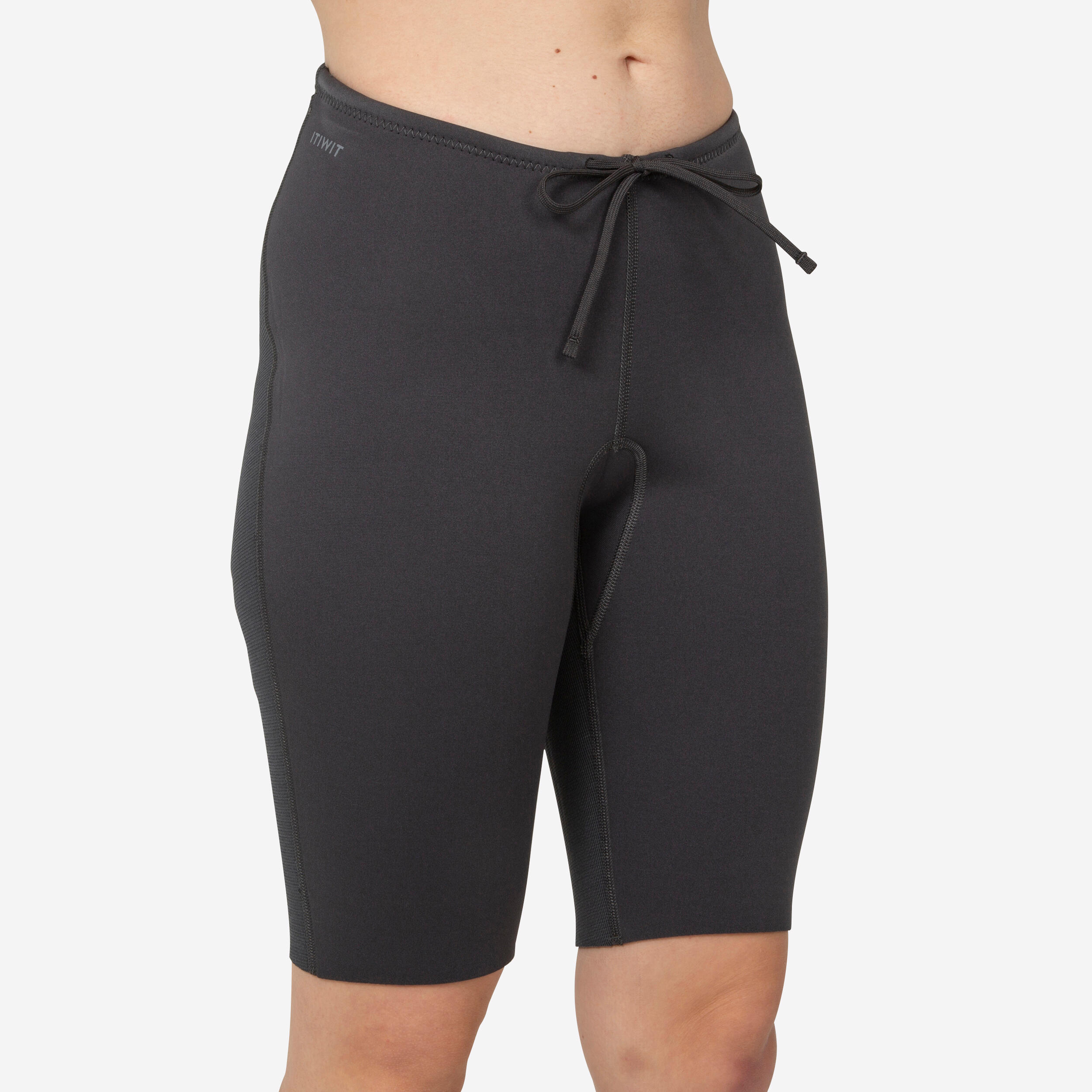
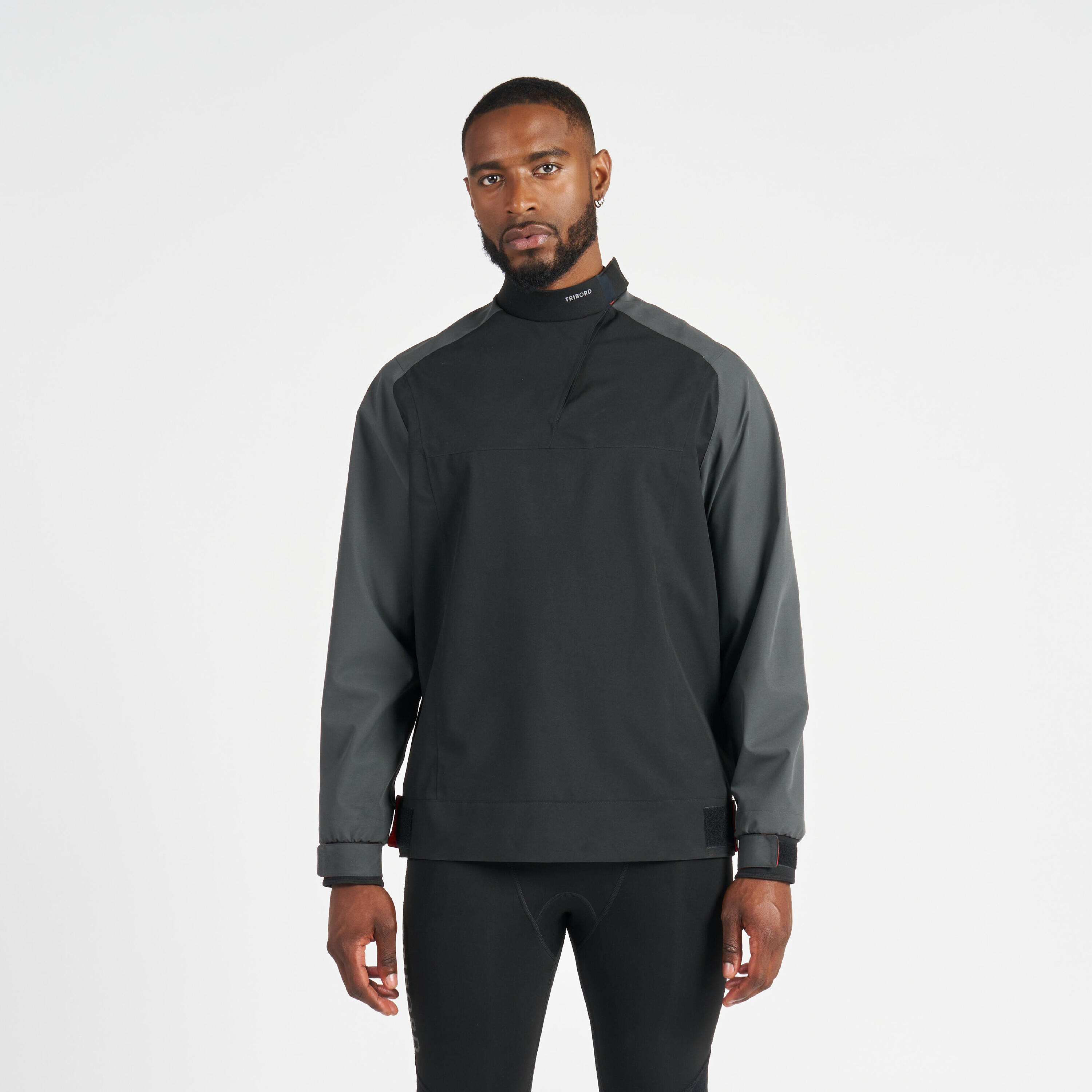
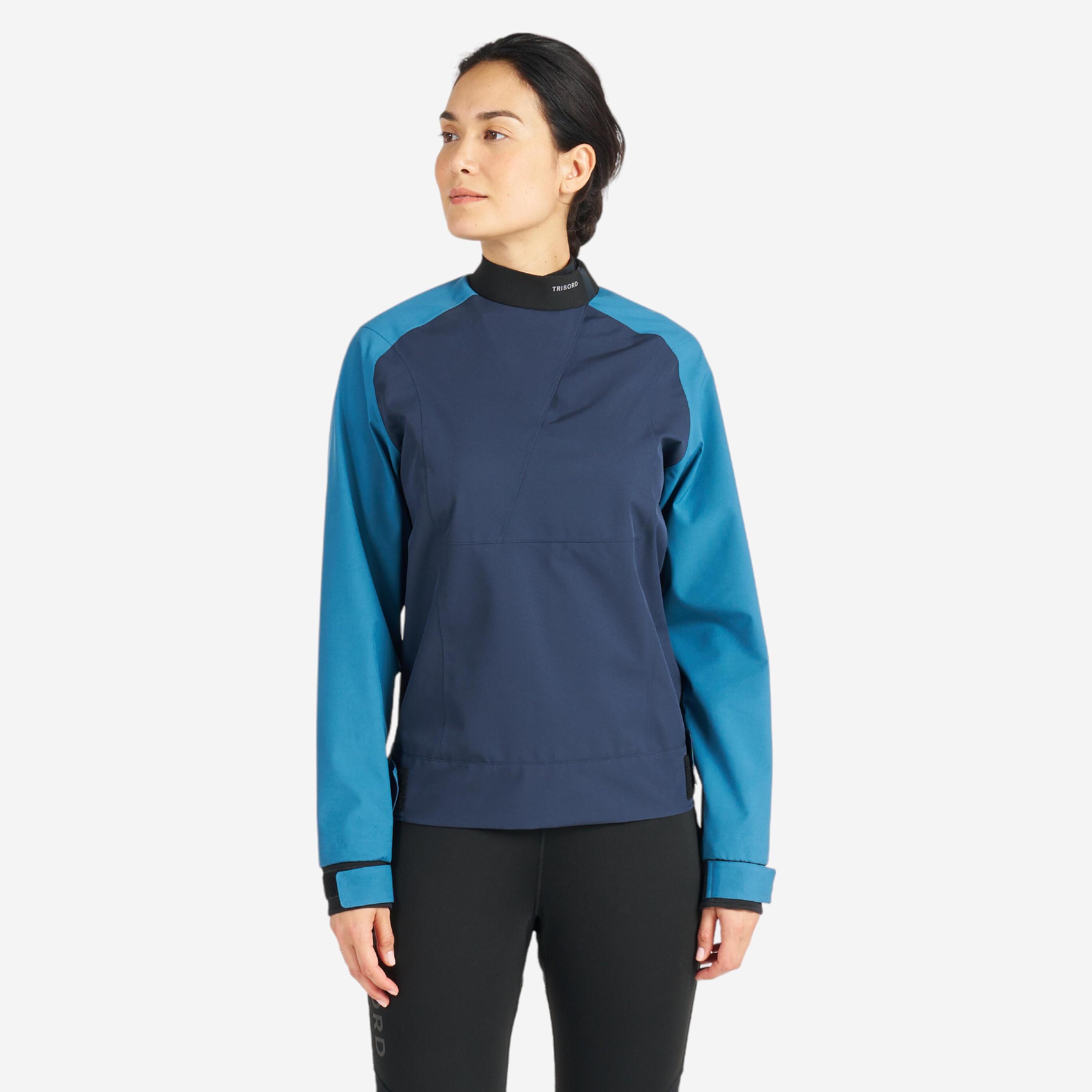
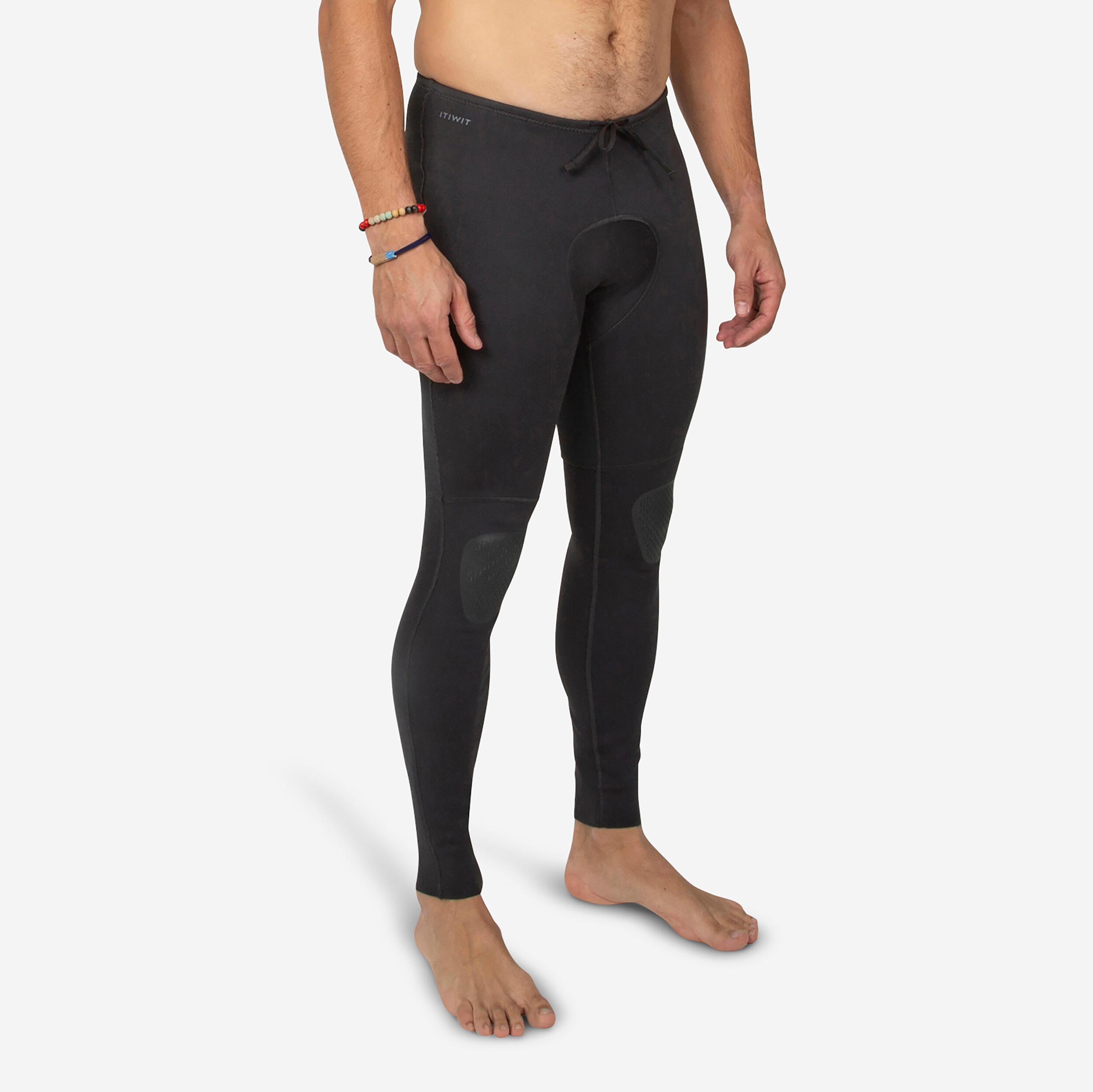
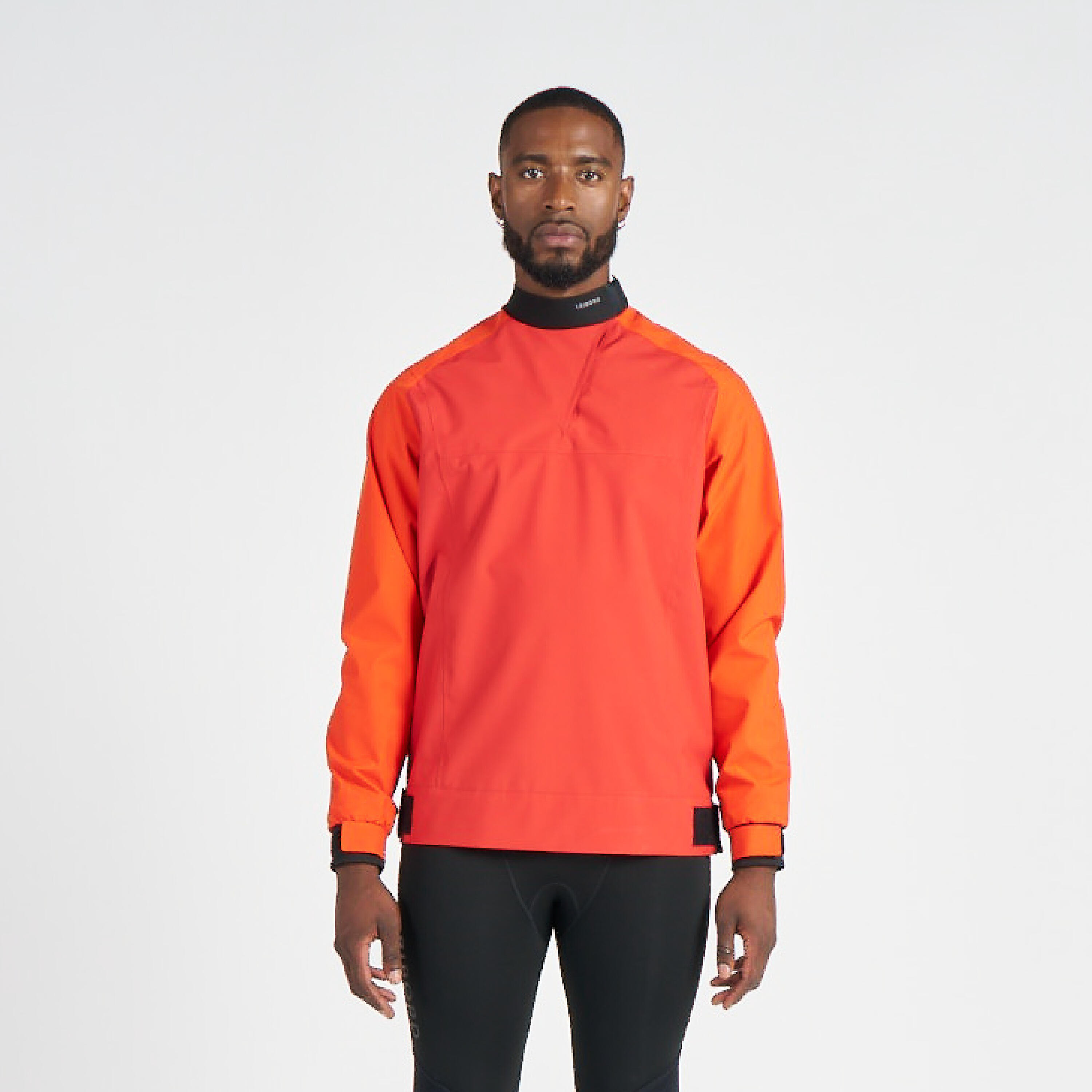
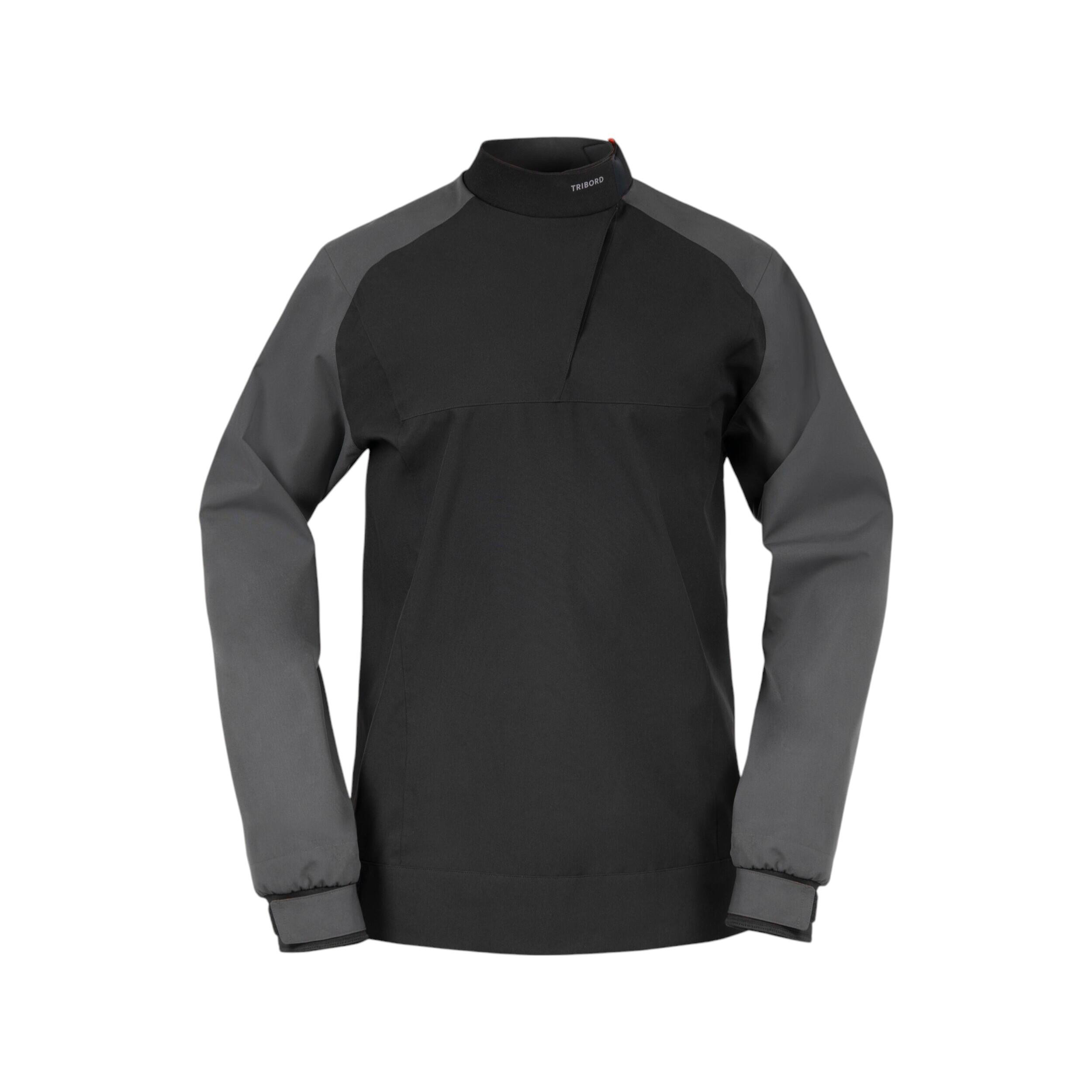
Outer layers become useful when wind, spray or cooler air makes a wetsuit alone uncomfortable. The stand up paddle jackets and pants range lets you add weather protection without necessarily moving to a full wetsuit. Selected Decathlon windproof jackets use adjustable collars, cuffs and waists to limit water entry while keeping enough movement for paddling. One 500 jacket has also been tested in simulated moderate rain at 60 mm per hour for two hours, with its fabric retaining a 2,000 mm water-pressure rating after ageing. For the lower body, 2 mm neoprene trousers can add warmth while reinforced knees and seat areas help with board contact. Some models also use perforations behind the knees to help trapped water drain away.

How can SUP clothing provide a secure fit without limiting movement?

Stand-up paddle apparel should sit close enough to manage warmth and avoid loose material getting in the way, but it should not restrict your stroke. Check shoulder rotation, knee bend and your ability to move from kneeling to standing before deciding on the fit. Sleeveless neoprene styles can be especially useful because they leave the arms and shoulders free while keeping thermal coverage around the torso and legs. Drawstring waists on selected shorts and trousers help keep lower-body layers secure without adding bulky fastenings. Your clothing also needs to work with the rest of your stand up paddle accessories; for example, make sure cuffs, waistbands and footwear do not interfere with the equipment you need during the session. Comfort should remain consistent through the full paddling movement, not just while standing still.

What care does stand up paddle clothing need after a paddling session?

Rinse neoprene, footwear and suitable outer layers with fresh water after use, particularly after paddling in the sea. Salt crystals and sand can collect around seams, zips, drawstrings and other moving areas, so removing them before storage can help reduce wear. Let neoprene dry in a ventilated place away from strong direct sunlight and heat, and follow the garment label rather than routinely using a washing machine or tumble dryer. Technical jackets may need different care than neoprene; Decathlon advises against drying some membrane garments inside-out because this can unnecessarily expose the inner layer. Once everything is dry, store it without sharp folds or heavy objects pressing on the material. Good clothing care is especially worthwhile if you regularly use your stand up paddle SUP, as repeated wet sessions place more demand on seams, soles and reinforced contact areas.