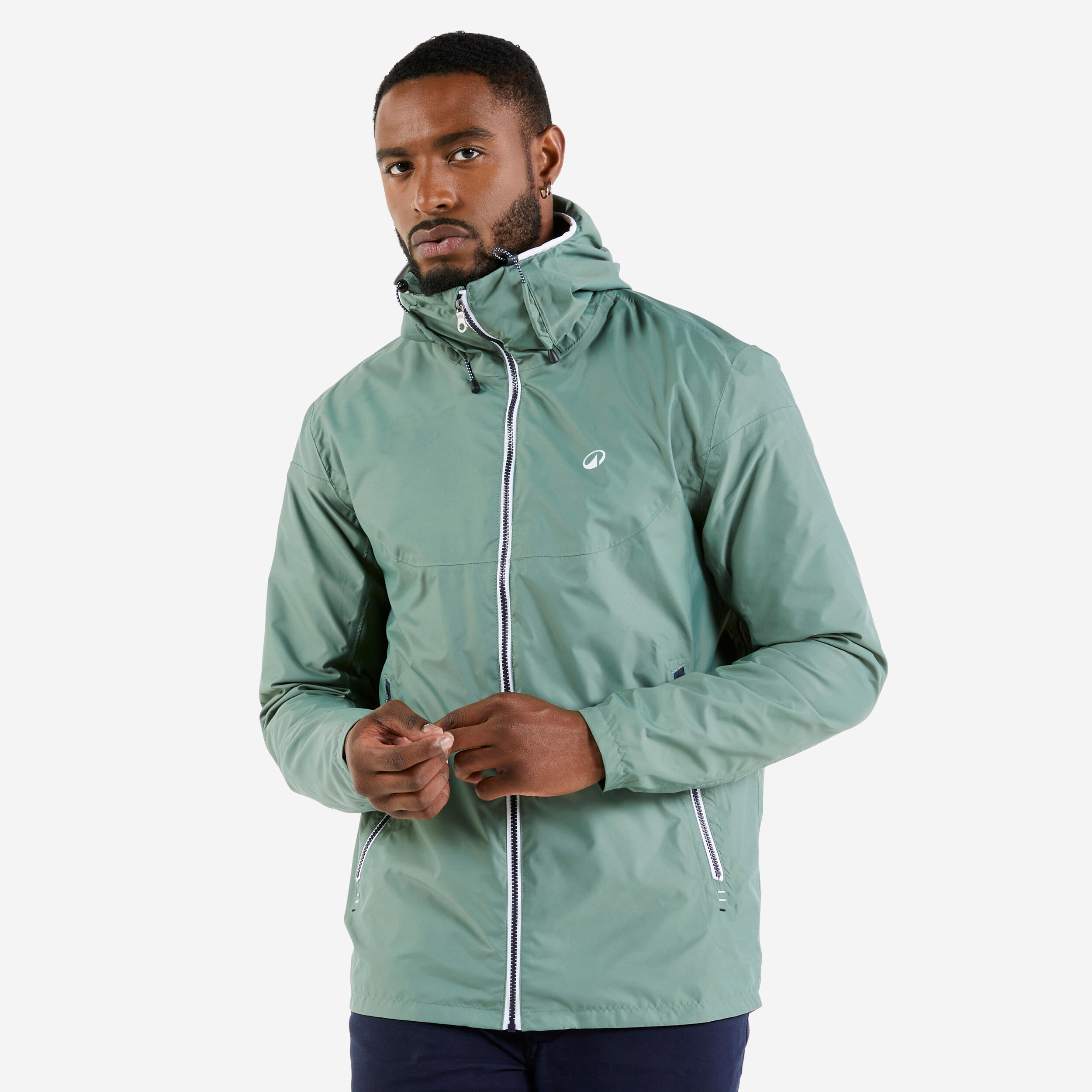
112 items
4.7/5 based on 70384 reviews collected online and in stores

Men's Sailing Jacket and Smocks FAQs

How do men's sailing jackets and smocks differ for on-deck sailing?

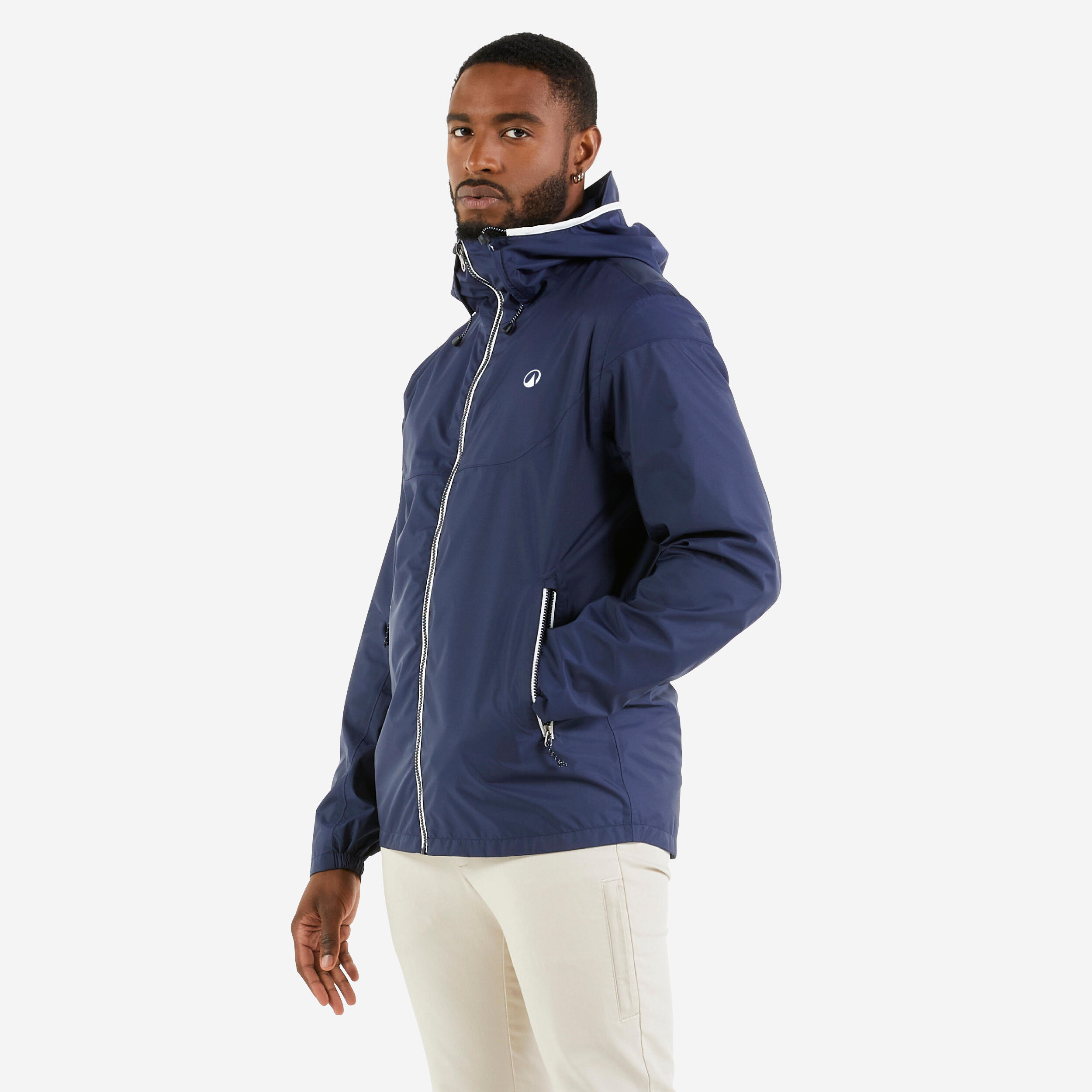
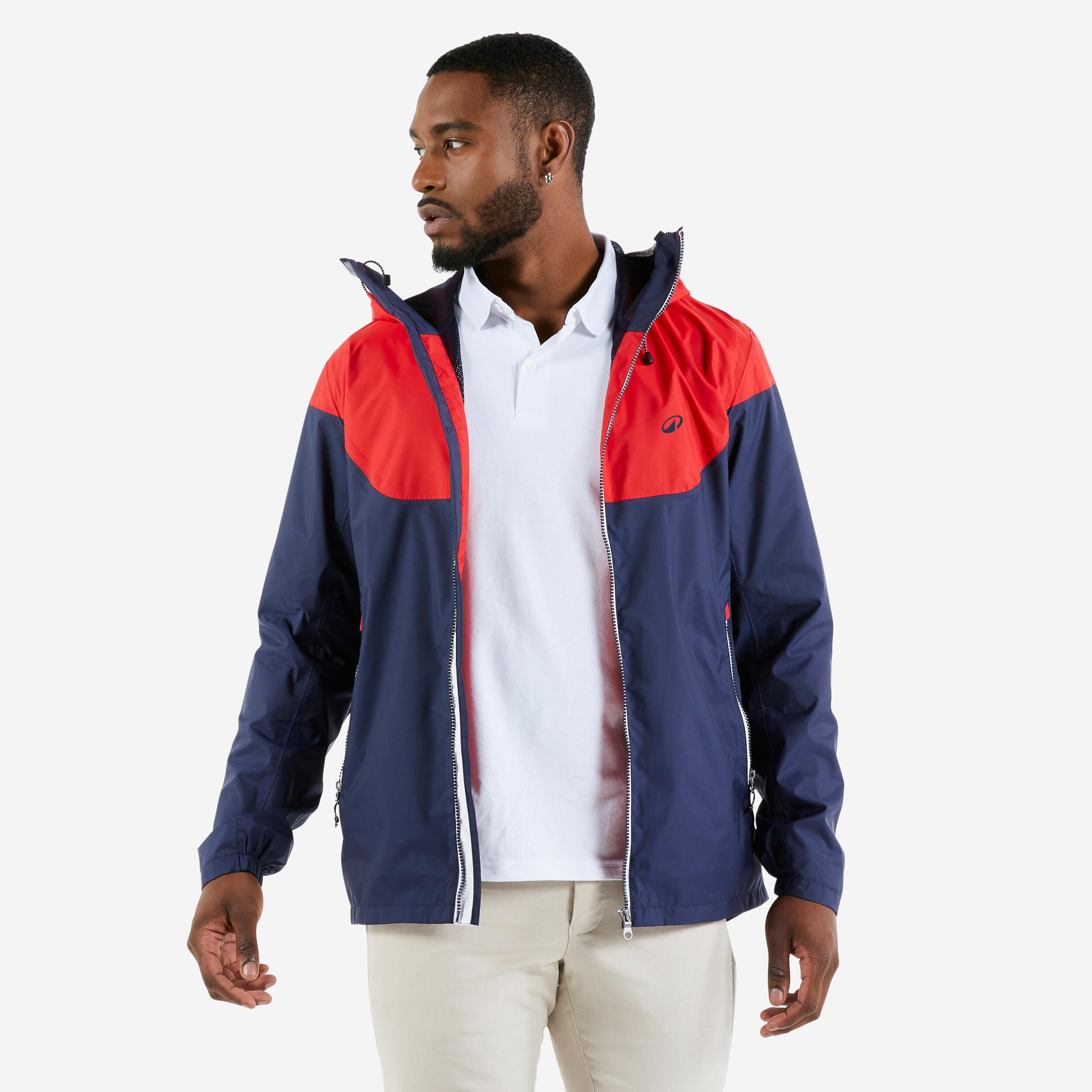
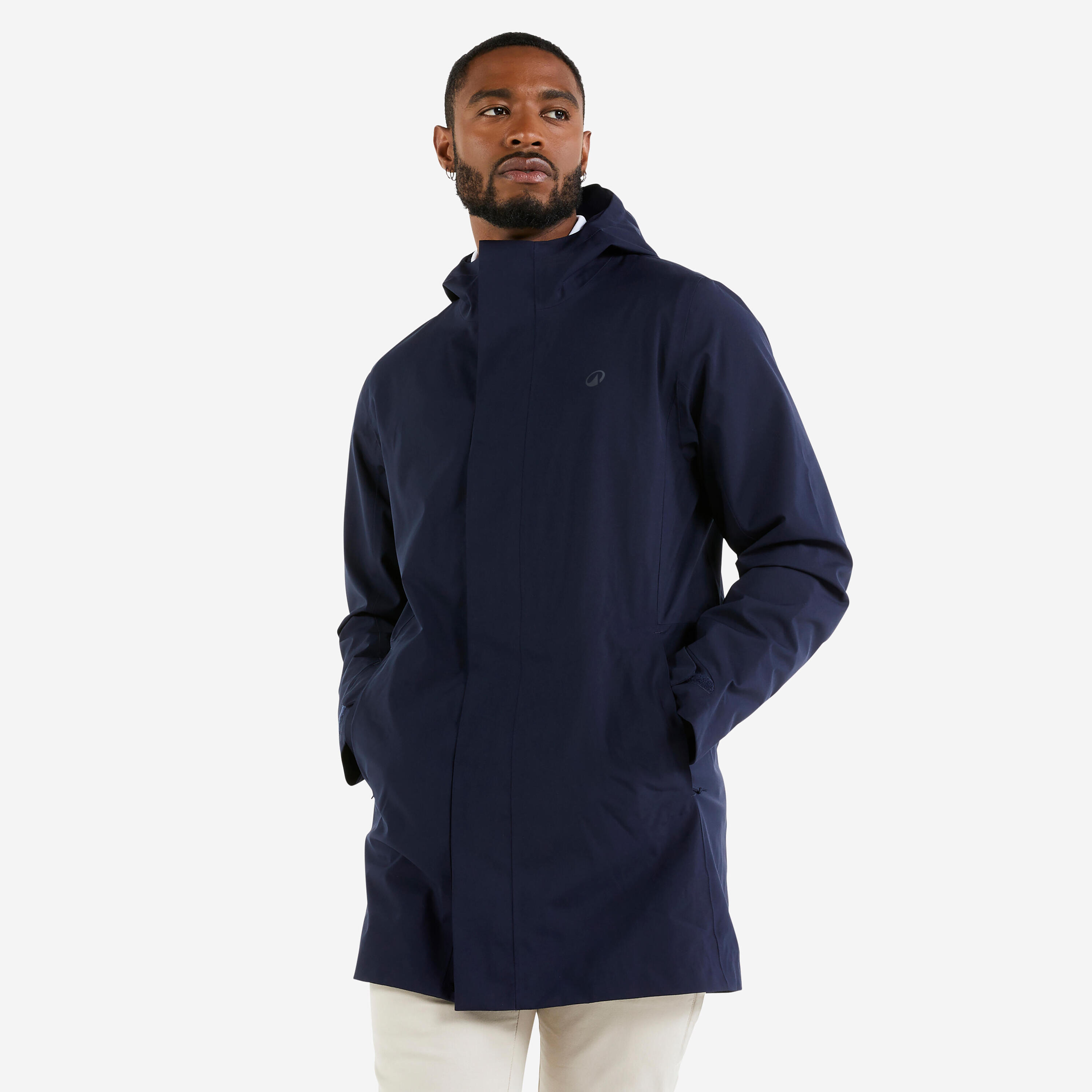
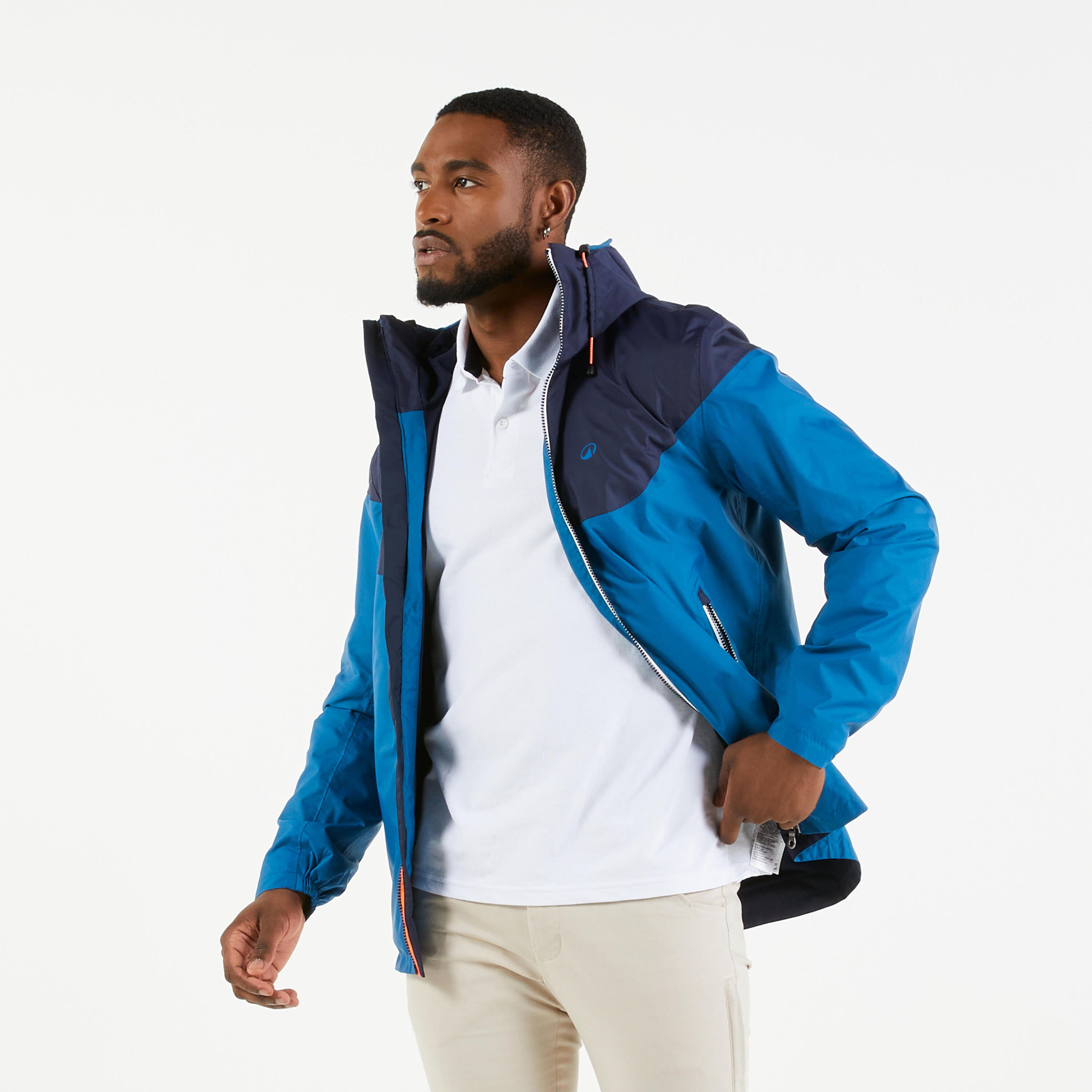
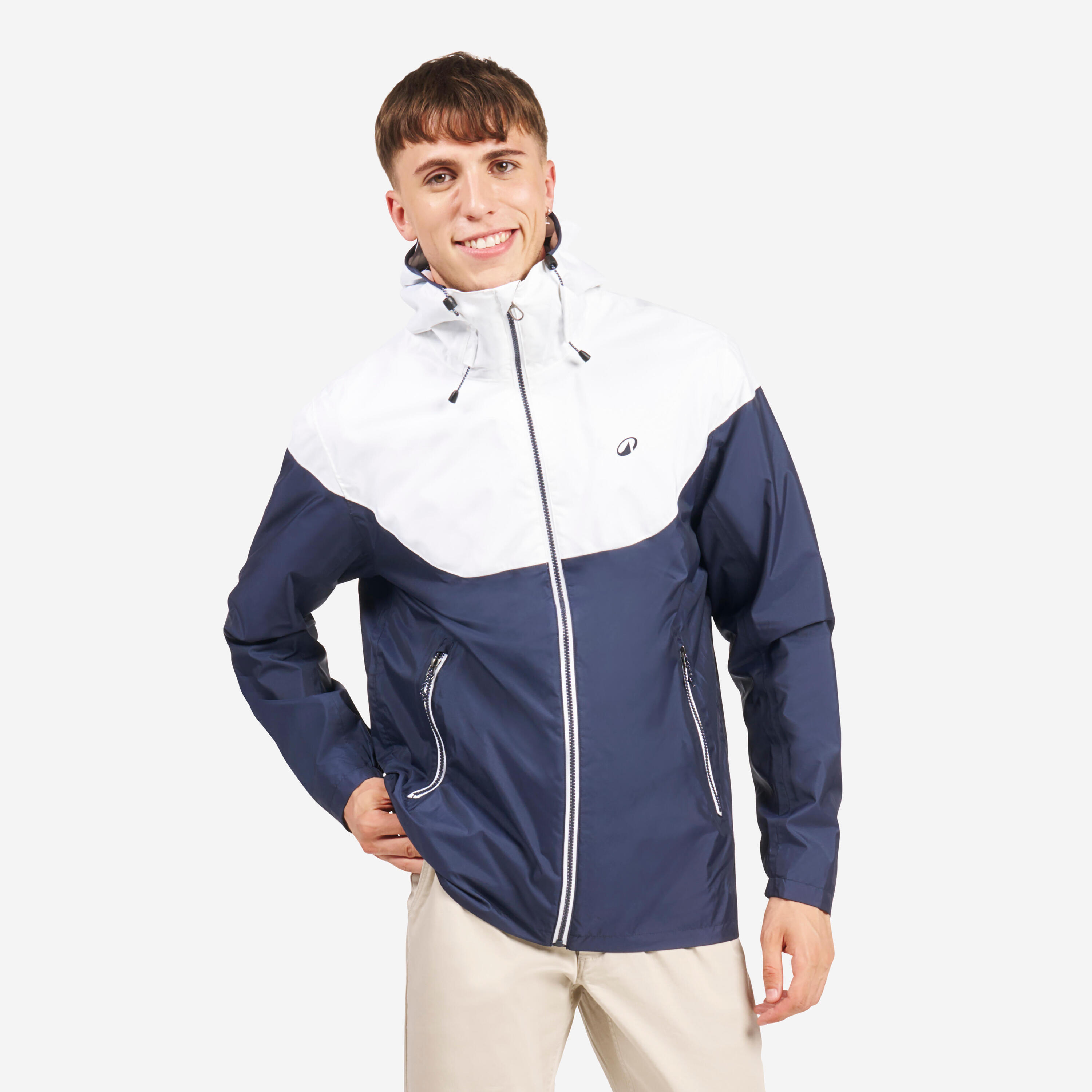
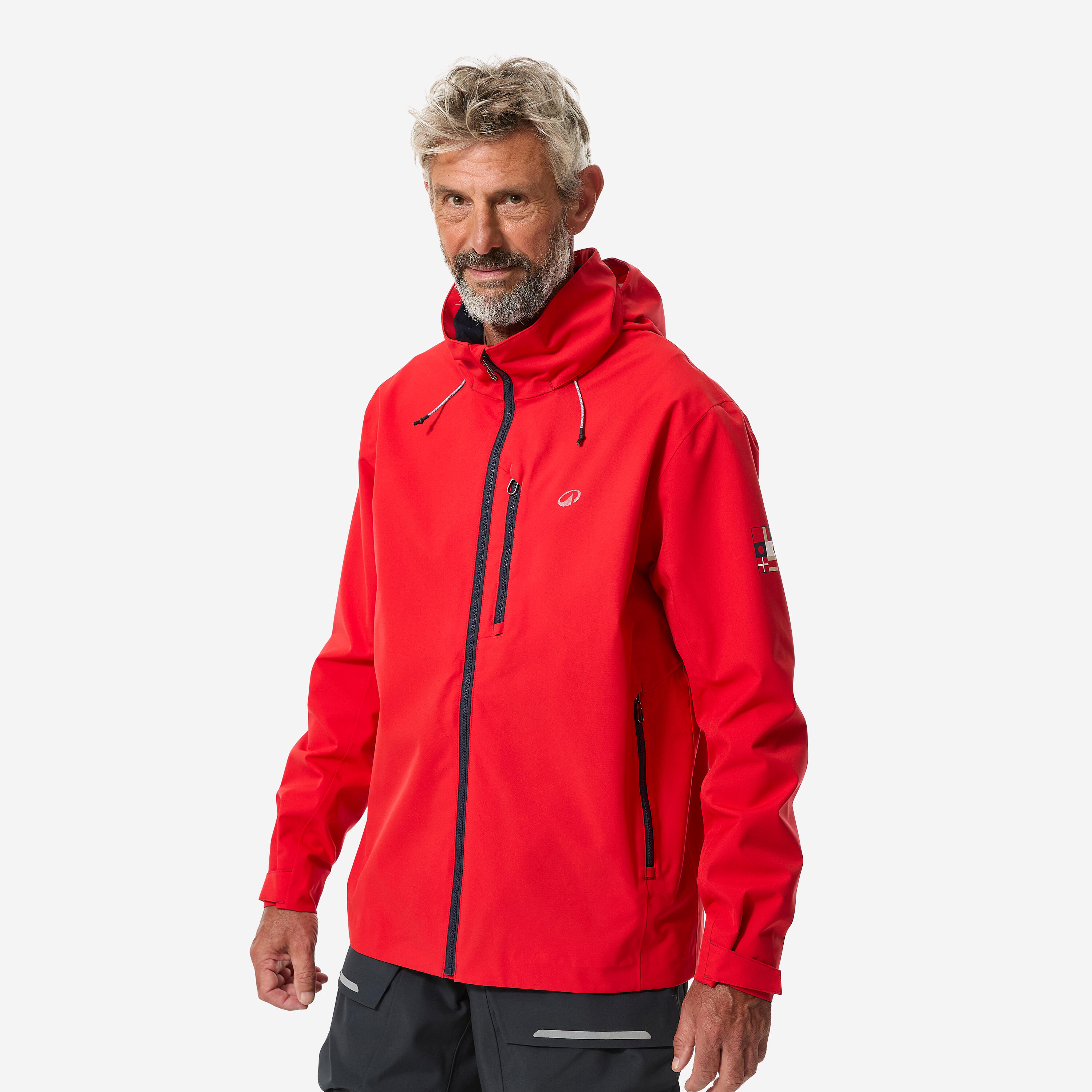
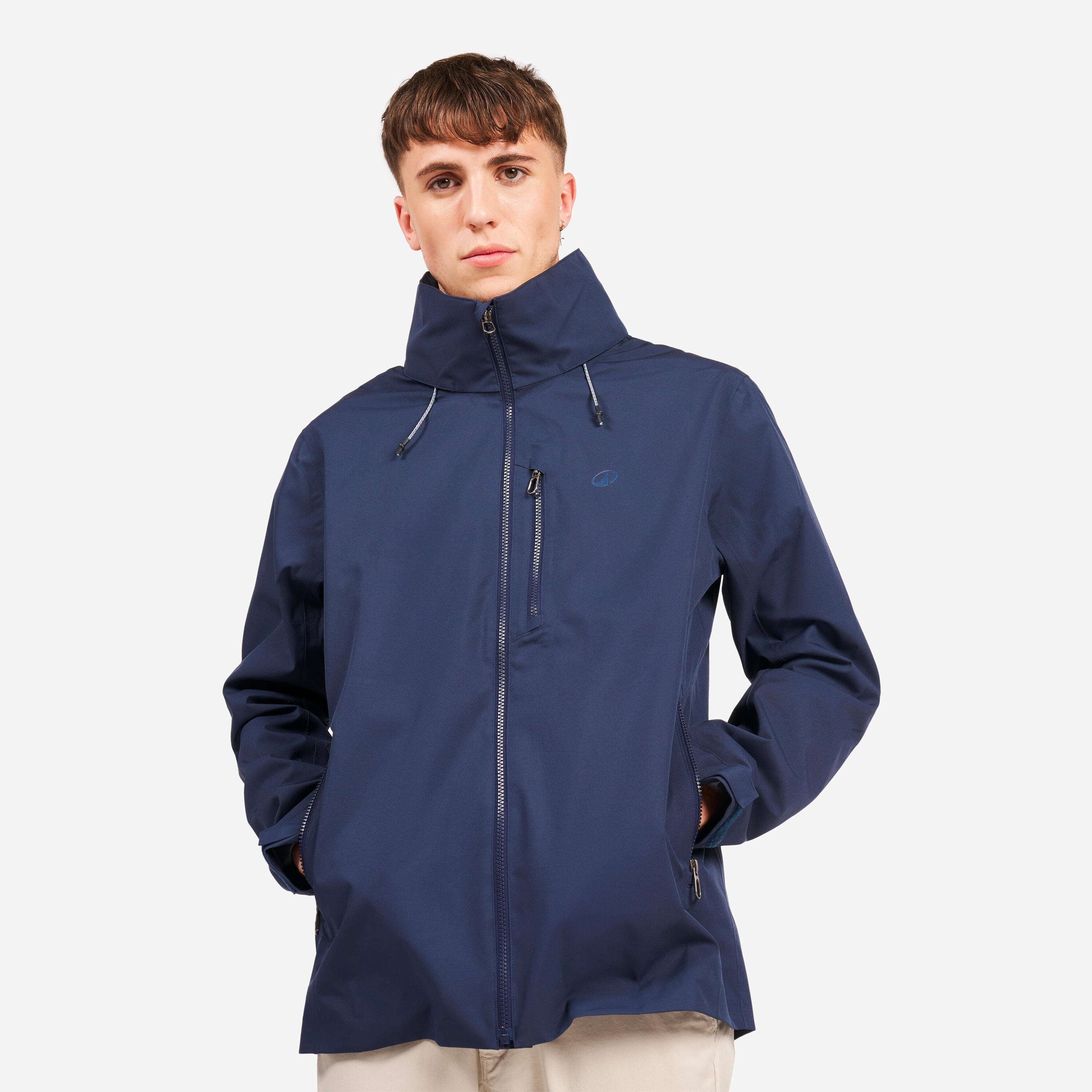
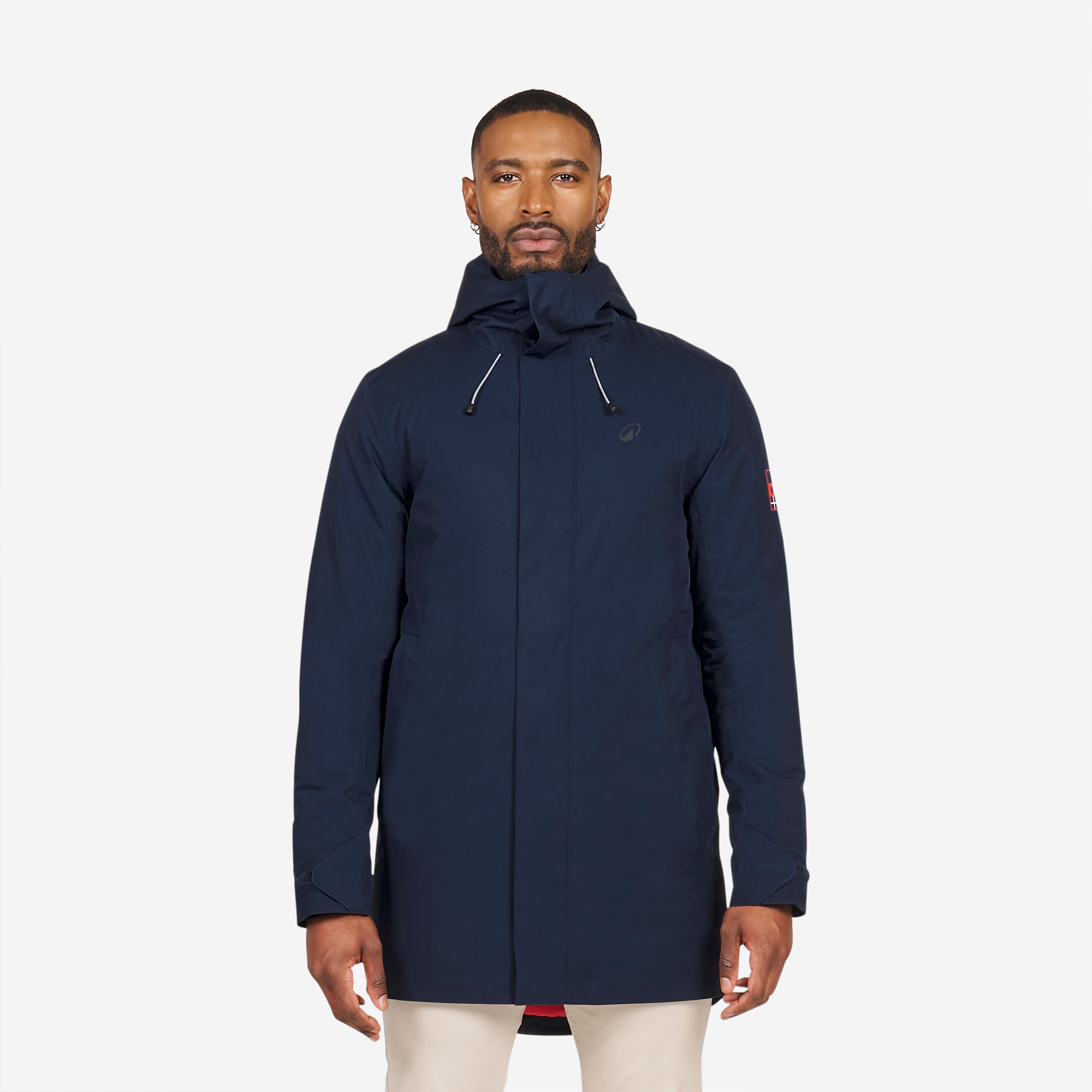
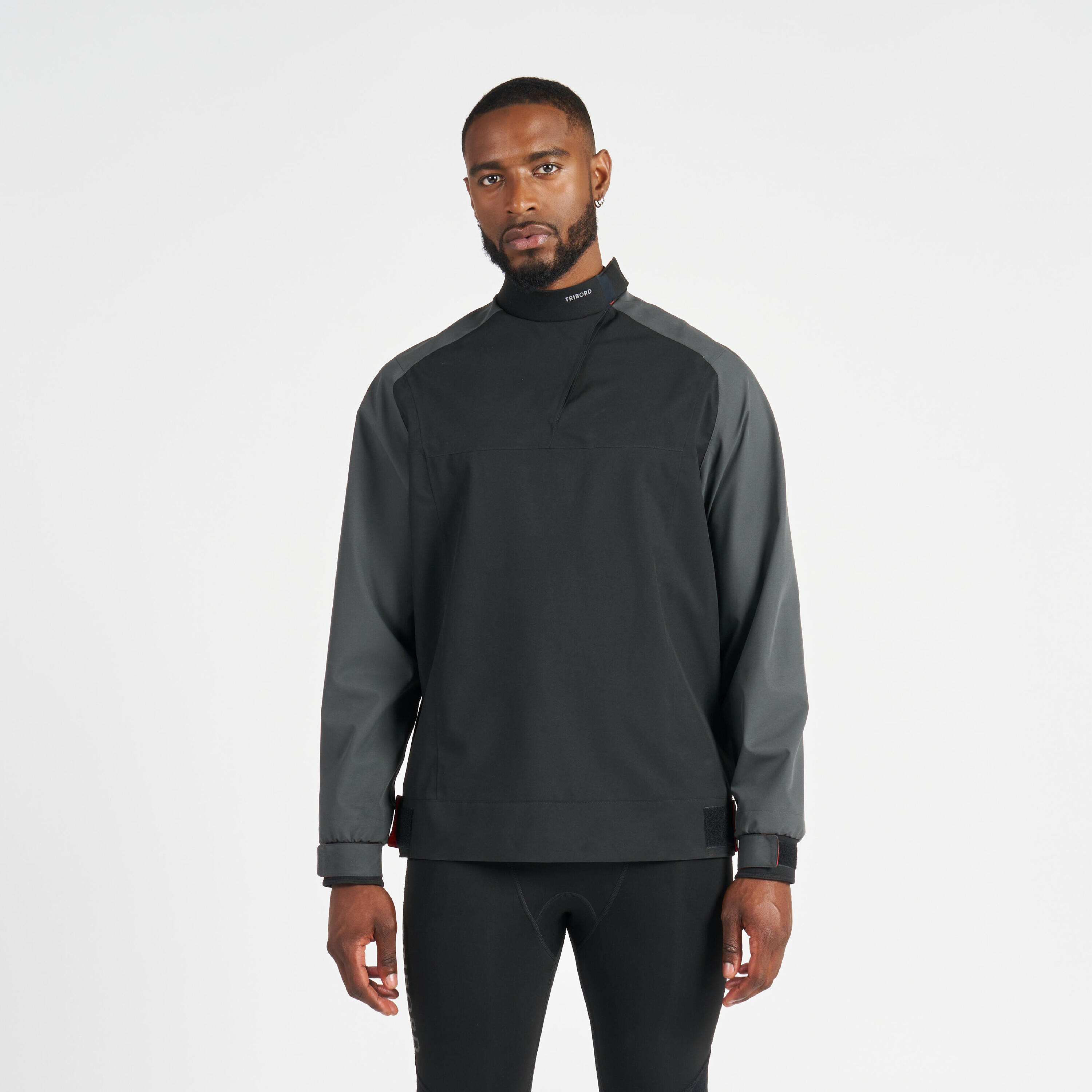
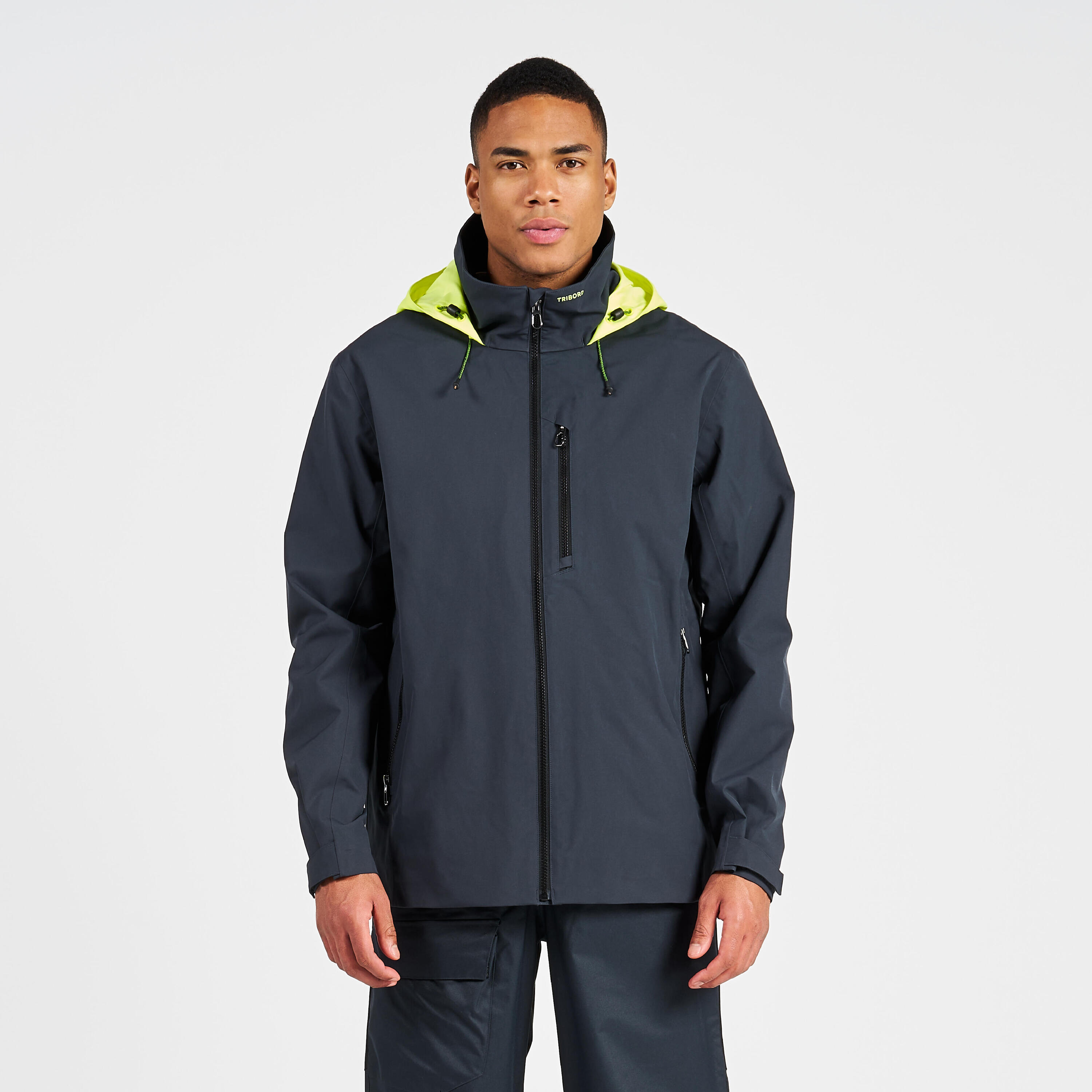
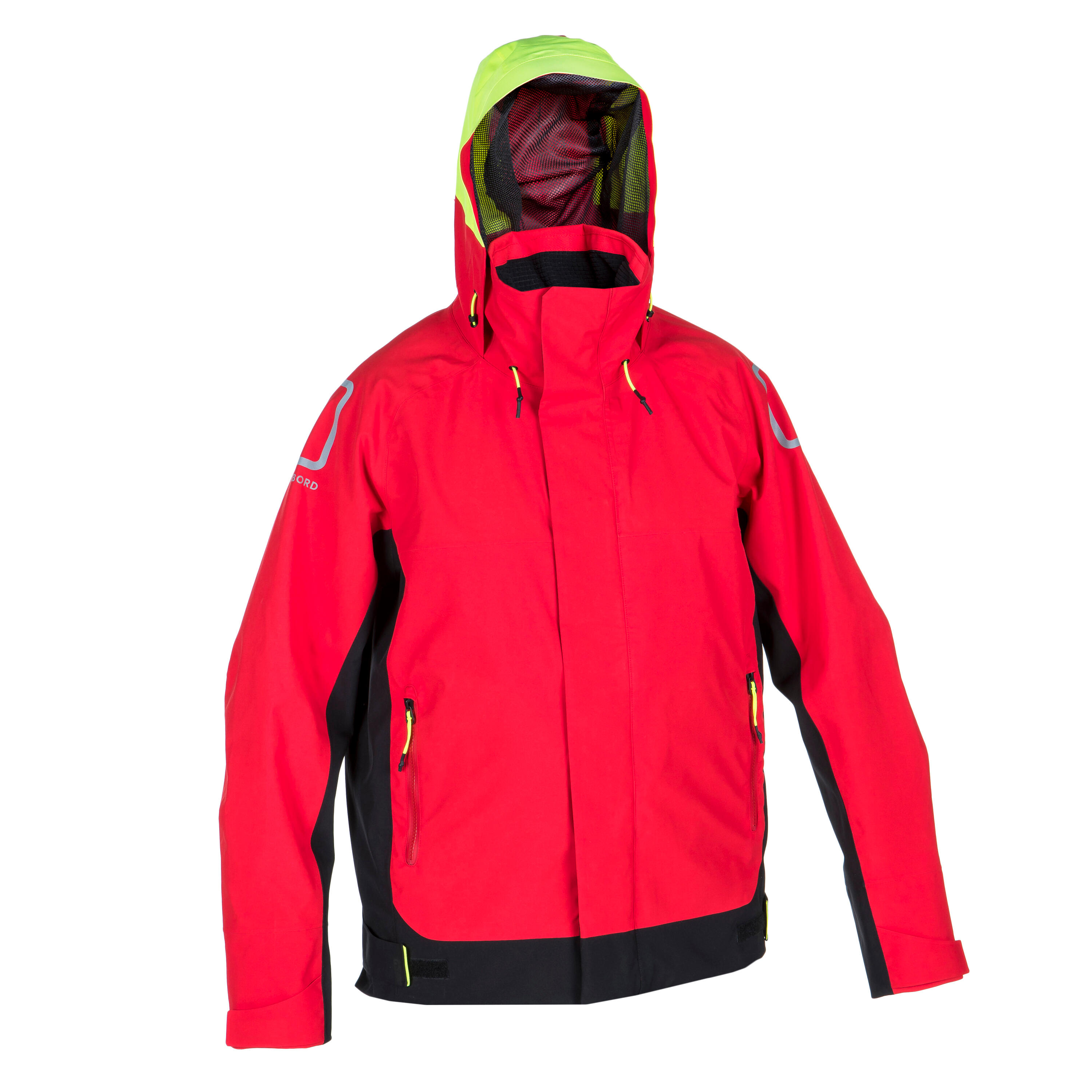
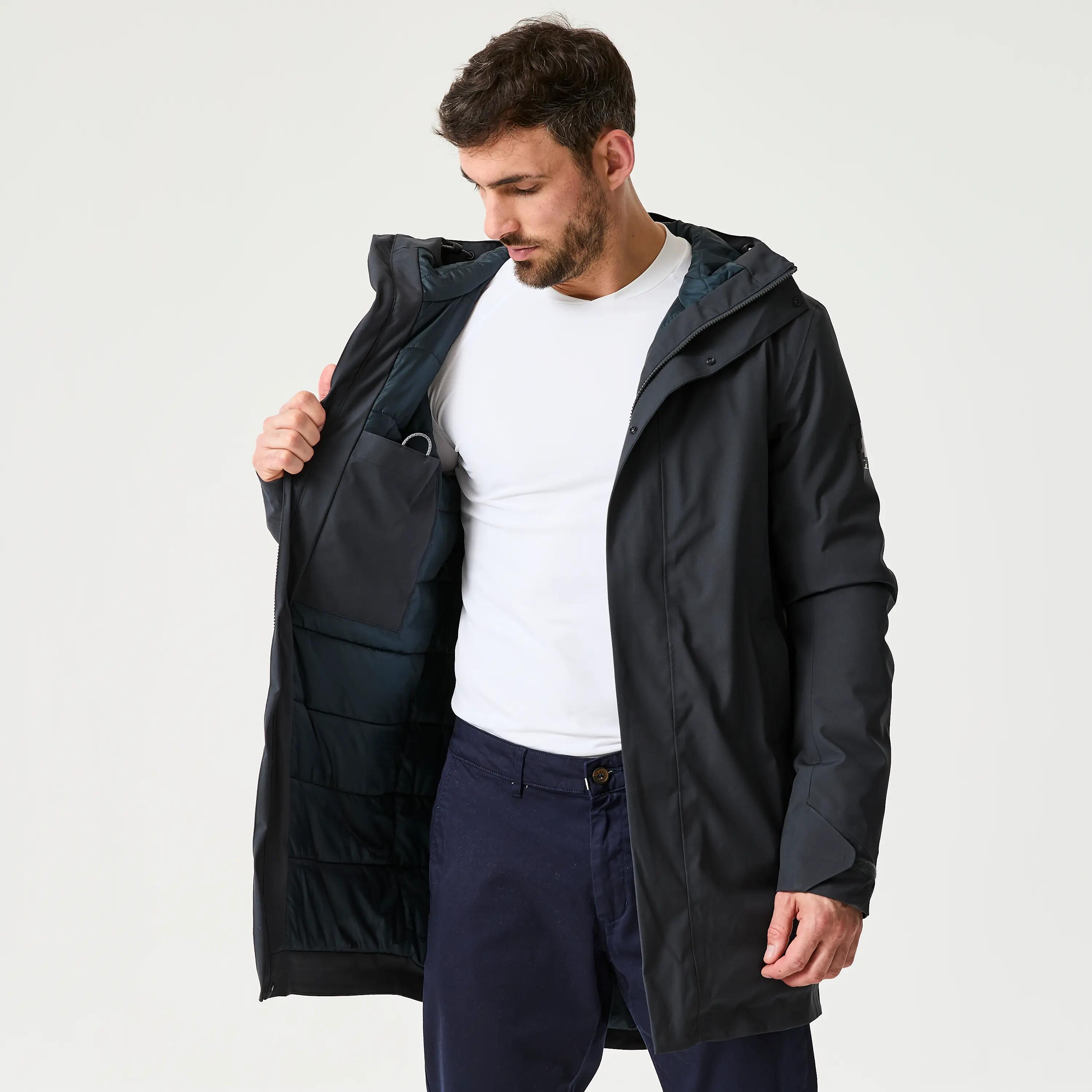
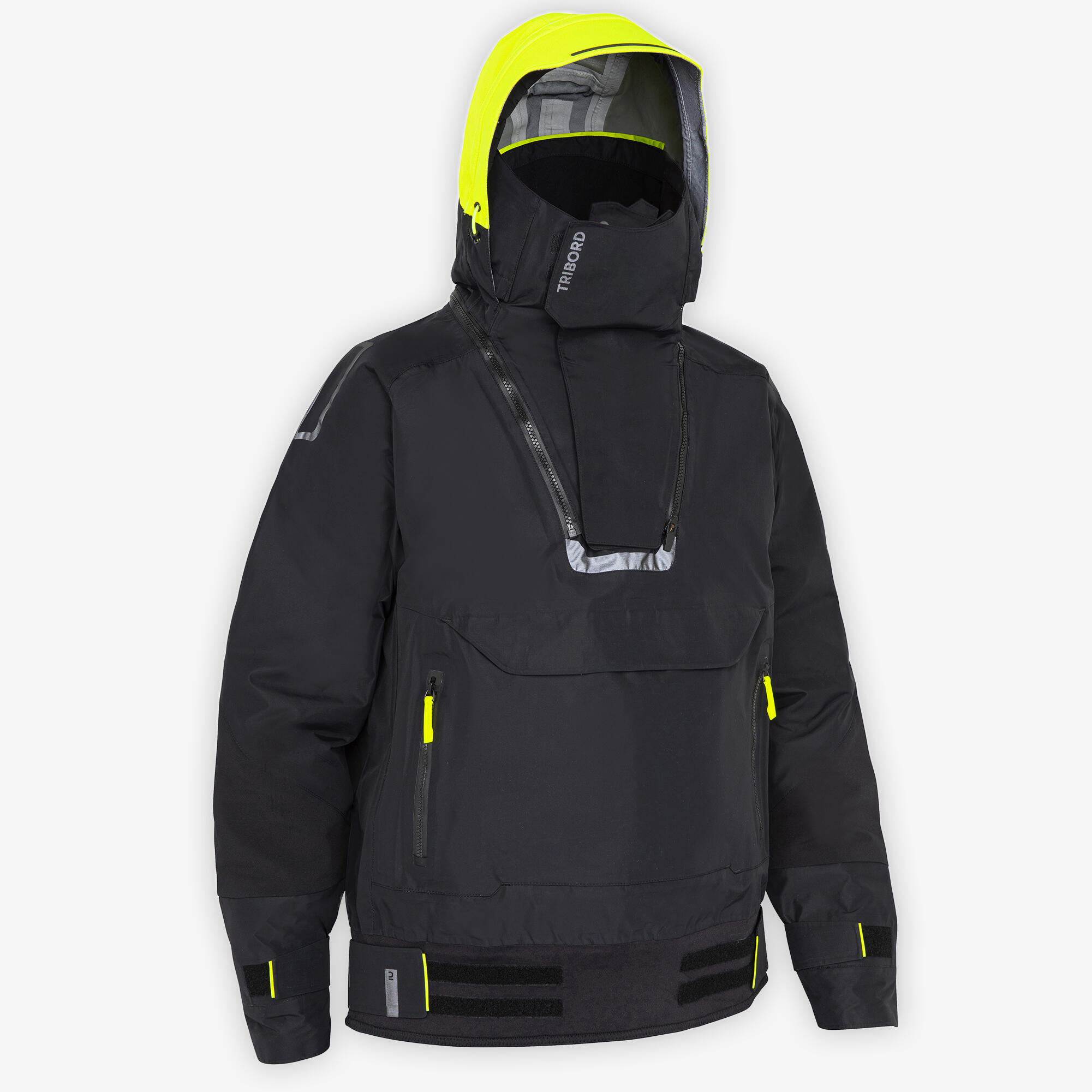
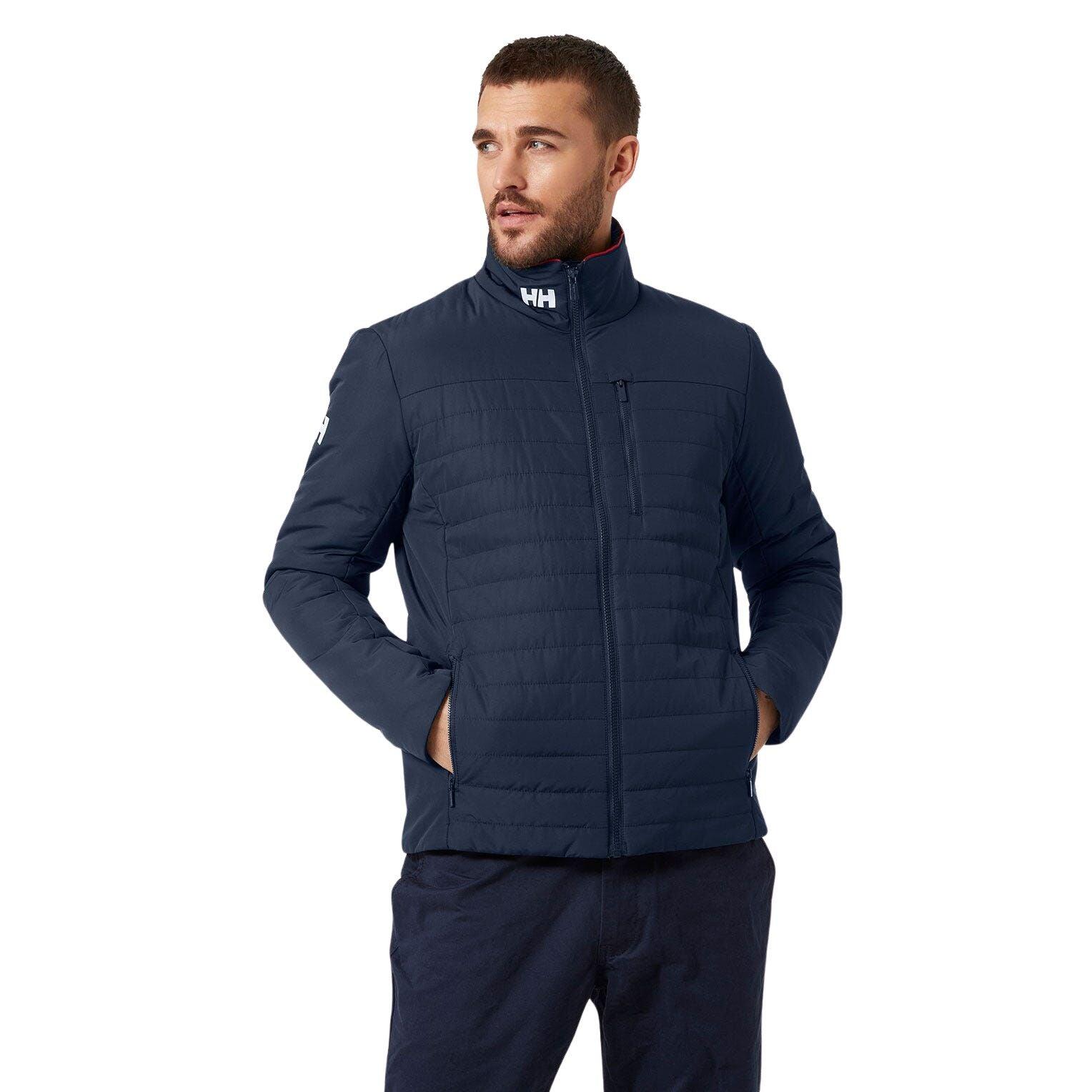
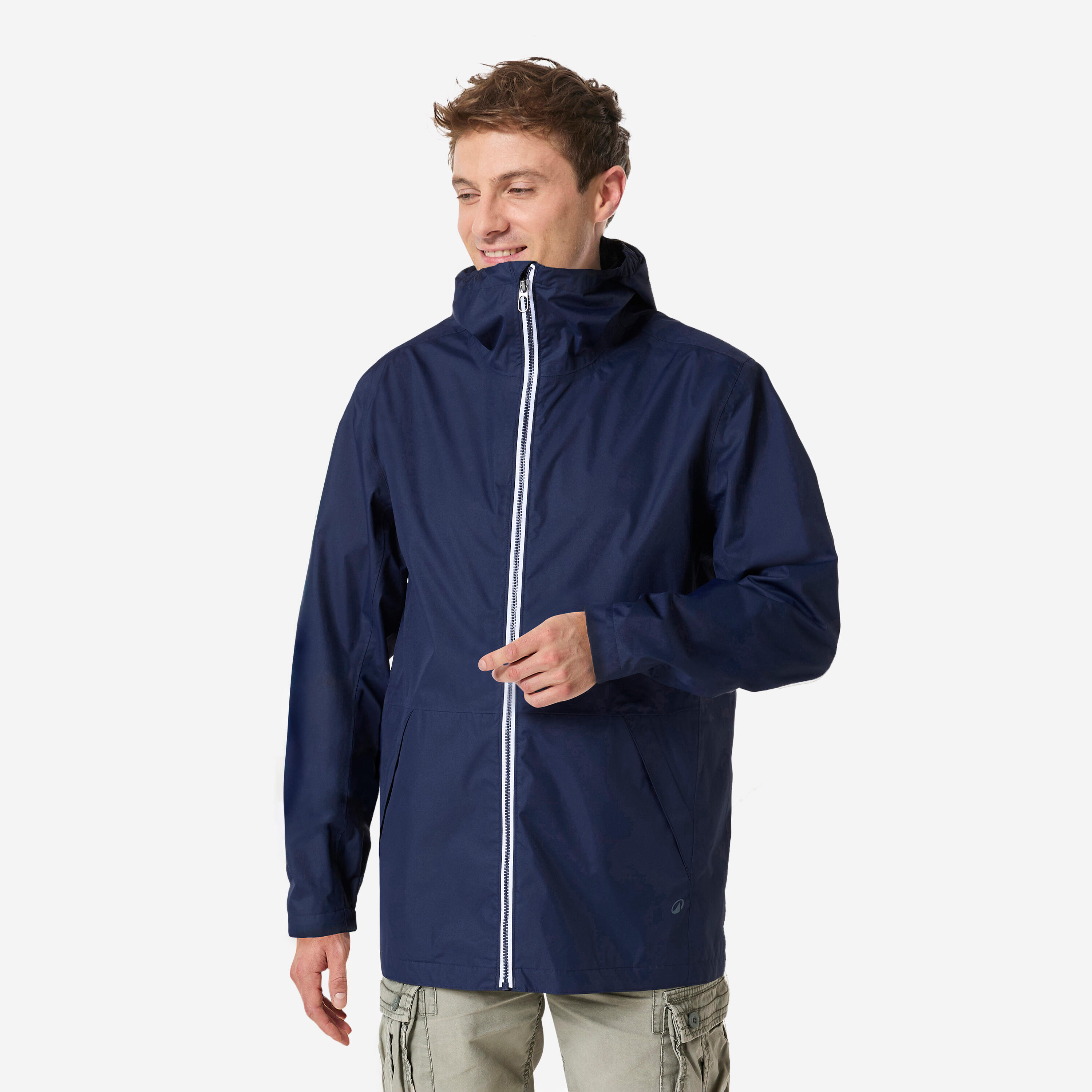
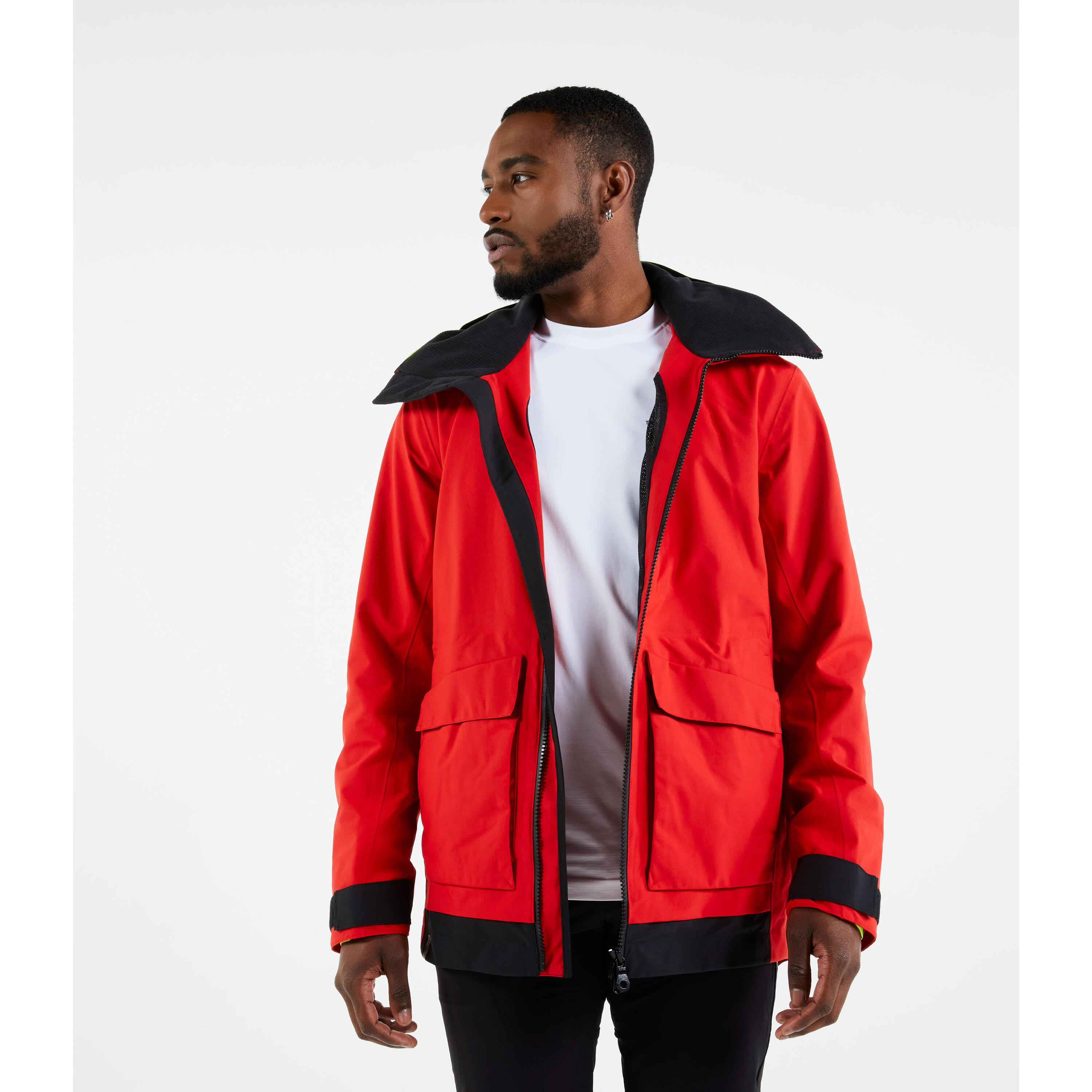
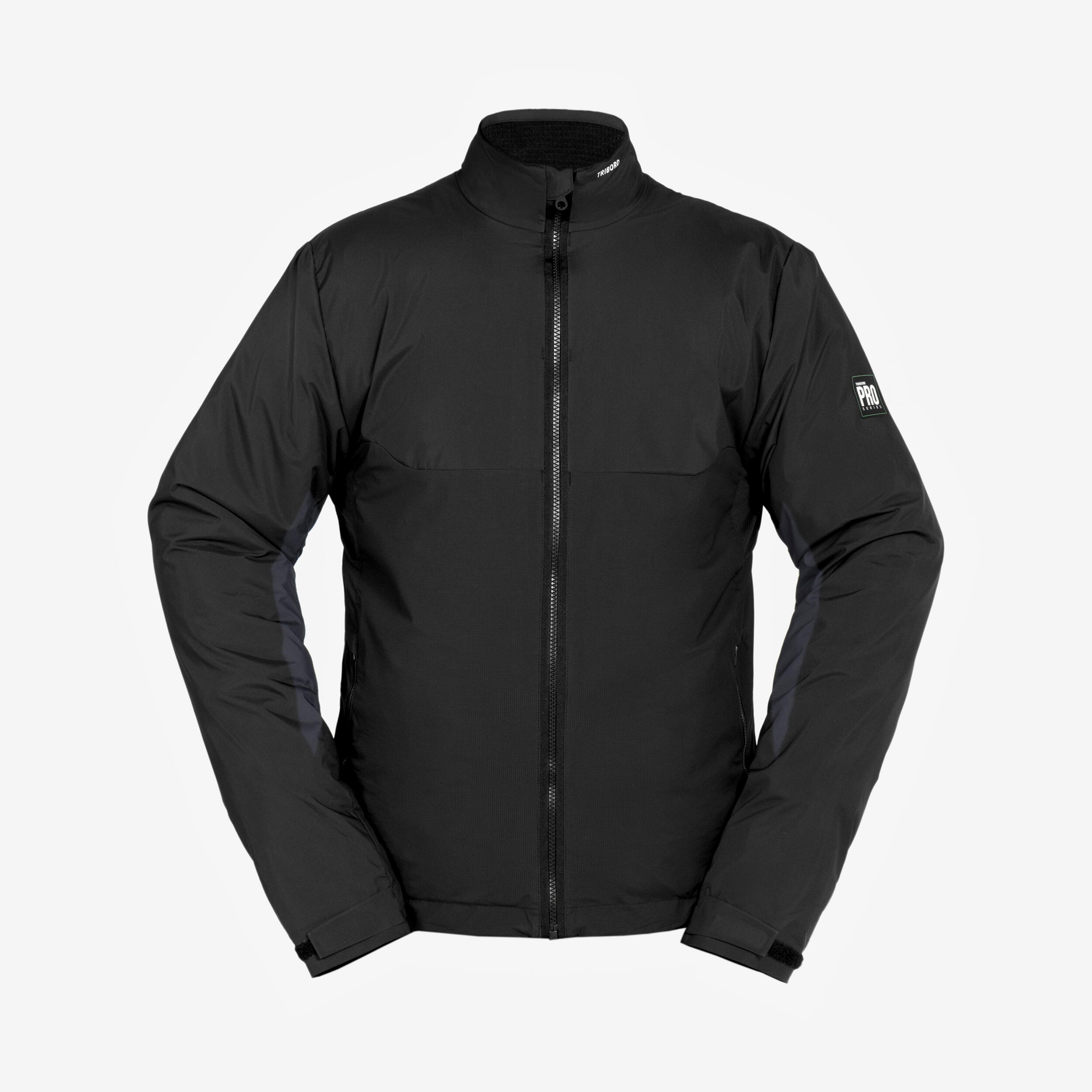
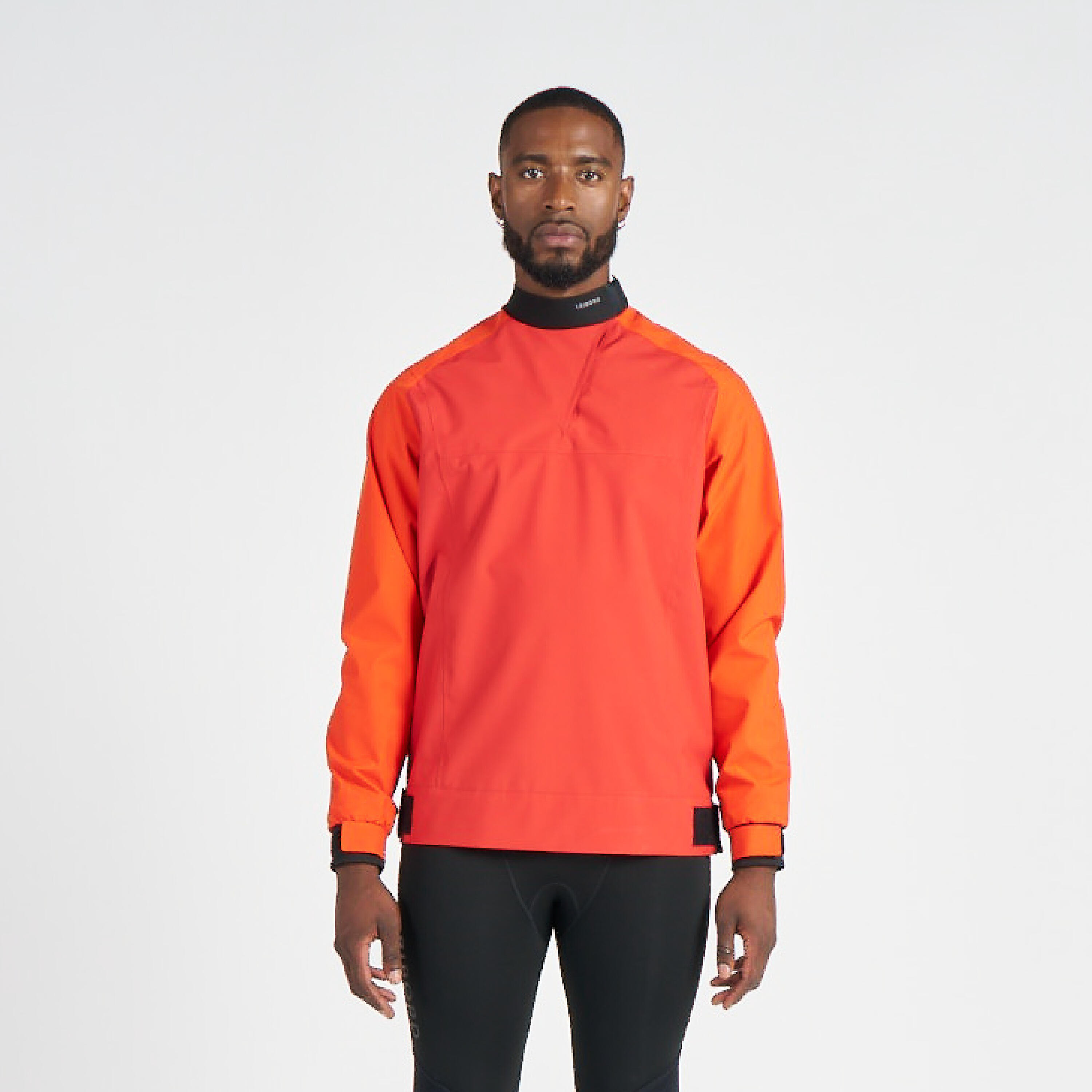
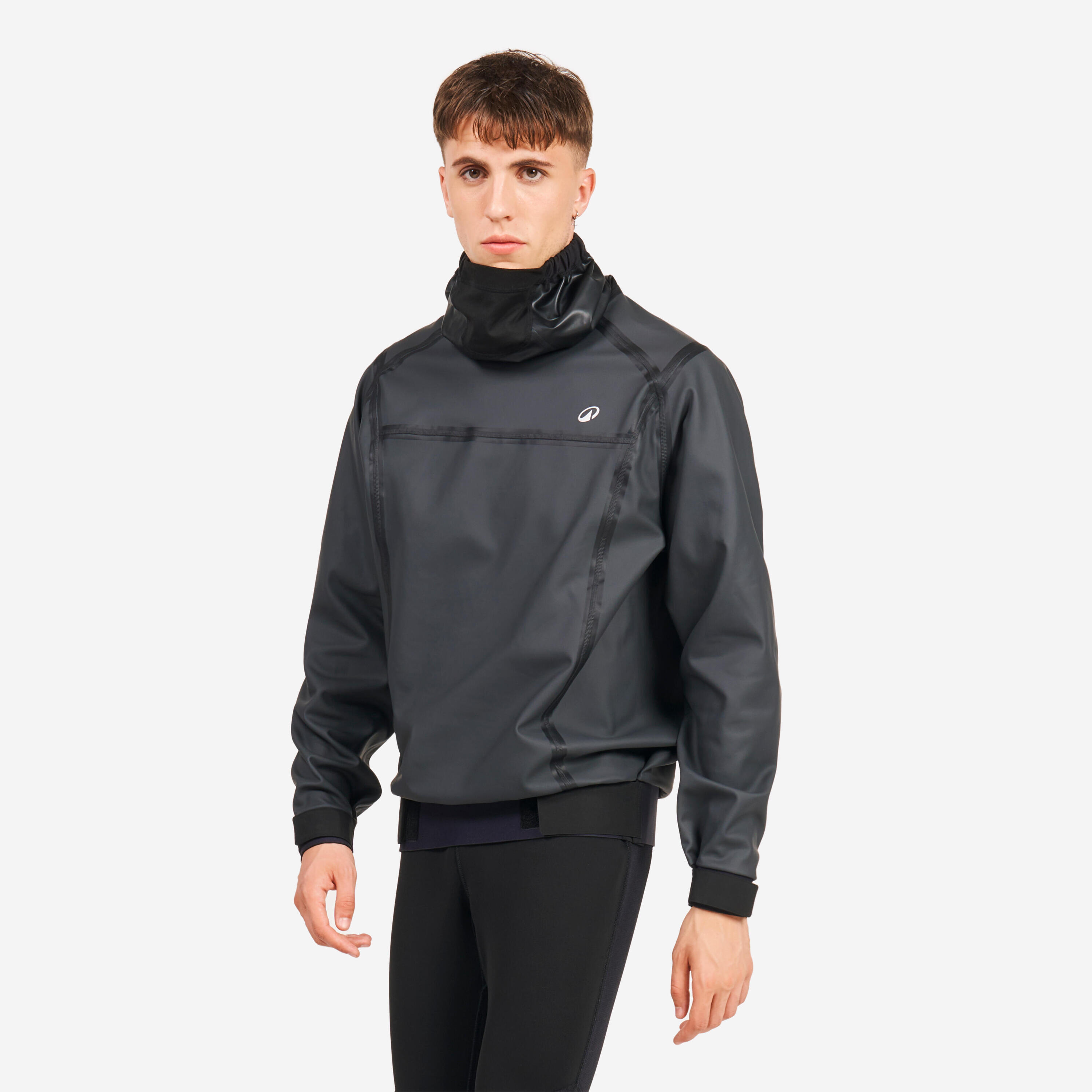
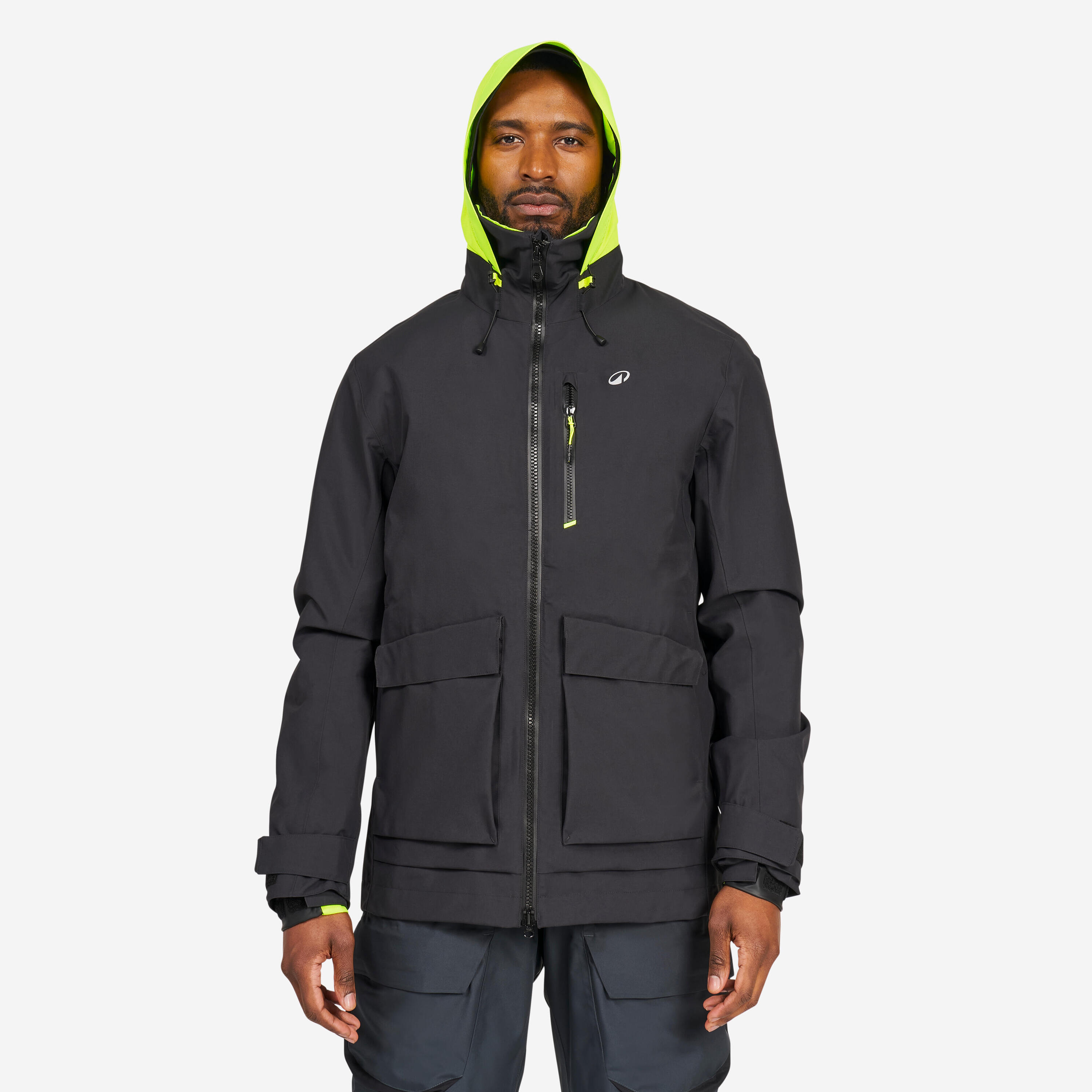
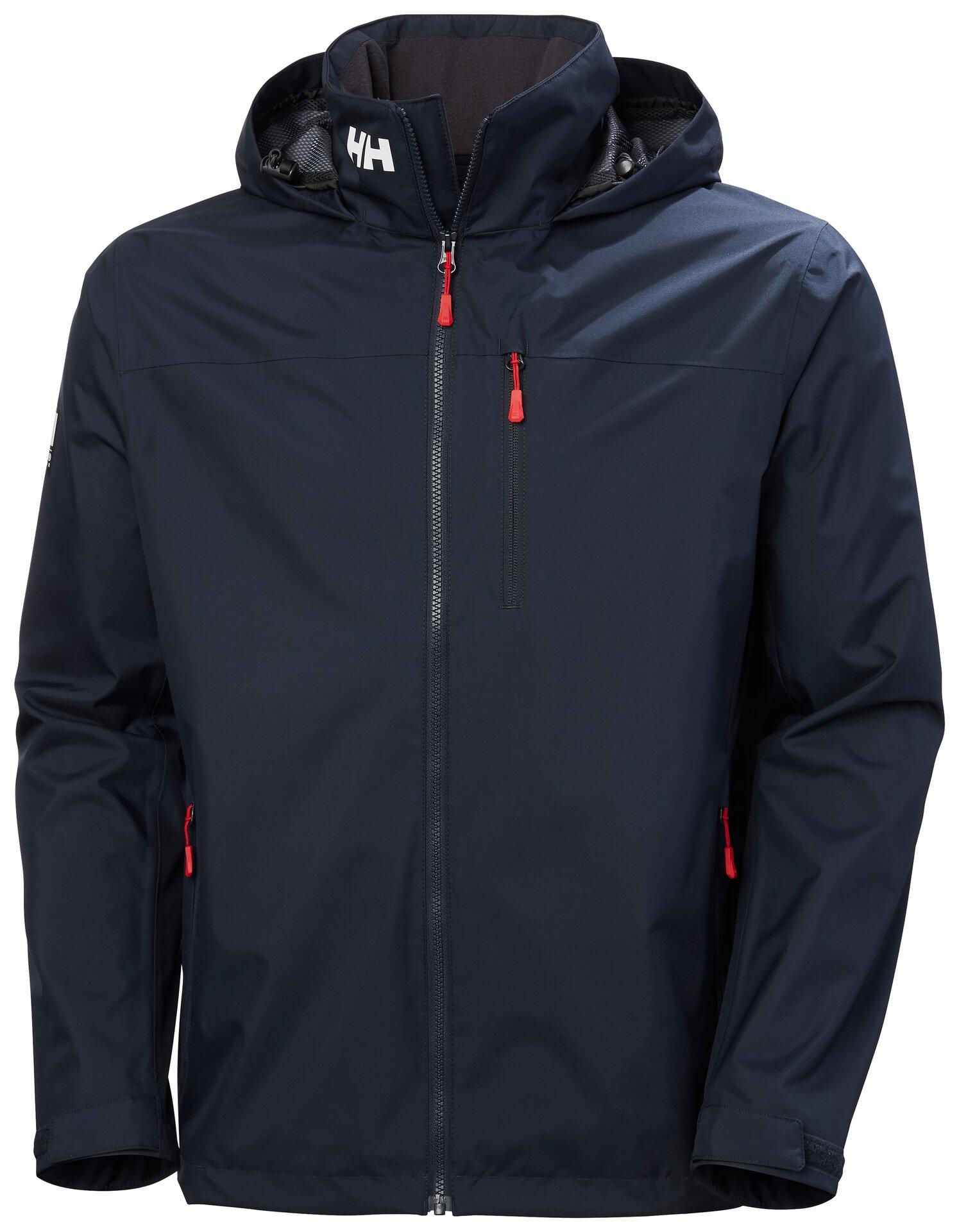
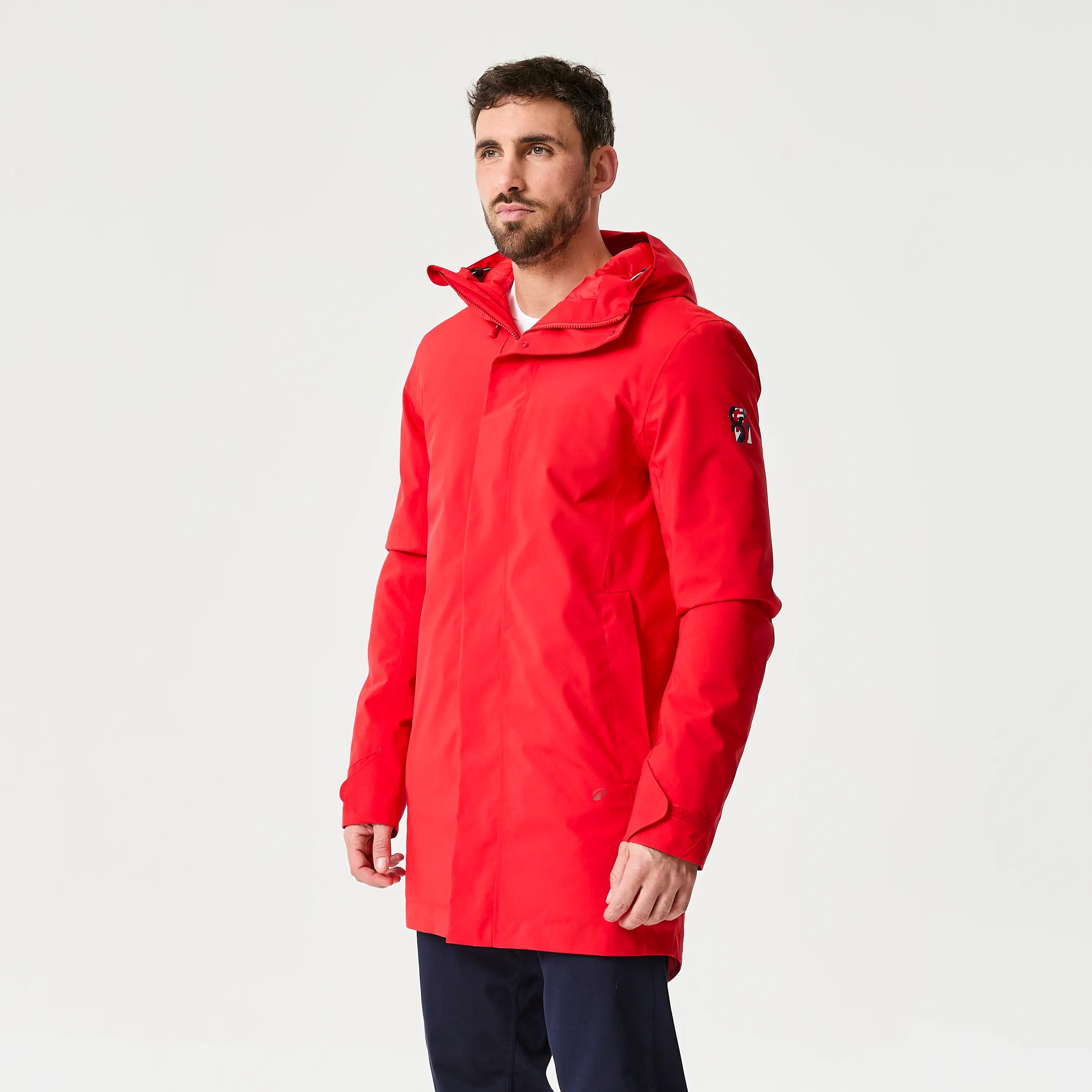
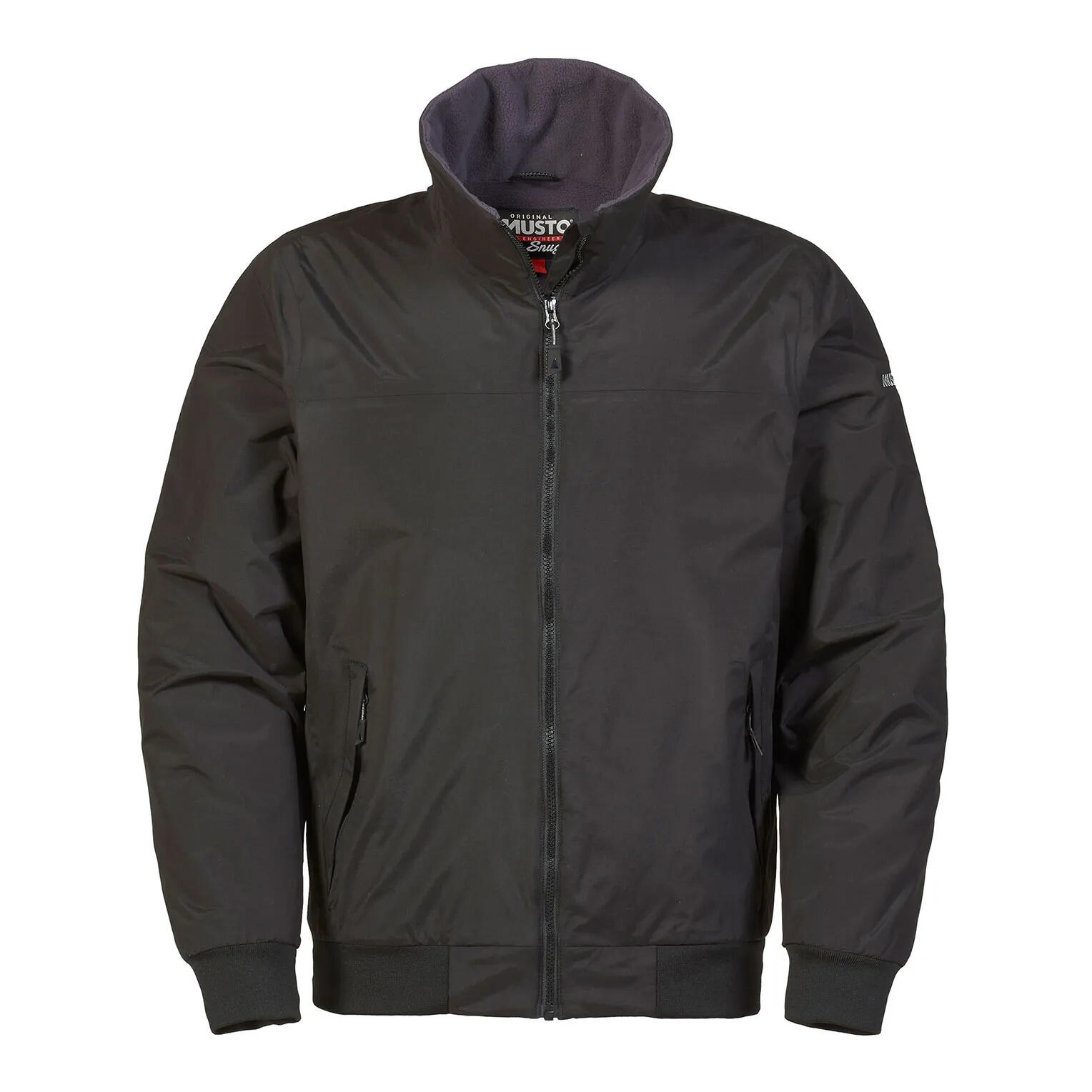
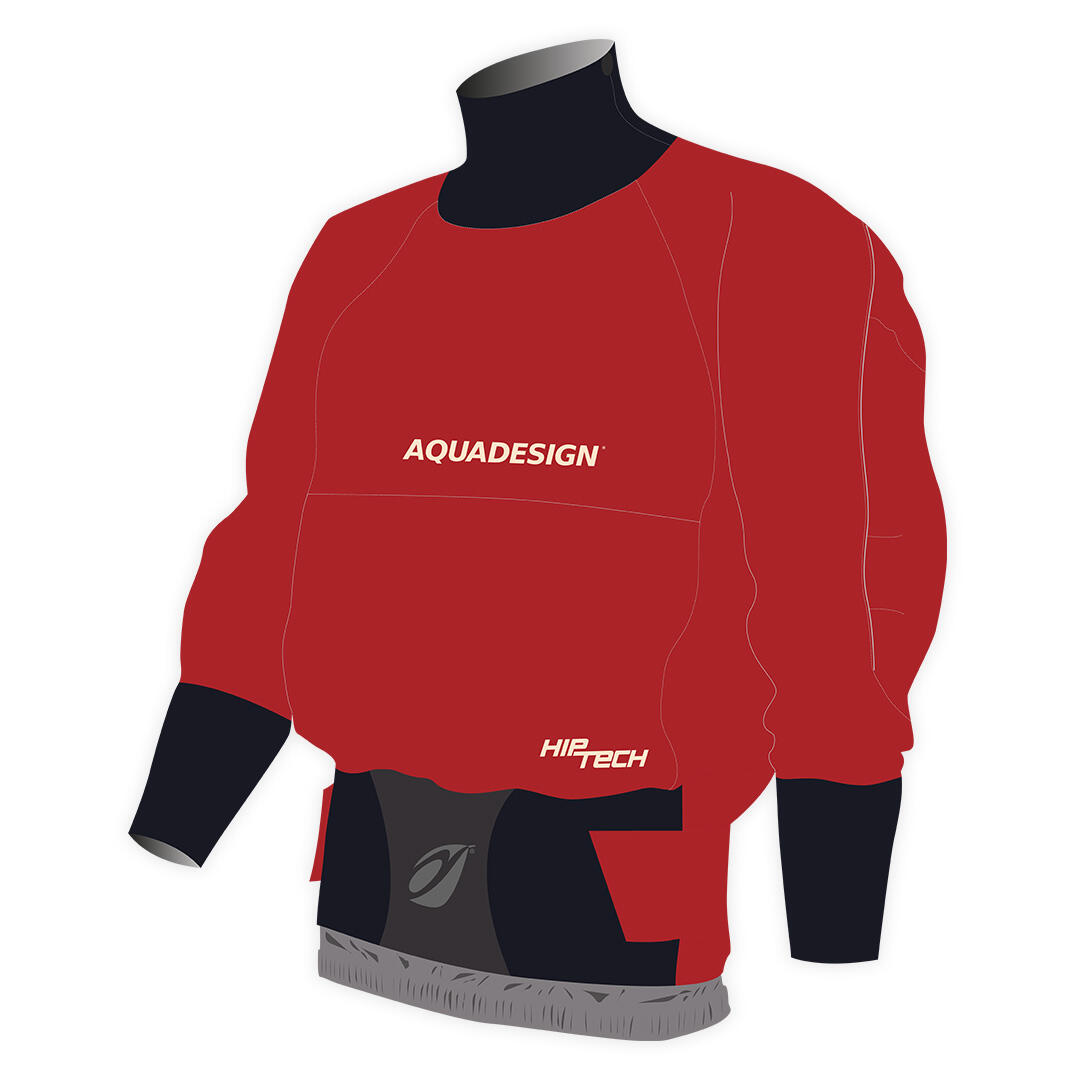
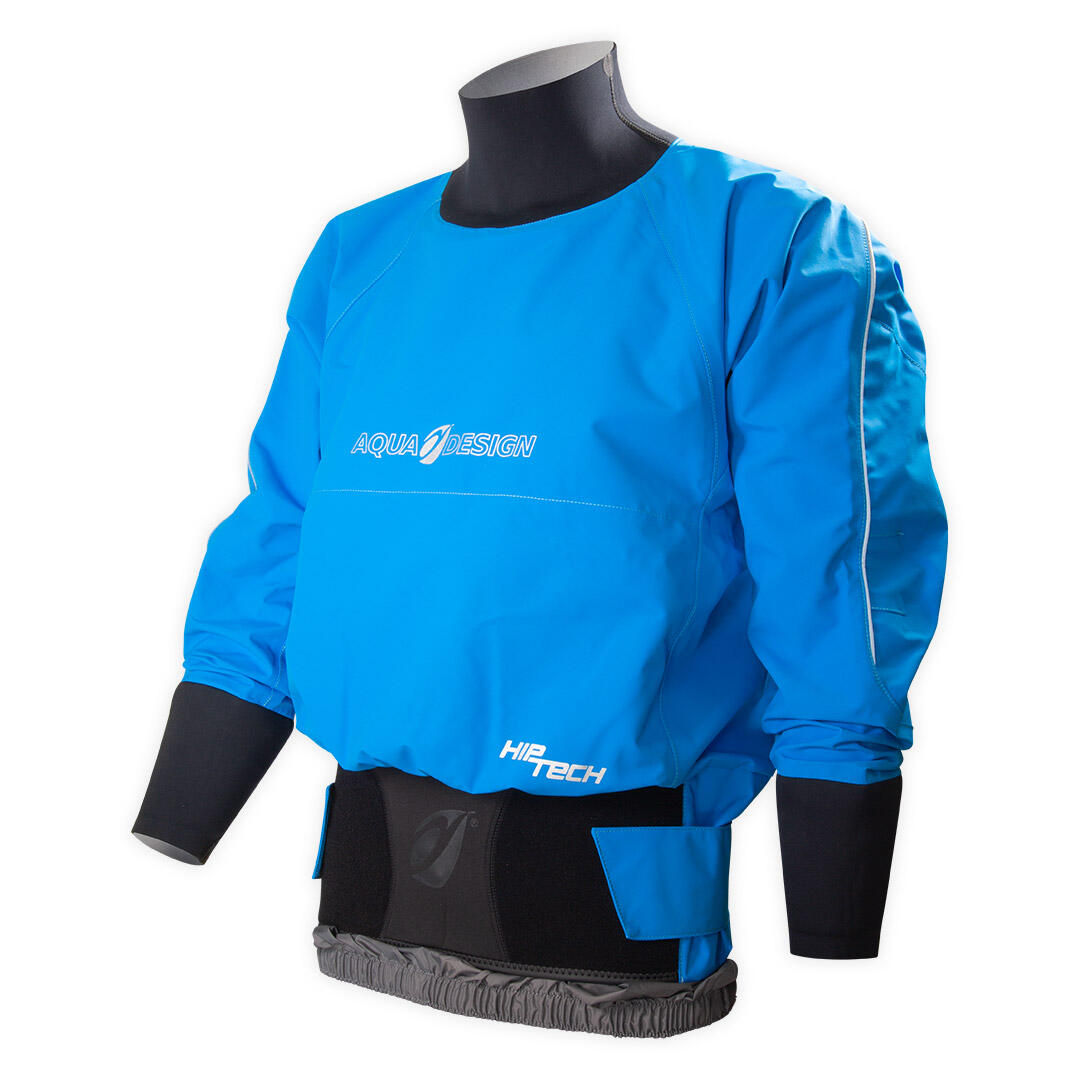
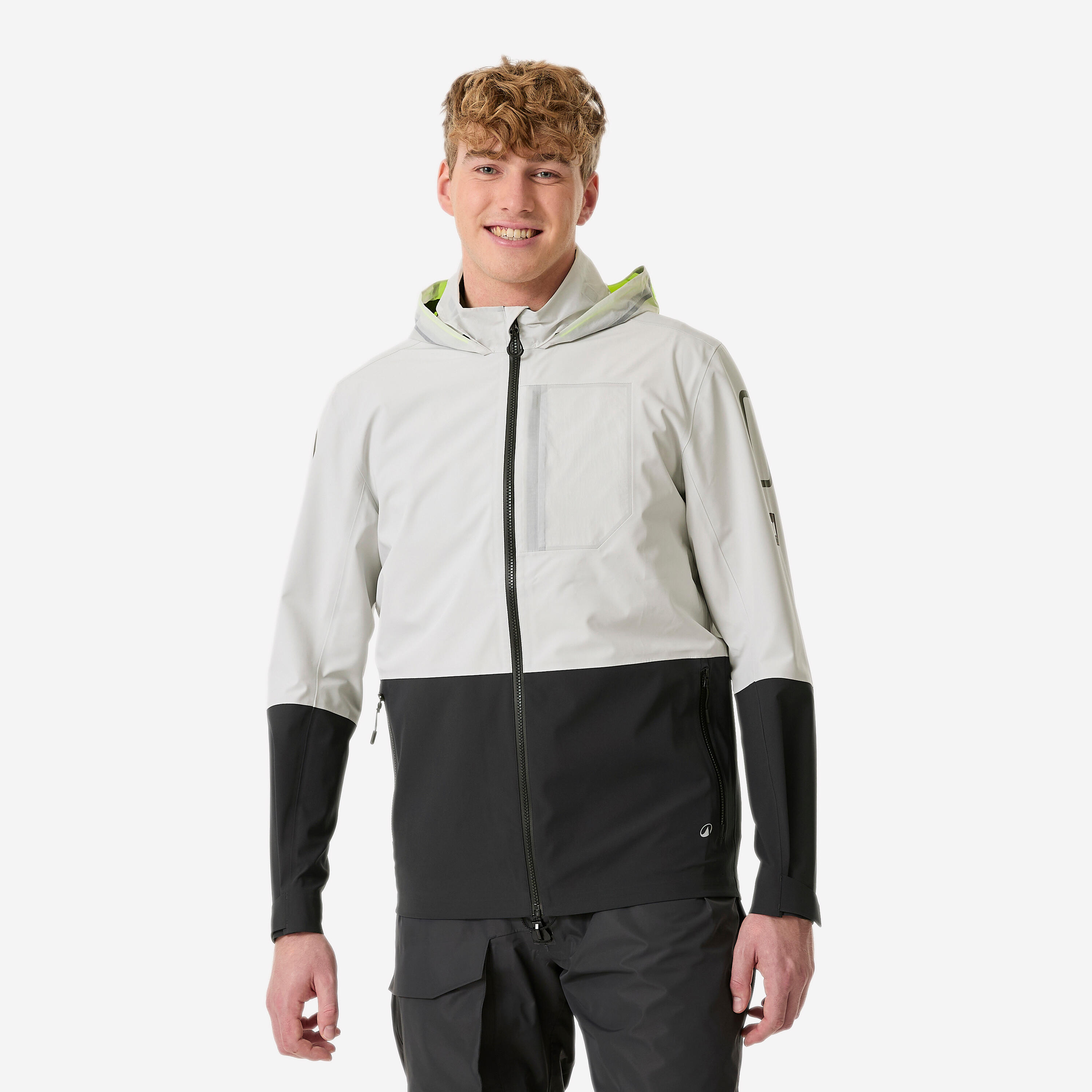
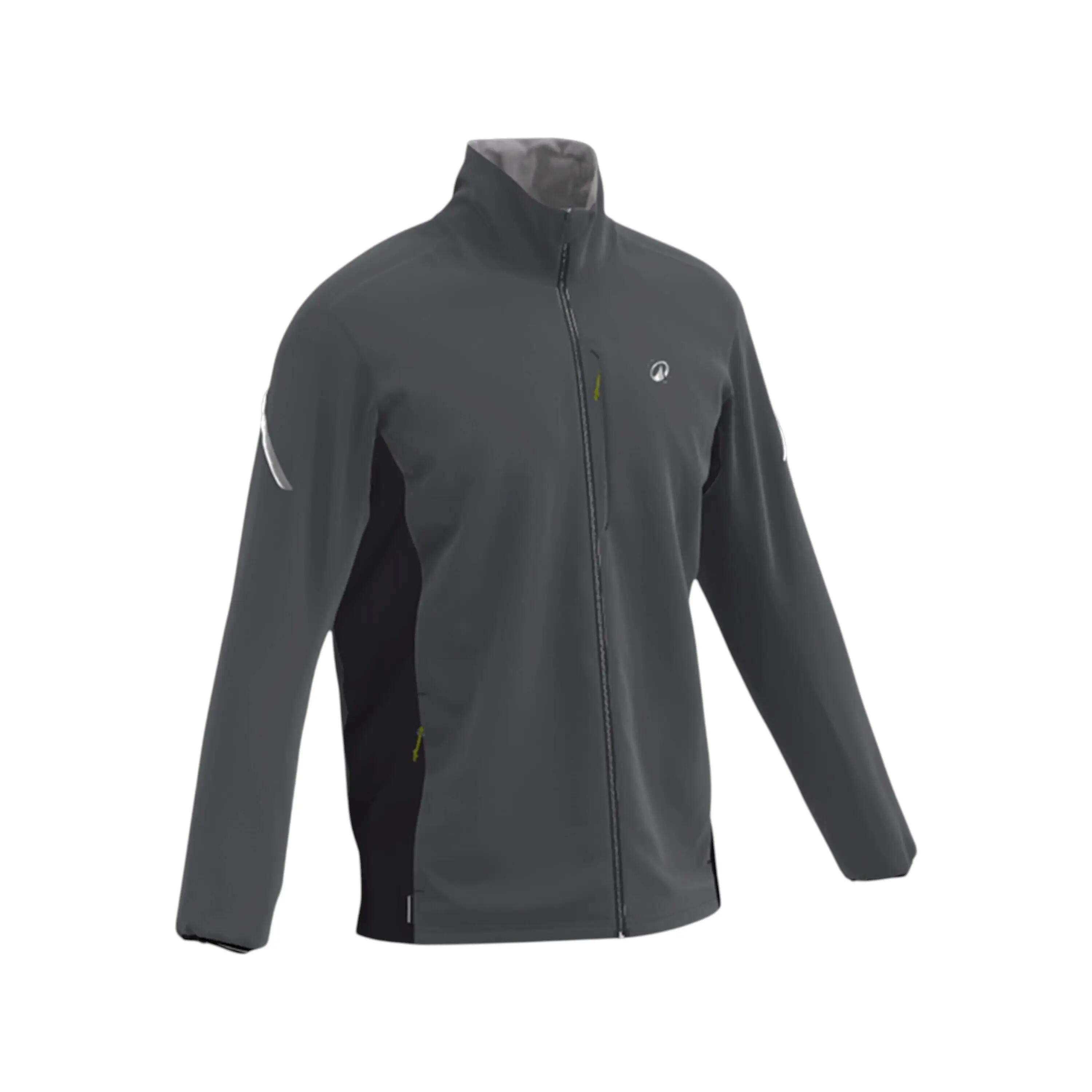
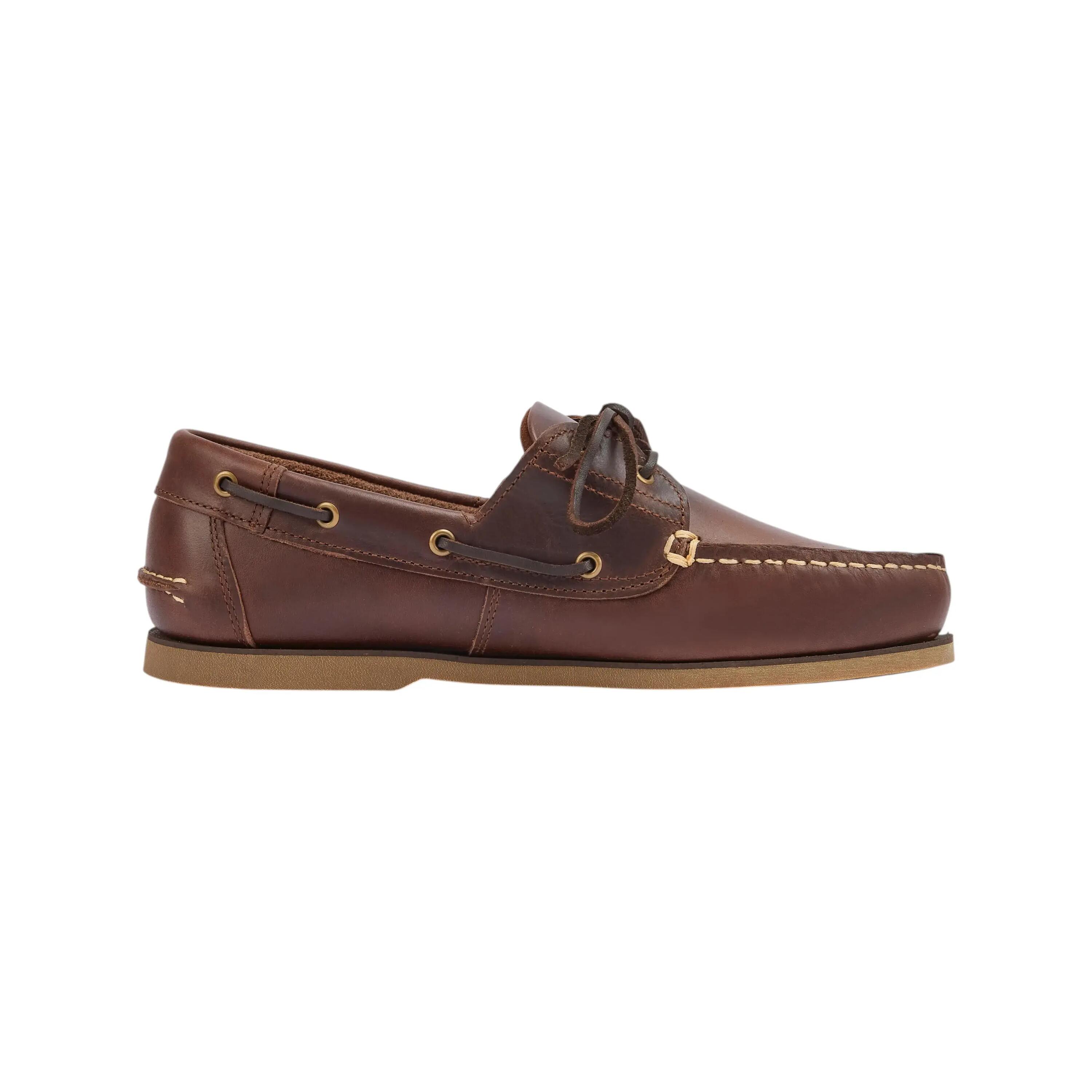
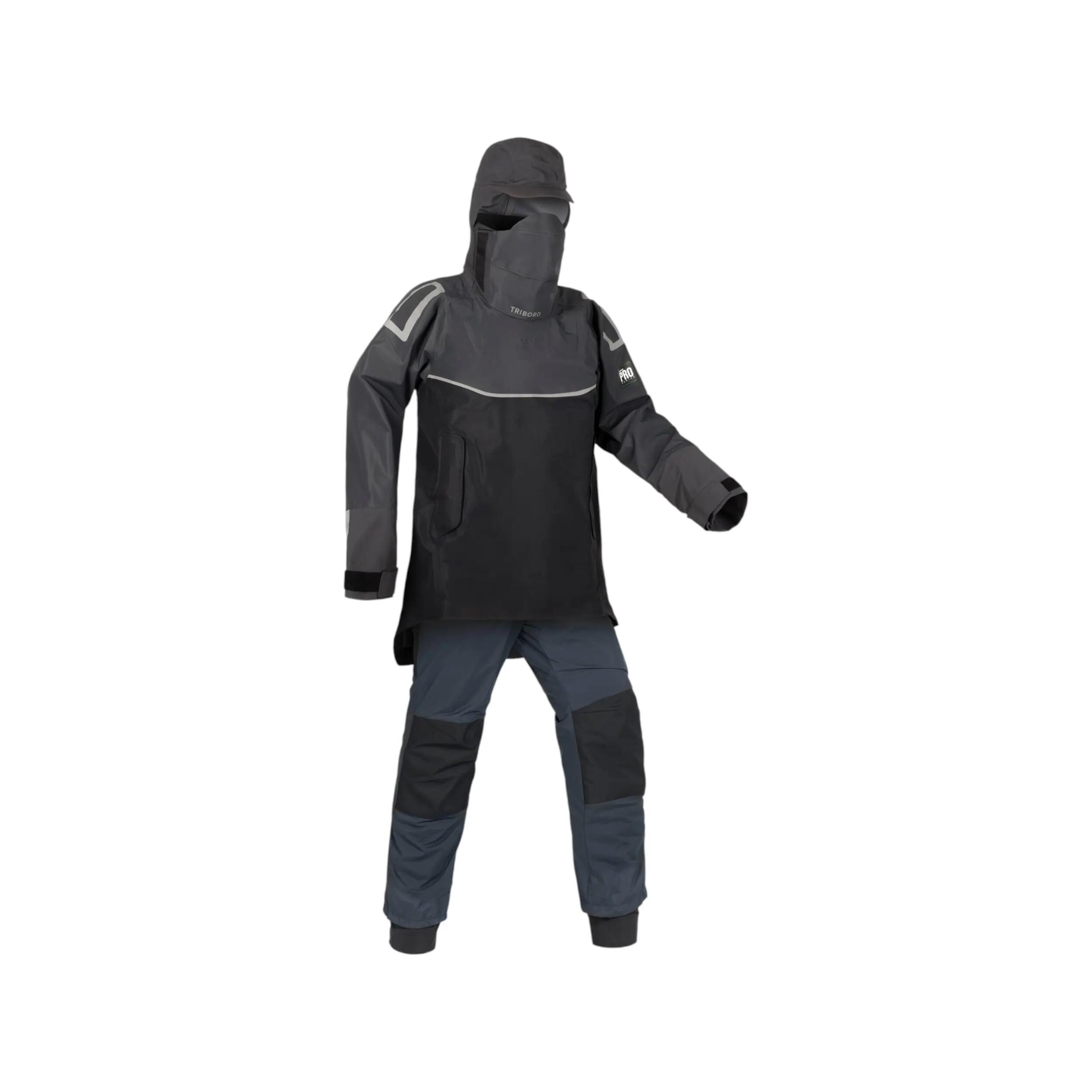
A sailing jacket opens fully at the front with a zip and storm flap, making it straightforward to put on and remove in a cockpit without taking off a safety harness. A smock pulls over the head and has no front opening beyond a short zip at the collar, which eliminates the full-length seam that a zip-front jacket requires to remain watertight at the chest. The absence of that seam means a smock maintains its waterproofing more reliably in sustained spray and boarding seas because there is no zip or flap to fail under sustained pressure. The trade-off is practical rather than technical: a smock is harder to ventilate quickly during physical work and takes longer to remove when moving between the deck and below. A jacket with a two-way zip resolves both issues but adds the seam back into the equation. The correct choice depends on the type of sailing being done; offshore passage crew tend to favour smocks for reliability in heavy conditions, while inshore and dinghy sailors often prefer the jacket for its ease of use across varied activity levels. A men's sailing jacket or smock performs best when paired with men's sailing shoes that provide reliable grip on wet decks, helping complete your on-deck sailing kit. Small tip: before buying, check whether the jacket or smock collar sits above or below your life jacket collar; the outer layer should always sit inside the life jacket to prevent water funnelling down the neck during inflation.
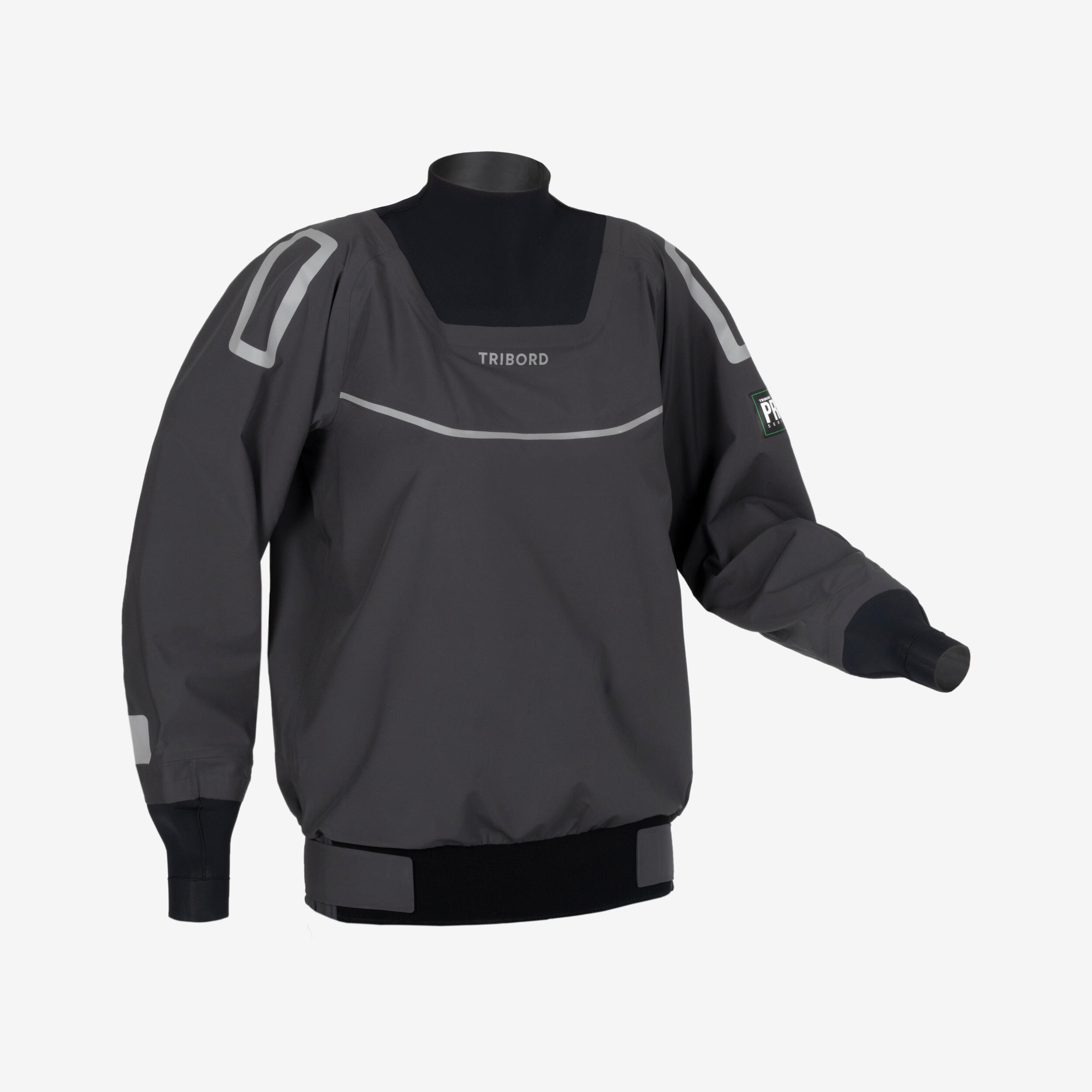
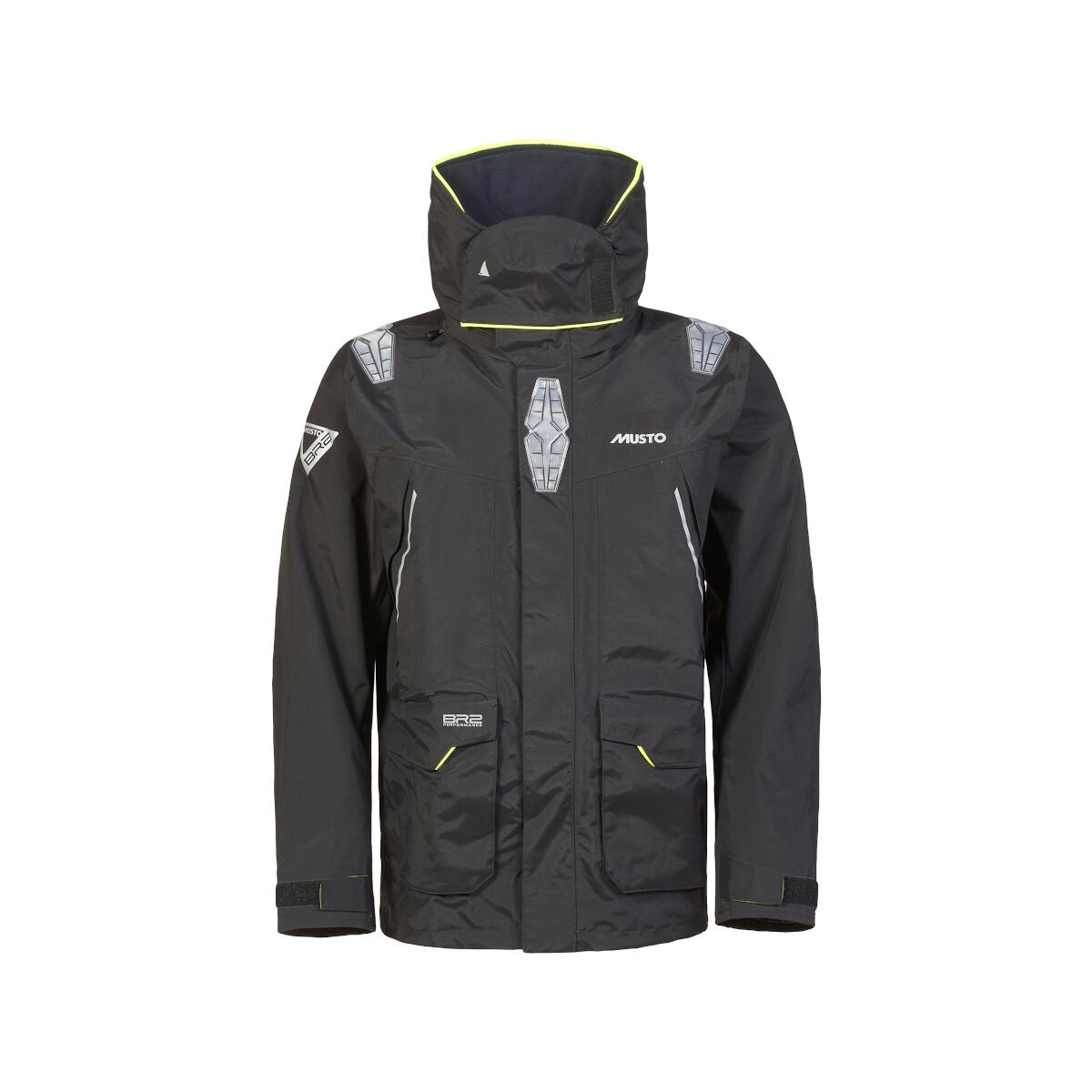
What seam construction should a sailing jacket have for Atlantic coastal conditions?

Taped seams apply a waterproof strip over a stitched seam from the inside, sealing the needle holes that stitching creates. Fully taped seams cover every seam in the jacket and are the standard for offshore and coastal sailing in conditions where sustained spray and rain enter from multiple angles simultaneously. Critically taped or partially taped constructions cover only the main seams on the shoulders and back, which suits lighter inshore use but allows water ingress at the arm seams and side panels over time in heavier conditions. Welded or heat-bonded seams, used on the most technical offshore models, create a stronger bond than tape adhesive and do not degrade with the repeated flexing that occurs around the shoulder and elbow areas. An outer shell alone won't keep you warm below deck. A mid-layer from the men's sailing fleeces, soft-shells, and sweaters range supplies the insulation the jacket is missing.

When does a sailing smock outperform a jacket for racing on a keelboat?

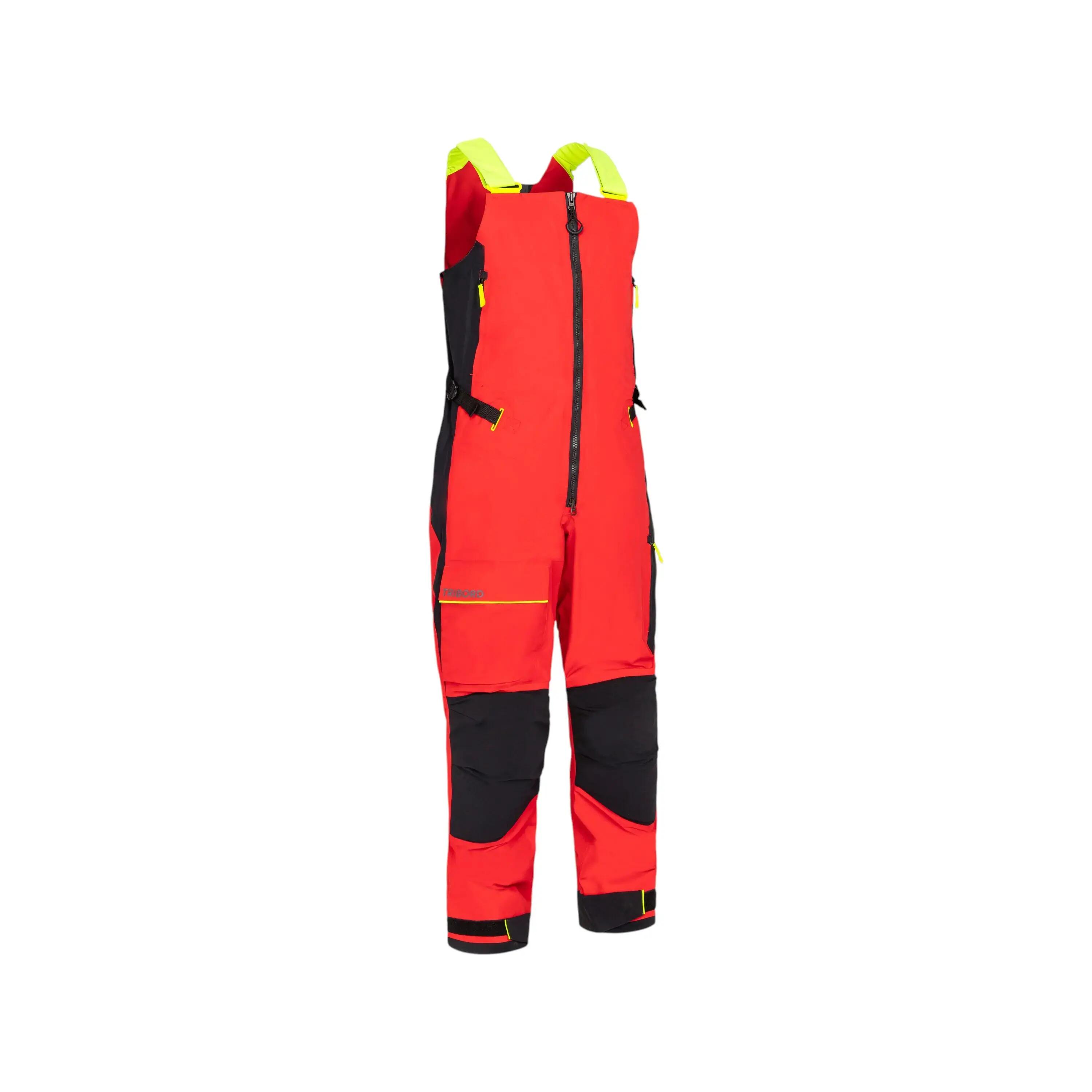
Racing on a keelboat involves repeated physical exertion: grinding winches, tending sheets, and moving across the deck during tacks and gybes. A smock's sealed front panel means there is no zip edge to abrade a safety harness tether attachment point and no flap to catch on cleats or fairleads during movement. The close-fitting collar of a smock also retains heat more efficiently when the body cools rapidly between high-intensity manoeuvres and periods of waiting in the cockpit. For keelboat racing in spring and autumn, the combination of smock and salopette creates a sealed system at the waist that prevents water ingress at the junction between the two garments. Completing the deck kit with men's sailing trousers and bermudas suited to the season also ensures the lower-body insulation and waterproofing match the jacket specification.

How should I layer a men's sailing jacket for wet coastal sailing?

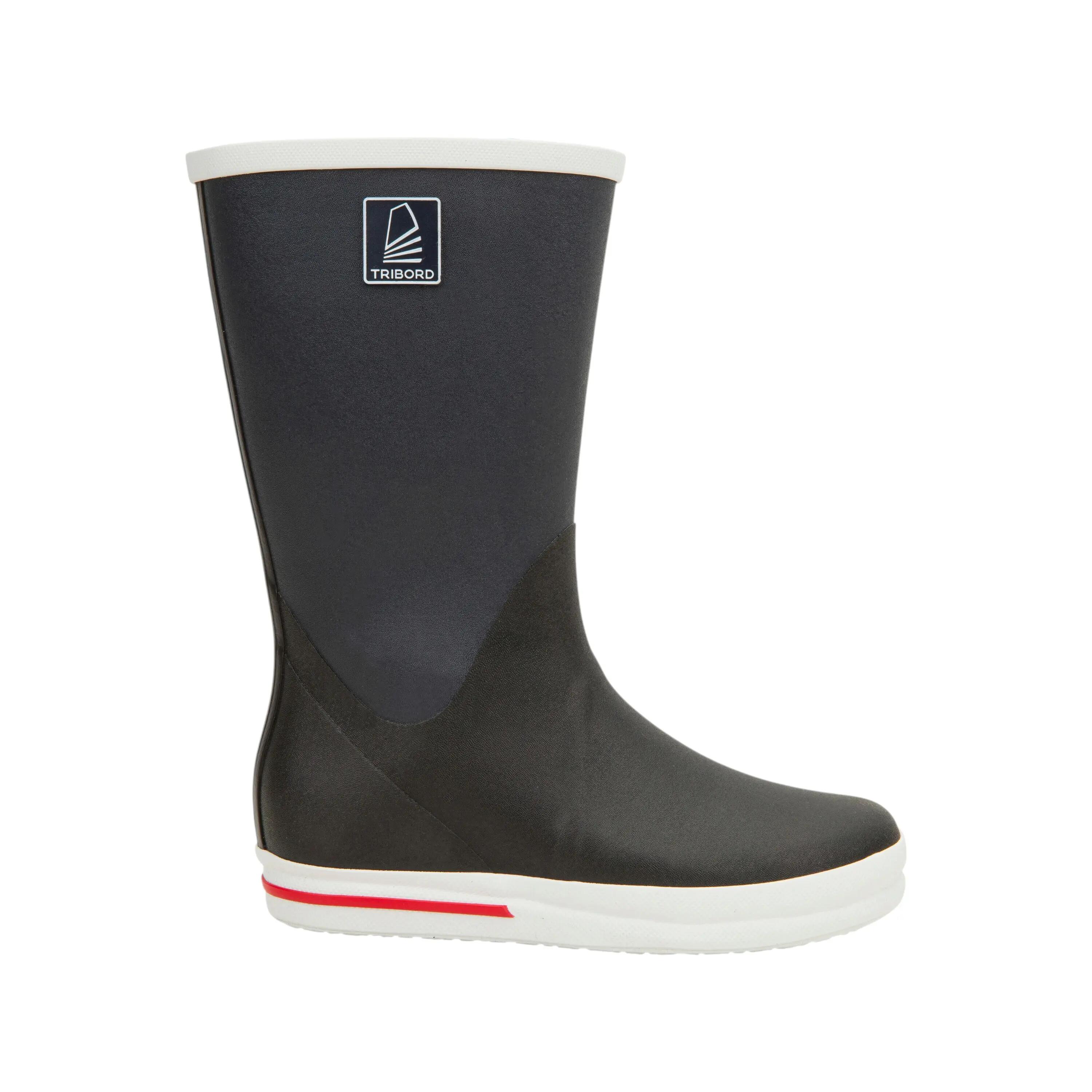
A men's sailing jacket performs best when paired with the right footwear for changing coastal conditions. Wet decks, regular spray and boarding from a dinghy call for clothing that keeps you dry from head to toe. A waterproof jacket protects your upper body from wind and spray, while men's sailing boots provide grip on wet fibreglass or teak decks, ankle support on a heeled boat and reliable waterproofing during wet entries. Mid-height neoprene boots suit active manoeuvres thanks to their flexibility, while taller insulated styles offer extra warmth for longer offshore watches. Choosing footwear that matches your jacket helps create a practical sailing kit for coastal passages.

How does a sailing jacket layer over a wetsuit for dinghy and keelboat sailing in cold water?

A wetsuit manages thermal protection through water immersion, but a sailing jacket worn over it addresses wind chill and spray exposure during time on deck between capsizes or in the boat. The jacket needs to be cut wide enough at the shoulders and chest to accommodate the neoprene bulk underneath without restricting paddle or trimming movement, and a two-way stretch wrist cuff that seals against the wetsuit cuff rather than a loose sleeve end prevents cold water from being pushed up the arm during submersion. The outer jacket also protects the neoprene surface from abrasion against deck hardware and rope, which extends the wetsuit's useful life significantly. A jacket worn over men's sailing wetsuits helps maintain comfort during dinghy and keelboat sailing, where immersion is a regular rather than exceptional event.