16 items
4.5/5 based on 780 reviews collected online and in stores

Women's Sailing Dungarees & Bibs FAQs

Which features matter most in women's sailing dungarees for varied conditions?

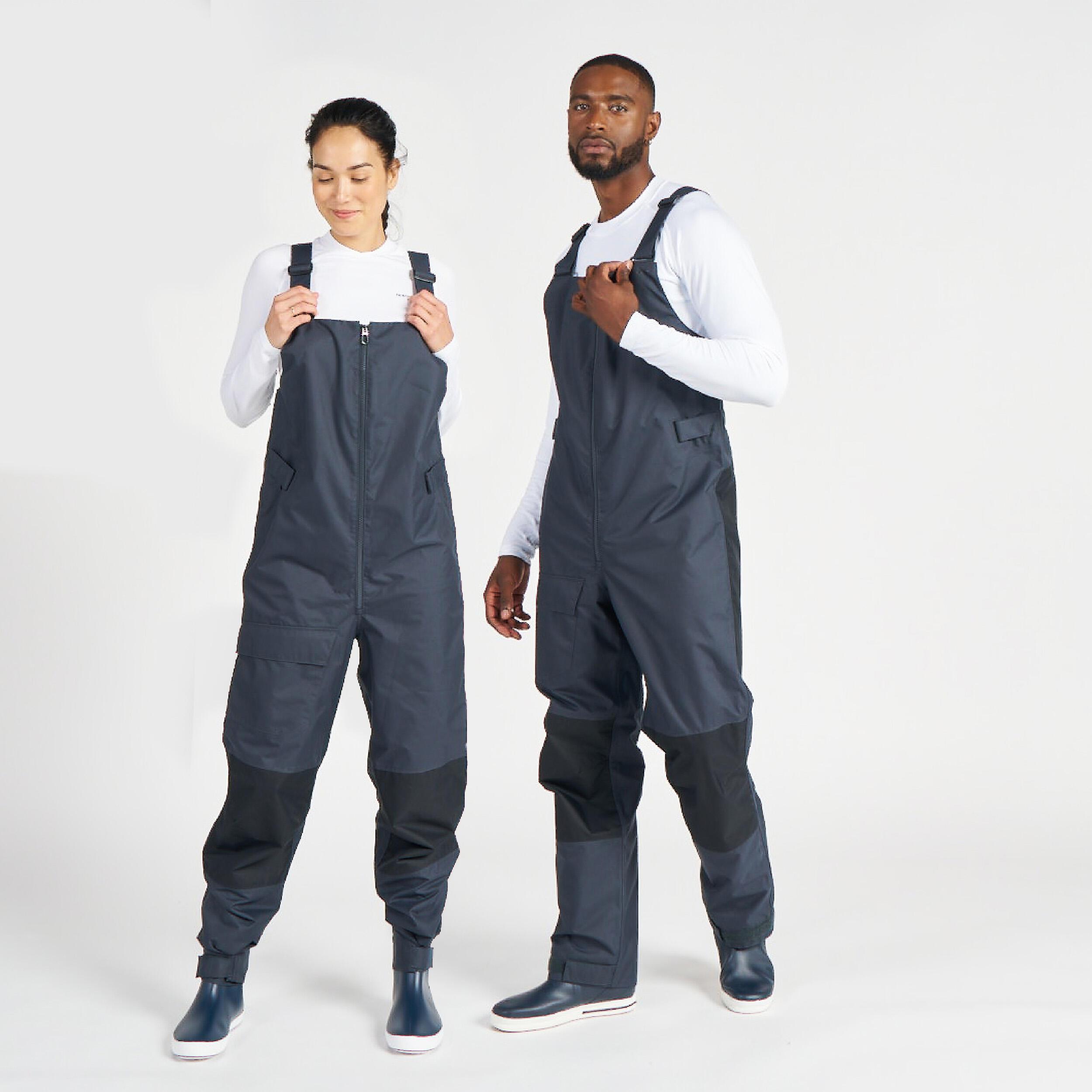
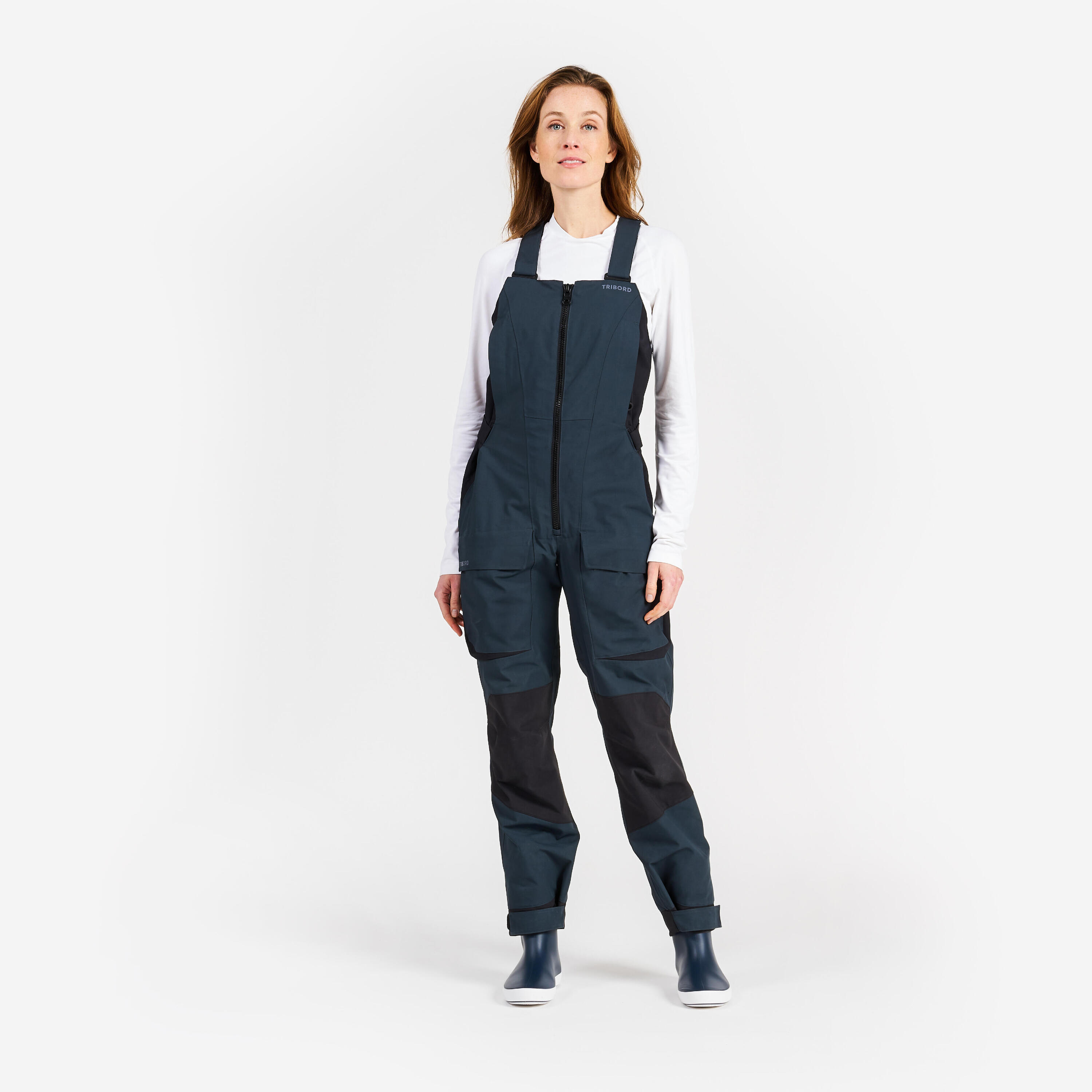
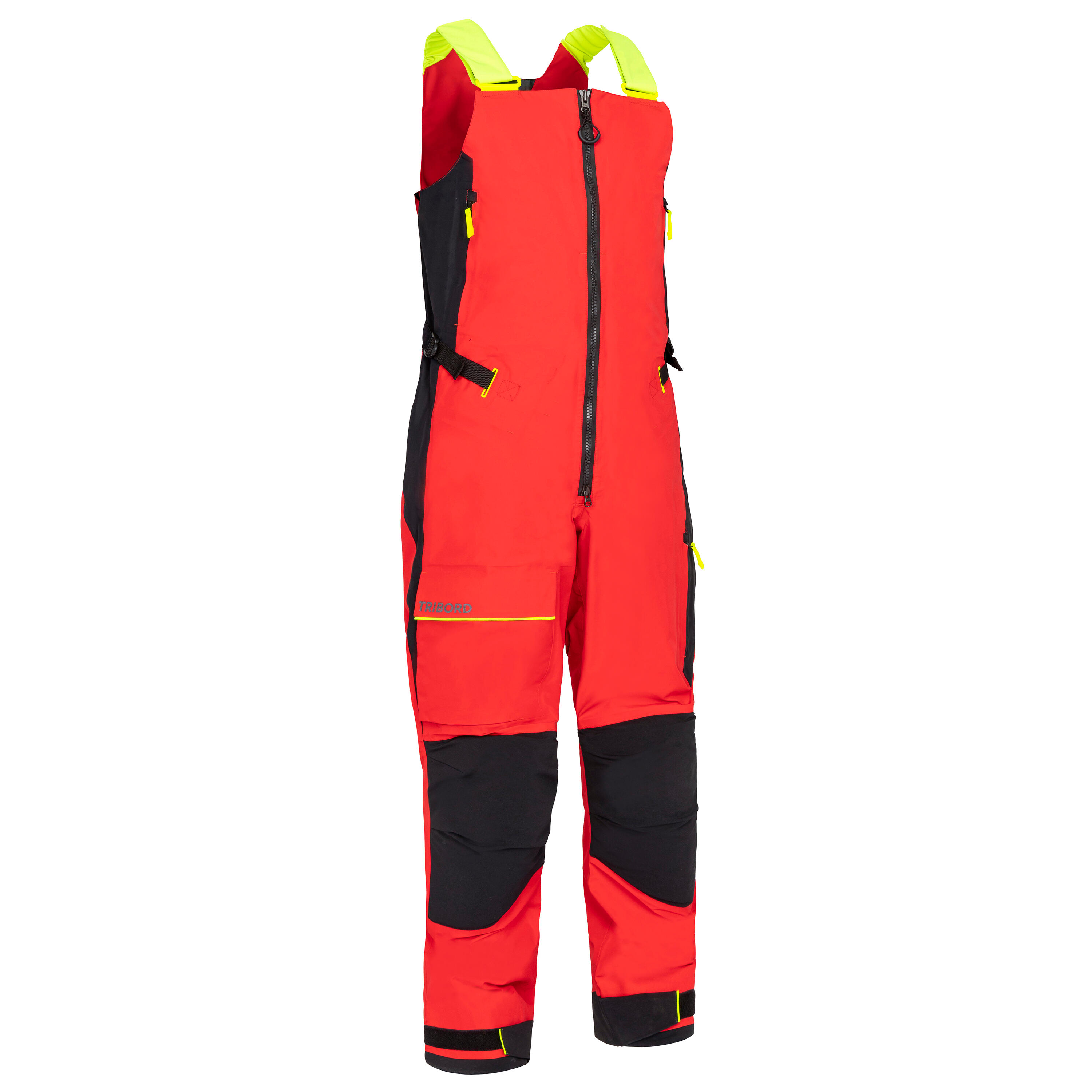
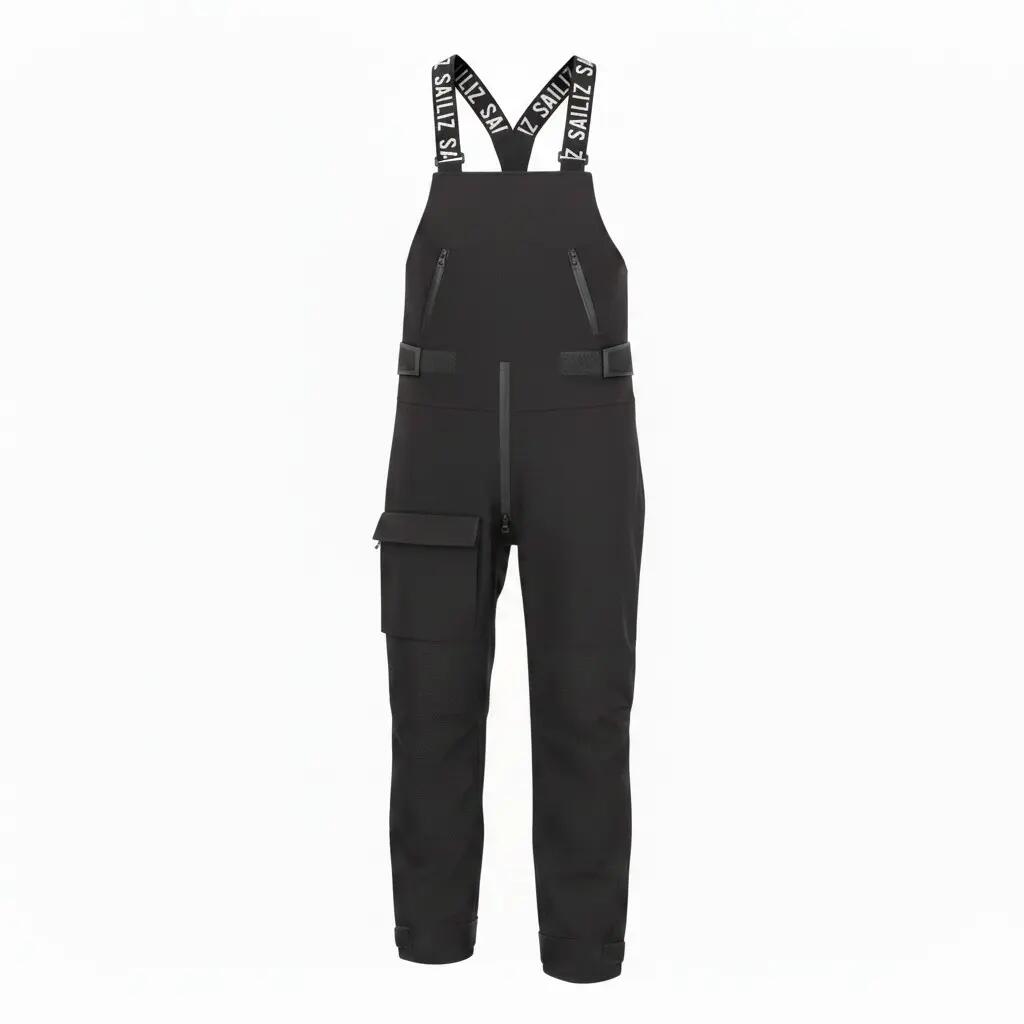
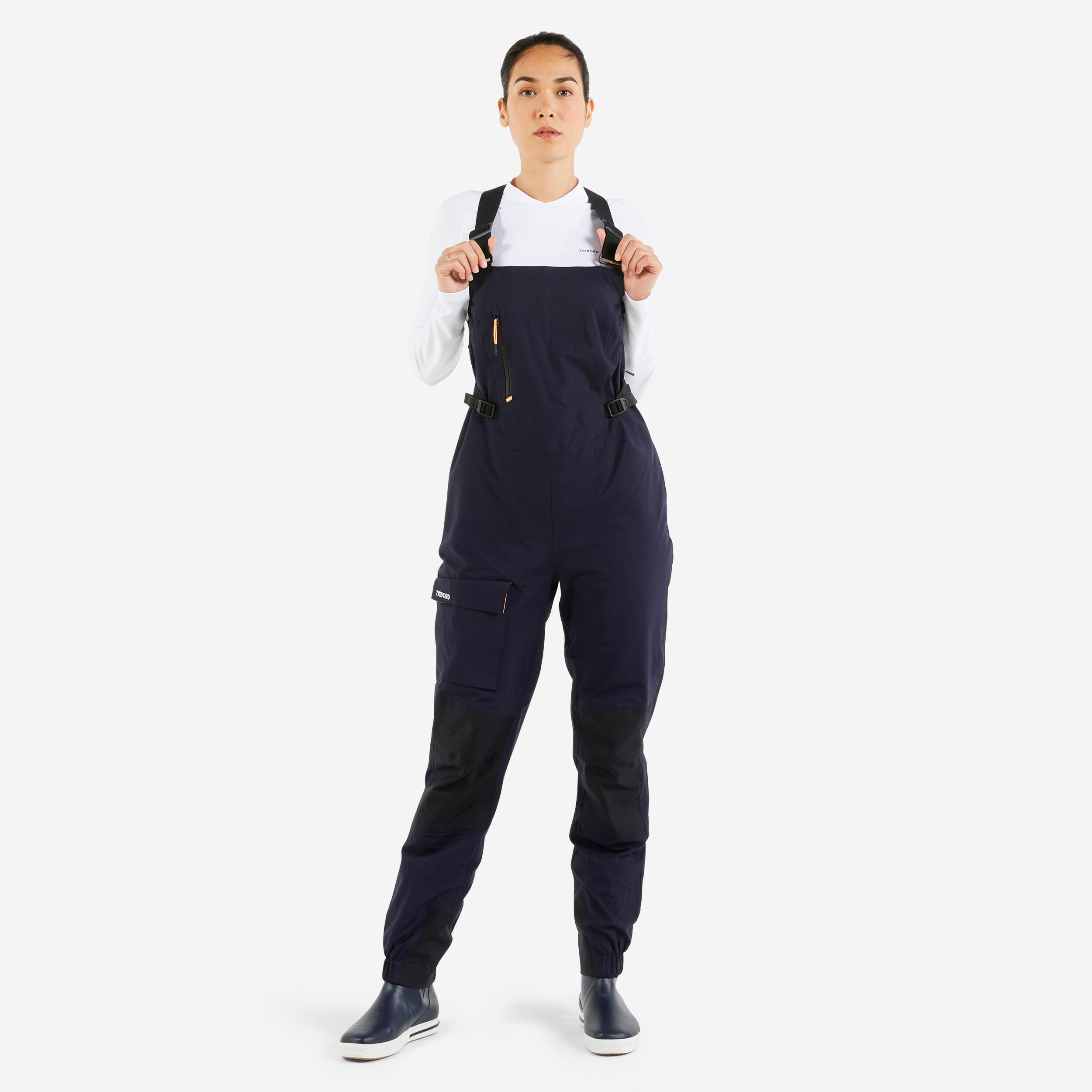
Start with where you sail, how long you expect to stay exposed to rain and spray, and how much reinforcement you need for moving around the deck. Decathlon builds a clear progression from lighter coastal protection to more substantial offshore equipment. For regular coastal and semi-offshore use, women's sailing dungarees at the Sailing 500 level use 15,000 mm waterproof material, fully taped seams and a women-specific fit with adjustable straps and hips. Reinforced knees and seat areas help with repeated deck contact, while lower-leg adjustment helps the garment sit securely over sailing boots. Pro tip: try your dungarees over the layers you actually wear afloat, then crouch, kneel and step up to check that the bib does not pull tightly across the hips or shoulders.

When are lightweight sailing overtrousers more practical than full bibs?

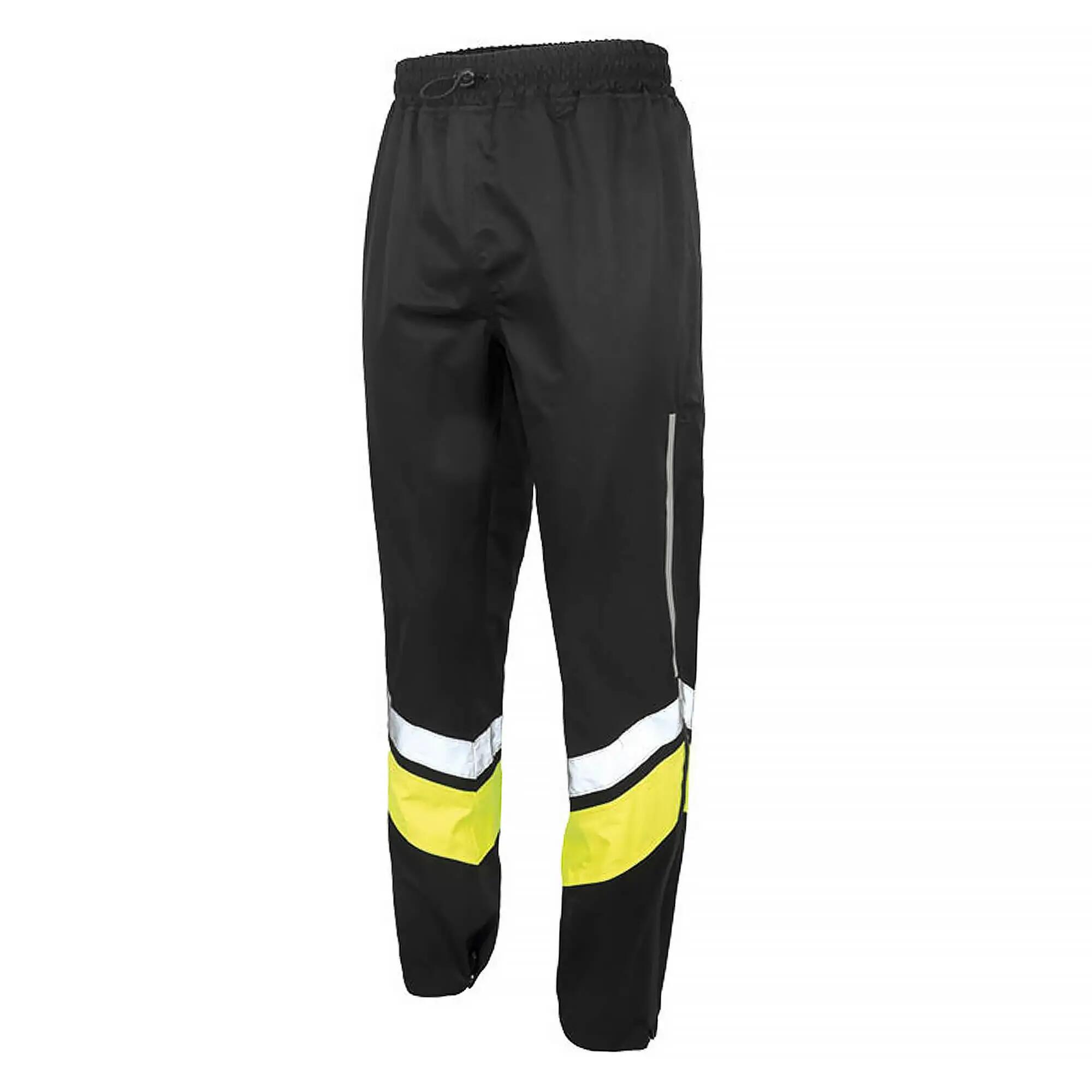
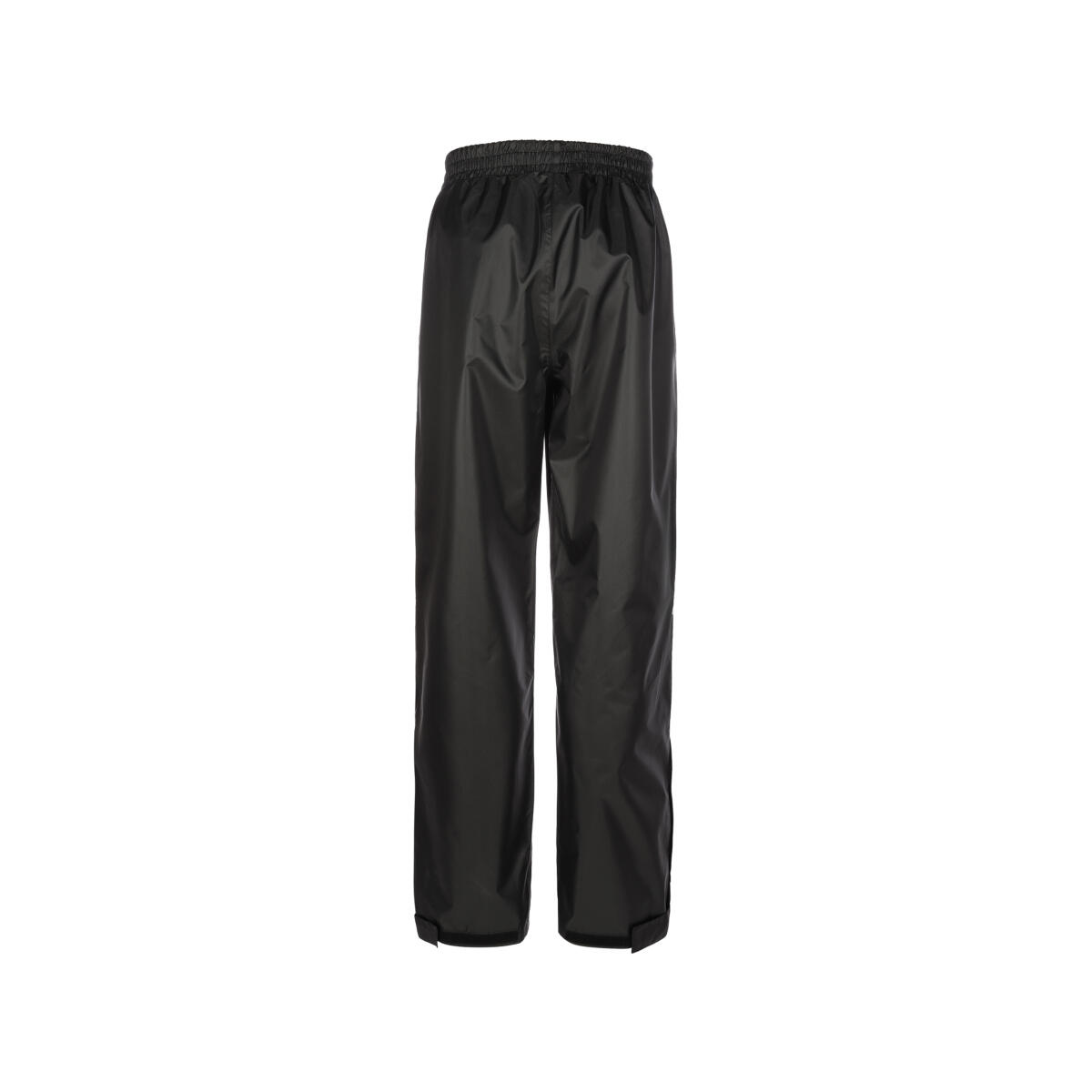
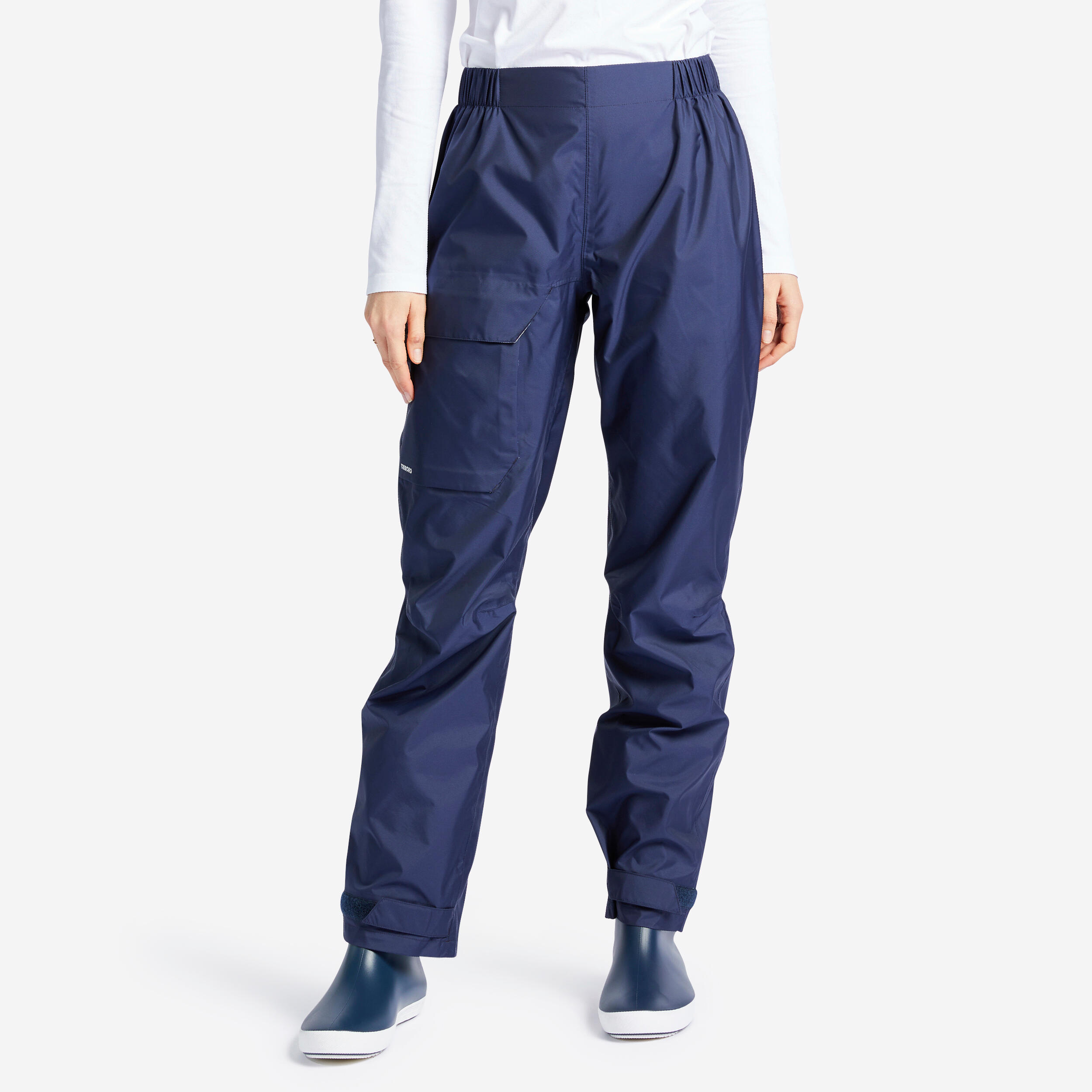
Full dungarees give more upper-body coverage, but lighter overtrousers can be useful when you want quick protection from rain without the extra structure of a high bib. Decathlon's women's waterproof sailing overtrousers use 5,000 mm waterproof fabric, fully taped seams and abrasion-resistant material while still packing down into a pocket. Adjustable lower legs also make them easier to pull on over footwear when weather changes quickly. Pro tip: keep lightweight overtrousers somewhere accessible rather than at the bottom of a sailing bag, as their main advantage is being able to add wet-weather protection before rain or spray becomes persistent.

What makes offshore sailing dungarees different from coastal bibs?

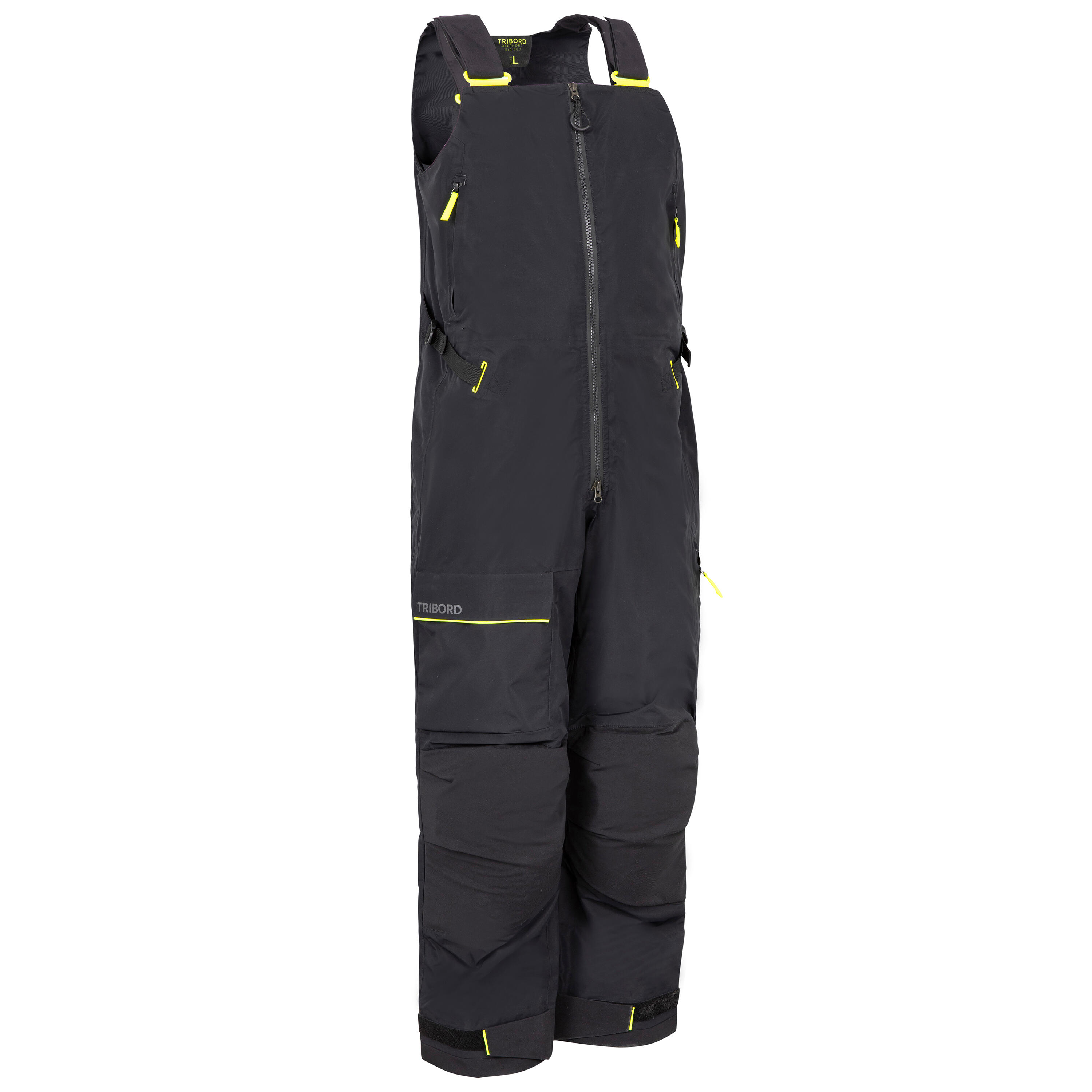
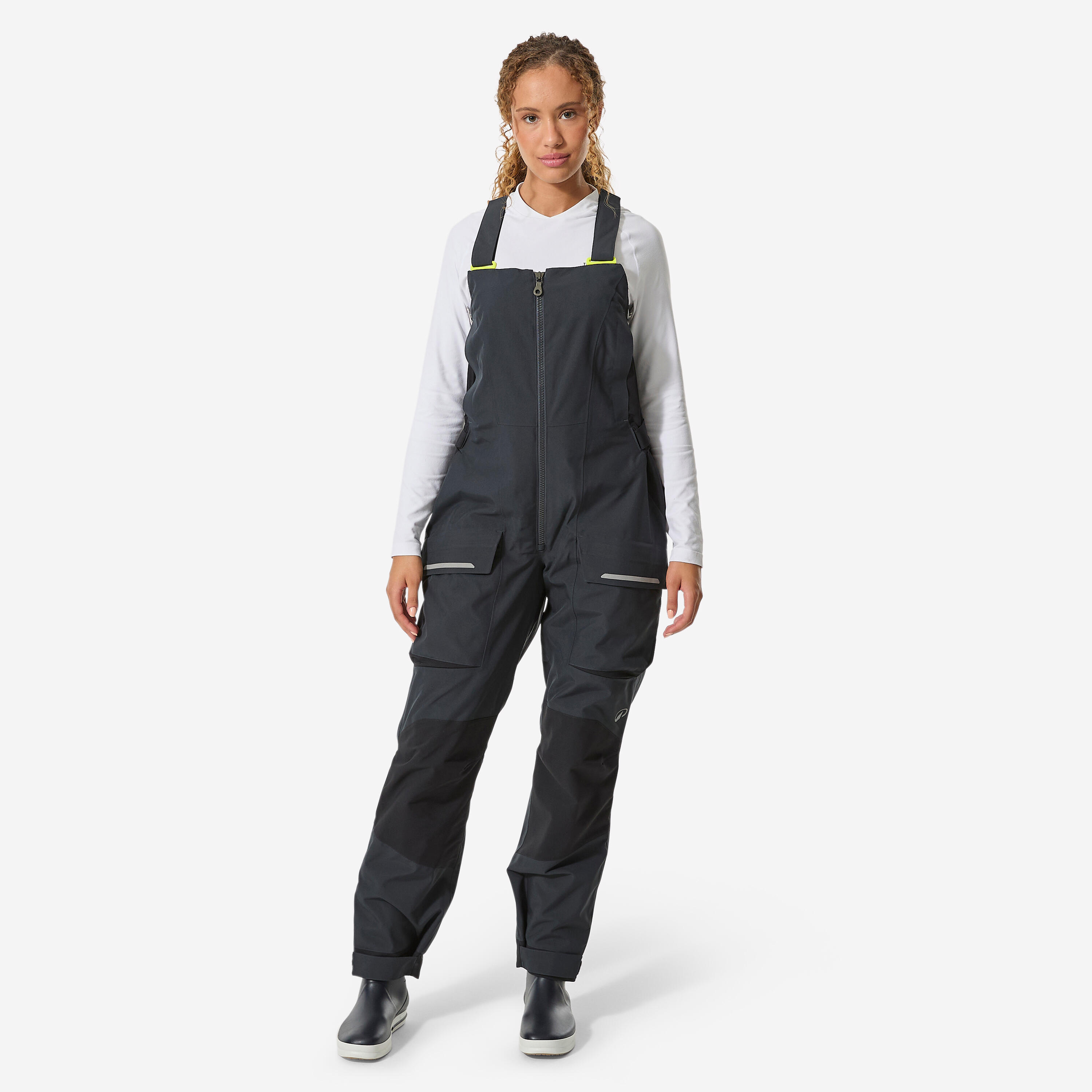
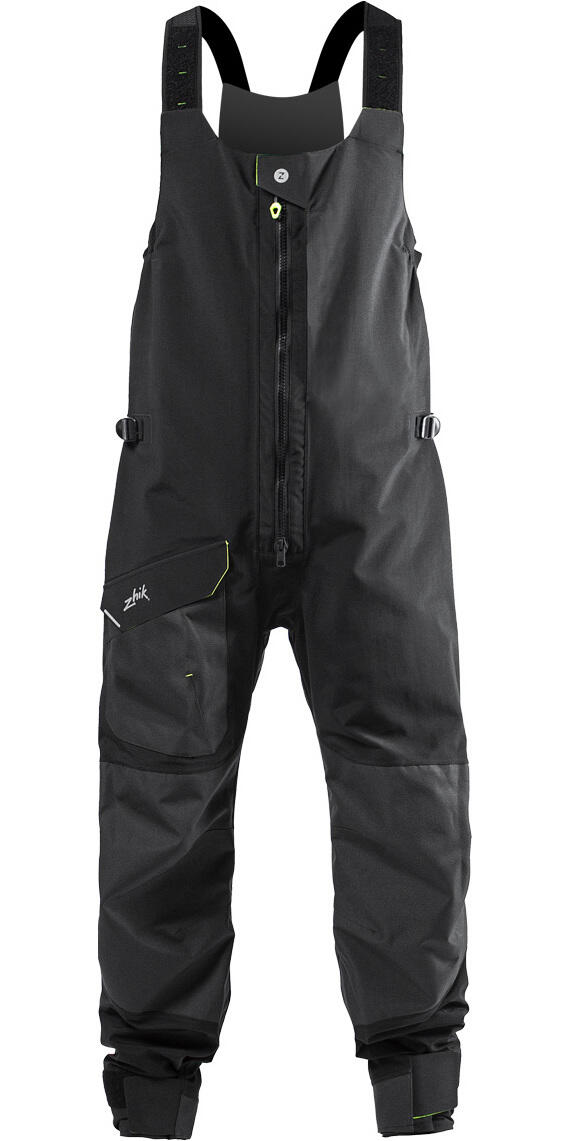
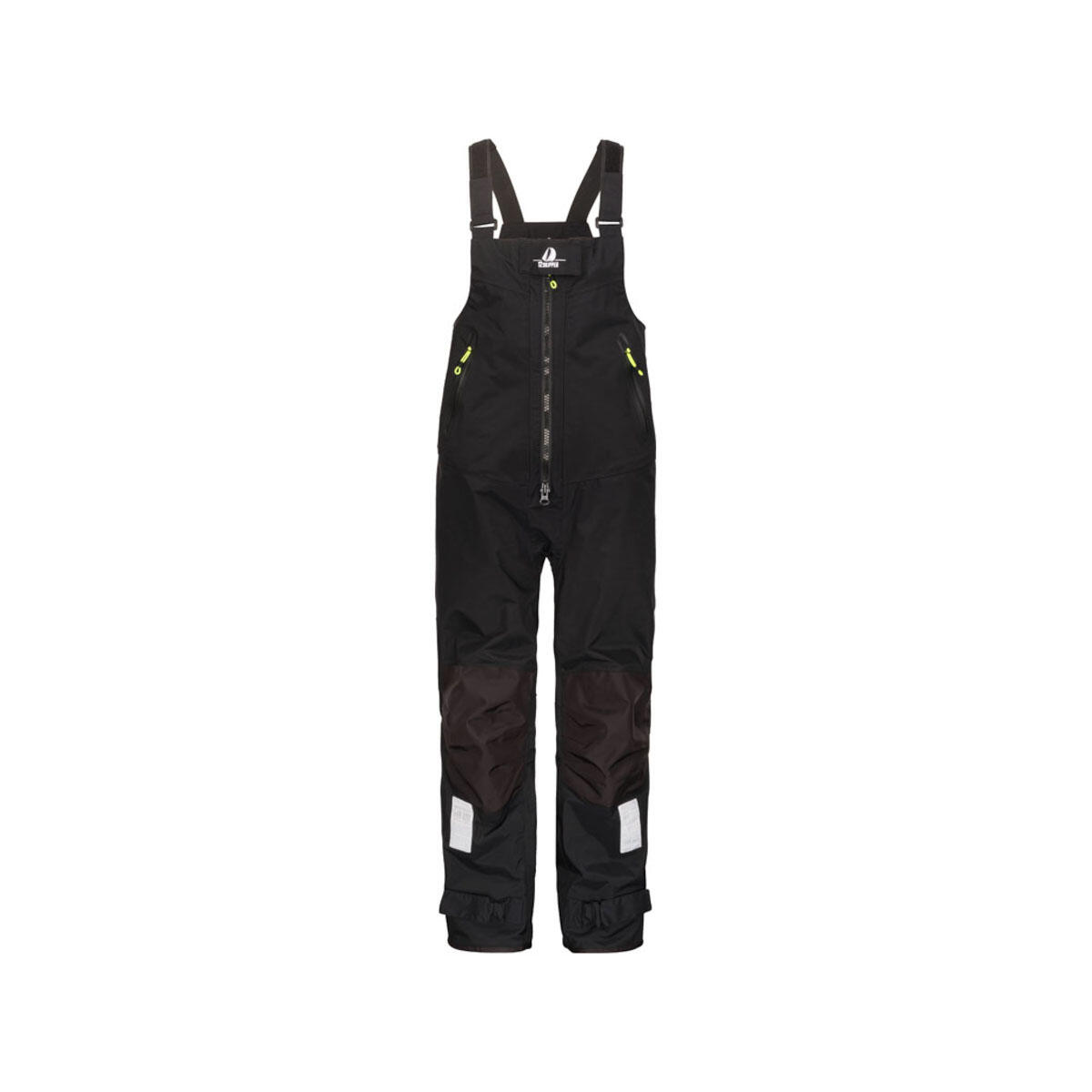
Offshore sailing places more demand on waterproofing, durability and comfort during prolonged exposure, so the construction becomes noticeably heavier and more protective. Under open-sea conditions, women's offshore sailing dungarees at the 900 level use a 30,000 mm three-layer membrane and are tested in severe simulated rain over extended periods. They also add reinforced deck-contact zones, integrated knee foam, removable seat padding and more storage for frequently used equipment. Pro tip: do not compare offshore and coastal bibs only by waterproof rating. Extra reinforcement, pocket layout, boot adjustment and comfort when kneeling or sitting can become equally important during long watches and repeated manoeuvres.

How should sailing dungarees fit with the rest of your sailing clothing?

Sailing bibs need enough room for base and insulating layers without becoming so loose that excess fabric catches or restricts movement. Building your setup from the wider women's sailing clothes range can help you combine breathable layers, insulation and outer protection according to temperature and conditions. Adjustable braces, hip settings and lower-leg closures are useful because the fit often changes once fleeces, boots and jackets are added. Pro tip: put on your complete sailing outfit before deciding on size. Check whether you can sit, reach overhead, step onto a raised surface and use pockets comfortably without the bib pulling upwards or the legs riding excessively over your boots.

Can sailing dungarees be worn over a wetsuit?

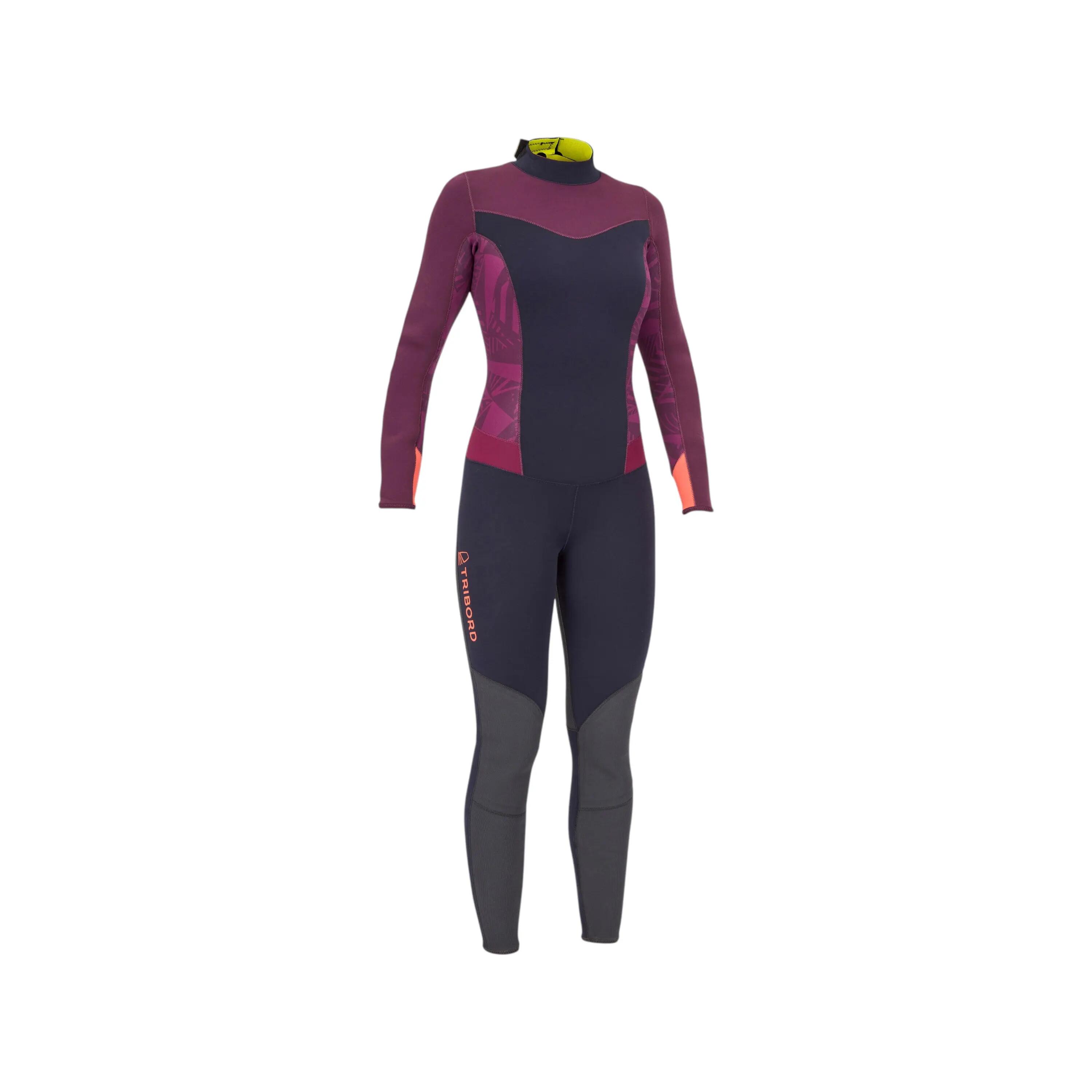
They can be combined in some situations, but the right setup depends on the activity, temperature and how much time you expect to spend exposed to water. Regarding comparing layers, the women's sailing wetsuits range offers thermal protection that works differently from waterproof dungarees, which mainly create a barrier against rain, spray and wind. Wearing both can increase warmth and weather protection, but it can also add bulk around the knees, hips and torso. Pro tip: test the full combination before a long session and pay attention to mobility. If movement becomes restricted or perspiration builds quickly, a lighter insulating layer beneath the bib may be more comfortable than adding unnecessary thickness.