2 items
4.2/5 based on 20 reviews collected online and in stores

Women's Sailing Base Layer & Underwear FAQs

What must you look for in a women's sailing base layer?

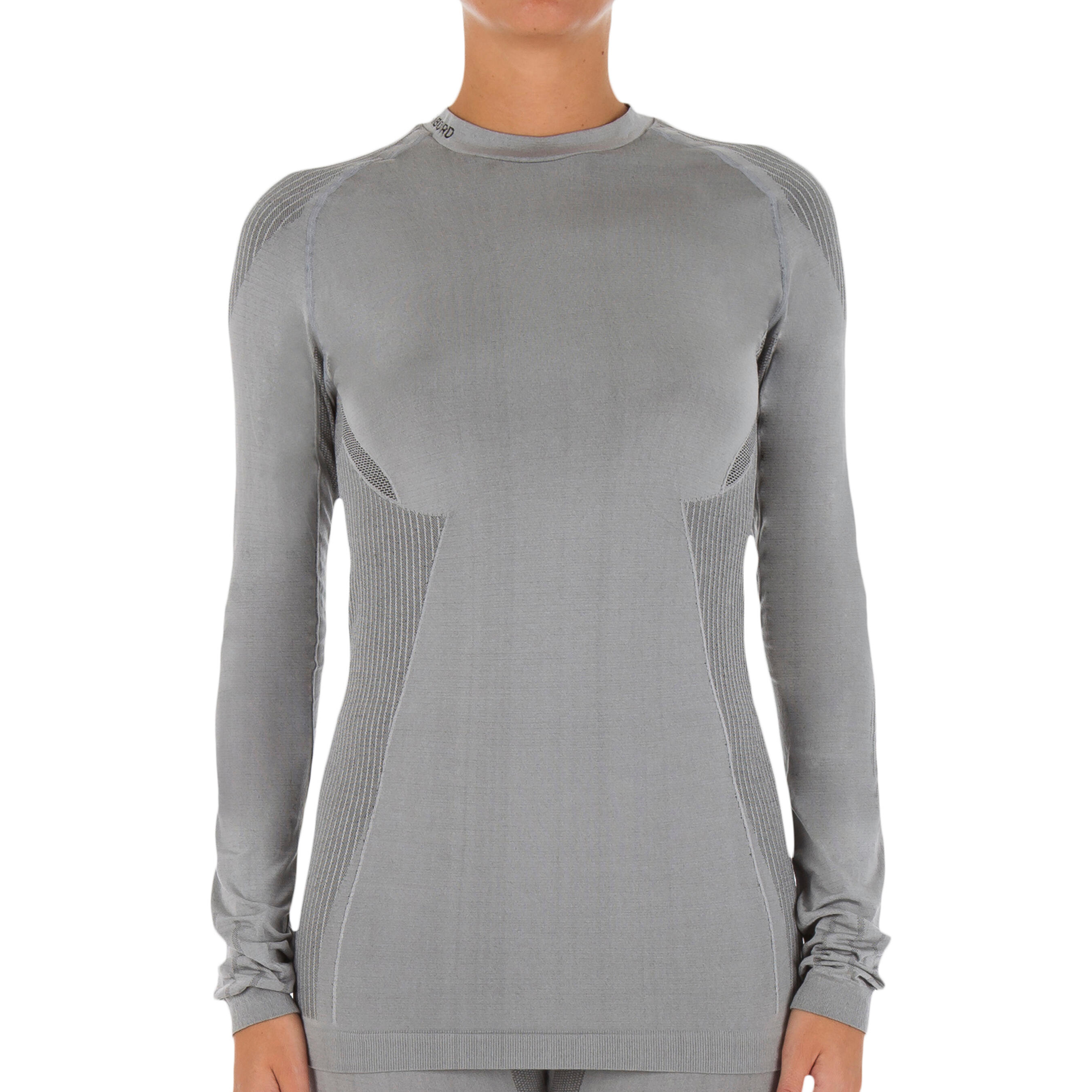
Prioritise moisture management, warmth and a close fit that still lets you move freely during active sailing. Decathlon develops its Race 500 first layers specifically for yacht training and inshore racing rather than as general thermal underwear. The women's sailing base layers use a polypropylene-rich technical fabric with hydrophilic fibres to help move perspiration away from the skin while retaining useful warmth. Seamless construction also reduces potential friction points beneath jackets and bibs. Pro tip: choose a close ergonomic fit rather than sizing up for extra room. A base layer works most effectively when it sits near the skin, while the stretch should still allow comfortable reaching, bending and upper-body movement around the boat.

Why are technical sailing leggings useful beneath waterproof trousers?

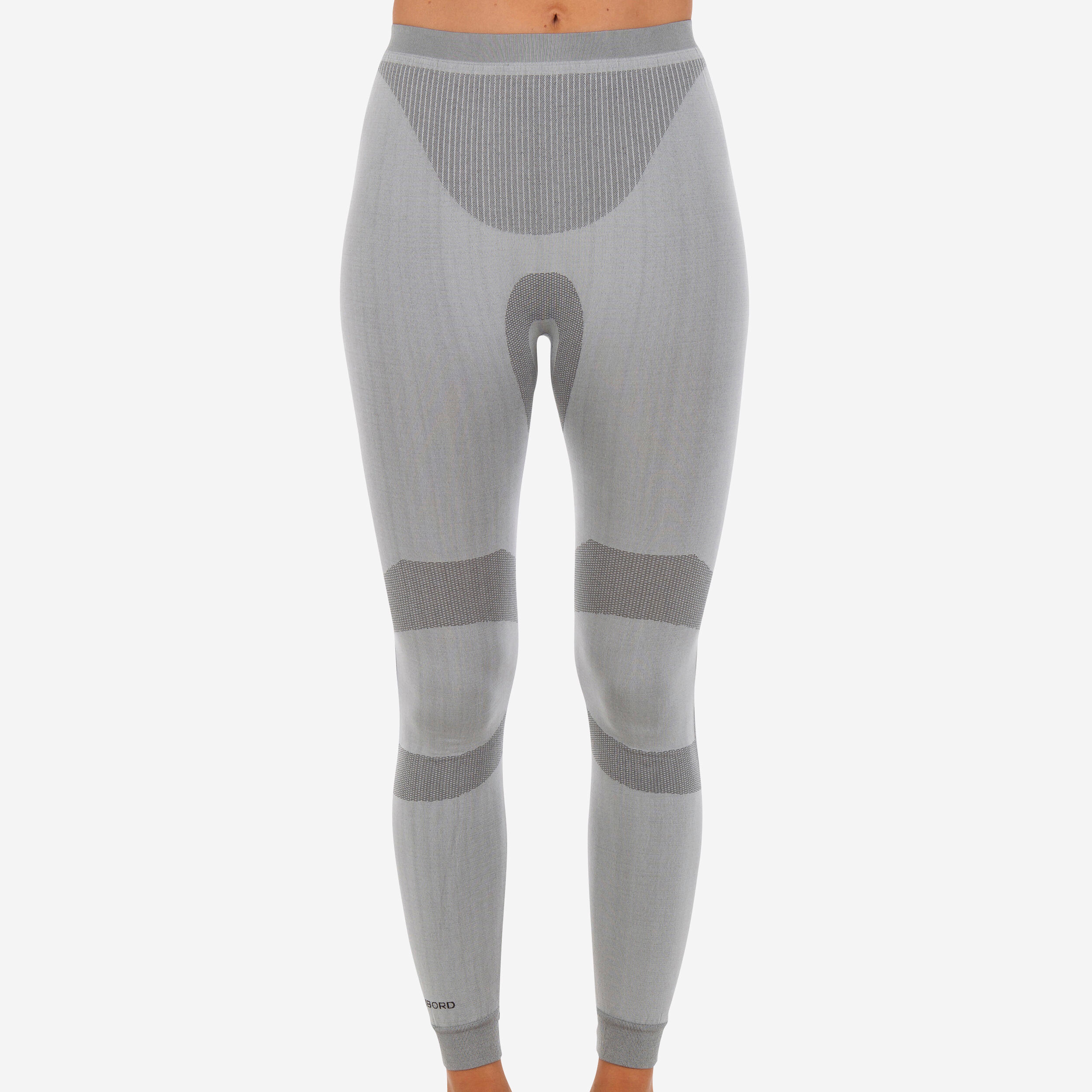
Lower-body base layers can add warmth without creating the bulk of a fleece or thicker trouser layer. Decathlon's Race 500 women's sailing technical leggings use the same seamless, stretchy construction as the matching top, helping them sit comfortably beneath sailing trousers or bibs during active manoeuvres. Their lightweight fabric combines polypropylene, polyamide and polyester to balance thermal comfort with perspiration transfer. Pro tip: test the leggings underneath your normal waterproof trousers before a long session. Check that the waistband and fabric do not bunch behind the knees or around the hips when you crouch, sit or move quickly across the deck.

How would sailing base layers fit with the rest of your sailing clothes?

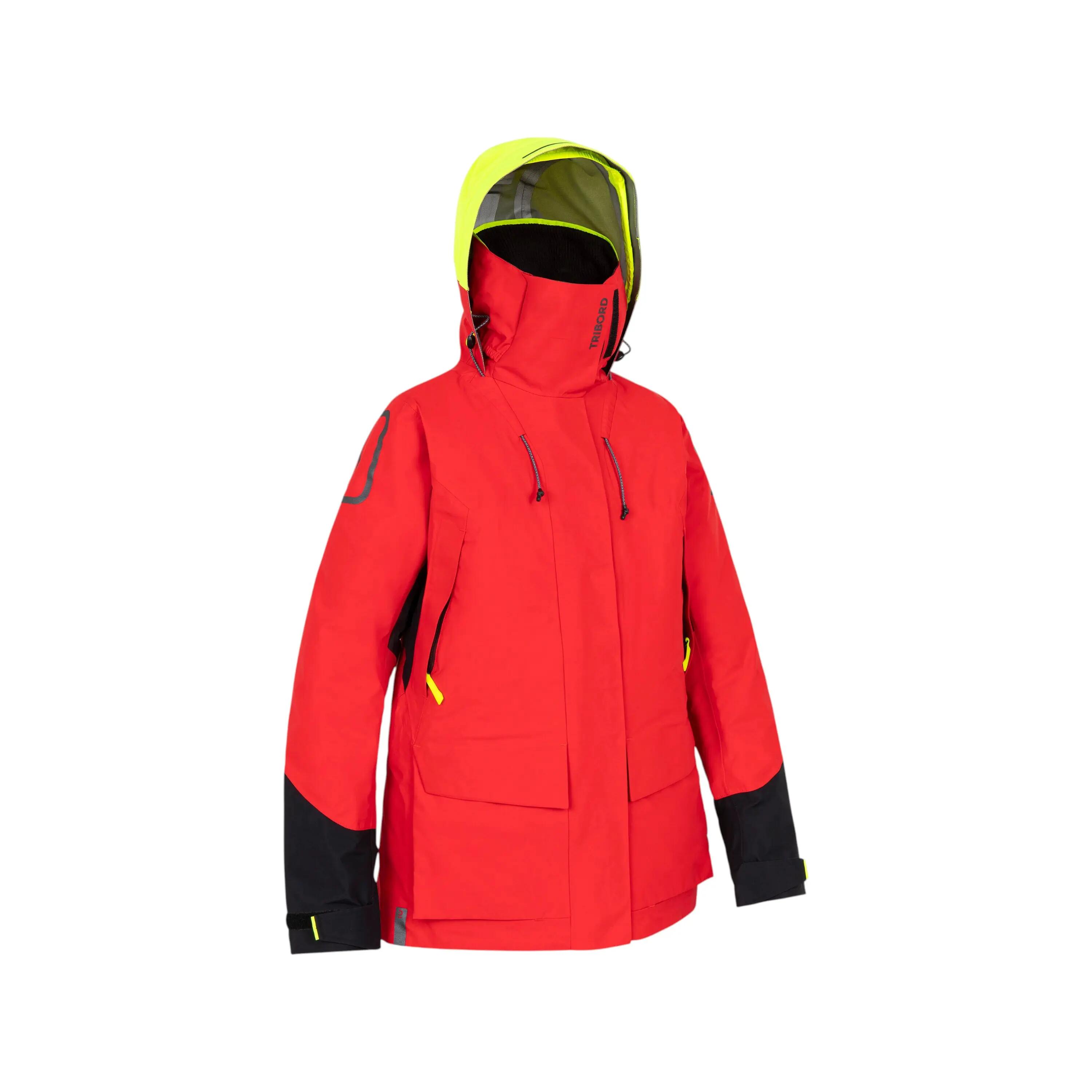
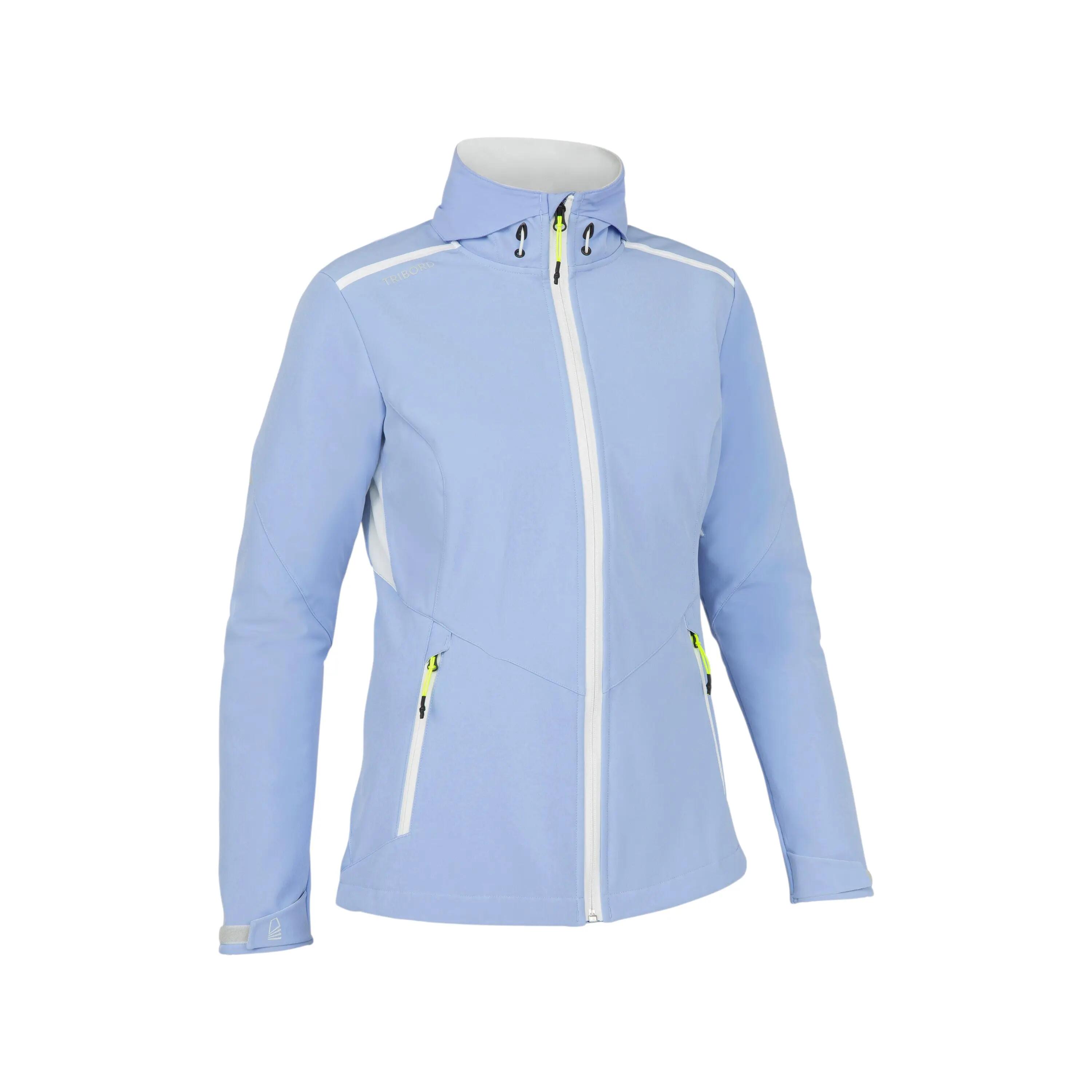
A practical layering system starts with a close-fitting first layer, followed by insulation where needed and then waterproof or windproof protection on top. To avoid coordinating items from the wider women's sailing clothes range, keep each layer light enough to work with the next rather than stacking several bulky garments together. The Race 500 system is intended to sit directly against the body and manage moisture before it reaches insulating or outer layers. Pro tip: put on your complete outfit and practise reaching overhead, rotating your torso and sitting down. If several layers pull against each other, removing unnecessary bulk can improve both movement and moisture management.

Can you wear a sailing base layer underneath a wetsuit?

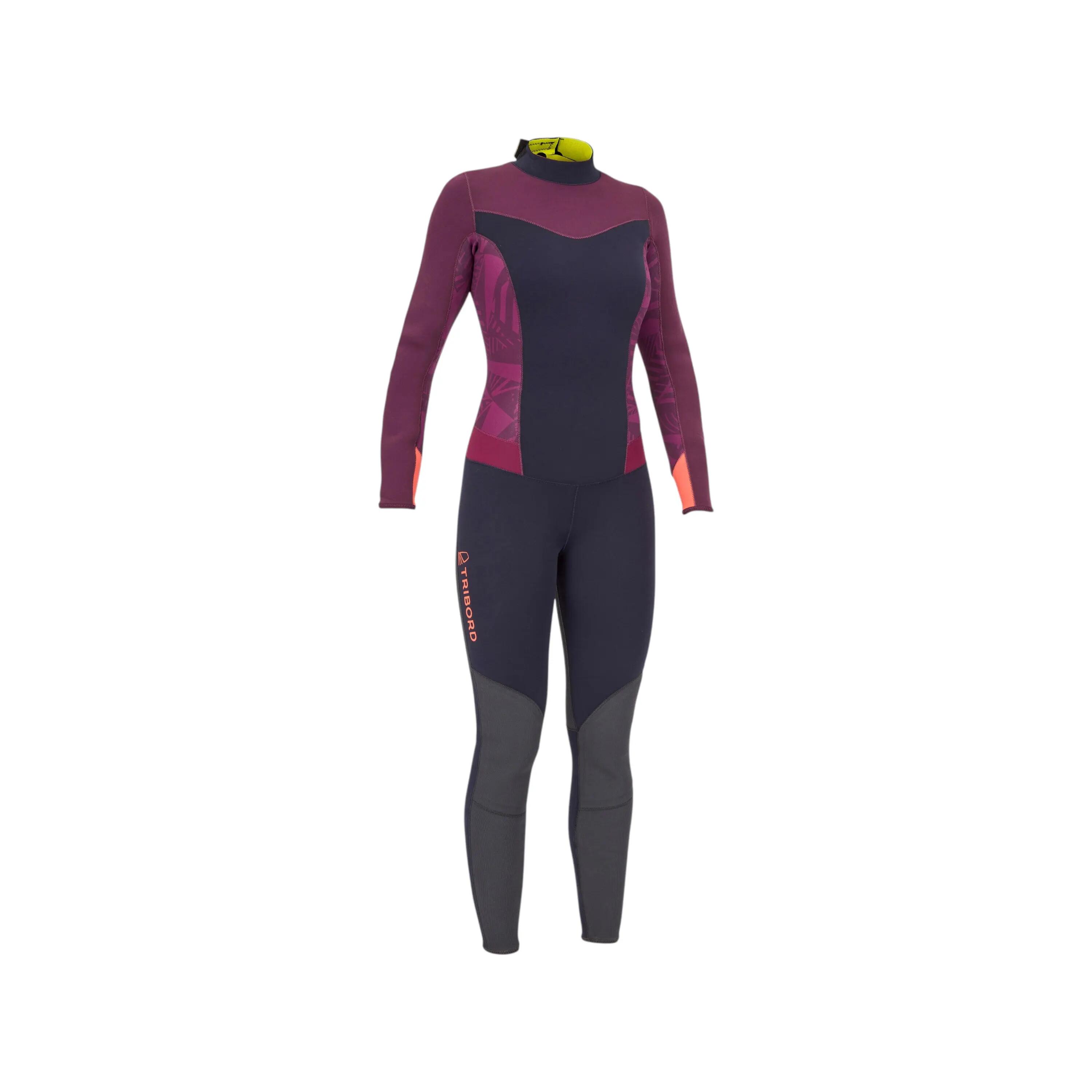
The right combination depends on the wetsuit, conditions and activity, because adding fabric underneath neoprene can change fit and comfort. Before pairing a technical first layer with one of the women's sailing wetsuits, check whether the wetsuit still sits close enough to work as intended without creating folds or pressure points. Race 500 base layers are primarily developed for use within layered yacht-racing clothing rather than specifically as wetsuit liners. Pro tip: avoid adding a base layer automatically just because conditions are cold. If it makes the wetsuit too tight around the shoulders, knees or torso, the restricted movement may outweigh the additional insulation.

How do base layers work underneath sailing dungarees and bibs?

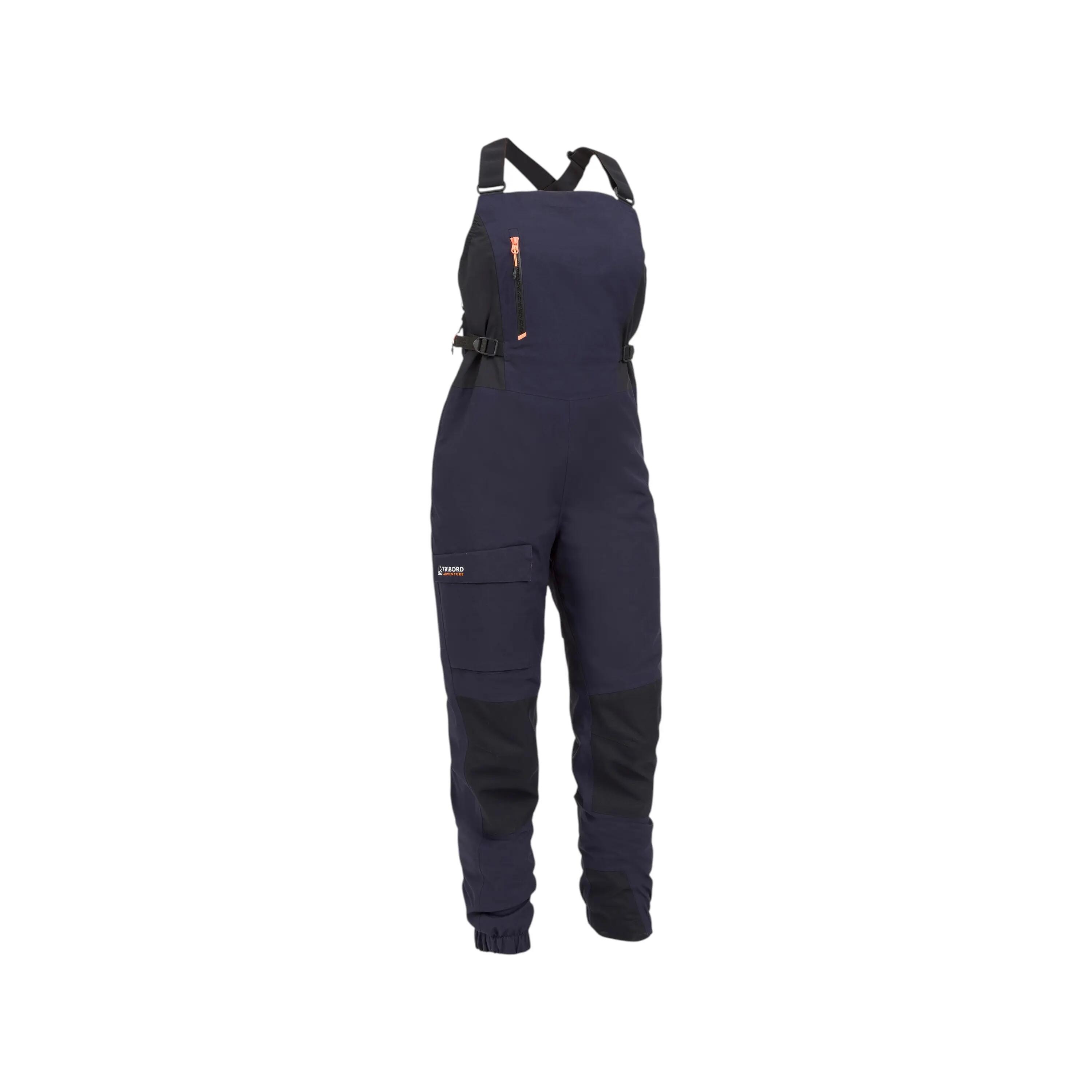
Base layers help manage perspiration beneath waterproof garments, where moisture can otherwise build up during active sailing. Once worn under women's sailing dungarees & bibs, a seamless technical top and leggings can provide low-bulk warmth while helping the outer waterproof layer remain more comfortable during manoeuvres. This is especially useful when braces, reinforced knees and high bib sections already add structure to the outfit. Pro tip: care for technical base layers gently to preserve their stretch and moisture-transfer properties. Decathlon recommends washing the Race 500 garments at a maximum of 30 degrees Celsius, avoiding tumble drying and storing them folded or rolled somewhere dry.