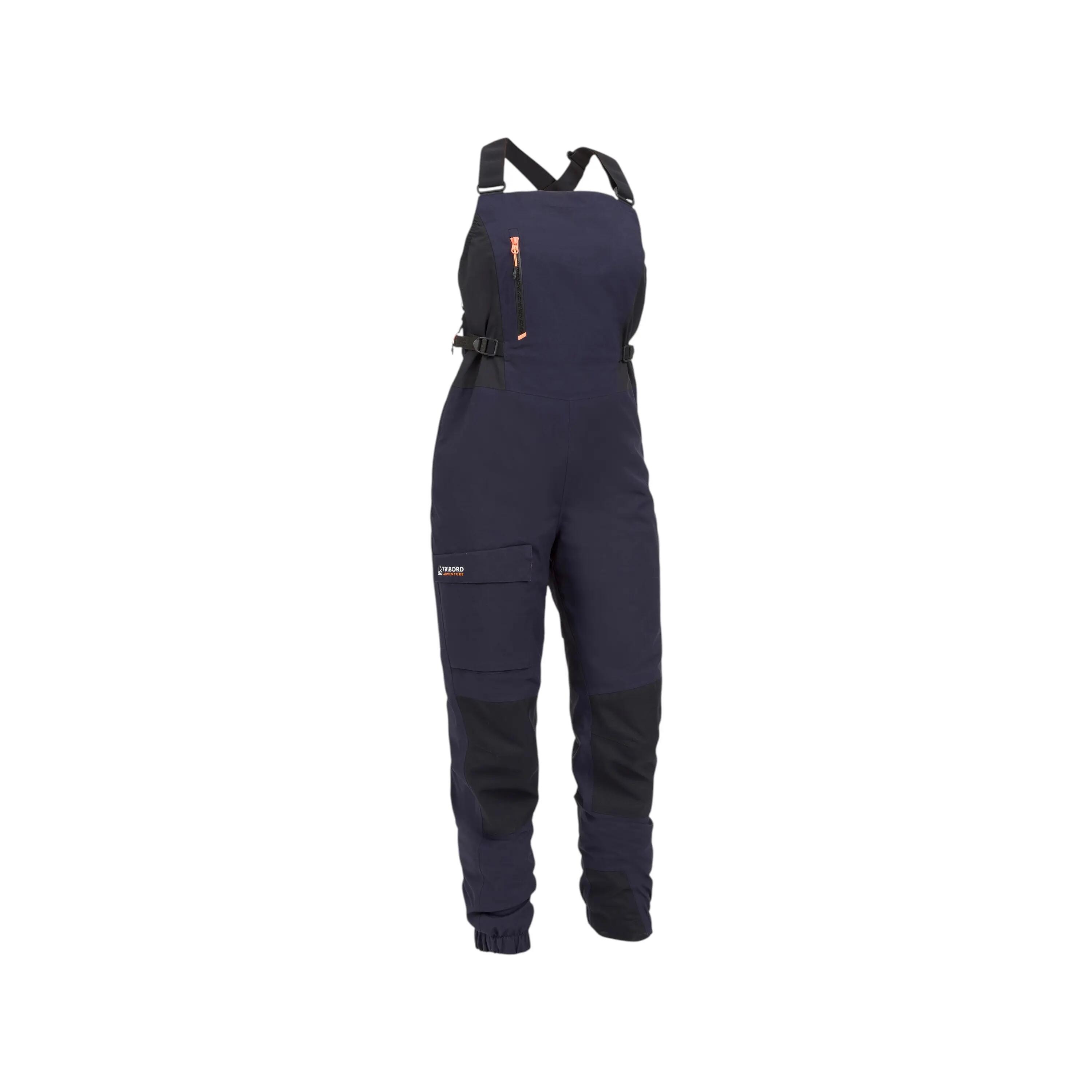
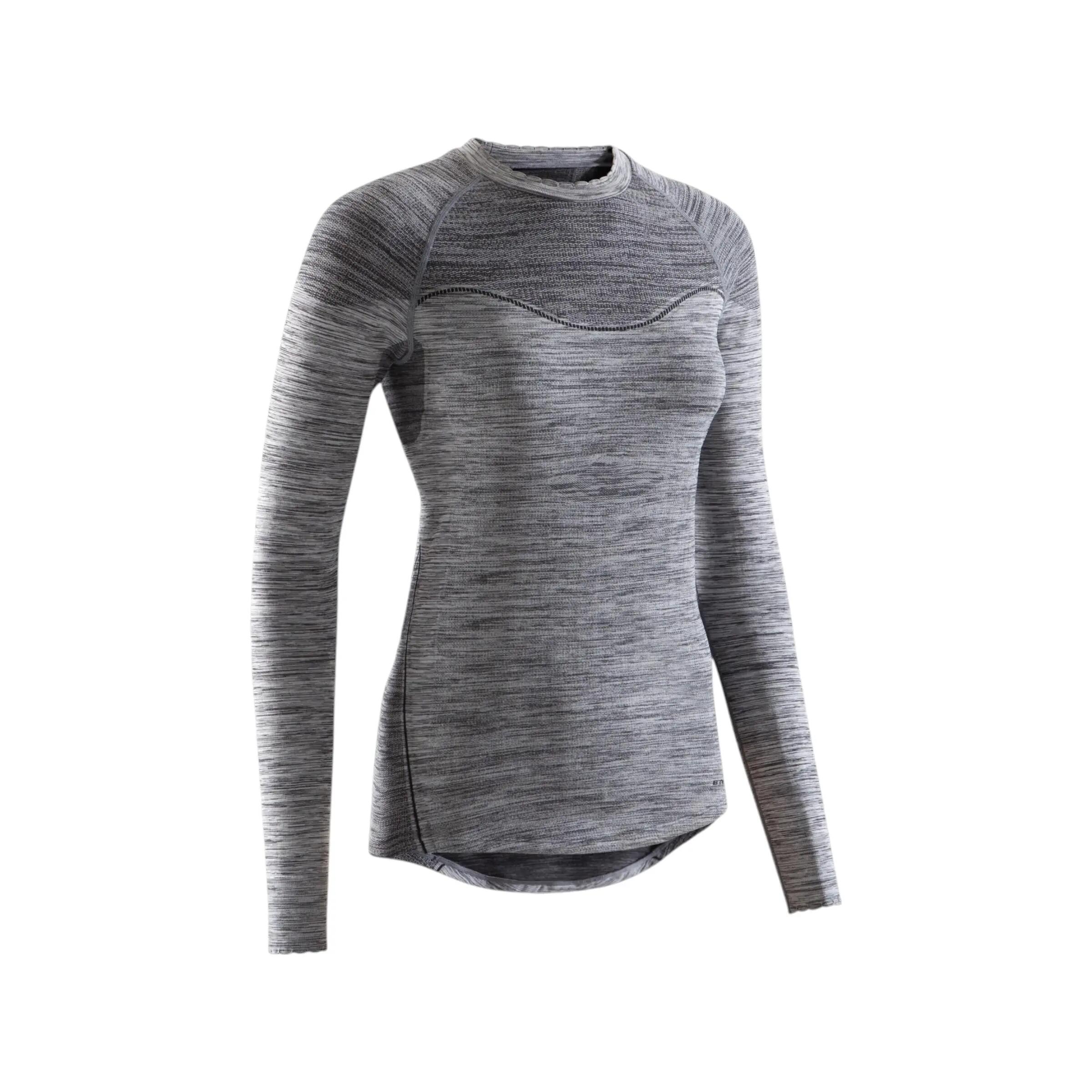
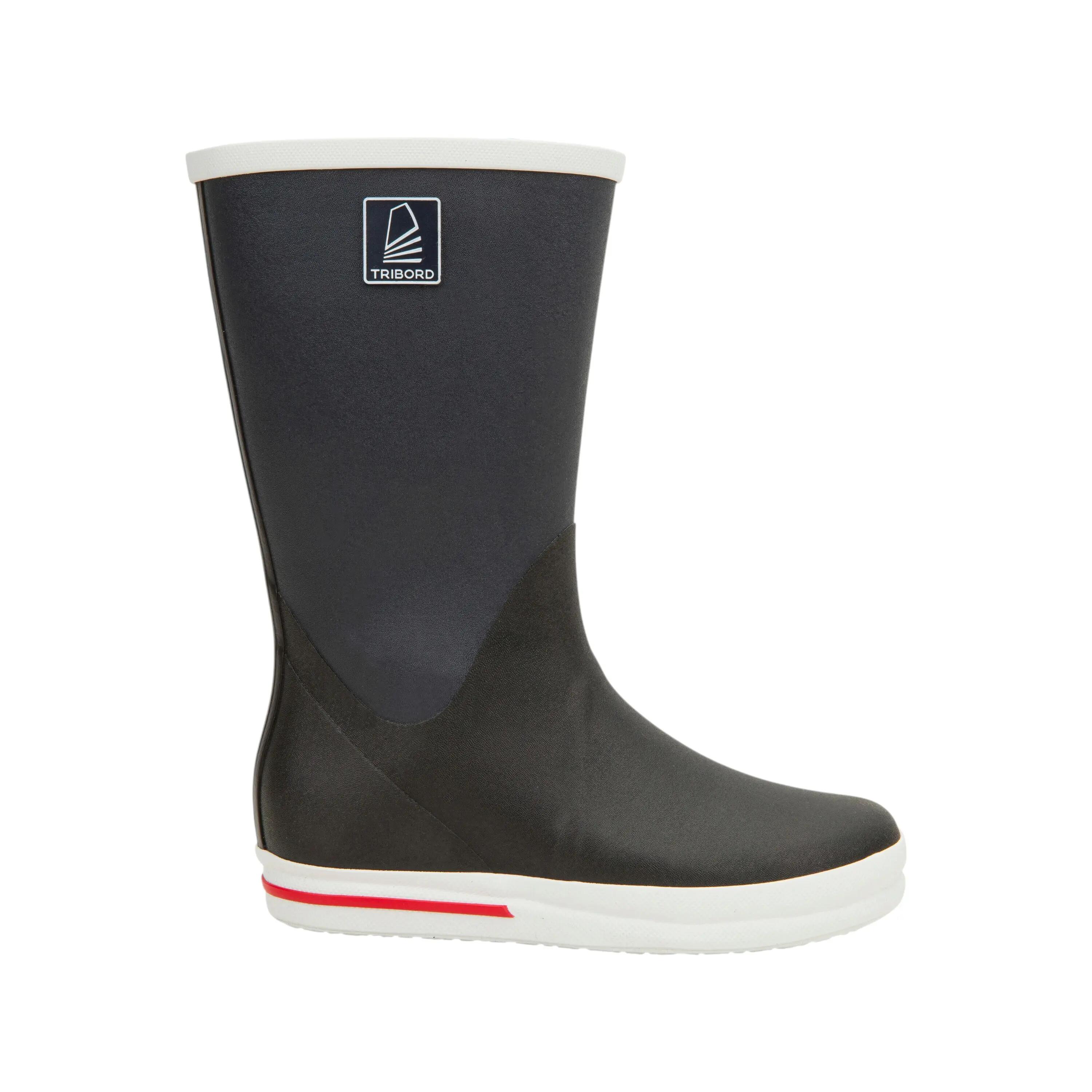
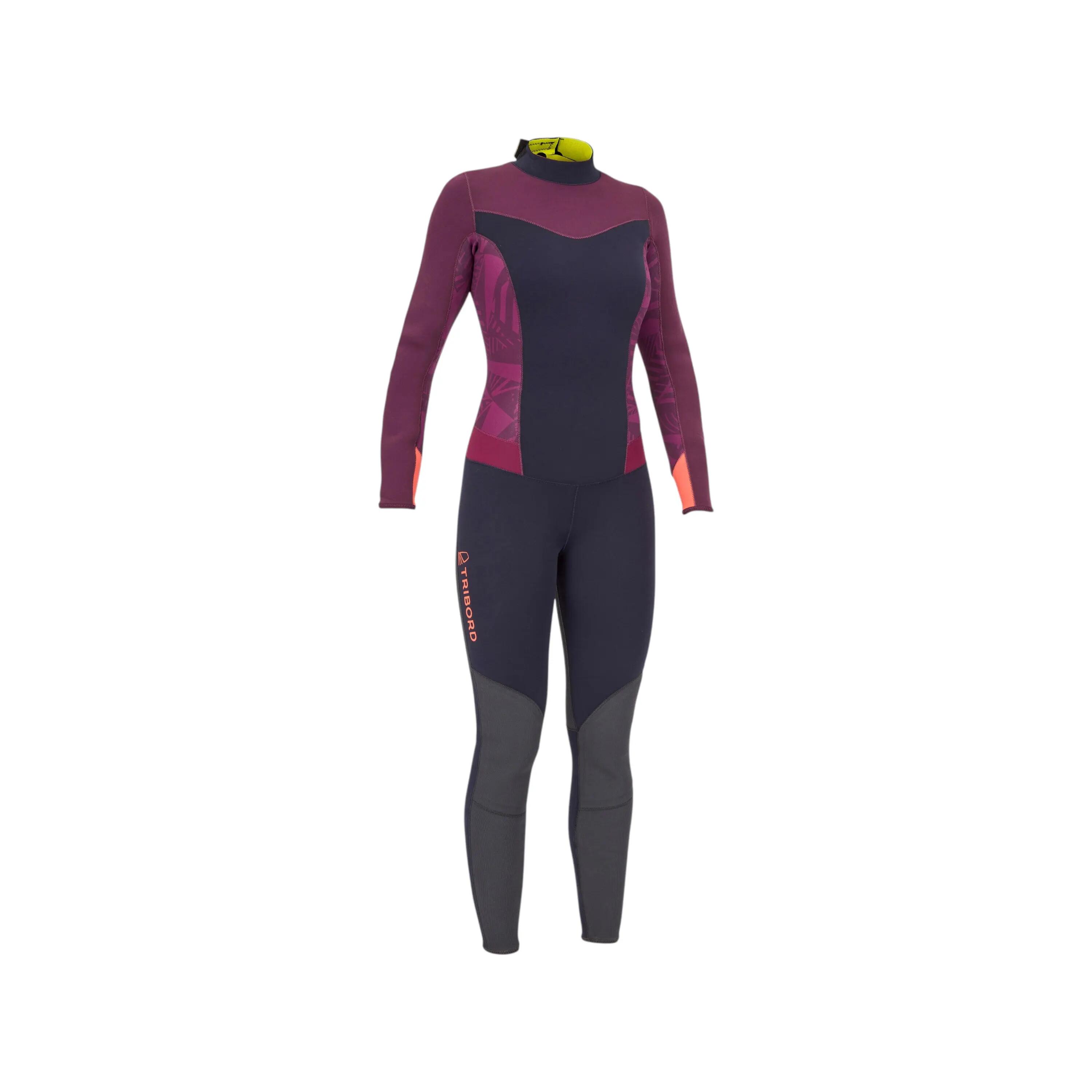
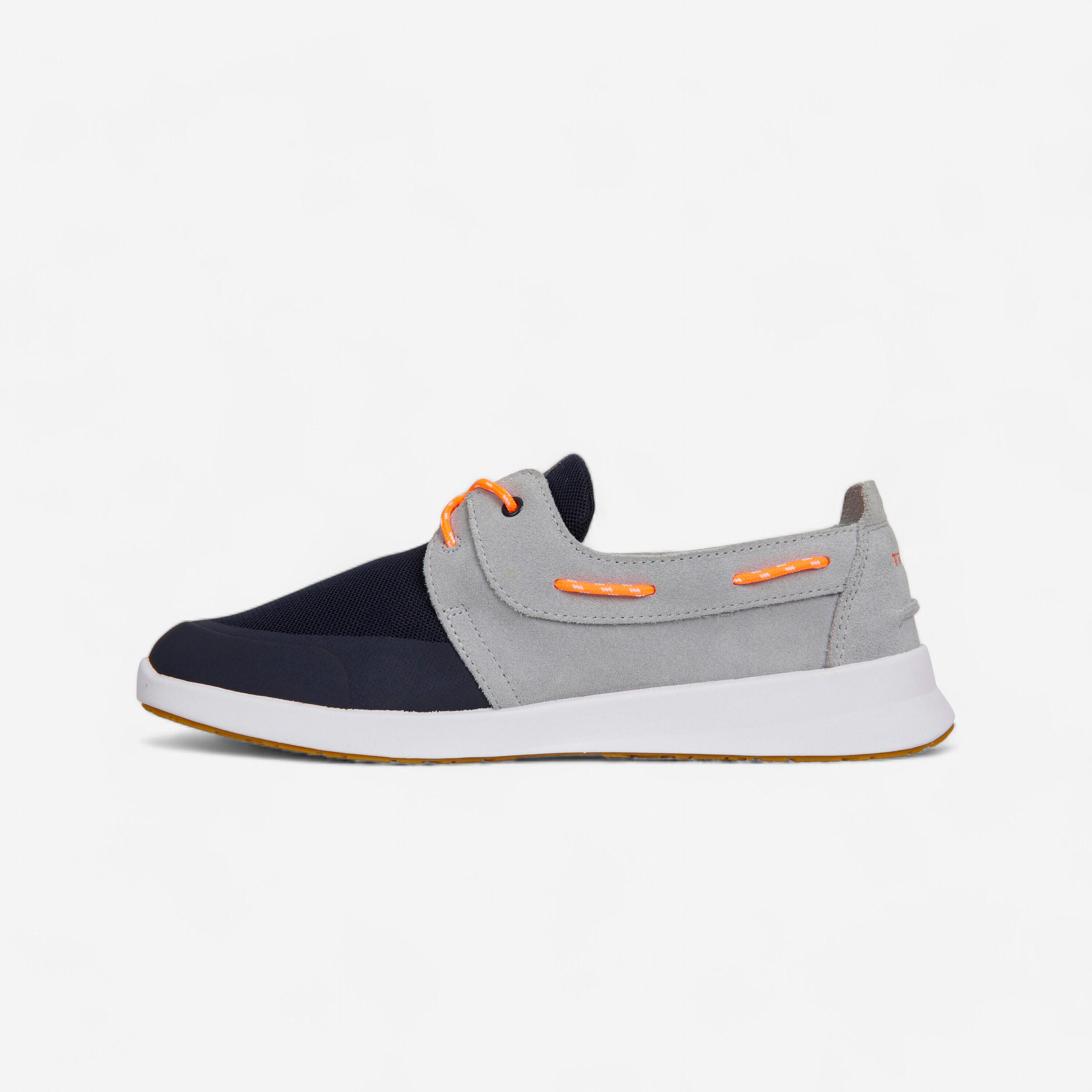
75 items
  • Marketplace -Online Only Marketplace -Online Only
  • Marketplace -Online Only Marketplace -Online Only
  • Marketplace -Online Only Marketplace -Online Only
  • Marketplace -Online Only Marketplace -Online Only
  • Marketplace -Online Only Marketplace -Online Only
  • Marketplace -Online Only Marketplace -Online Only
  • Marketplace -Online Only Marketplace -Online Only
  • Marketplace -Online Only Marketplace -Online Only
  • Marketplace -Online Only Marketplace -Online Only
  • Marketplace -Online Only Marketplace -Online Only
  • Marketplace -Online Only Marketplace -Online Only
  • Marketplace -Online Only Marketplace -Online Only
  • Marketplace -Online Only Marketplace -Online Only
  • Marketplace -Online Only Marketplace -Online Only
  • Marketplace -Online Only Marketplace -Online Only
  • Marketplace -Online Only Marketplace -Online Only
  • Marketplace -Online Only Marketplace -Online Only
  • Marketplace -Online Only Marketplace -Online Only
  • Marketplace -Online Only Marketplace -Online Only
  • Marketplace -Online Only Marketplace -Online Only
  • Marketplace -Online Only Marketplace -Online Only
  • Marketplace -Online Only Marketplace -Online Only
  • Marketplace -Online Only Marketplace -Online Only
  • Marketplace -Online Only Marketplace -Online Only
  • Marketplace -Online Only Marketplace -Online Only
  • Marketplace -Online Only Marketplace -Online Only
  • Marketplace -Online Only Marketplace -Online Only
  • Marketplace -Online Only Marketplace -Online Only
  • Marketplace -Online Only Marketplace -Online Only
  • Marketplace -Online Only Marketplace -Online Only
  • Marketplace -Online Only Marketplace -Online Only
  • Marketplace -Online Only Marketplace -Online Only
  • Marketplace -Online Only Marketplace -Online Only
4.9/5 based on 477 reviews collected online and in stores

Women's Sailing Shoes FAQs

What should you look for in a women's sailing shoe for on-deck use?

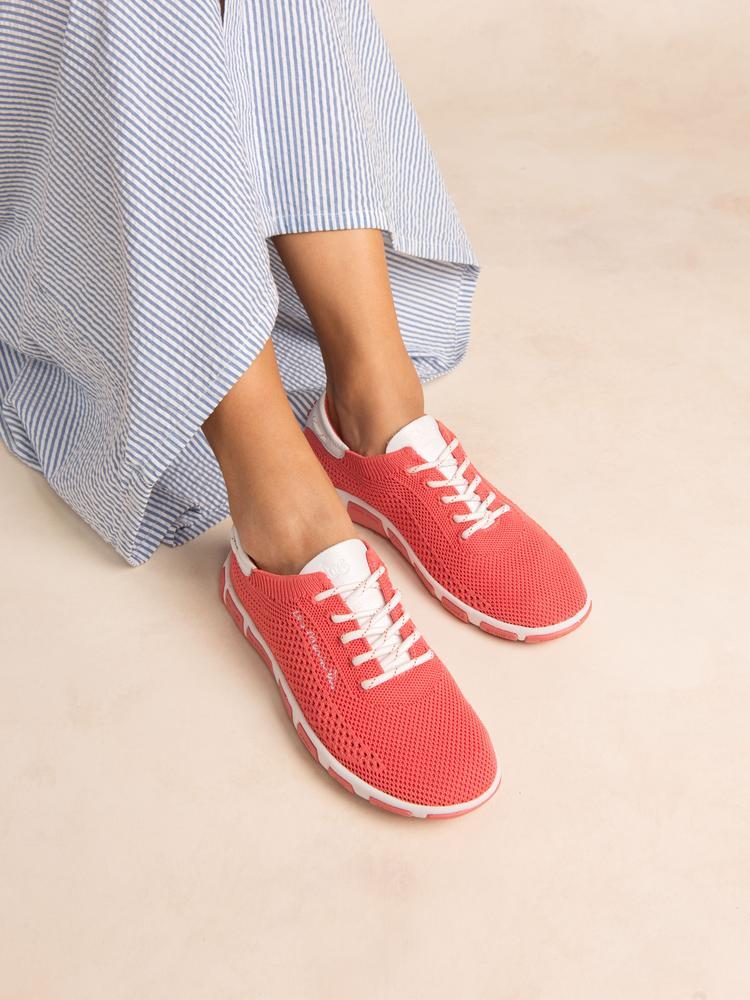
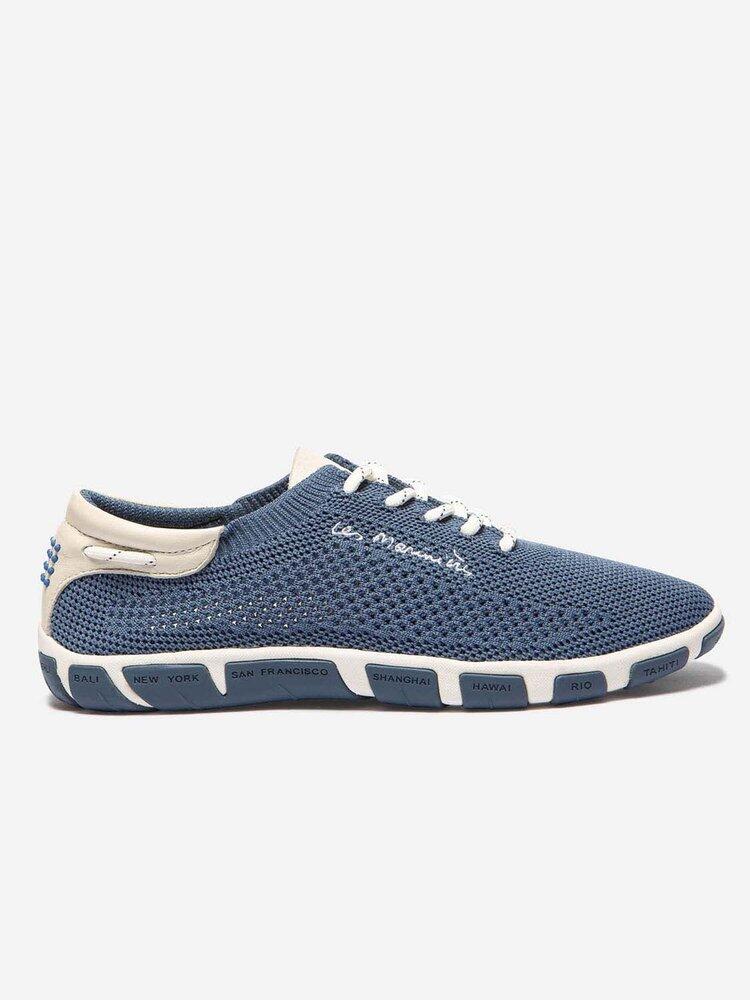
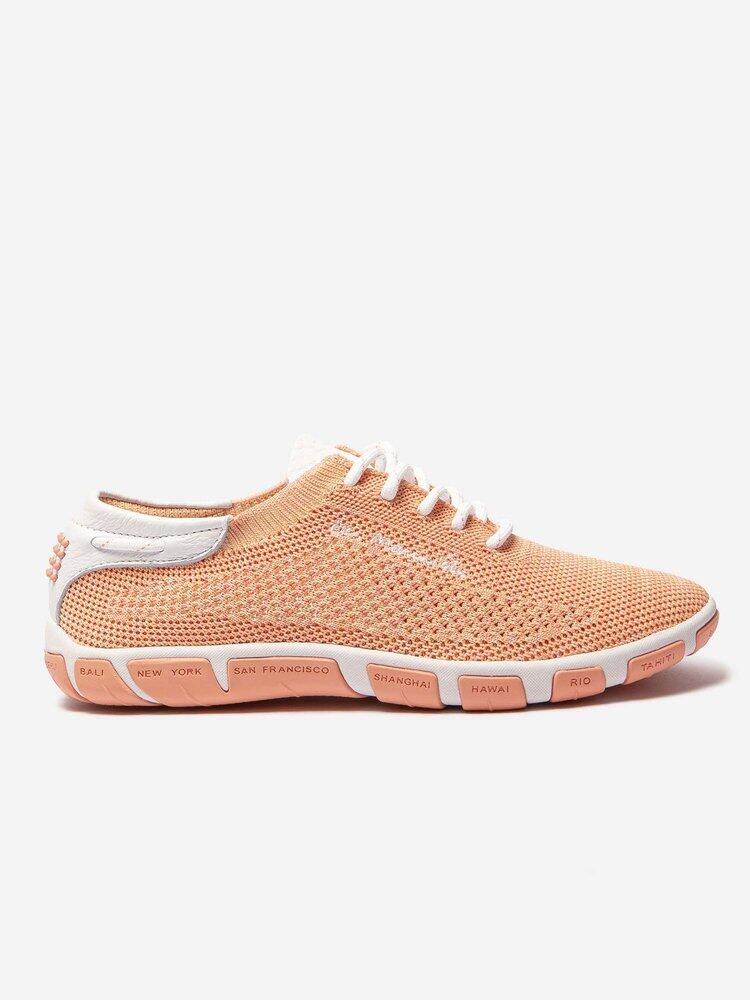
Grip is the single most critical specification for any deck shoe, and not all rubber soles perform equally on a wet fibreglass or teak surface. The best deck soles use a non-marking siped rubber compound. The sipes are the thin cuts across the sole face that channel water away from the contact patch, allowing the rubber to maintain direct contact with the deck rather than skating on a film of water. A sole that is too hard will hydroplane; one that is too soft will wear through within a season. Fit around the heel matters too: a loose heel lifts during a tack or sudden movement, which reduces the mechanical connection between foot and deck at exactly the moment you need it most. When conditions worsen, and full ankle support becomes essential, women's sailing boots deliver protection a low-cut shoe can't, especially when working forward on a pitching foredeck in steep chop. Practical advice: always wet the sole of a new deck shoe before trusting it on a slippery surface because the rubber needs to reach full flexibility to achieve intended grip performance, and a cold, dry sole straight out of the bag will not perform to its specification.

How does a leather sailing shoe differ from a synthetic model for coastal cruising?

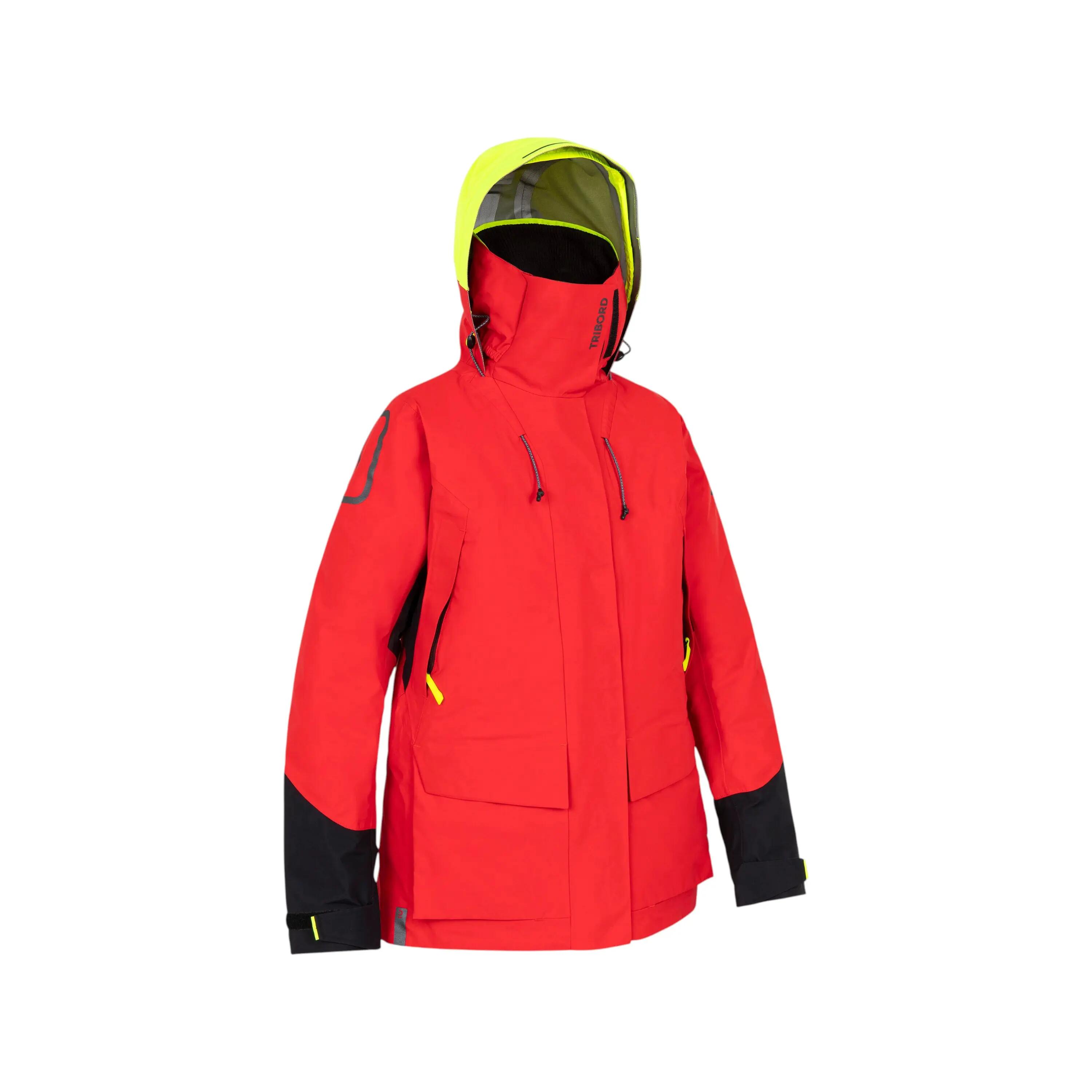
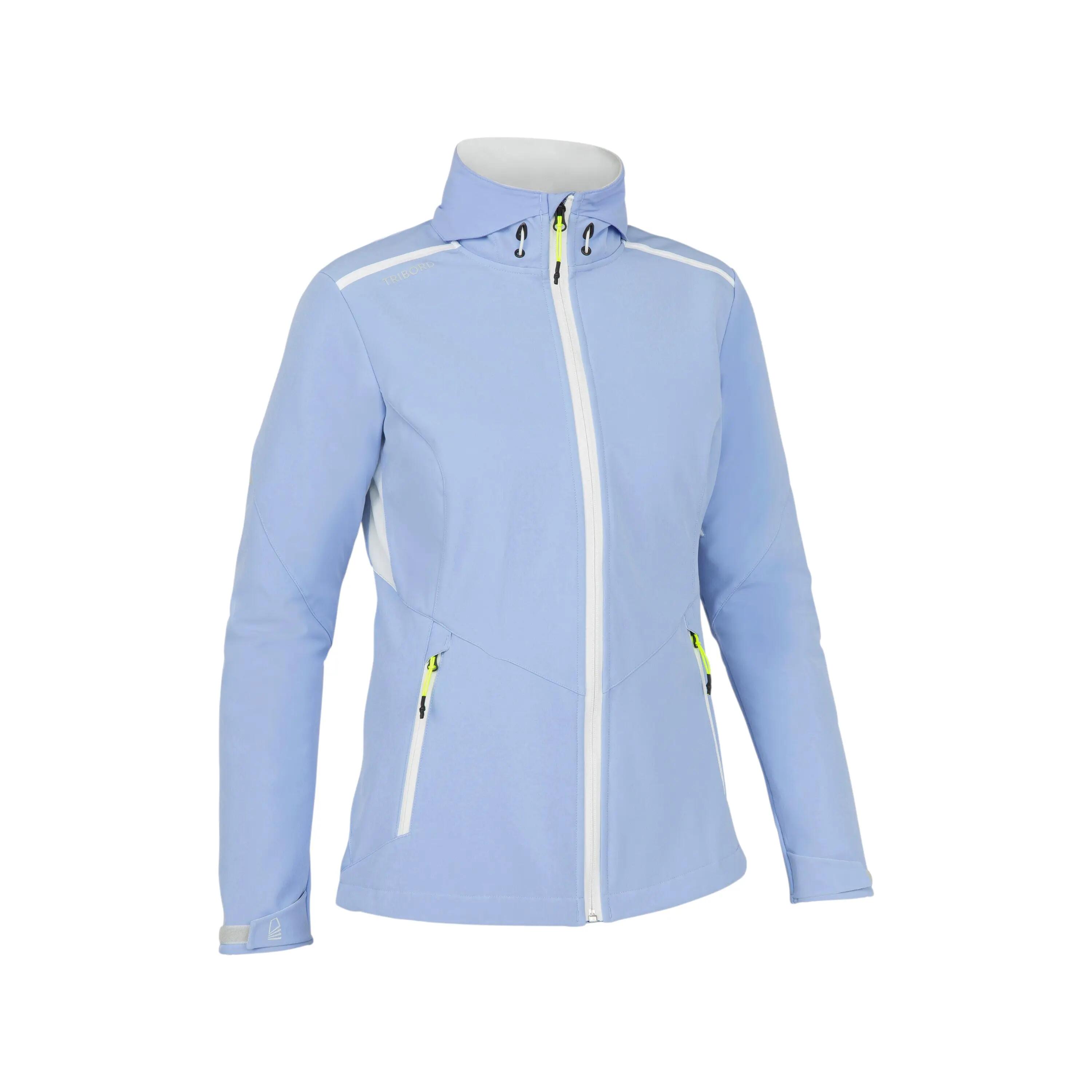
Leather uppers mould to the foot over time, creating a fit that a synthetic upper rarely matches after the break-in period. The natural fibre structure also breathes more effectively during warm-weather passages, reducing the build-up of heat and moisture inside the shoe over long watches. One trade-off is extra weight when wet: a leather shoe absorbs significantly more water than a mesh or neoprene synthetic, which matters when moving quickly across a wet cockpit. Leather also requires more attention to remain supple after repeated saltwater exposure, as neglected leather cracks at the flex points around the toe box and heel counter, where stress concentrates with each step. A layering approach works well for variable conditions: a breathable women's sailing jacket or smock overhead combined with a leather shoe underfoot covers the range of mild to moderate coastal weather without needing a full kit change between harbour and open water.

Are sailing shoes suitable for racing as well as cruising?

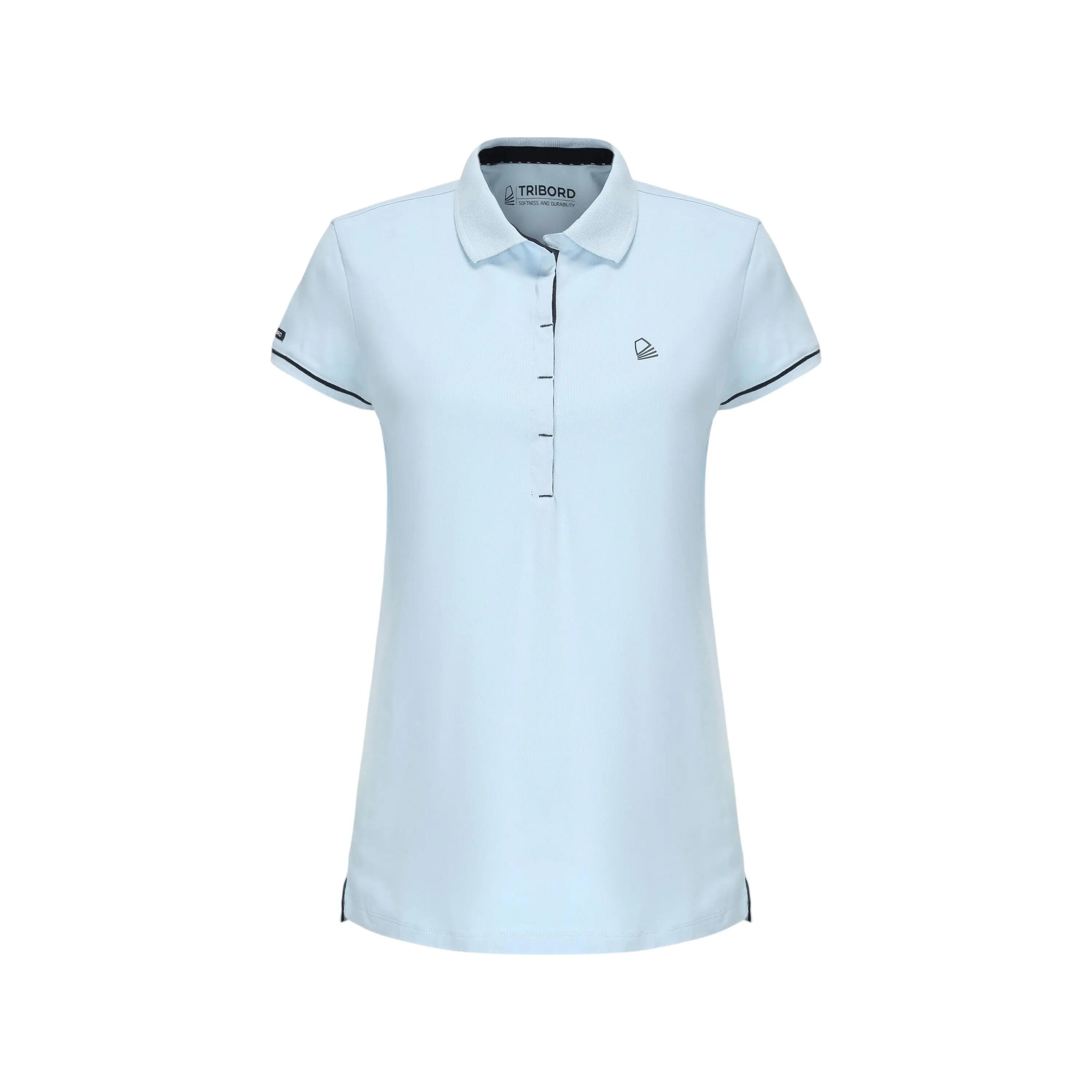
Racing places different demands on footwear than cruising. On a racing keelboat or sportboat, crew members move fast across a canting, heeling deck, often in bare feet or minimal grip socks, but a deck shoe with a thin, flexible sole and close heel fit provides the grip confidence to move without hesitation. Sole thickness also matters because a thicker cushioned sole raises the centre of gravity marginally and reduces tactile feedback from the deck surface, which experienced crew notice immediately during quick tacks. Cruising shoes prioritise comfort over a long watch in the cockpit, so they tend toward a slightly more padded construction. On warm-weather sailing days, women's sailing polo shirts complement women's sailing shoes, creating a lightweight outfit that keeps you comfortable without compromising freedom of movement on deck.

Can sailing shoes be worn off the boat for travel and marina use?

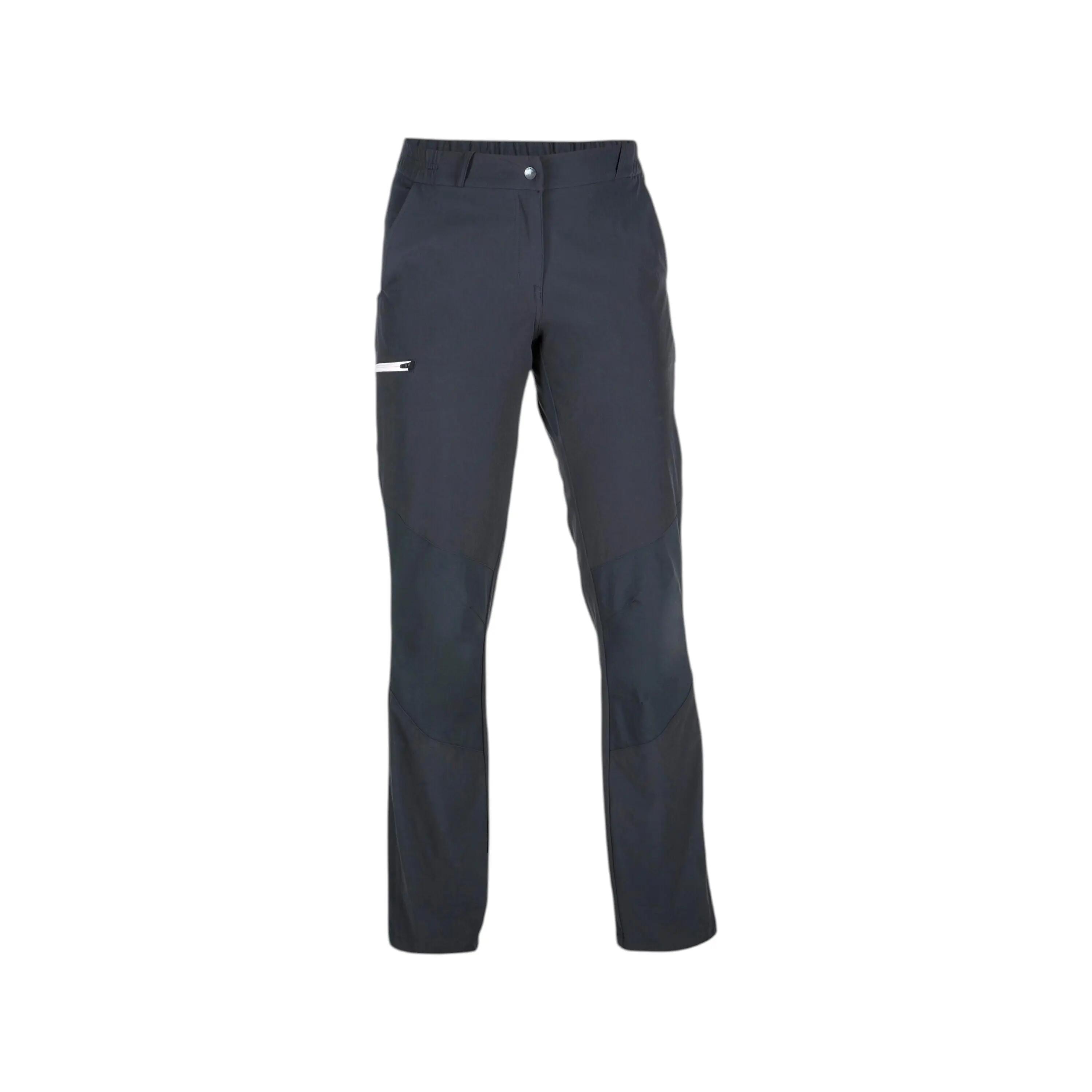
Modern sailing shoes have converged significantly with casual boat shoes in profile, and many models move comfortably between deck use and marina walking. The key distinction is sole marking: a true non-marking deck sole leaves no scuff on a white gelcoat surface, while a standard casual shoe sole almost always marks. Off the boat, the siped sole that provides deck grip also works well on wet stone, tile, and pontoon boarding, making sailing shoes a practical single-pair choice for a weekend coastal trip. Fit is geared towards performance rather than extended walking. A narrow heel box and close toe fit that suits quick deck movement can become restrictive over several kilometres on land. Choosing women's sailing trousers and bermudas alongside your sailing shoes helps create a practical outfit for both on-deck use and marina wear while reducing the total volume of kit needed for a short passage.

When should I wear women's sailing shoes?

Women's sailing shoes are best suited to keelboats, marina use and coastal cruising, where dependable grip and all-day comfort matter most. A low-cut, non-marking leather or synthetic upper provides reliable traction and breathability without unnecessary bulk. Dinghy sailing often involves regular immersion, so neoprene footwear is a better fit for those conditions. Offshore passages usually call for taller sailing boots that add waterproofing and insulation during prolonged exposure to spray and cold weather. Keeping both deck shoes and women's sailing wetsuits on hand suits sailors who alternate between dinghies and keelboats throughout the season. A wetsuit supports capsize recovery in a dinghy, while sailing shoes provide comfort and grip aboard a keelboat.