33 items
4.8/5 based on 19103 reviews collected online and in stores

Women's Sailing Fleeces, Softshells & Jumpers FAQs

How can you choose the right mid-layer for sailing?

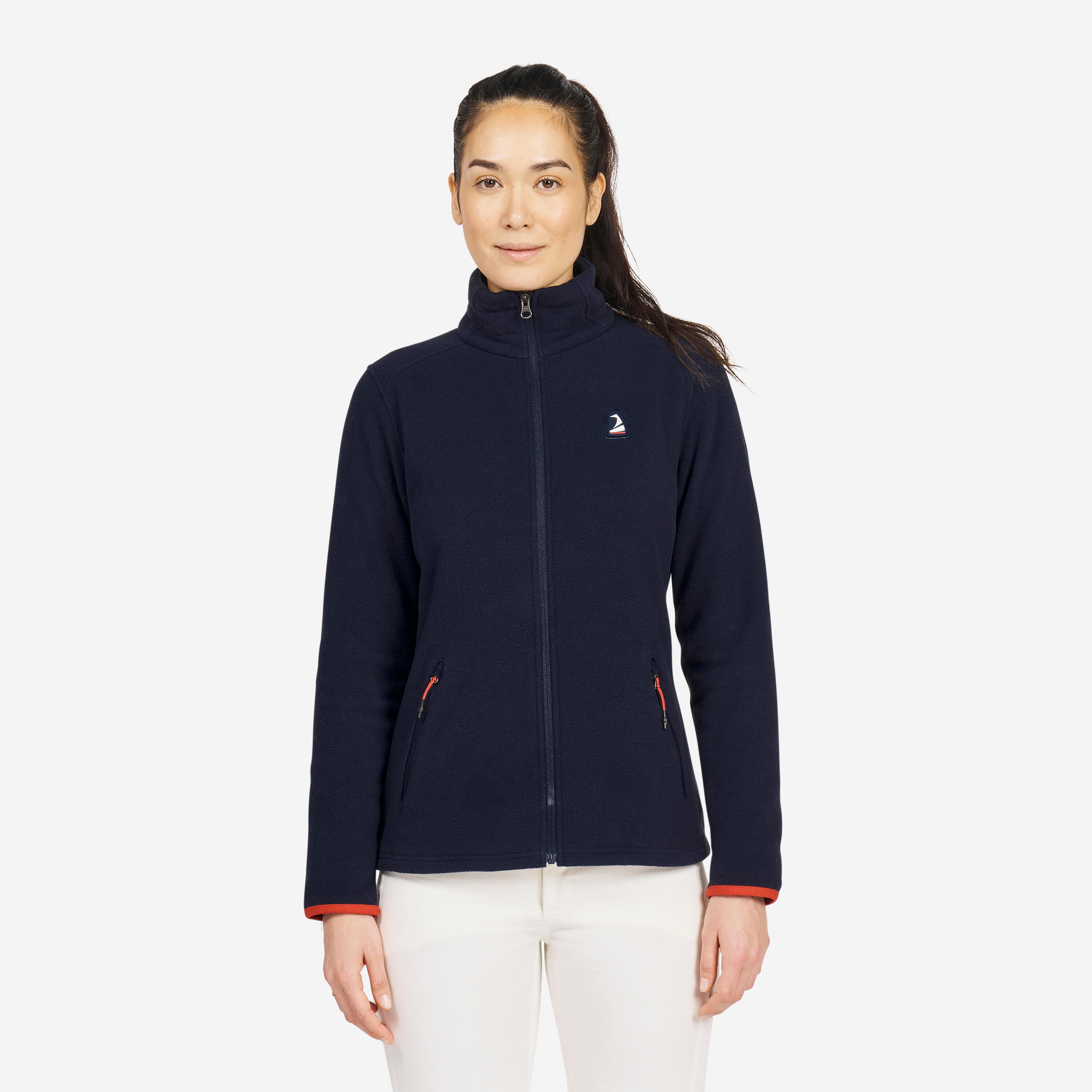
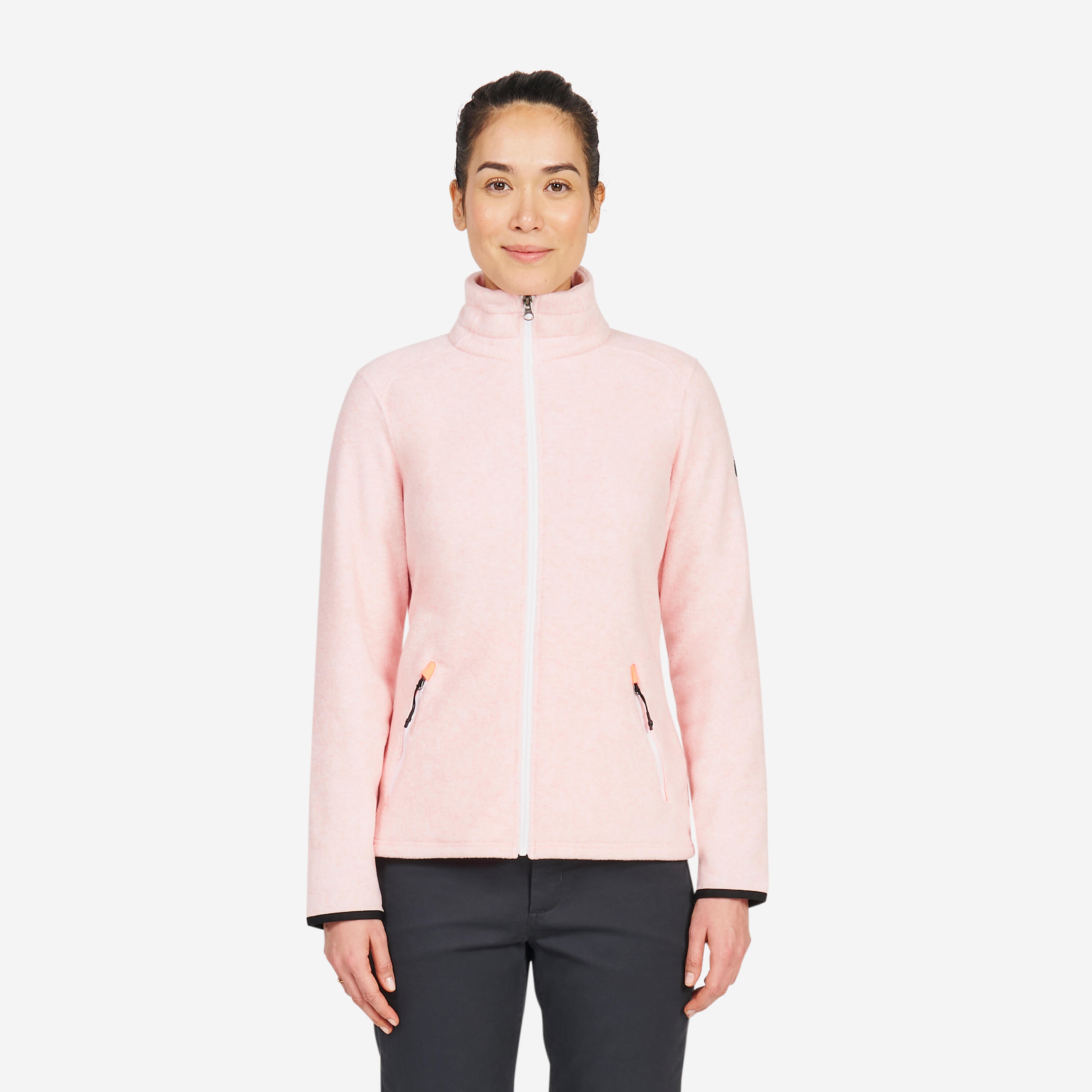
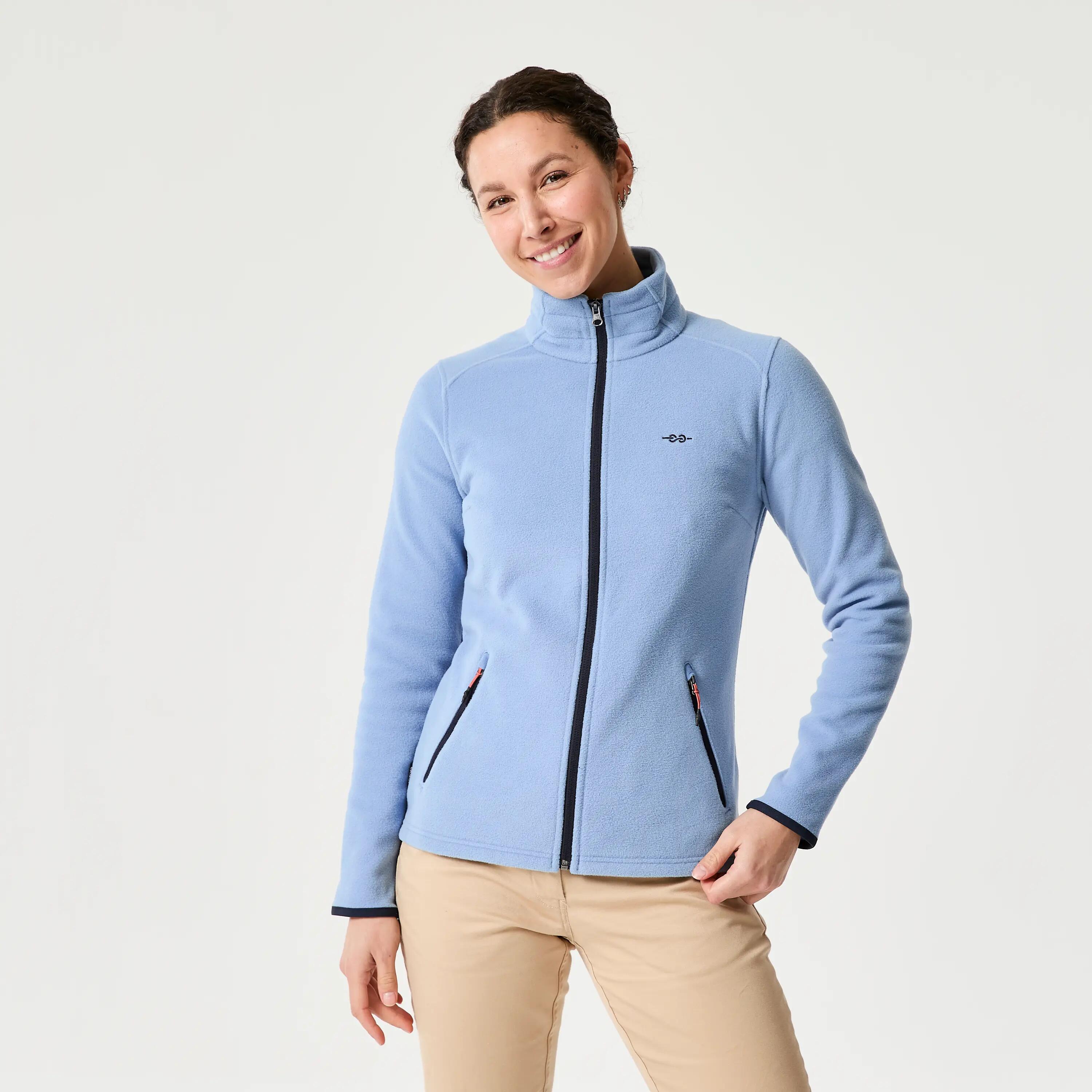
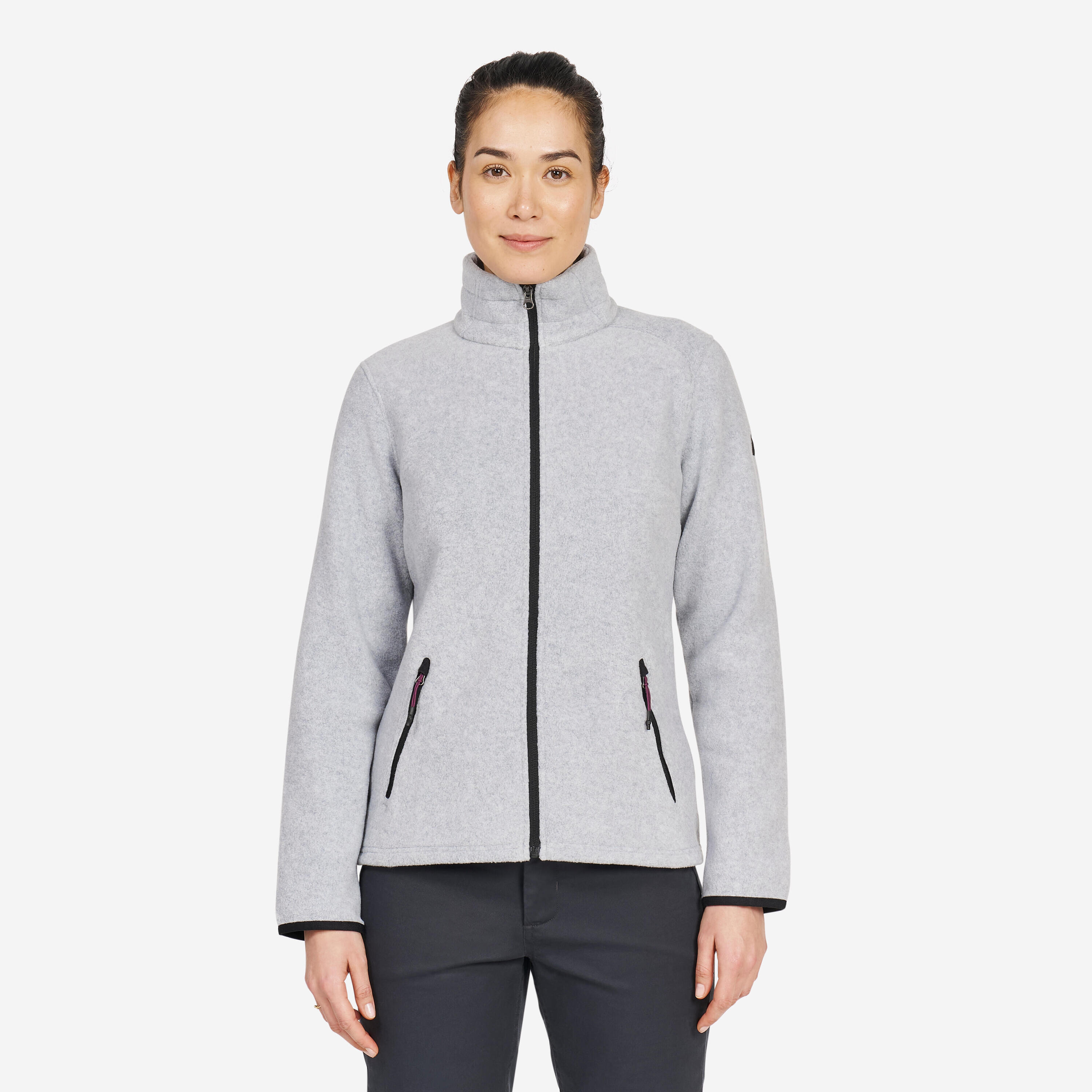
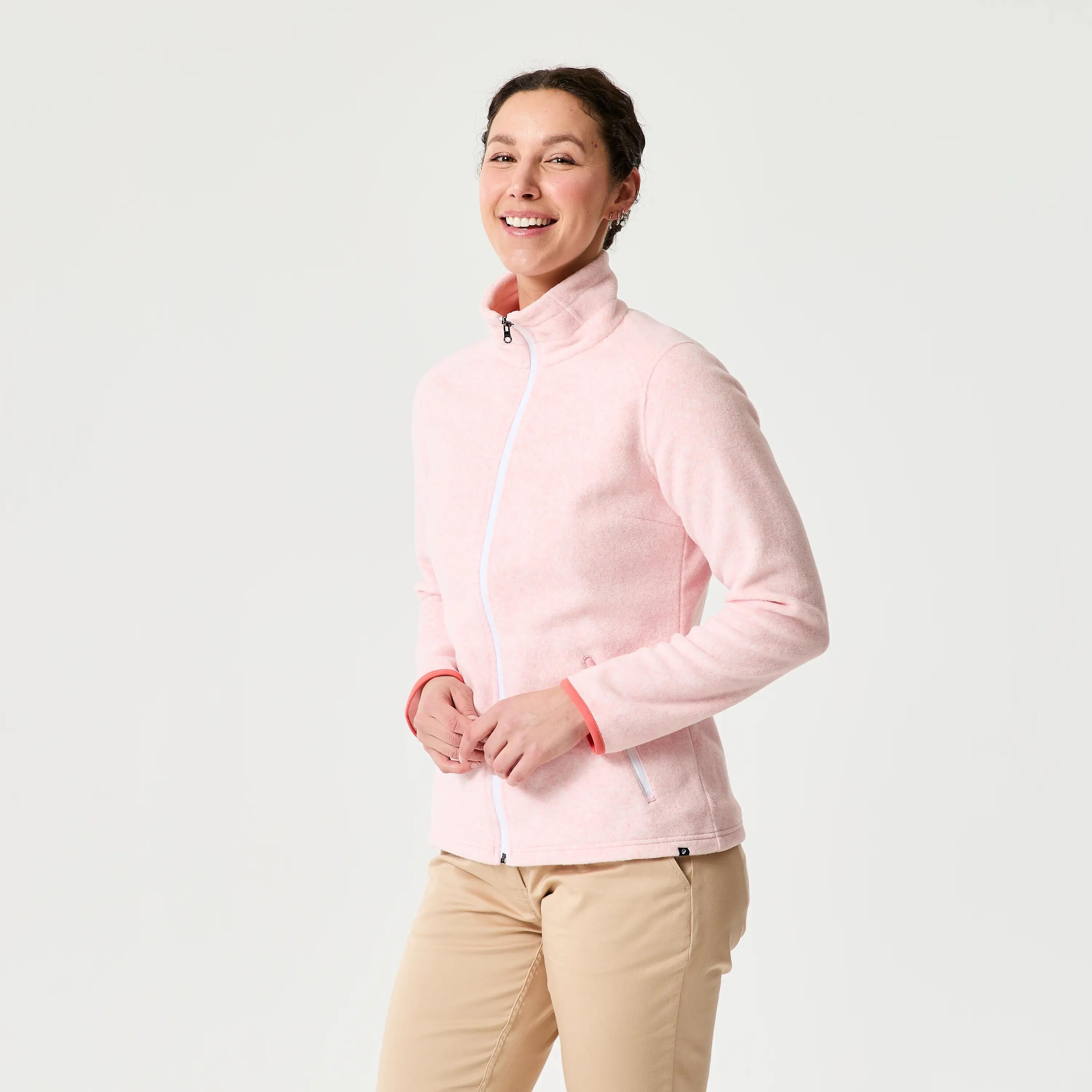
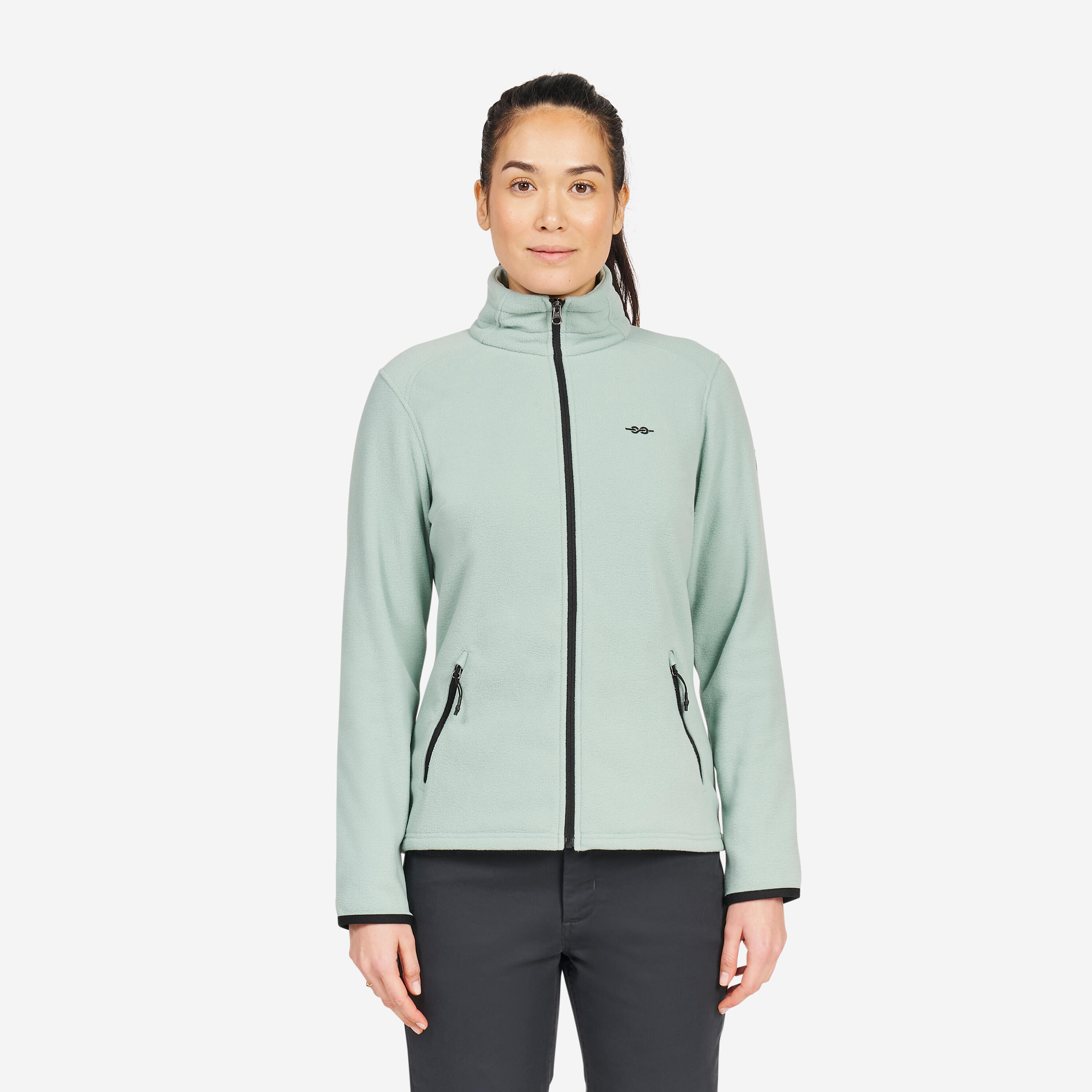
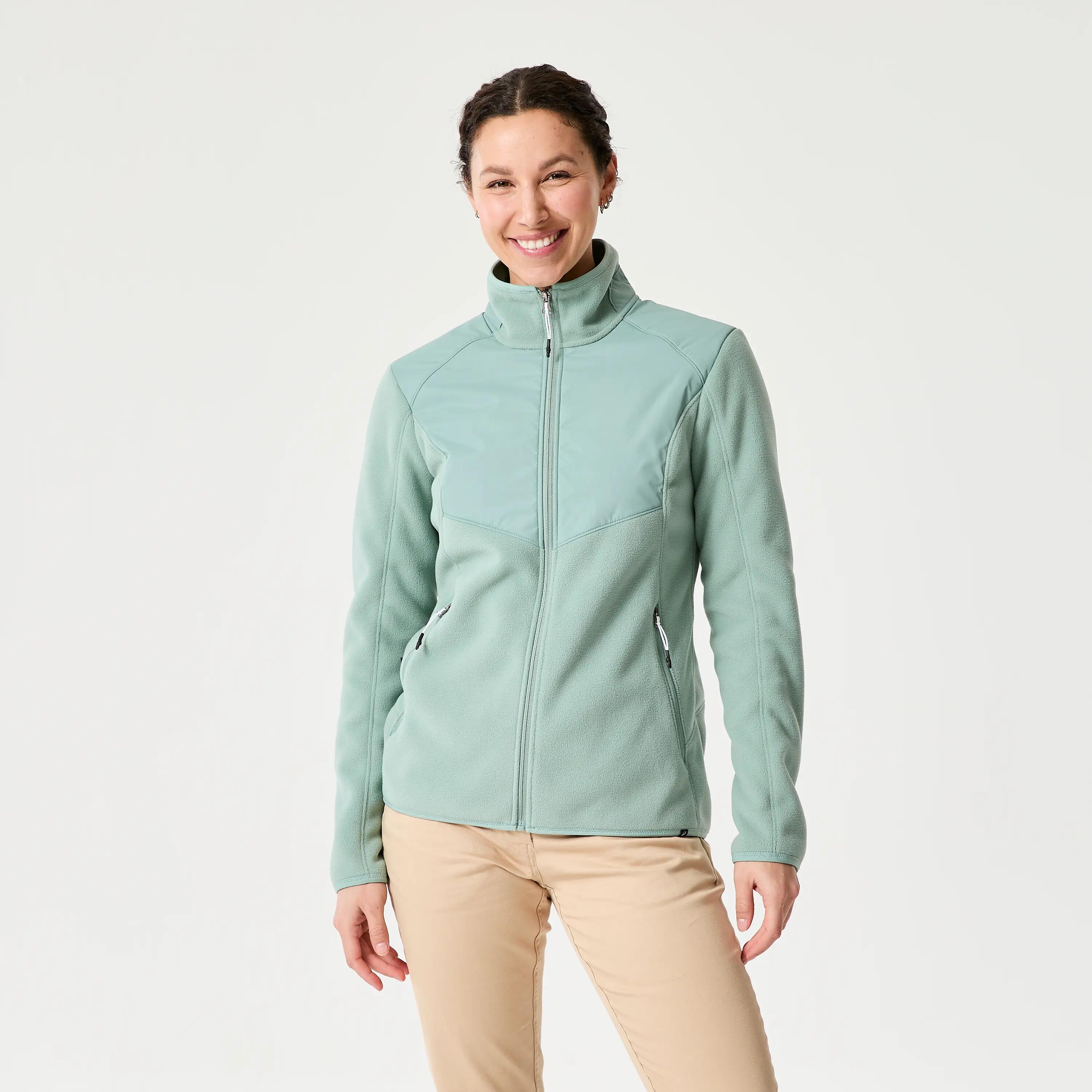
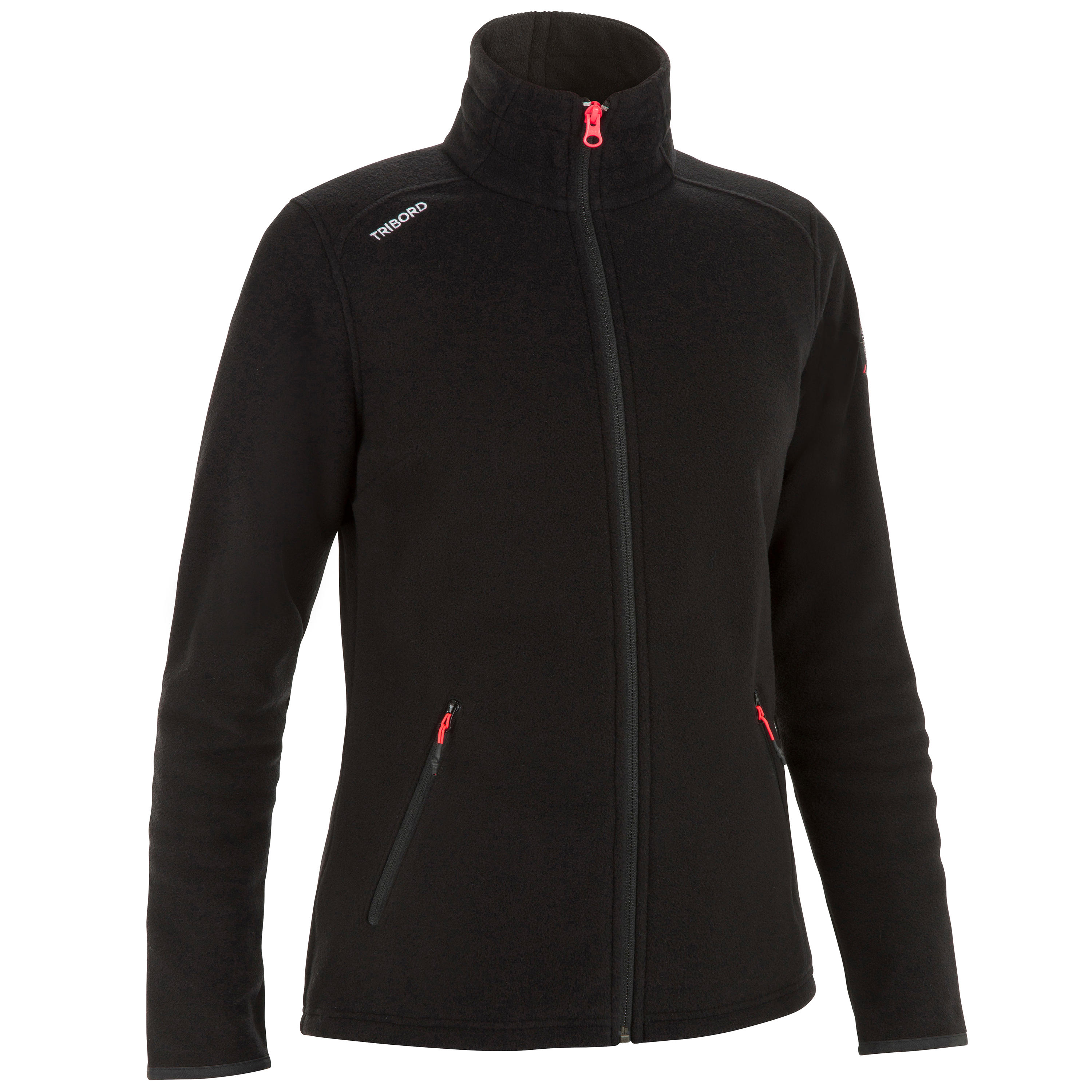
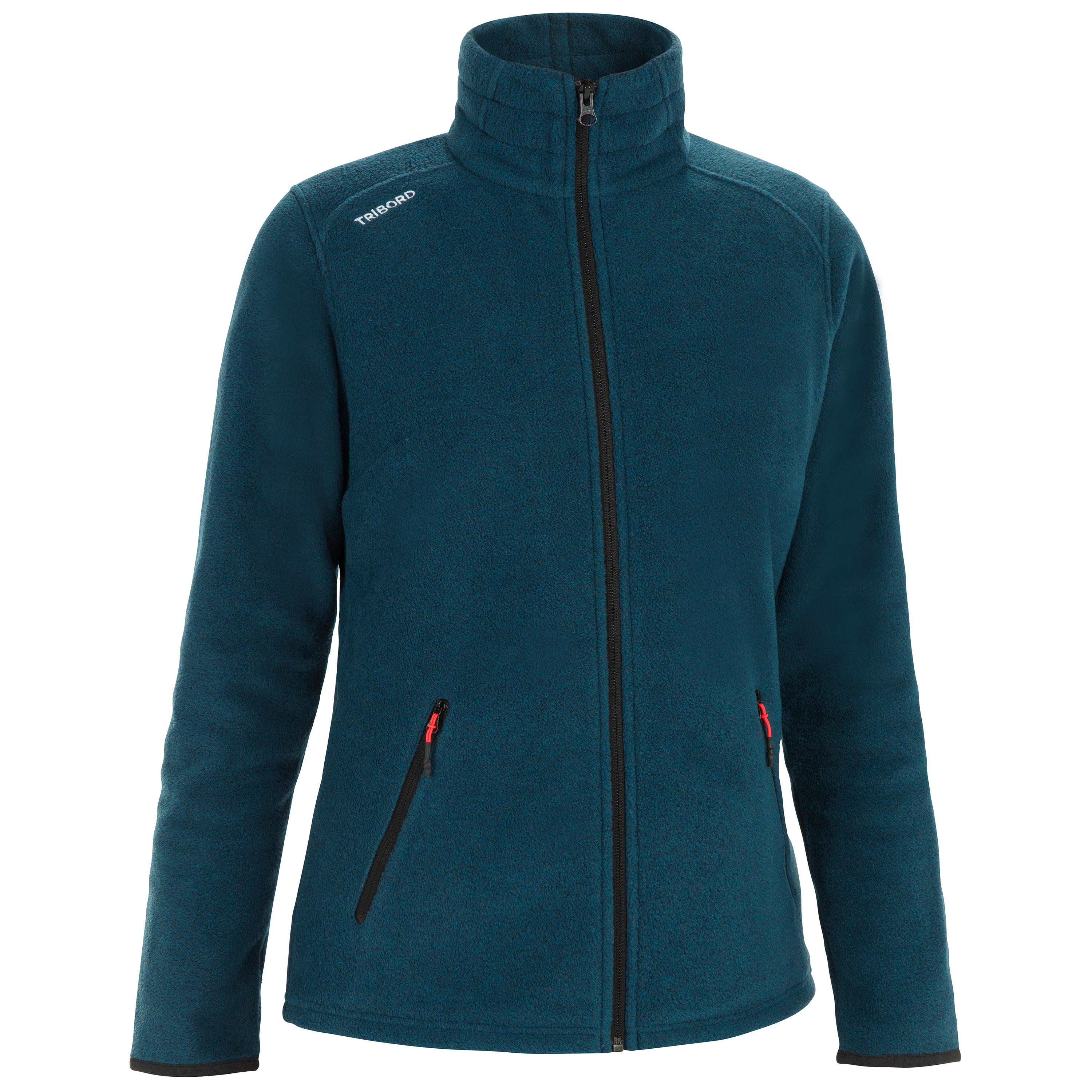
Choose according to temperature, wind exposure and whether you need a mid-layer or a more protective outer layer. Decathlon separates the range by intended conditions, with lighter fleeces for cool weather, warmer fleeces for lower temperatures and softshells for added wind protection. In terms of building a complete outfit, the wider women's sailing clothes range can help you combine base layers, insulation and waterproof protection. Sailing 100 fleeces is developed for roughly 7 degrees Celsius to 10 degrees Celsius, while sailing 500 fleeces targets colder conditions around 4 degrees Celsius to 7 degrees Celsius. Pro tip: think about how active you will be as well as the forecast. A highly active session may need a more breathable layer than a colder day spent sitting or waiting between manoeuvres.

When is a knitted sailing jumper a practical choice?

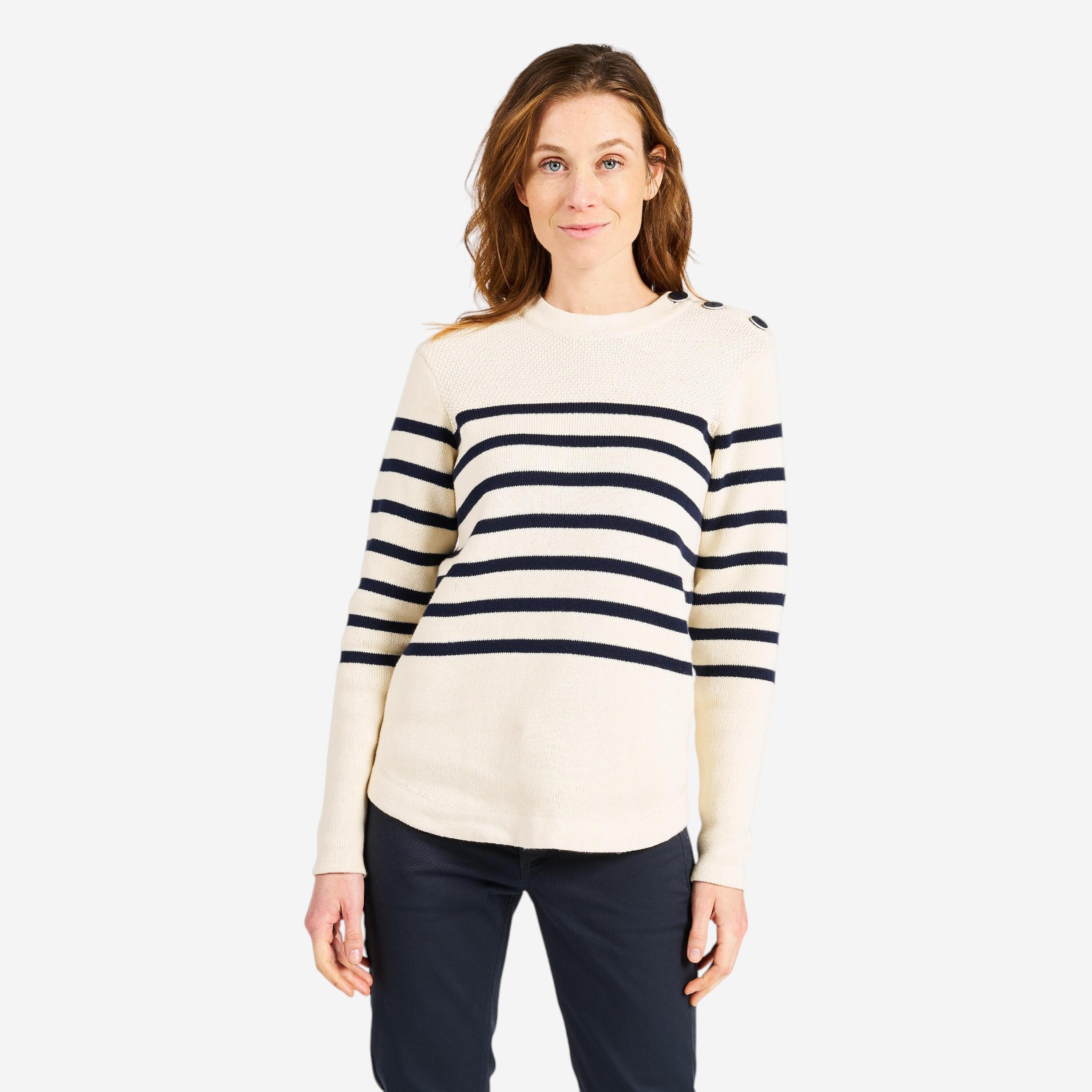
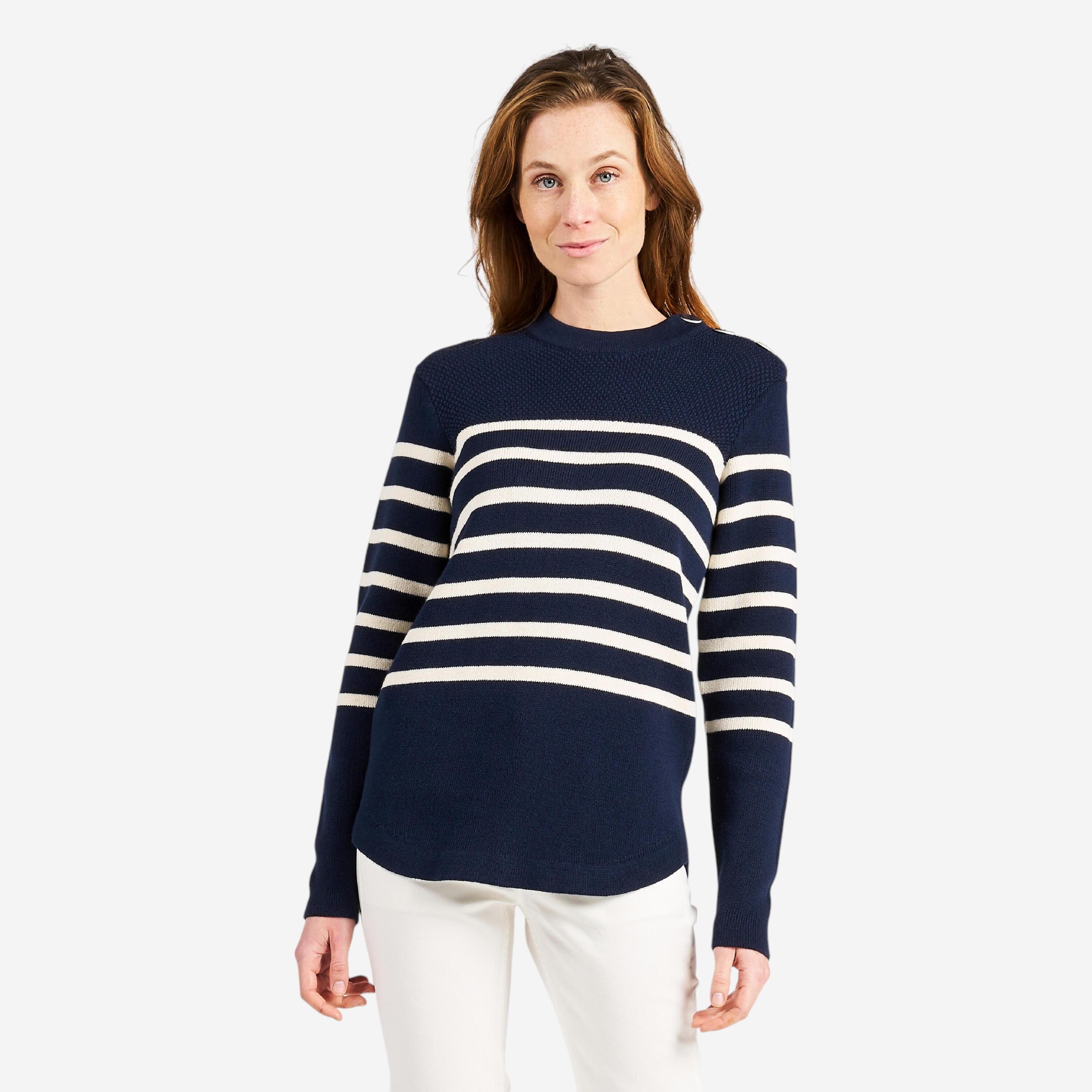
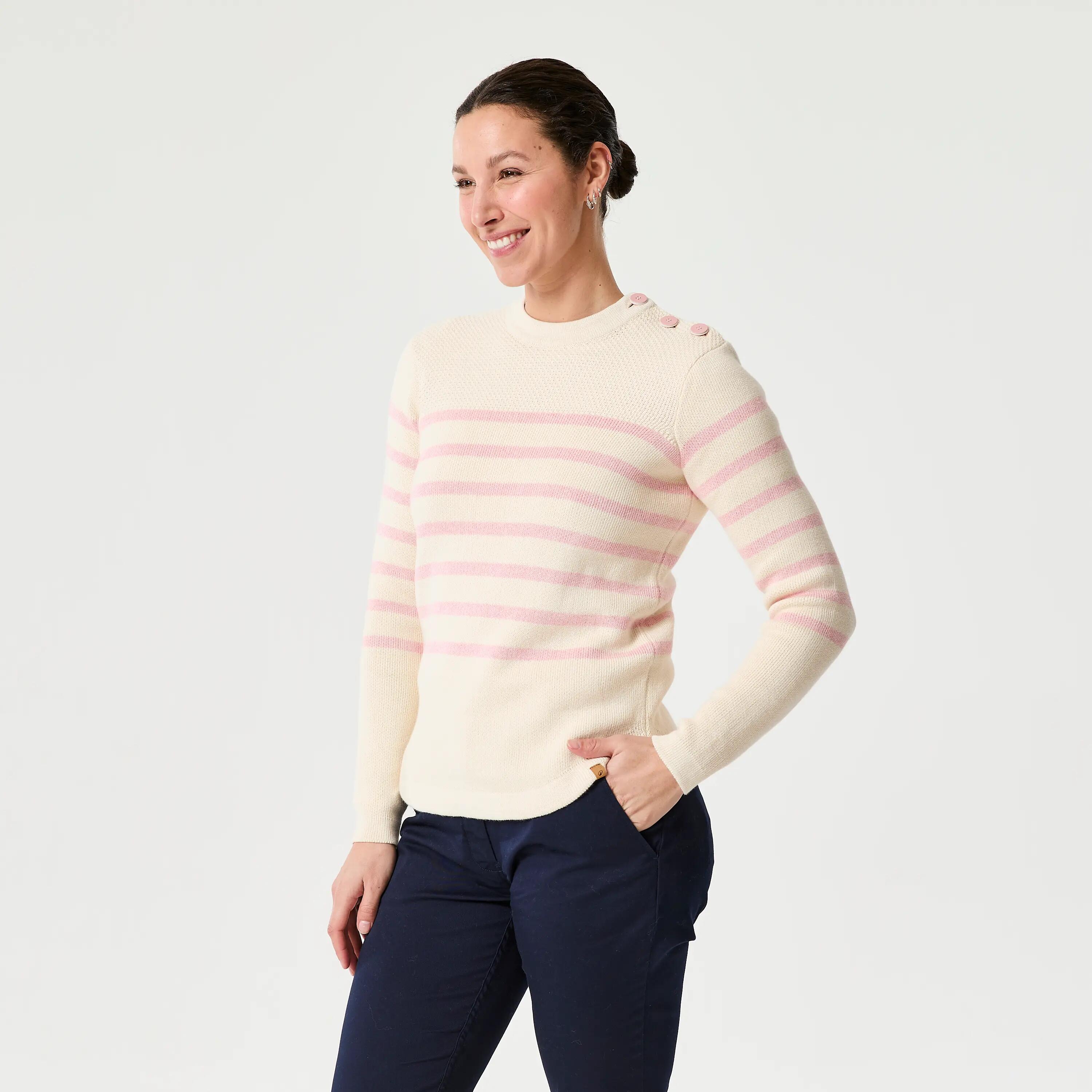
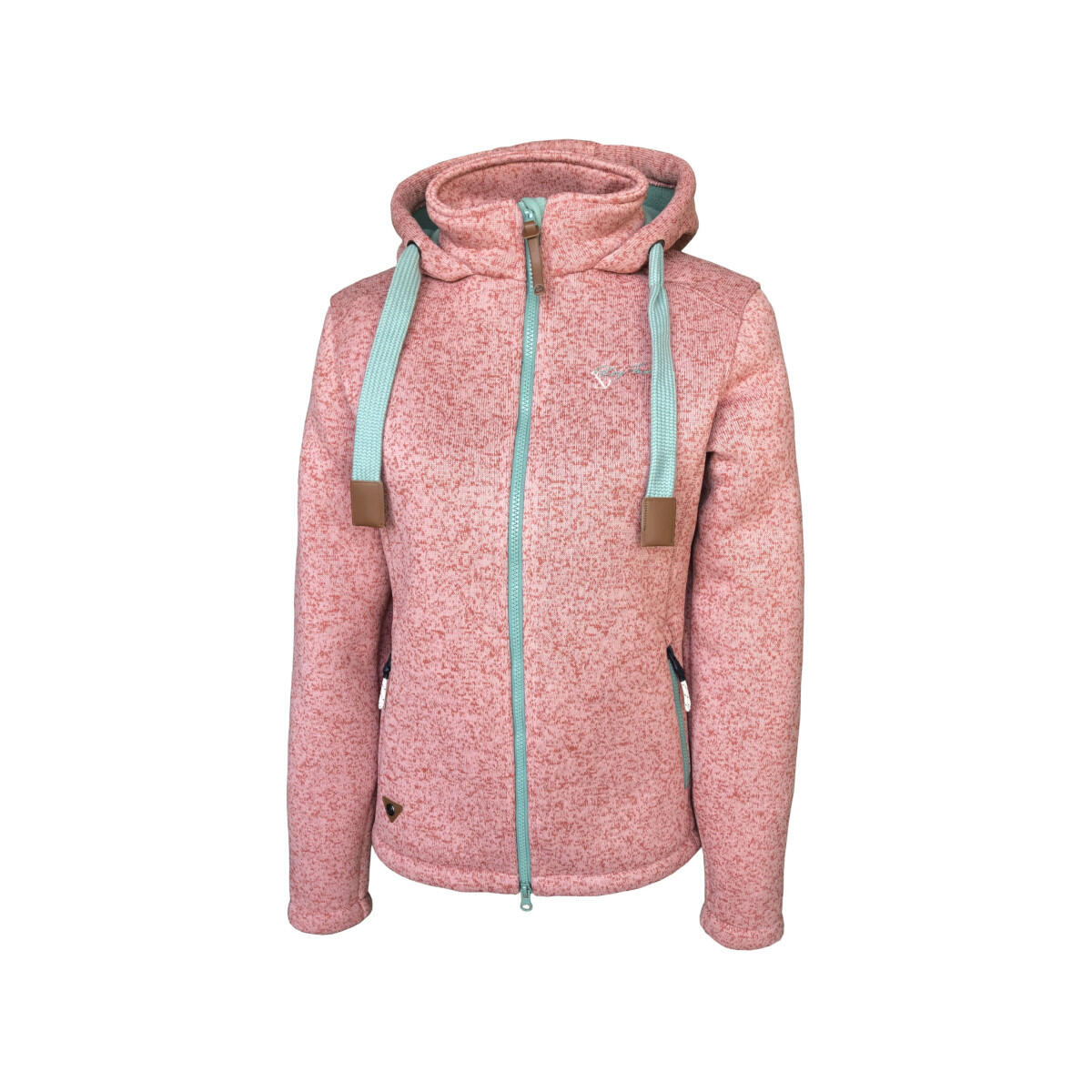
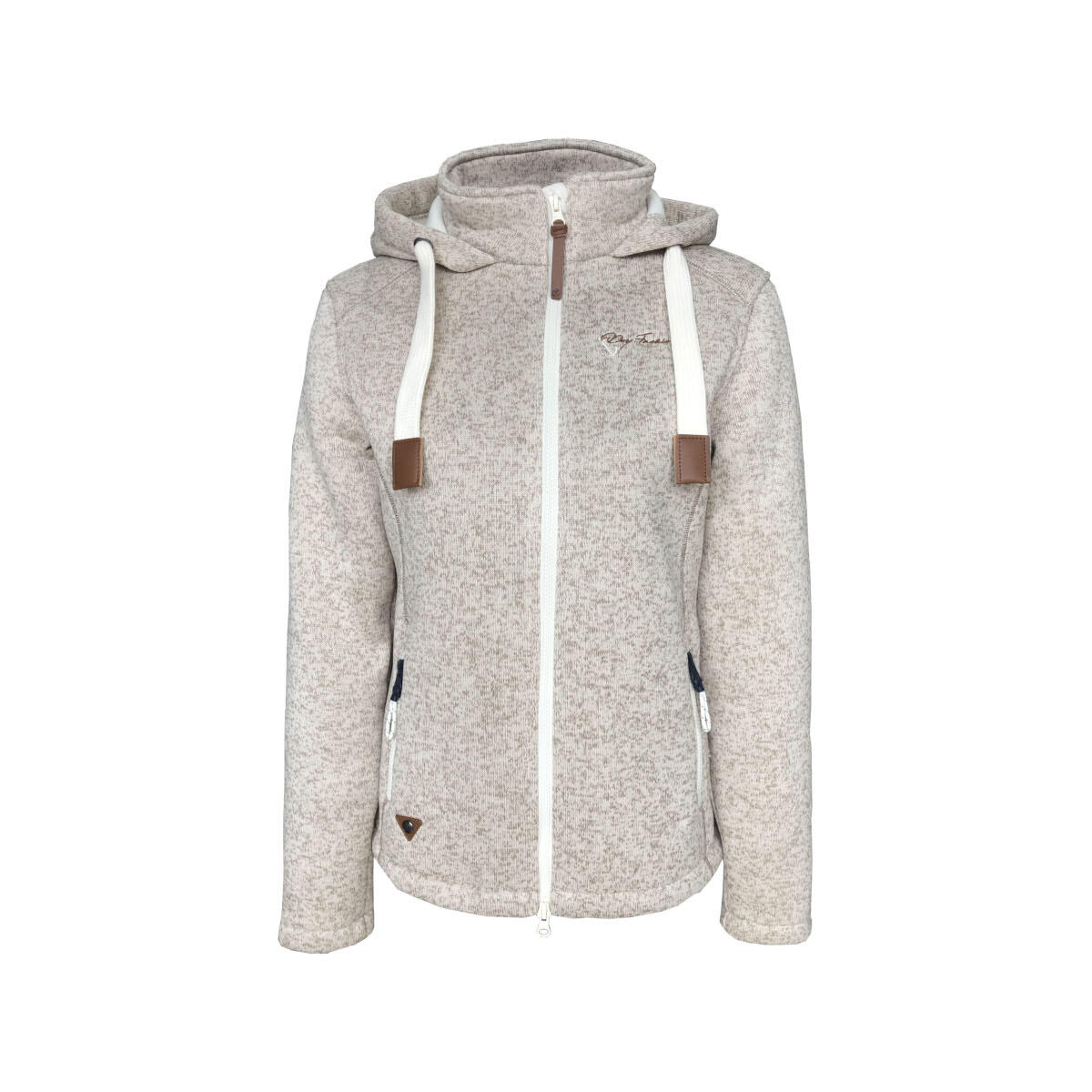
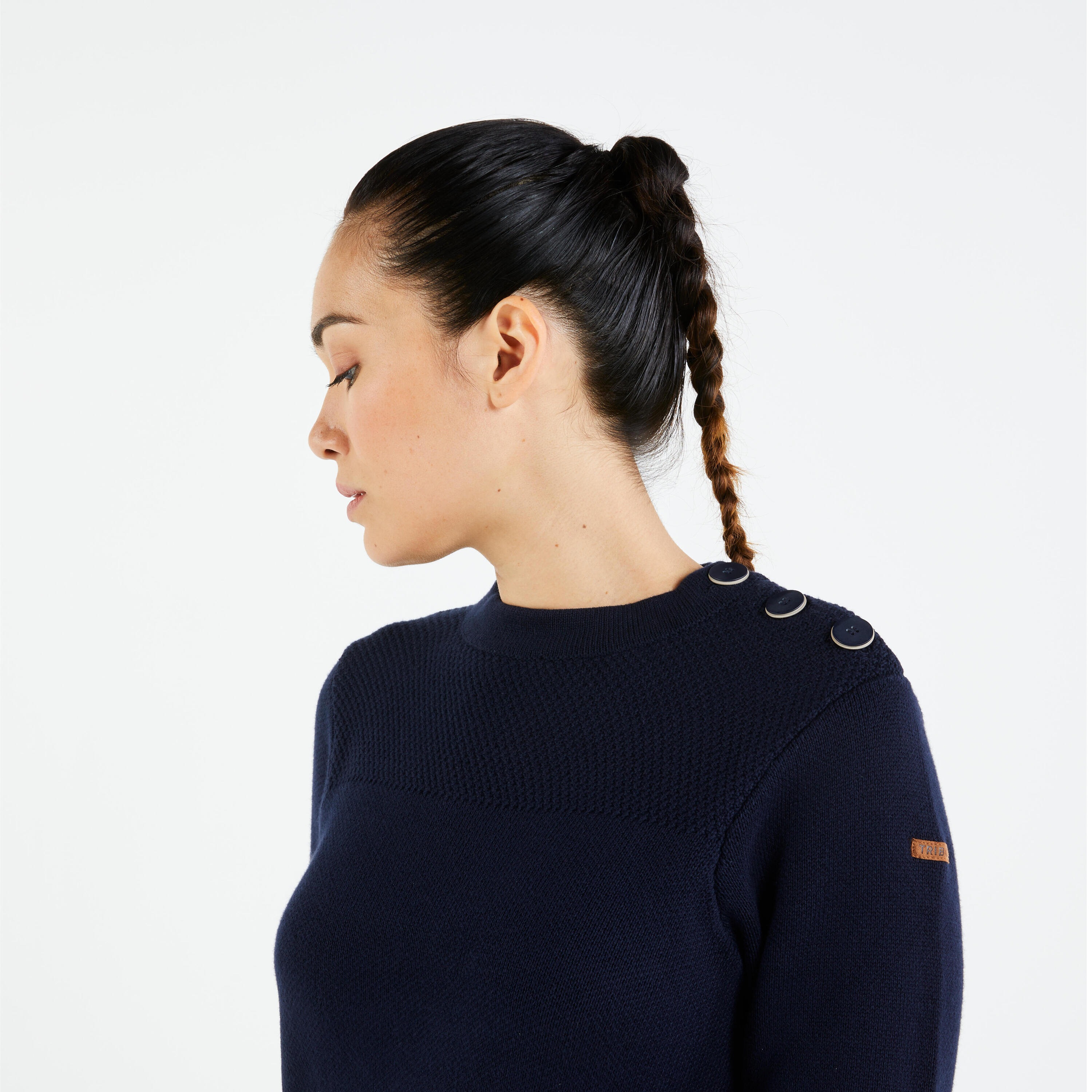
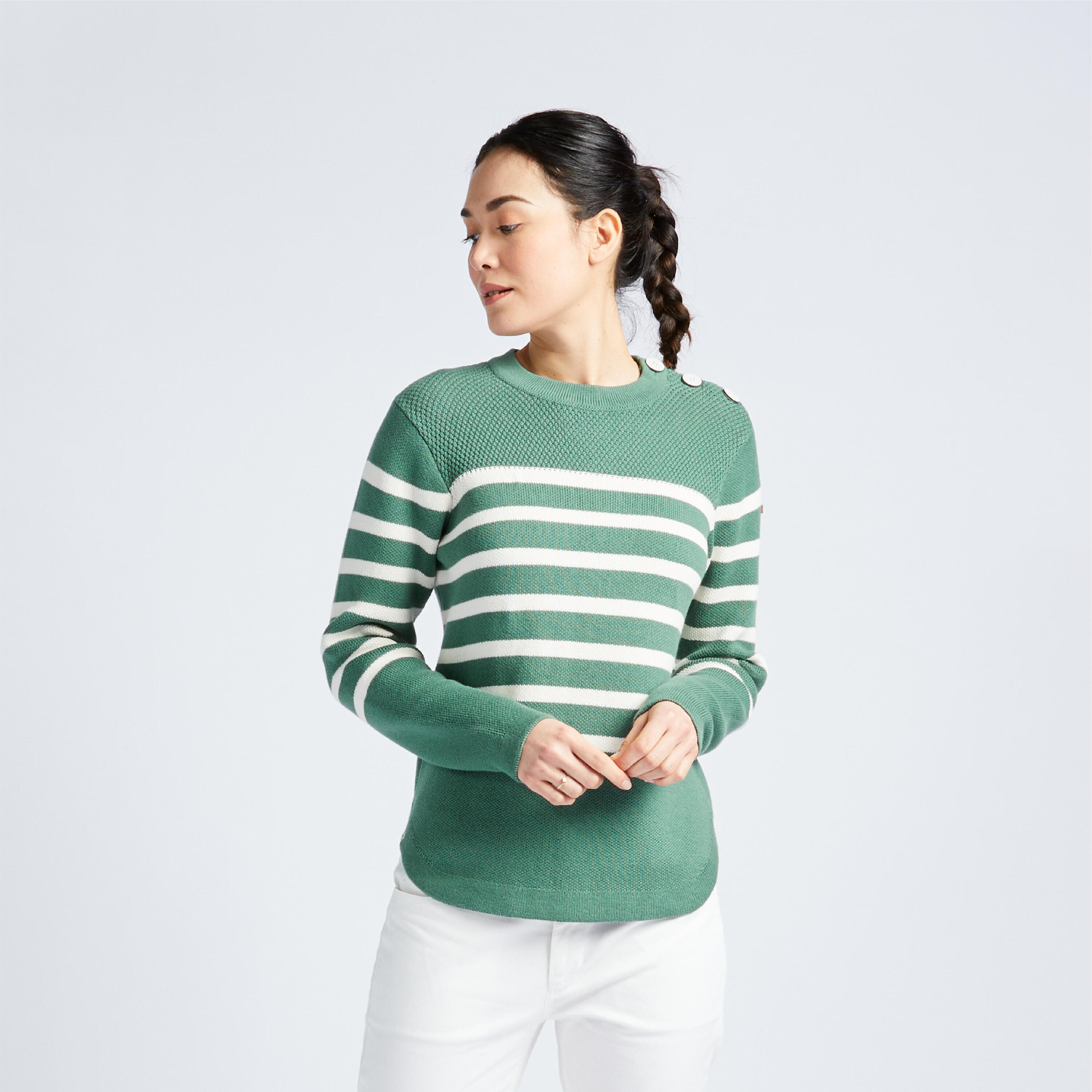
A knitted jumper works well in milder conditions when you want comfortable insulation without the heavier weather protection of a fleece-backed softshell. Decathlon's Sailing 100 option is made from cotton and is intended for sailing around 10 degrees Celsius to 13 degrees Celsius, with varied knit density helping balance warmth and ventilation. To achieve a closer traditional sailing style, a women's knitted sailing jumper can be worn on its own in calm weather or underneath an outer jacket when conditions change. Pro tip: store knitted cotton garments folded rather than hanging them for long periods, as this can help prevent the shape stretching under its own weight.

What makes a softshell useful for women sailing in windy weather?

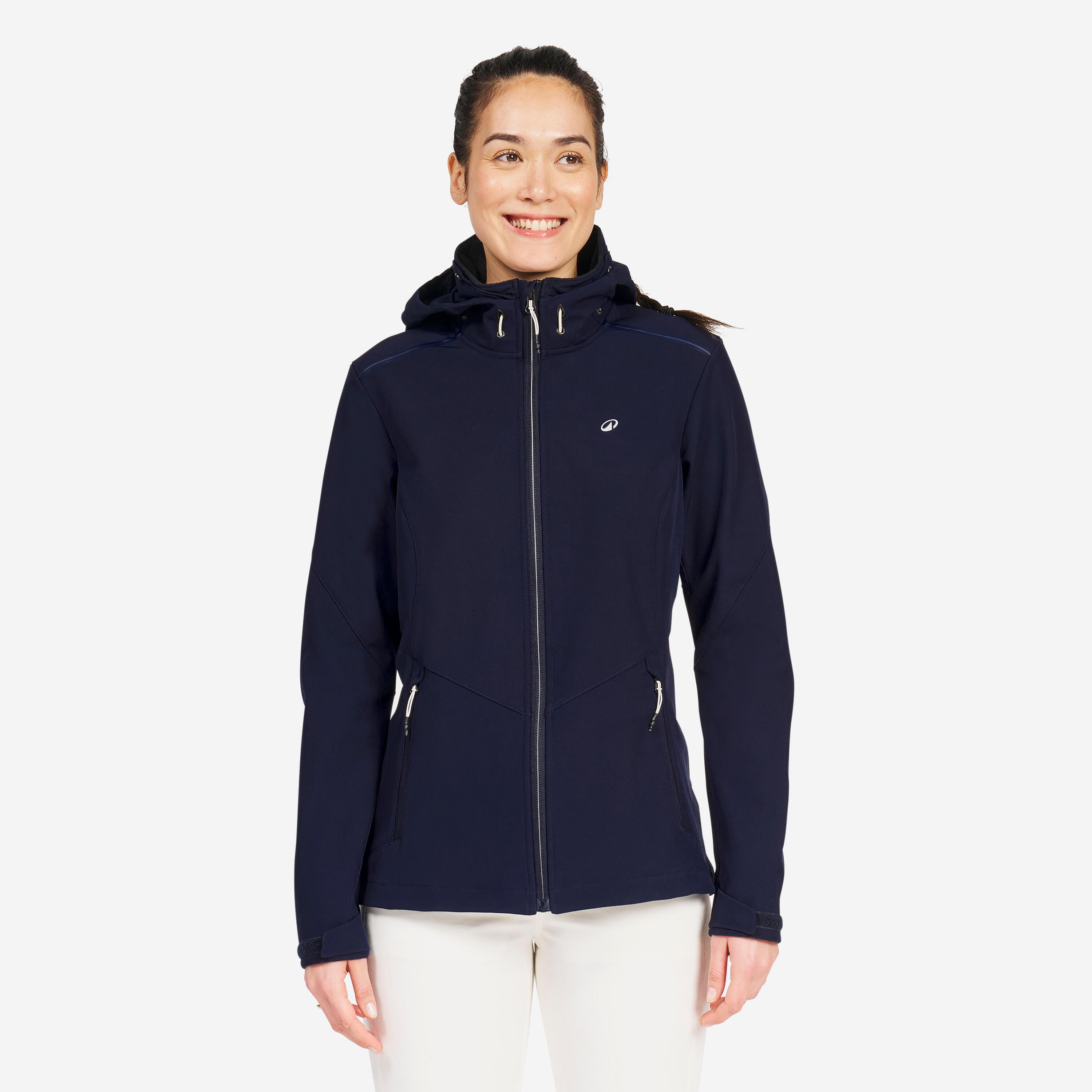
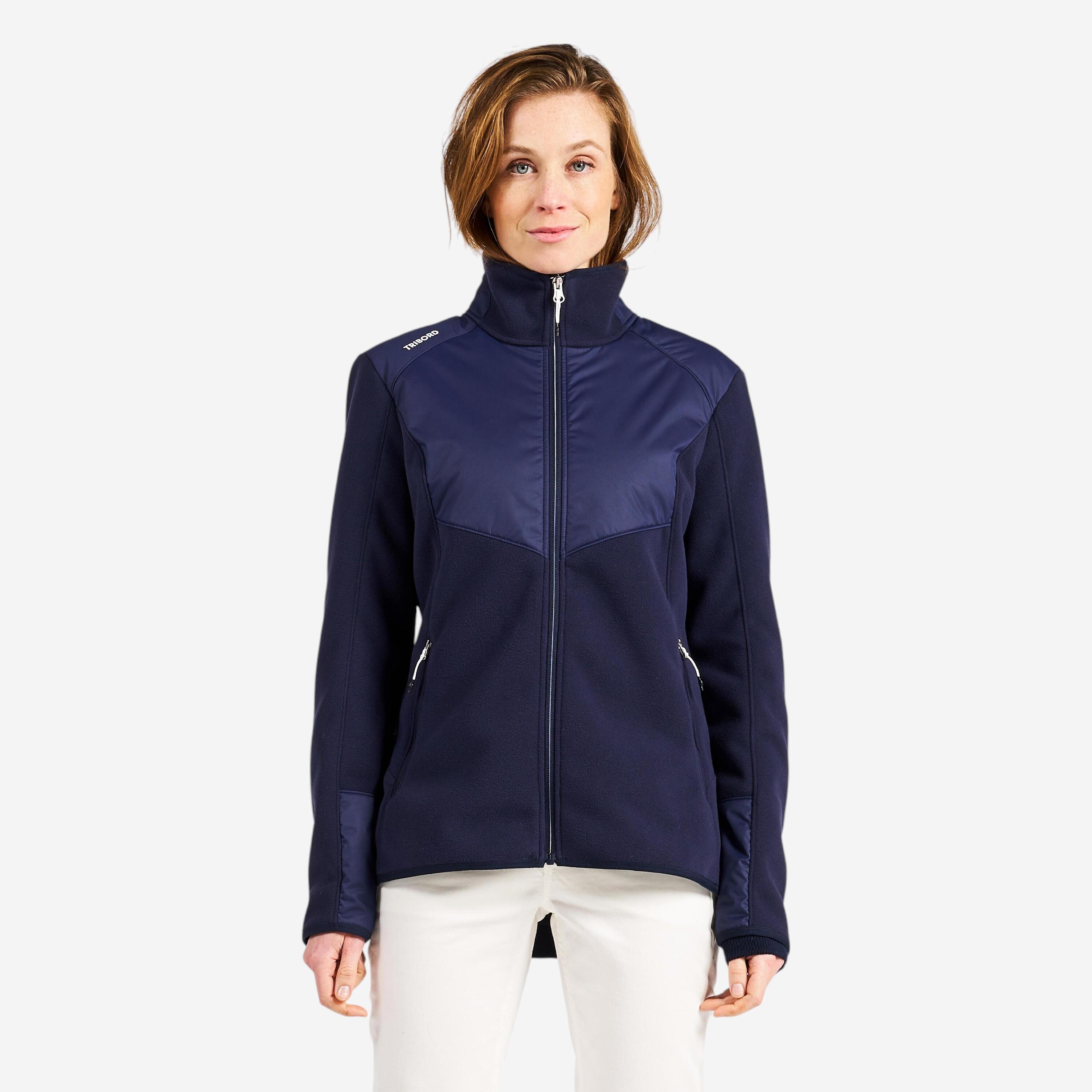
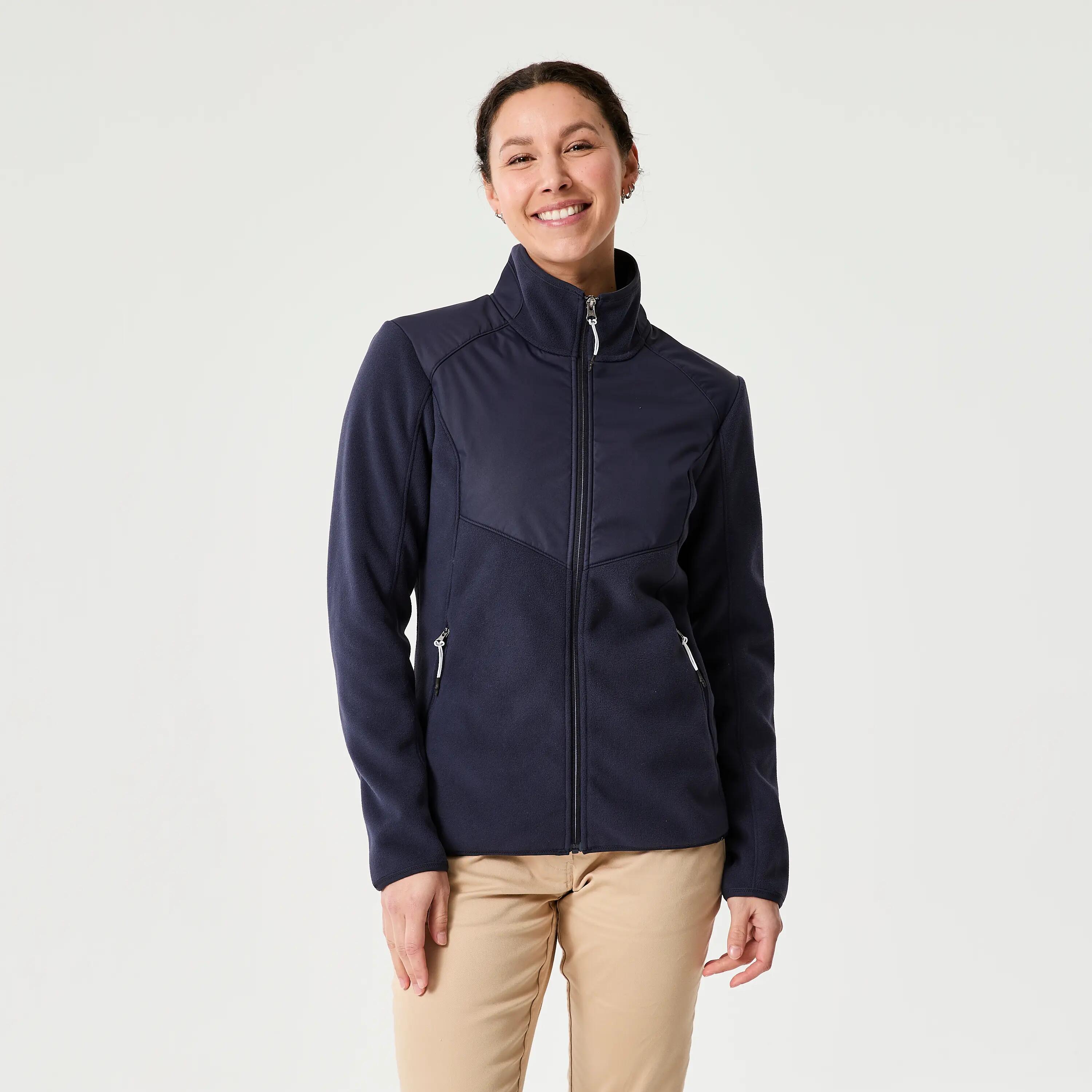
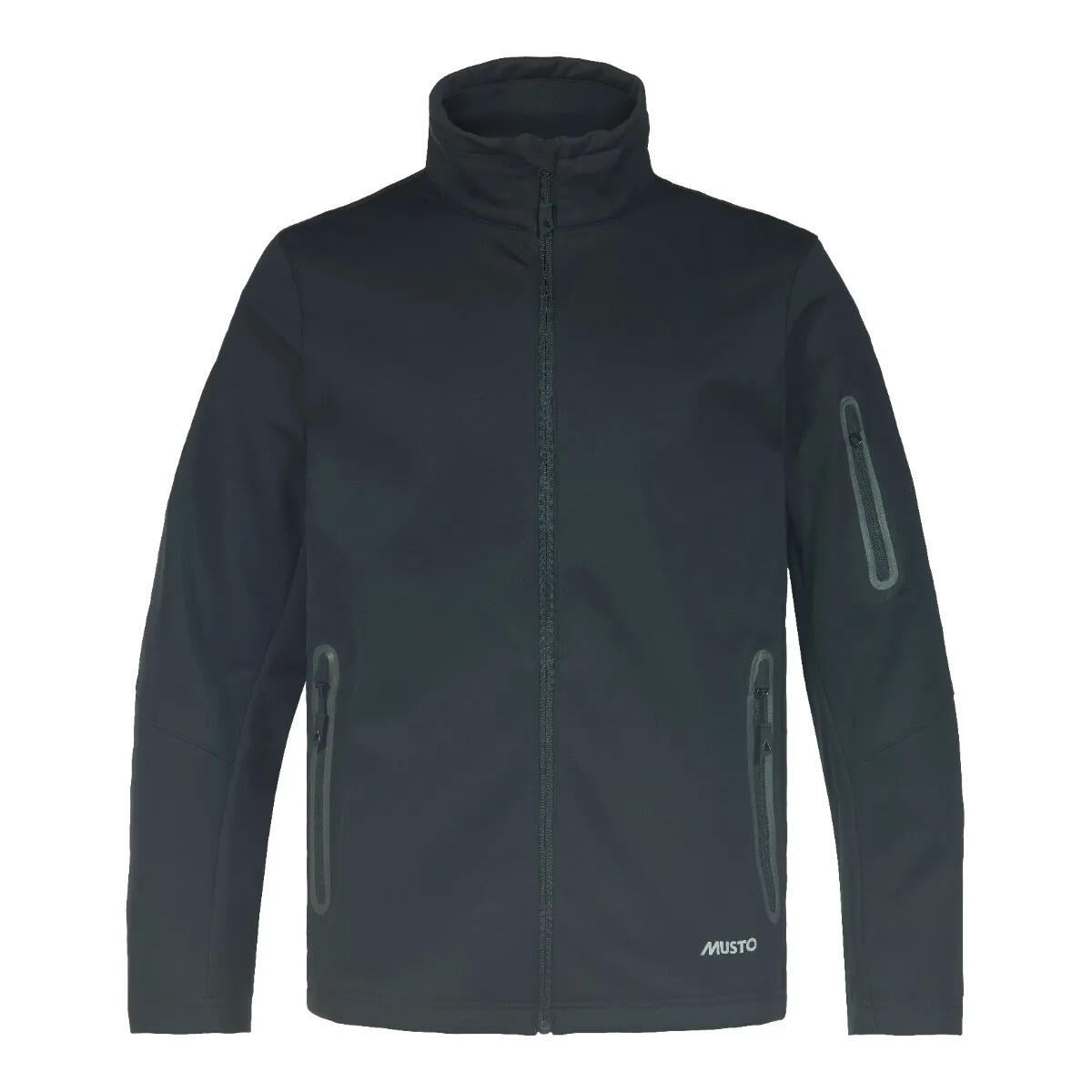
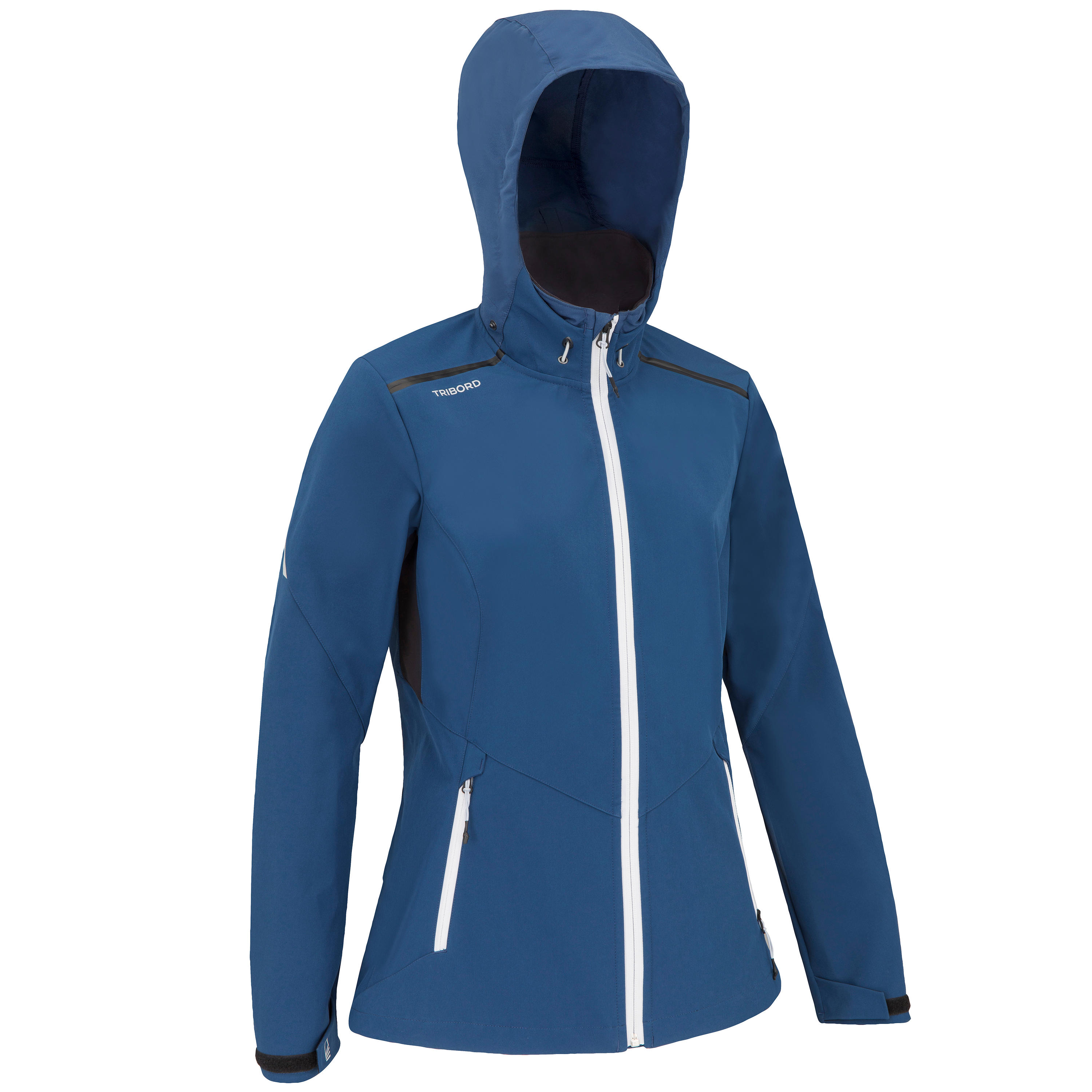
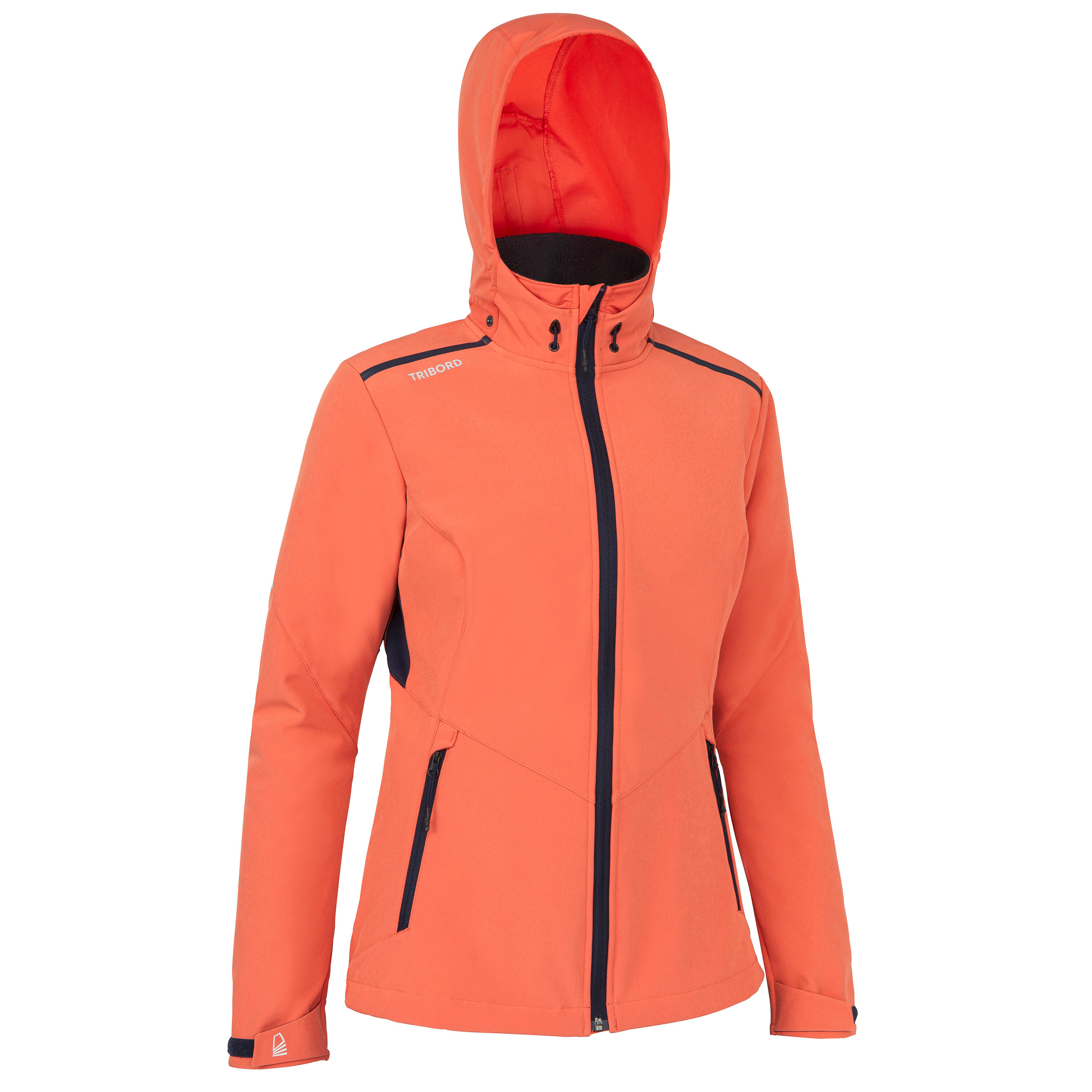
Softshells sit between a fleece and a full waterproof shell, combining warmth with better wind resistance while still allowing moisture to escape. Decathlon uses a three-part construction on its women's softshell sailing jacket, with a water-repellent outer surface, a windproof microporous membrane and a warm fleece lining. Lighter underarm inserts also help manage heat during active manoeuvres. Pro tip: remember that water repellency is not the same as full waterproofing. A softshell can cope with light moisture and exposed wind, but prolonged rain or heavy spray calls for a dedicated waterproof outer layer.

When would you choose a warmer sailing fleece?

Colder coastal sessions often need more insulation than a lightweight mid-layer can provide, especially when wind chill is significant. Decathlon's Sailing 500 range uses a heavier double-sided 400 g/m² construction and adds a membrane to help reduce the cooling effect of wind. A women's warm fleece sailing jacket can therefore suit conditions around 4 degrees Celsius to 7 degrees Celsius while still allowing the movement needed for sailing. Pro tip: avoid judging warmth by fabric thickness alone. Wind protection, fit around the neck and the ability to release perspiration all affect how comfortable a fleece feels once you start moving around the boat.

How should women layer sailing fleeces and softshells in wet conditions?

A practical sailing system usually starts with a moisture-moving base layer, followed by insulation and then a waterproof or windproof outer layer when the weather requires it. Even a warm fleece or softshell should not automatically replace waterproof protection in sustained rain. During more exposed sessions, combining your insulating layer with suitable women's sailing jackets & smocks can provide a stronger barrier against wind and water. Pro tip: check the whole outfit by reaching overhead, turning your torso and bending at the waist before setting off. Layers should work together without bunching at the shoulders, restricting movement or creating tight pressure points around the cuffs and collar.