10 items
4.5/5 based on 62 reviews collected online and in stores

Women's Sailing Wetsuits FAQs

What should you look for in women's sailing wetsuits?

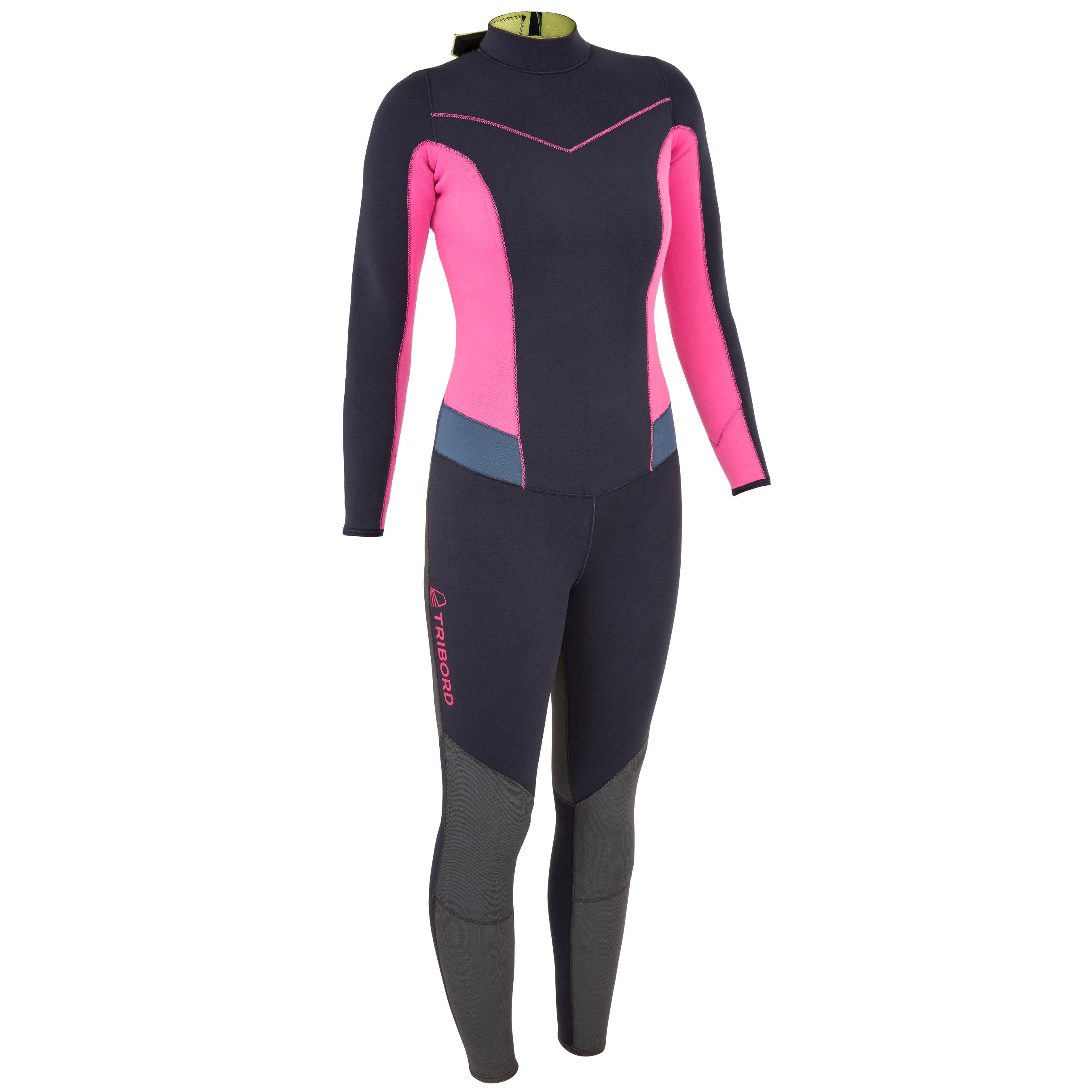
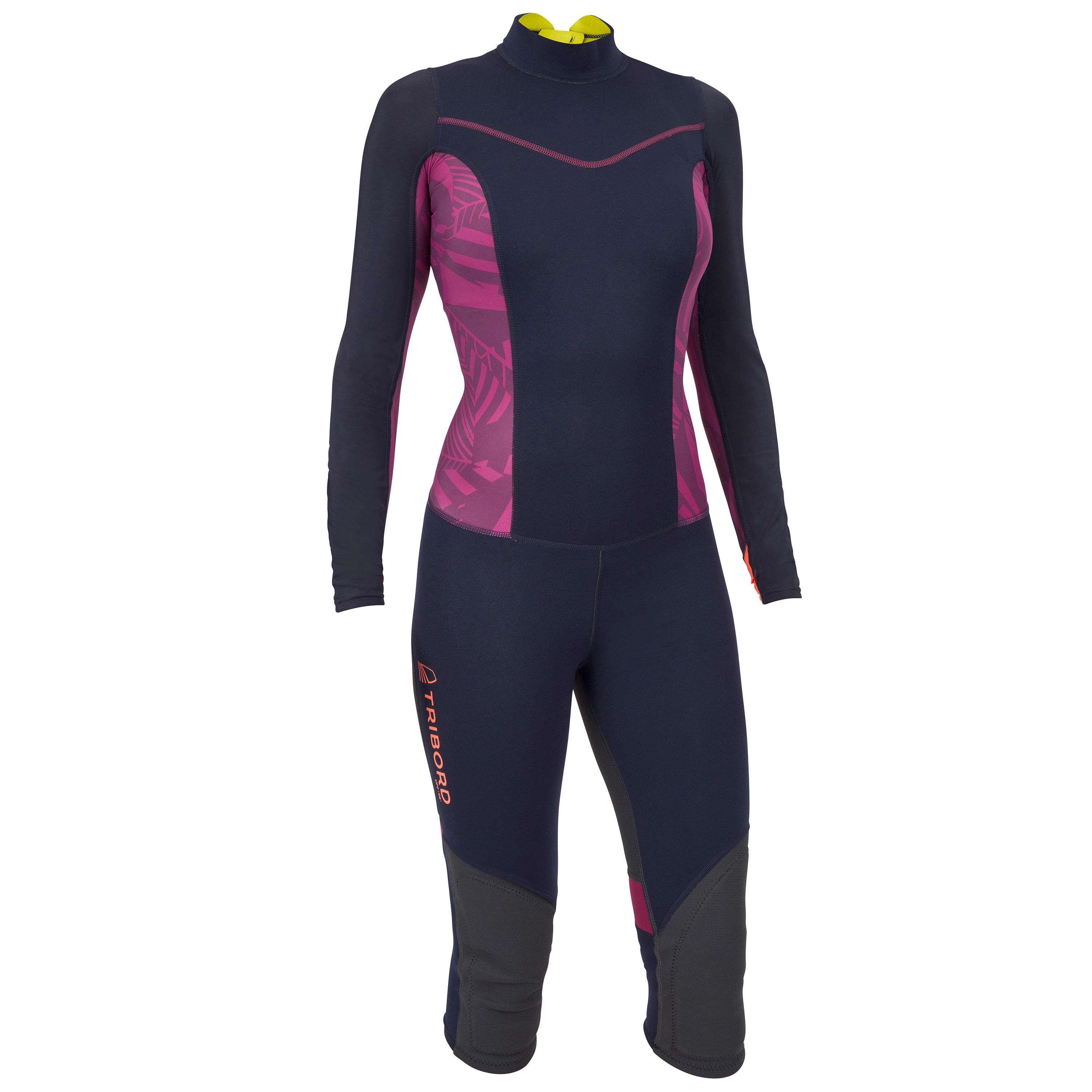
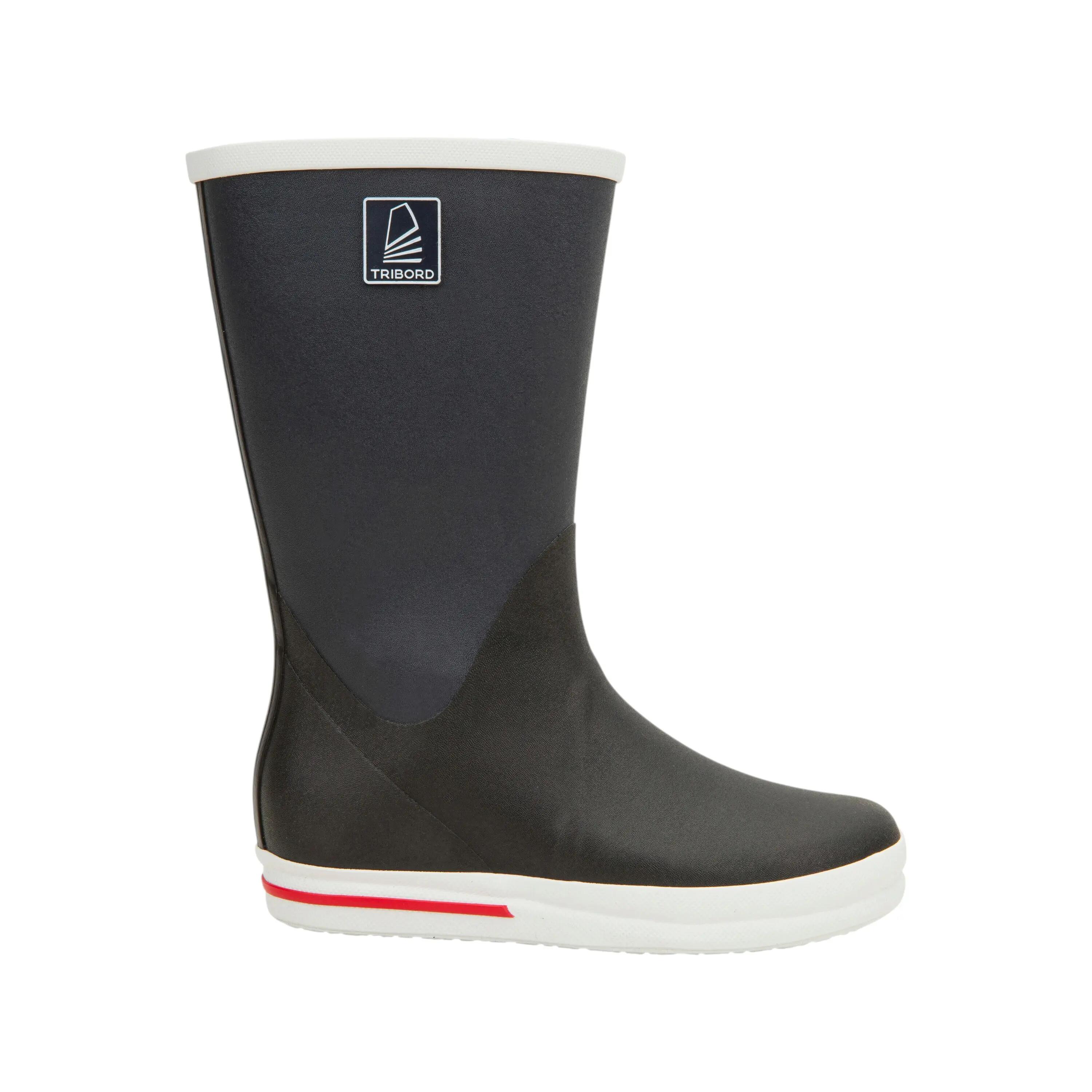
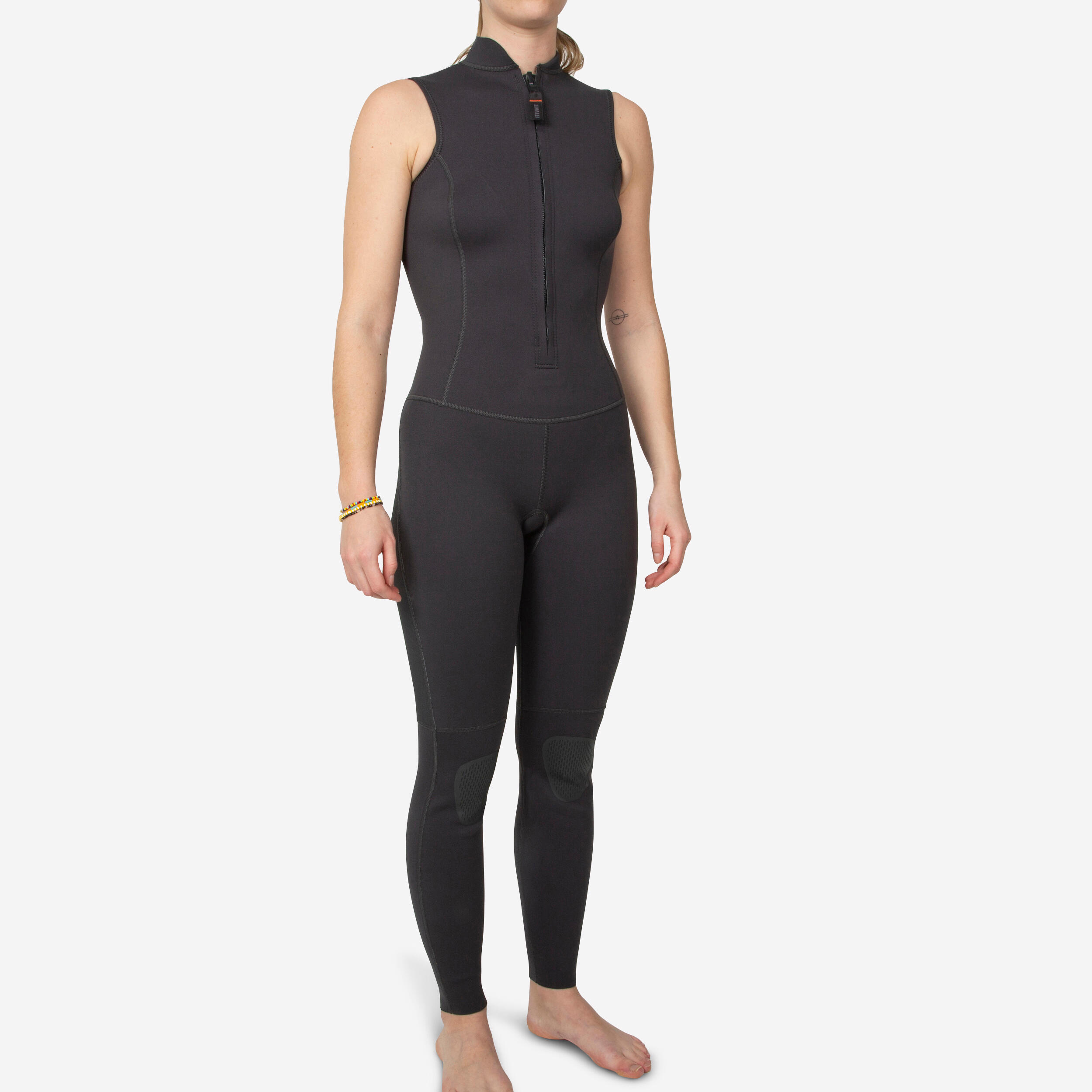
Choosing the right women's sailing wetsuits starts with balancing warmth, flexibility and protection. Sailing often means long periods exposed to wind, spray and changing temperatures, so neoprene thickness plays a key role. A 3/2 mm wetsuit, for example, uses thicker panels around the core to help retain body heat while allowing greater movement through the arms and shoulders. The reason behind this construction is that the torso loses heat faster than the limbs. Women's sailing boots are a common pairing with a wetsuit once conditions turn choppy, adding the grip and stability that keep footing secure on deck.

Are ladies' sailing wetsuits suitable for dinghy and yacht sailing?

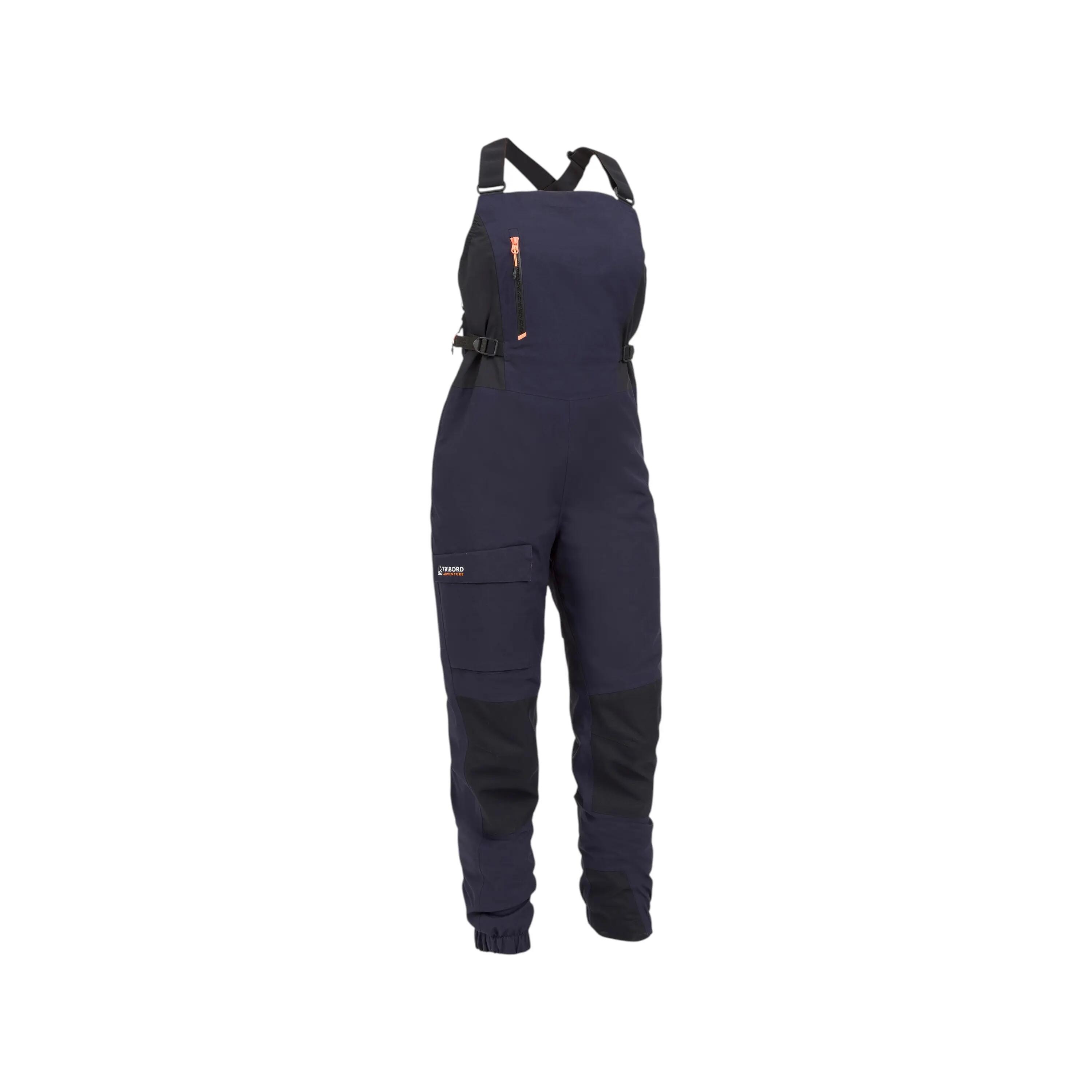
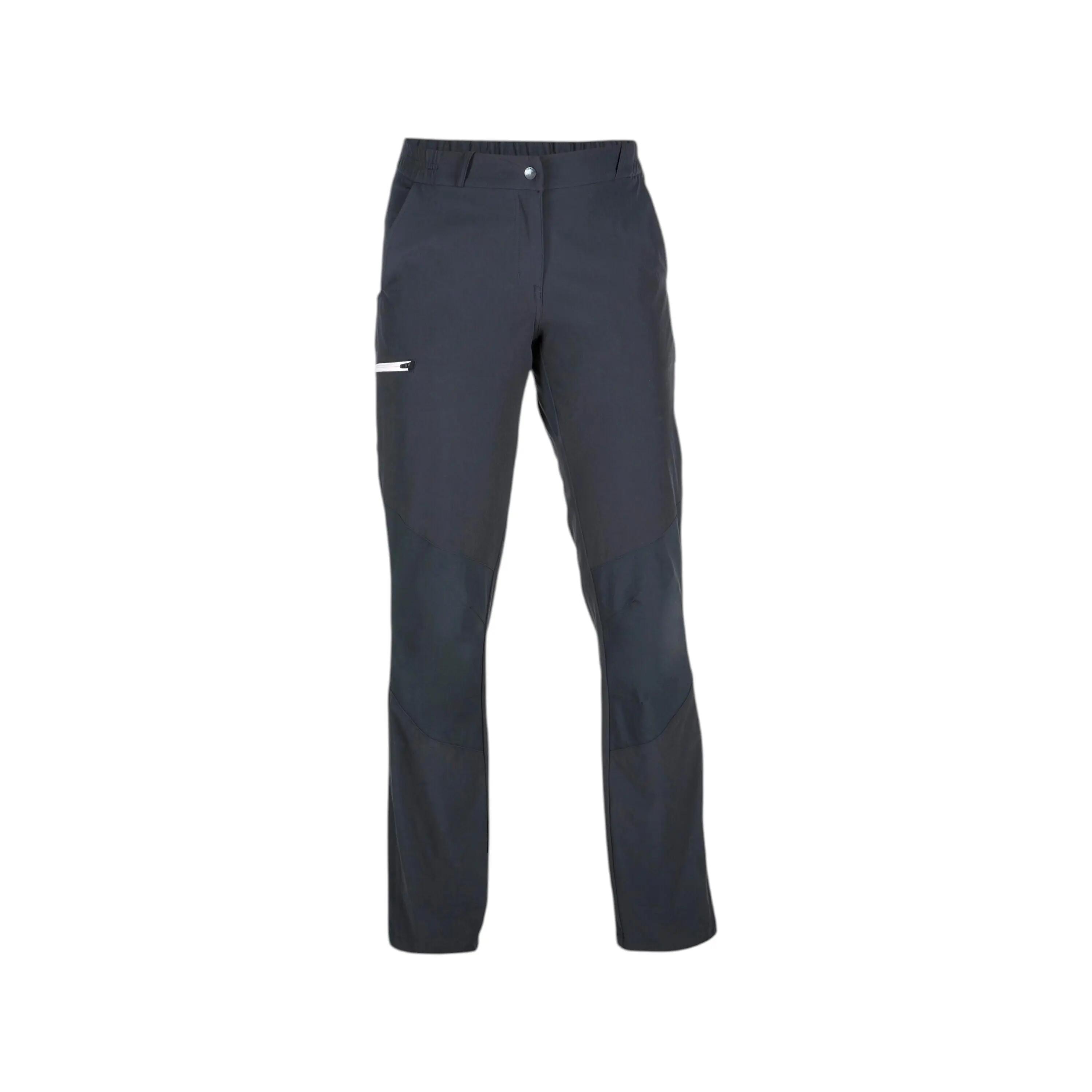
Yes, many ladies' sailing wetsuits are built to perform across different sailing disciplines. Dinghy sailing often requires unrestricted movement for rapid sail adjustments, while yacht crews may spend hours exposed to shifting weather. Stretch neoprene helps support mobility, while reinforced panels increase durability in high-contact areas. The result is reliable comfort whether racing around a buoy course or cruising along the coast. Those seeking additional protection against spray and deck abrasion for the lower body can pair their wetsuit with women's sailing trousers and bermudas during longer days afloat.

Why are O'Neill women's sailing wetsuits and Gill options popular among sailors?

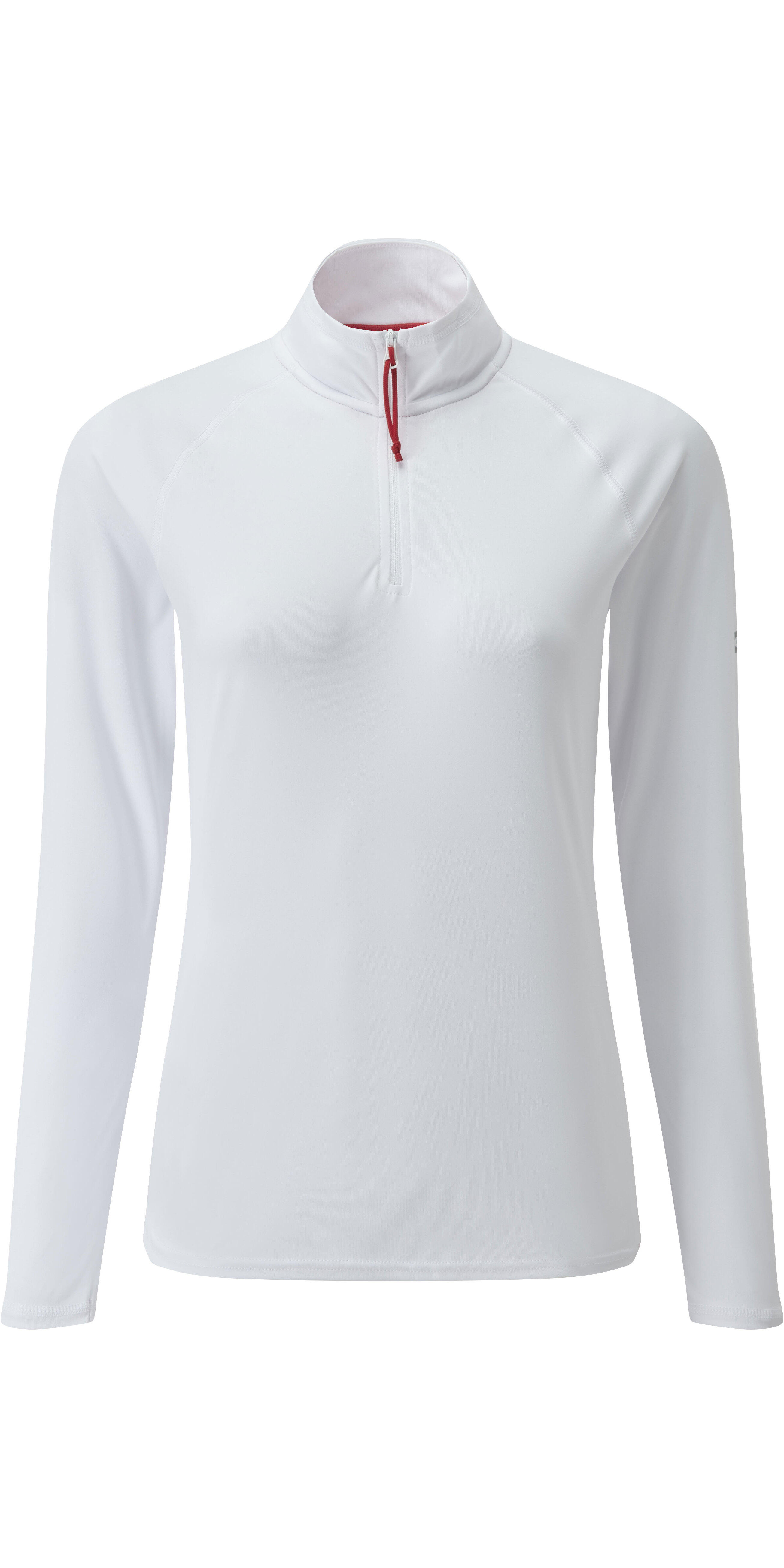
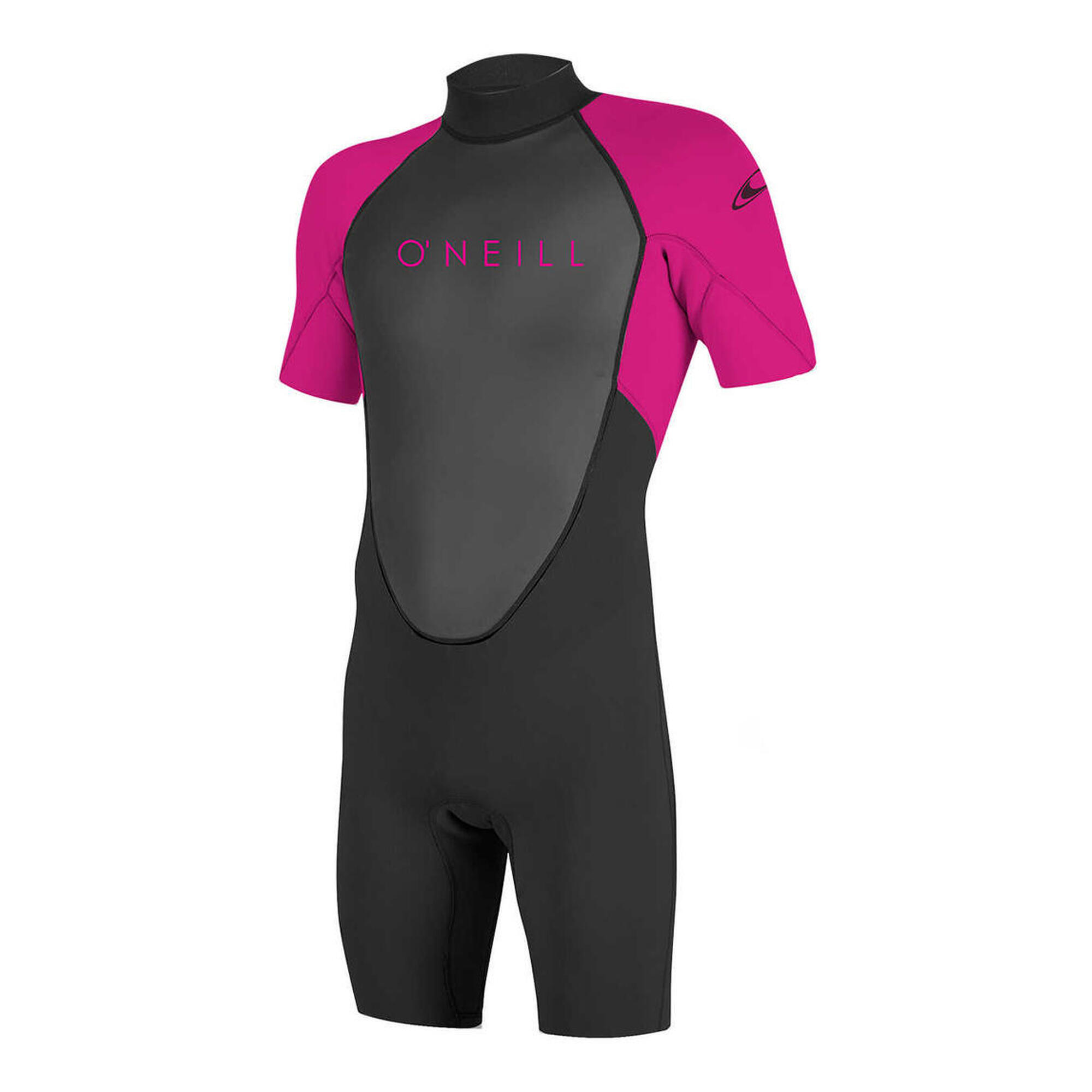
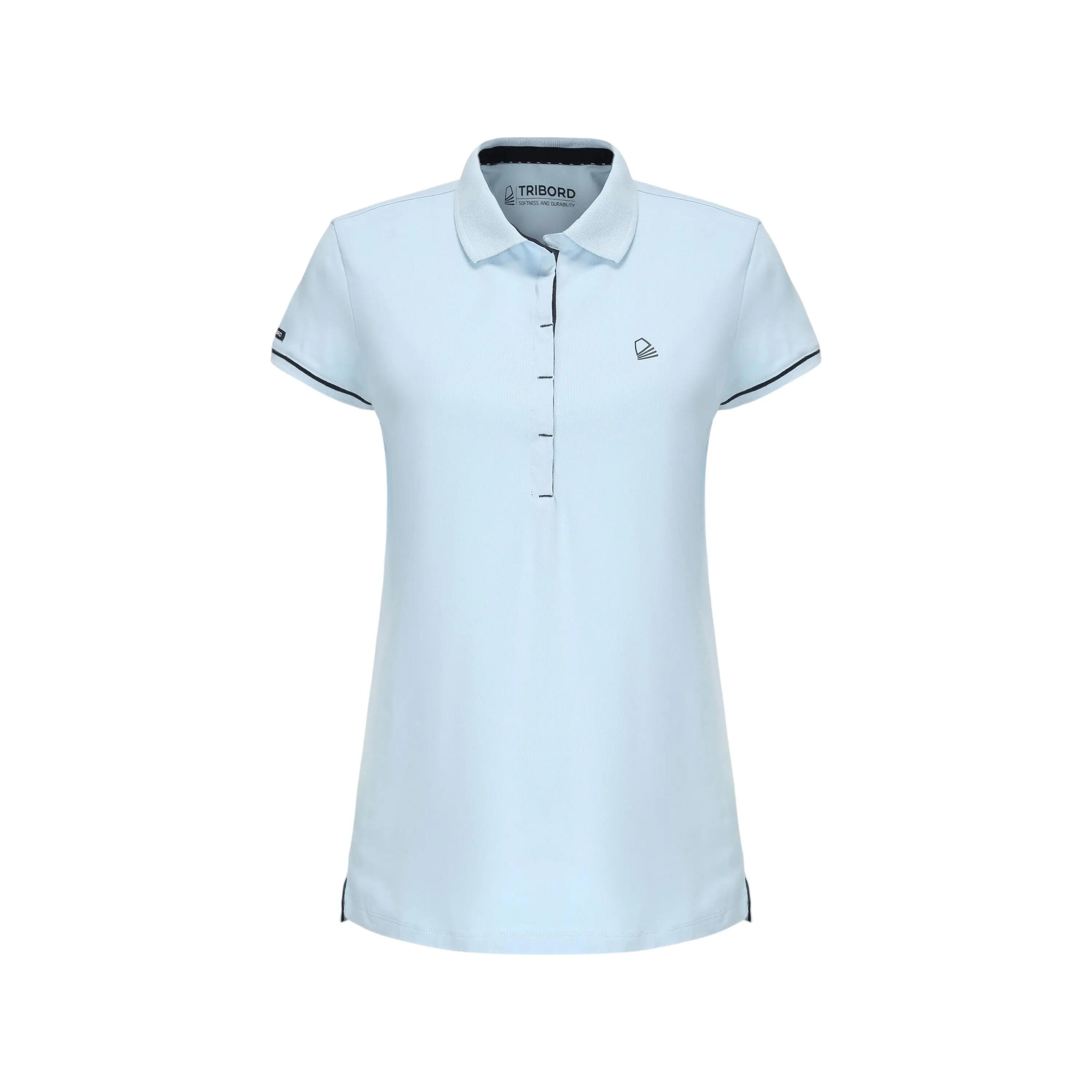
O'Neill women's sailing wetsuits are known for flexible construction and dependable thermal performance, making them a common choice across a range of sailing conditions. Gill women's sailing wetsuits are equally respected for their practical sailing-focused features. Gill Verso Lite sailing wetsuits are particularly valued for combining lightweight comfort with effective insulation. This advantage comes from advanced seam construction, which helps reduce water entry while maintaining flexibility. Women's sailing wetsuits also pair well with women's sailing polo shirts for added comfort before launching, between sailing sessions, or after coming ashore.

How should women's sailing wetsuits fit for the best performance?

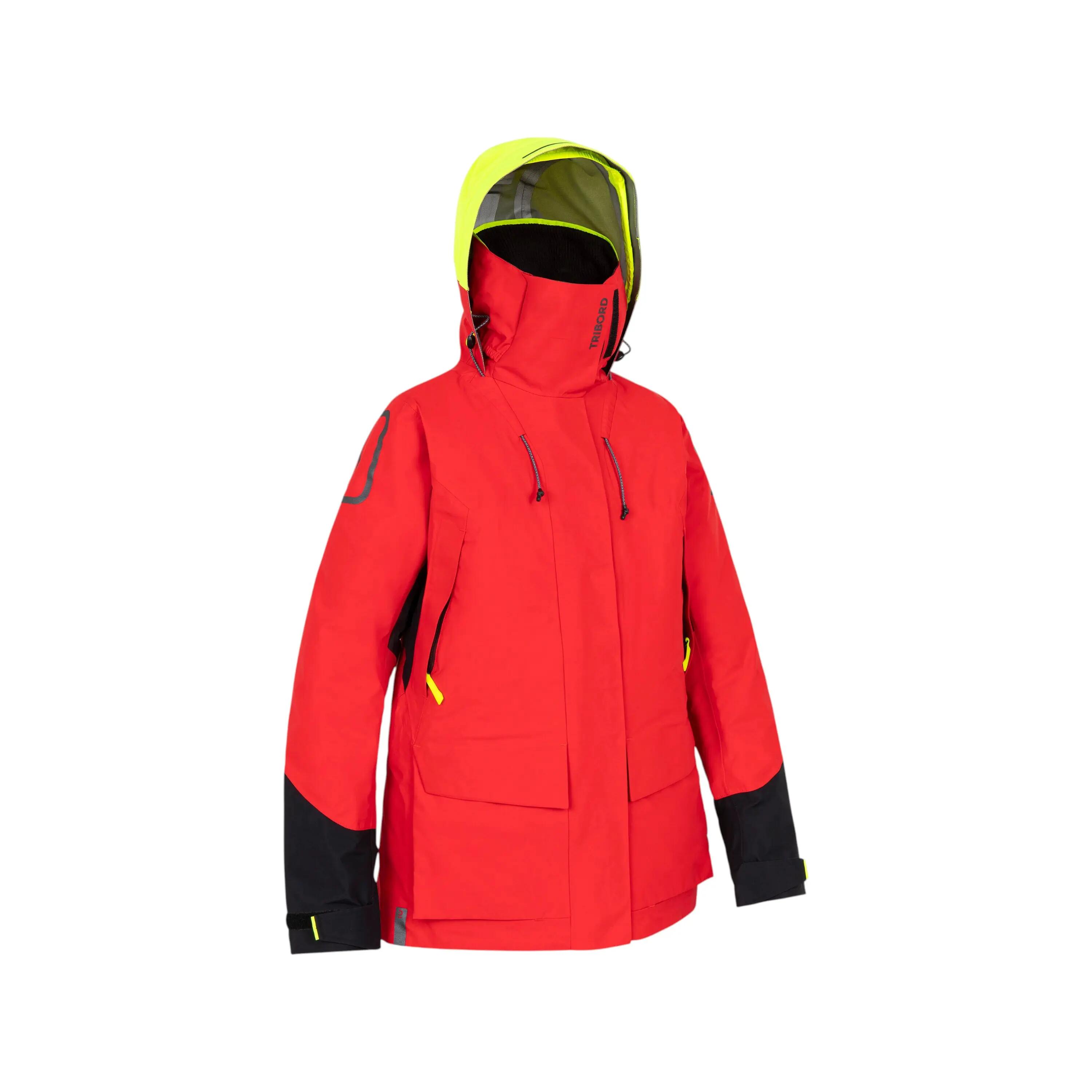
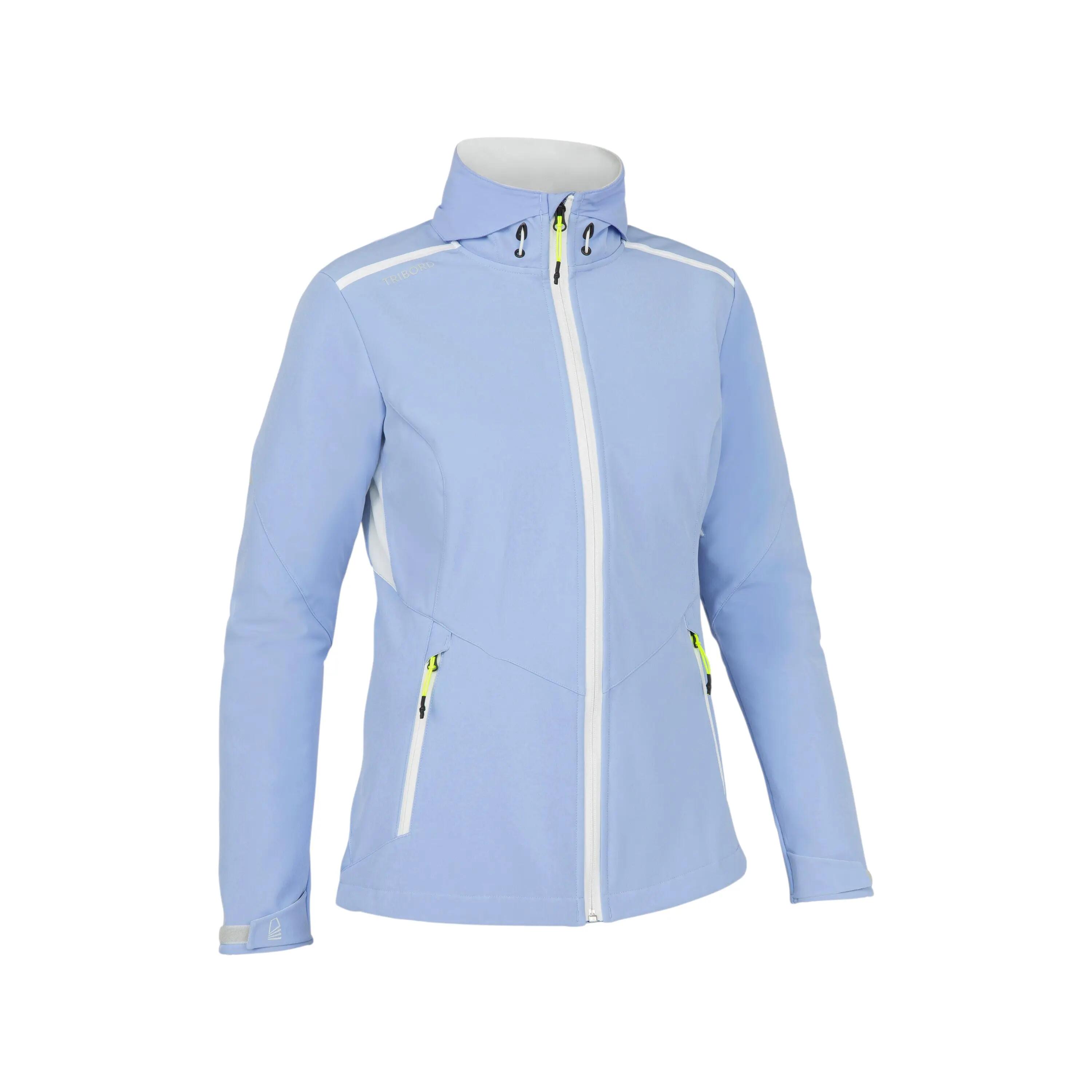
A sailing wetsuit should feel close-fitting without restricting movement. This fit allows a thin layer of water to remain between the skin and the neoprene, where it is warmed by body heat. If the wetsuit is too loose, cold water circulates continuously and reduces insulation. Attention should be paid to the neck, wrists and ankles, where gaps can affect warmth. During breezy conditions, women's sailing jackets and smocks add an extra layer of protection against wind chill while remaining comfortable on deck.

When is a sailing wetsuit a better choice than standard sailing clothing?

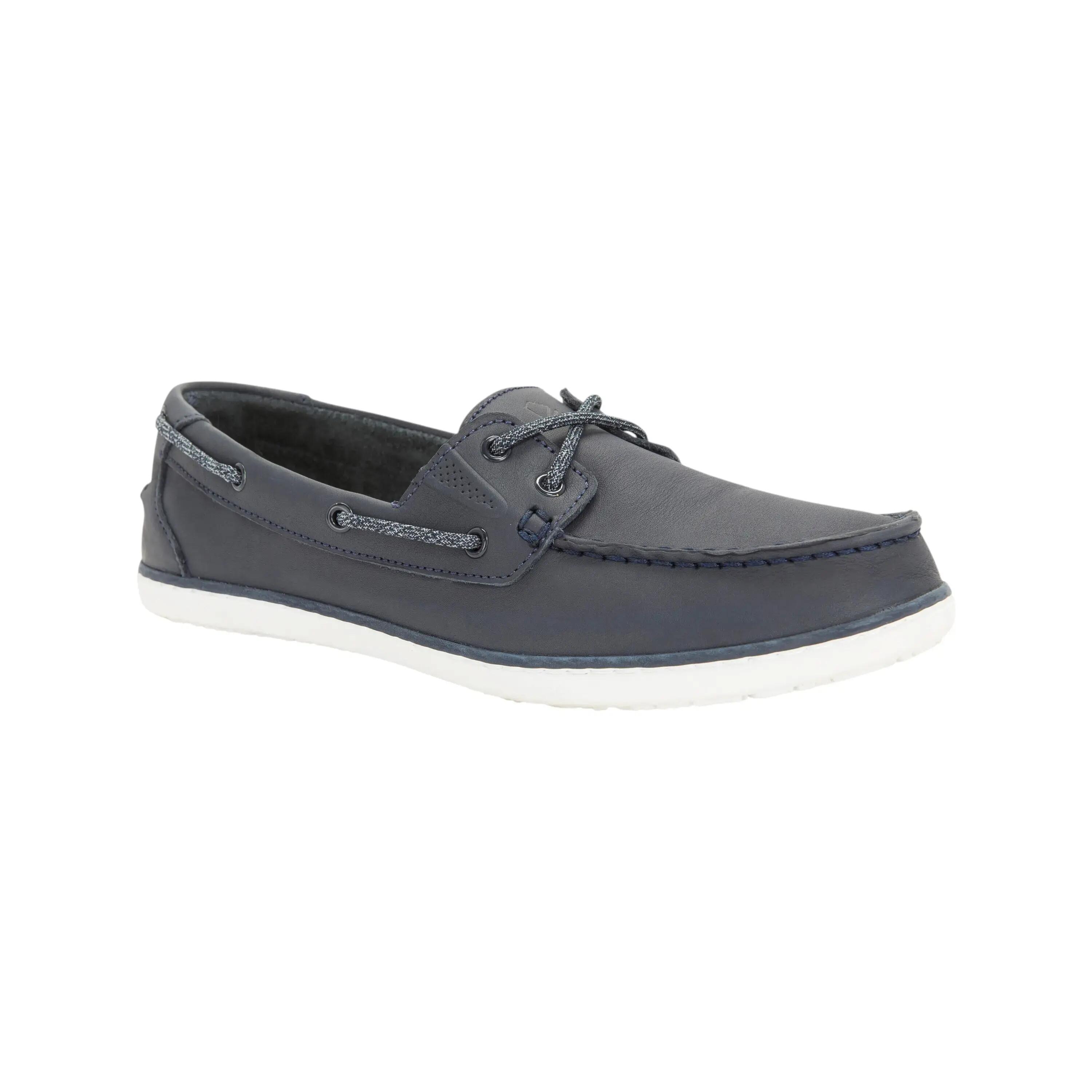
Sailing wetsuits are often the preferred option when regular contact with water is expected. Training sessions, dinghy racing and active sailing conditions can all lead to splashes or full immersion. Unlike many standard garments, neoprene continues to provide insulation when wet. This is possible because its closed-cell foam structure contains thousands of tiny gas pockets that slow heat loss. Pontoons, slipways, and wet decks are where footing gets precarious. Women's sailing shoes worn with a wetsuit help maintain grip when moving between the boat and shore.