33 items
4.7/5 based on 6426 reviews collected online and in stores

Women's Sailing Trousers & Bermudas FAQs

How do you choose women's sailing trousers and bermudas?

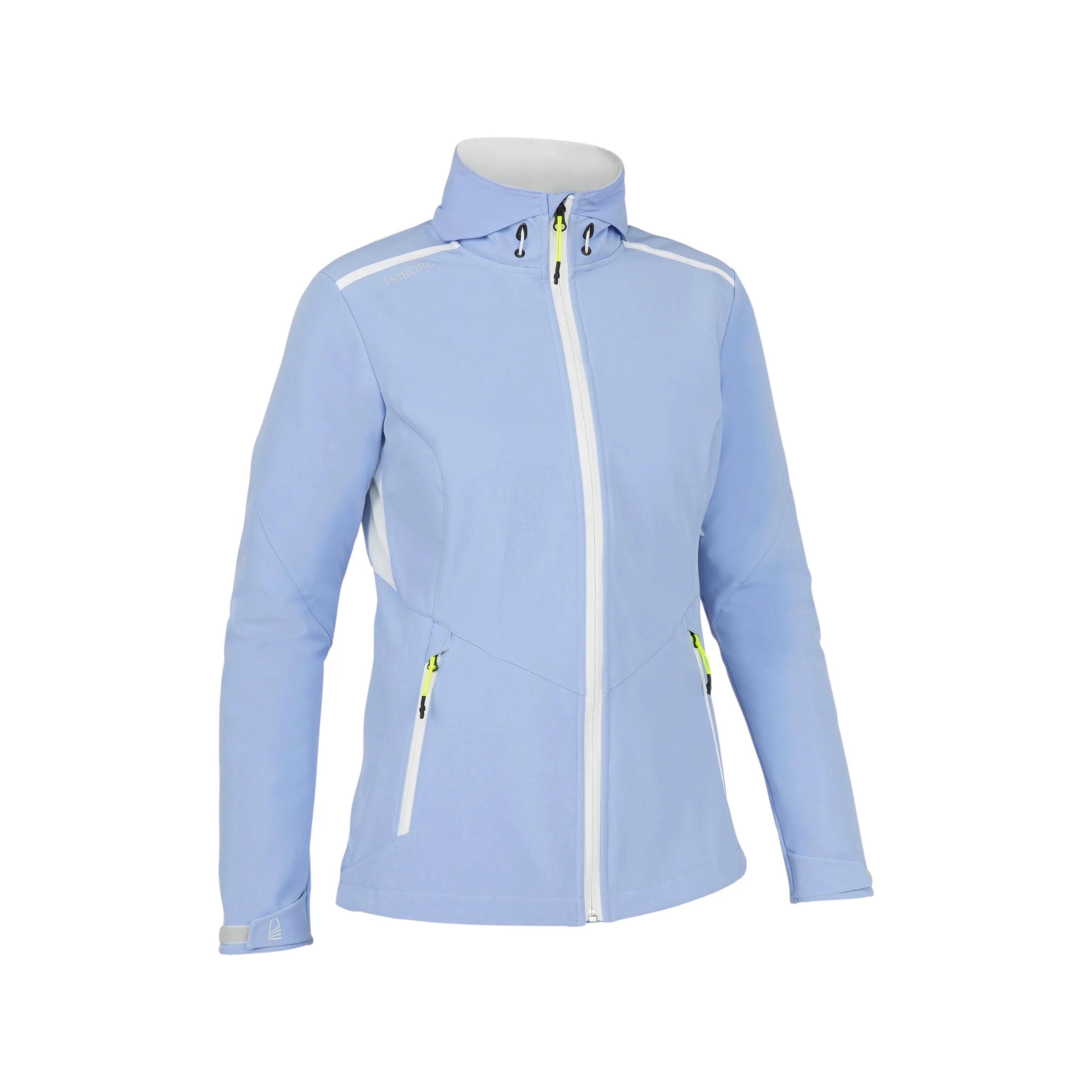
Choose according to the weather, how active you will be on board and how much protection you need from spray and repeated contact with the deck. For warm coastal outings, lighter cotton-rich bottoms can prioritise comfort and freedom of movement, while Sailing 500 garments add water repellency, stretch and reinforcement for more active use. Considering building a complete outfit, the wider women's sailing clothes range can help you combine suitable tops, layers and weather protection. Pro tip: test trousers or shorts by sitting, crouching and stepping up rather than judging the fit while standing still. Sailing involves frequent position changes, so the waistband and seat should remain comfortable without pulling or sliding during manoeuvres.

When are coastal sailing shorts a good choice?

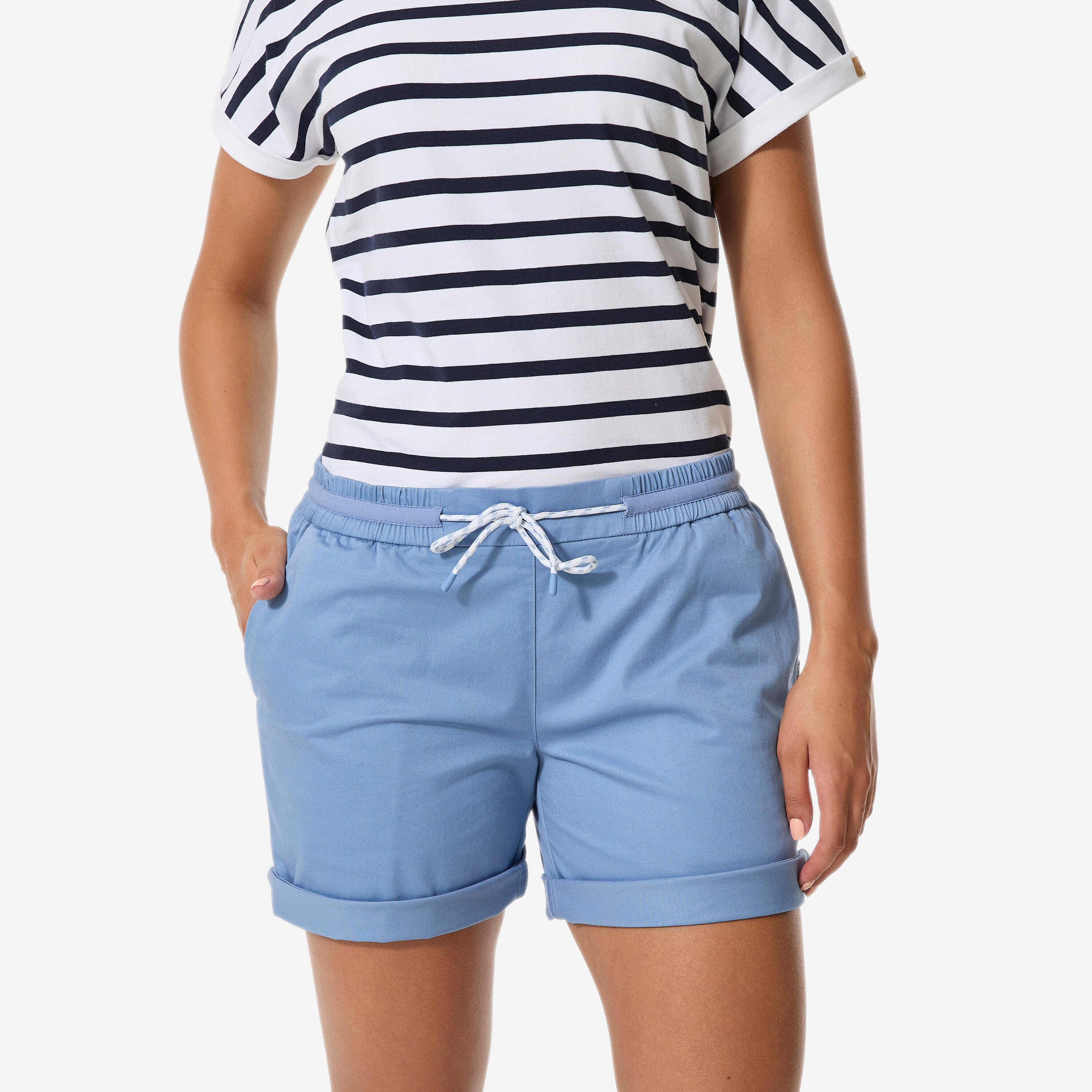
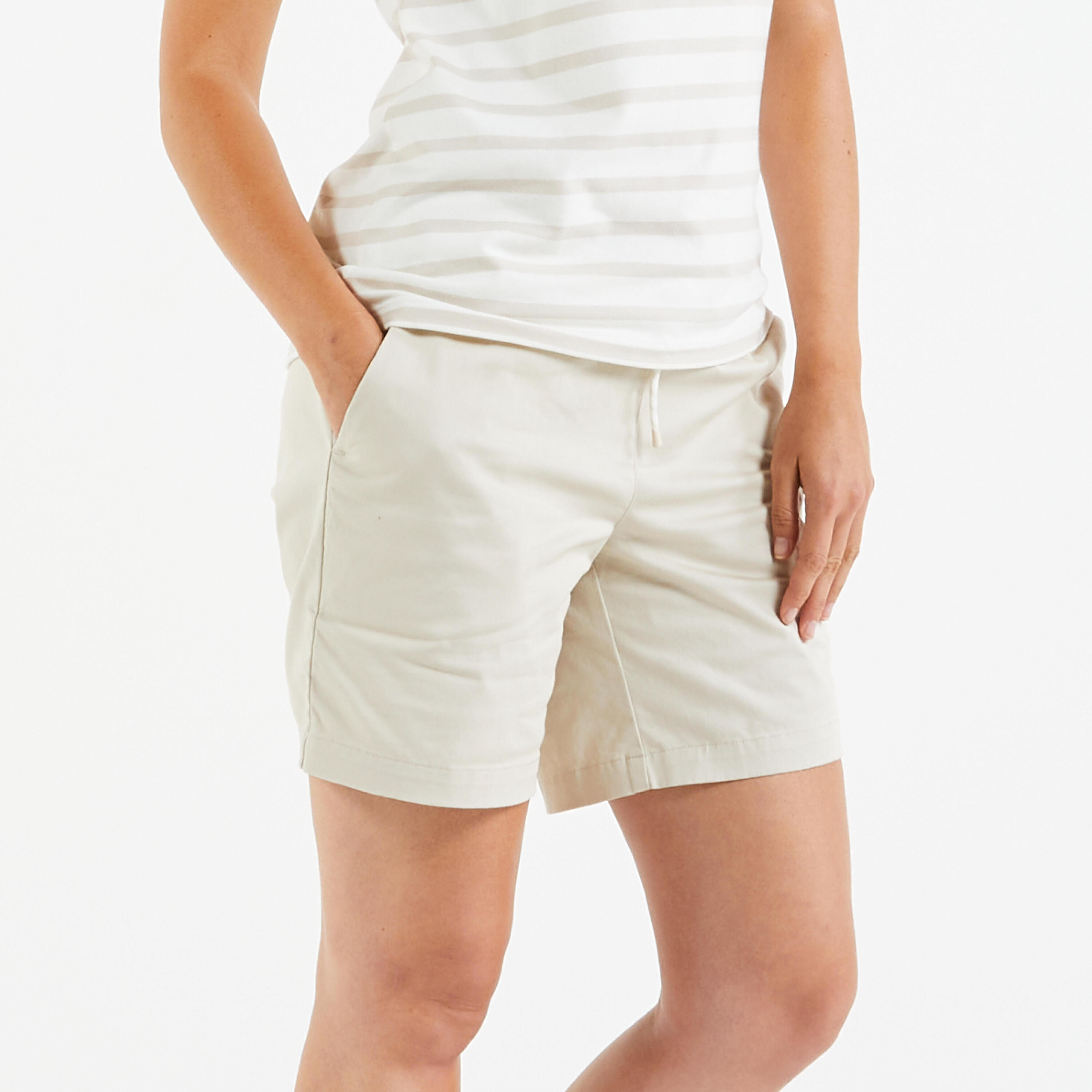
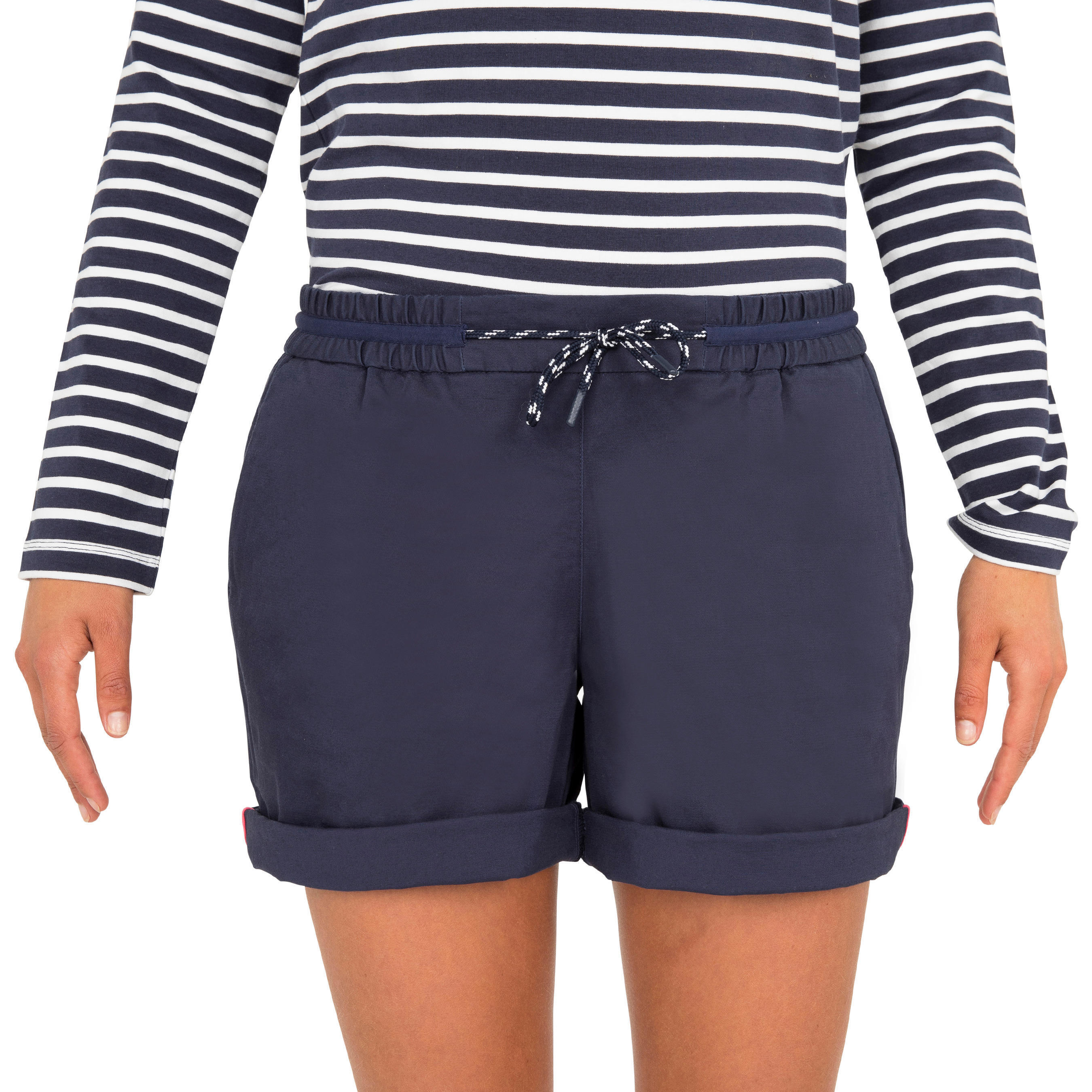
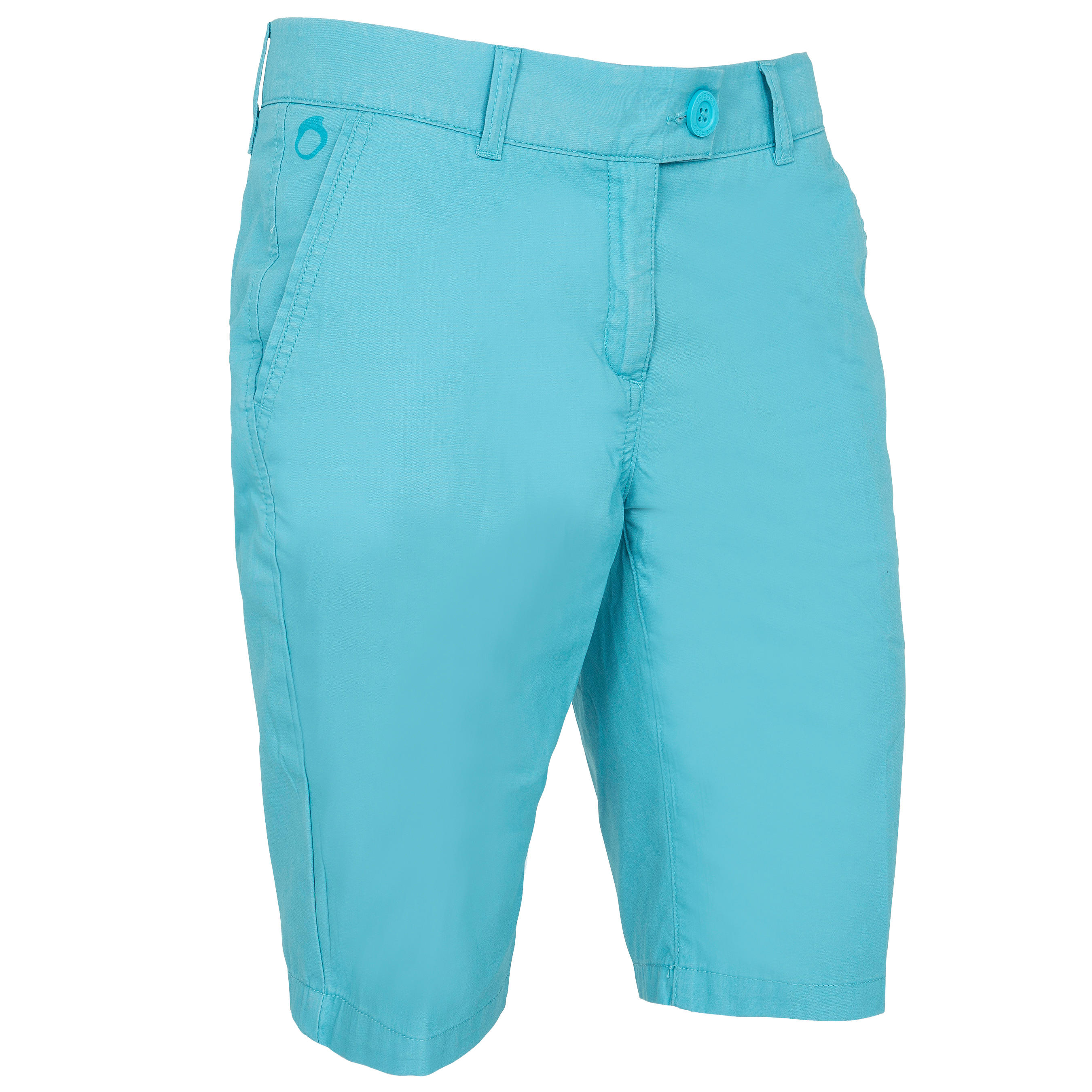
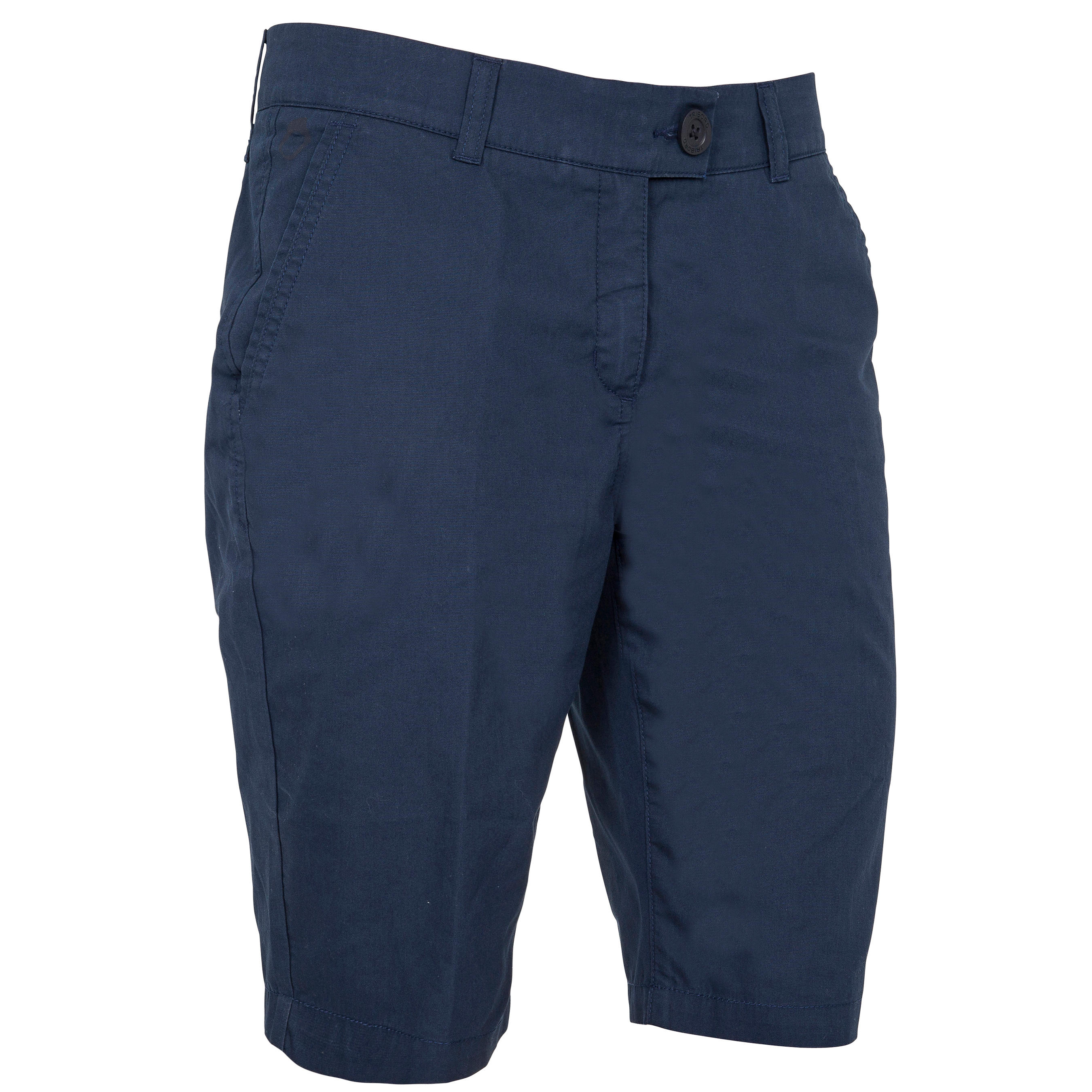
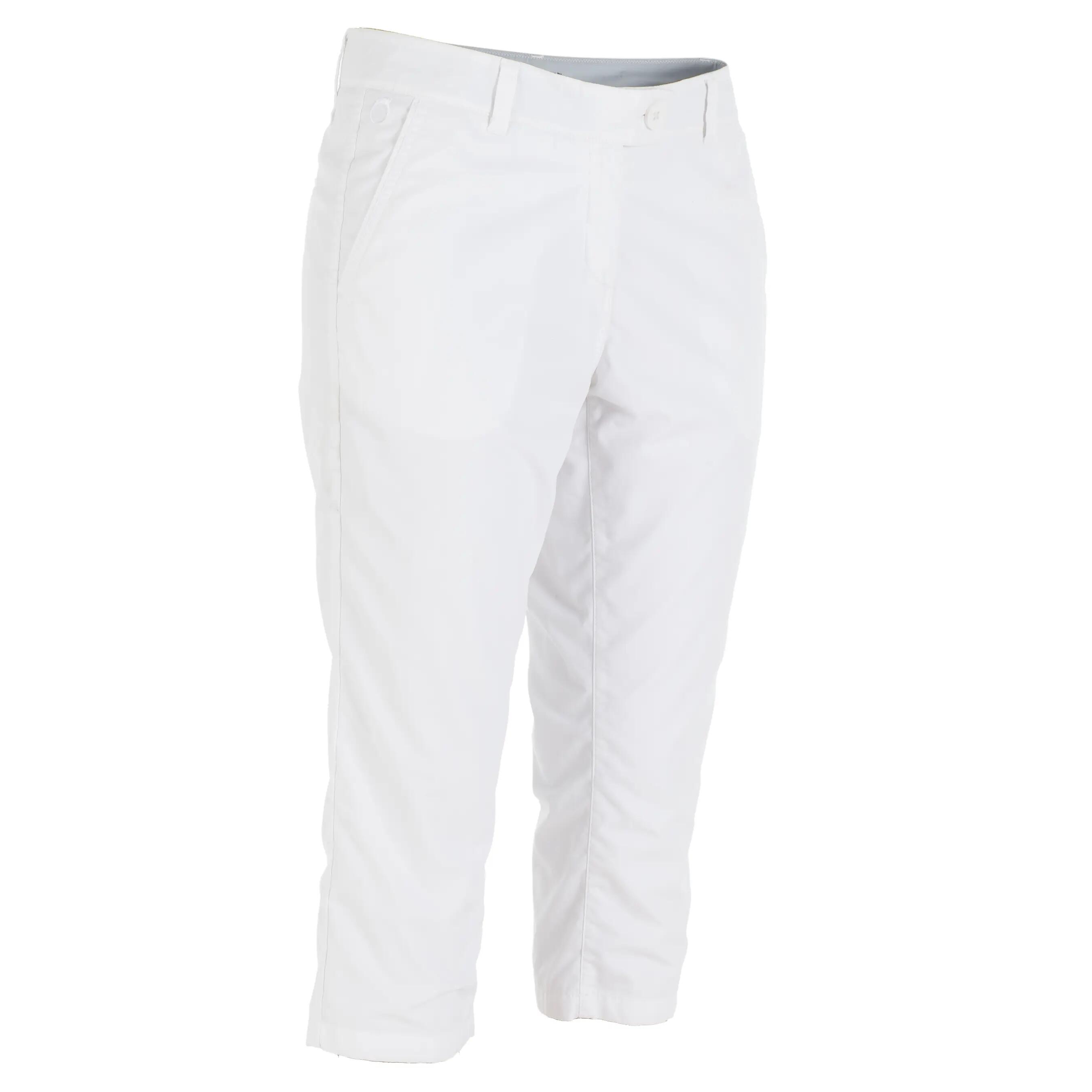
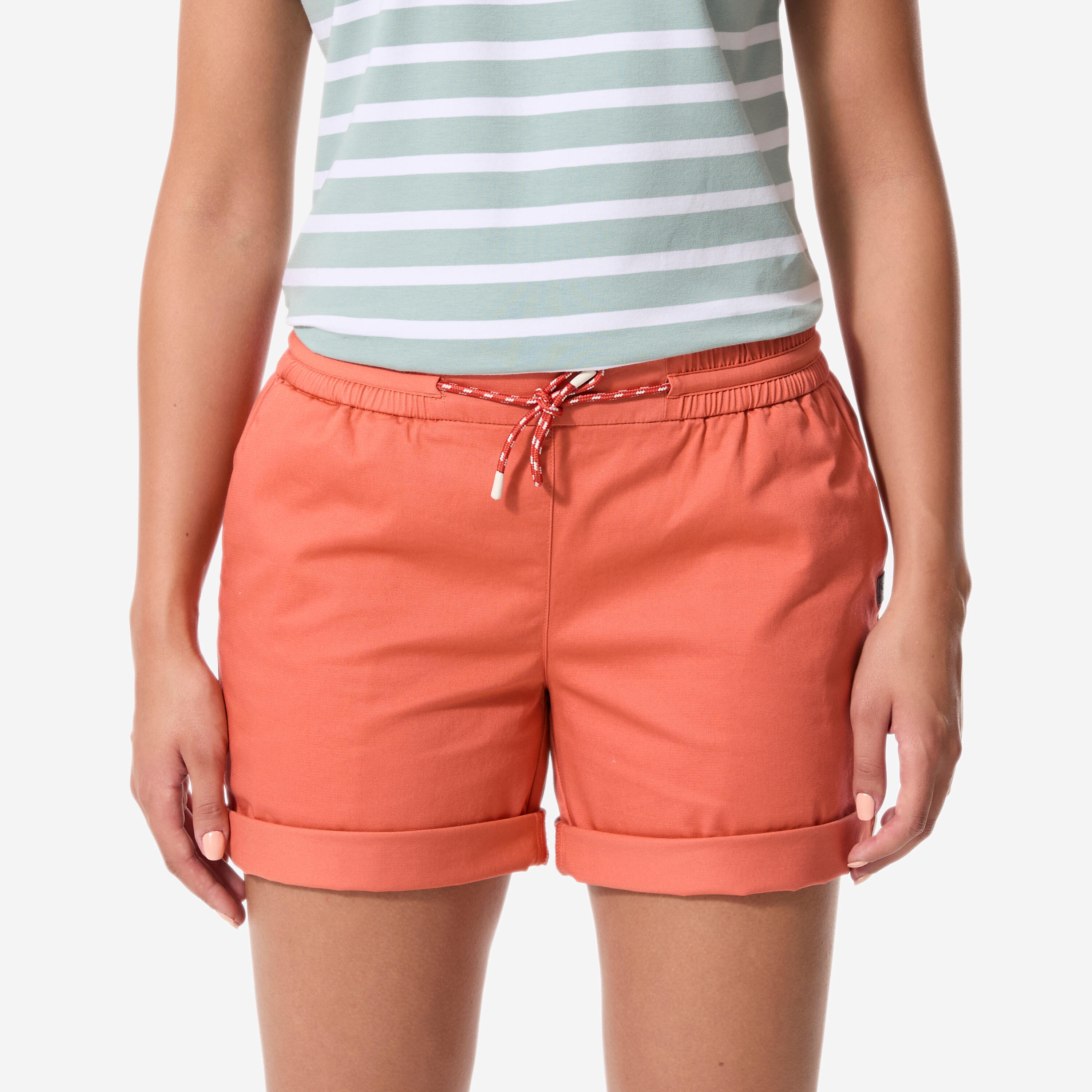
Warm, relatively settled conditions are well suited to shorts when you want less coverage and plenty of movement around the knees. Decathlon's Sailing 100 Women's coastal sailing shorts use thick cotton-rich fabric with elastane, a wide cut and an adjustable waistband for comfortable coastal use. Rear pockets avoid buttons to reduce pressure when sitting, while a small zipped pocket can secure keys or another compact item. Pro tip: think about the surfaces you will sit on as well as the temperature. A comfortable cut and durable fabric can matter more than choosing the lightest possible shorts for a full day aboard.

What makes water-repellent sailing trousers useful for active sailing?

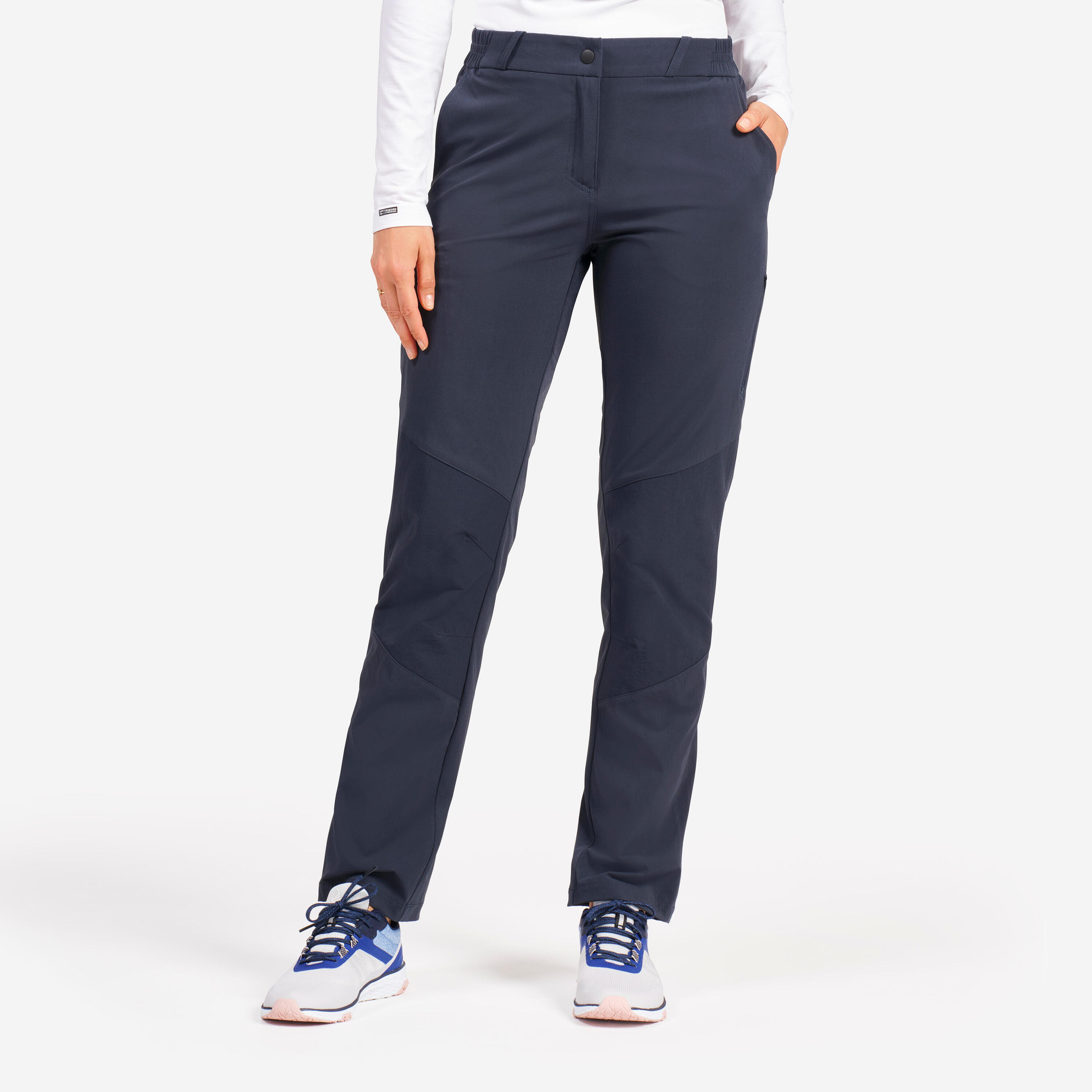
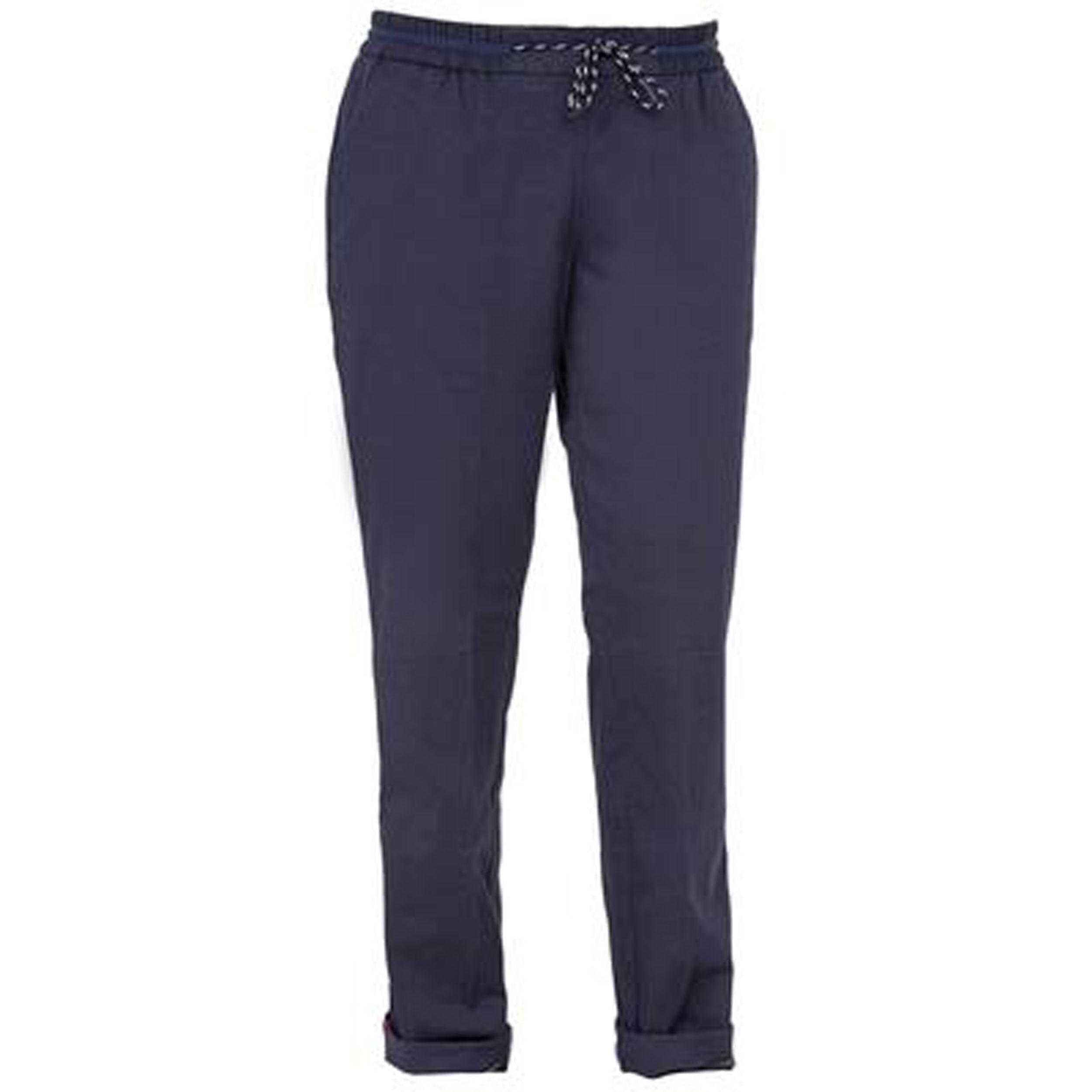
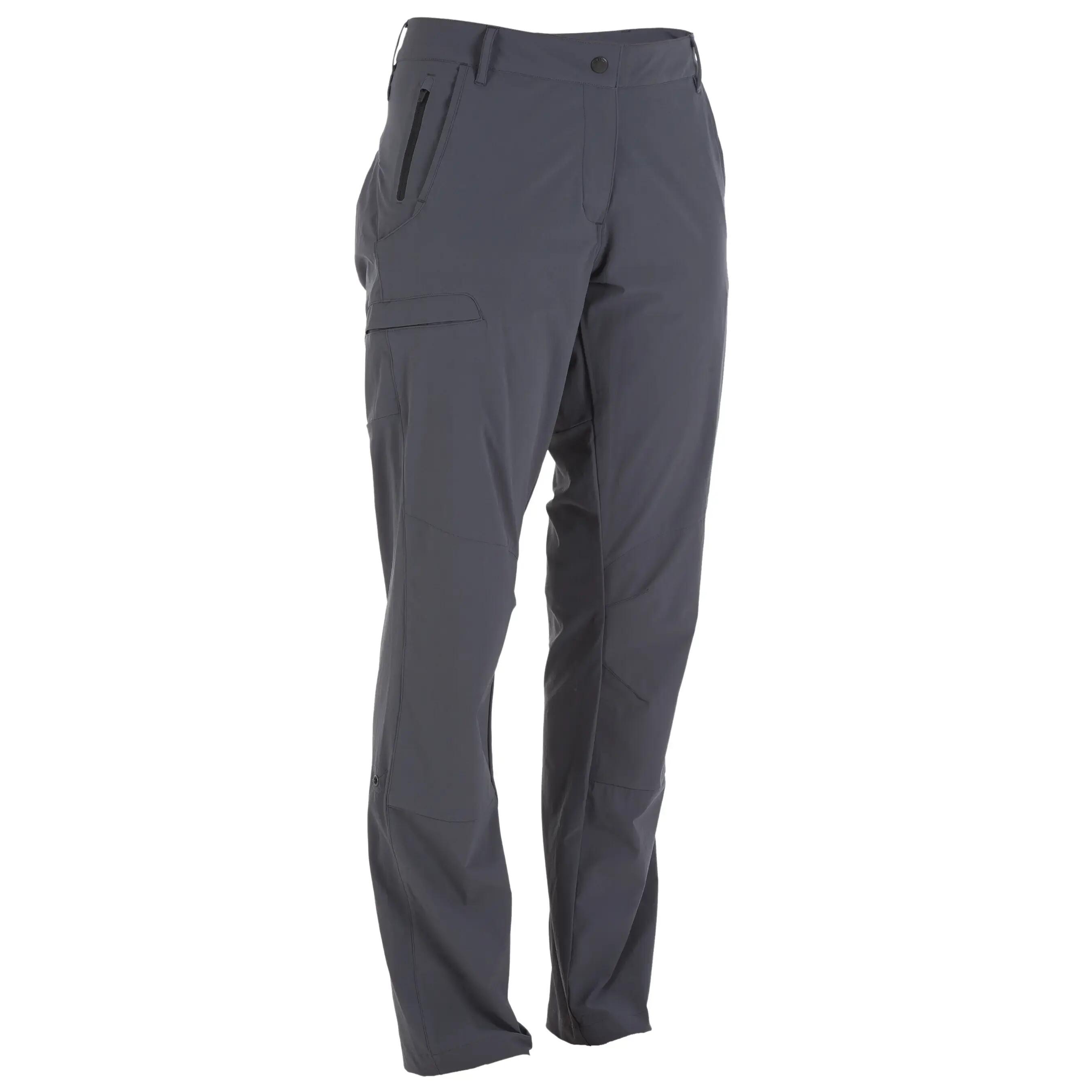
More intensive sailing creates greater exposure to spray, rubbing and repeated movement, so technical trousers need to do more than simply feel lightweight. Decathlon's women's water-repellent sailing trousers combine stretch fabric with a ripstop structure and reinforced seat and knee areas for contact with boat surfaces. The surface treatment helps spray bead and run off, although it should not be confused with full waterproofing. Pro tip: use water-repellent trousers when light spray and movement are the main concerns, but switch to proper waterproof outerwear when prolonged rain or heavier water exposure is expected.

Why are reinforced areas important in sailing trousers and shorts?

The seat and knees often experience the most wear because sailors repeatedly sit, brace, kneel and move against decks and fittings. Sailing 500 garments therefore reinforce these zones rather than making the whole garment unnecessarily heavy. During more exposed sailing sessions, this targeted construction can help balance durability with enough flexibility for active manoeuvres. Technical shorts also use secure zipped thigh pockets for small tools or personal items, although Decathlon notes that these pockets are not watertight. Pro tip: check reinforced areas for surface wear after frequent use, especially if you regularly kneel or sit on textured decks, as early signs of abrasion are easier to manage than extensive fabric damage.

When can you wear waterproof dungarees instead of sailing trousers?

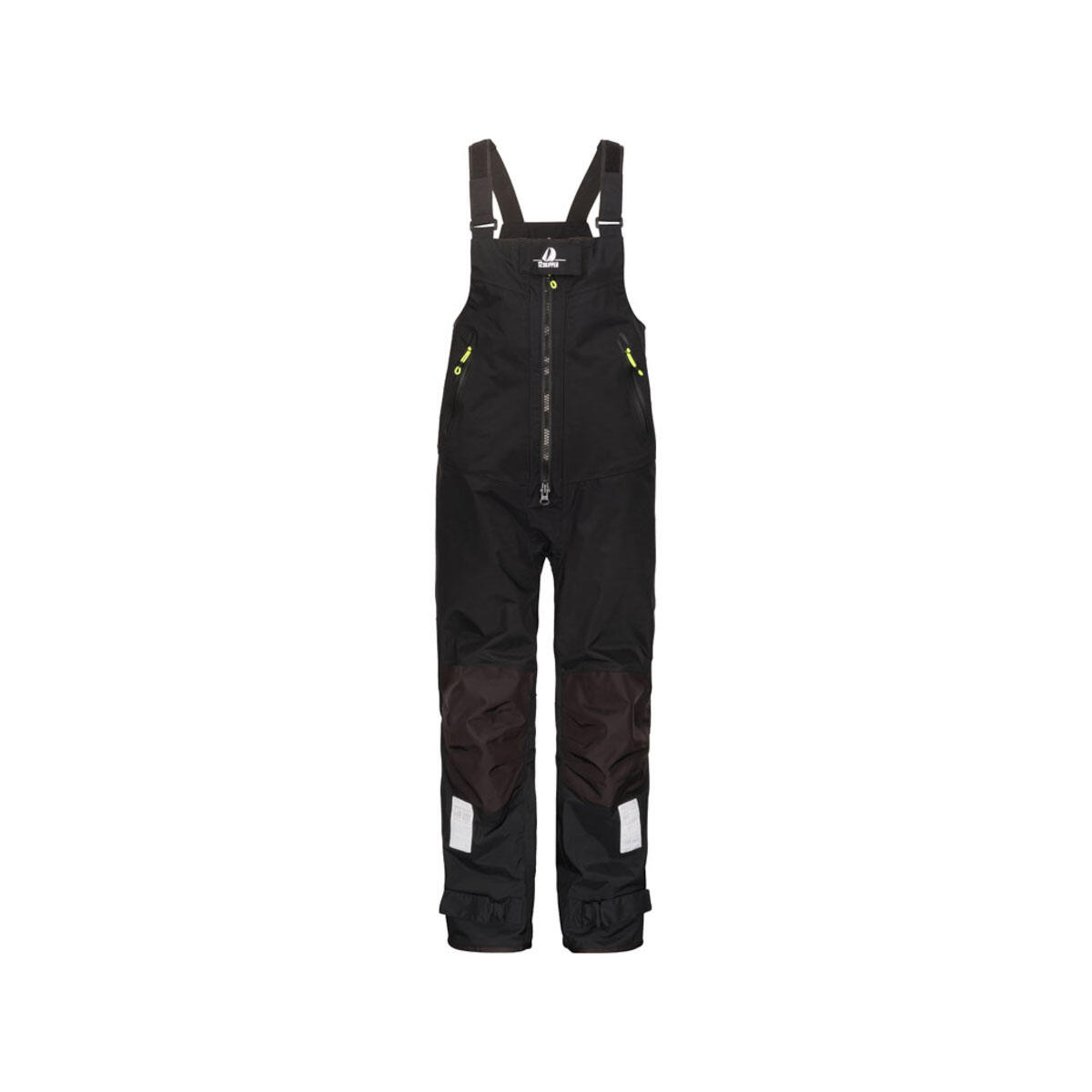
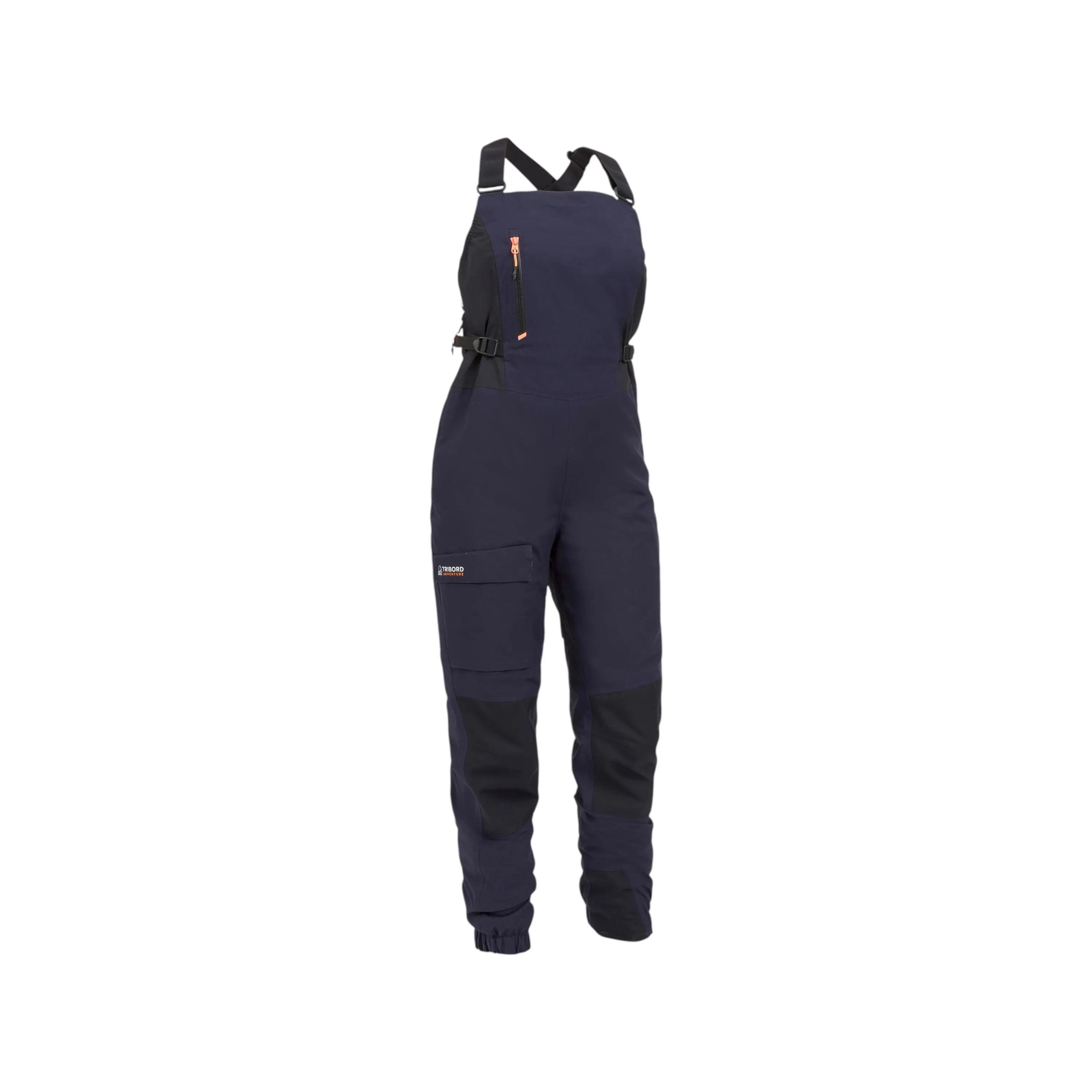
Everyday sailing trousers and bermudas work well in mild or lightly wet conditions, but they do not replace a waterproof barrier when rain and spray become persistent. During more demanding weather, adding women's sailing dungarees & bibs can provide greater coverage, taped seams and higher waterproof ratings around the legs and torso. This also lets you keep lighter trousers underneath for comfort when the weather improves. Pro tip: choose the outer layer before conditions deteriorate rather than waiting until your clothing is already soaked. Make sure the bib or dungarees fit comfortably over your normal sailing trousers without restricting the knees or hips.

How must you care for technical women's sailing trousers and bermudas?

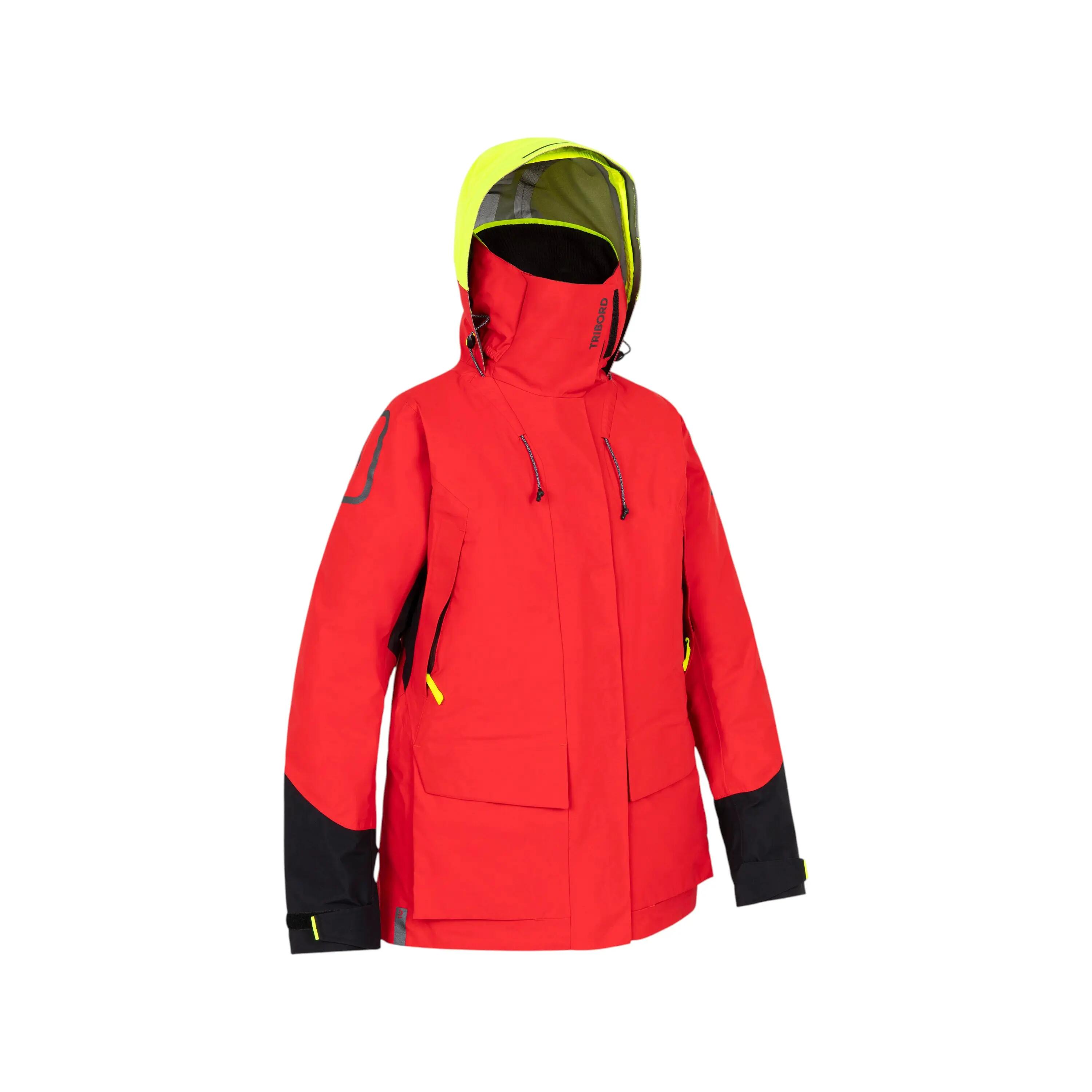
Care depends on the fabric, so cotton-rich sailing 100 pieces and synthetic Sailing 500 garments should not automatically be treated the same way. Technical 500 bottoms are generally washed at around 30 degrees Celsius and should not be ironed, helping preserve stretch fabrics and water-repellent treatments. Prior to pairing them with other wet-weather kit such as women's sailing jackets & smocks, let all damp layers dry properly before storing them together. Pro tip: empty zipped pockets and remove salt or dirt promptly after sailing. Avoid leaving damp technical trousers compressed inside a closed bag, as proper drying helps keep the fabric comfortable and ready for the next session.