20 items
4.5/5 based on 1985 reviews collected online and in stores

Women's Sailing Boots FAQs

Which features stand out most in women's sailing boots for varied conditions?

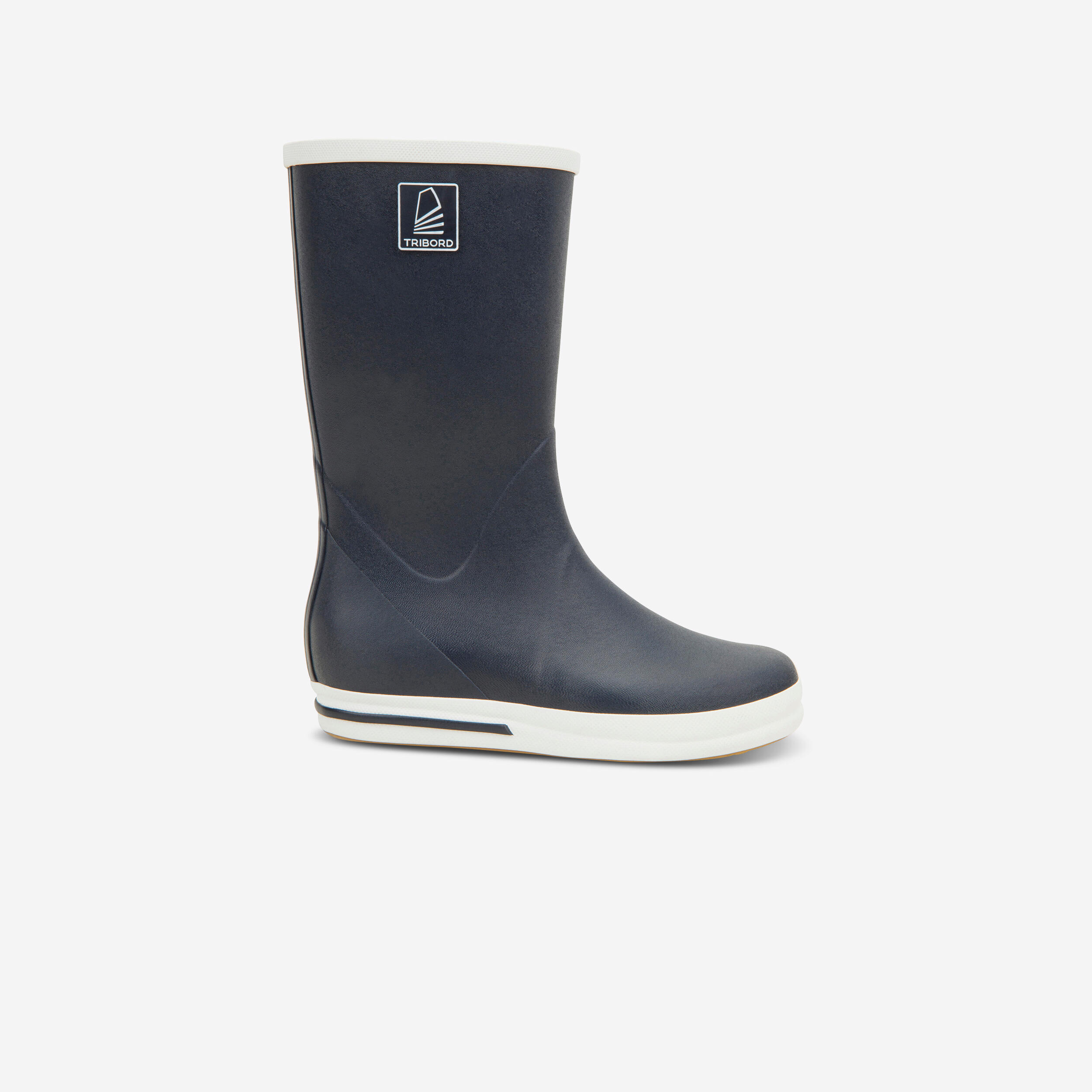
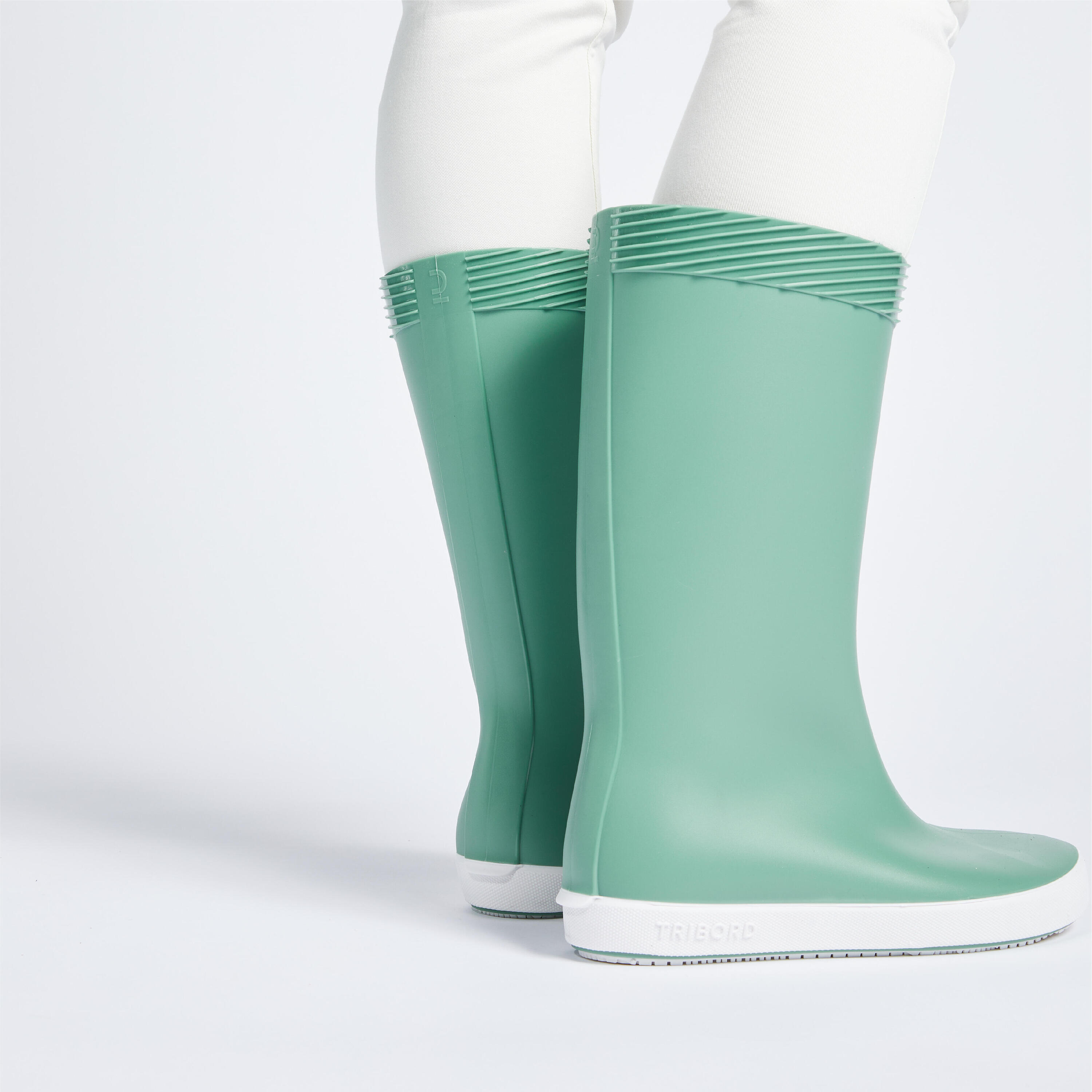
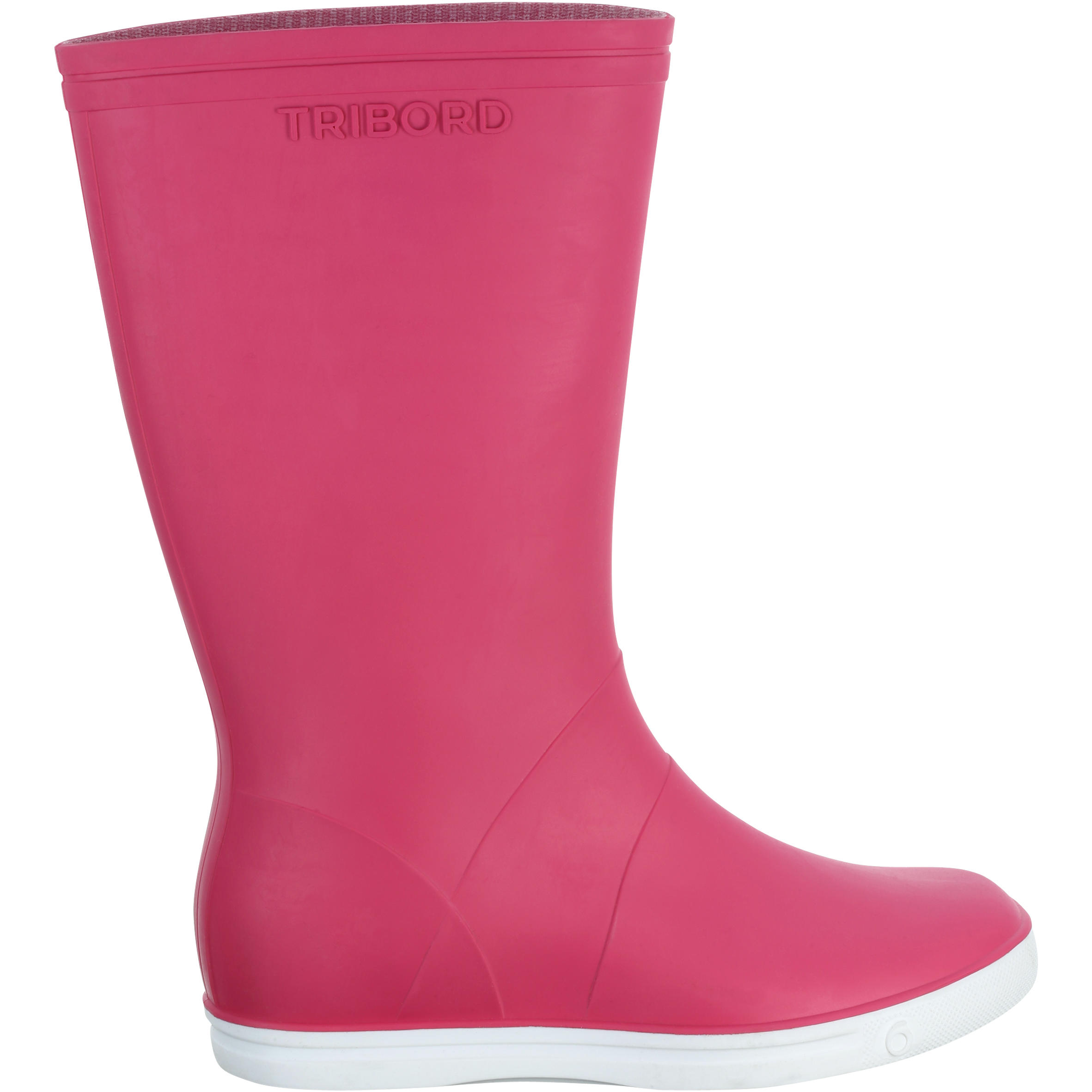
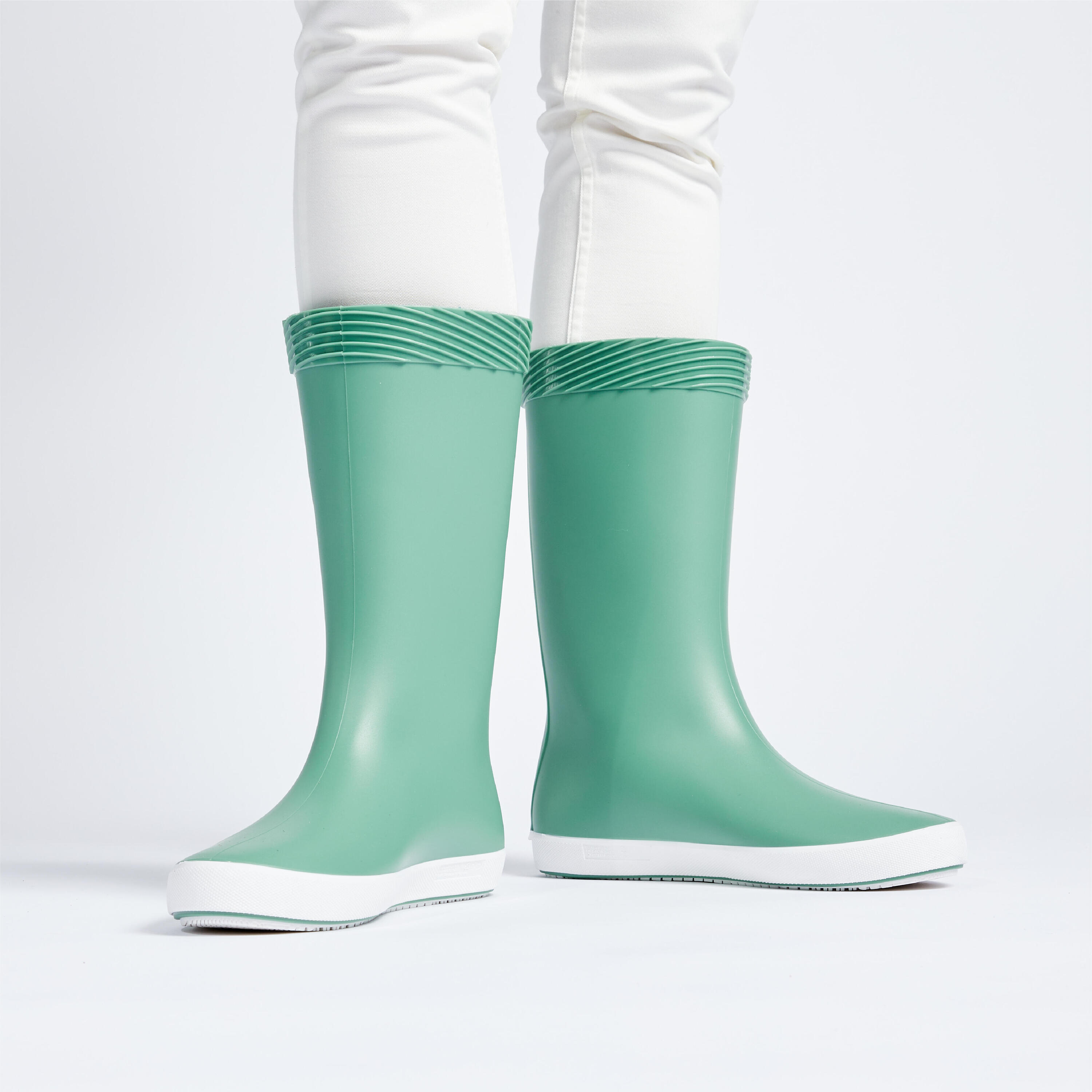
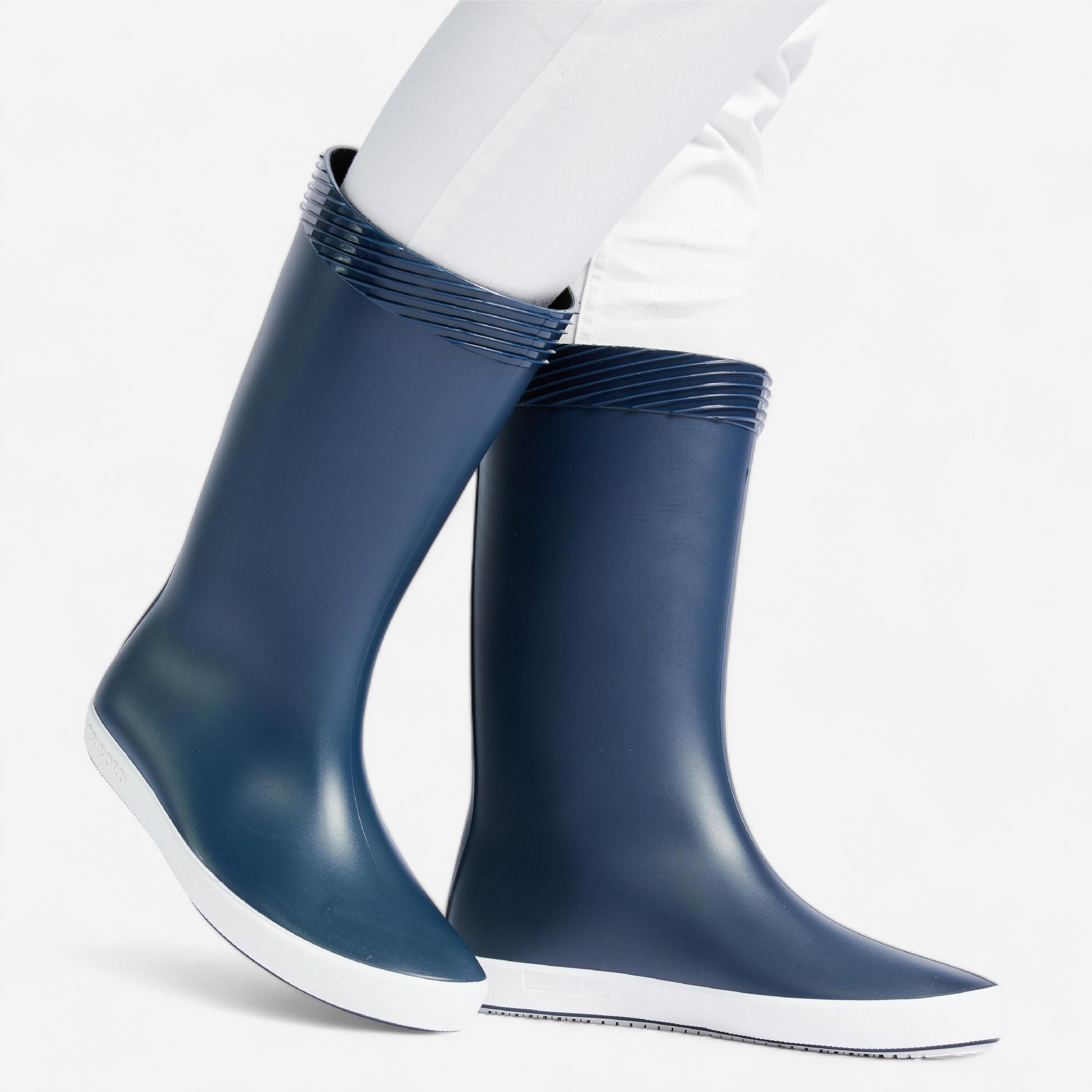
Start with how wet the deck is likely to be, how long you will stay exposed and whether you need simple rain protection or more sailing-specific grip and flexibility. Designed for lighter wet-weather use, Decathlon's women's sailing rain boots use one-piece injected construction to remove stitched water-entry points, while drainage channels under the sole help move water away beneath the foot. Decathlon also checks waterproofing through laboratory, real-use and ageing tests rather than relying only on the material itself. Pro tip: try the boots with the socks you normally wear afloat. A pair that is too large can reduce foot hold, increase rubbing and make secure movement on a wet deck more difficult.

What makes rubber sailing boots useful for longer trips?

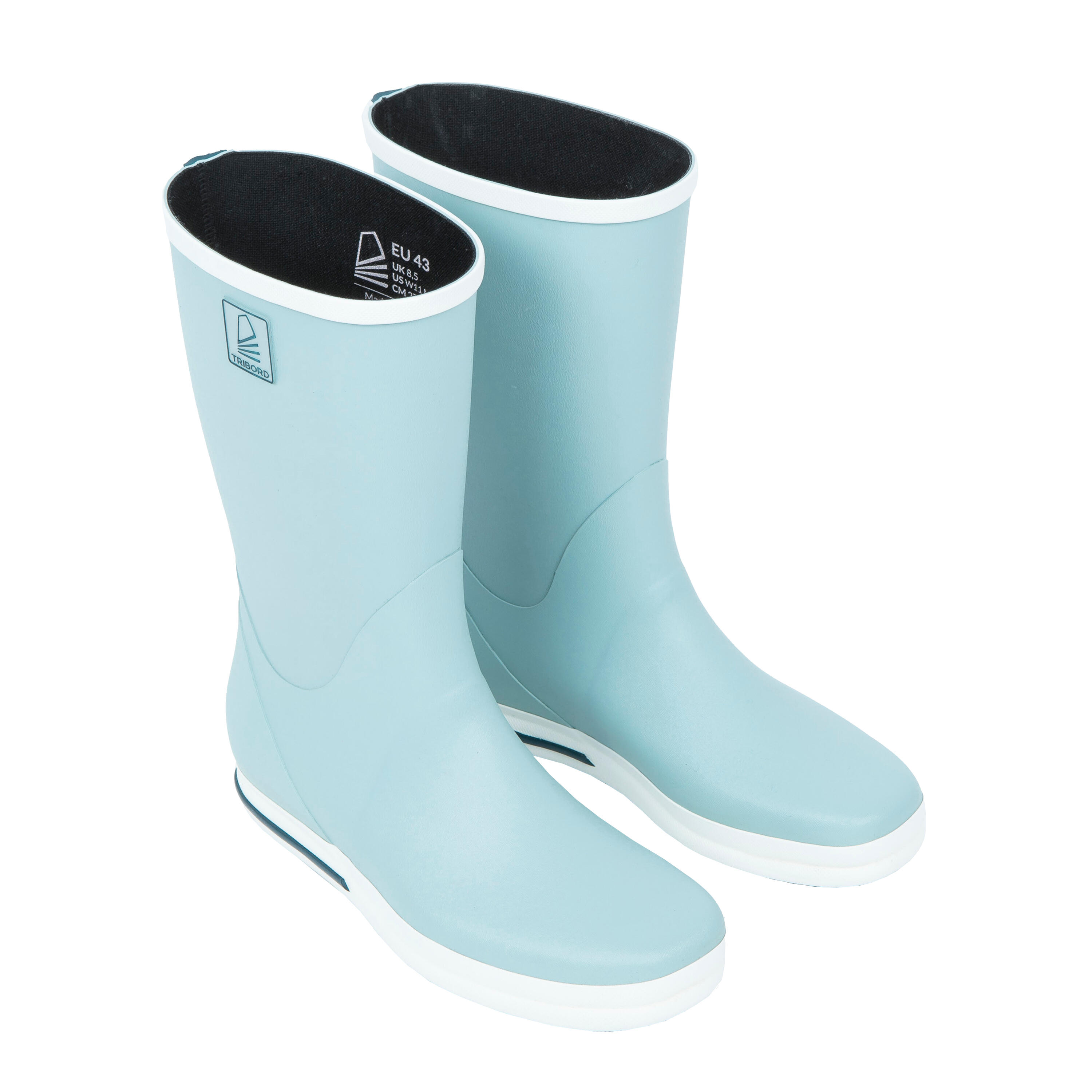
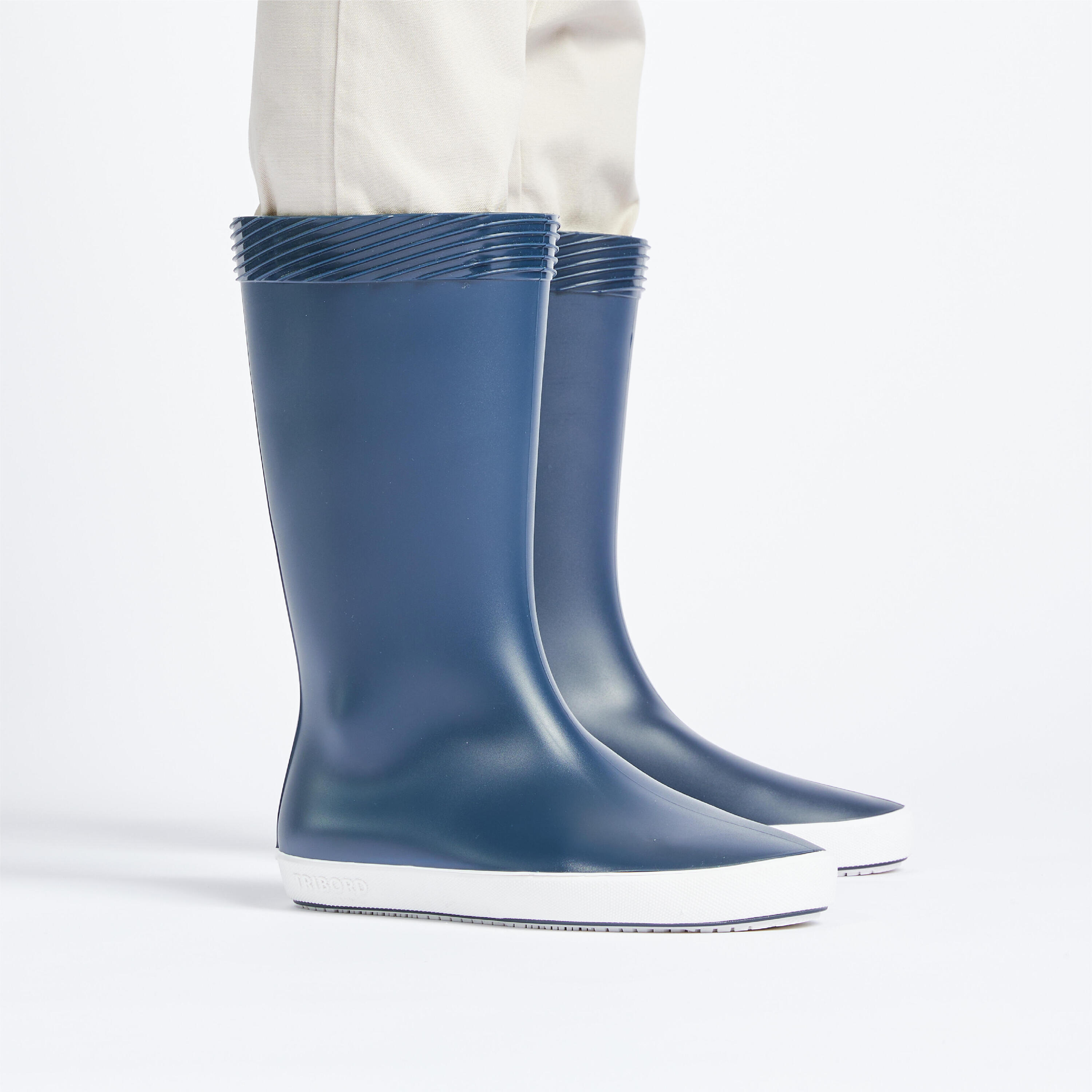
Longer or more exposed sailing sessions can benefit from boots that combine waterproof coverage with enough flexibility around the ankle for moving across the boat. Tribord's women's sailing rubber boots use flexible rubber construction and a micro-striated non-marking outsole aimed at wet deck grip without leaving unwanted marks. Some models also add insulation to improve comfort in cooler conditions. Pro tip: do not judge a sailing boot only by how stiff or substantial it feels in your hand. You still need enough ankle movement to crouch, step over fittings and brace yourself comfortably when the boat is moving.

What conditions call for more protective waterproof sailing boots?

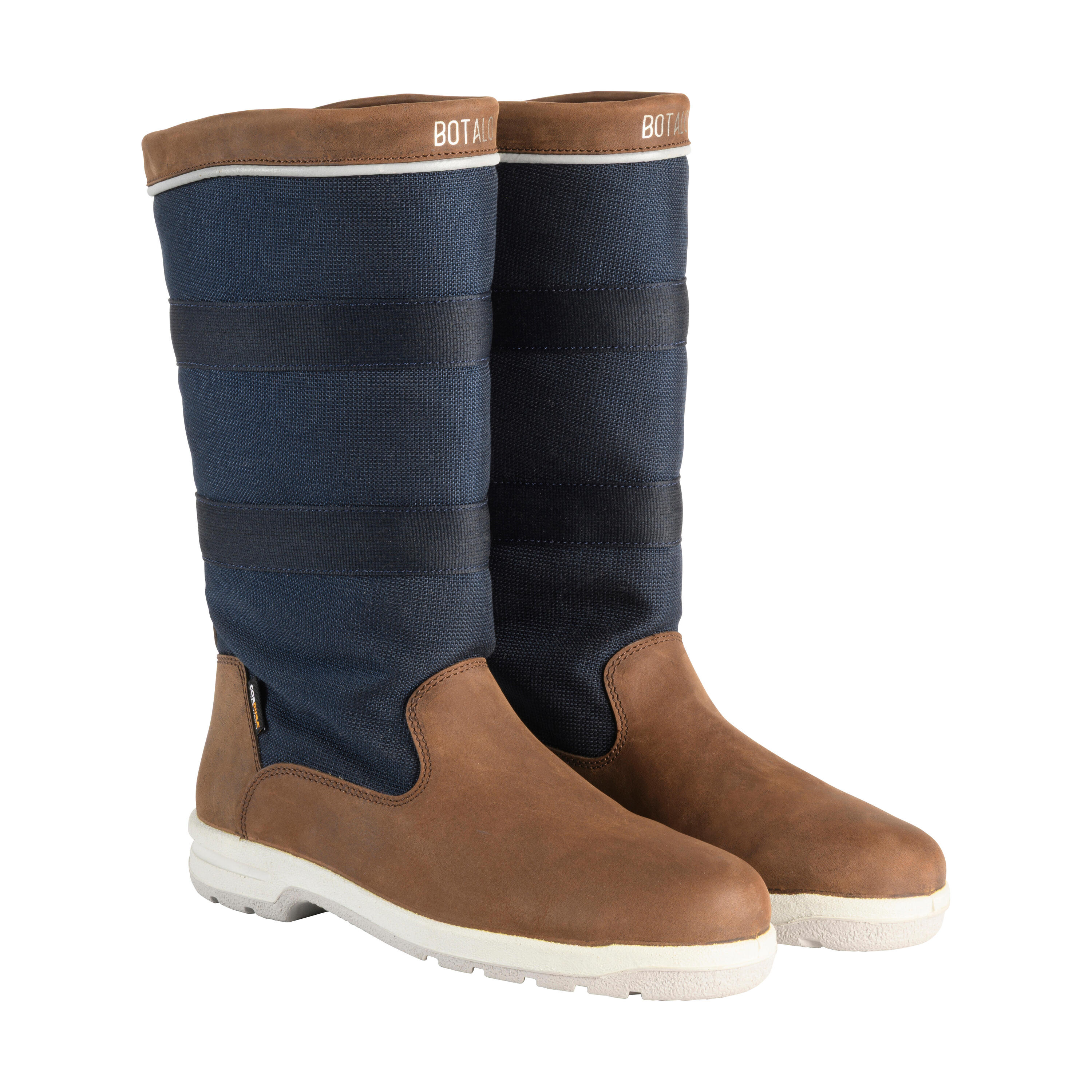
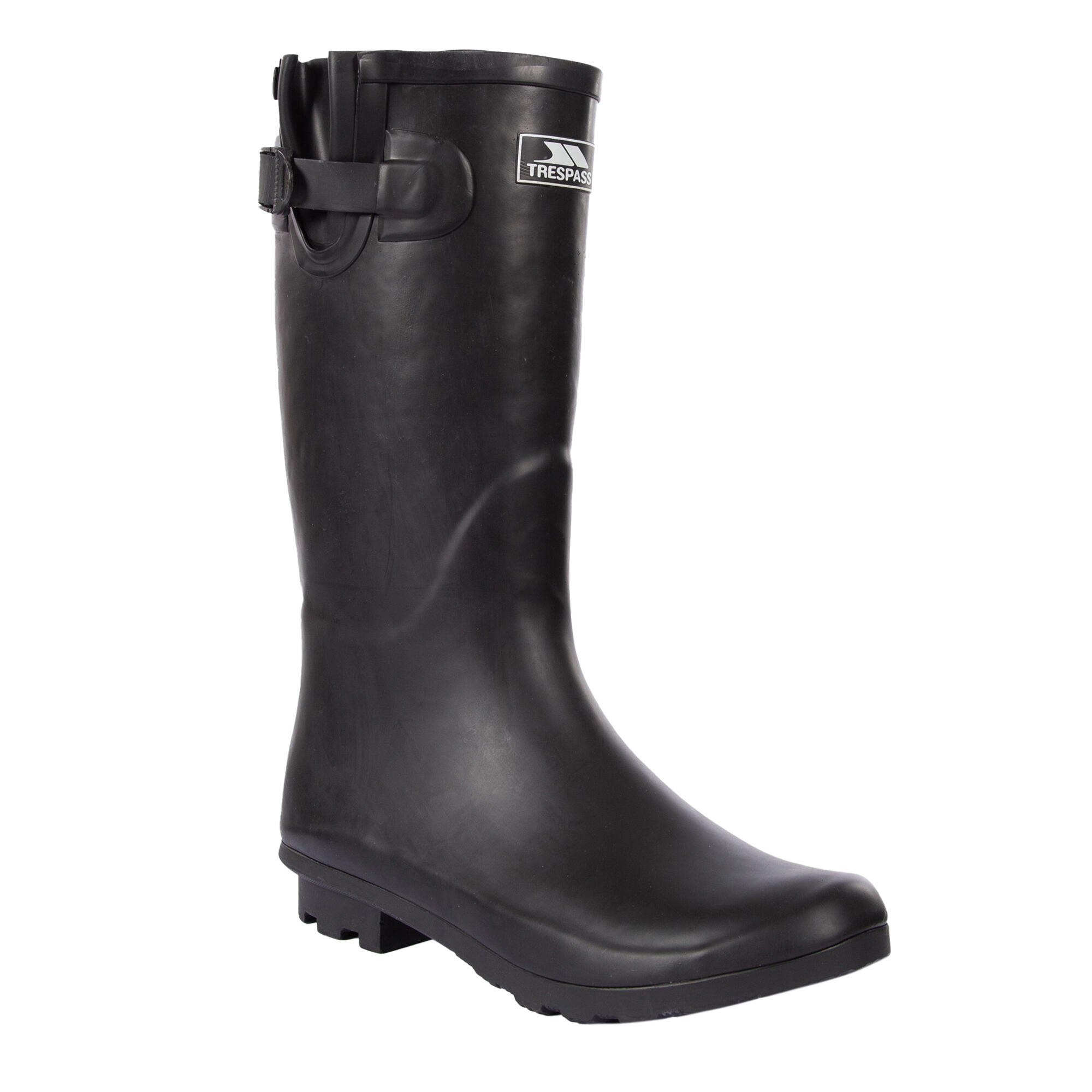
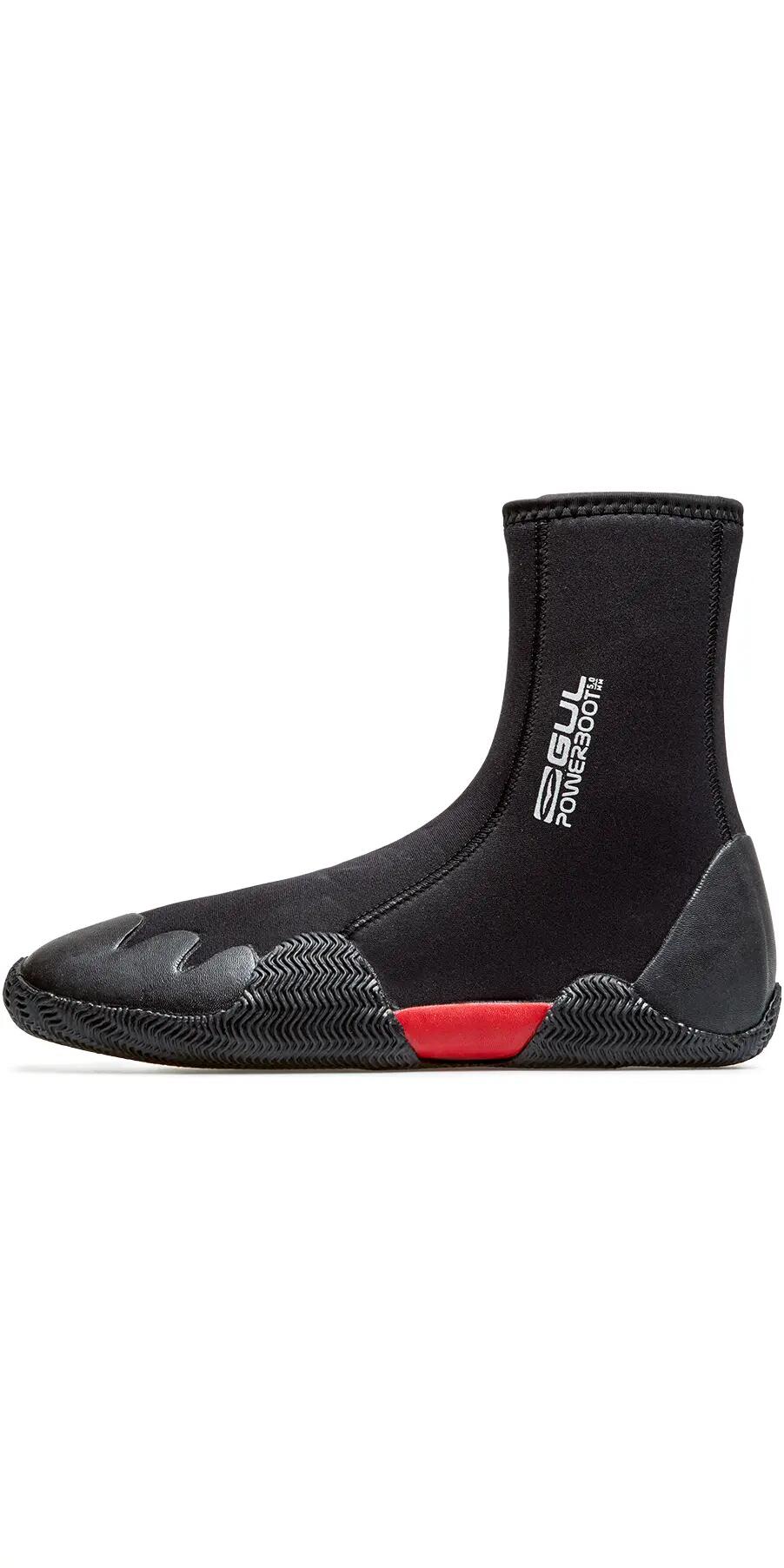
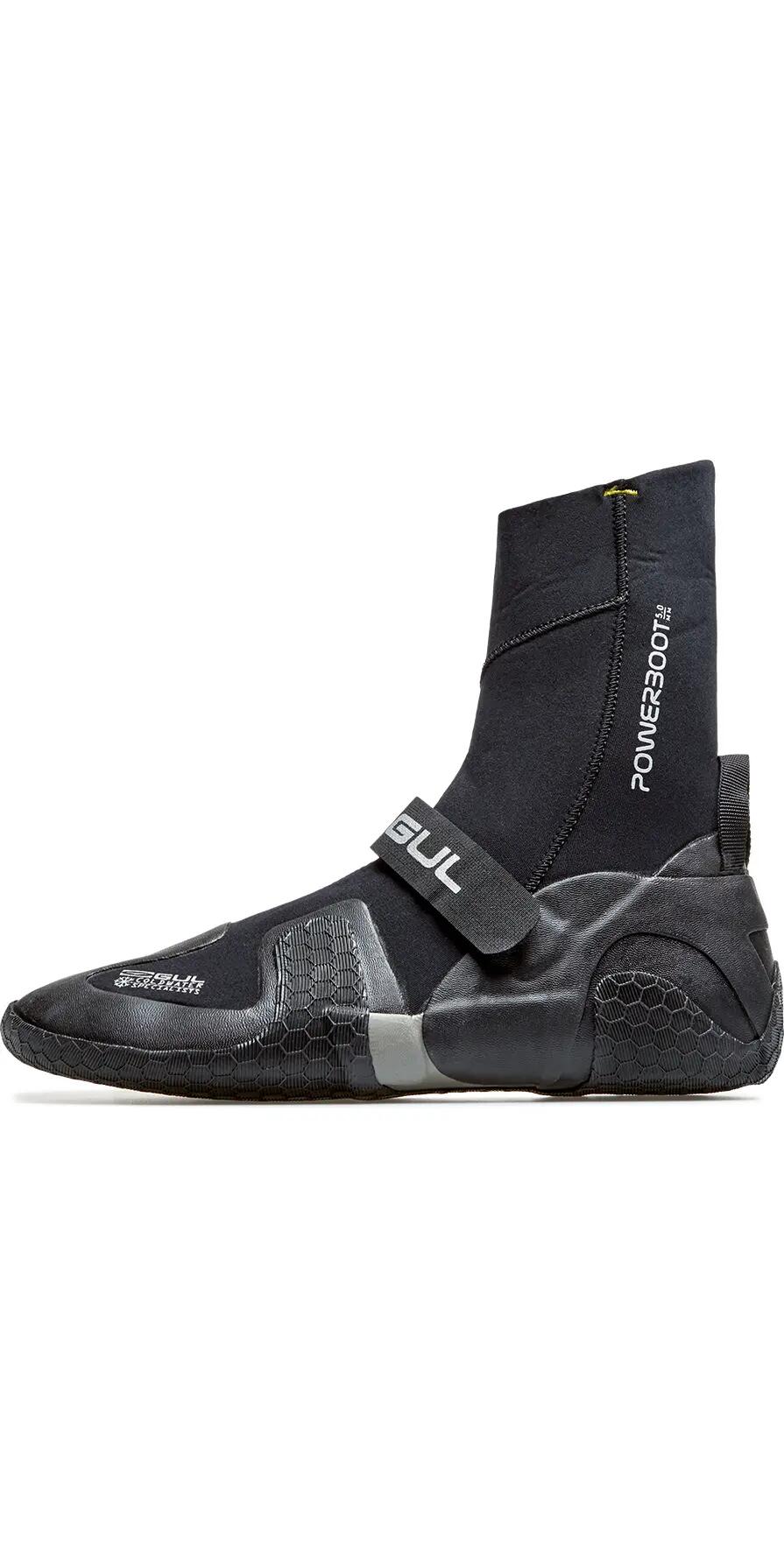
More protective footwear can make sense when you expect prolonged spray, repeated wet-deck work or colder conditions where ordinary lightweight rain boots may feel limited. A model such as these women's waterproof sailing boots gives you another option to compare against simpler rain or rubber constructions. Before choosing, check the stated waterproofing, sole grip, insulation, fit and intended sailing use rather than assuming every tall boot performs the same way. Pro tip: pay attention to the opening around the calf as well as foot size. Waterproof trousers or bibs need to sit comfortably with the boot without bunching or leaving large gaps where water can run inside.

How do sailing boots work with other sailing layers and clothing?

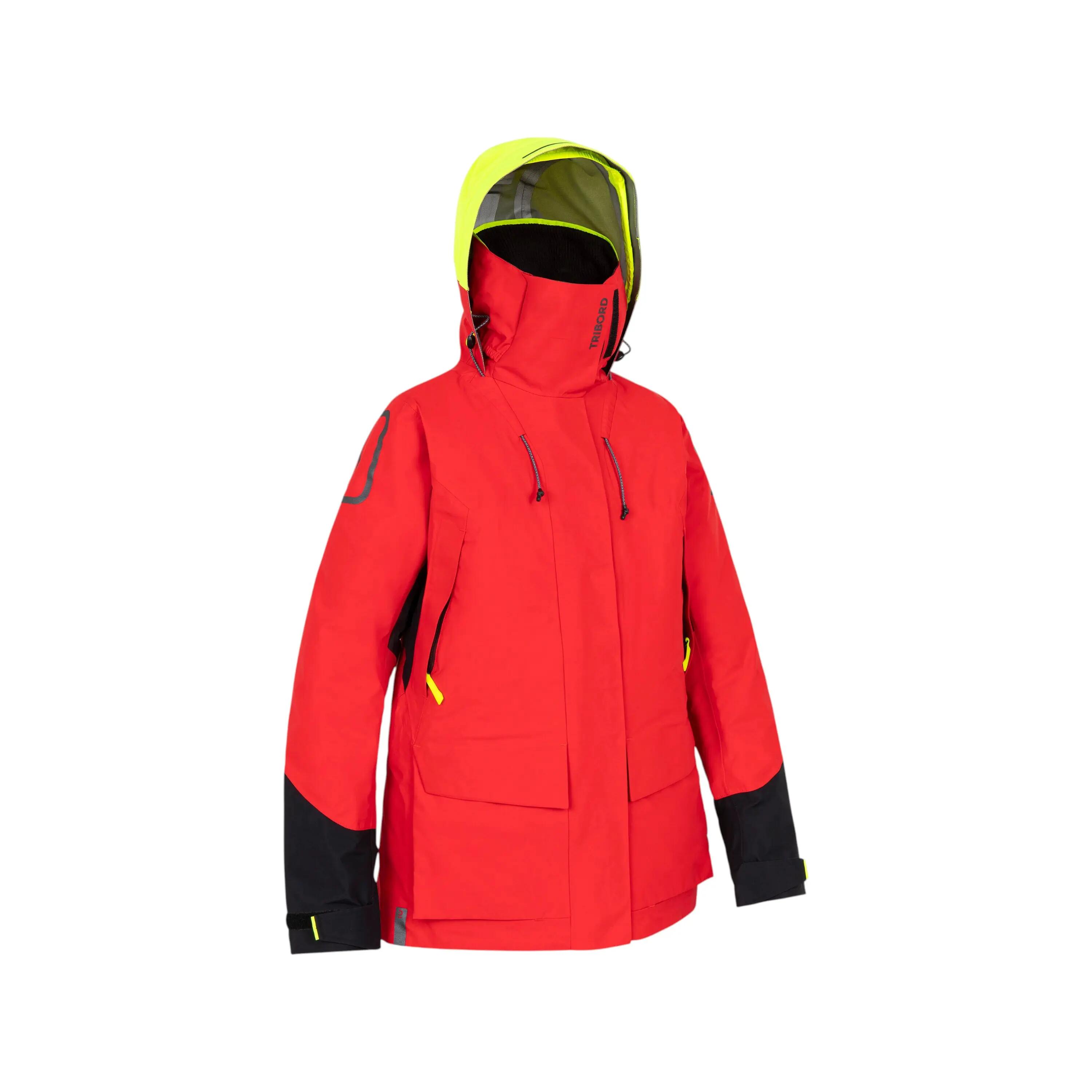
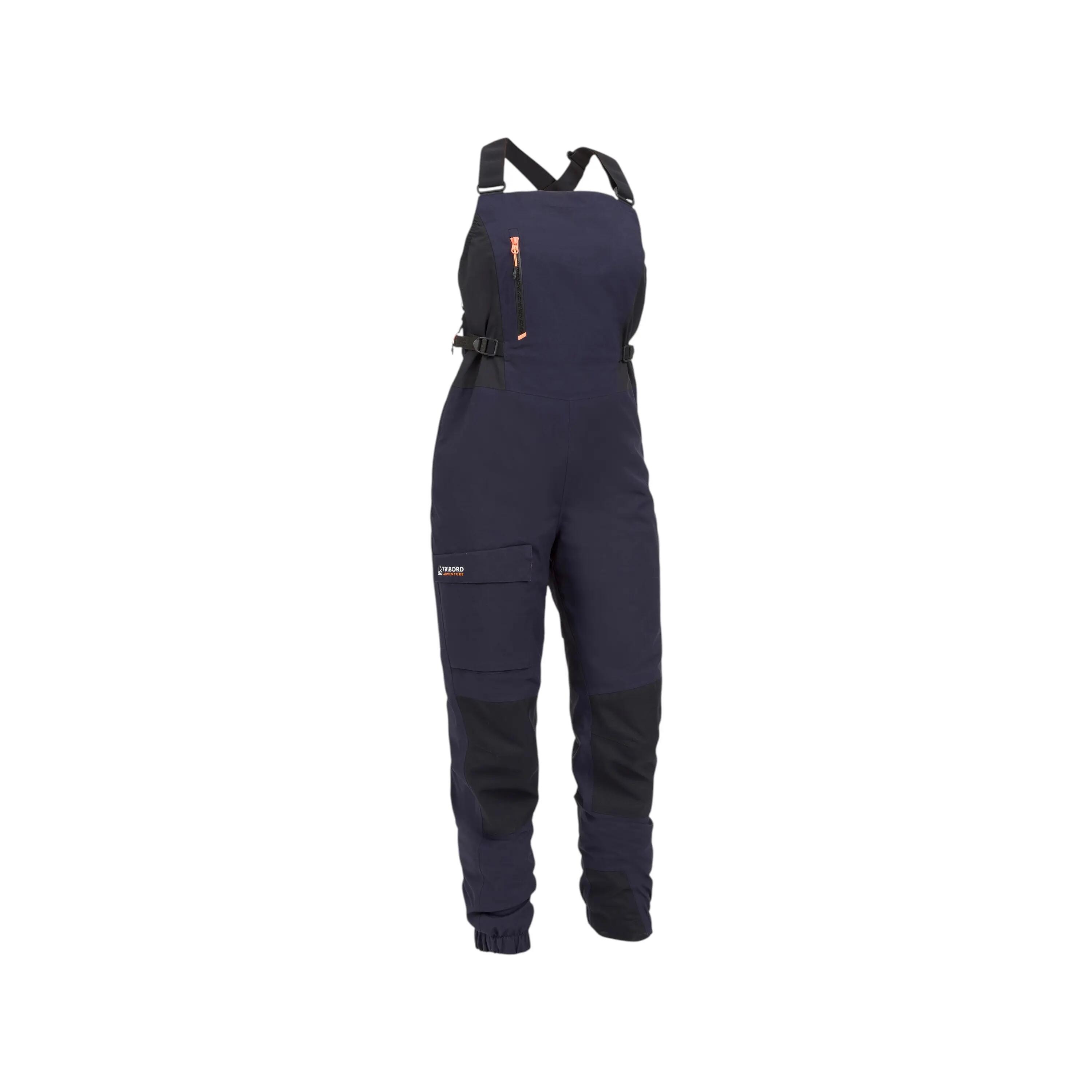
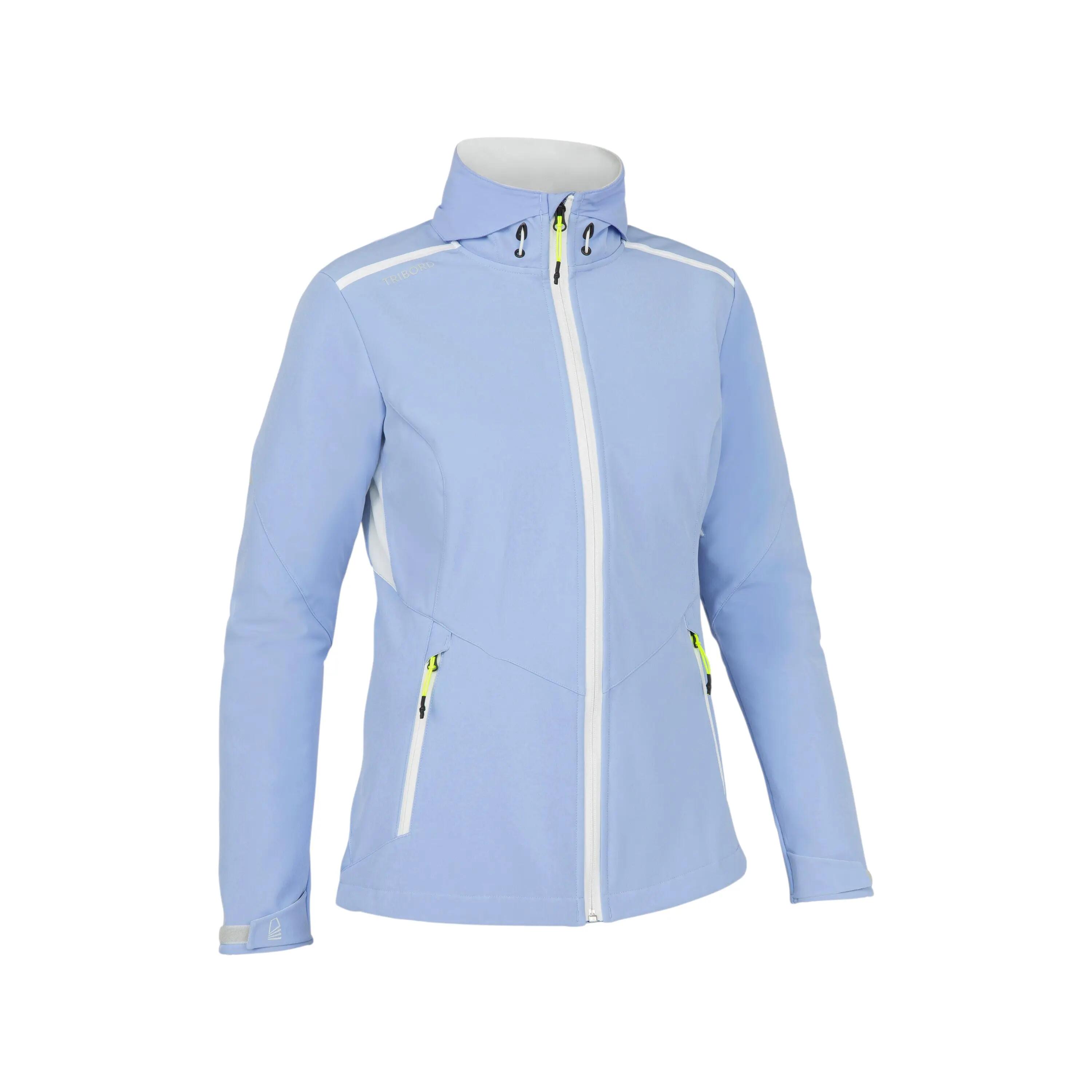
Footwear works best when it forms part of the whole weather-protection system rather than being chosen separately. Before putting together layers from the women's sailing clothes range, make sure waterproof trousers or dungarees sit securely over or around the boot while still allowing you to kneel, crouch and move freely. Socks can also affect both fit and warmth, especially in double-sized boots. Pro tip: put on the complete outfit before heading out and practise stepping onto a raised surface. This can reveal loose heel movement, tight calf openings or trouser hems that catch on the boot before those problems become distracting afloat.

When are sailing shoes more suitable than sailing boots?

Boots offer more coverage against water and spray, while lower-profile footwear can feel lighter and less restrictive in drier conditions. Based on sheltered yacht use or warmer weather, the women's sailing shoes range may be more appropriate when deck grip matters but full-height waterproof protection is unnecessary. Boots become more useful as water exposure, cold or the likelihood of standing on a wet deck increases. Pro tip: after wearing sailing boots, rinse away salt and dirt where recommended, remove the insole if it is damp and let everything dry in a ventilated place. Avoid radiators or strong direct heat, which can damage materials and shorten the life of the footwear.