39 items
4.5/5 based on 10496 reviews collected online and in stores

After My Trail FAQs

What should you eat after a trail run?

Choose post-running recovery nutrition according to the duration and intensity of the trail run, how much you ate during it and when your next balanced meal is planned. After a demanding session, combining carbohydrate with protein supports both energy replacement and muscle maintenance. Decathlon recovery bars and drinks are intended for after exercise rather than as rapid fuel while running. They generally provide a substantial carbohydrate portion alongside protein, vitamins or minerals. A separate product may not be necessary after a short, light run when you can eat a suitable meal within about an hour. Use trail running nutrition and hydration to coordinate post-run intake with your wider food and fluid plan. Pro tip: prepare your snack before leaving so it is ready when you finish.
When is a recovery protein bar appropriate?

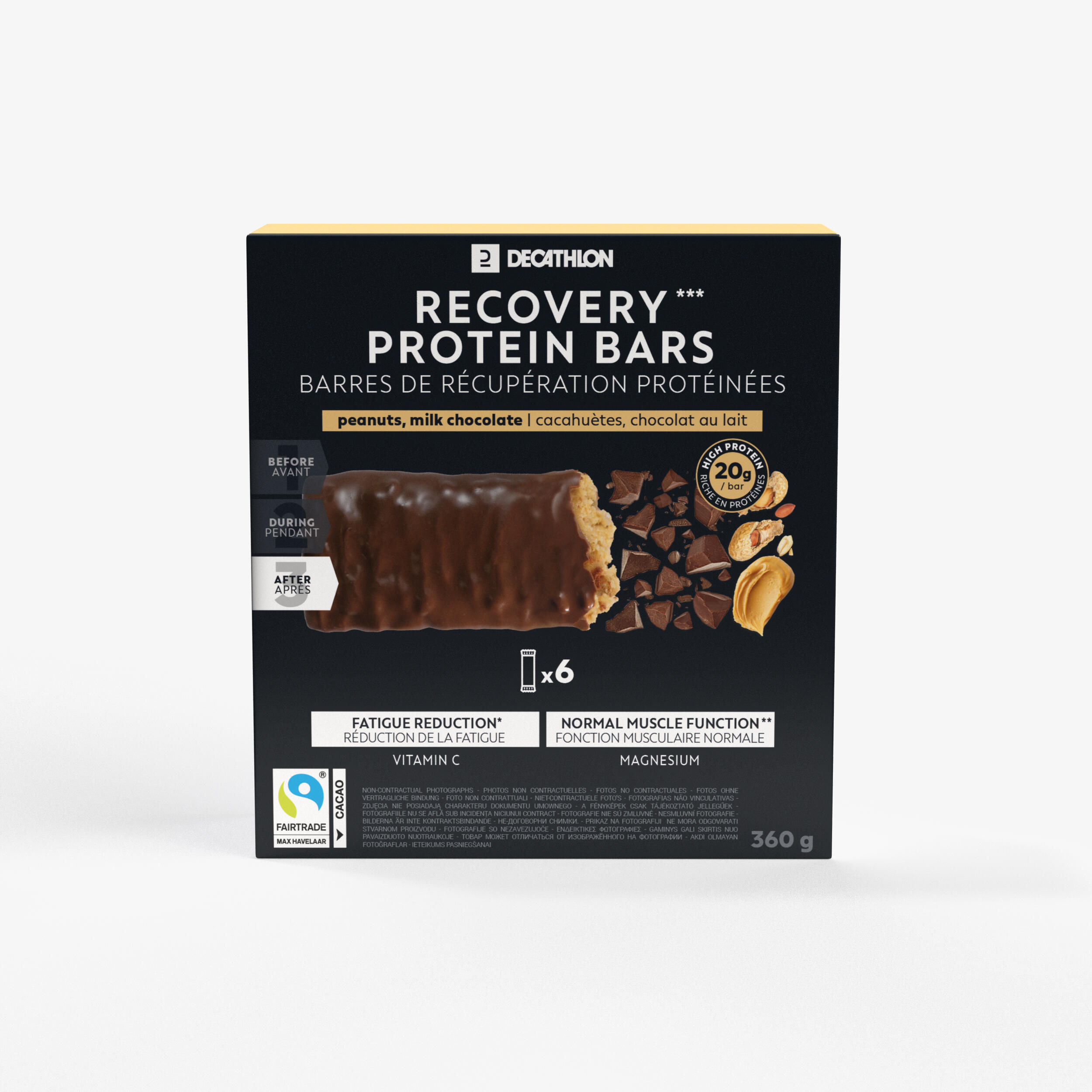
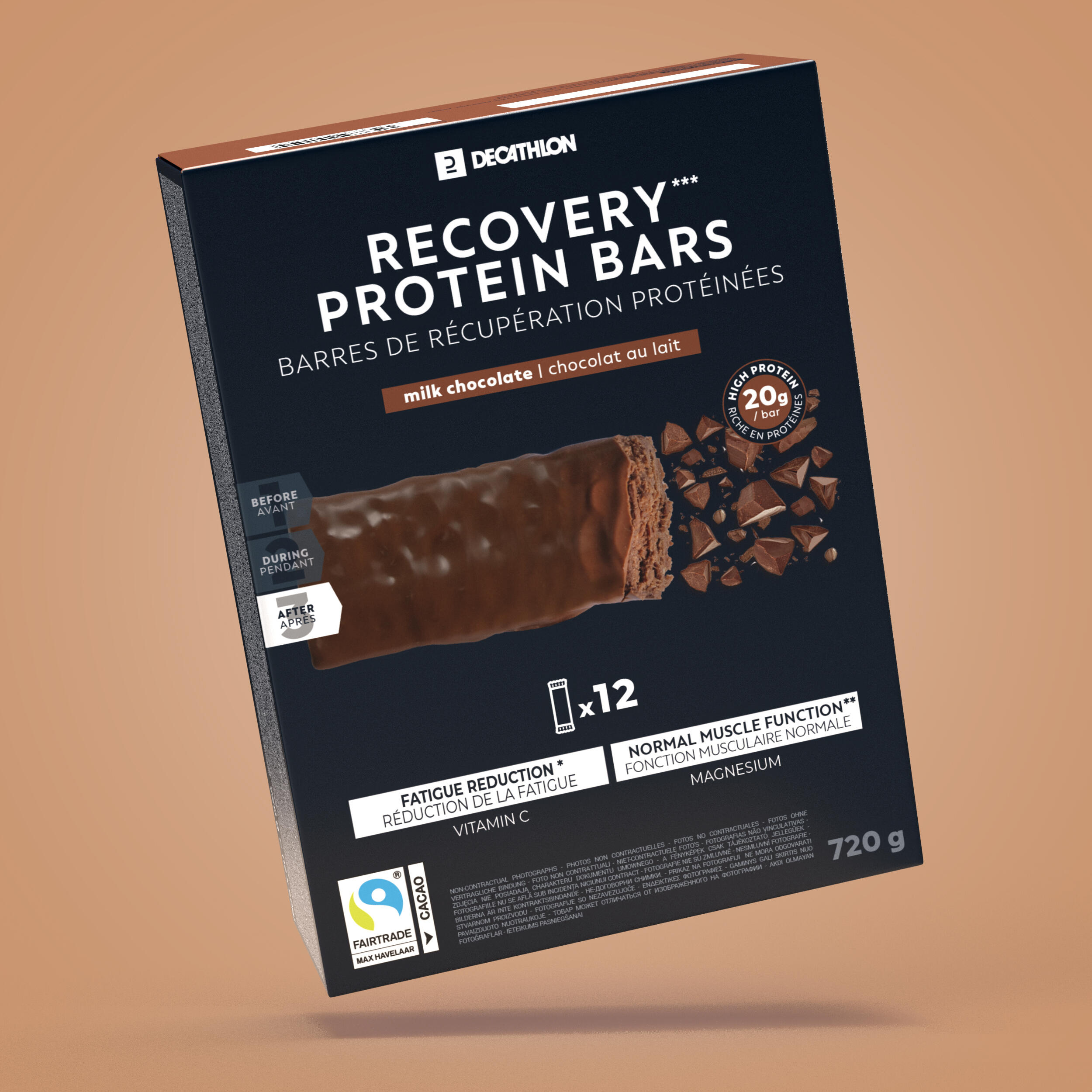
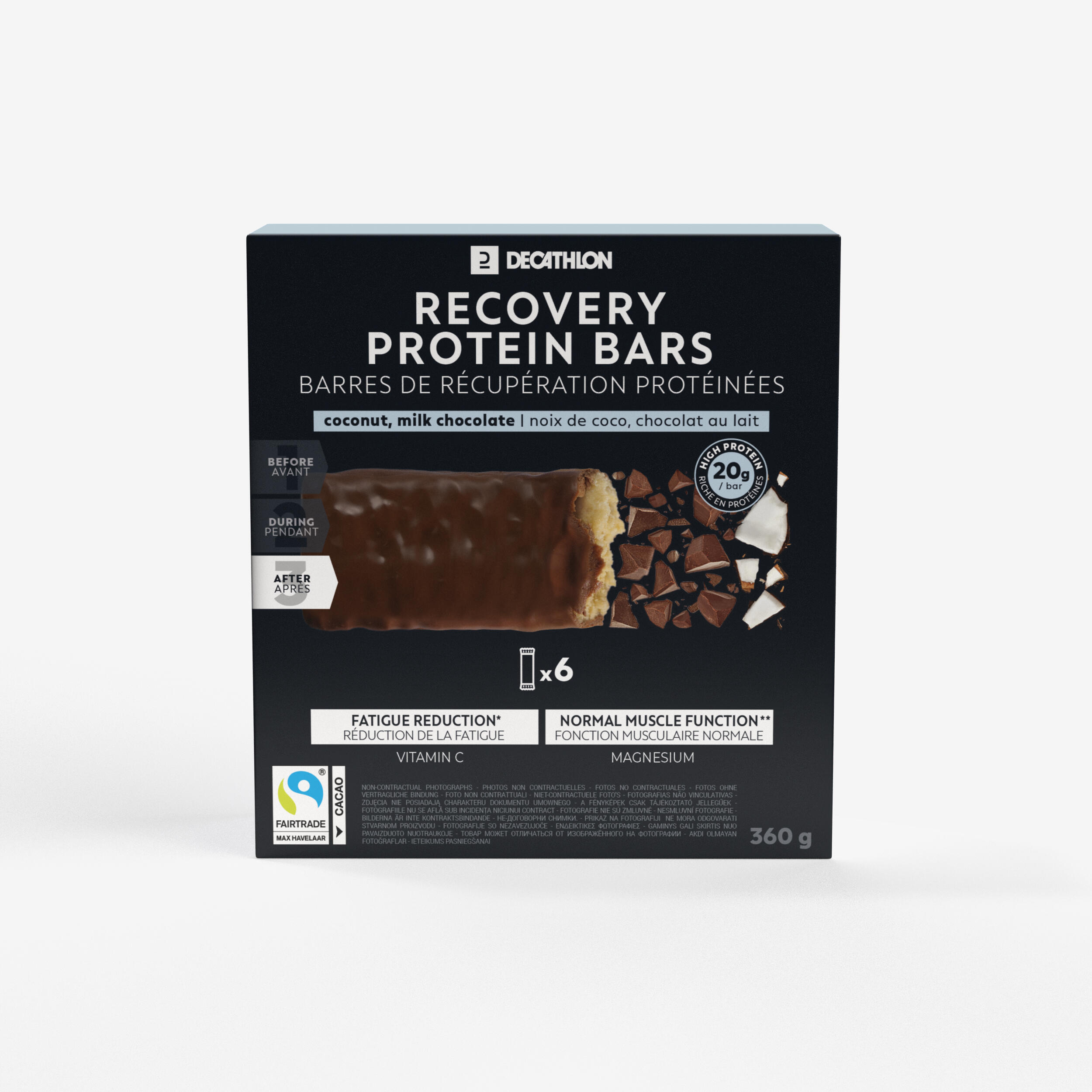
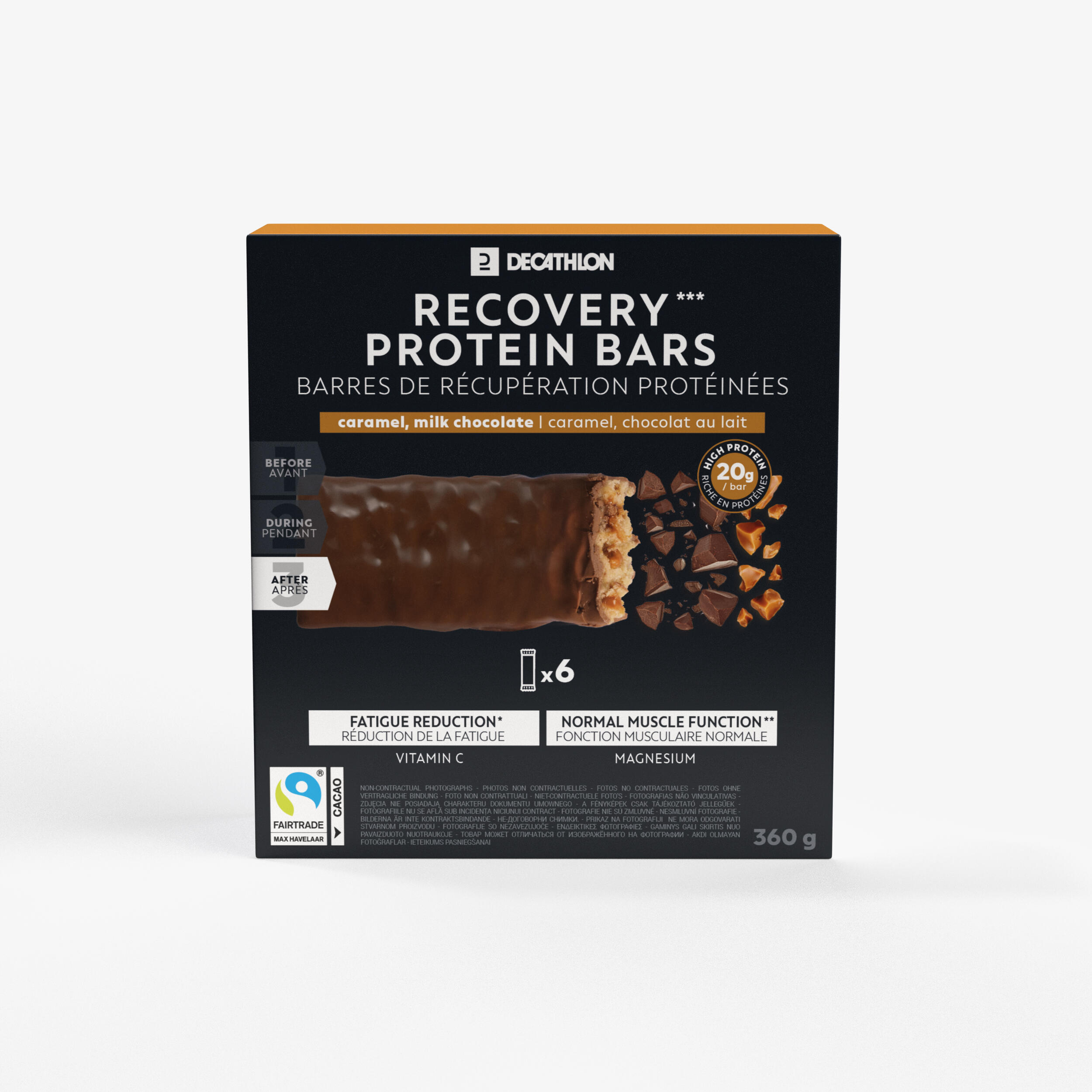
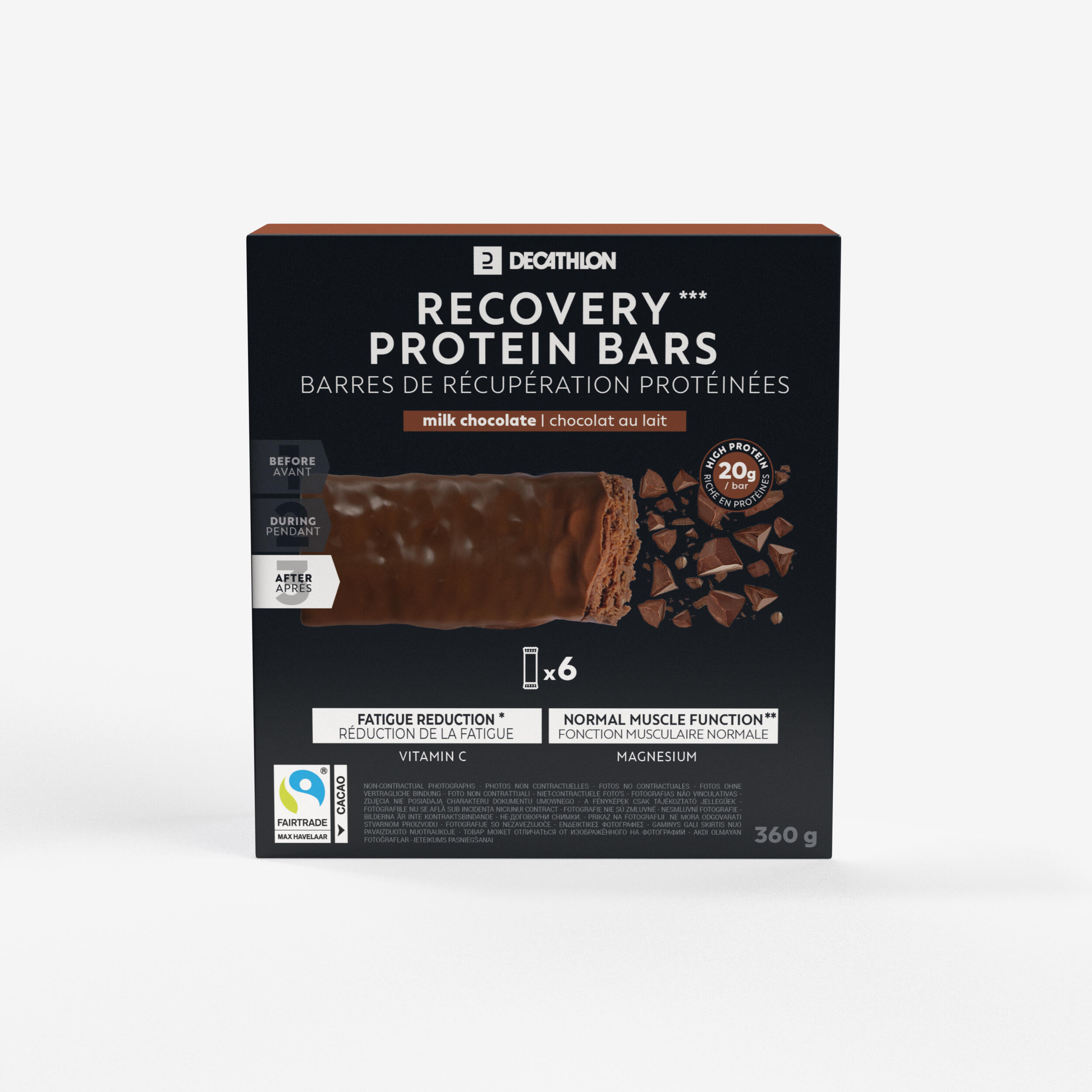
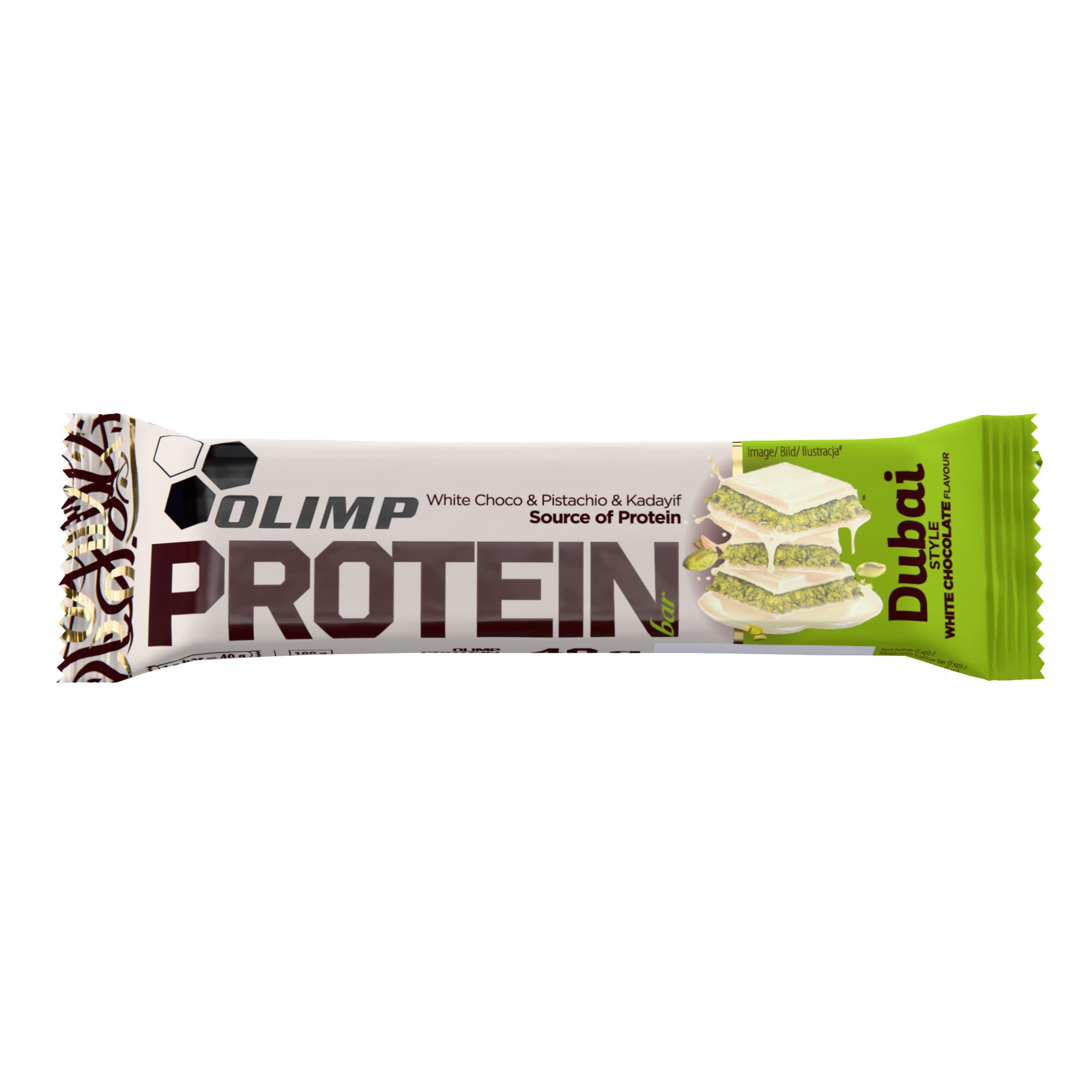
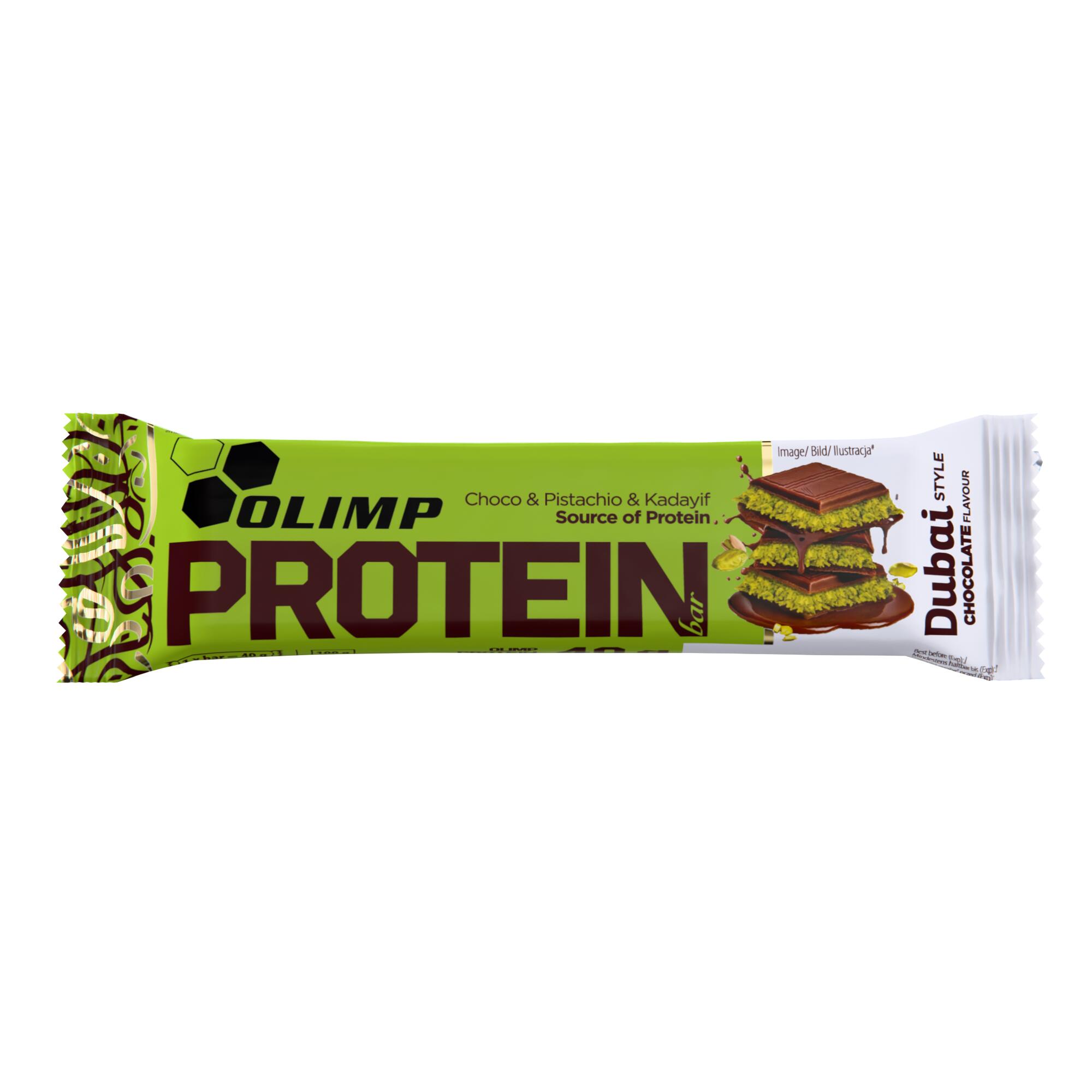
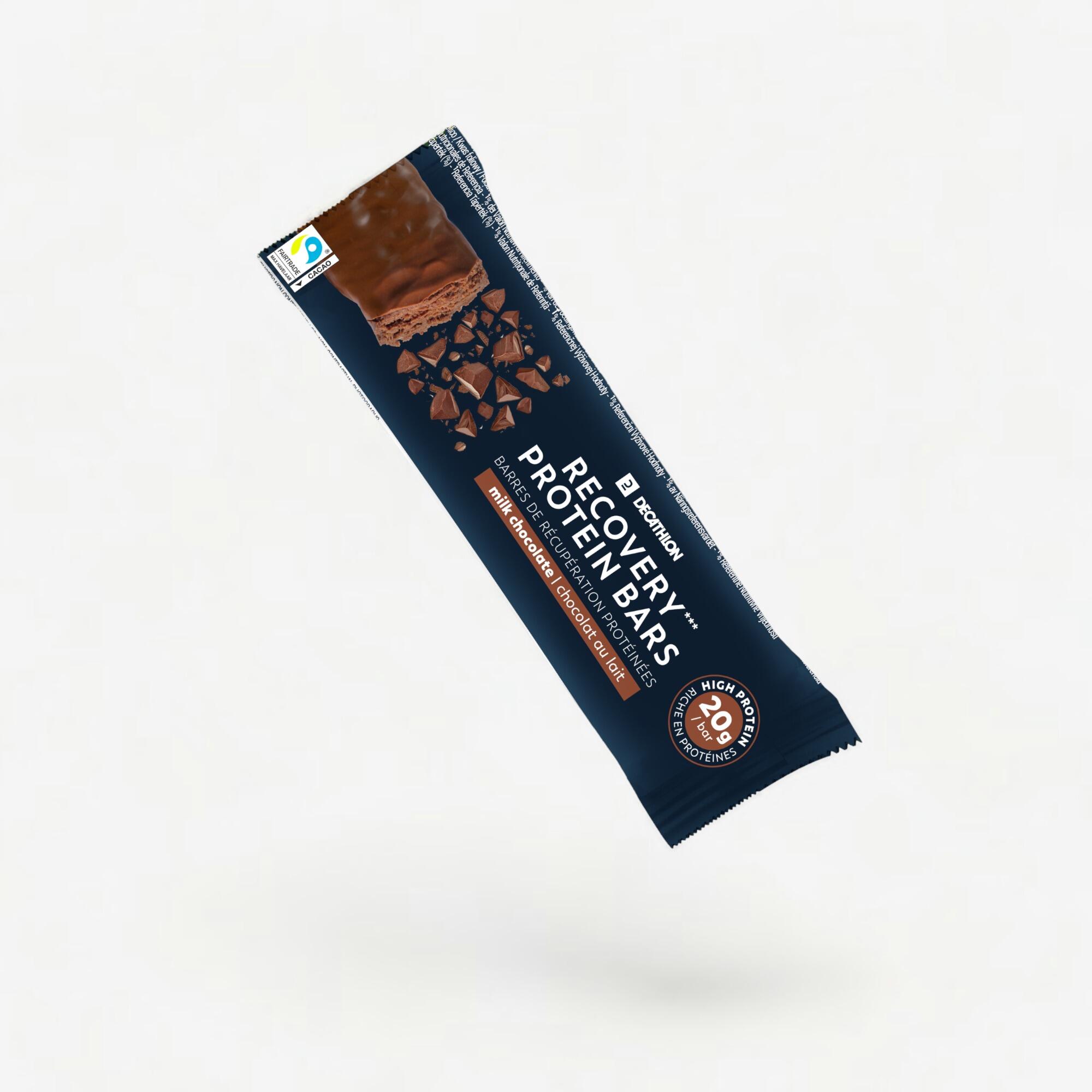
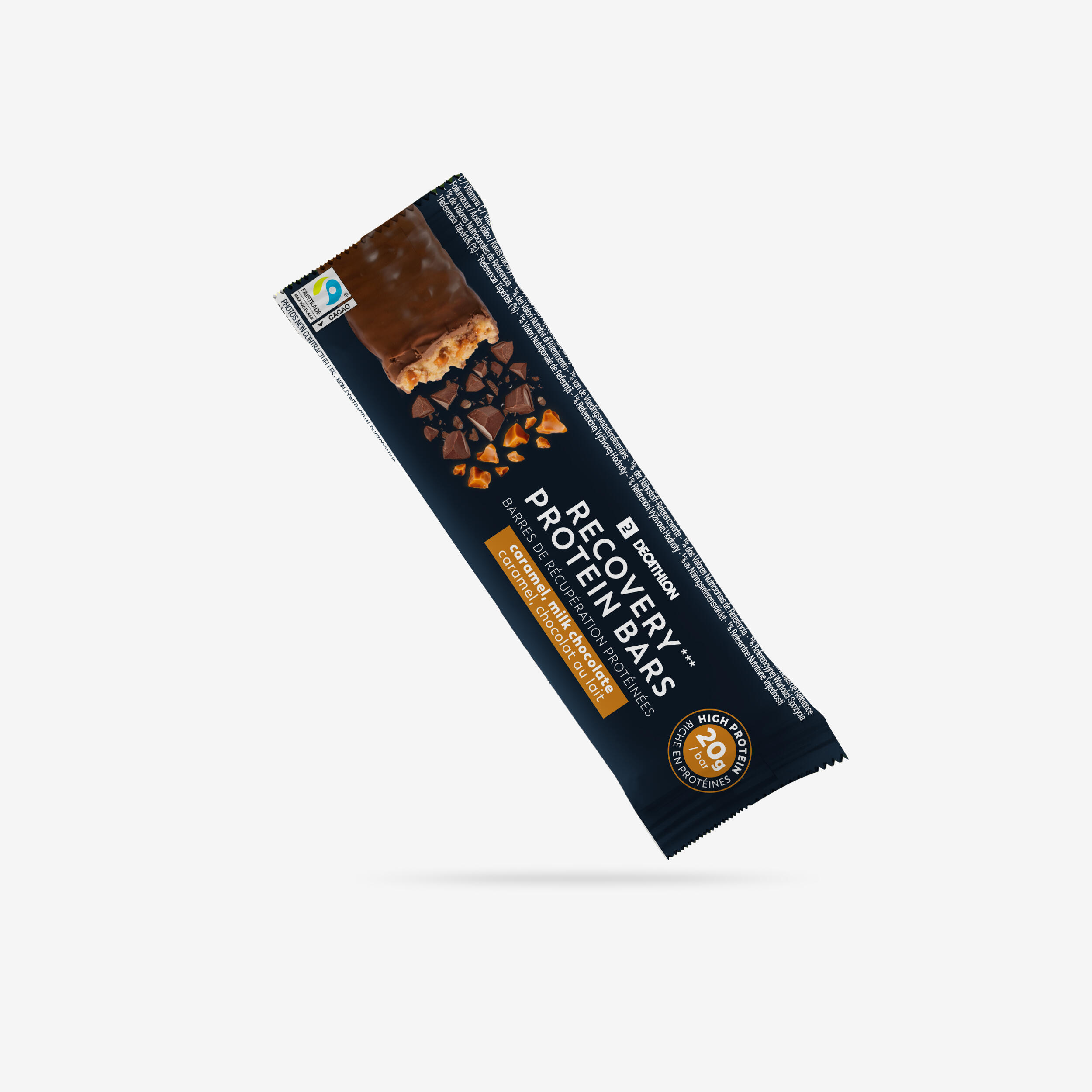
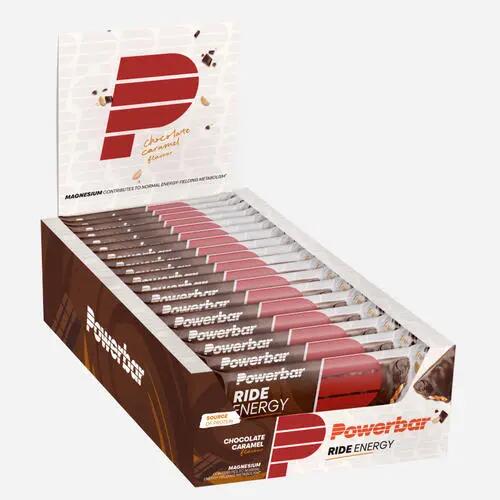
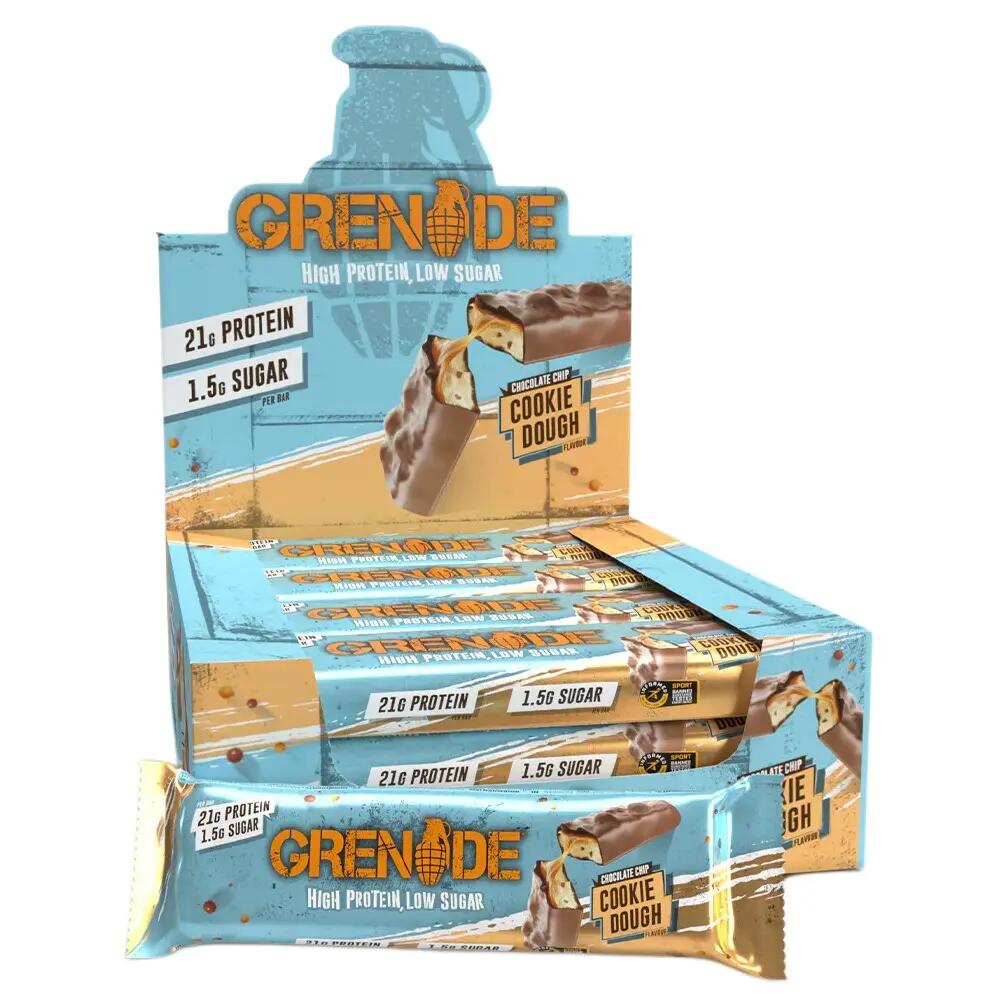
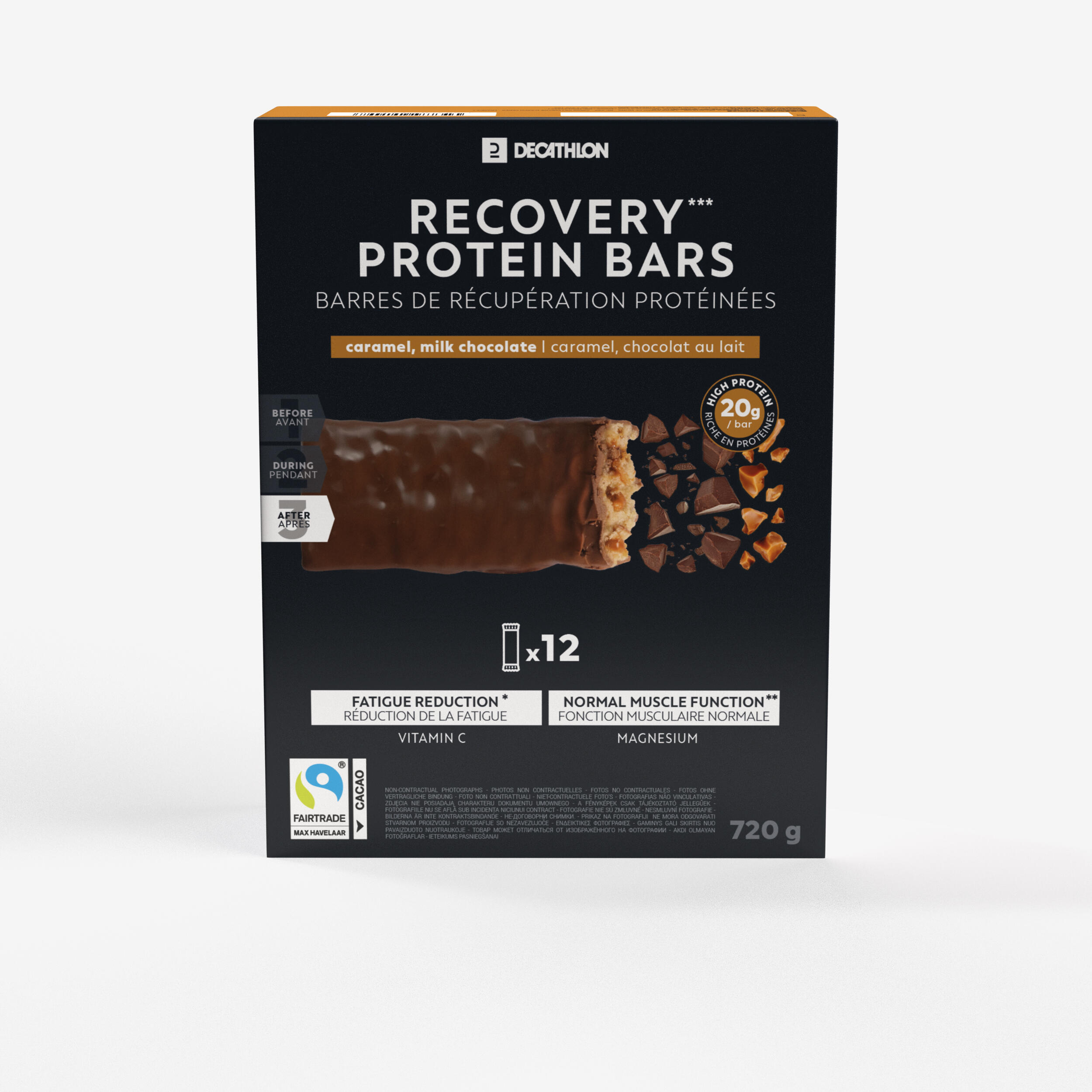
Decathlon positions its specialist recovery bars for consumption within approximately 30 minutes after moderate, intense or prolonged exercise. Each reviewed bar contains about 20 g of protein and roughly 23-27 g of carbohydrate, depending on the recipe. This makes it different from a low-sugar protein snack that may provide protein without enough carbohydrate for a fuller recovery ration. A recovery protein bar is practical when you cannot prepare a drink or meal immediately after finishing. Take suitable fluid alongside it, store it in a cool, dry place and test the flavour after training before packing several bars for an event weekend.

Is a high-protein recovery drink better than a bar?

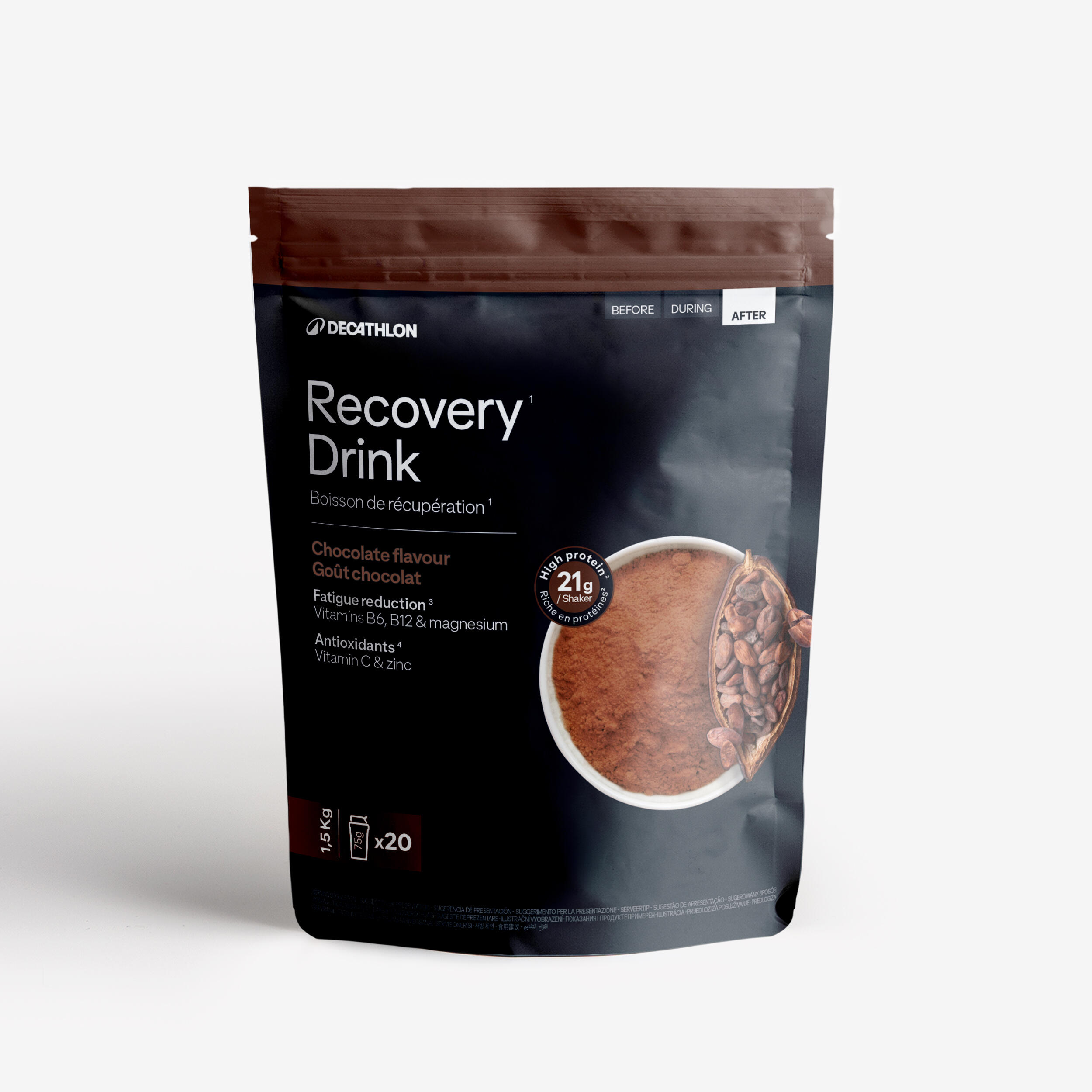
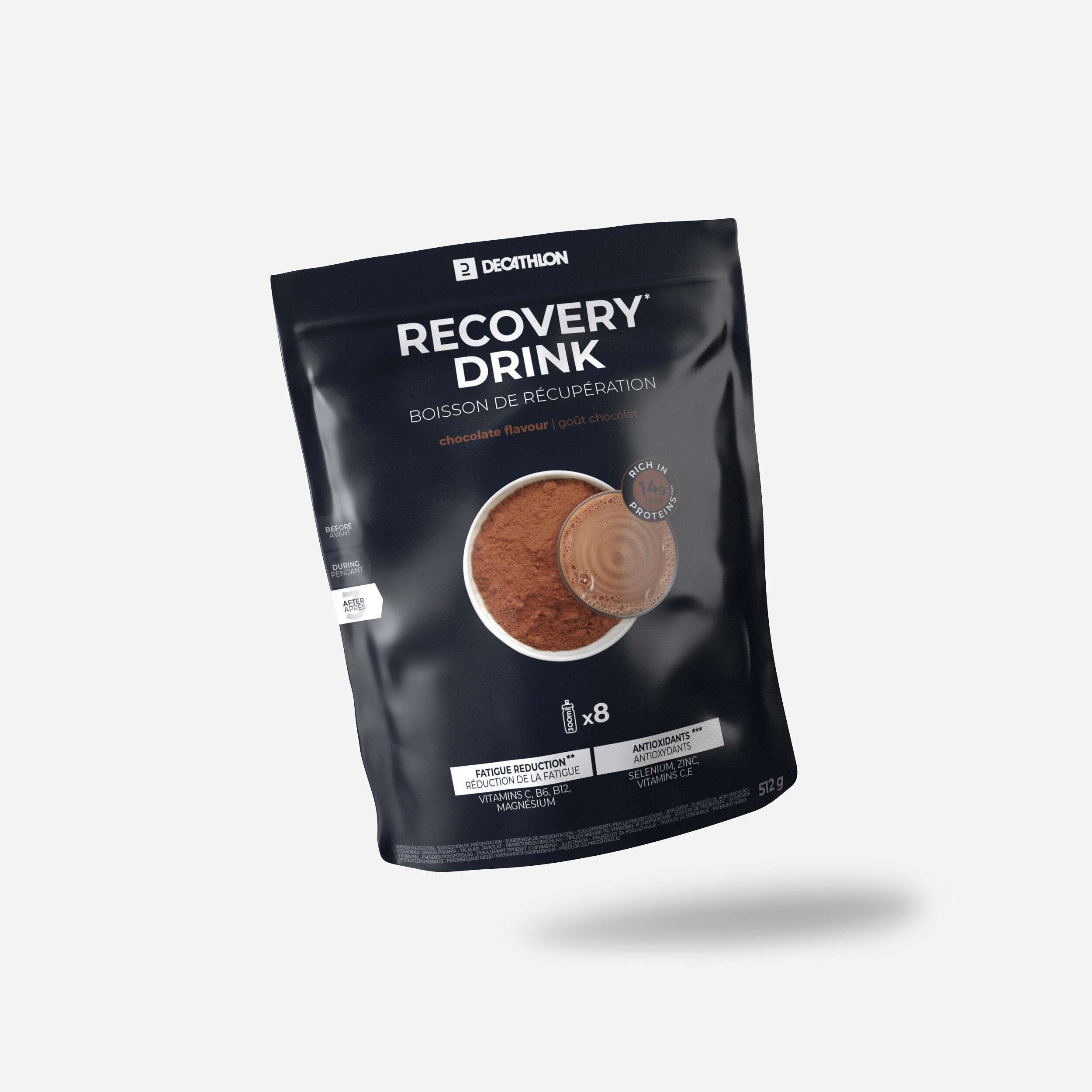
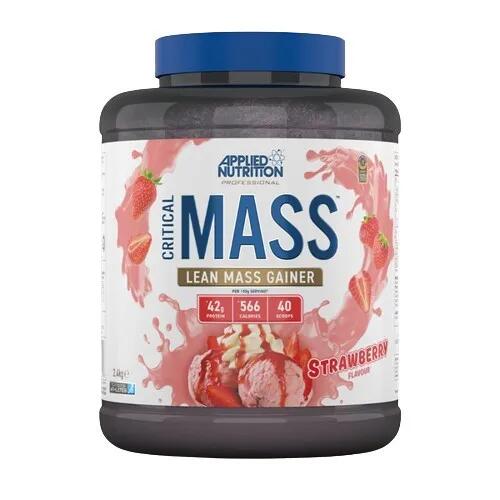
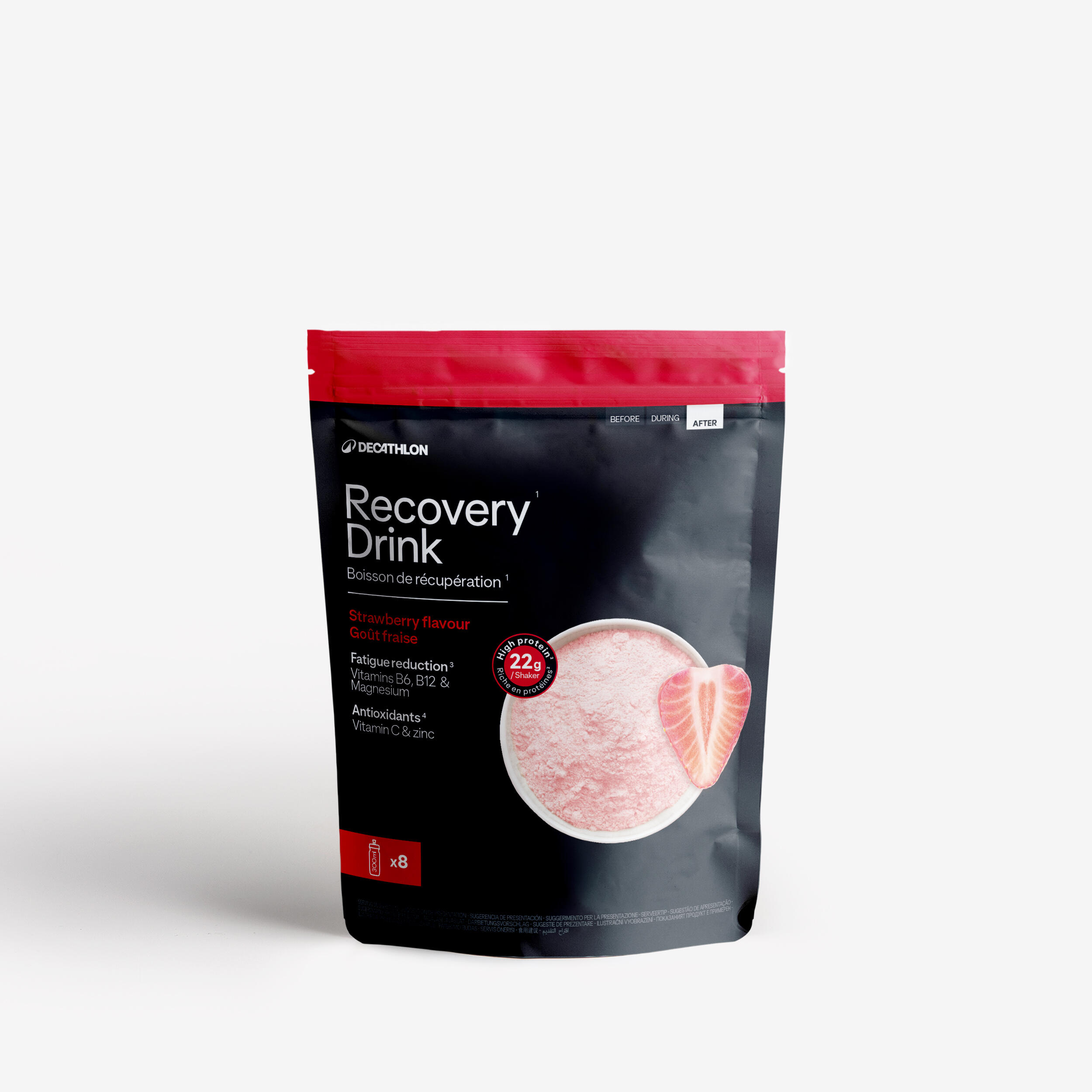
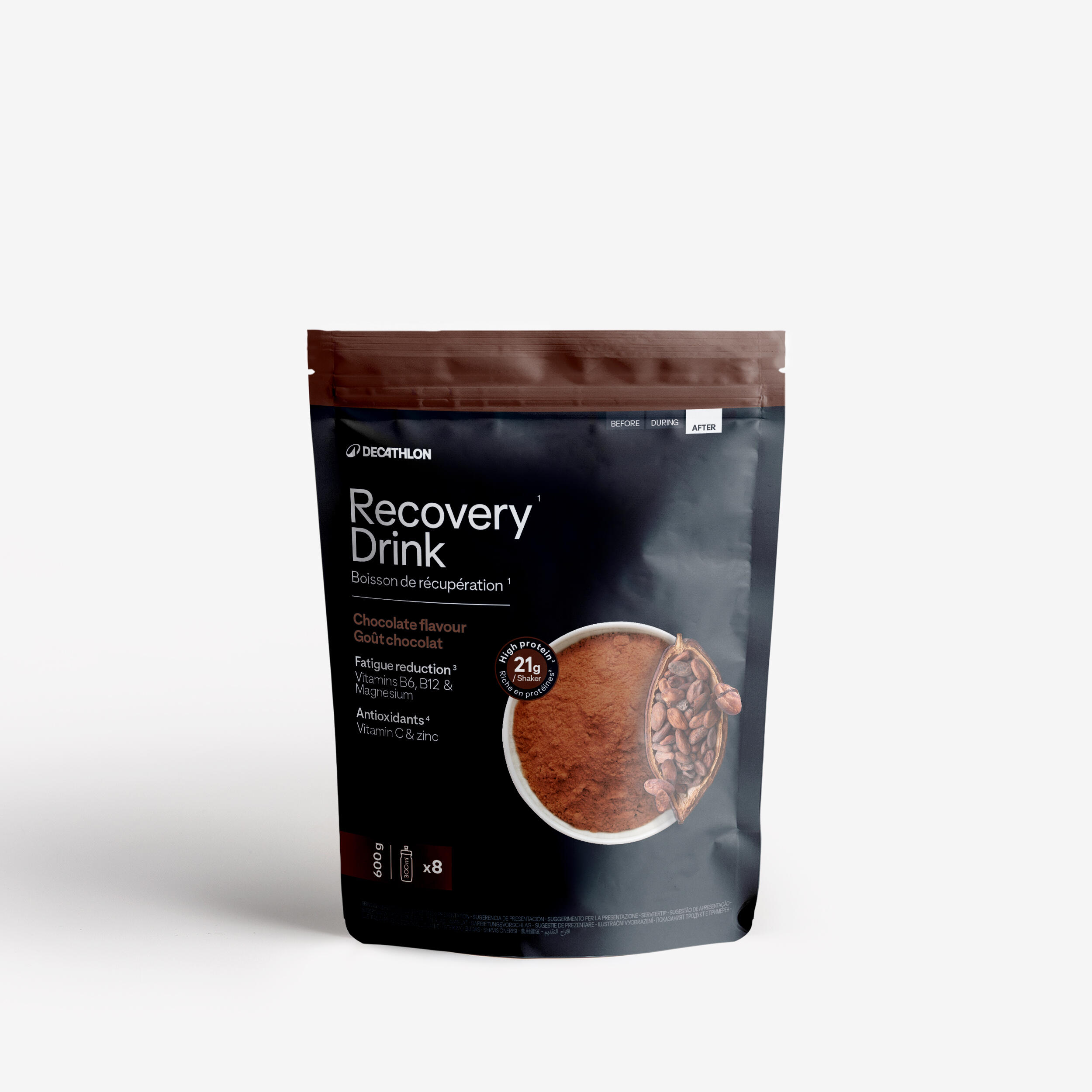
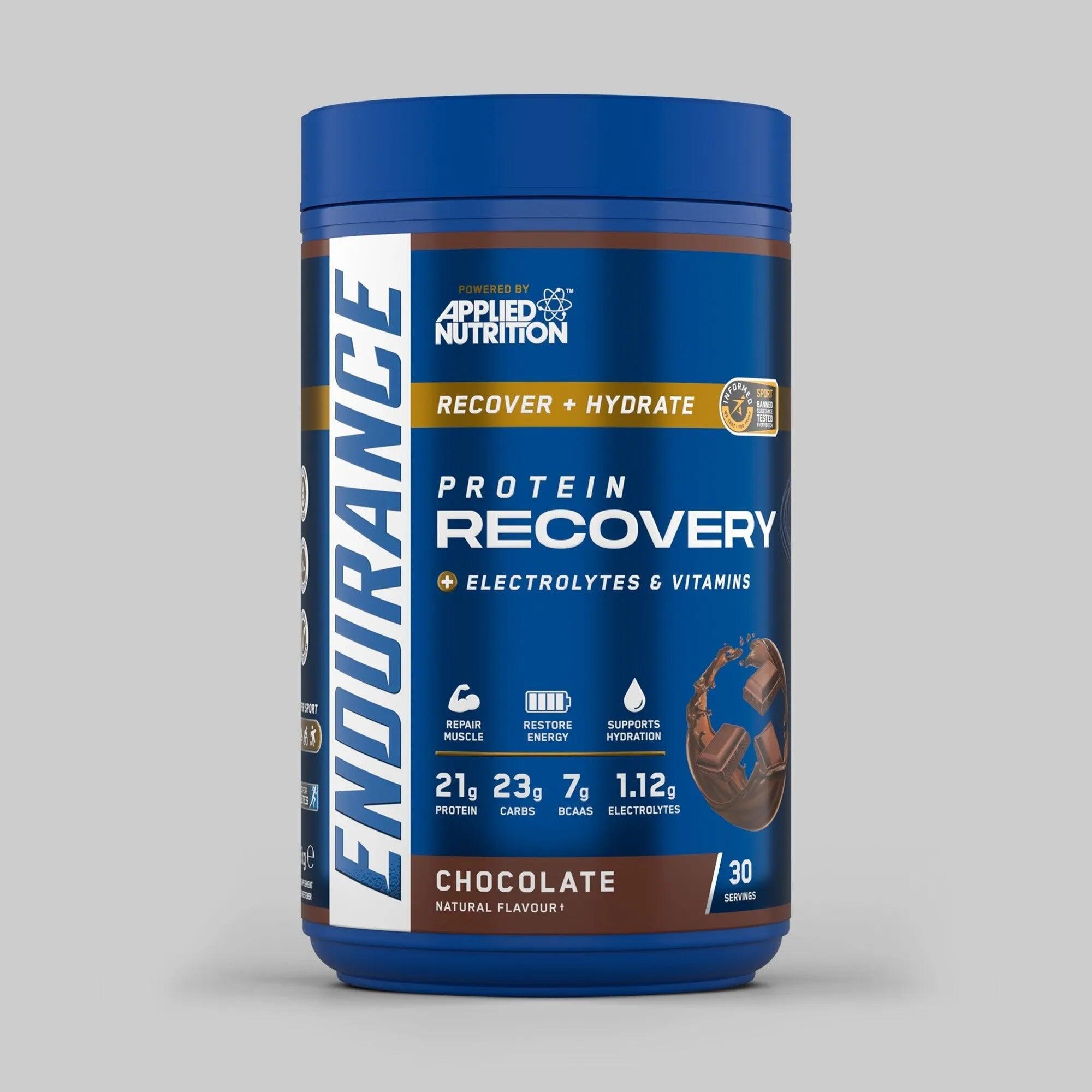
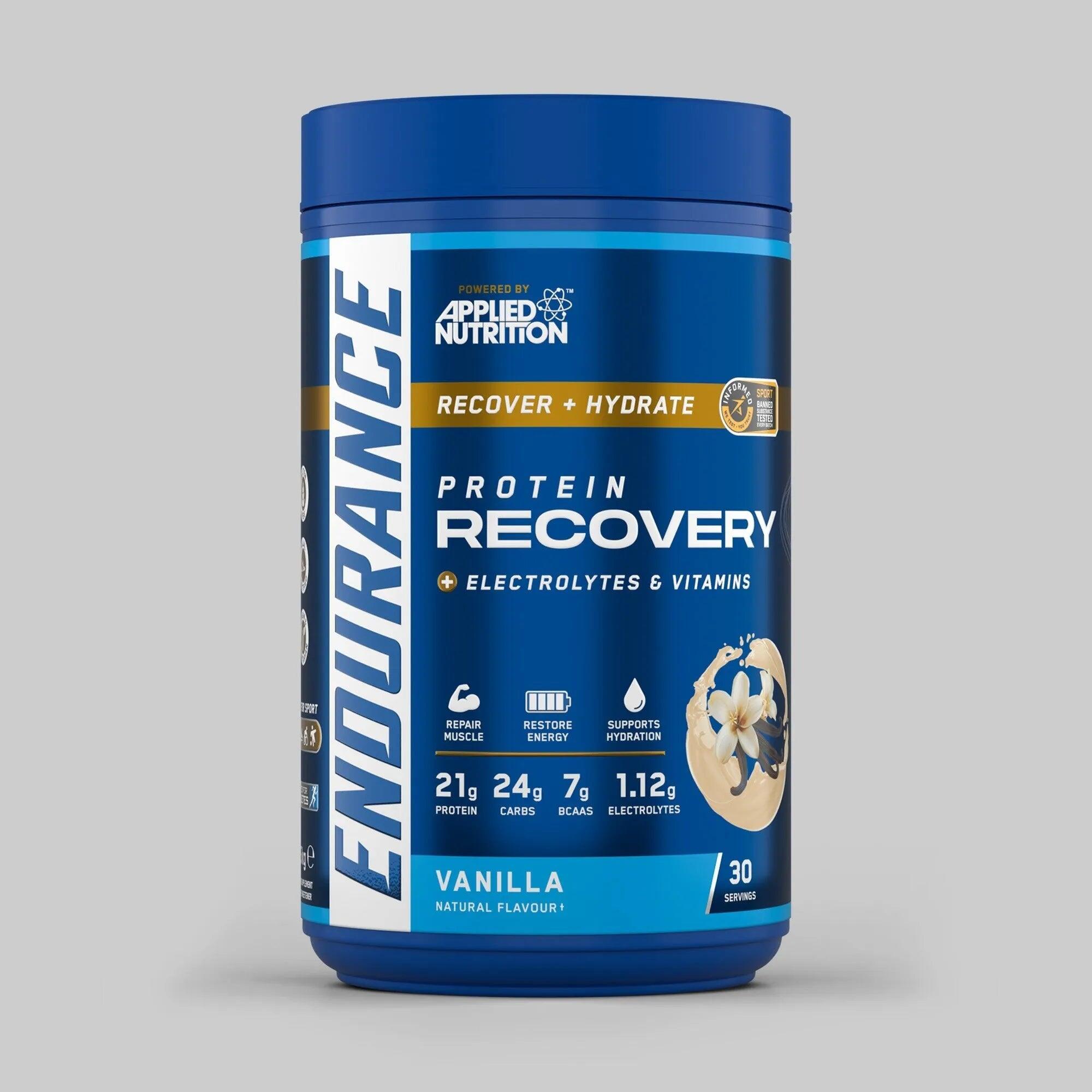
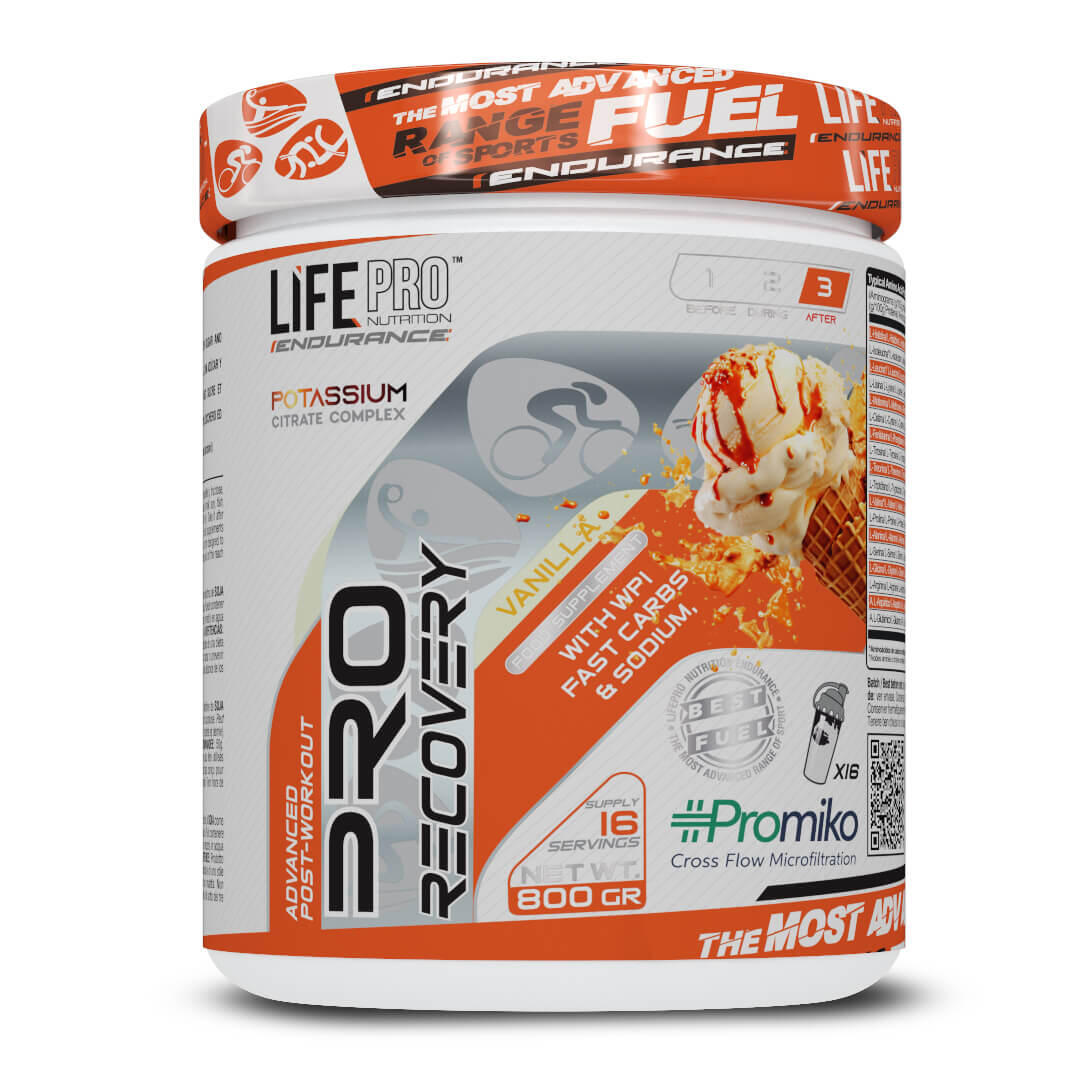
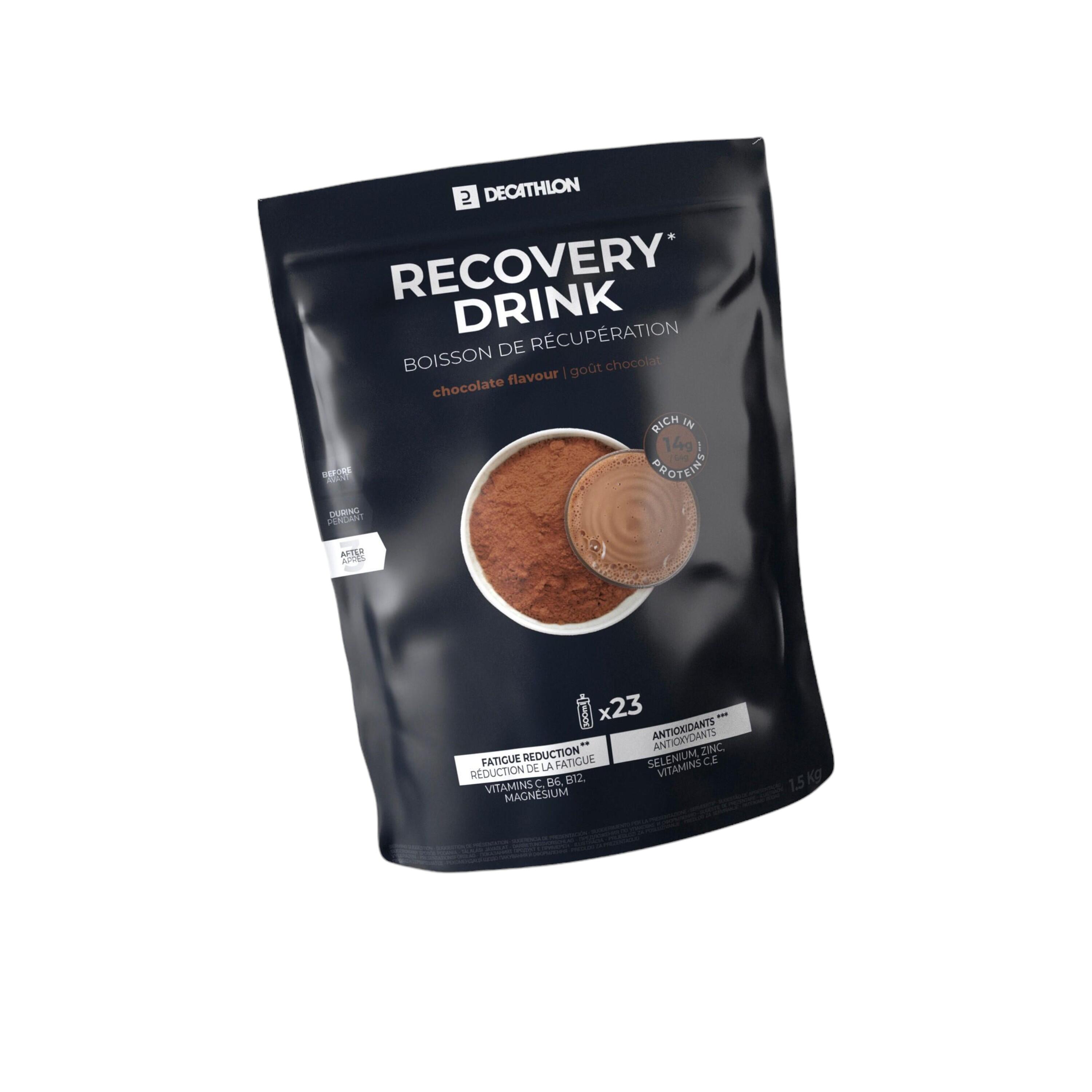
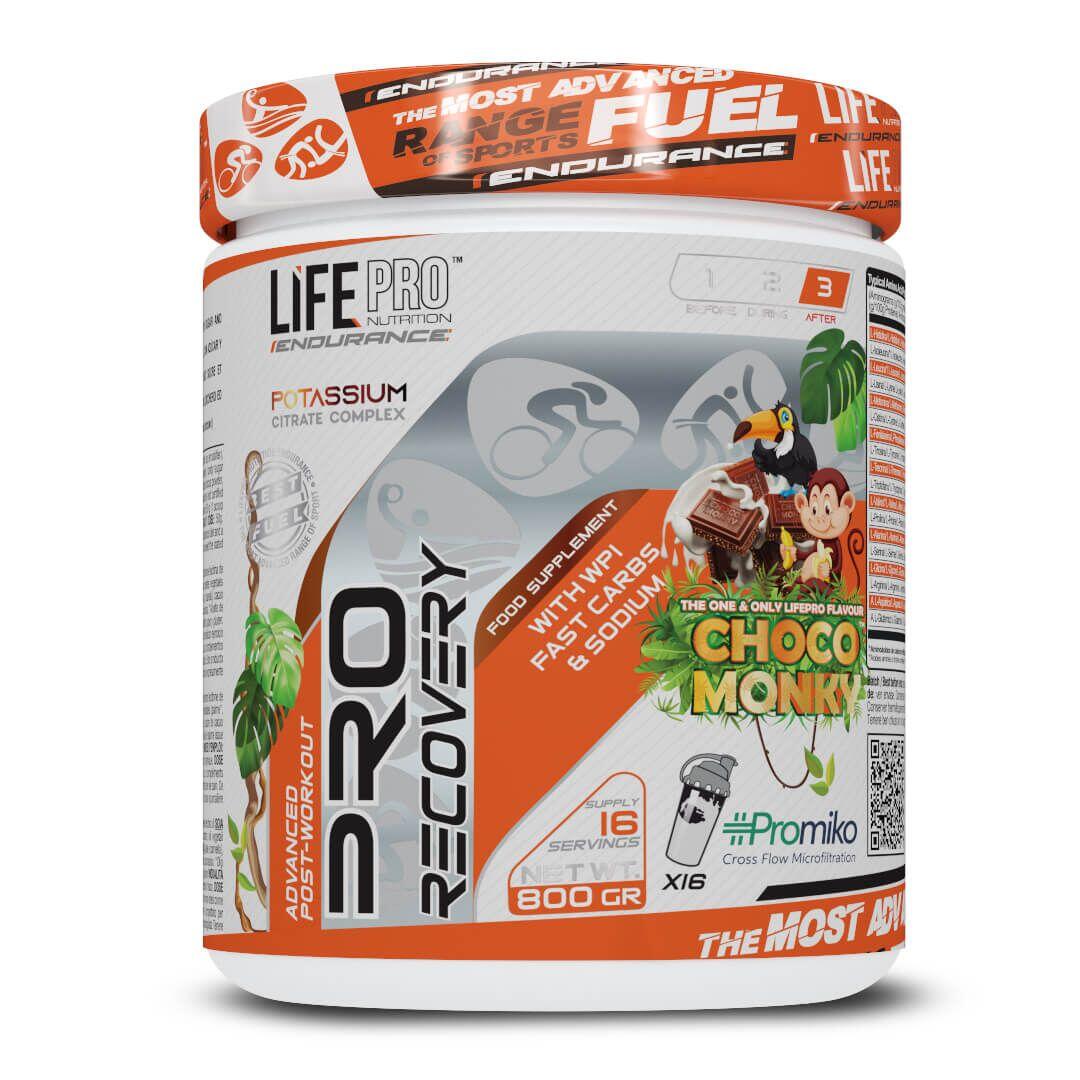
A powdered recovery drink can be useful when solid food feels difficult after a long trail or when you want a measured combination of protein, carbohydrate and fluid. Decathlon's larger-format powdered protein drink for recovery provides around 21 g of protein and 45 g of carbohydrate per prepared serving. Three scoops are mixed with approximately 300 ml of water, although changing the liquid or quantity will alter the texture and nutritional intake. A bar is easier to carry and requires no preparation, but it does not replace the fluid lost through perspiration. Choose the format you tolerate comfortably and follow it with normal food when your appetite returns.

Can ordinary protein snacks replace trail recovery products?

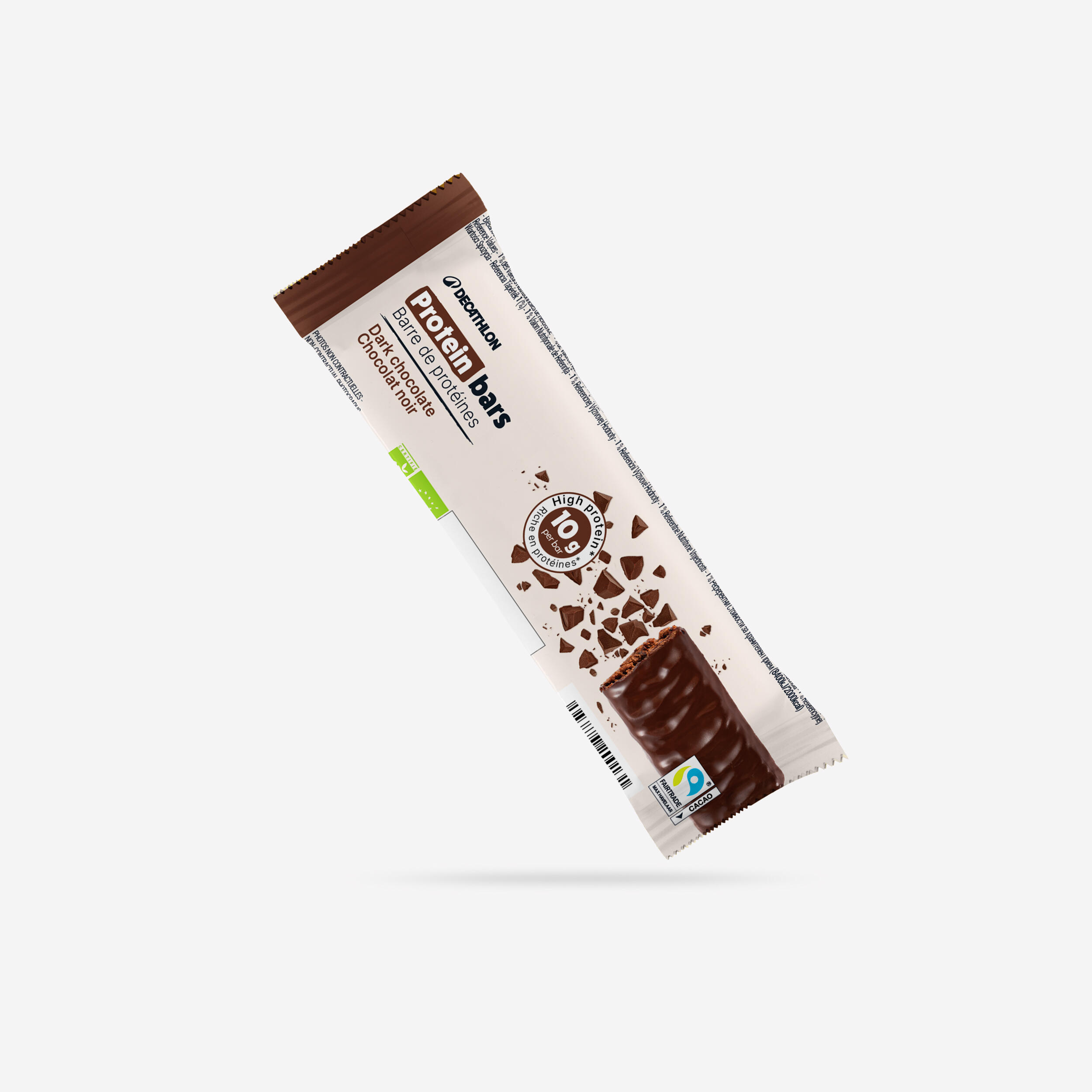
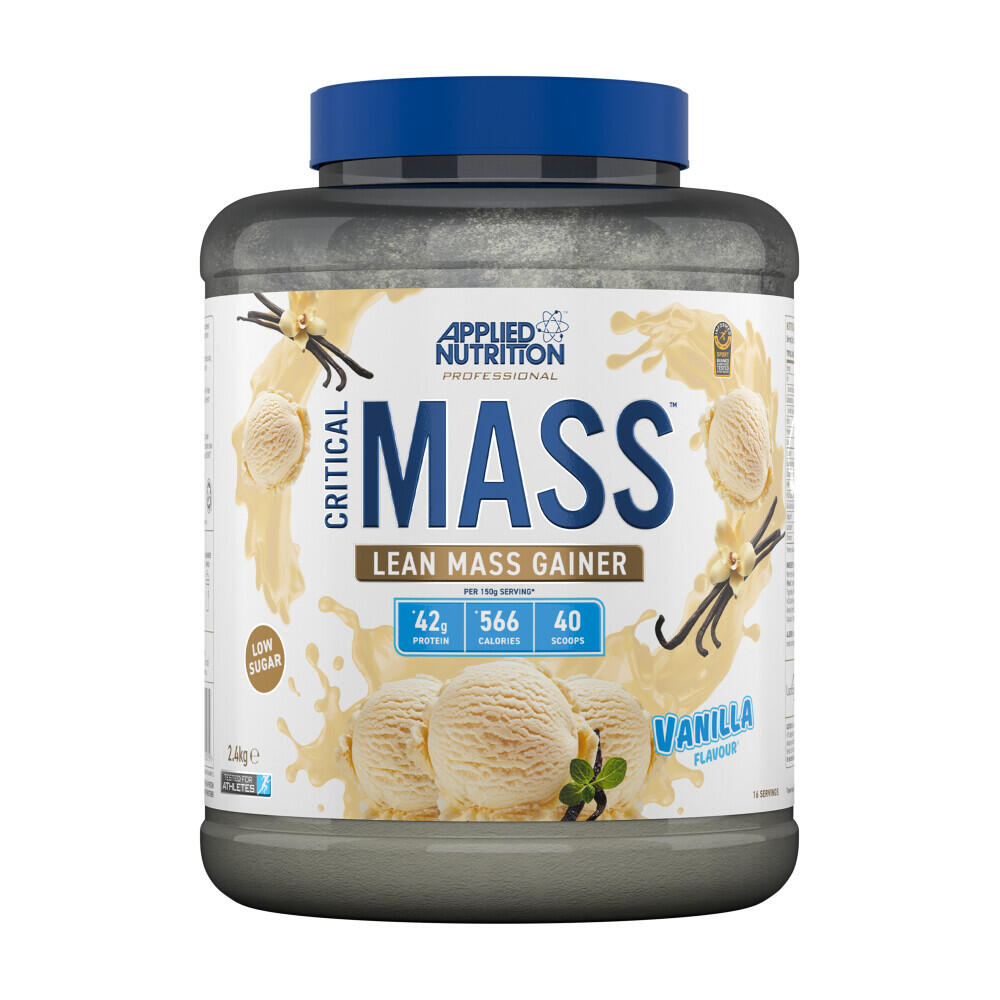
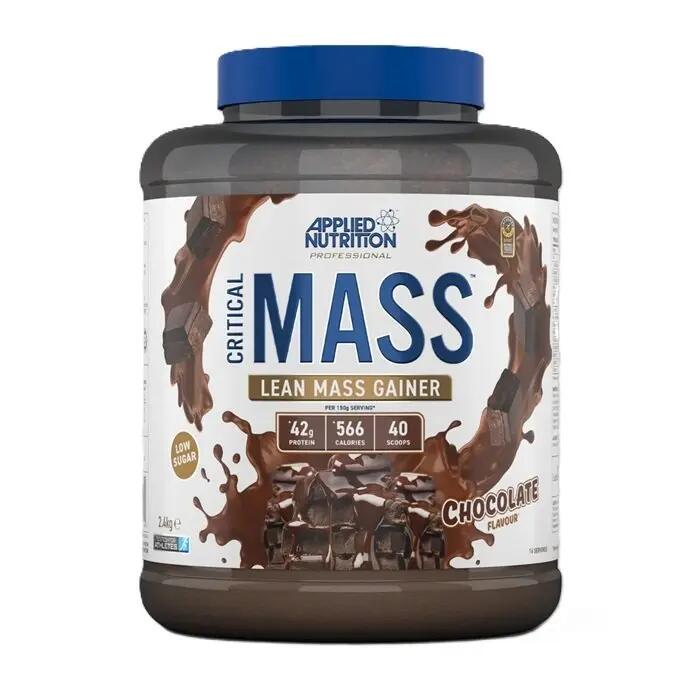
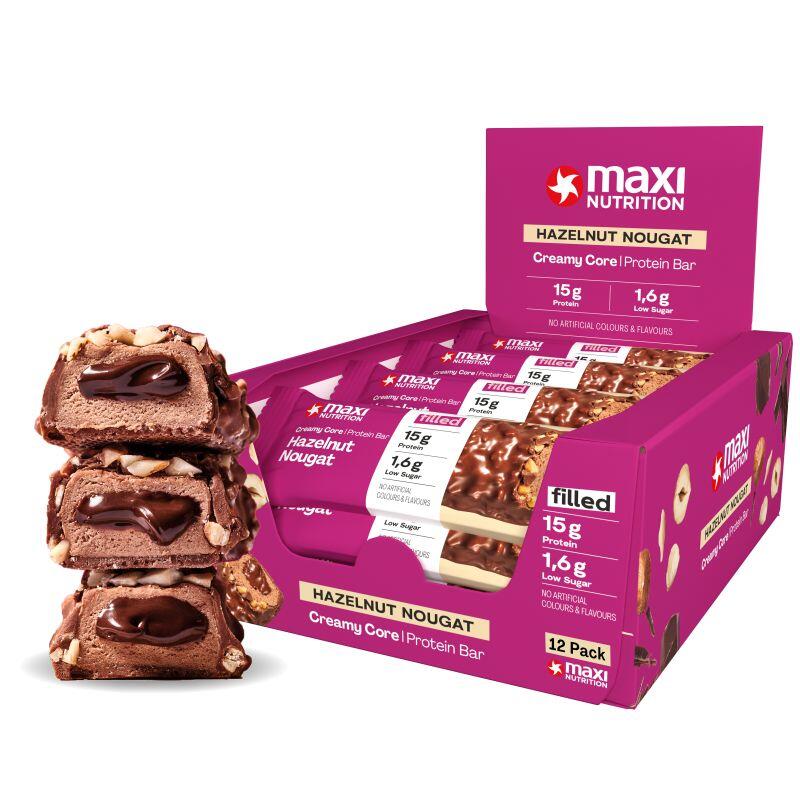
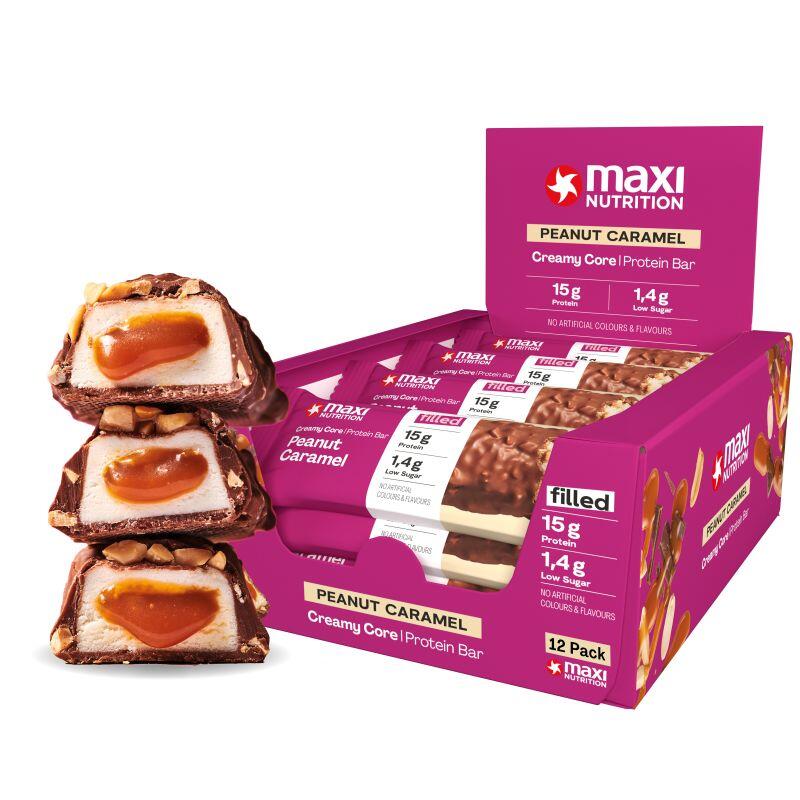
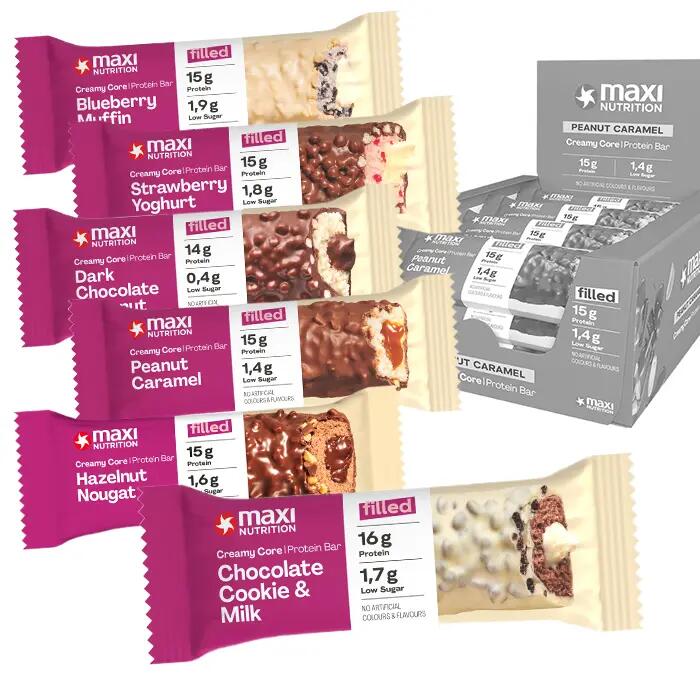
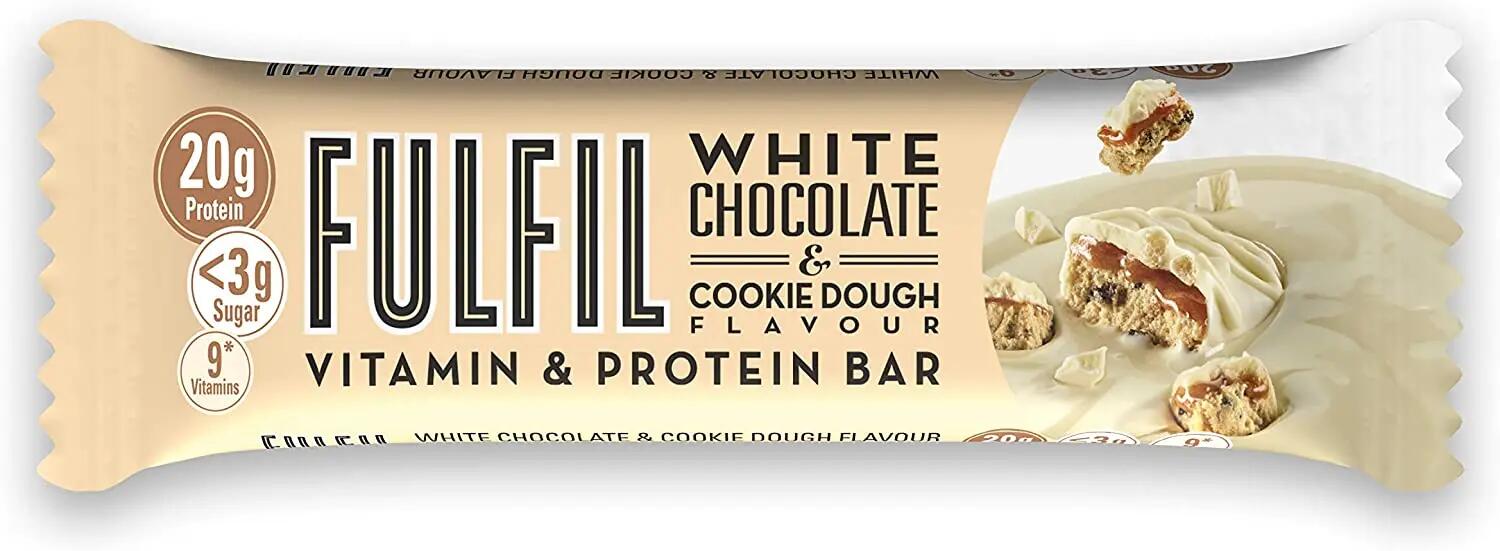
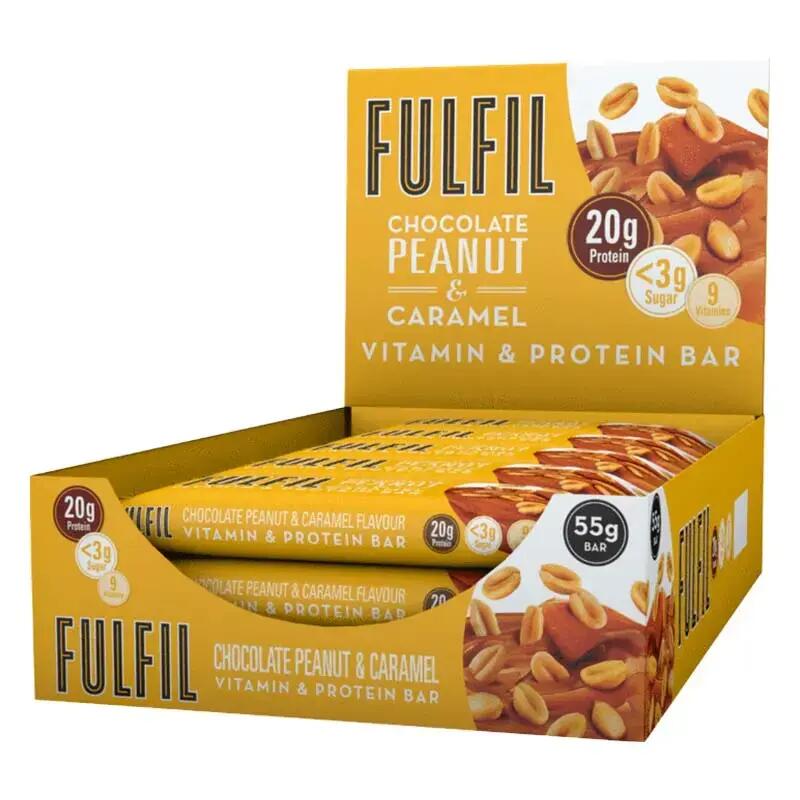
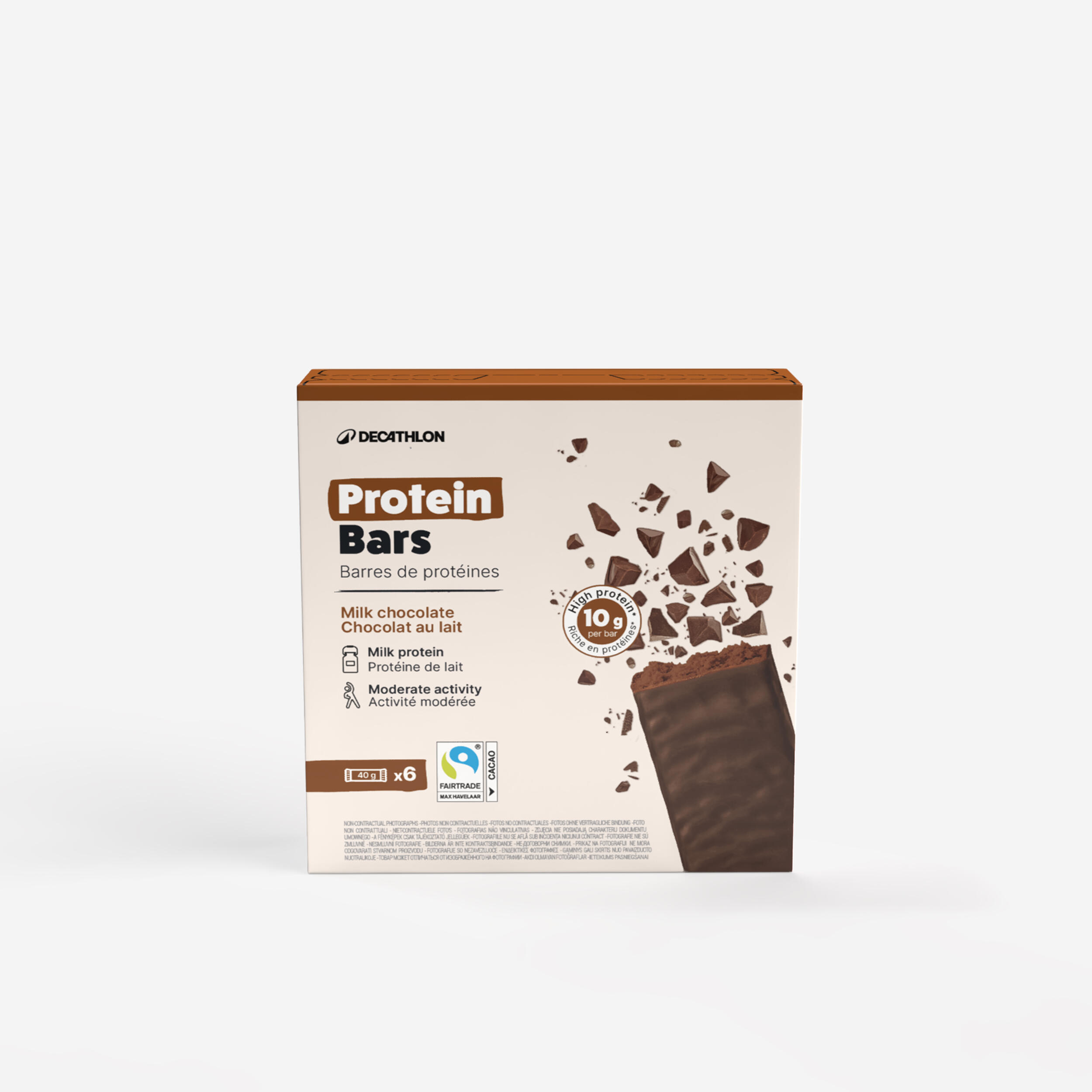
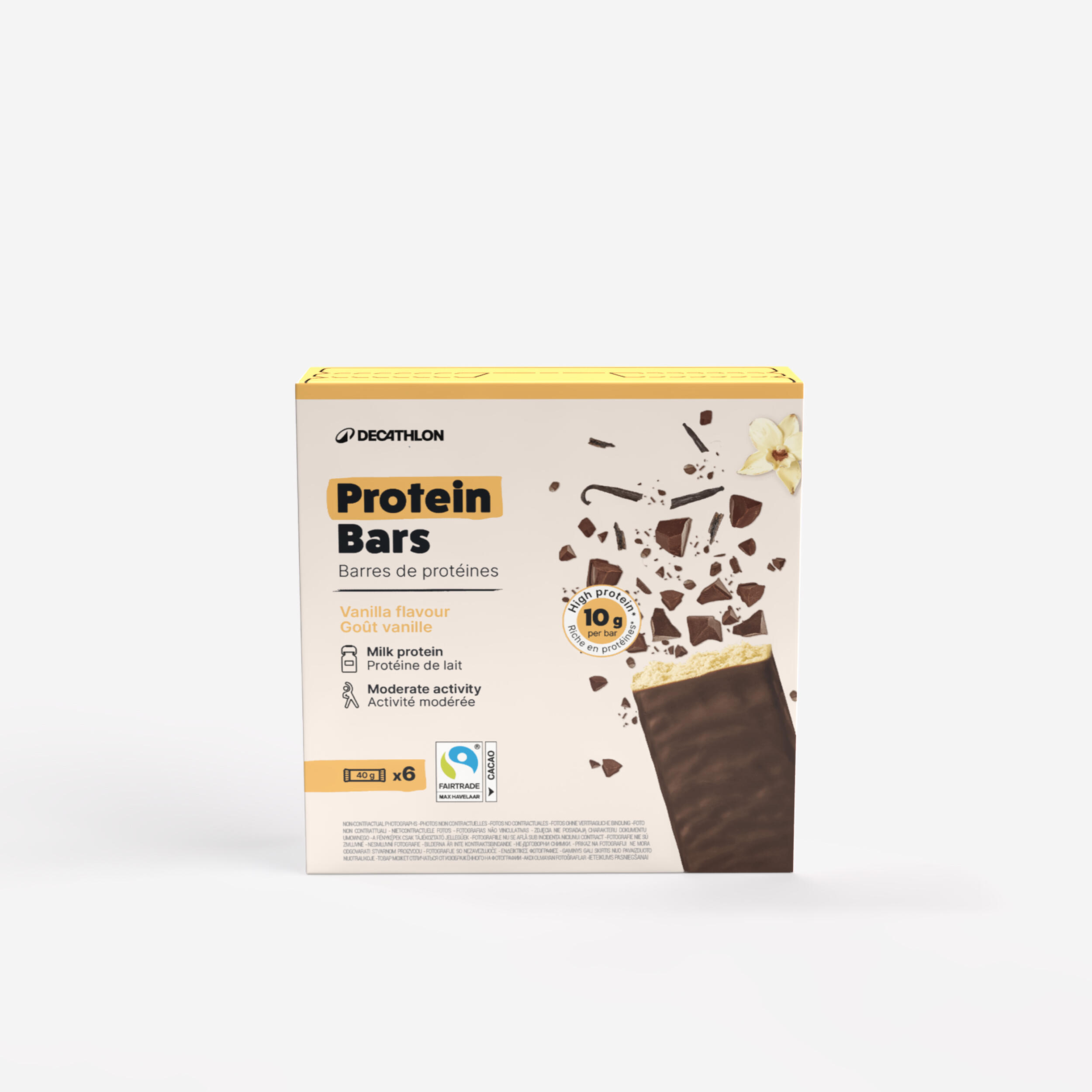
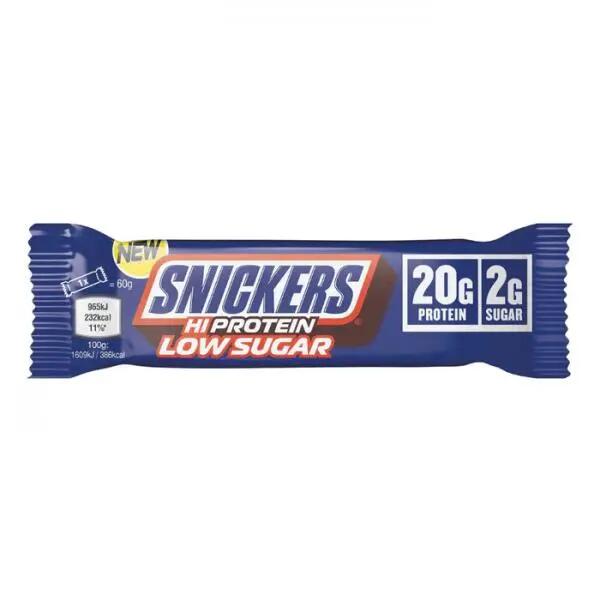
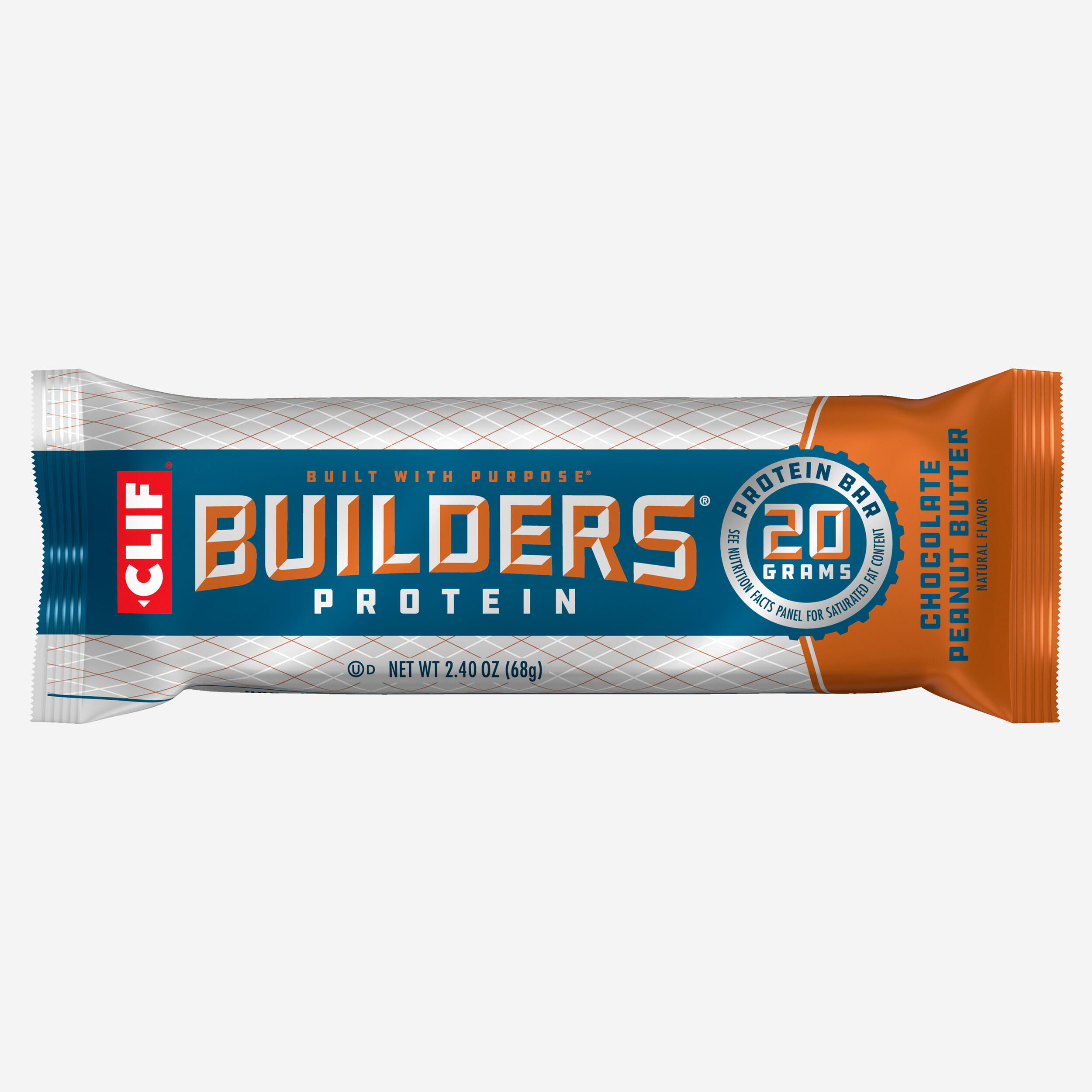
A lighter protein snack can contribute to your normal diet, but it may not provide the same carbohydrate-and-protein balance as a specialist recovery ration. Decathlon notes that isolated protein alone does not replace the carbohydrate used during prolonged exercise. An organic chocolate protein bar may suit a shorter or less demanding session, particularly when a balanced meal will follow soon. Read the nutrition panel rather than relying on labels such as high protein or low sugar. Check the serving's carbohydrate, protein and energy values, then consider what you consumed during the run. More protein is not automatically better, and an additional product may be unnecessary when your next meal already supplies suitable nutrients.

Should recovery bars replace a meal after a trail?

Recovery bars are designed to support post-trail nutrition when a full meal is not immediately available, but they should not routinely replace balanced meals. Their combination of protein and carbohydrate can help bridge the gap after exercise until you can eat a more complete meal. If you need energy during the trail, carbohydrate-focused jellies, gels, drinks or bars are generally more suitable than recovery products. Plan your route nutrition with our range of trail running energy intakes. After finishing, rehydrate gradually and include balanced meals, adequate sleep and enough recovery time between demanding sessions.