260 items
4/5 based on 21598 reviews collected online and in stores

Dumbbells FAQs


Should I choose hex dumbbells or chrome dumbbells for home use?

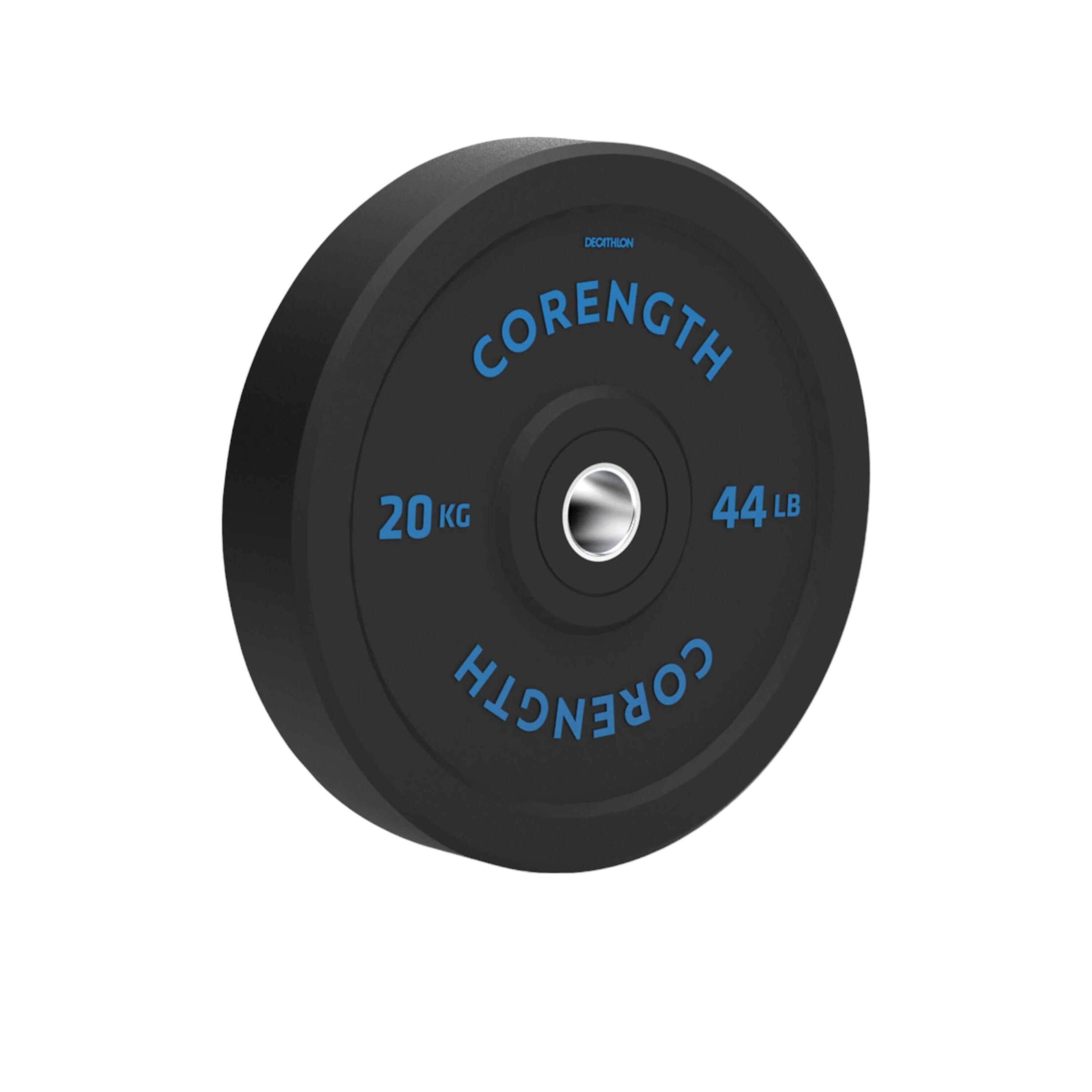
Selecting the right dumbbell weights depends on your flooring and exercise style. Hex dumbbells are typically coated in rubber, which prevents them from rolling away during floor-based movements like renegade rows or push-ups. This rubber casing also protects your home flooring from impact. In contrast, chrome or steel dumbbells offer a classic aesthetic and are often more compact, which is beneficial for technical movements where a bulky head might interfere with your range of motion. If you plan to buy dumbbells for high-intensity training, the hex shape is the safer bet for stability. For those looking to increase their total lifting capacity beyond single-hand movements, integrating barbell and weight bars into your routine allows for heavier compound lifts like the bench press or back squat.


What are the benefits of buying adjustable dumbbell sets?

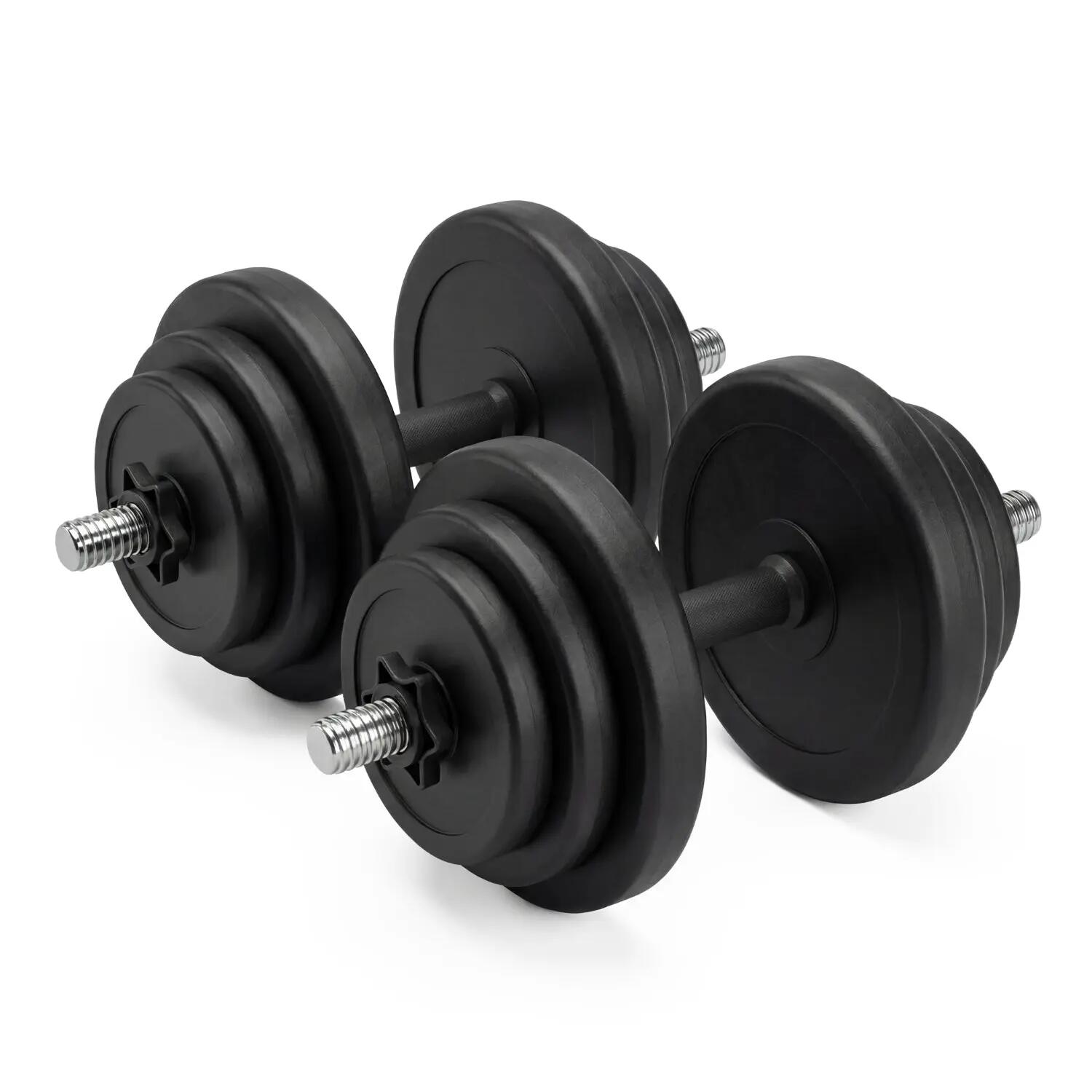
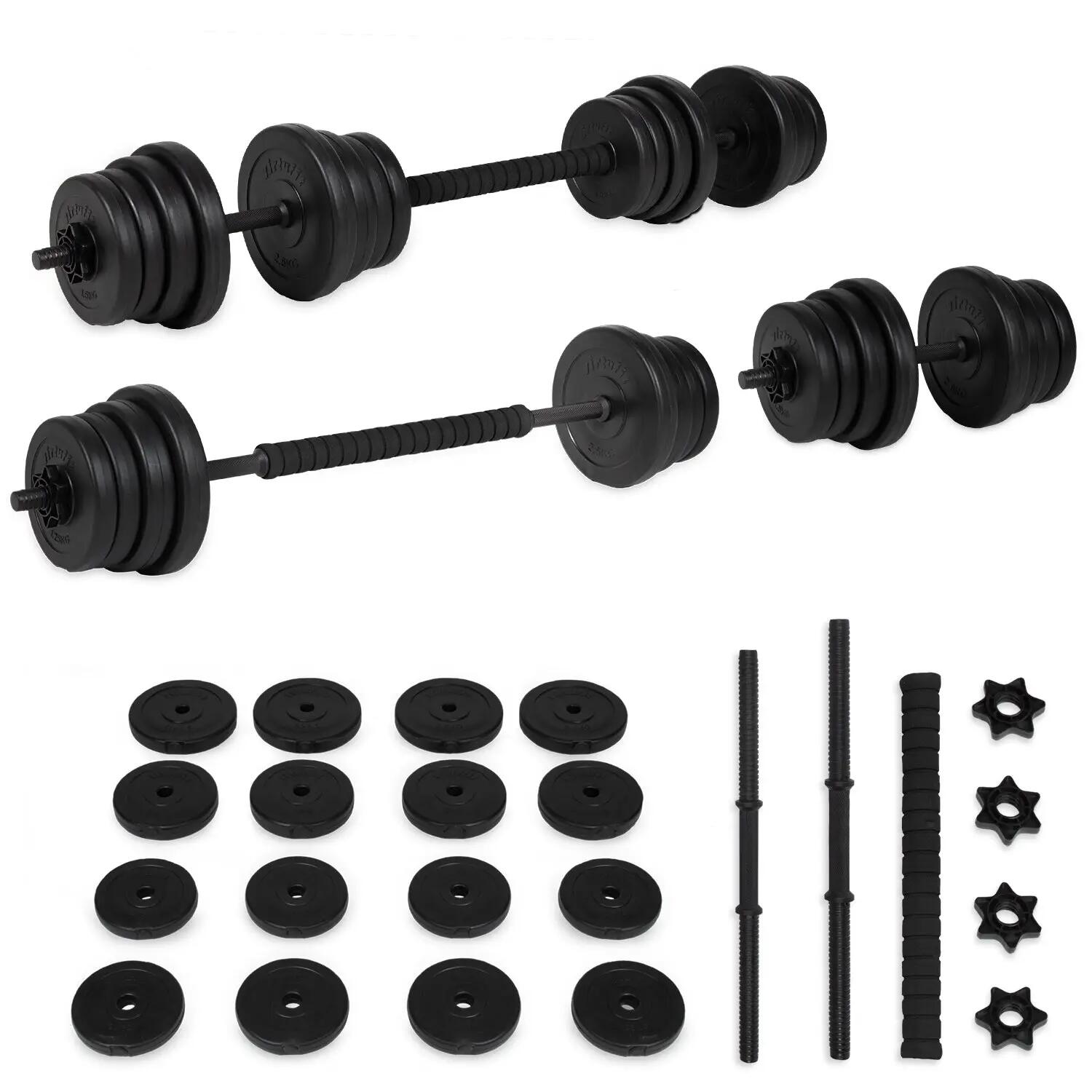
When you decide to buy dumbbells, space efficiency is often a major concern for home gyms. Adjustable dumbbell sets provide a massive advantage by offering multiple weight increments in a single pair of handles. Instead of owning ten separate pairs of fixed weights, you can use a plate-loaded system or a selectorized dial to change the load. The technical "why" behind this choice is progressive overload; as you get stronger, you simply add more small weight plates to the bar rather than purchasing entirely new equipment. This makes them the best dumbbells for those following a long-term strength programme. Expert tip: Always ensure the collars are tightened securely before starting a set to prevent any plate movement during overhead exercises.


Is a pair of 5 kg dumbbells sufficient for a full body workout?

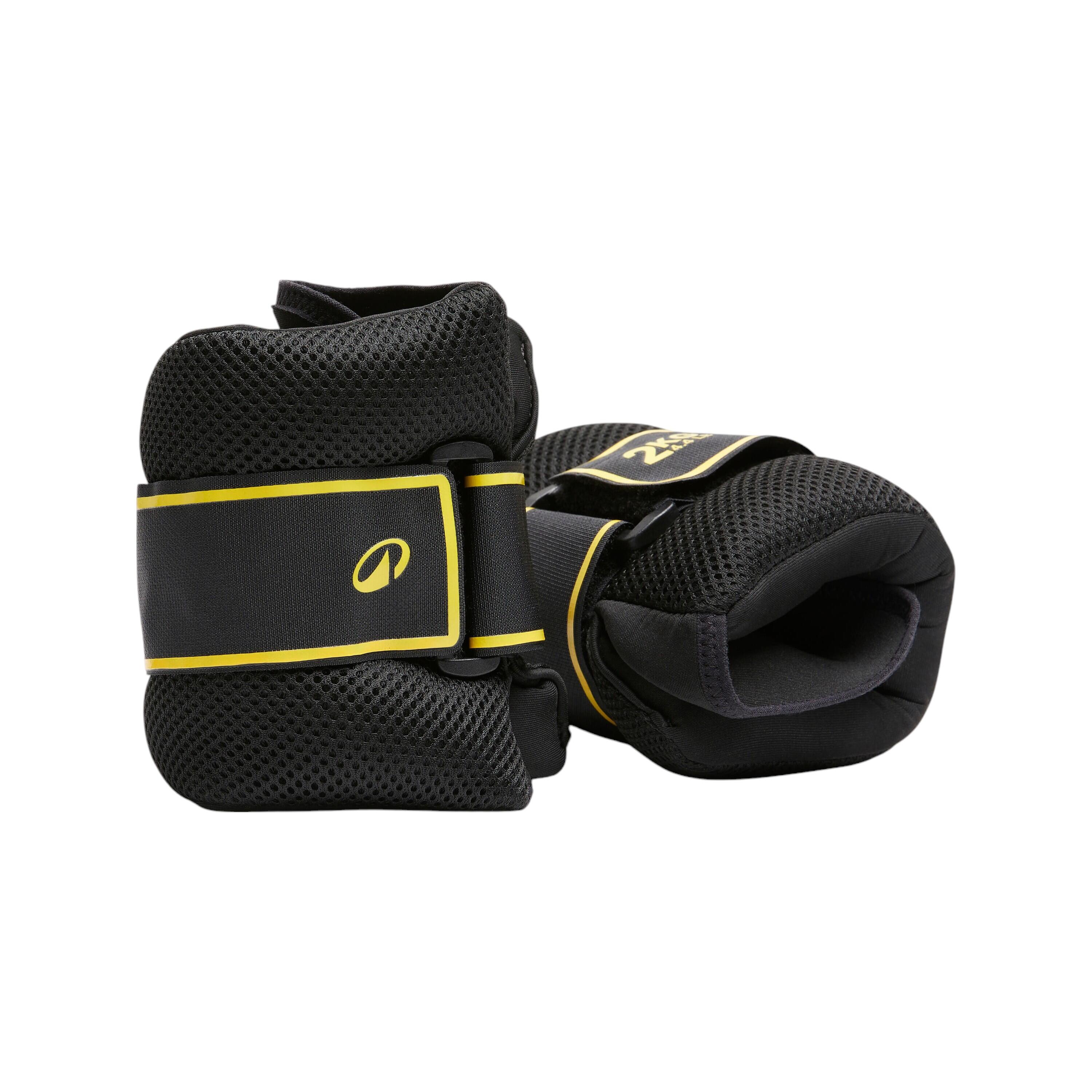
For beginners or those focused on high-repetition metabolic conditioning, a pair of 5 kg dumbbells is an incredibly versatile tool. You can perform lateral raises, bicep curls, and tricep extensions to target the upper body, or use them as added resistance during lunges and goblet squats. However, as your strength improves, 5 kg may become too light for large muscle groups like the legs or back. To continue challenging your body without jumping to much heavier dumbbell weights, you can increase the intensity by wearing ankle weights during your leg circuits or abdominal work. This subtle addition of resistance helps maintain time under tension, which is the primary driver for muscle toning and endurance improvements in a home setting.


How do I maintain my dumbbell weights to prevent rust?

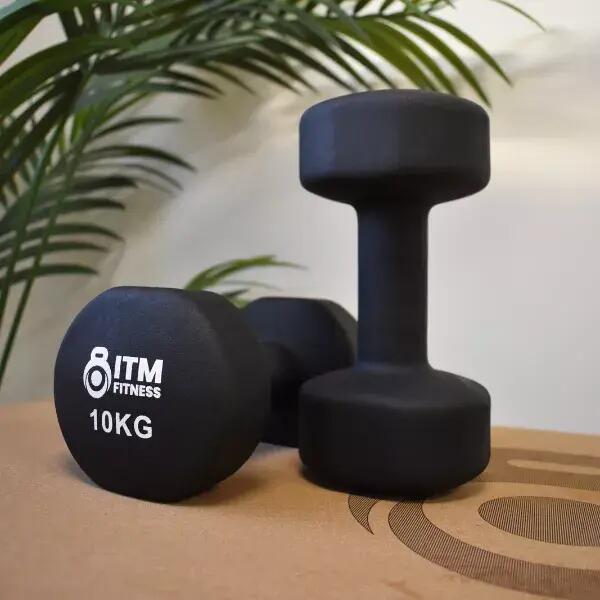
Proper maintenance is essential to ensure your dumbbells last a lifetime, especially in humid environments. If you have cast iron dumbbell weights, they are prone to oxidation if sweat is left on the surface after a workout. To prevent rust, simply wipe down the handles and weight heads with a dry cloth after every session. Pairing your strength routine with durable gym trainers and shoes also helps maintain stability and grip during lifting sessions. For rubber-coated dumbbell sets, a damp cloth with mild soap is sufficient to remove dirt and oils from your hands. Avoid leaving your equipment in damp garages or sheds without proper ventilation. Smart tip: If you notice small spots of rust forming on steel handles, a light application of silicone spray or specialised machine oil can create a protective barrier that keeps the metal pristine and ensures a comfortable, non-slip grip during your training.


What is the difference between rubber and neoprene dumbbells?

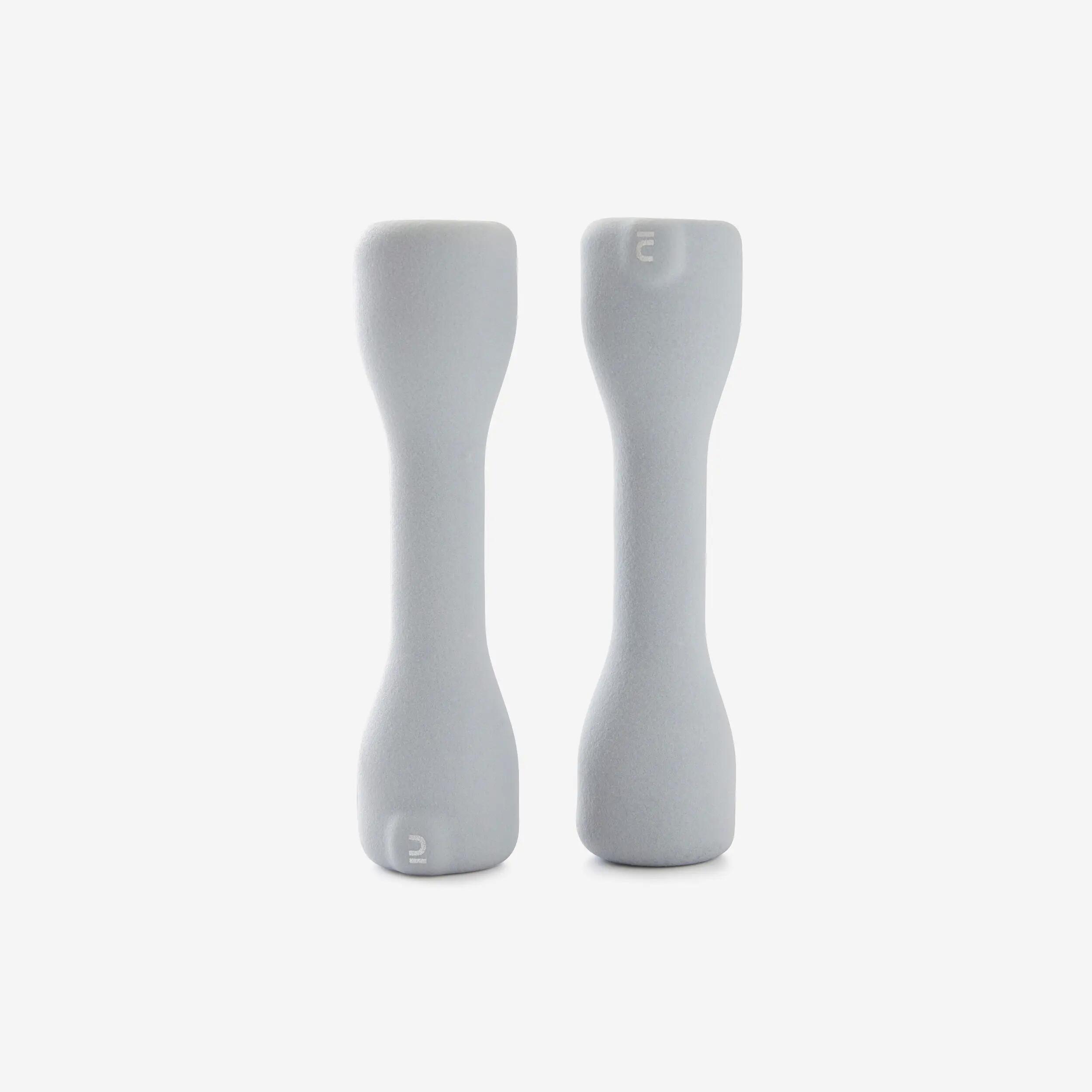
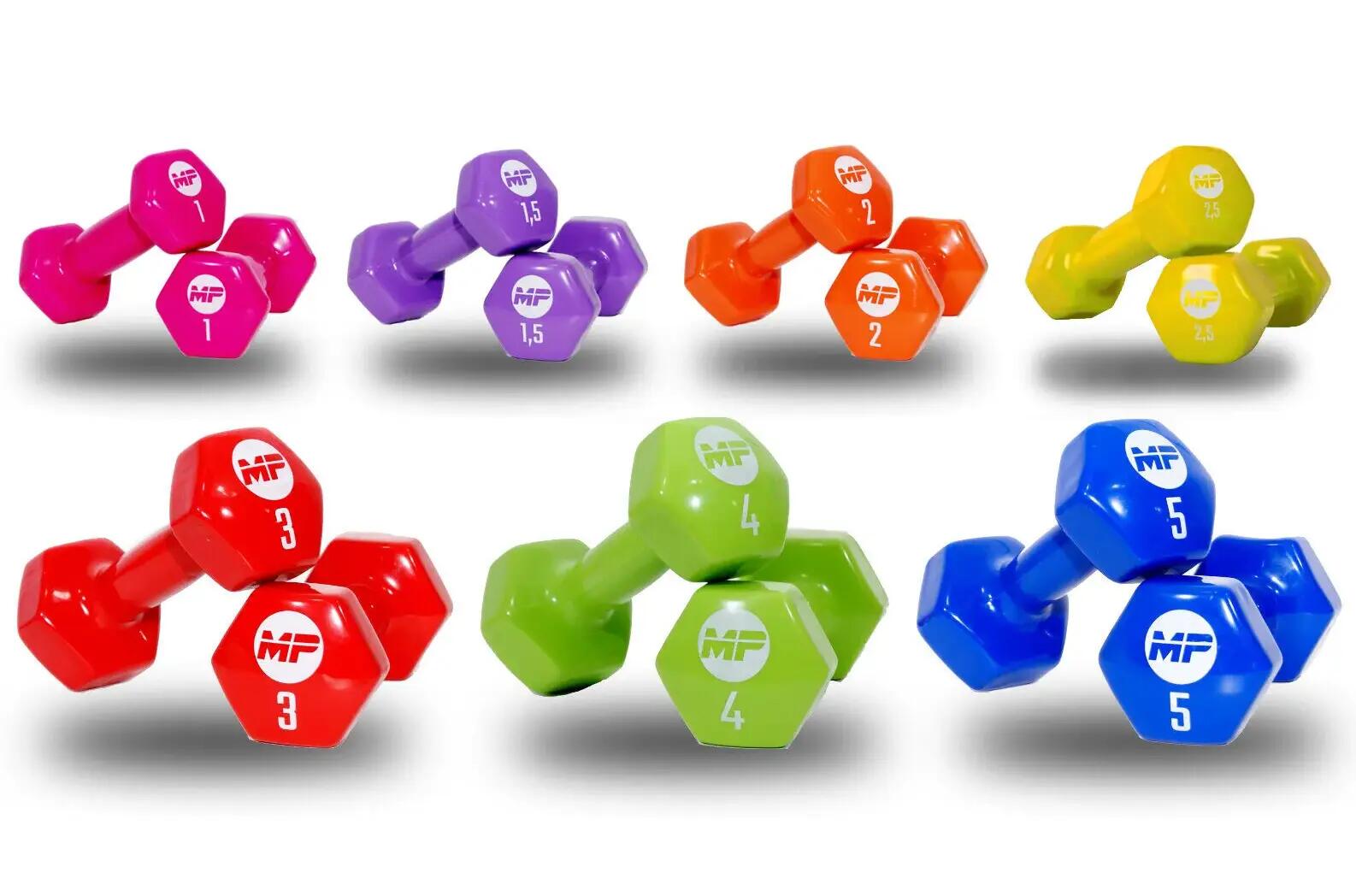
When looking at dumbbells for sale, you will often see both rubber and neoprene options. Neoprene is a synthetic rubber that provides a slightly softer, "grippy" texture, which is excellent for sweaty hands during aerobic classes or light toning sessions. These are often colour-coded by weight, such as pink or blue 5 kg dumbbells, making them easy to identify in a group setting. Technical rubber coating, found on heavier hex dumbbell weights, is denser and created to withstand the high impact of being dropped on a gym floor. Both materials serve to dampen noise and protect surfaces, but neoprene is generally preferred for lighter, high-rep endurance work, while heavy-duty rubber is the standard for serious hypertrophy and strength-based dumbbell sets. Athletes building advanced routines often pair their weights with reliable bodybuilding strength equipment to support progressive overload and long-term muscle development.