44 items
4.6/5 based on 4195 reviews collected online and in stores

Pole Fishing Rigged Lines FAQs

What rigged line suits different types of pole fishing water?

Start with the type of water because Caperlan changes the float shape, line diameter, hook length and hook size together rather than simply changing the float weight. Lake rigs tend to favour sensitivity, canal rigs use longer stems for stability in weak current, and river rigs use squatter float bodies with longer stems to cope with stronger movement. A set of canal pole fishing rigged lines gives beginners three ready-to-fish options without having to select every terminal component separately. Check the depth and flow before fishing, then choose the lightest rig that remains stable and easy to read. This helps the float show bites clearly without adding unnecessary weight.

Why are pond pole fishing rigs usually lighter and more sensitive?

Ponds and calm lakes normally need less ballast than rivers, so a lighter rig can let the bait fall more naturally and make small bites easier to see. Caperlan's pond pole fishing rigged lines use a slender float shape and fine matched components for more delicate still-water presentations. The key is to select the float, main line, leader and hook as one system, so increasing one part of the rig without considering the others can upset that balance. If wind or surface movement starts moving the float too much, step up to a slightly heavier rig rather than loading a very light setup with too much extra shot.
What makes river pole fishing rigged lines different?

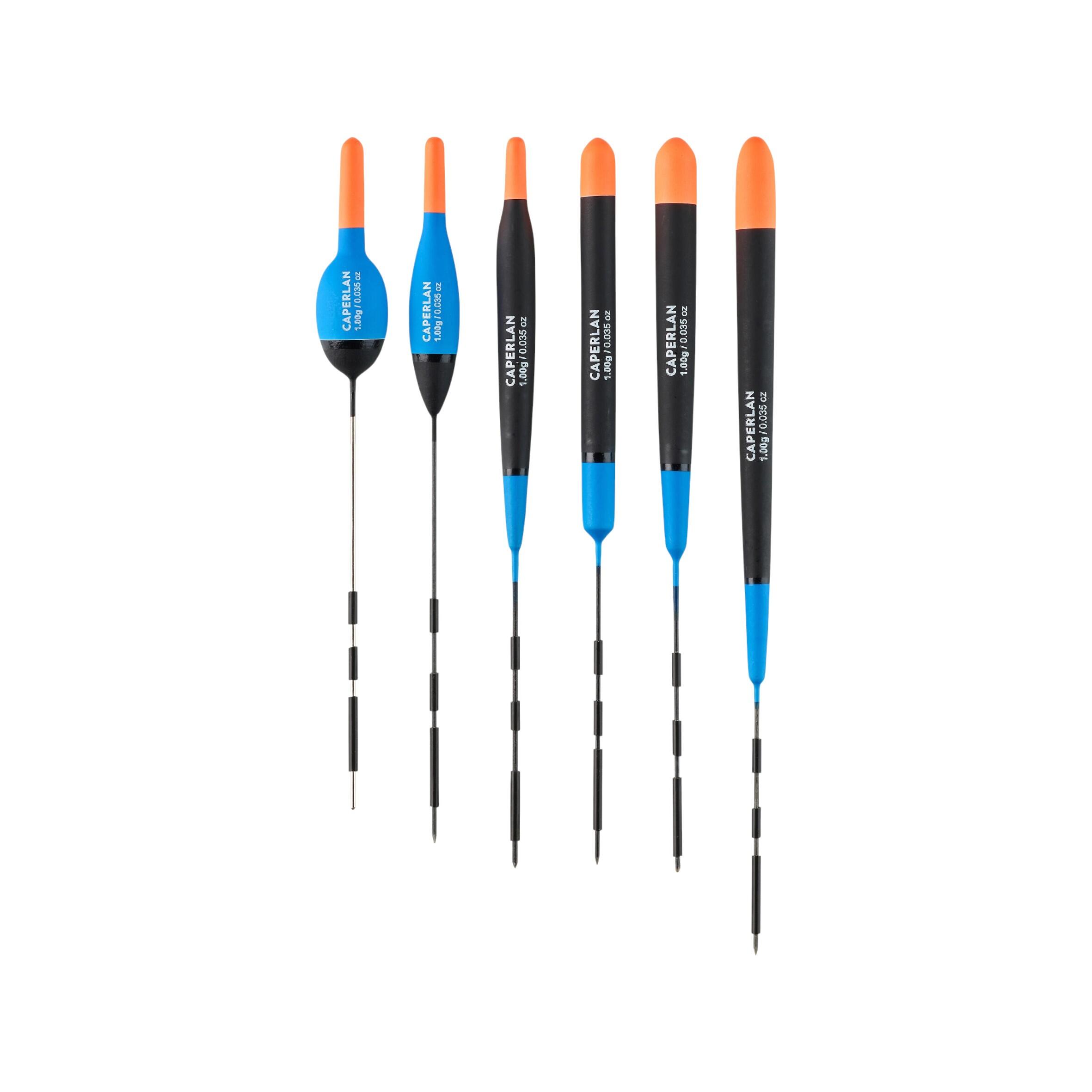
Moving water places more demand on float stability and line strength, so Caperlan river rigs use a wider float body, longer stem and more visible antenna than its finer still-water patterns. The river pole fishing rigged lines are available in different weights, with heavier versions matched to thicker main line, stronger leaders and larger hooks. This coordinated progression matters because faster flow often requires both extra ballast and a stronger overall rig. Position the rig so the float remains controlled rather than racing through the swim, and keep the antenna visible enough to separate genuine bites from movement caused by current or surface disturbance.
Why are ready-rigged lines useful when learning pole fishing?

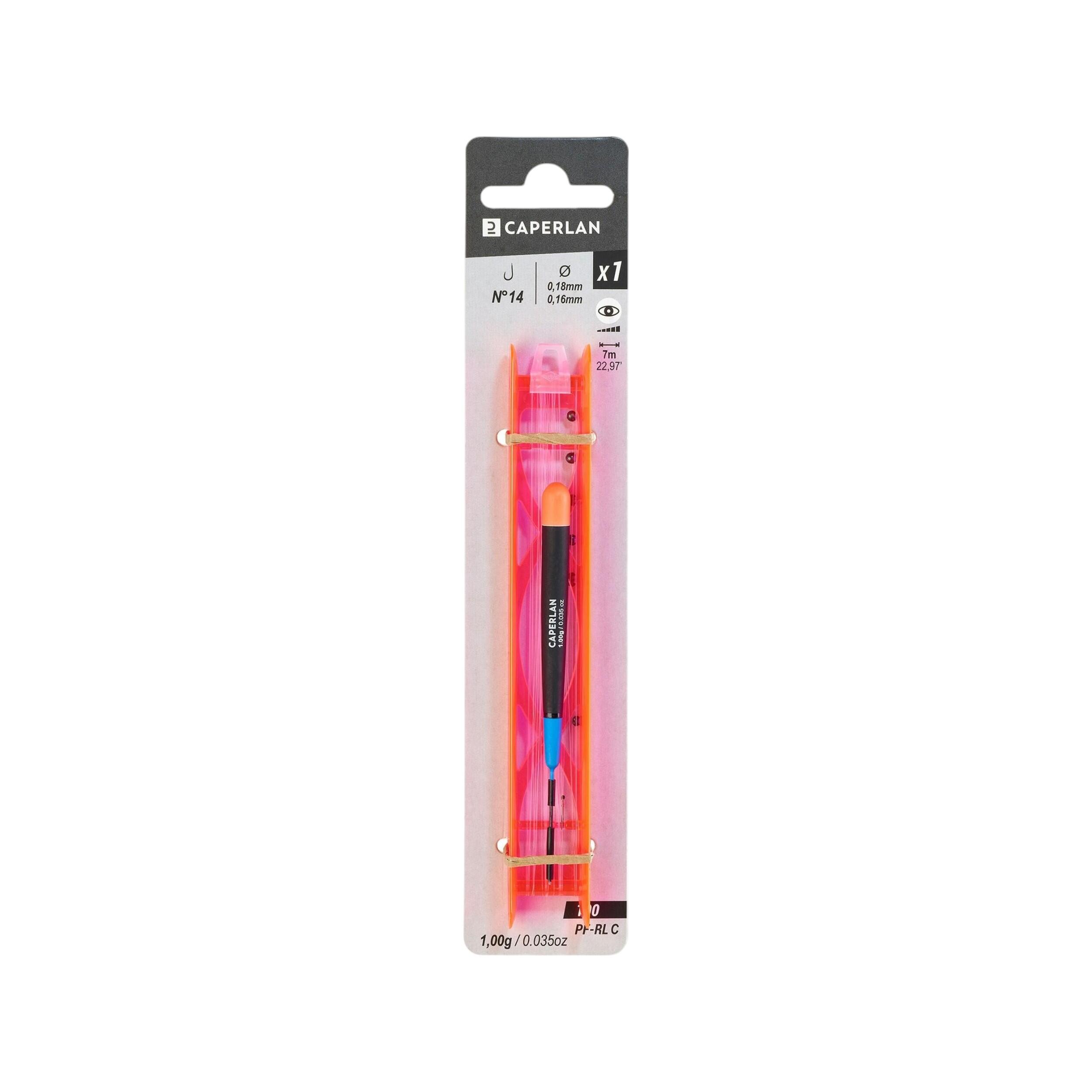
A prepared line reduces the number of knots and component choices you need to make before fishing. The float, shot, leader and hook are already matched, so you can focus on setting the correct depth, presenting bait and recognising bites. Caperlan beginner PF-RL100 lines also use larger or brightly coloured antennae to make float movement easier to follow. As you become more confident with pole fishing, these complete rigs can also act as a reference for building your own lines because you can see how float weight, line diameter and hook size are balanced together. Keep spare ready-rigged lines wound neatly so you can replace a damaged setup without rebuilding everything at the bank.

What maintenance do pole fishing rigged lines need between fishing trips?

Prepared lines can kink, tangle or damage their hooks if they are stored loose, so keep each rig wound separately and protected from heavier tackle. Before long-term storage, make sure hooks are secured, float antennae are not bent, and the line is dry. Caperlan states that some manufactured rig weights can vary by about -5% to +10%, so check the final float balance in the water, even when replacing a line with the same nominal weight. Inspect leaders for abrasion and replace stretched or damaged sections before another coarse fishing session. Organising rigs by lake, canal and river use also makes selection quicker, while keeping heavier river lines separate from finer still-water rigs reduces the chance of choosing an unnecessarily strong or heavy setup for calmer conditions.