92 items
4.7/5 based on 3947 reviews collected online and in stores

Pole Fishing Rods FAQs

What pole fishing rod works well for a beginner?

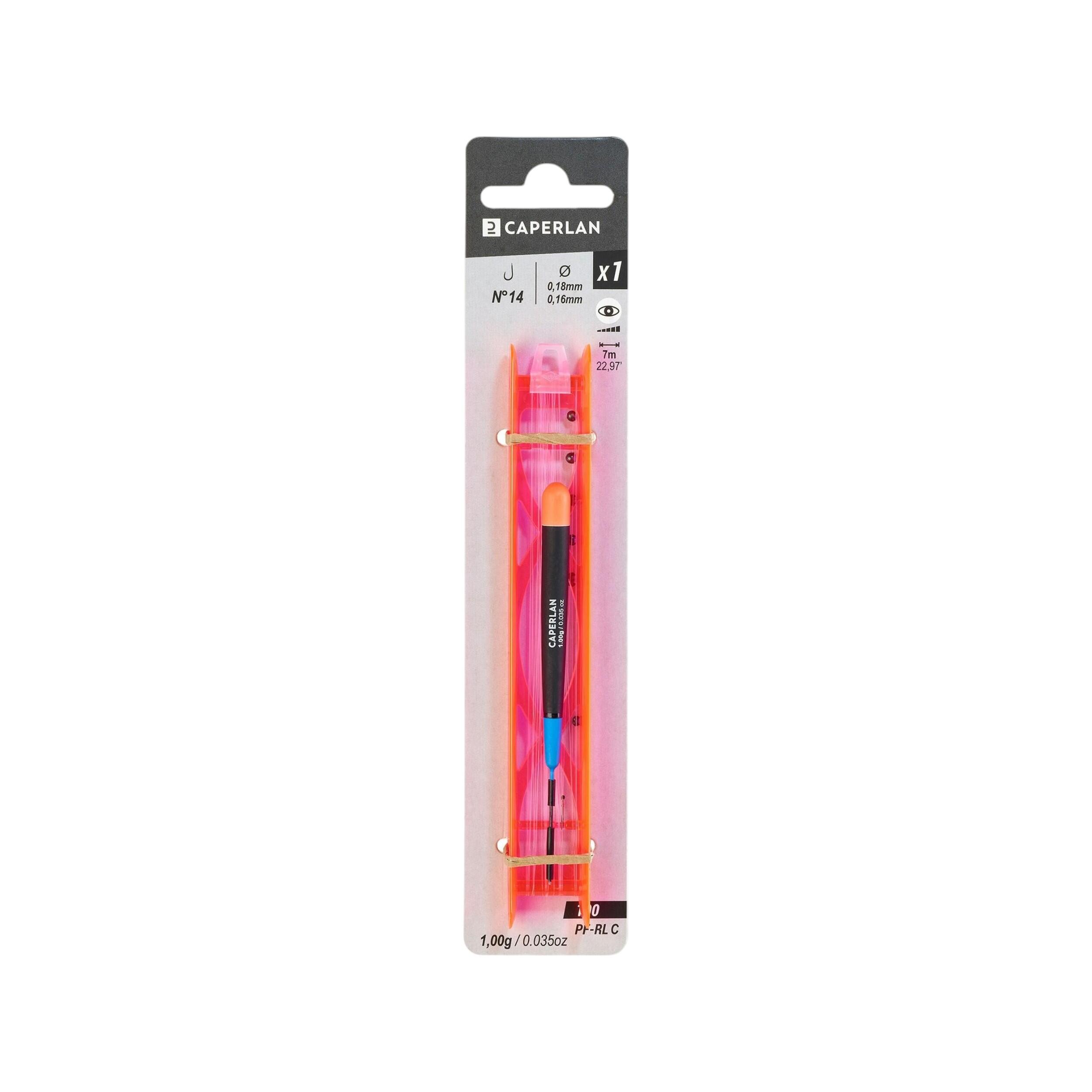
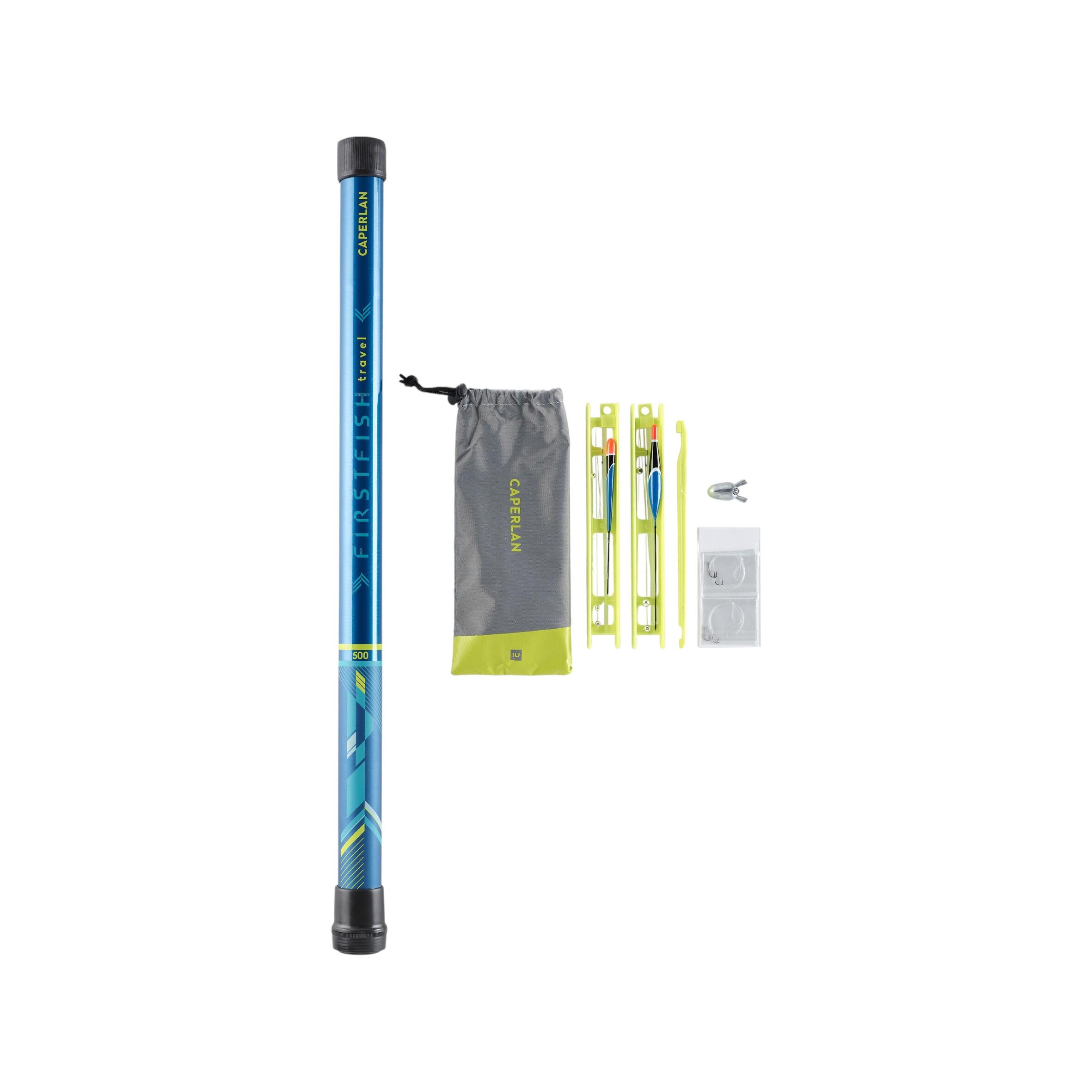
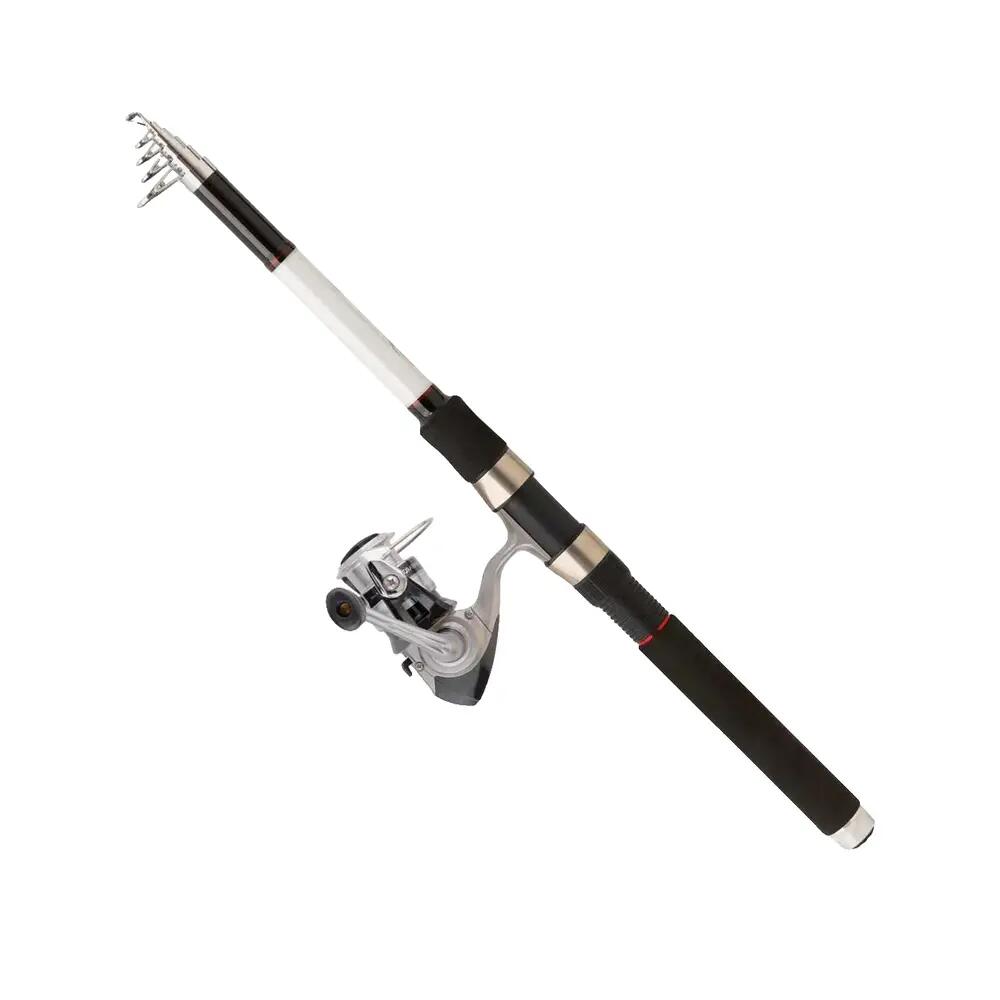
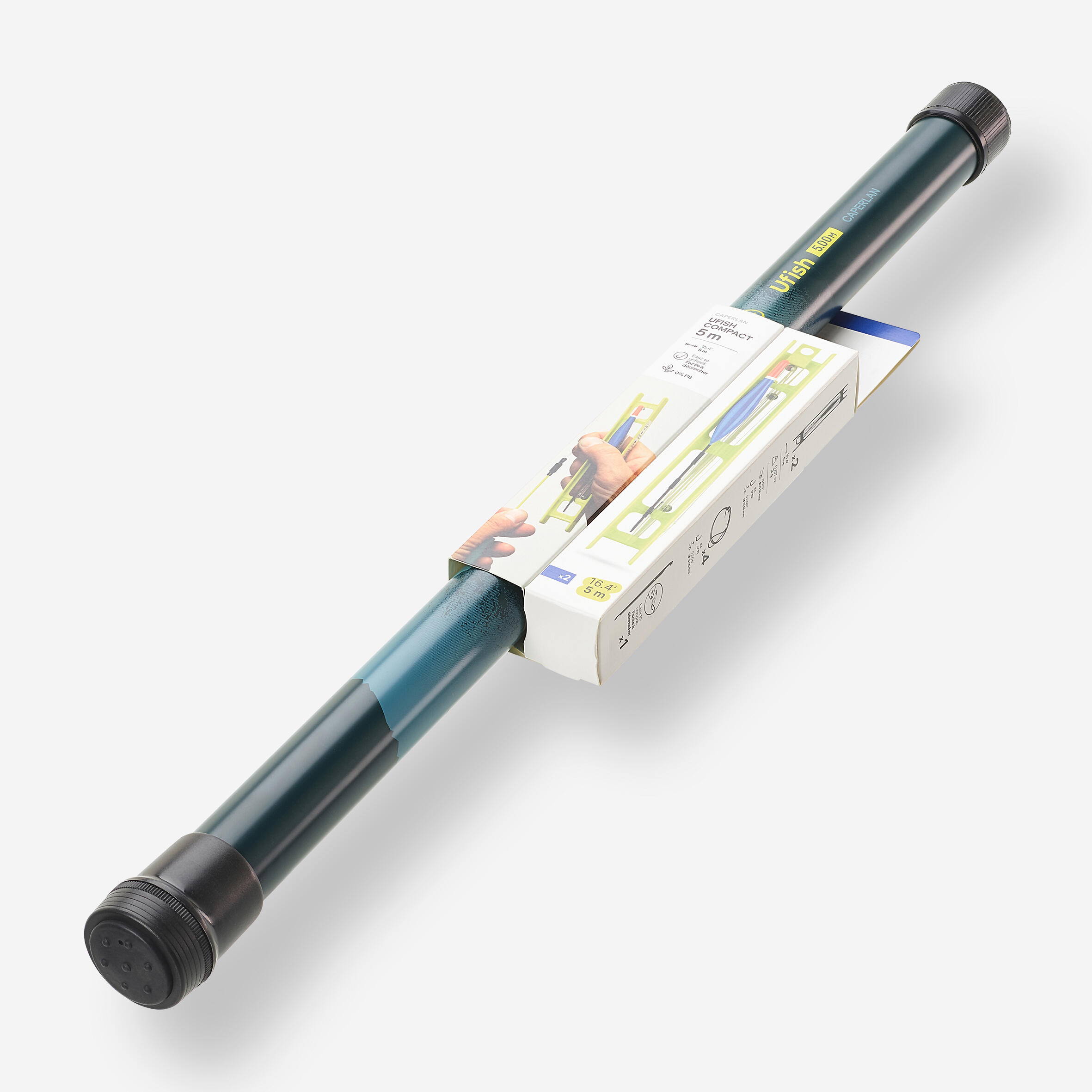
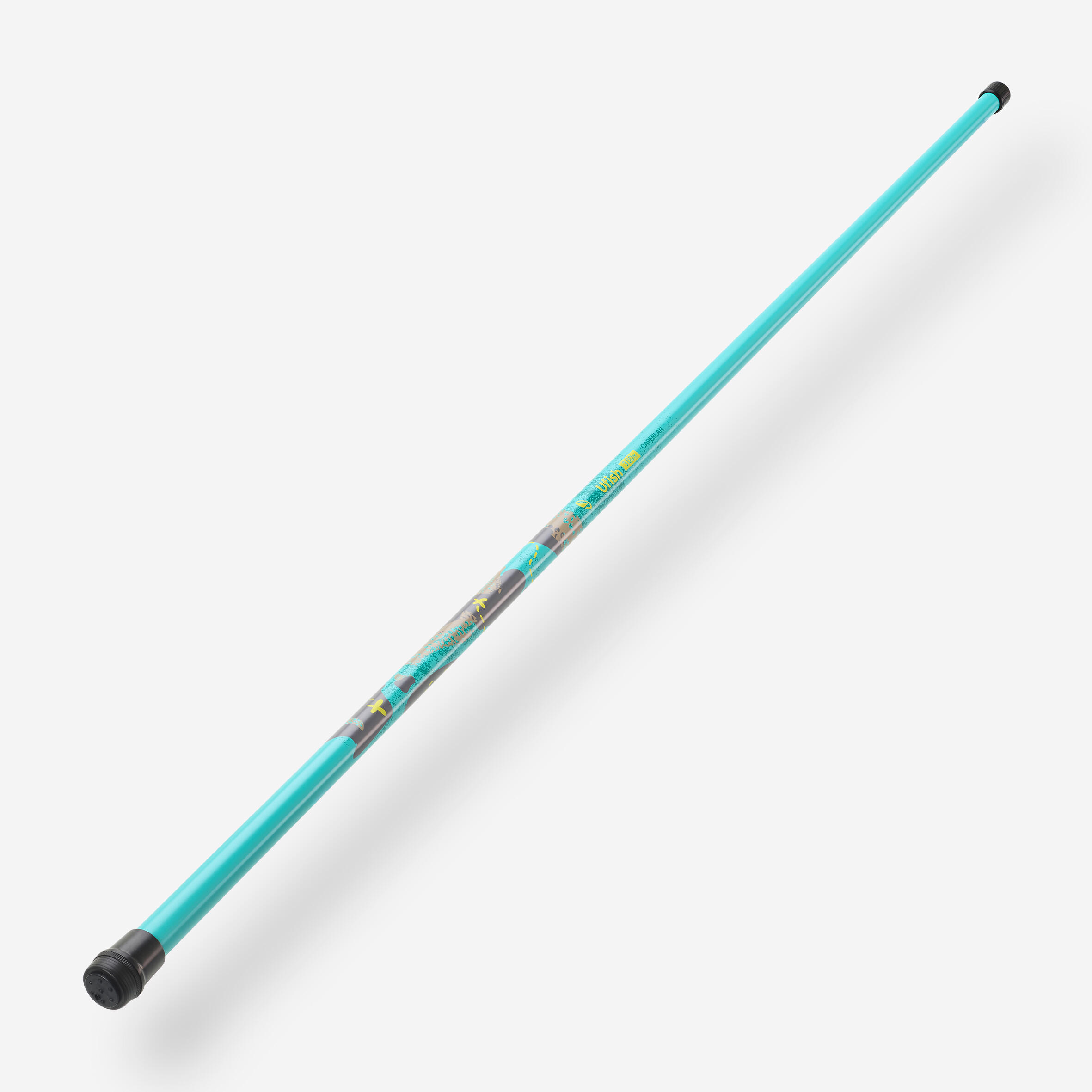
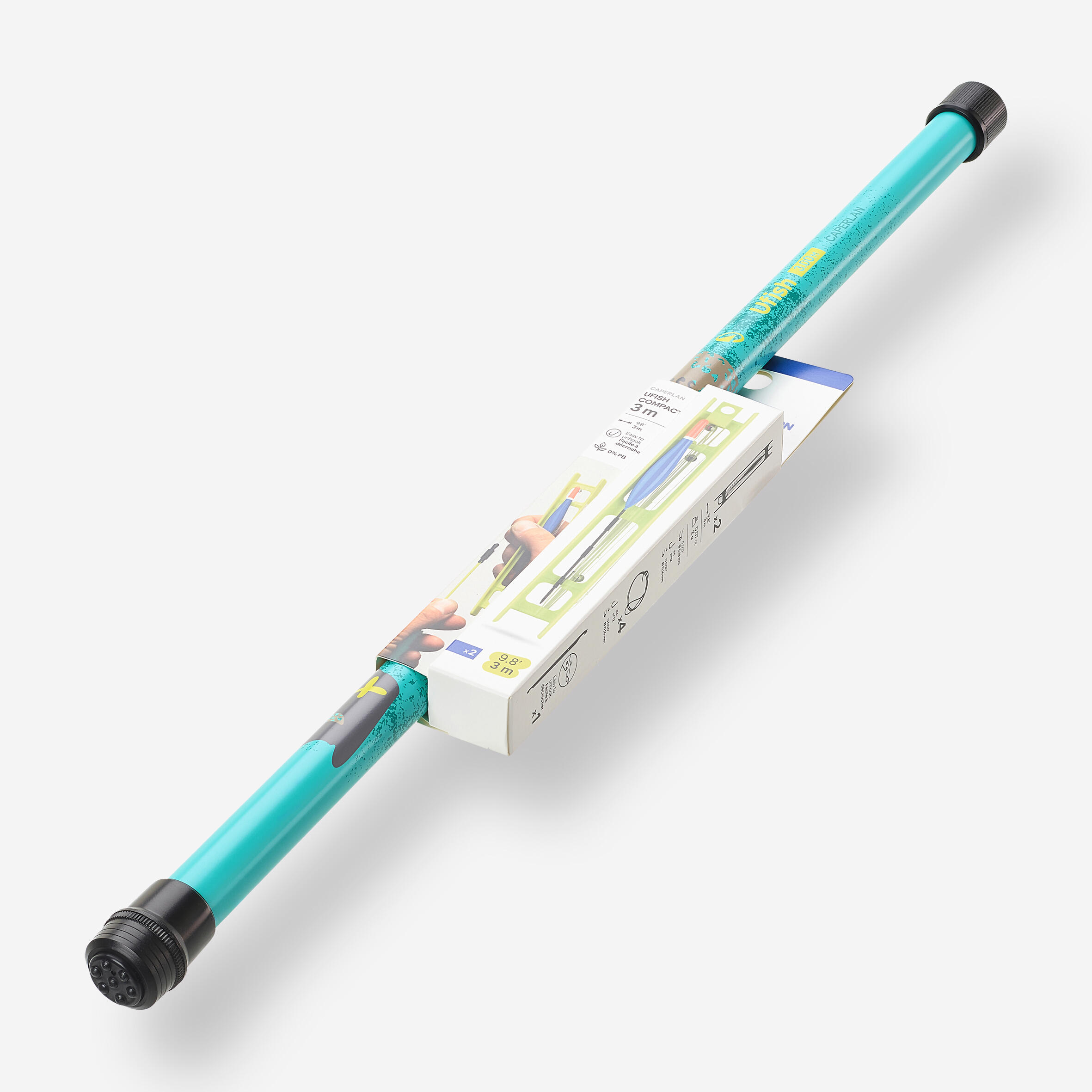
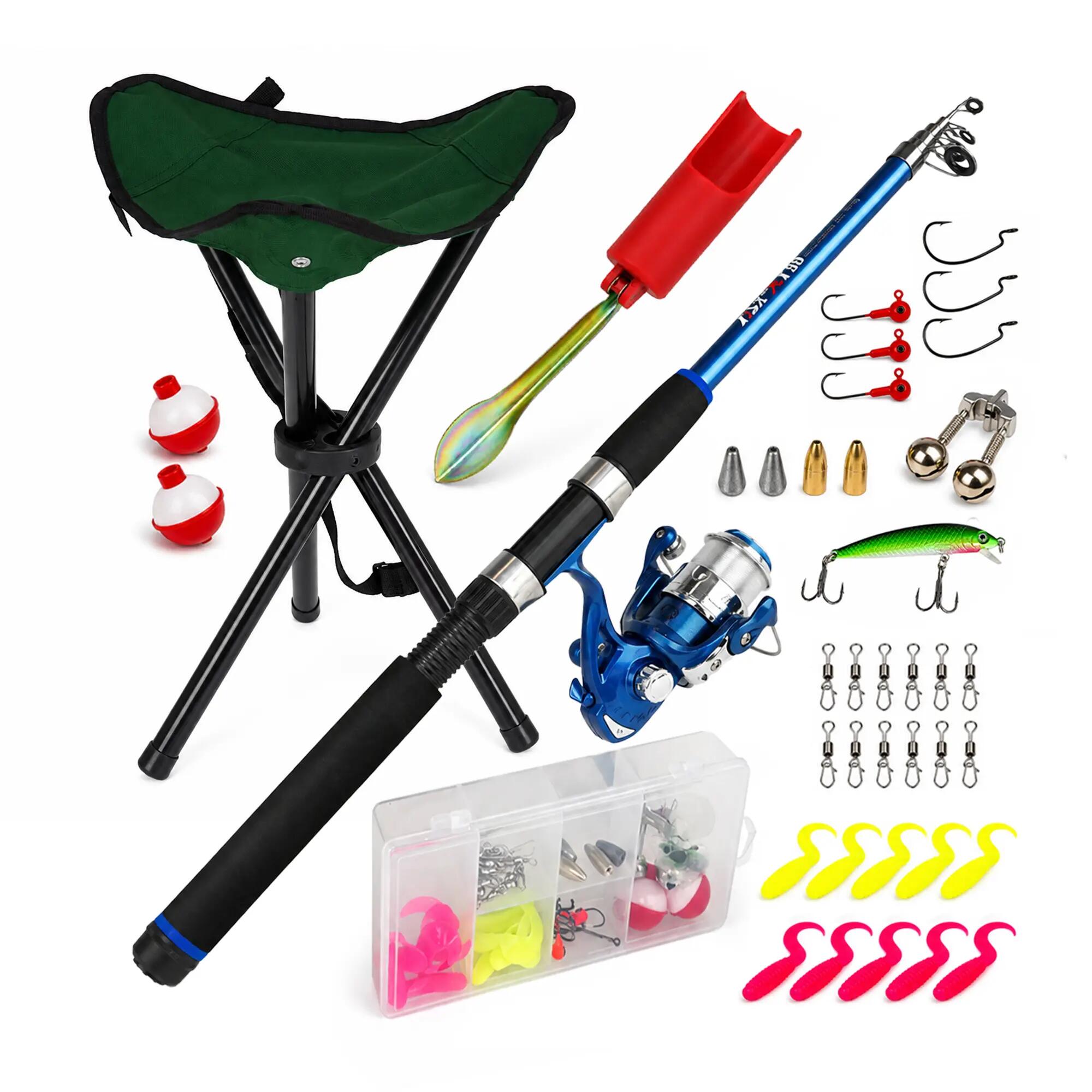
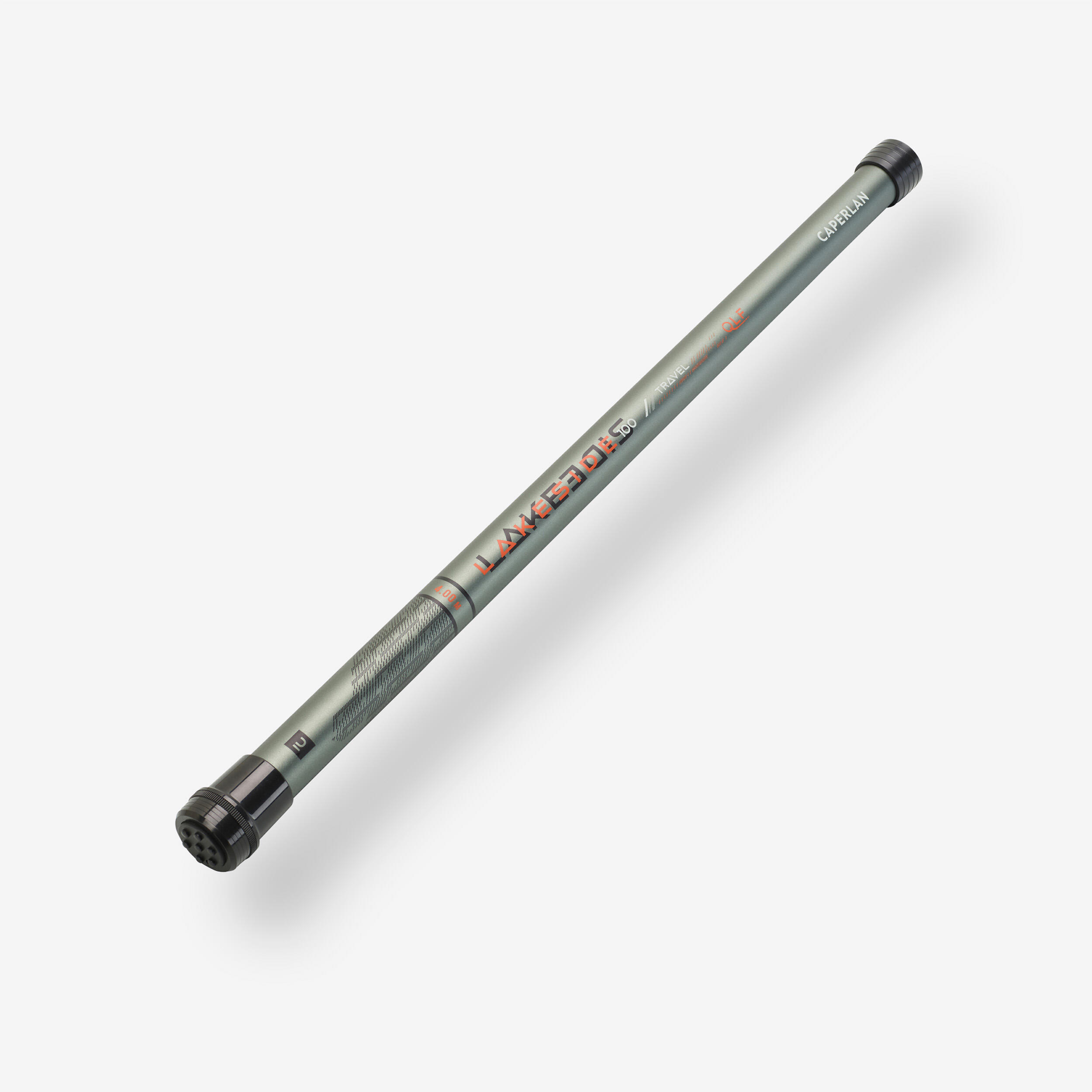
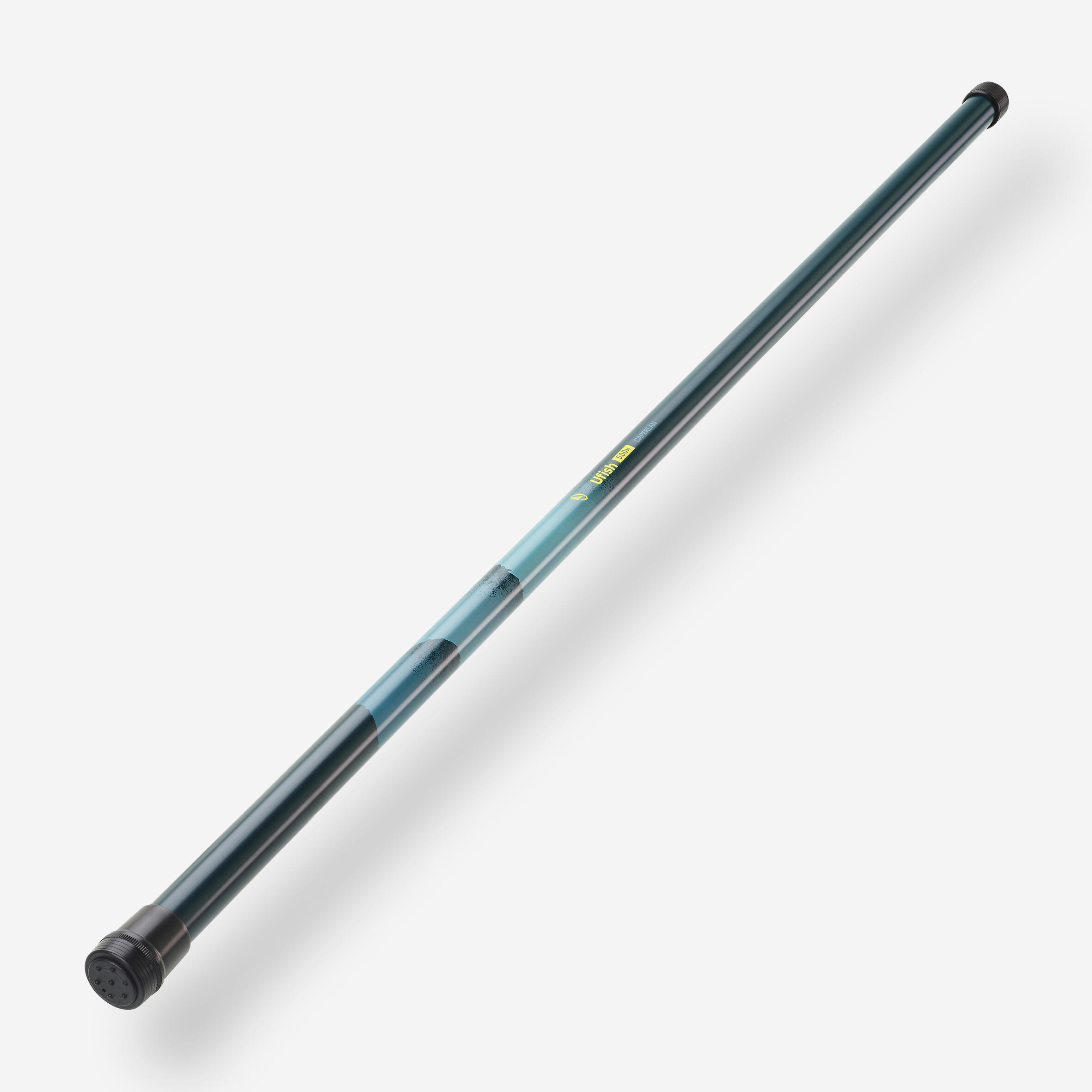
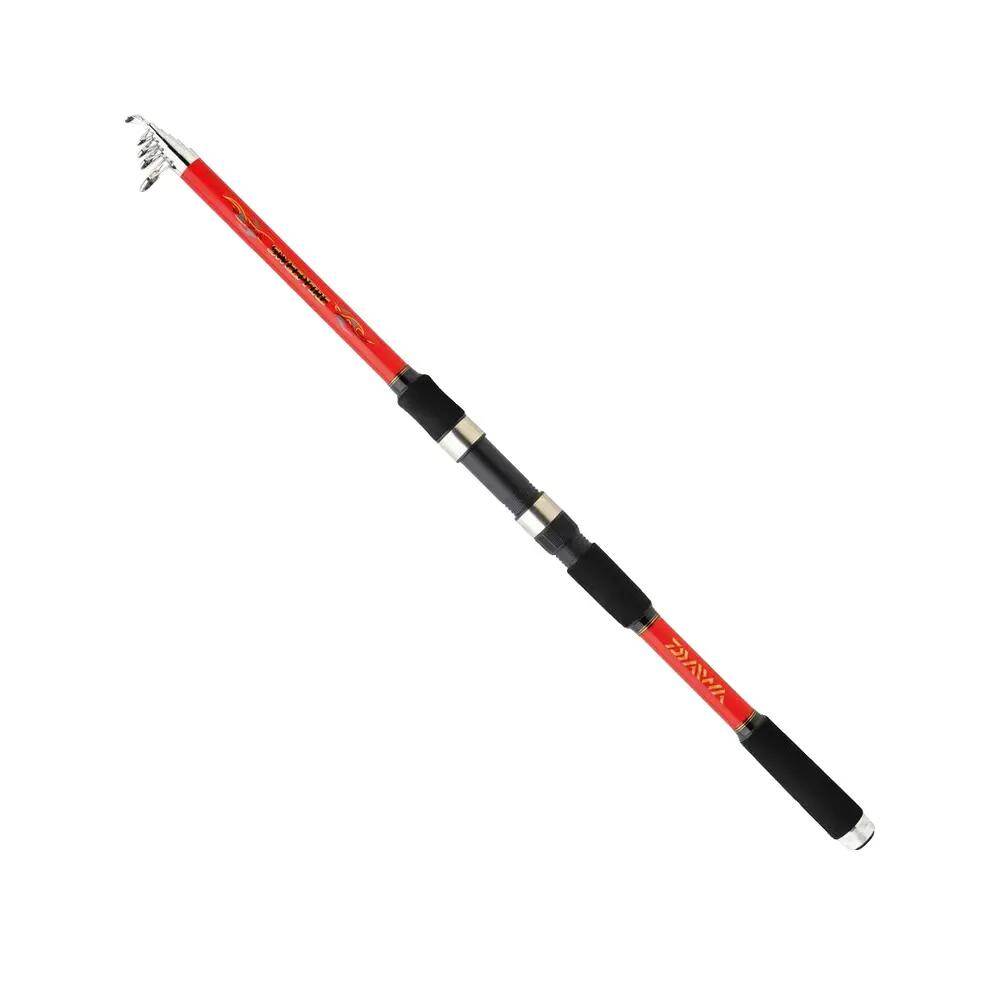
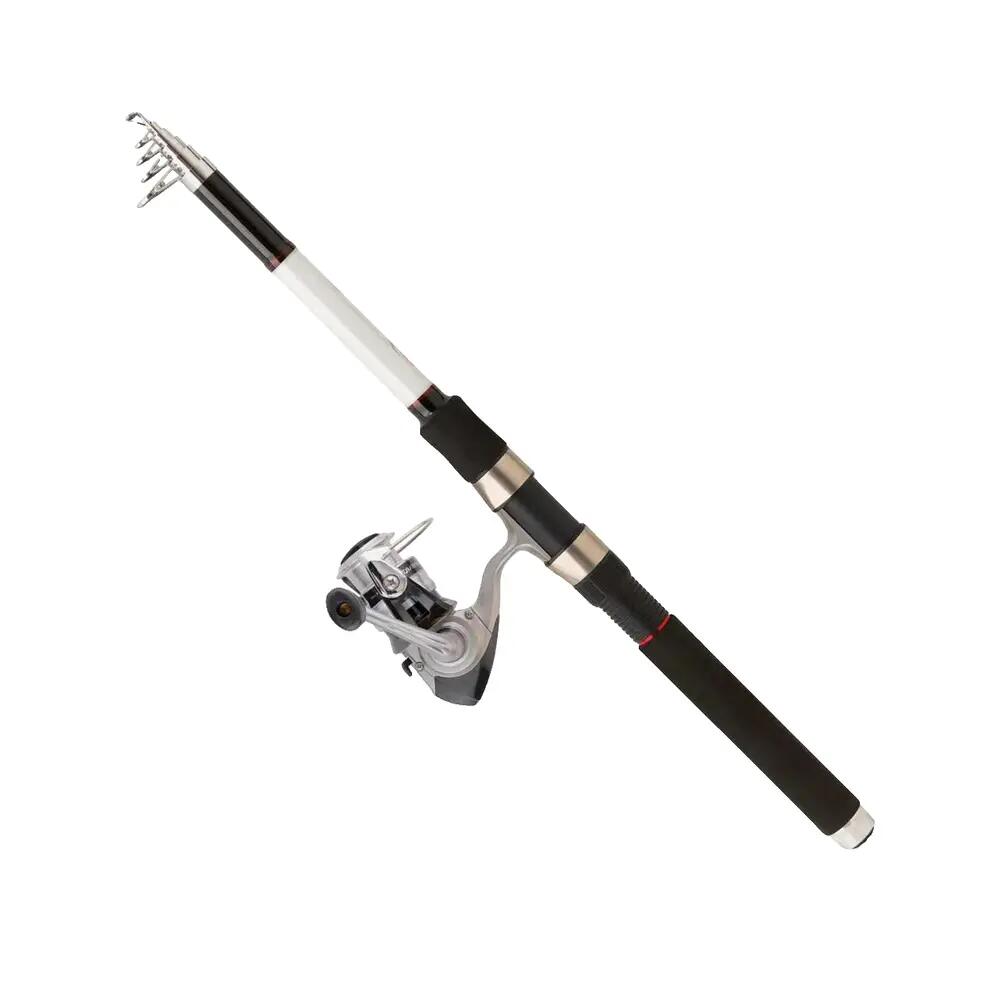
A short telescopic kit with a ready-rigged line makes a straightforward starting point for learning pole fishing for smaller fish. Caperlan's Ufish 3 m kit uses a fibreglass rod that packs down to under 60 cm, making it easier to transport and store. It includes two 3 m rigged lines with floats, leaders and barbless hooks, plus spare rigged hooks and a disgorger, so there is less equipment to assemble before the first session. The compact telescopic pole fishing rod kit is designed around simple freshwater or sea fishing for small fish. Pro tip: practise extending and collapsing the rod at home once before taking it to the water, so you handle each section in the correct order.

When is a press-fit pole better than a telescopic rod?

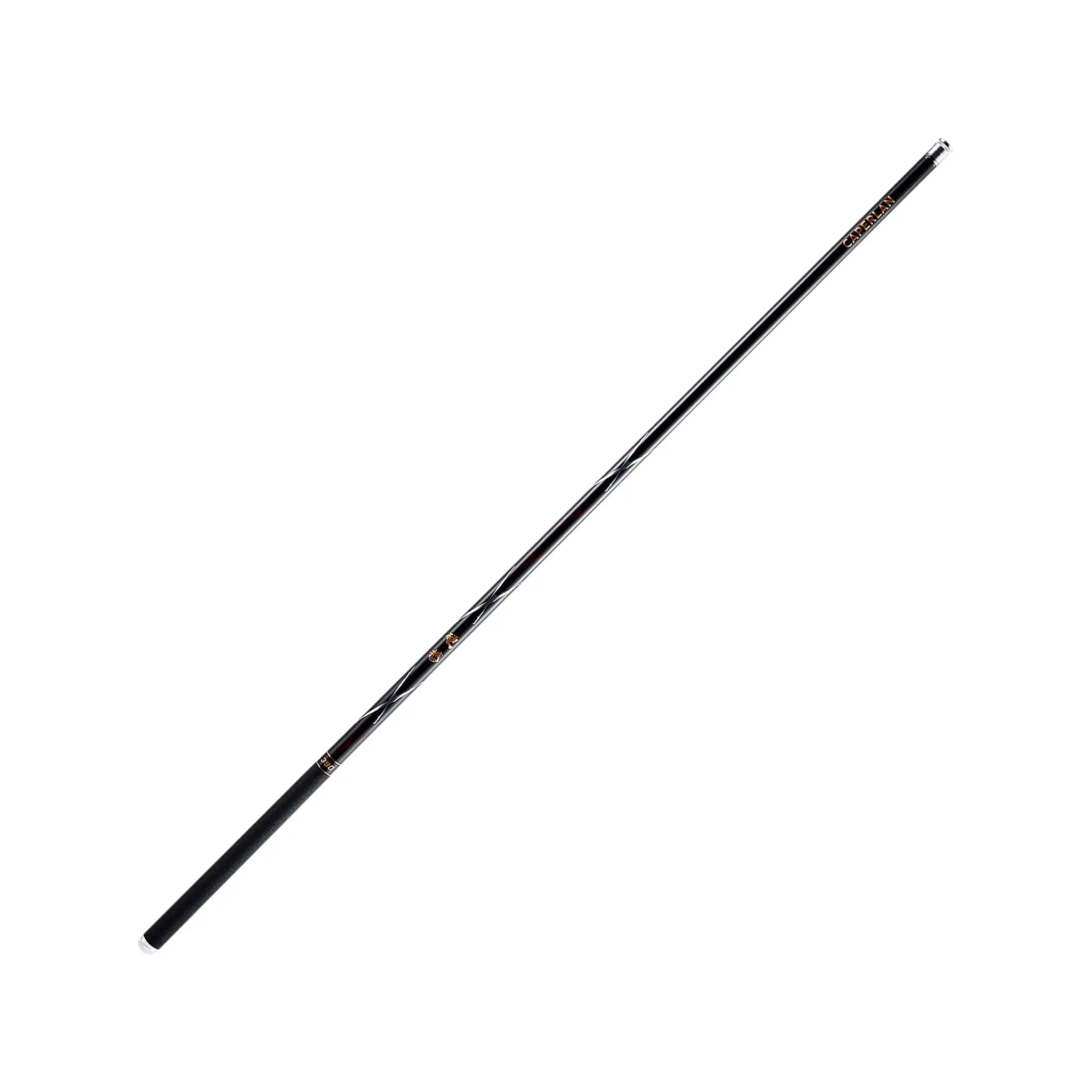
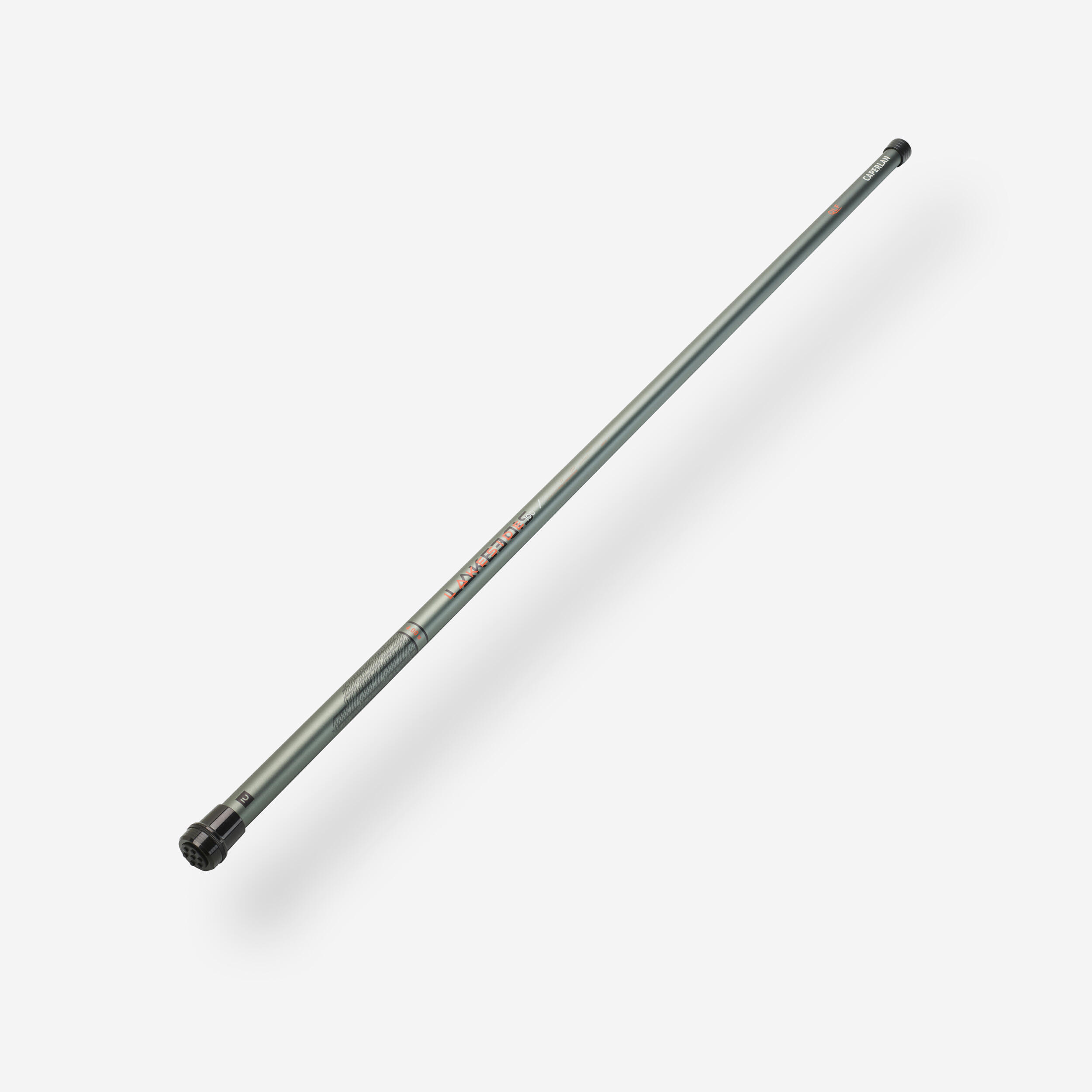
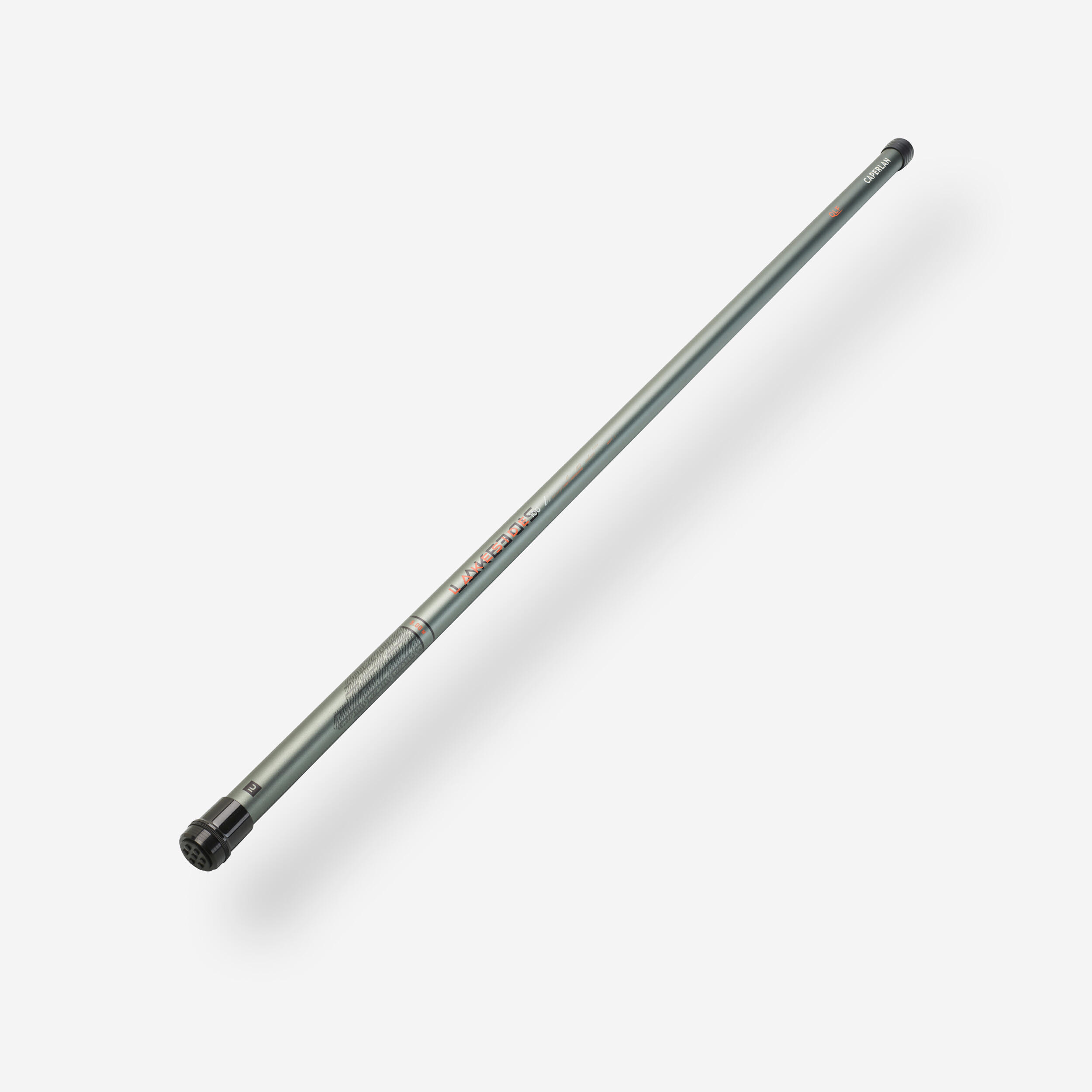
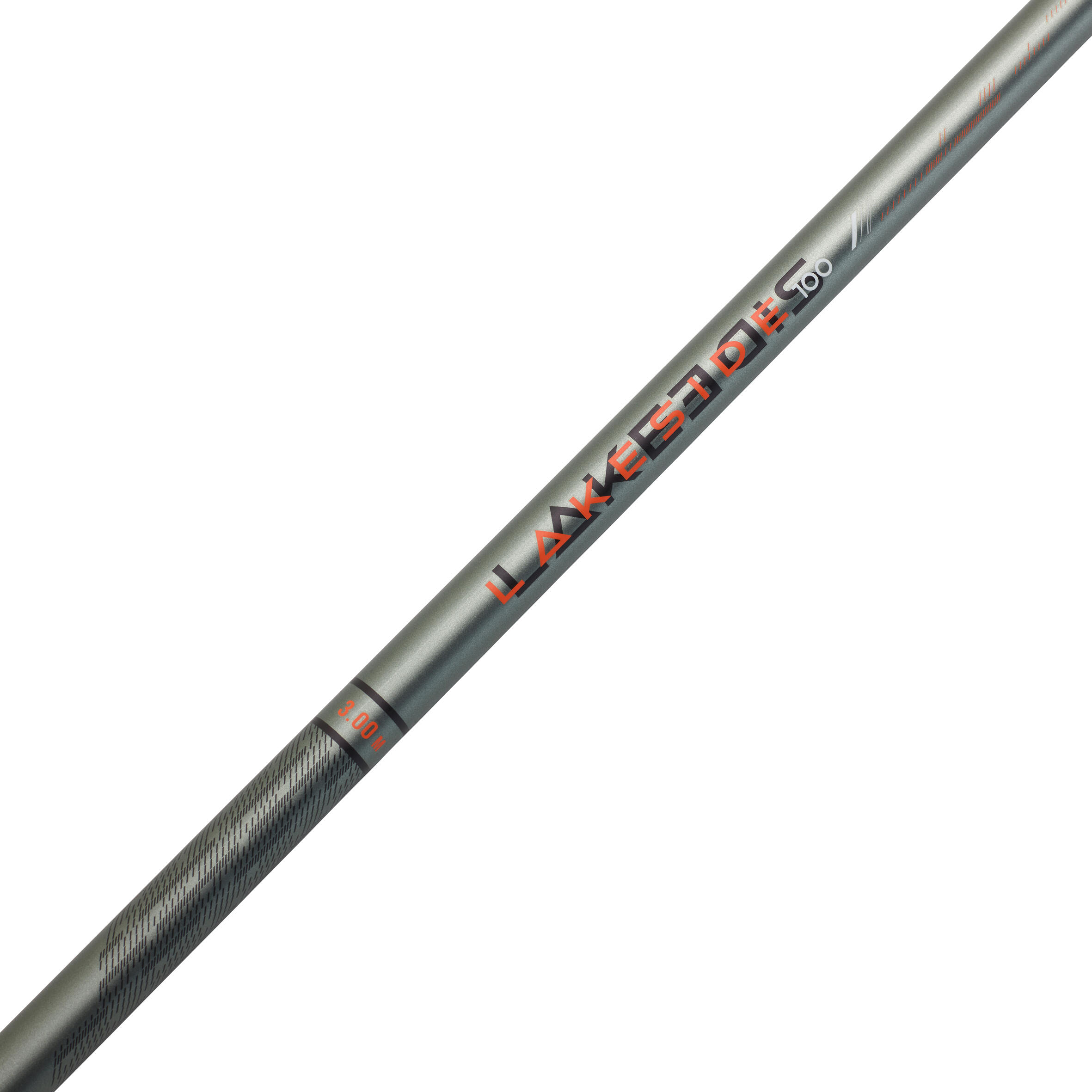
A press-fit pole suits anglers who want greater fishing distance, sectional length adjustment and a more rigid setup for regular still fishing. Instead of extending nested sections like a telescopic rod, press-fit models connect separate sections, so you can adjust the fishing length as needed. The Northlake 500 uses seven sections, high-modulus 30T carbon and weighs about 836 g at its full 11 m length. Alignment marks aid assembly, while an internal Teflon bush at the tip supports quick rig preparation. Anglers moving towards longer-distance whitefish sessions can consider pole fishing press fit rods when rigidity and controlled section management matter more than compact telescopic convenience.

What does a rubber band tip do on a pole fishing rod?

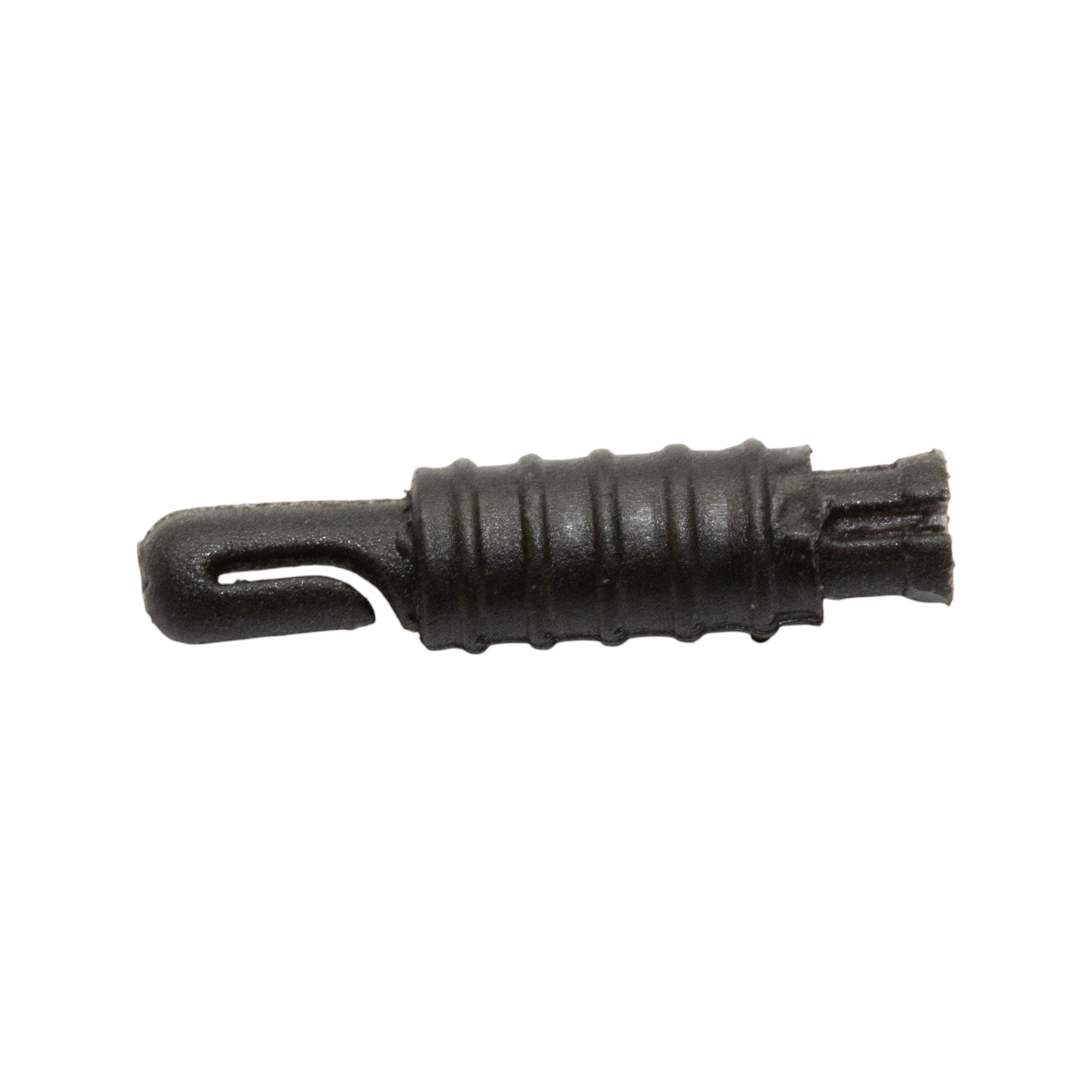
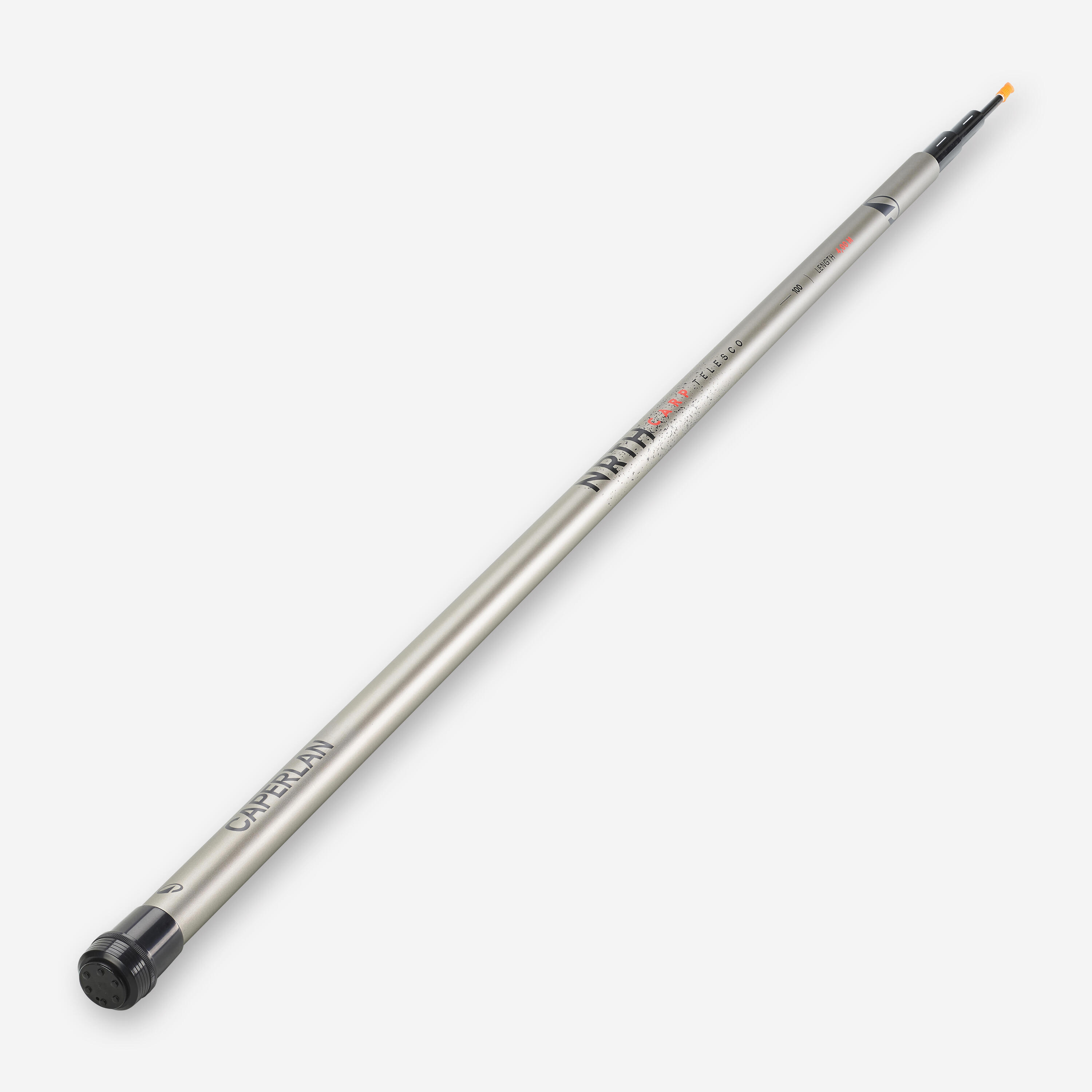
A rubber band or elastic-ready tip allows fishing elastic to work through the pole tip, creating a more controlled connection between the rig and fish. The elastic stretches under load rather than relying only on the line and rigid rod blank, which is particularly useful in carp-oriented pole setups. Compatibility matters because elastic diameter, tip opening and the rest of the rig need to work together. A purpose-built telescopic rod rubber band tip for pole fishing offers a ready-made option for anglers who want this type of telescopic carp setup. Check the product's elastic and line recommendations before changing the original rig configuration.
How do you select the right length for a pole fishing rod?

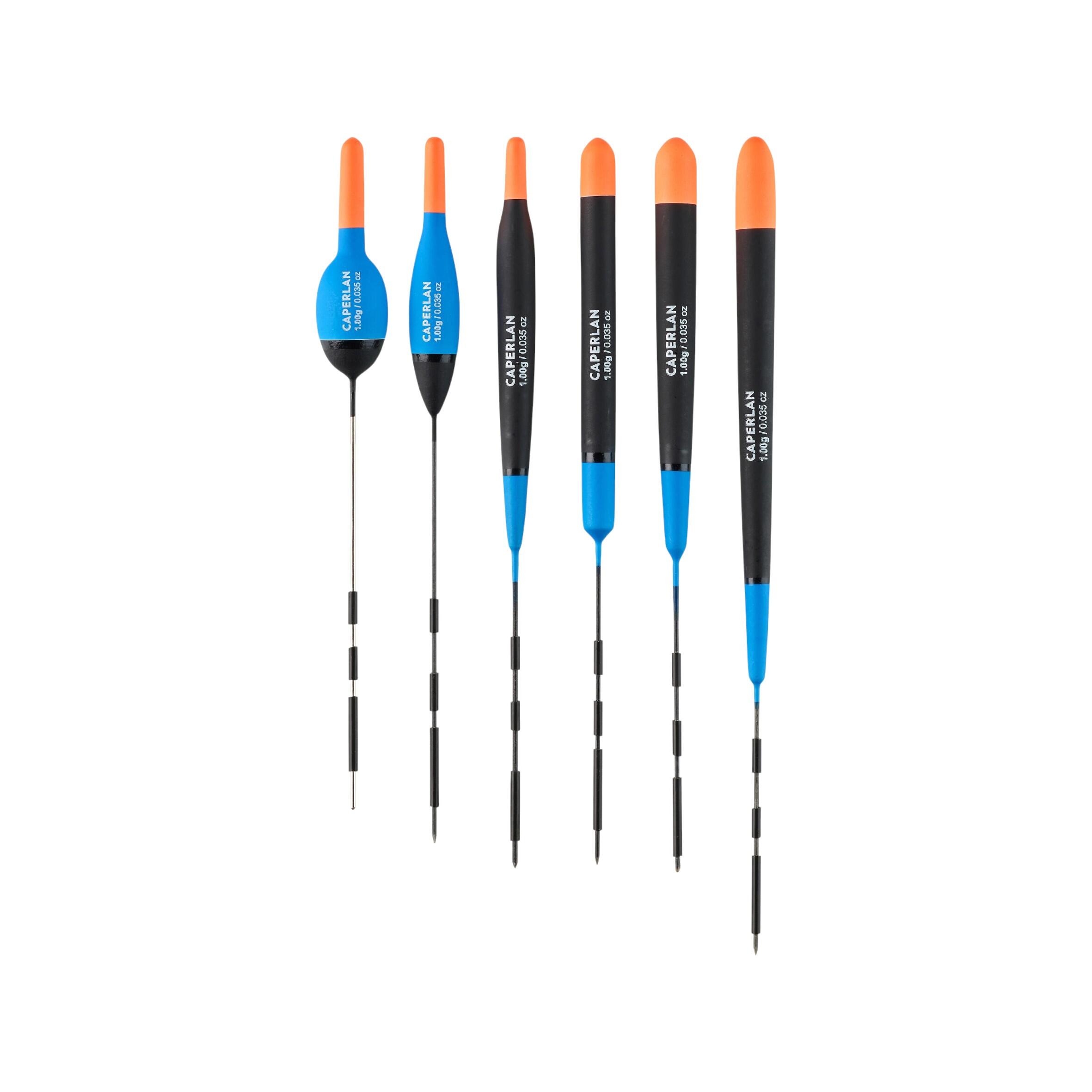
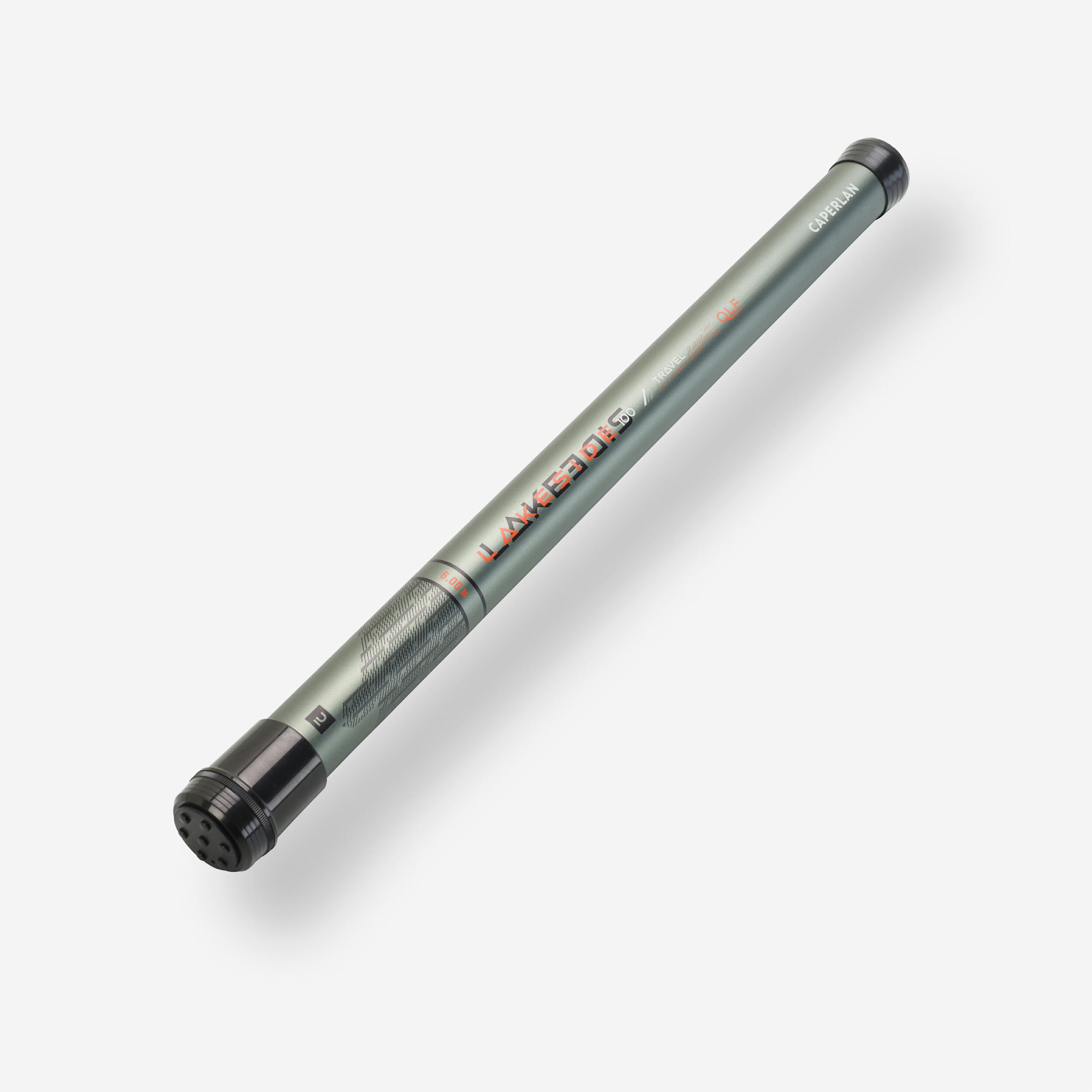
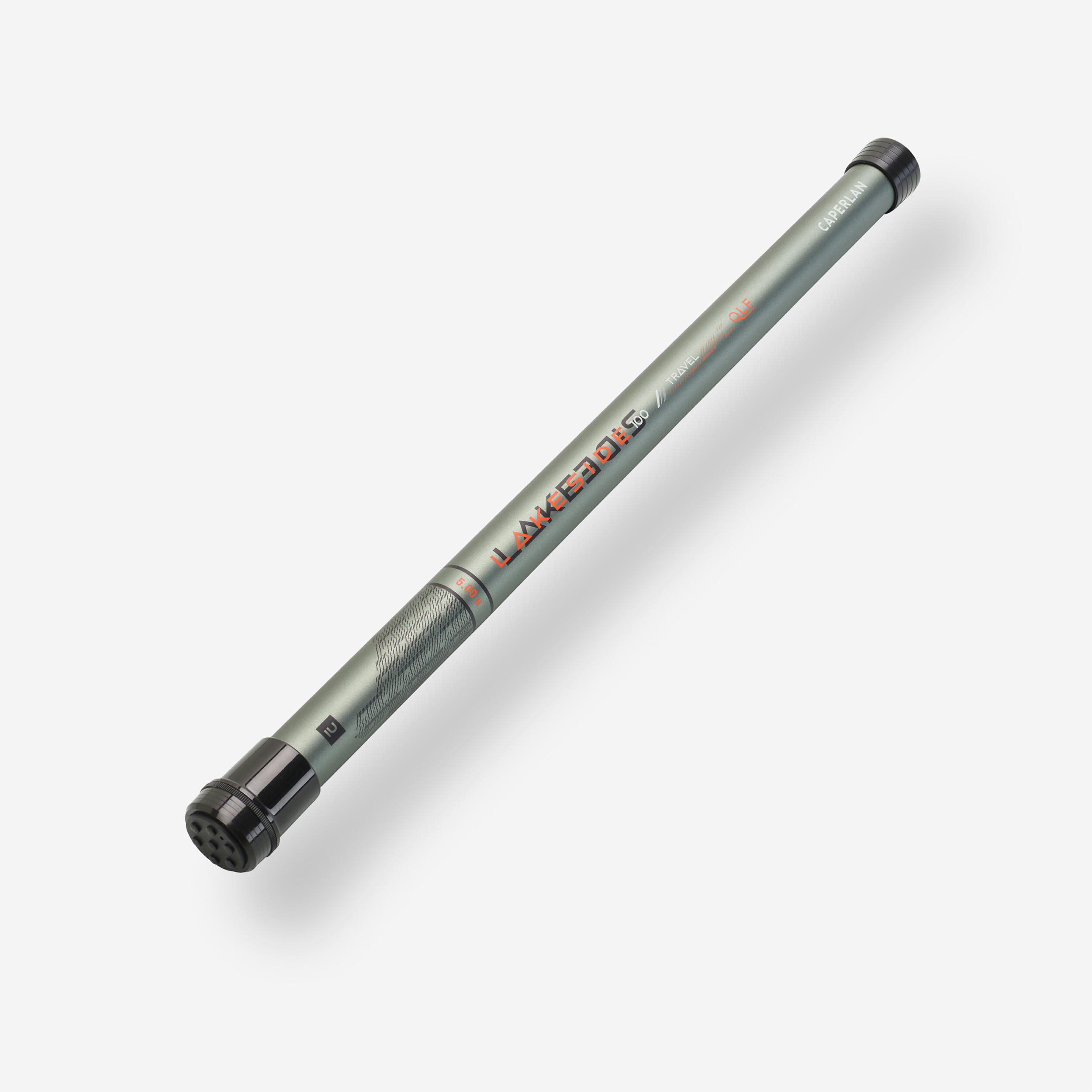
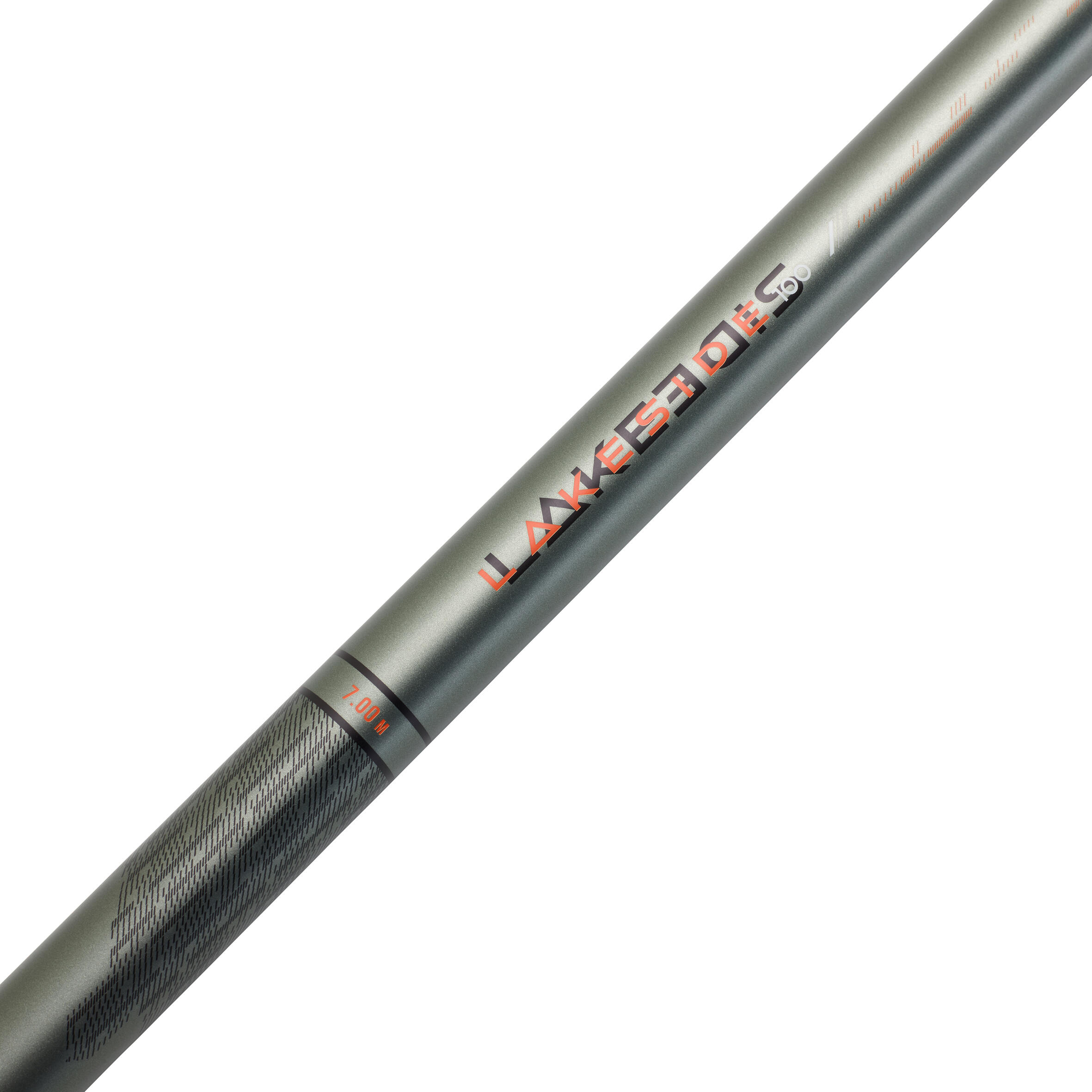
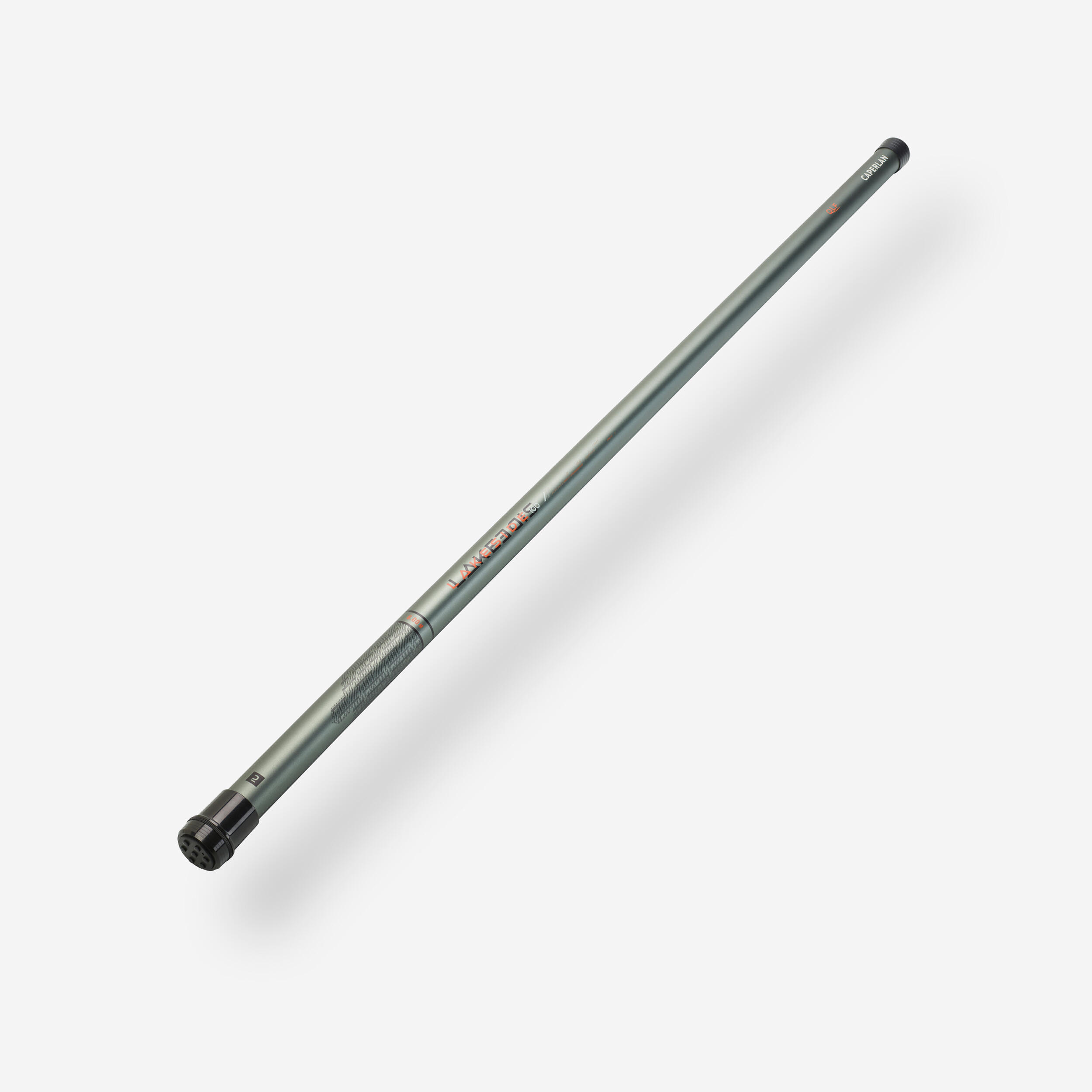
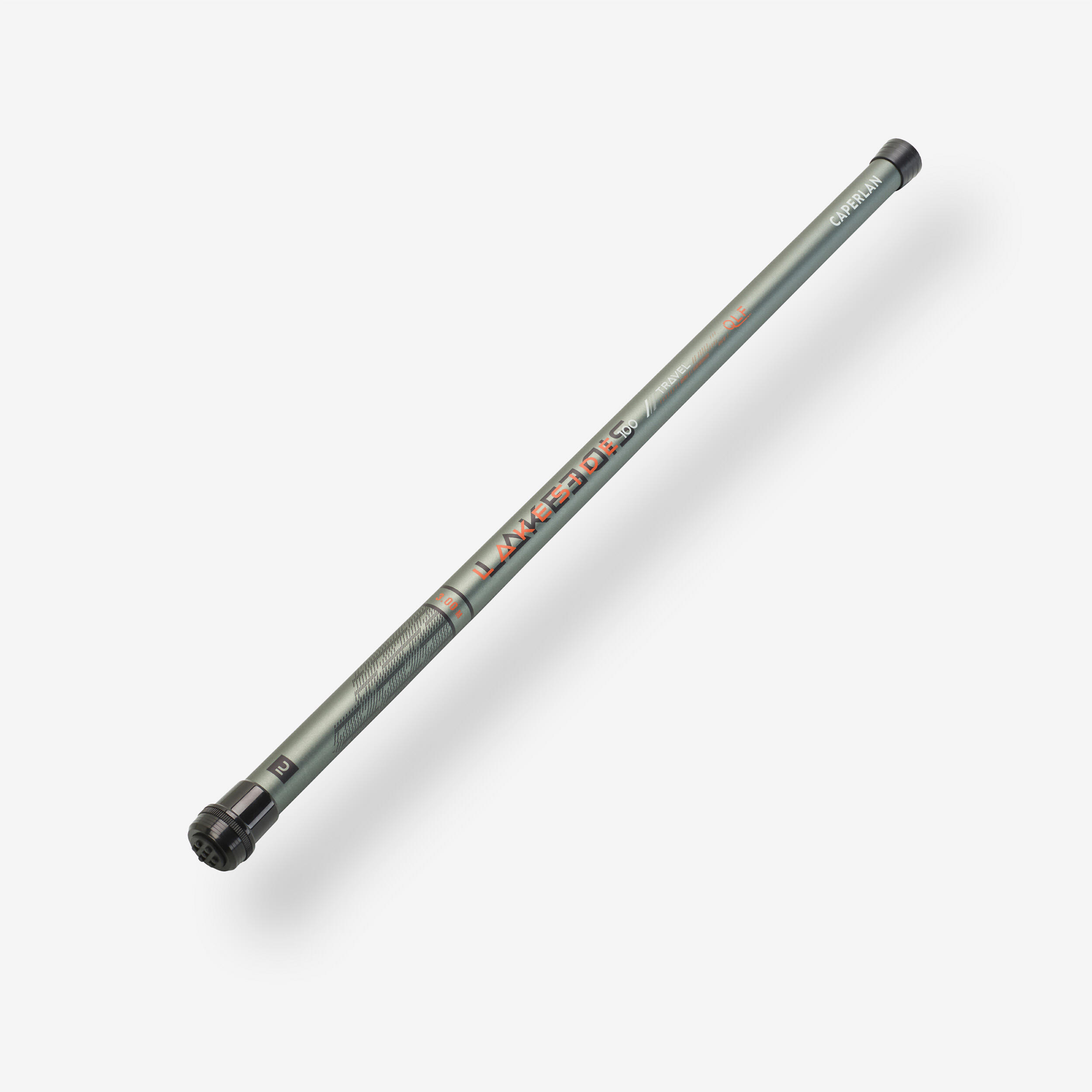
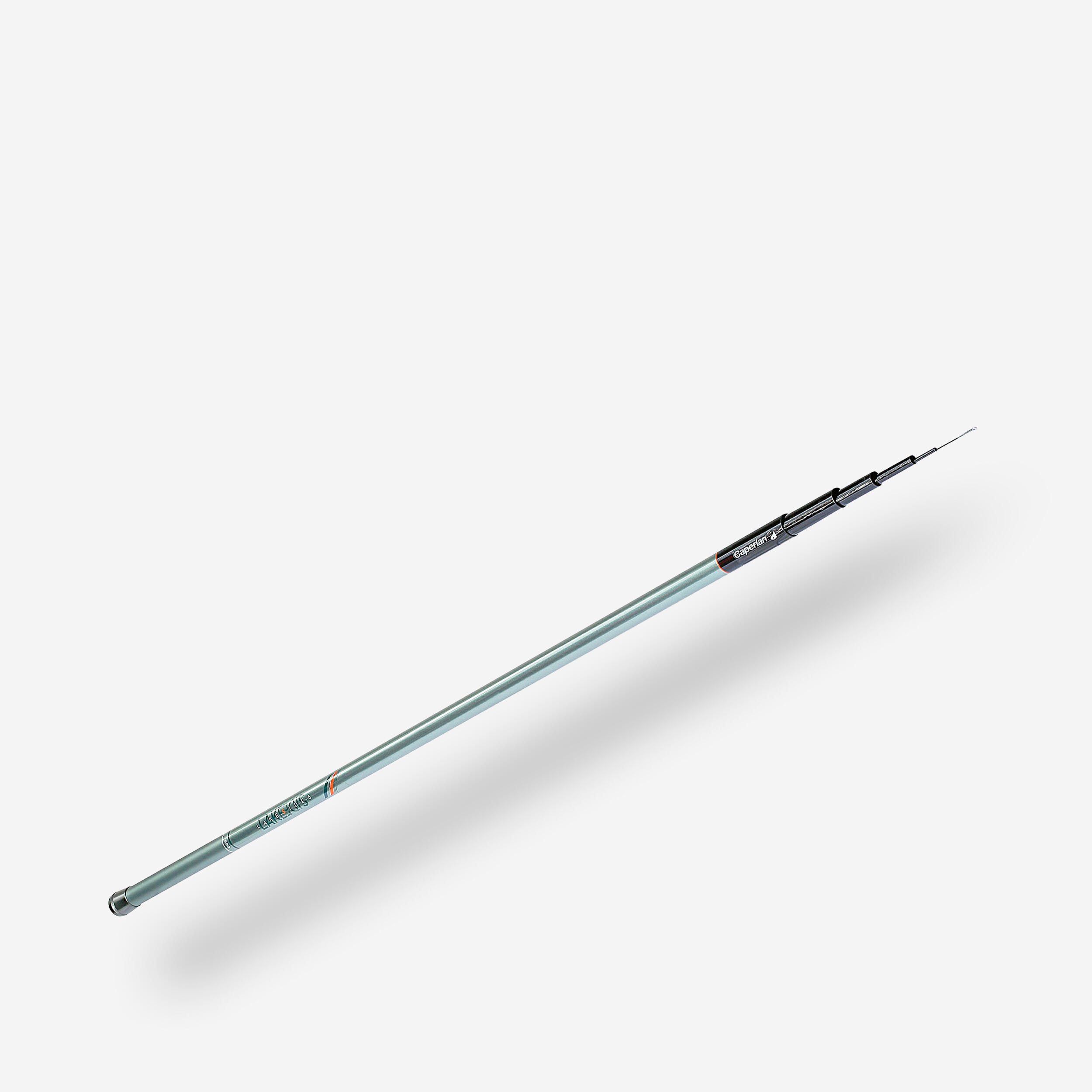
Choose rod length from the fishing distance you need, the available bank space and how easily you can transport and control the pole. Shorter 3-4 m telescopic rods are convenient for beginners, travel and close-range fishing, while 6-7 m models extend reach without moving into full competition-style pole lengths. Longer 9.5-11 m press-fit rods provide considerably more distance but require additional space for assembly and section handling. The wider pole fishing range helps match rods with rigged lines, floats, elastic and other components for different still-fishing setups. A travel version can be particularly useful when packed length matters as much as fishing length.

How should Caperlan pole fishing rods be stored and maintained?

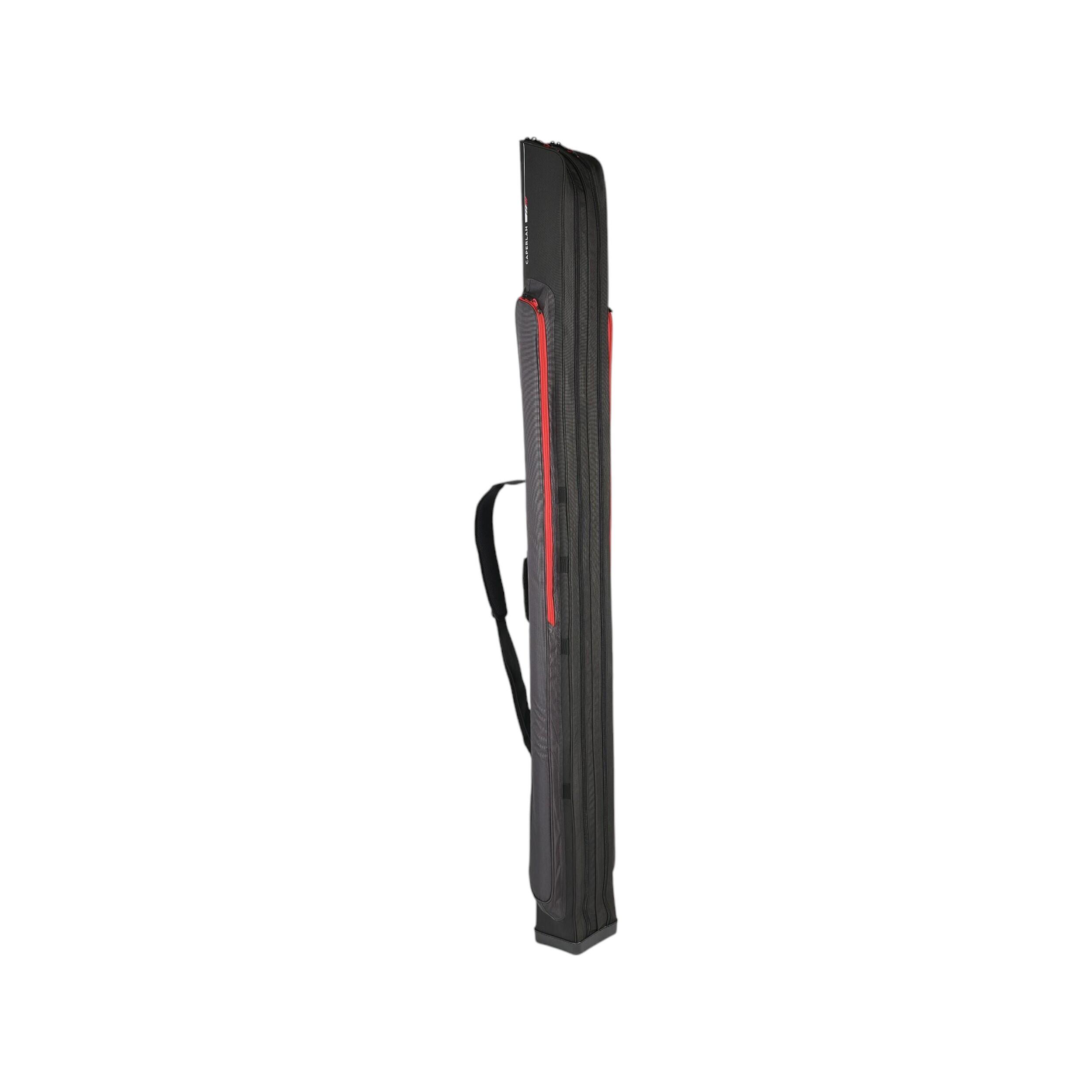
Dry the rod after use, keep sections free from dirt and protect longer carbon poles from knocks during transport and storage. Keep press-fit joints clean so sections assemble smoothly, and collapse telescopic rods carefully rather than forcing them. Caperlan's Northlake 500 has replaceable parts and should be stored in a protective tube or padded sleeve. Keep carbon poles away from overhead power lines, and don't use them during thunderstorms. When building the rest of the setup, coarse fishing equipment covers rigs, hooks, floats and other tackle used alongside pole rods. Pro tip: inspect section joints, the tip and line attachment points before each session so dirt or visible damage can be dealt with before extending the rod.