18 items
4.8/5 based on 145 reviews collected online and in stores

Pole Fishing Rod Bags FAQs

Which type of pole fishing rod bag suits your transport and storage needs?

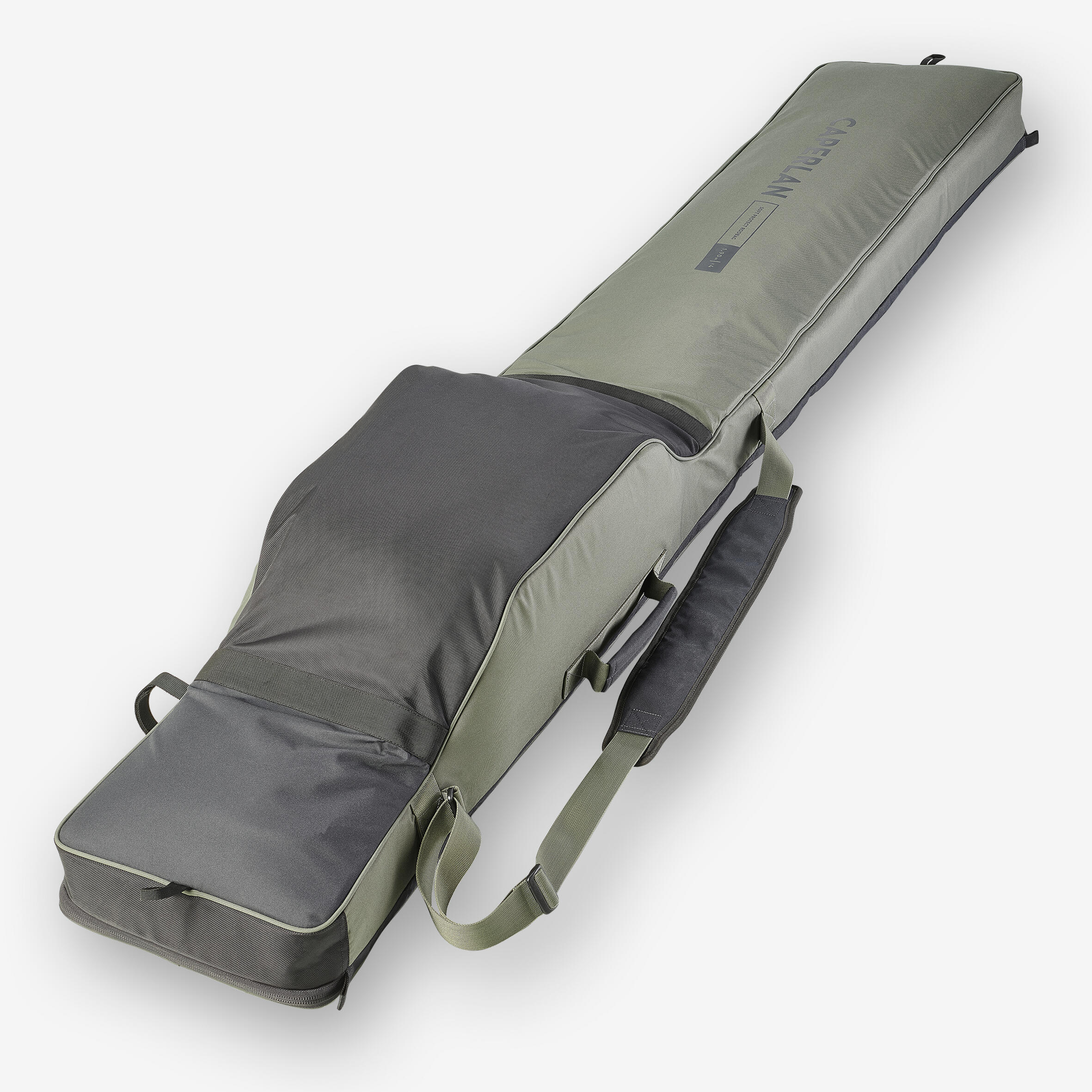
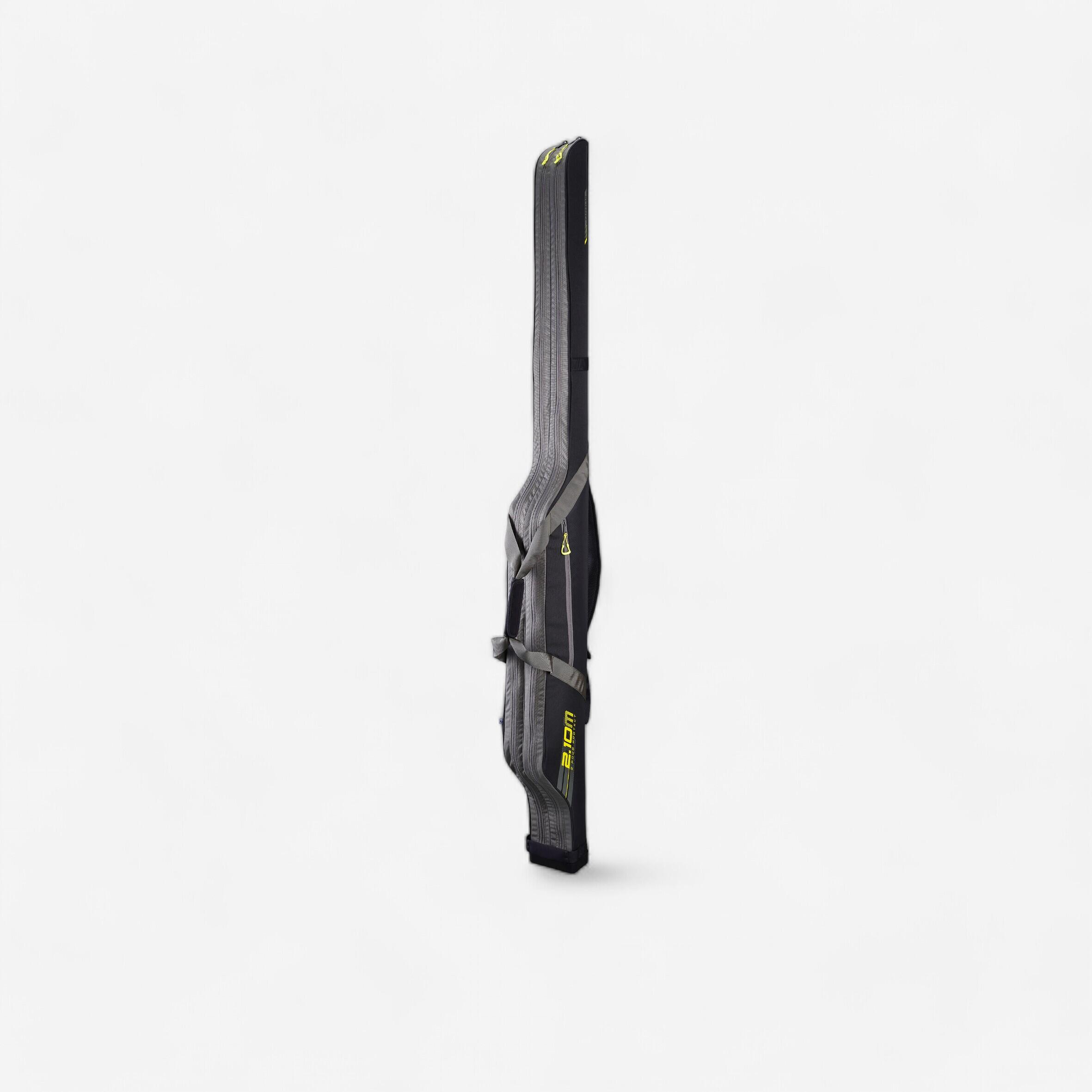
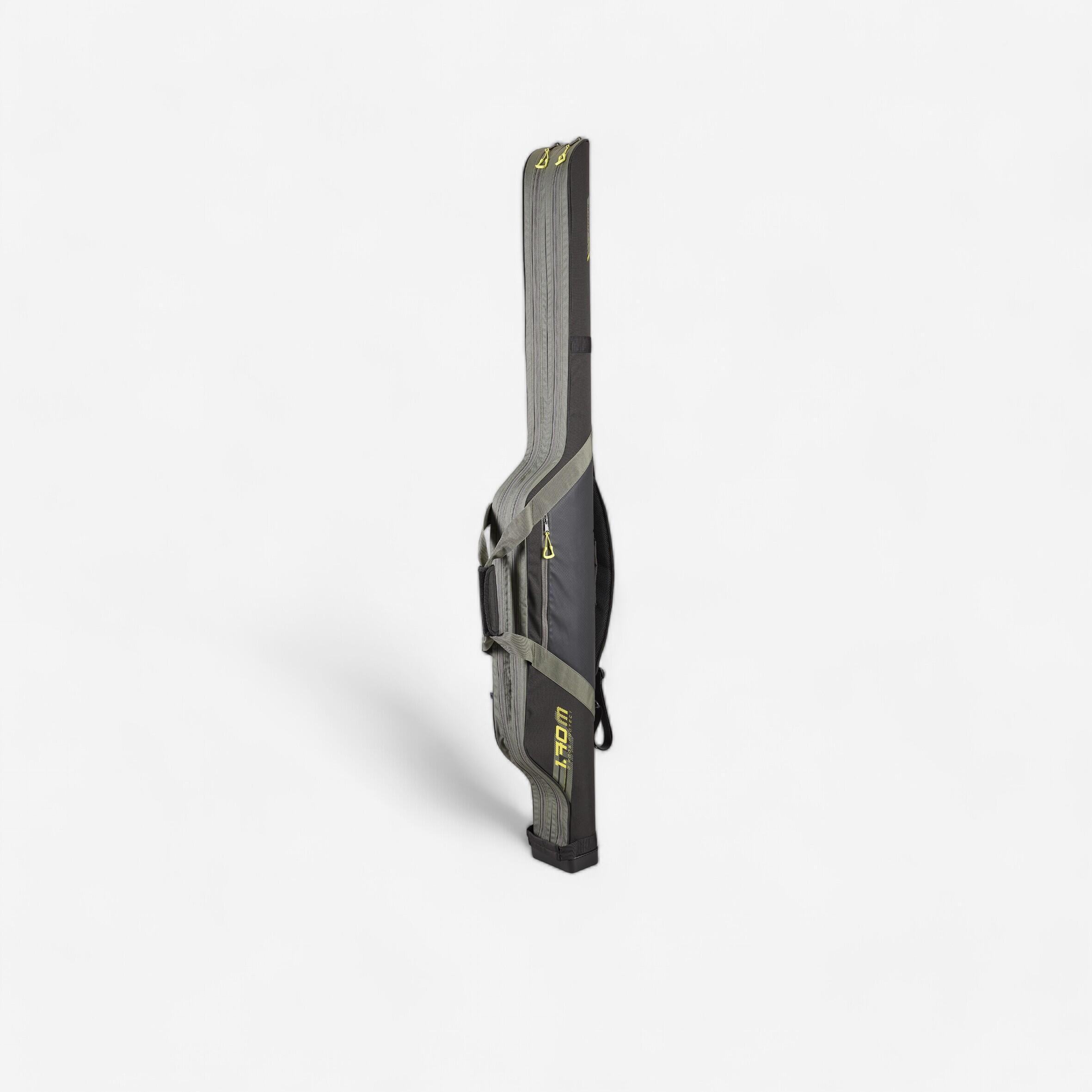
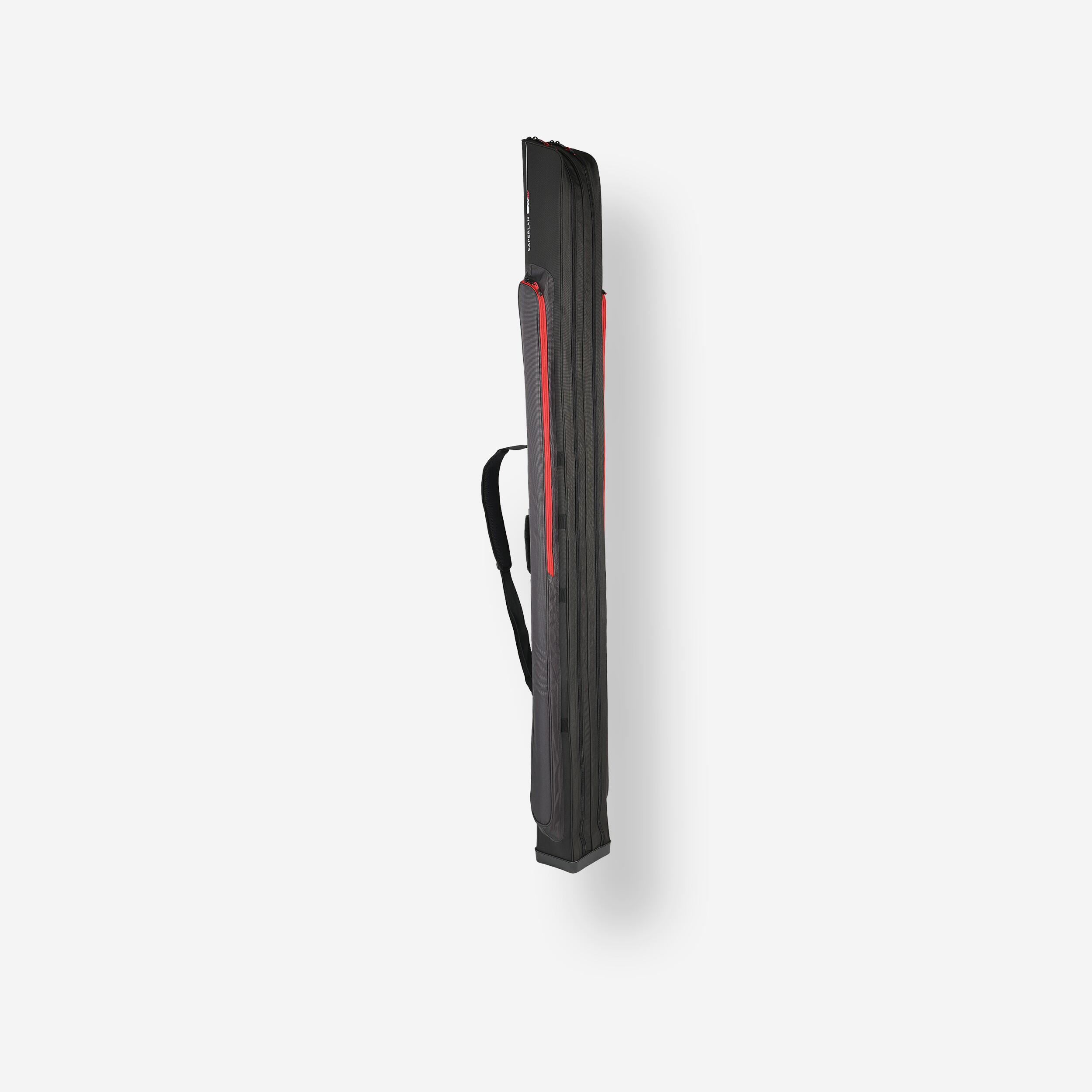
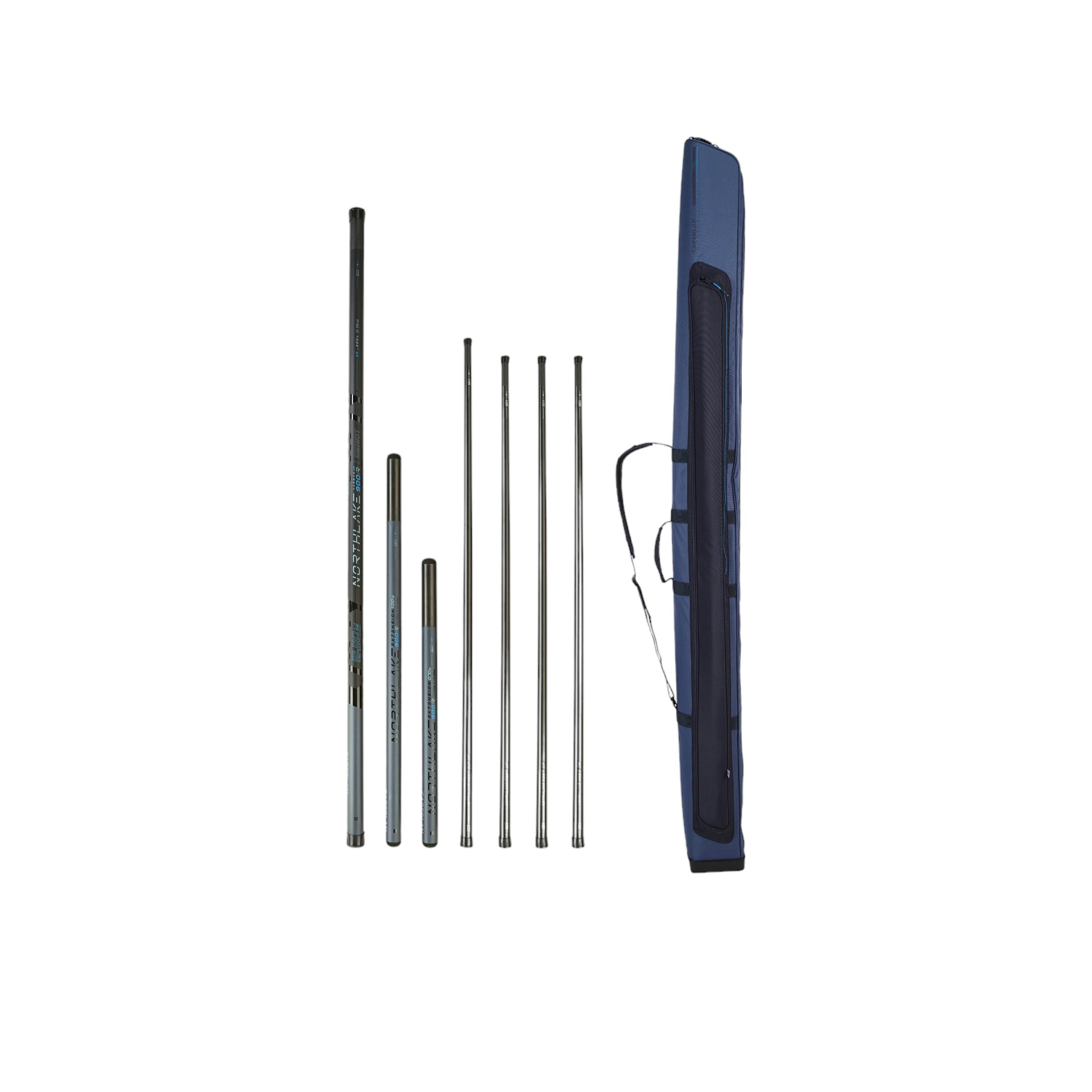
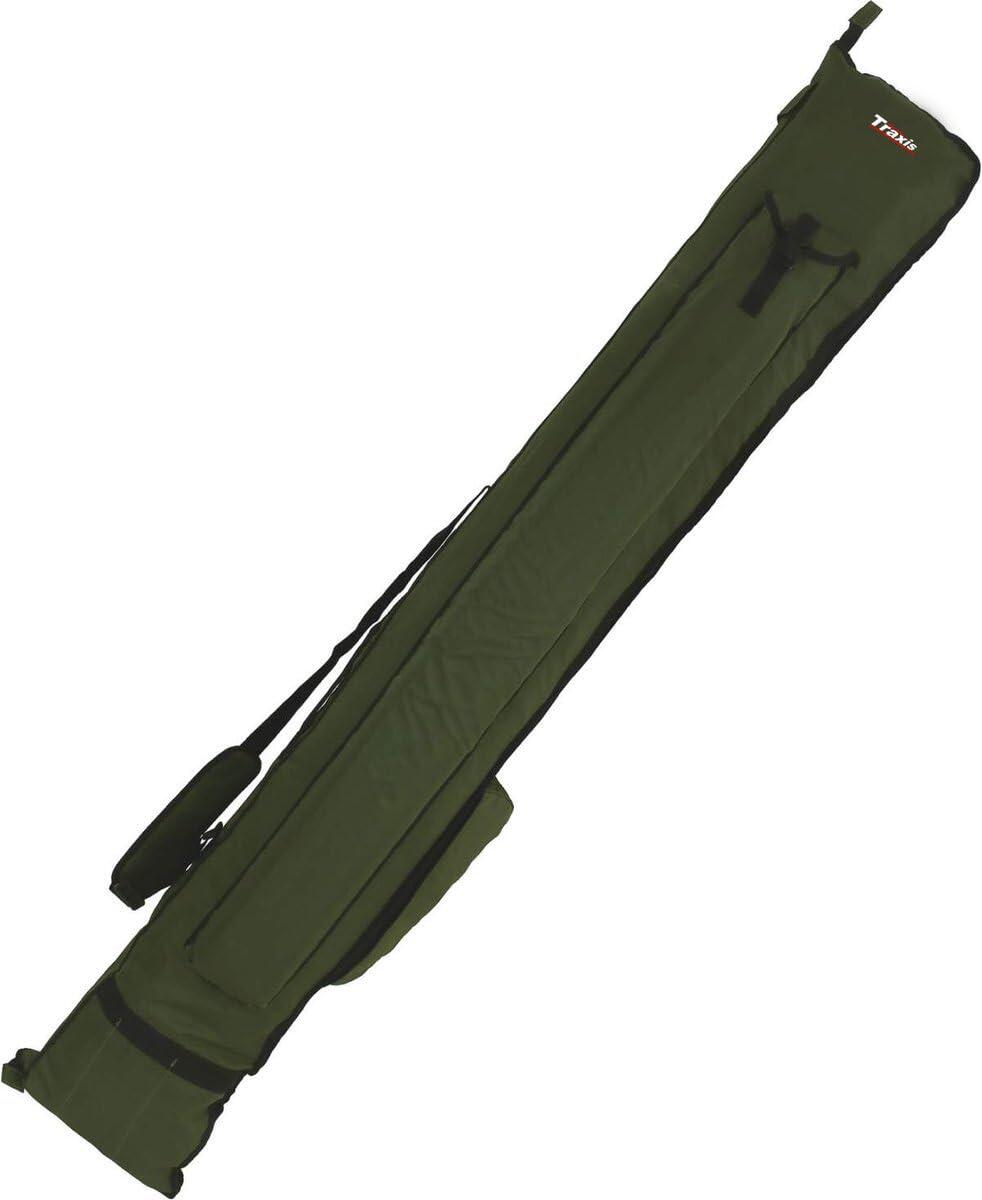
Choose according to how much structural protection your rods need and how many tubes, kits or long accessories you carry. A soft padded bag gives you flexible storage and can suit larger collections of protected rods, while a semi-rigid design adds more resistance against knocks and compression. Caperlan's pole fishing soft rod bags can carry up to 10 protective tubes, with retaining straps and heel pockets helping to limit movement inside. The 2.05 m format also includes long external storage for items such as an umbrella or banksticks. If your rods already sit in individual tubes, a soft outer bag can provide an organised way to transport several of them together.

When does a semi-rigid rod bag give better protection?

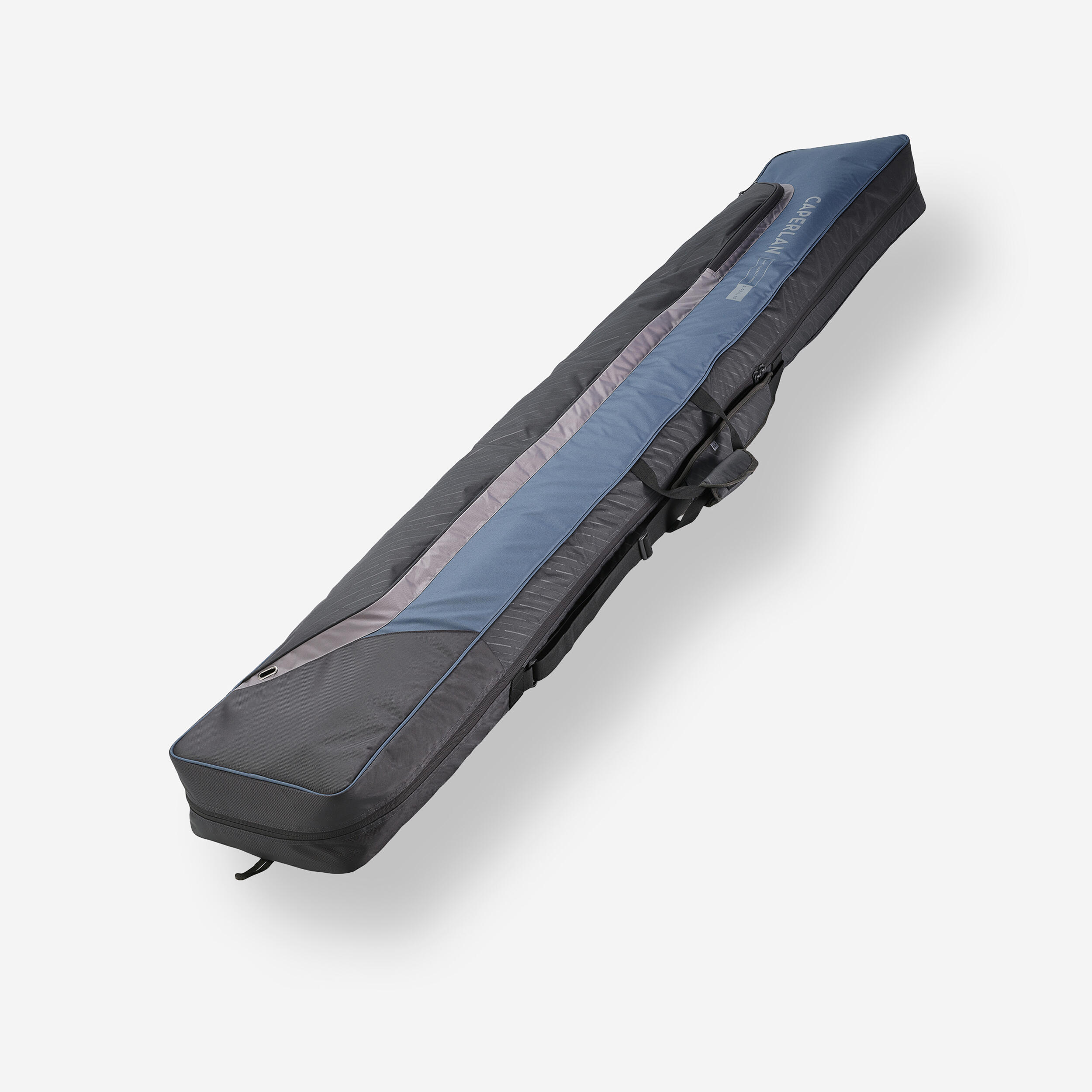
A semi-rigid bag is useful when rods need more separation and support than a simple fabric sleeve can provide. Caperlan's pole fishing semi-rigid rod bags use foam between the main compartments so long rods are less likely to knock directly against one another during transport. The bag is arranged across four compartments and can carry several long pole rods while still providing external space for kits, banksticks or an umbrella. Oversized double zip pulls also allow access from different directions. Avoid repeated saltwater exposure because Caperlan states that the zips are not treated against salt corrosion, and keep the bag clean and dry between freshwater sessions.

Why use protective tubes inside a larger rod bag?

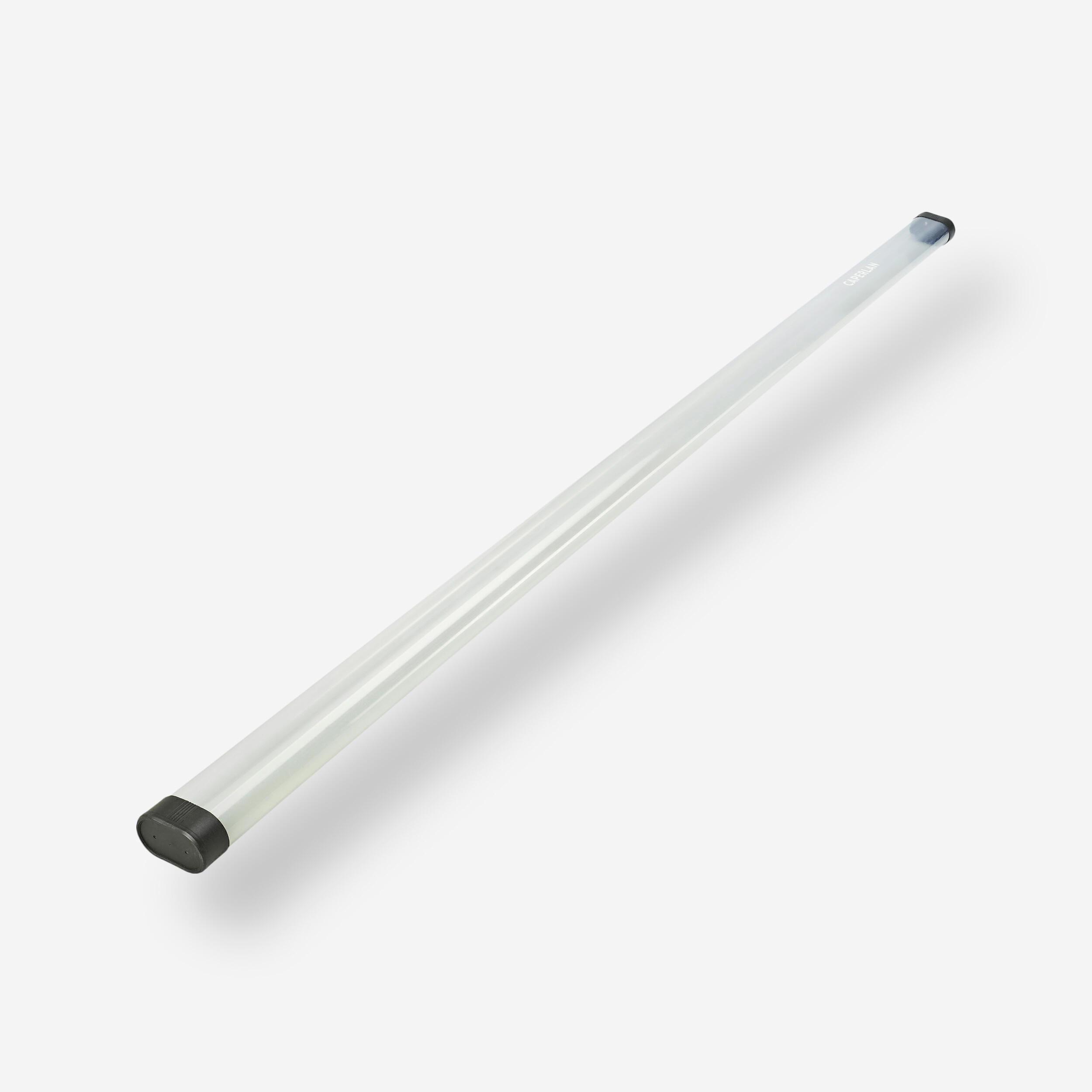
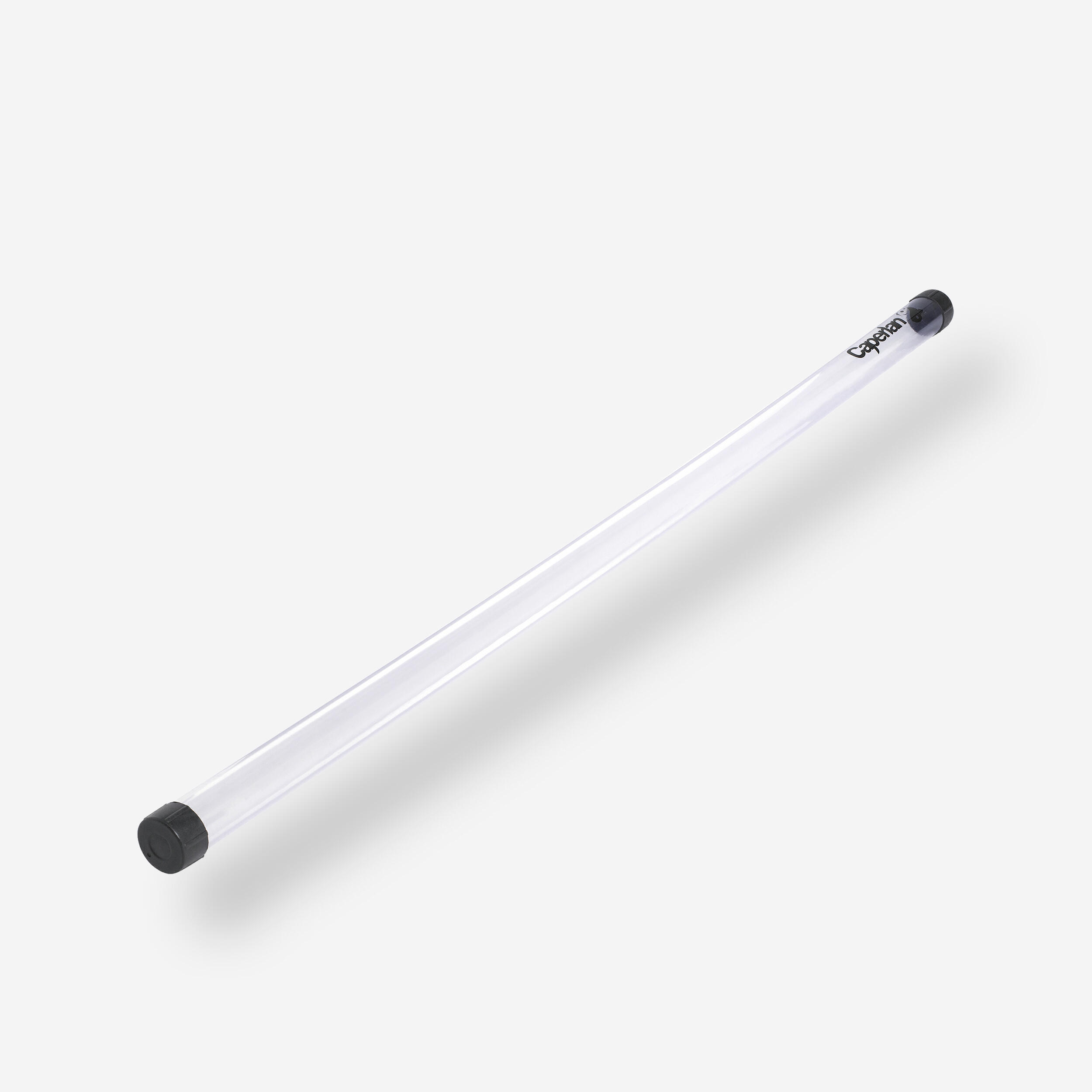
Individual tubes give delicate sections their own barrier against scratches, pressure and impact before they are placed inside the main transport bag. Caperlan's pole fishing protective tubes for rods use semi-rigid PVC and can be cut to suit the packed length of the rod or kit. Round and oval profiles are available for different section formats, while drainage holes at the bottom allow trapped water to escape after a wet session. This layered approach can be especially useful with thin carbon press-fit sections or elastic kits that should not move freely against heavier tackle. Let the tube drain and dry before long-term storage, and avoid leaving PVC tubes in strong heat or direct sun where the material could deform.

How can you organise rods and long accessories in one bag?

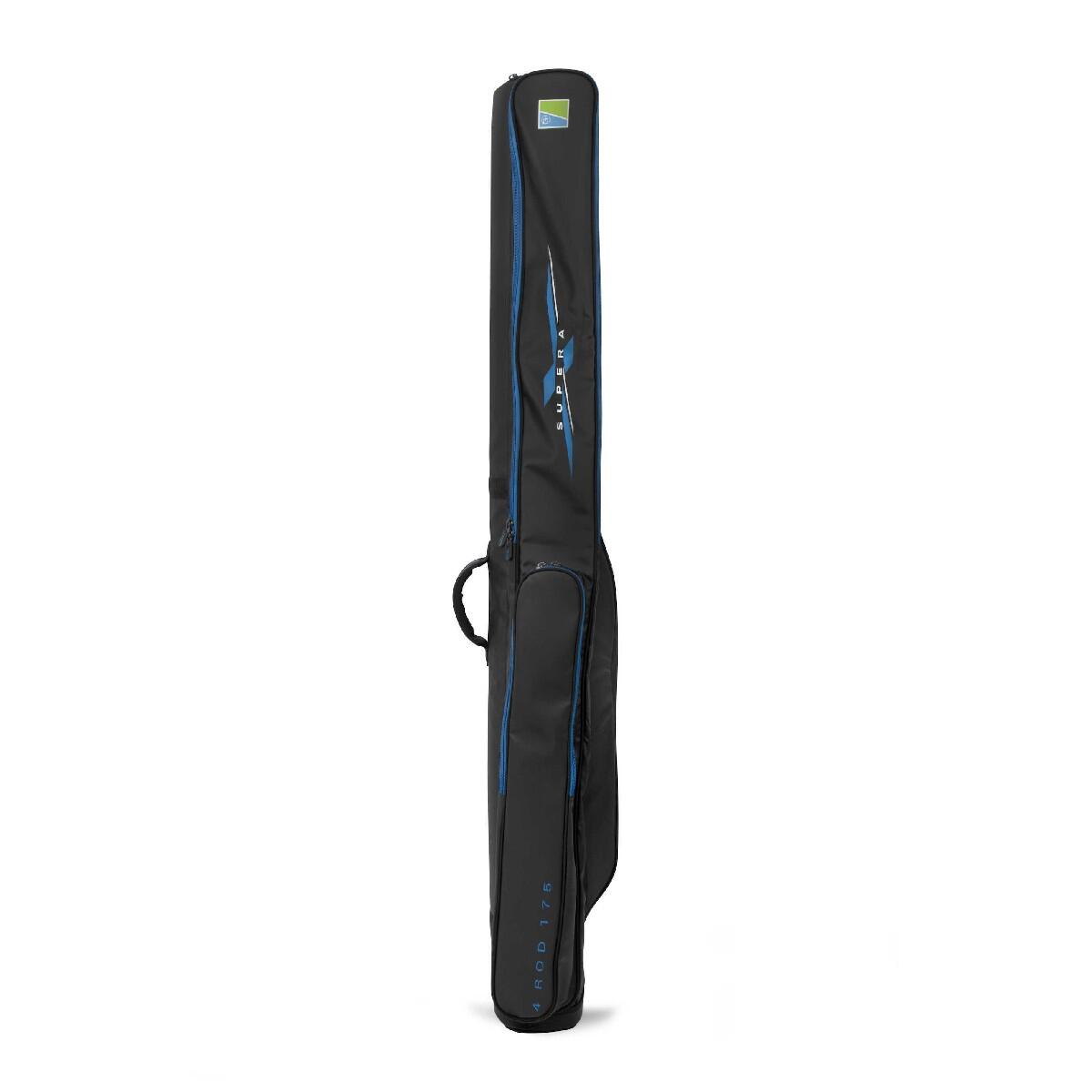
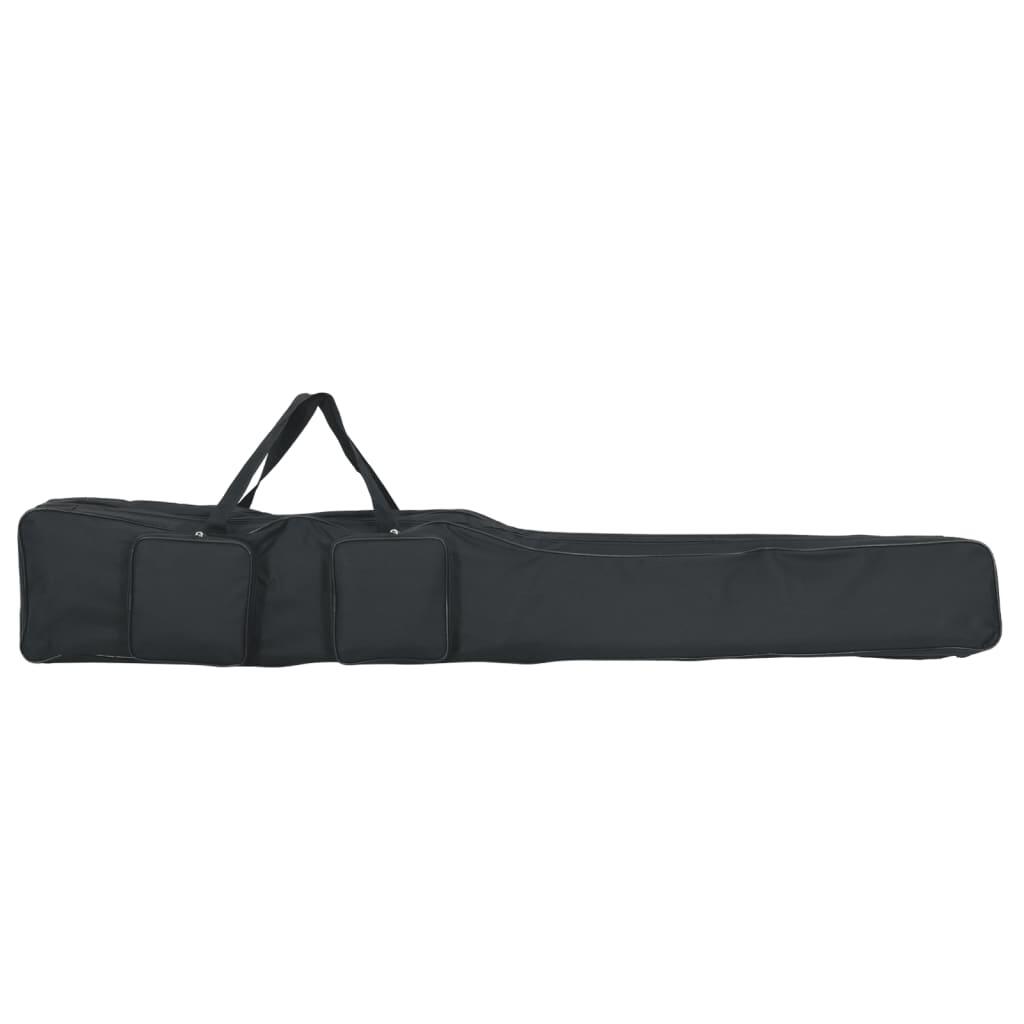
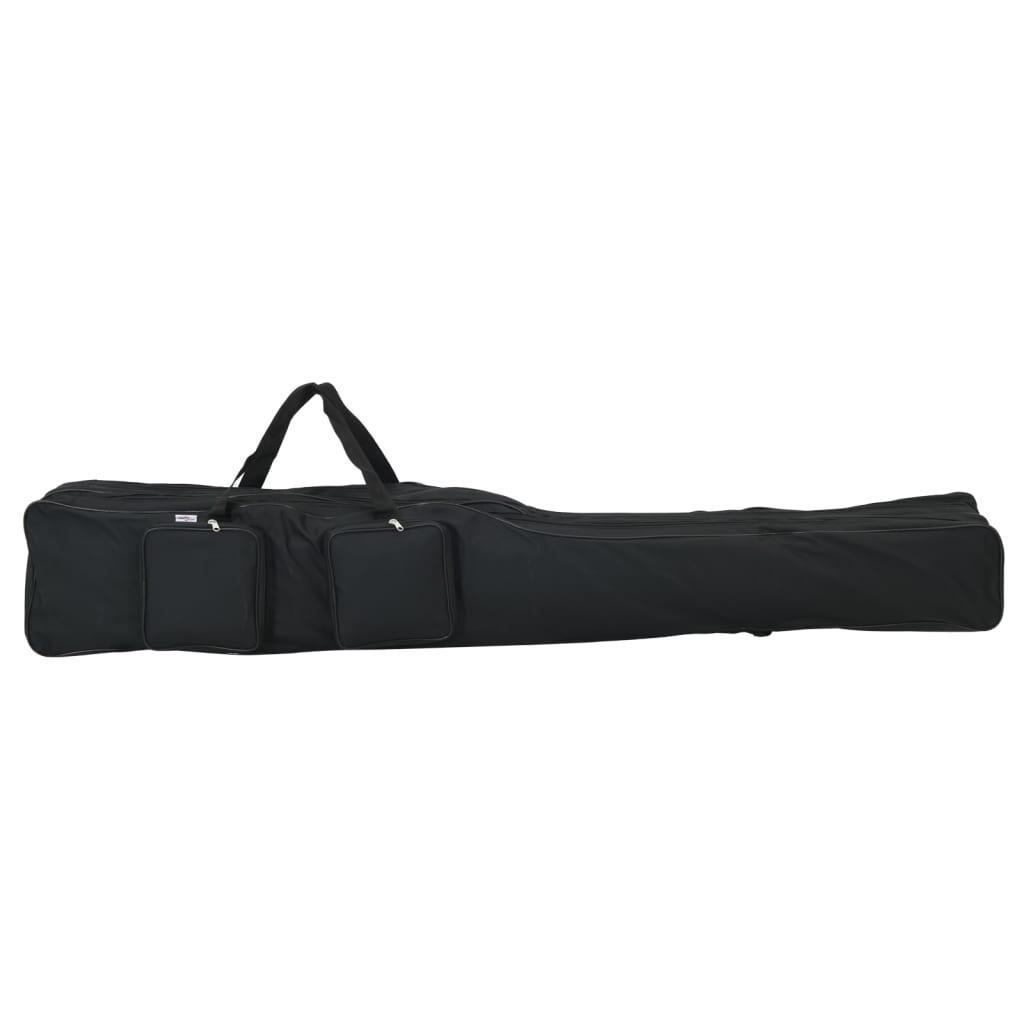
Good internal organisation reduces movement and keeps long items from pressing against delicate rod sections. Caperlan uses retaining straps, heel pockets, external sleeves and dedicated compartments across its transport range so rods, kits, umbrellas and banksticks do not all share one loose cavity. Some feeder bags also carry rods with reels still attached and provide separate loops for landing-net handles or extra poles. This type of organisation can make a wider pole fishing setup quicker to pack because each item has a consistent position. Place the heaviest or hardest accessories away from exposed rod tips, secure tubes before closing the bag and avoid overfilling pockets, as excess pressure can reduce the protection provided by foam or semi-rigid panels.

How do you clean and store pole fishing rod bags after use?

Remove mud, plant debris and moisture before putting the bag away, particularly around zips, seams, external pockets and the bottoms of protective tubes. Caperlan recommends clean, dry storage for its semi-rigid bags, while its textile-care guidance generally favours hand washing at up to 40 degrees Celsius rather than tumble drying, ironing, bleaching or dry cleaning. Empty damp accessories from the bag first so moisture is not trapped around rods or padding. When packing the rest of your coarse fishing equipment, inspect straps, zip pulls and internal foam for damage before the next trip. If a protective tube contains drainage holes, make sure they remain clear. Drying the bag fully also gives you an opportunity to check rod caps and individual sections for damage before they are stored again.