100 items
4.6/5 based on 27153 reviews collected online and in stores

Athletic Shoes and Spikes FAQs

Which athletic shoes and spikes suit your running?

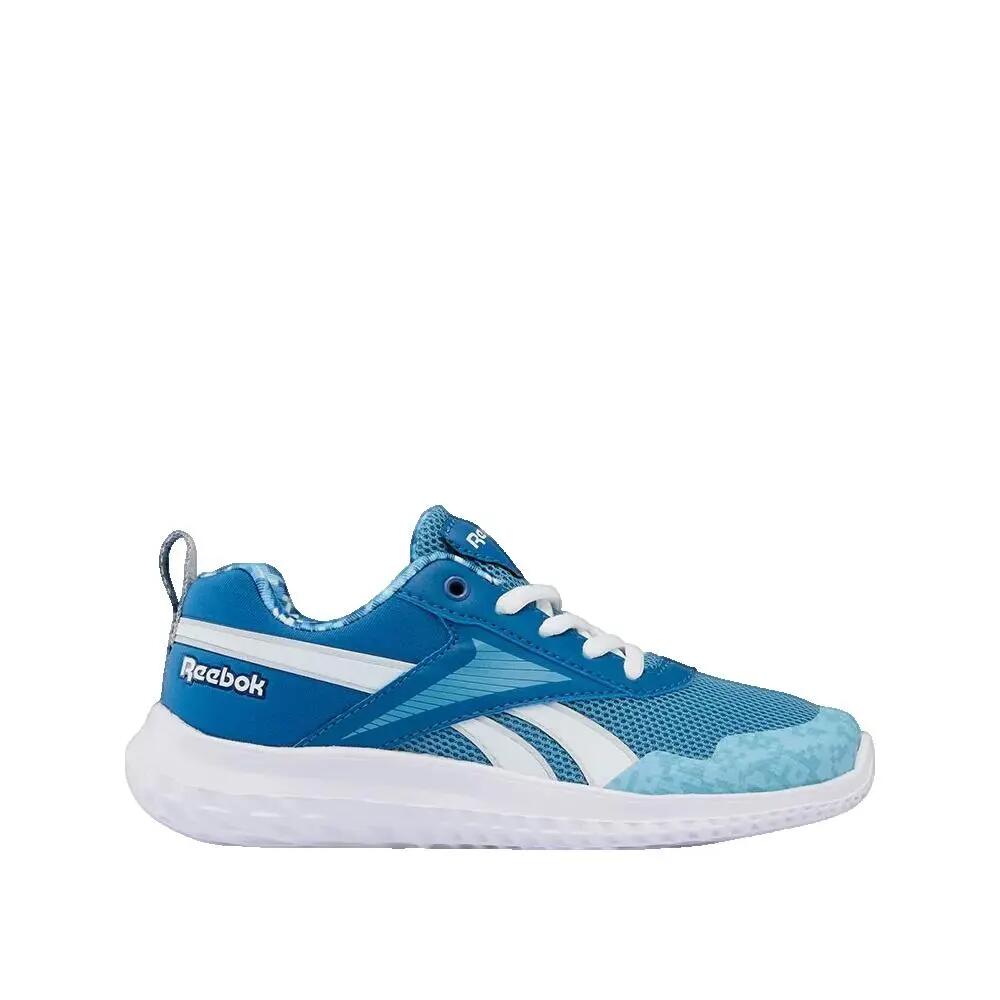
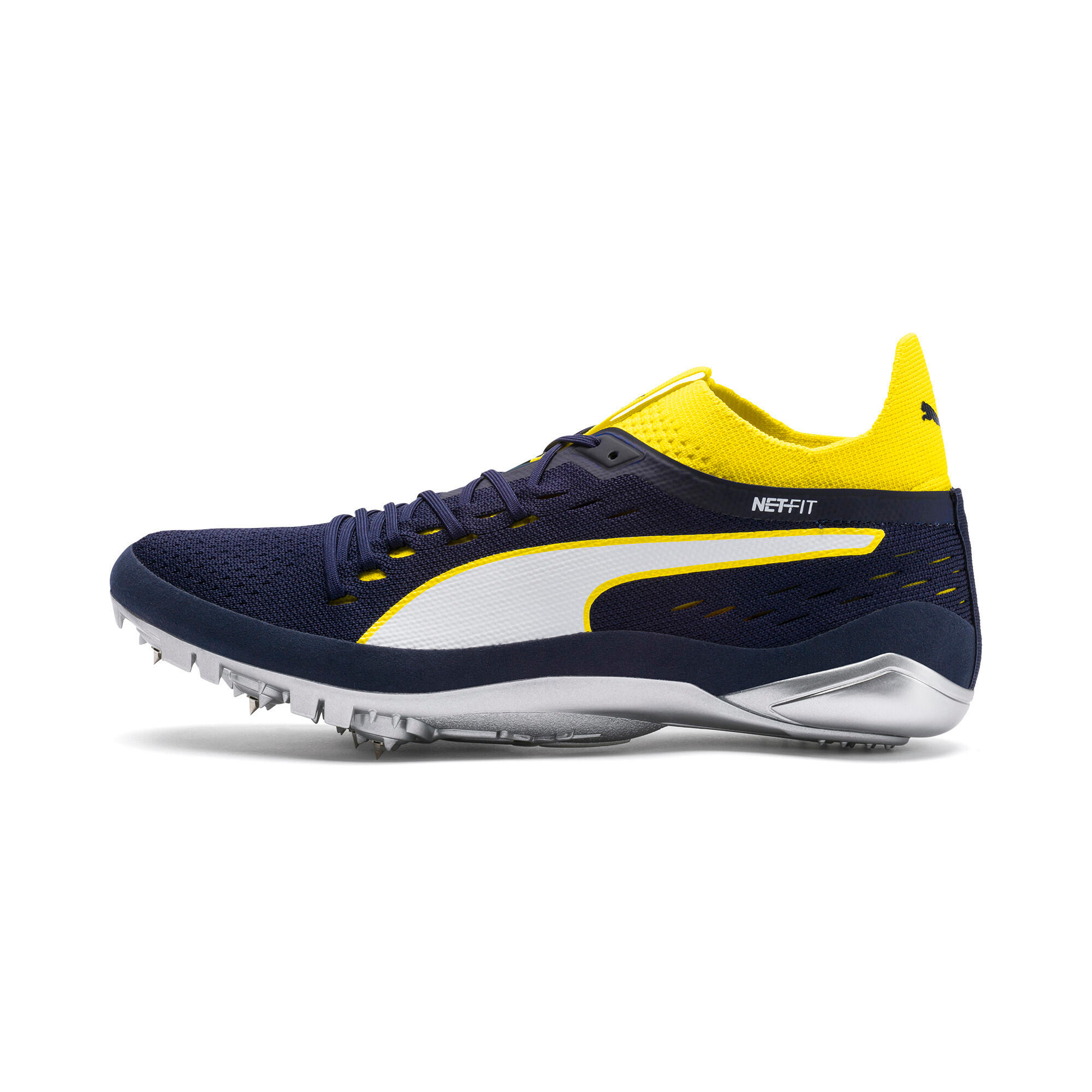
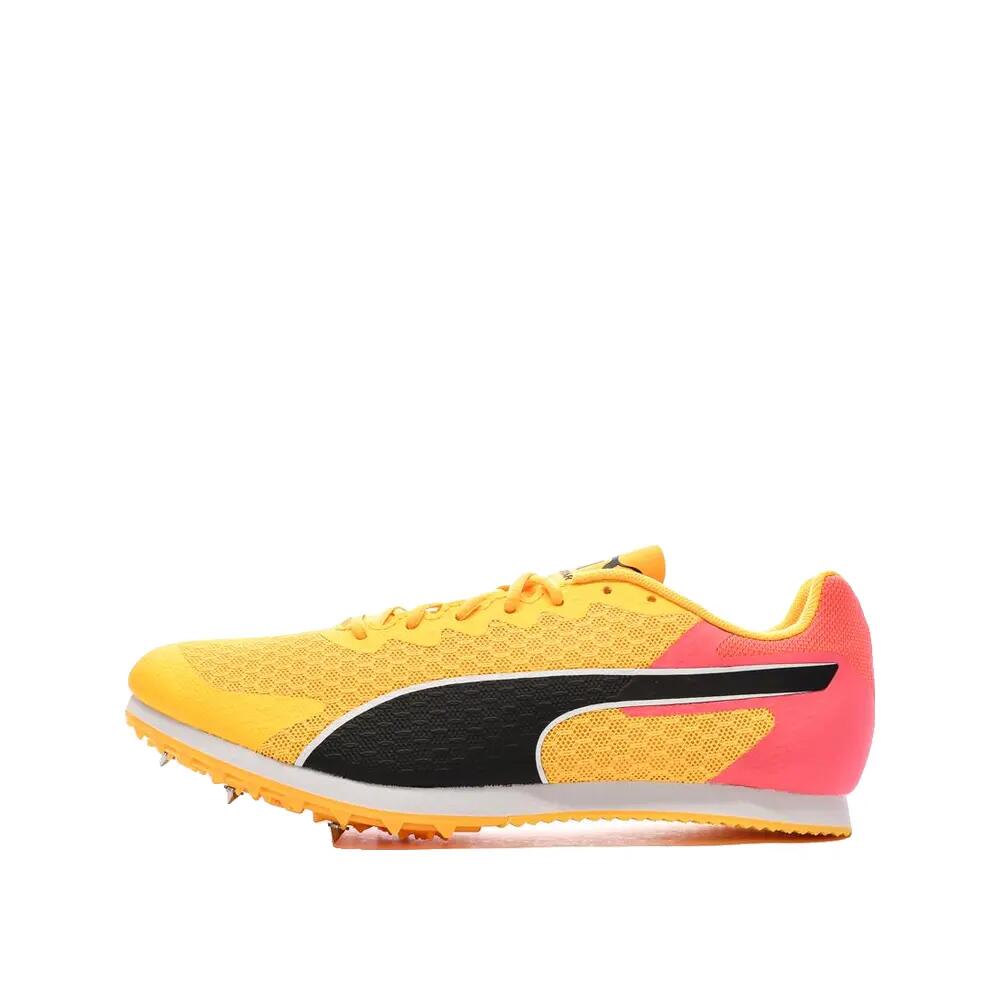
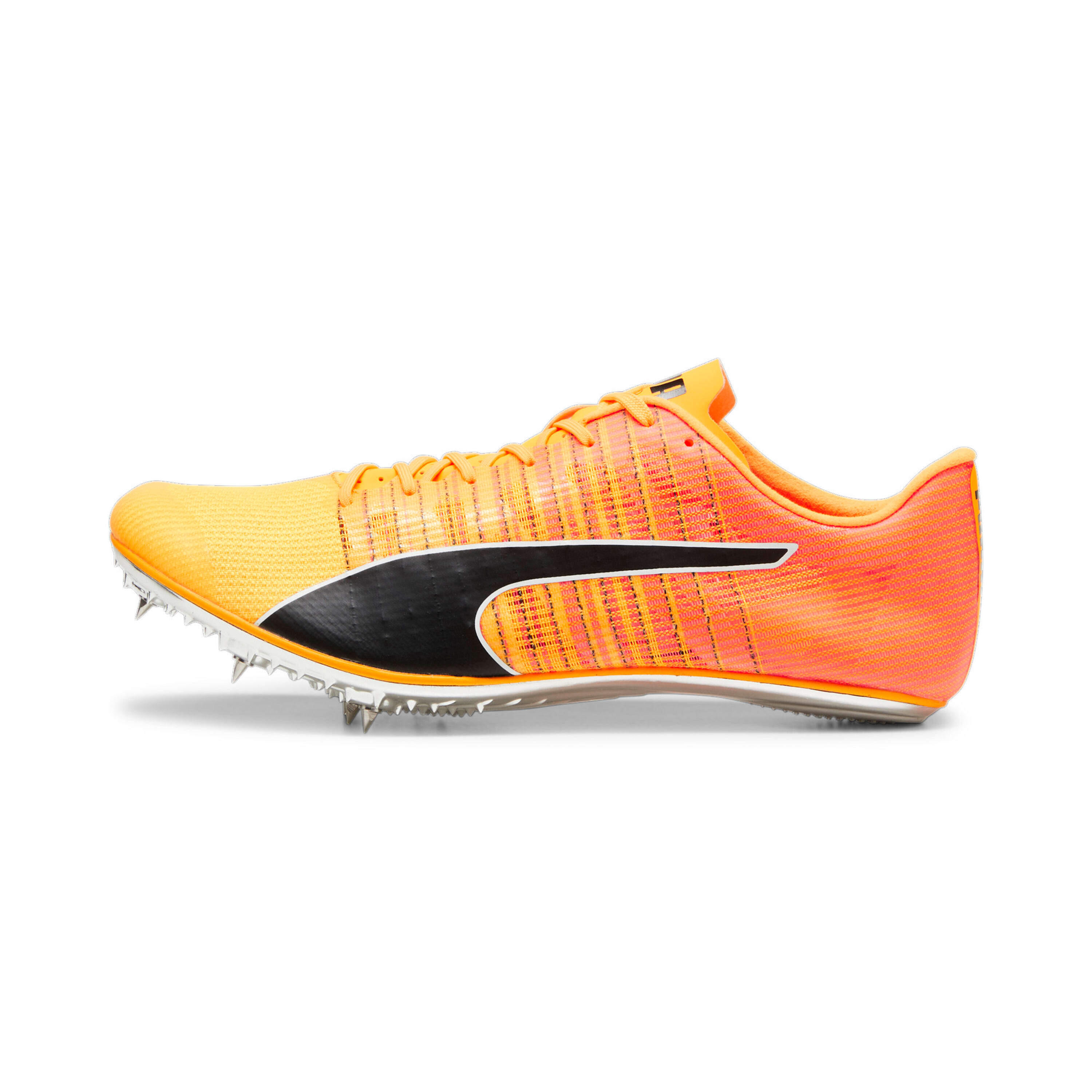
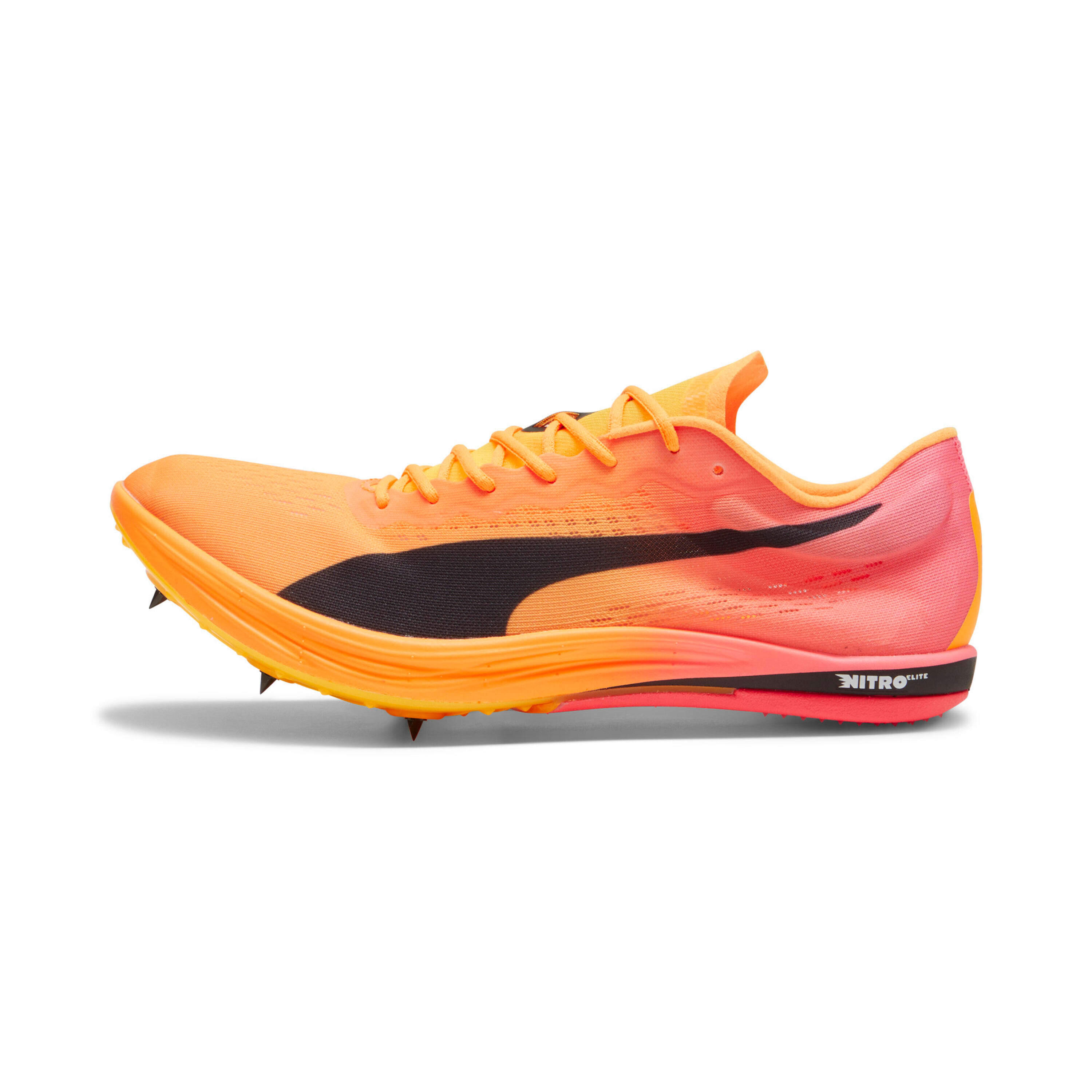
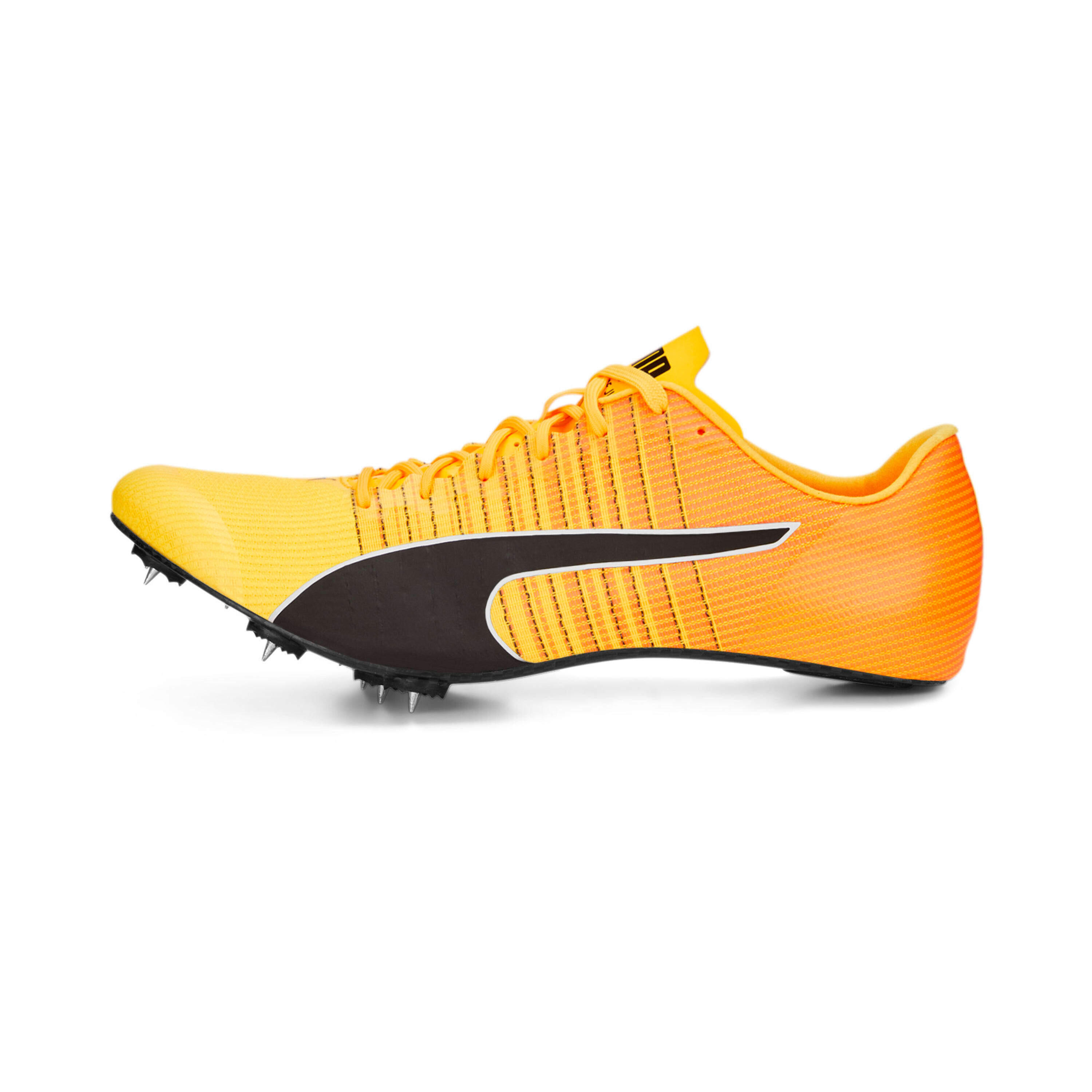
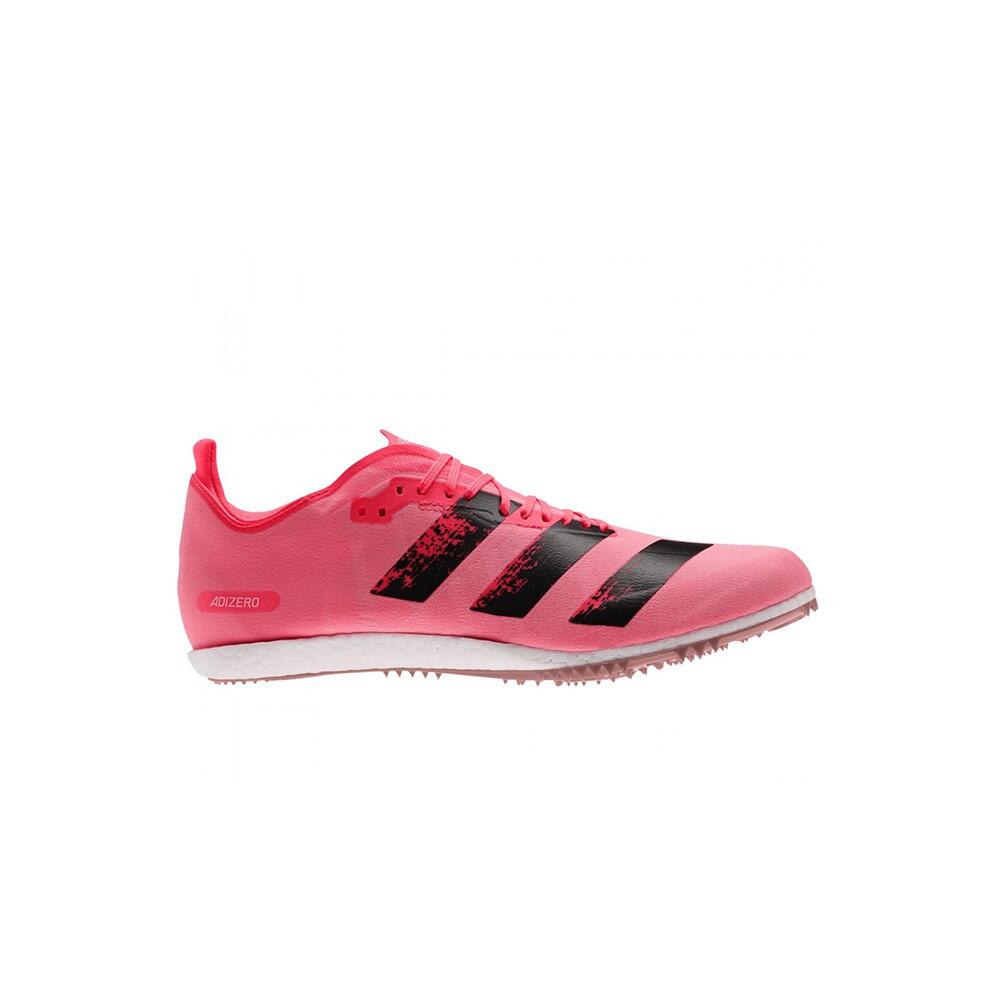
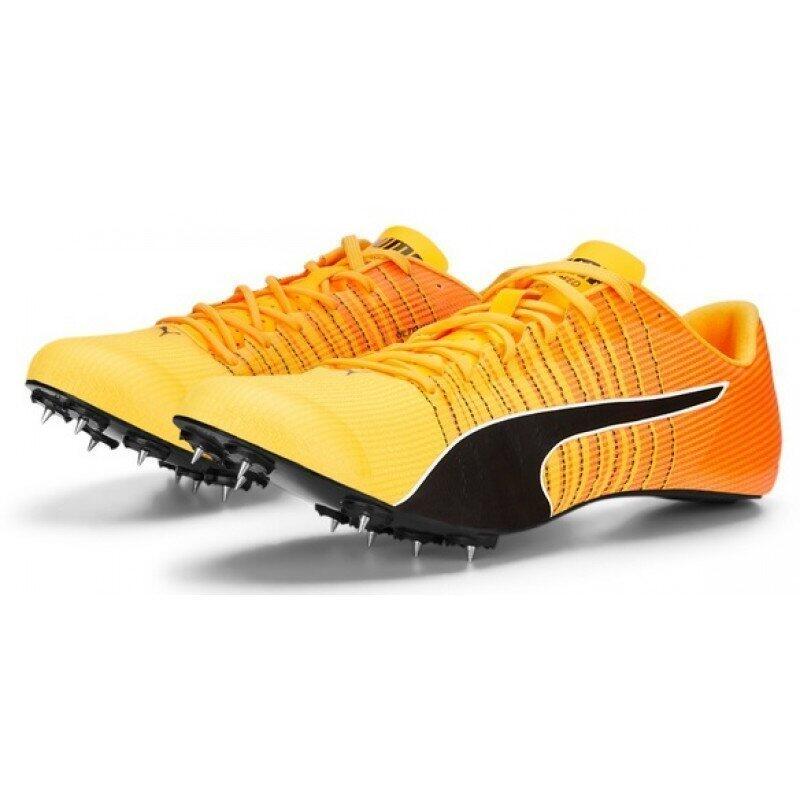
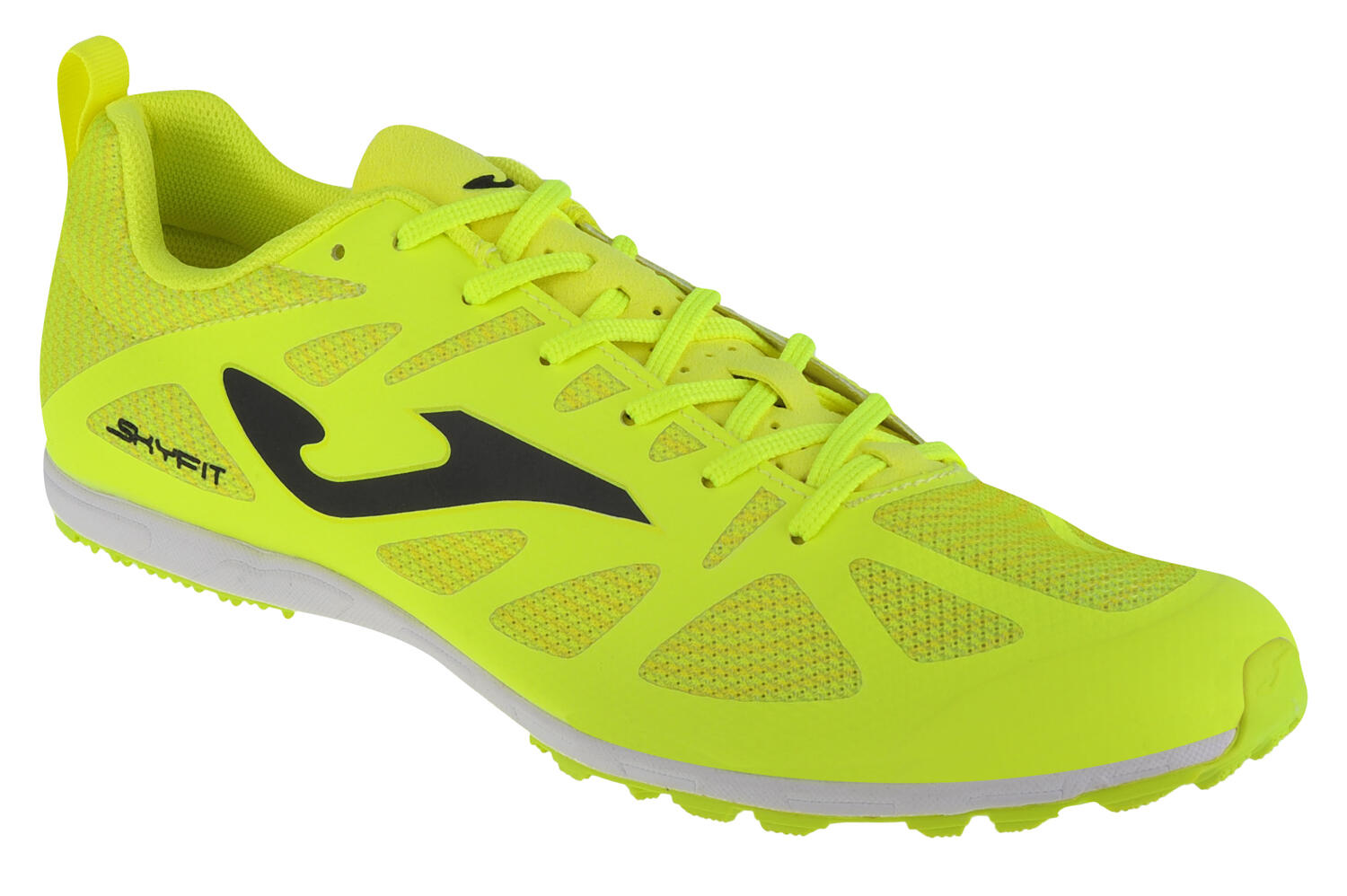
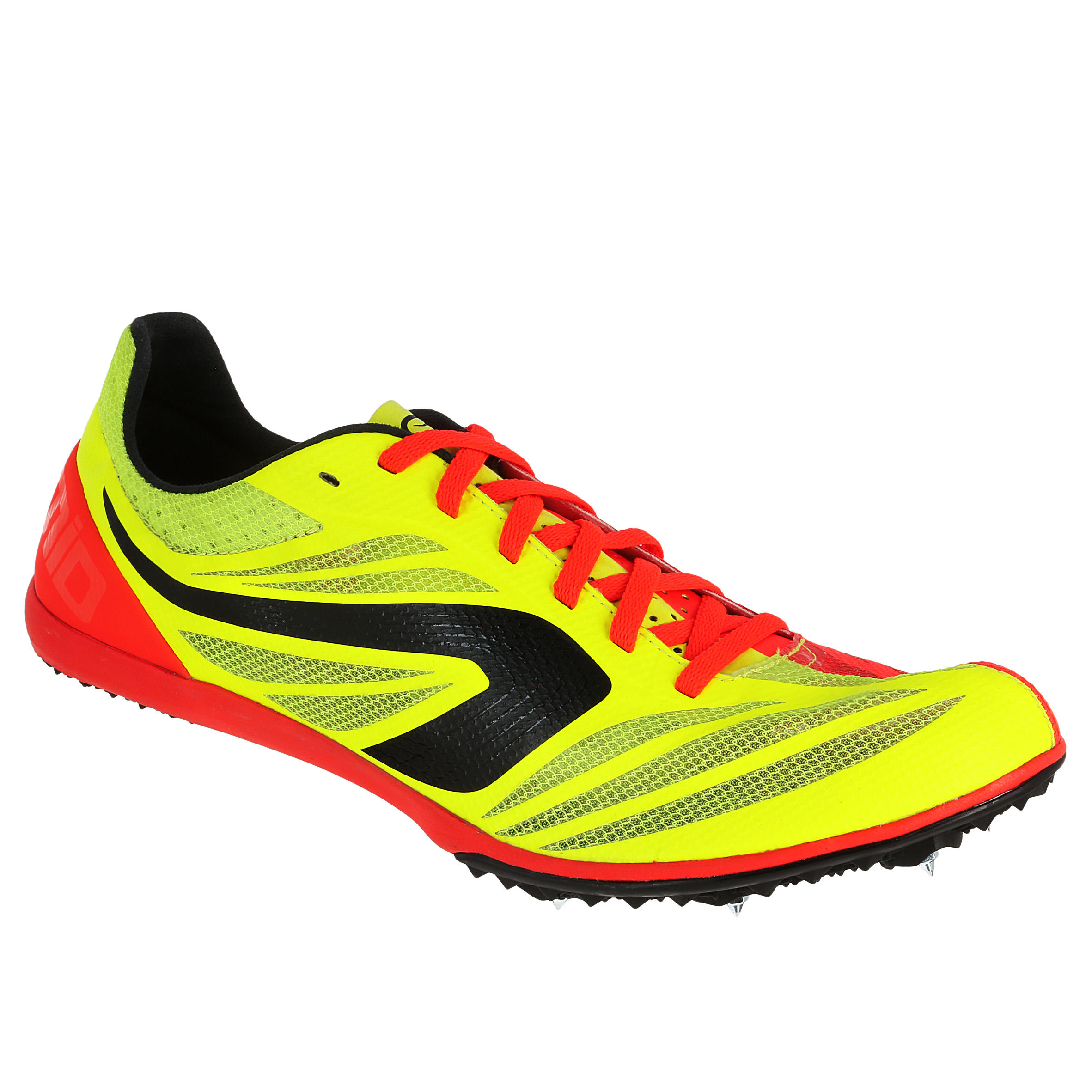
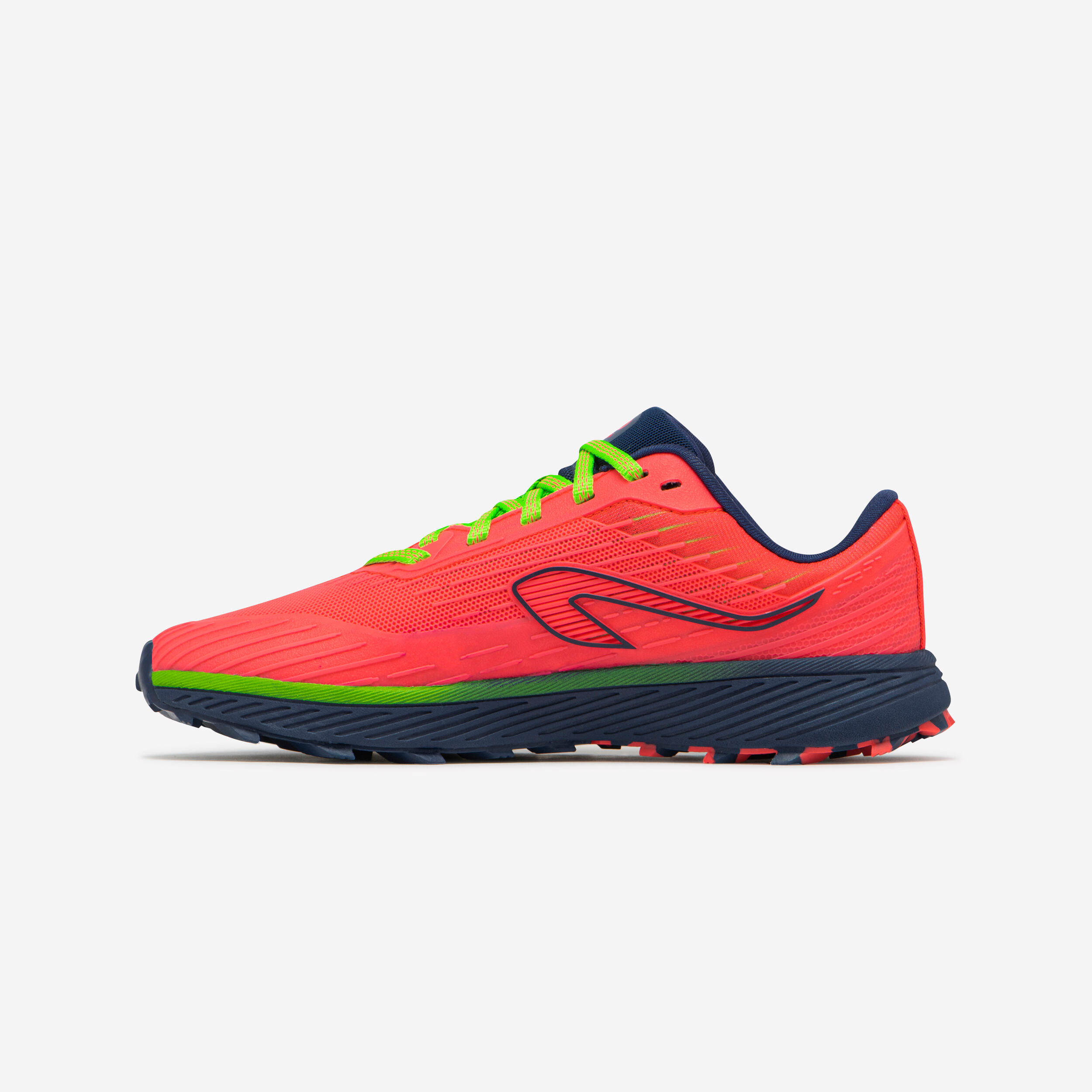
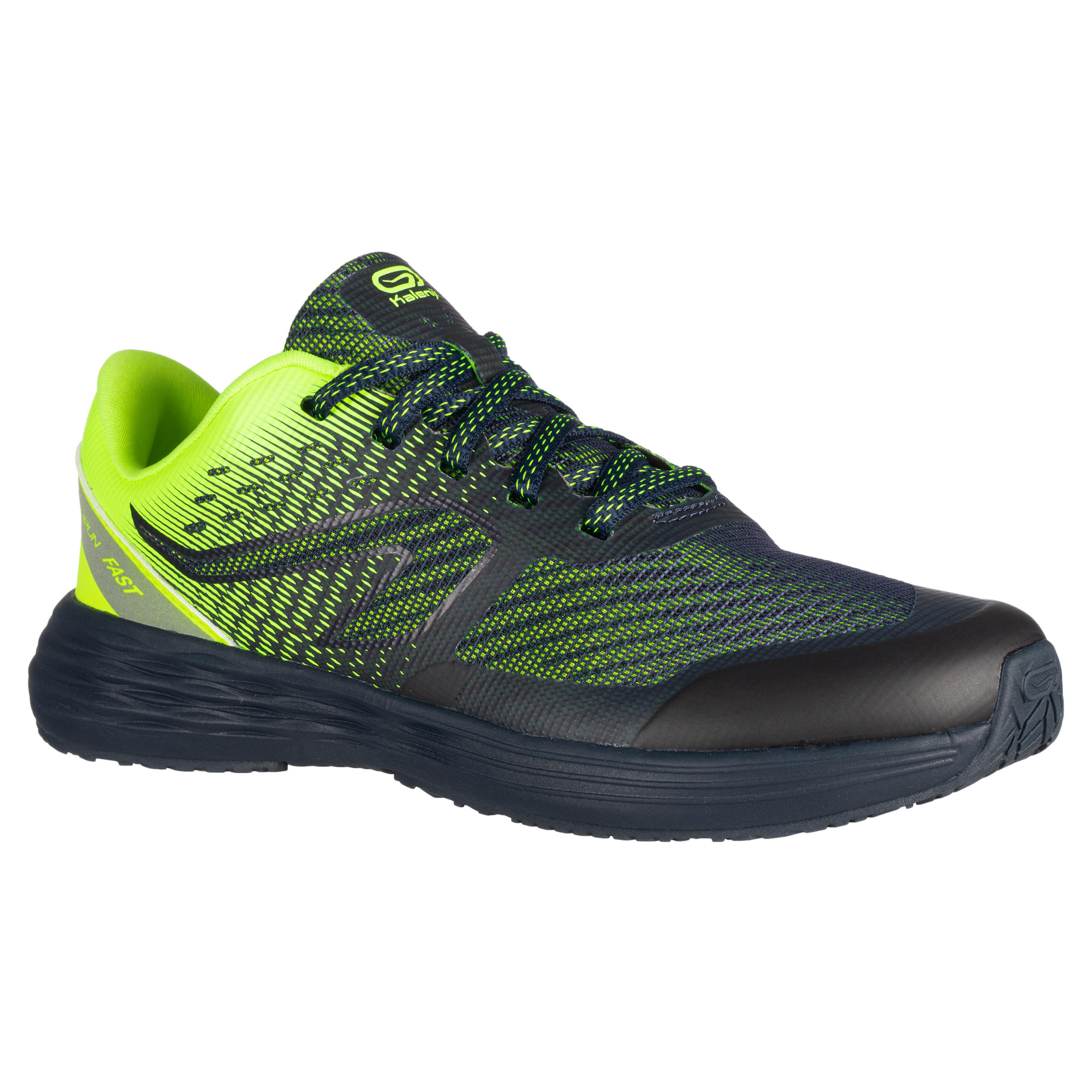
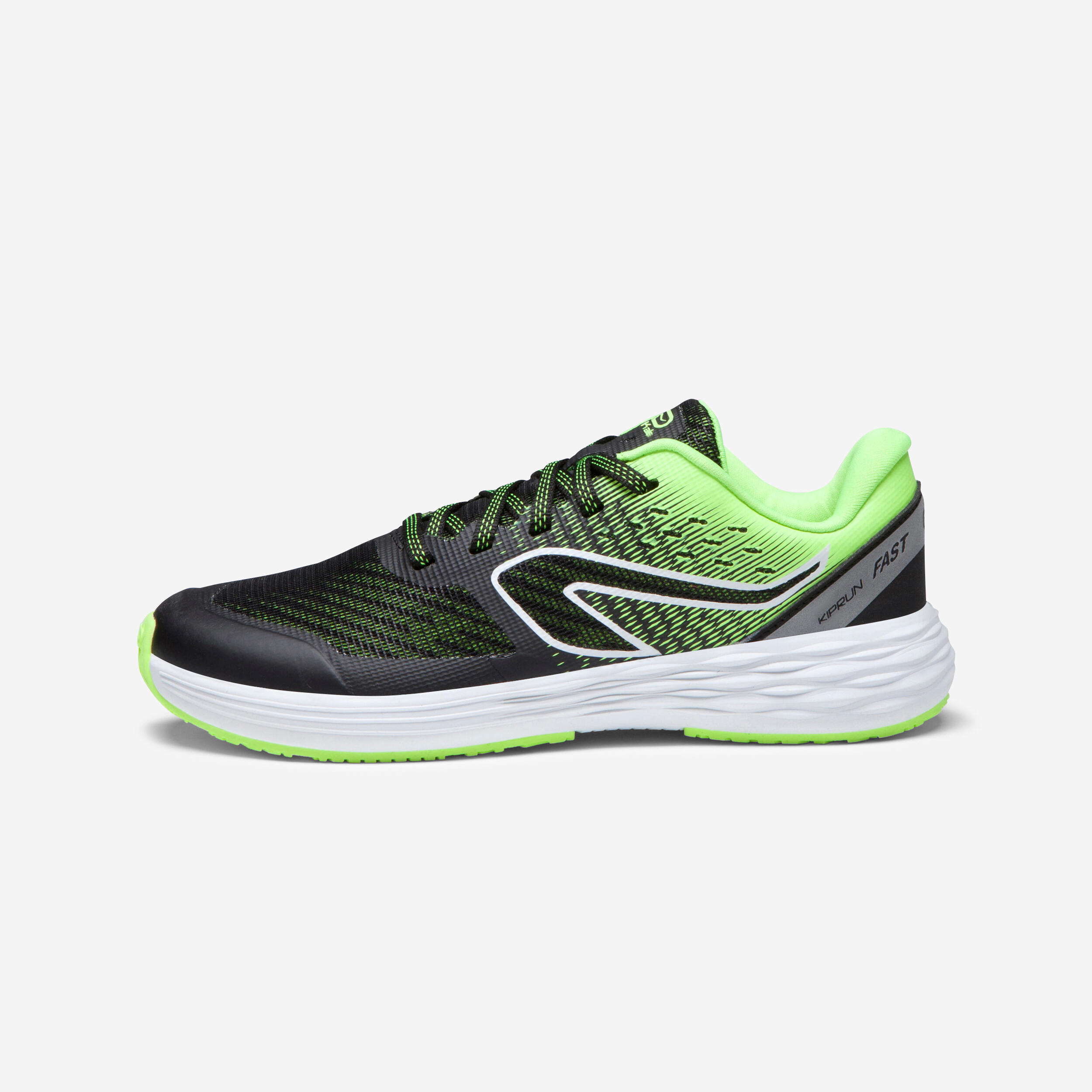
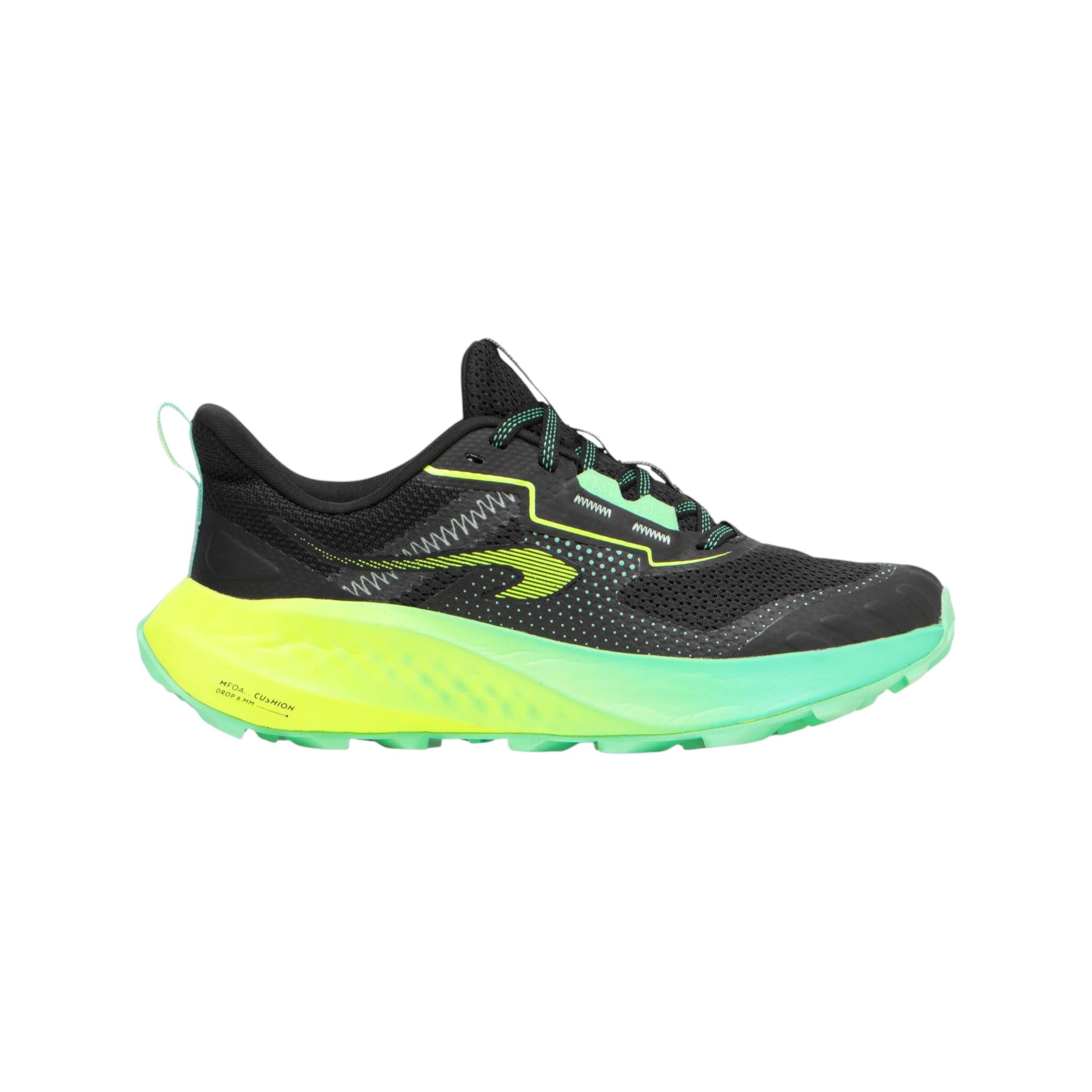
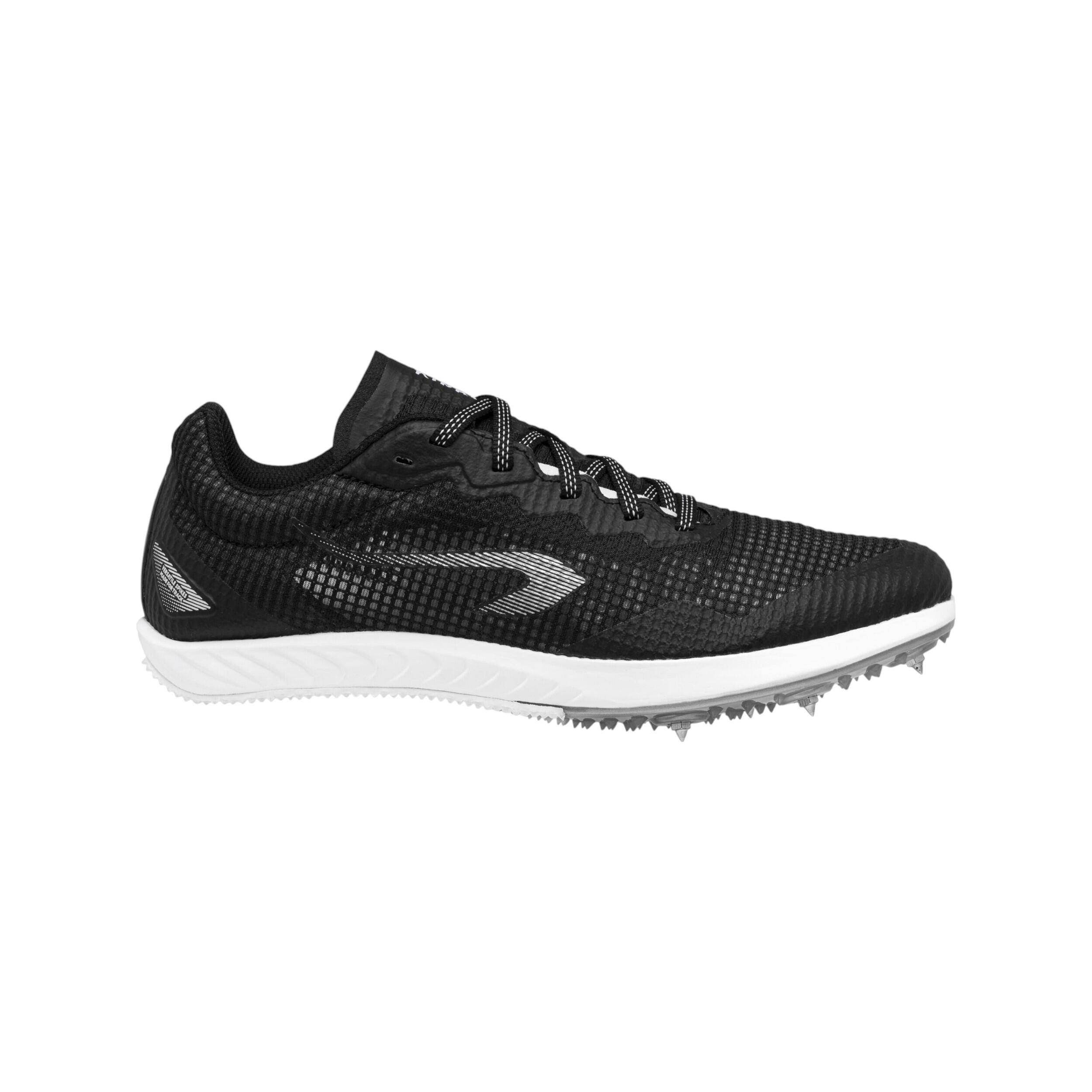
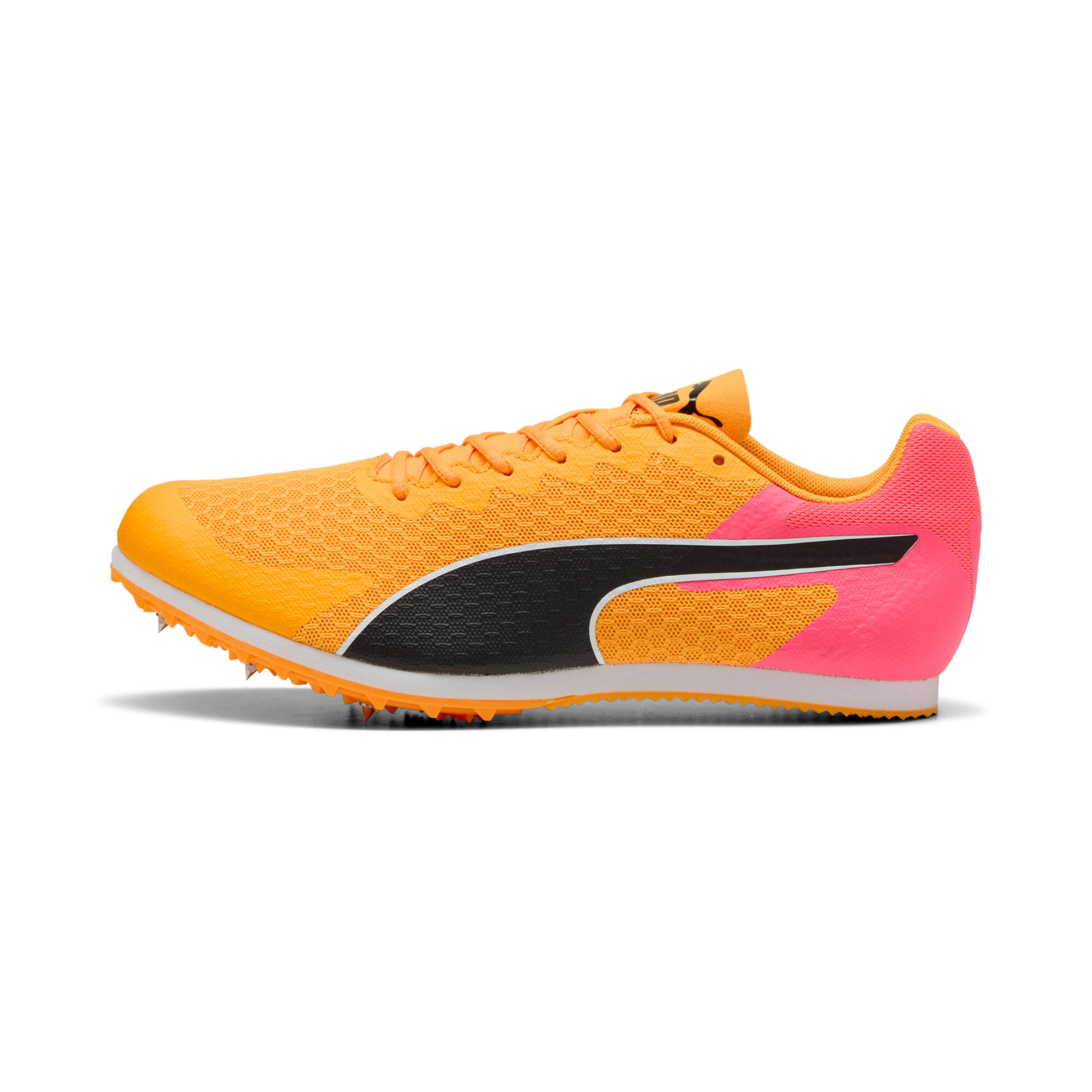
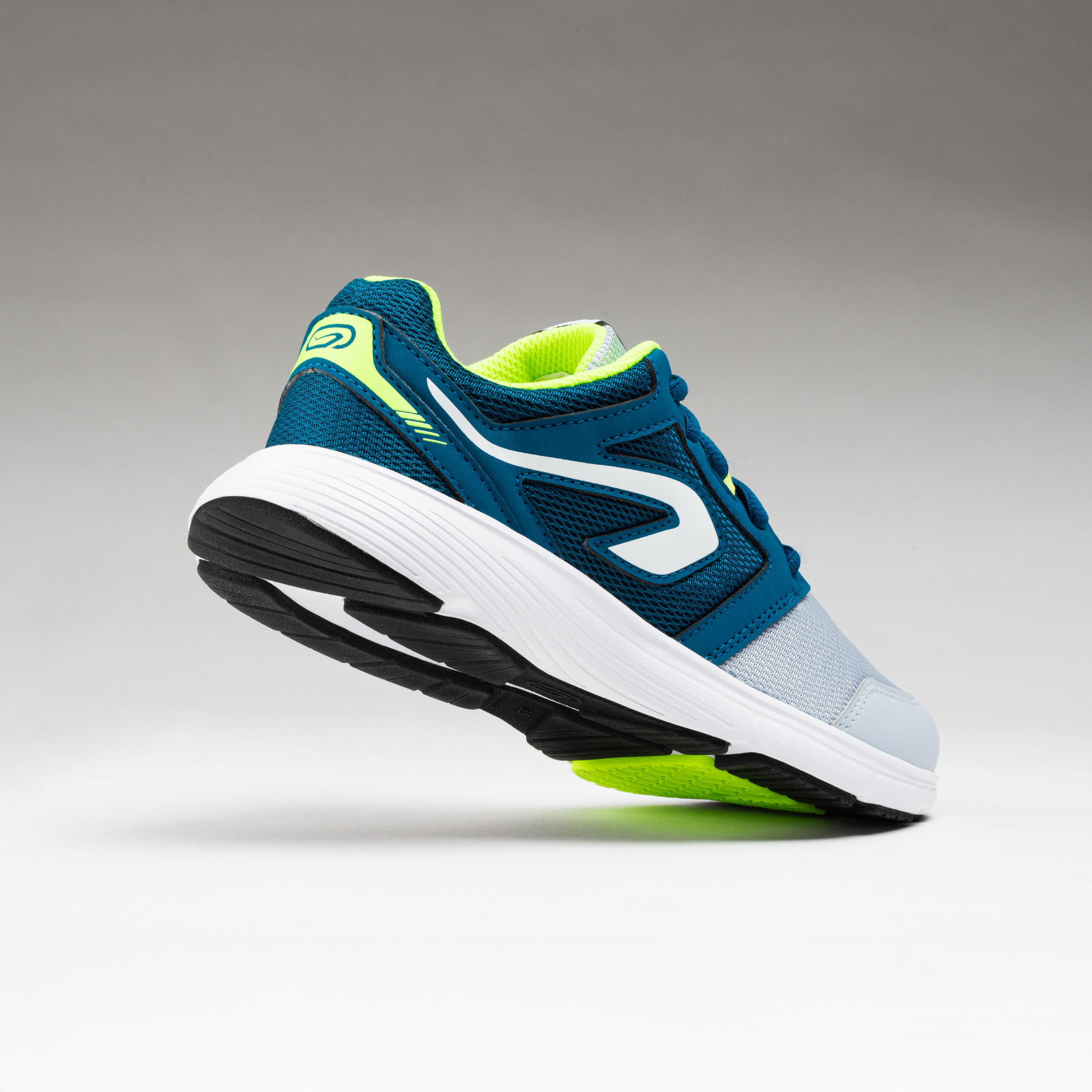
Choose your footwear according to the event, surface and level of grip you need. Sprint and track spike shoes use a rigid forefoot plate and metal pins to create traction as you push backwards against the track. This reduces slipping during acceleration and helps more of your force drive you forwards. Longer-distance spikes usually balance grip with a little more cushioning, while cross-country footwear needs deeper traction for grass, mud and uneven ground. Younger athletes who train on natural surfaces can start with kids athletics shoes that combine grip with a more forgiving underfoot feel. Pro tip: use training shoes for warm-ups and repeated sessions, then change into spikes shortly before your event to reduce pressure on your calves and feet.

How do you choose the right spike-pin length?

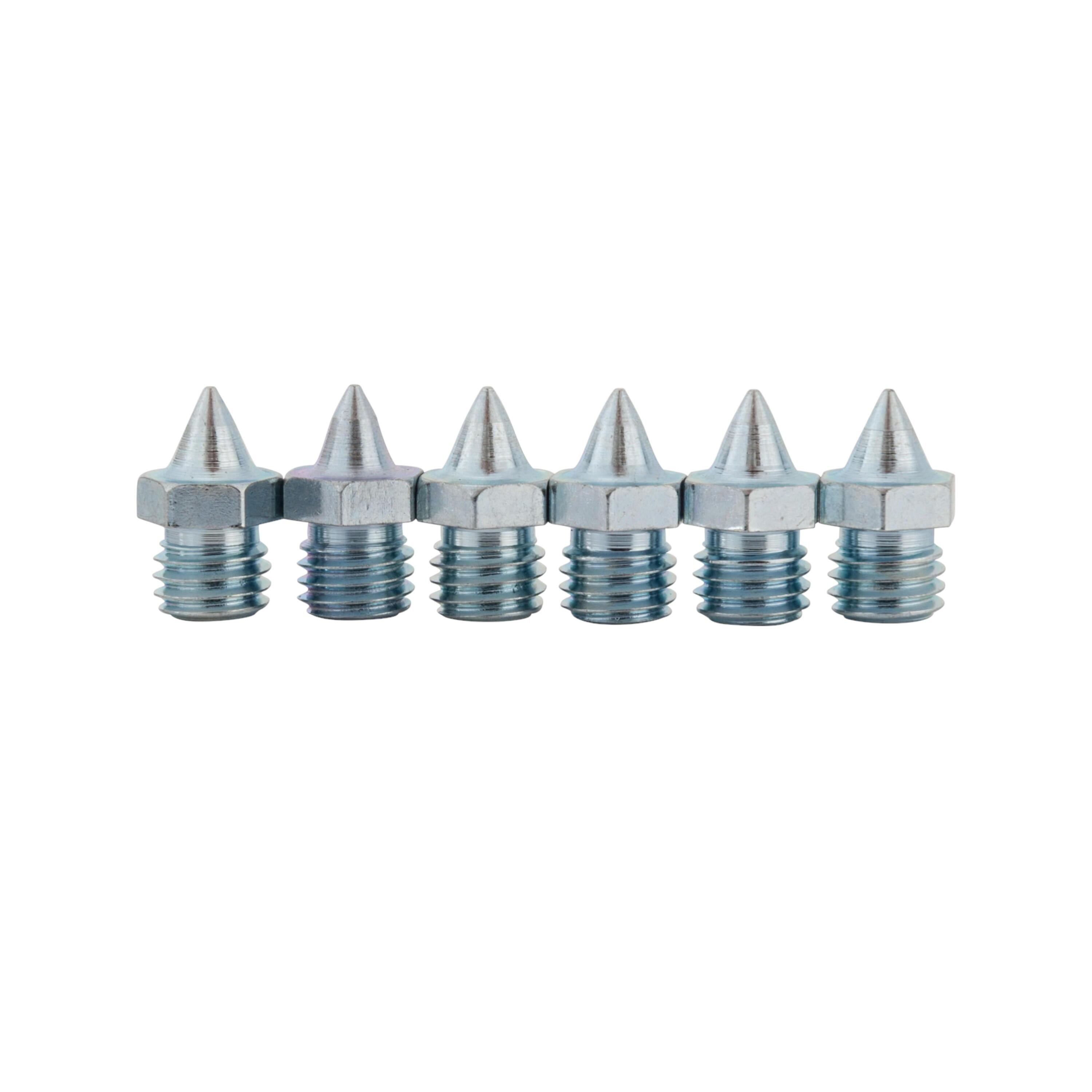
Match the pin length to the surface rather than assuming that longer spikes always provide better grip. Short 6 mm steel spikes are commonly suited to firm synthetic tracks because they penetrate the surface without creating excessive resistance. Longer 9 mm, 12 mm or 15 mm pins can bite further into wet grass, soft soil and cross-country courses. However, permitted lengths can vary between tracks and competitions, so check the venue rules before fitting them. The spike pins and accessories category includes replacement pins and fitting tools for compatible footwear. Tighten each pin firmly with a spike wrench, but avoid forcing it once seated because overtightening can damage the thread inside the spike plate.

Can you replace worn spikes instead of replacing the shoes?

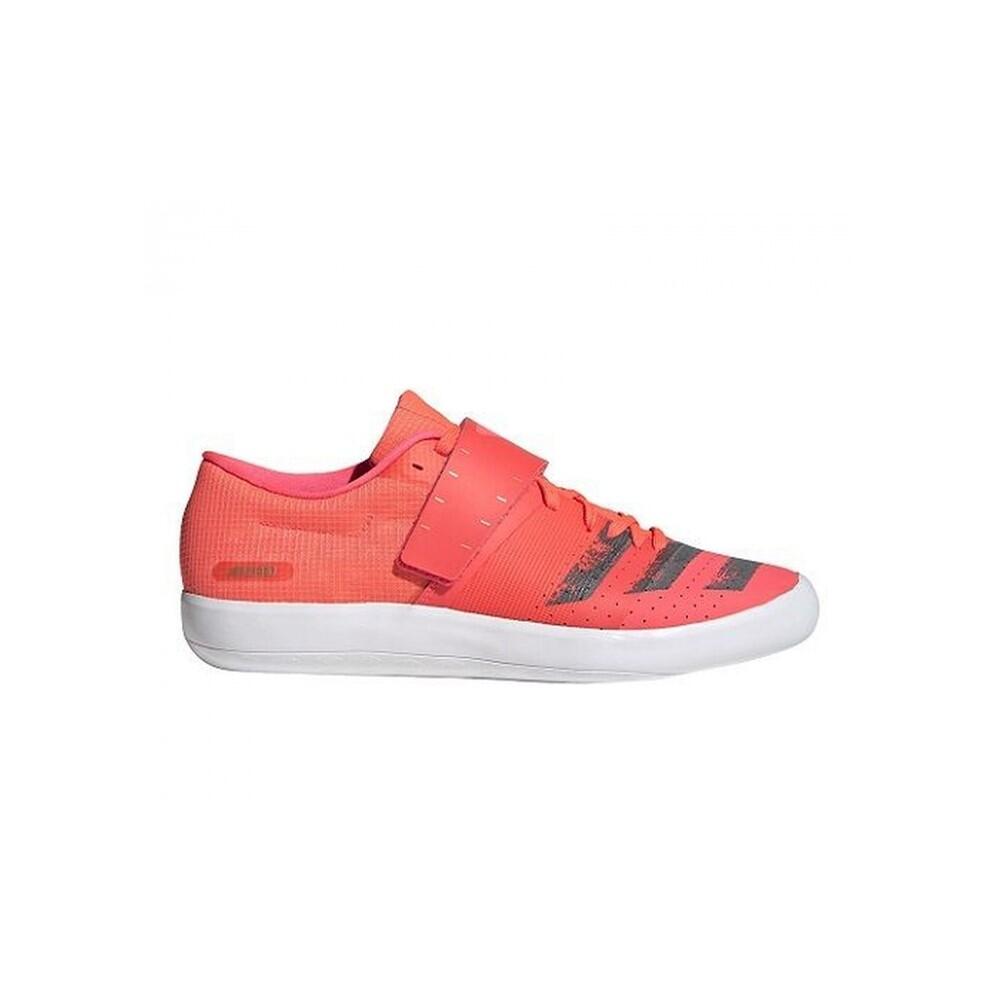
Many athletic spike shoes use removable metal pins, allowing you to replace individual spikes when they become blunt, bent or difficult to grip with a wrench. This extends the usable life of the shoe when the upper, cushioning and spike plate remain in good condition. Remove dirt from the threads before inserting a new pin, as dried mud can prevent it from sitting correctly. A small amount of regular checking also helps stop loose pins disappearing during a race. Athletes comparing event-specific footwear can view spike shoes intended for track disciplines and different running distances. Replace pins as a complete set when several have worn unevenly, since mismatched lengths can alter how your foot contacts the ground.
How should you carry muddy or damp athletic shoes?

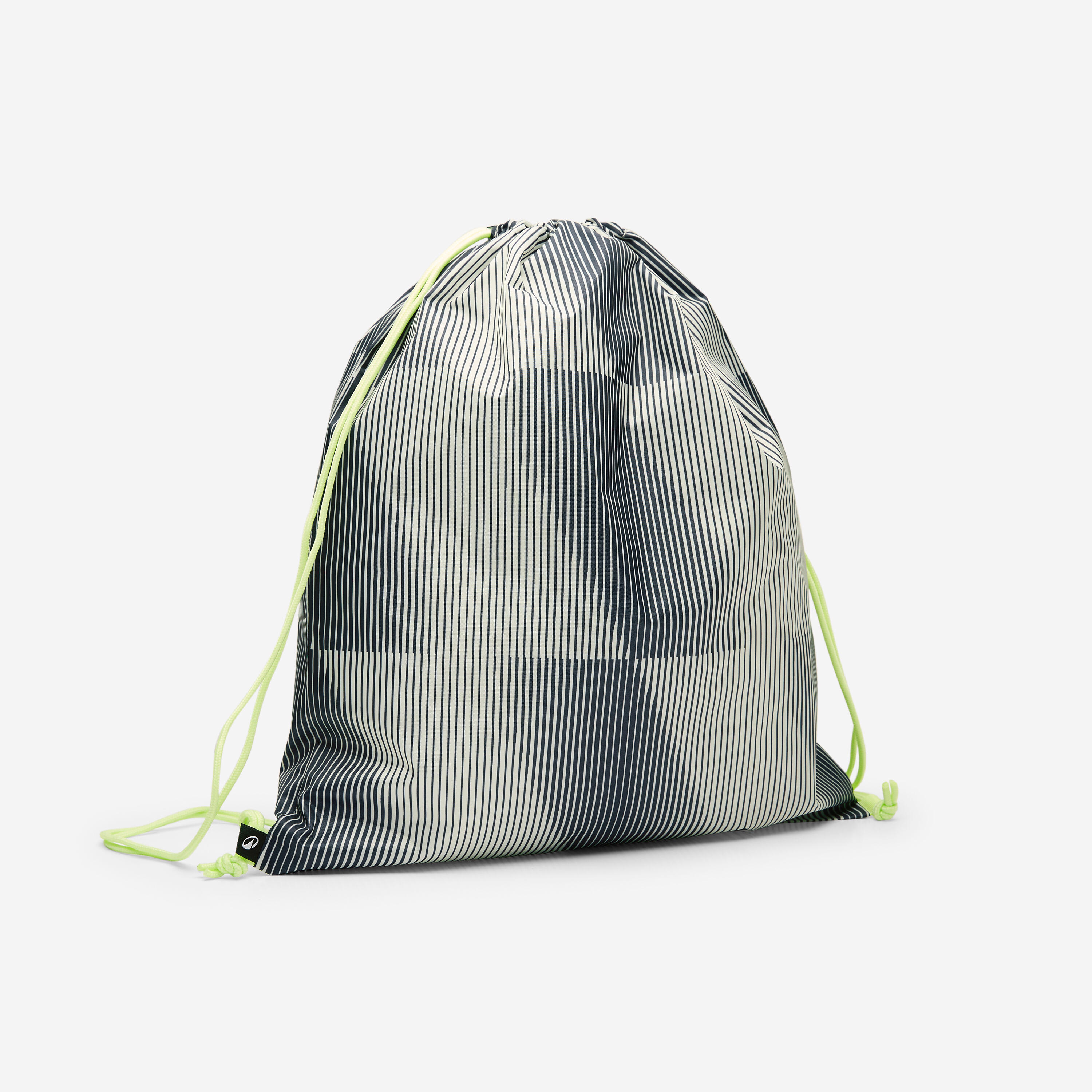
Keep spikes separate from clothing, towels and other soft kit after training. Metal pins can catch fabric, while wet cross-country shoes may transfer mud and moisture throughout your main sports bag. A dedicated spike bag protects the rest of your equipment and makes it easier to keep small tools, spare laces and replacement pins together. KIPRUN spike bags with mesh ventilation allow heat and moisture to escape instead of trapping damp air around the shoes. You can complete your setup with suitable athletics accessories for training and event preparation. Pro tip: loosen the laces, open the bag when you get home and let the shoes dry naturally before brushing away dried mud.

What should you check before wearing spikes in competition?

Inspect every pin, lace and fastening before leaving the warm-up area. Confirm that the pins are permitted for the track or course, sit at an even depth and do not move when gently tested with the wrench. Walk and complete a few controlled strides before racing so you can check heel security and forefoot comfort. Spikes should feel snug enough to limit internal movement, but your toes should not be compressed against the front. Keep spare pins, a wrench and clean socks with your other athletics competition essentials in case conditions change or a pin loosens. After the event, remove surface dirt promptly and store the footwear dry to reduce corrosion around the steel spikes and threaded fittings.