3 items
4.6/5 based on 55 reviews collected online and in stores

Bolognese Fishing FAQs

How can silicone tubes attach a float to a Bolognese fishing line?

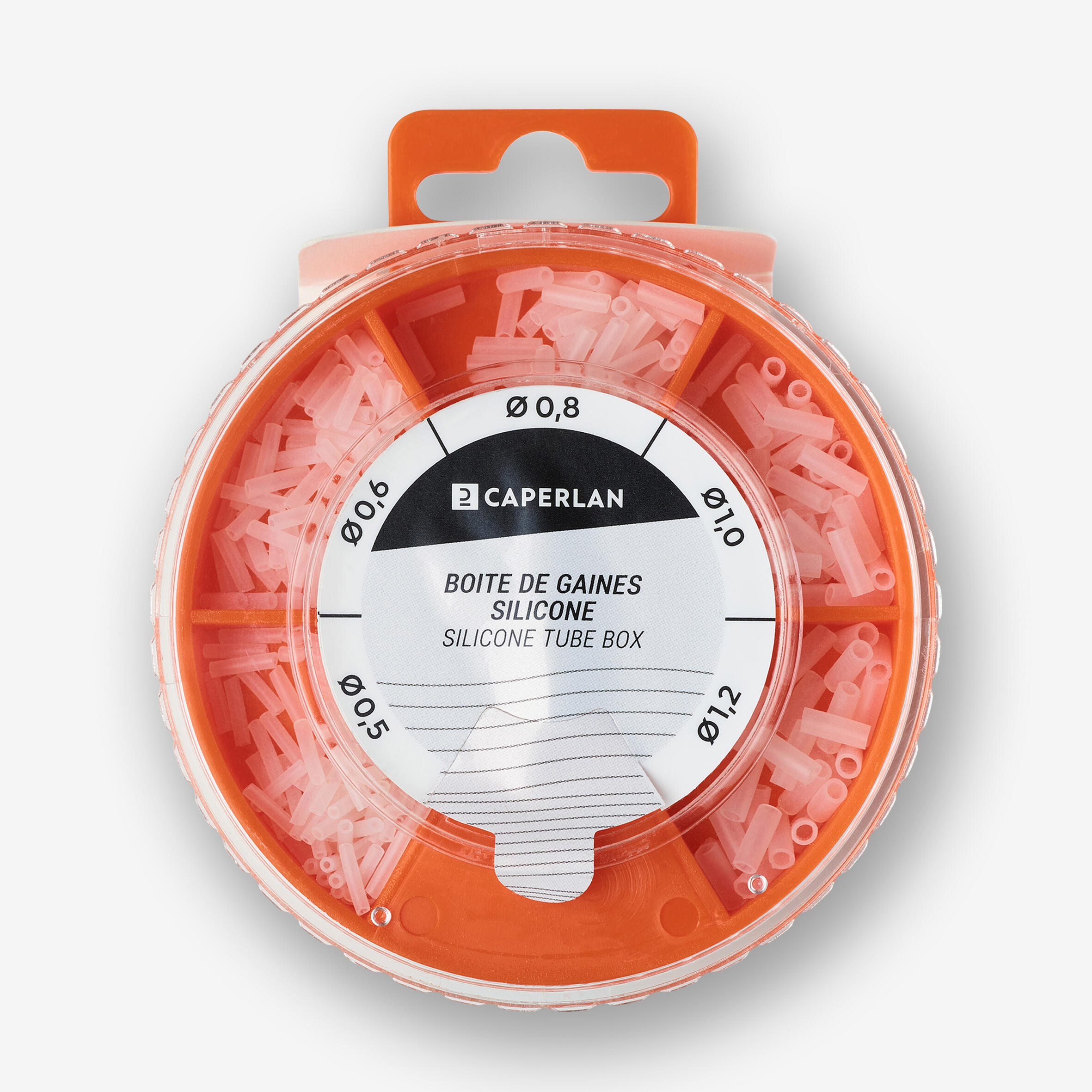
Silicone tubing provides a simple way to hold the float stem against the main line while still allowing you to build and adjust the rig without complicated fittings. Caperlan's silicone tube box for fishing contains different tube diameters and sizes so you can match the tubing more closely to the float you are using. The flexible silicone grips the stem while the colourless material avoids adding a strongly coloured component around the attachment. Fit the tube carefully rather than stretching an undersized piece excessively, as the aim is to hold the float securely while keeping the rig straightforward to assemble and dismantle when conditions or fishing depth change.

Which silicone tube size fits your fishing float best?

The tubing needs to grip the float stem closely enough to prevent unwanted movement without being so tight that fitting or adjustment becomes difficult. Float stems vary in diameter, which is why Caperlan supplies several silicone sizes together rather than using one universal piece. Start with a tube that slides onto the stem with light pressure, then check that the float remains secure when the line is gently pulled. If you regularly use different float patterns, keeping several diameters together saves you from trying to force the same tube onto every stem. Other floats and accessories may use different attachment methods, so check the stem shape and rigging requirement before selecting the tubing.

What must you look for in a float for Bolognese fishing in rivers?

River float fishing needs a float that remains easy to see while the rig moves through flowing water. The current Caperlan Bolognese selection includes river floats with orange antennas, giving a clear visual reference as the float travels through the swim. The attachment also needs to remain secure because repeated depth changes and casts place movement through the tubing and line. Choose float size according to the flow, depth and amount of weight needed to control the presentation rather than relying on one size for every river. Related match fishing tackle can provide additional float-rigging options where similar controlled float presentations are required, although the final setup should still suit the river conditions you are fishing.

What is the easiest way to adjust depth on a float rig?

Changing depth is a normal part of float fishing when the riverbed varies or fish begin feeding at a different level. Silicone tubing helps because the float attachment can remain simple while you reposition the float along the line. Move the float carefully rather than pulling sharply against the tubing, then check that each piece still grips the stem before casting again. If the silicone has stretched, split or become loose, replace that section rather than relying on friction that is no longer secure. Carrying spare tubing alongside the rest of your coarse fishing tackle means you can rebuild a damaged attachment at the bank without changing the complete line. Recheck shot position after a large depth adjustment so the float remains balanced correctly.

How do you arrange Bolognese float accessories for quick rig changes?

Small silicone sections are easy to lose among hooks, shot, swivels and other terminal tackle, so keep the complete tube assortment in its original compartmented box until you need a piece. Return unused sizes immediately rather than leaving them loose on a seat or tackle tray. Keep prepared floats protected from crushing and separate sharp hooks from silicone tubing so the material is not cut during transport. Store float-rigging components in their own small compartment alongside your coarse fishing equipment so they are easy to reach for depth changes or quick replacements. Before the next session, check that the tubing remains flexible and clean and that float stems are free from damage that could tear the silicone during assembly.