60 items
4.8/5 based on 334 reviews collected online and in stores

adidas Copa Football Shoes FAQs

What type of player may prefer adidas Copa football shoes?

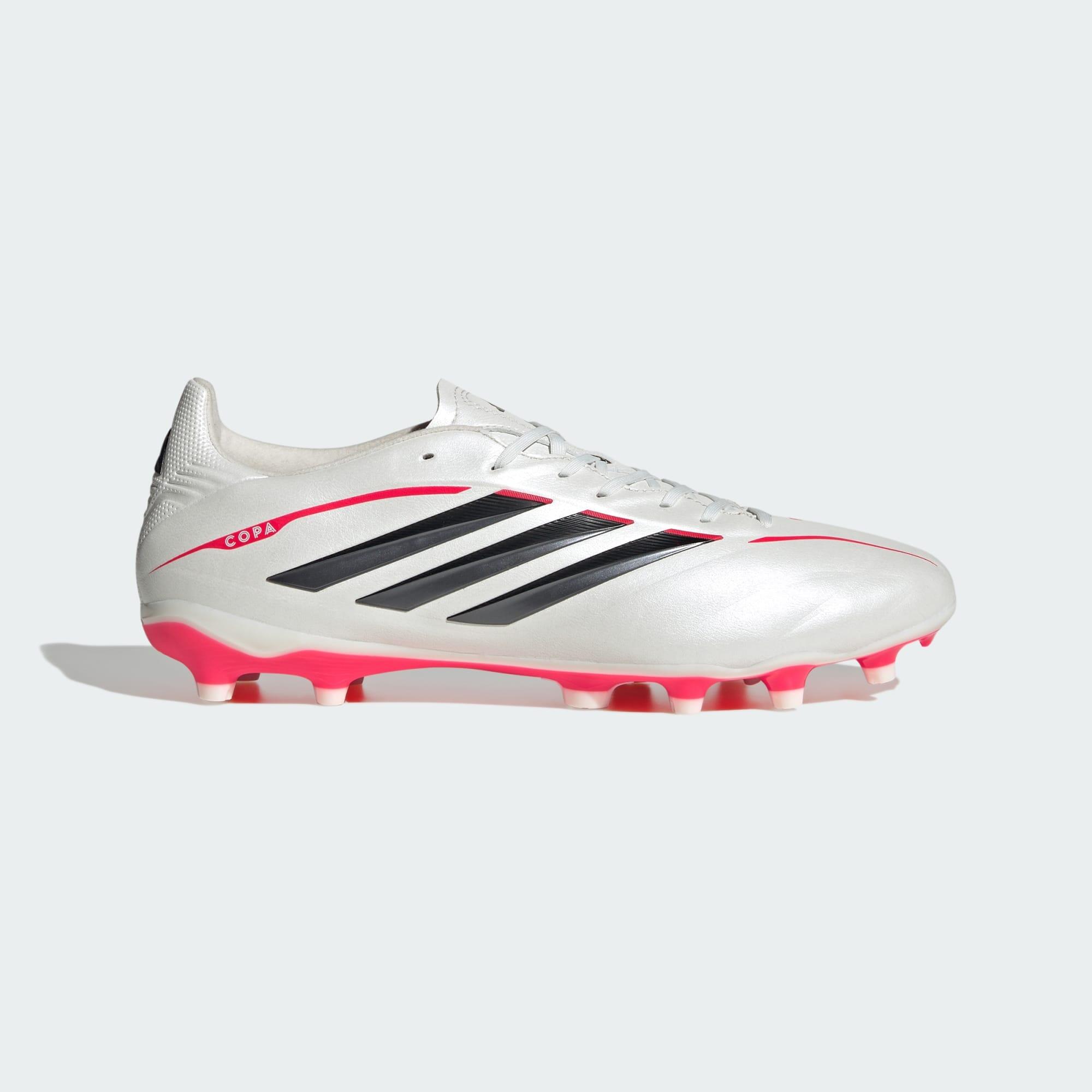
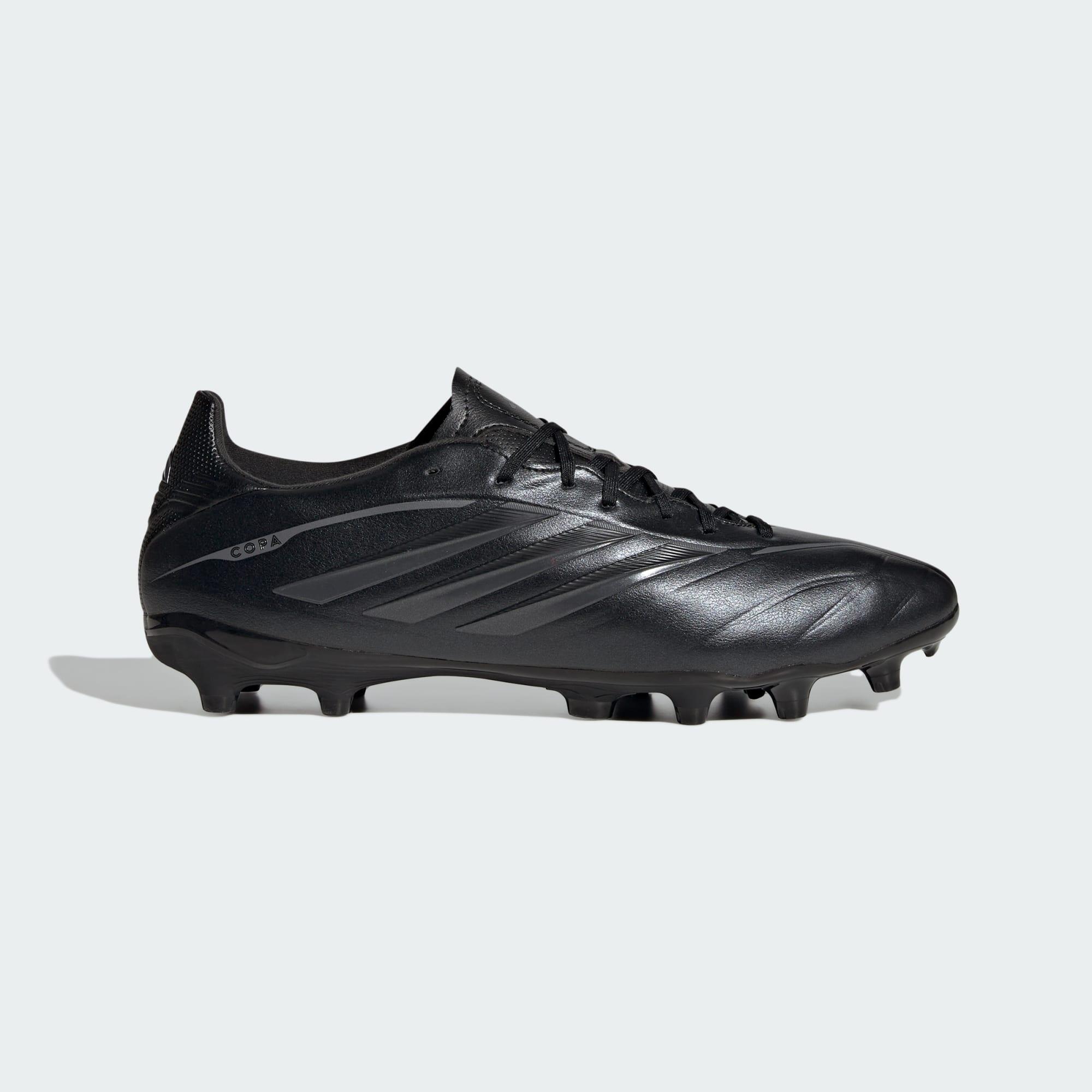
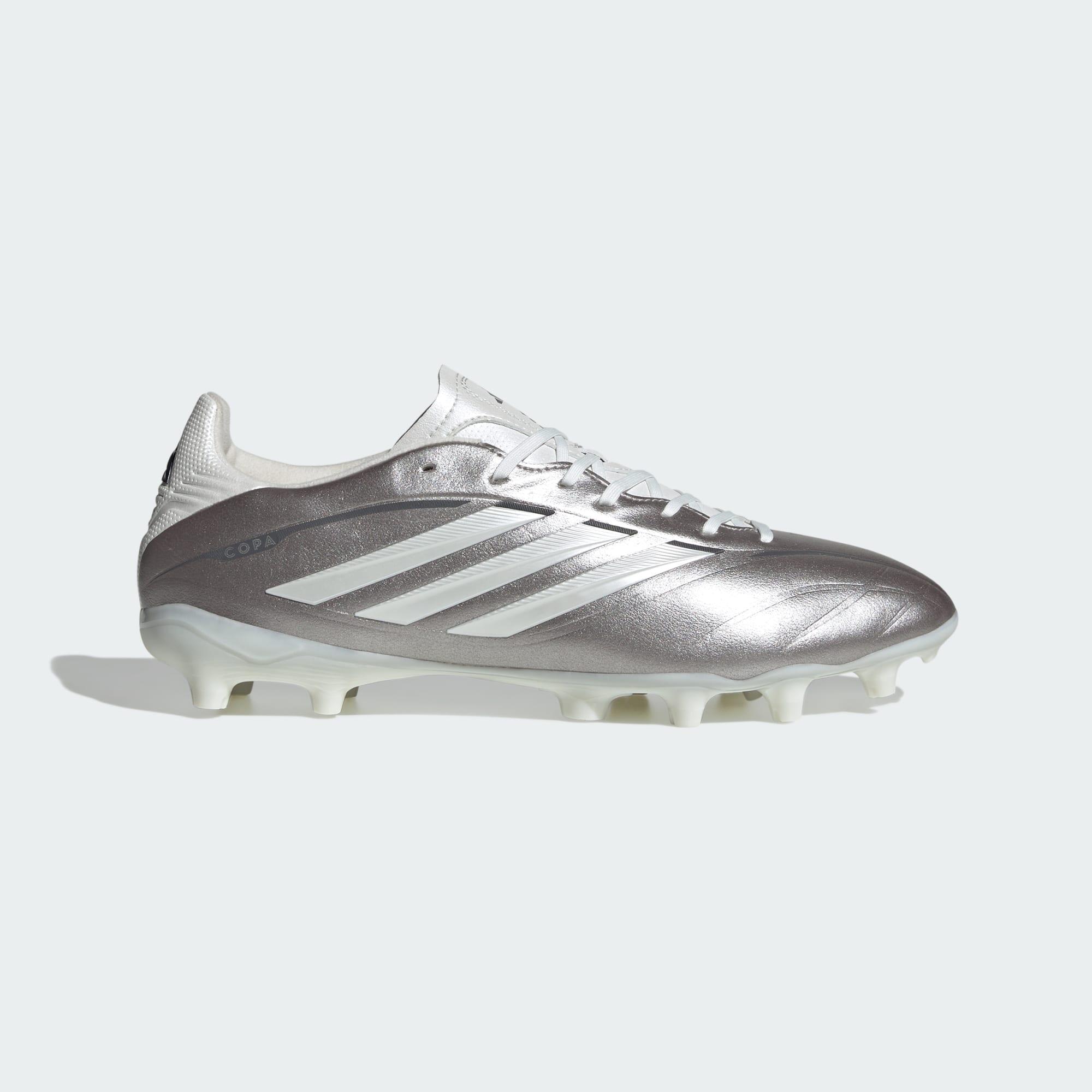
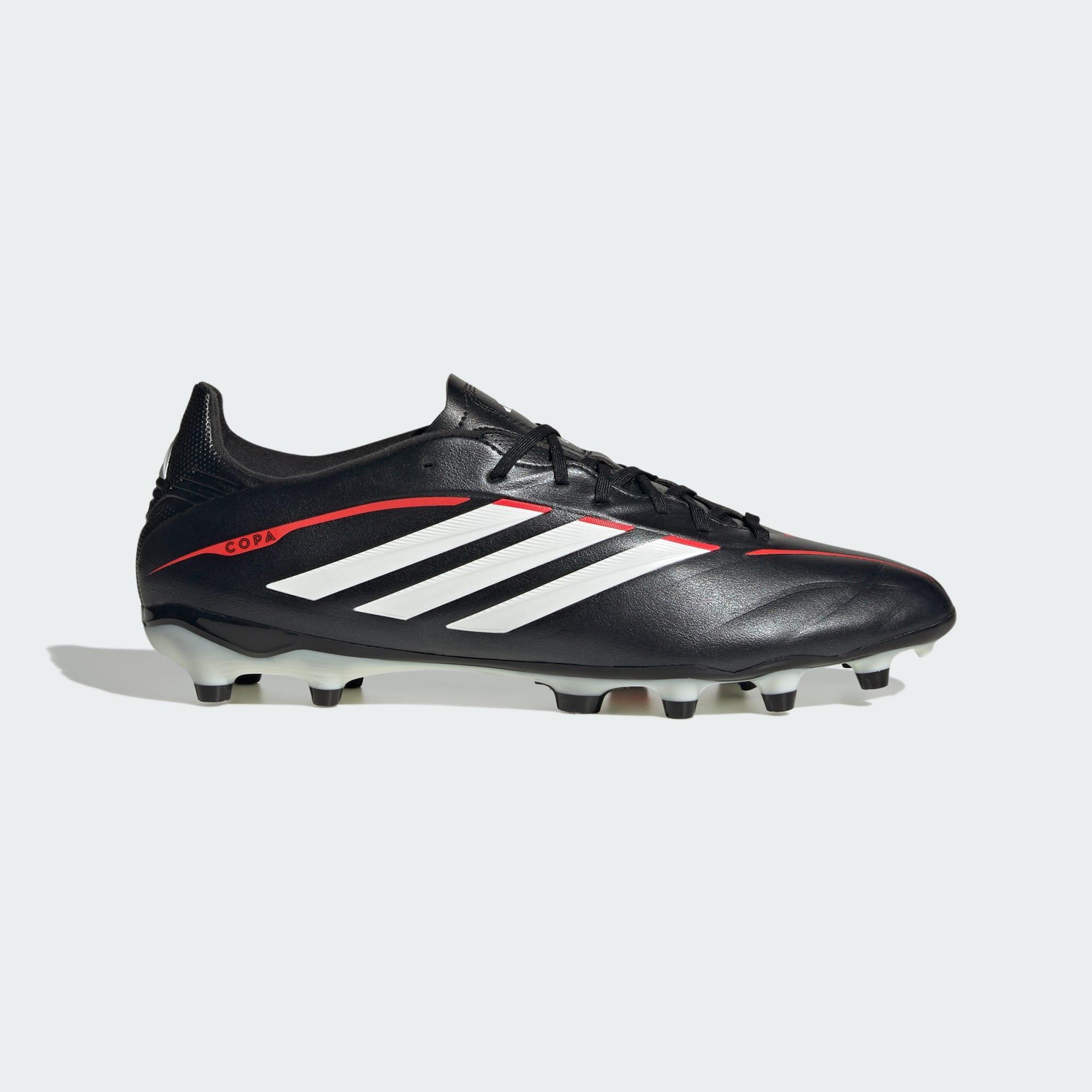
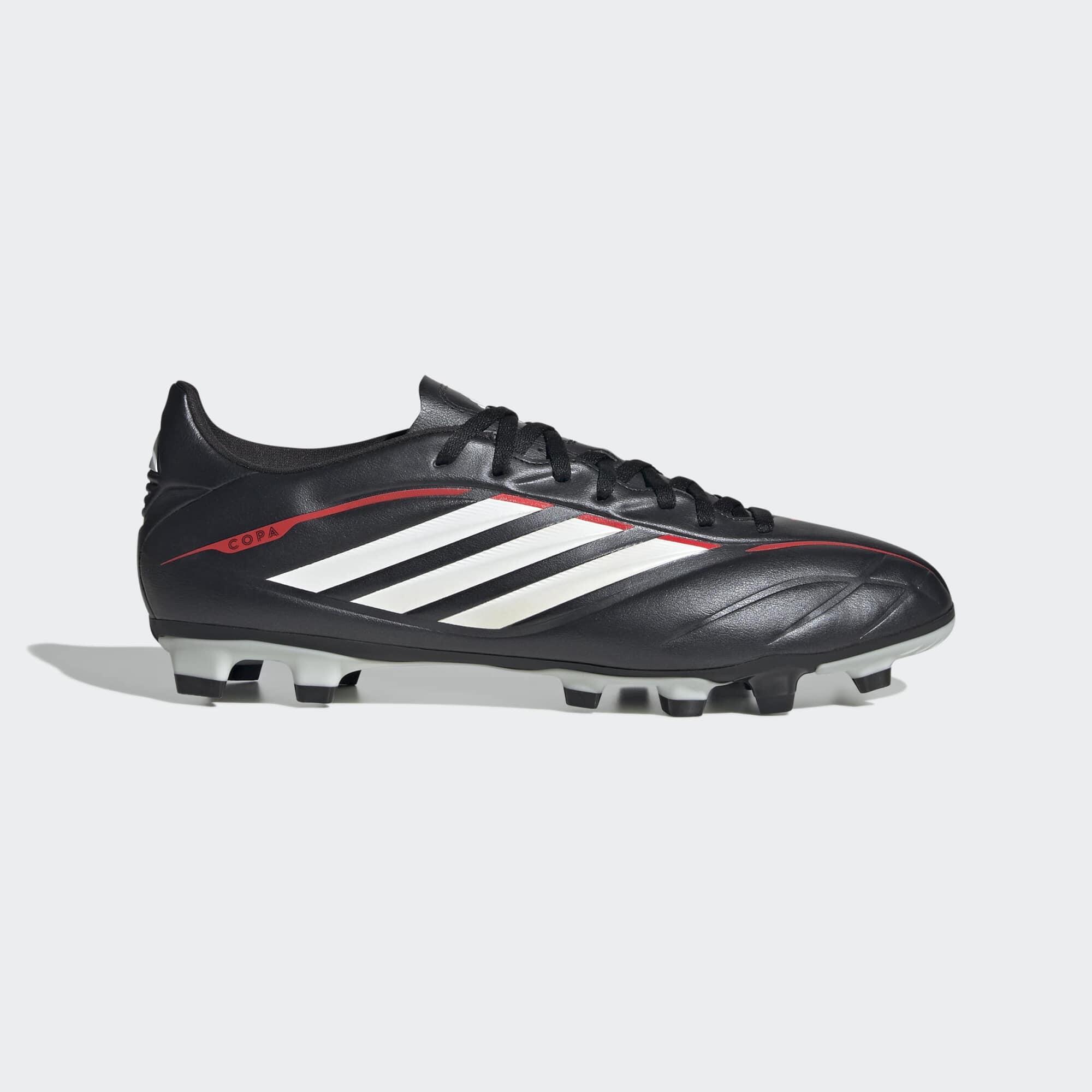
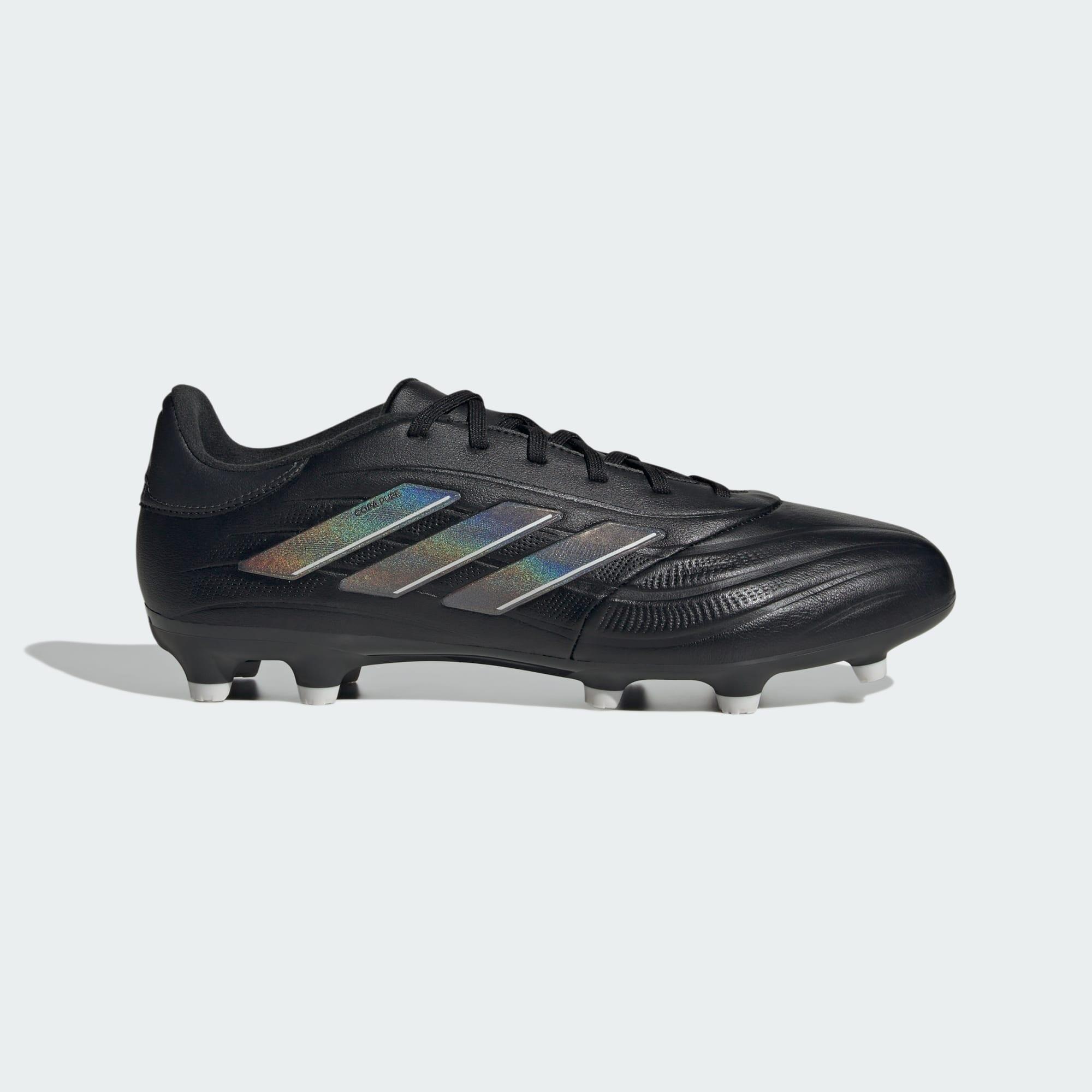
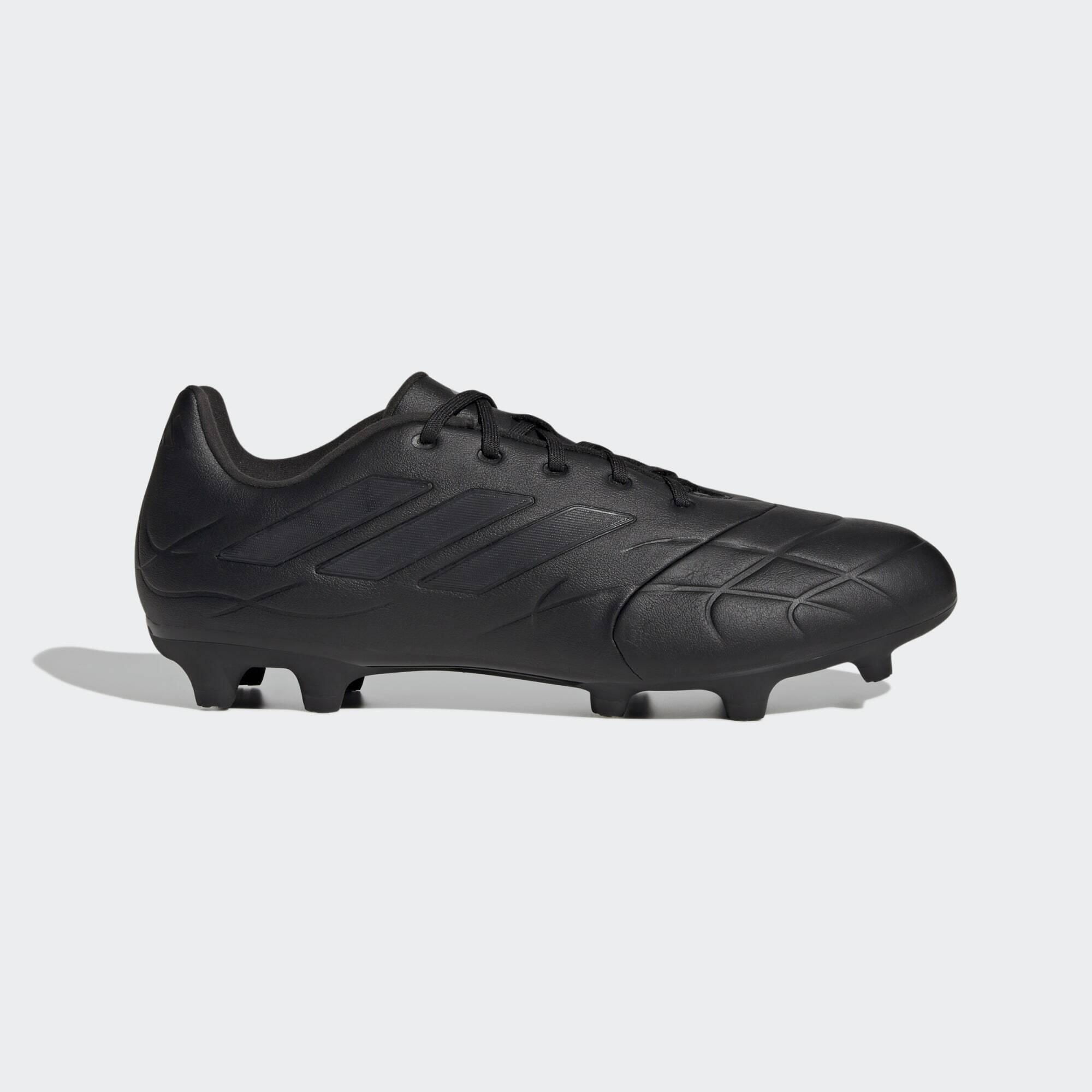
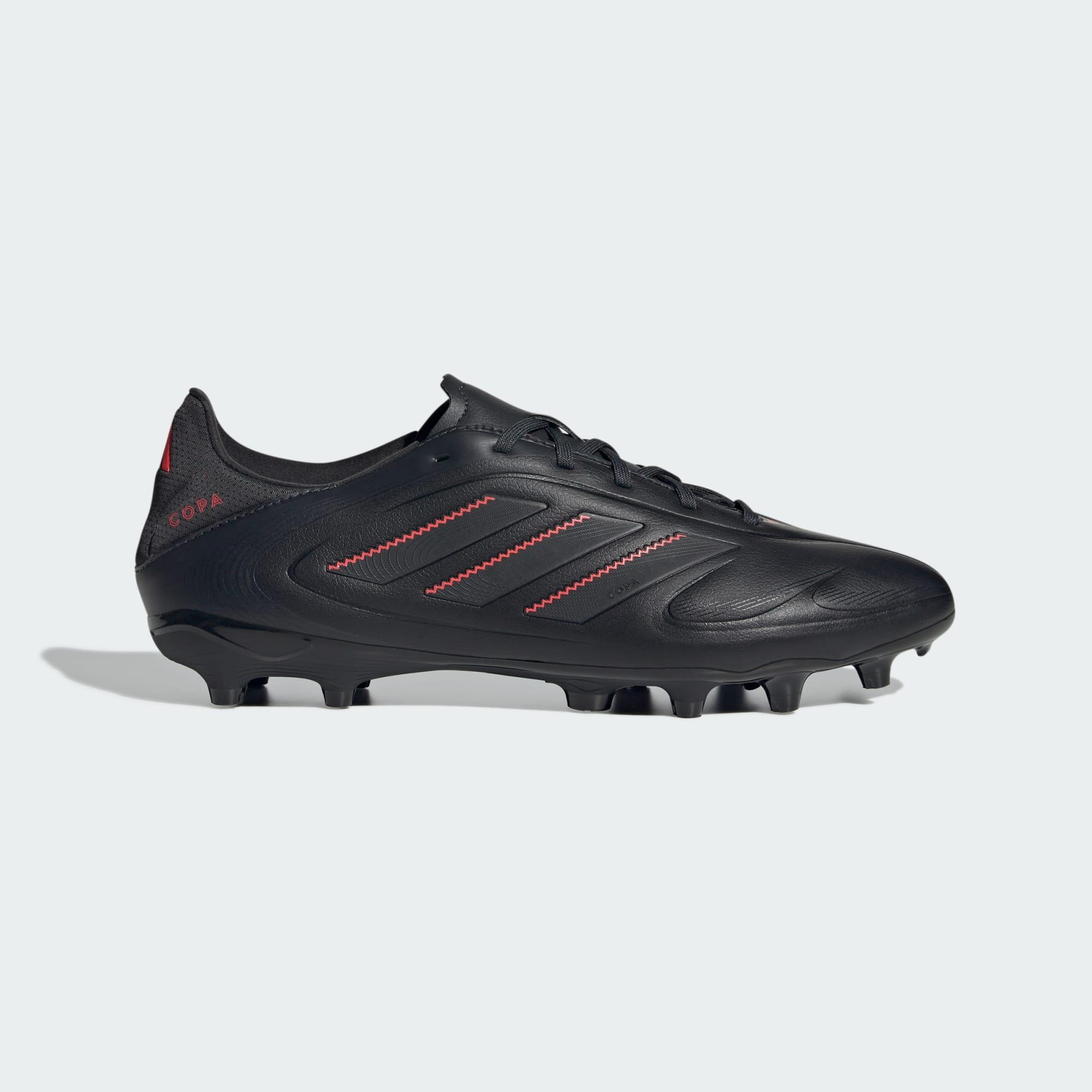
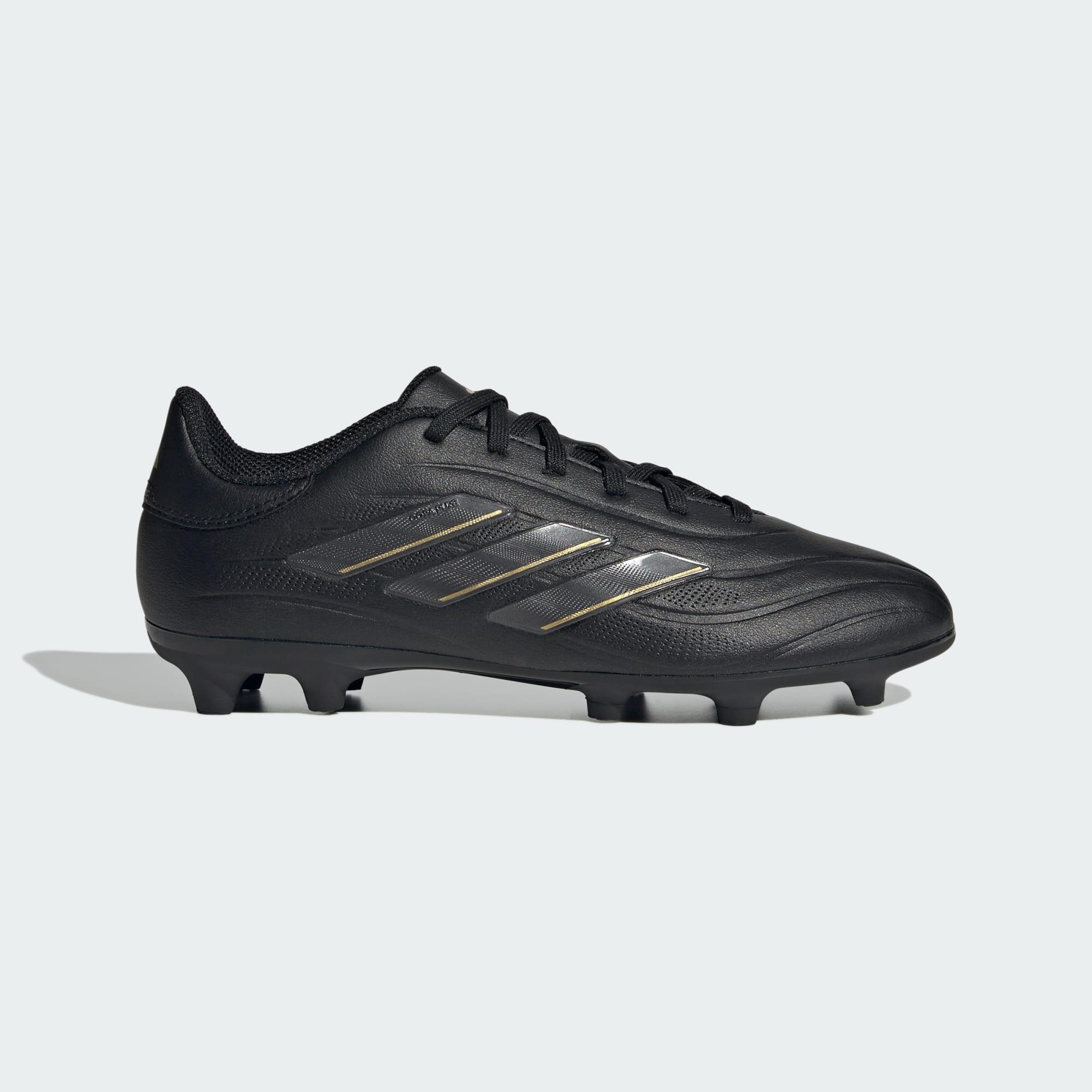
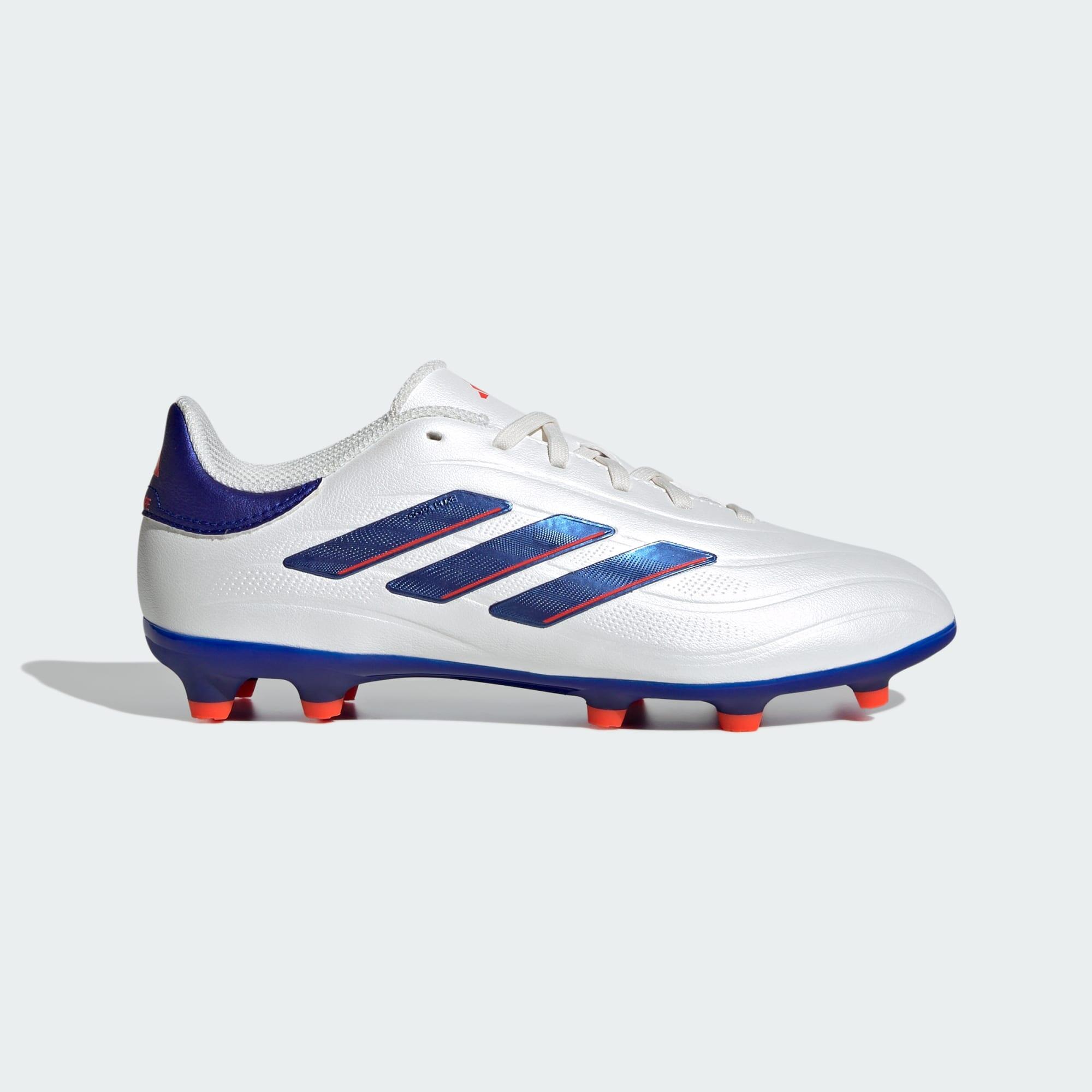
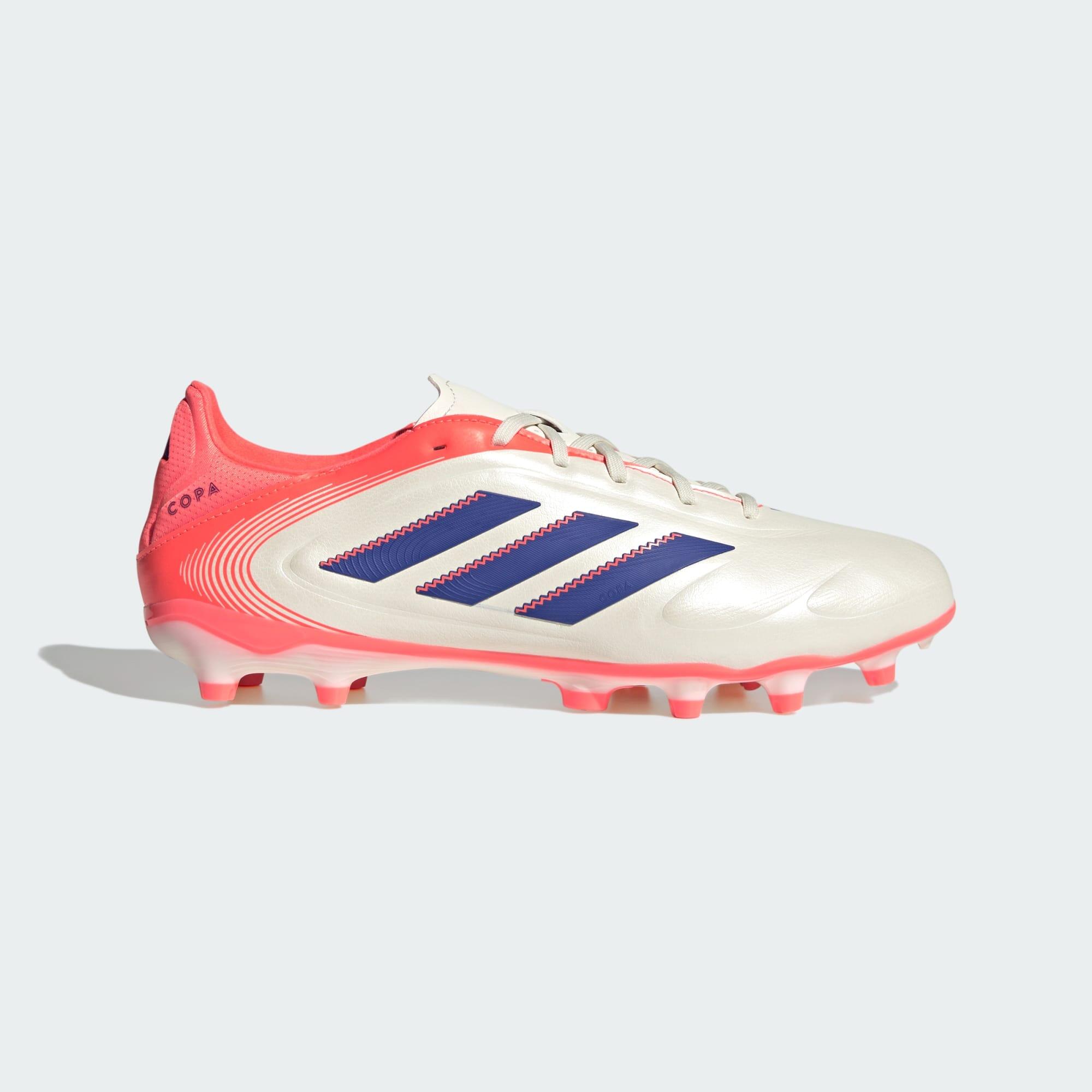
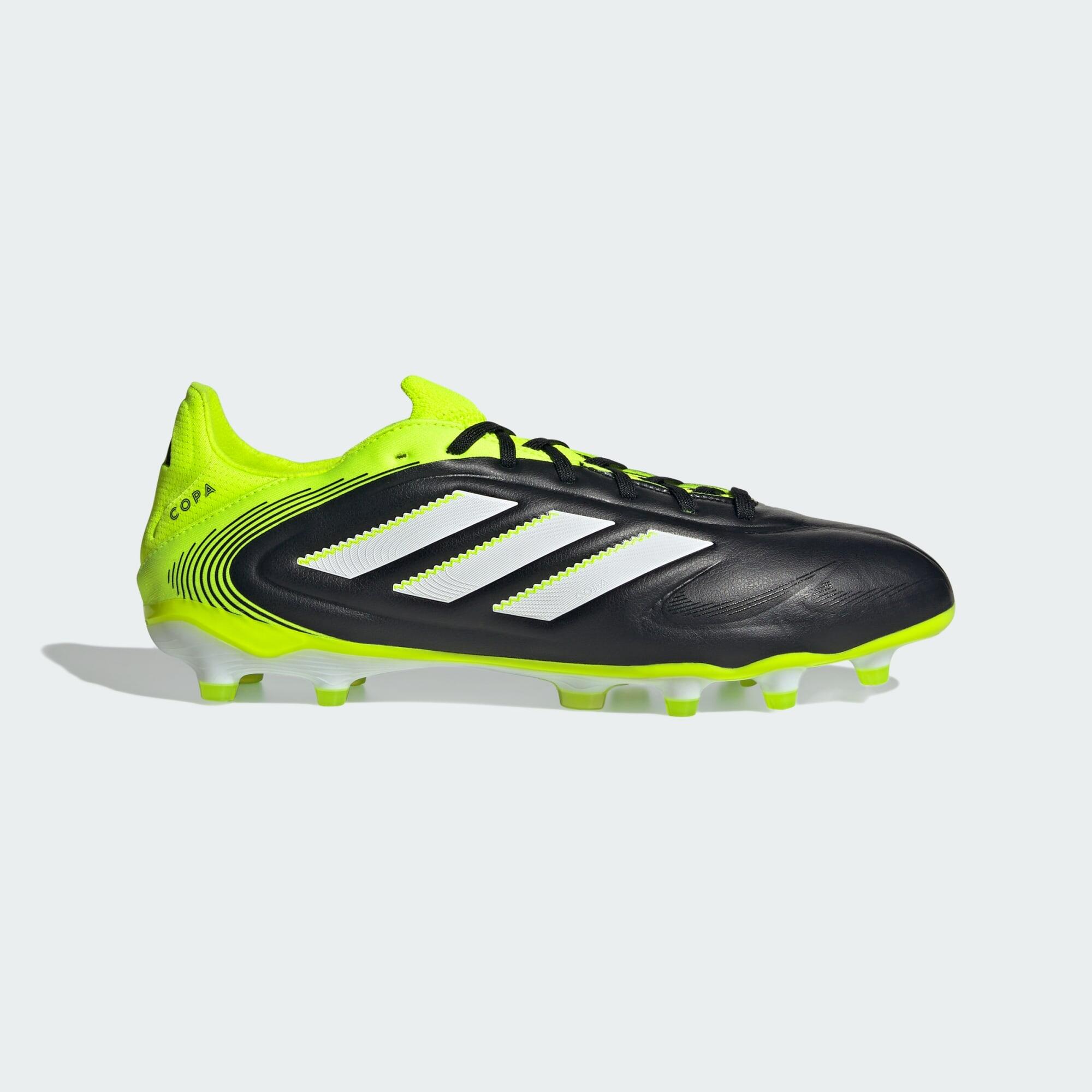
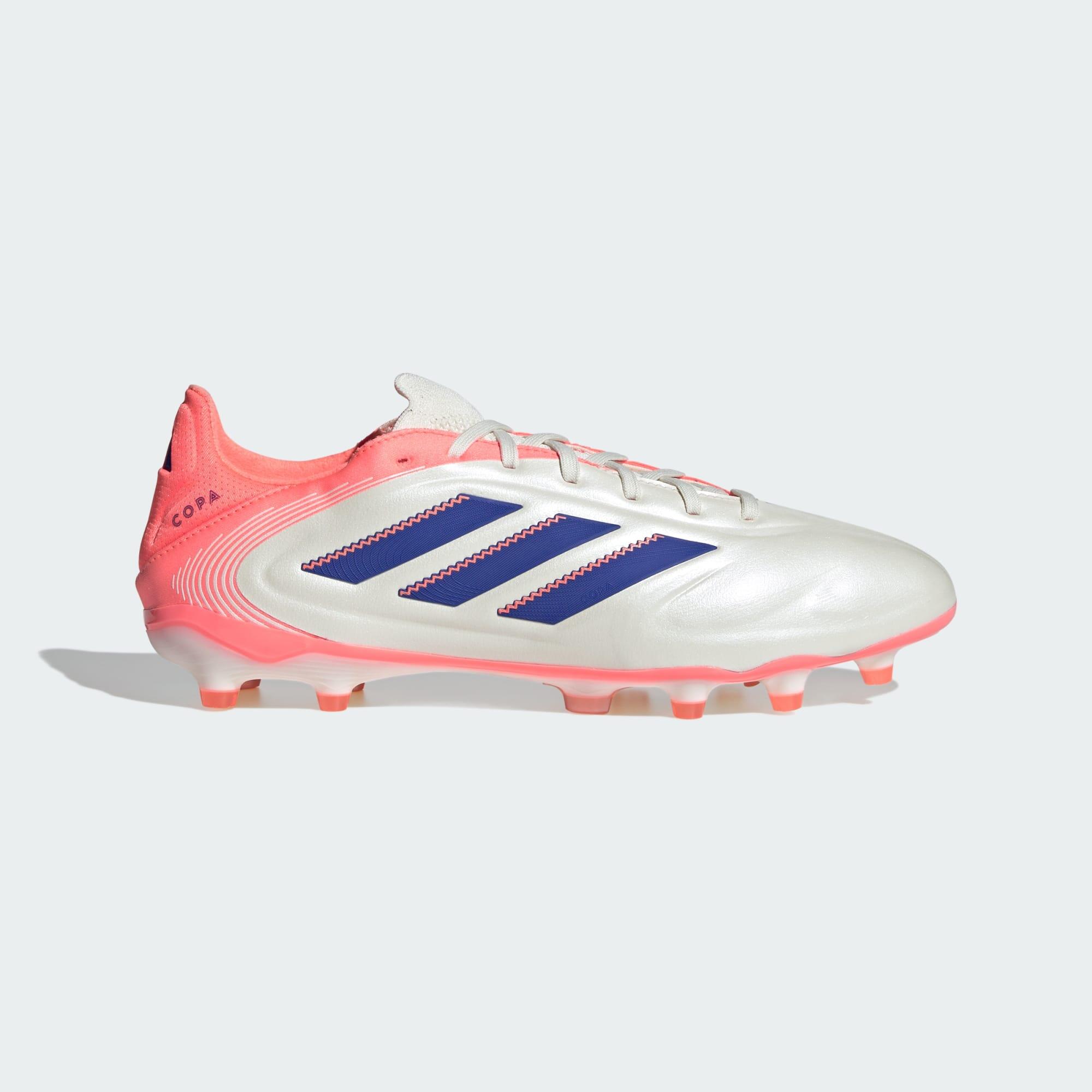
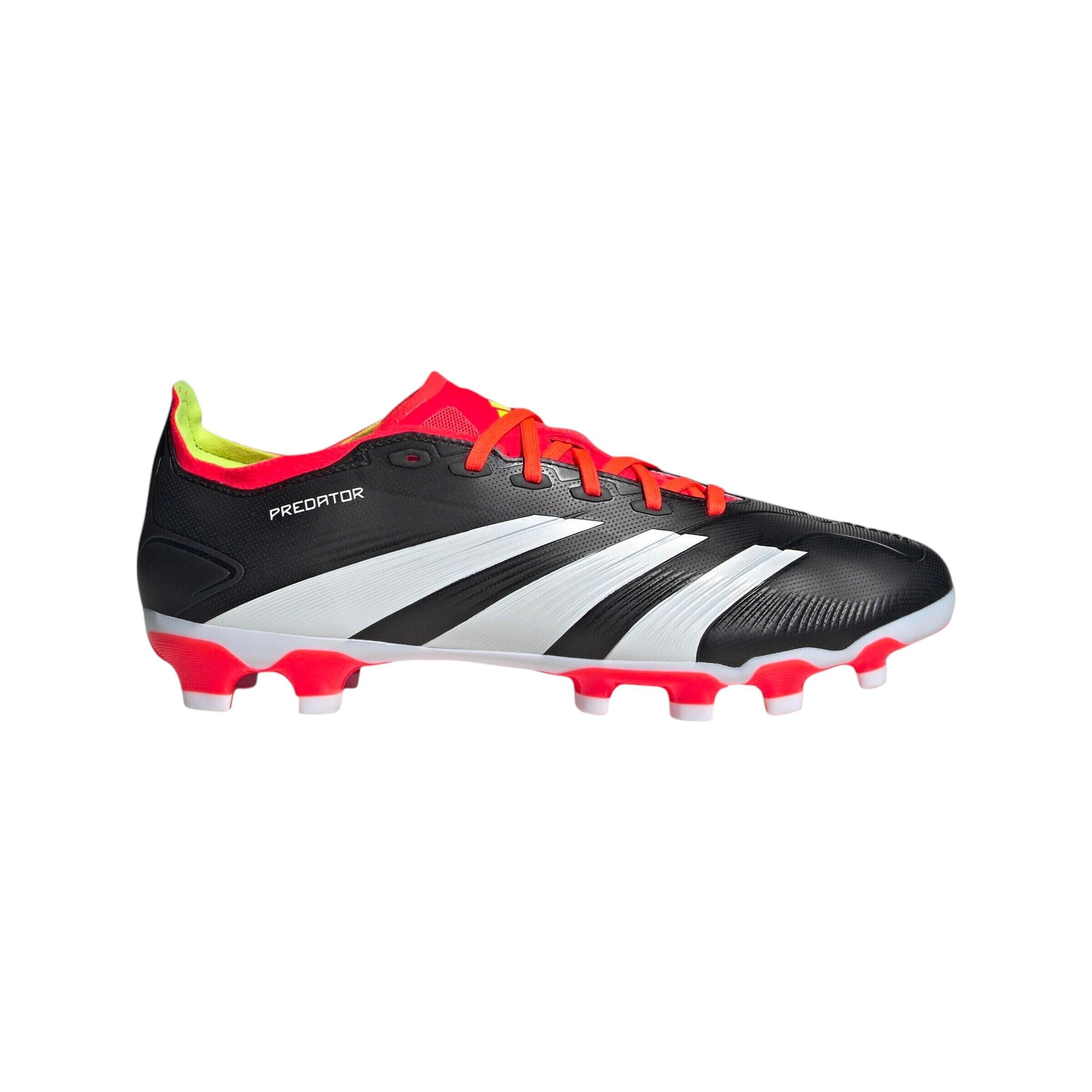
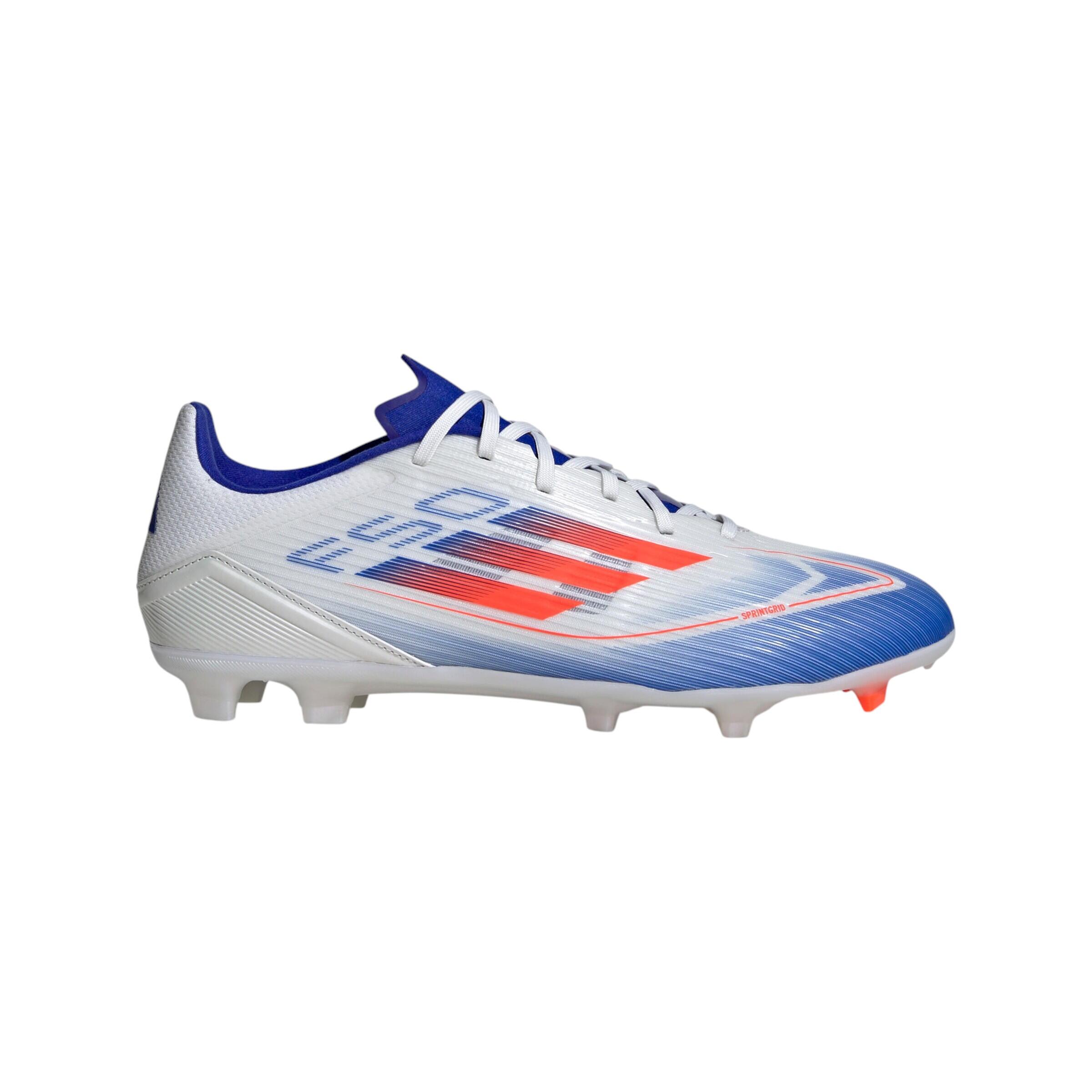
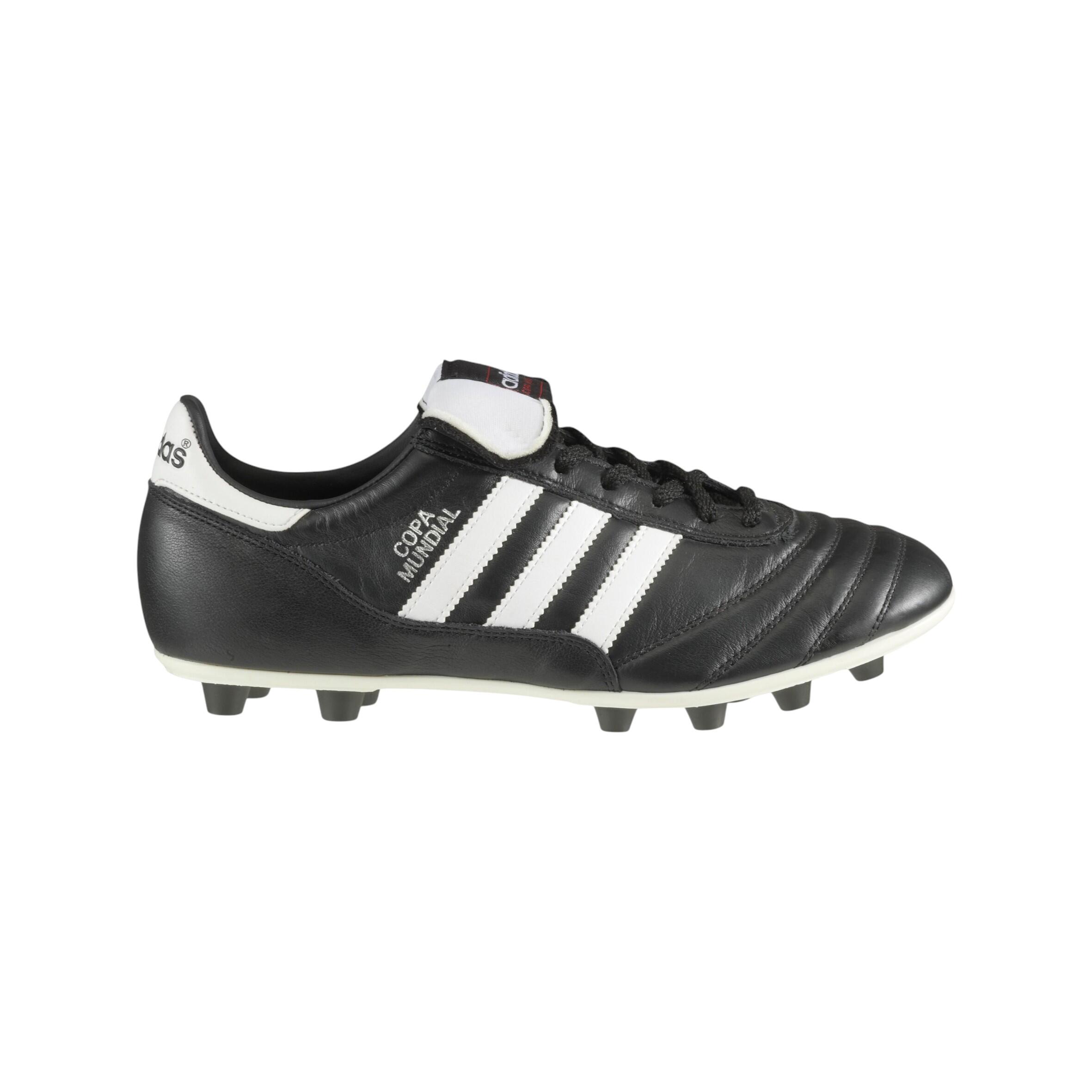
adidas Copa football shoes can suit players who value comfort, an adjustable fit and a controlled feel when receiving, passing or striking the ball. Copa models generally take a softer, more traditional approach than speed-focused football footwear. Club versions may use a synthetic Fusionfeel upper with textured forefoot details, while Gloro and higher-tier models can include leather or leather-based constructions for a more supple feel. Laces allow you to adjust pressure across the foot, which is useful when you want a secure hold without relying on a rigid upper. Predator and F50 families with different playing characteristics are also available within the larger adidas football boots category. Check the Copa fit using your usual football socks, making sure the heel stays stable and the upper does not press uncomfortably across the toes.

What is the difference between Copa Club, League and Pro football shoes?

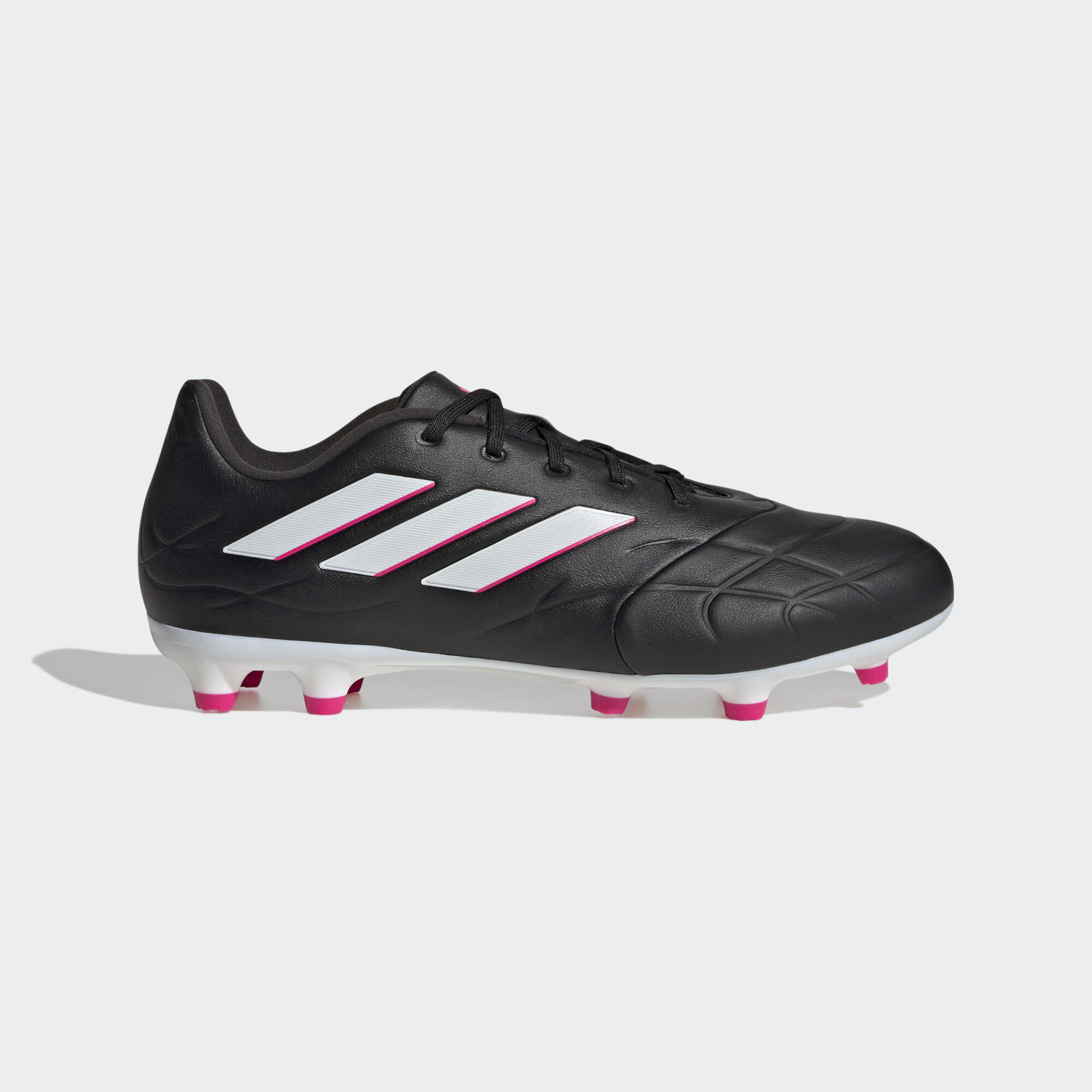
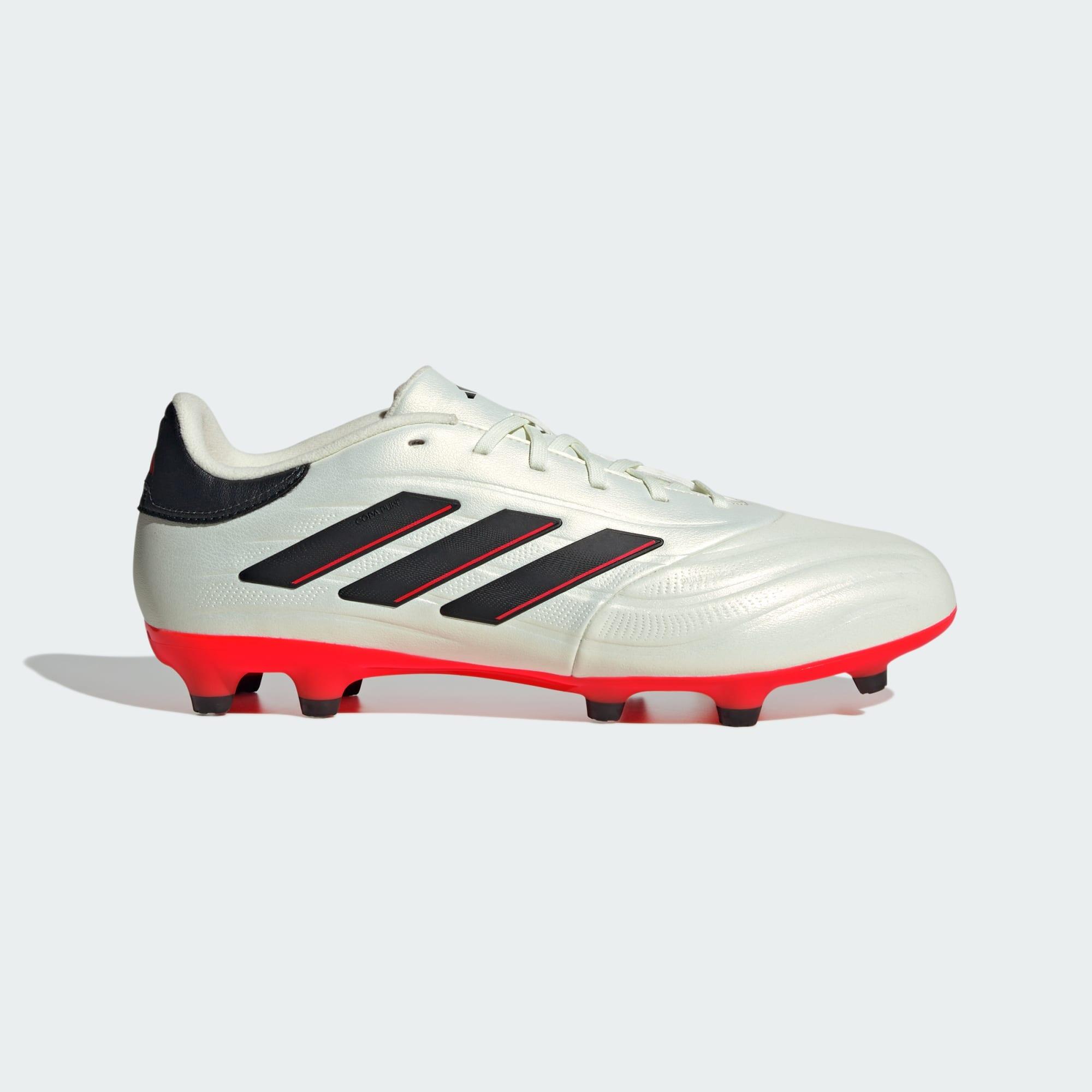
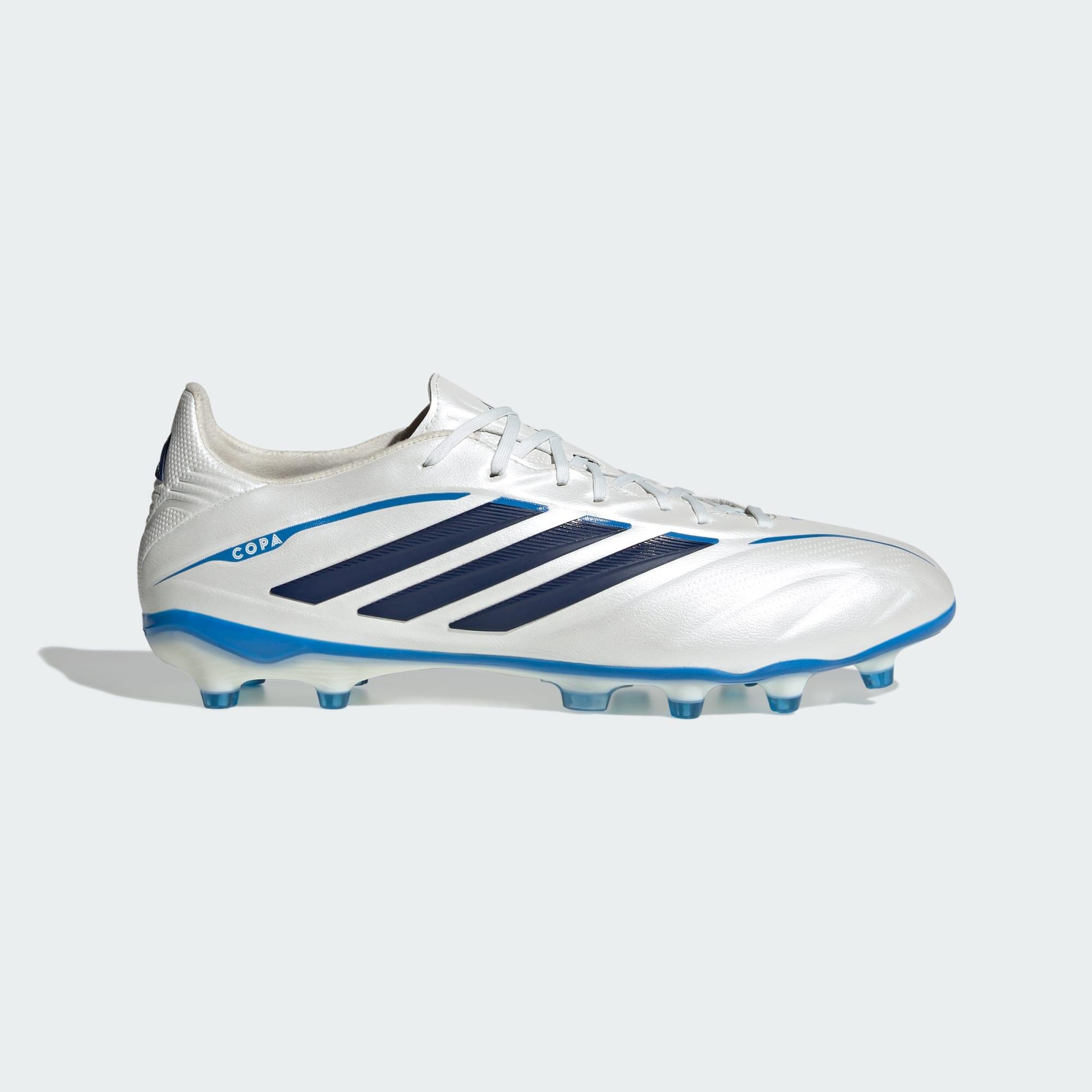
Club models provide a straightforward introduction to the Copa family, usually combining a synthetic upper, textured contact areas and an outsole matched to a particular pitch type. League footwear adds more refined materials and construction details for regular players who want closer contact with the ball or greater support around the foot. Pro boots use more advanced fit features, such as adaptive leather uppers, knitted tongues, padded heels and shaped sockliners. A pair of adidas Copa Pro FG football shoes may suit experienced players who regularly compete on firm natural grass and appreciate a softer upper with a structured fit. The highest tier is not automatically the right choice, so base your decision on playing frequency, comfort, surface and the features you can genuinely feel.

Which adidas Copa outsole should you choose for turf?

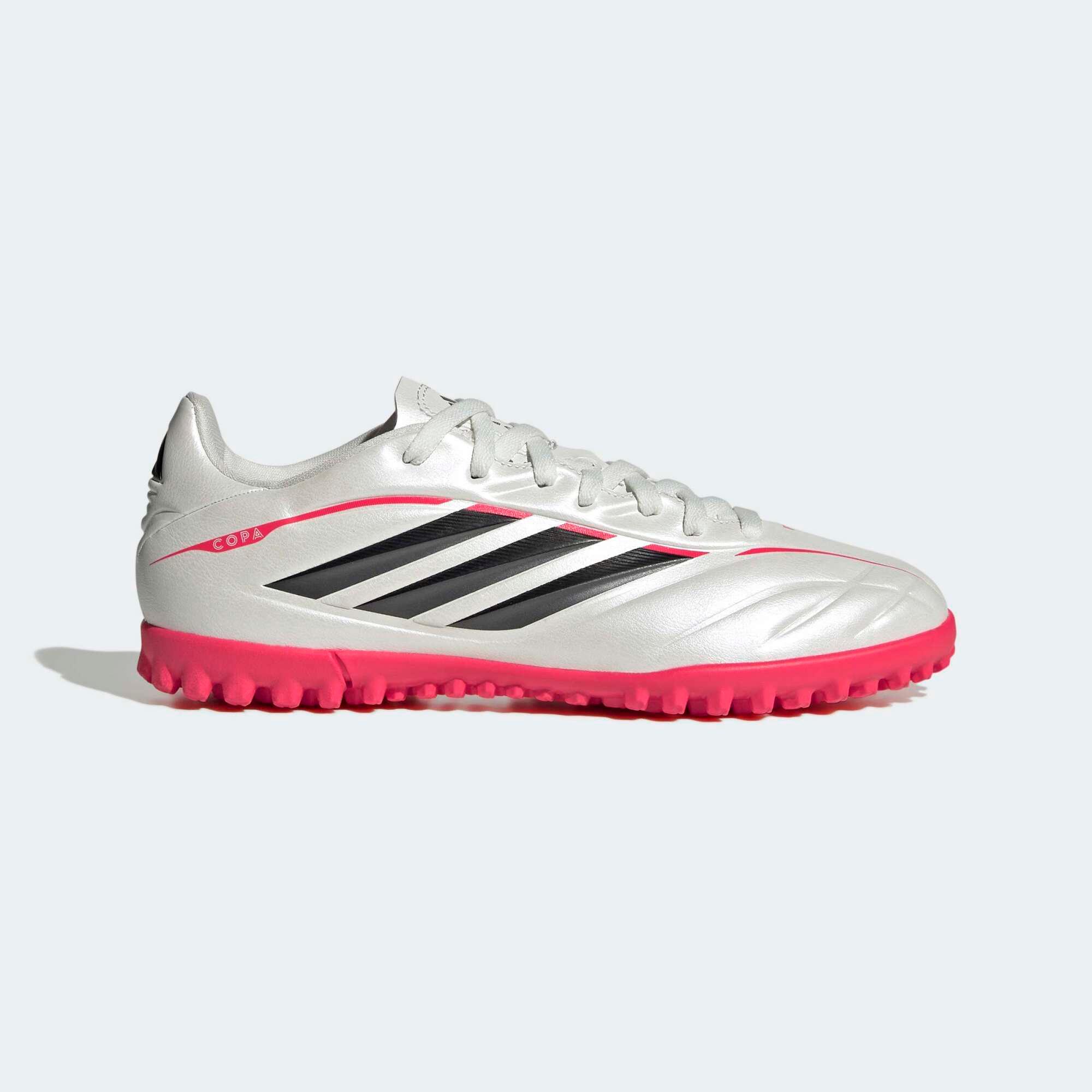
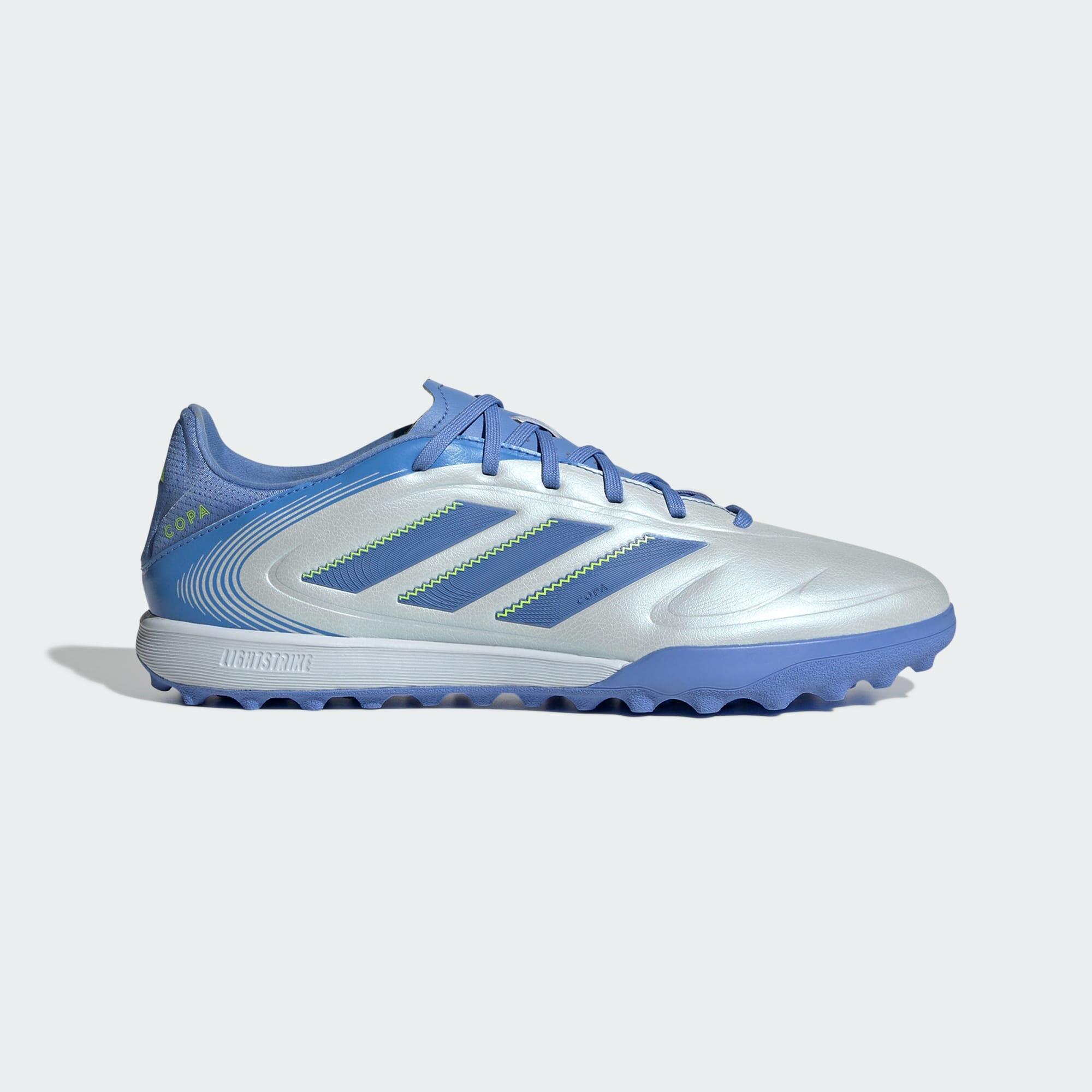
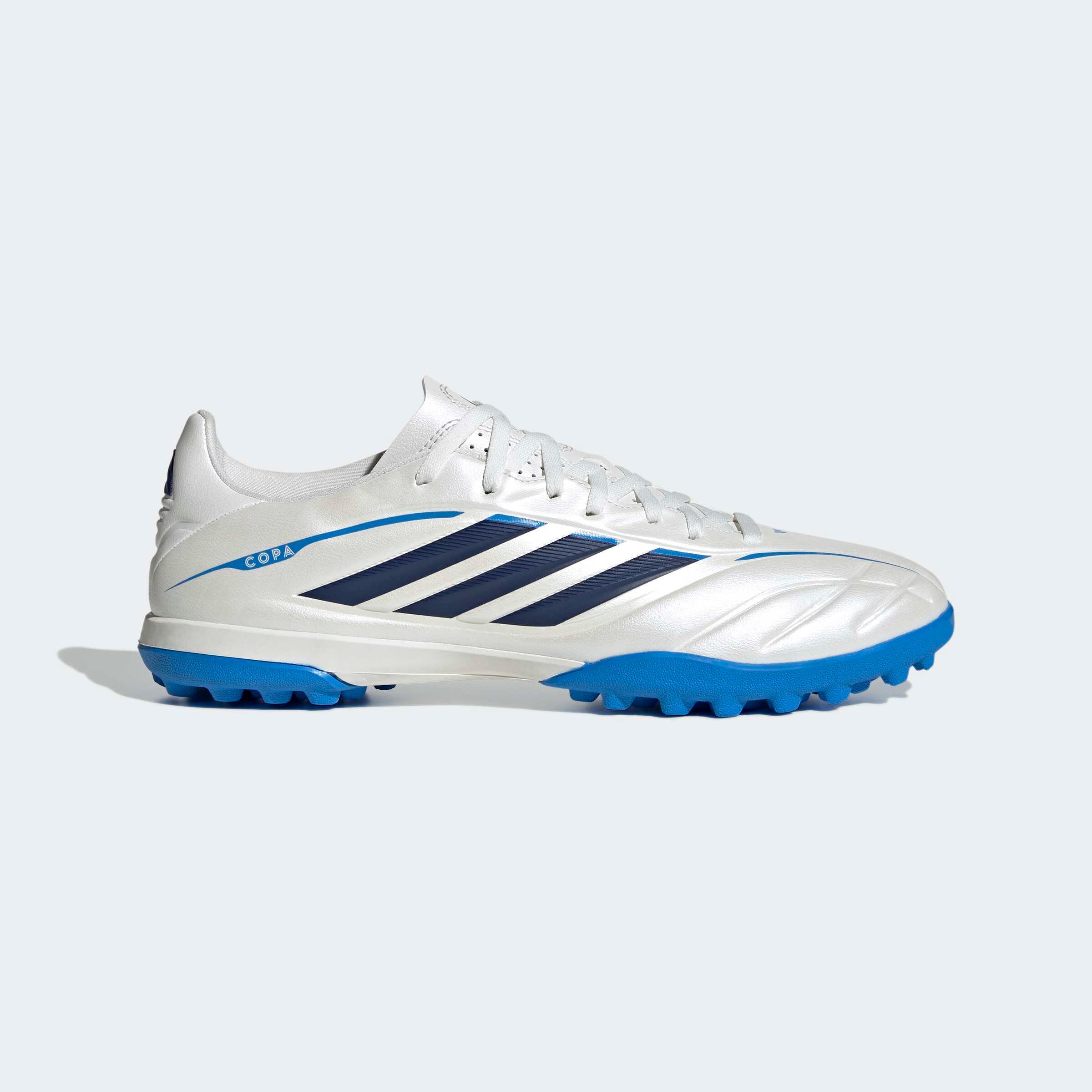
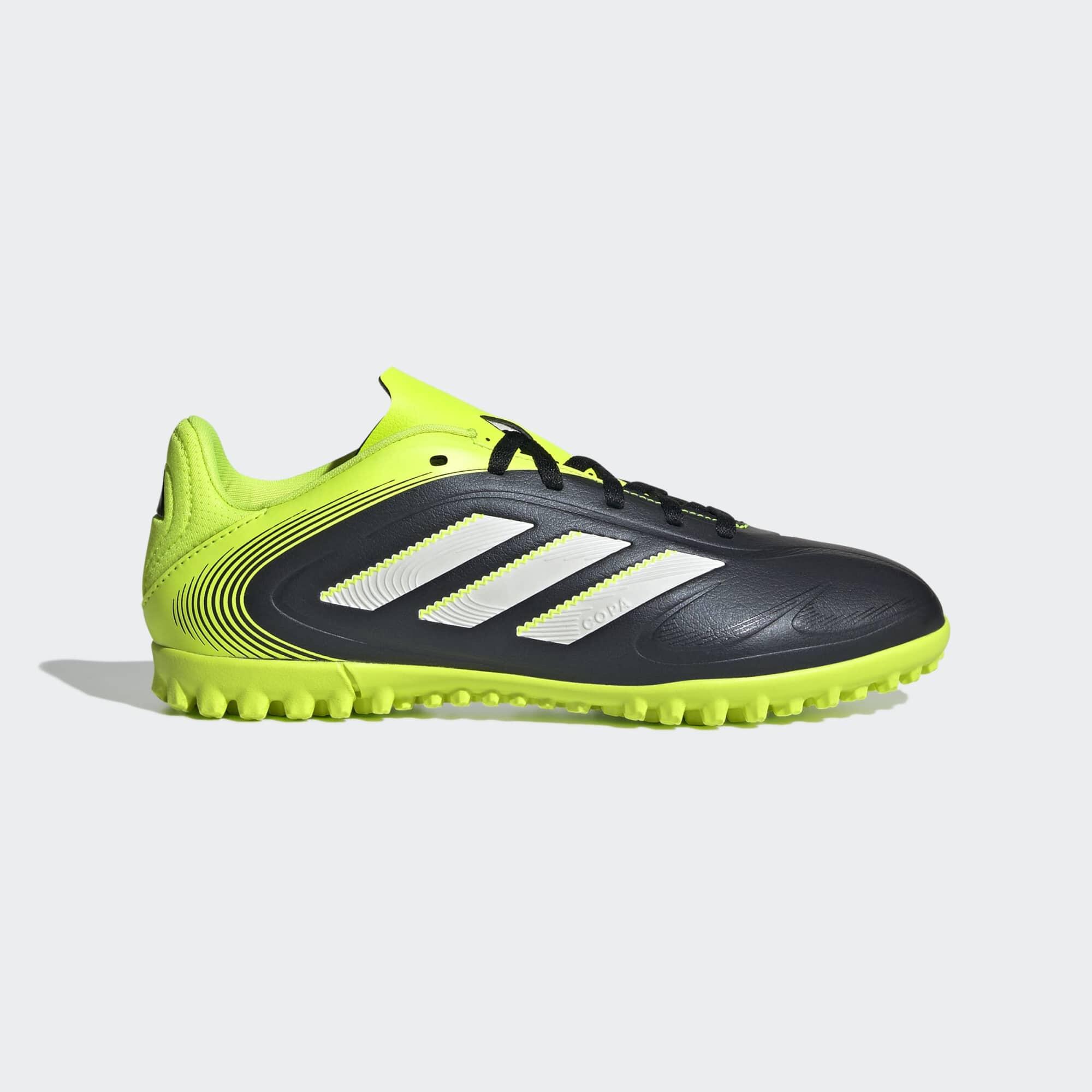
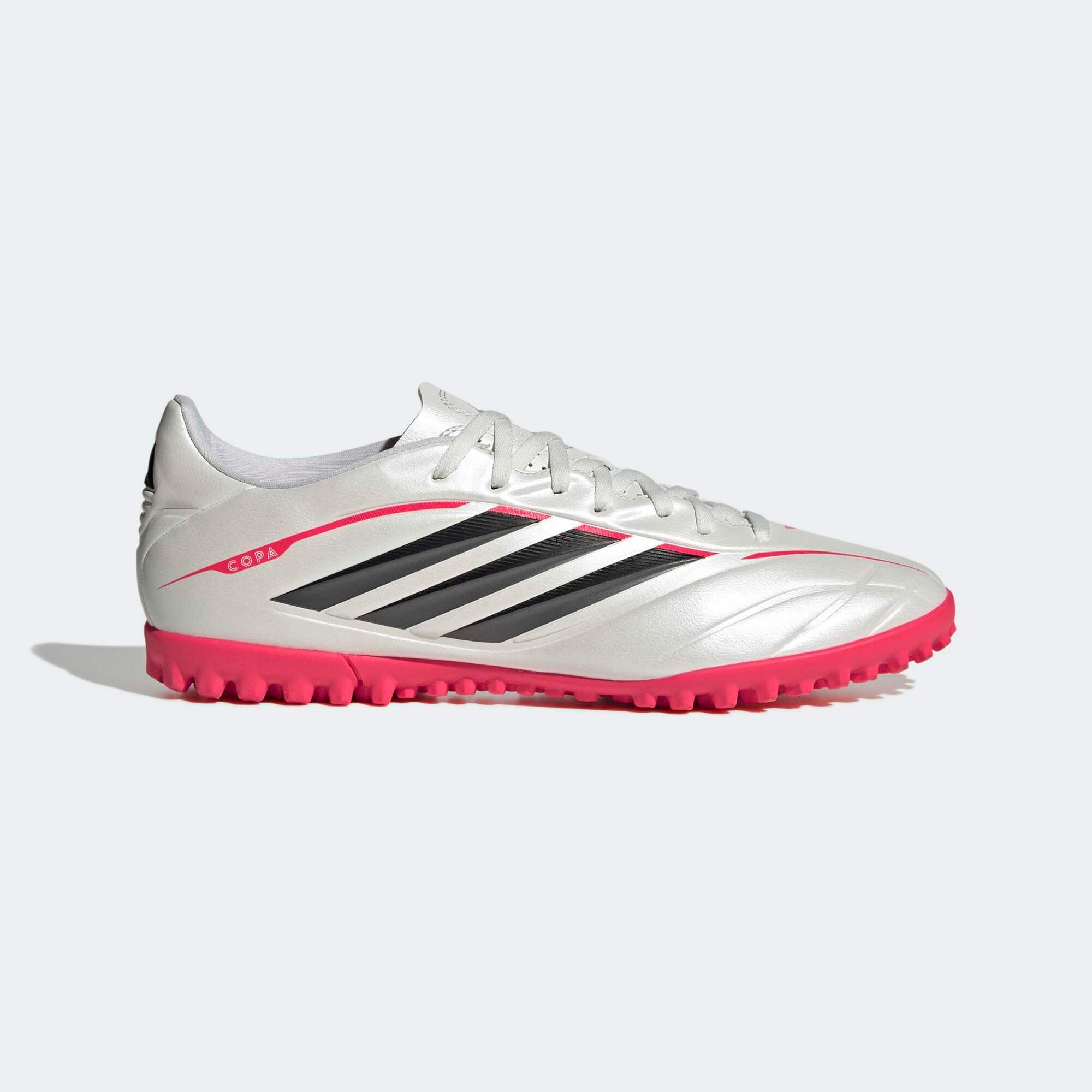
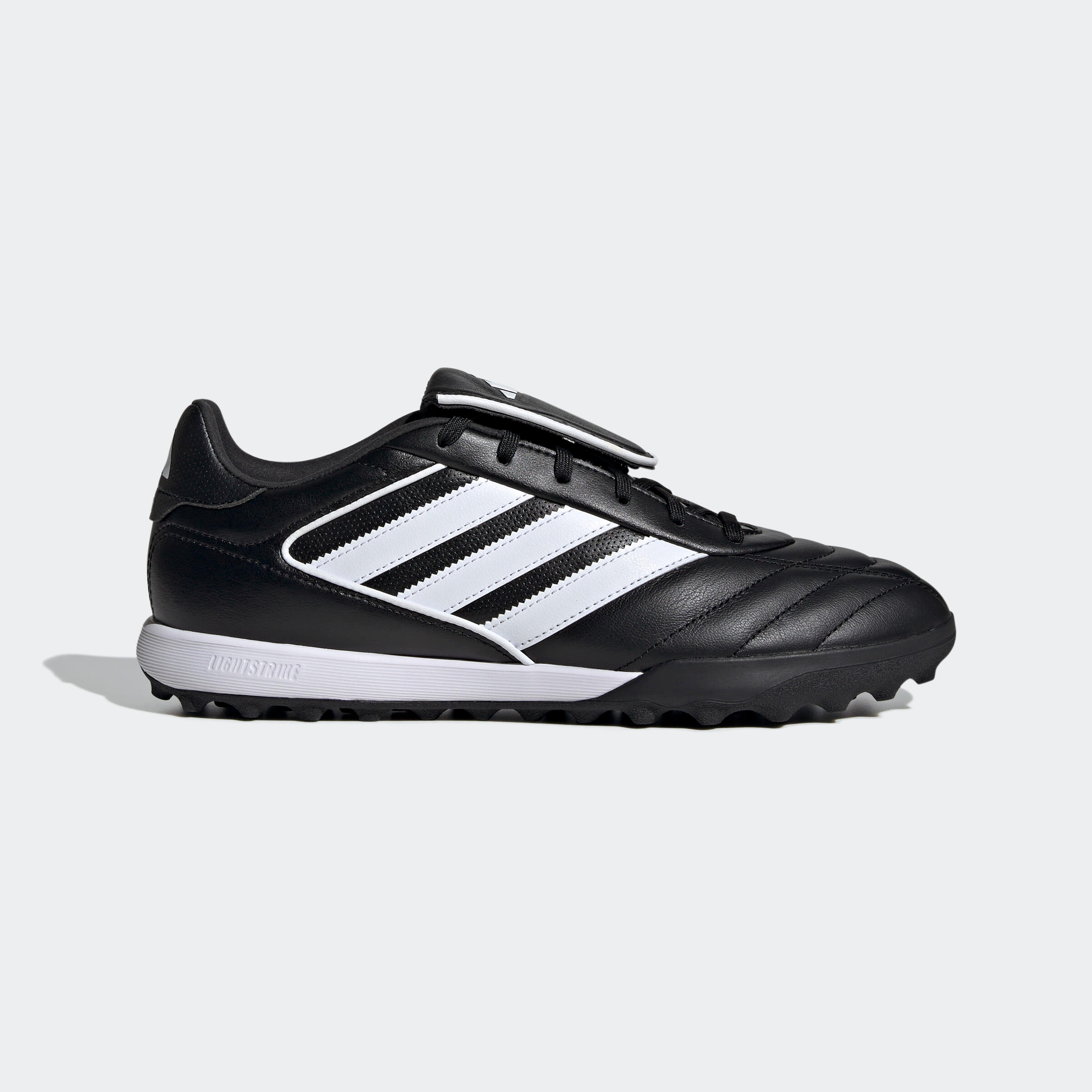
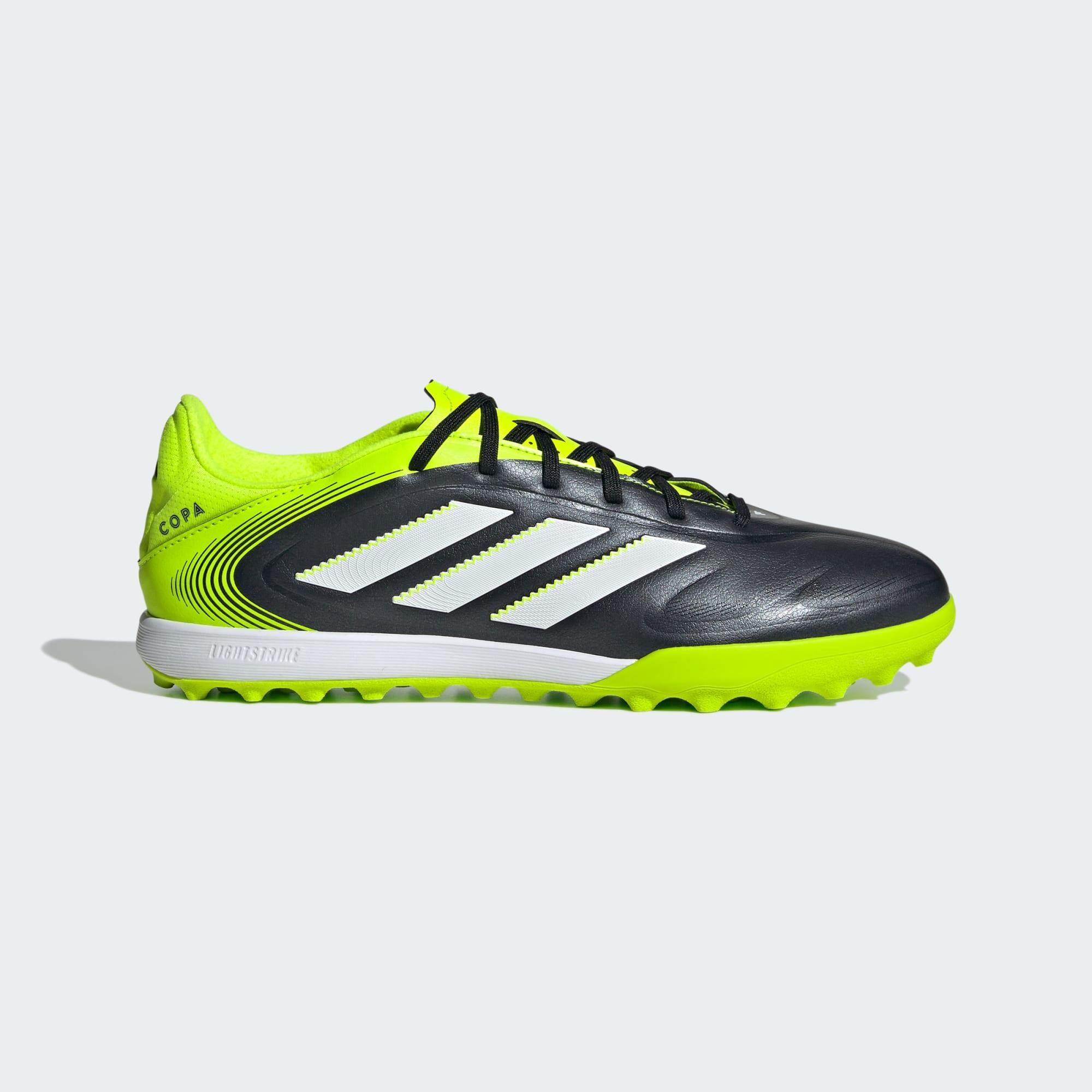
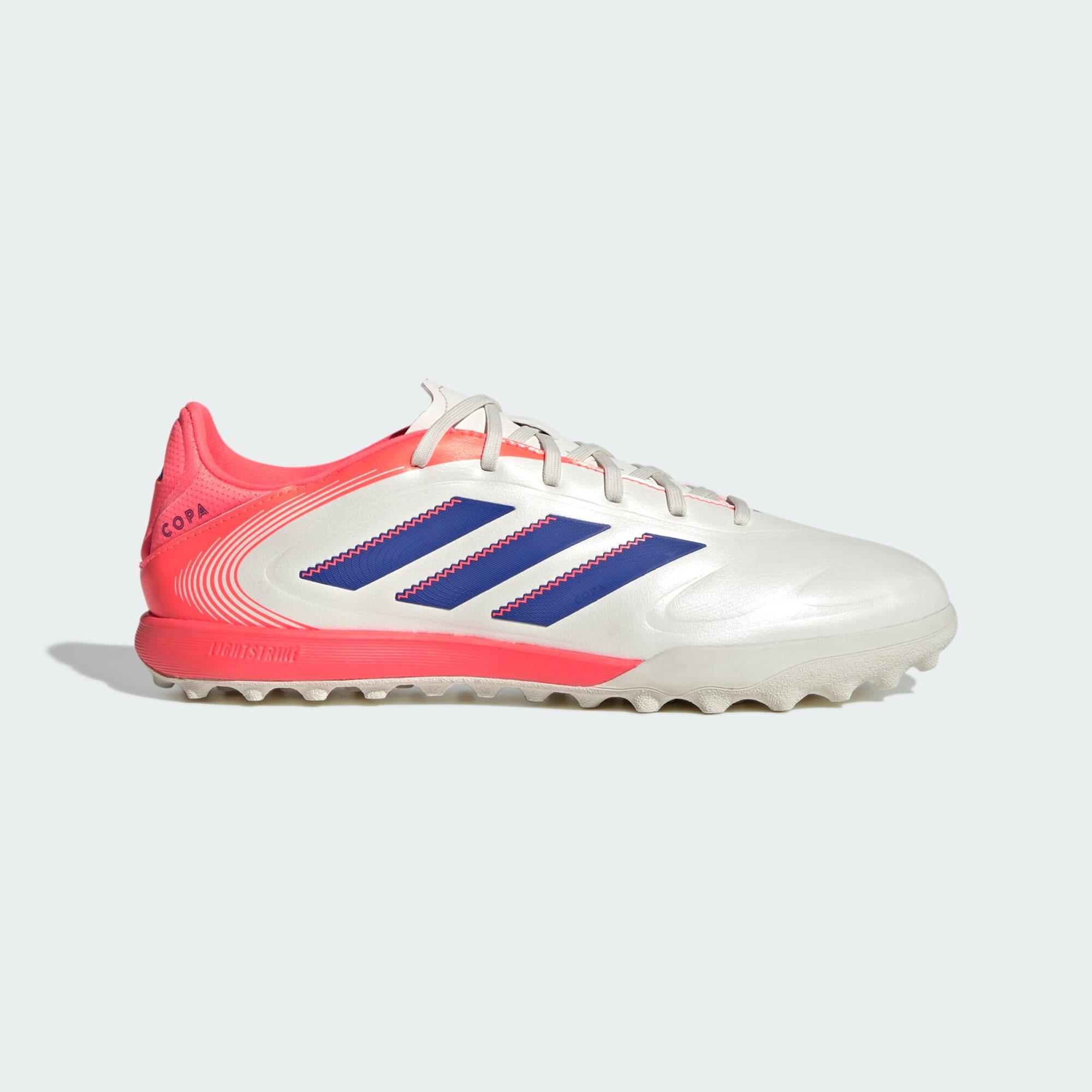
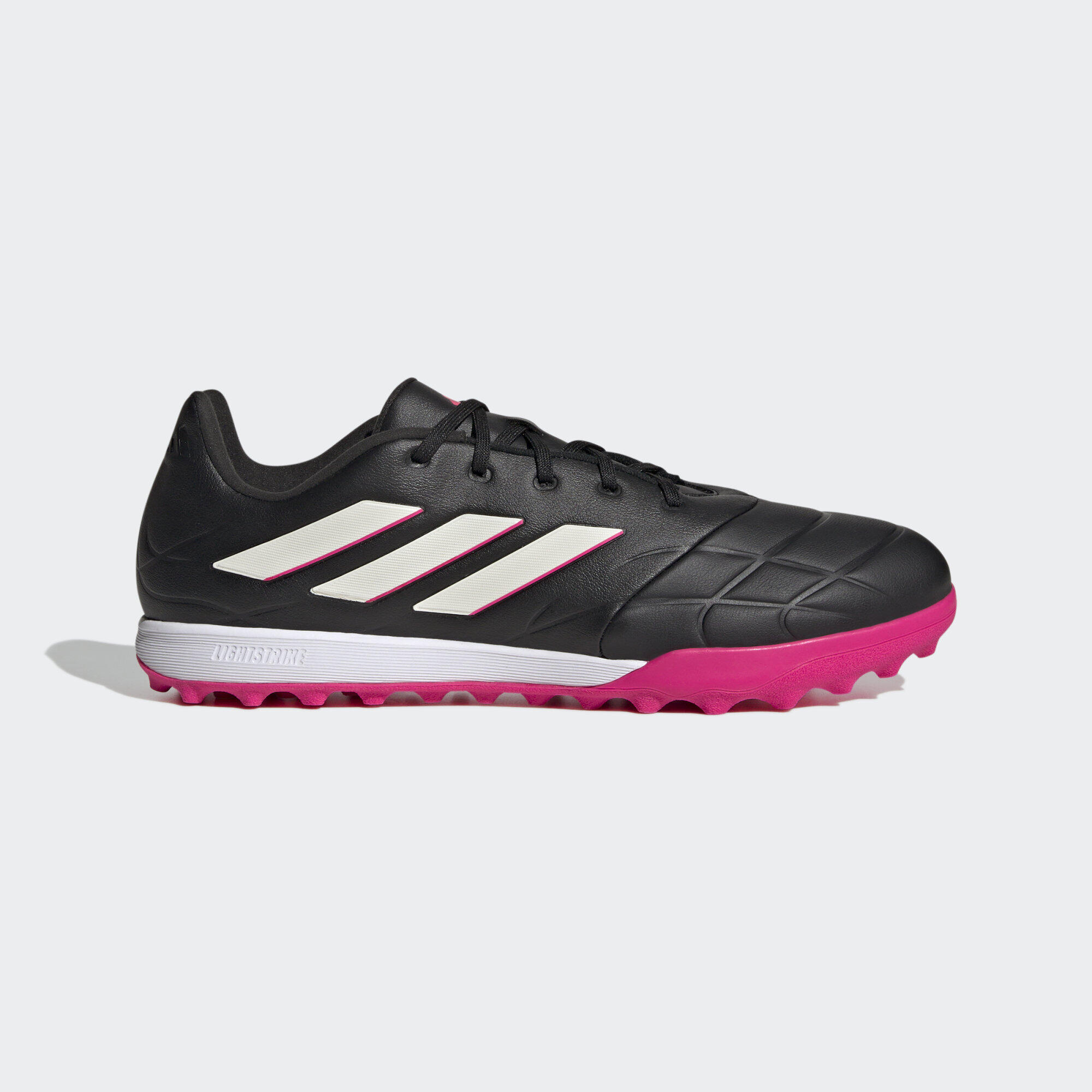
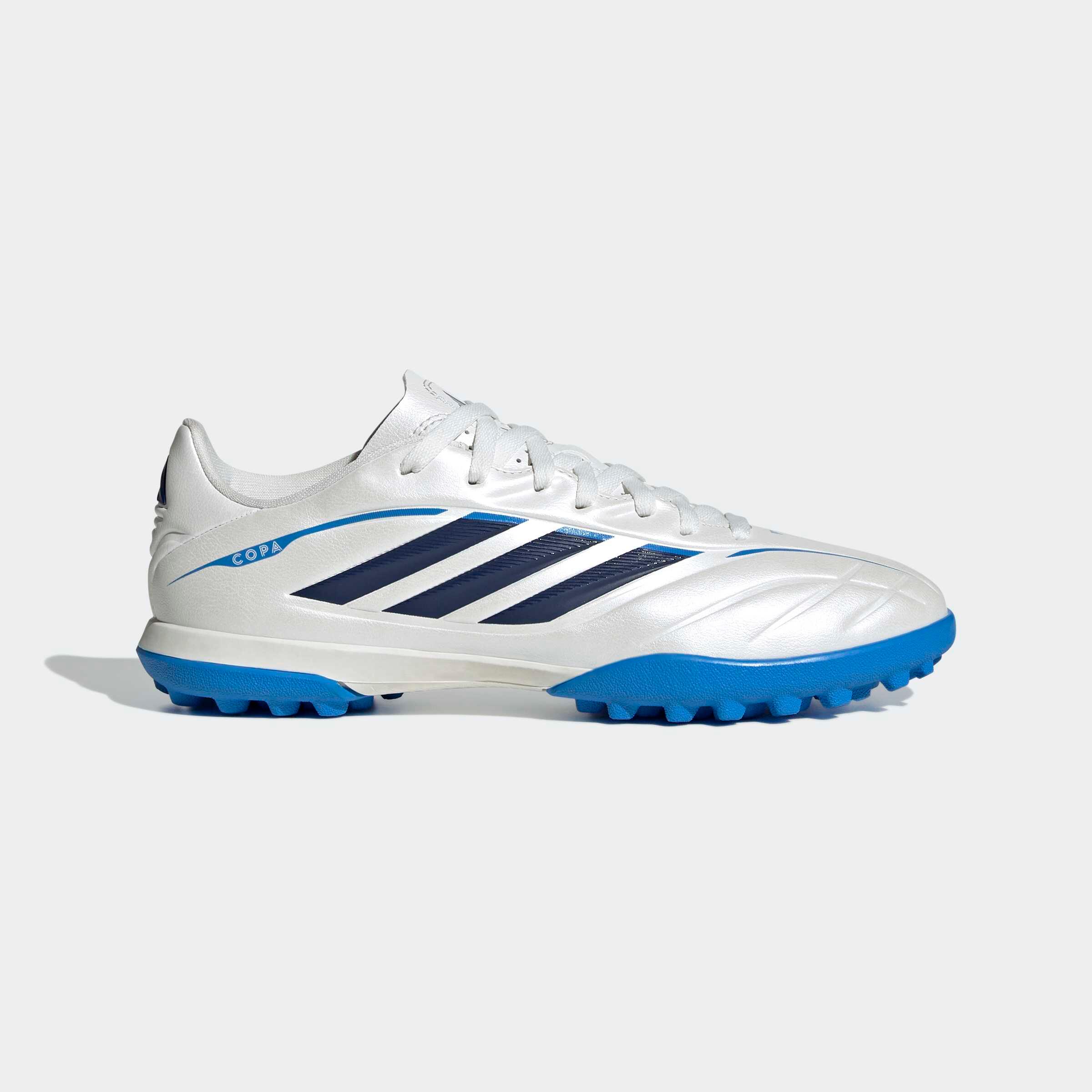
Short, compact synthetic pitches generally require a turf outsole with many small rubber studs. This layout spreads pressure across the foot and supports multidirectional movement without using the longer studs found on firm-ground plates. Turf footwear is commonly used for five-a-side leagues, school pitches and older artificial surfaces. Junior players can wear adidas Copa Club turf football shoes where the pitch rules permit low-profile rubber traction. Longer artificial grass may need an AG or approved multi-ground outsole instead. Read the individual product classification carefully because product families can include several different sole types. Correct traction should feel stable when accelerating and turning without creating uncomfortable pressure beneath the foot or gripping the surface too aggressively.

When are adidas Copa multi-ground football boots useful?

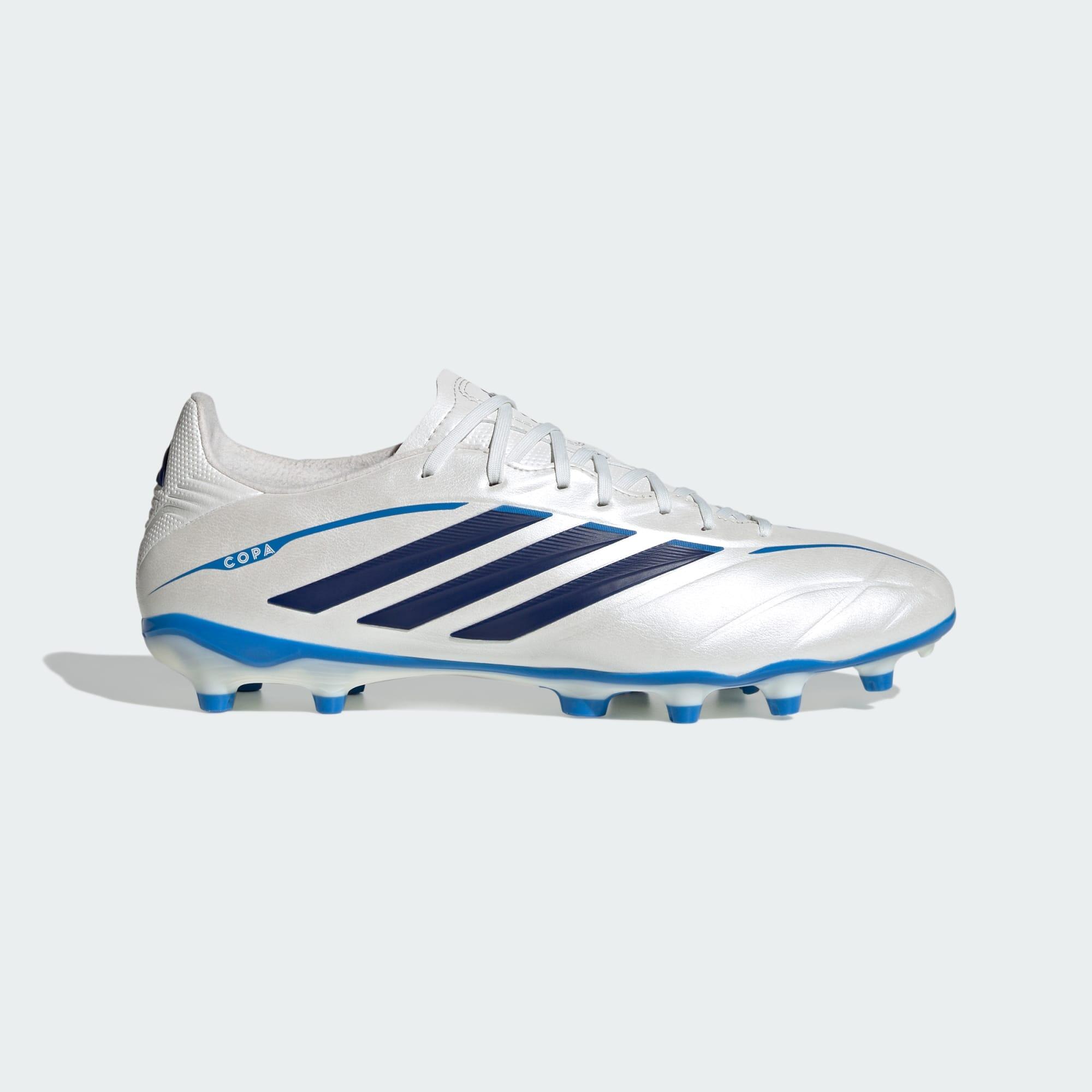
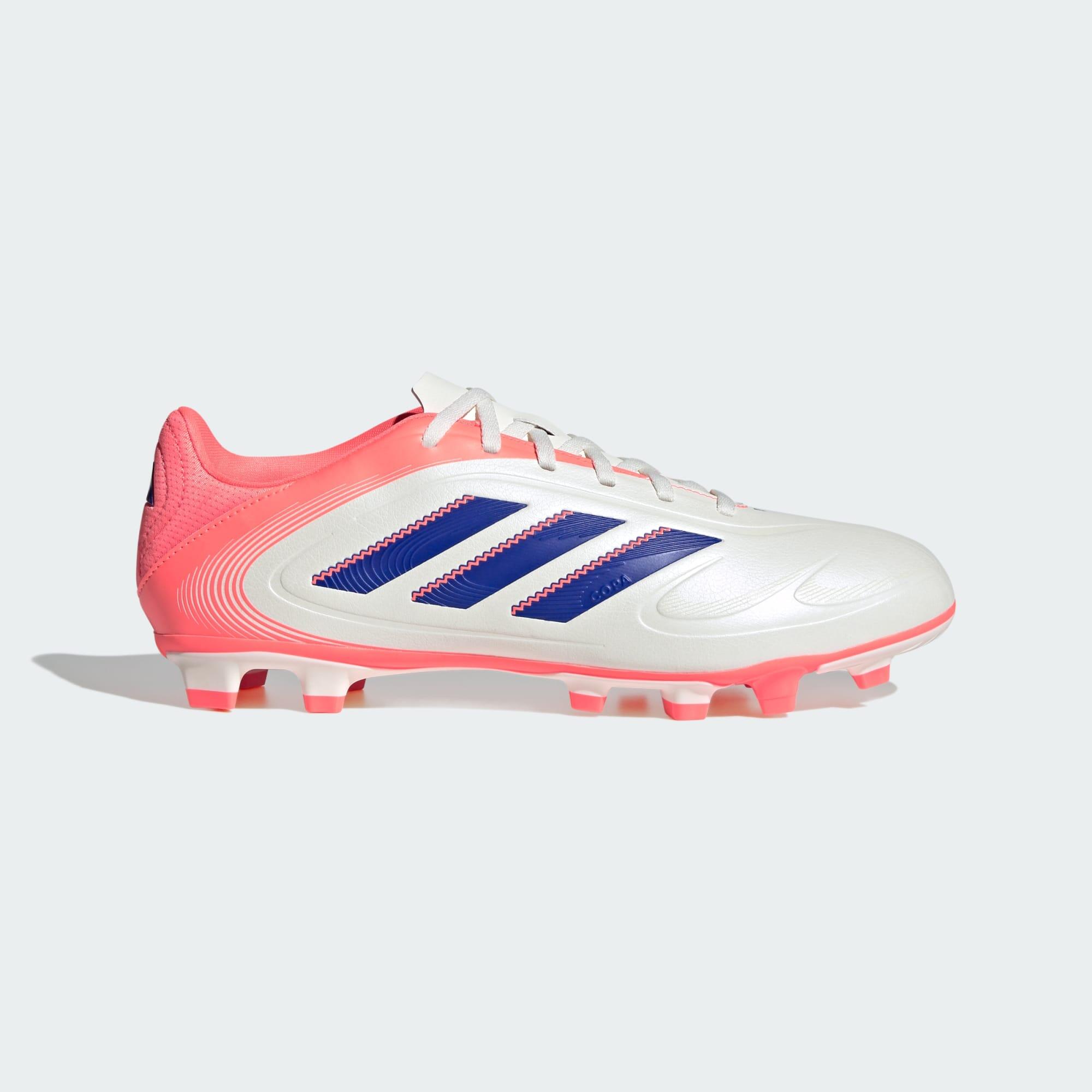
Multi-ground boots can be practical for players who train on more than one approved pitch type during the week. Their stud arrangement aims to provide usable traction across firm natural grass and compatible artificial surfaces, reducing the need to carry separate footwear for every session. However, multi-ground does not mean the boots are suitable for soft mud, compact turf or indoor courts. The adidas Copa multi-ground football boots should be used only on the surfaces stated in the product details and allowed by the venue. Check the stud length, pitch condition and underfoot comfort before play. Players who regularly train on very different surfaces may still benefit from owning separate pairs, as a specialised outsole usually provides more appropriate traction for its intended ground.

How should adidas Copa football shoes fit and feel?

The heel should remain secure while walking, jogging and changing direction, with no noticeable lifting inside the shoe. Your toes need enough room to move naturally, but excess space can allow the foot to slide during stops and strikes. Copa uppers may feel supple, padded or closely shaped depending on whether the model uses synthetic Fusionfeel, calfskin or a higher-tier leather construction. Lace the shoe from the lower eyelets upwards so pressure is distributed evenly rather than concentrated across one part of the foot. Bring the socks and shin-pad setup you normally use when trying on football boots. A comfortable upper should move with the foot without folding sharply, rubbing the heel or creating numbness. Recheck junior sizing during the season because growing feet can quickly change the fit.