130 items
4.5/5 based on 4460 reviews collected online and in stores

Golf Balls FAQs

How might you choose the right golf balls?

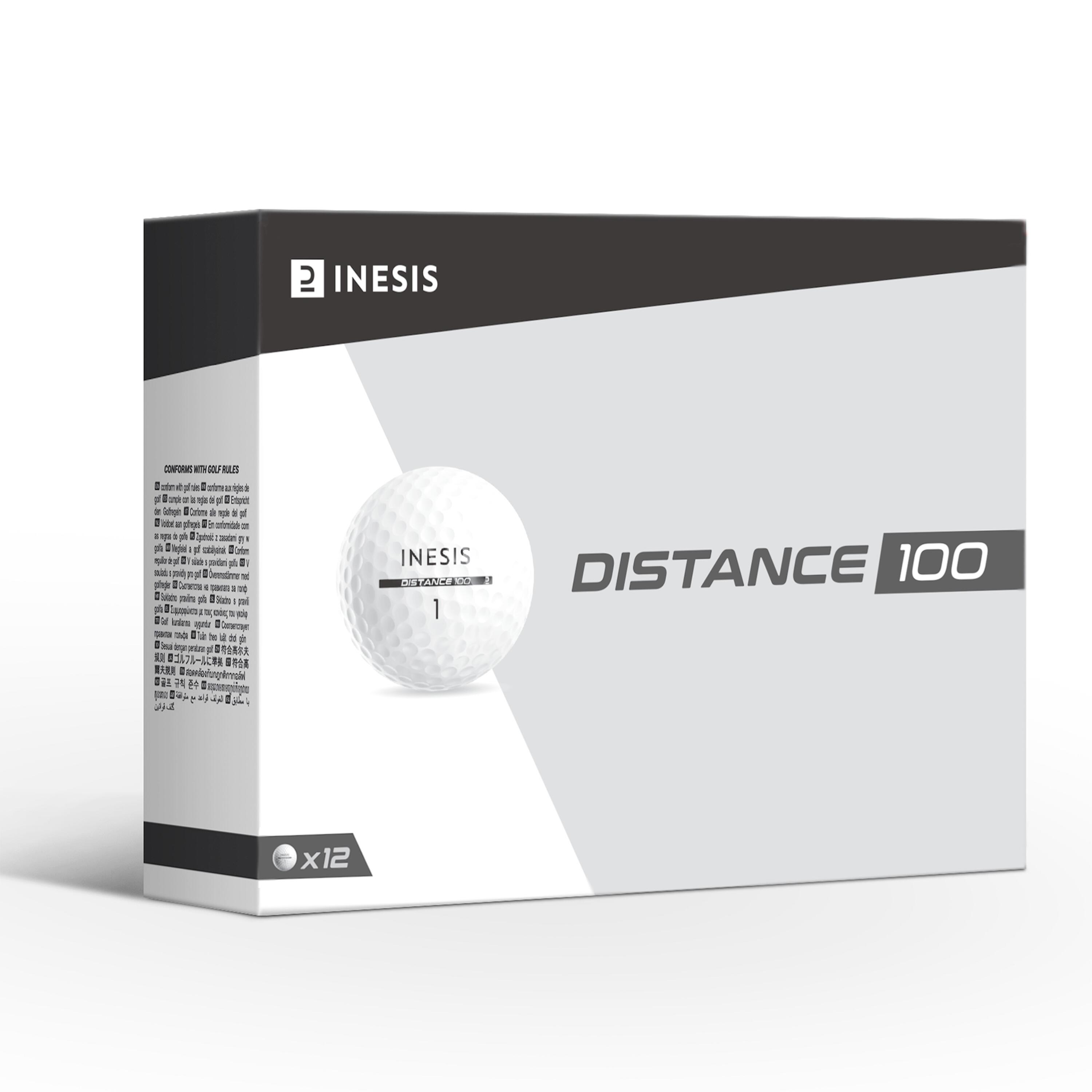
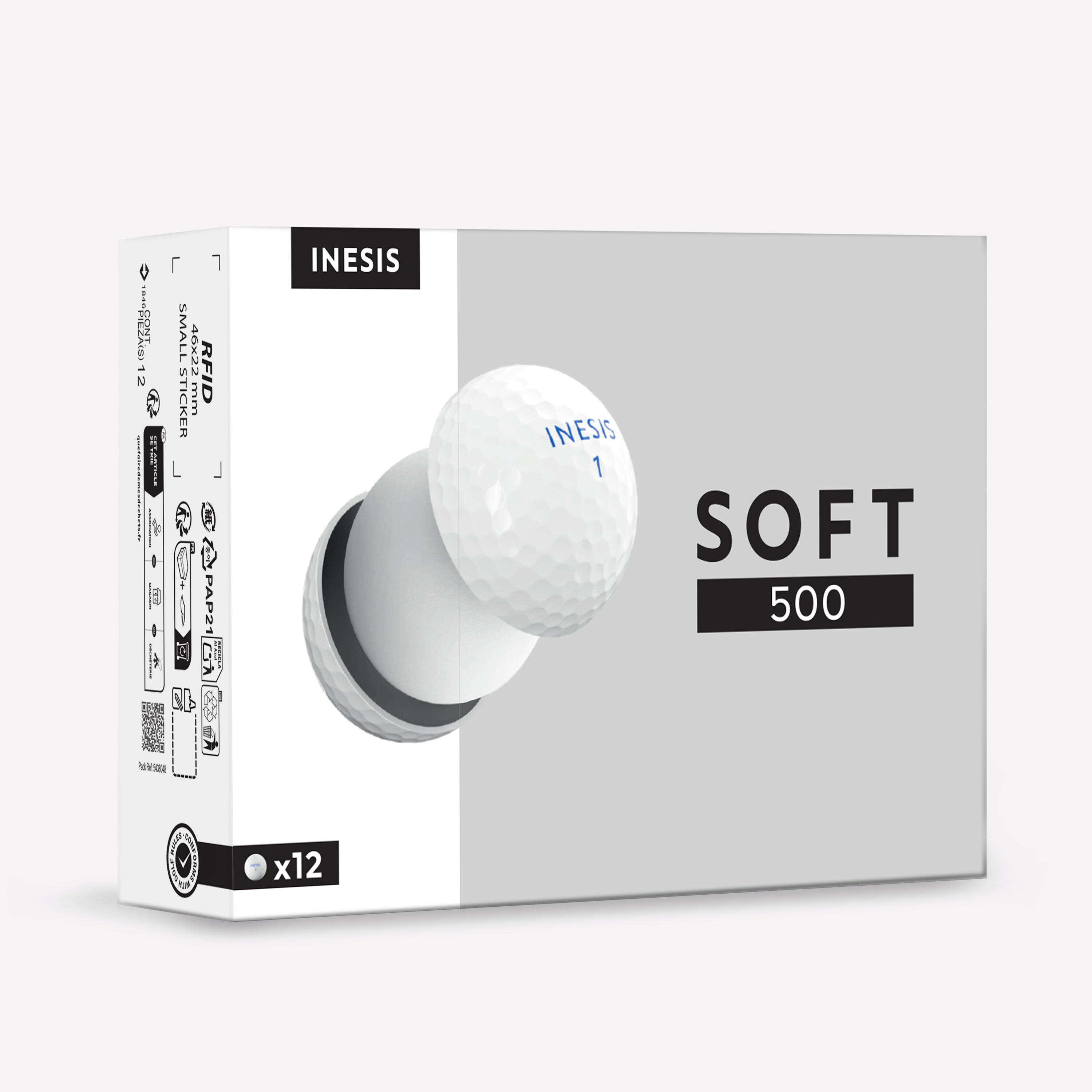
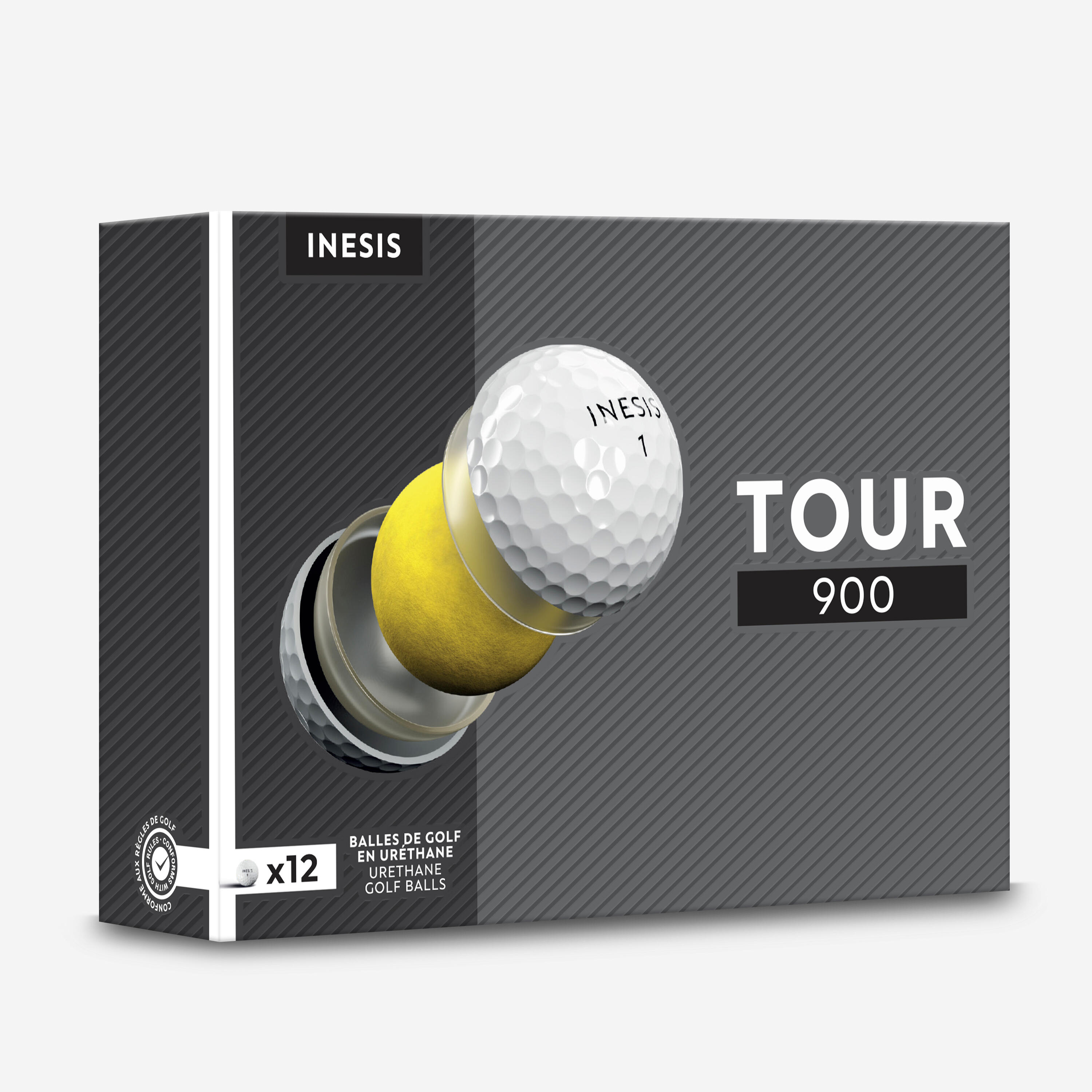
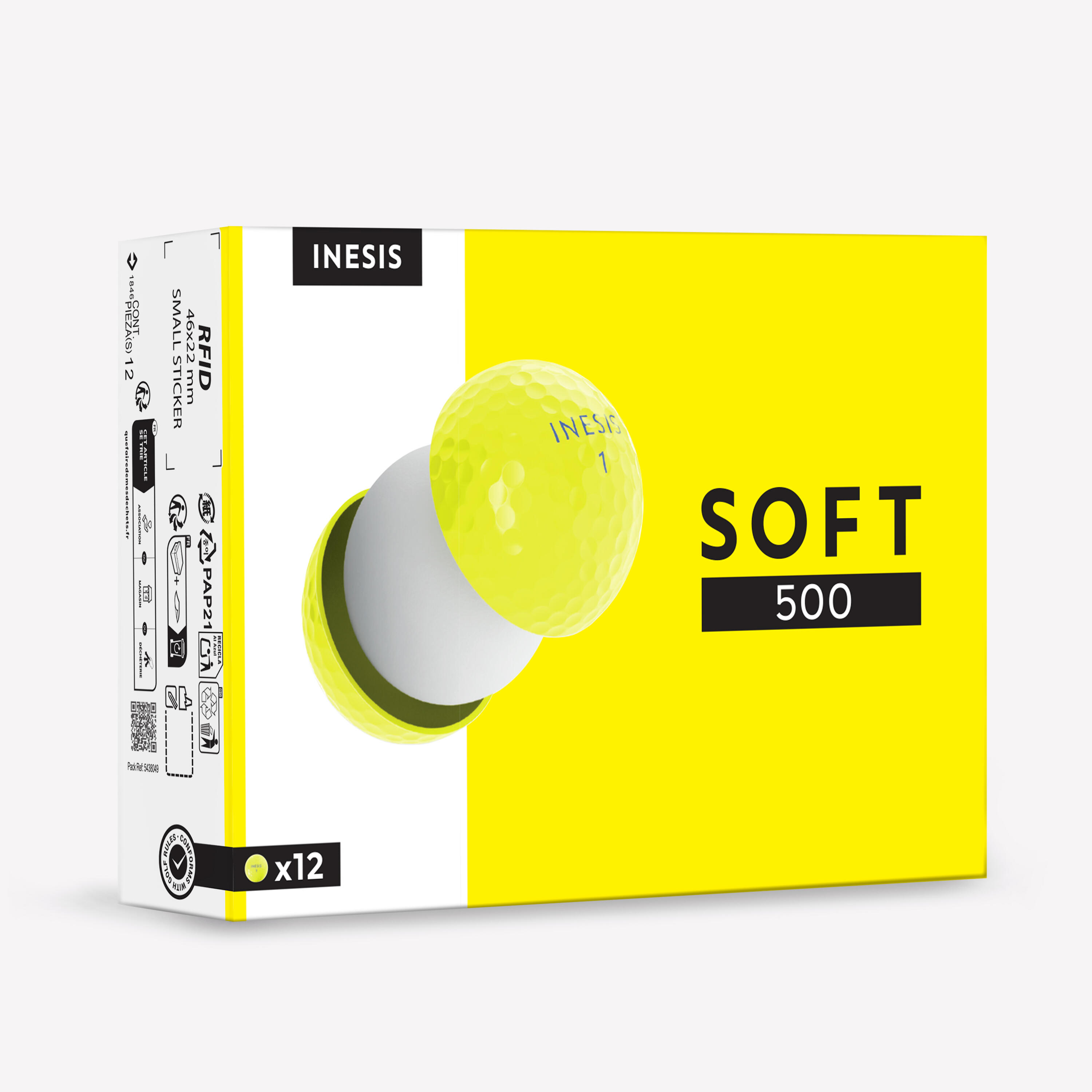
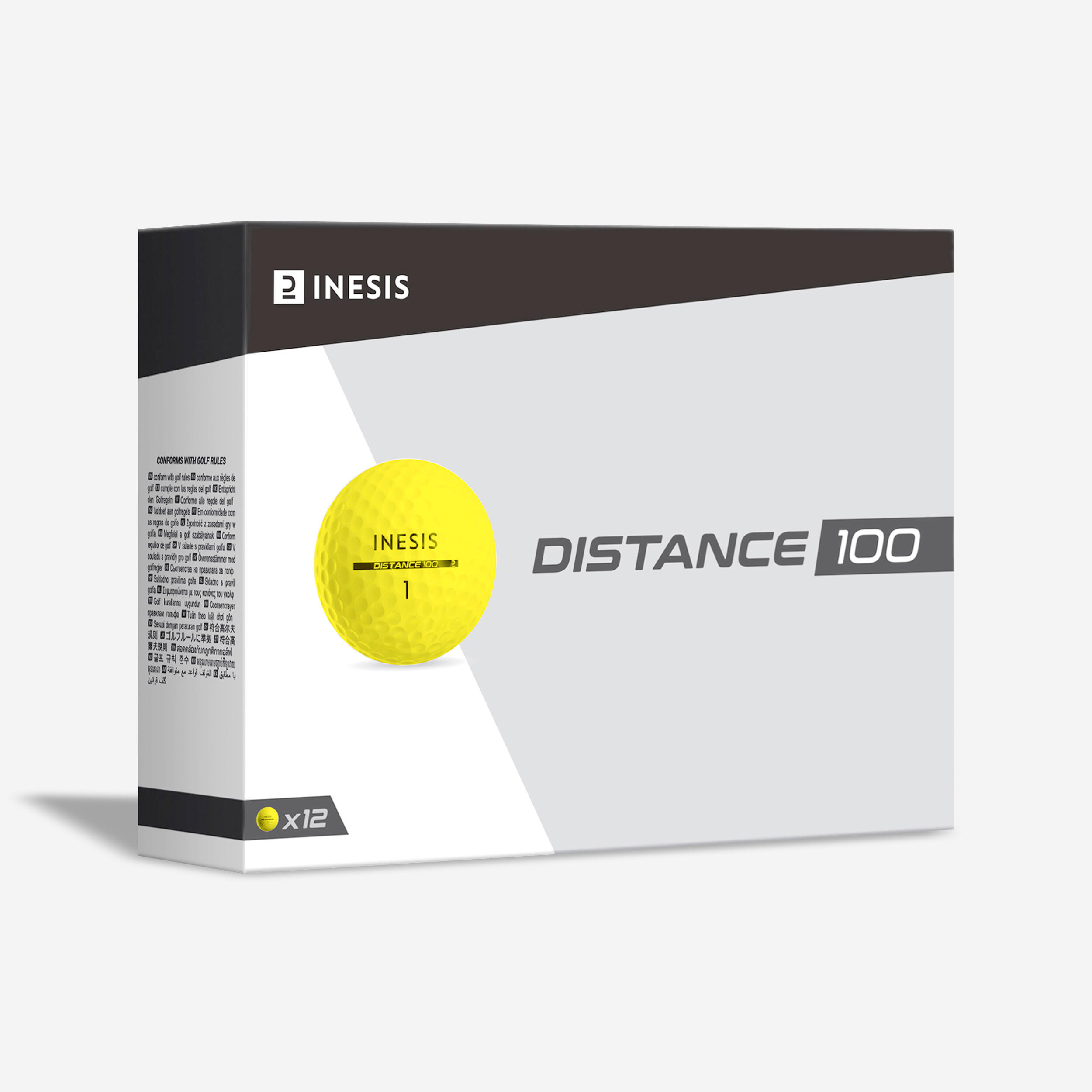
Match the ball to your current playing level, preferred feel and the type of performance you value most. Two-piece ionomer balls commonly provide a durable and accessible option for recreational play, while multi-layer urethane balls place greater emphasis on spin and control around the green. INESIS creates a clear starting point through its Distance 100 and Soft 500 models. The Distance 100 golf balls use a firm 95-compression construction intended for unranked golfers and players with handicaps above 30. More experienced golfers may prefer a softer ball or a premium model with greater short-game control. Check the cover, compression, pack quantity and condition rather than choosing by brand or colour alone.

Which golf balls are suitable for beginners?

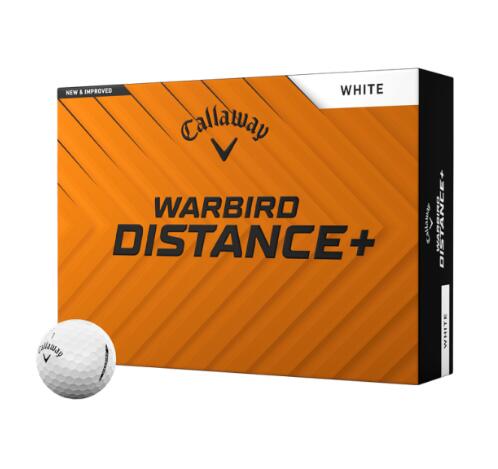
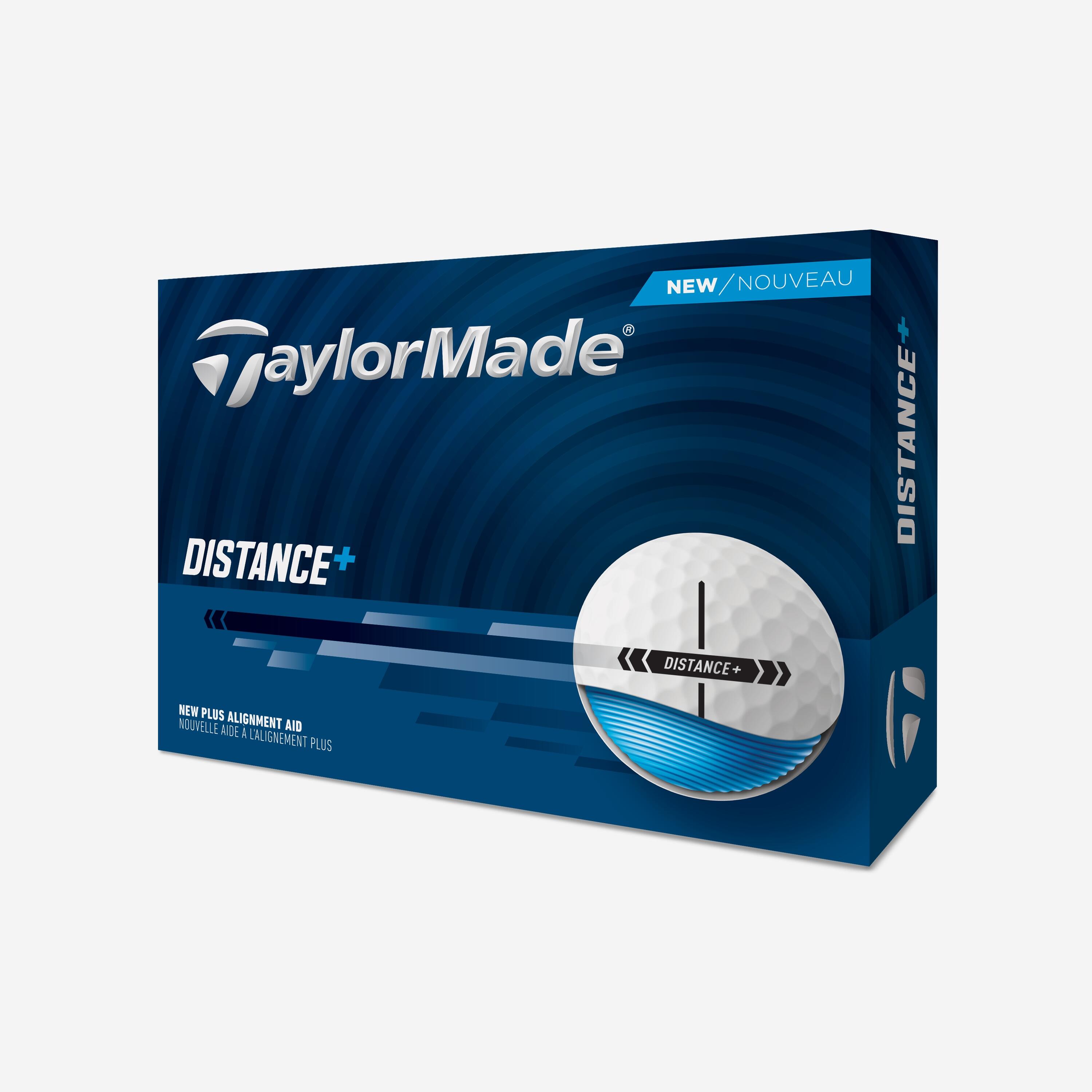
Beginners often benefit from durable balls that provide useful distance without adding unnecessary cost when several balls may be lost during a round. INESIS Distance 100 uses a hard rubber core, a Surlyn ionomer cover, two-piece construction and 440 dimples. Its firm 95-compression feel prioritises distance rather than soft contact. TaylorMade Distance+ is another beginner-focused two-piece option, although its published 77 compression gives it a softer specification than Distance 100. New golfers can also use kids' golf balls for reduced-distance practice with children or in limited spaces. Foam products are useful for learning basic contact but are not replacements for conventional balls during normal course play.

What is the difference between firm and soft golf balls?

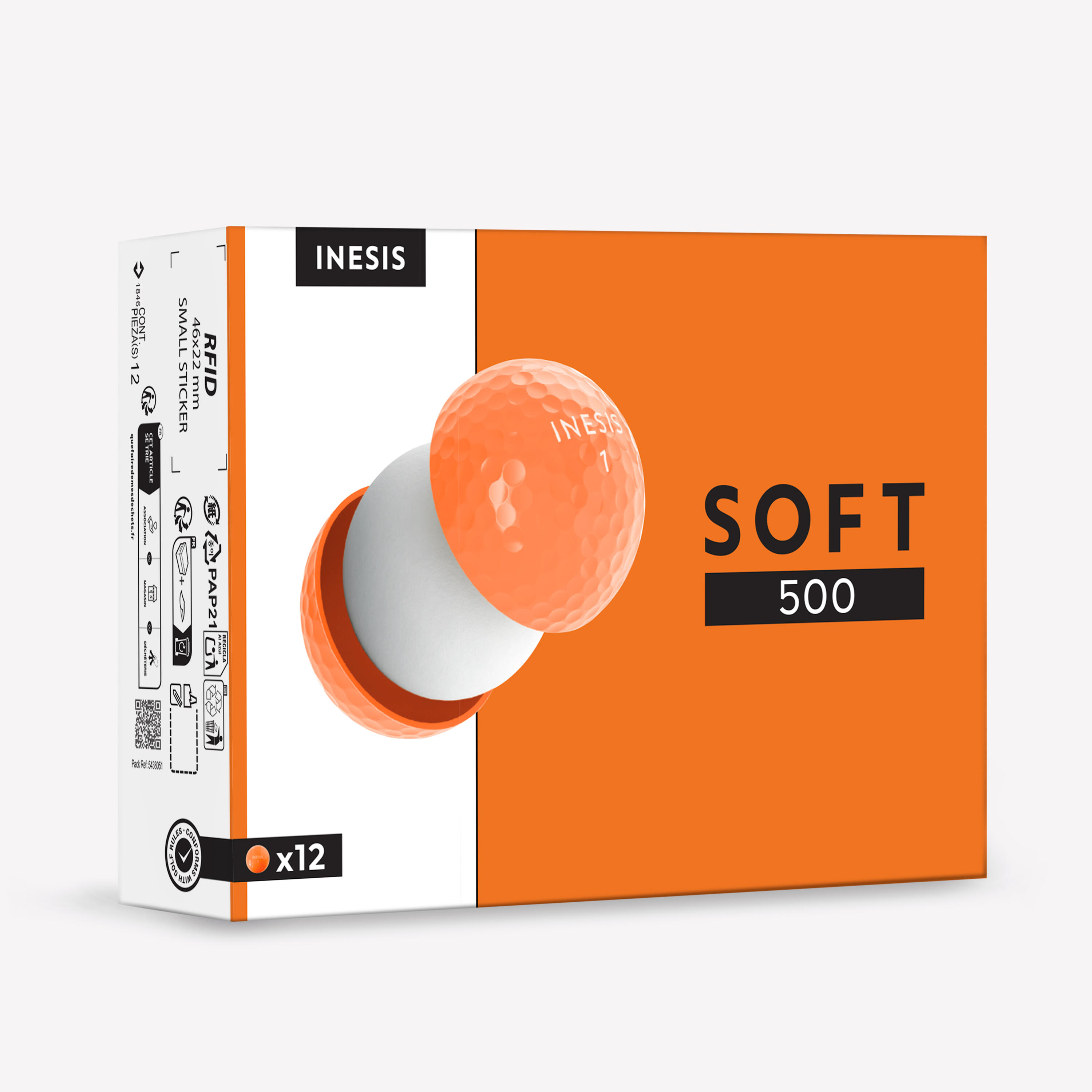
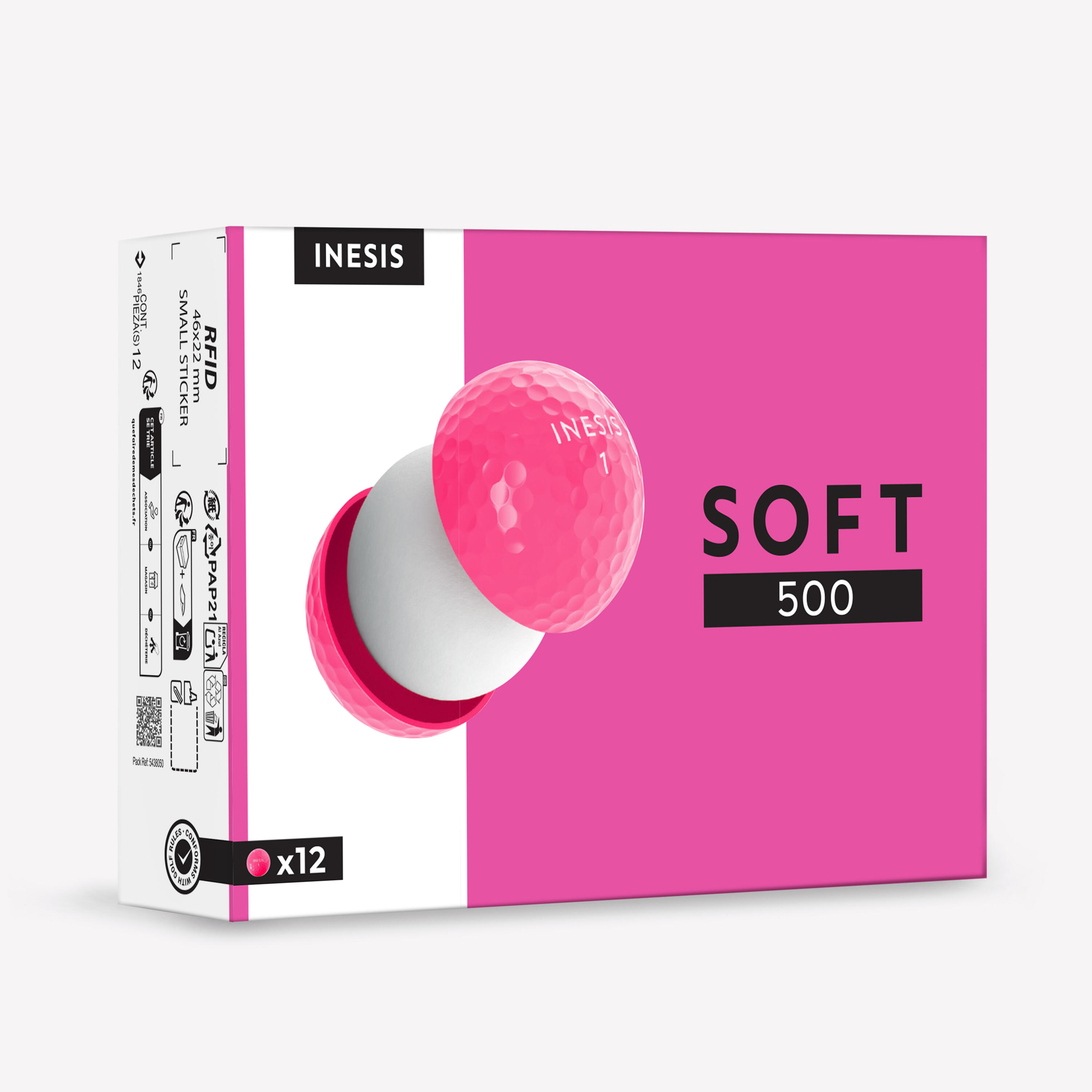
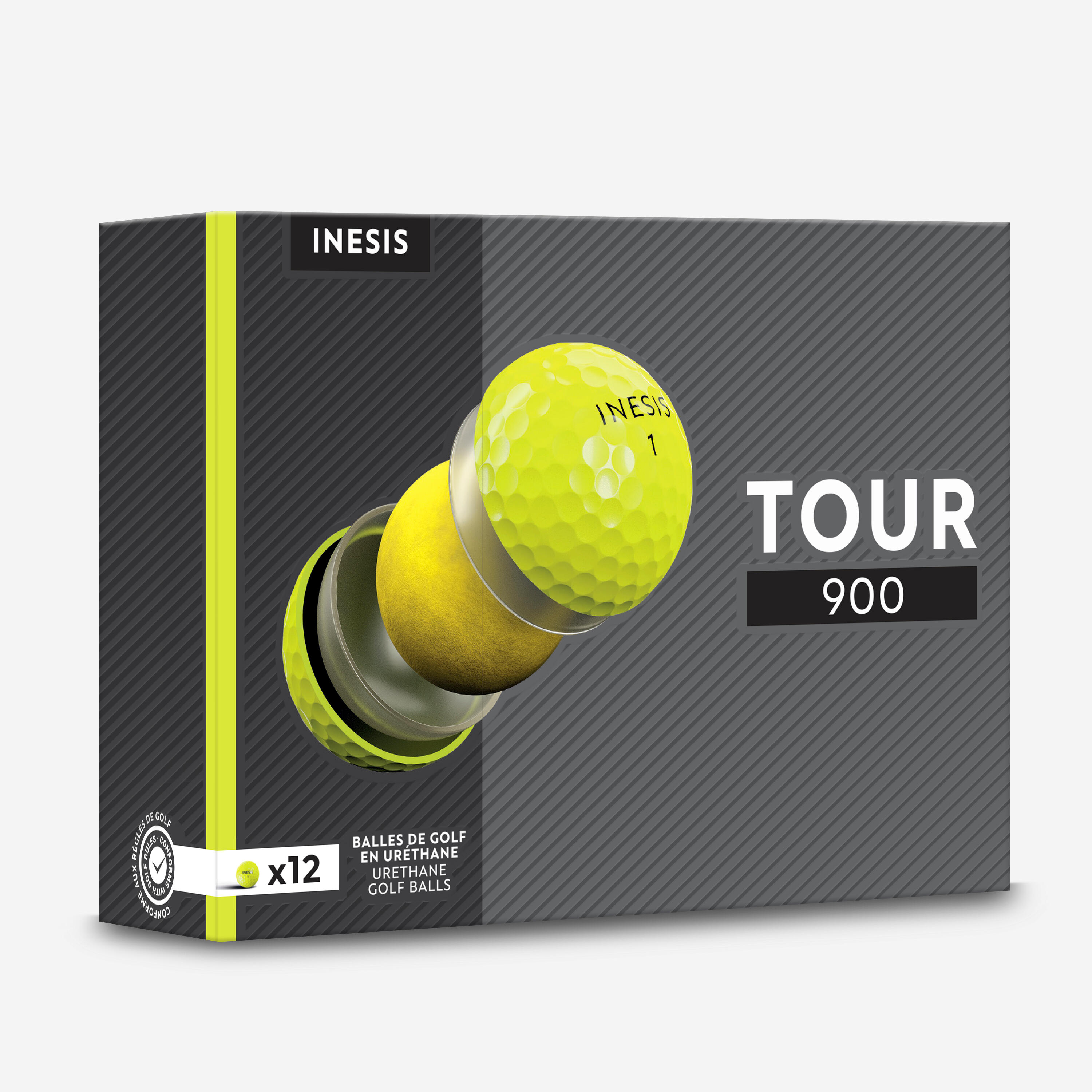
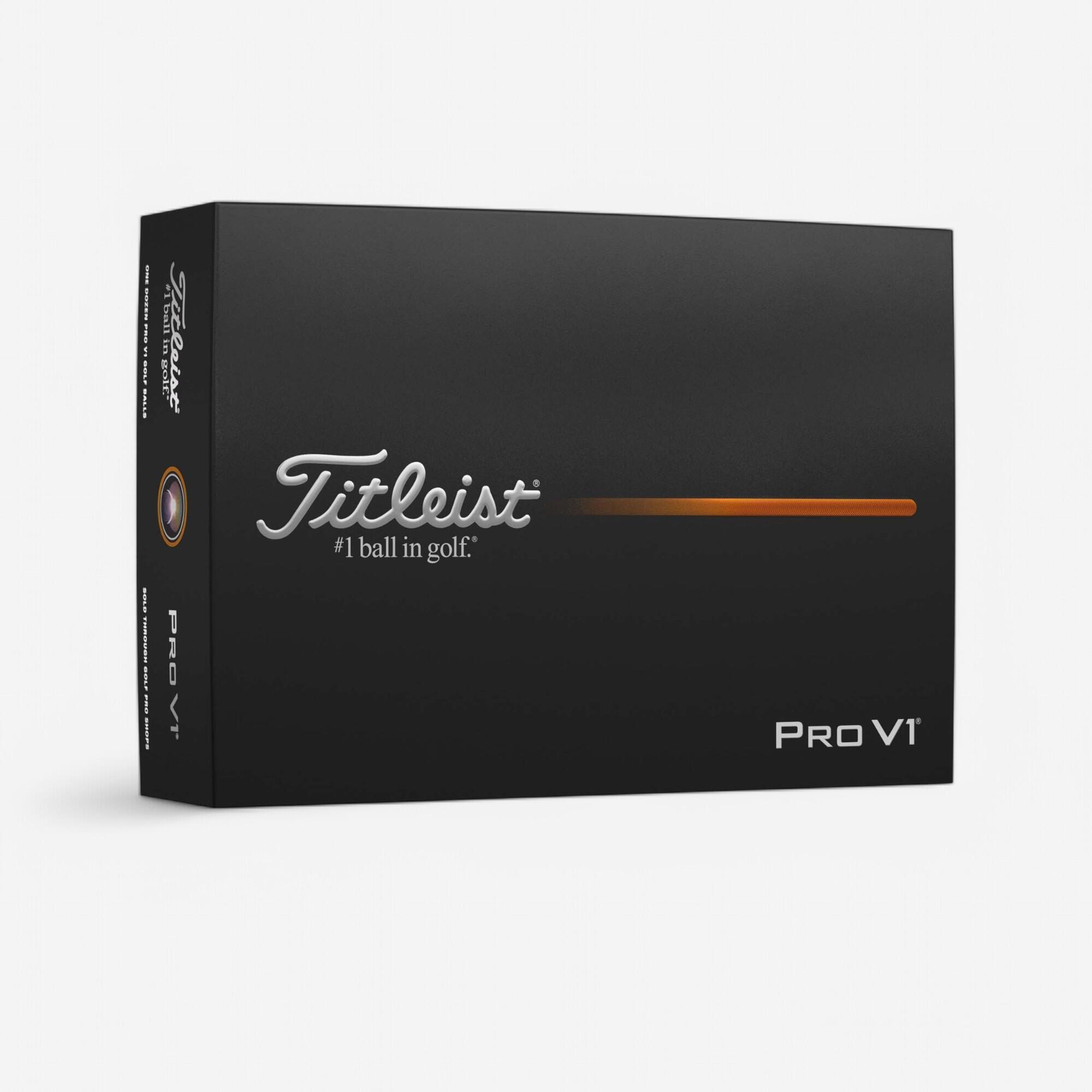
Firm and soft descriptions mainly refer to impact feel, although the complete result also depends on the core, cover and number of layers. The INESIS Distance 100 uses 95 compression for a firmer distance-led response. The soft 500 golf balls reduce compression to 65, creating gentler contact for intermediate golfers with handicaps around 15-30. Both are two-piece models with rubber cores, Surlyn ionomer covers and 440 dimples, making compression the clearest published difference. Premium urethane balls such as Titleist Pro V1 and Pro V1x add more layers and are positioned for greater spin and control, but their softer covers may show scuffs more readily than durable ionomer constructions.

Are second-hand golf balls suitable for practice?

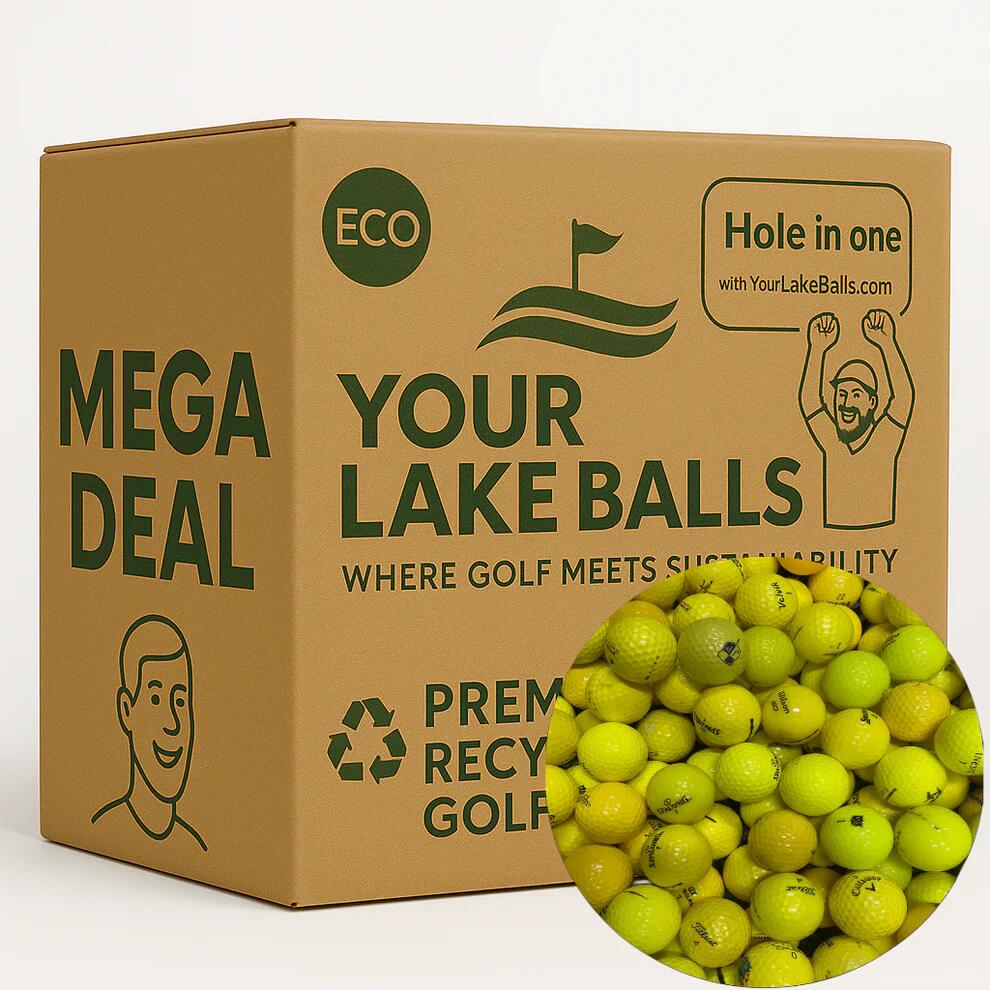
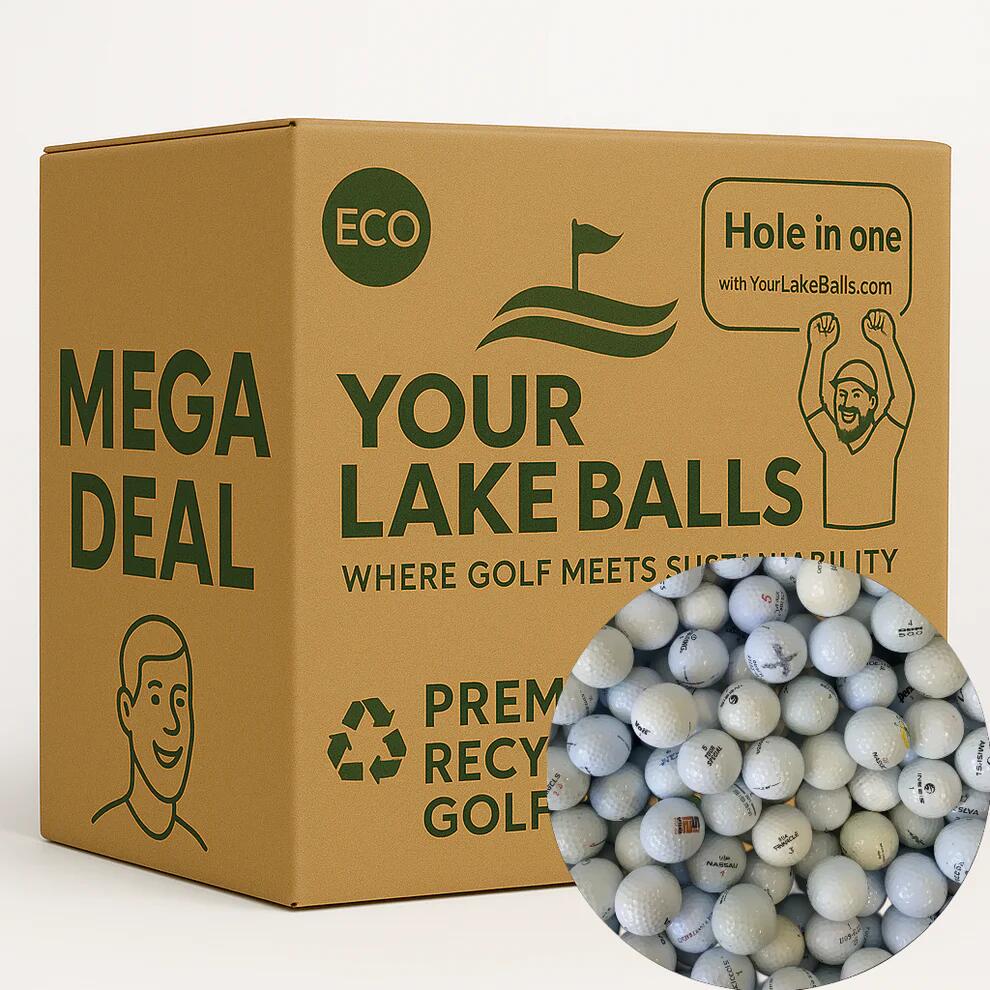
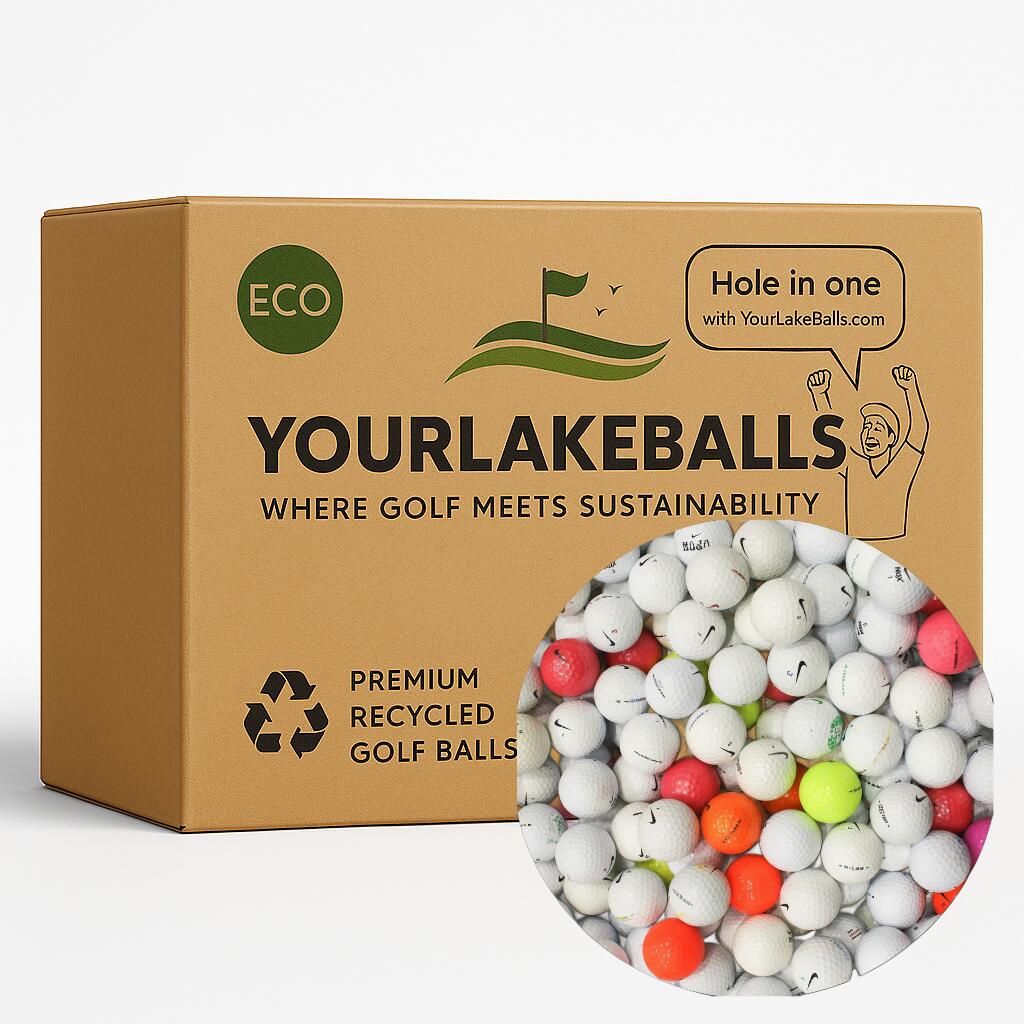
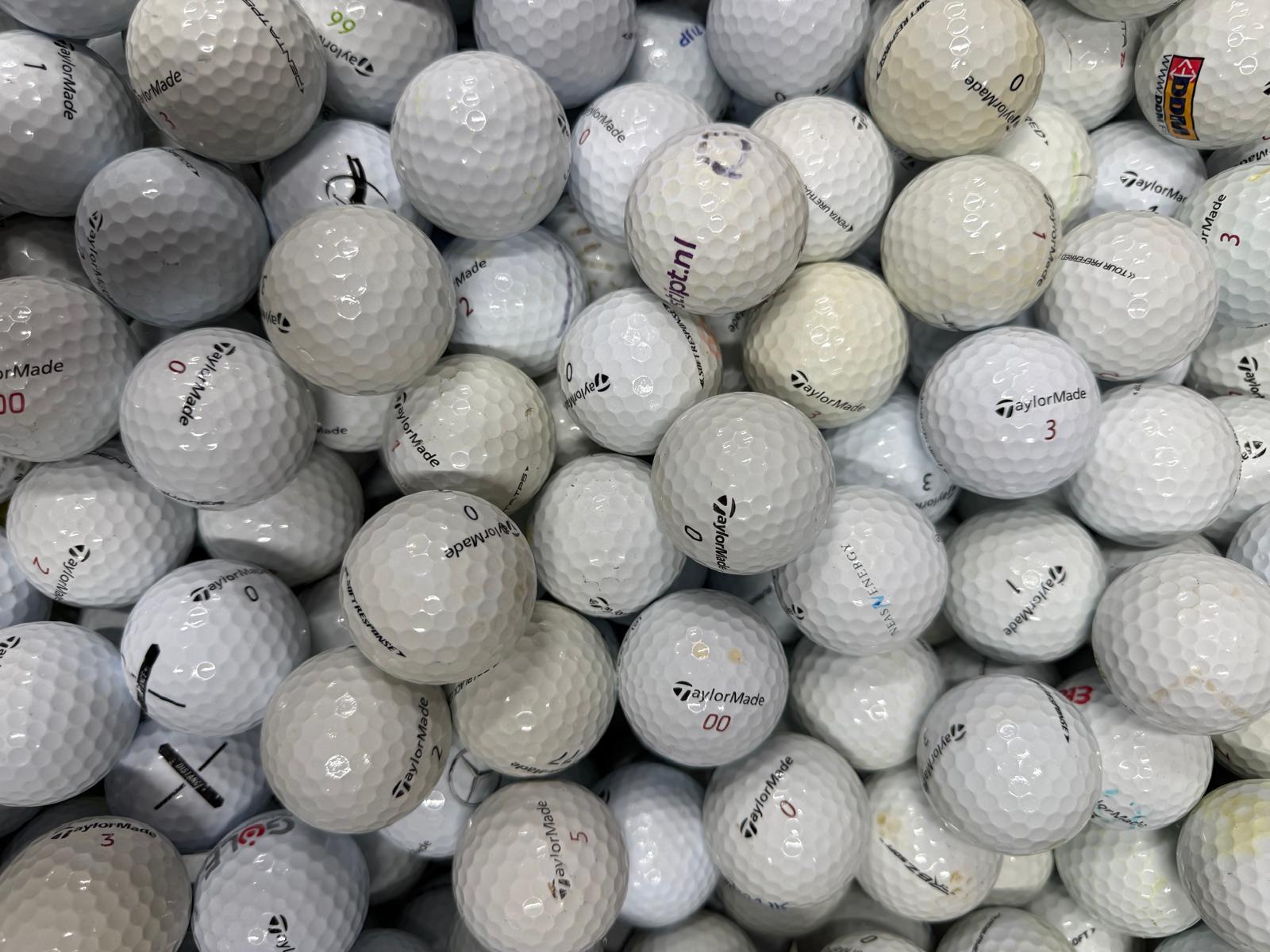
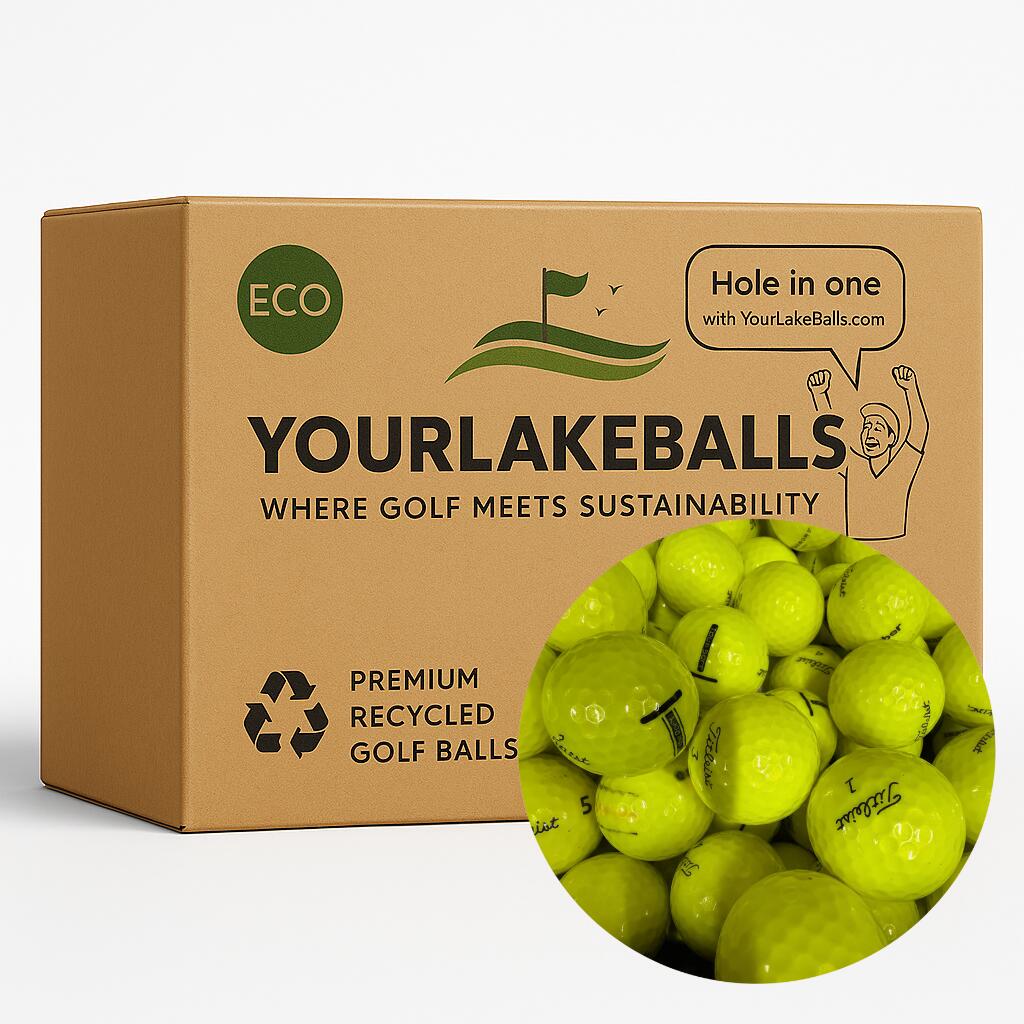
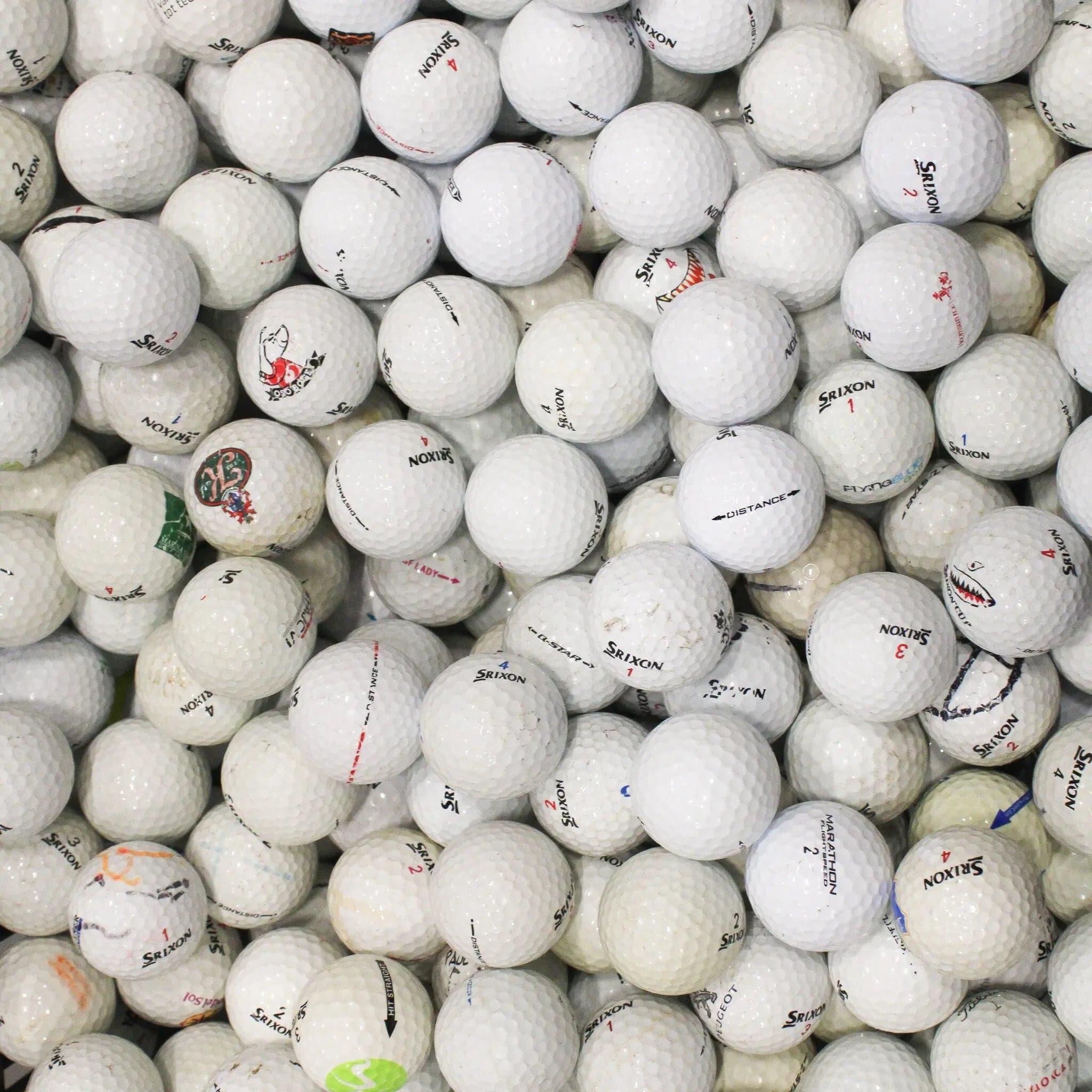
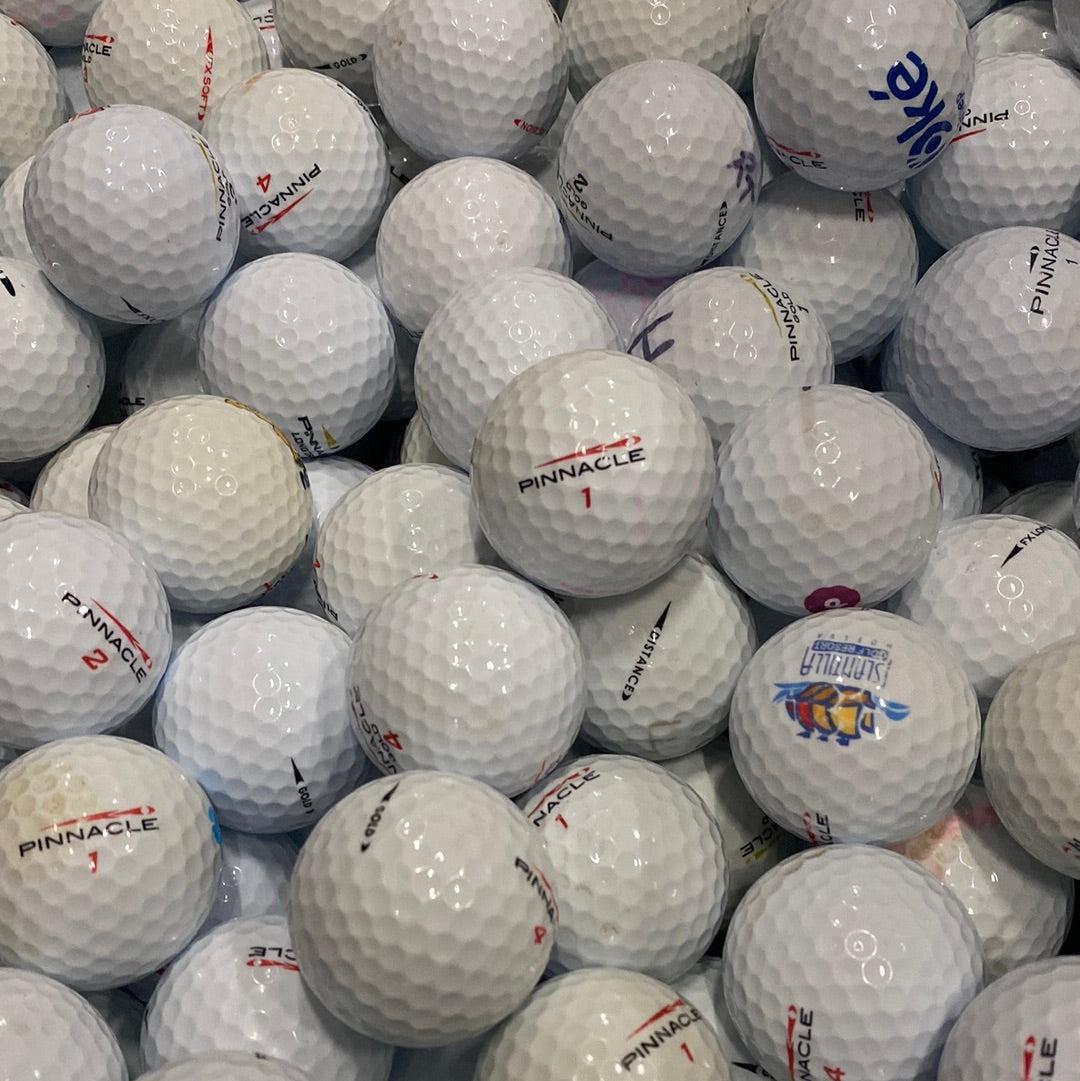
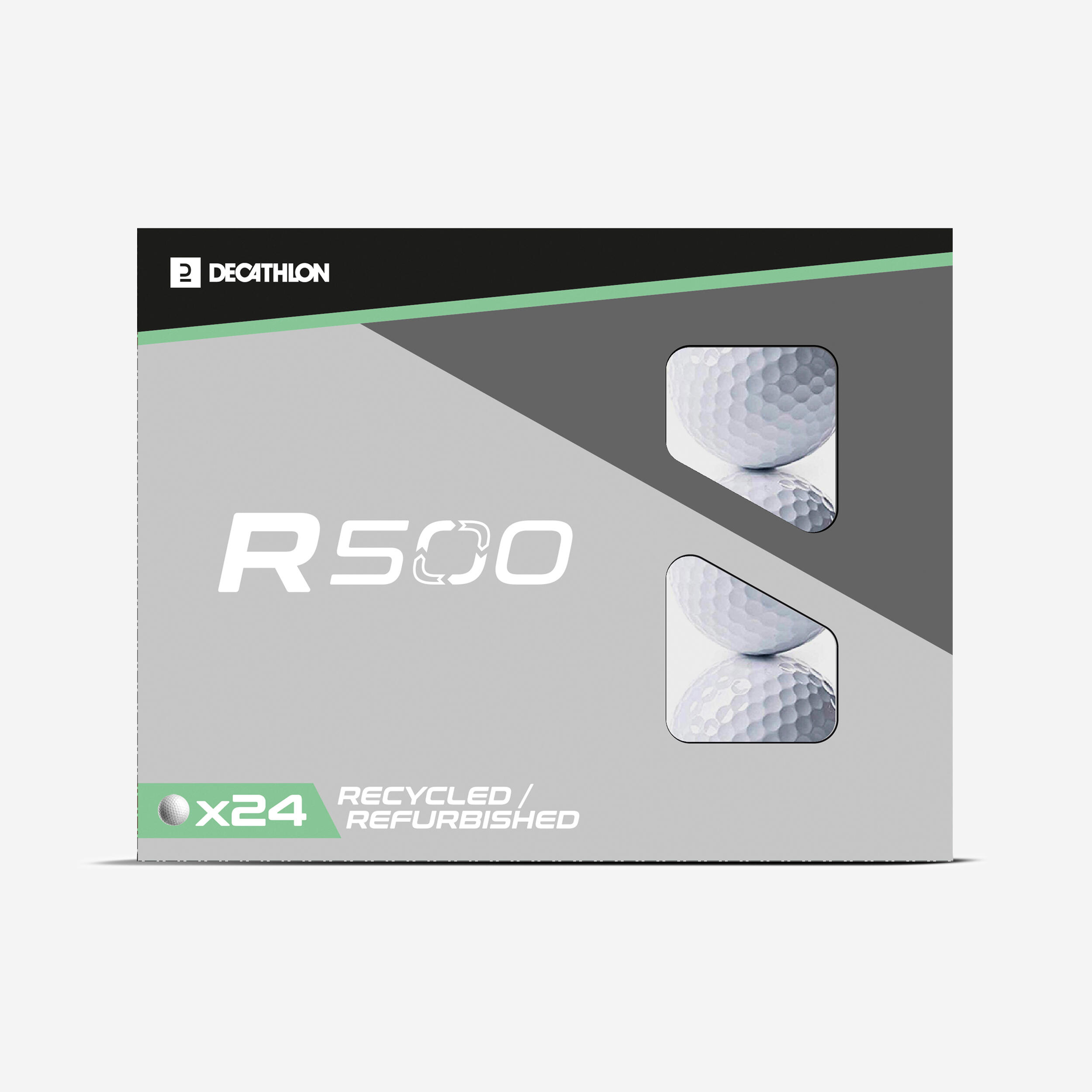
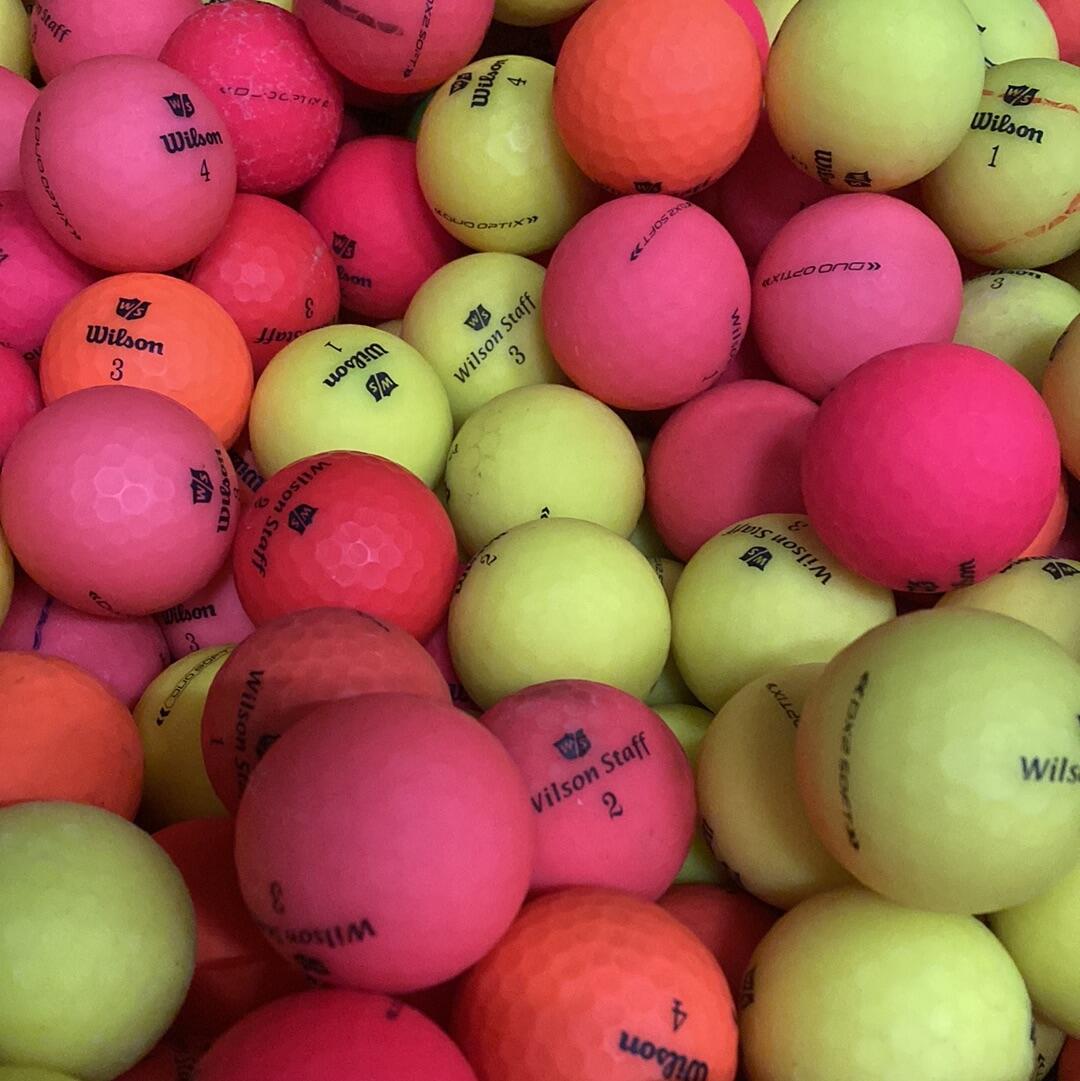
Second-hand balls can provide a practical option for practice rounds, beginners or golfers who regularly lose balls. However, recovered lake-ball packs may contain cosmetic marks, surface wear or differences in condition that are not present in a matched pack of new balls. Some lots are grouped by brand or model, while others contain mixed constructions and quality grades. Check the quantity, stated grade and whether the pack contains one model or several before ordering second-hand golf balls. They may be useful for general practice, but golfers seeking consistent feel, spin and flight throughout a competition may prefer new balls with one clearly published construction.

How do you clean and check golf balls?

Remove mud and grass before putting because dirt around the dimples can affect how the ball sits, rolls and travels through the air. Use clean water and a soft cloth or brush rather than harsh chemicals that may damage the cover. Dry each ball before returning it to a pocket or storage bag. Inspect the surface for deep cuts, cracks, flattened areas or heavy scuffing, particularly after contact with trees, paths or hard practice surfaces. Replace a damaged ball when its condition may affect flight or precision. Useful cleaning tools, markers and storage items are available with other golf accessories. Keep different models separated if you want a consistent feel during a round, and confirm the pack quantity before replenishing your supply.