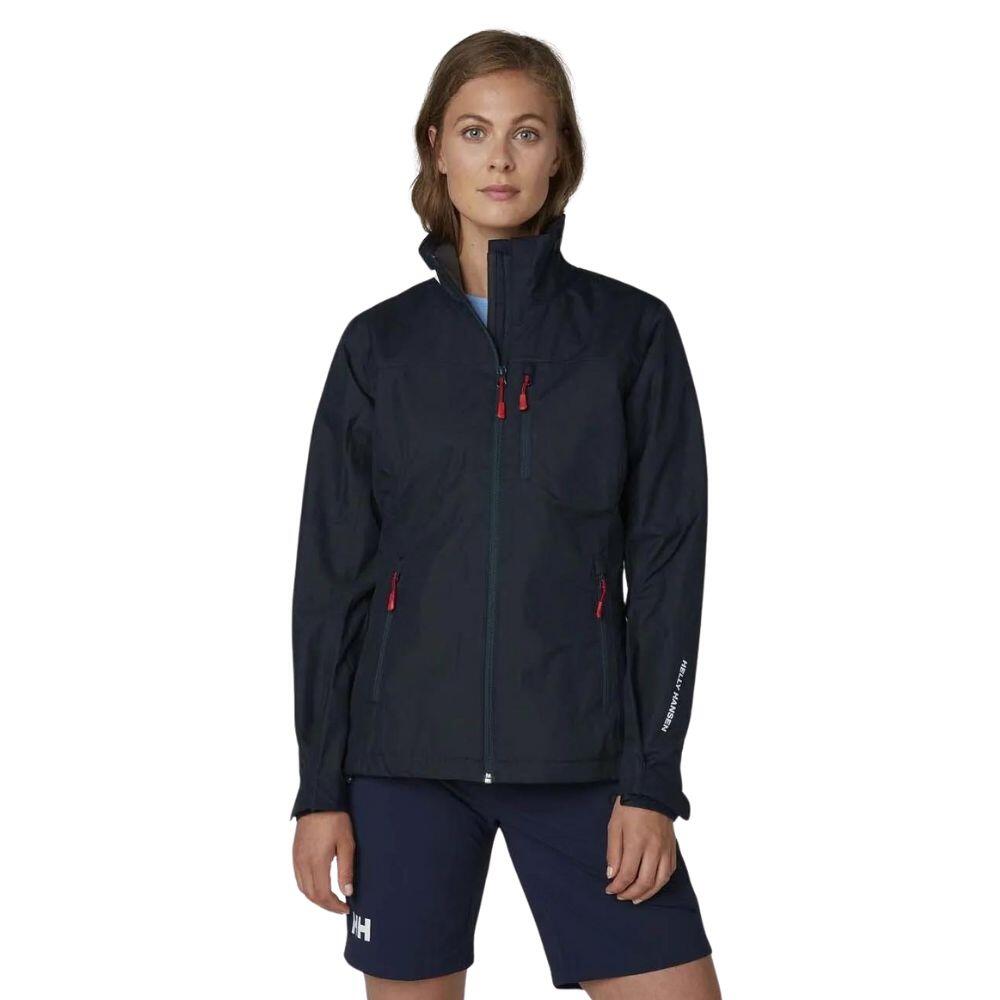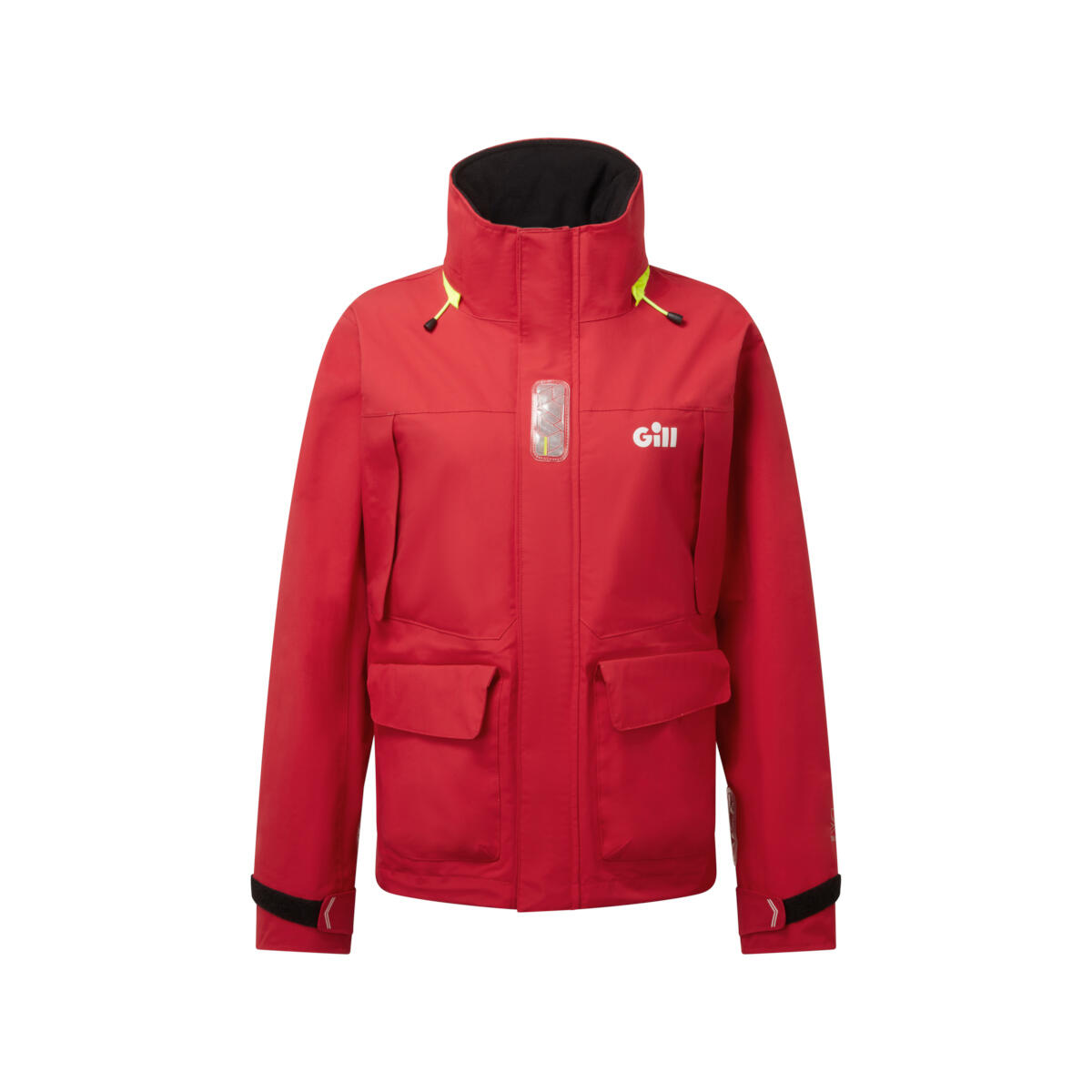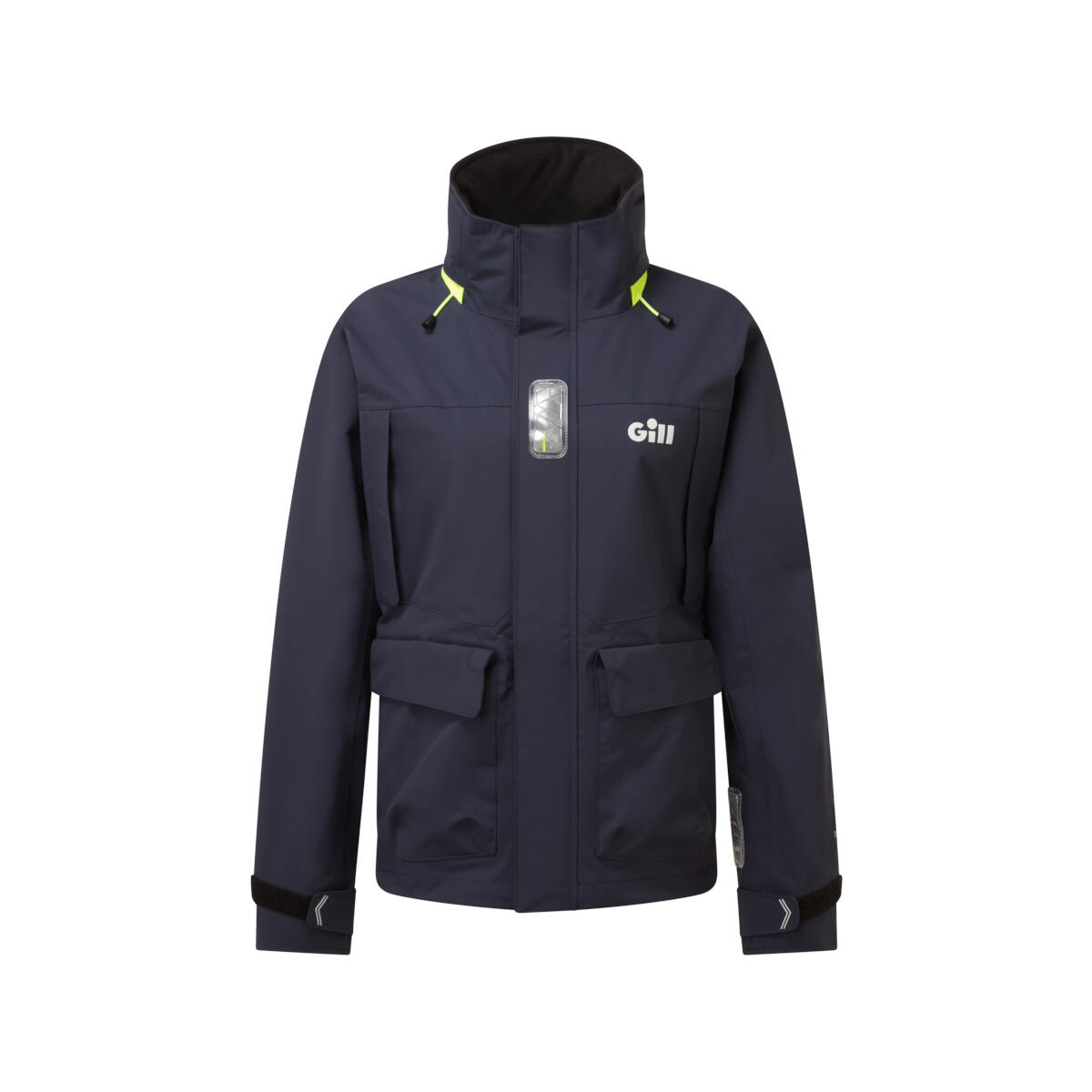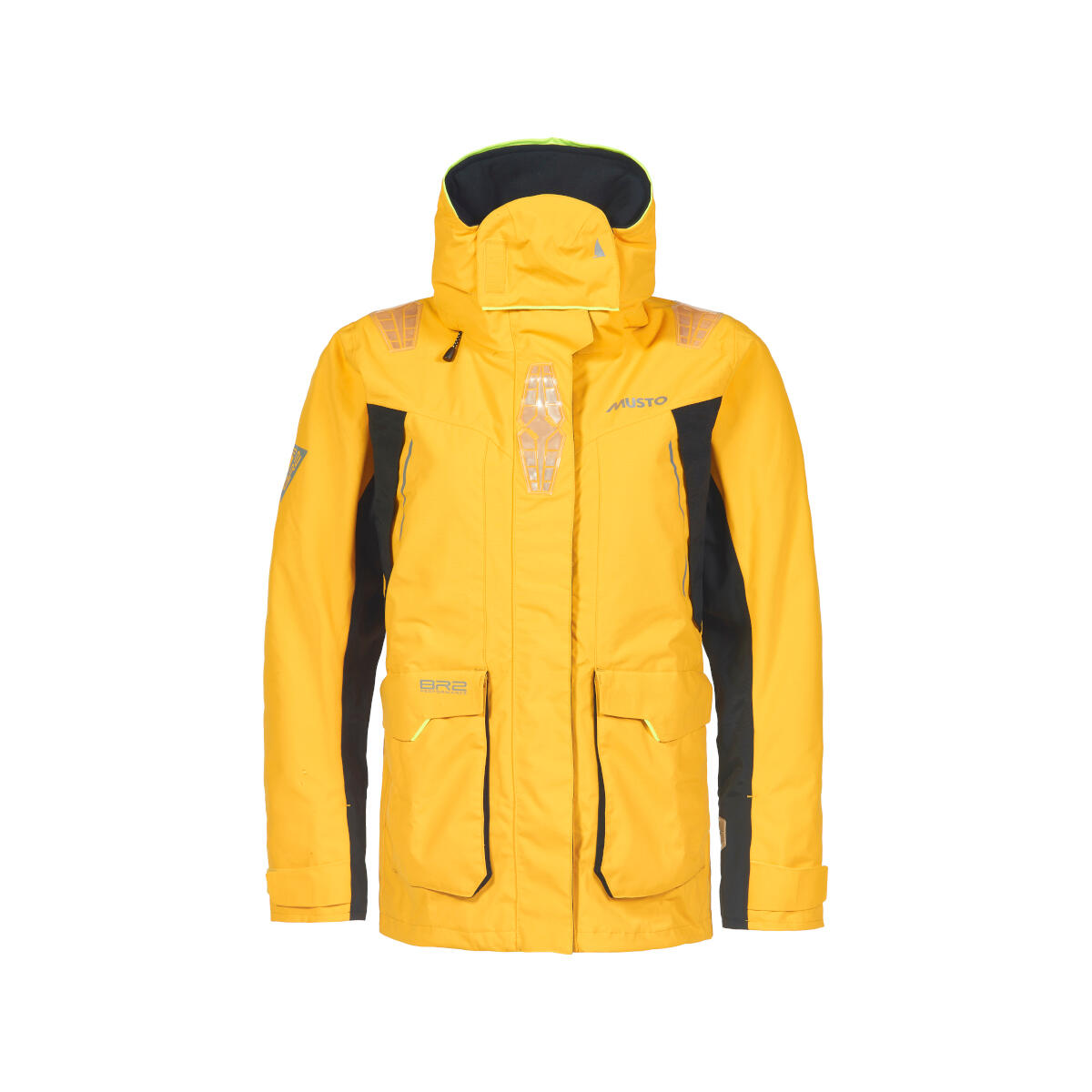
64 items
4.8/5 based on 51228 reviews collected online and in stores

Women's Sailing Jackets and Smocks FAQs

When should you choose a sailing smock instead of a sailing jacket?

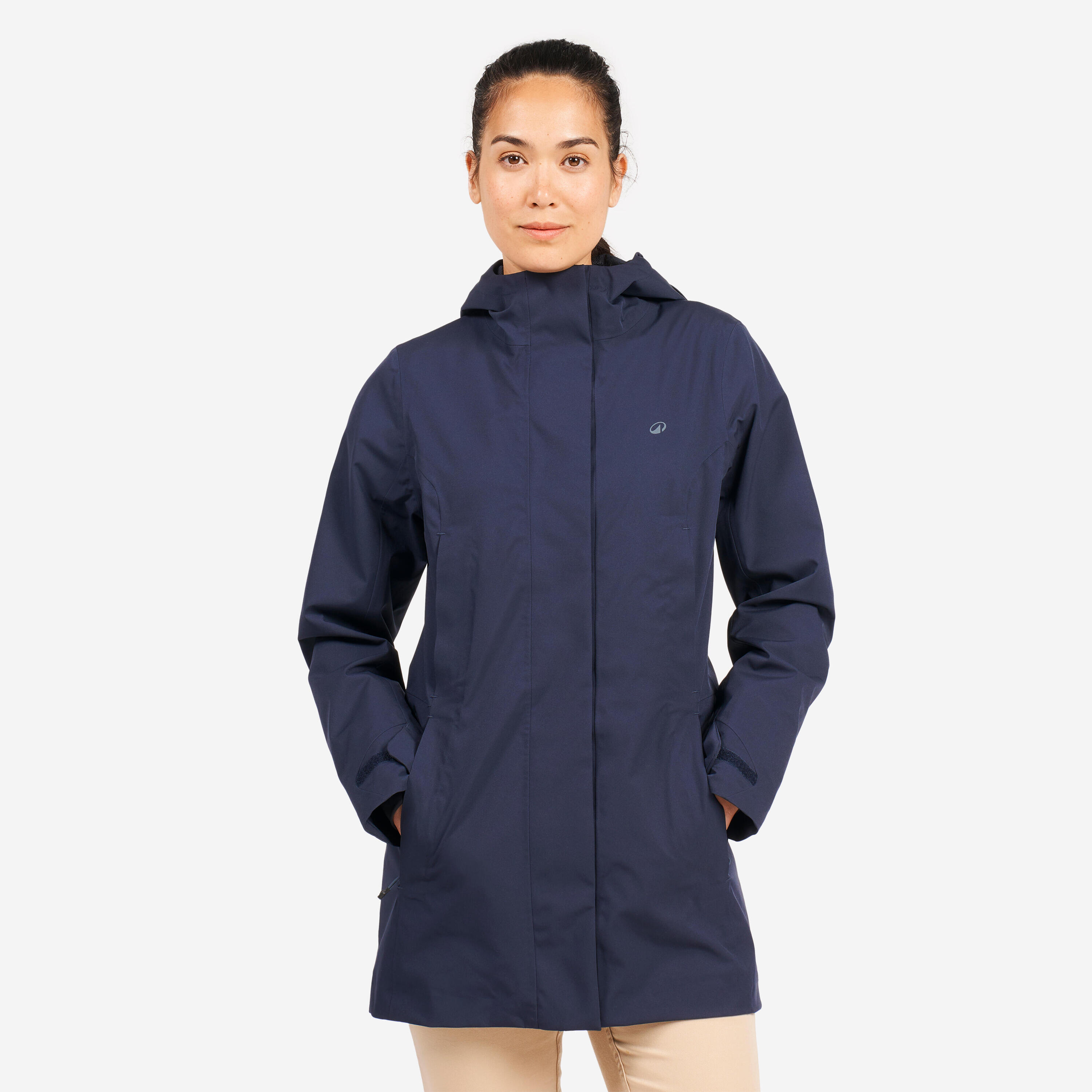
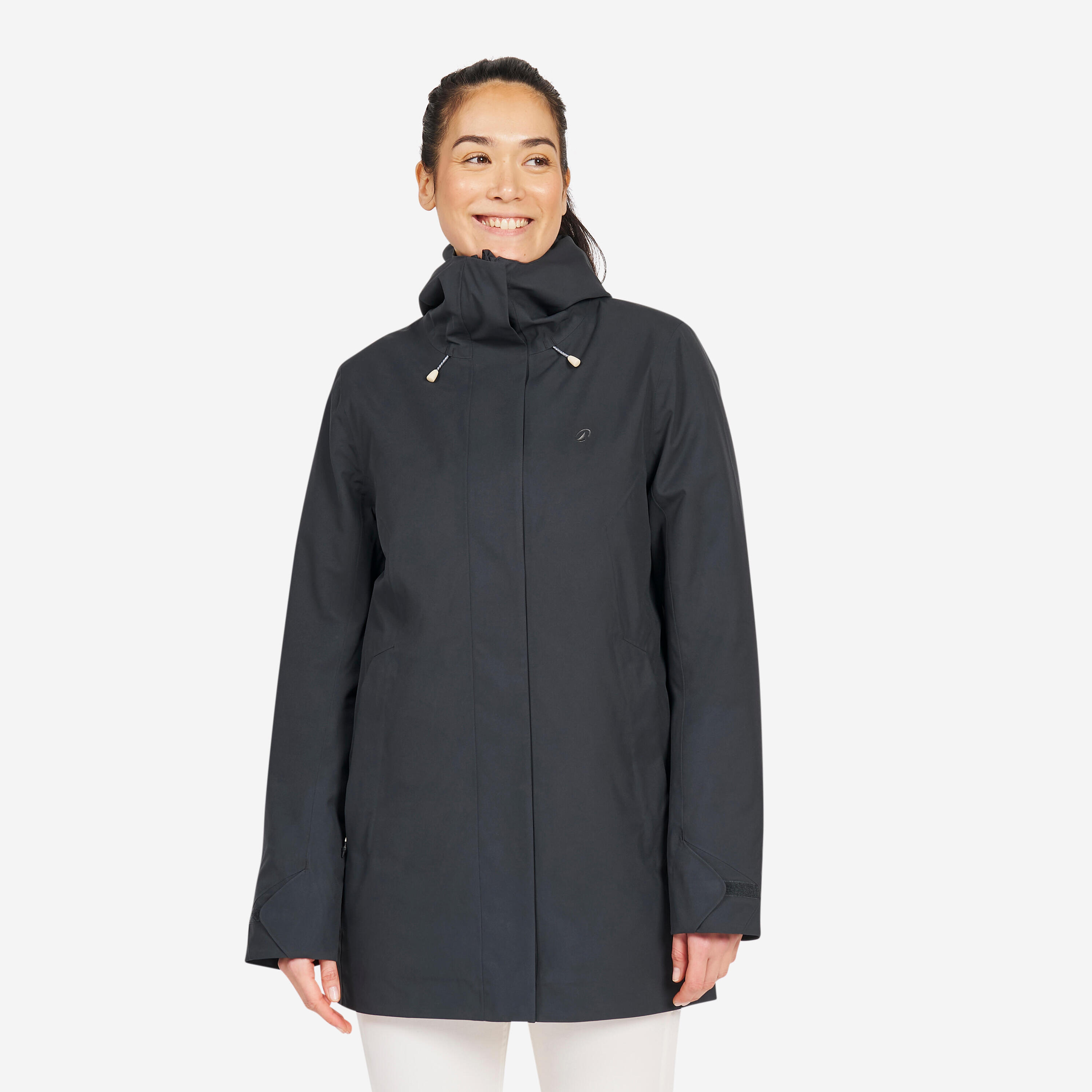
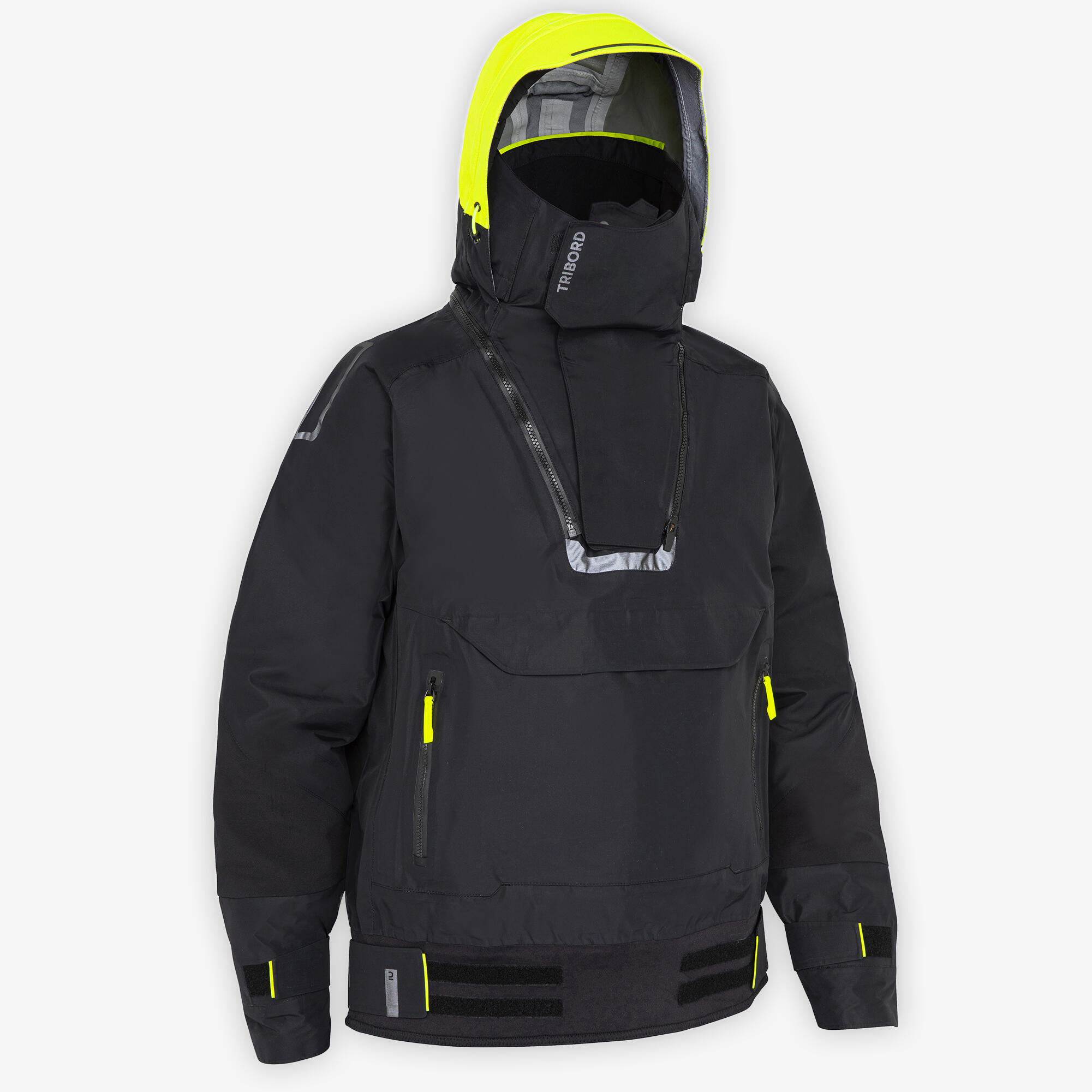
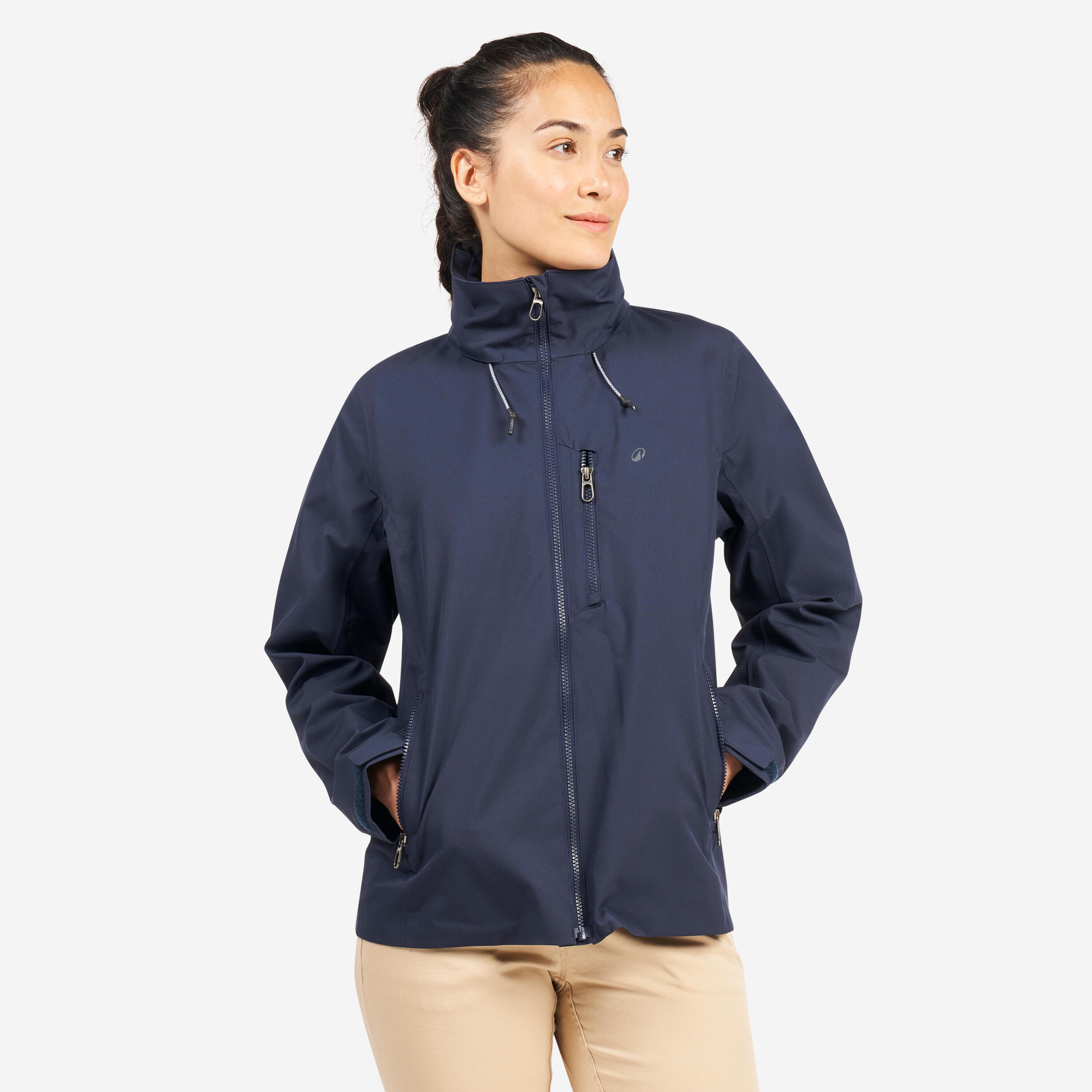
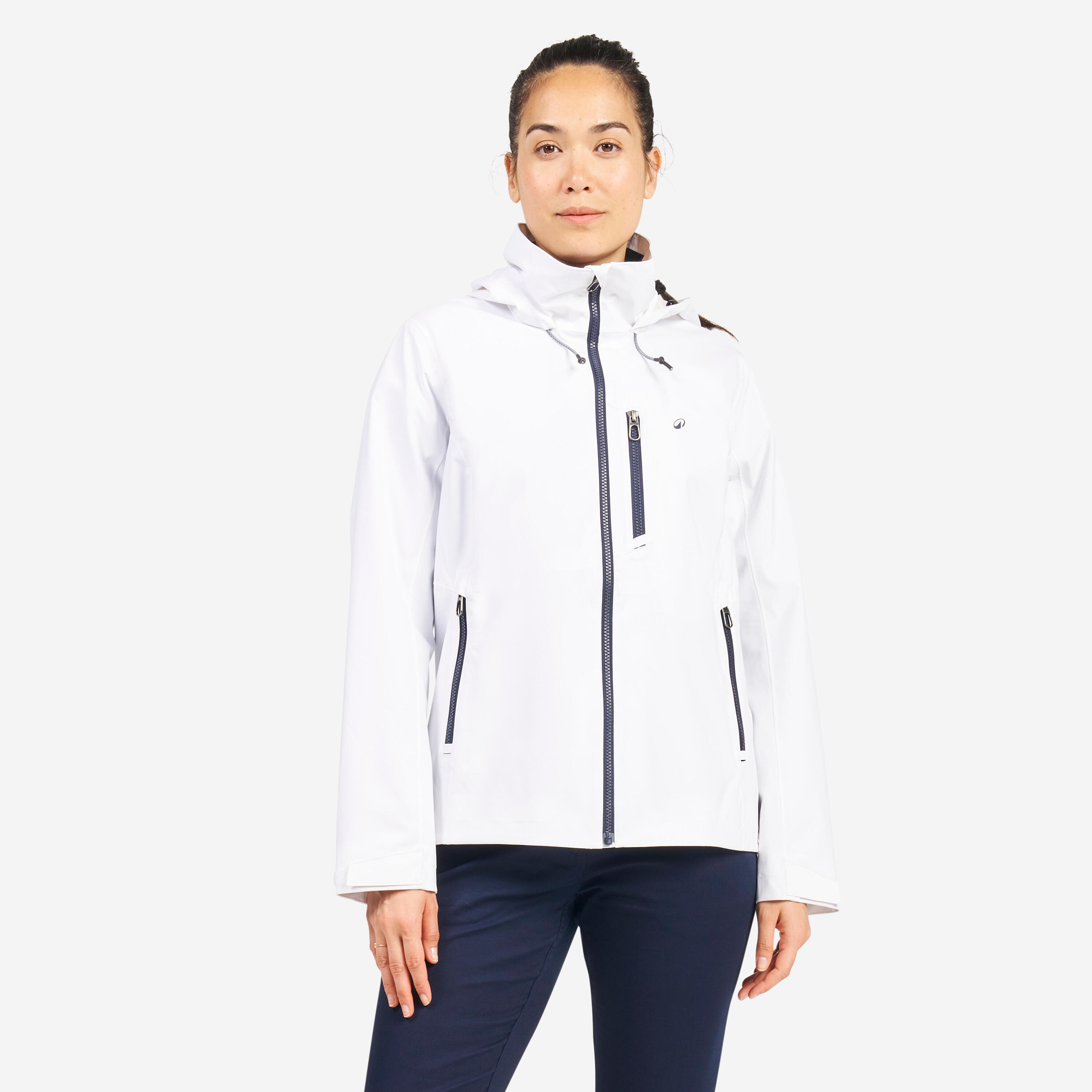
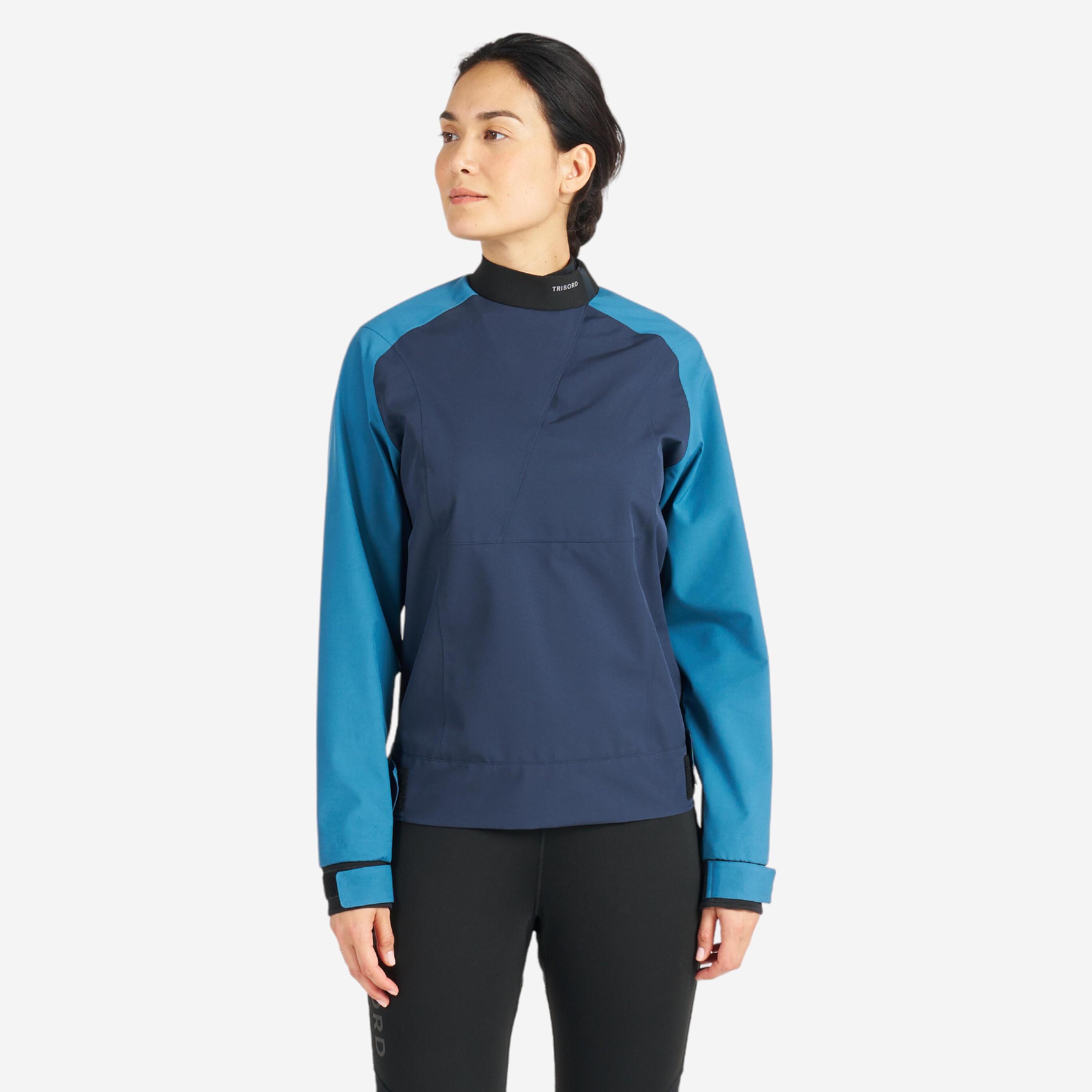
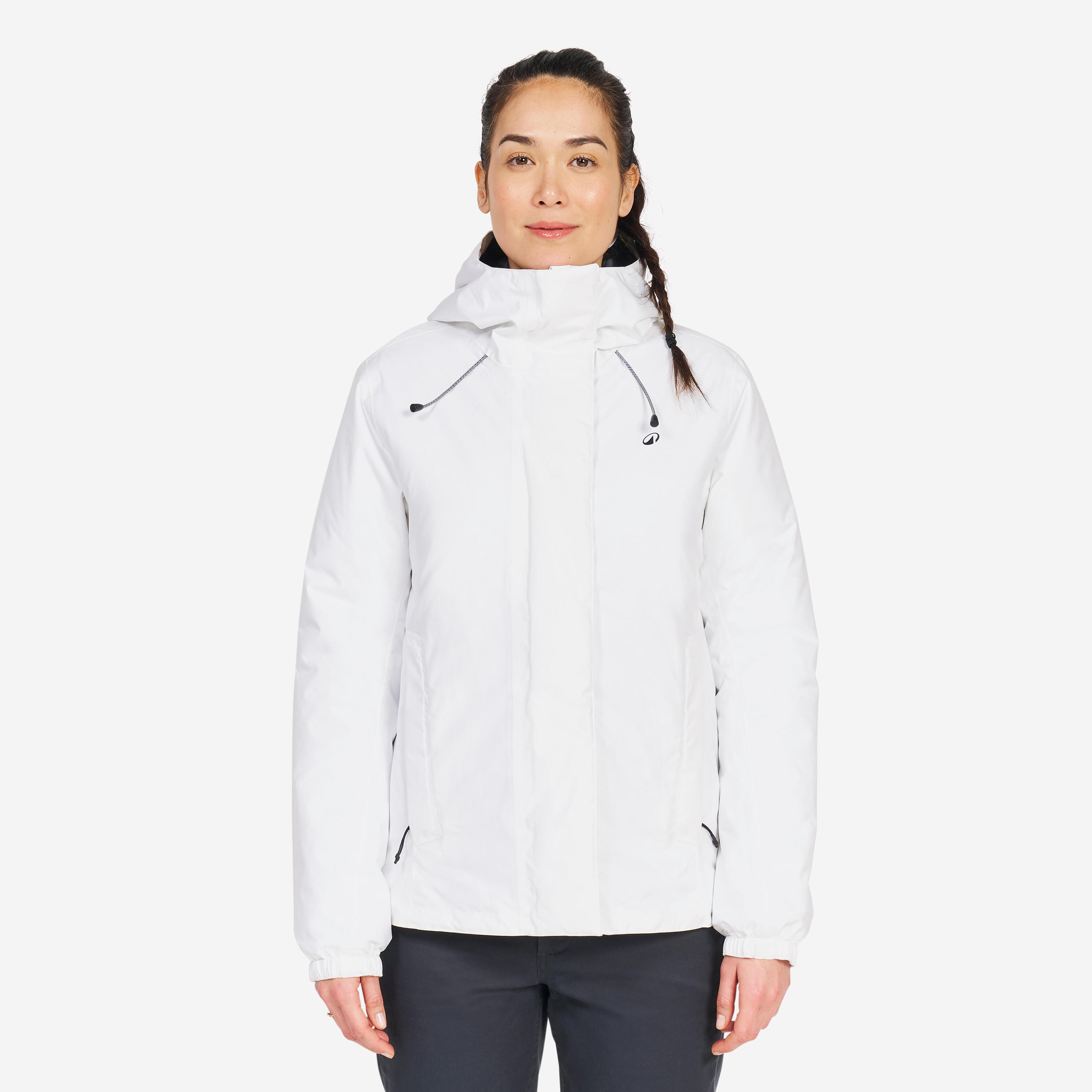
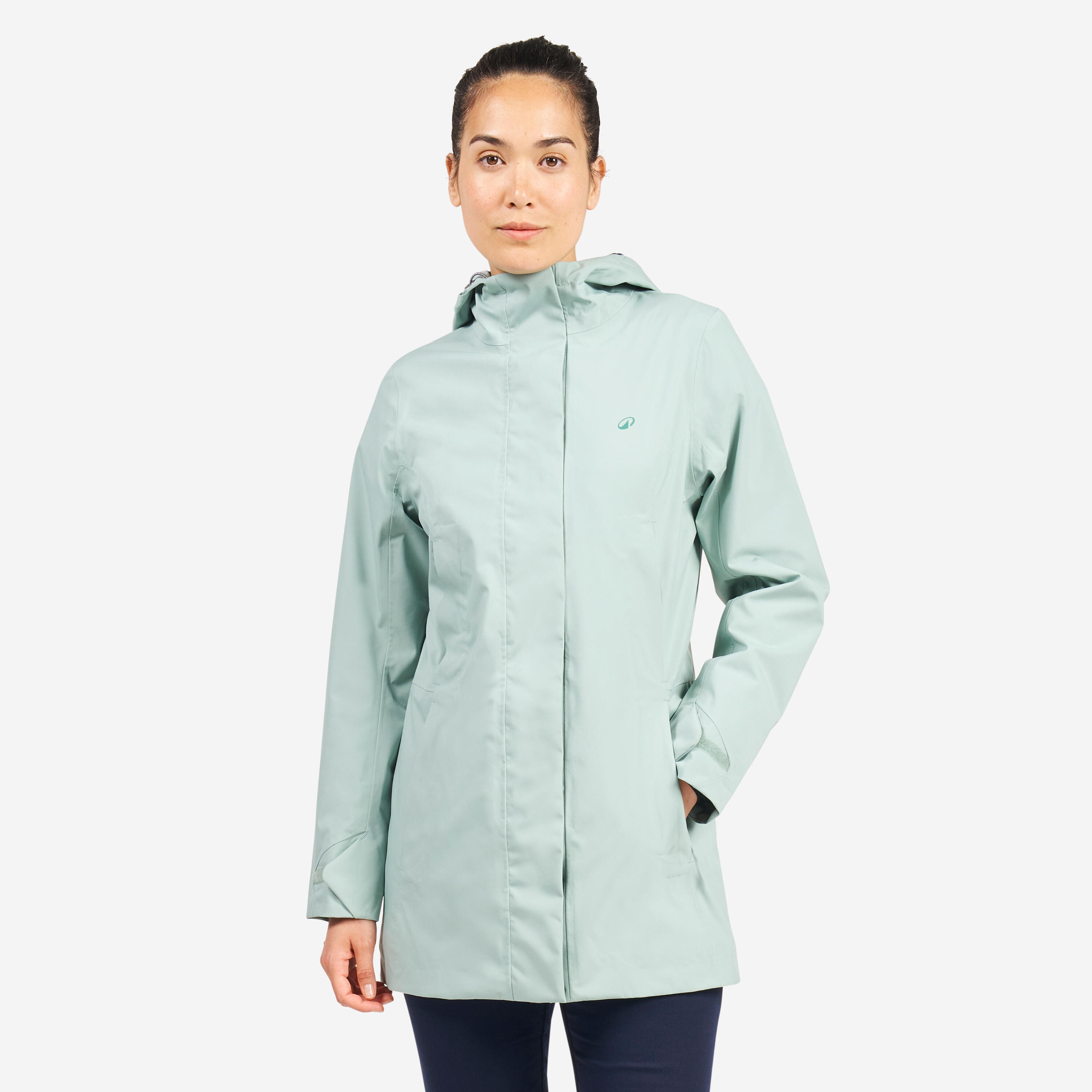
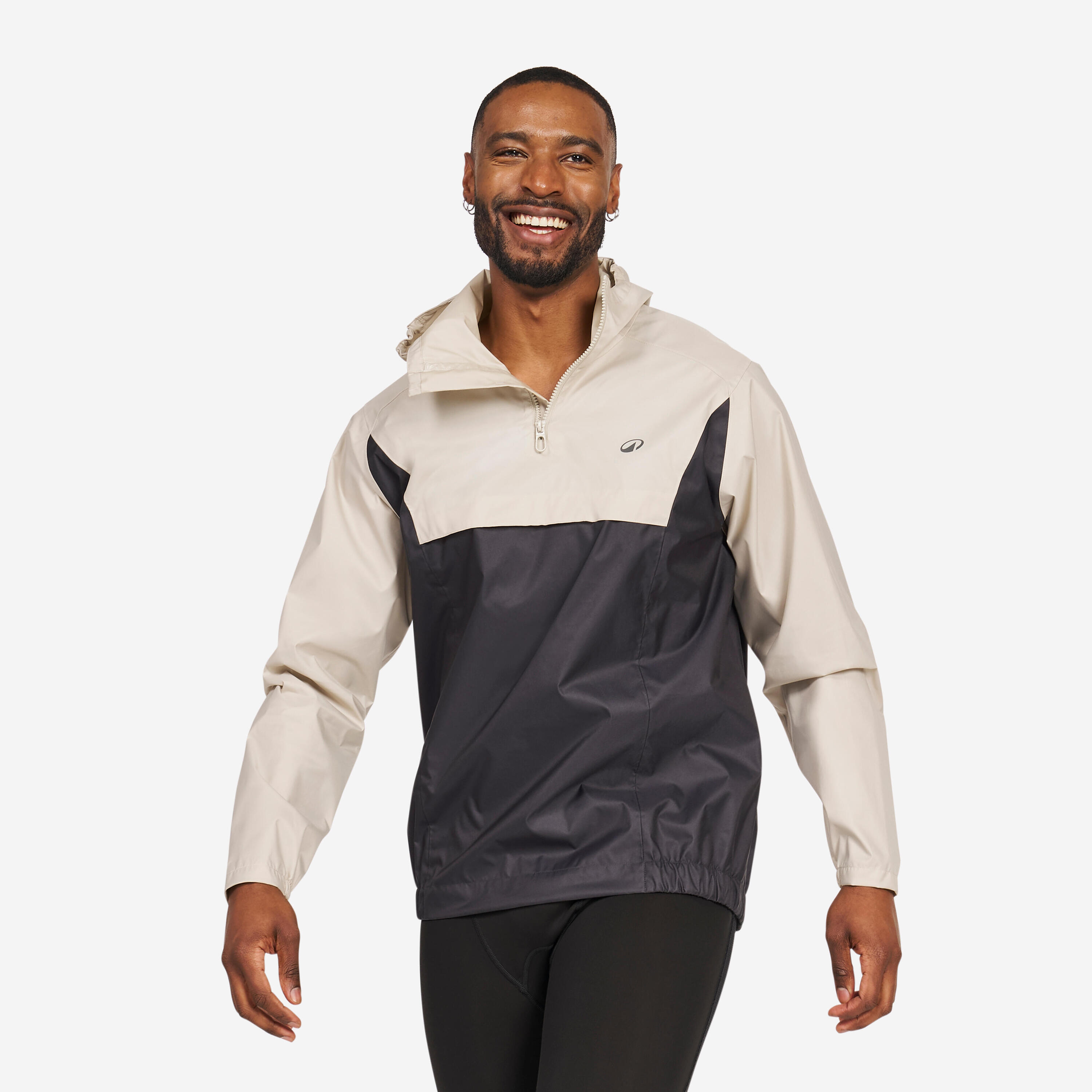
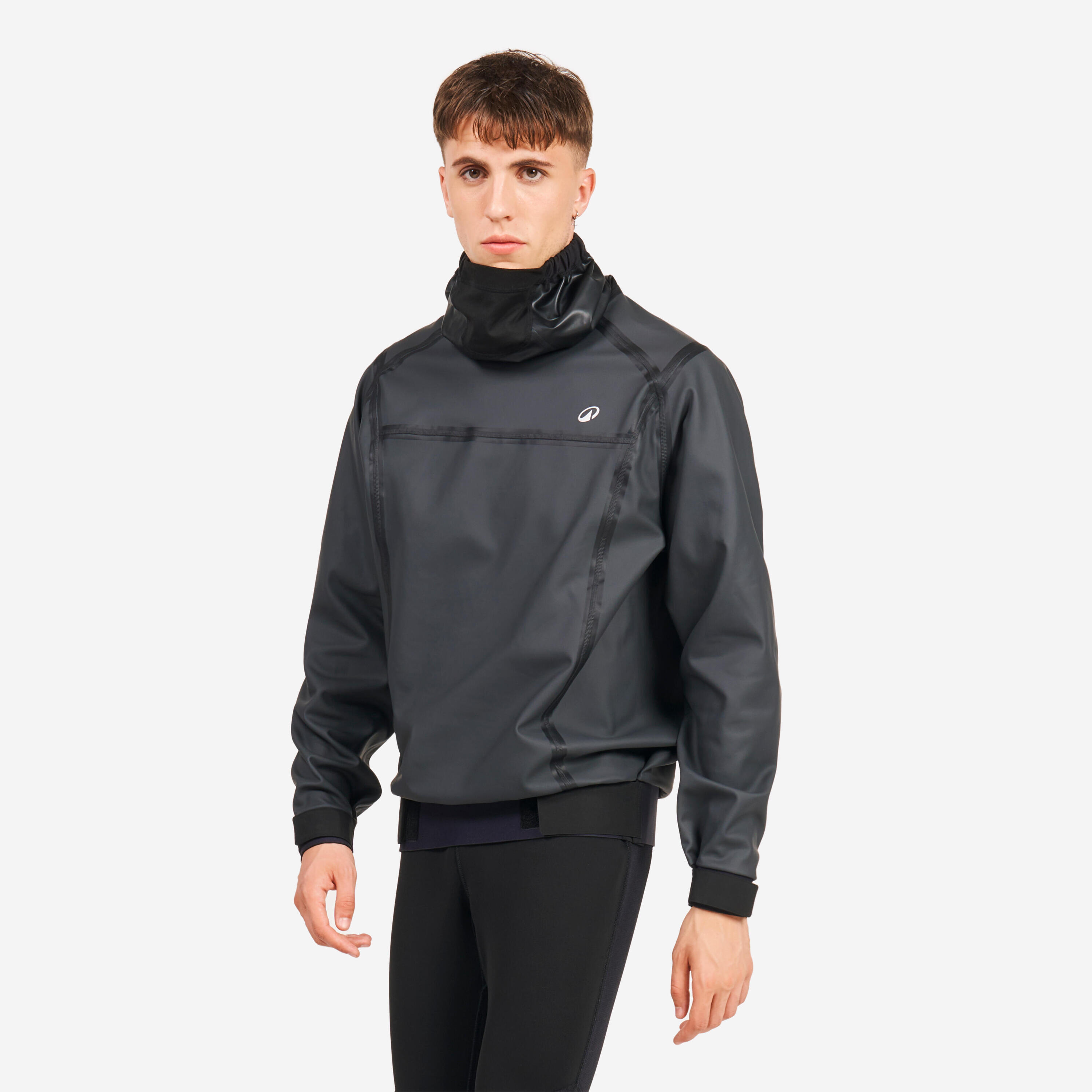
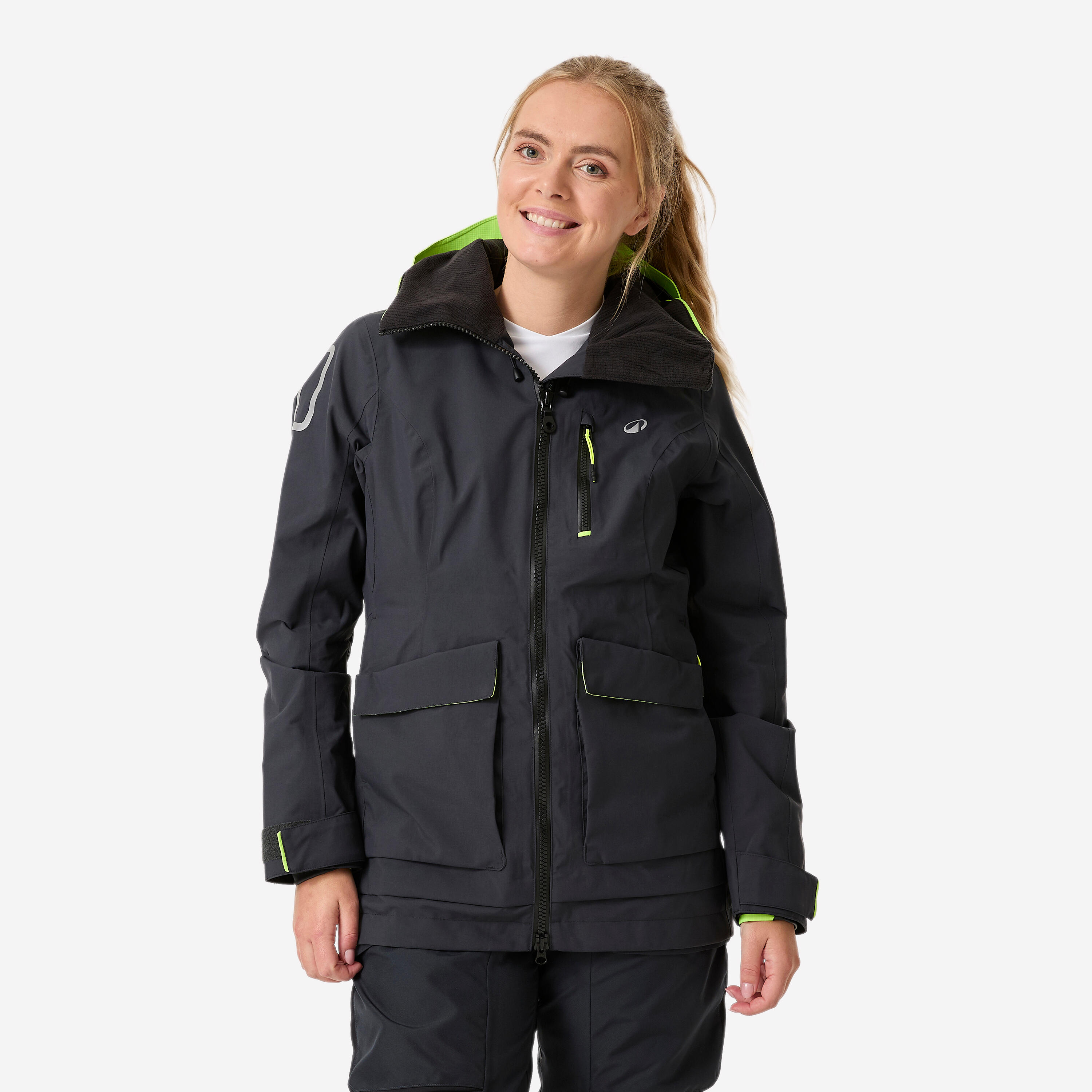
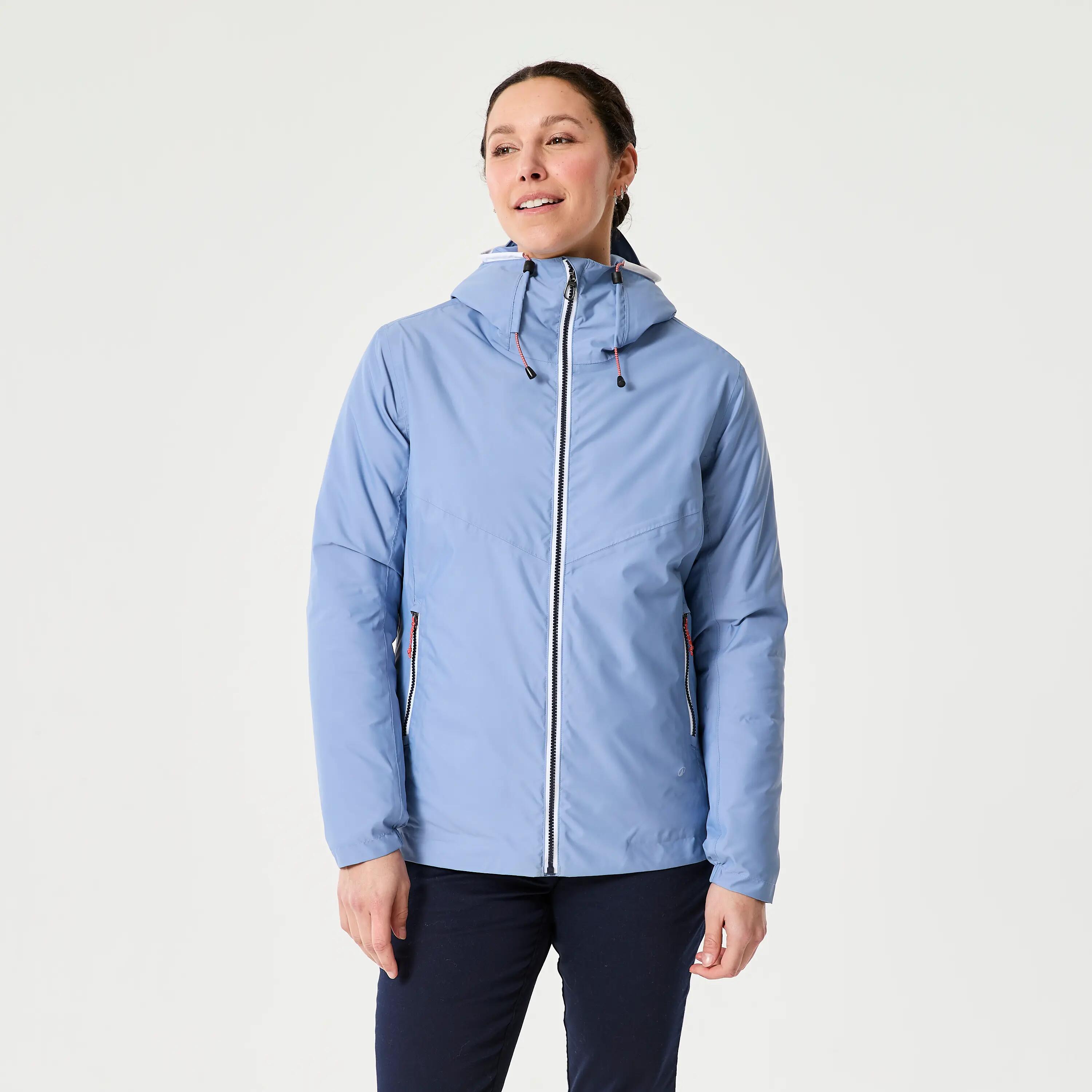
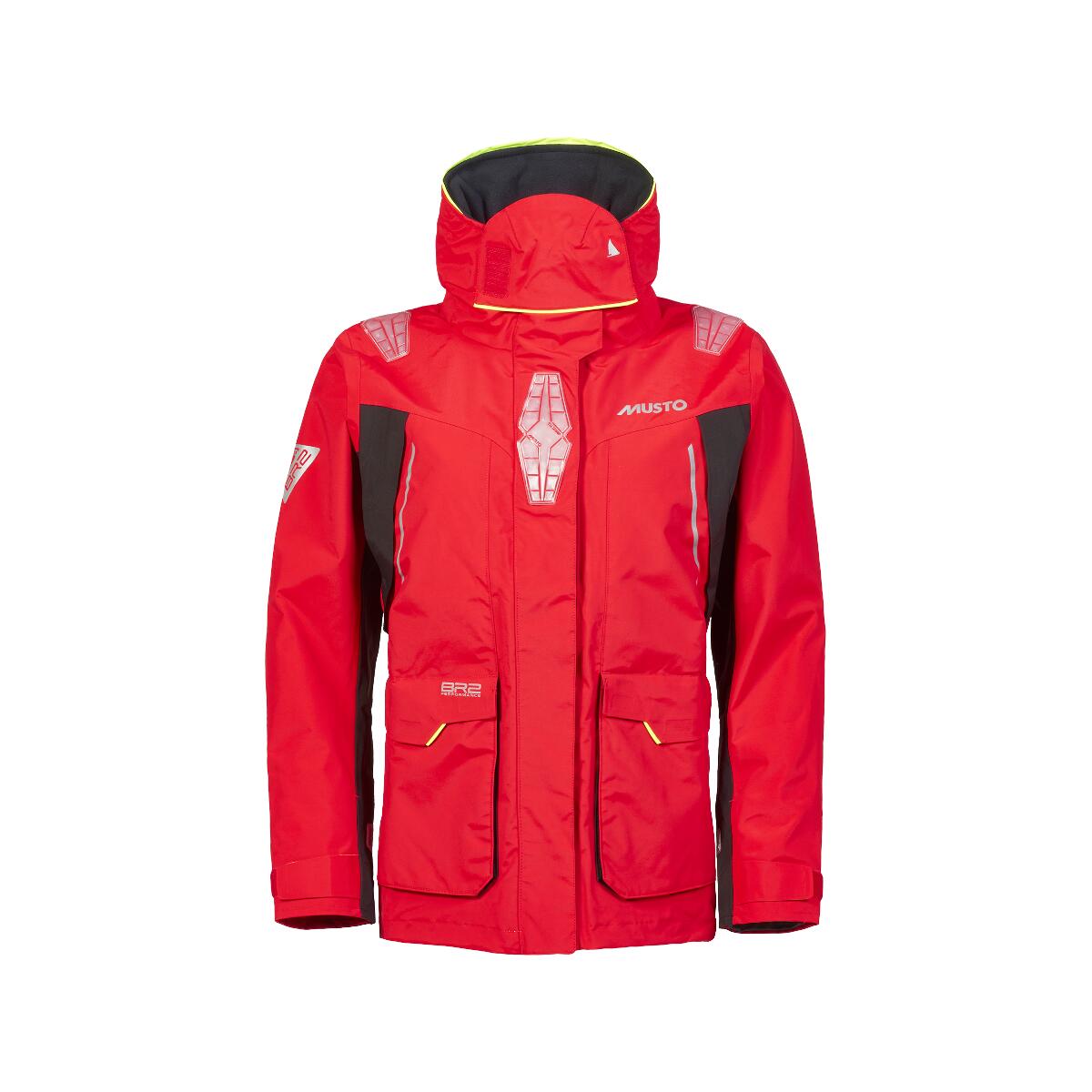
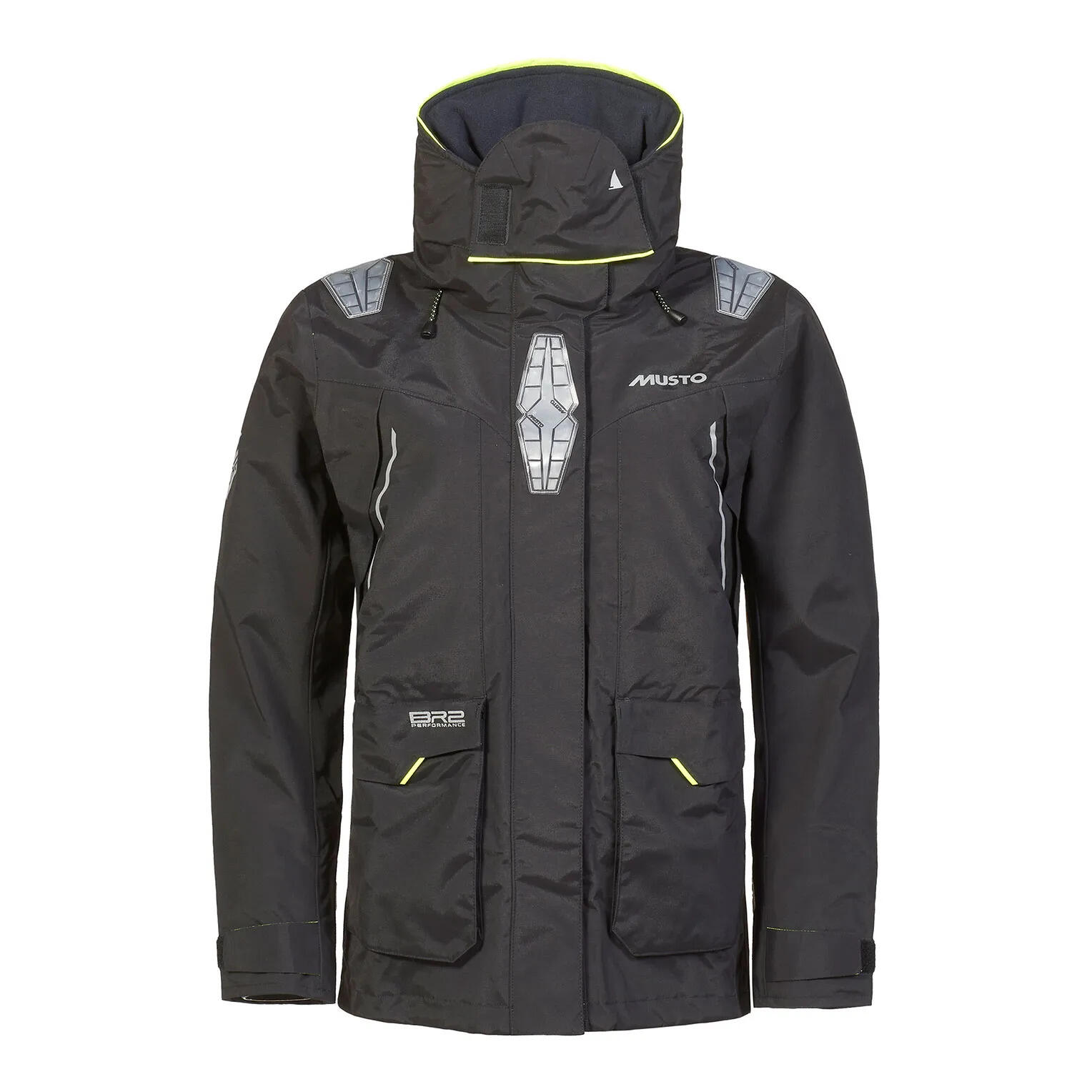
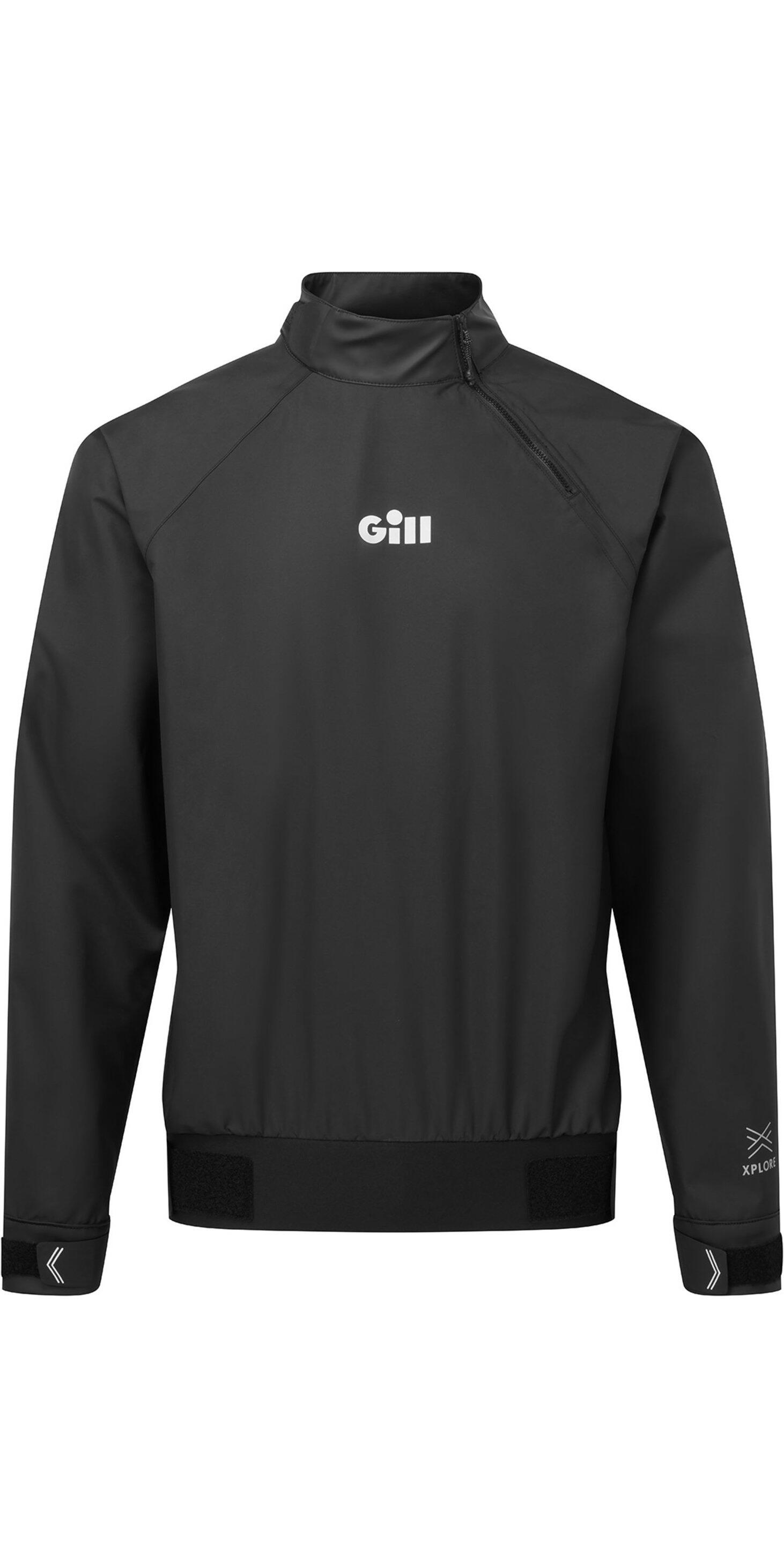
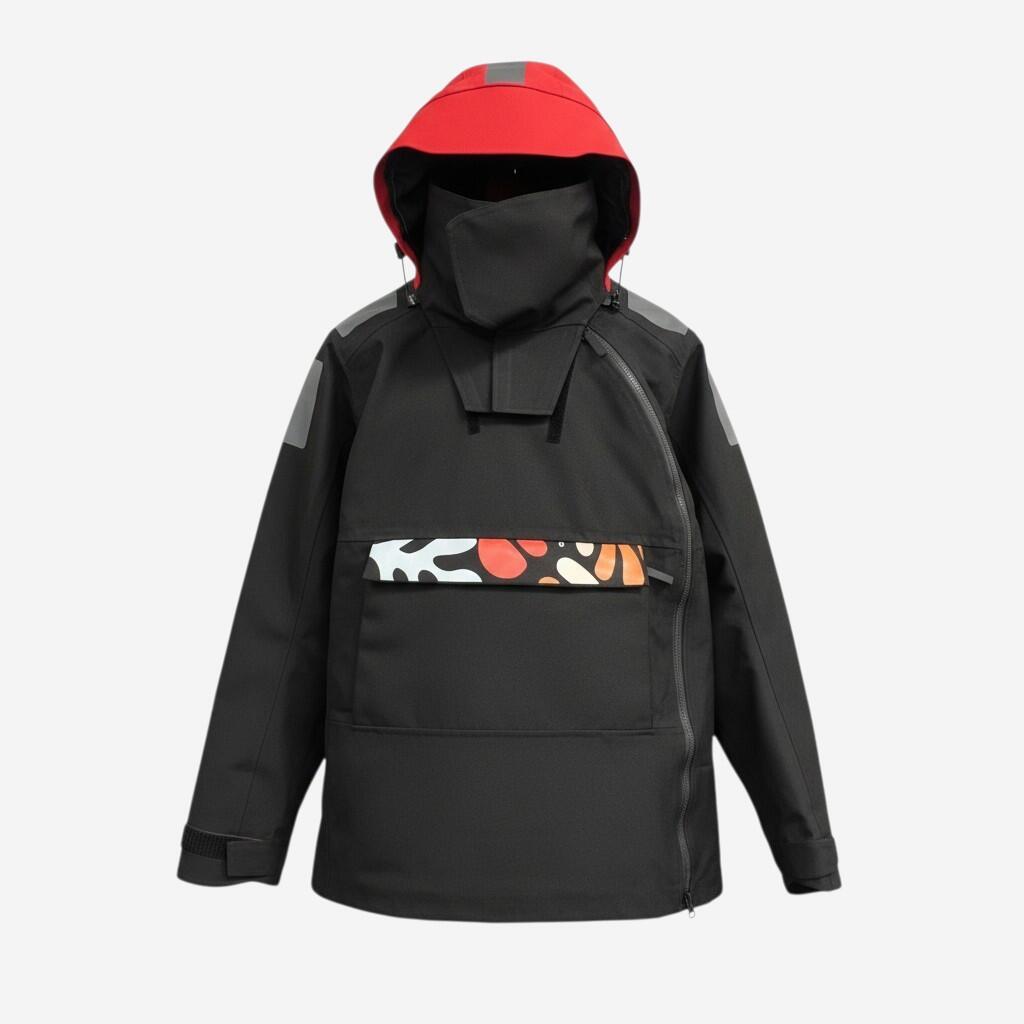
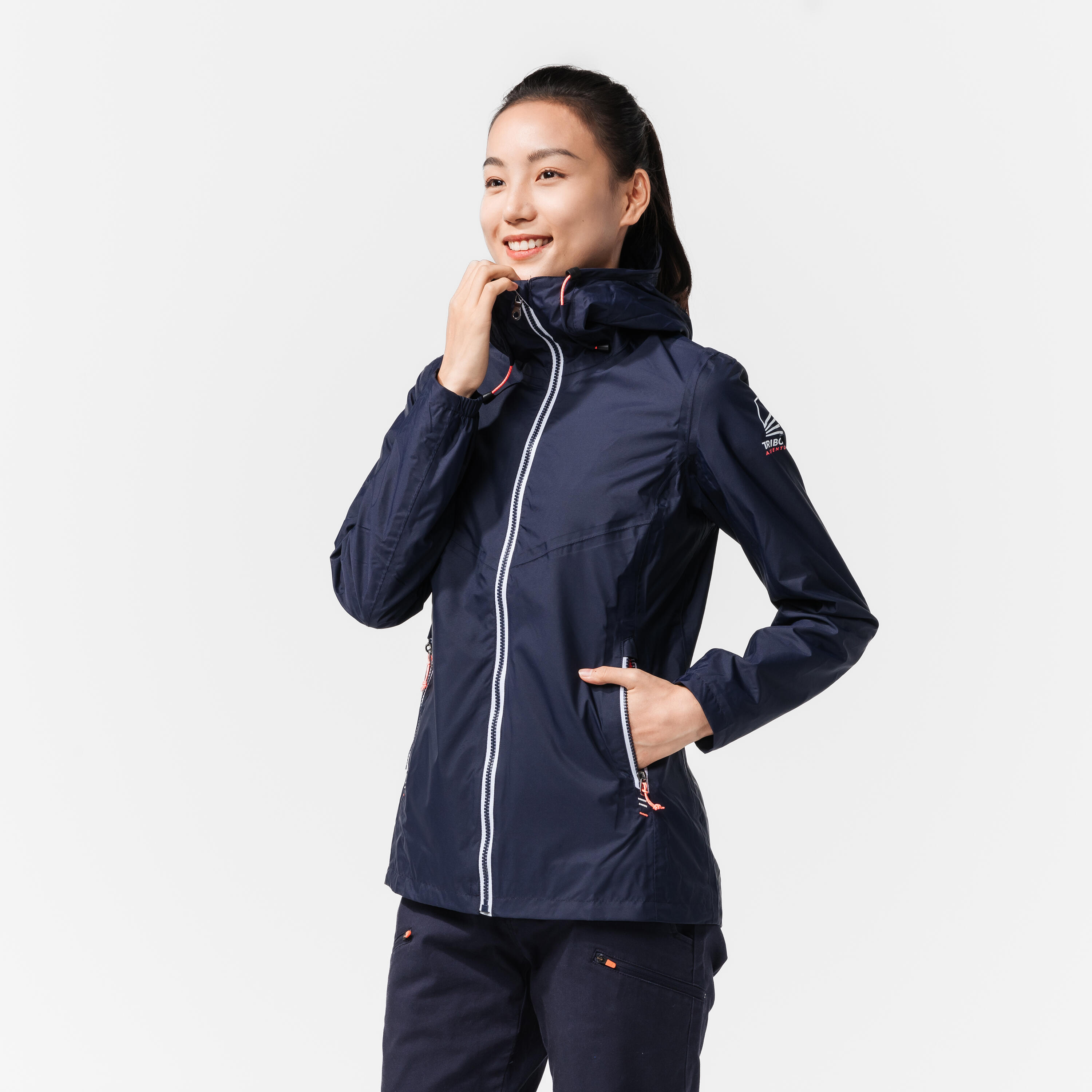
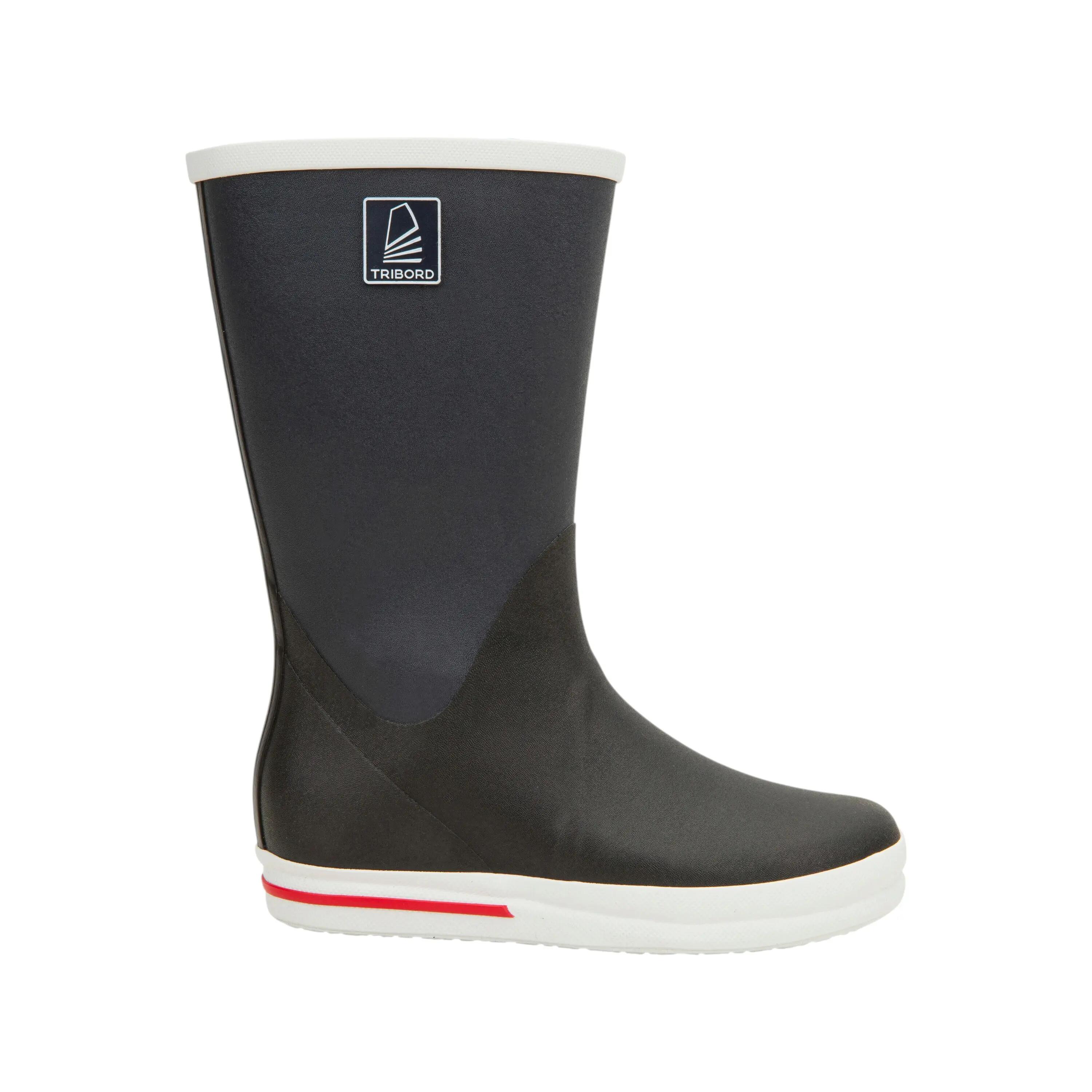
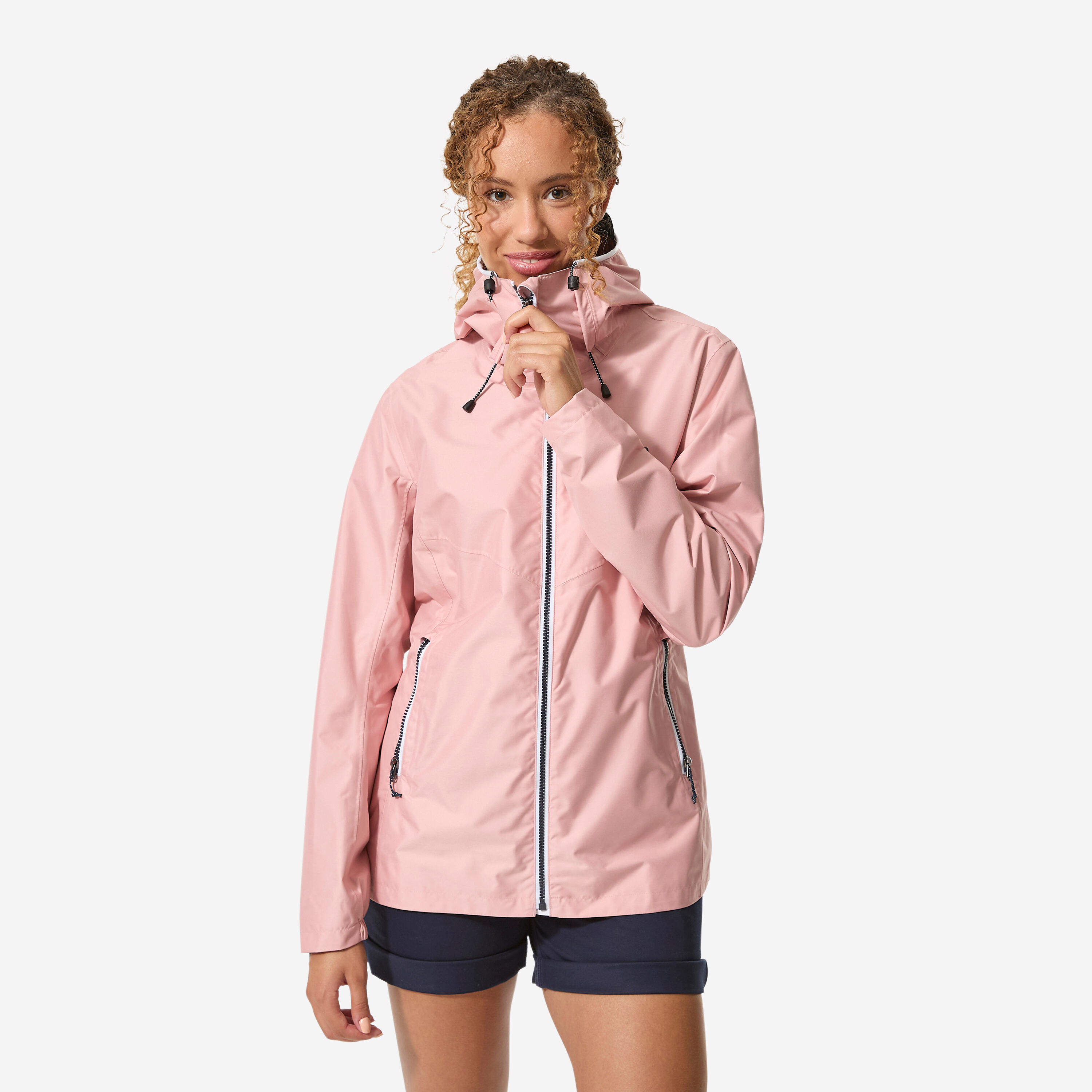
A sailing jacket opens fully at the front with a zip and usually a storm flap, giving quick on-and-off access without removing a harness or life jacket. A smock pulls over the head and has no front zip. Instead, it uses a short zip at the neck or a neoprene collar closure. A smock is inherently more watertight at the chest because there is no zip seam running the full length of the front panel, which is the most common point of water ingress during sustained spray. This makes smocks a preferred choice for racing or offshore passages where green water and heavy spray are expected, while jackets suit inshore cruising and harbour use where quick access matters more than maximum weather protection. Both styles benefit from a close-fitting cuff seal and an integrated hood suited to the conditions, whereas a poorly fitting hood that collapses in a gust can be more distracting on deck than no hood at all. For added protection in rough conditions, women's sailing boots help seal the gap between the jacket hem and boot top, reducing water entry during a wet beat to windward. Small tip: always check that the jacket or smock hem length clears the top of your harness leg loops. A short hem that rides up over the harness attachment point makes clipping on to a jackstay awkward and slows the process when conditions deteriorate quickly.
What waterproof rating should a sailing jacket have for coastal and offshore use?

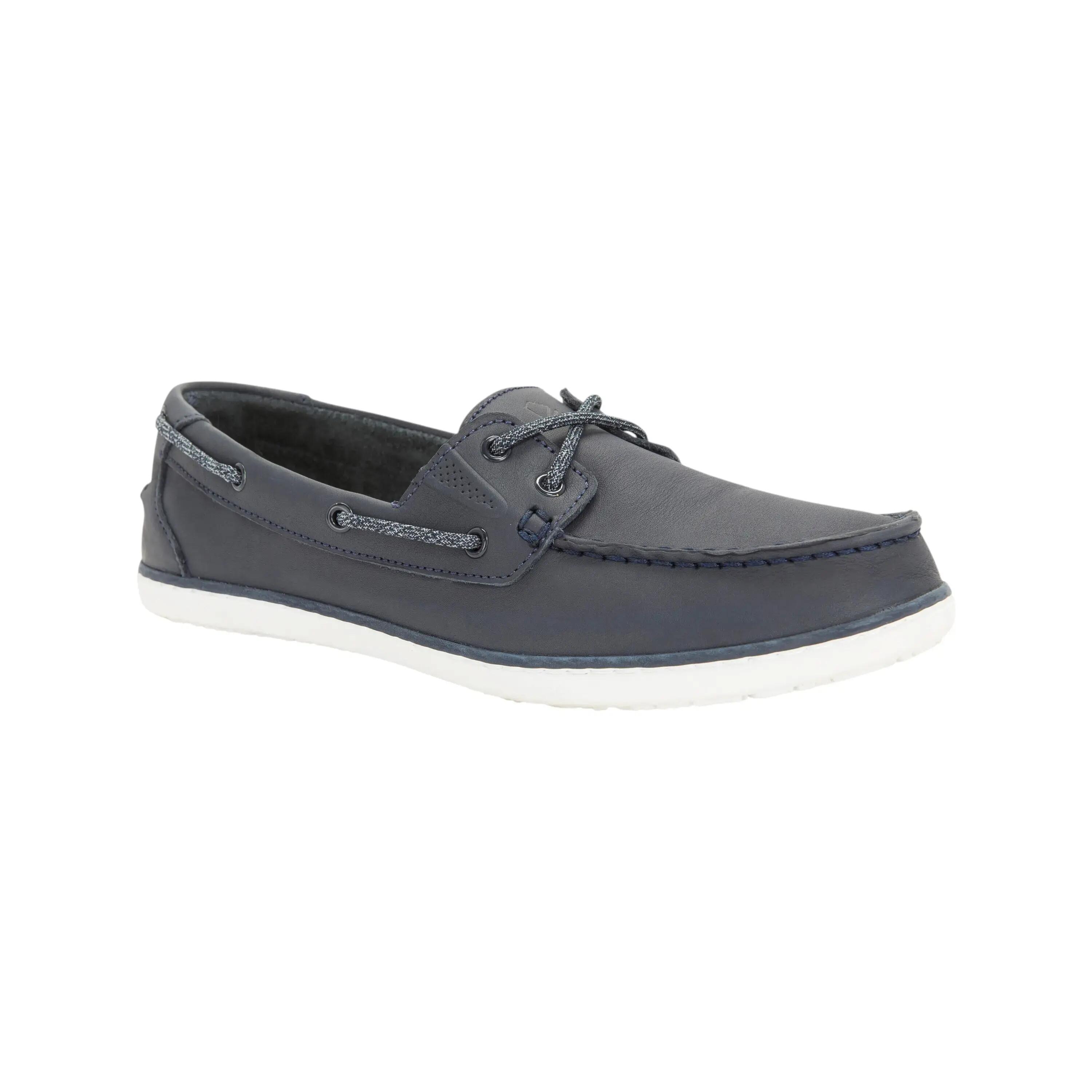
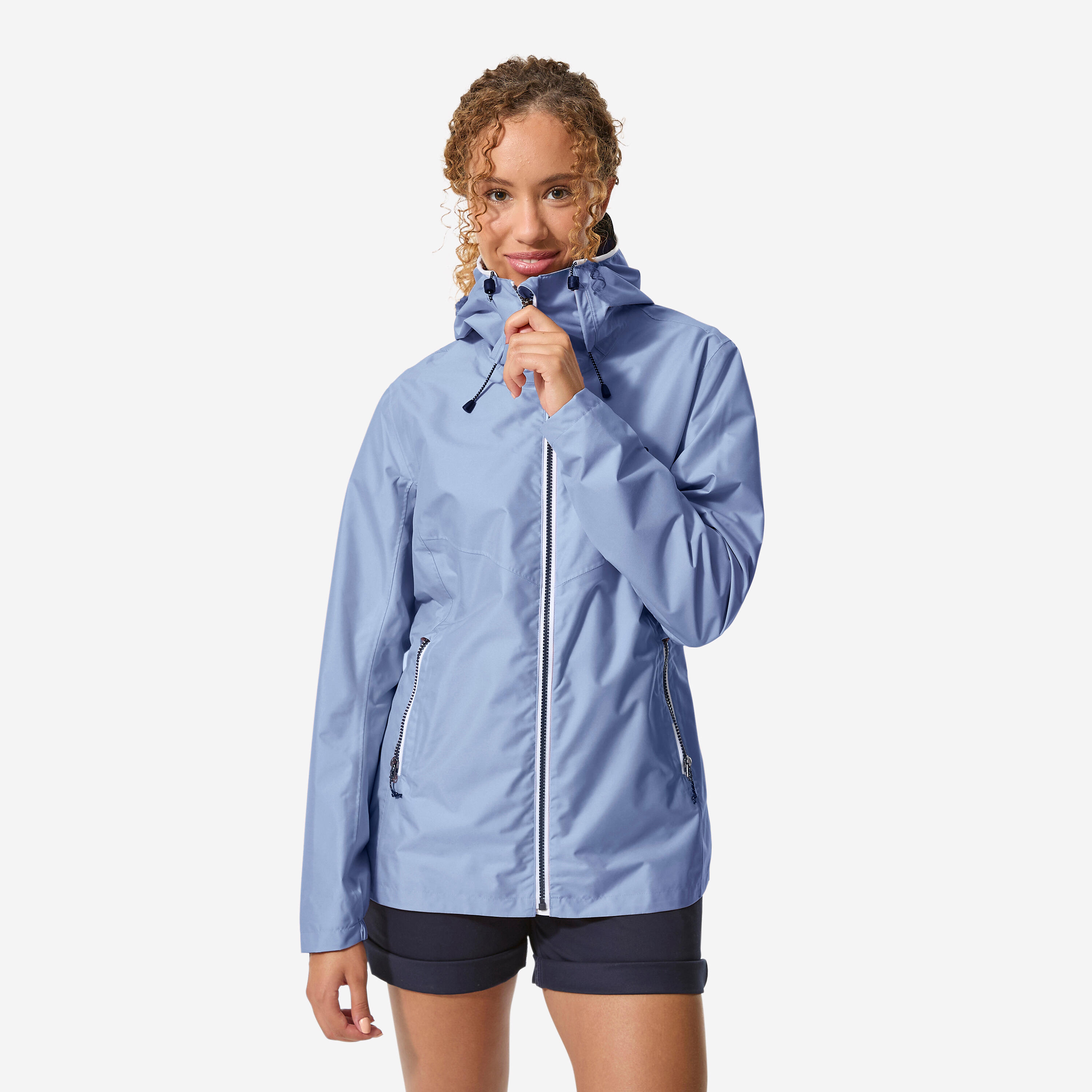
Waterproof ratings on sailing jackets are expressed as a hydrostatic head (HH) value. A higher number means the fabric resists greater water pressure before moisture gets through. A mid-range HH rating handles sustained coastal rain and spray comfortably, while offshore jackets use a much higher rating to cope with heavy seas and repeated spray. Seam construction is equally important. Taped seams seal the tiny needle holes created during stitching, preventing water from seeping through. Breathability matters just as much because a jacket that traps sweat quickly becomes uncomfortable during active sail handling or long watches. Reliable footing completes the system, and women's sailing shoes with non-marking siped soles help maintain grip when decks become slippery.

How should a sailing jacket fit over a buoyancy aid or life jacket?

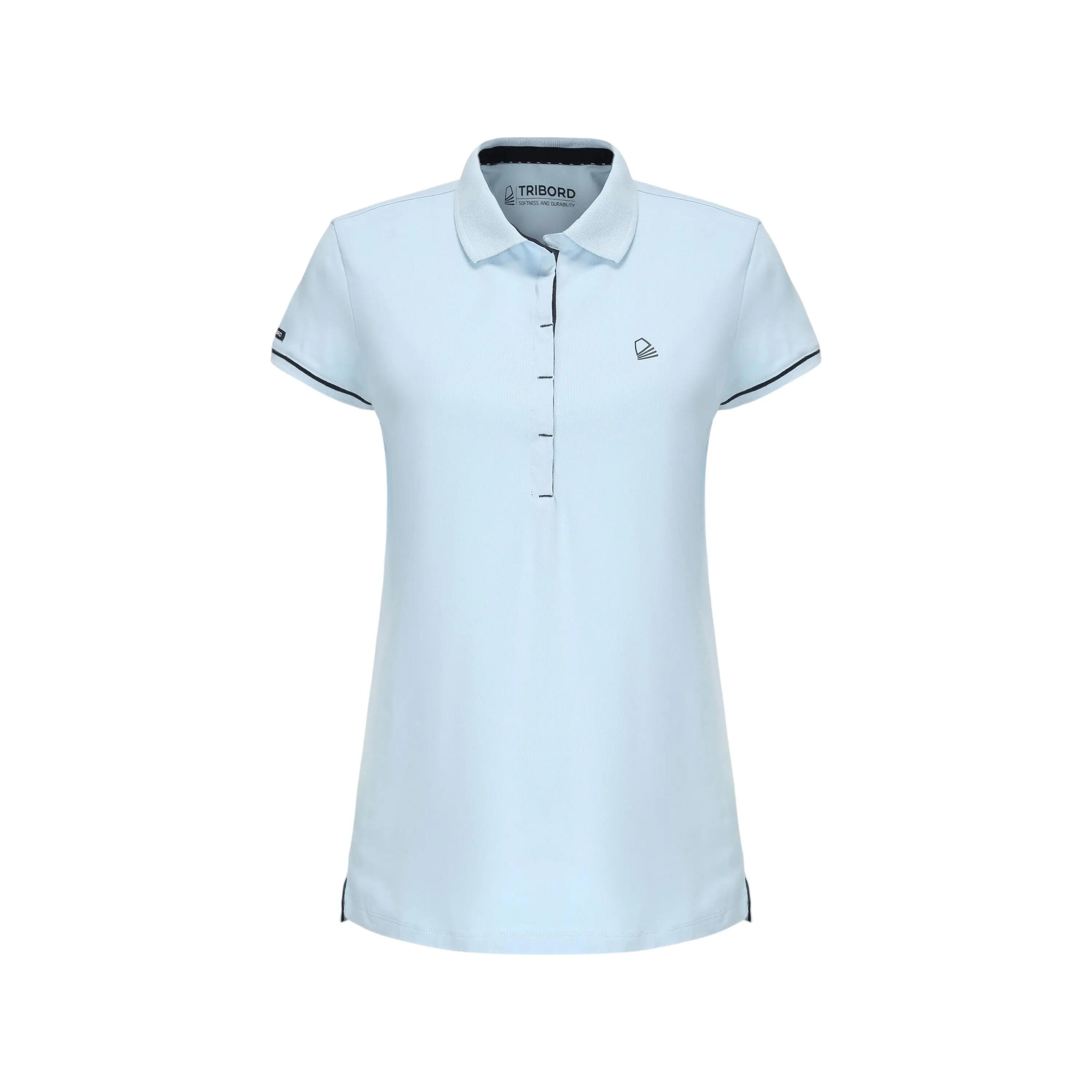
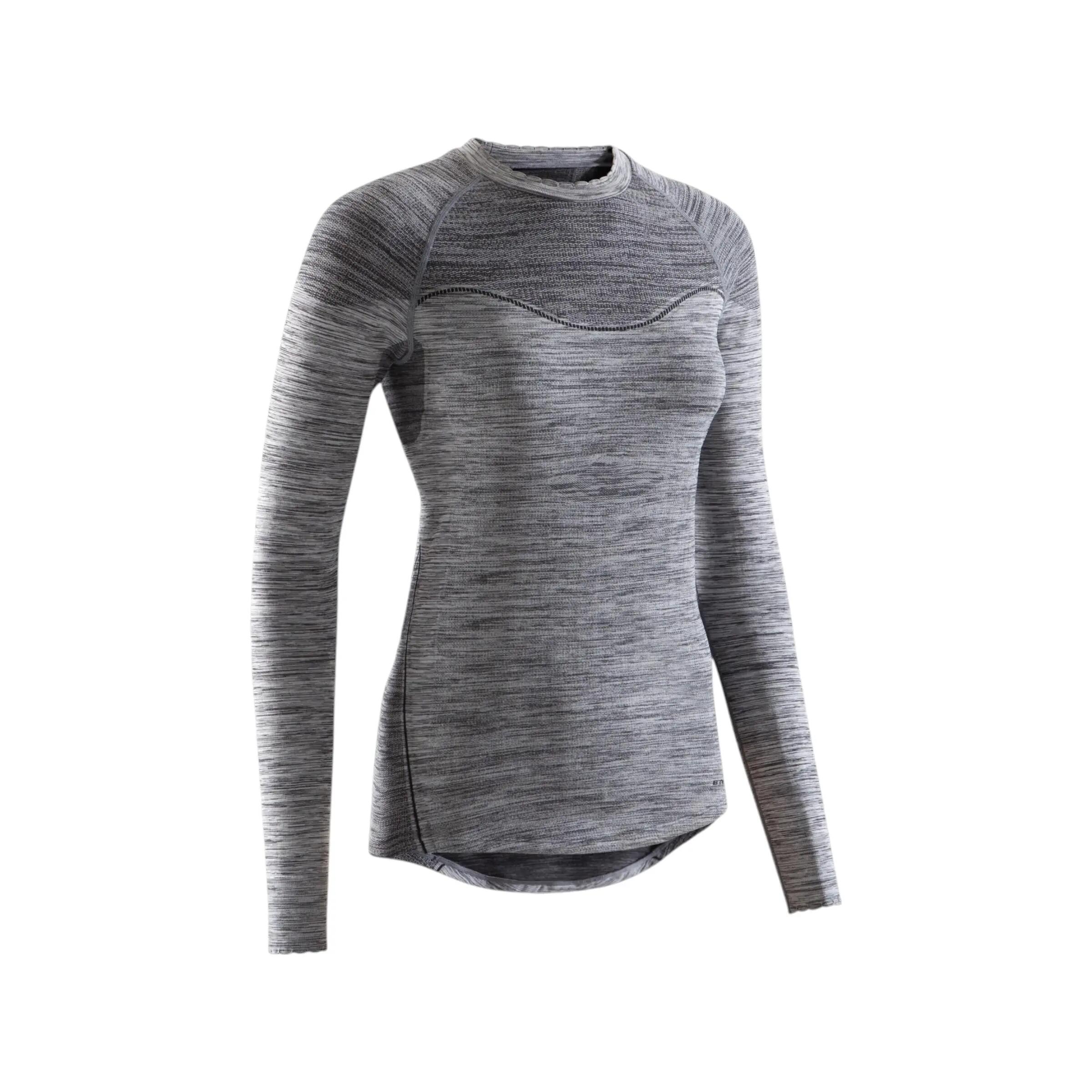
A sailing jacket worn over a life jacket needs at least 5 cm to 8 cm of extra chest room beyond a standard fit to avoid compressing the inflation chamber. A compressed chamber inflates more slowly and may not reach full buoyancy before the wearer enters the water. Shoulder seam placement is another key consideration. A seam positioned too far forward restricts arm movement when trimming sheets or paddling, causing unnecessary fatigue during long watches. Most sailing jackets include extra room through the shoulders and underarms, allowing unrestricted movement while tacking or working at the mast. Layering a moisture-wicking women's sailing polo shirt underneath helps manage perspiration, allowing the jacket's breathable fabric to work more effectively.

Can a sailing smock be used for dinghy sailing as well as keelboat racing?

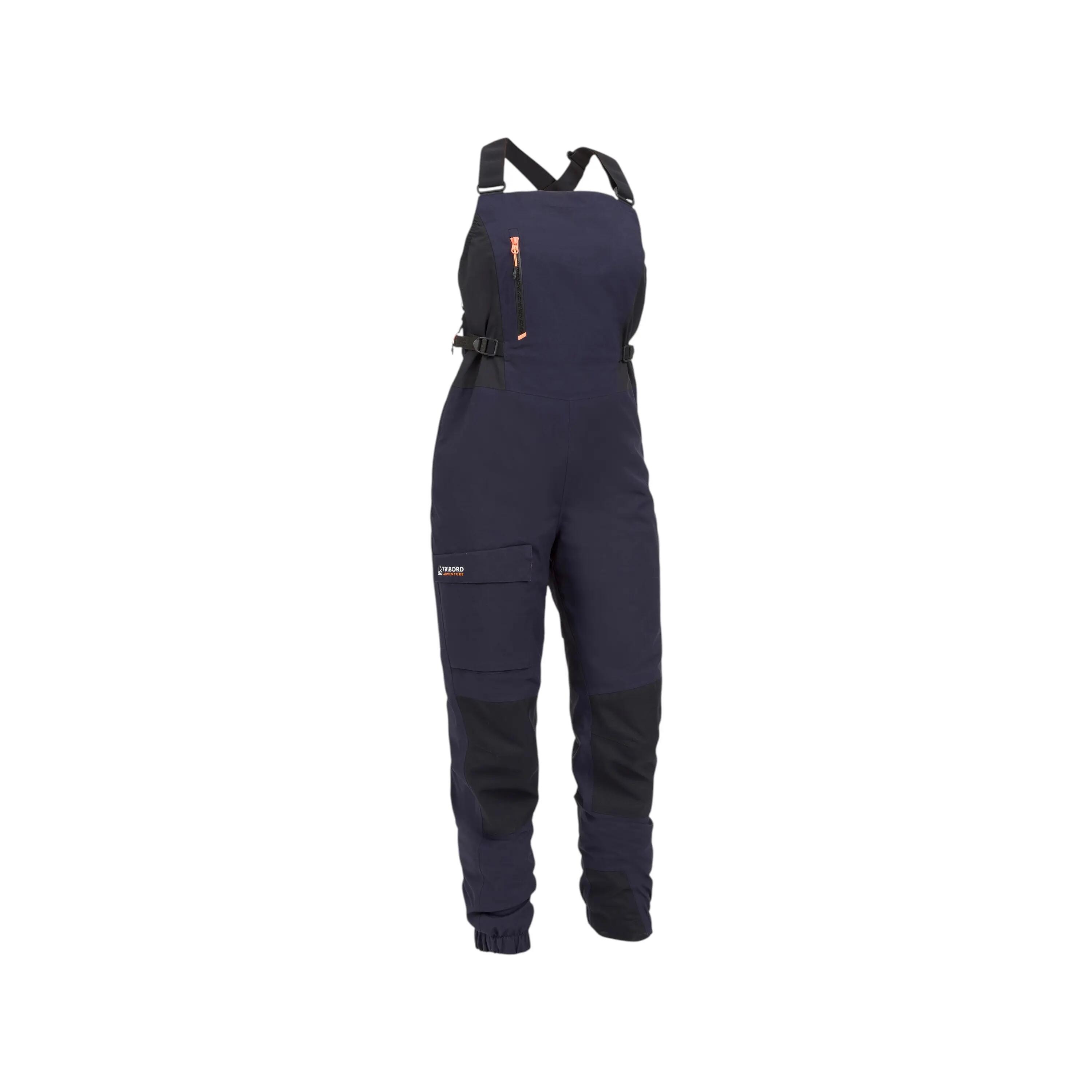
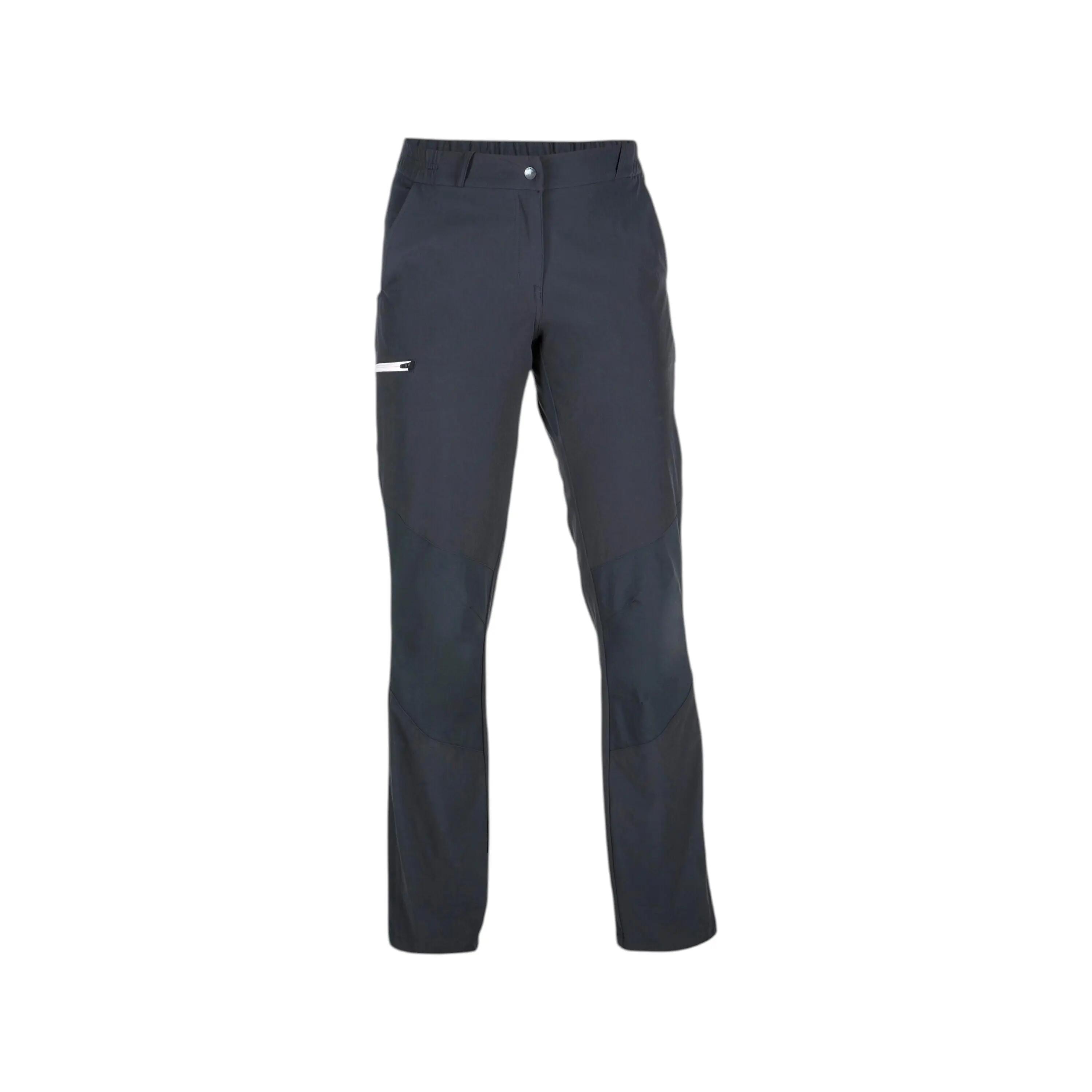
A smock suits dinghy sailing well when full immersion is likely, provided the neoprene collar fits snugly, and the cuff closures are tight enough to slow water entry during a capsize. Without a full-length front zip, there is one less point where water can force its way inside when righting a dinghy. A close-fitting cut also reduces wind resistance while hiking. A smock offers excellent wind and spray protection but provides limited insulation once soaked, so layering remains important in colder weather. A sailing smock works even more effectively when worn with women's sailing trousers and bermudas that help improve comfort and weather protection during colder sailing conditions.

What does windproof mean on a sailing jacket, and how is it different from waterproof?

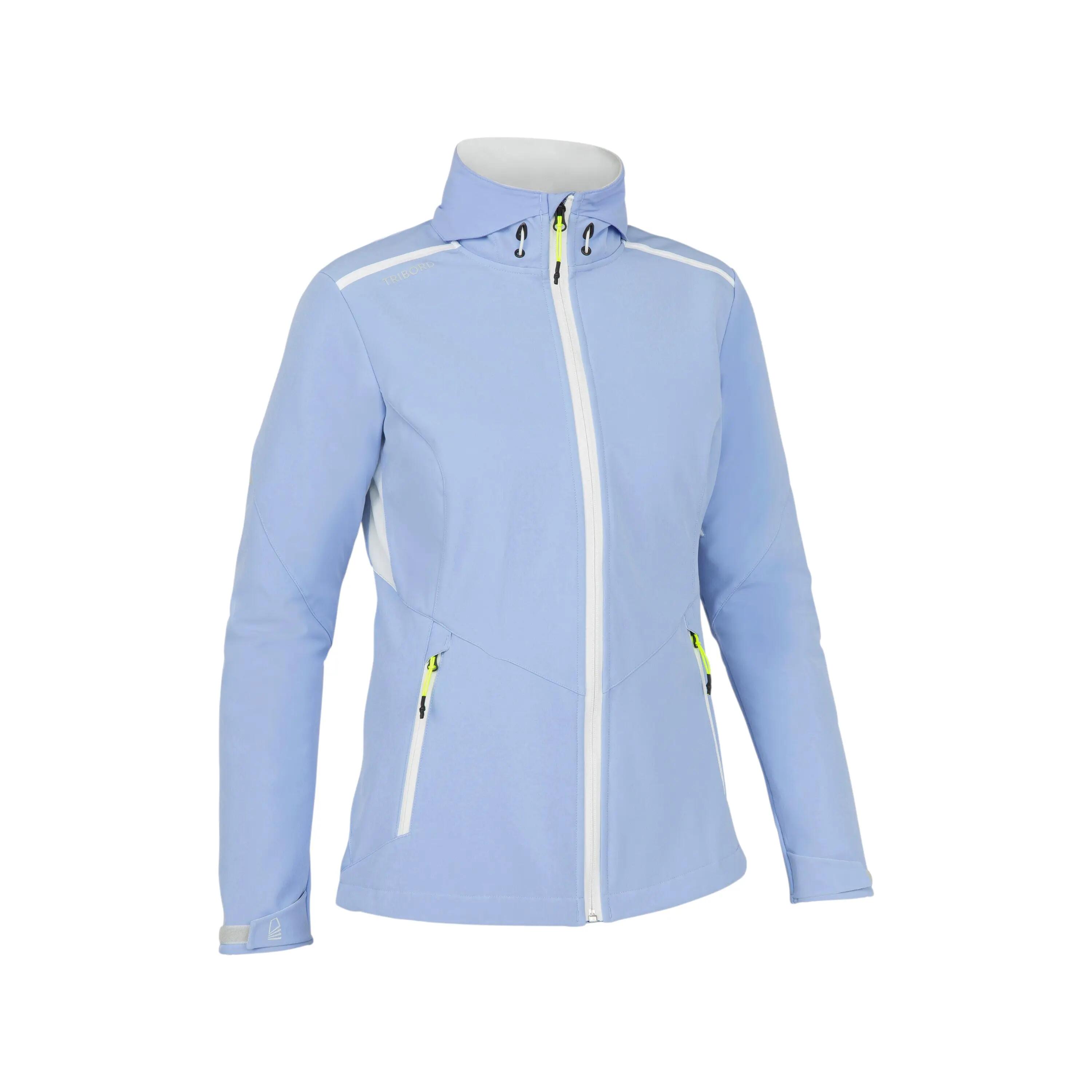
A windproof fabric blocks air passing through the material, reducing heat loss caused by wind chill. A waterproof fabric also blocks water from penetrating under pressure. Every waterproof sailing fabric is windproof, but not every windproof fabric is waterproof. For example, a softshell keeps out the wind in dry weather but allows water through during prolonged rain or heavy spray. Choosing the right layer matters because a windproof mid-layer adds warmth beneath a waterproof shell, while relying on a windproof outer alone leaves you exposed in wet conditions. Boat speed also increases apparent wind, making conditions feel much colder than the air temperature suggests. When spending extended periods in cold water, women's sailing wetsuits provide greater insulation than a jacket-and-trousers combination in immersion situations.