8 items
4.7/5 based on 480 reviews collected online and in stores

Saltwater Fishing Reels FAQs

What makes a reel suitable for saltwater fishing?

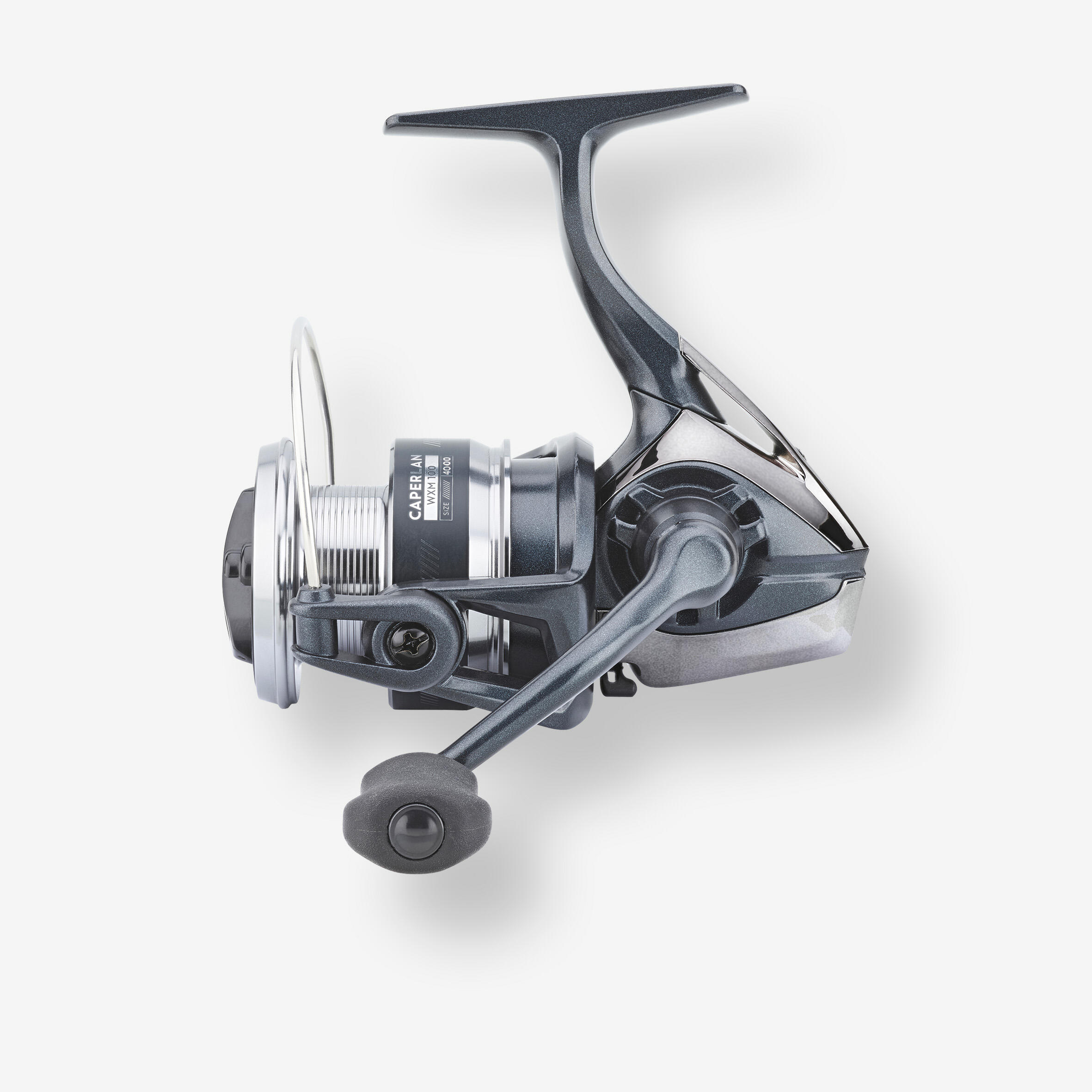
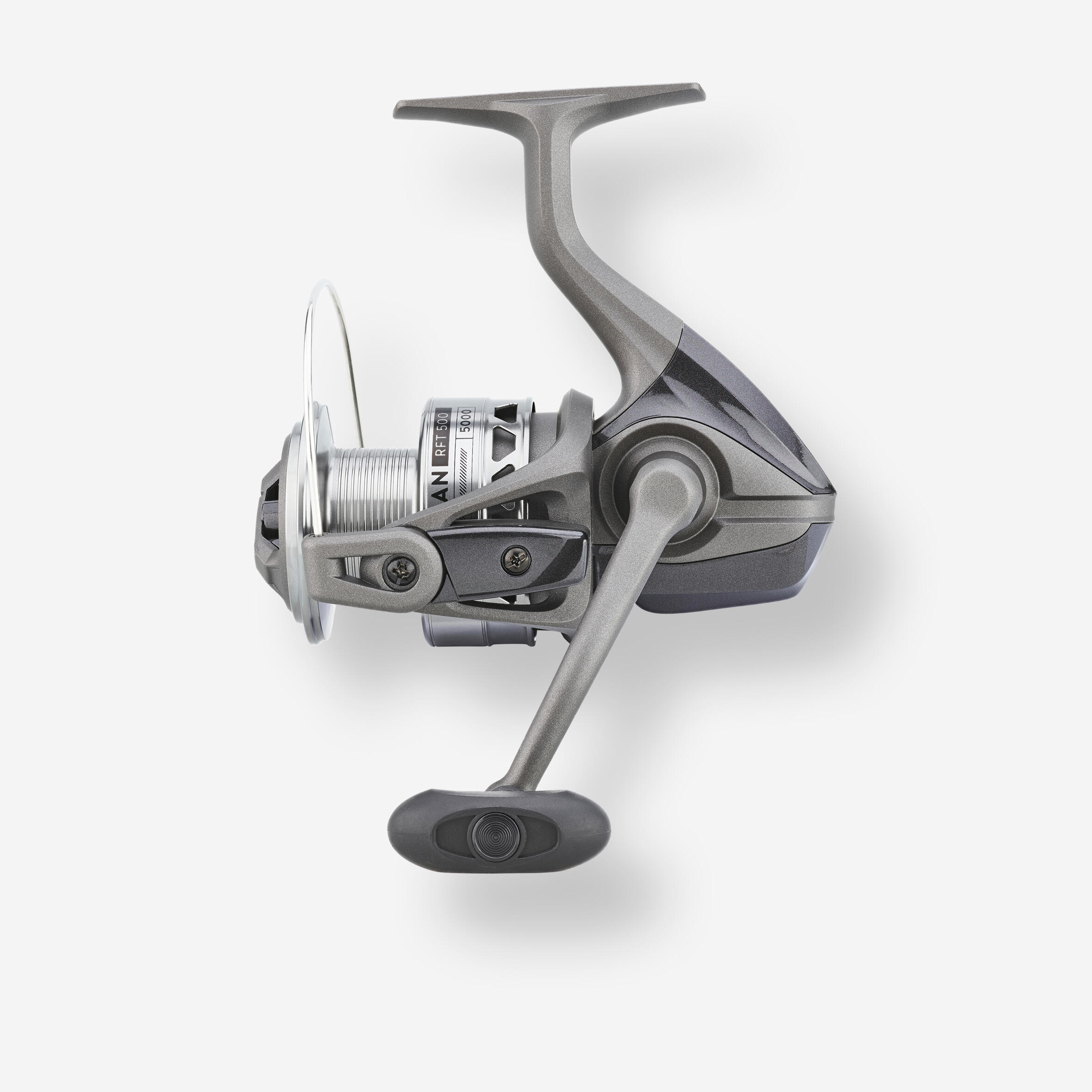
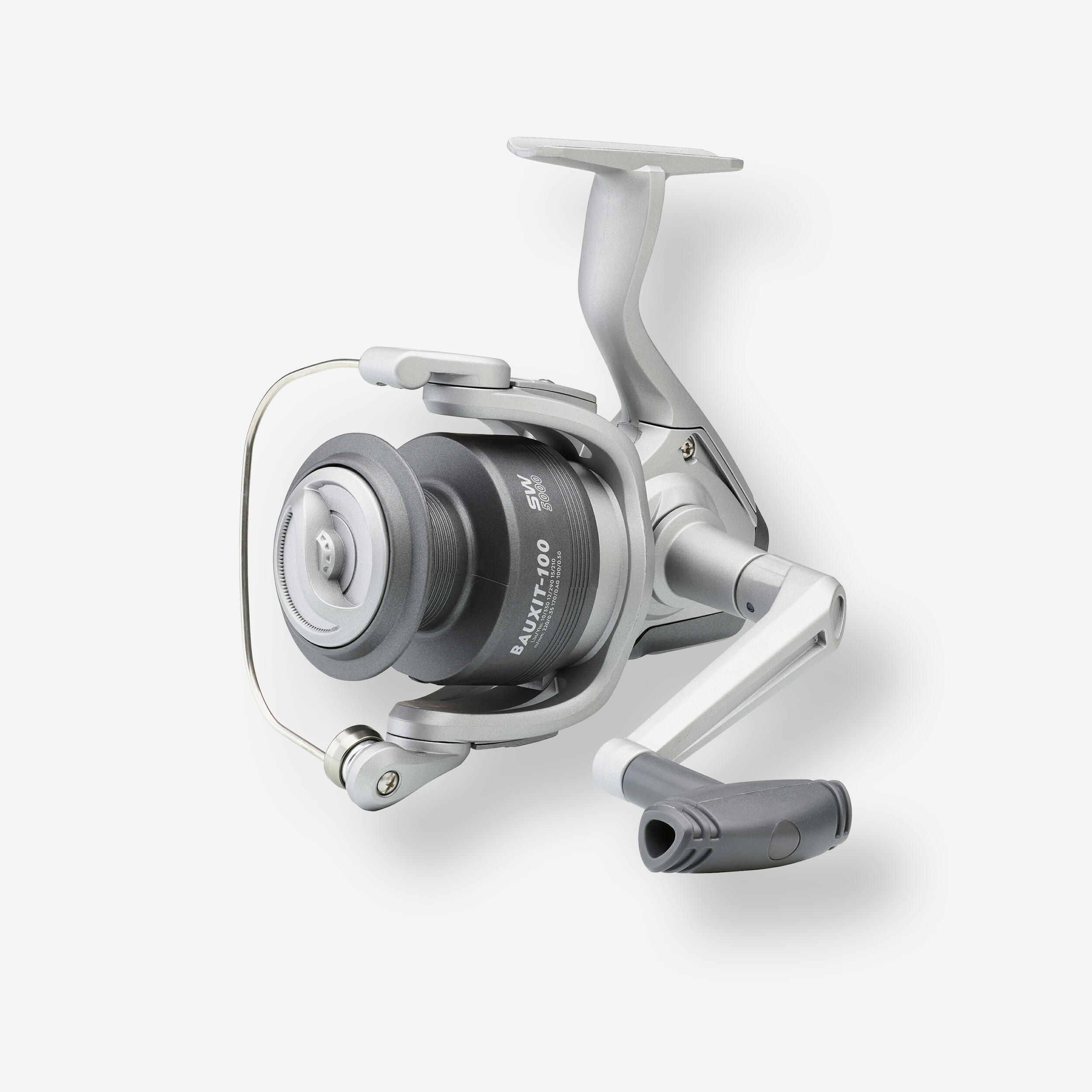
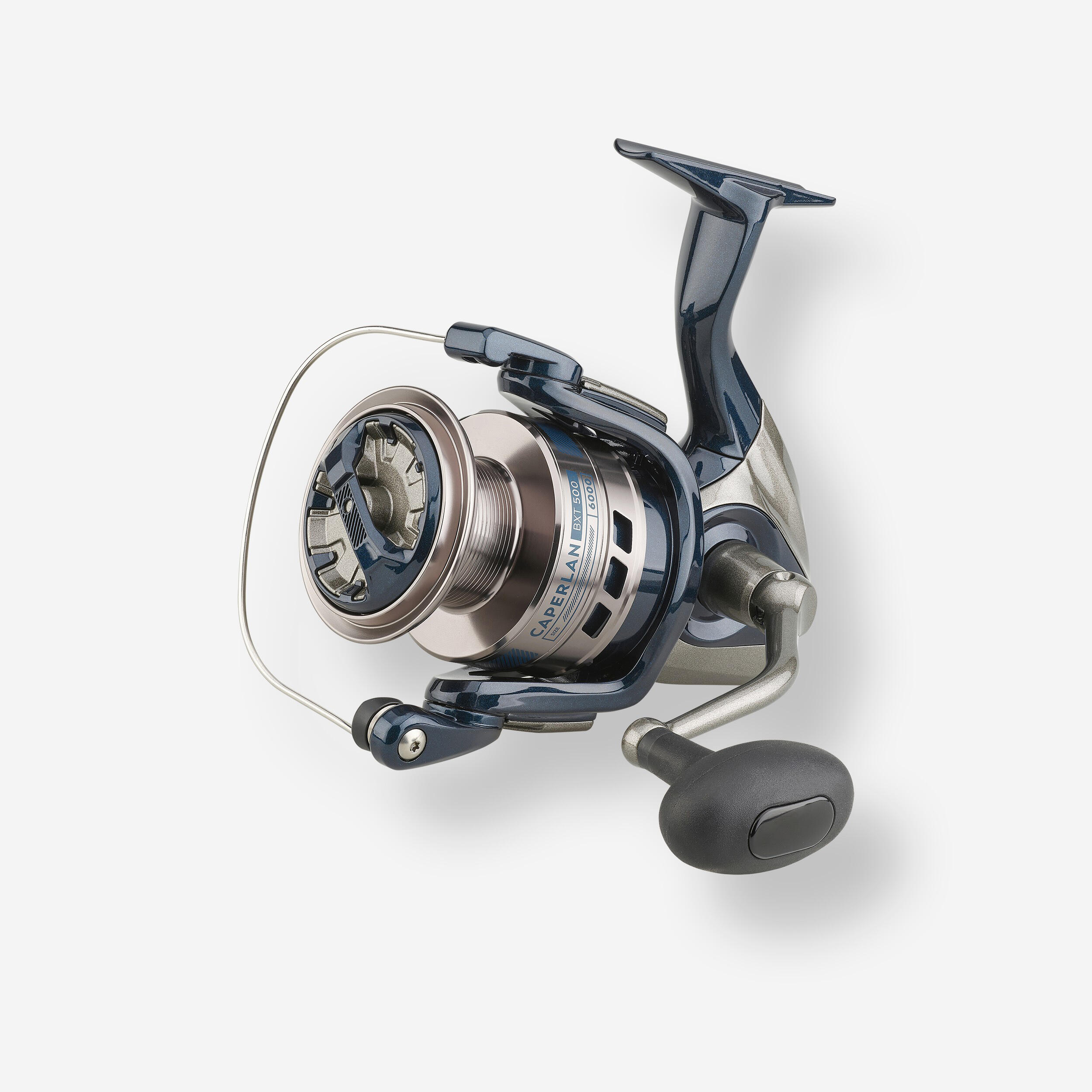
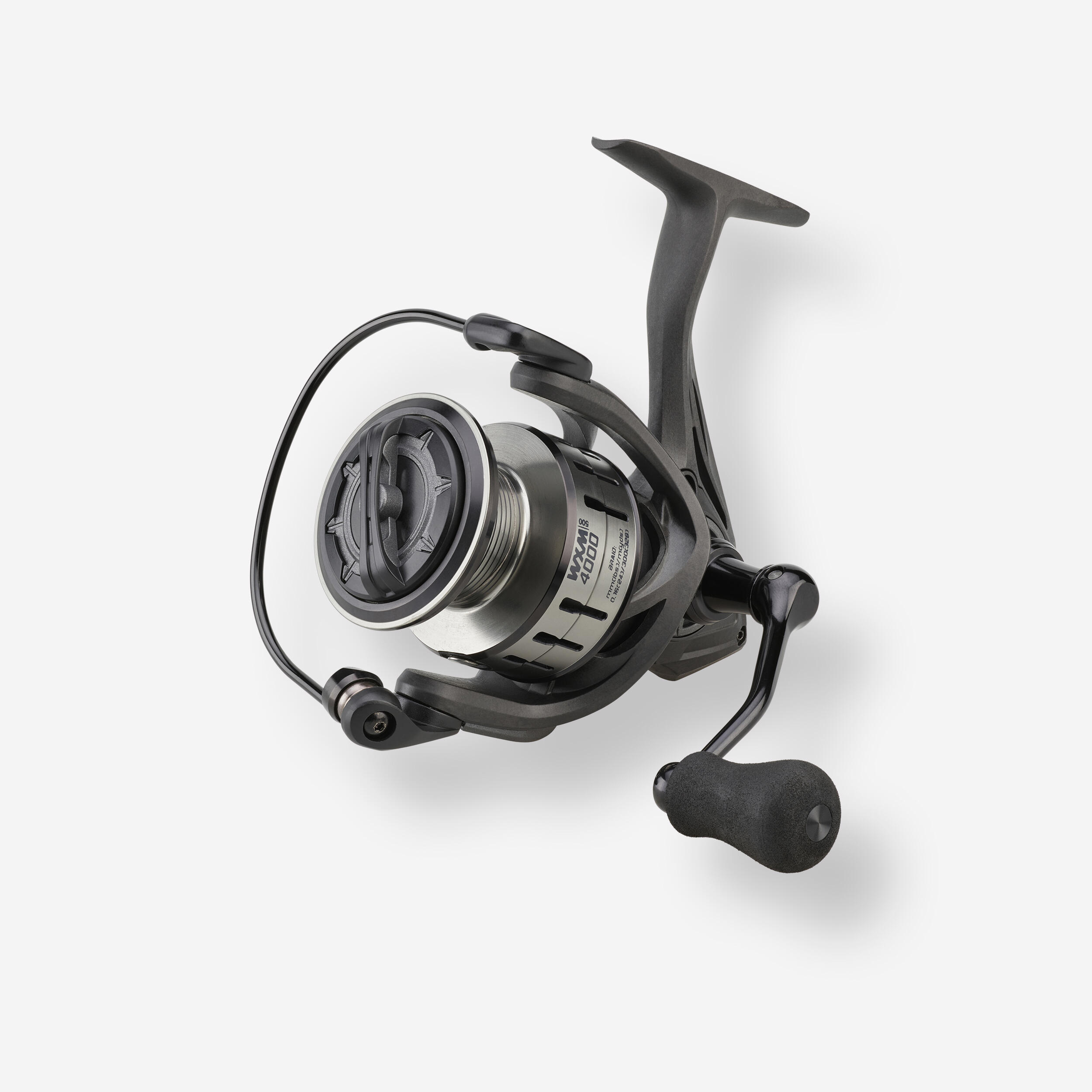
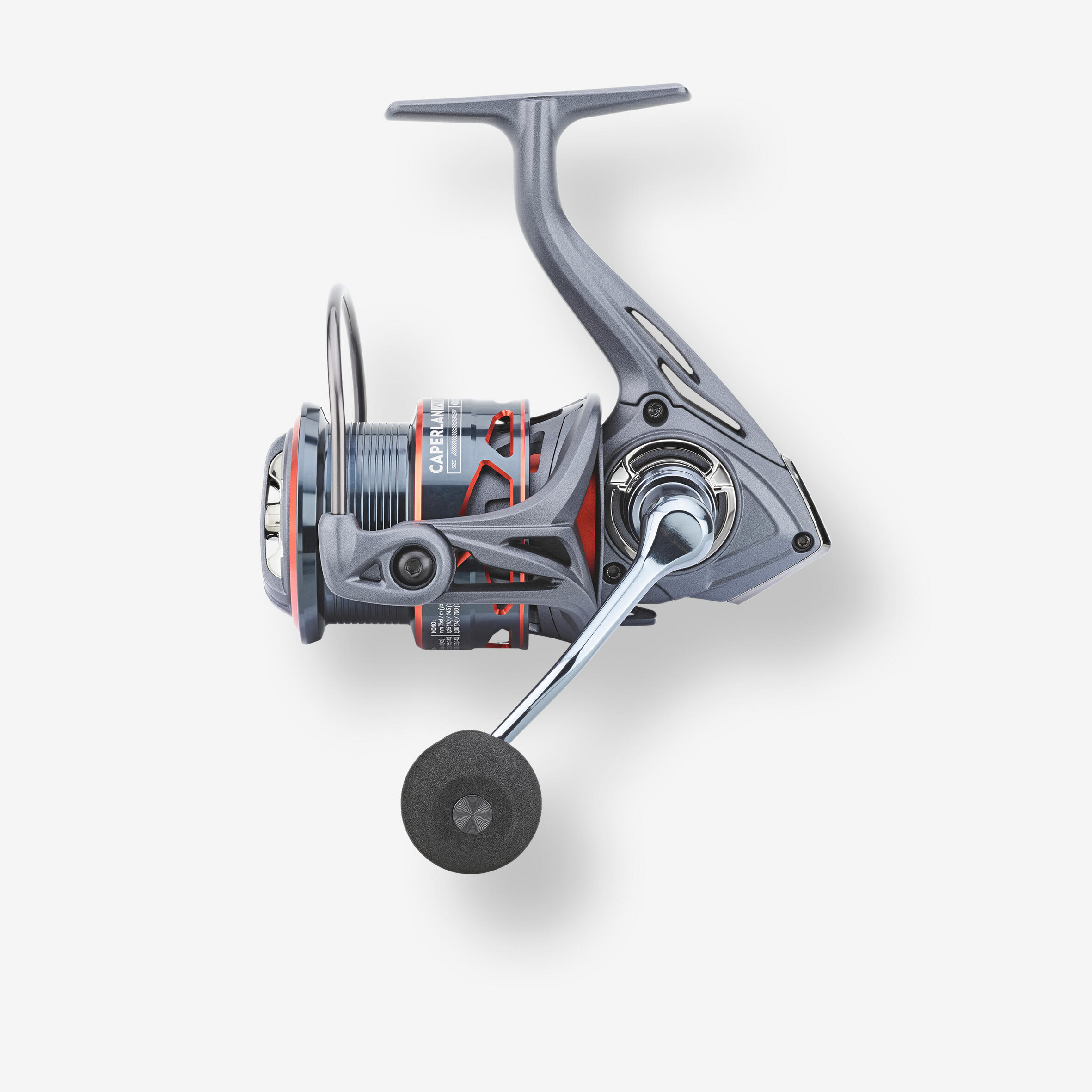
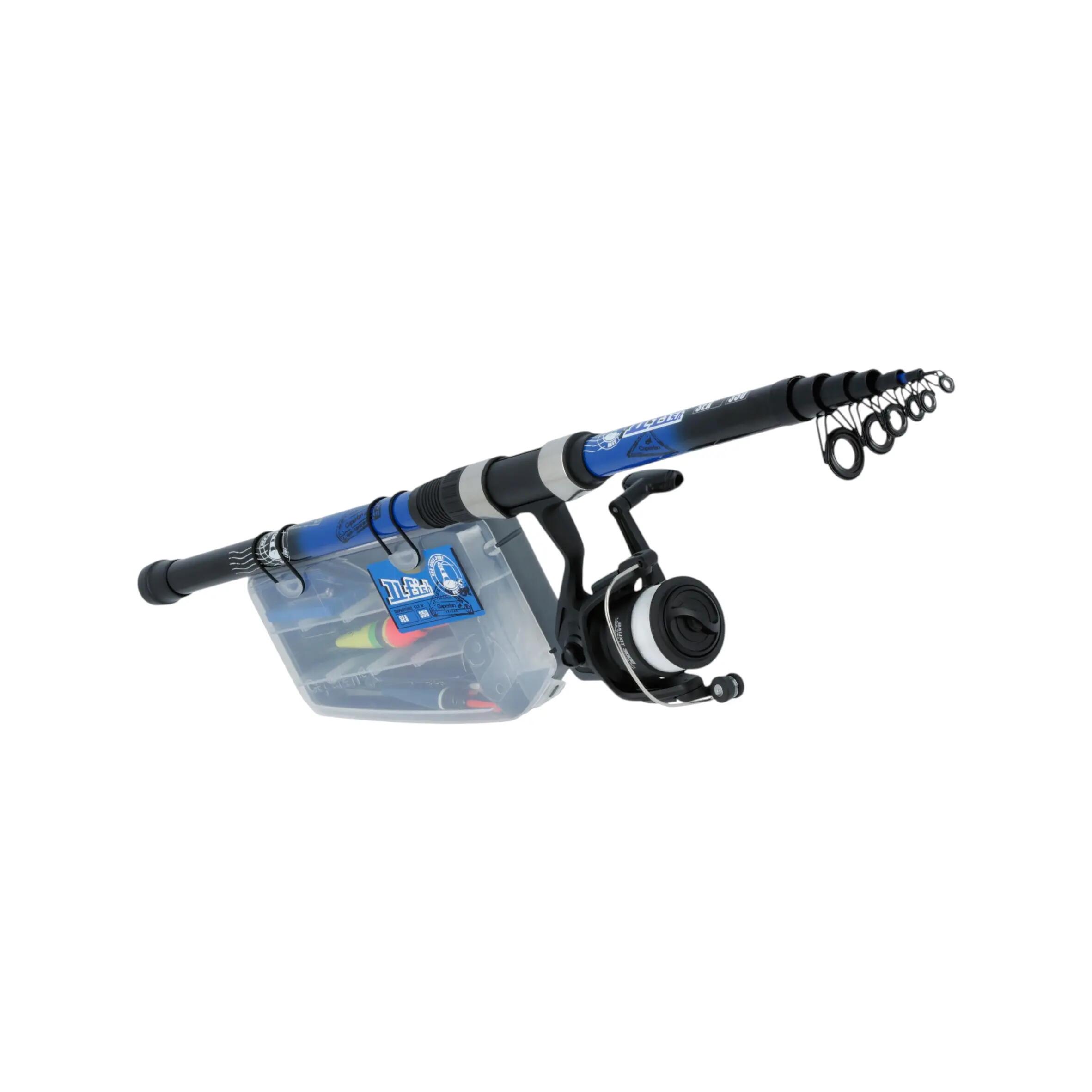
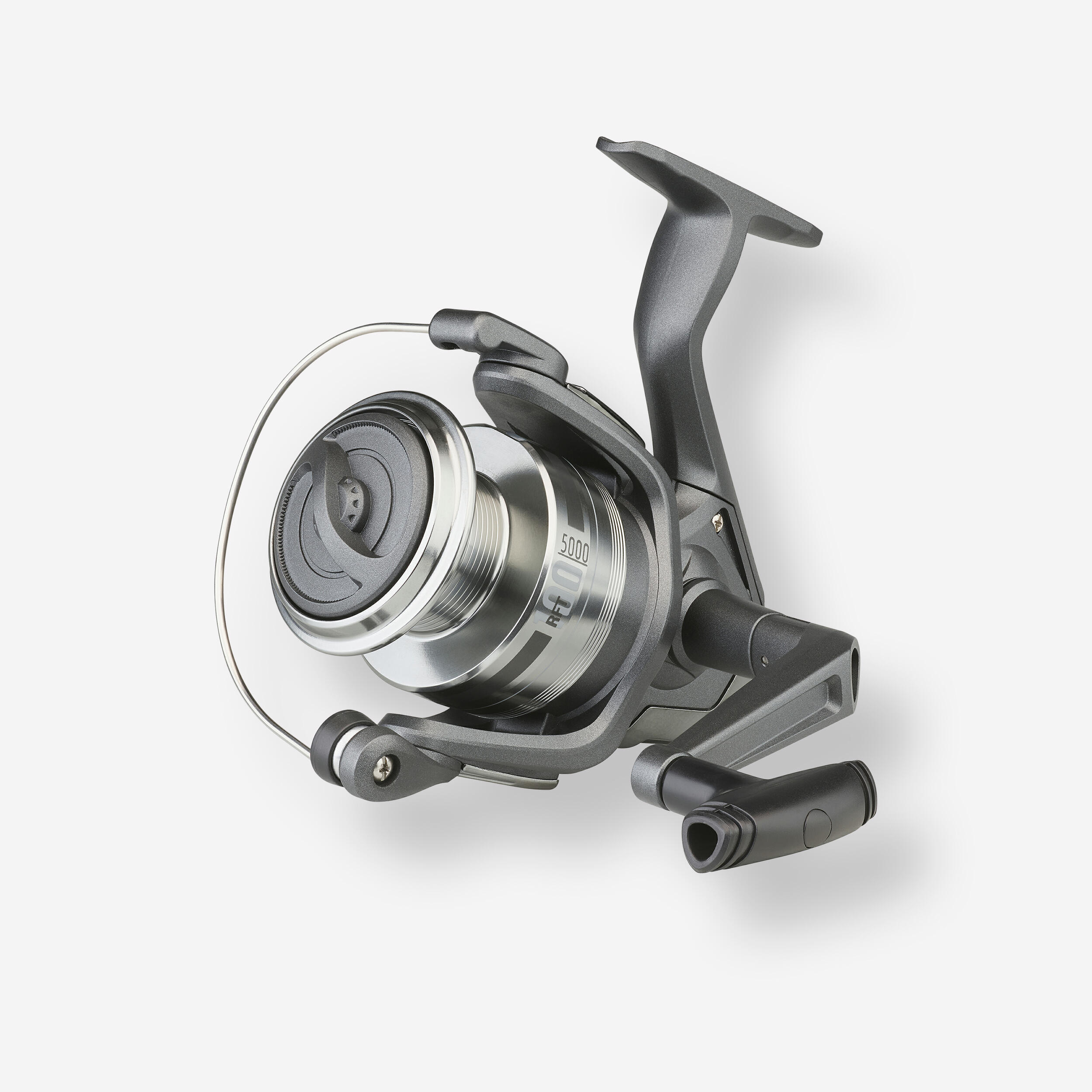
Saltwater can place extra demands on bearings, the spool, frame and other moving parts, so the reel needs construction suited to marine use. The sea fishing reel Bauxit combines a forged aluminium spool, graphite casing and rotor, stainless-steel bearings and an ambidextrous aluminium crank. Caperlan develops and tests its reels through practical fishing sessions and mechanical laboratory testing to assess resistance and reliability. Reel size also matters because a larger spool can carry more line for shore or boat fishing. Match the reel to your rod, line diameter and fishing method rather than relying only on the size number printed on the model.

How do usable drag and maximum drag differ on a fishing reel?

Maximum drag describes the highest resistance a reel can produce, but usable drag gives you a more practical indication of the force available while fighting a fish. Caperlan accounts for deformation within the reel assembly when stating usable drag, which can make this figure more relevant when matching a reel to your standard configuration. Some higher-spec lure fishing pike reels use carbon drag discs and provide separate maximum and usable drag figures. Keep the drag appropriate to the strength of your line and leader. Excessive resistance can overload lighter tackle, while very low resistance can make controlling a stronger fish harder.

What do gear ratio and retrieval rate tell you about a reel?

Gear ratio tells you how many times the rotor turns for each complete turn of the handle, while retrieval rate tells you how much line comes back onto the spool during that turn. A faster retrieve can help when working certain lures or recovering line quickly, whereas a lower ratio can provide more controlled cranking under load. Caperlan gives retrieval in centimetres per handle turn as well as the ratio, making different reels easier to assess. The lure fishing reels also show how reel construction can vary according to technique. Always confirm that a reel is approved for sea use before exposing it to saltwater.

How do spool capacity and line diameter affect reel selection?

A reel can hold more metres of thin line than thick line, so spool capacity only becomes useful when you read it alongside the stated diameter. Caperlan provides capacity figures for different monofilament and braid sizes, helping you match the spool to the amount and type of line you plan to use. Some reels also include adjustment rings beneath the spool to correct line that builds up in a pyramid or inverted-pyramid shape. Even line lay helps line leave the spool more consistently during casting. When preparing reels for shore fishing, consider casting distance, expected fish, line strength and reel capacity together rather than filling the spool with an unsuitable diameter simply because more line will fit.

How should you maintain a saltwater fishing reel after use?

Regular maintenance helps saltwater reels continue turning smoothly after repeated exposure to spray, sand and salt. Caperlan advises rinsing and drying the reel after each fishing trip, then loosening the drag before storage to prevent the drag system from remaining compressed. Let the reel dry completely before putting it into a closed bag or storage area. The mechanism also benefits from oiling once a year according to the product care guidance. Replacement spools, drag buttons, cranks and crank handles are available for selected Caperlan models to help extend the reel's useful life. Apply the same maintenance routine across your saltwater fishing equipment and inspect moving parts before the next session.