10 items
4.7/5 based on 2038 reviews collected online and in stores

Shore Fishing Weights FAQs

What does a coated sinker add to a shore fishing rig?

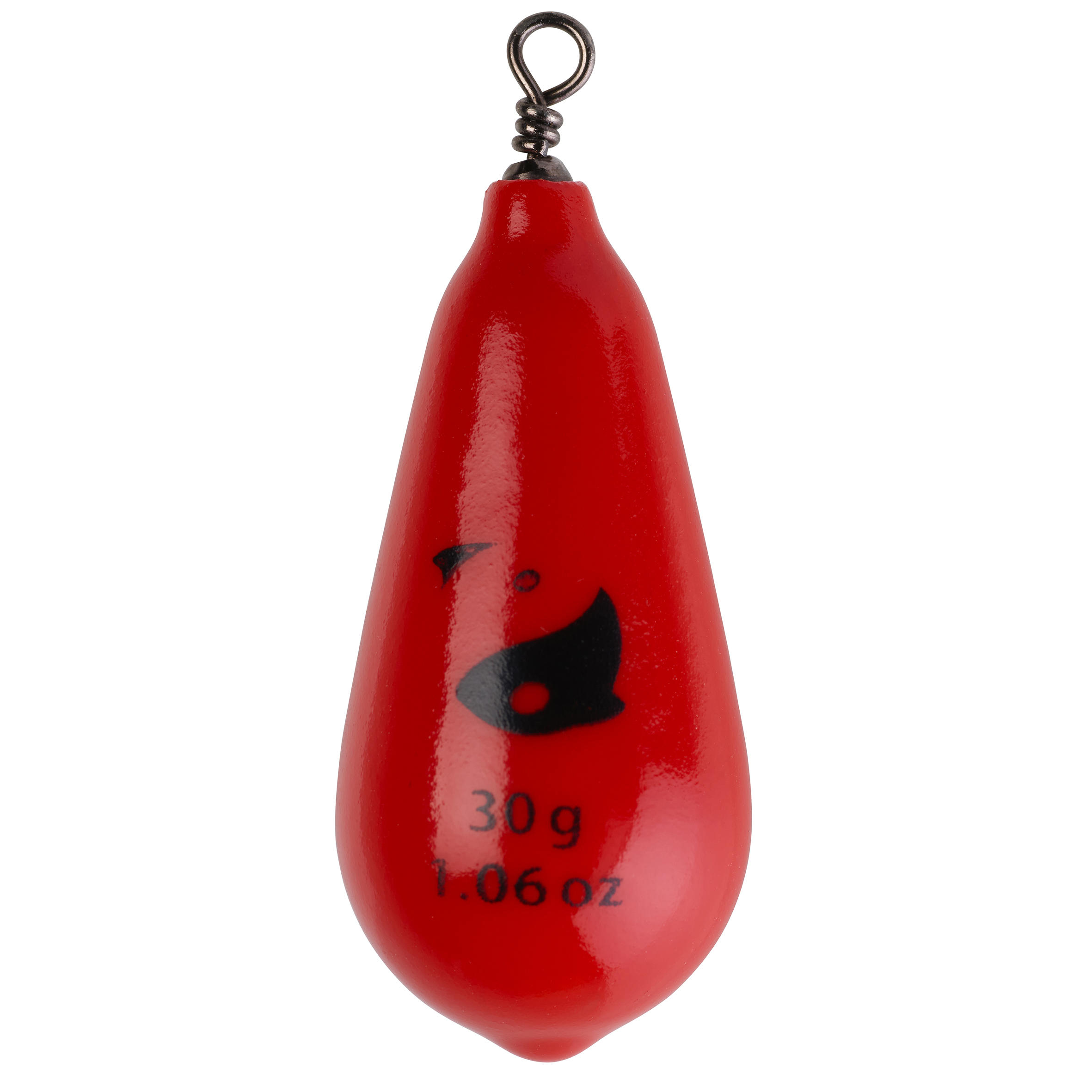
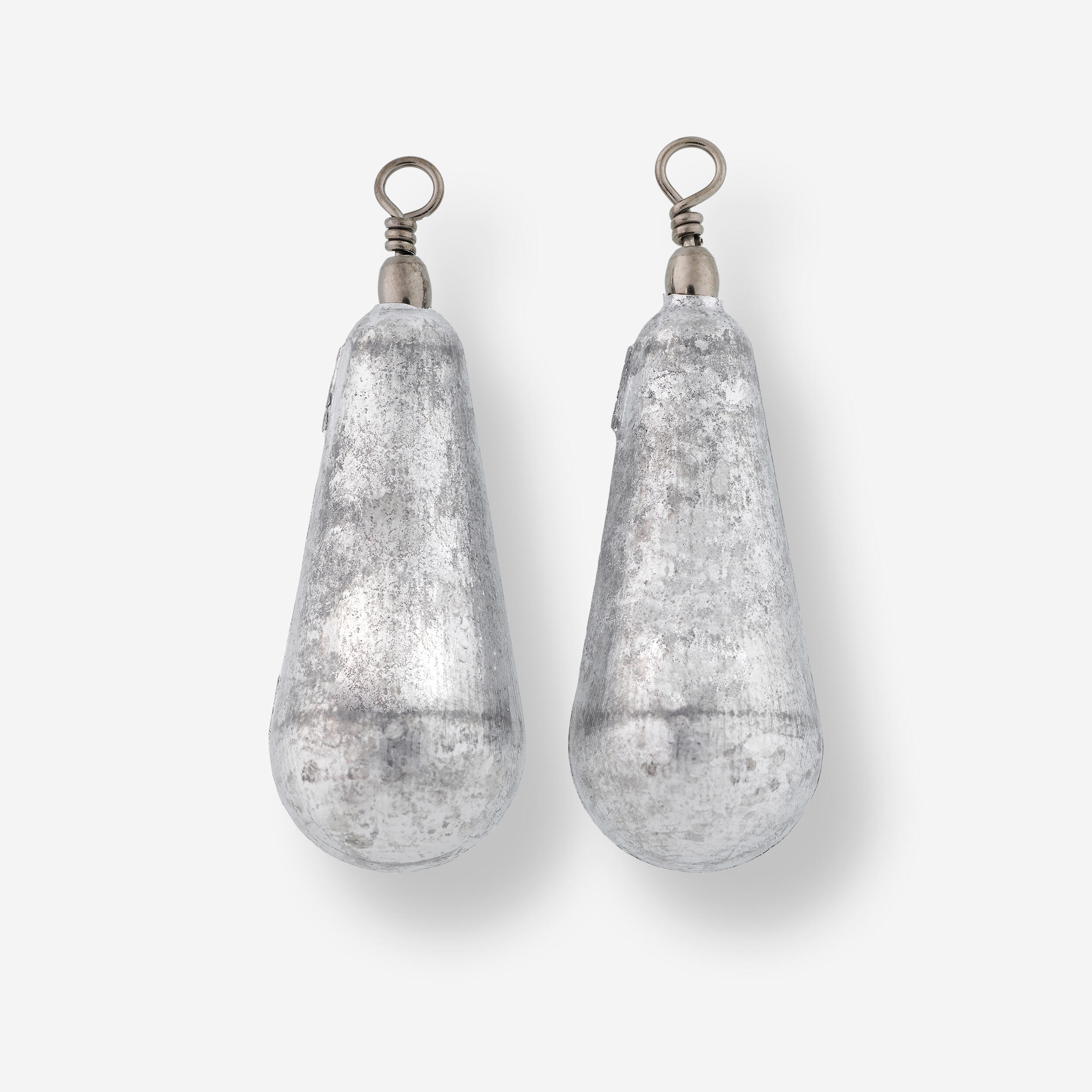
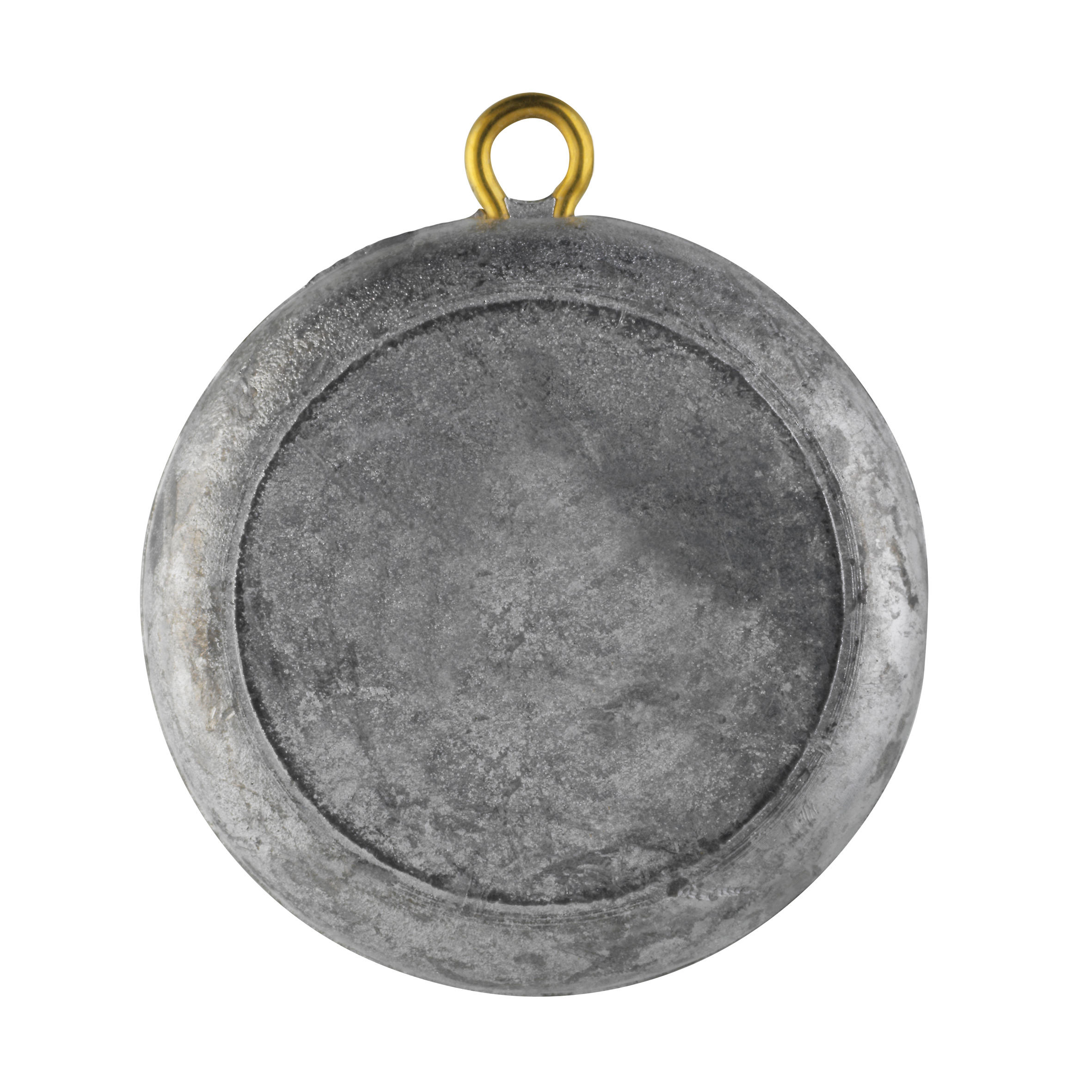
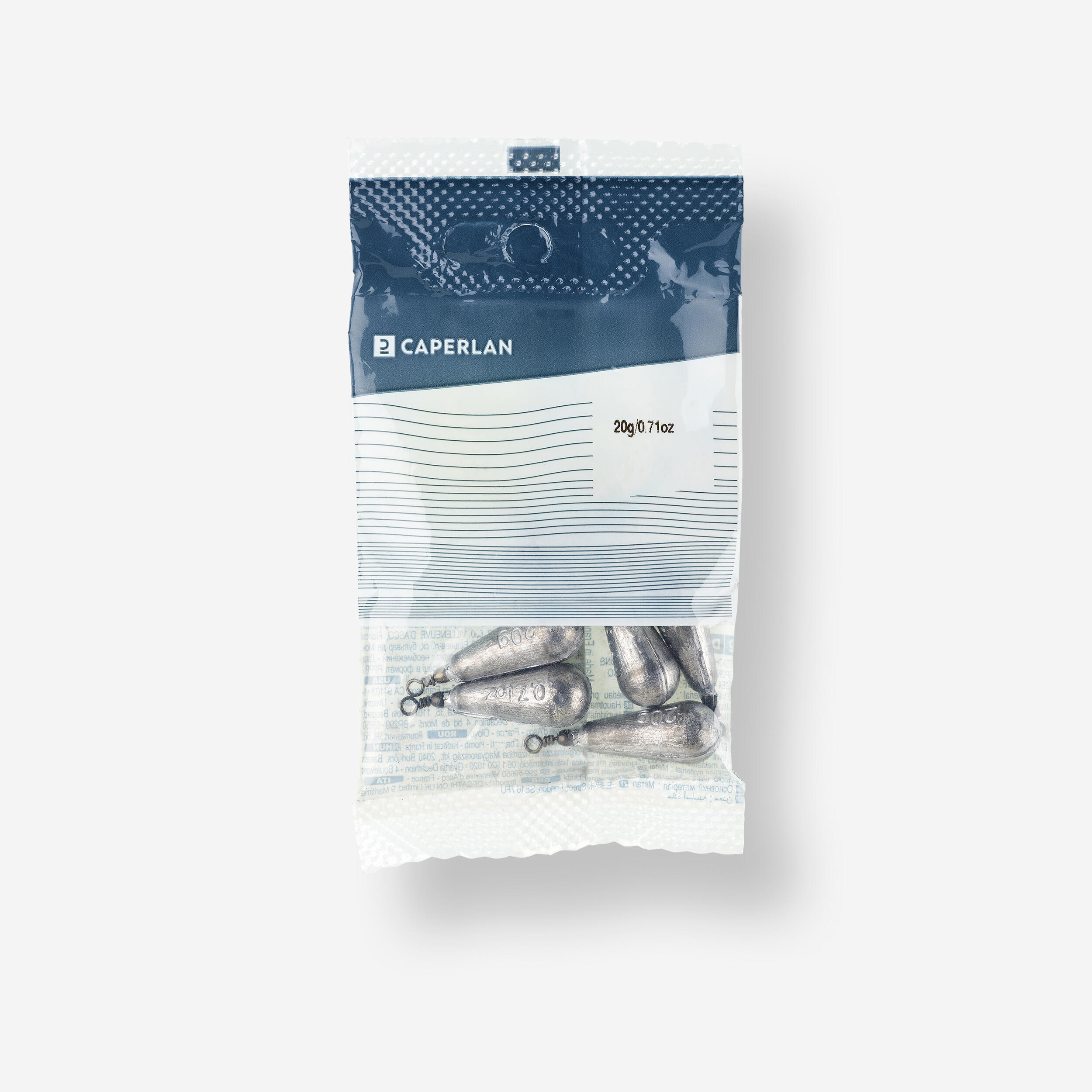
A coated sinker can combine the usual job of weighting a rig with extra visibility around the terminal setup. Caperlan's plasticated shore fishing sinkers use a red PVC coating intended to attract fish visually. Their pear shape supports casting, while the sinker can keep the rig on the bottom and still allow a slow drift. An integrated stainless-steel swivel helps reduce line twisting during retrieval, and the weight can also ballast feather rigs. Sizes run from 20 g to 100 g, letting you adjust the setup according to casting needs and water movement.

When does a studded weight help hold the seabed?

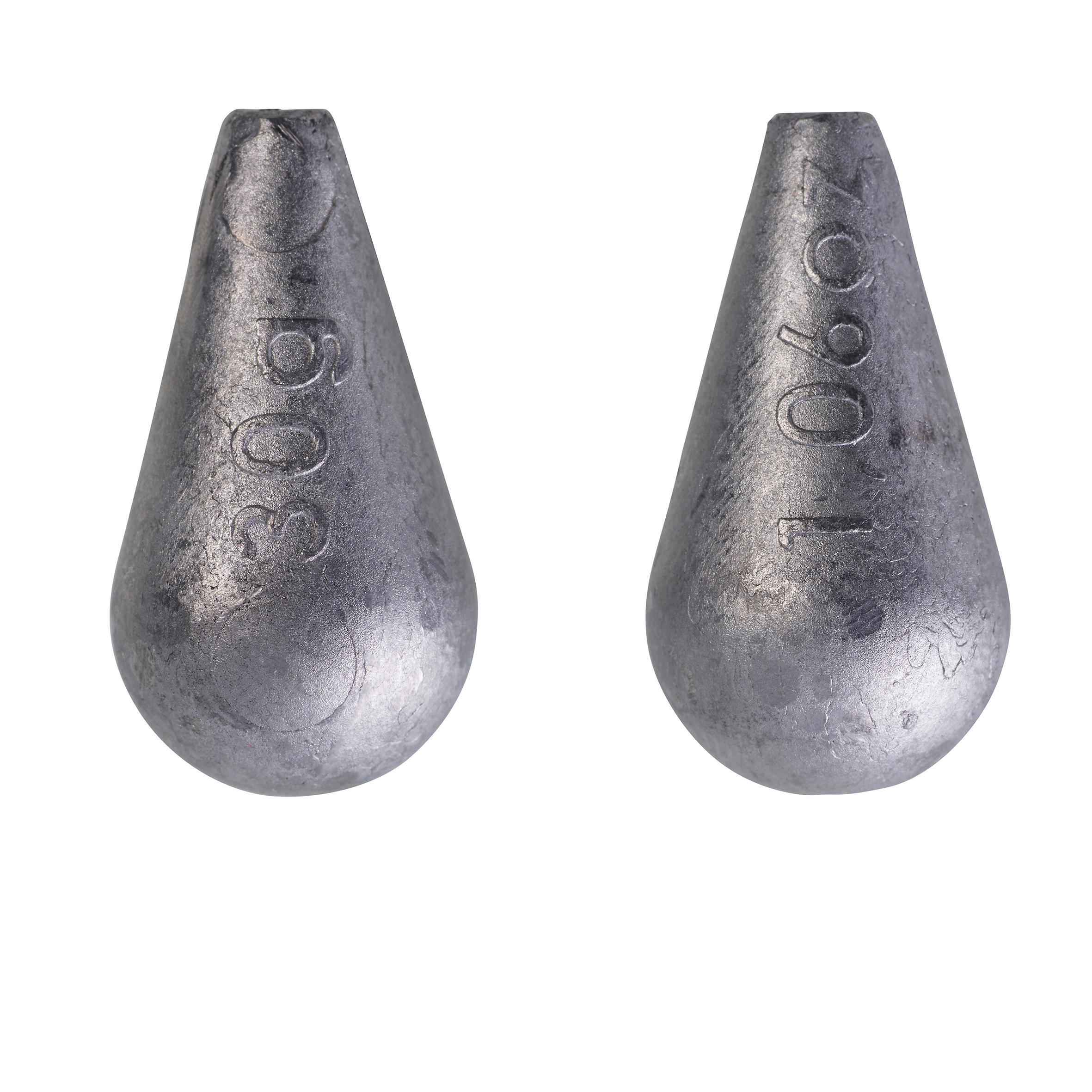
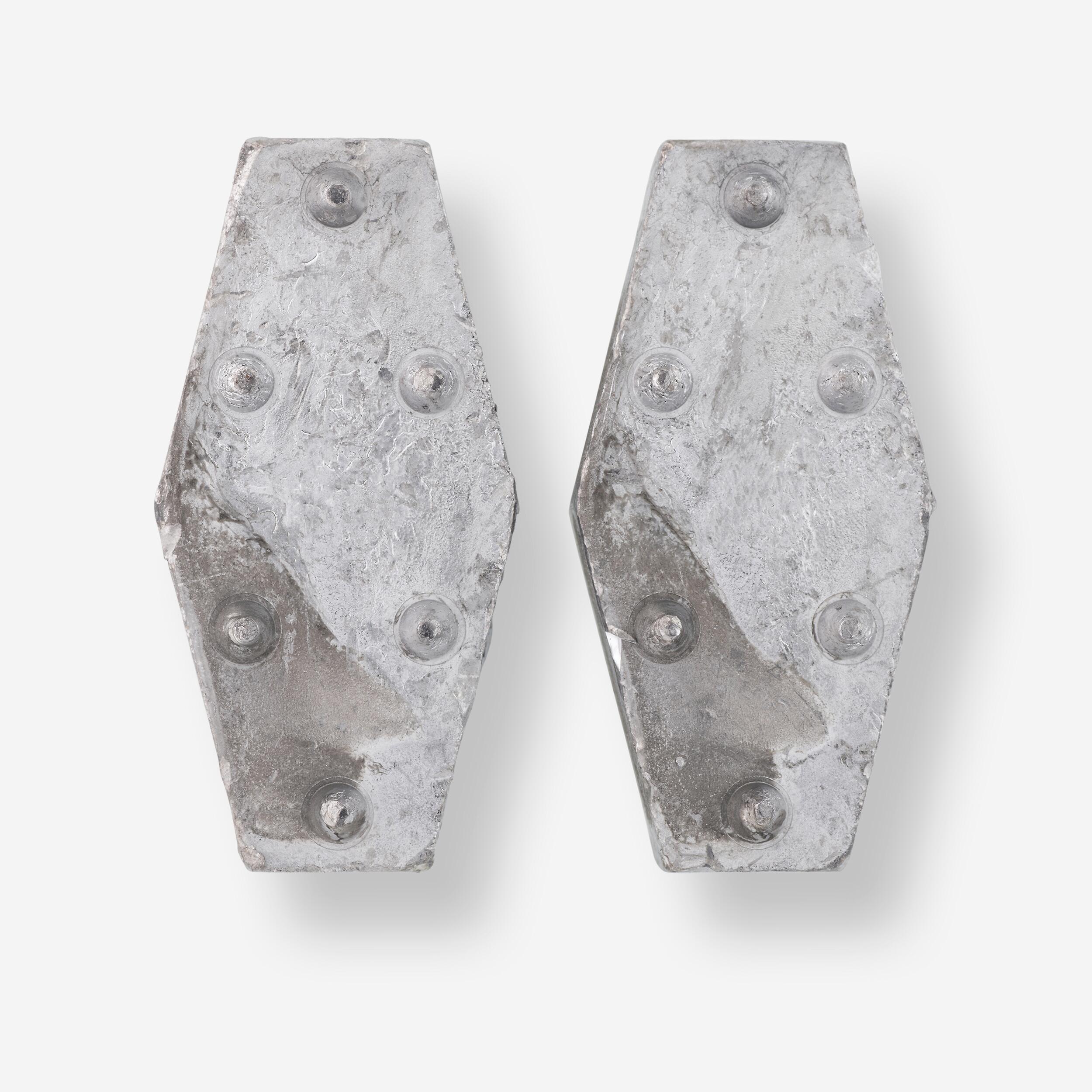
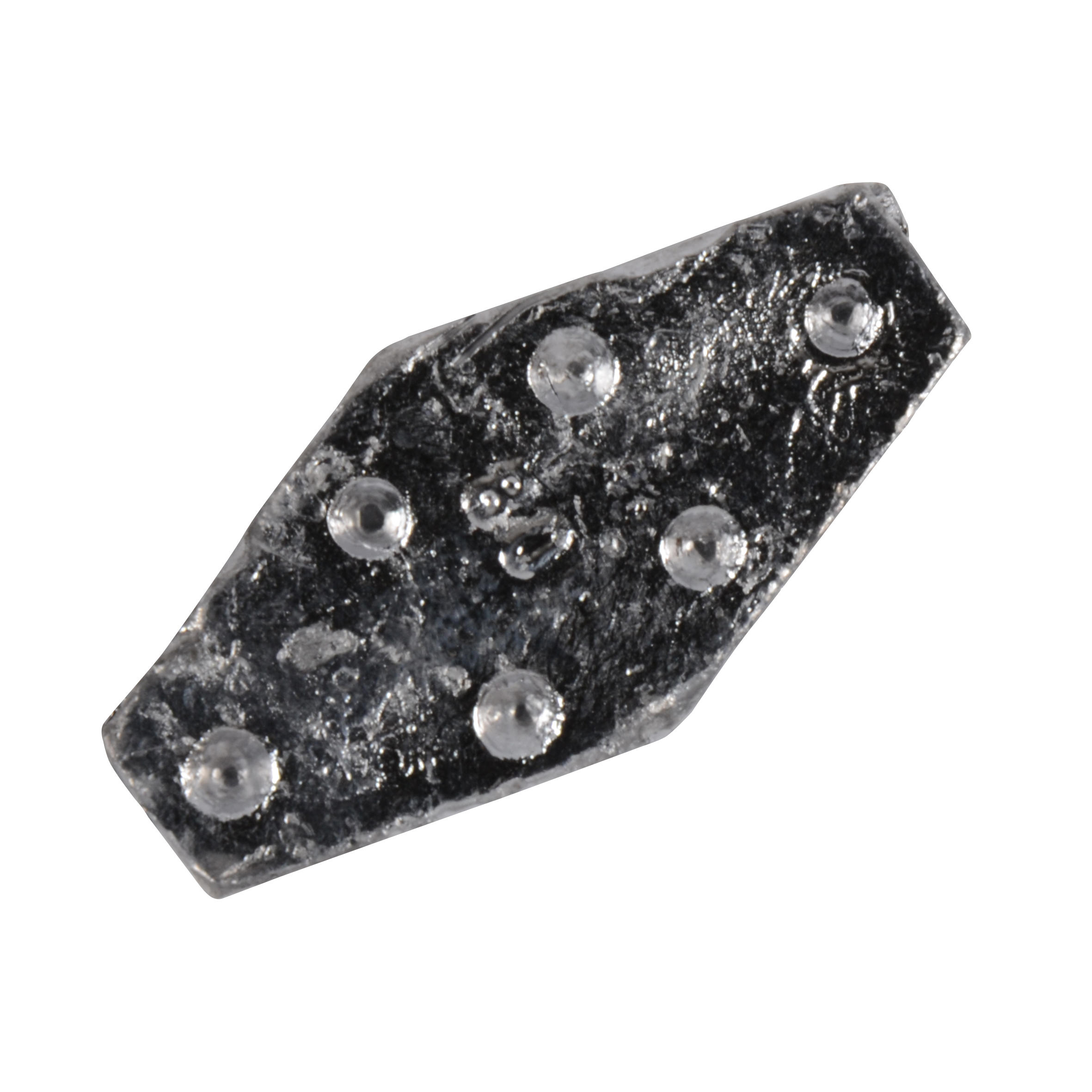
Stronger current can move a smooth sinker away from the fishing position, so extra grip becomes useful when you want the rig to remain more stable. Caperlan's studded hexagonal fishing lead uses an angular shape that grips the bottom and limits drifting. It also works with sliding rigs and retains an aerodynamic profile for casting. Current versions include 80 g and 100 g weights. Caperlan publishes a -5% to +10% manufacturing tolerance because the exact weight can vary through the centrifugation process used during production. The sinker is made from lead, so wash your hands after handling it and keep food away from the tackle preparation area.

Why use a drilled olive weight for shore fishing?

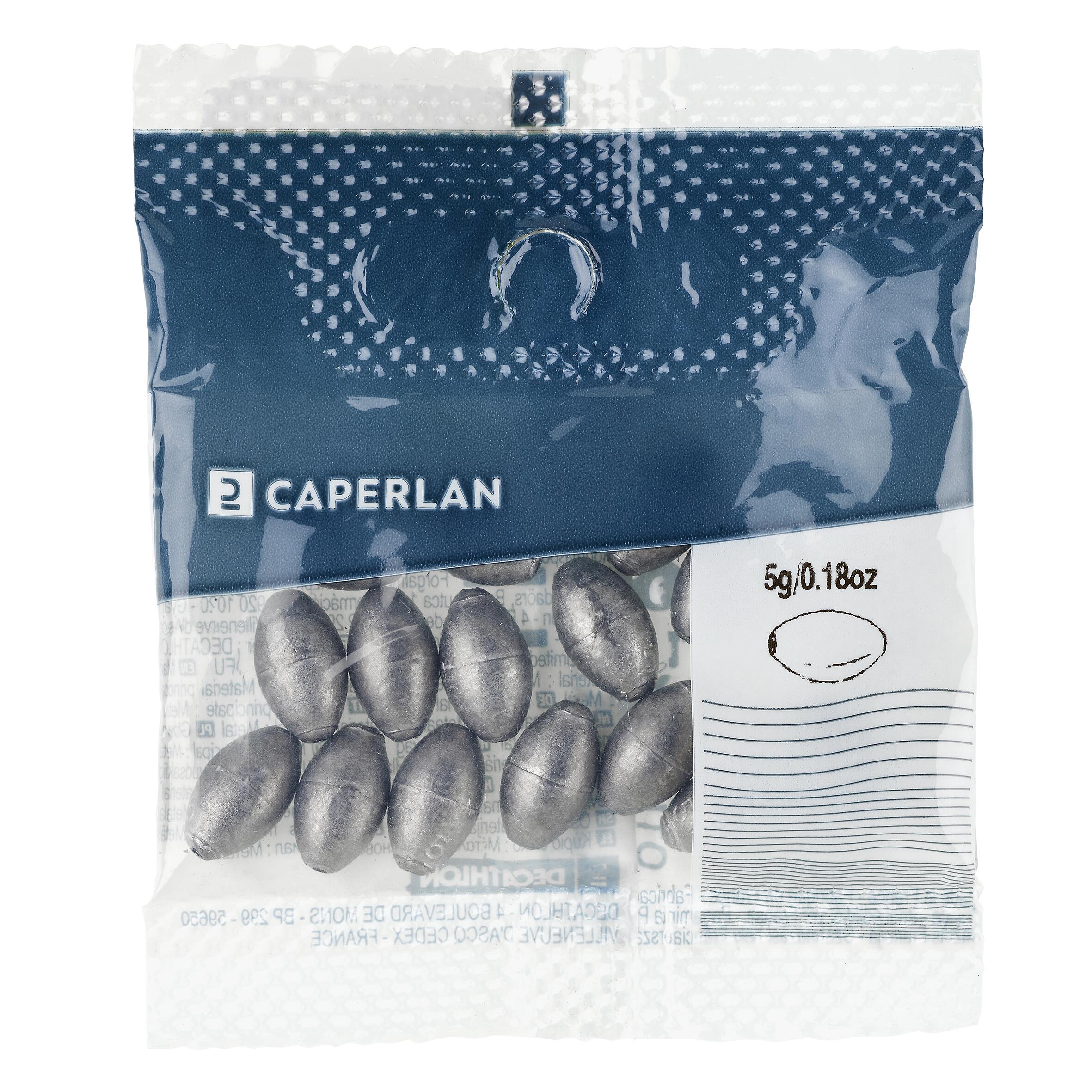
A line-through olive keeps the rig simple because the weight threads directly onto the fishing line rather than needing its own swivel or snap. Caperlan's fishing drilled rounded olive sinkers use an aerodynamic shape for longer casting and a hydrodynamic profile that helps position the weight in deeper water. The lighter family spans approximately 1 g to 30 g, giving you several ways to balance lighter rigs. TEAM CAPERLAN developed and tested these sinkers in the Gironde region of France. They use 100% lead, and Decathlon advises dry storage in a box together with hand washing after use.

How do you match sinker weight to a shore fishing setup?

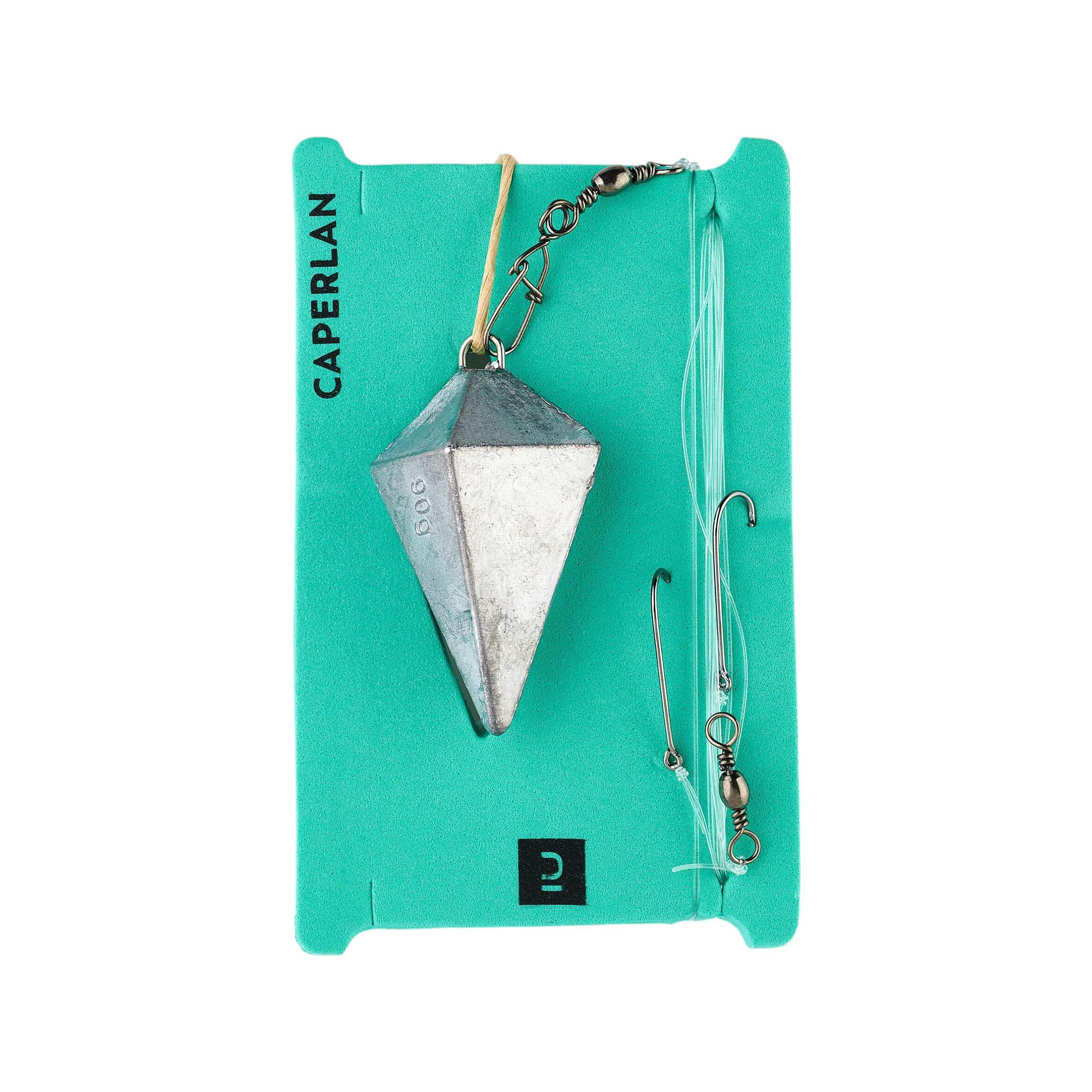
Start with the rod's casting capacity, then account for bait, rig components, current and the distance you want to reach. A rounded olive can suit a freer line-through presentation, while a studded hexagonal weight gives more seabed grip and a pear-shaped sinker can combine casting with controlled movement along the bottom. Different methods within shore fishing therefore call for different shapes as well as different gram weights. The current Caperlan selection includes weights for ledgering, float fishing and surfcasting, with several products reaching 80 g or 100 g. Never judge the complete casting load from the sinker alone, as bait and terminal tackle also add weight to the rod during the cast.

How do you handle and store lead fishing weights safely?

Many Caperlan shore weights use lead as their main material, so basic handling habits matter between rig changes. Keep sinkers in a closed, dry tackle compartment, avoid putting them in your mouth while tying rigs and wash your hands after handling them. Decathlon gives explicit hand-washing guidance for products such as its studded hexagonal and drilled olive sinkers. After saltwater fishing, remove wet terminal tackle from storage and let components dry before closing the box again. Inspect swivels and coatings for damage as well, particularly on combination sinkers that include stainless-steel hardware. Keeping weights separated by shape and size also makes it easier to select the required option without handling every lead item in the box.