12 items
4.7/5 based on 822 reviews collected online and in stores

Shore Fishing Rods and Combos FAQs

How can a sensitive rod tip help with light shore ledgering?

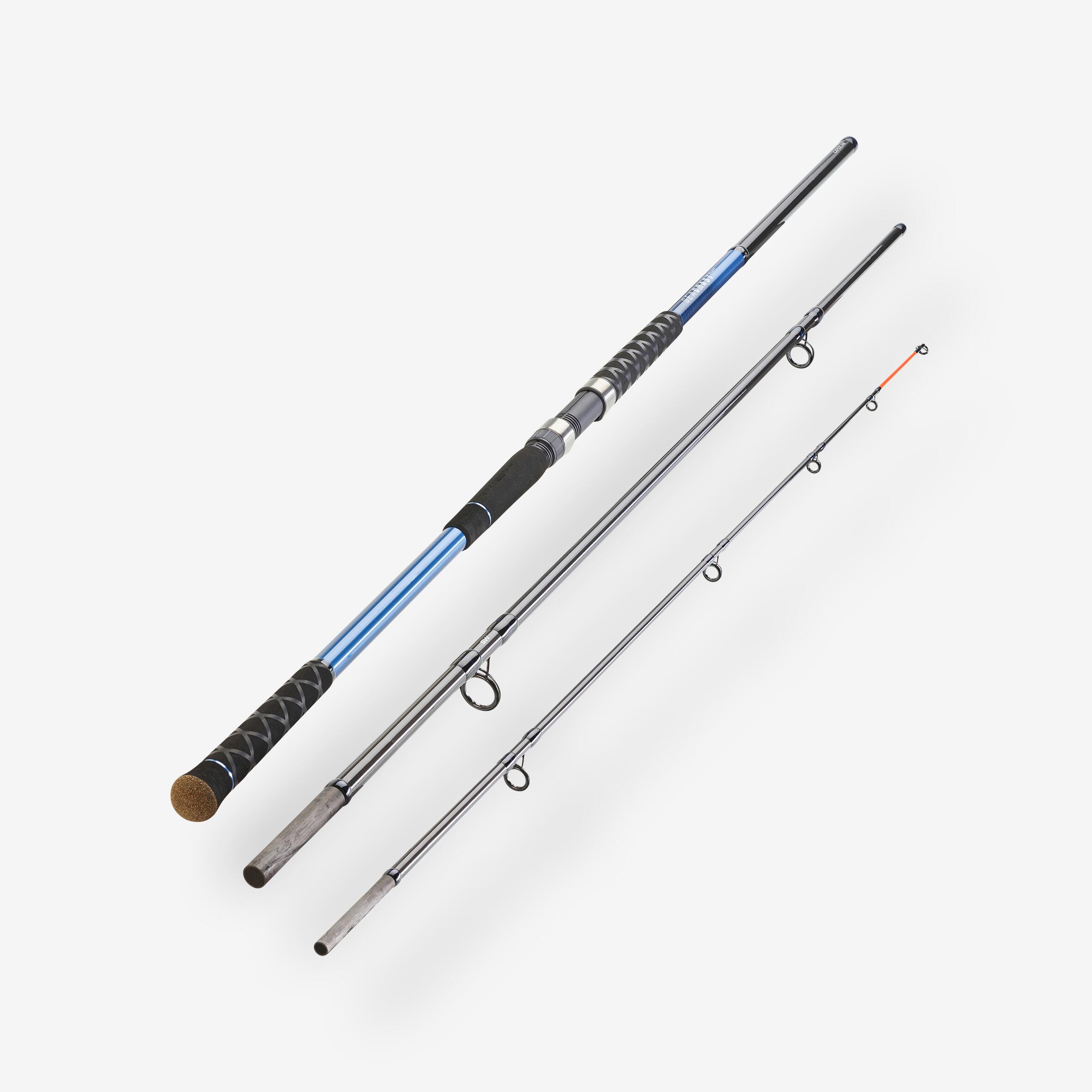
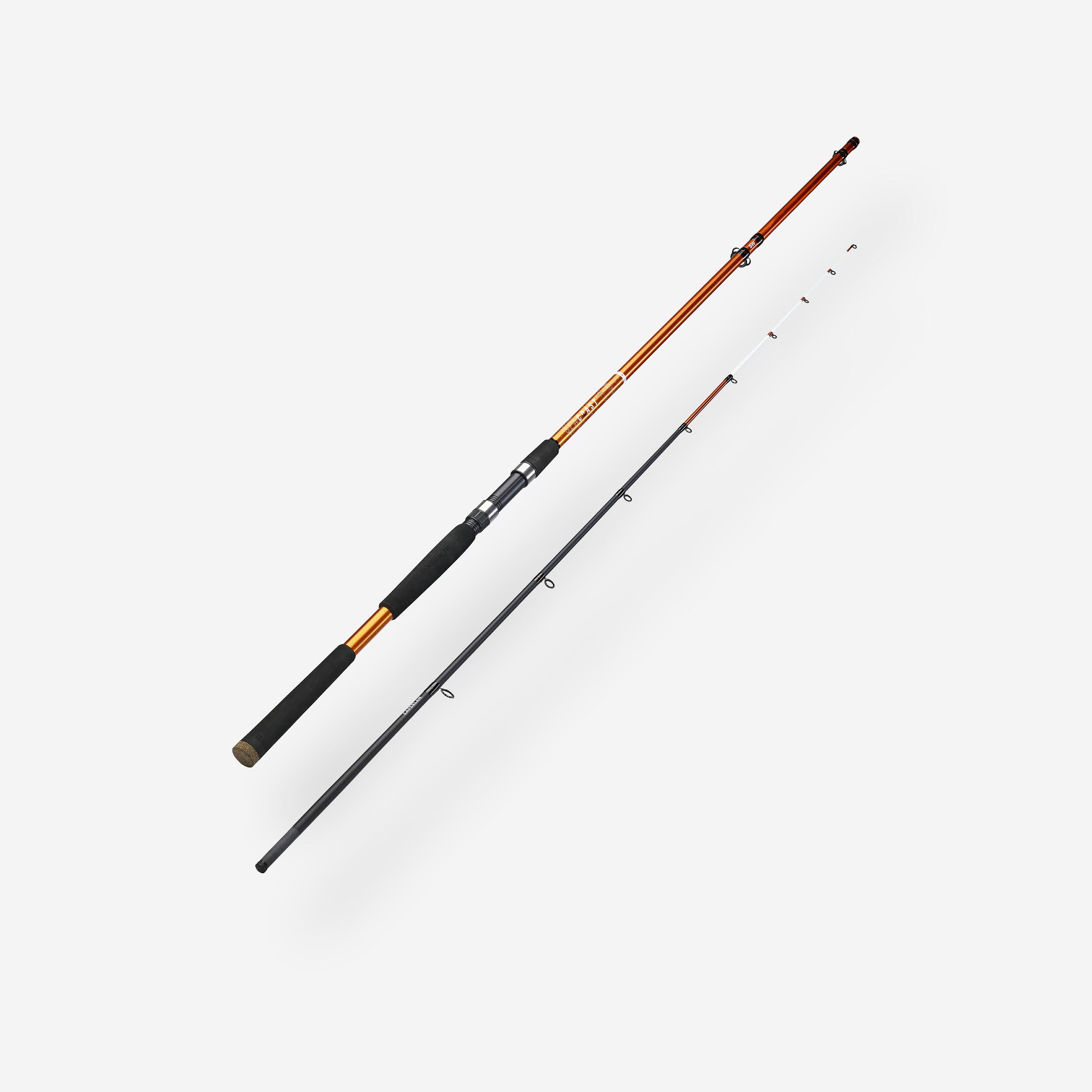
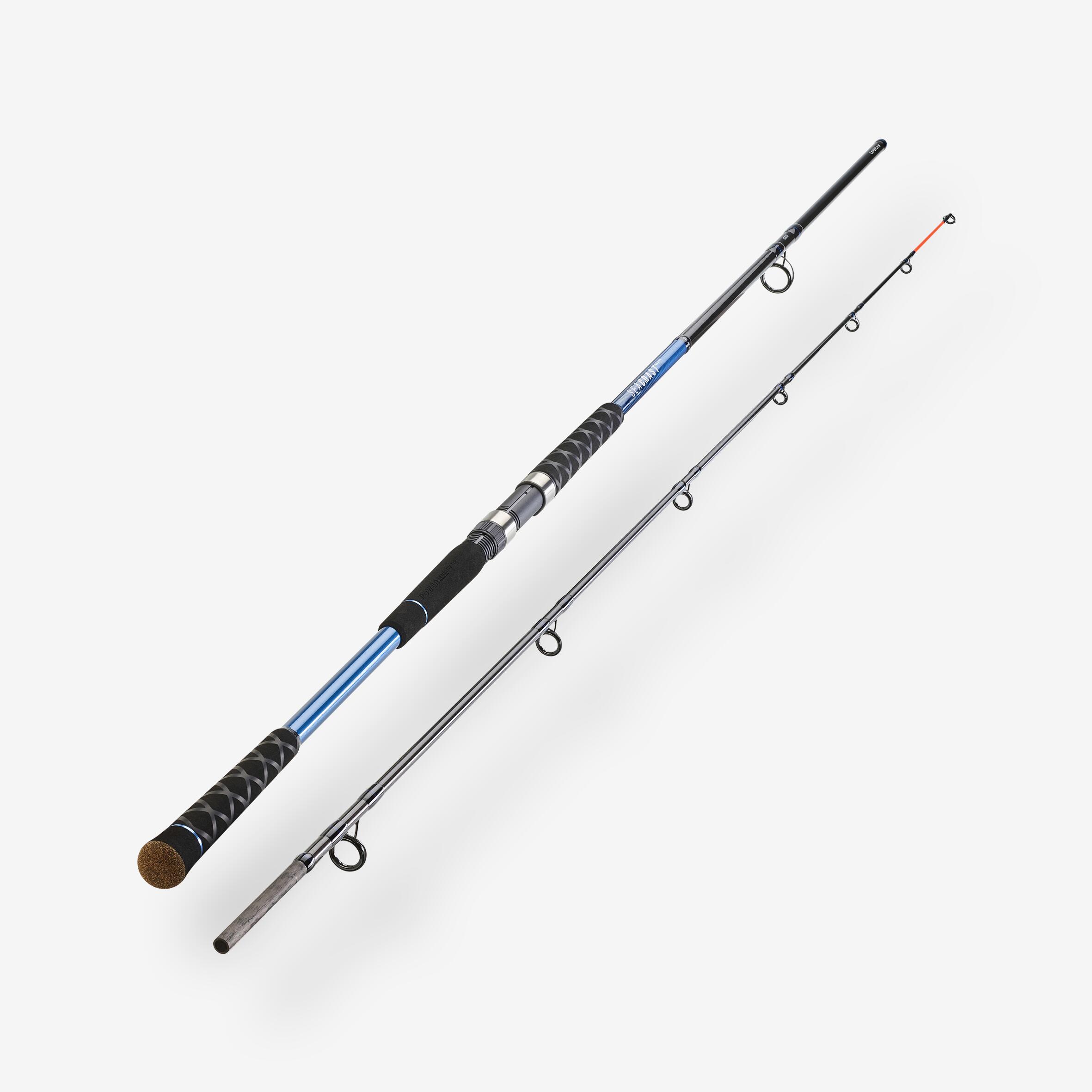
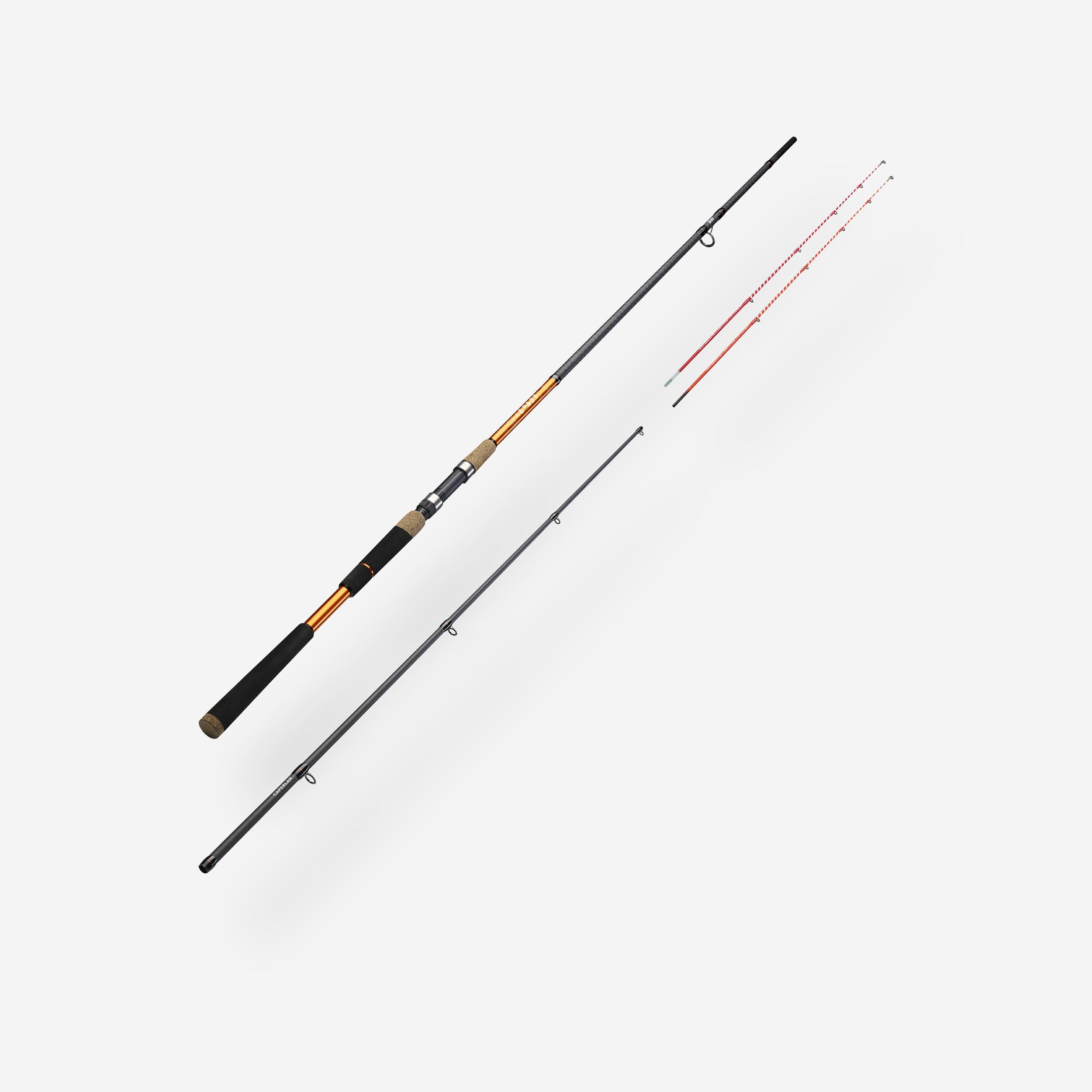
A finer, more flexible tip makes subtle movement easier to notice when fish take the bait gently. Caperlan uses its SENSITIV TIP concept on selected shore fishing press fit rods. The SEACOAST LIGHT 100 270 uses a thin fibreglass tip for flexibility while retaining breaking strength, and white paint improves bite visibility during both day and night sessions. The 2.70 m two-section rod has a 40 to 80 g casting capacity and packs to approximately 140 cm, making it suitable for lighter ledgering where bite detection matters more than throwing very heavy sinkers.

What does a matched shore fishing rod set include?

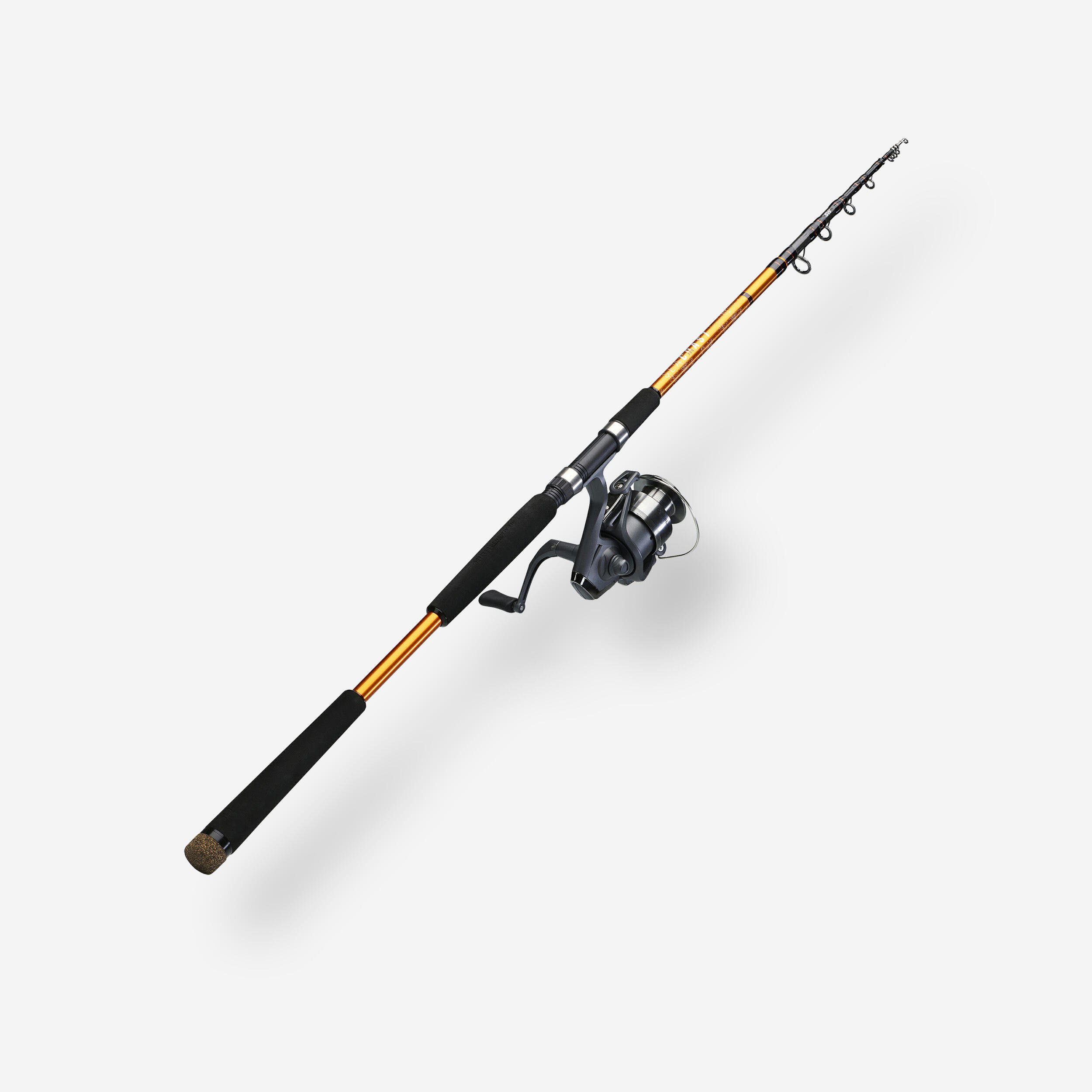
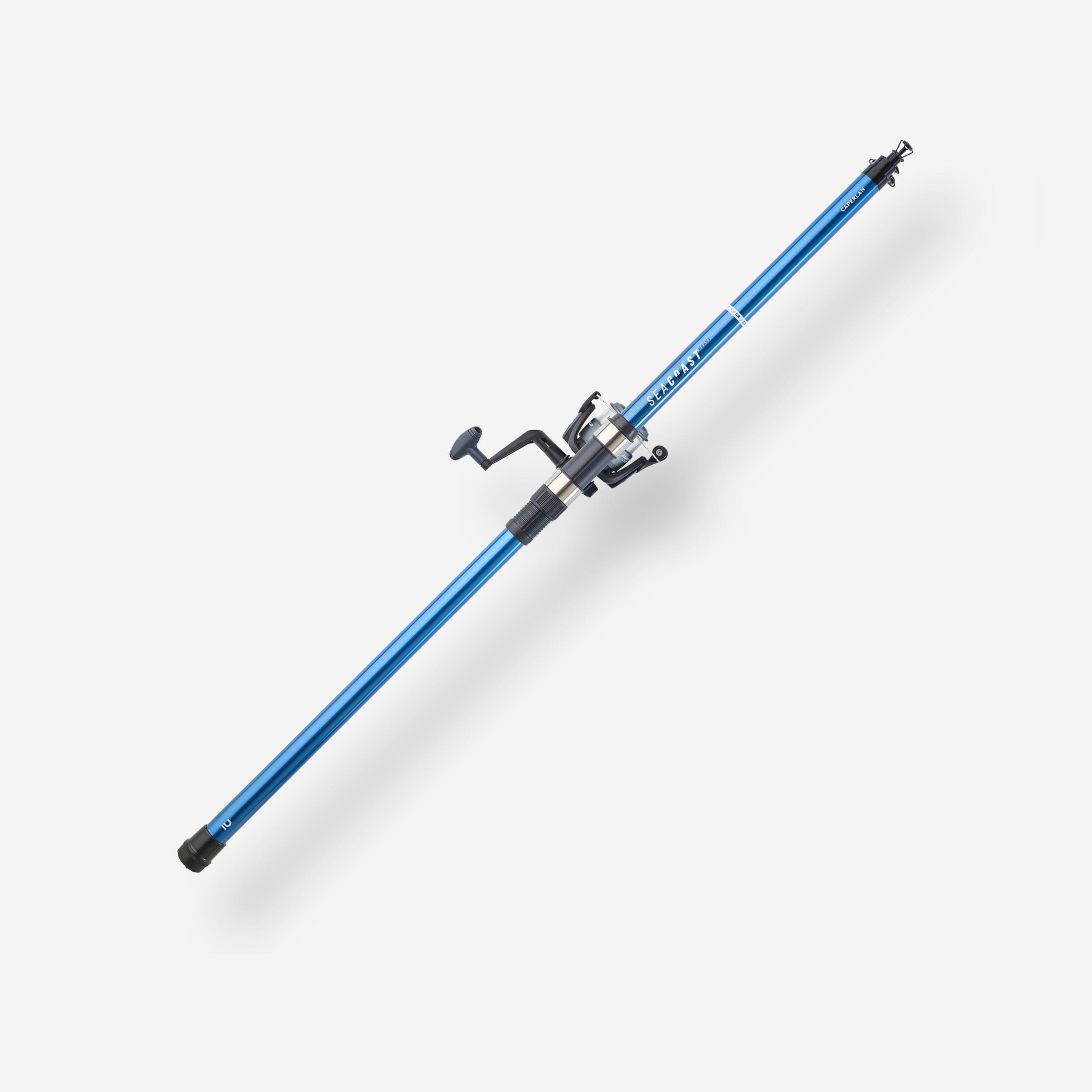
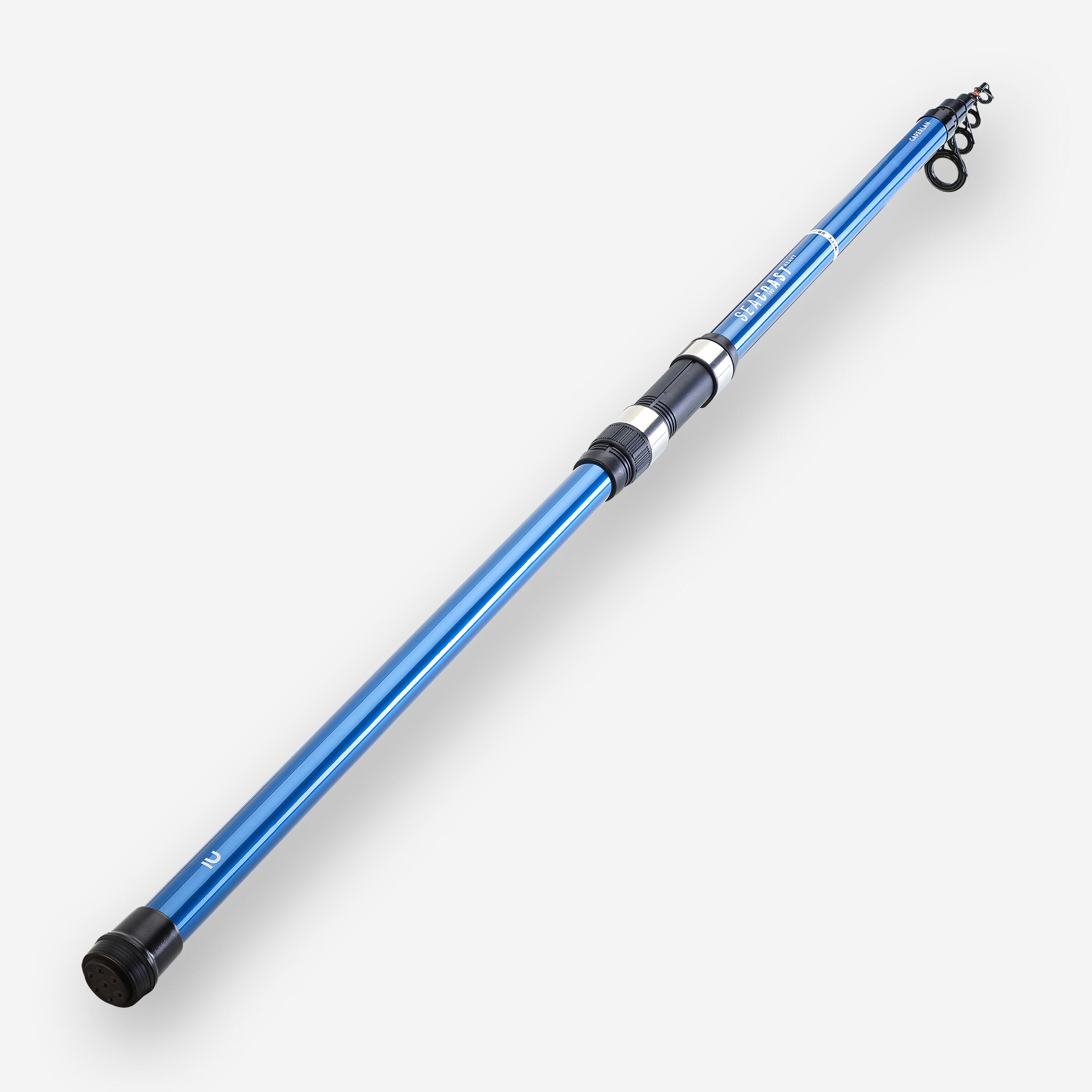
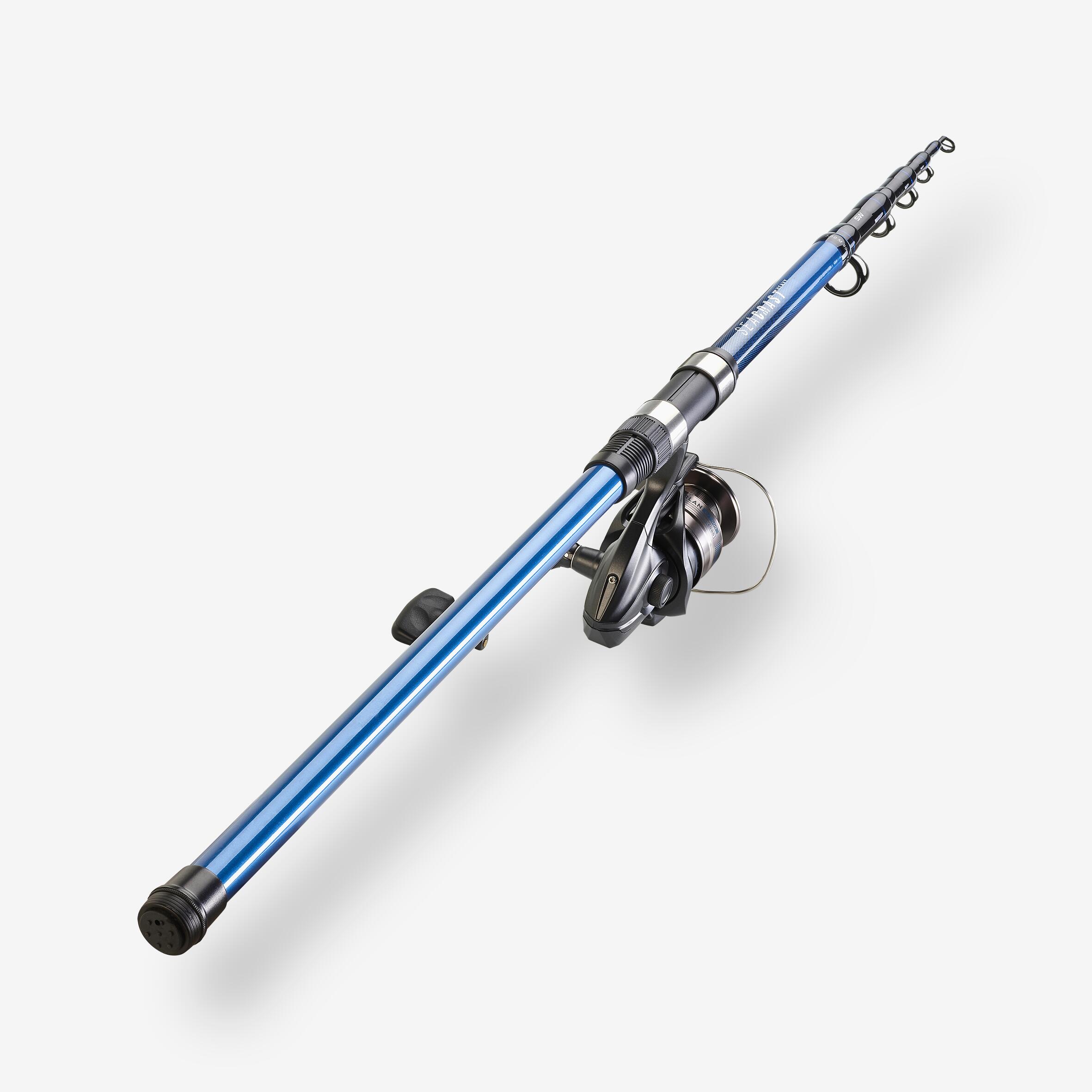
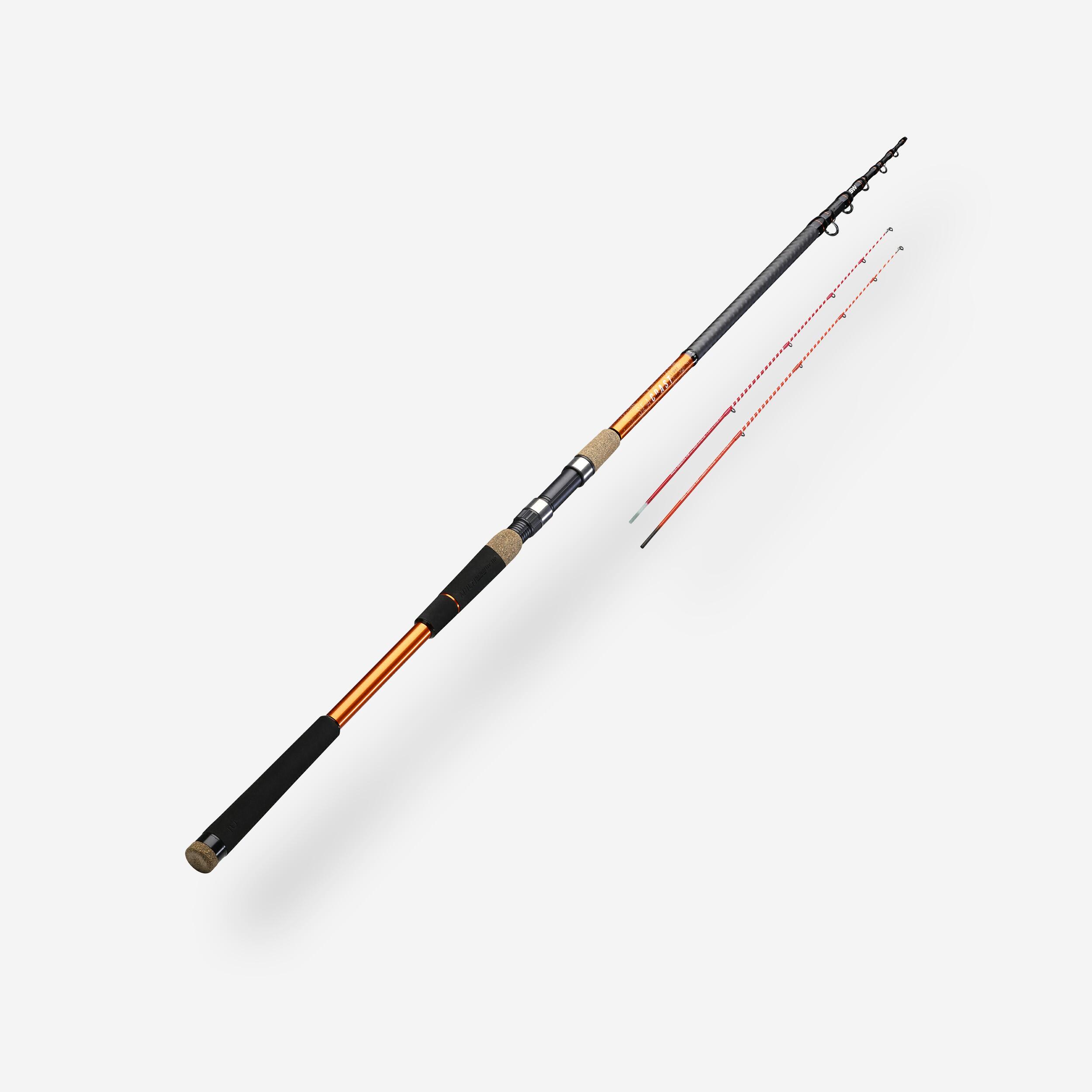
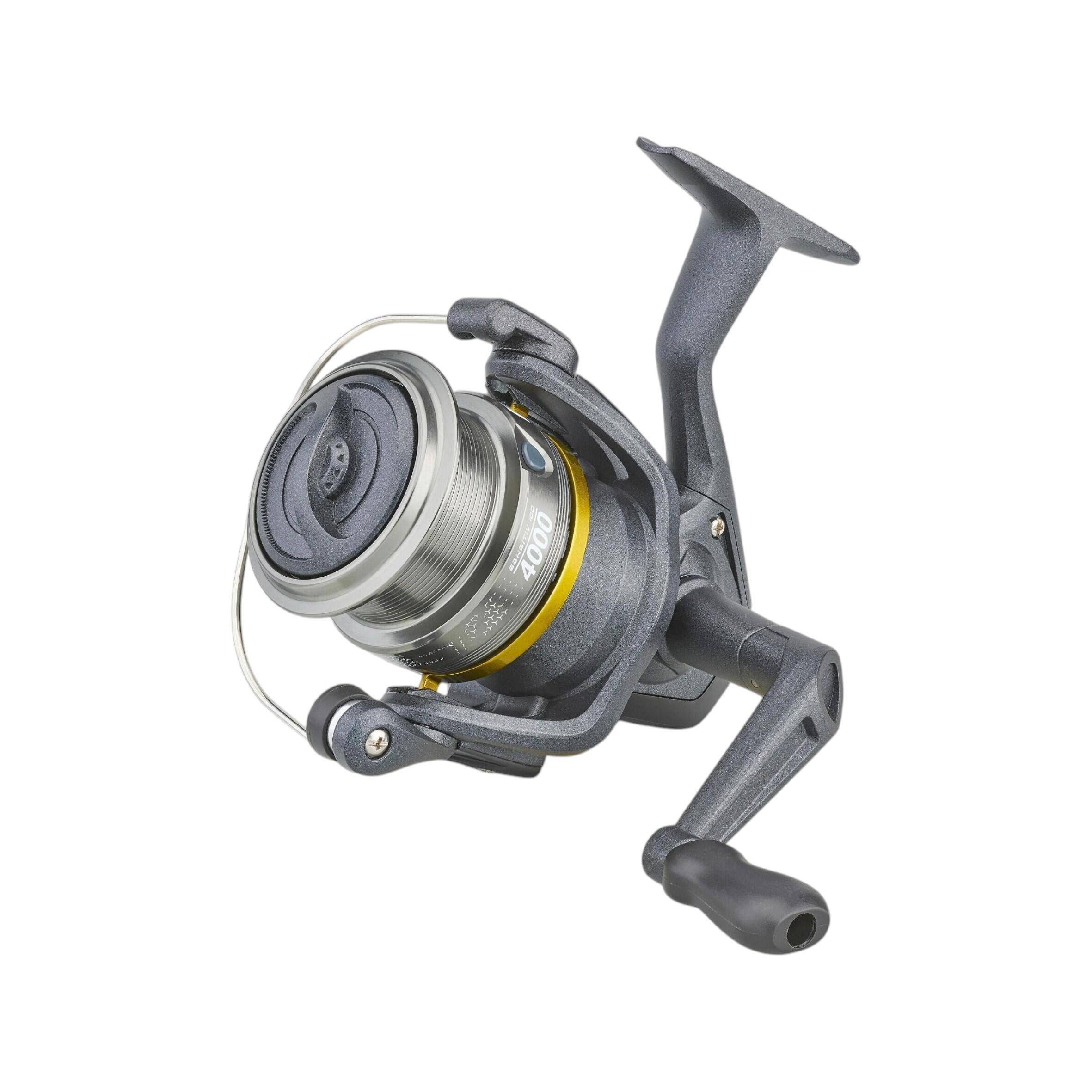
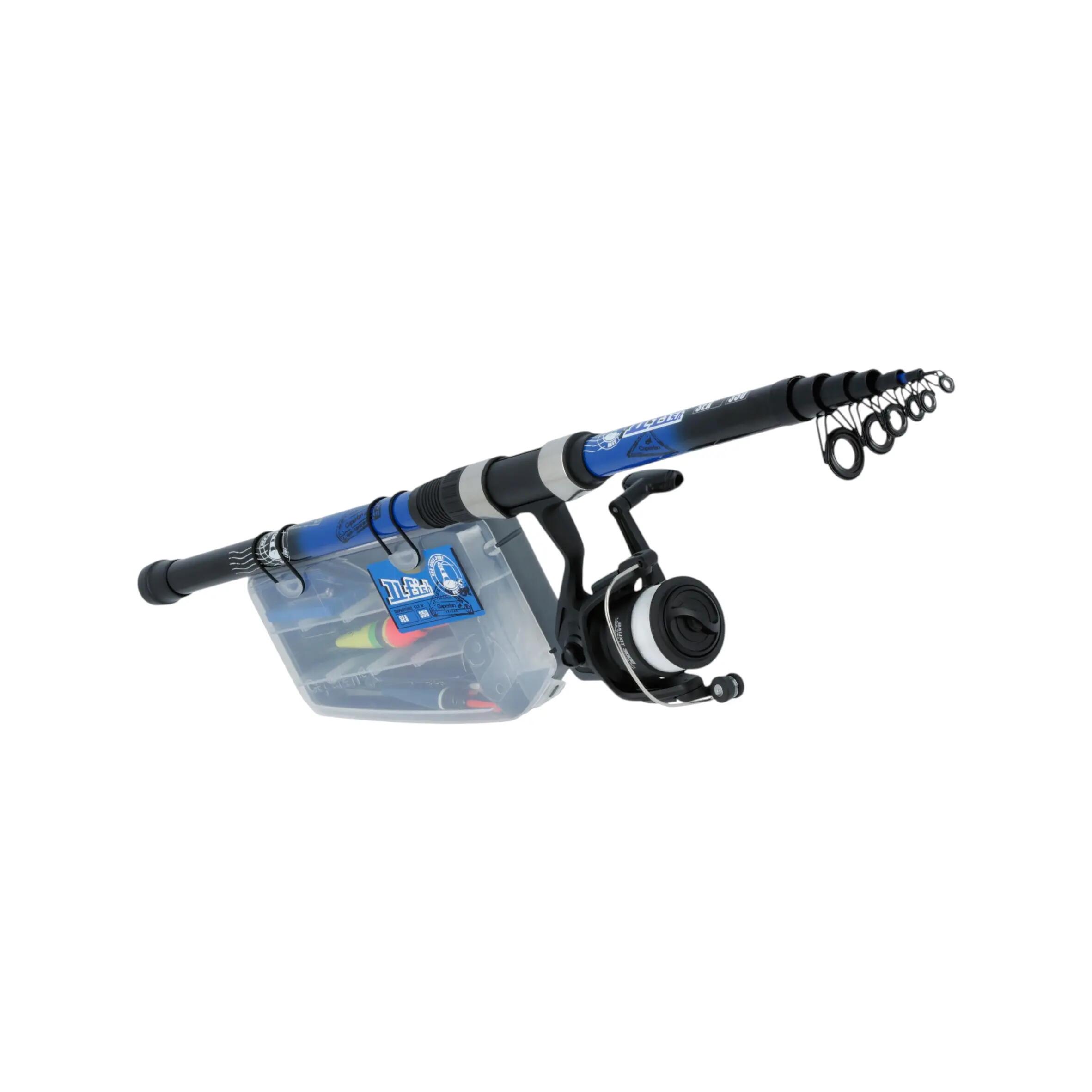
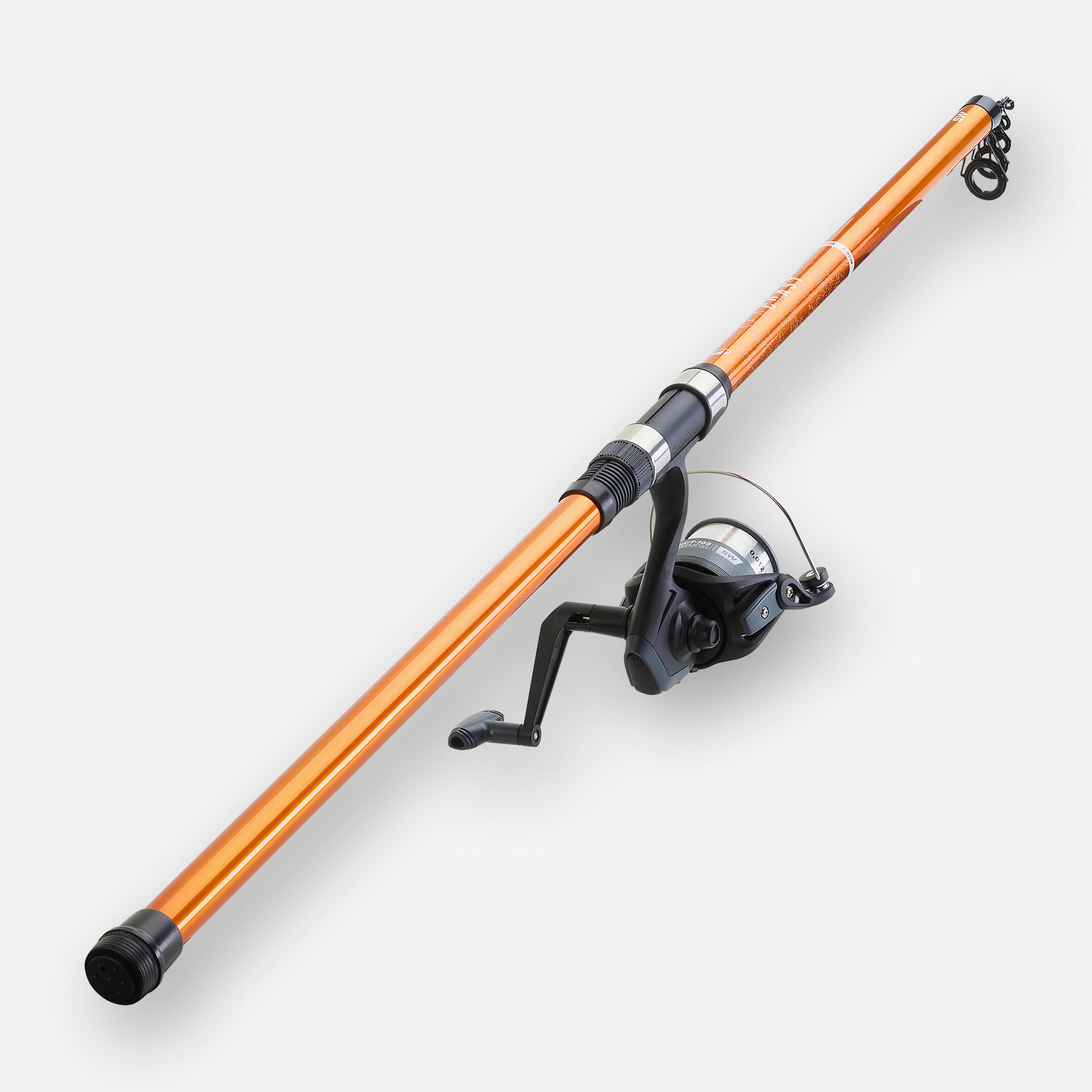
A matched combination removes some of the work involved in pairing rod power, reel capacity and line diameter yourself. Caperlan's shore fishing rod set combines a 3.50 m fibreglass SEACOAST 100 rod with a BAUXIT-100 SW 4000 reel already loaded with 160 m of 35/100 crystal line. The rod handles 60 to 120 g and folds to 1 m through four telescopic sections. The reel retrieves approximately 86 cm per crank, provides 6 kg of drag and can work for left- or right-handed anglers. Caperlan also states that the components resist 96 hours of salt-spray exposure.

When can a telescopic tripod improve a shore setup?

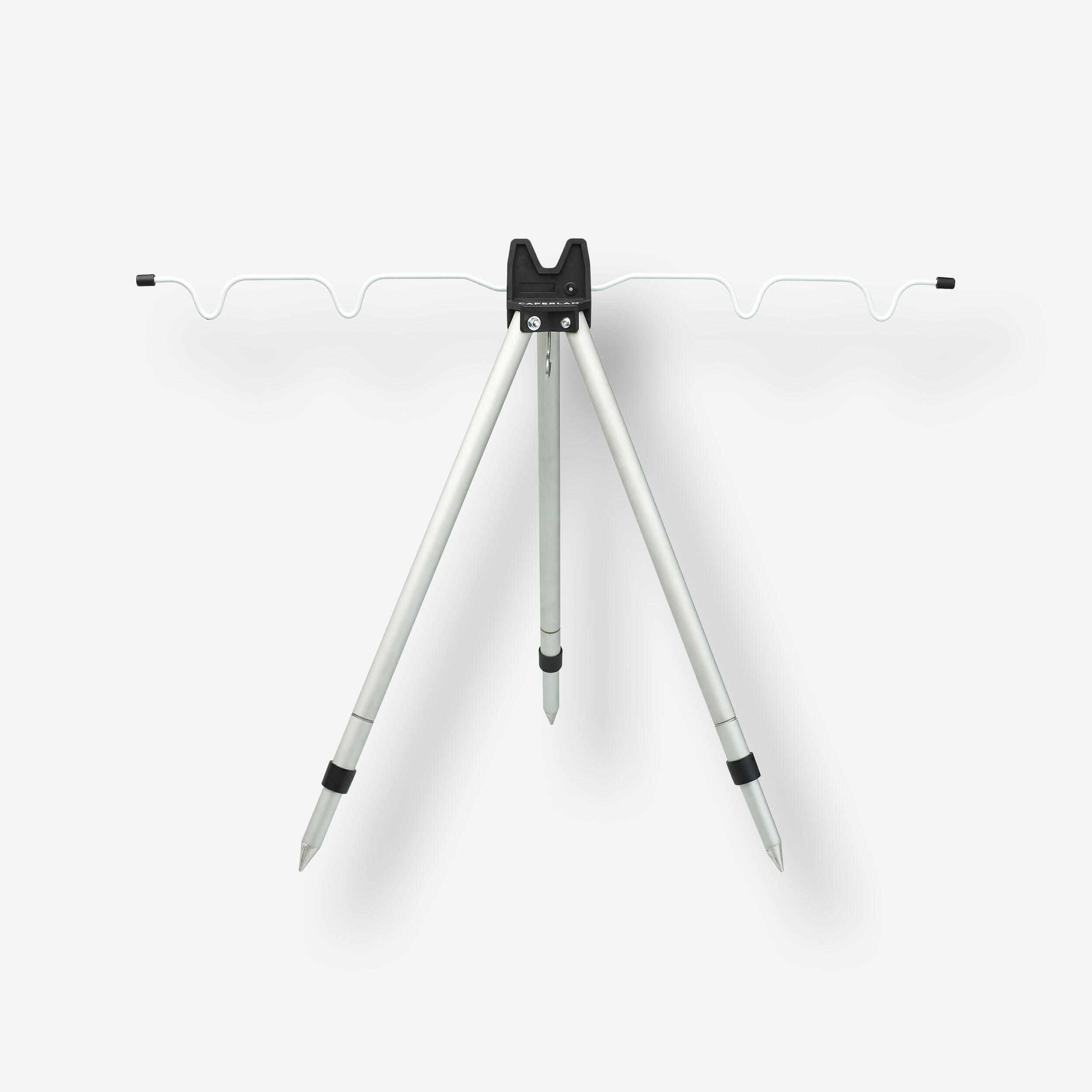
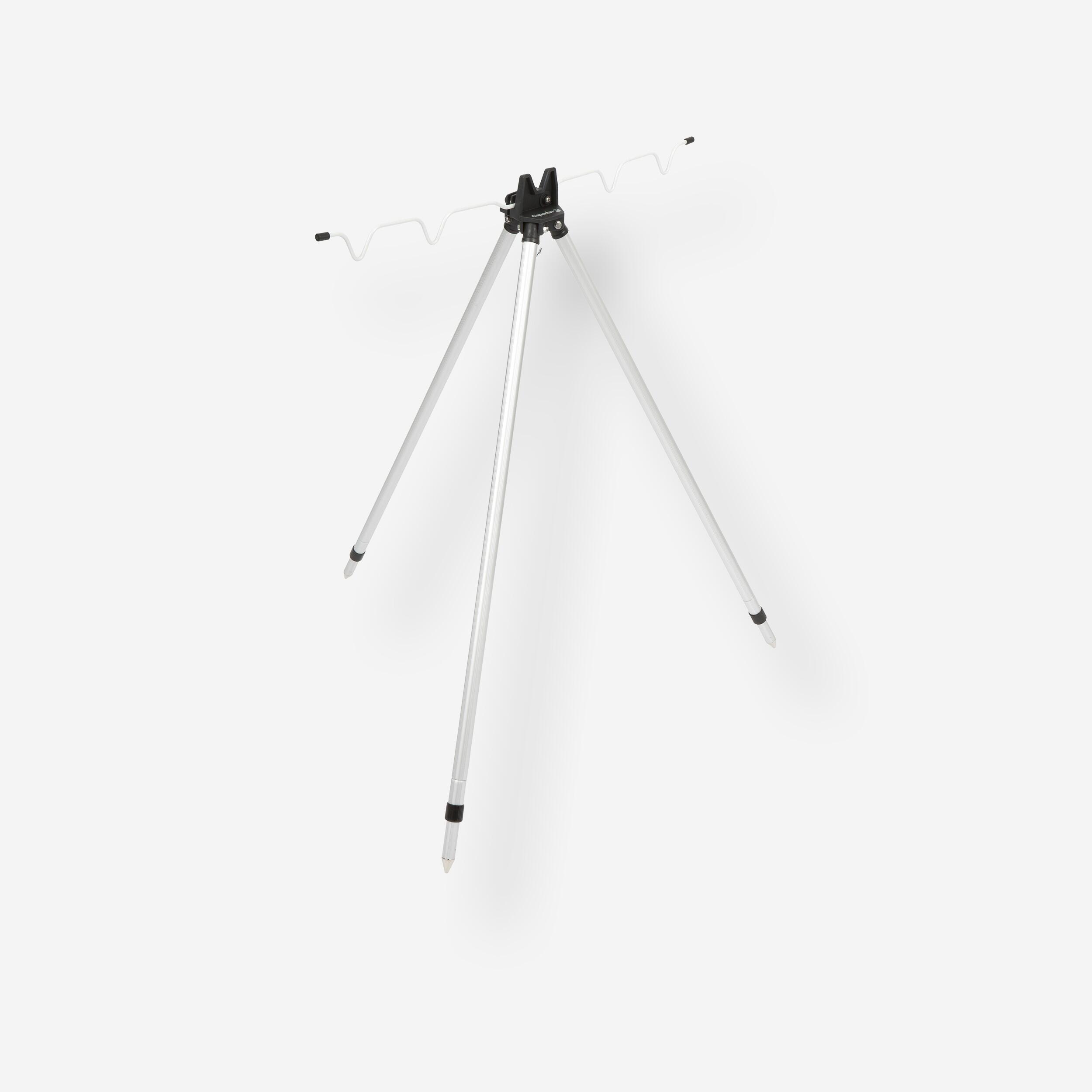
A freestanding support can help when you fish from a pier, harbour or other surface where pushing a bankstick into the ground is difficult. Caperlan's shore fishing telescopic tripod folds and locks into position without screws, reducing loose parts during setup. Its height adjusts from 50 to 80 cm, and the aluminium-legged structure works across different terrain. A hook beneath the central axis lets you add ballast, such as a bucket of water, when extra stability is useful. After coastal use, rinse the tripod with fresh water, dry it fully and only then place it into storage.

How do you select between lighter and heavier shore fishing rods?

Base the choice on sinker weight, casting distance, fishing position and bite sensitivity rather than rod length alone. Light SEACOAST models commonly work around 40 to 80 g and use finer SENSITIV TIP sections for subtle bite detection, while heavier SEACOAST 500 rods move to 80 to 150 g for larger sinkers and stronger shore setups. Caperlan even publishes optimum sinker weights on selected models, such as approximately 110 g or 120 g, instead of giving only the maximum casting limits. Different situations within shore fishing can therefore call for a lighter bite-focused rod or a more powerful carbon-rich setup for longer casts and higher shore marks.

How do you care for shore rods and reels after sea use?

Salt residue can remain around guides, reel fittings and telescopic joints after a session, so rinse the equipment with fresh water and let every section dry thoroughly before storage. Caperlan repeatedly recommends a dry, ventilated storage area for its shore rods and combos, while combo reels need periodic maintenance and approximately annual lubrication. Inspect guides and sensitive tips before the next saltwater fishing trip, particularly if a rod has been transported alongside heavy tackle. Selected SEACOAST models also have separately available replacement tips, guide assemblies or rod sections, allowing localised damage to be addressed without automatically replacing the complete rod.