6 items
4.8/5 based on 765 reviews collected online and in stores

Shore Fishing Swivels FAQs

How do shore fishing swivels help reduce line twist?

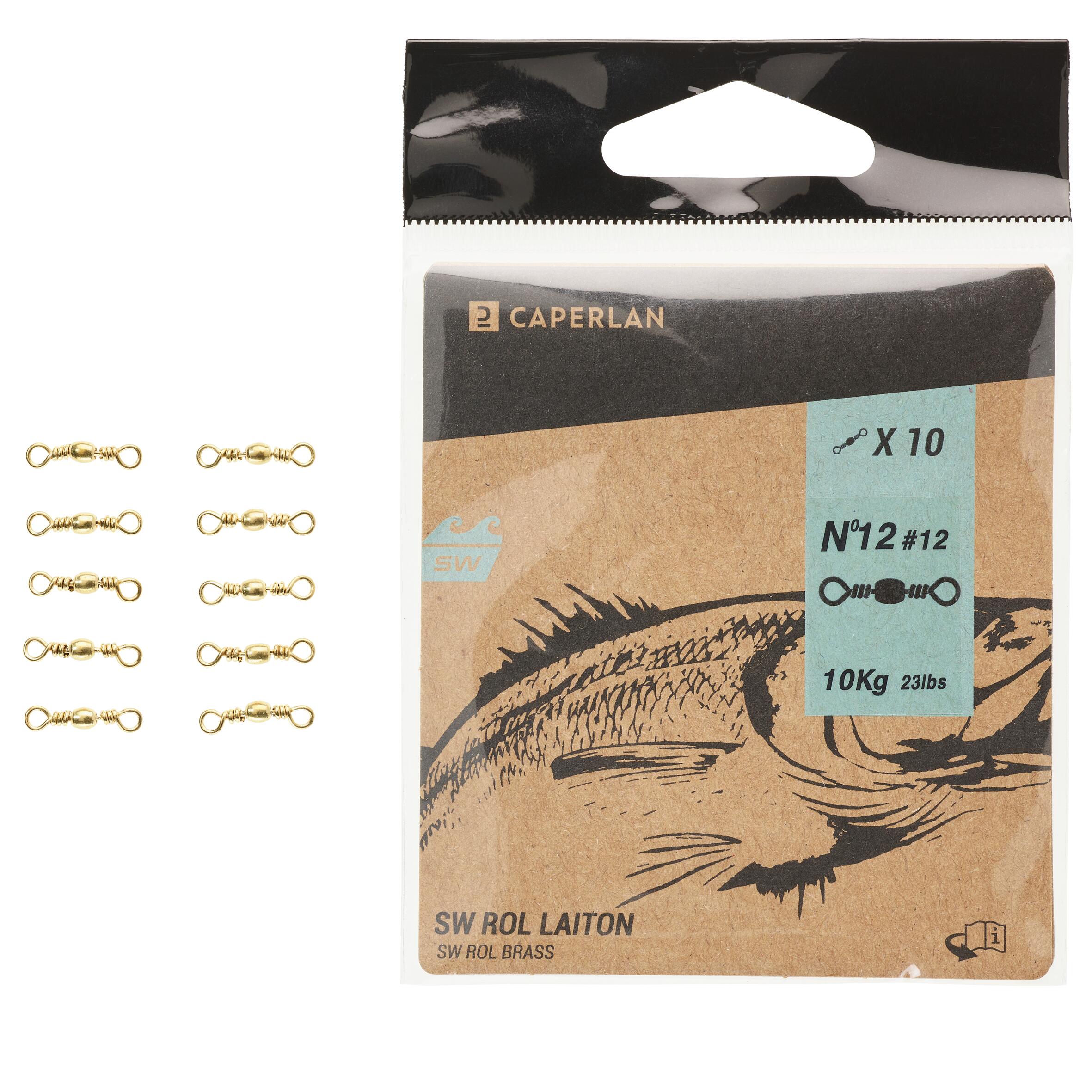
Baits, weights and terminal tackle can rotate as waves and currents move your rig, gradually transferring twists into the main line. A swivel creates a rotating connection that lets part of the rig turn more independently, helping limit kinks that can make line handling less reliable. A sea fishing swivel barrel gives you a simple connection between the main line and leader while its integrated barrel rotates under movement. Caperlan offers the 1/0 version at 33 mm with 35 kg resistance and the 2/0 at 36 mm with 38 kg resistance. Match that strength with your line and leader rather than relying on swivel size alone.

When does a rolling snap swivel make more sense than a barrel swivel?

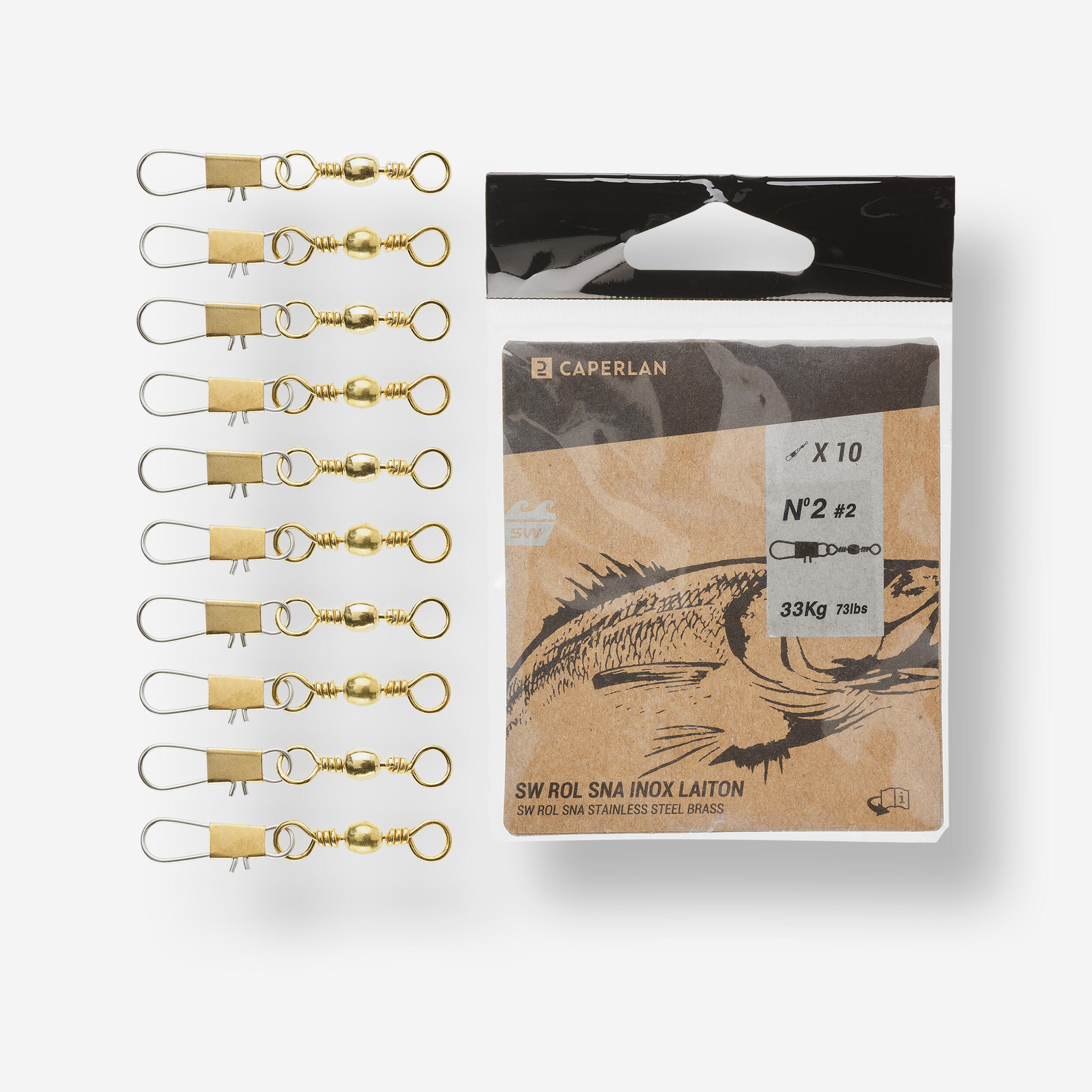
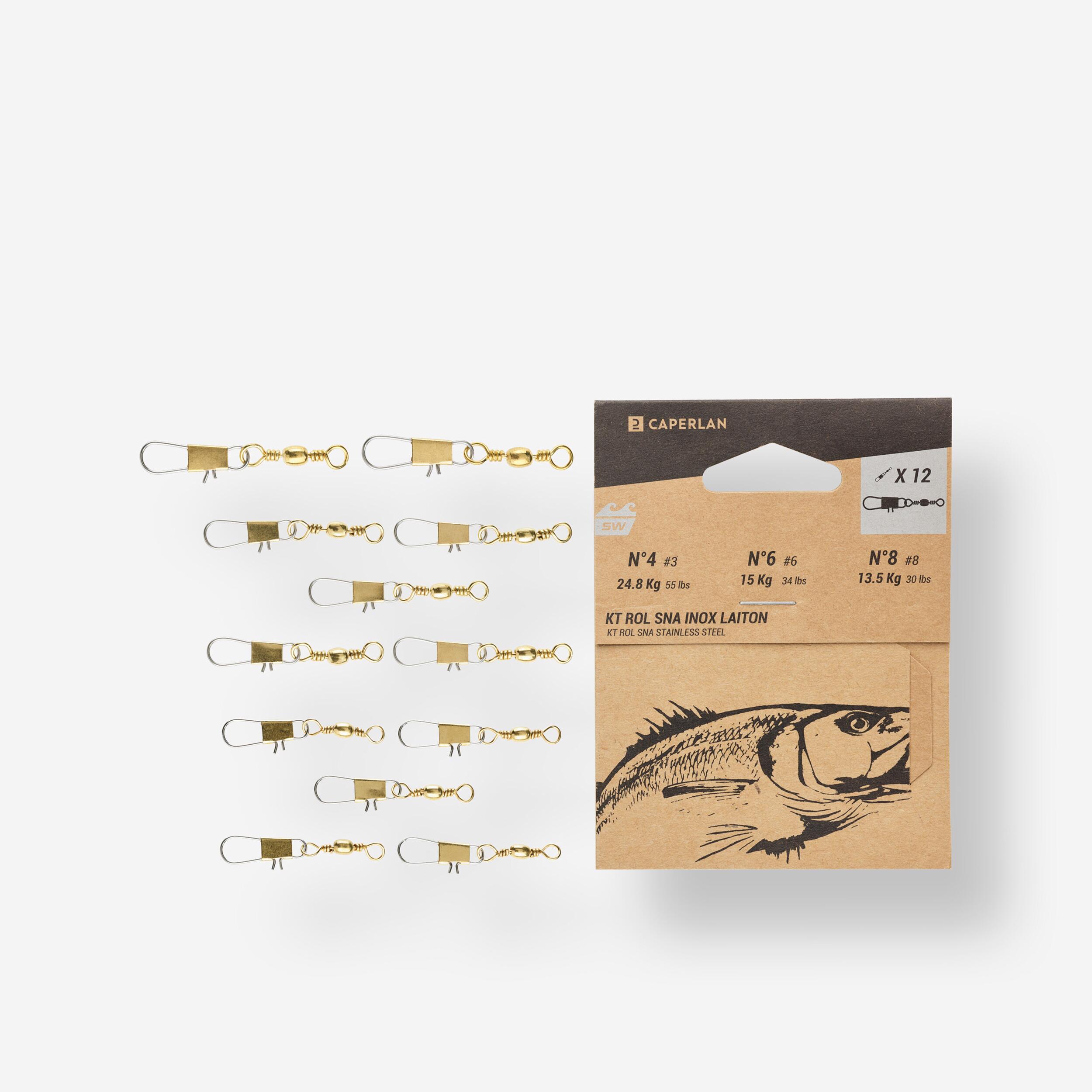
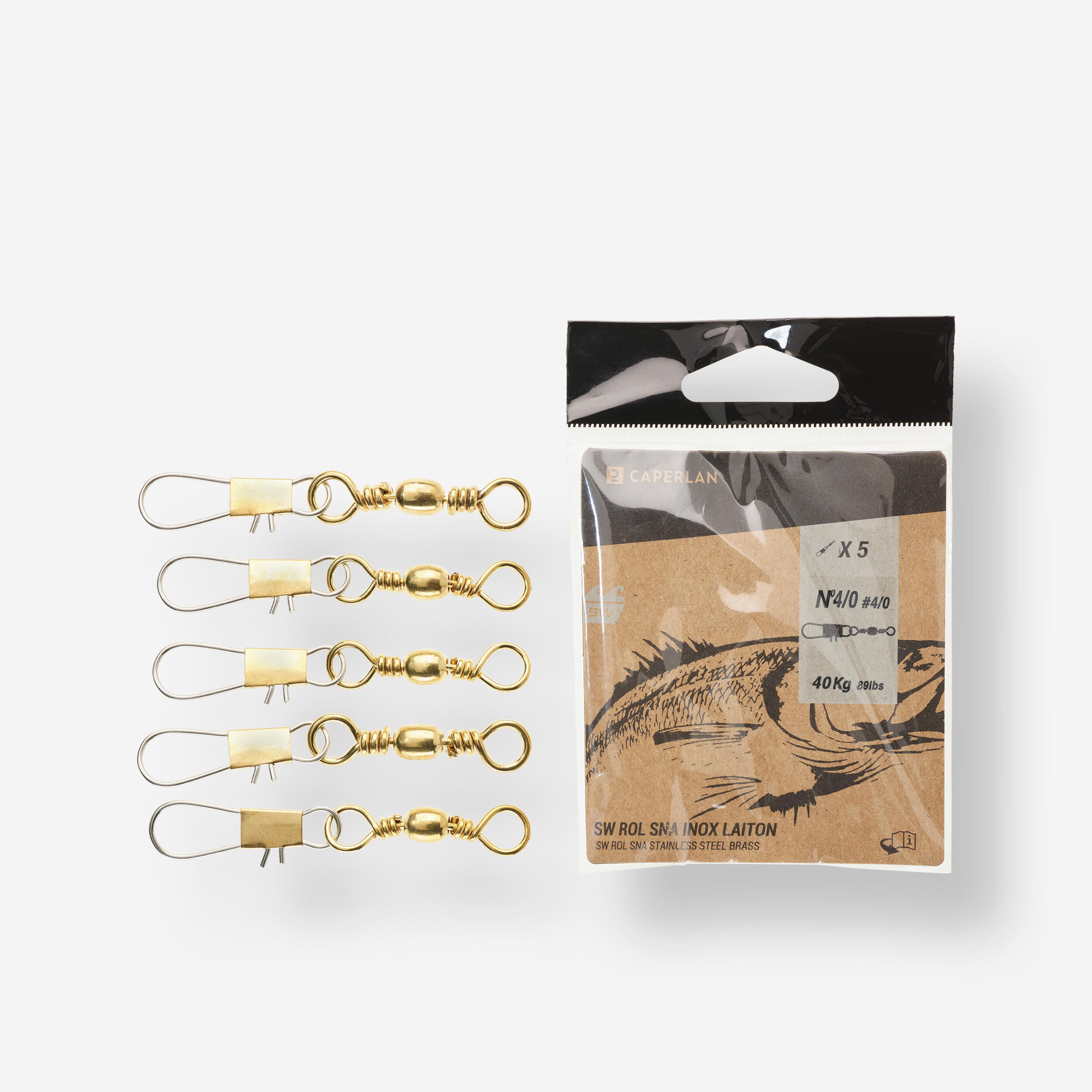
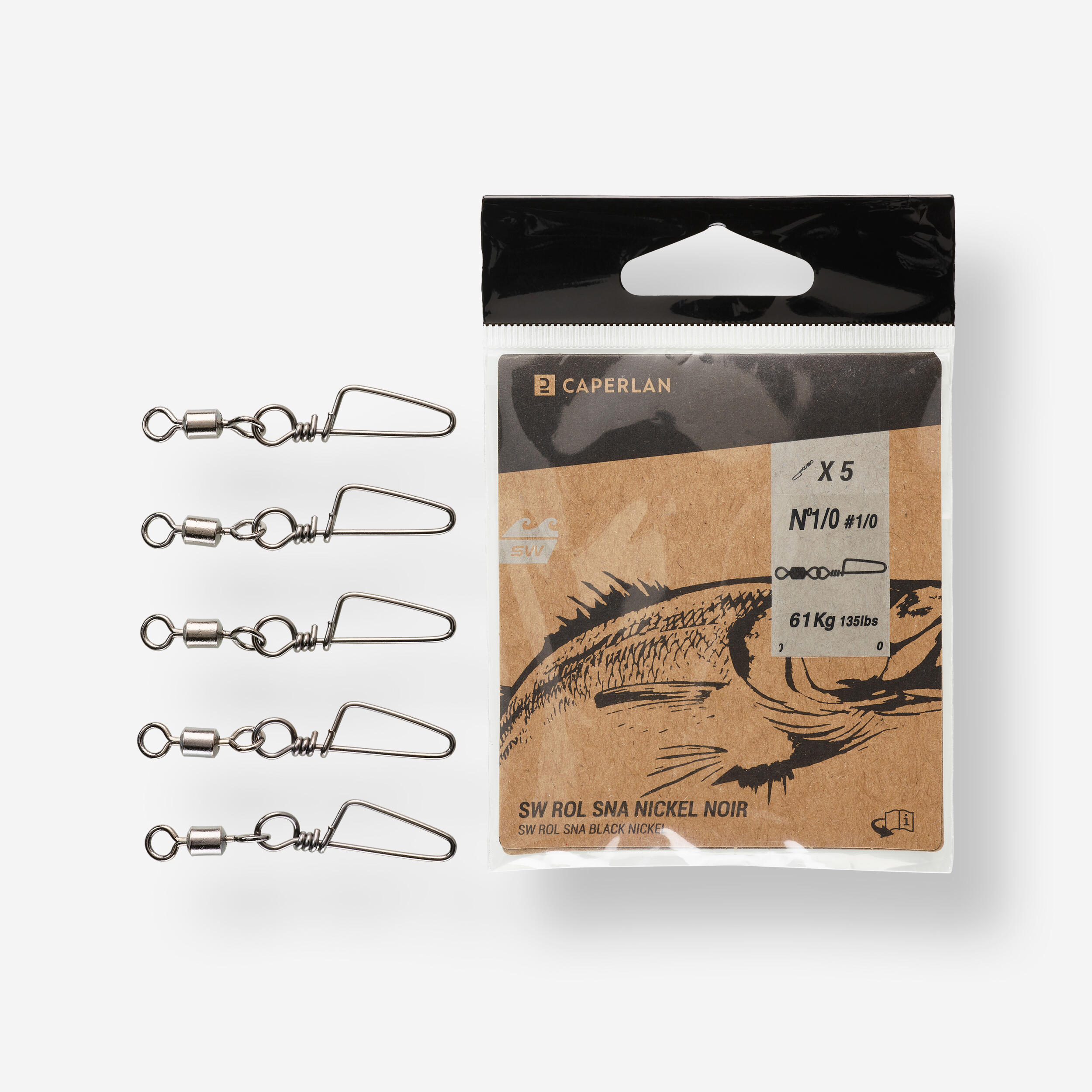
A barrel swivel works well when you mainly need a rotating connection between two sections of line, while a rolling snap adds a clip that lets you remove and replace terminal tackle more quickly. This can be useful when changing rigs, sinker arrangements or lures during a session. Caperlan's sea fishing rolling snap swivels combine an integrated rolling mechanism with an opening clip. Their published resistance rises from 38 kg in size 2 to 61 kg in size 10. Use the snap when regular tackle changes matter, but check that it closes fully before casting to keep the connection secure under load.

How do you match swivel breaking strain to a shore fishing rig?

Breaking strain tells you how much load the fitting can withstand, making it more useful than choosing by physical size alone. Your swivel needs to suit the line, leader, sinker and type of fishing because a light connection can become the weak point in an otherwise stronger system. The rolling snap stainless steel swivel kit includes several clear examples: size 8 measures 34.3 mm with 14 kg breaking strain, size 6 measures 41.3 mm with 18 kg resistance, and size 4 measures 47.6 mm with 25 kg resistance. Consider the complete rig and expected loading rather than automatically selecting the largest available swivel.

Which swivel type suits different shore fishing rigs?

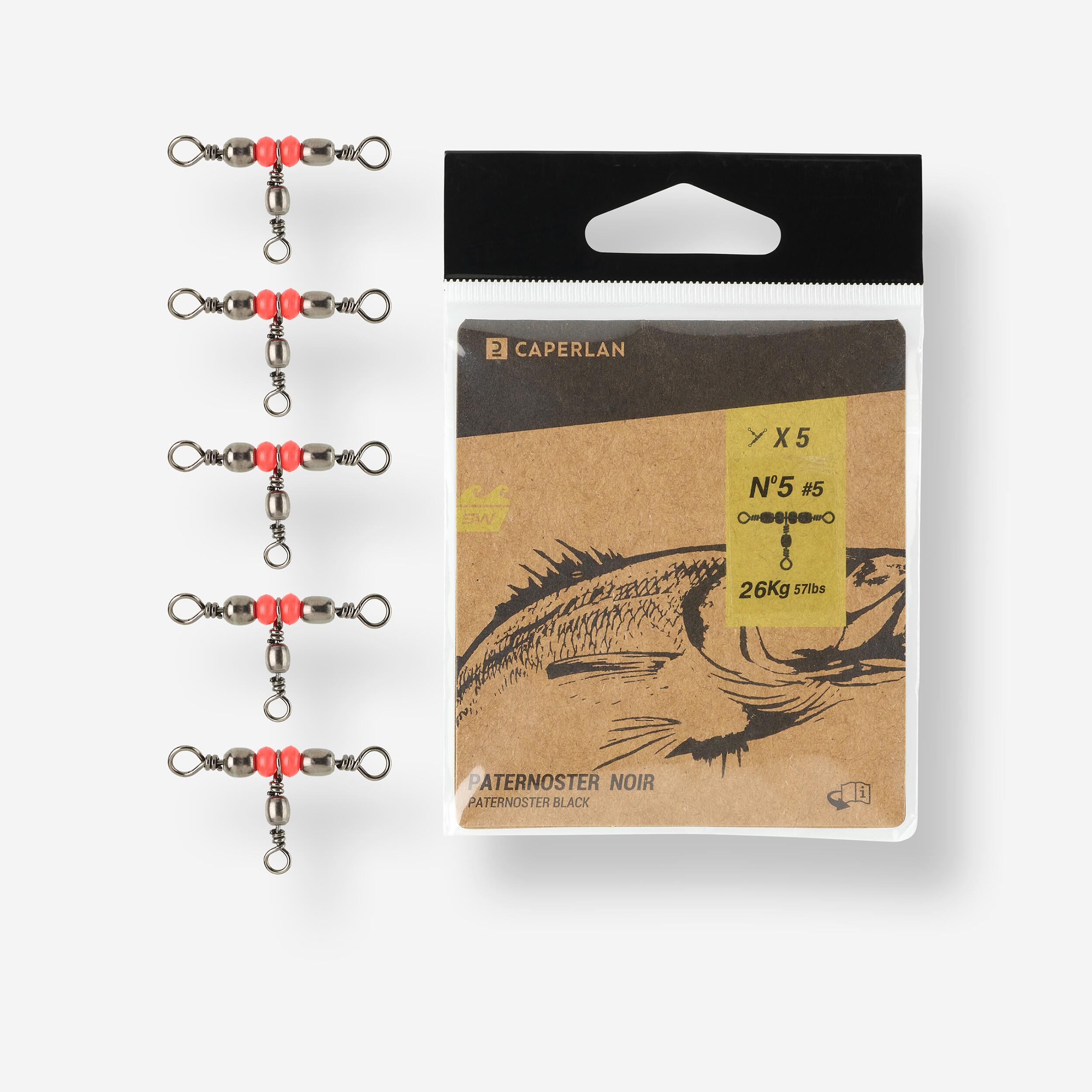
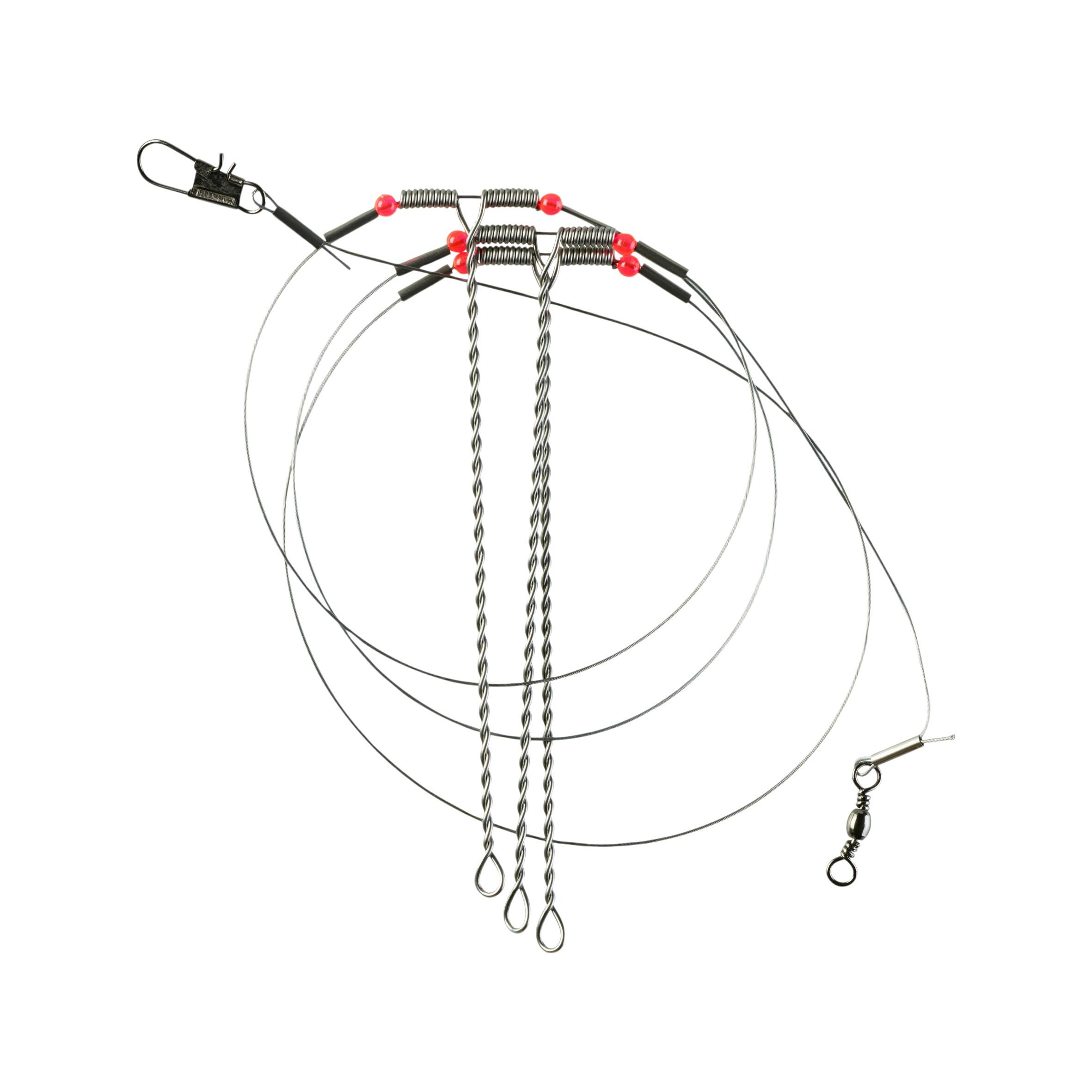
Your rig construction determines which connection works most effectively. Barrel swivels create a straightforward rotating joint between main line and leader, while rolling snap versions make repeated terminal tackle changes quicker. Paternoster swivels suit multi-part leader arrangements in which separate sections need to move while minimising tangles. The wider shore fishing setup can involve surfcasting, sea float fishing and bottom fishing, so one swivel format does not need to cover every technique. Before tying the connection, decide whether your priority is reducing line twist, changing tackle quickly or creating a rotating branch within a leader. This keeps each component purposeful and avoids adding unnecessary metalwork to the rig.

What helps prevent fishing swivels from corroding in saltwater?

Salt residue can remain around clips, barrels and rotating joints after a session, so simple maintenance helps preserve smooth movement. Rinse used swivels with fresh water after sea fishing, then let them dry completely before storing them in a tackle box. Black nickel coatings and stainless steel or brass components provide additional corrosion resistance, but regular rinsing still matters when fittings are repeatedly exposed to saltwater. Check each snap for stiffness, bending or incomplete closure and inspect swivel rotation before tying it into your next rig. Applying the same rinse-and-dry routine to small fittings used throughout saltwater fishing also makes it easier to spot worn components before they become part of a loaded setup.