4 items
4.6/5 based on 681 reviews collected online and in stores

Shore Fishing Lines FAQs

How does line diameter affect shore fishing?

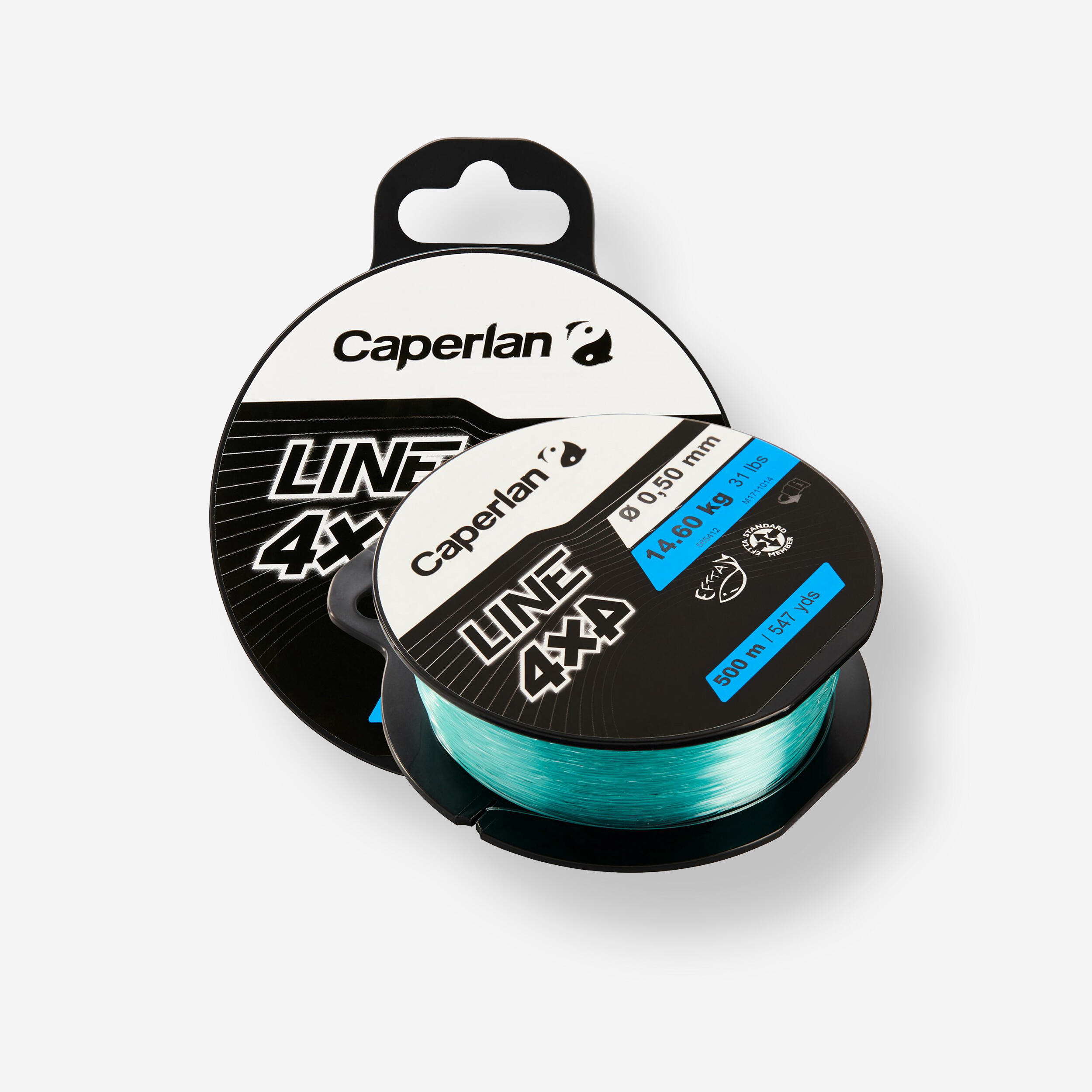
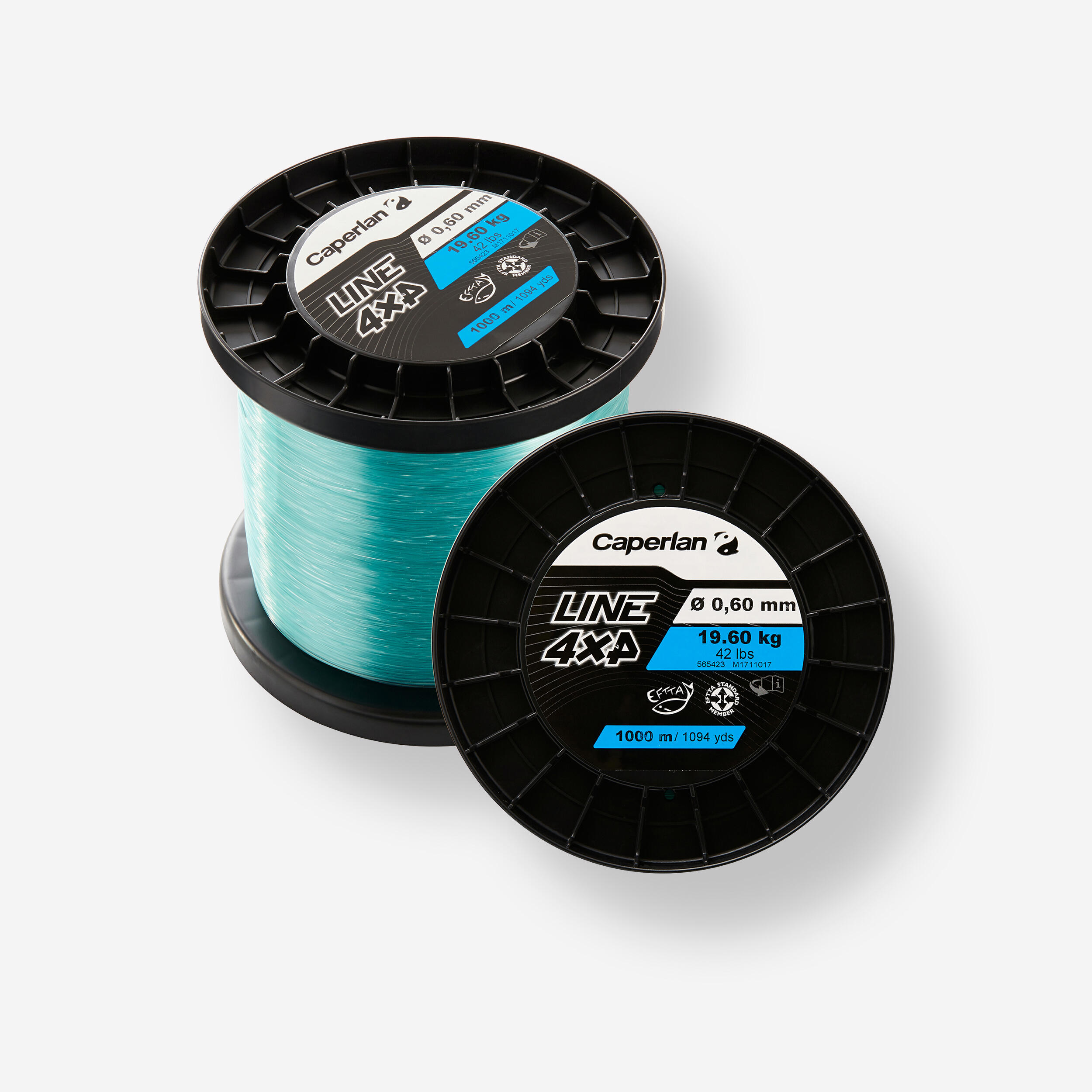
Line diameter changes how much strength and capacity you can build into your setup. A thinner line takes up less room on the spool and can suit lighter rigs, while a thicker diameter gives you more breaking resistance when heavier tackle or stronger fish put extra load on the main line. Caperlan publishes the breaking strain for each diameter rather than treating every spool the same way. For example, the 4X4 shore fishing lines run from 0.30 mm at 5.70 kg to 0.60 mm at 18.7 kg. Match the diameter to your reel, rig weight and expected fish rather than simply picking the thickest option.

Why can stretch help a nylon shore fishing line?

Nylon elasticity can soften sudden loads when a fish lunges, shakes its head or changes direction close to the shore. That stretch acts like a small buffer between the fish and your knots, which can reduce the chance of an abrupt break when the line comes under pressure. Caperlan's multipurpose shore fishing lines combine polyamide construction with knot strength and tangle resistance, while Caperlan also tensile-tests its lines for robustness. A useful rig tip is to keep enough tension to stay in contact with the fish without forcing every movement through a completely rigid line.

When does a transparent fluorocarbon-coated line make sense?

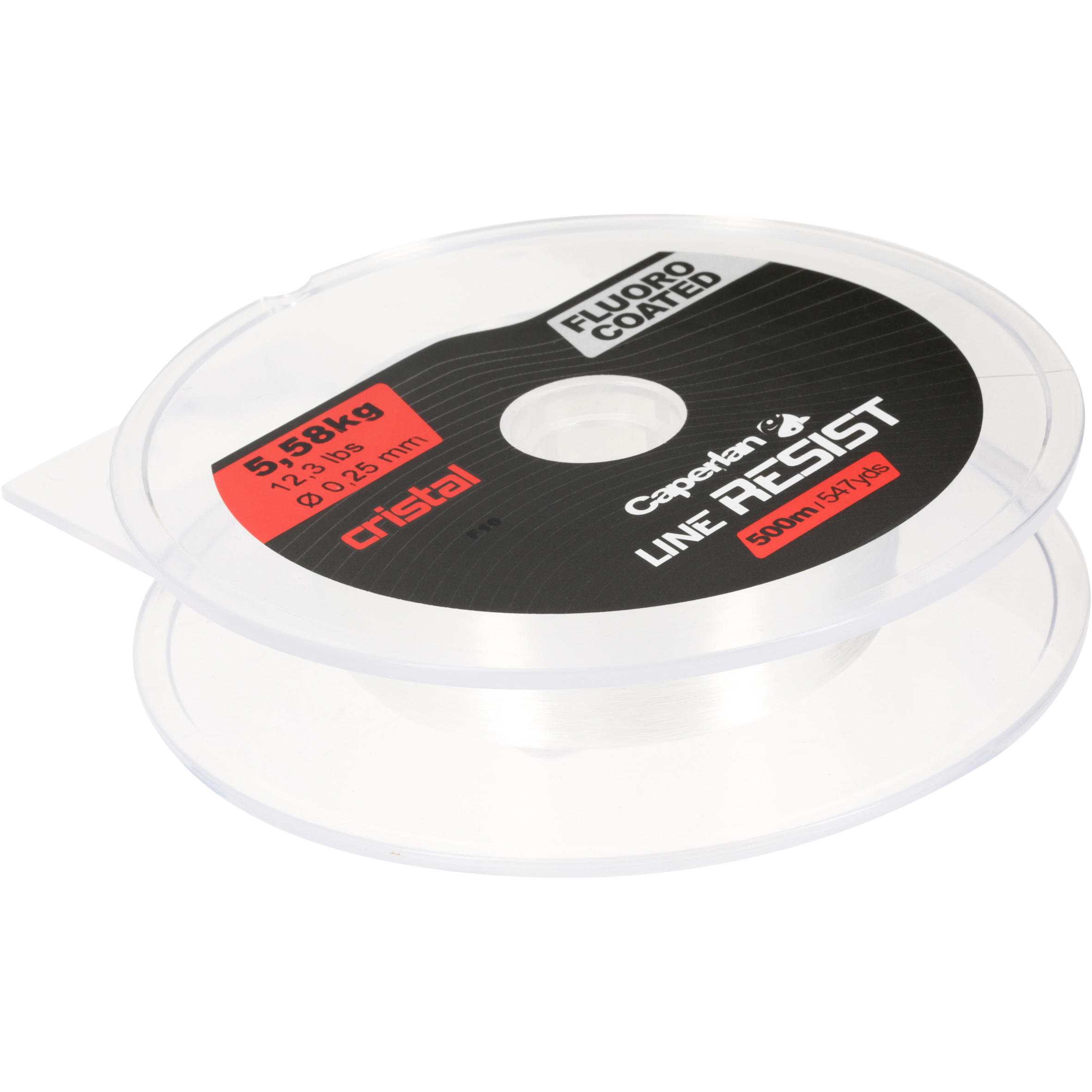
Clear lines can help when you want the main line to remain less noticeable in the water, particularly in clearer sea conditions or when fish become cautious around visible tackle. The line resist crystal shore fishing lines use 100% Japanese copolymer with a fluorocarbon coating, which Caperlan links to improved glide as well as low underwater visibility. The 500 m spool covers diameters from 0.25 mm to 0.50 mm, with published breaking strains from 5.58 kg to 18 kg. Use visibility as one factor alongside strength, casting needs and the ground you are fishing over.

Is a 500 m or 1000 m spool more practical?

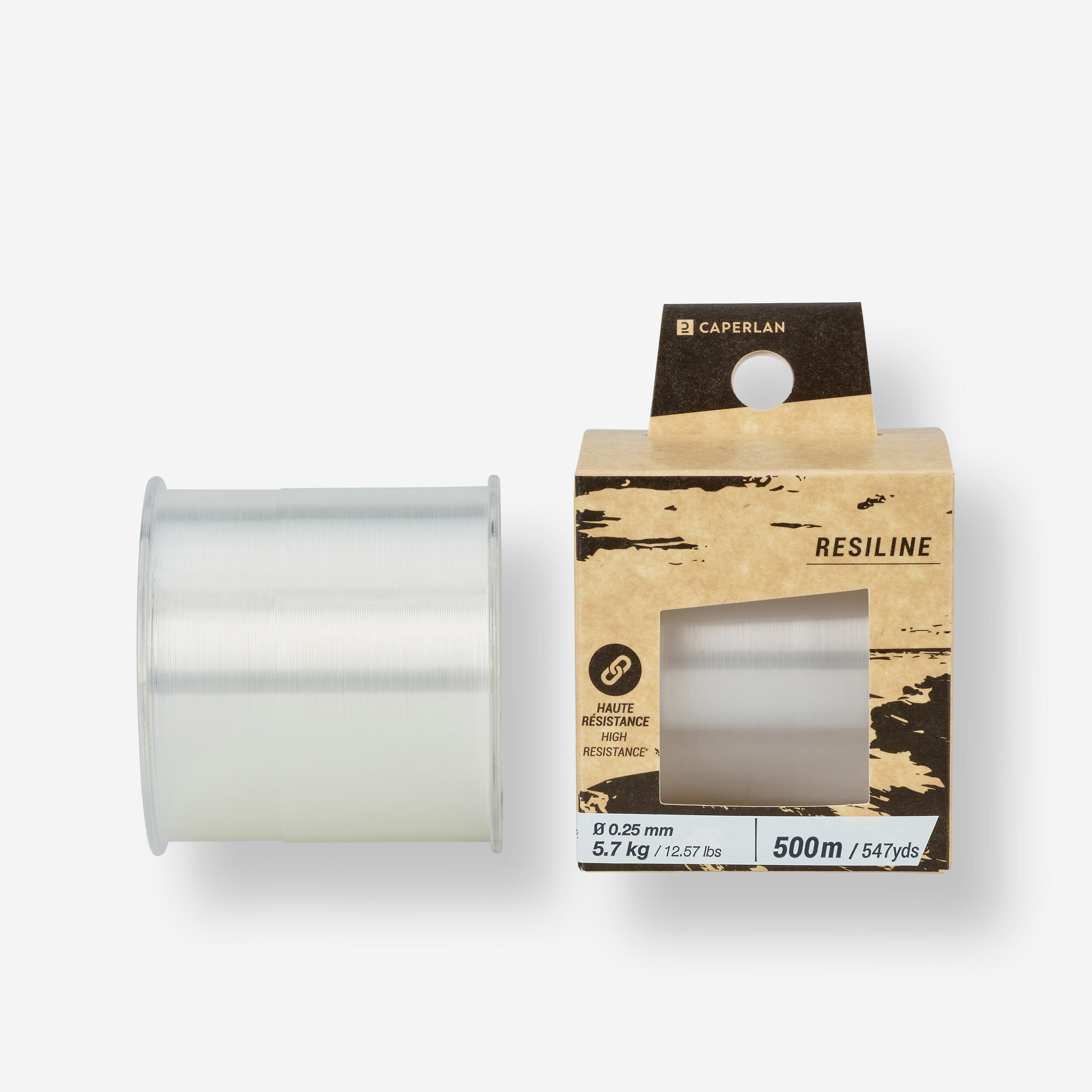
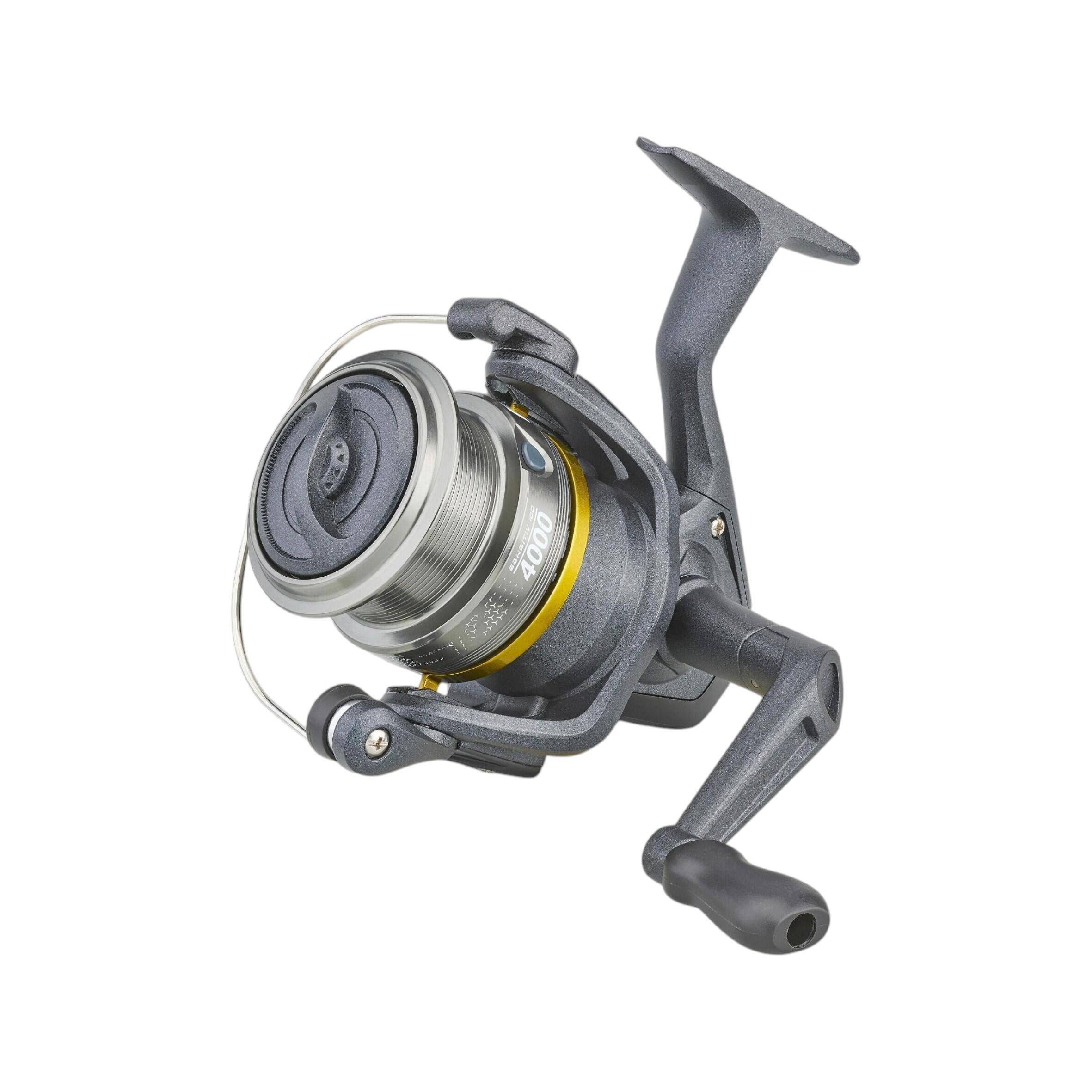
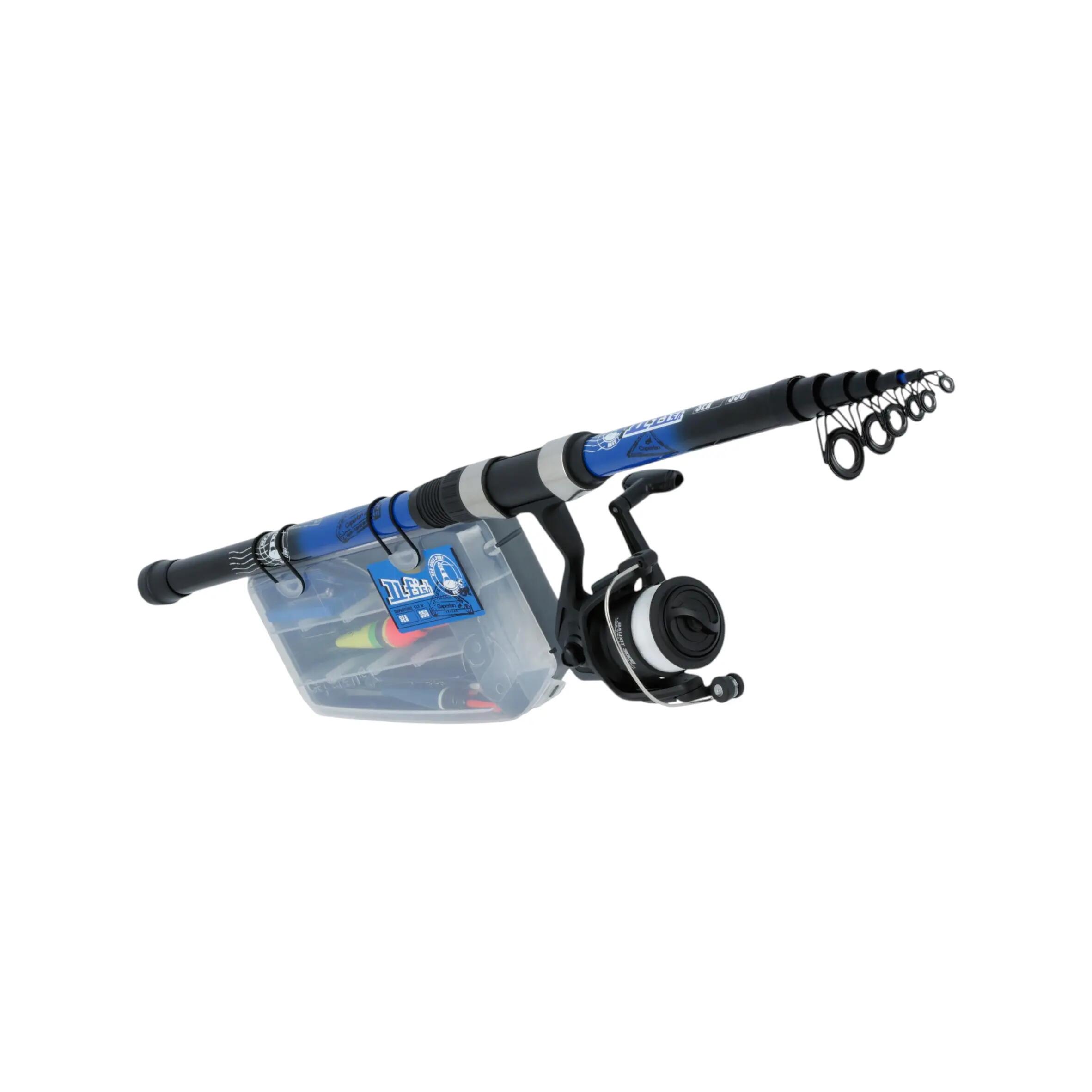
The right spool length depends on how much line your reel holds and how often you replace or refill it. A 500 m spool can cover a straightforward reel fill or leave a spare line for later maintenance, while a 1000 m spool gives you more material when filling larger reels or preparing several configurations. Before loading the reel, check its stated line capacity so you avoid excessive overfilling or unnecessary waste. If you are putting together a complete shore fishing set, match the line length and diameter to the reel and fishing method rather than treating spool length as a measure of strength.

How can you keep shore fishing line in good condition?

Storage matters because Caperlan advises keeping these spools away from light to help maintain line robustness. After fishing, inspect the working section for rough patches, flattening or visible damage, especially after contact with rocks, shells or other abrasive surfaces. Cut back a damaged section before your next session instead of leaving a weakened area close to the rig. Keep spare lines dry, shaded and neatly wound, and avoid leaving the spool exposed in a bright car or tackle area for long periods. The same routine is useful when organising a line alongside other saltwater fishing equipment between trips.