7 items
4.5/5 based on 190 reviews collected online and in stores

Shellfish Collecting FAQs

Which tool works for different shellfish collecting spots?

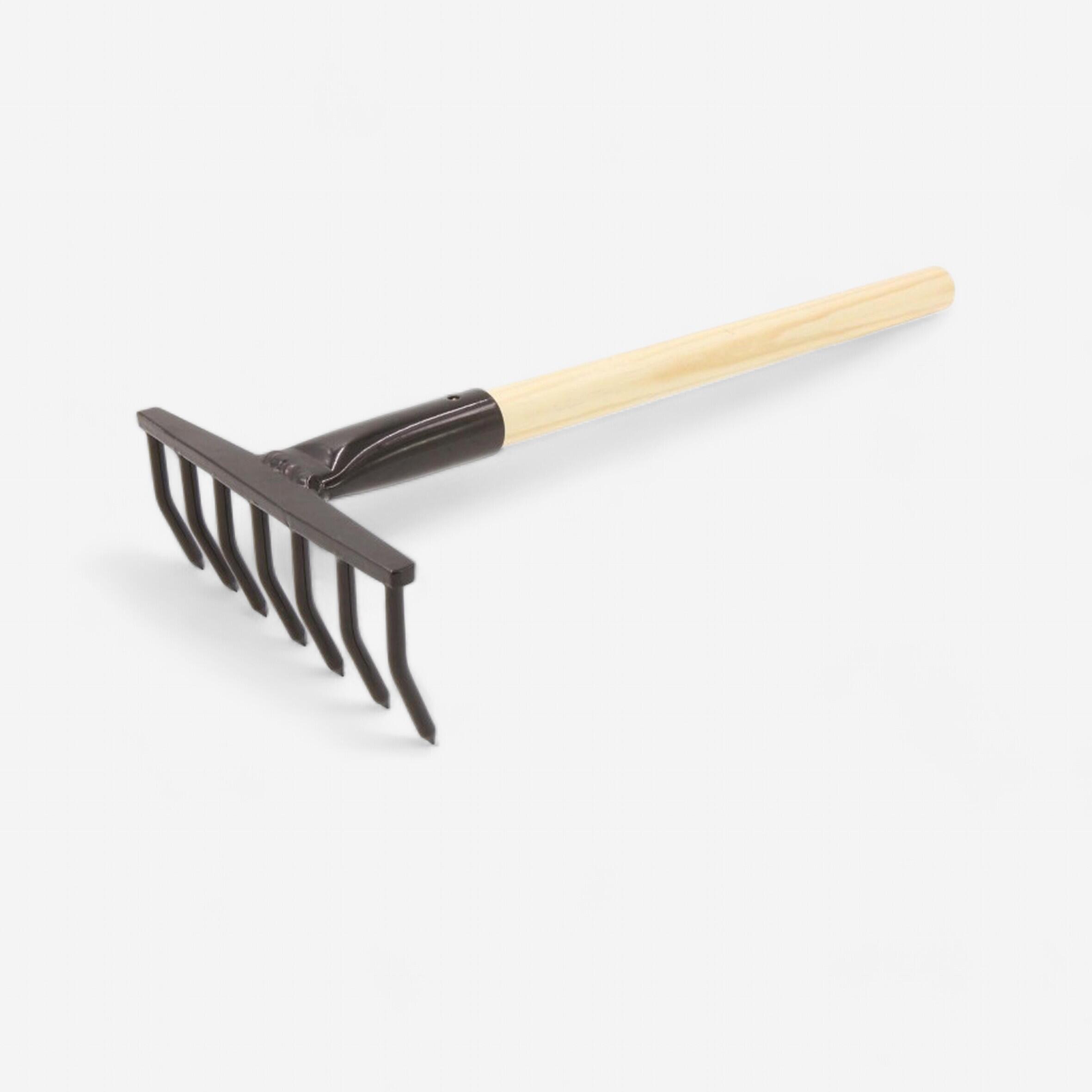
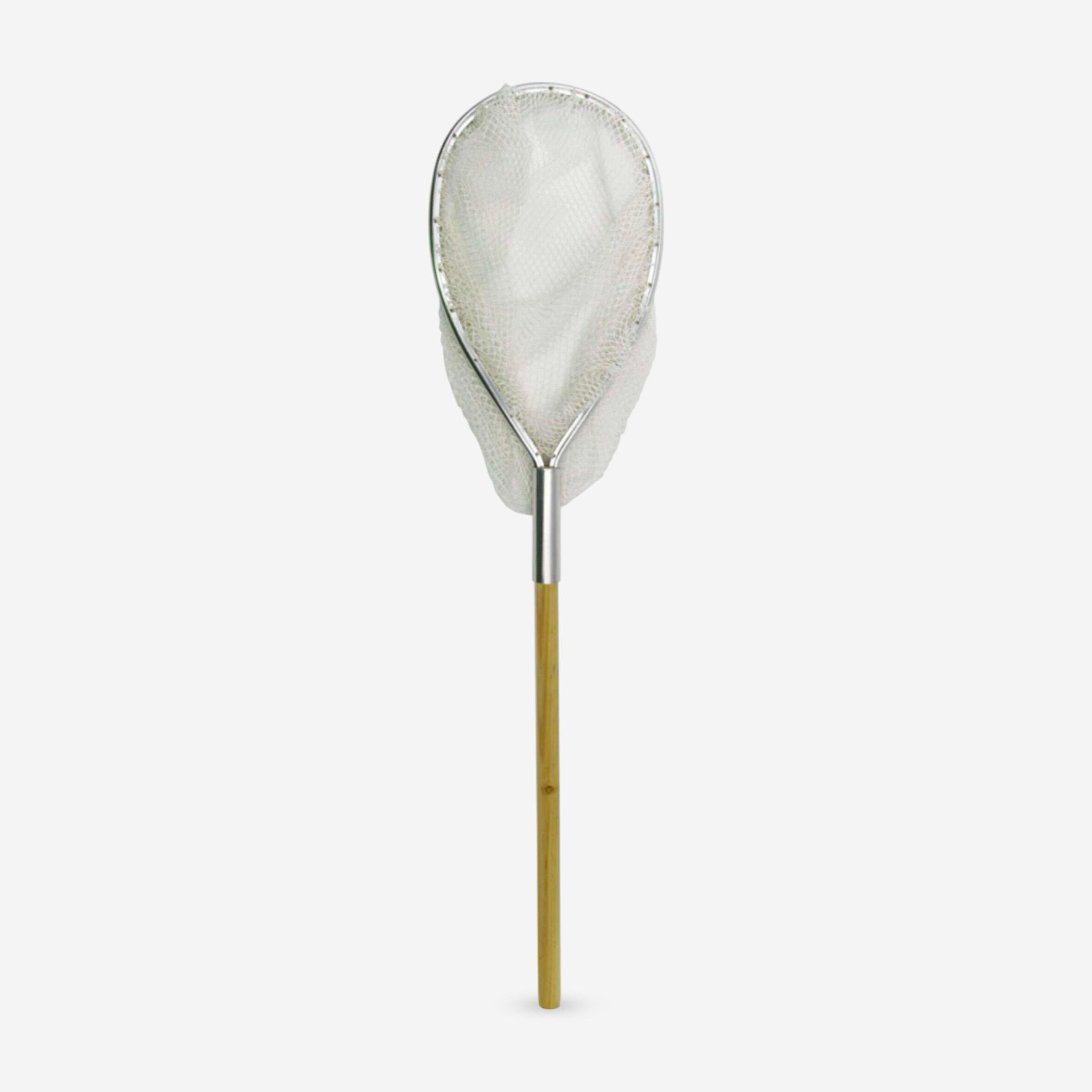
The right tool depends on where the shellfish or crustaceans are hiding and how you need to reach them. A rake with seven rounded prongs works through sediment for burrowing shellfish, while a crab hook reaches beneath rocks and vegetation. For prawns and shrimp around rocks or seaweed, the shrimp net with wood handle uses an oval head that fits into narrower gaps. It's an 8 mm nylon mesh that resists seawater, dries quickly and sits on an aluminium frame, while the complete net measures 80 cm long. Match the tool to the habitat rather than using a single collecting method across the entire shore.

How can a crab hook help around rocks?

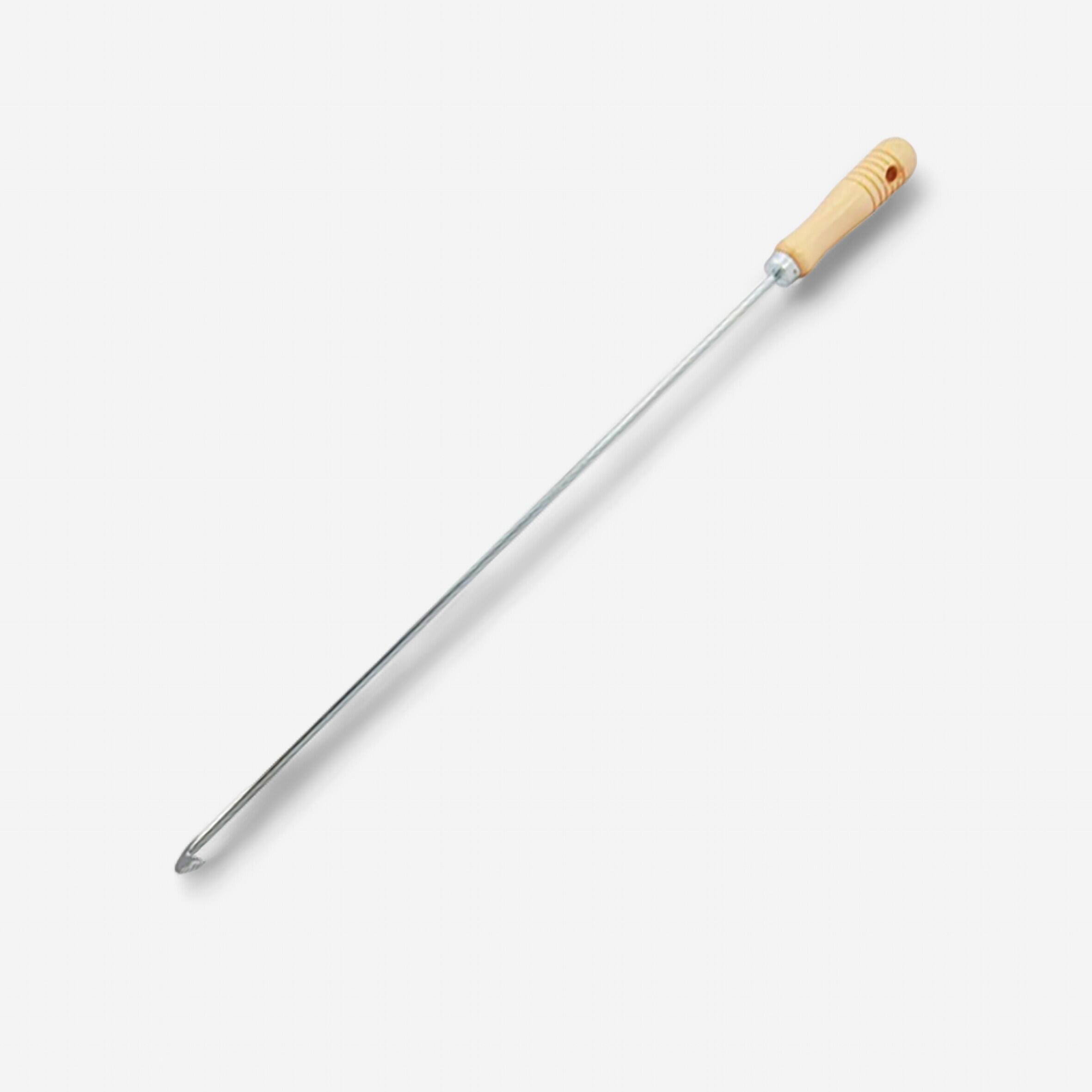
Crabs and other crustaceans can shelter beneath rocks, vegetation and other areas that are awkward to reach directly by hand. An extended tool lets you work into these spaces while keeping more distance between your hands and the animal. The steel crab hook for shellfish harvesting measures 80 cm and combines a steel working end with a varnished wooden handle. Use controlled movements rather than forcefully pulling on rocks or animals, and keep stable footing when working around wet surfaces. Check where the hook tip is pointing before moving between collecting spots so it does not catch on clothing, bags or nearby equipment.

Why does measuring your catch matter when collecting shellfish?

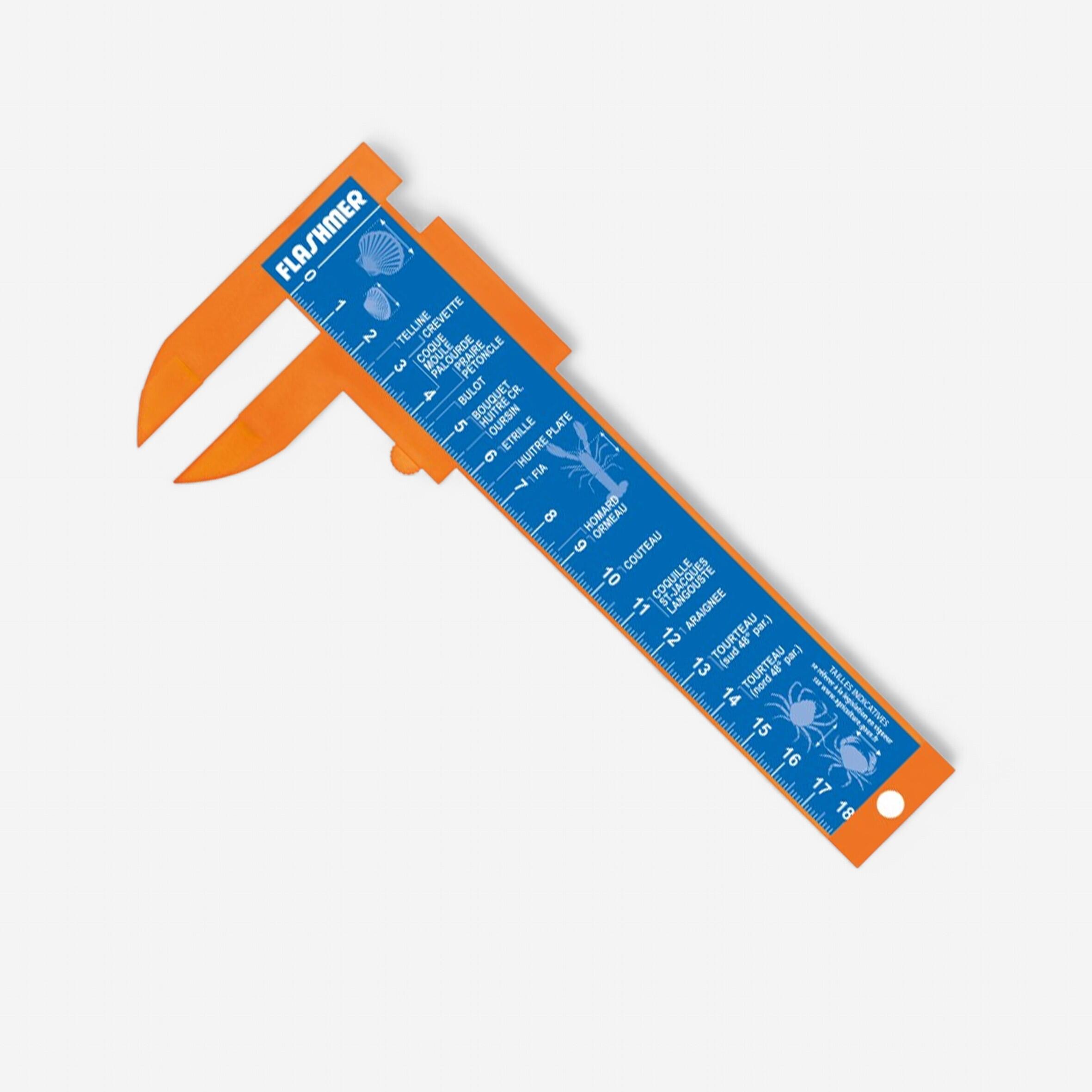
Shellfish and crustacean harvesting can have local minimum sizes and other rules, so checking a catch before keeping it forms an important part of responsible collecting. Decathlon includes an 18 cm measuring ruler in this category specifically for checking shellfish and crustaceans. Measure the relevant part of the animal carefully and return an undersized catch rather than estimating by eye. Local requirements can vary by species and location, so check the applicable rules before your trip. If you also take rods or other shore fishing equipment, keep the measuring tool somewhere easy to reach instead of burying it at the bottom of your tackle so you can use it immediately.

What makes a small tidal basket easier for children to carry?

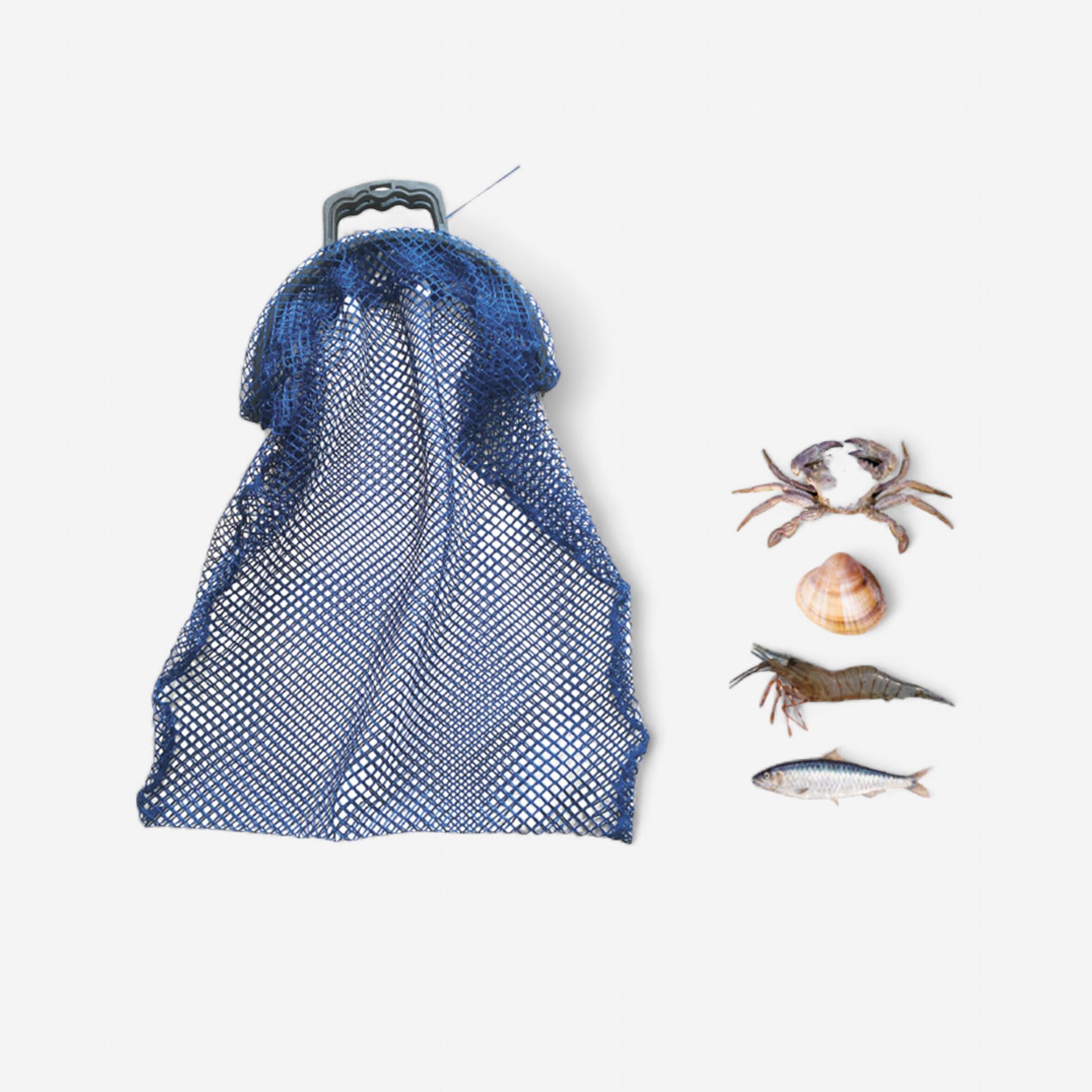
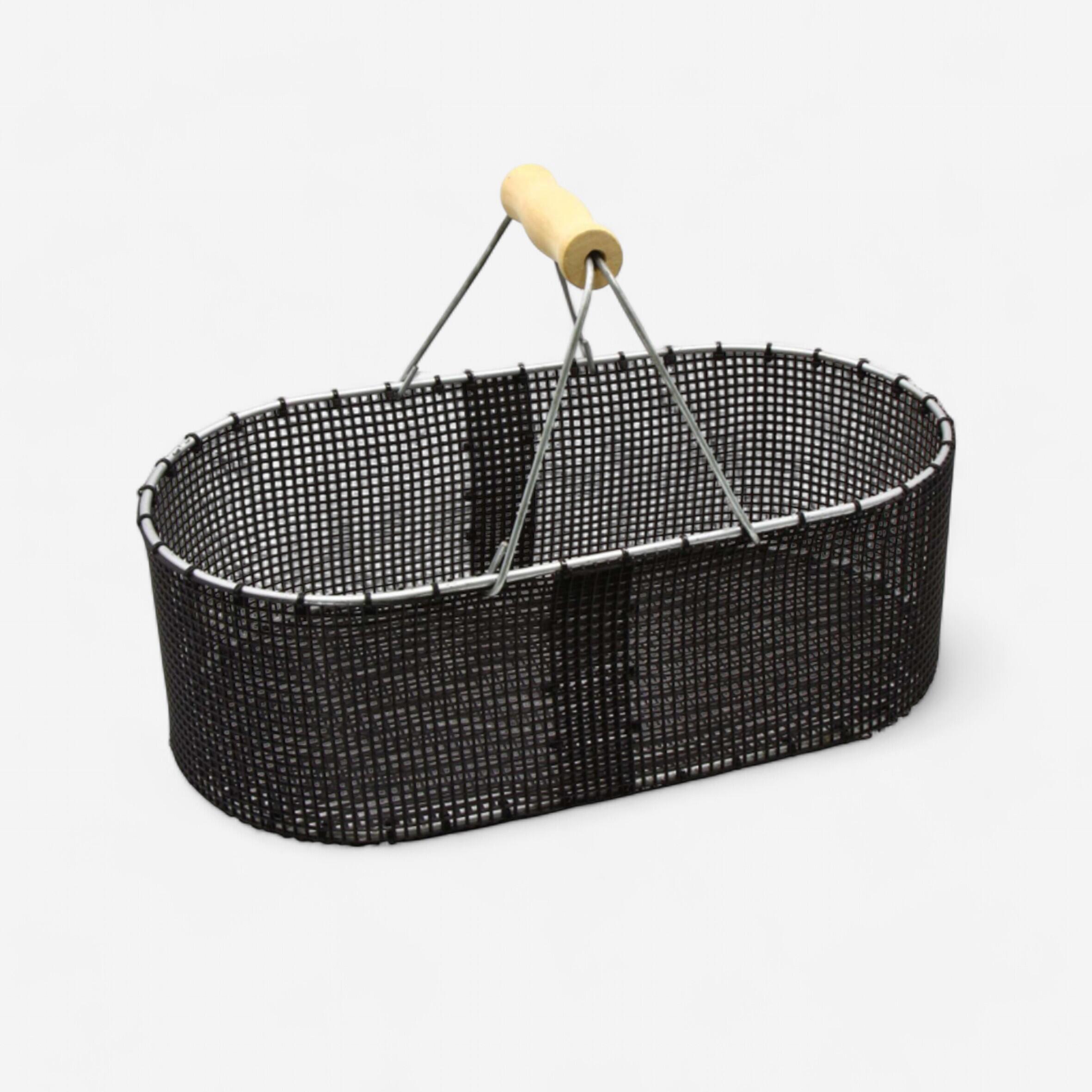
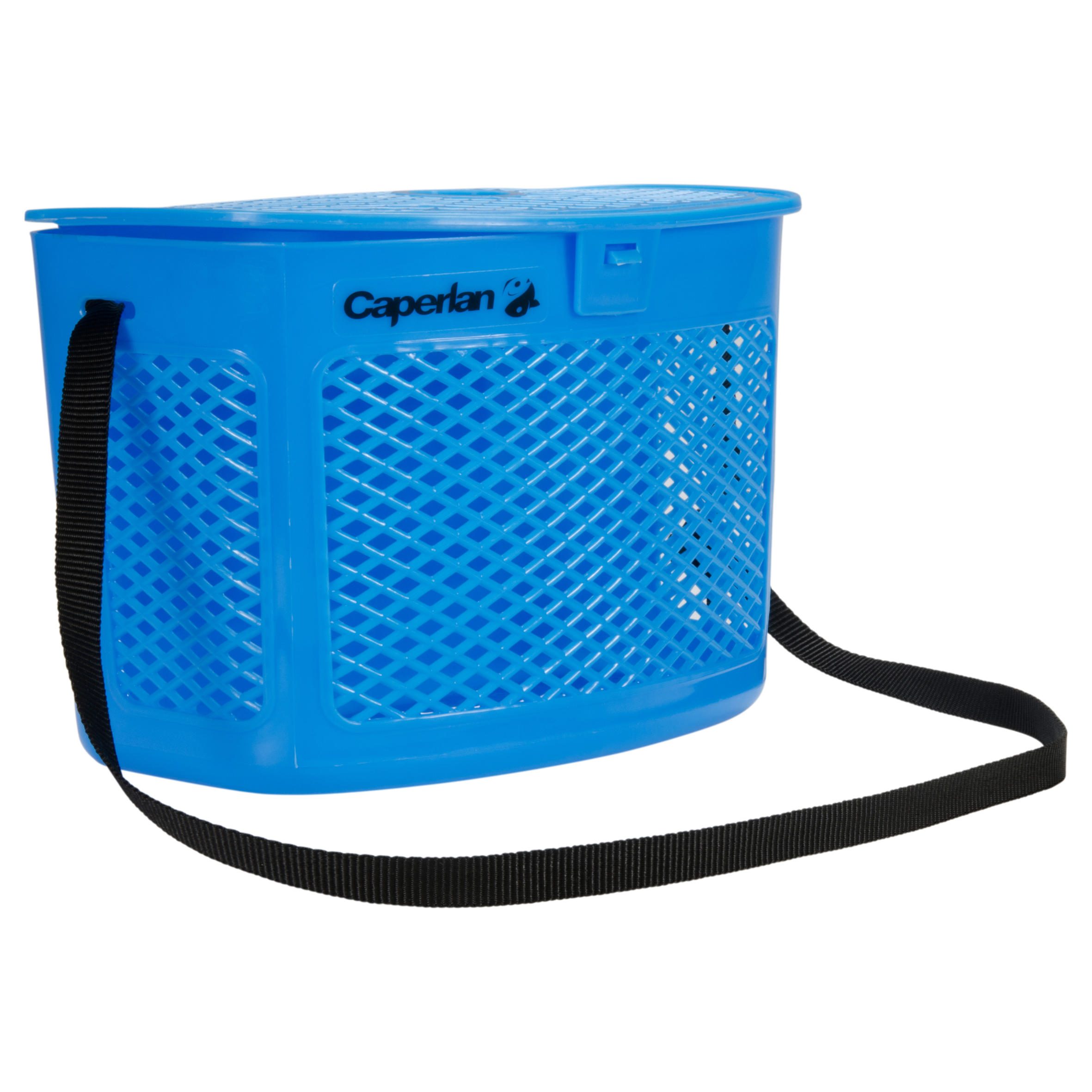
A compact basket keeps collecting equipment manageable for younger users as they move between rock pools and tidal areas. The tidal fishing basket uses a small curved shape rather than simply copying the proportions of a larger adult basket. It measures about 23 x 15 x 12 cm, weighs around 176 g and includes a carrying strap. Caperlan also specifies food-grade polypropylene that is odourless and non-toxic. Keep the amount carried appropriate for the child and avoid overloading the basket with heavy rocks or water. After the activity, empty it completely and let it dry before storing it.

How do you care for shellfish collecting equipment after coastal use?

Saltwater, sand and damp storage can shorten the working life of nets, metal tools and baskets, so clean equipment soon after leaving the shore. Remove weeds and debris from the mesh, rinse away salt where practical, and let everything dry fully before packing it into closed storage. Check wooden handles for damage and inspect metal hooks or rake heads before the next trip. A quick rinse also helps keep the aluminium frame and nylon mesh of a shrimp net ready for repeated use. Store baskets somewhere dry and ventilated rather than leaving moisture trapped inside them. Apply the same rinse-and-dry habit to equipment used for saltwater fishing so small signs of wear are easier to spot before your next coastal session.