12 items
4.7/5 based on 1070 reviews collected online and in stores

Shore Fishing Hooks FAQs

How does hook shape affect shore fishing?

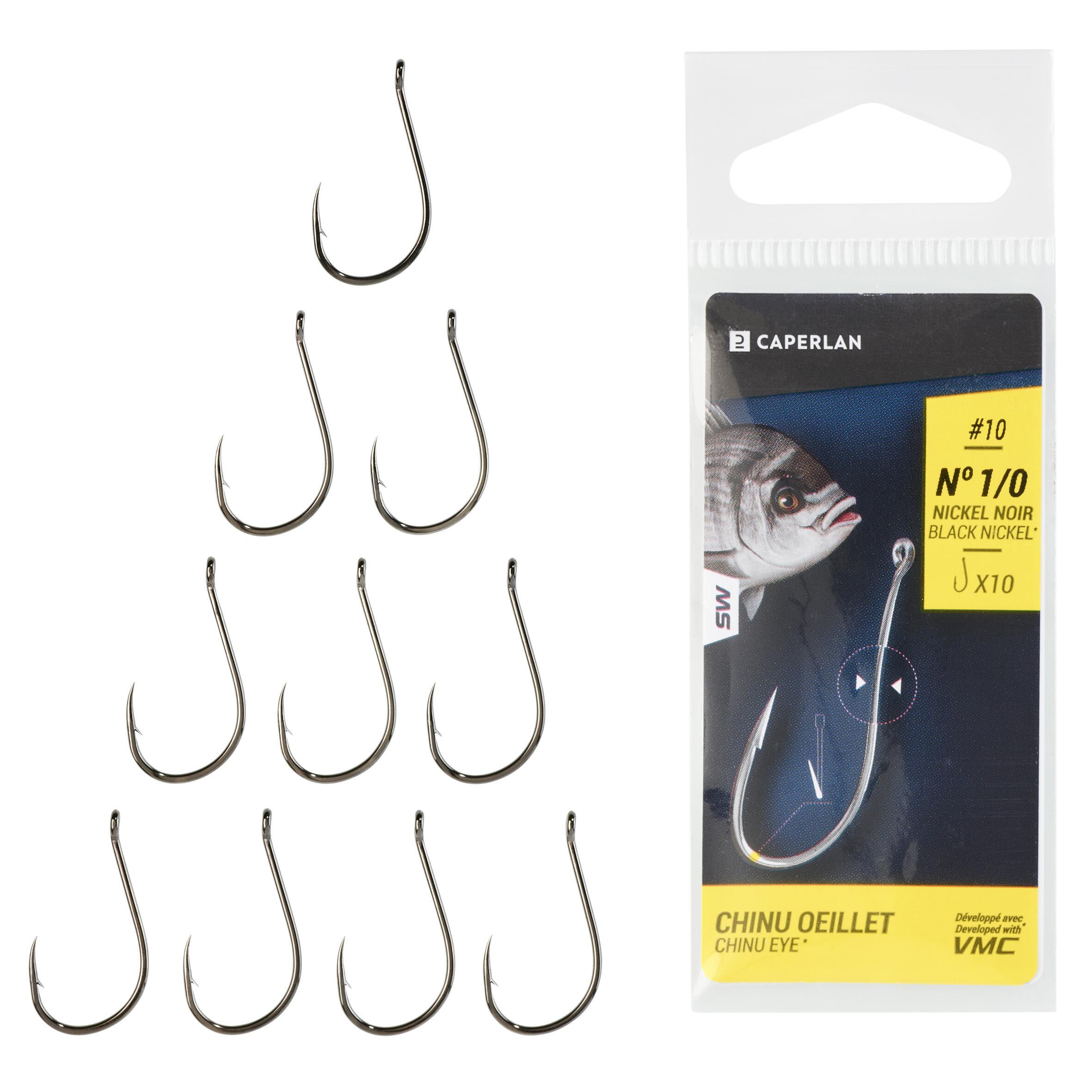
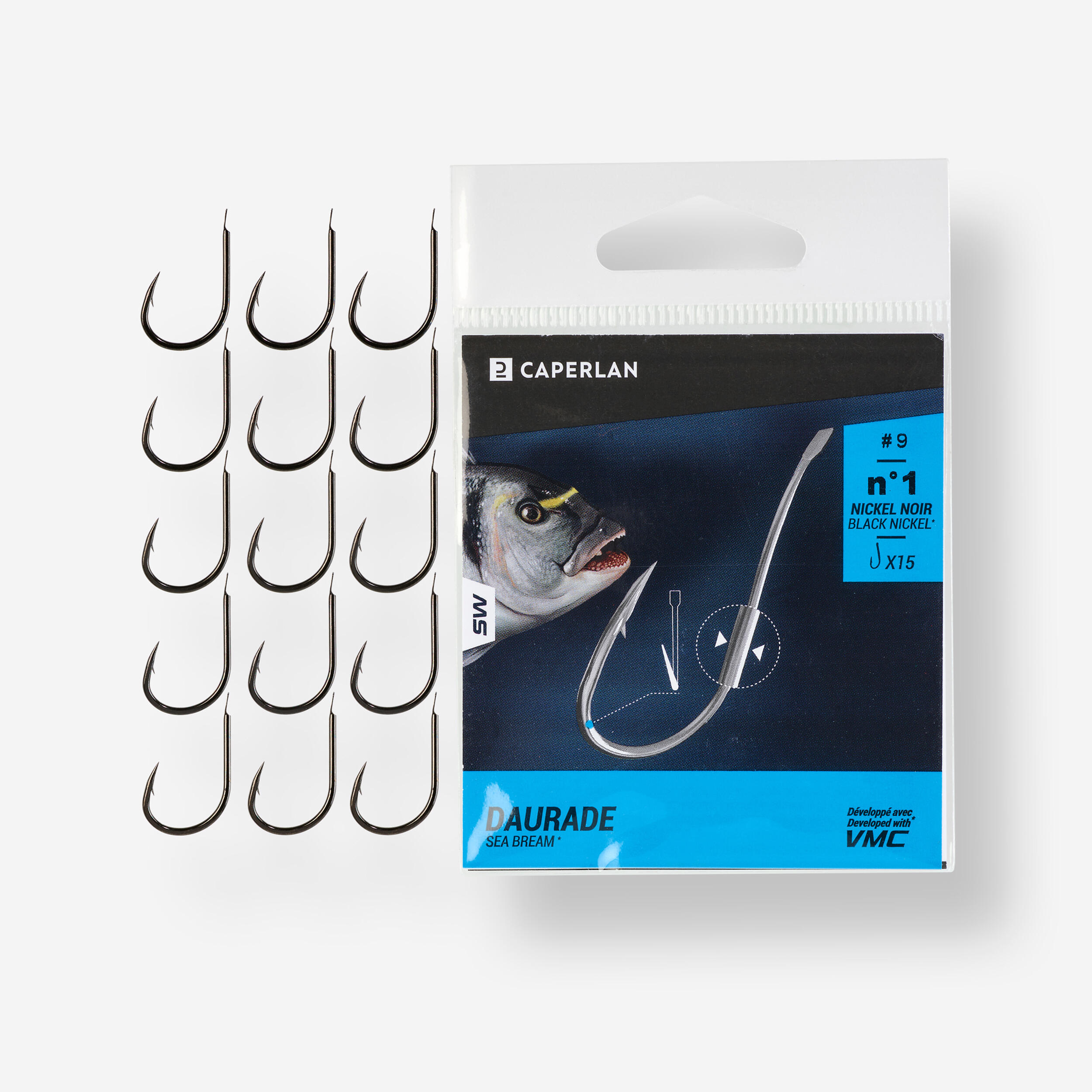
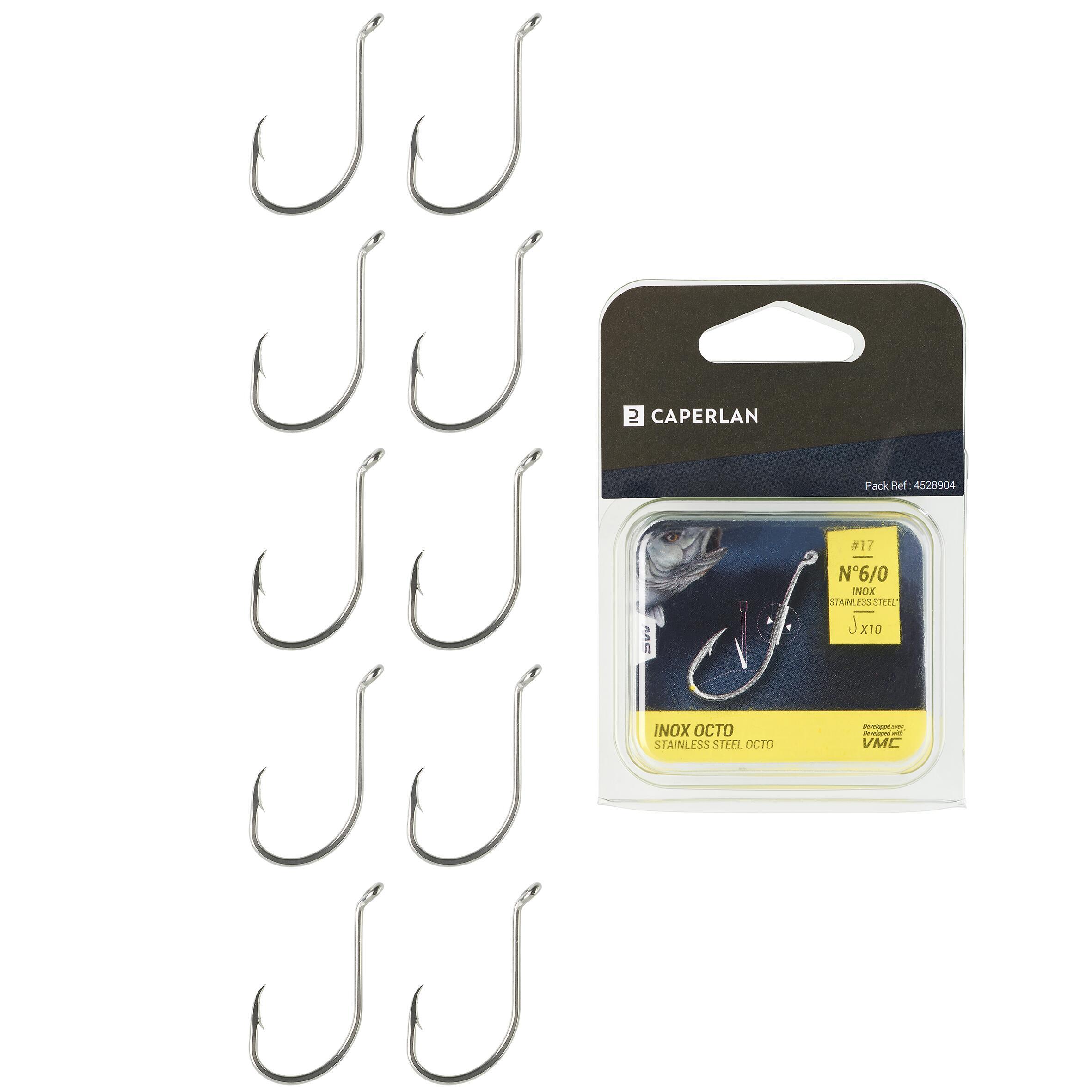
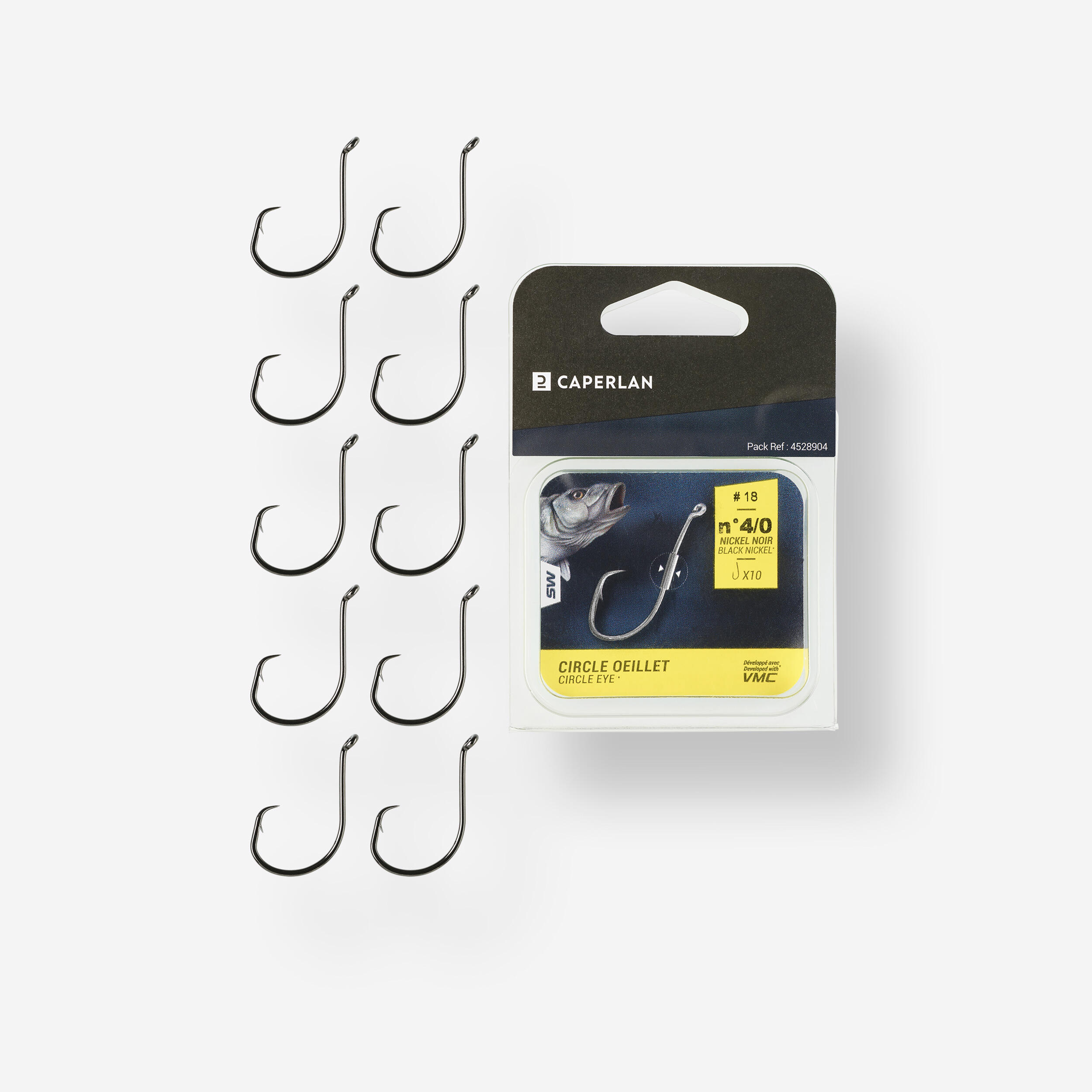
Hook shape changes how the point meets the fish and how much input you need when a bite develops. Circle hooks use a rounded shank and inward-facing point that can help the hook take hold as the line tightens, while offset or reversed points can improve hooking when you strike. Long-shank patterns give you more space for elongated natural baits such as worms, whereas shorter and stronger patterns suit more compact presentations. The wider shore fishing rig can involve different bait sizes and target species, so match the hook shape to how you are presenting the bait rather than relying on one pattern for every session.

Which hook features help keep worms secure during casting?

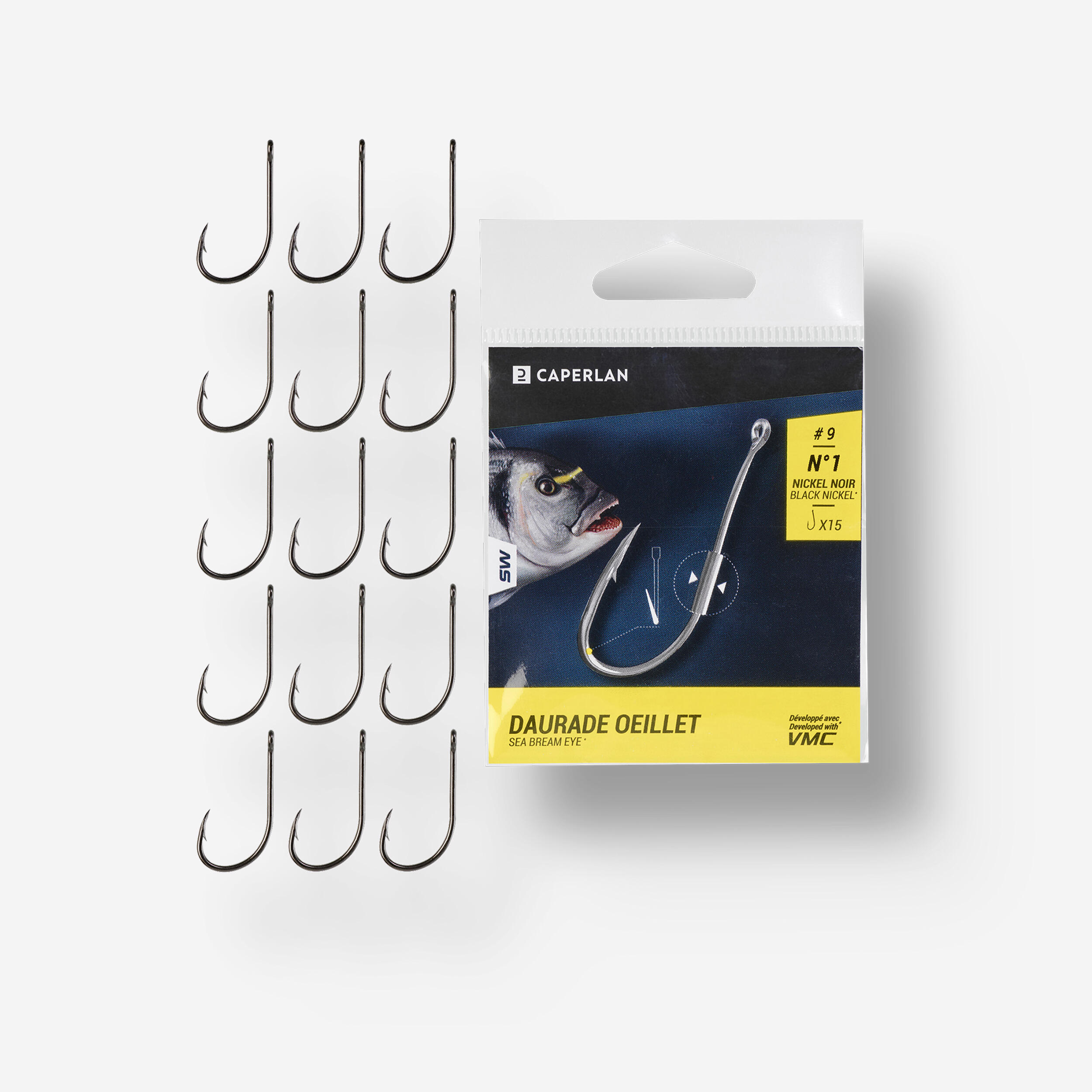
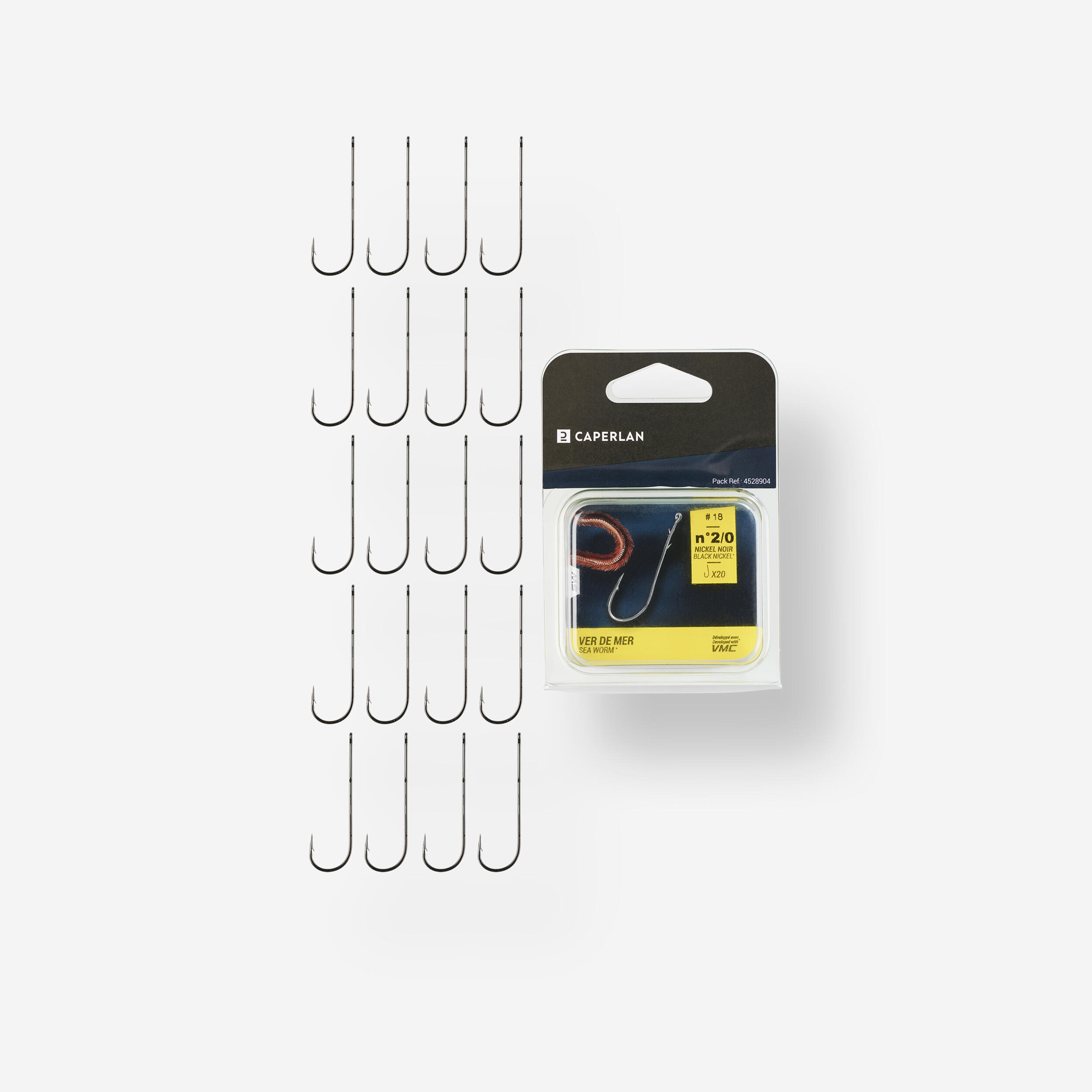
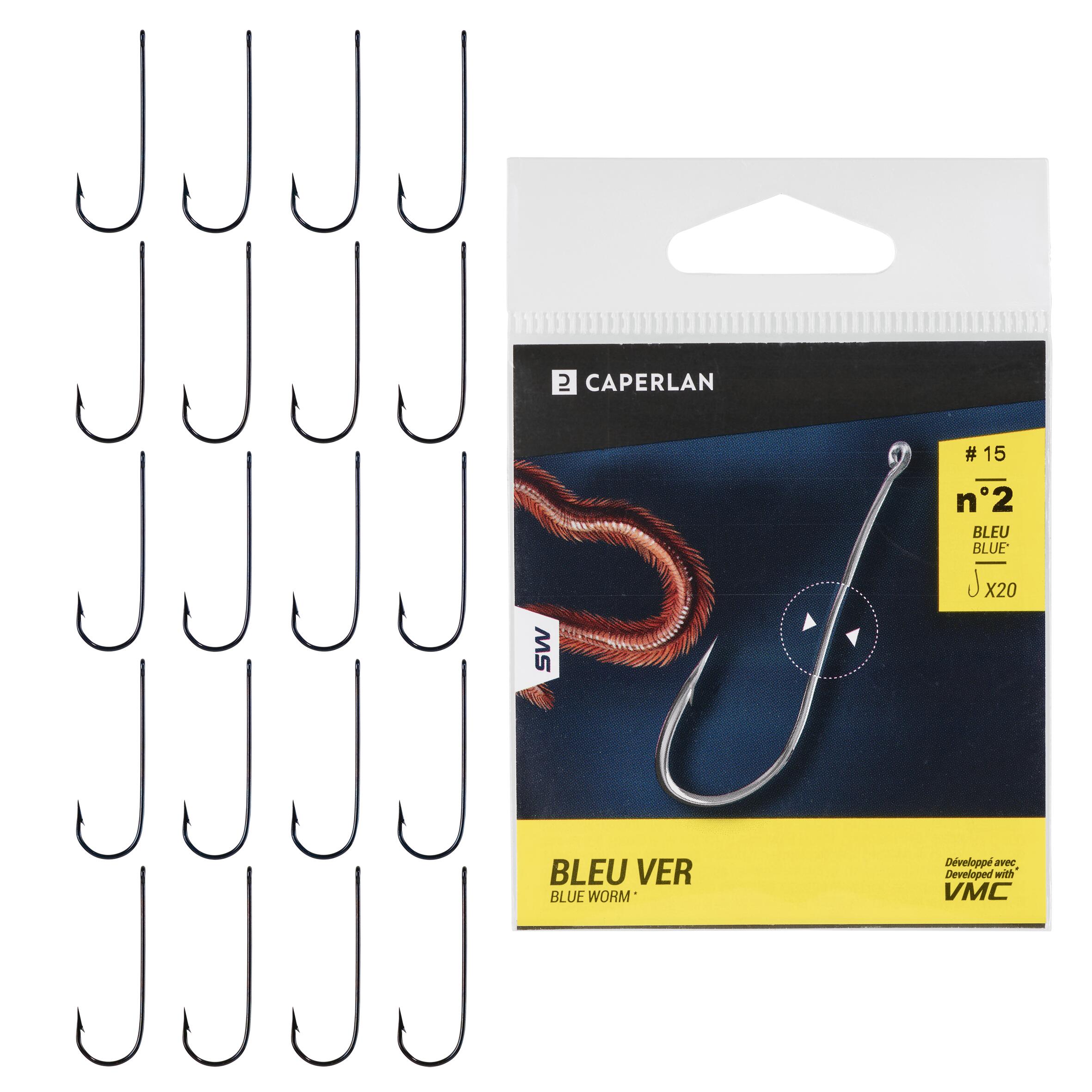
Long shanks make worms easier to thread, while small barbs along the shank help stop soft bait sliding towards the bend during casting. Caperlan's blue worm eyelet hook for sea fishing combines a fine-wire long shank with twin barbs for better bait retention. Fine wire also makes threading easier and reduces unnecessary damage to delicate worms. The blue coating makes the hook more discreet once it enters the water. Keep the worm sitting naturally along the shank rather than bunching it tightly around the bend, as a cleaner presentation leaves the point more exposed when a fish takes the bait.

Why can an offset nickel hook work well with natural bait?

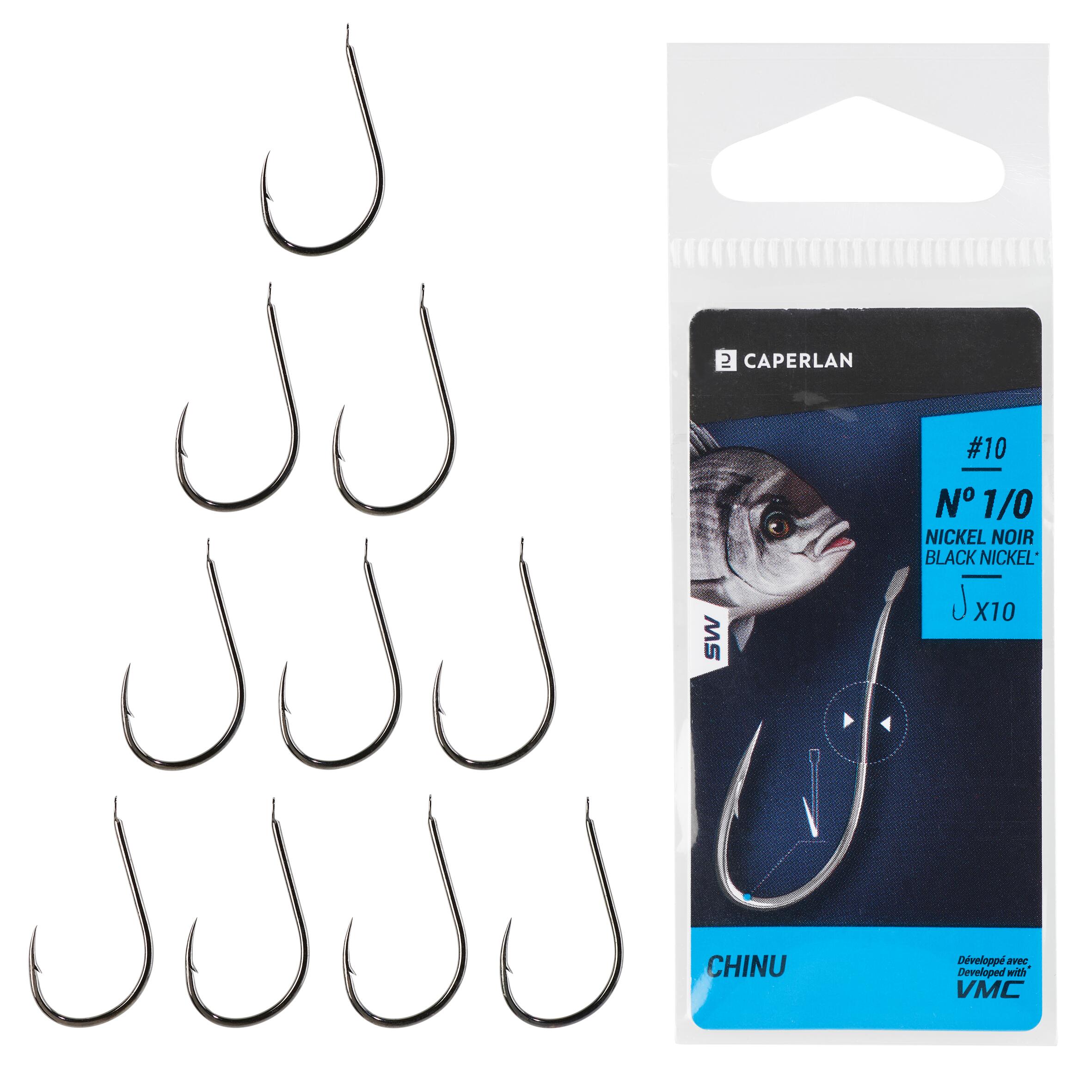
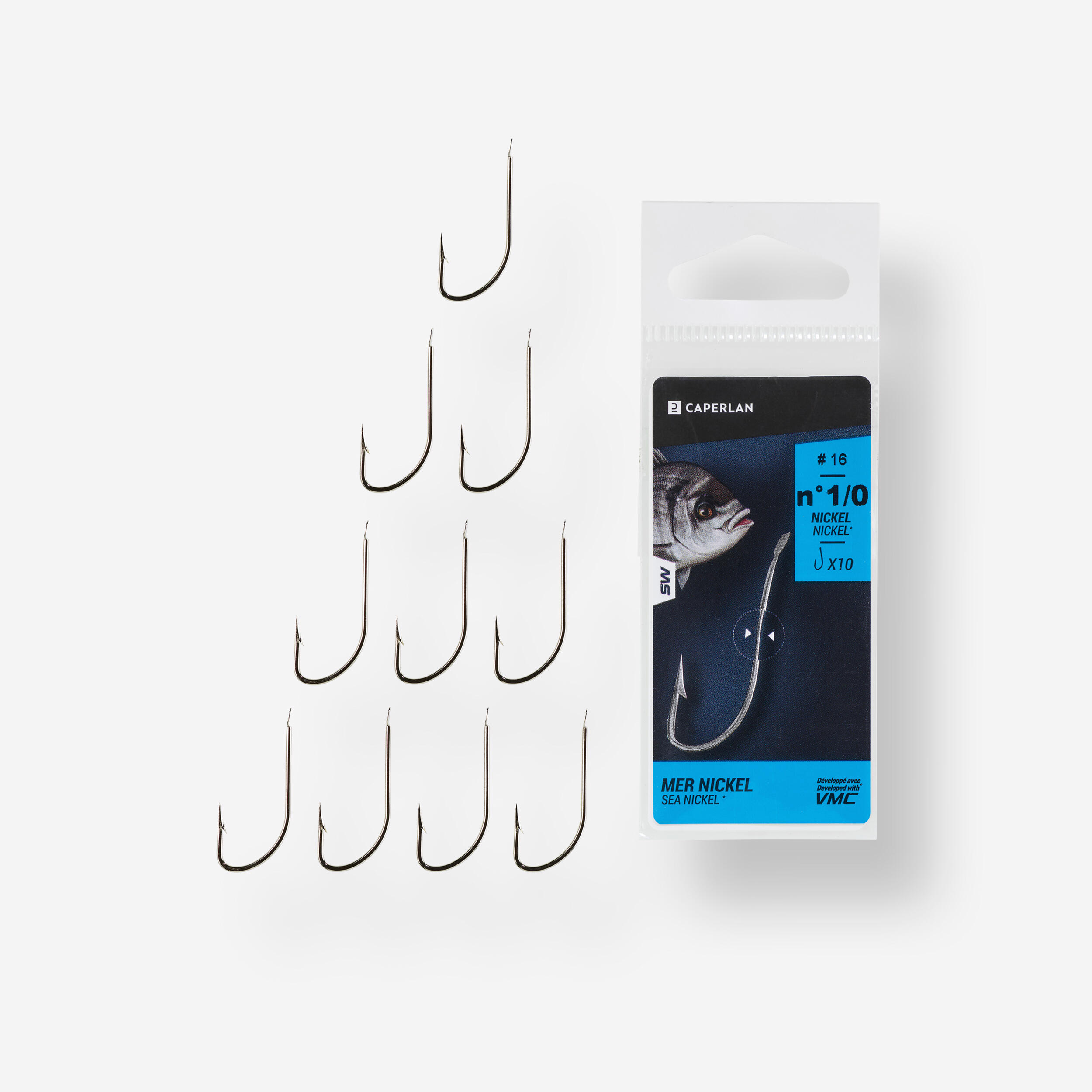
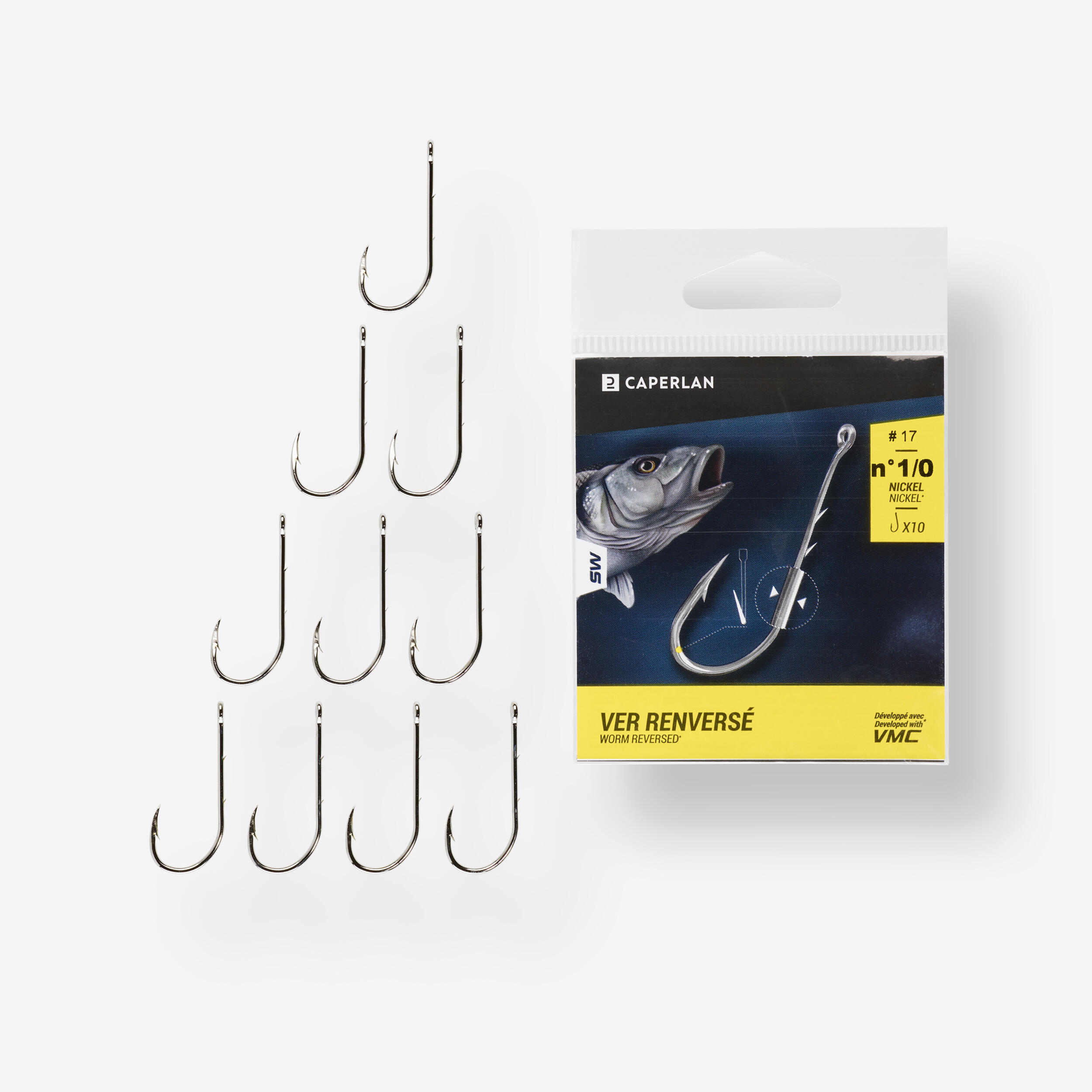
An offset point places the hook tip slightly away from the centre line of the shank, which can help it take hold when you strike. The single sea fishing nickel hook combines this offset shape with a long shank and two bait-holding barbs, making it particularly suited to worm presentations. Caperlan also uses a nickel finish to improve corrosion resistance while maintaining the working point of the hook. Stronger construction helps the hook resist straightening when a fish applies pressure. Pick the hook size around your bait and target fish so the point remains exposed rather than hidden inside an oversized bait.

When can a triple hook suit heavier shore fishing?

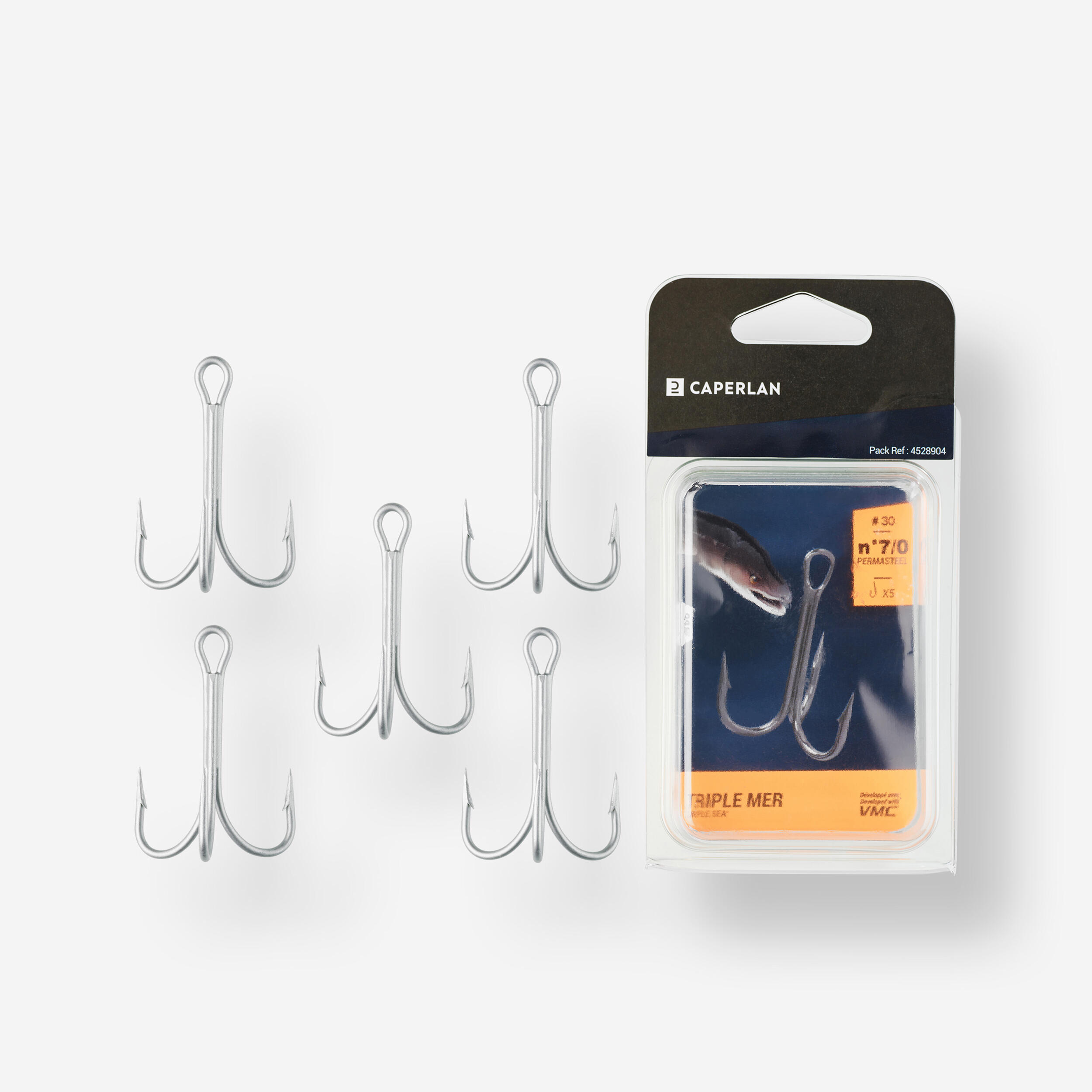
A triple hook gives you three points around one fitting, increasing the available hooking surfaces when presenting larger natural baits. Caperlan's triple sea hooks for sea fishing use strong iron construction and a long shank for larger fish such as conger. The stronger structure helps resist straightening during a fight, while the tin-plated finish protects vulnerable parts of the hook without covering the sharp points. Larger hooks need enough bait to create a balanced presentation, but avoid covering all three points. Leaving the tips clear gives them a better chance of taking hold when the fish closes its mouth around the bait.

What checks help keep shore fishing hooks ready for use?

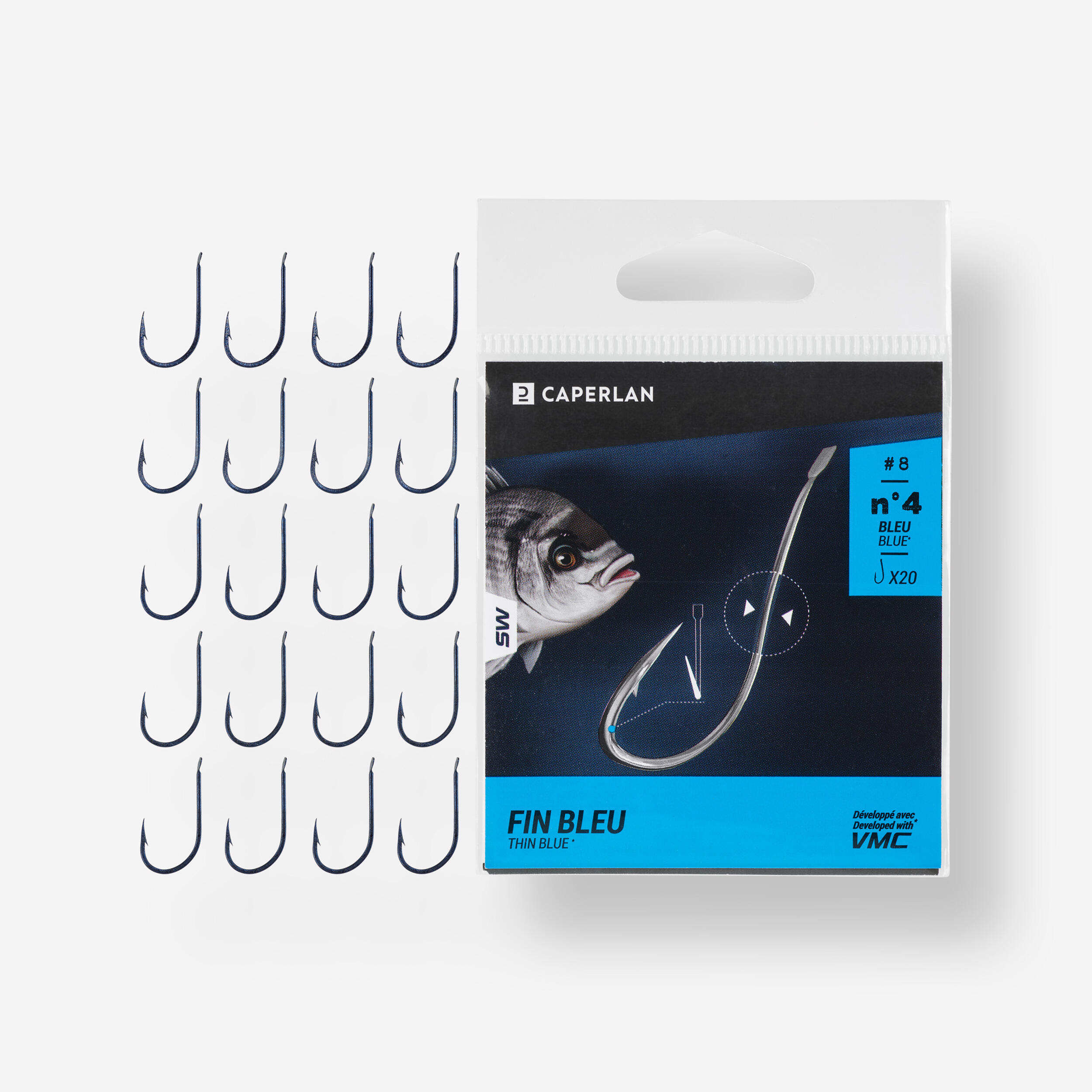
Inspect every hook before attaching bait because rust, a broken point or a blunt tip can weaken the connection between your rig and the fish. Replace visibly damaged hooks rather than trying to get another session from them. Caperlan also states that larger hooks with dulled points can be sharpened using a specialised small stone where the rest of the hook remains sound. After saltwater fishing, keep hooks dry and organised so moisture does not remain trapped around them in your tackle box. Check eyelets, spade ends and protective finishes at the same time, particularly when hooks have been stored after repeated contact with seawater.