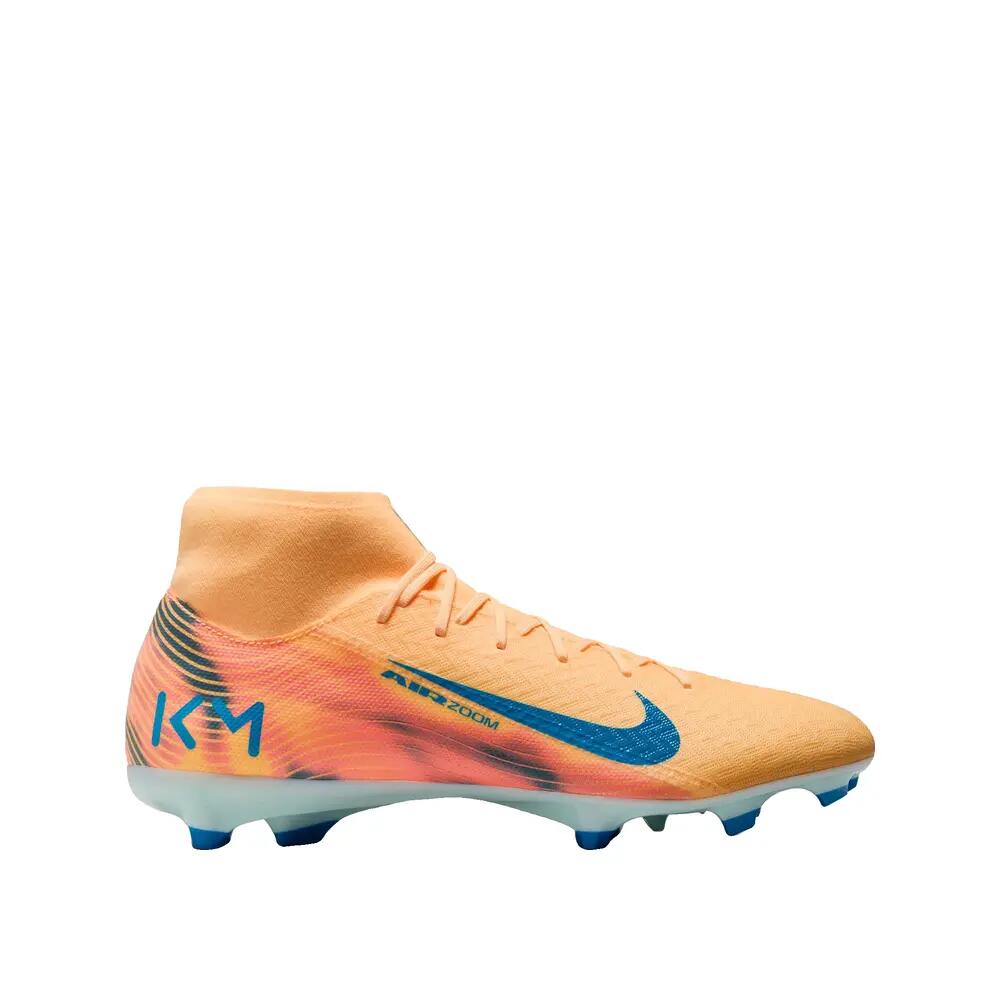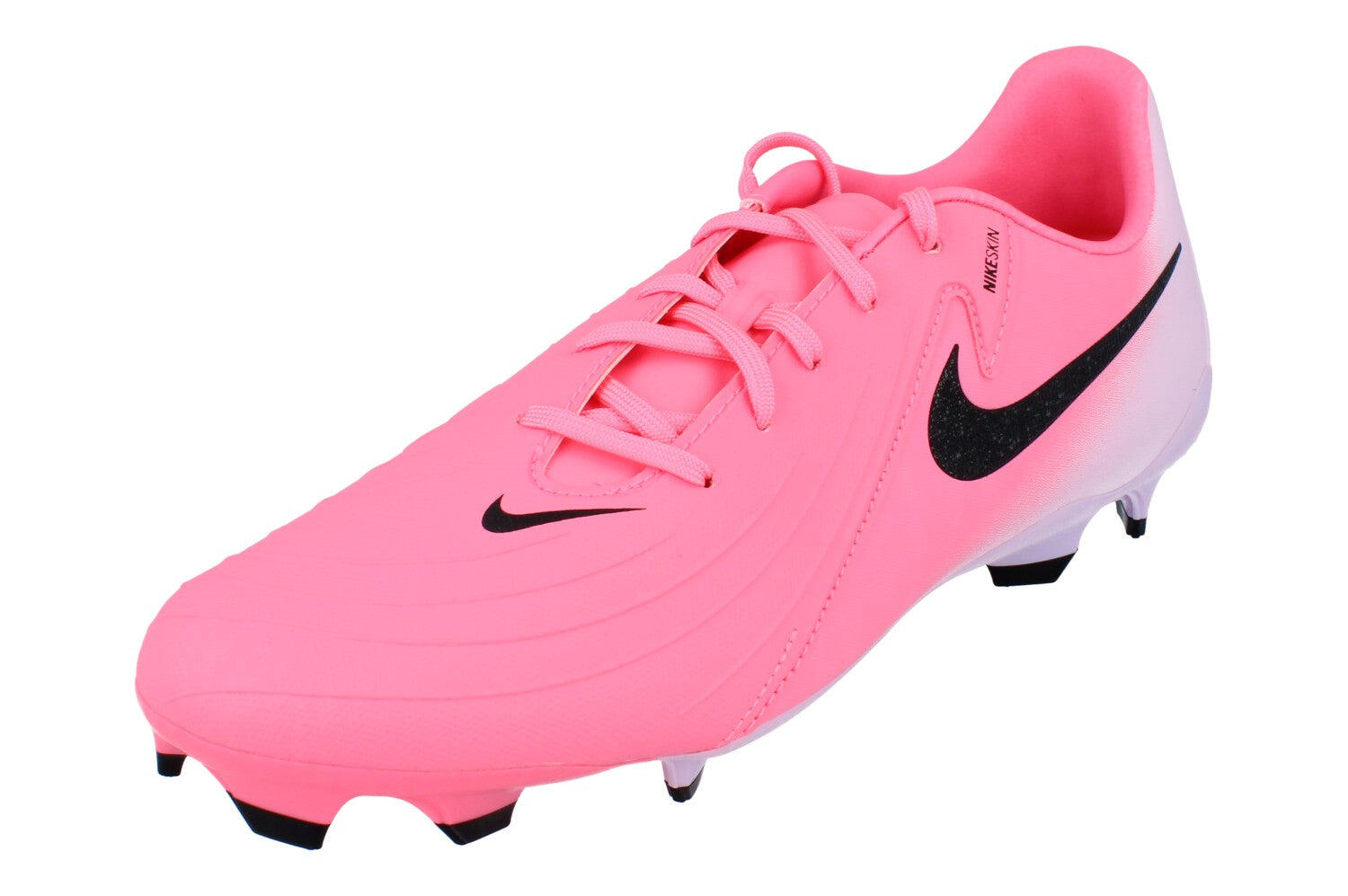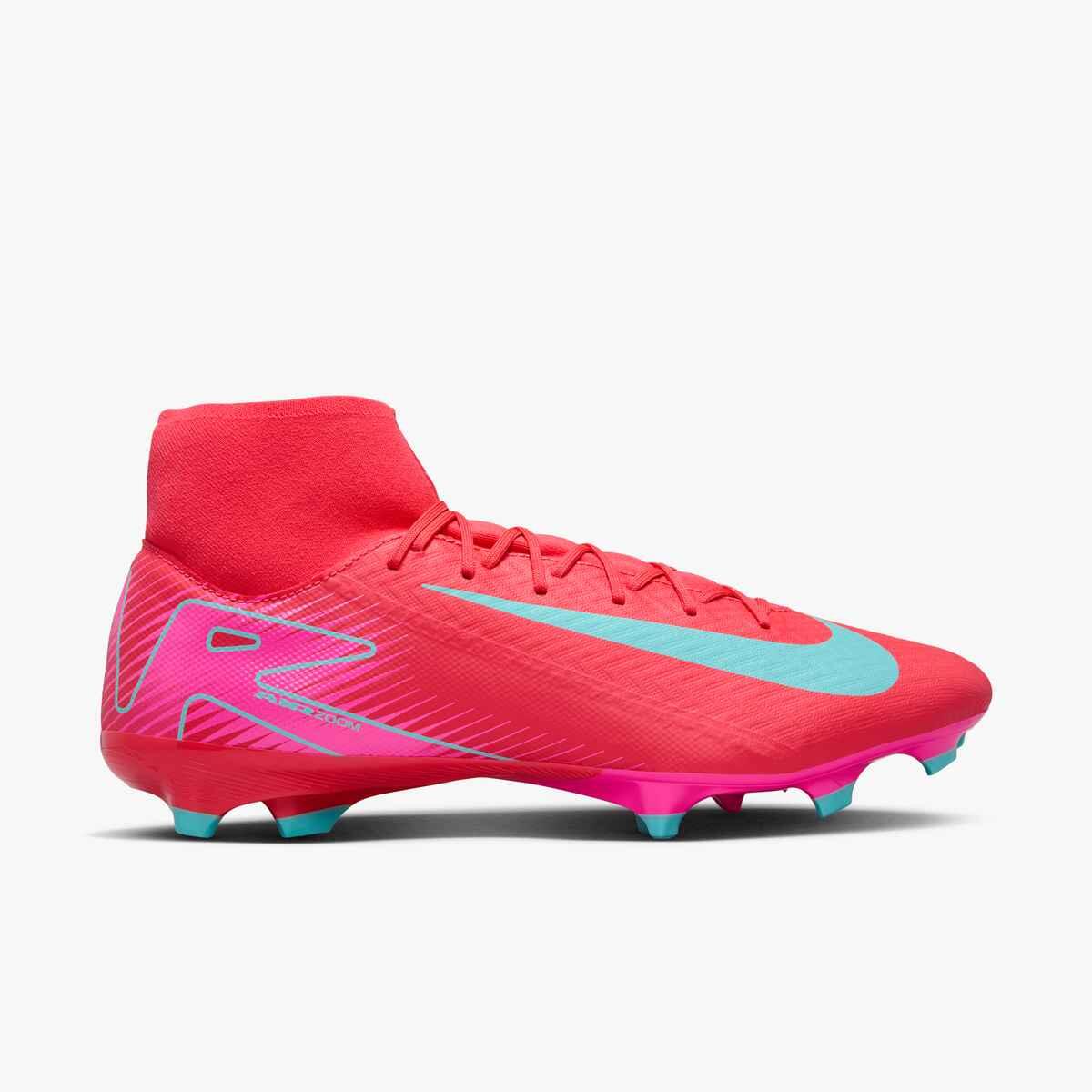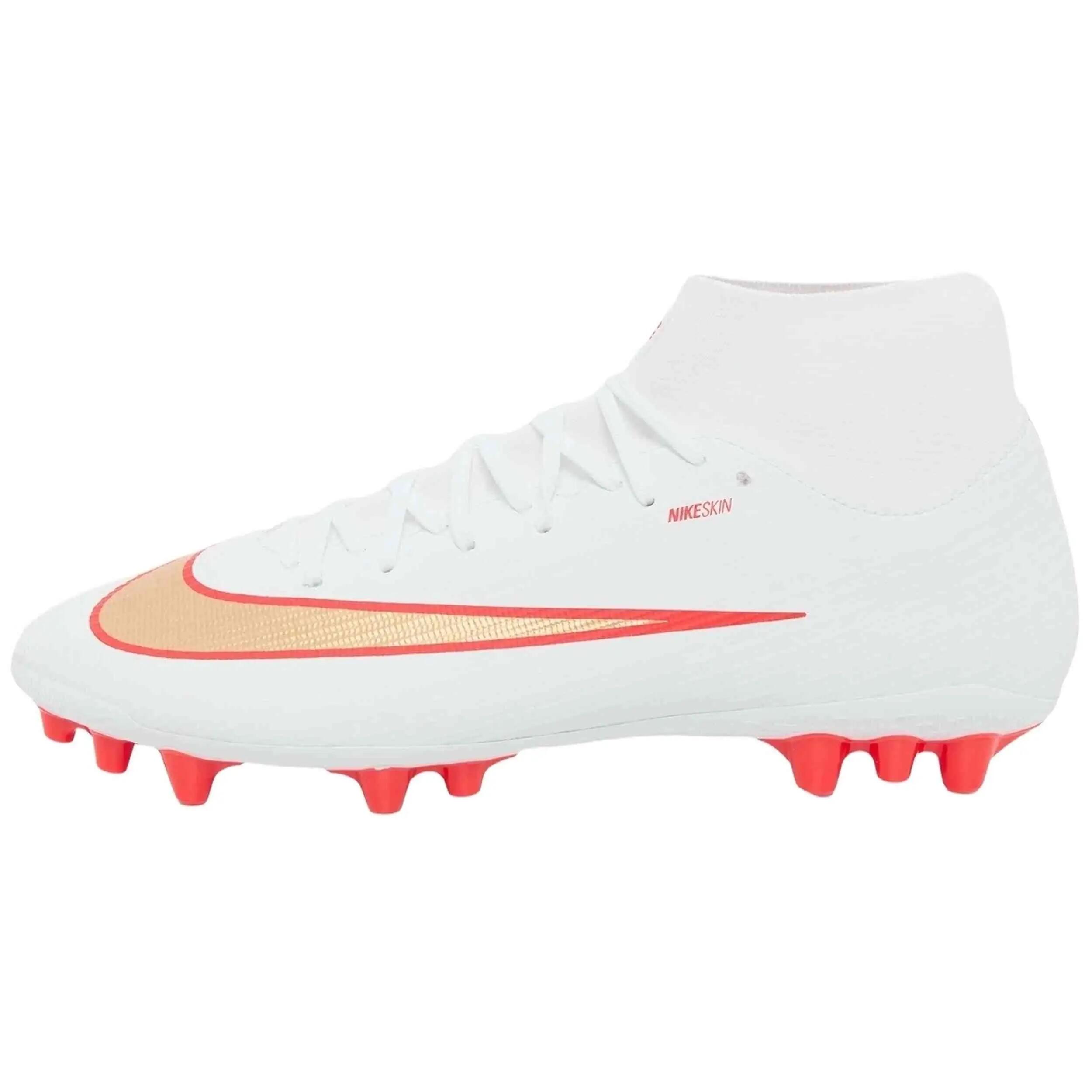
80 items
4.7/5 based on 13 reviews collected online and in stores

Nike Football Boots FAQs

Which Nike football boots suit your playing style?

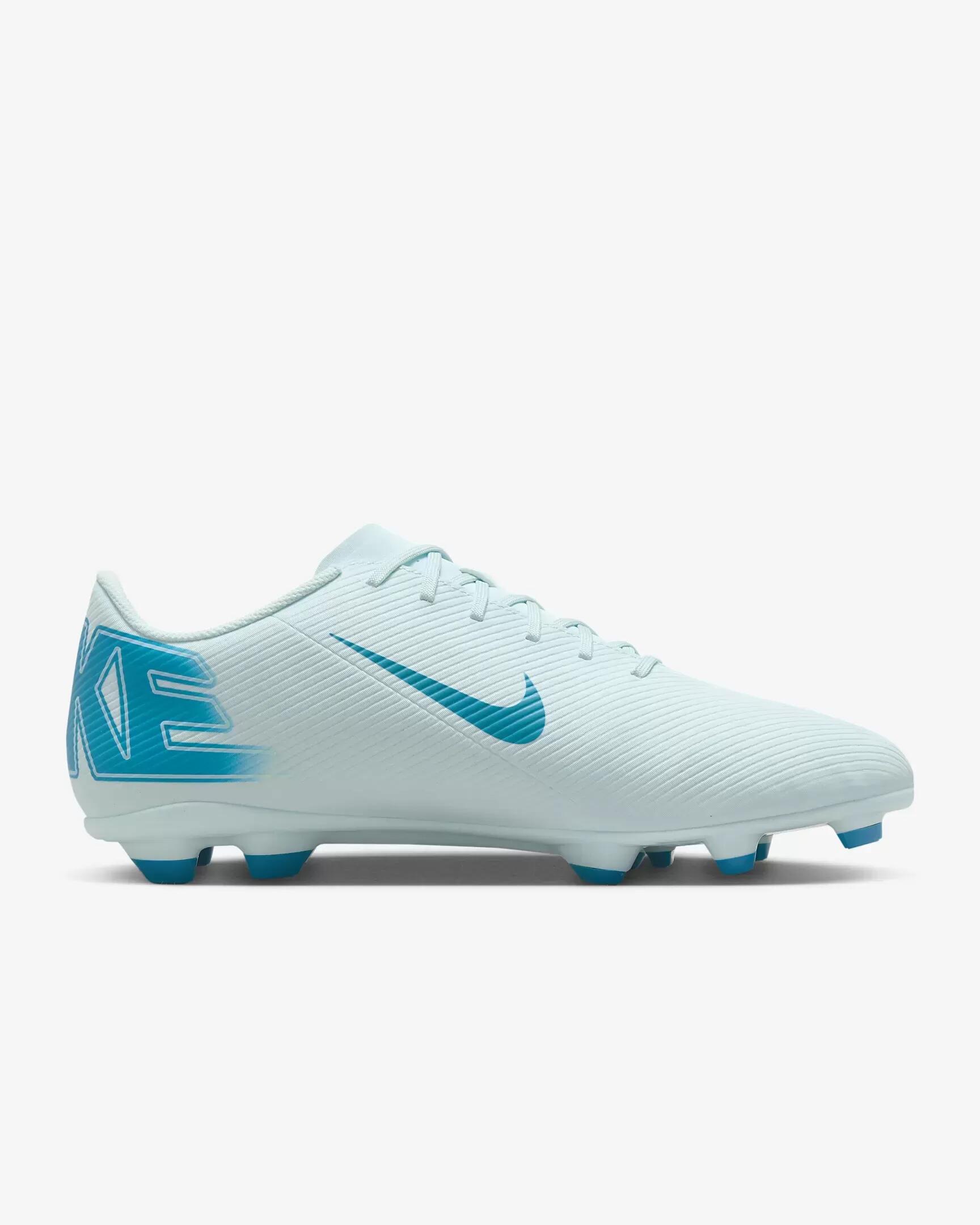
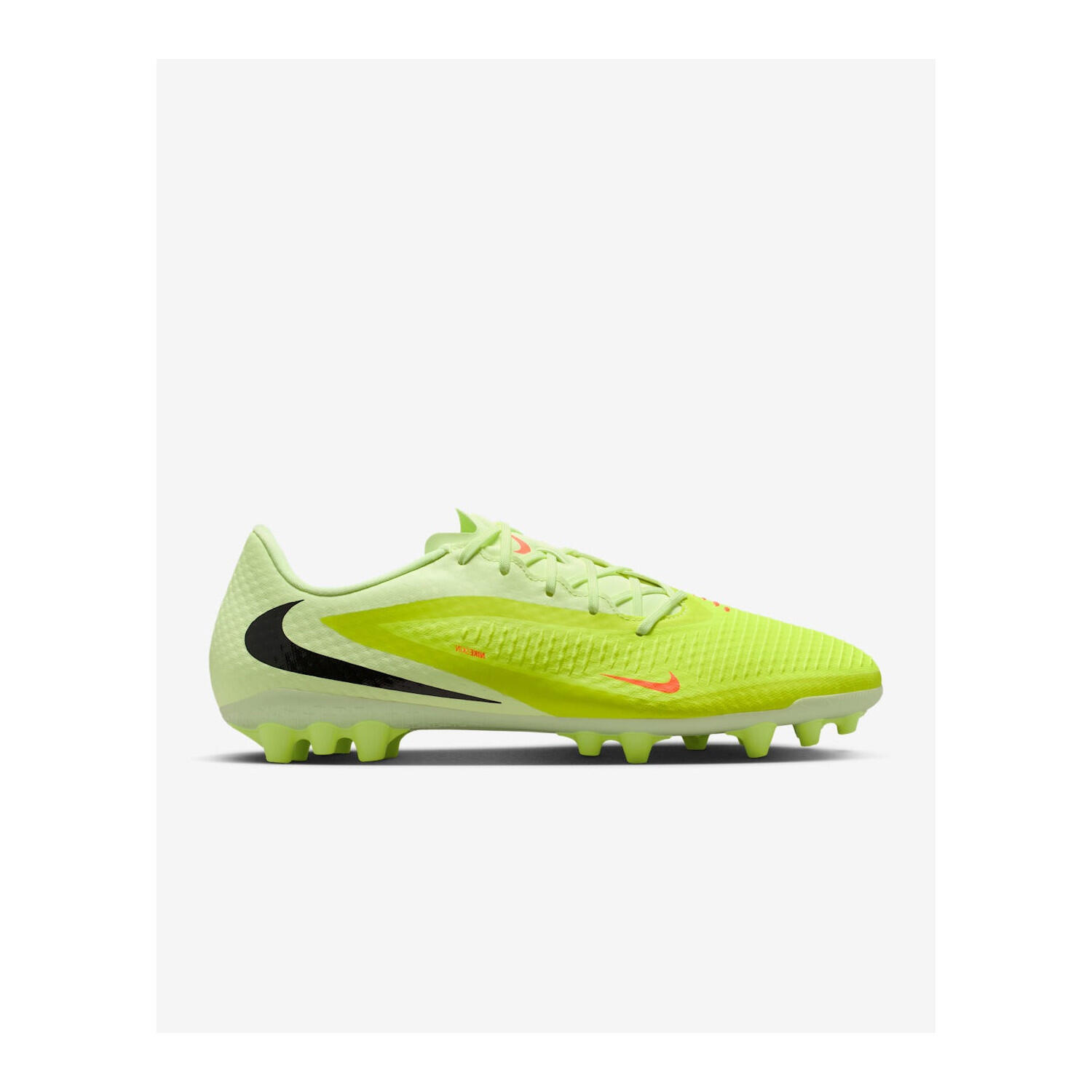
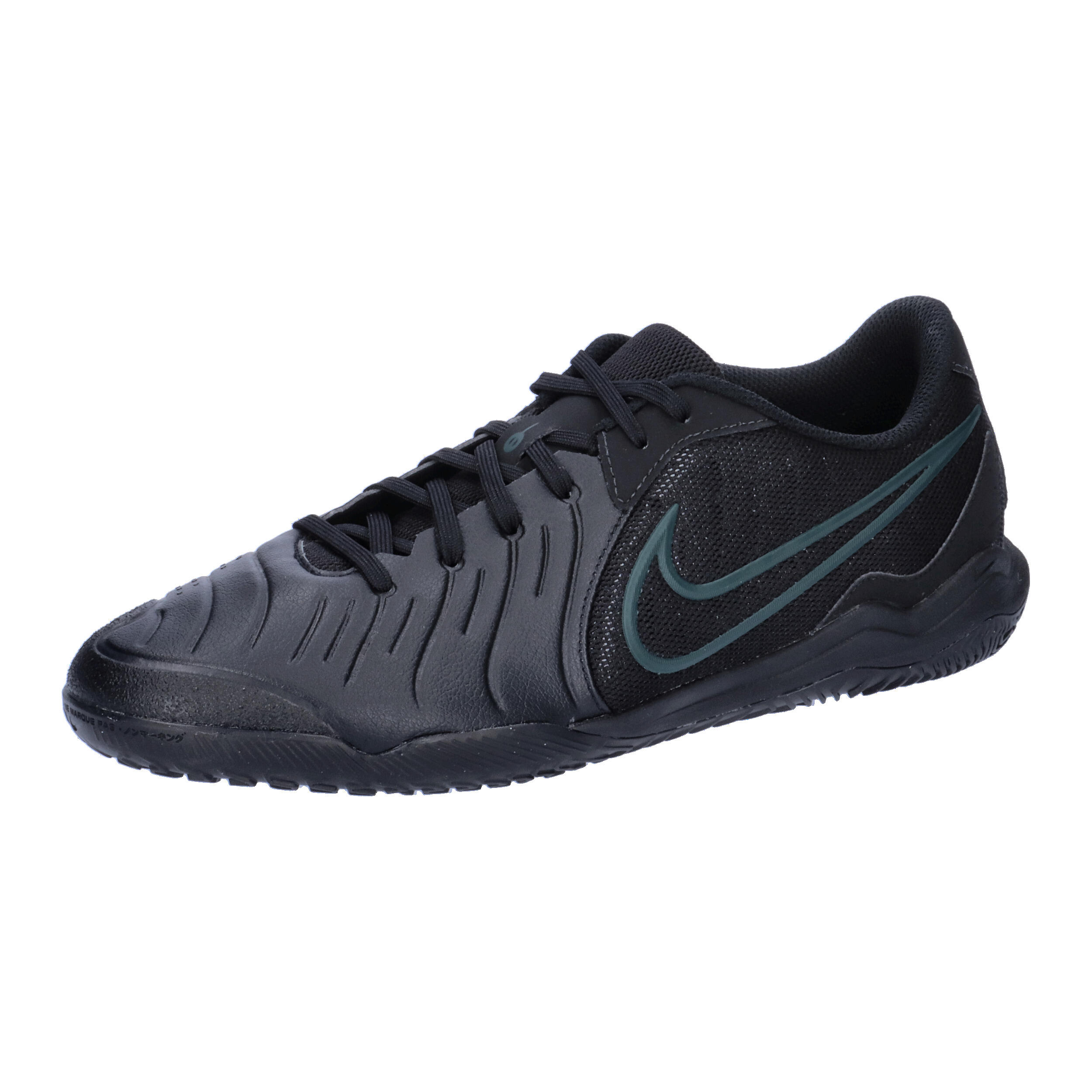
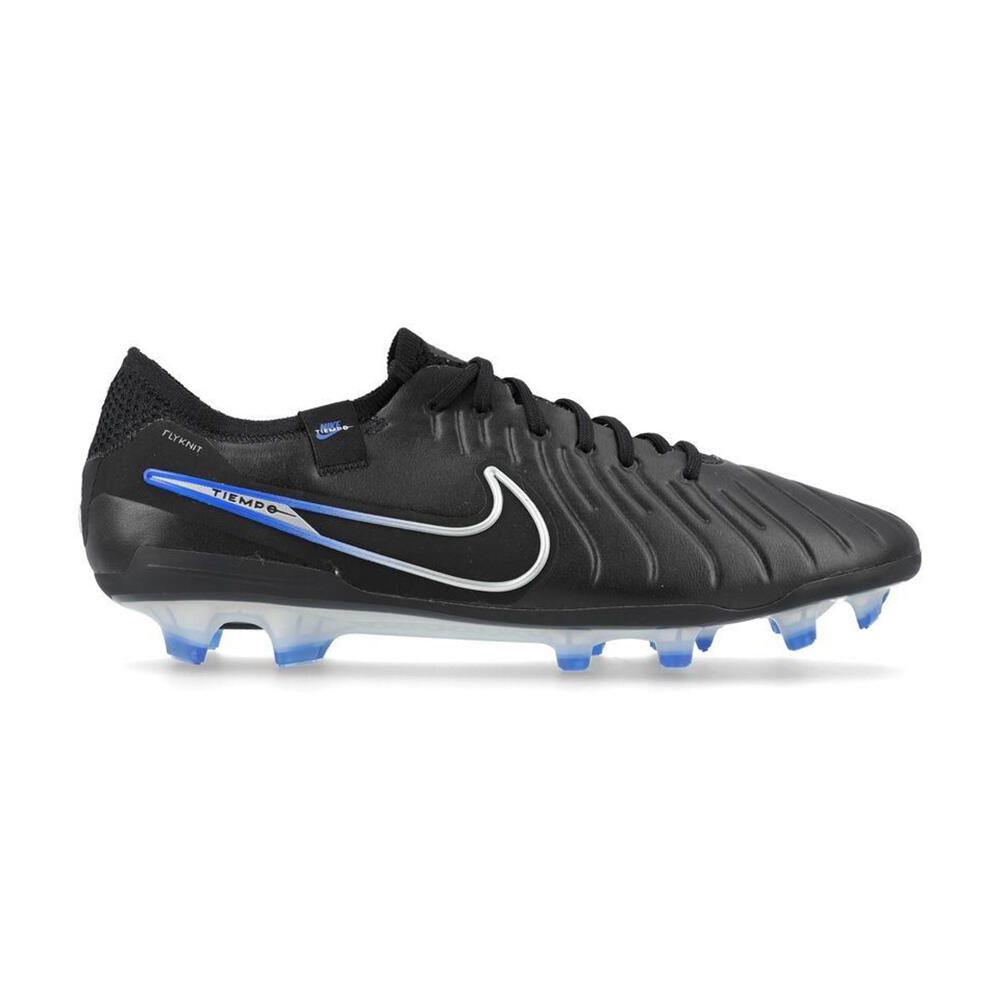
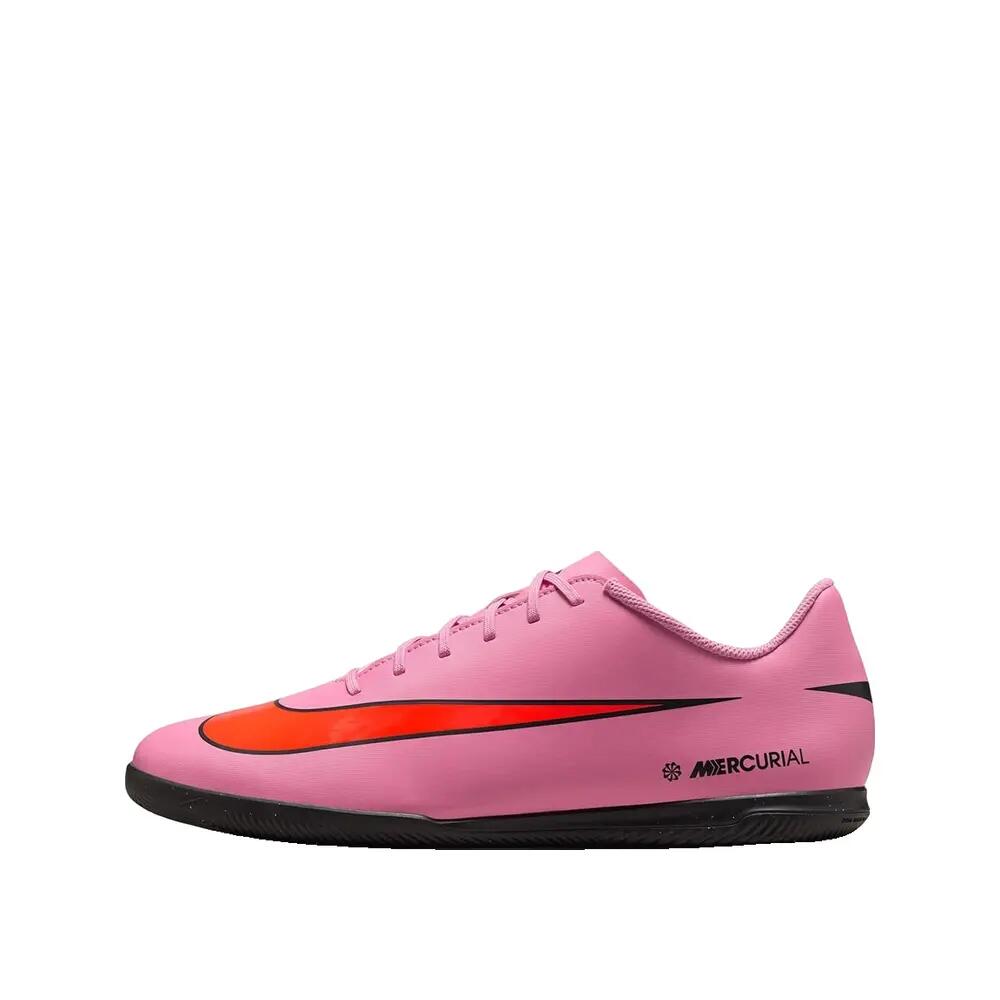
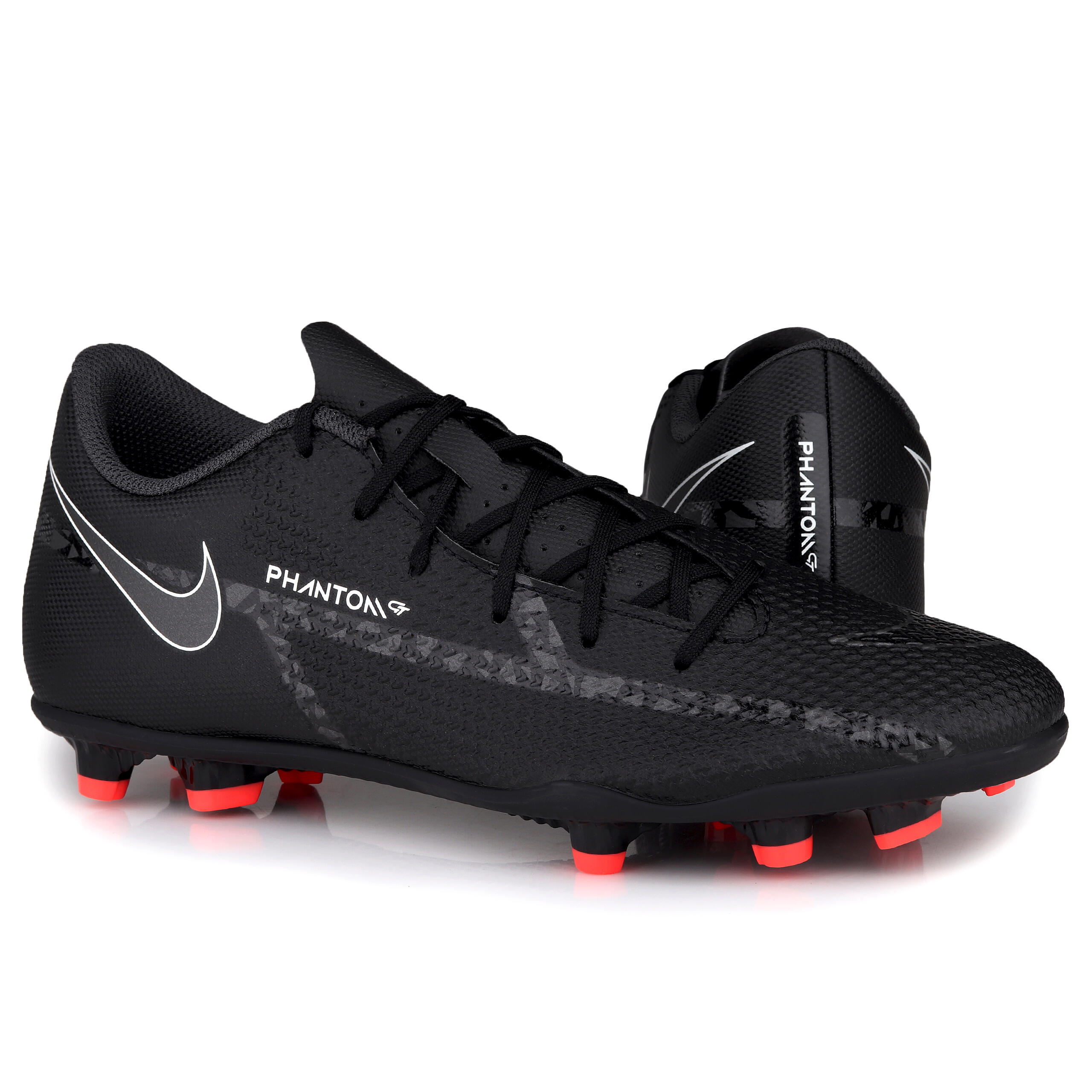
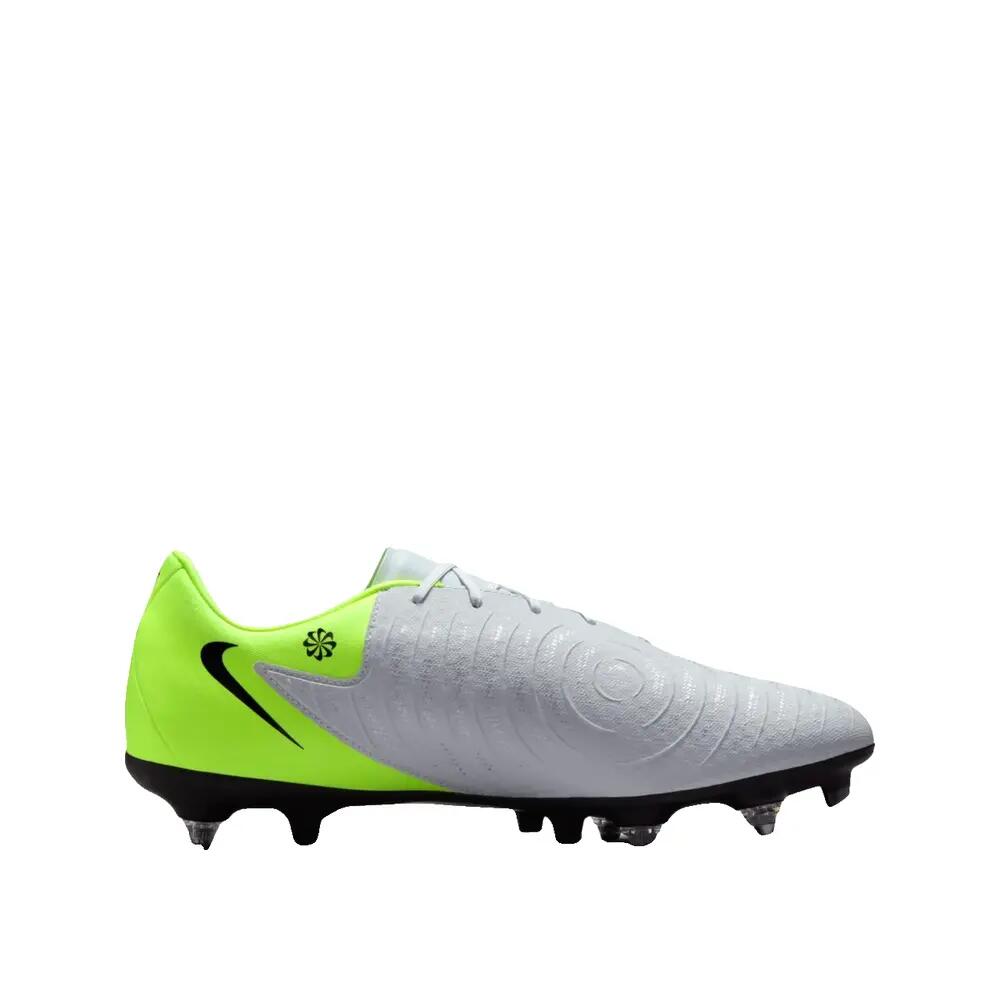
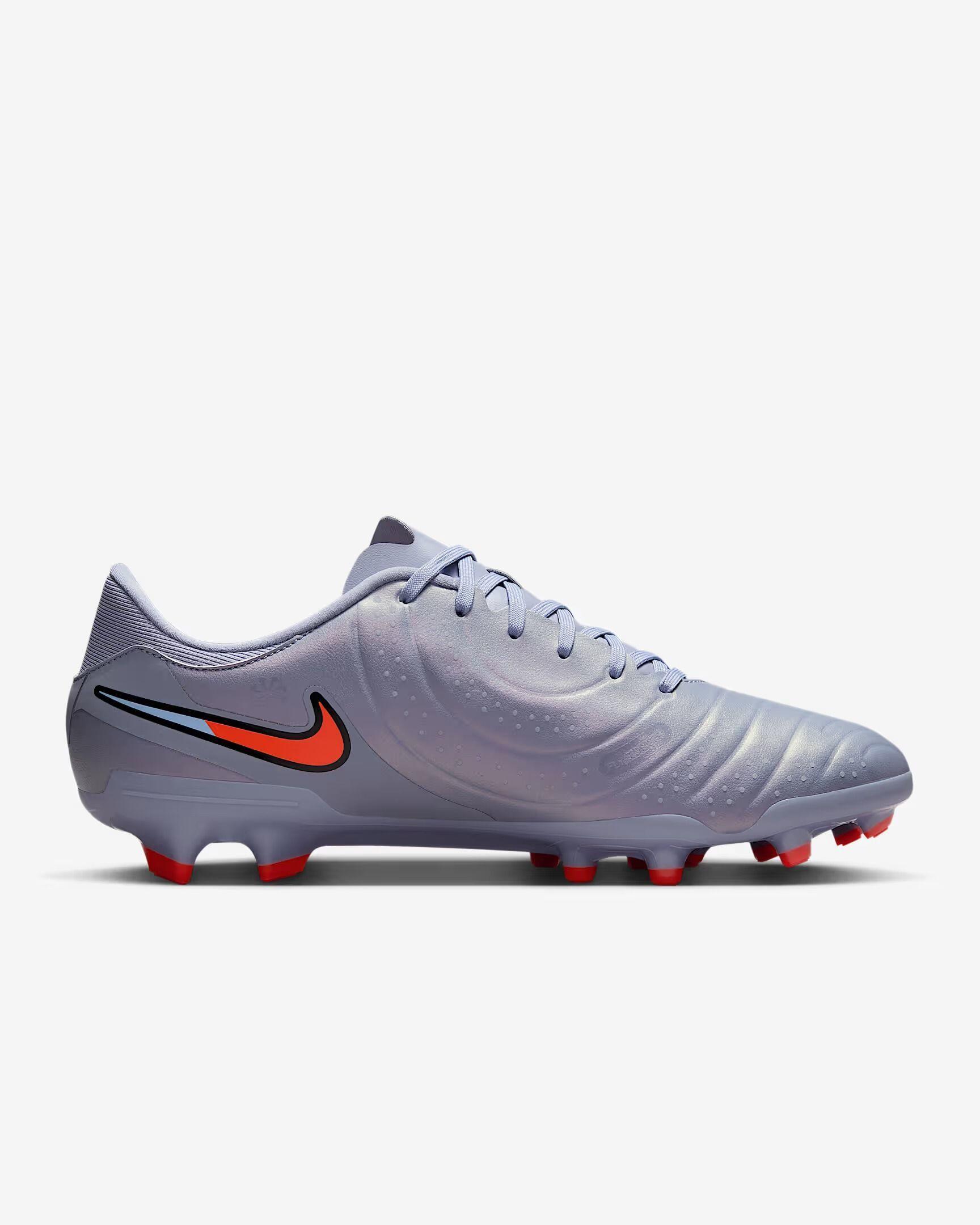
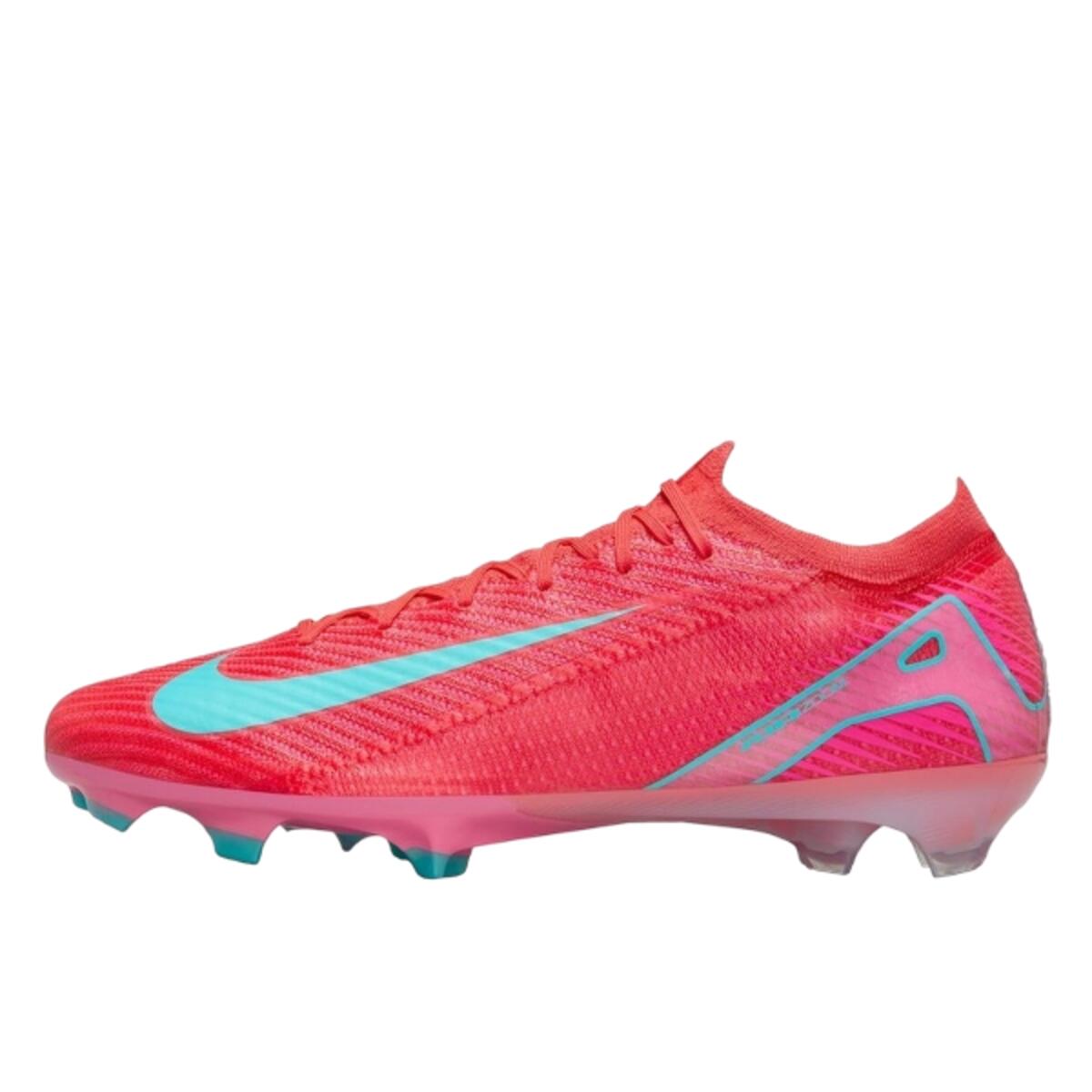
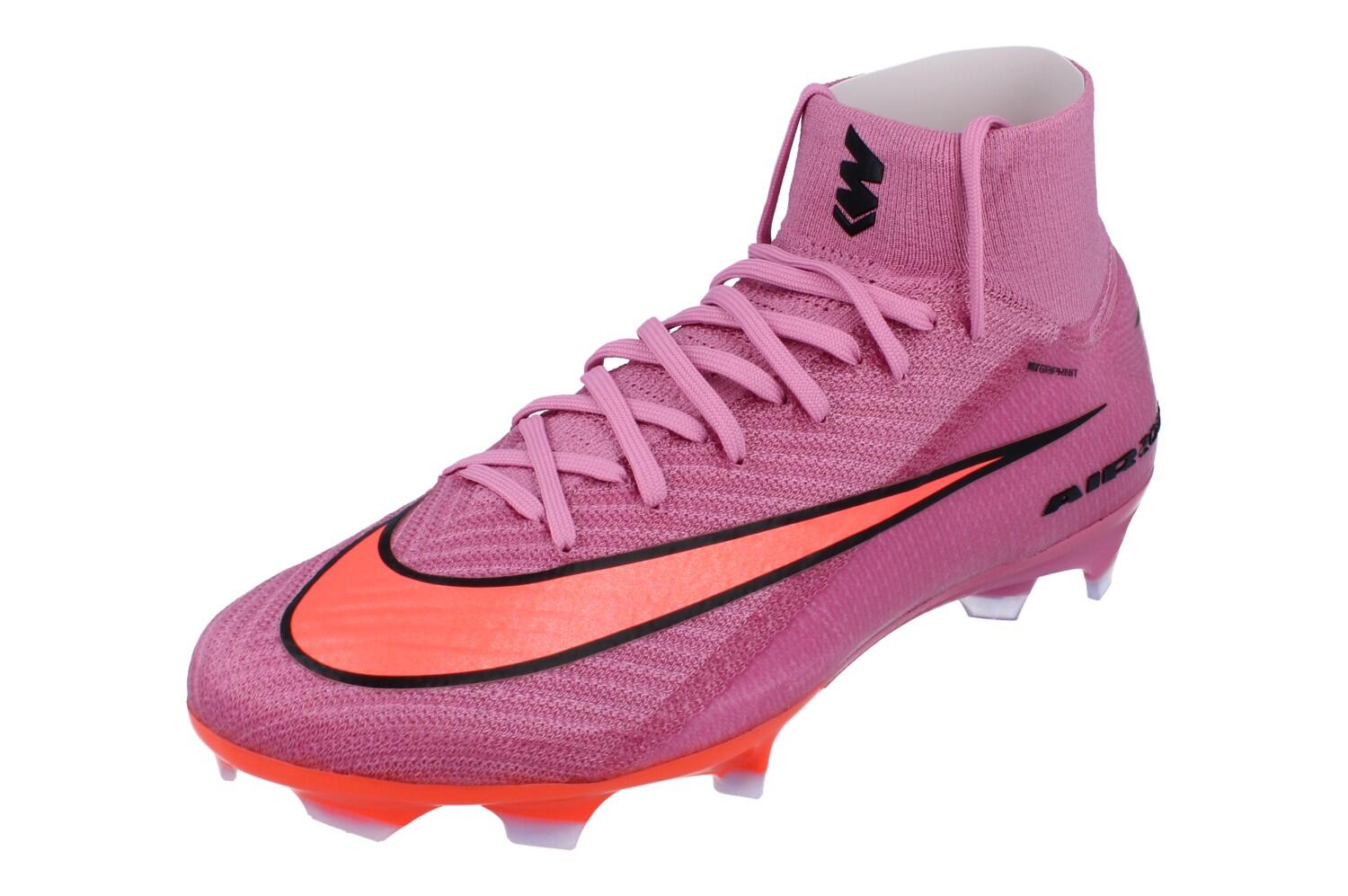
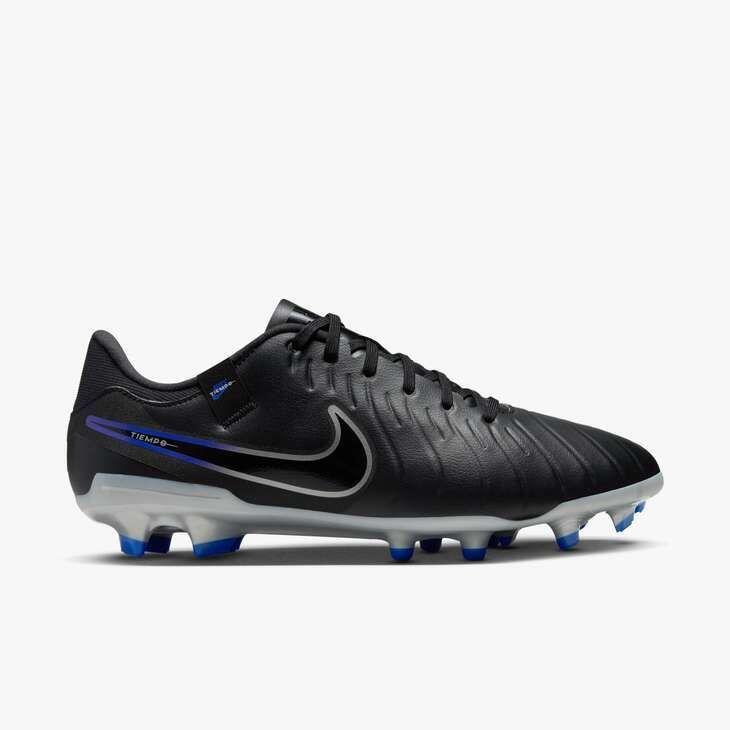
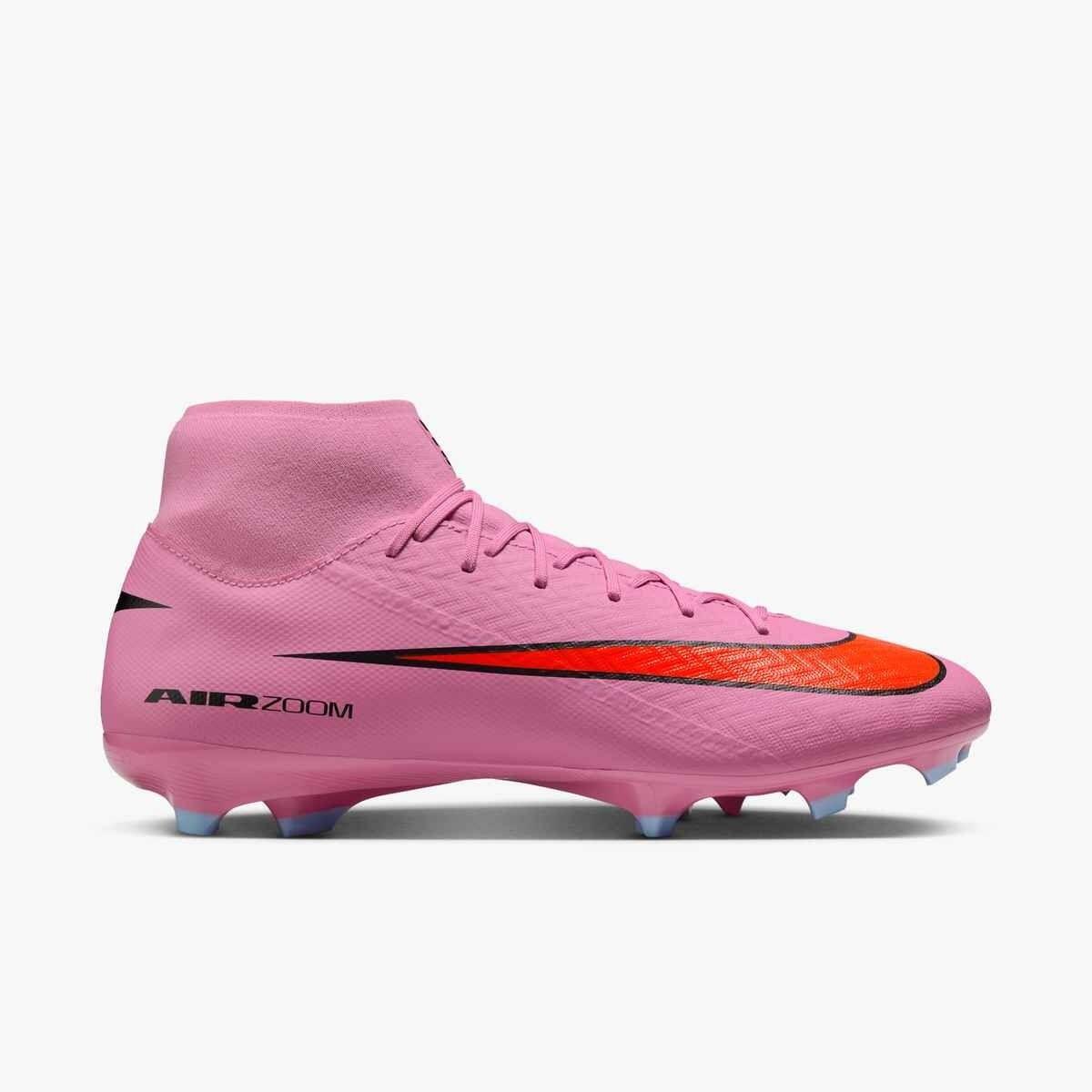
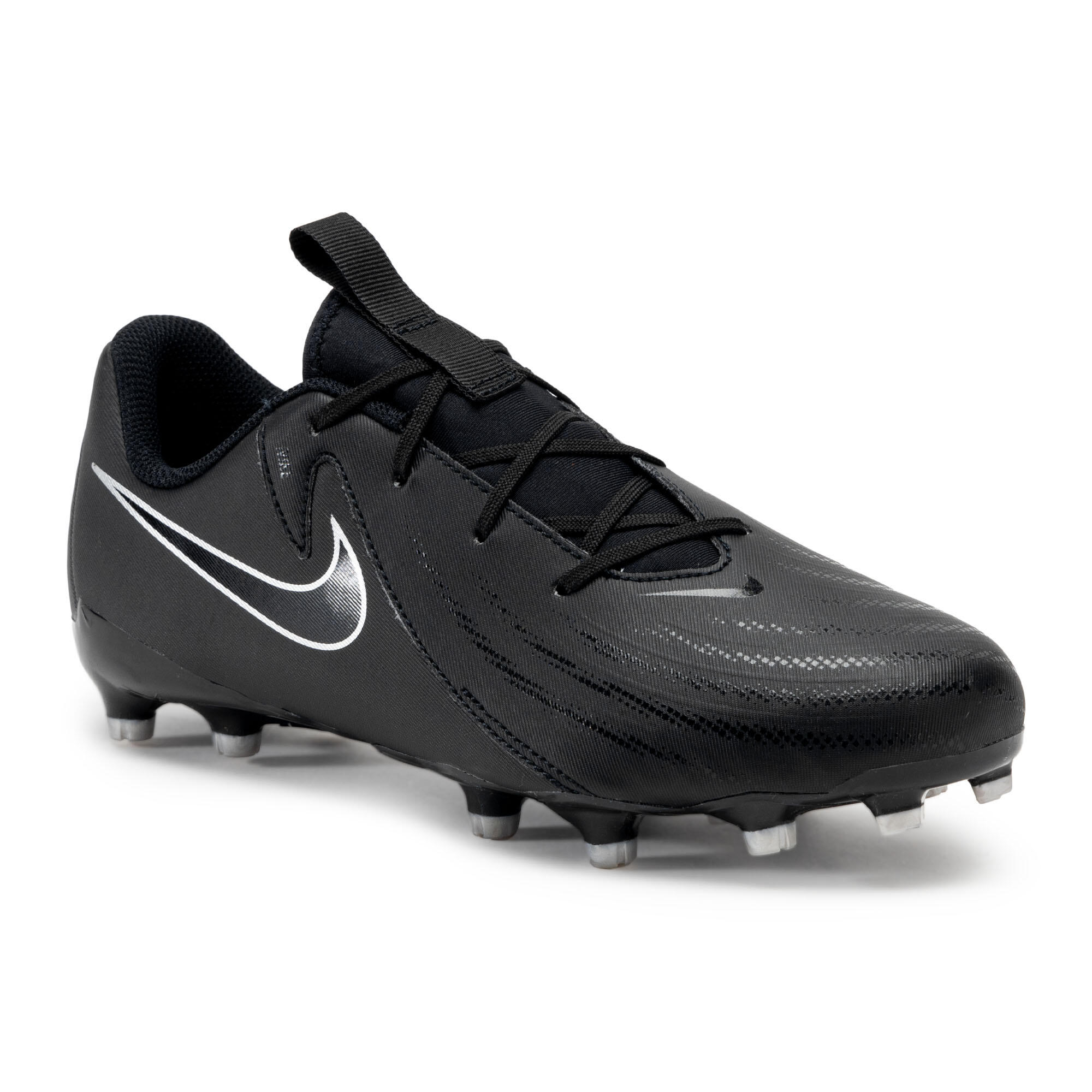
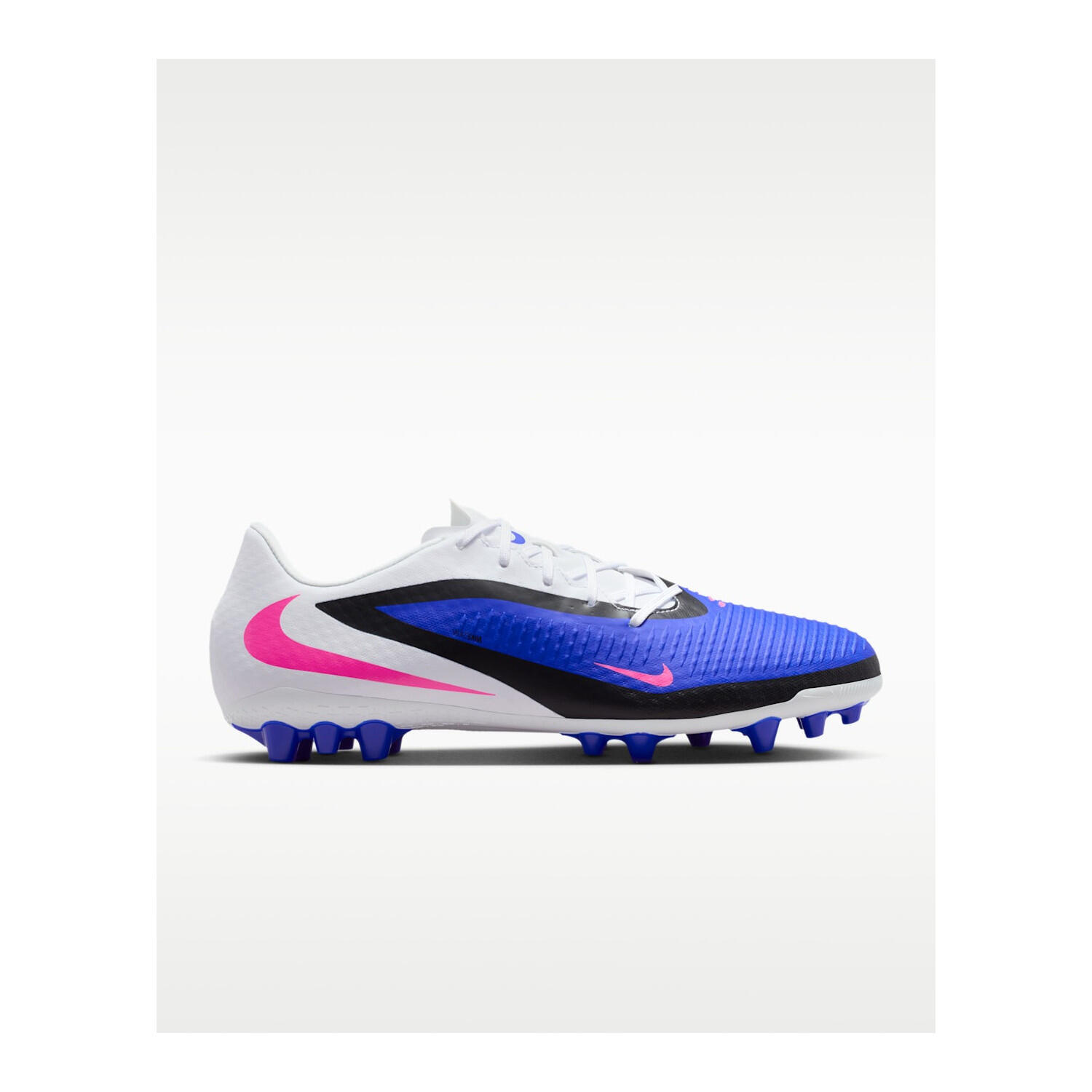
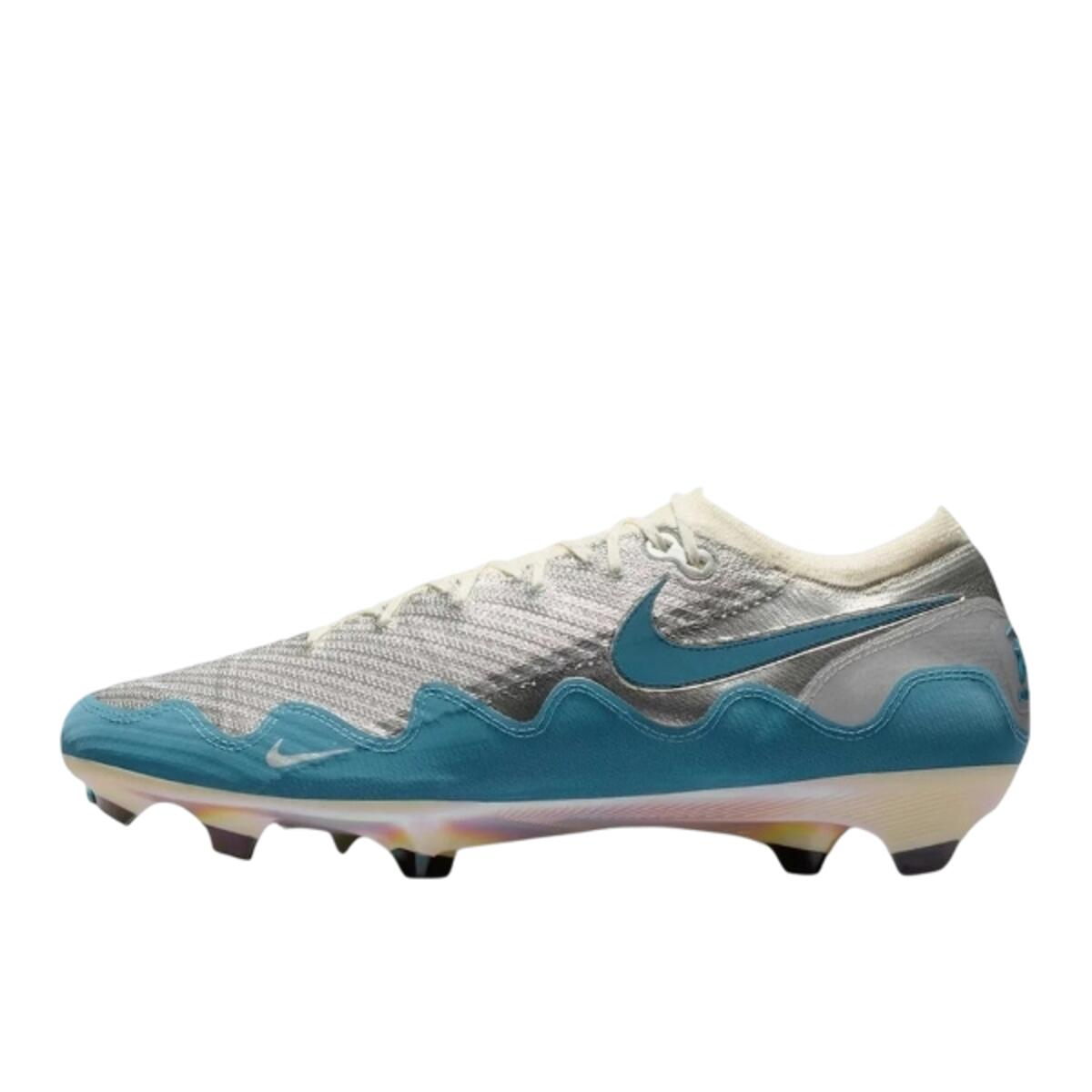
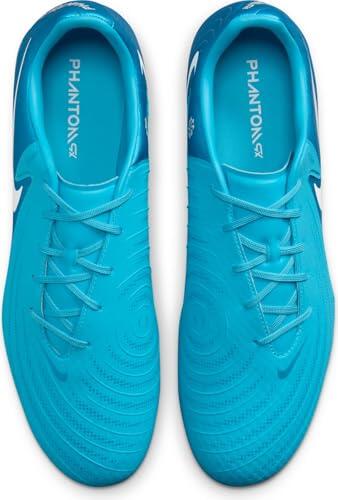
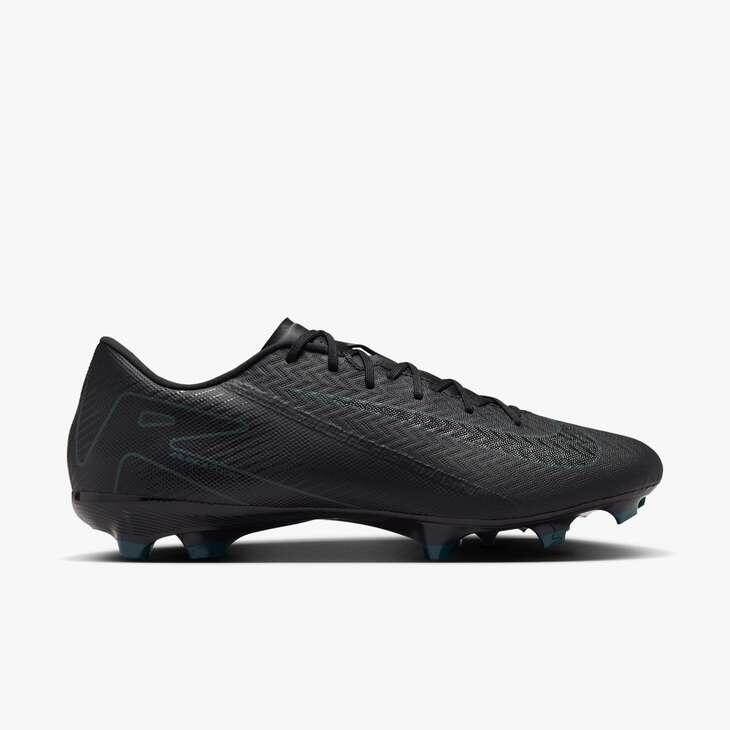
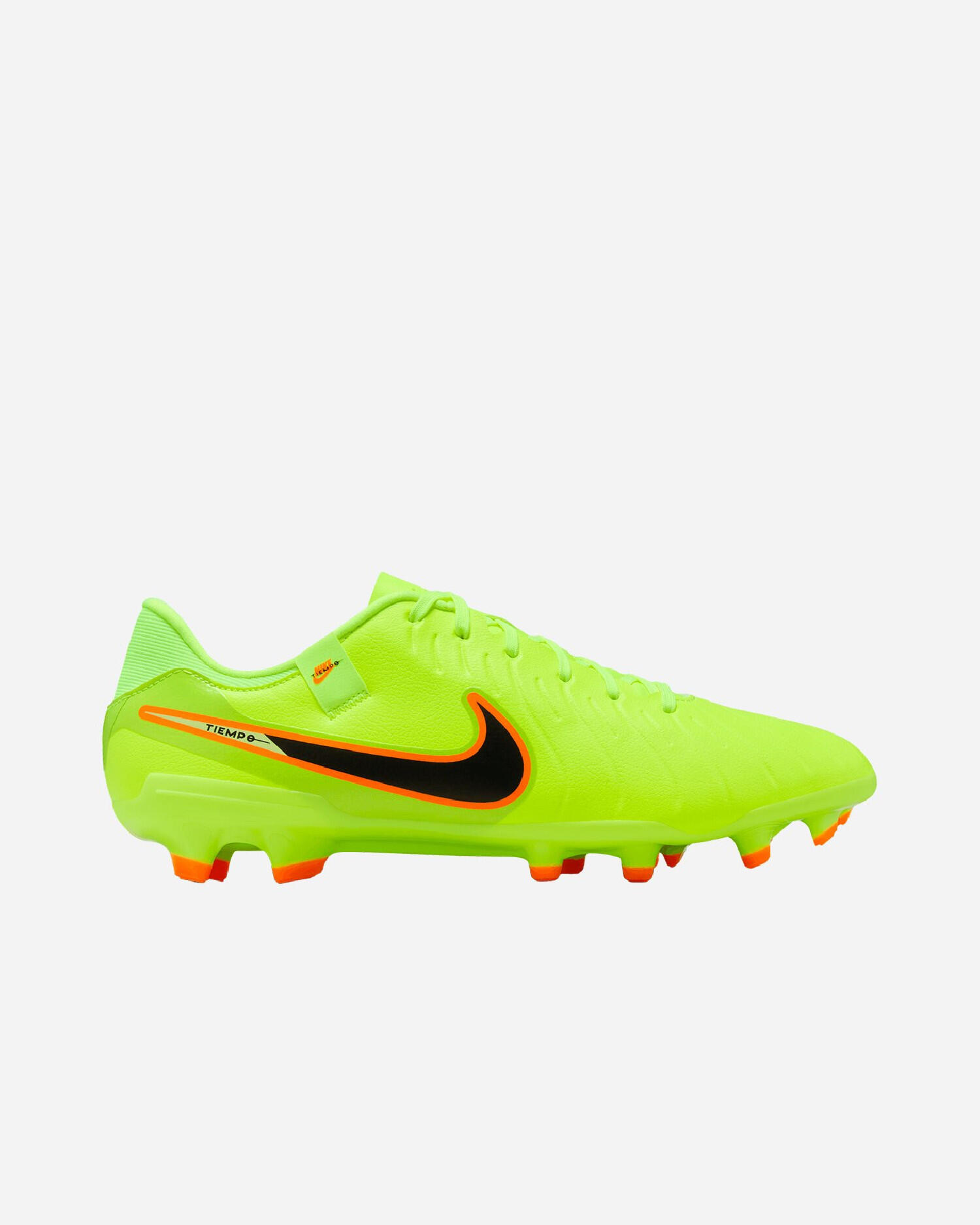
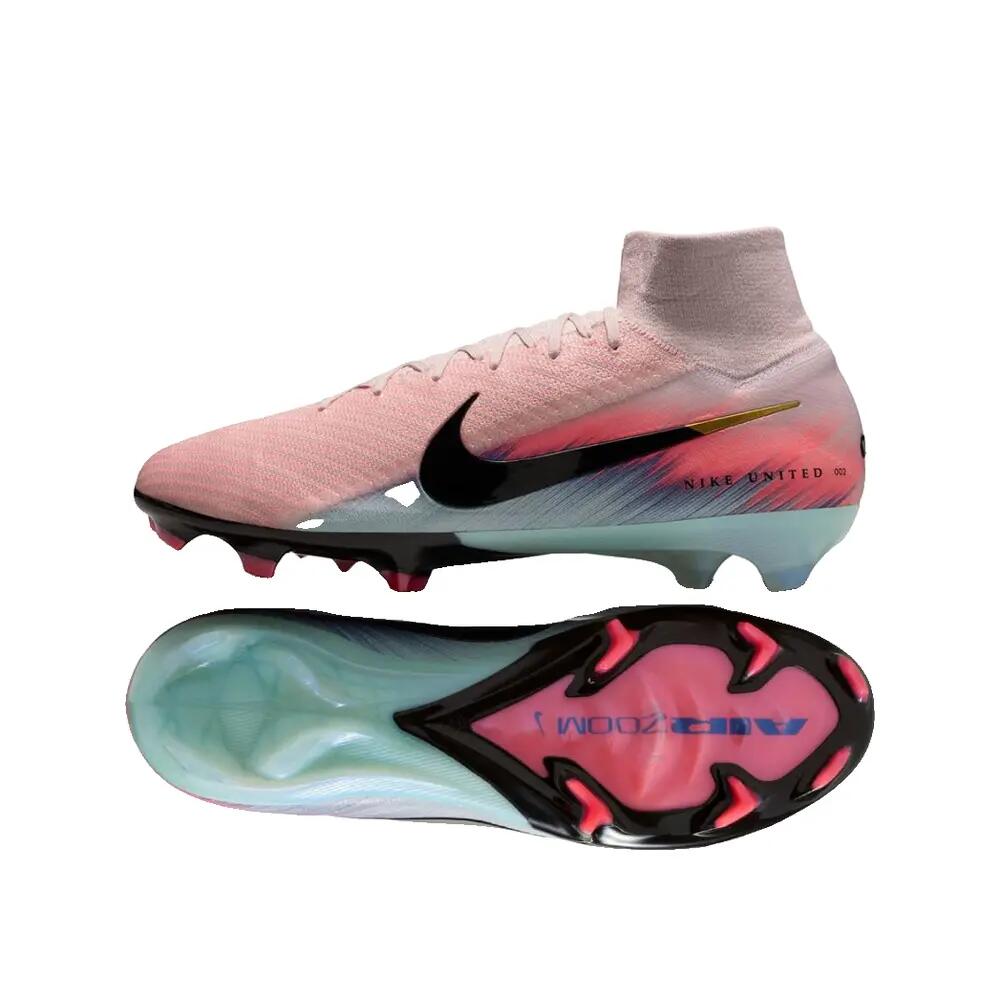
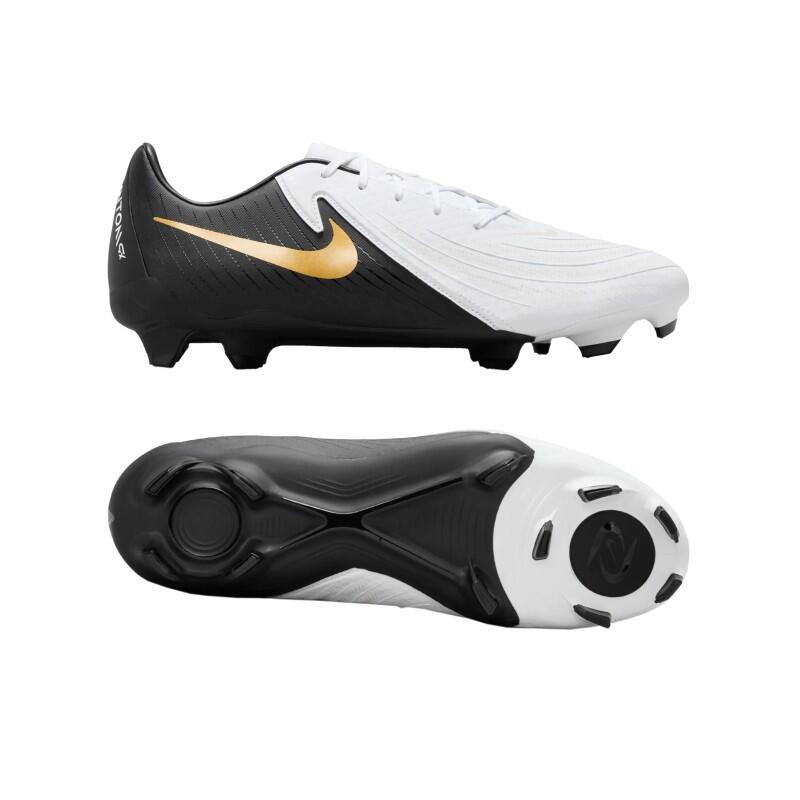
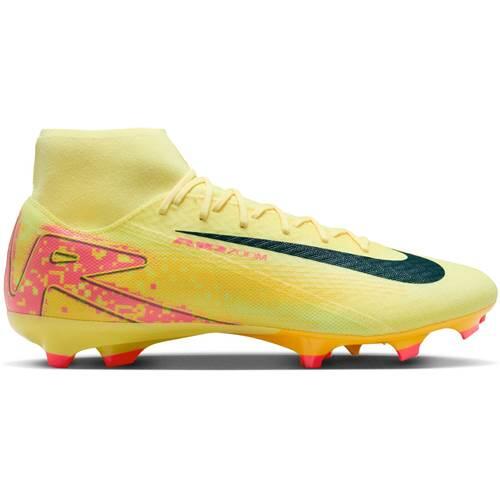
Tiempo, Phantom and Mercurial boots offer different playing characteristics, so consider how you move and use the ball. Tiempo models tend to prioritise touch and comfort, with selected Academy versions using FlyTouch Lite technical leather for a soft feel around the ball. Phantom boots focus on controlled striking and directional movement through textured uppers and shaped traction patterns. Mercurial models take a speed-led approach, with some versions using the NikeSkin texture or Air Zoom cushioning to support quick movement. The football boots selection includes other fit profiles, upper materials and performance levels. Choose the family whose shape feels secure around your heel and midfoot rather than relying only on its stated playing style.

Which Nike outsole should you wear on your usual pitch?

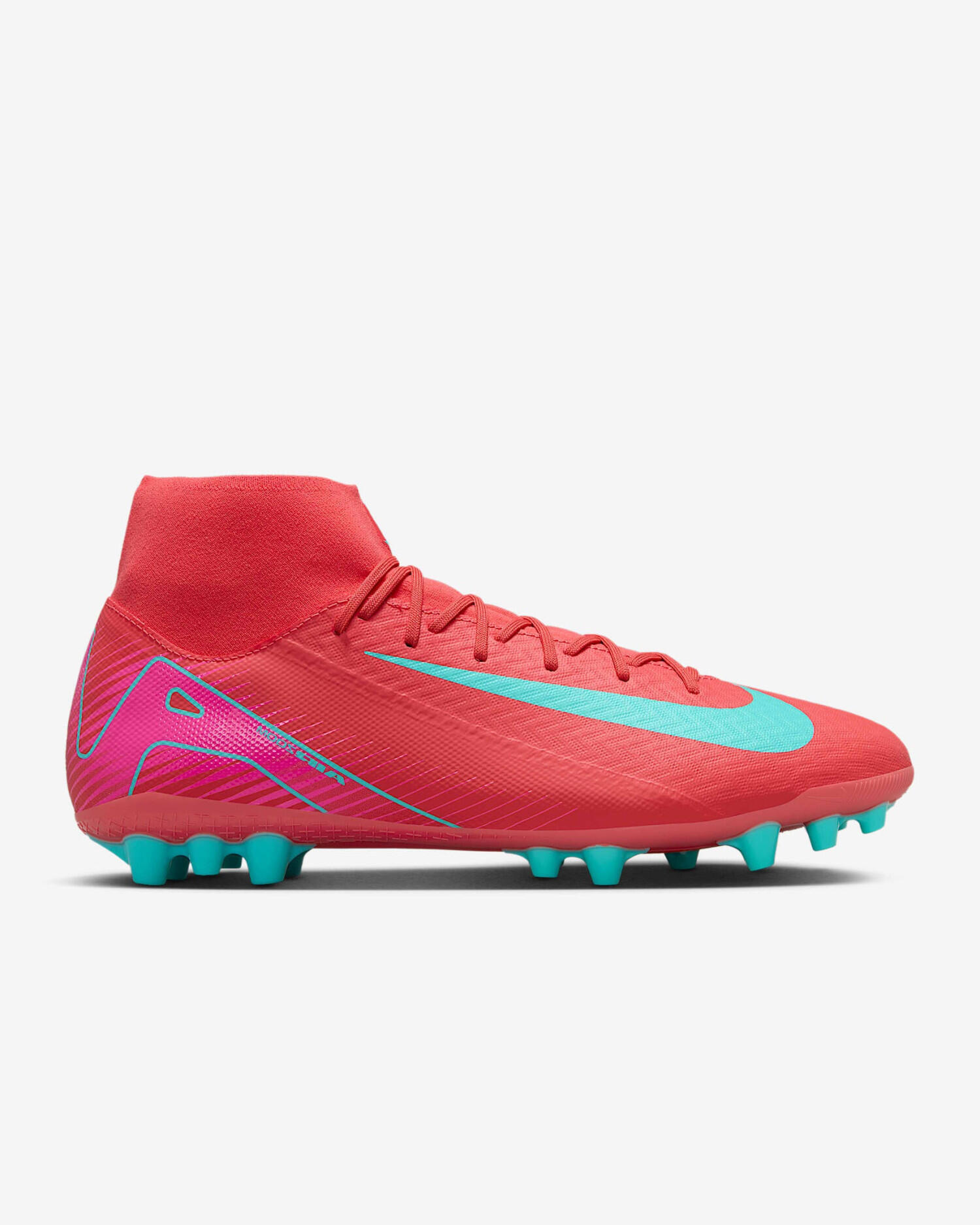
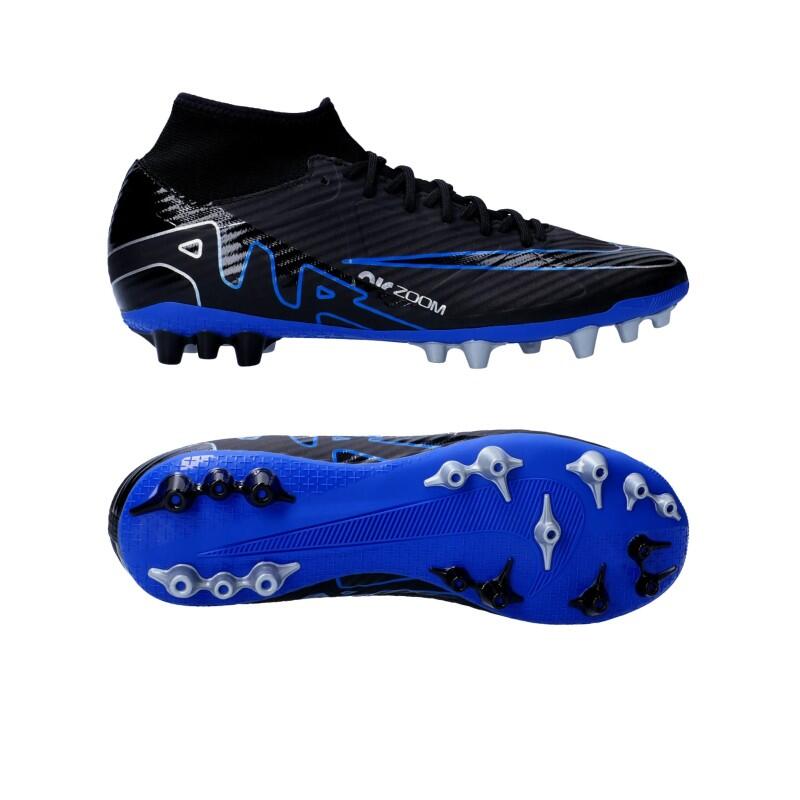
Read the surface classification in the individual listing before choosing a pair. Firm-ground boots are intended for suitable dry natural grass, while artificial-grass models use traction arranged for compatible synthetic pitches. Multi-ground outsoles may cover more than one approved natural or artificial surface, but they are not automatically suitable for compact turf, indoor courts or soft mud. The adults' football boots category contains several stud patterns for different pitch conditions, making the outsole code an important part of your decision. Ask the venue which footwear it permits, especially on artificial grass. Correct traction should feel stable during acceleration and turning without concentrating uncomfortable pressure beneath the foot.

What is the difference between Nike Academy, Pro and Elite boots?

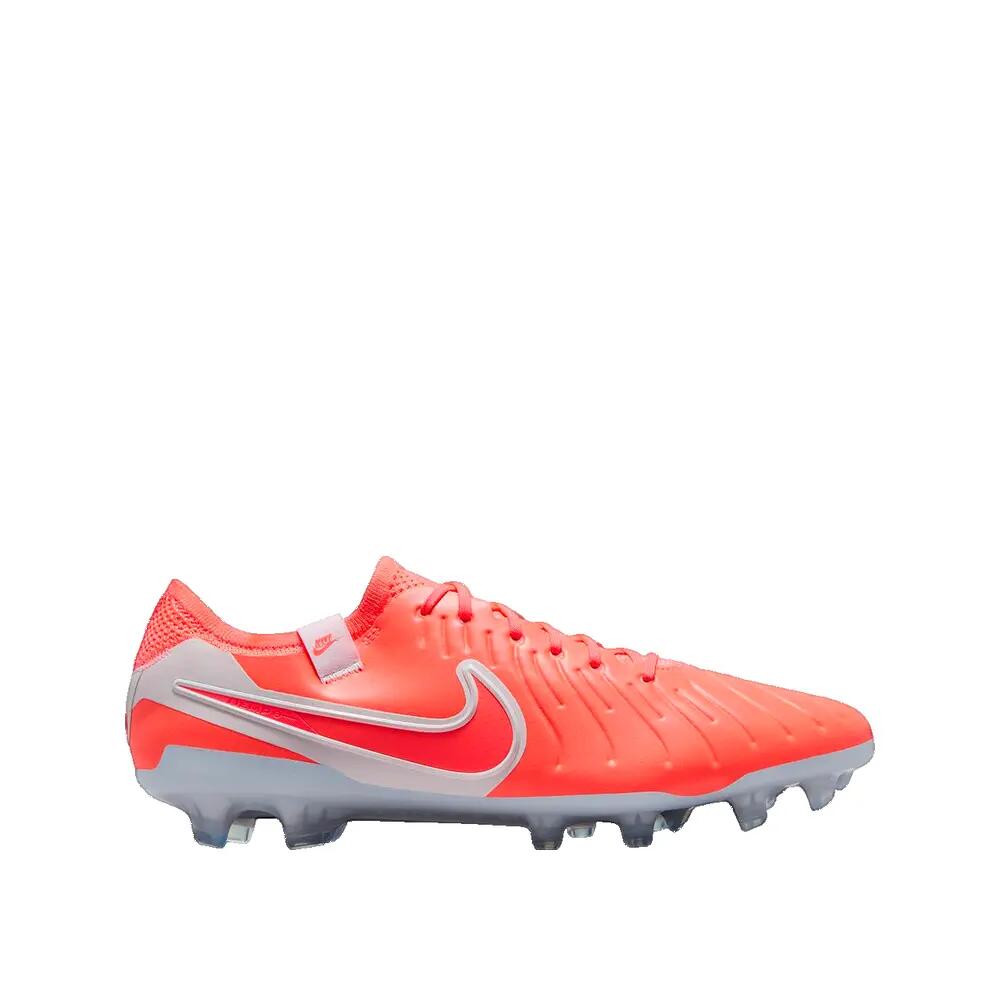
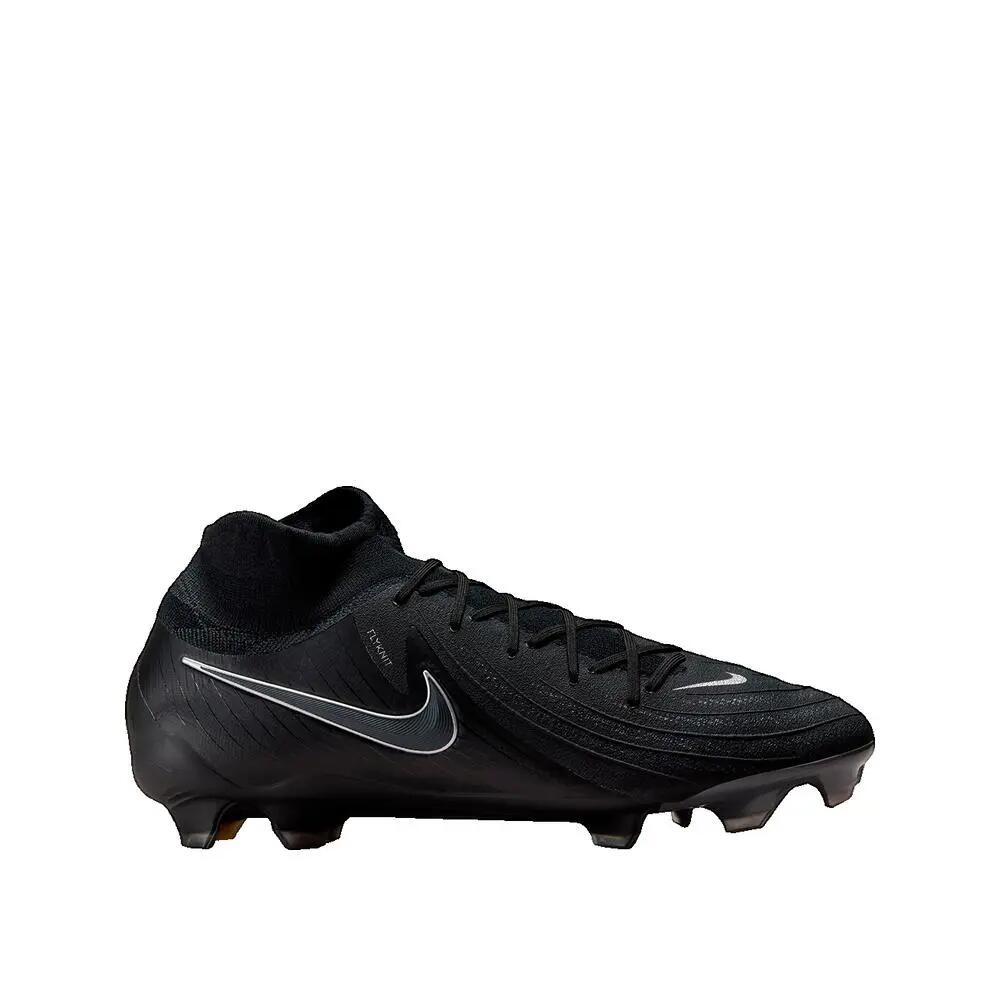
Academy boots generally provide accessible versions of Nike's main football families, using practical synthetic uppers, cushioning and surface-specific traction. Pro models add more specialised materials or movement features, such as the Flyknit upper and Cyclone 360 traction found on selected Phantom boots. Elite footwear sits at the higher end of the performance structure and may use lighter, more precise constructions aimed at experienced players. A higher tier only adds value when its fit and features suit your movement. Test the boots during familiar drills with your usual football training equipment, paying attention to heel security, pressure points and stability. Playing level, frequency and comfort should carry more weight than the tier name alone.

How should Nike football boots fit your child?

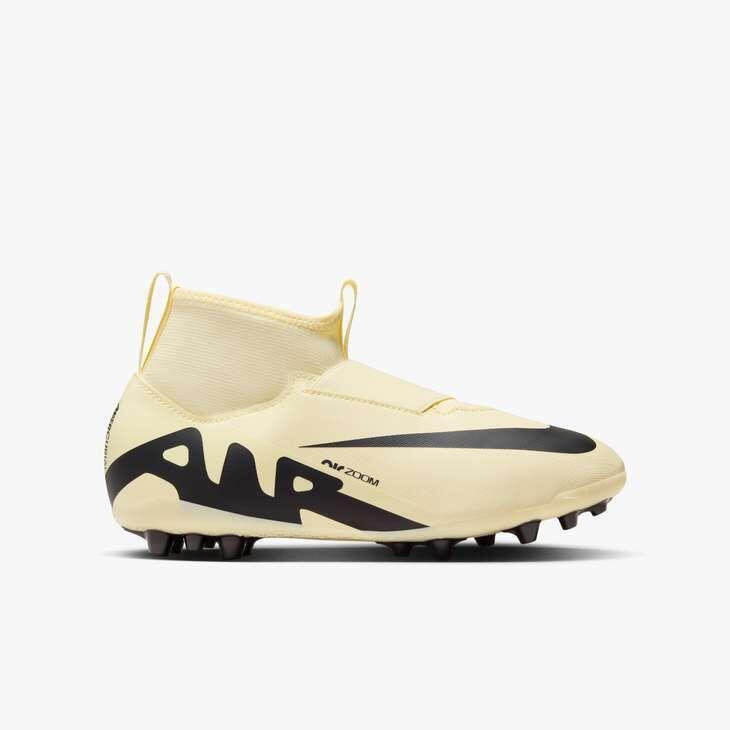
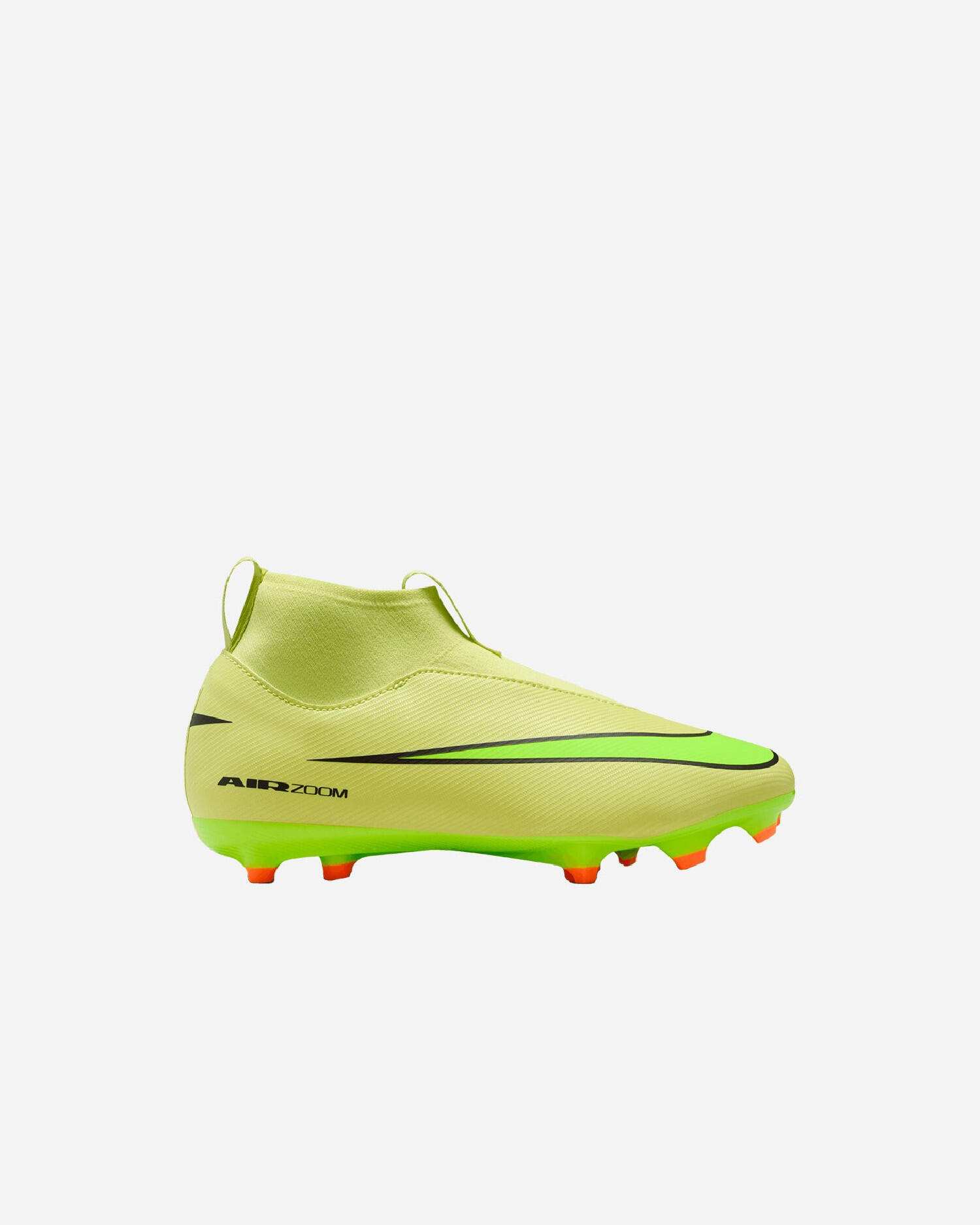
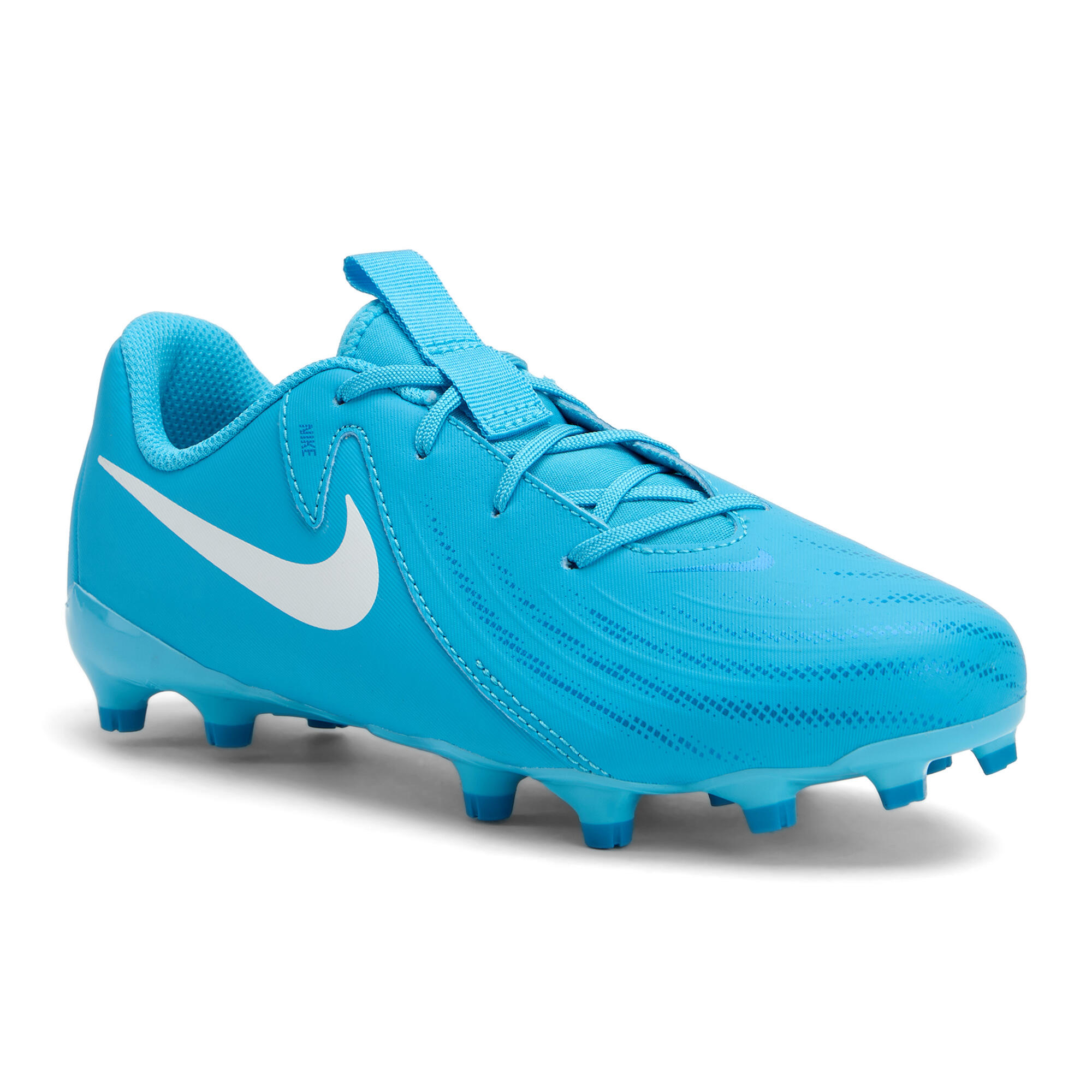
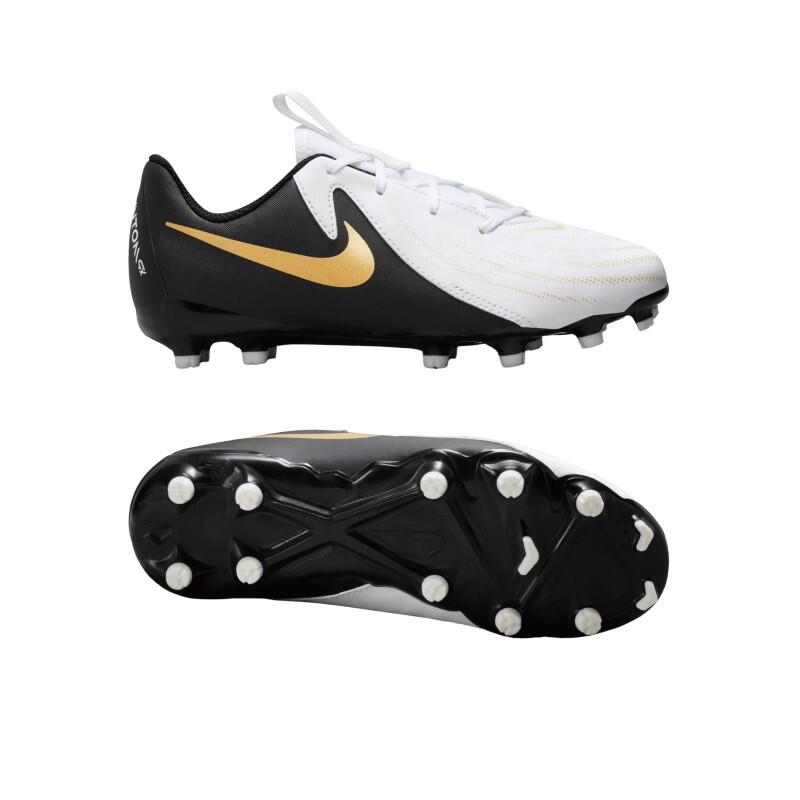
Junior boots should hold the heel firmly while leaving enough space for the toes to move without touching the front during running. Check the width across the forefoot because a boot can be long enough yet still feel restrictive at the sides. Your child should try the footwear with their normal football socks, then jog, stop and change direction to reveal heel lift or unwanted sliding. The kids football boots category includes junior Tiempo, Phantom and Mercurial styles alongside other child-focused options. Avoid excessive growing room, as an oversized boot can reduce stability and ball control. Recheck the fit throughout the season because your child's feet may change before the upper or outsole shows signs of wear.

What should you check before wearing retail Nike boots?

Many Nike listings are supplied by Decathlon retail partners, so read the seller name, delivery details, returns information and exact product specifications before ordering. Similar-looking Tiempo, Phantom or Mercurial boots may have different uppers, performance tiers or outsoles, and some listings provide more technical detail than others. Once the pair arrives, confirm the model, size and surface code before removing labels or using it outdoors. Inspect the laces, upper, lining and studs, then try both boots indoors with your normal socks. Useful football boot accessories, including spare laces and storage bags, can help keep your match kit organised. Product-specific guidance should take priority where product descriptions and general wording differ.