133 items
3.9/5 based on 11412 reviews collected online and in stores

Camping Lunch Boxes FAQs

How do I choose the right camping lunch box for my trip?

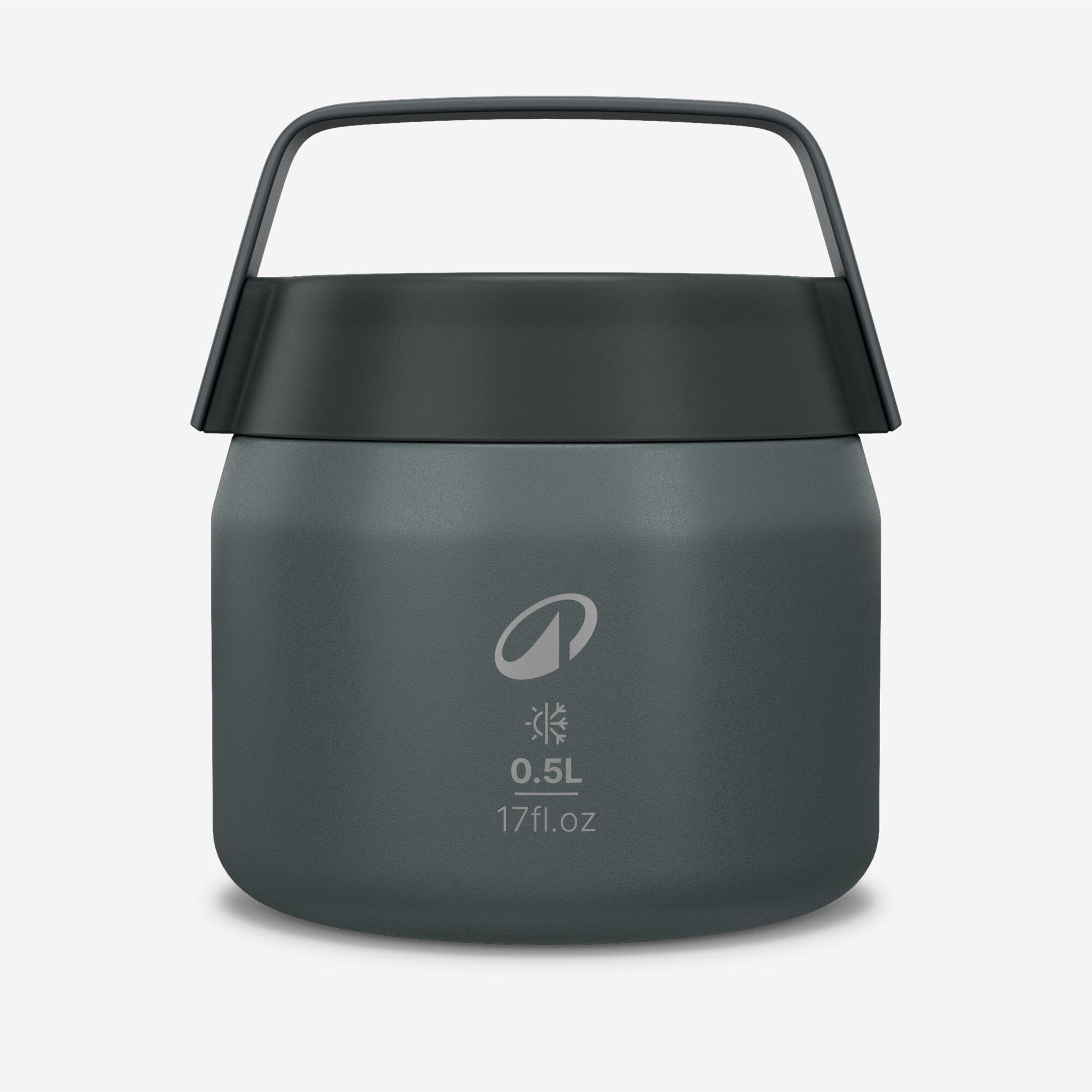
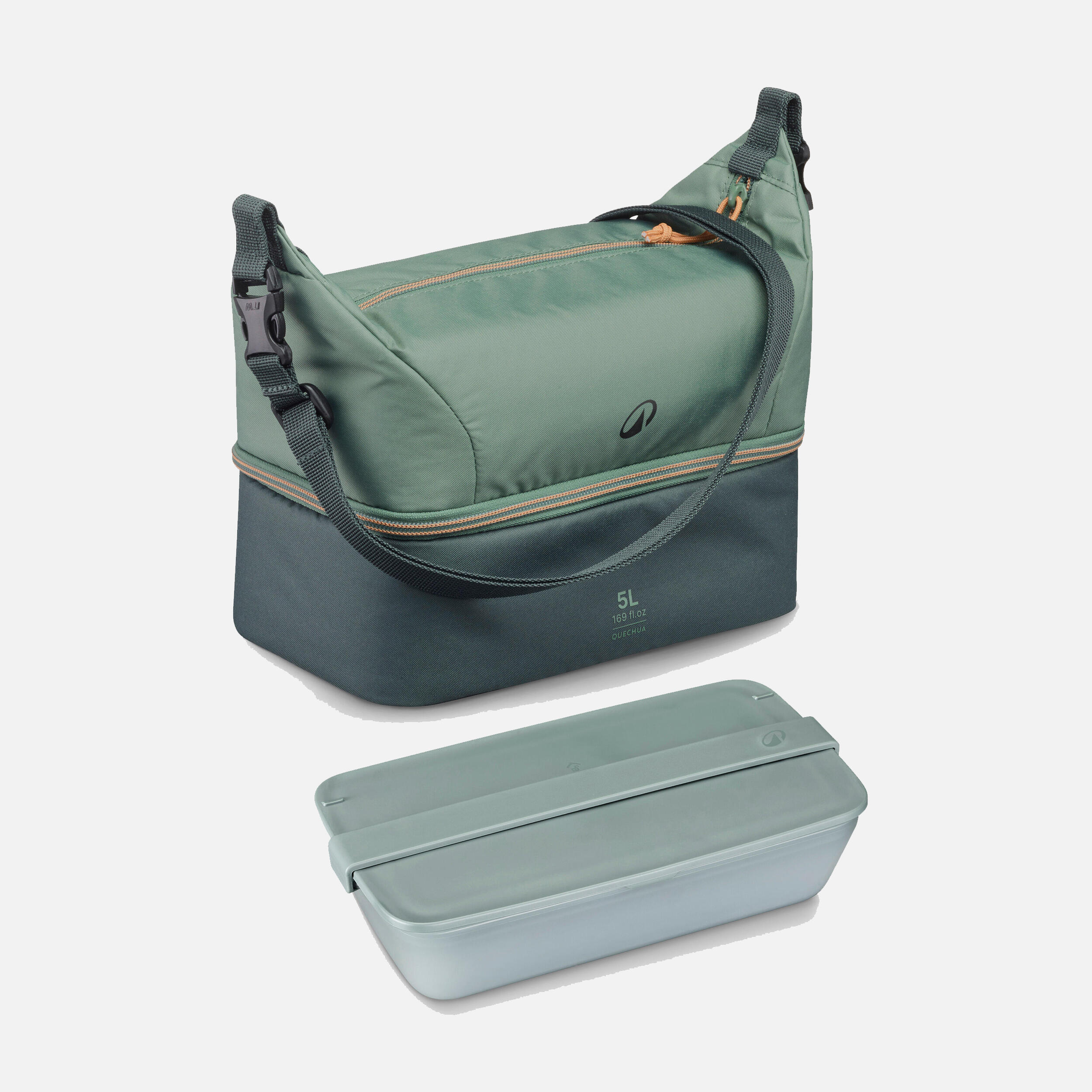
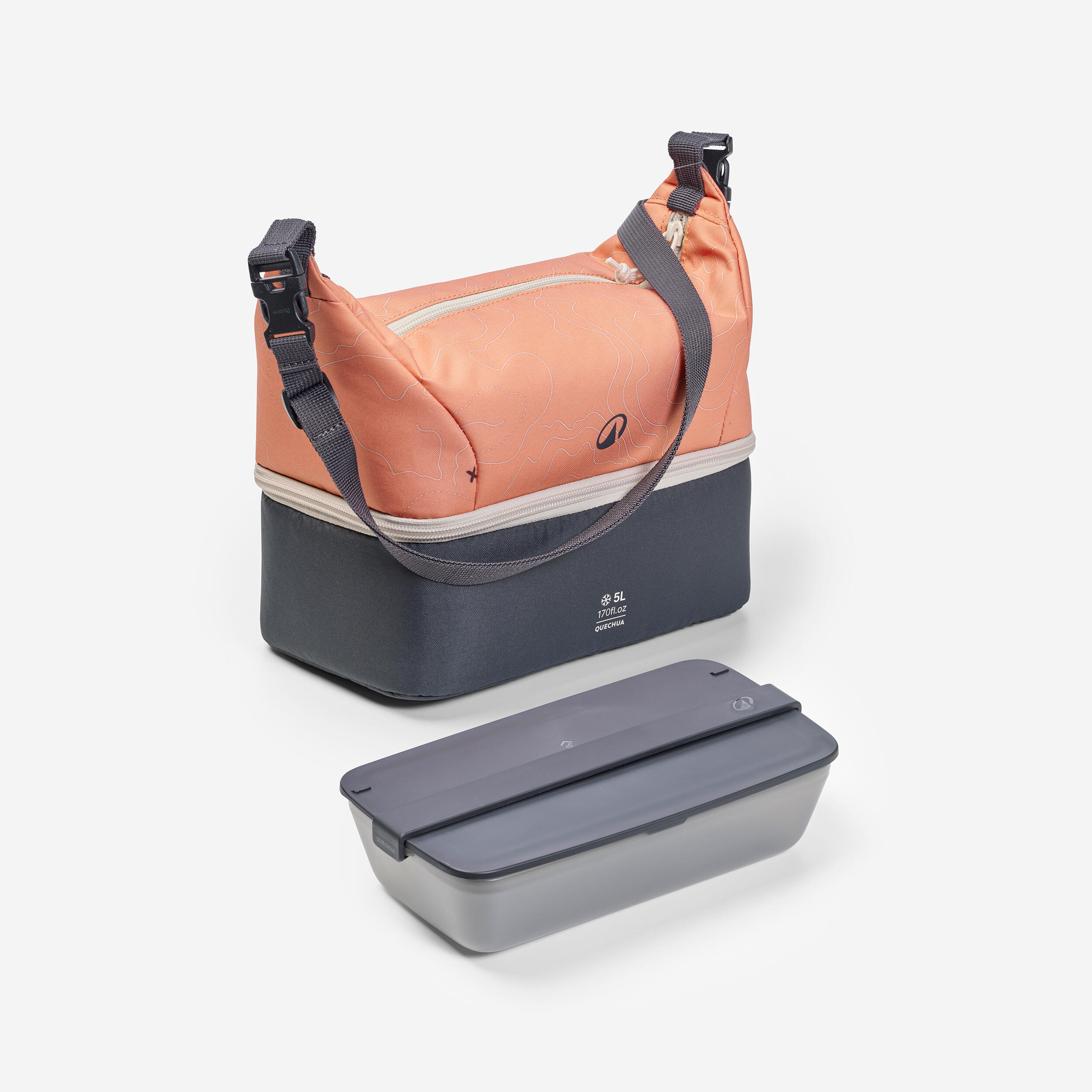
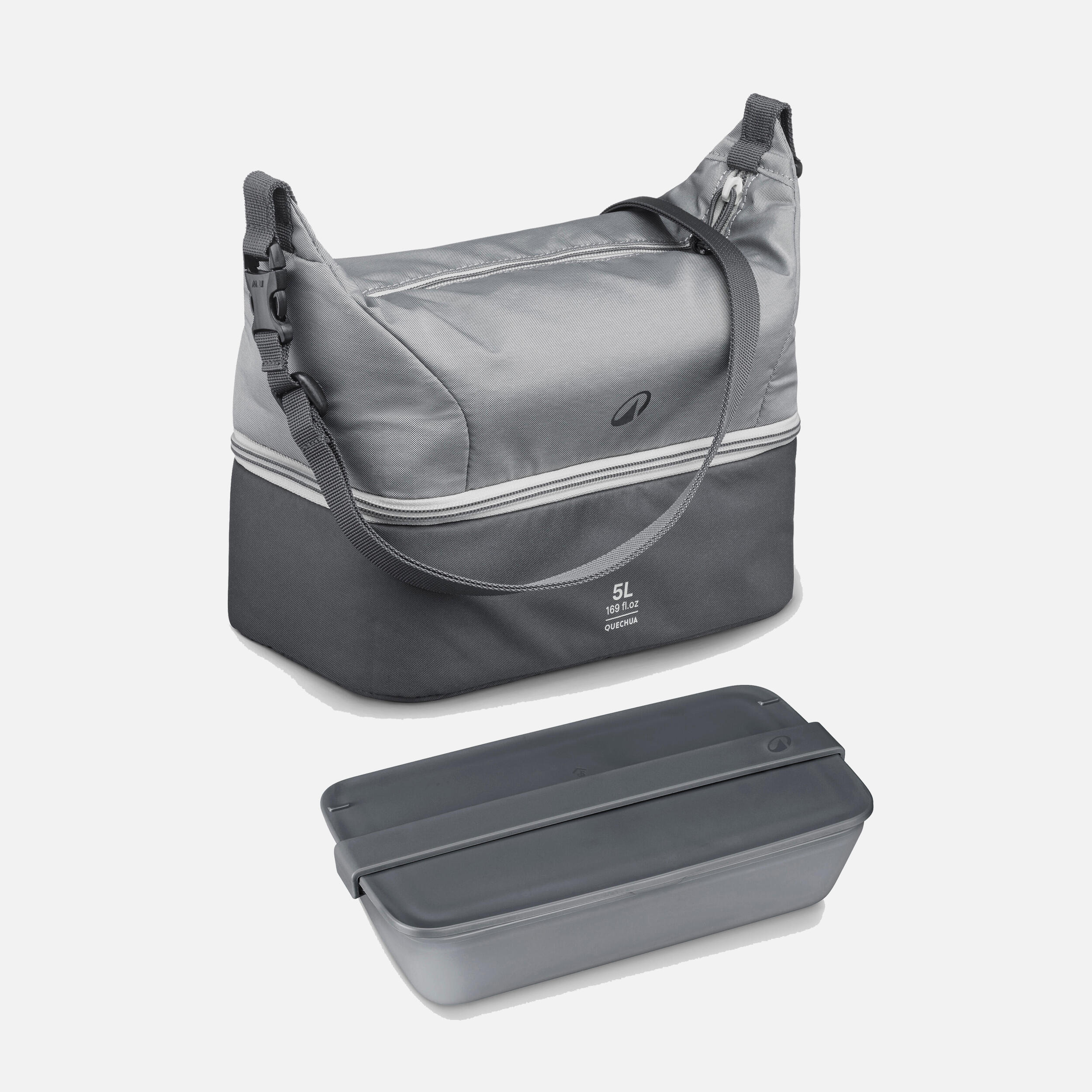
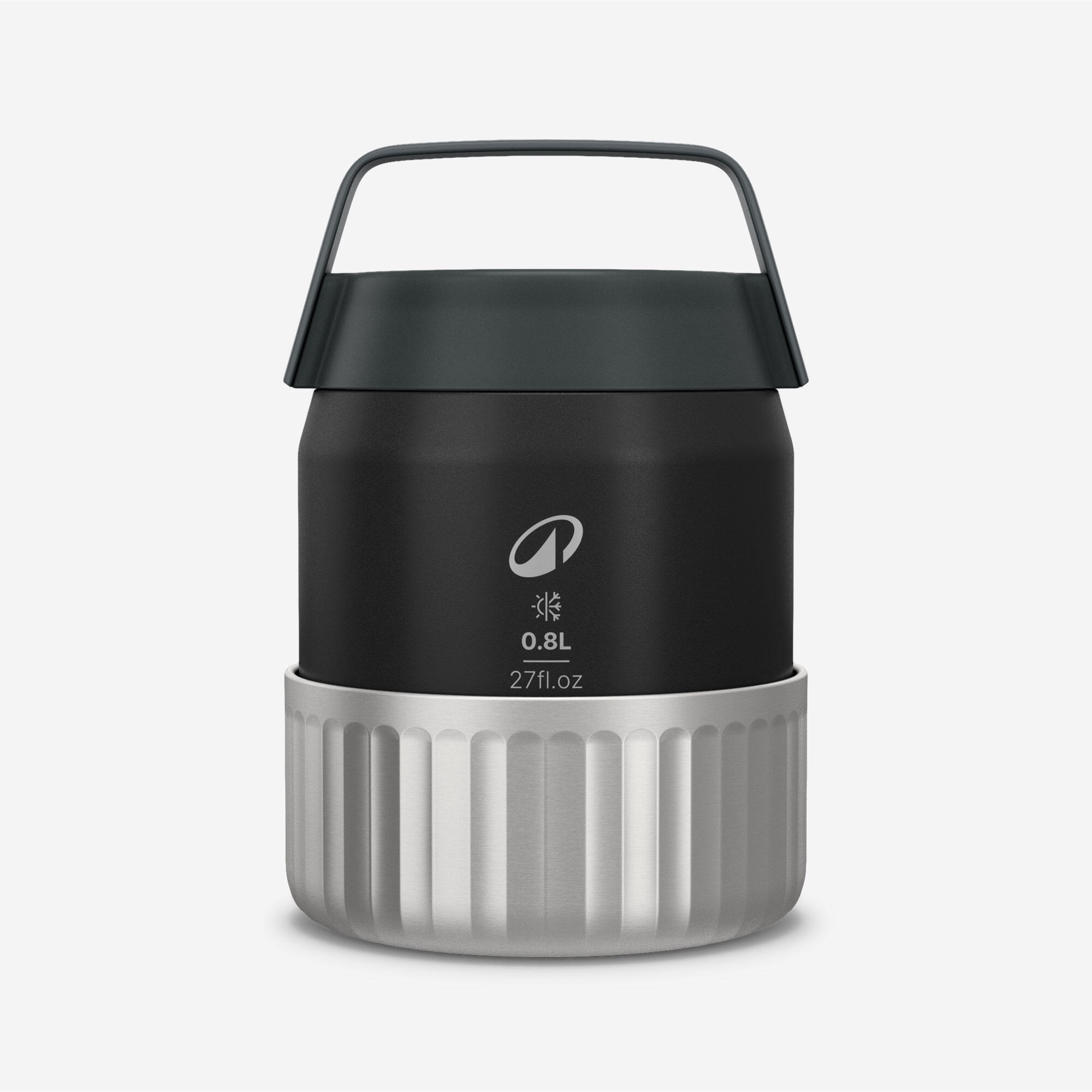
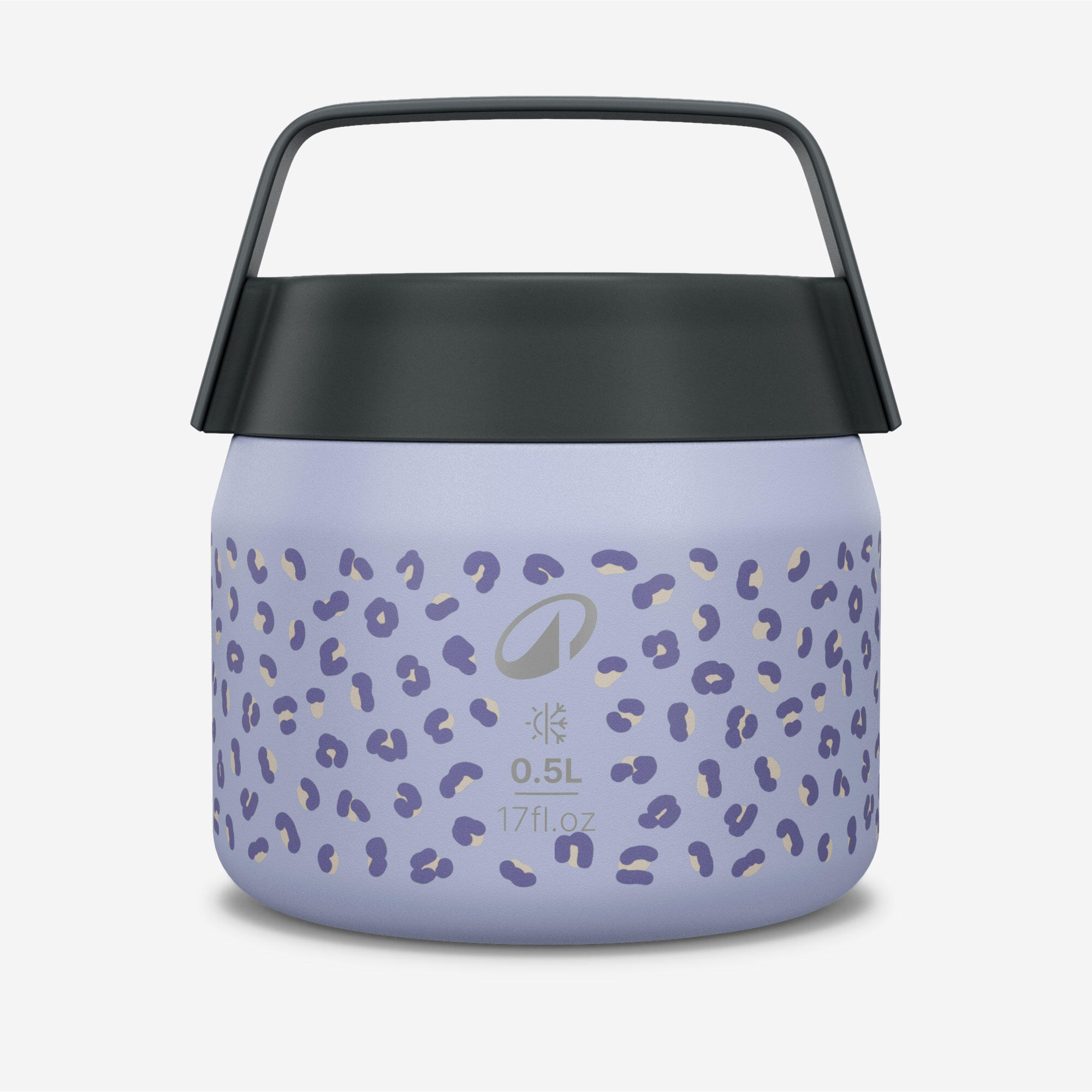
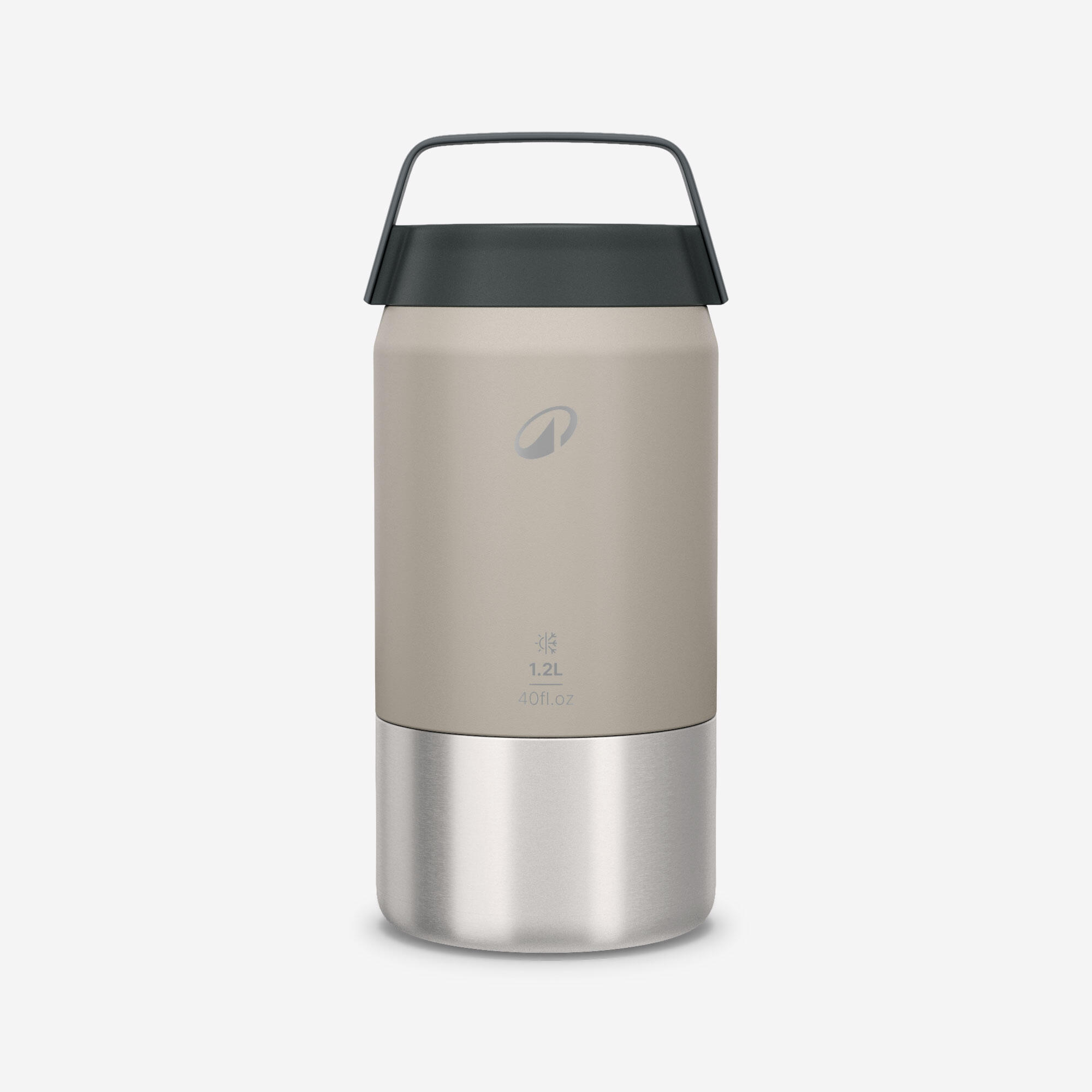
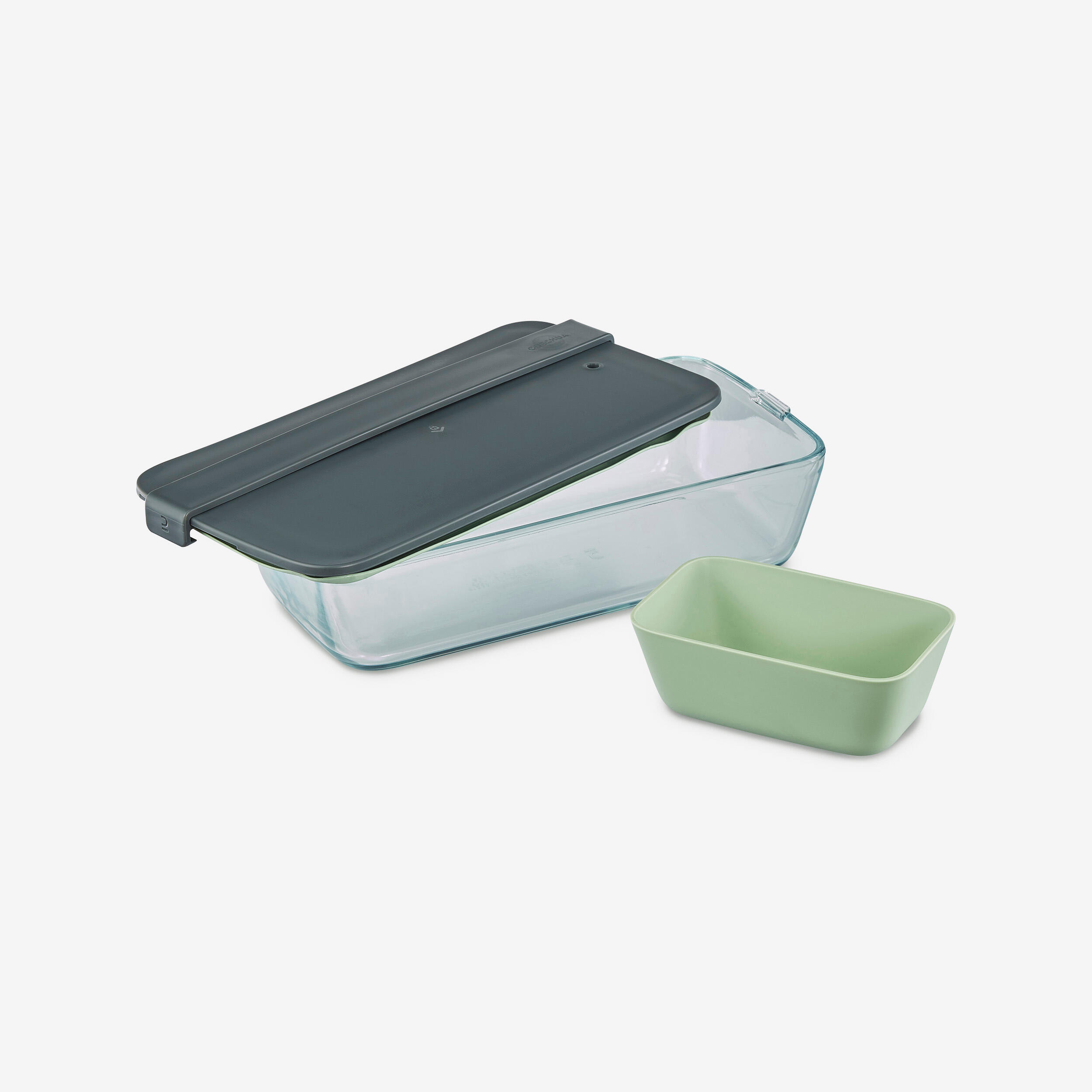
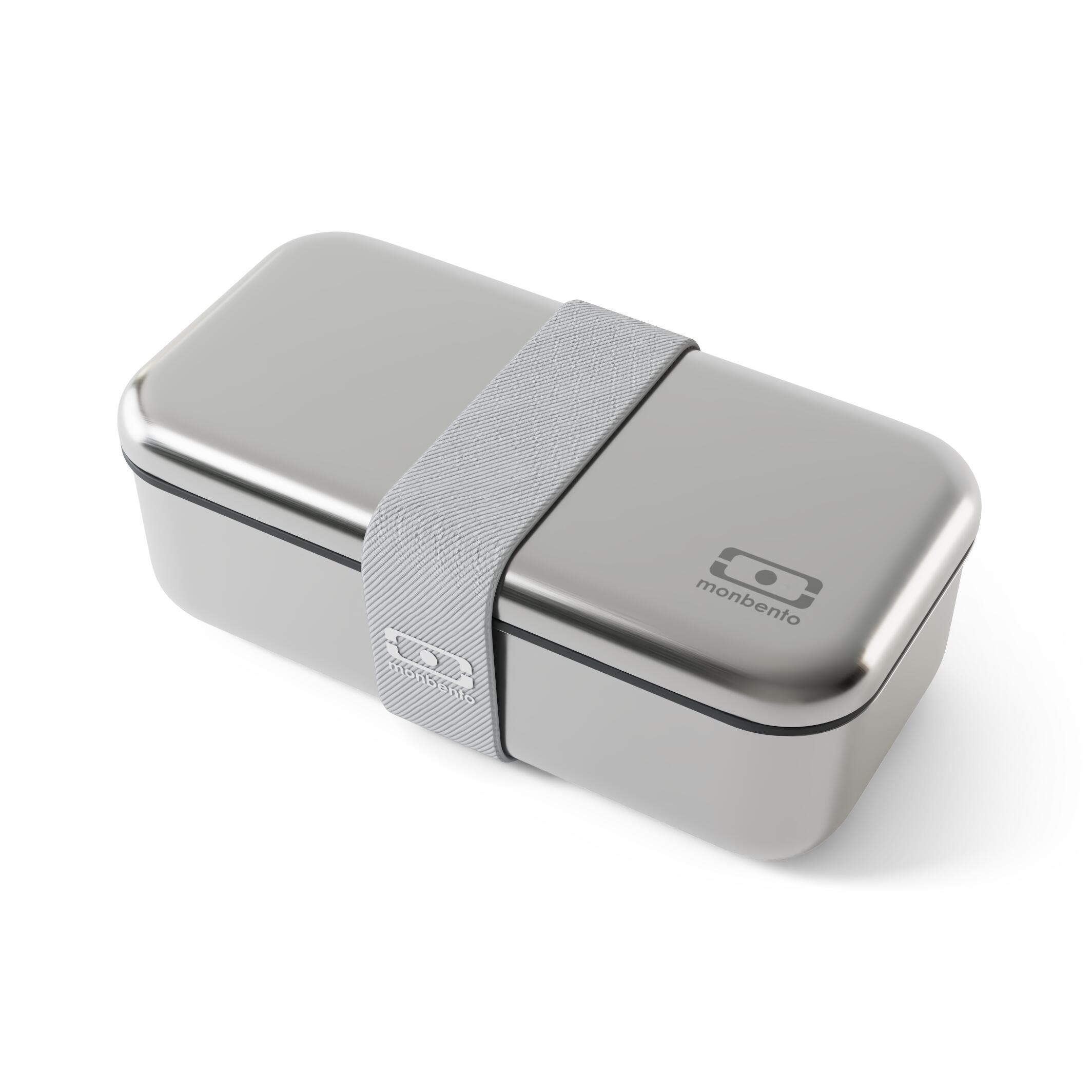
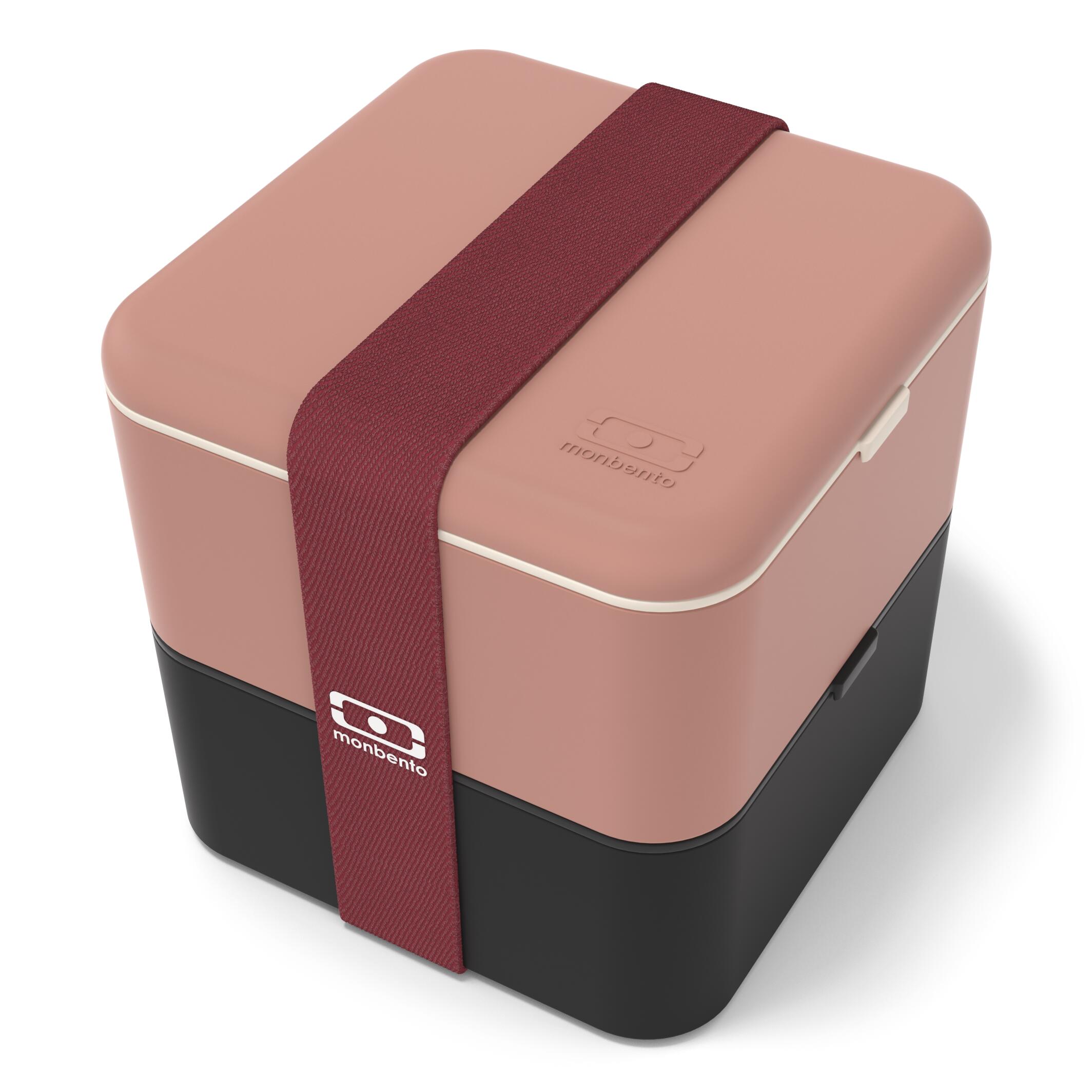
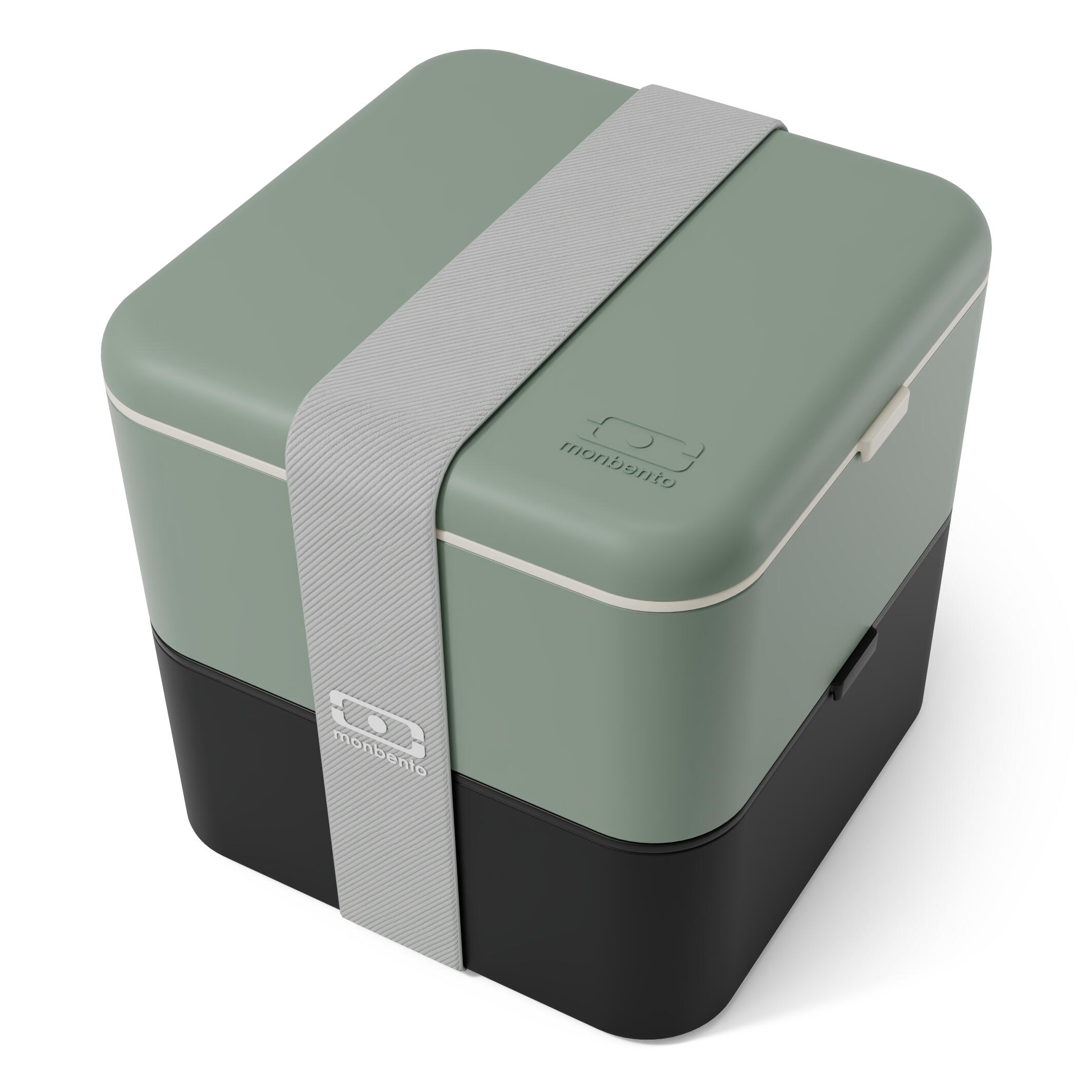
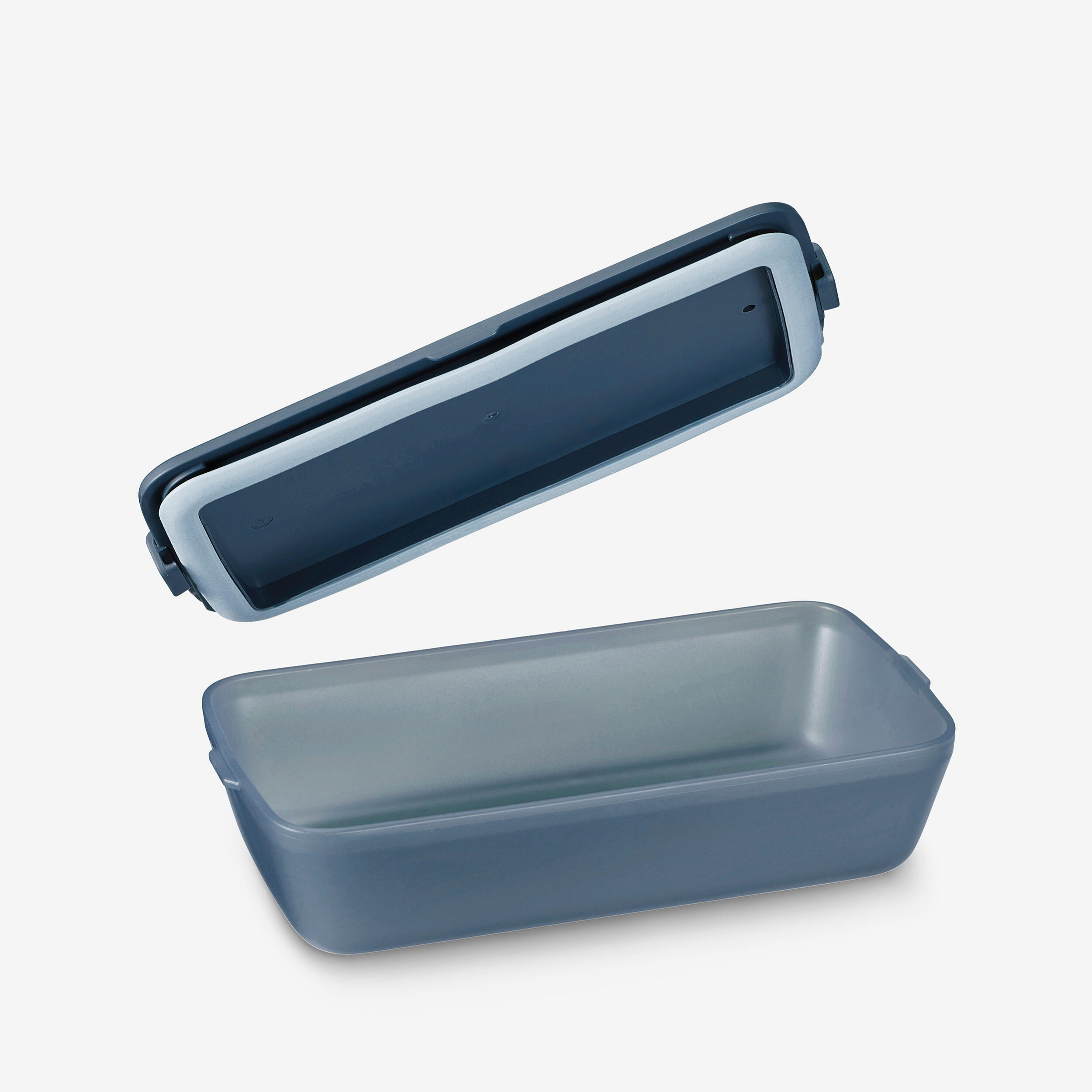
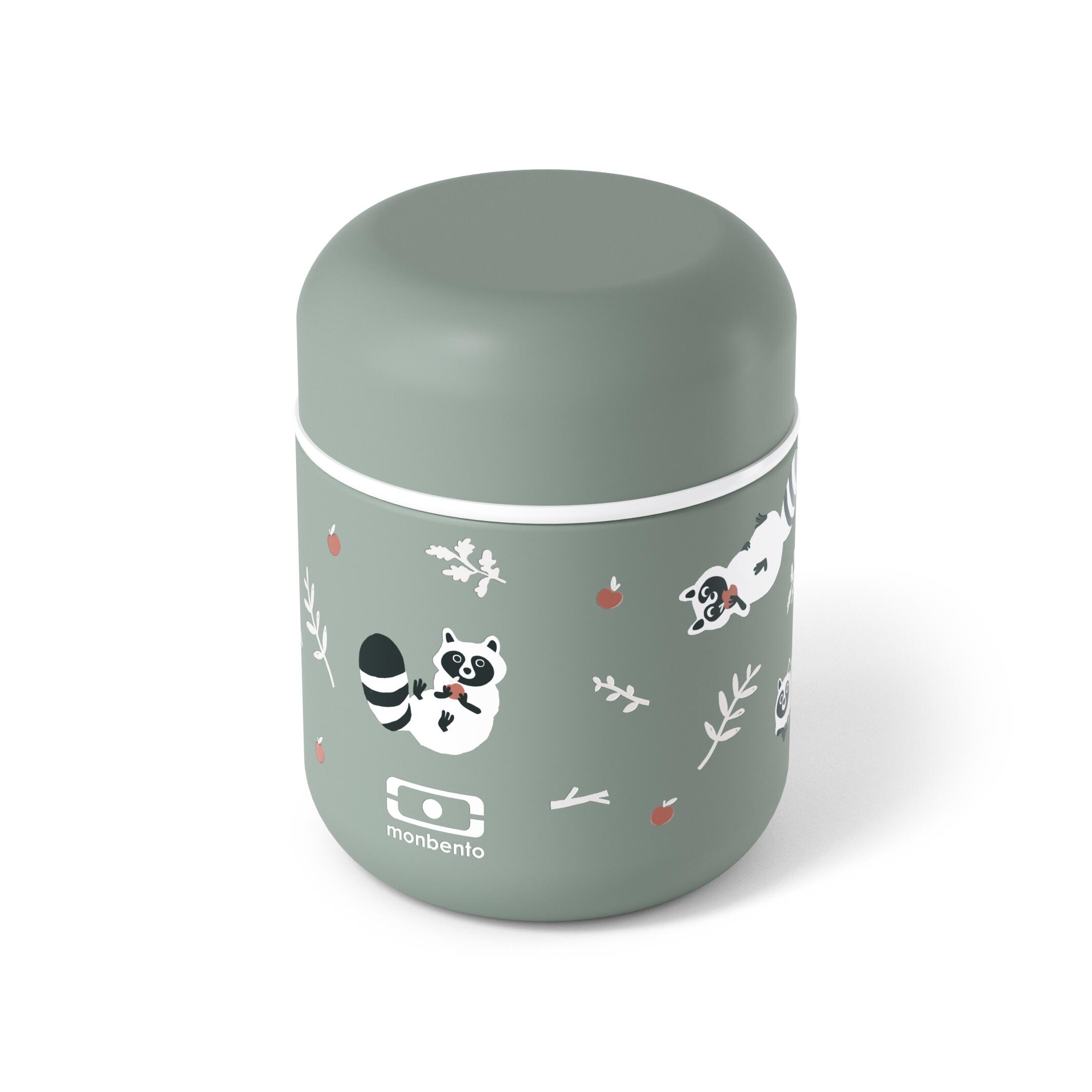
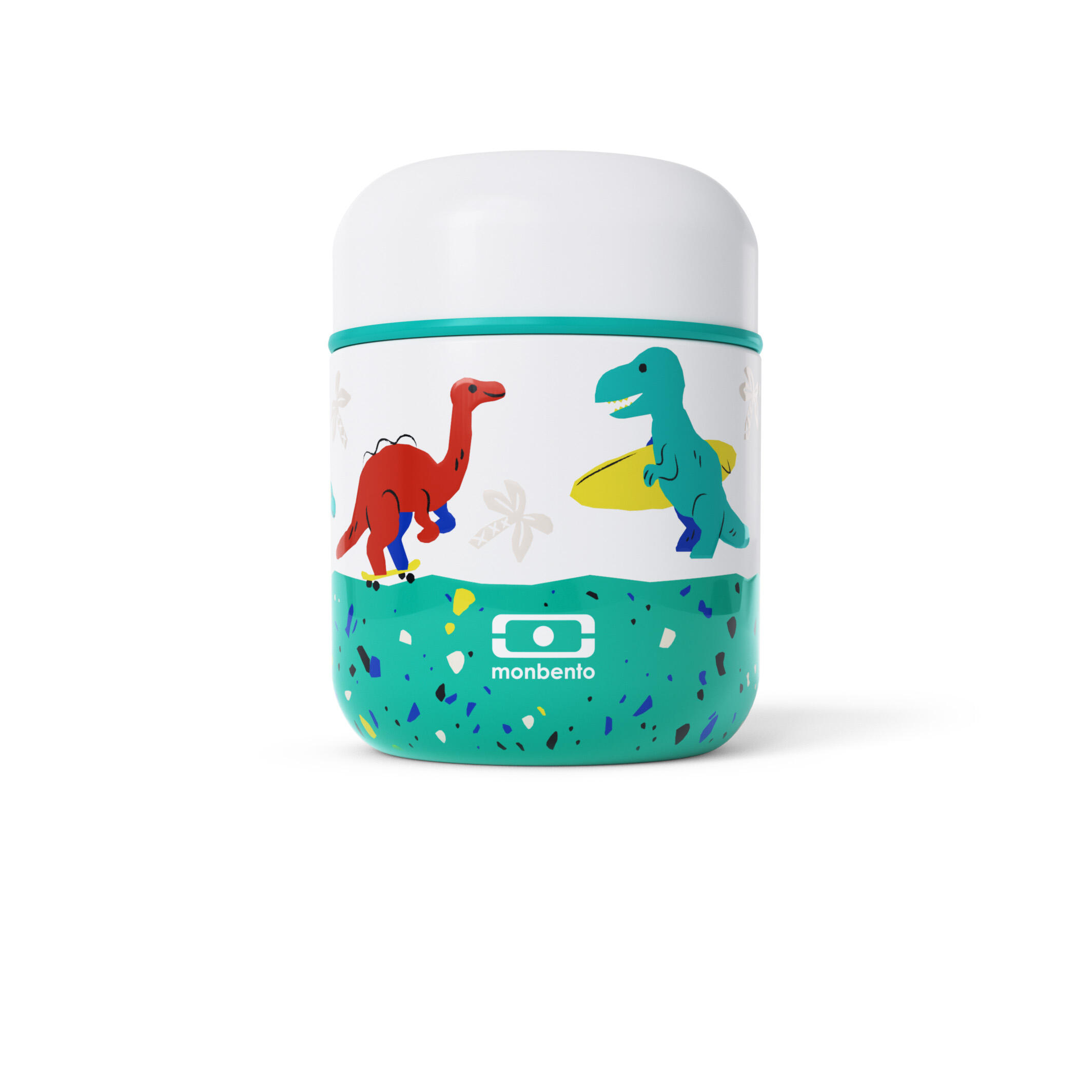
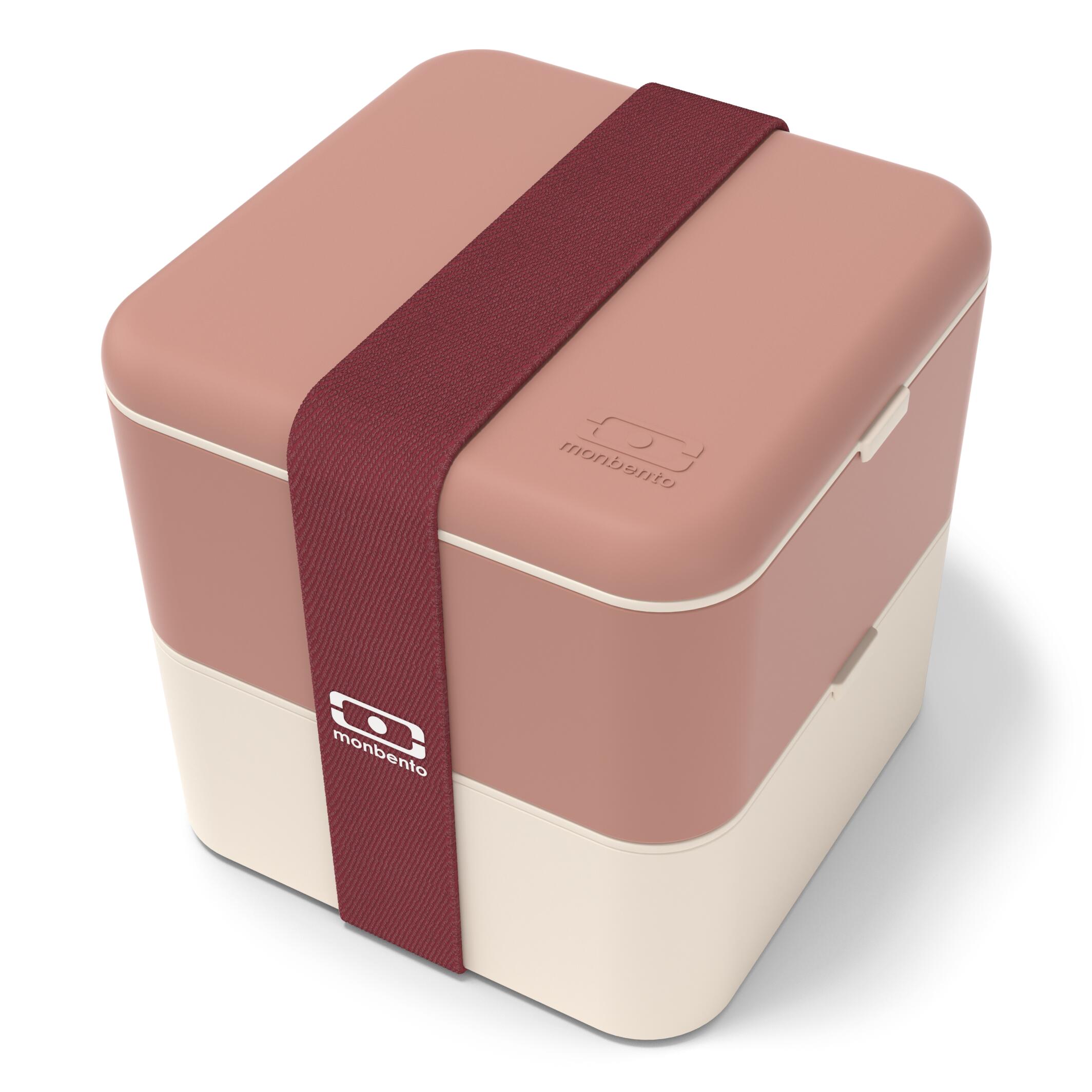
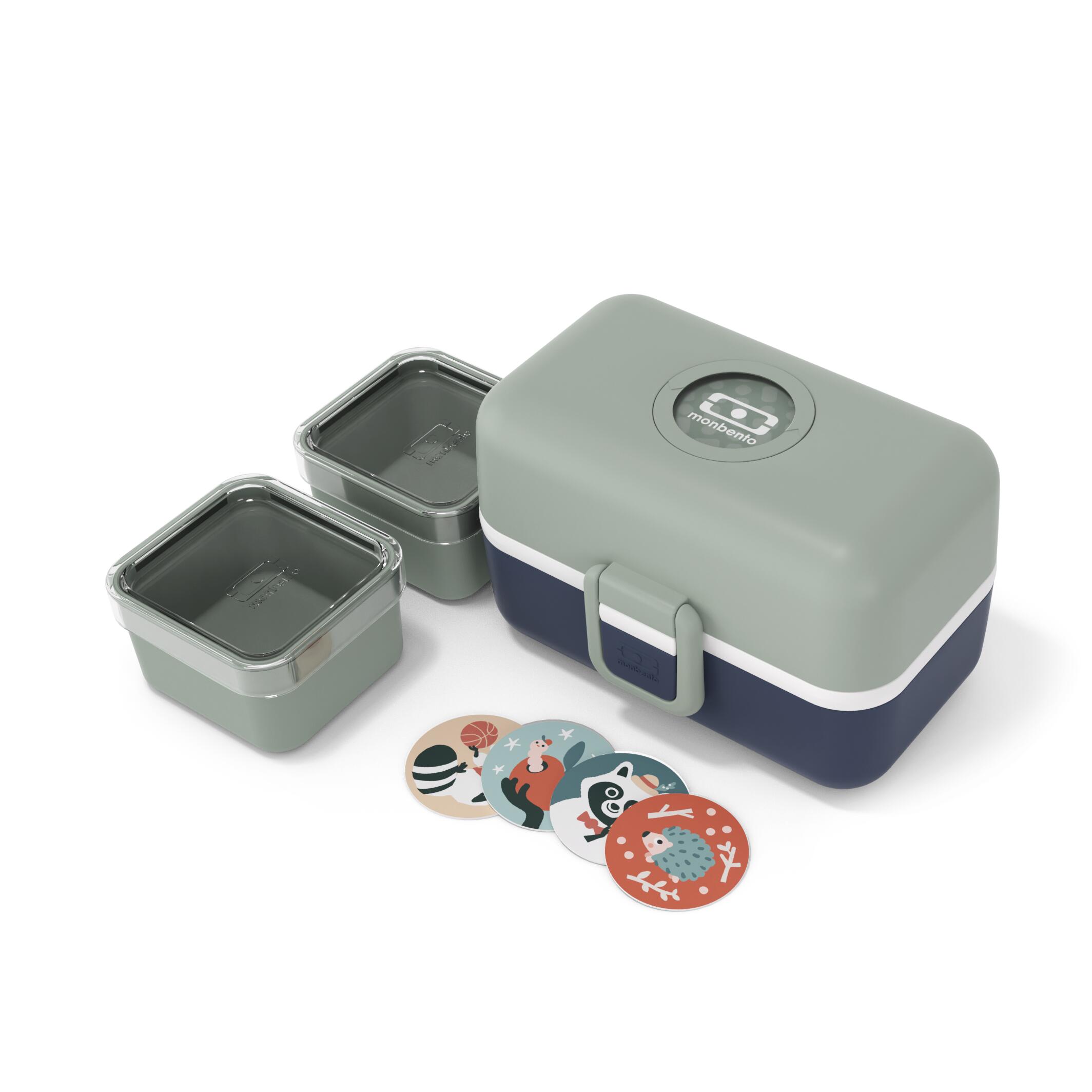
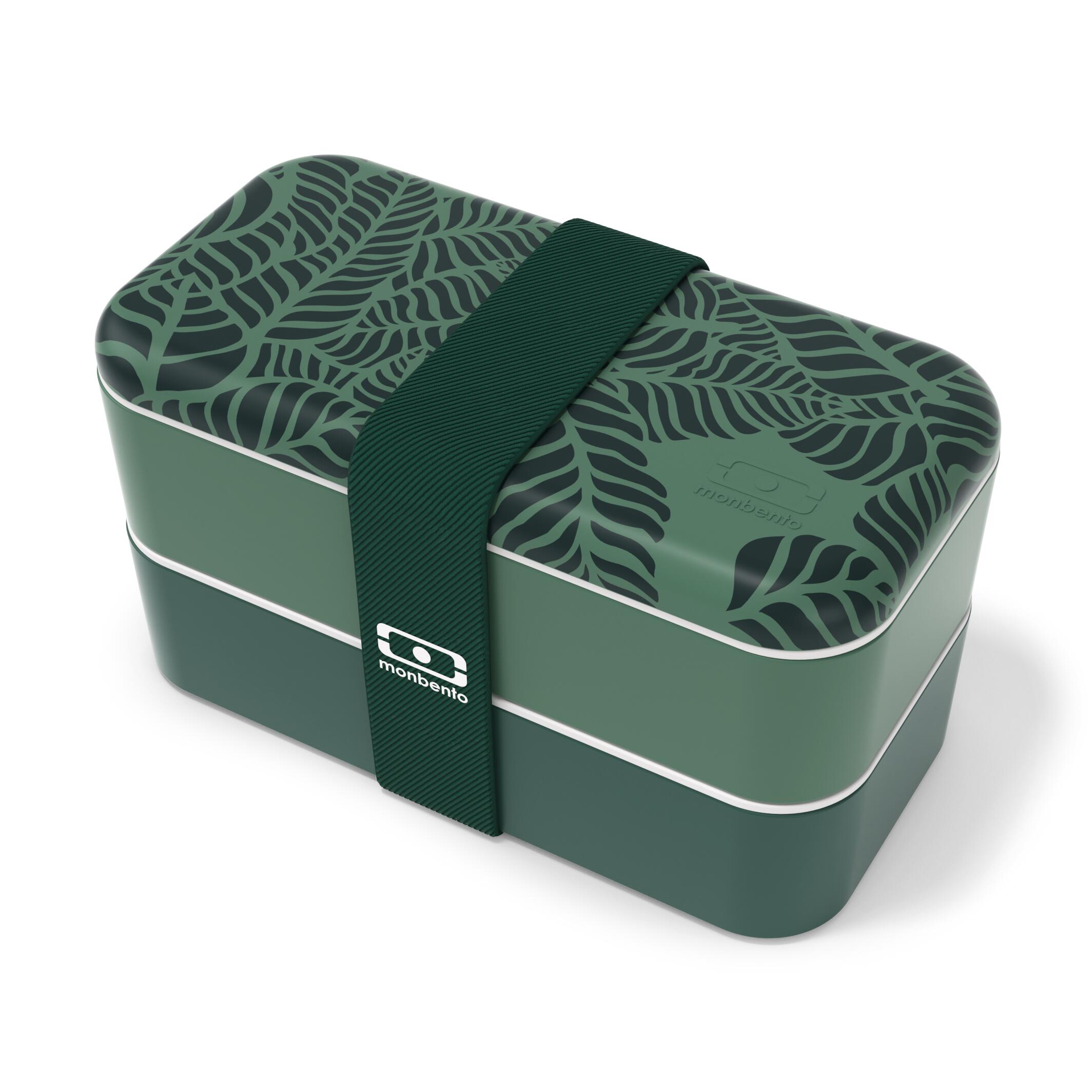
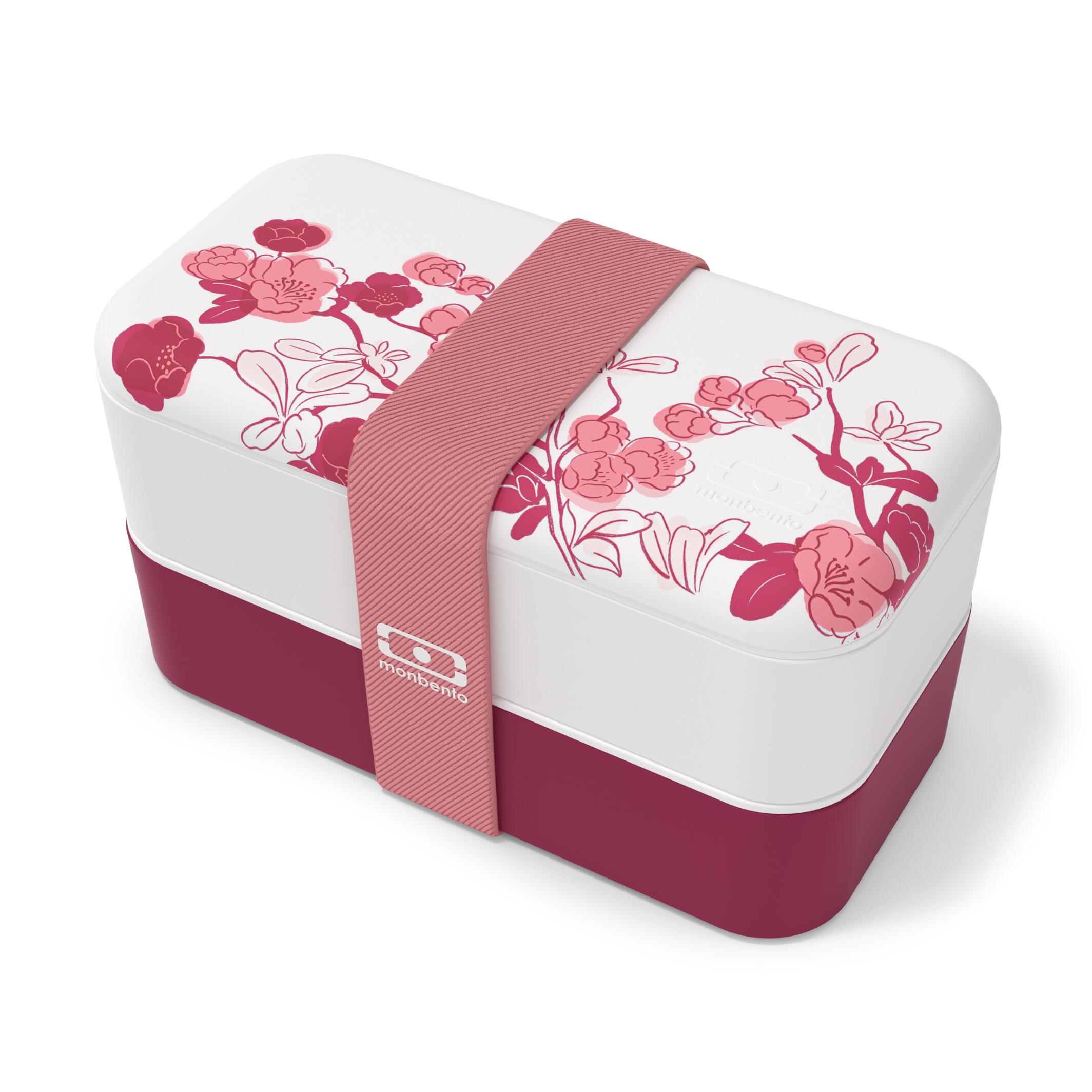
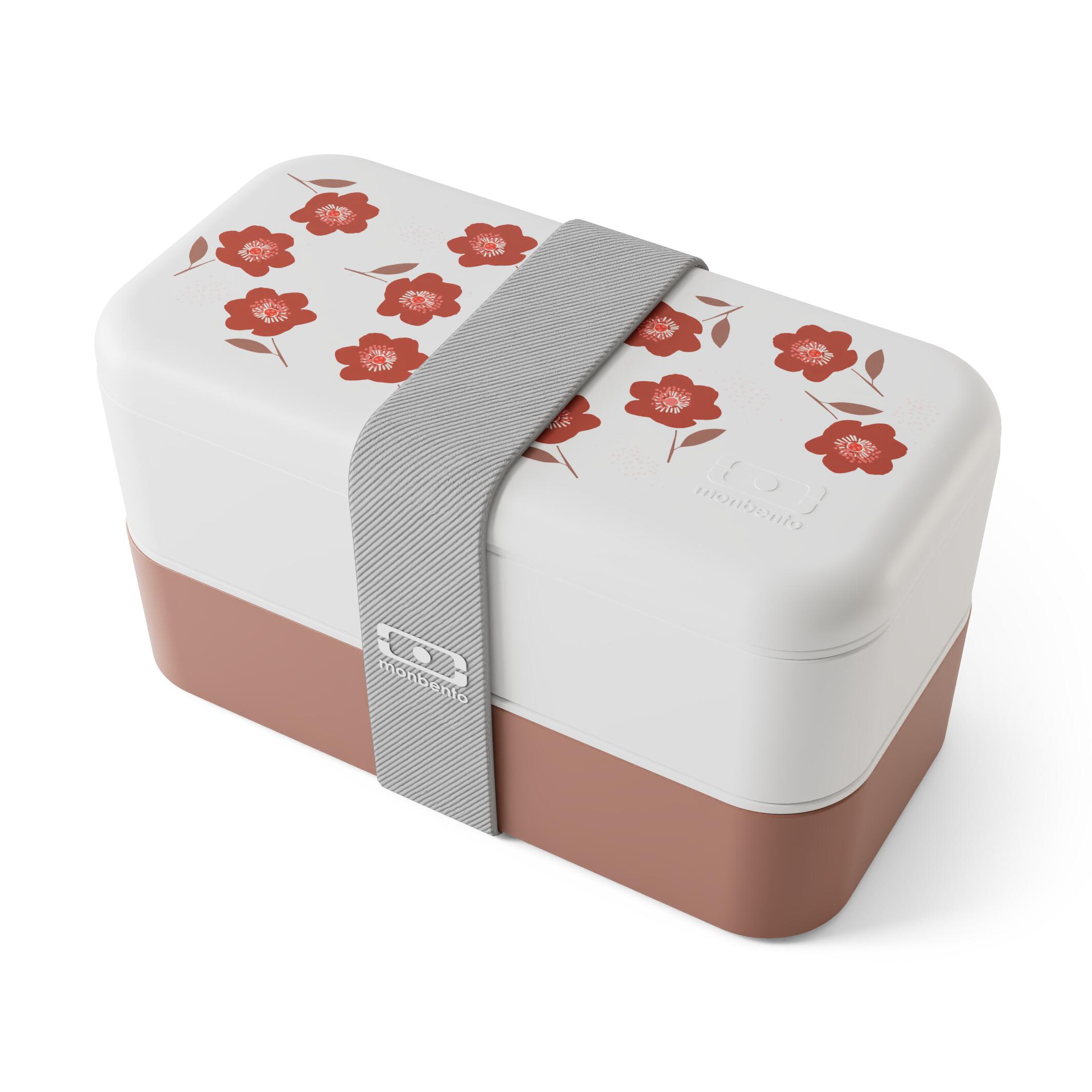
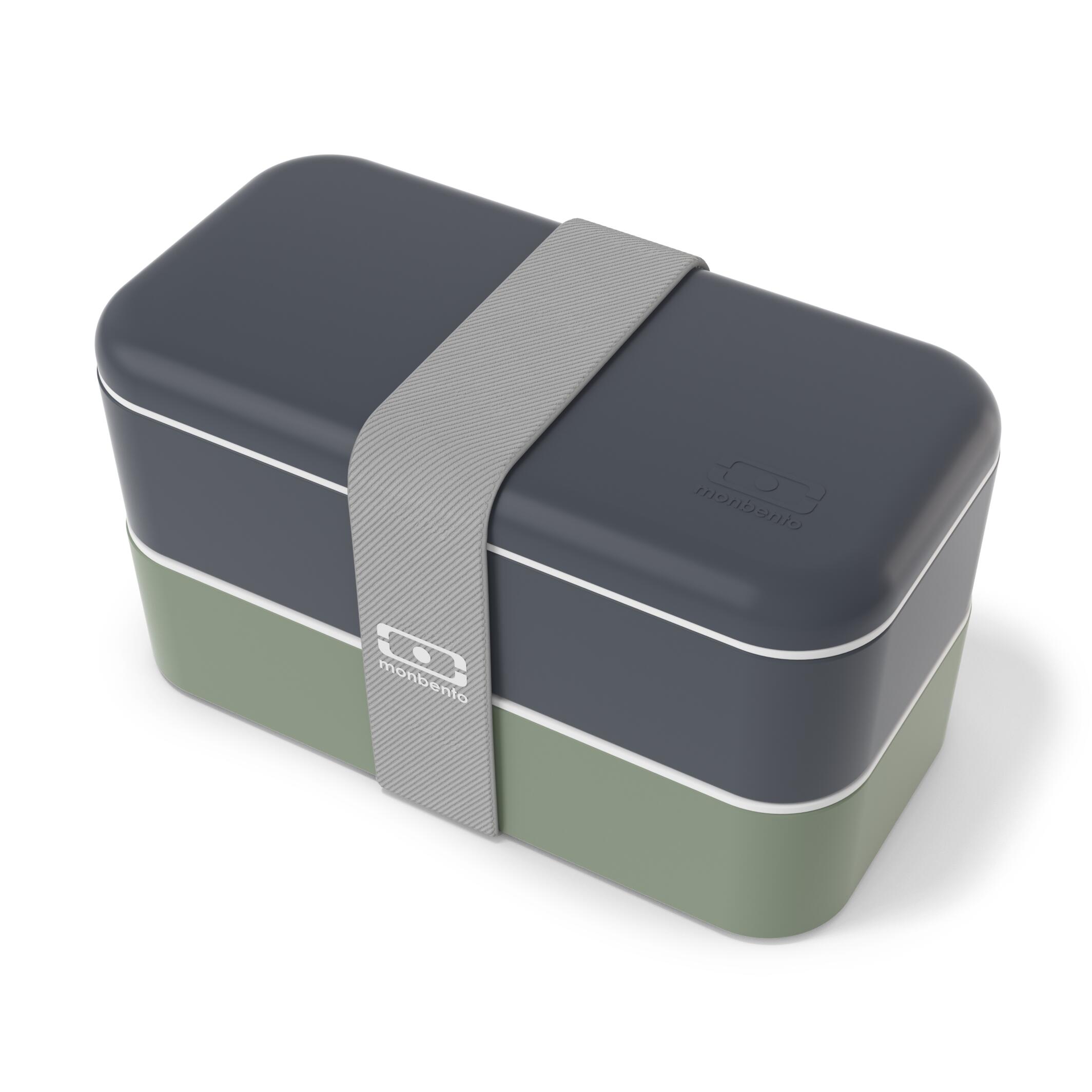
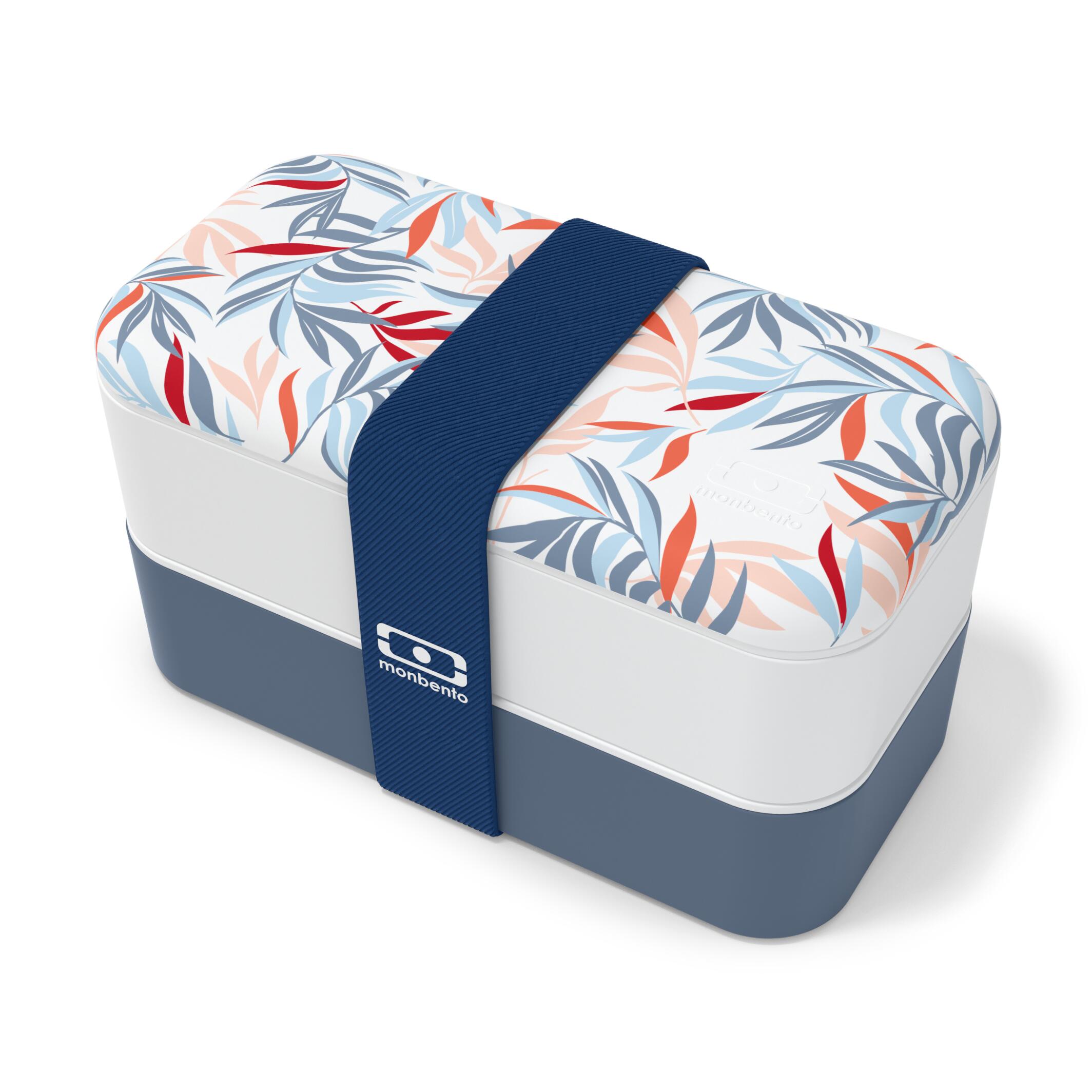
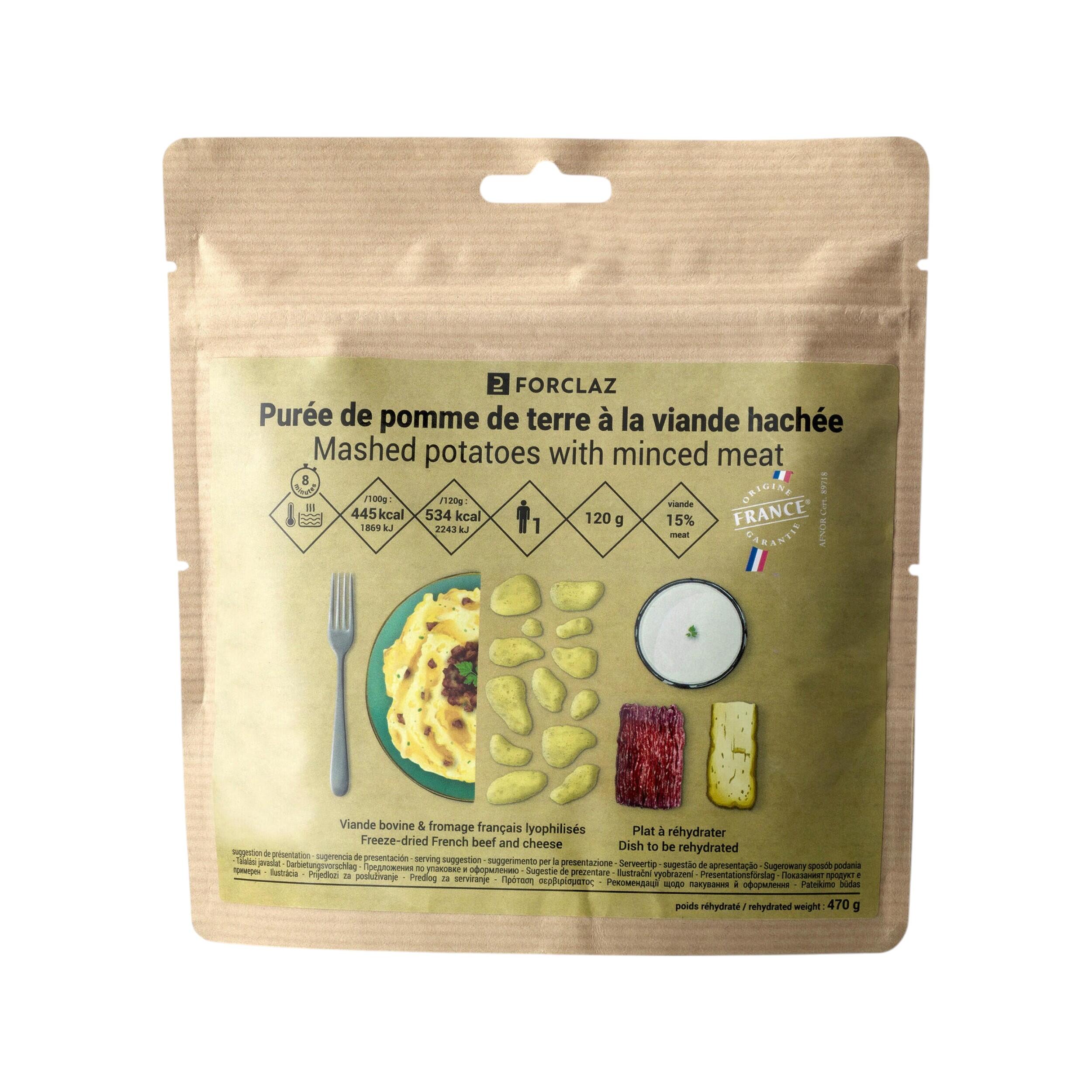
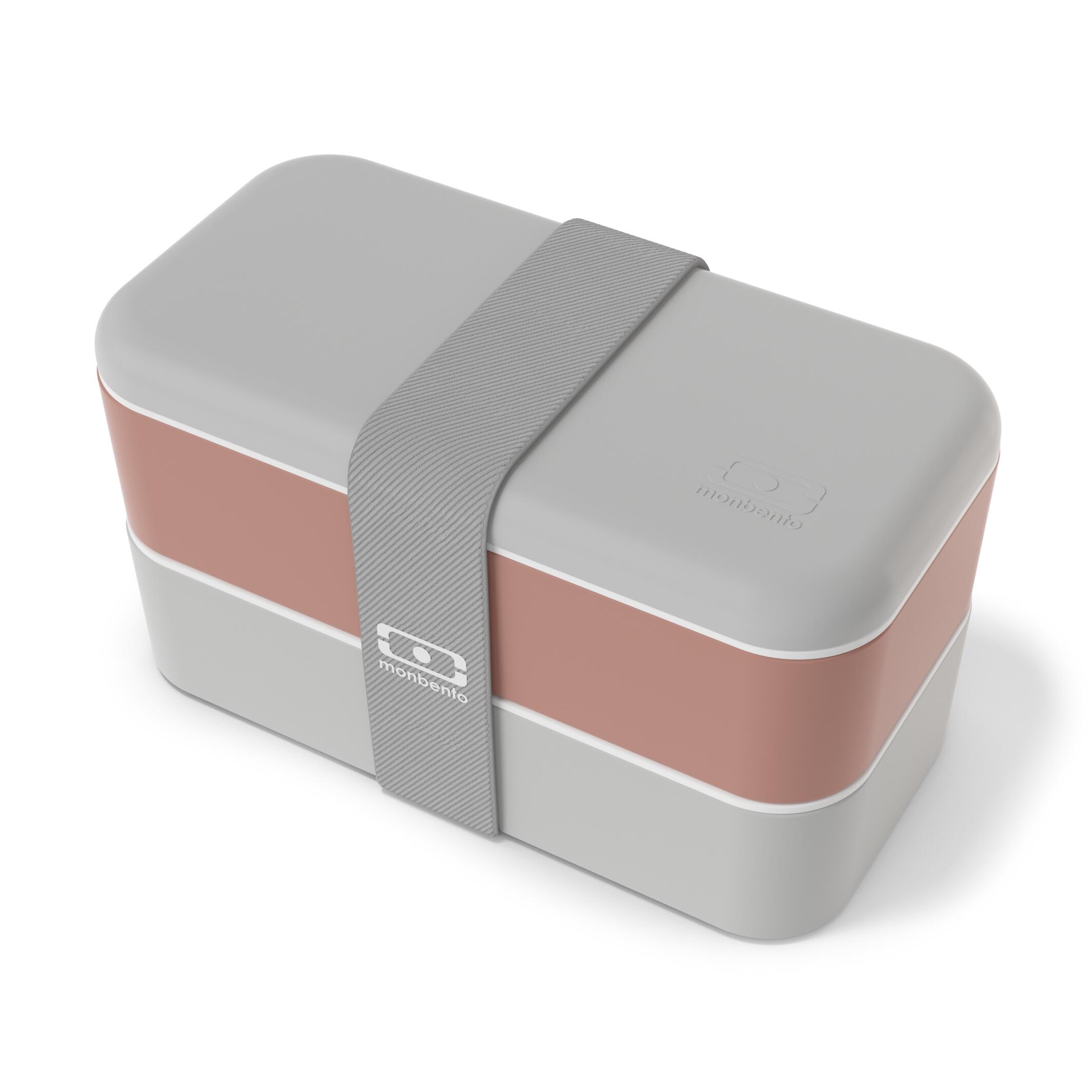
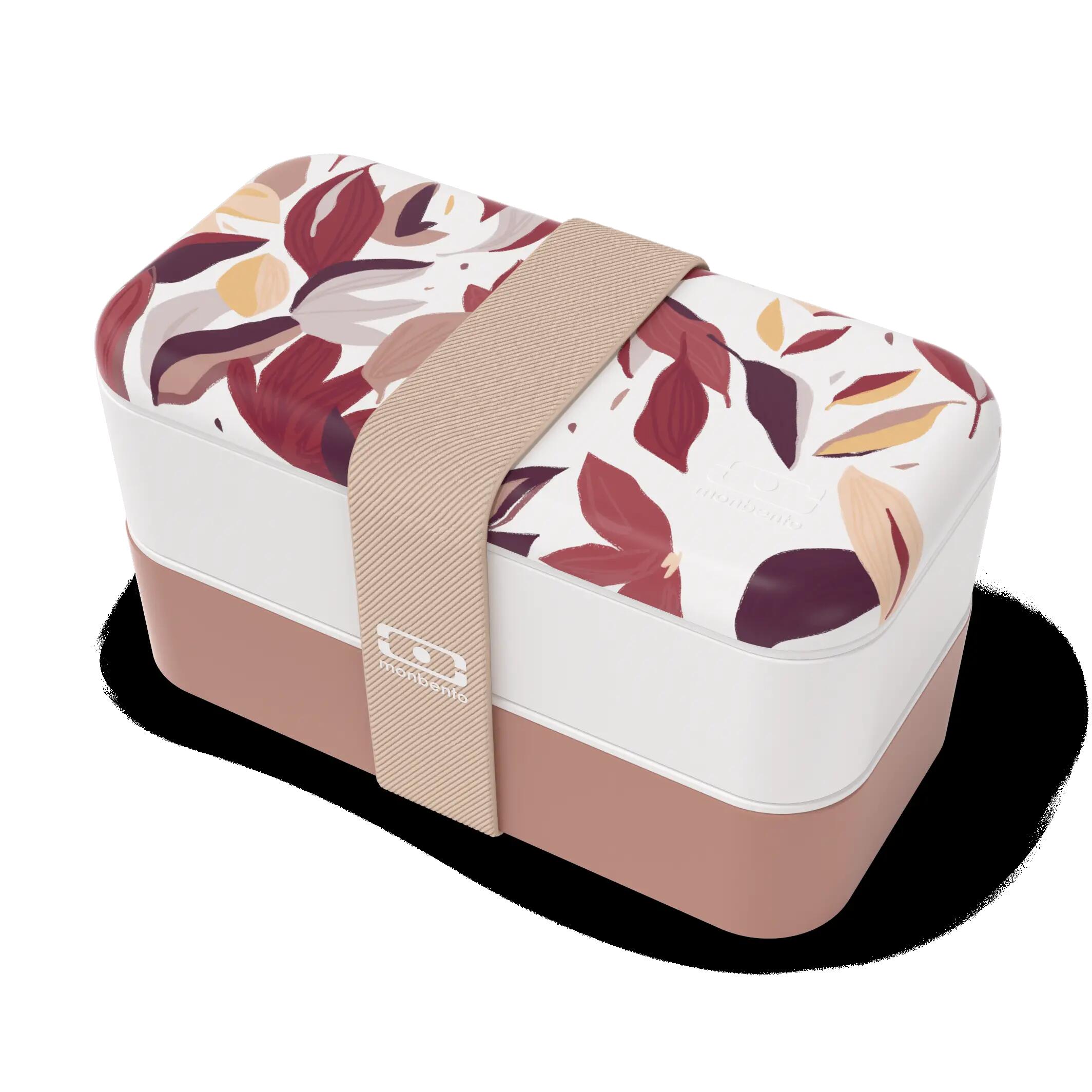
Choosing the right camping lunch box comes down to the type of trip, the meals you plan to carry, and whether you need the box to keep food hot, cold, or simply contained across the day. Insulated and isothermal lunch boxes keep soup, stew, and warm leftovers hot for hours, while non-insulated boxes suit sandwiches, salads, and snacks that travel happily at room temperature. On a long day out, a steel insulated container uses a vacuum-sealed wall to slow heat transfer in both directions, so a hot lunch packed at breakfast is still hot at midday, and a cold salad packed in the morning stays cool through the afternoon. Leak-proof lids and silicone seals stop the spills that ruin a rucksack on a bumpy hike, while compartment boxes keep wet and dry foods cleanly apart. One expert tip: pre-warm the box with hot water before packing a hot meal, since a warm interior holds the food's temperature far longer. And for the longer trail meals that store easily in a backpack, main meals, side dishes, and breakfast options in our dehydrated camping food from Quechua and Forclaz pair neatly with an insulated box.
How do camping lunch boxes pair with a camp stove for hot meals?

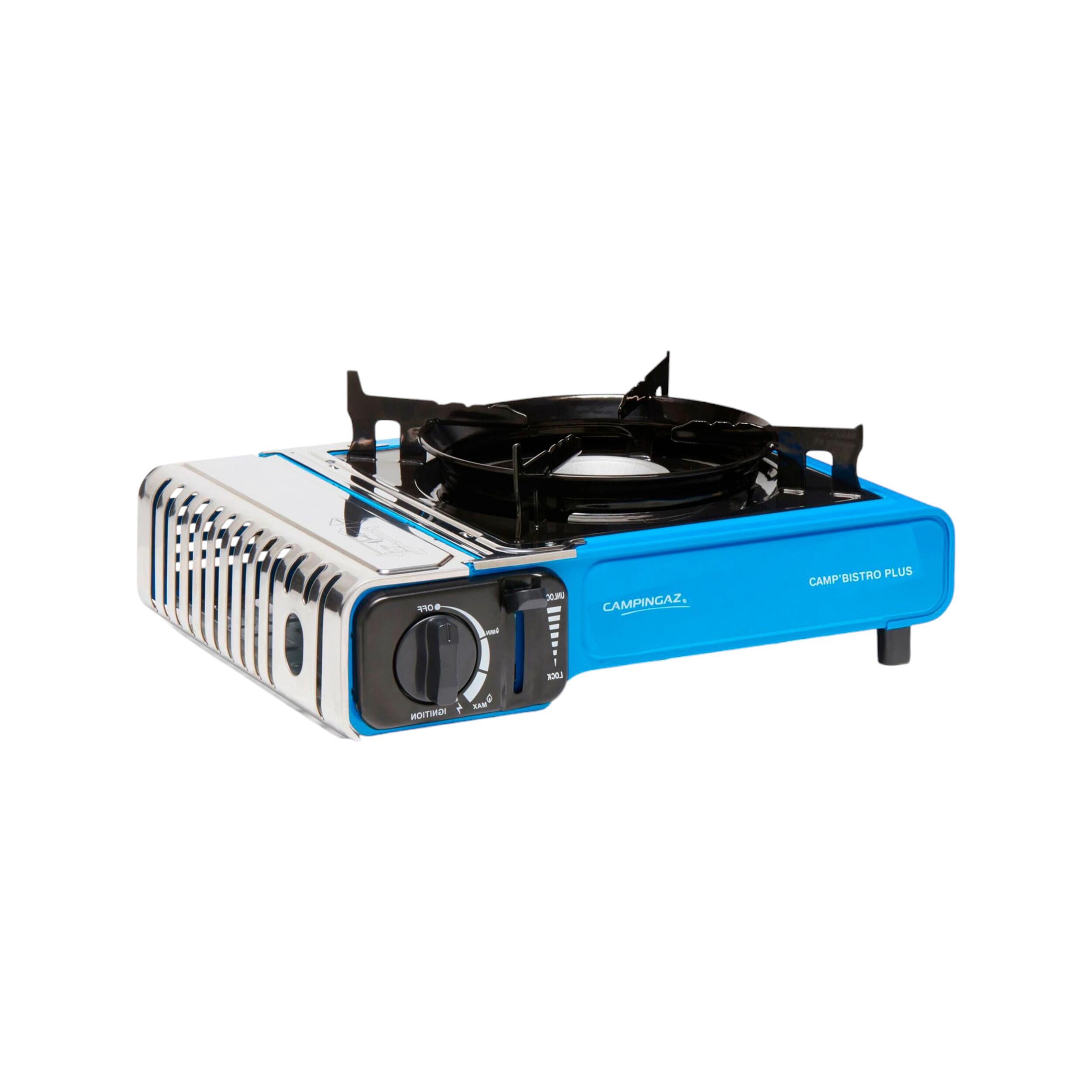
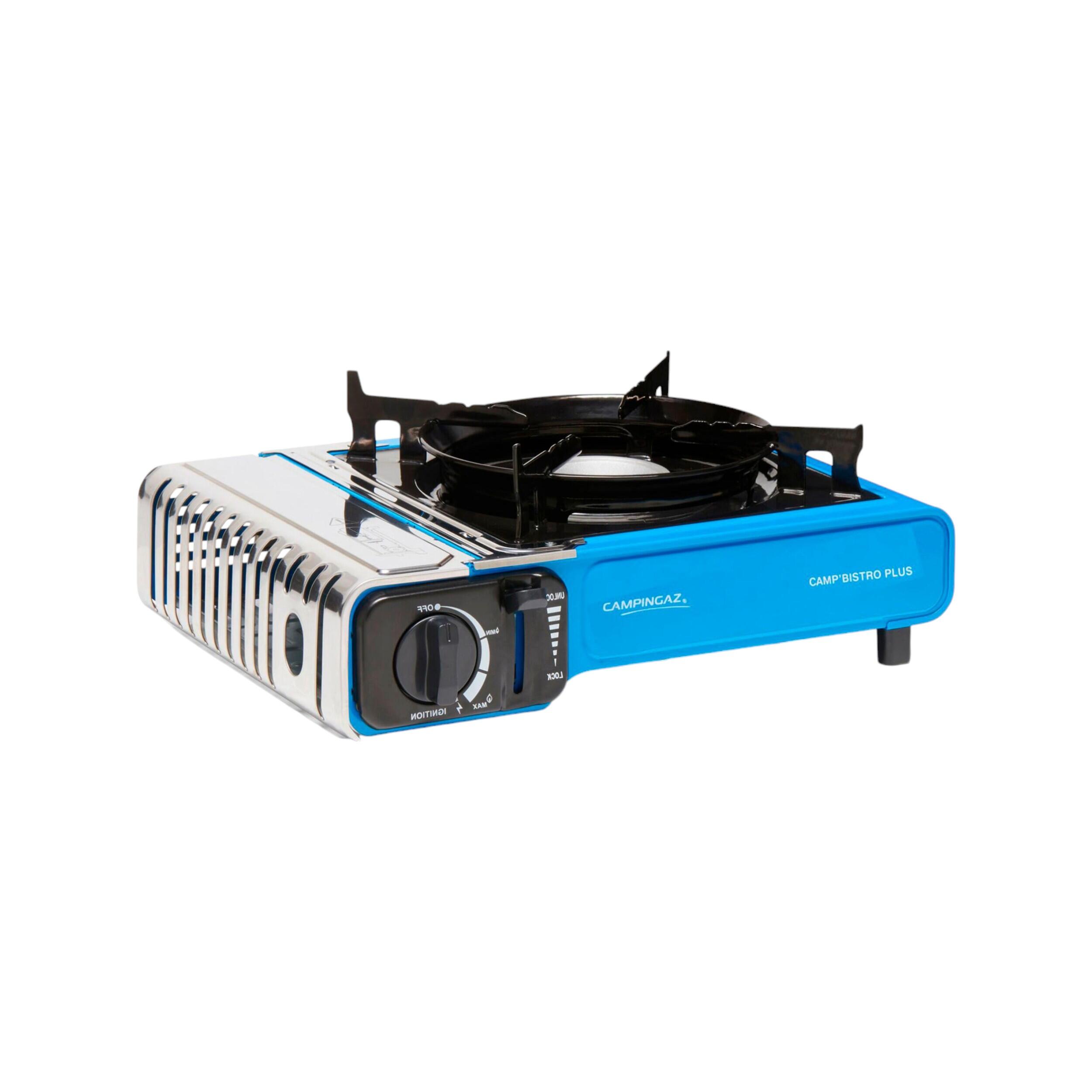
A camp stove and an insulated lunch box make a natural team: the stove cooks the porridge, curry, or stew, and the box carries leftovers or a fresh hot portion onto the trail, beach, or day hike. On a multi-day trip, that pairing is what unlocks a proper hot meal away from the pitch rather than another cold sandwich. From a quick morning brew to a full campsite dinner, the single-burner, double-burner, and all-in-one cooking system camping stoves in our range do the cooking that the lunch box then carries.

What cooking equipment and cutlery should I pack alongside camping lunch boxes?

A sealed lunch box is little use at the first picnic stop if there's nothing to eat with, so the right tools belong right beside it. Knives, forks, spoons, sporks, chopping boards and serving tongs all earn their place, with stainless steel cutlery standing up to repeated washing across many trips and lightweight sets packing small for day hikes from the pitch. Compact cooking equipment and cutlery sets help keep meal preparation organised without taking up unnecessary space in your bag.

Should I pack a water bottle alongside the camping lunch box?

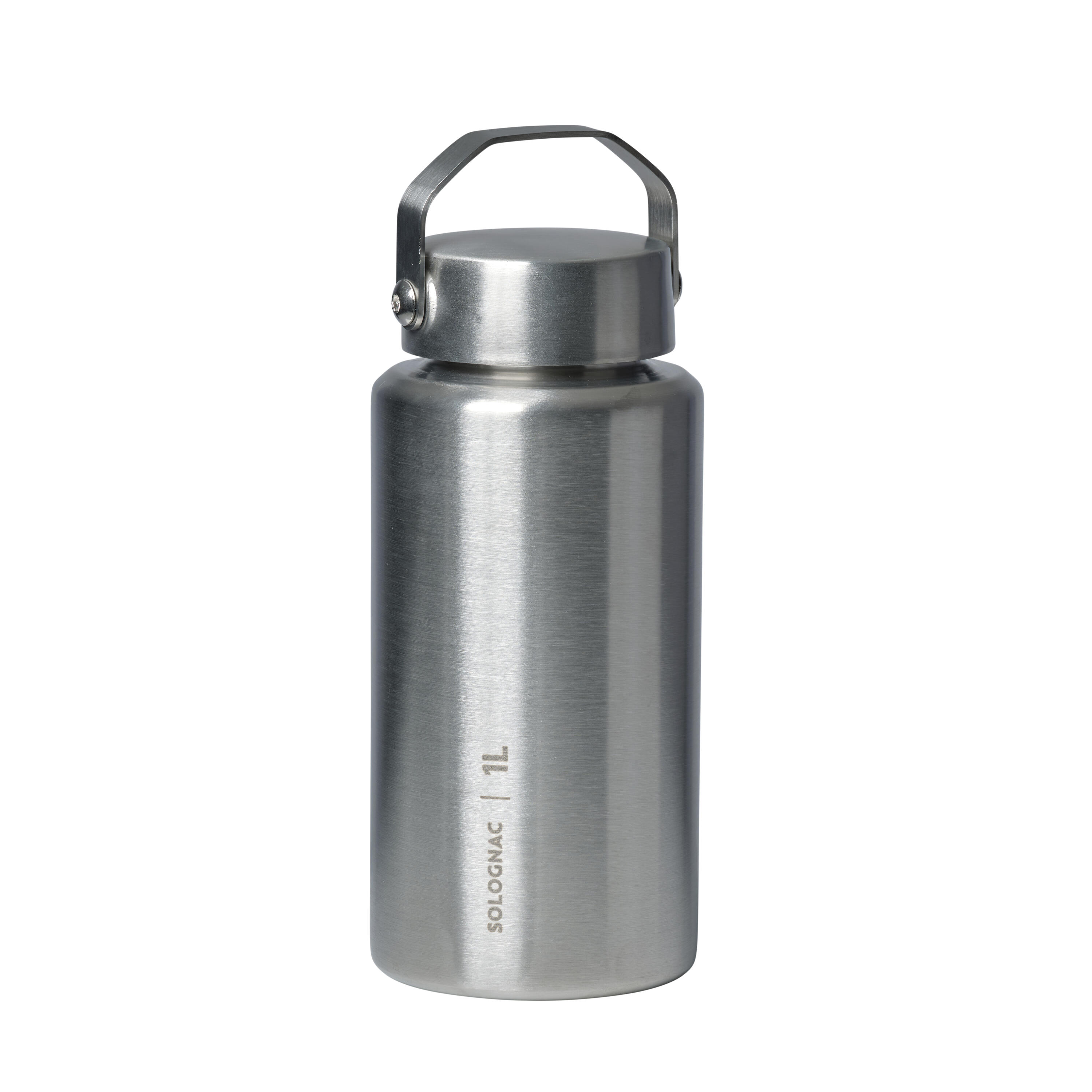
Yes. A water bottle is the natural partner to a lunch box, turning a quick bite into a proper lunch break on a long day out, since food without water leaves you dehydrated well before the walk home. Insulated bottles, hydration flasks and reusable hard-shell bottles all earn a spot in the day pack, with insulated builds keeping water cold through hot days and warm drinks hot through colder conditions. Choosing the right camping water bottle helps ensure drinks stay close at hand throughout the day.

How do camping lunch boxes fit alongside camping coolers across the trip?

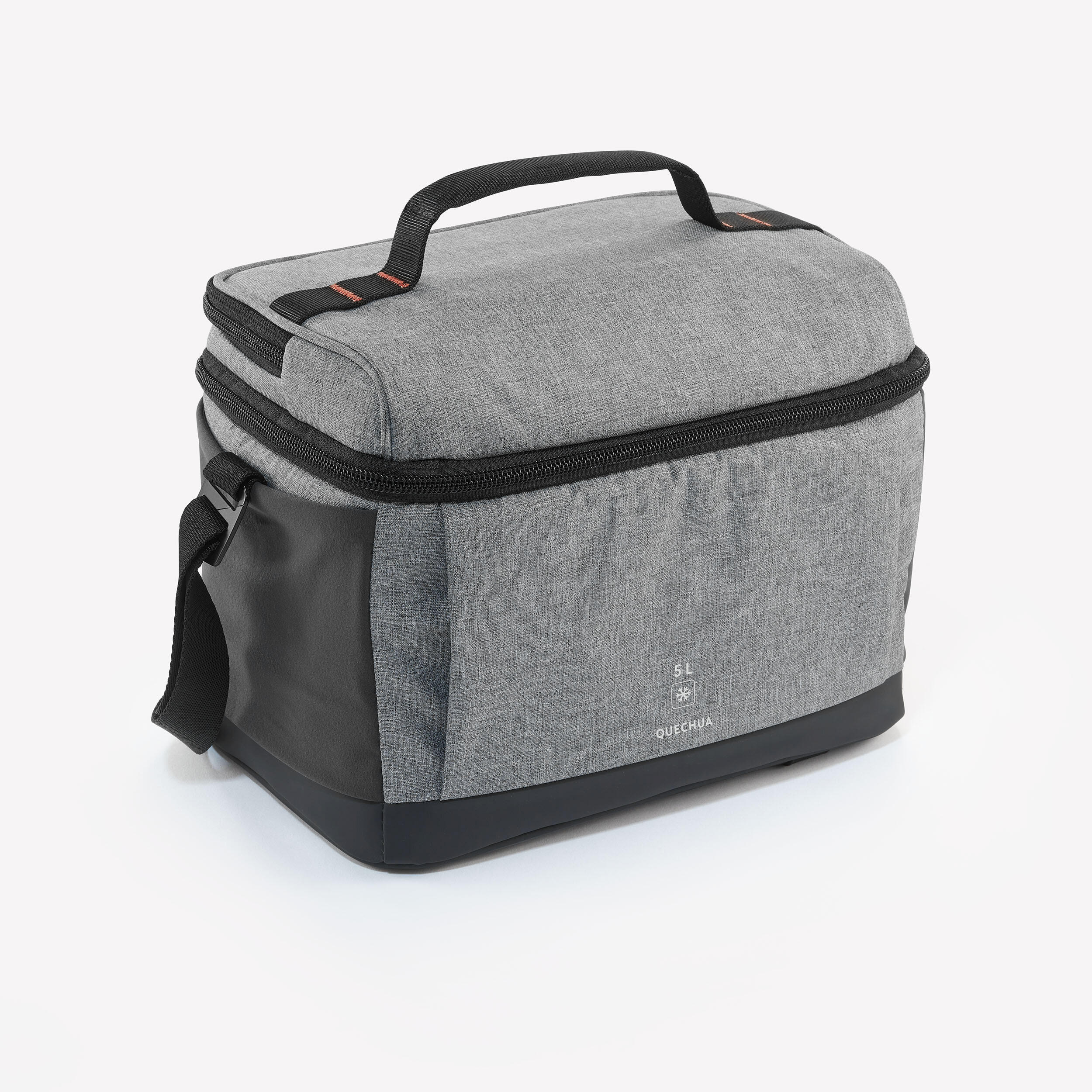
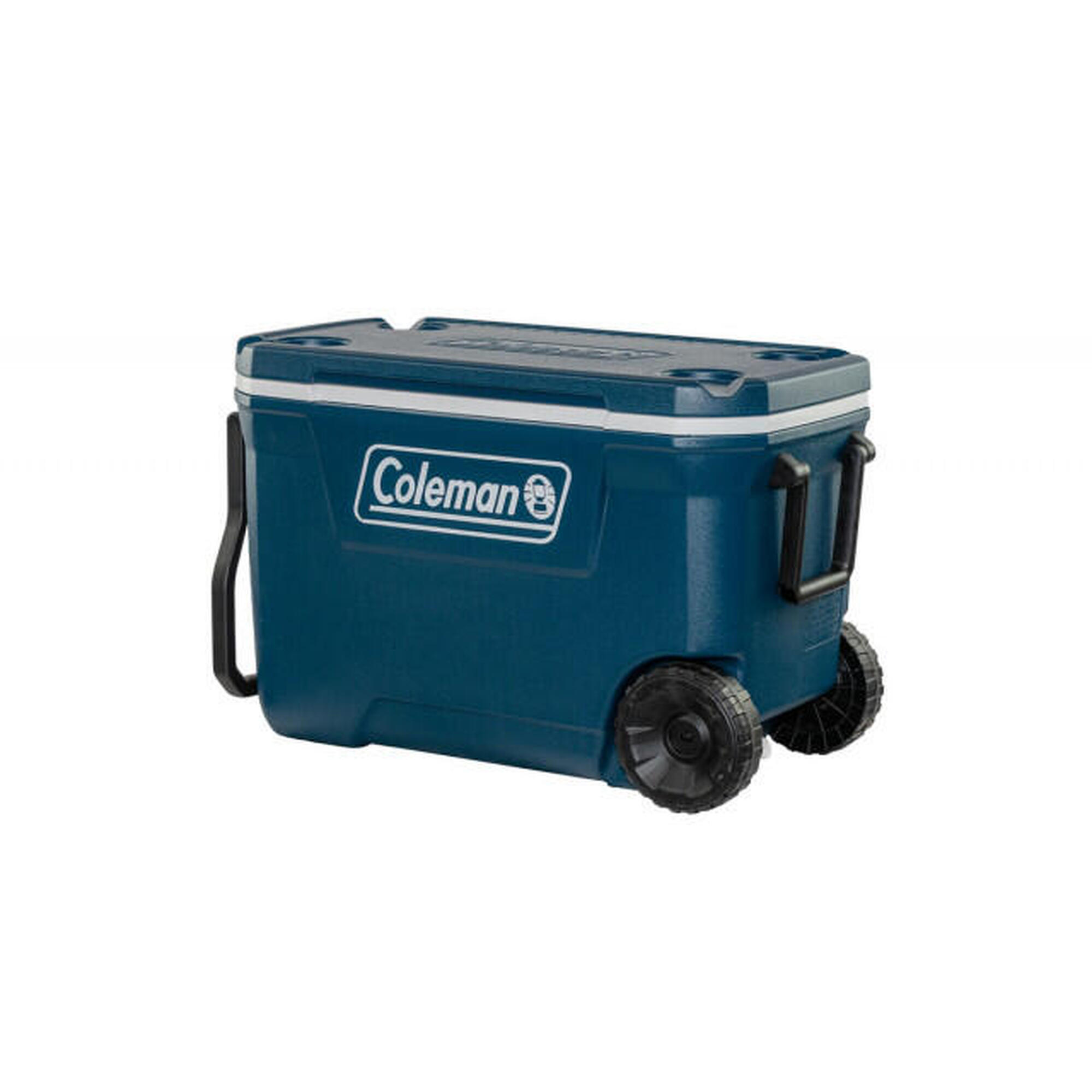
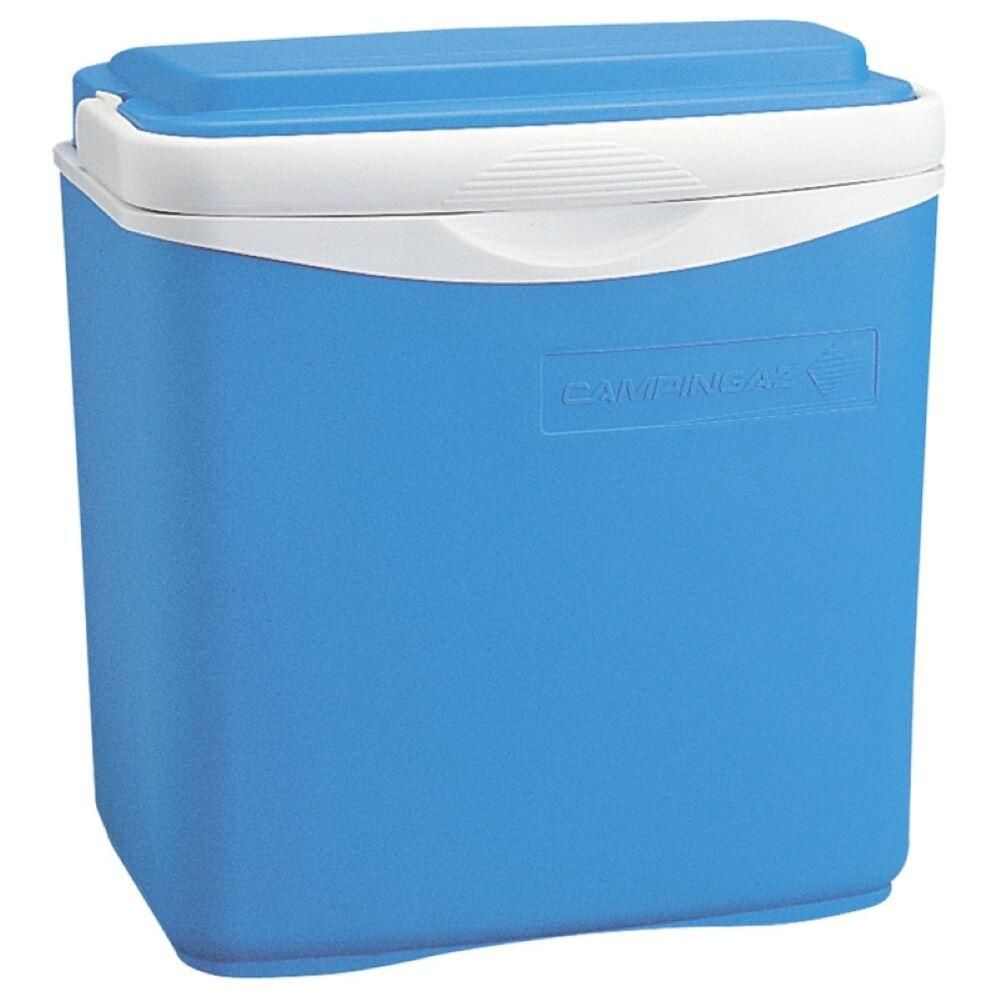
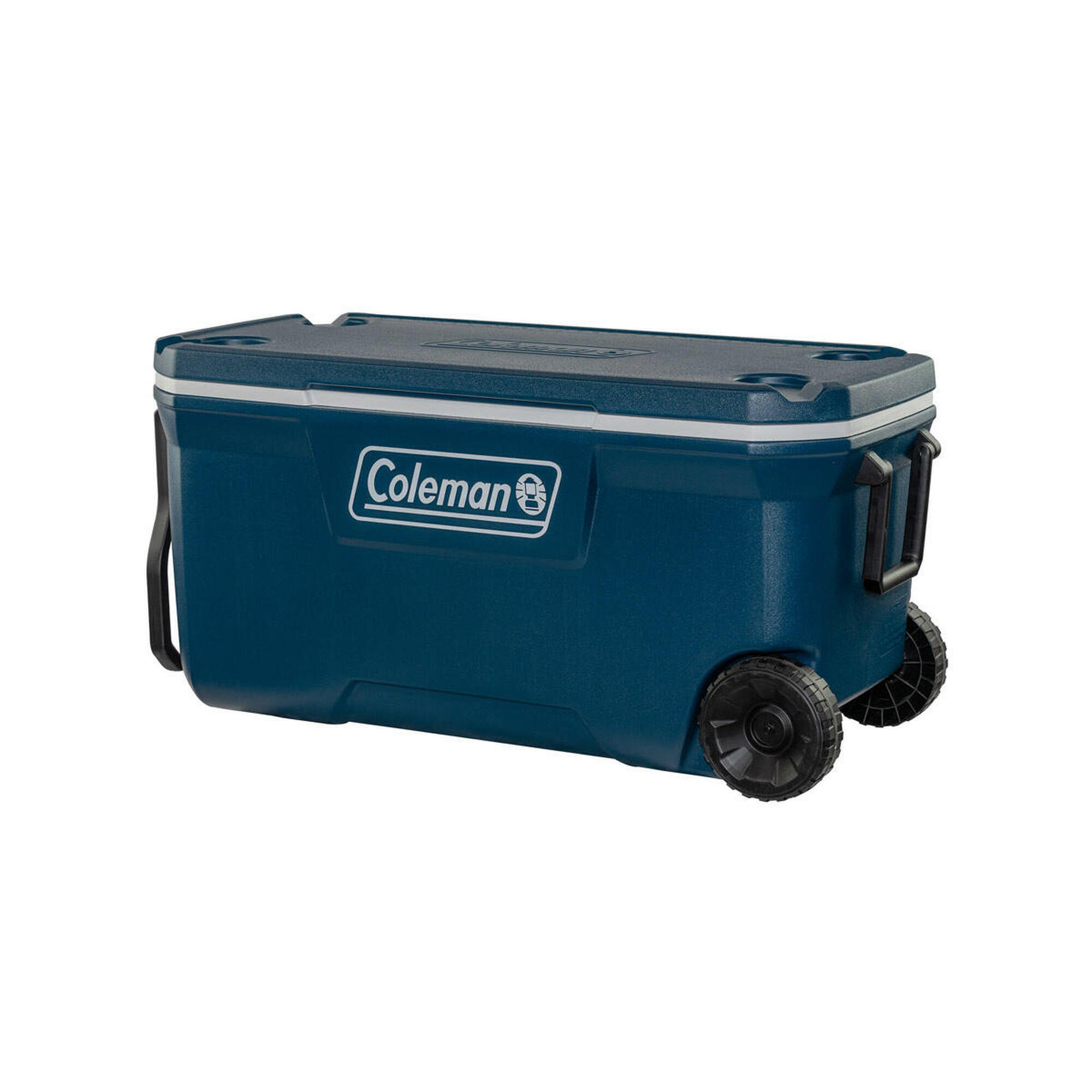
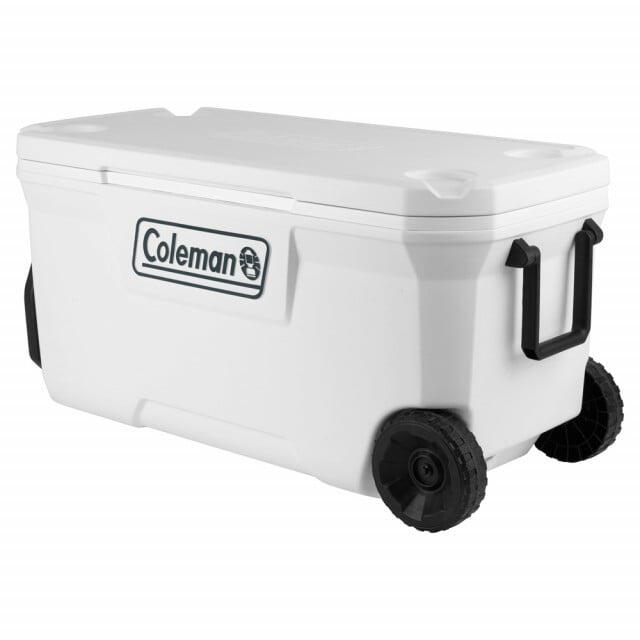
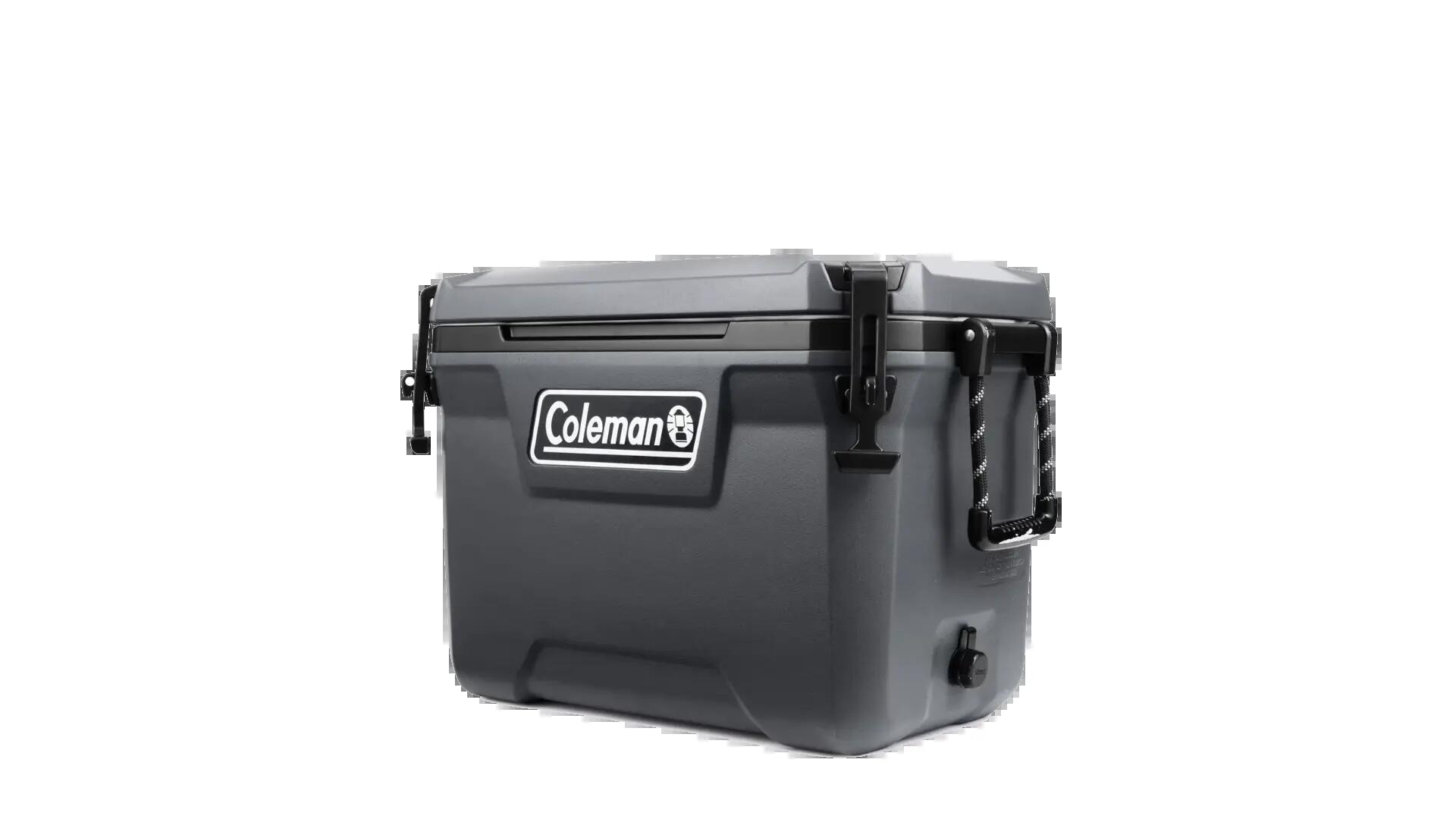
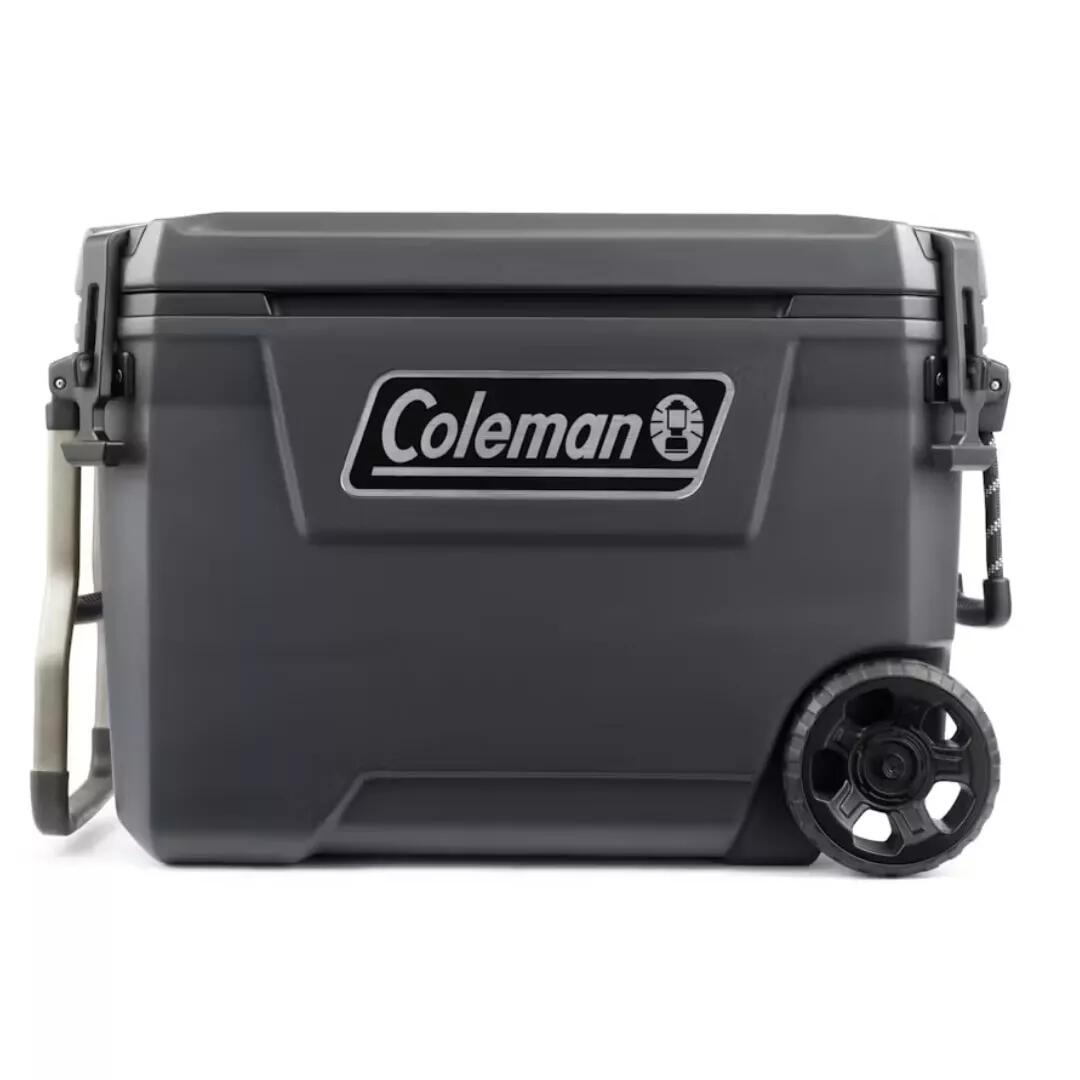
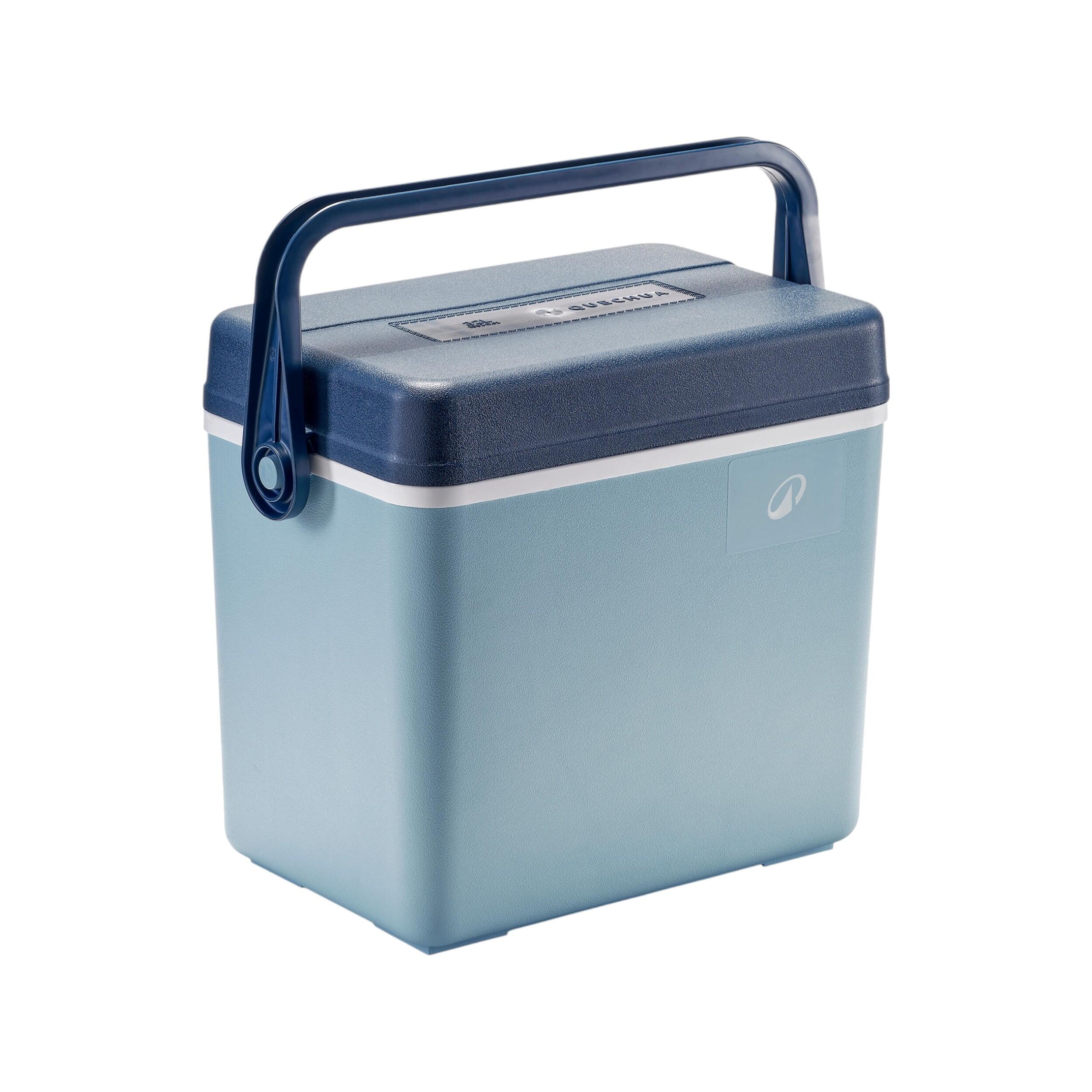
The difference between the two comes down to mobility. A larger cooler box stays at the campsite as the fridge, holding raw meat, drinks, and bulk food cold for days, while the lunch box travels with the family, carrying the day's packed meal out on the hike, the cycle, or the beach trip. One stays put, and one moves, and most trips want both, which is why the hard, wheeled, electric, and flexible camping coolers from Quechua handle the base-camp cold storage that the lunch box carries onward.