207 items
4.2/5 based on 10818 reviews collected online and in stores

Camping Shelters, Tarps and Awnings FAQs

What is the difference between a camping shelter, a tarp, and an awning?

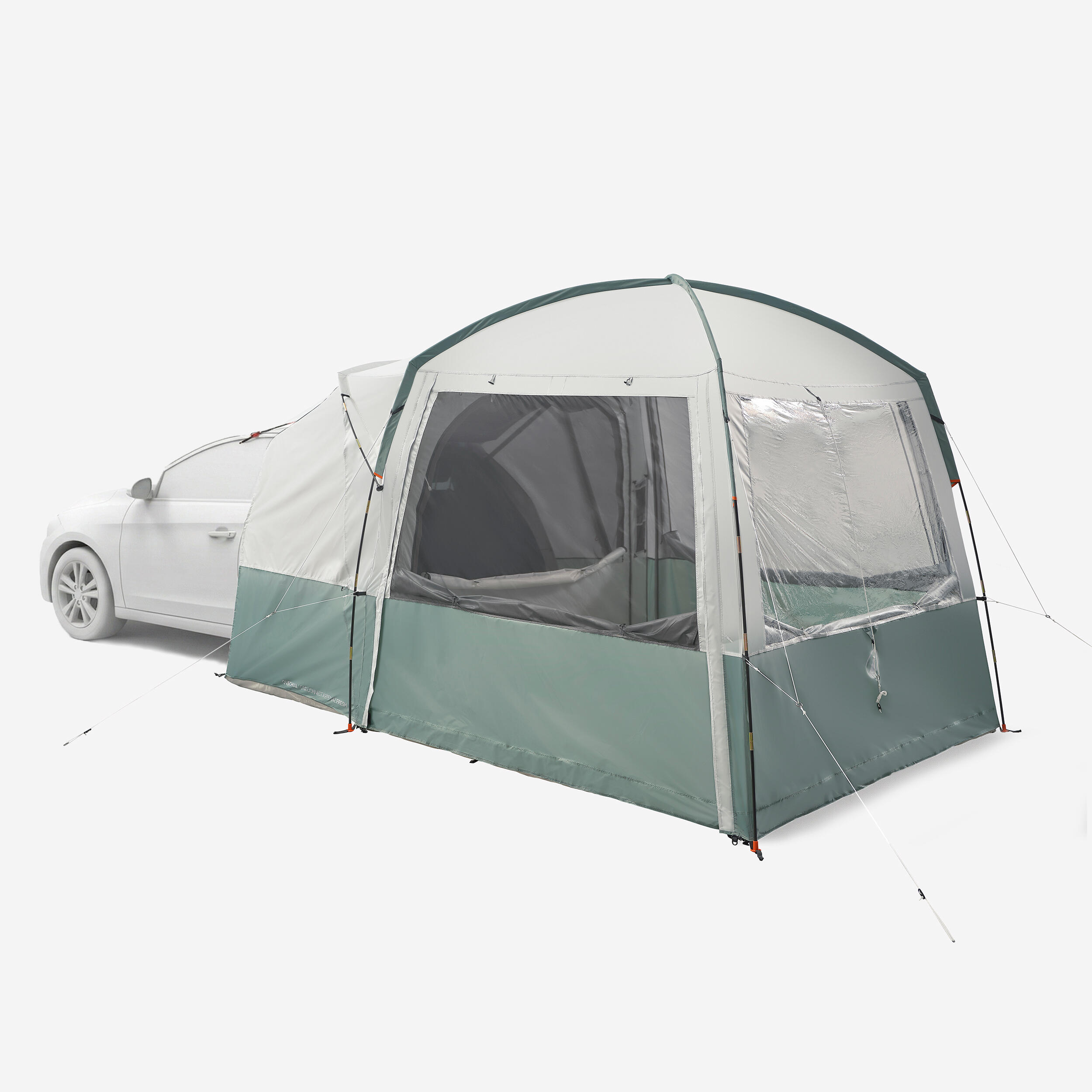
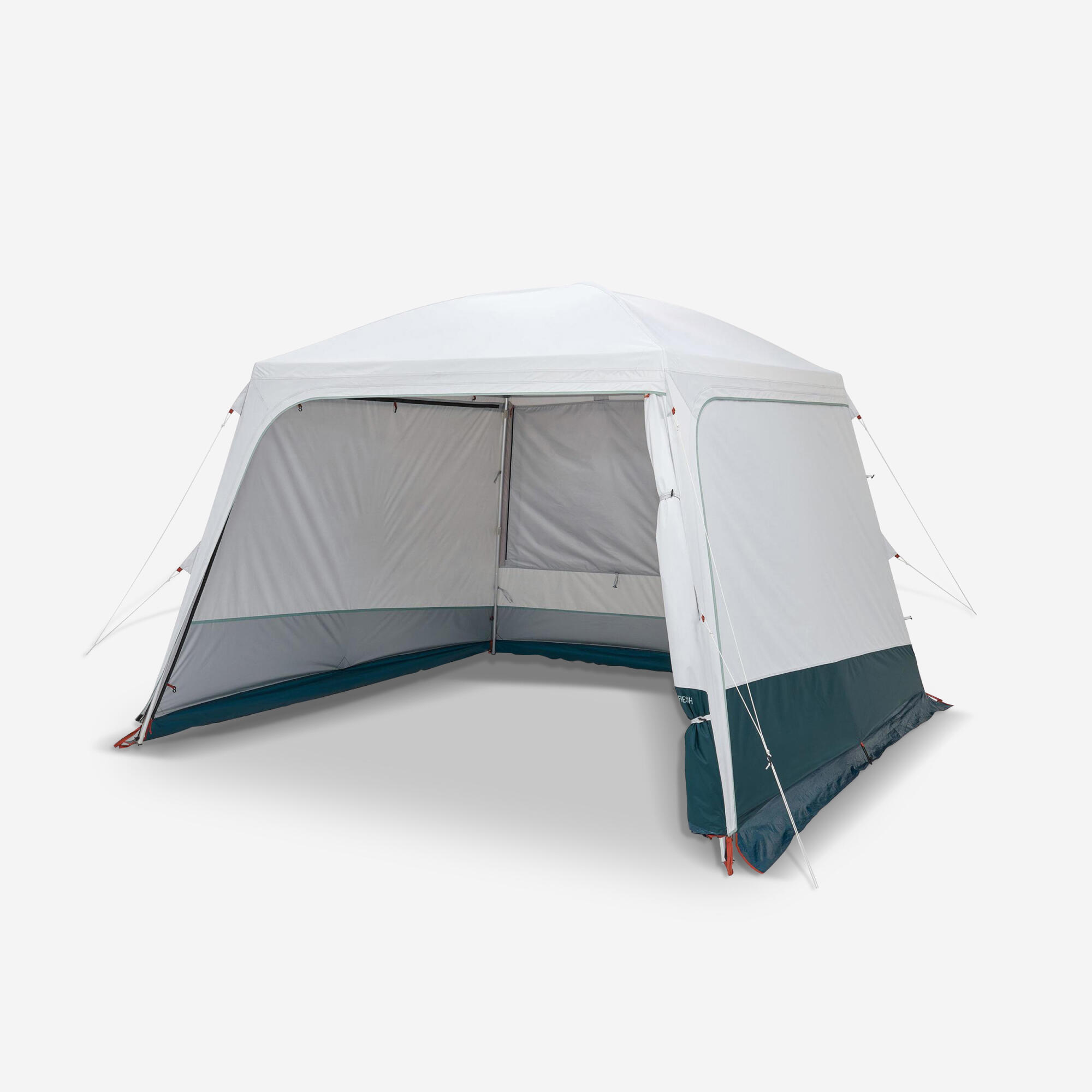
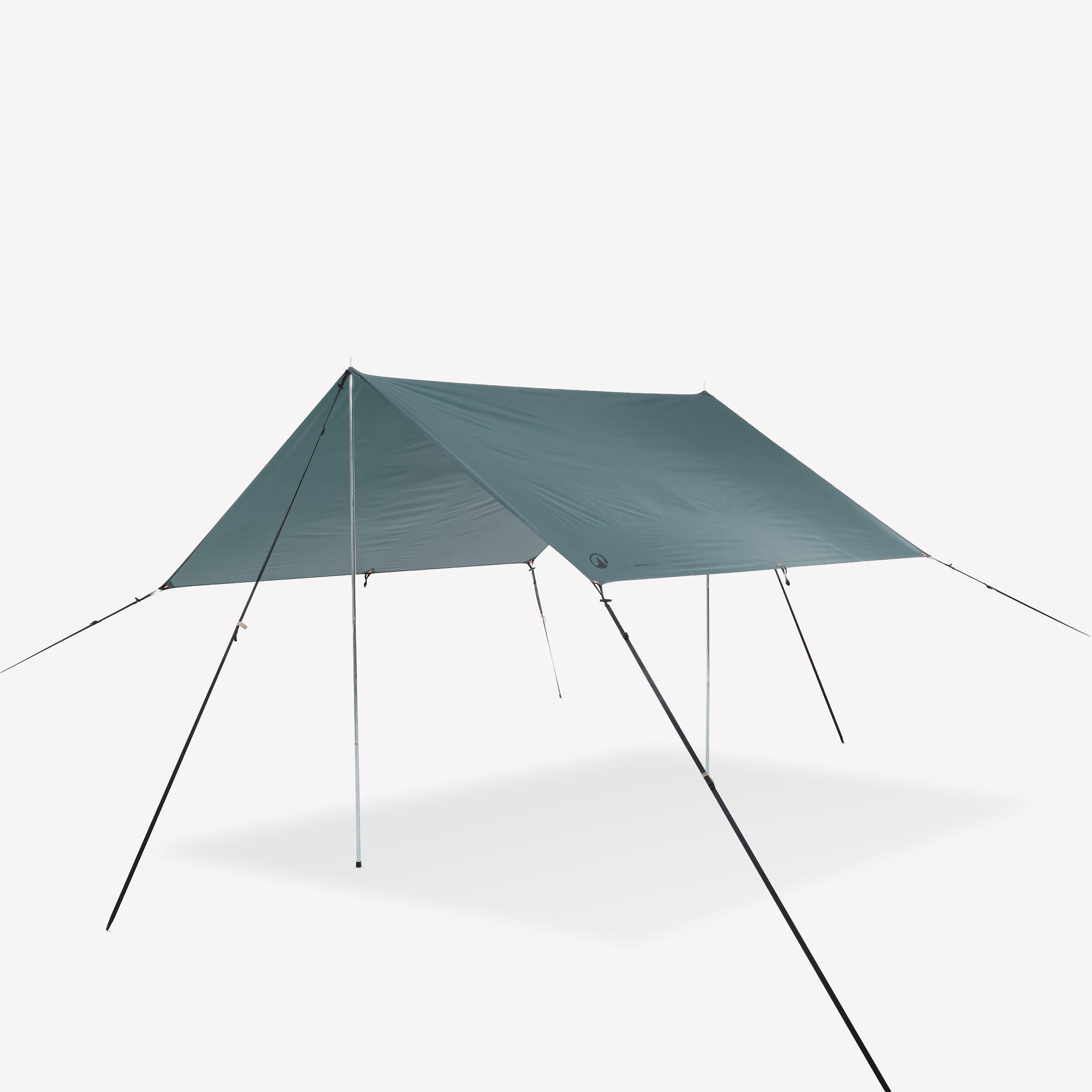
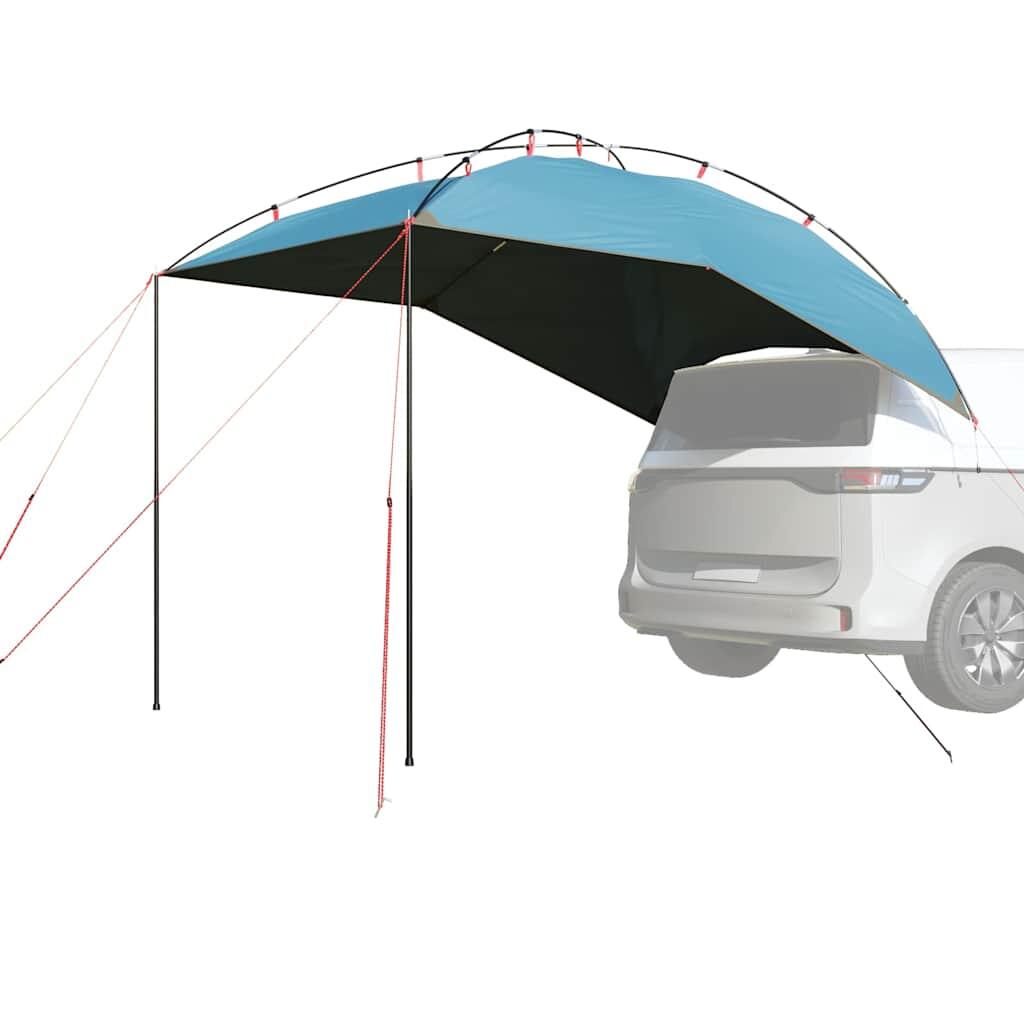
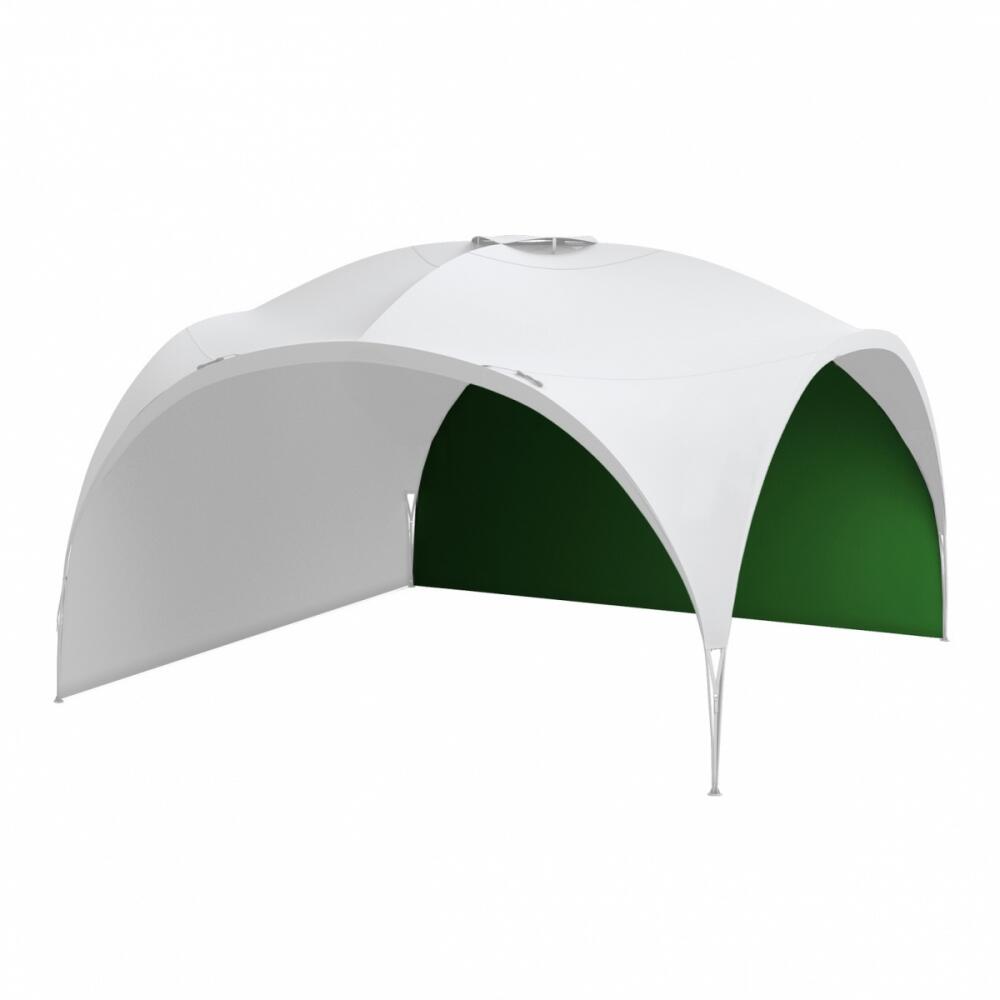
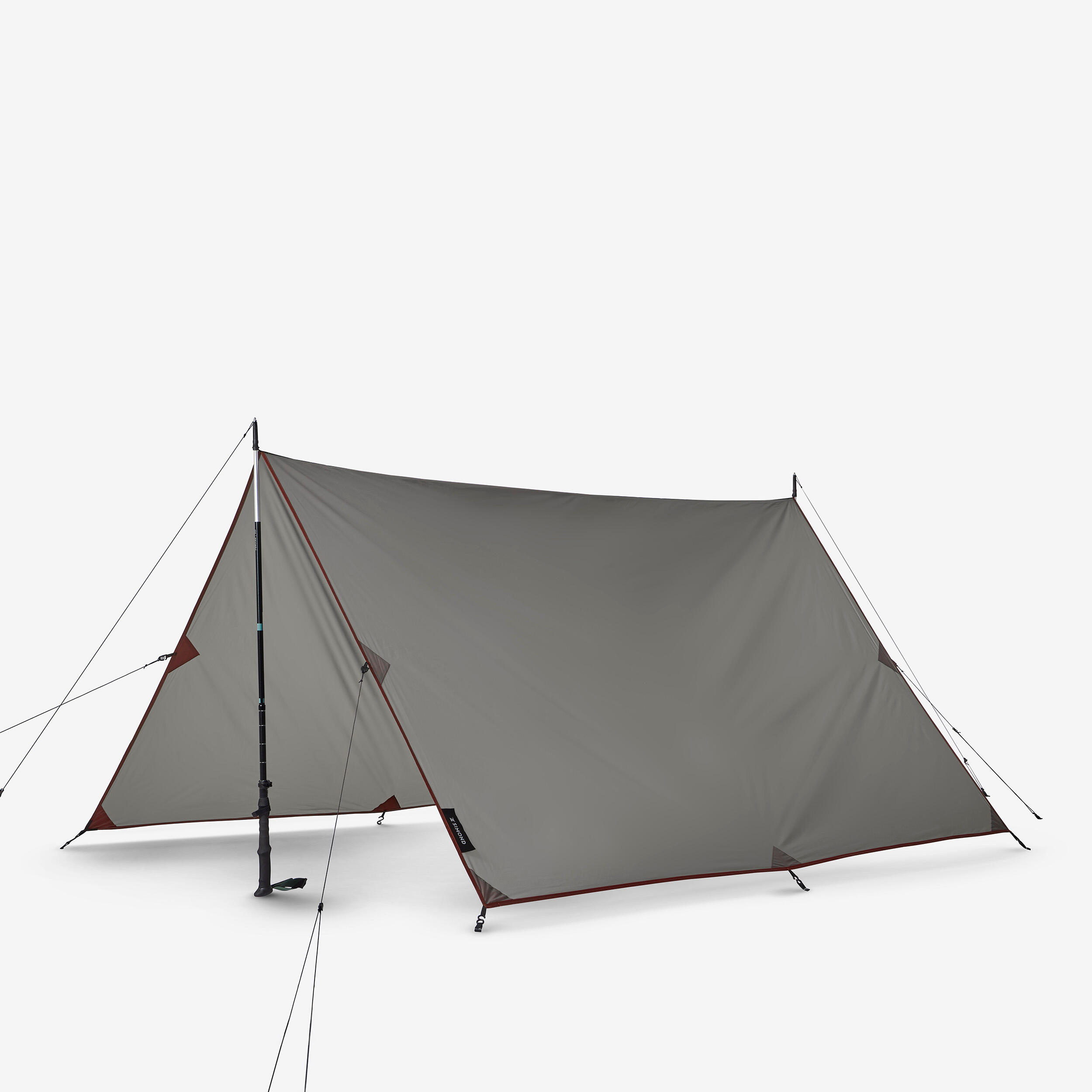
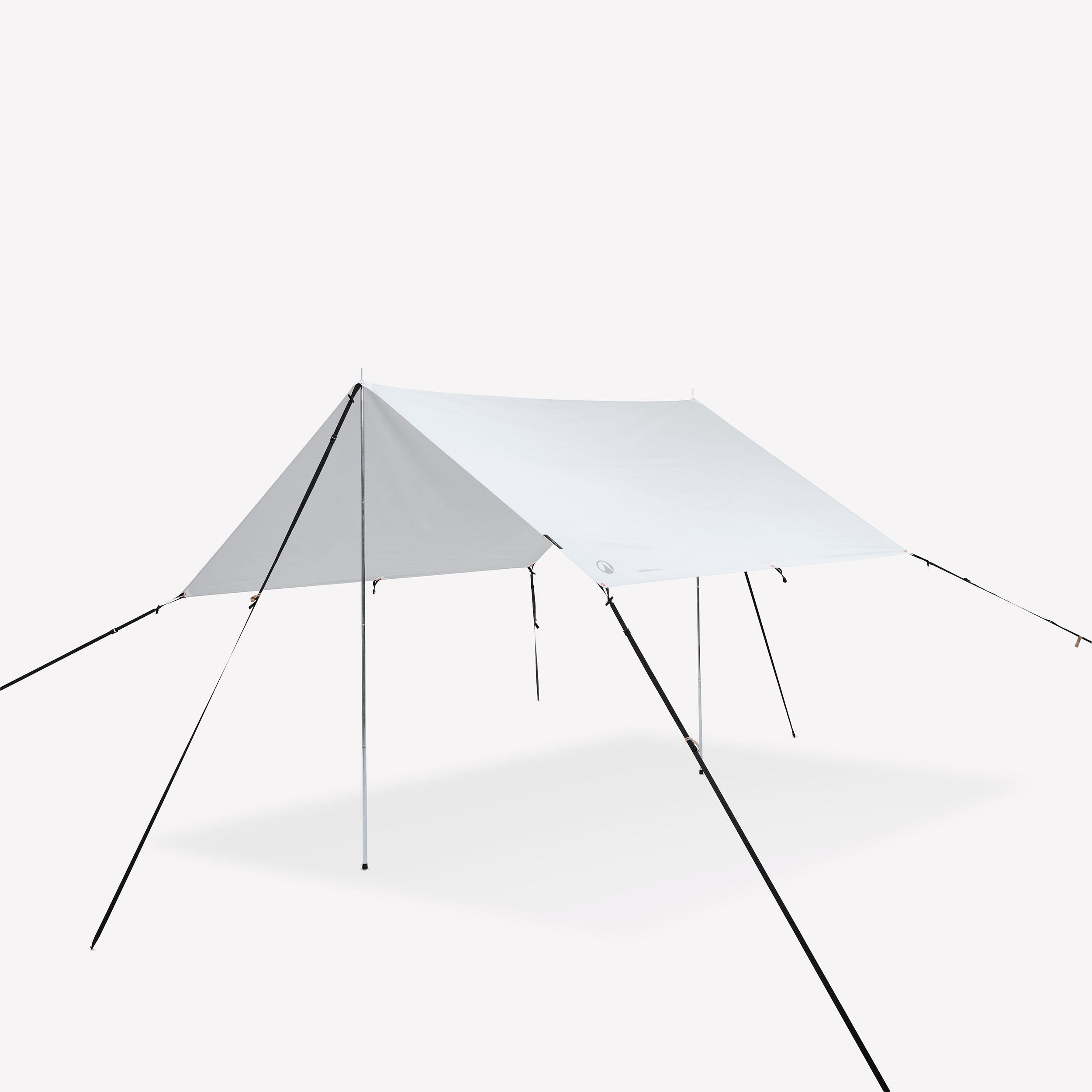
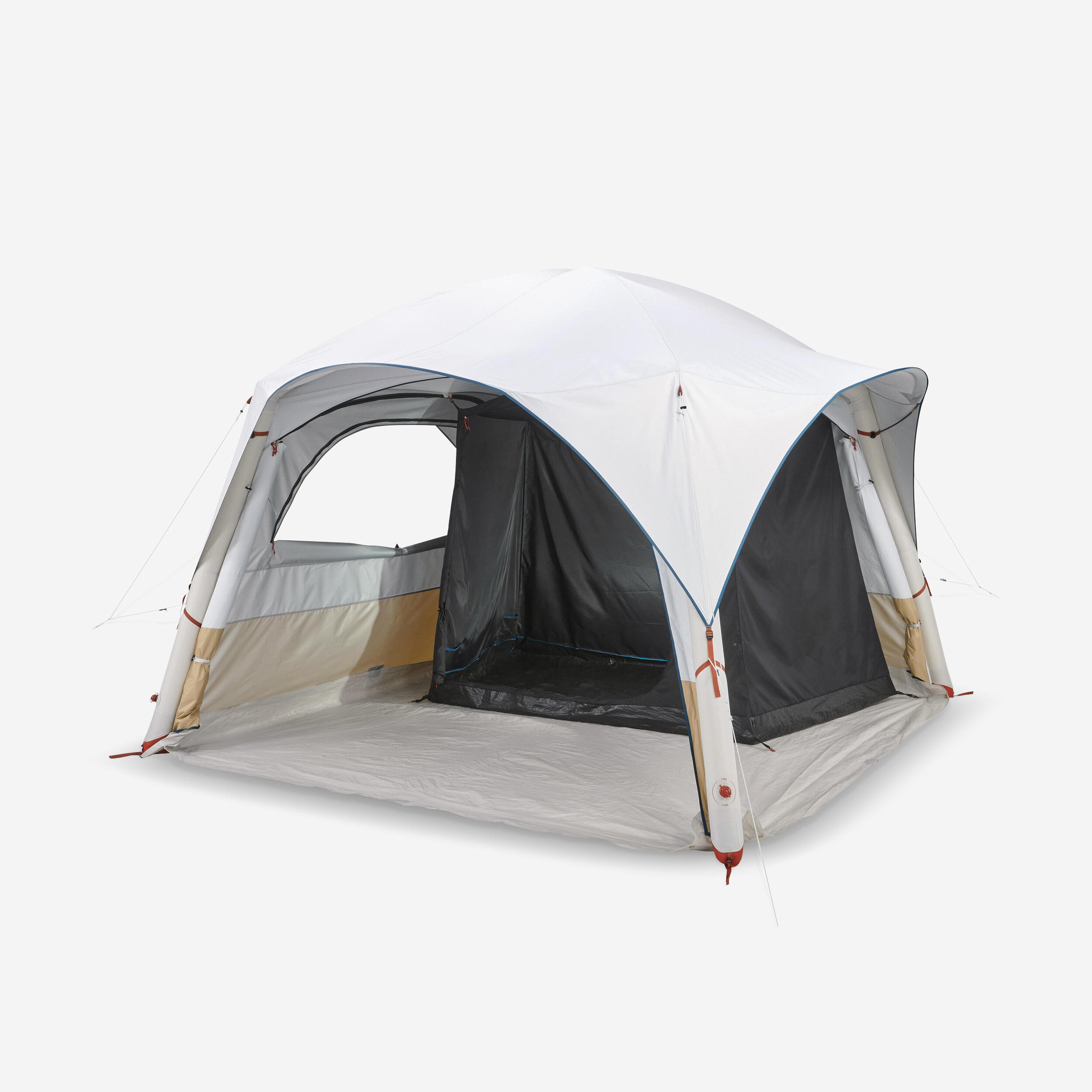
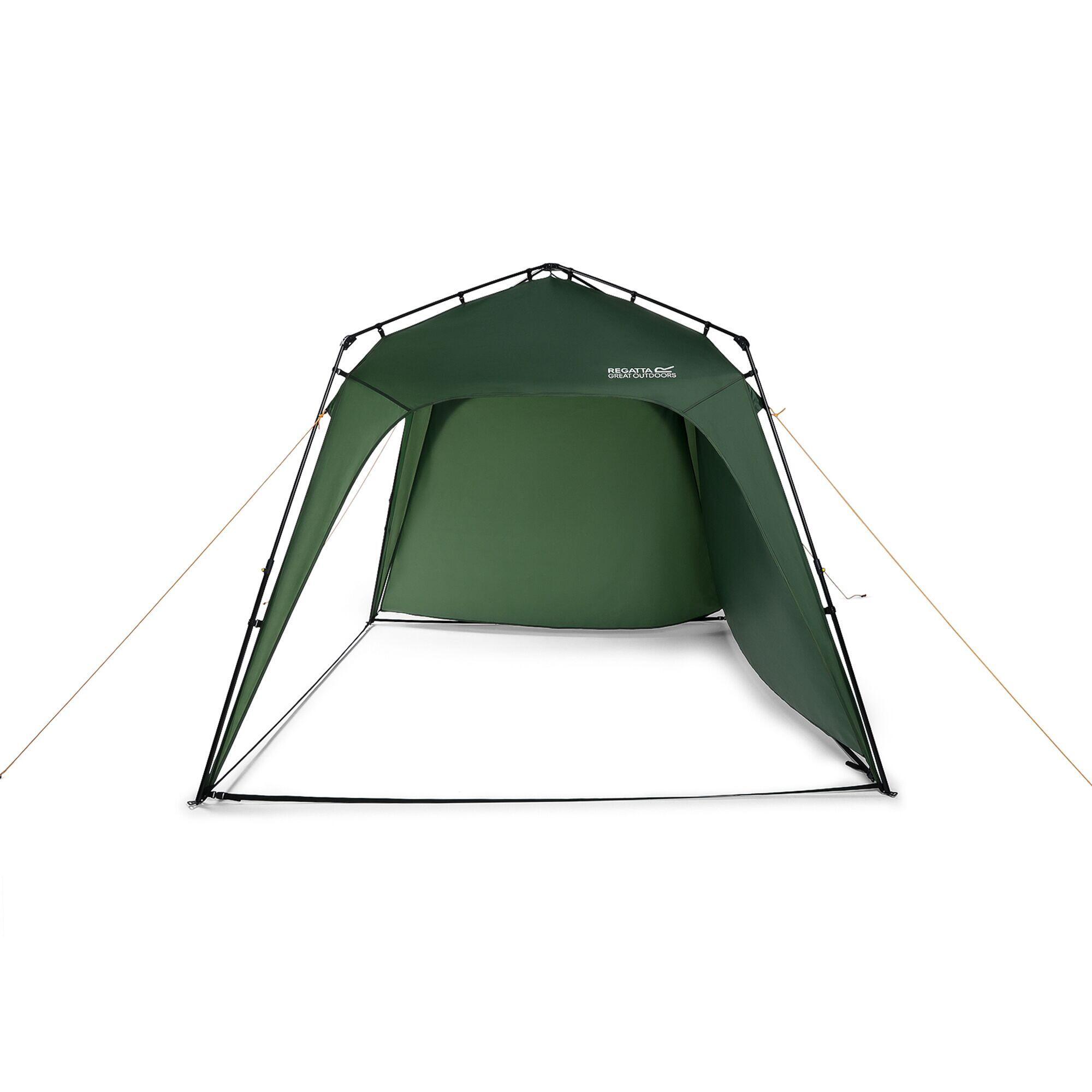
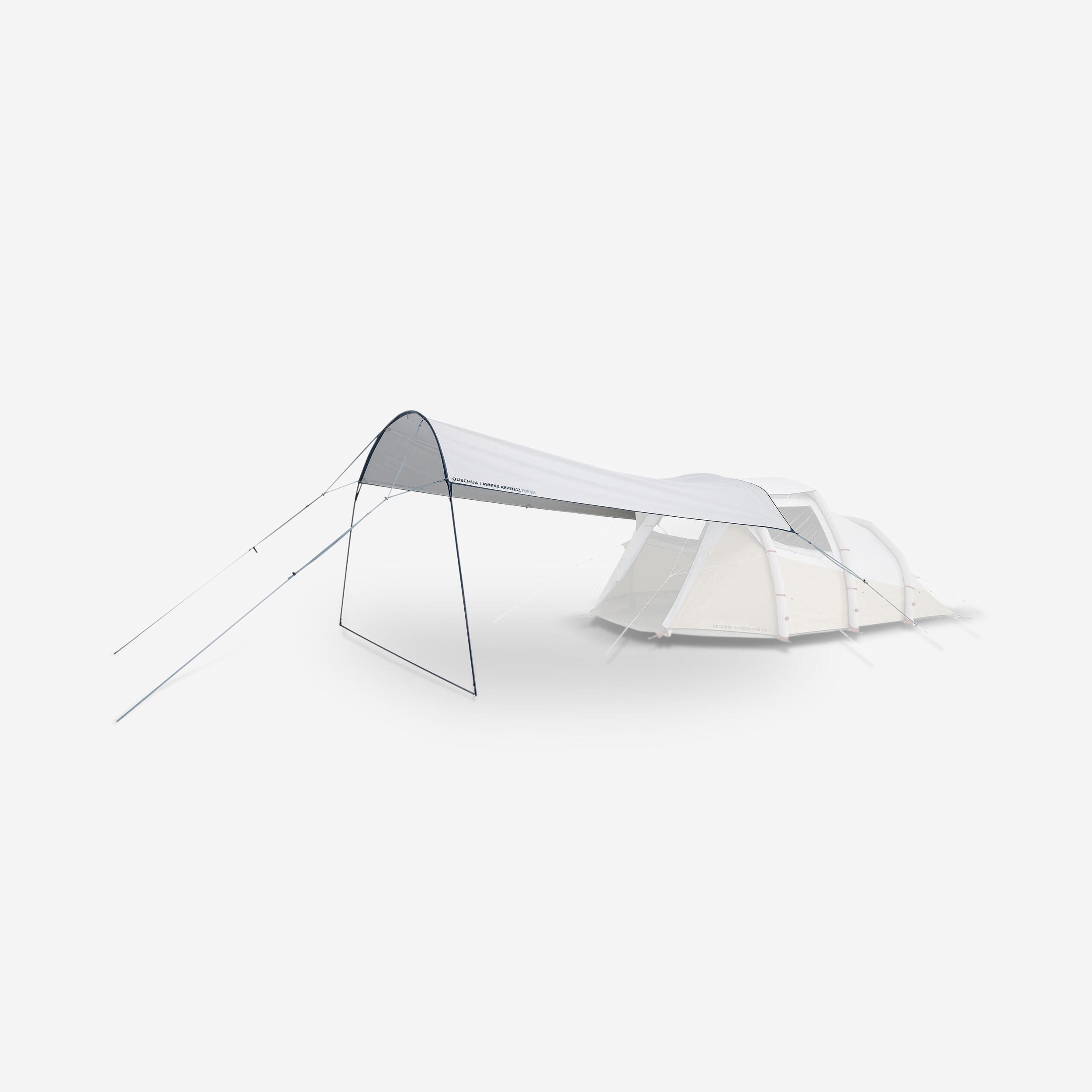
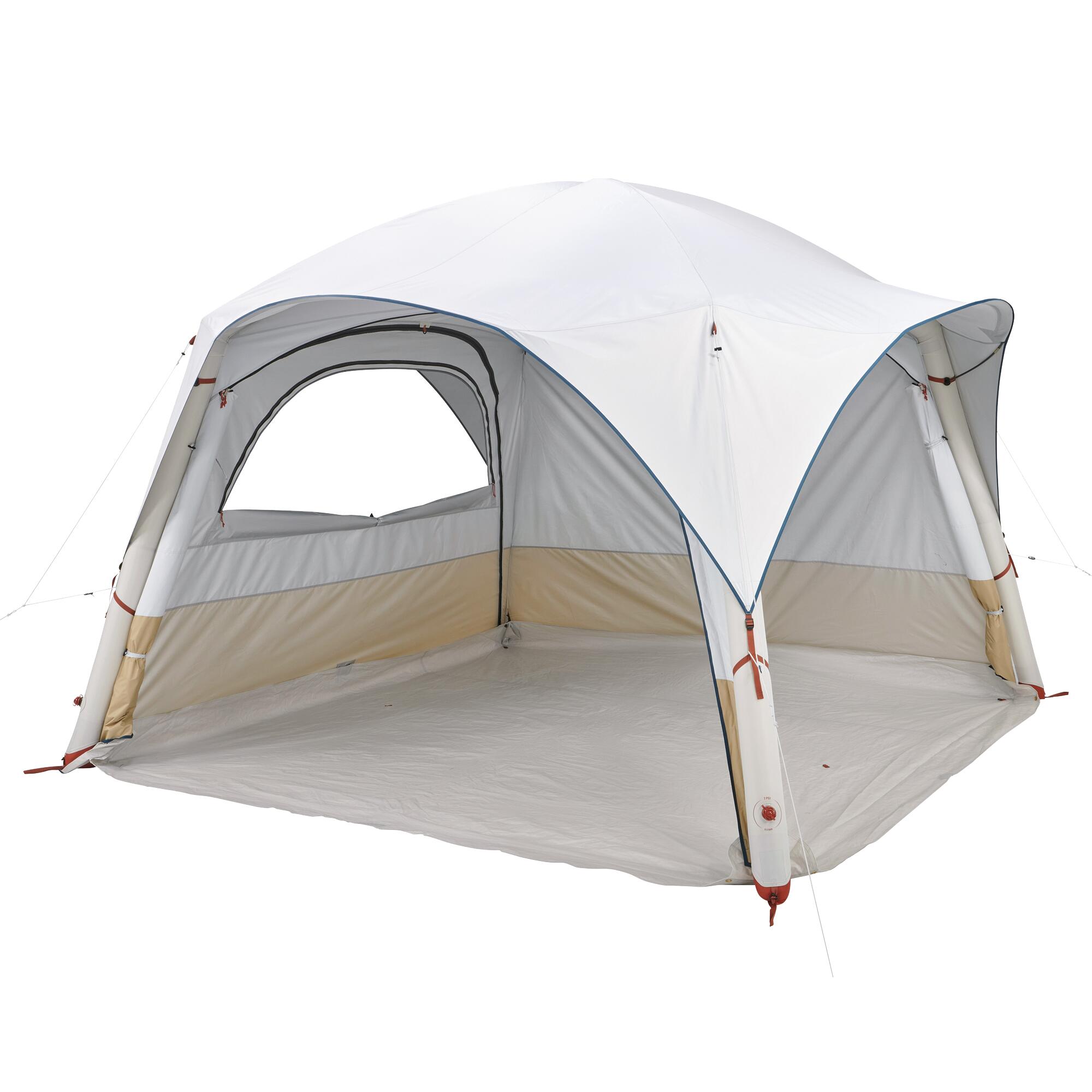
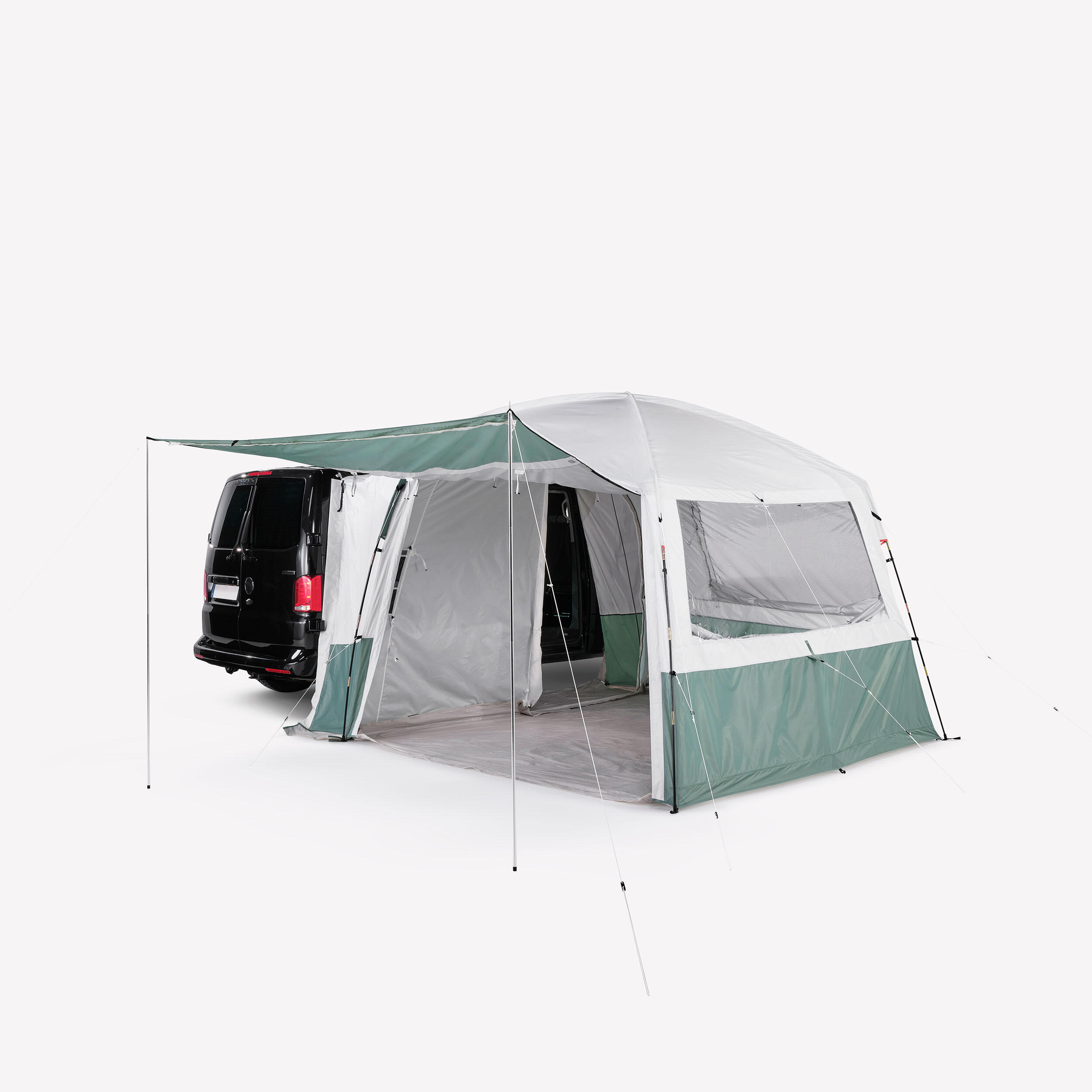
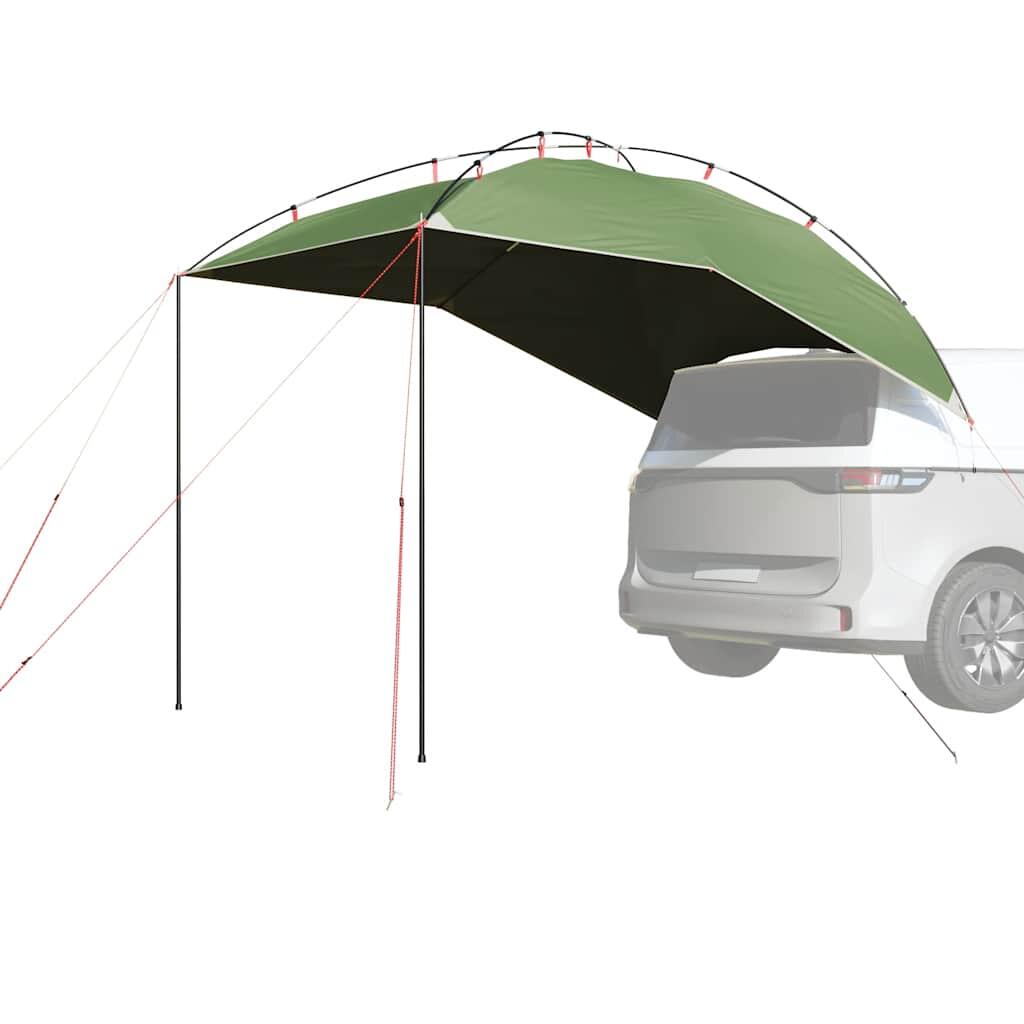
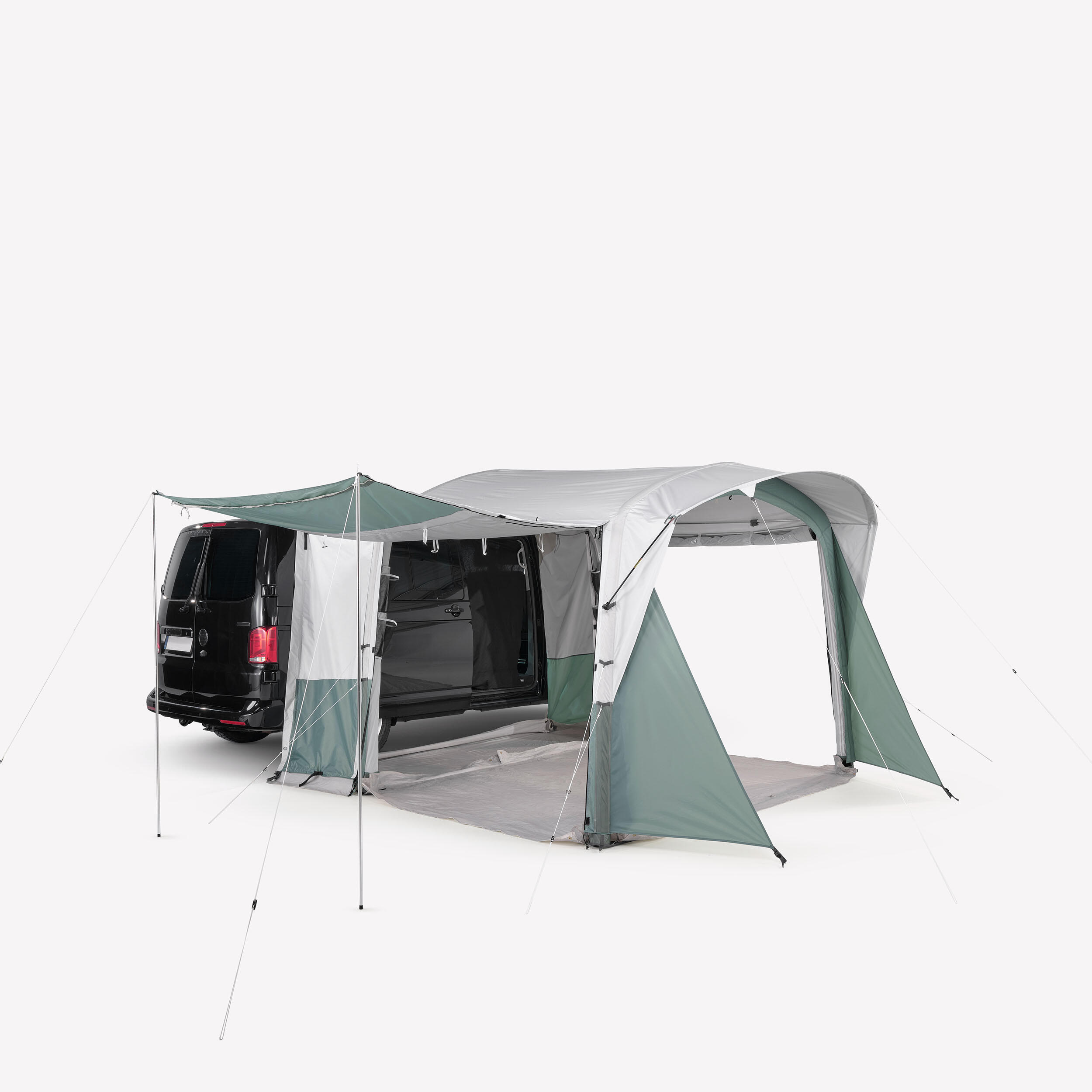
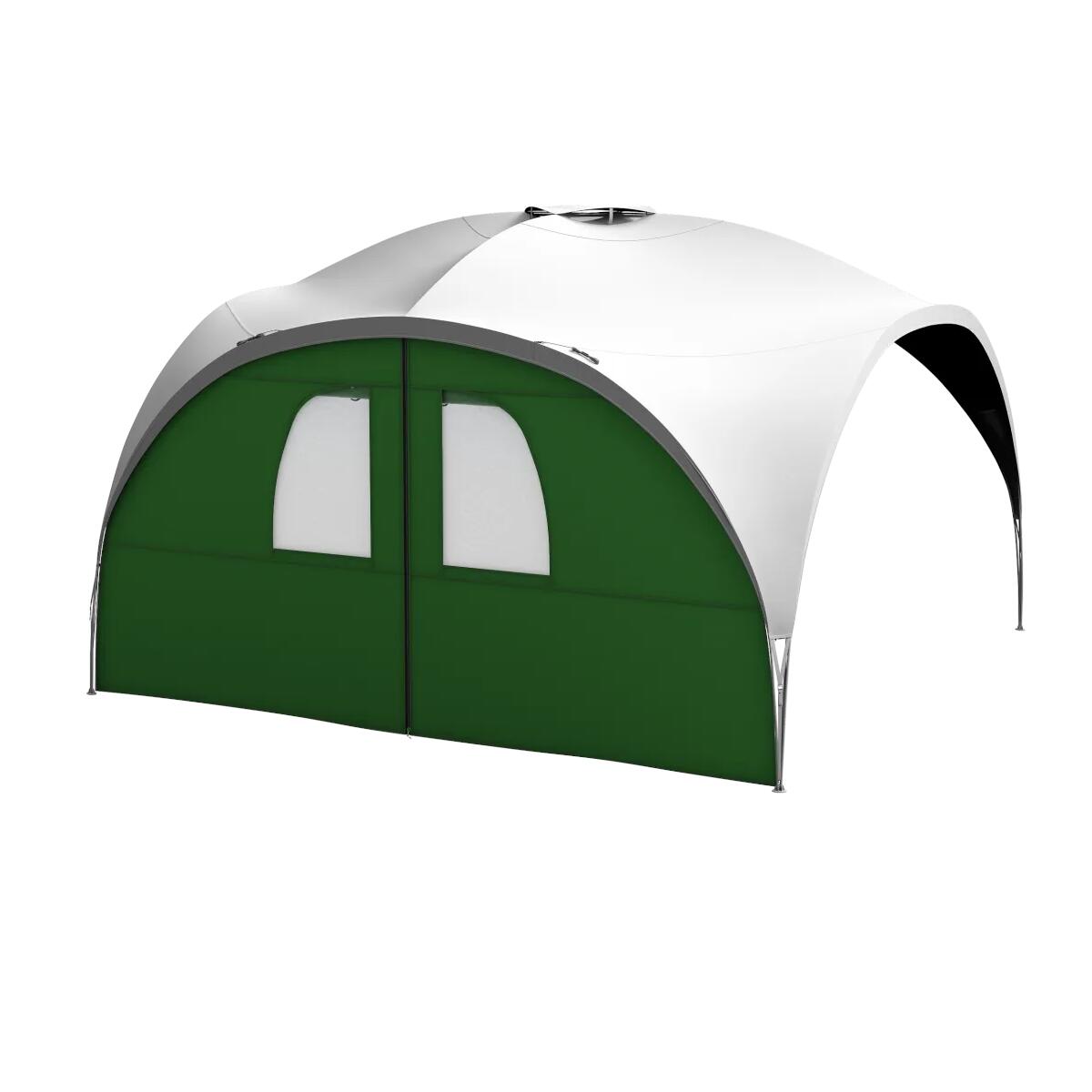
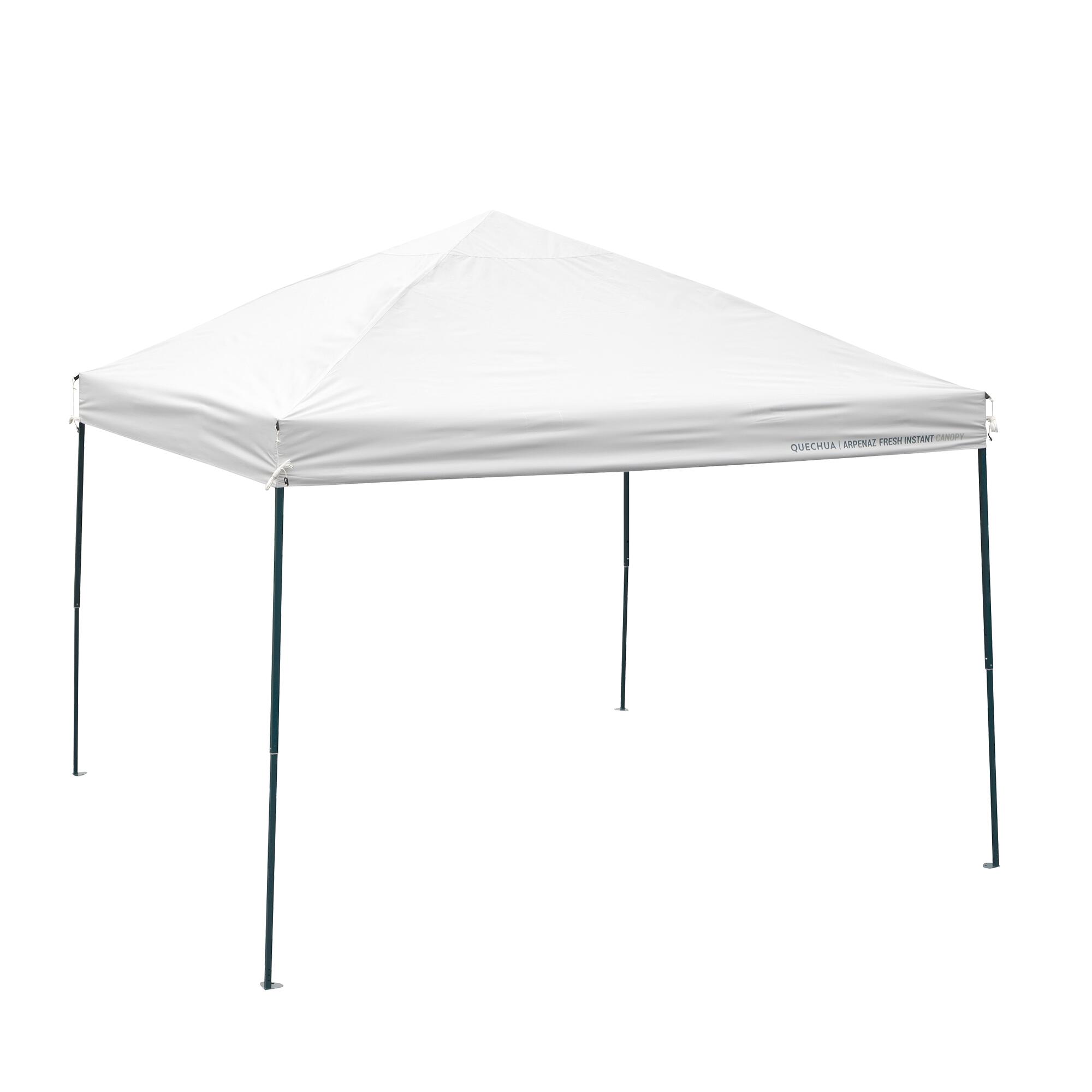
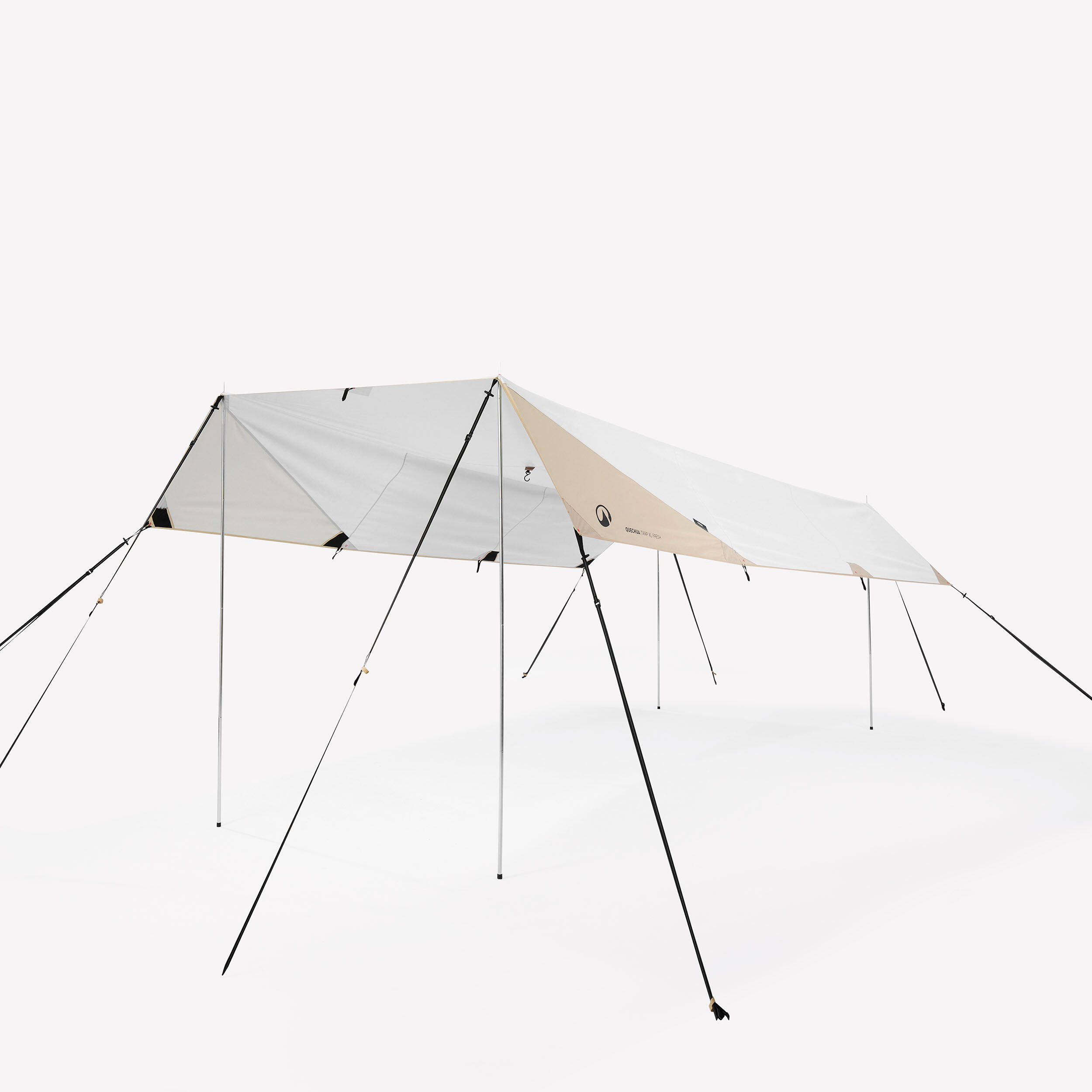
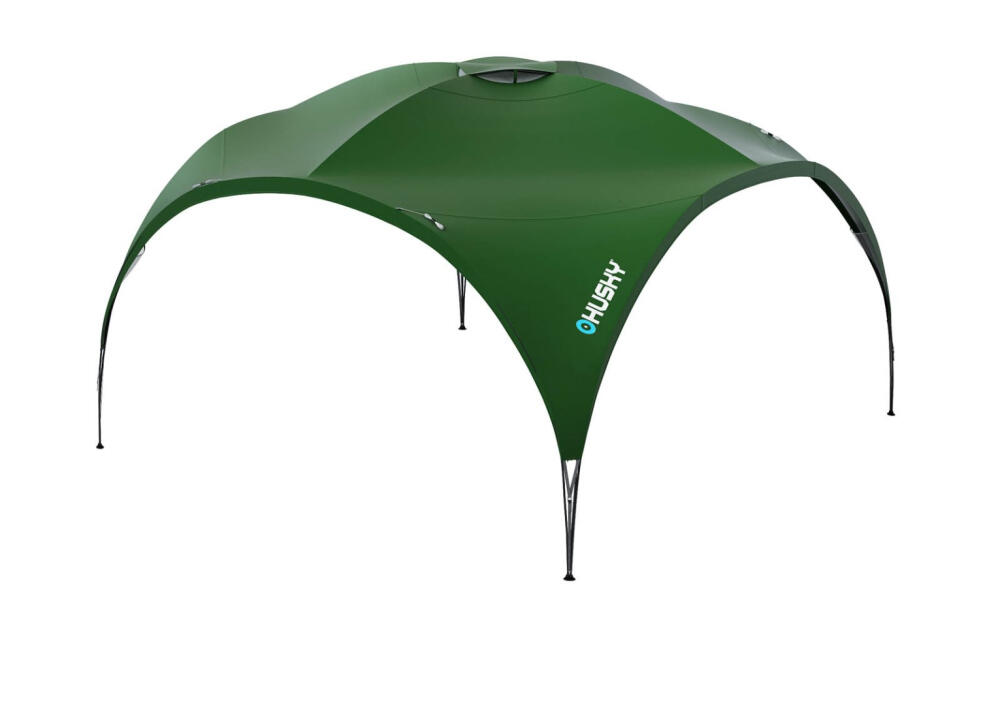
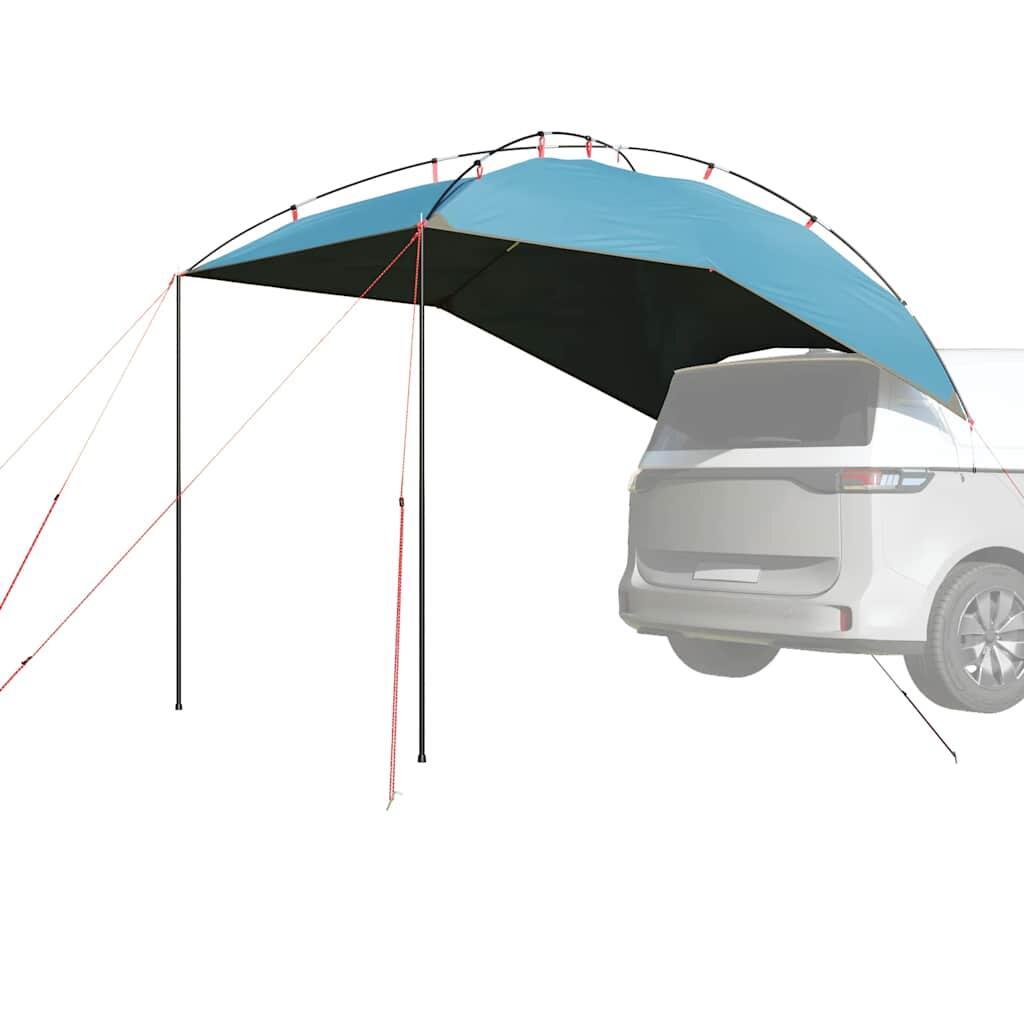
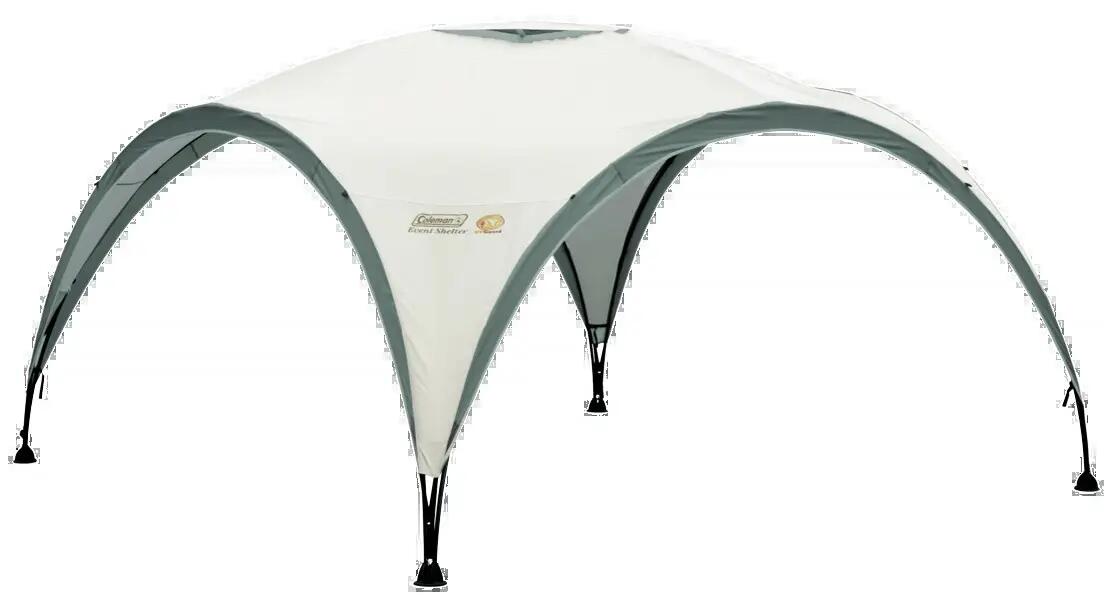
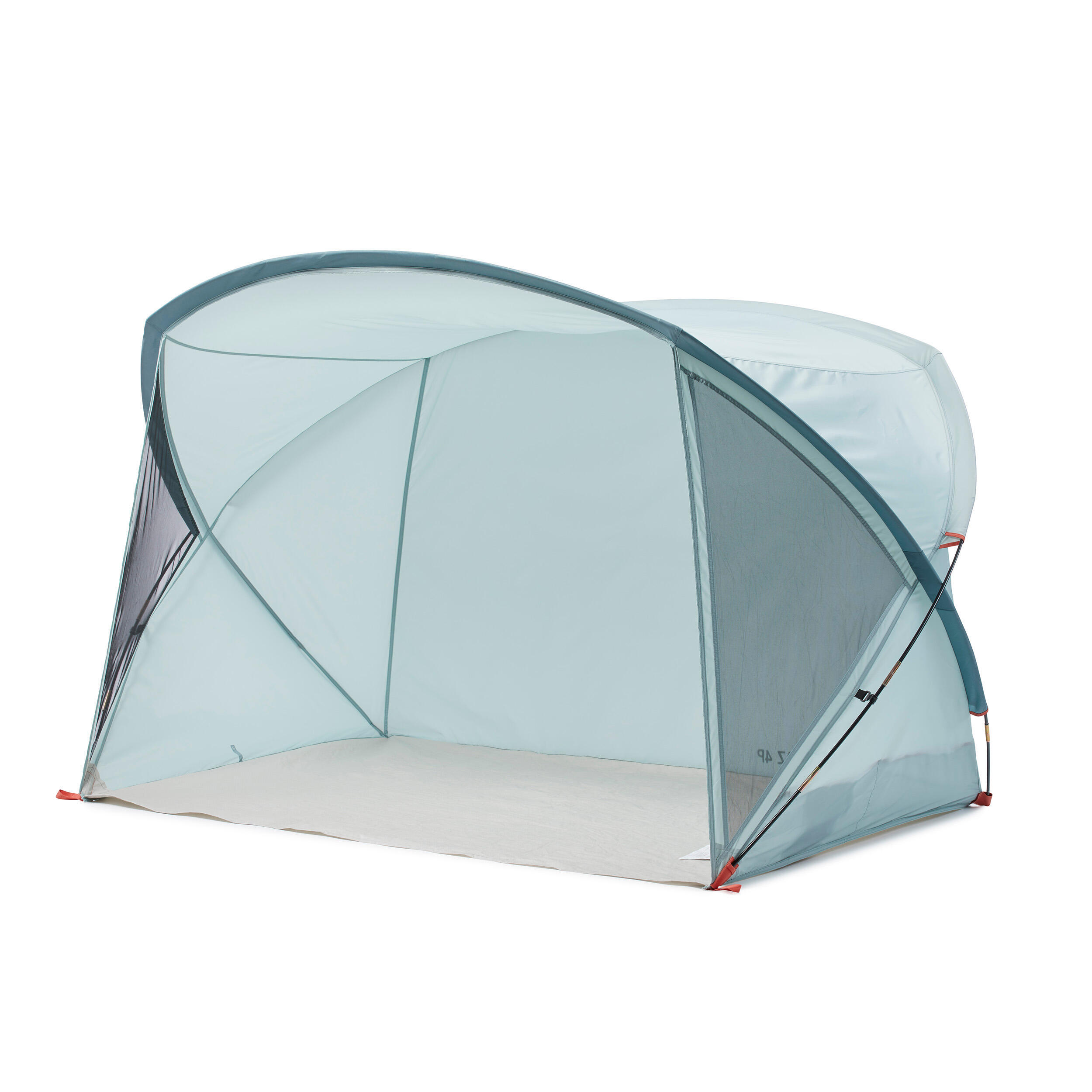
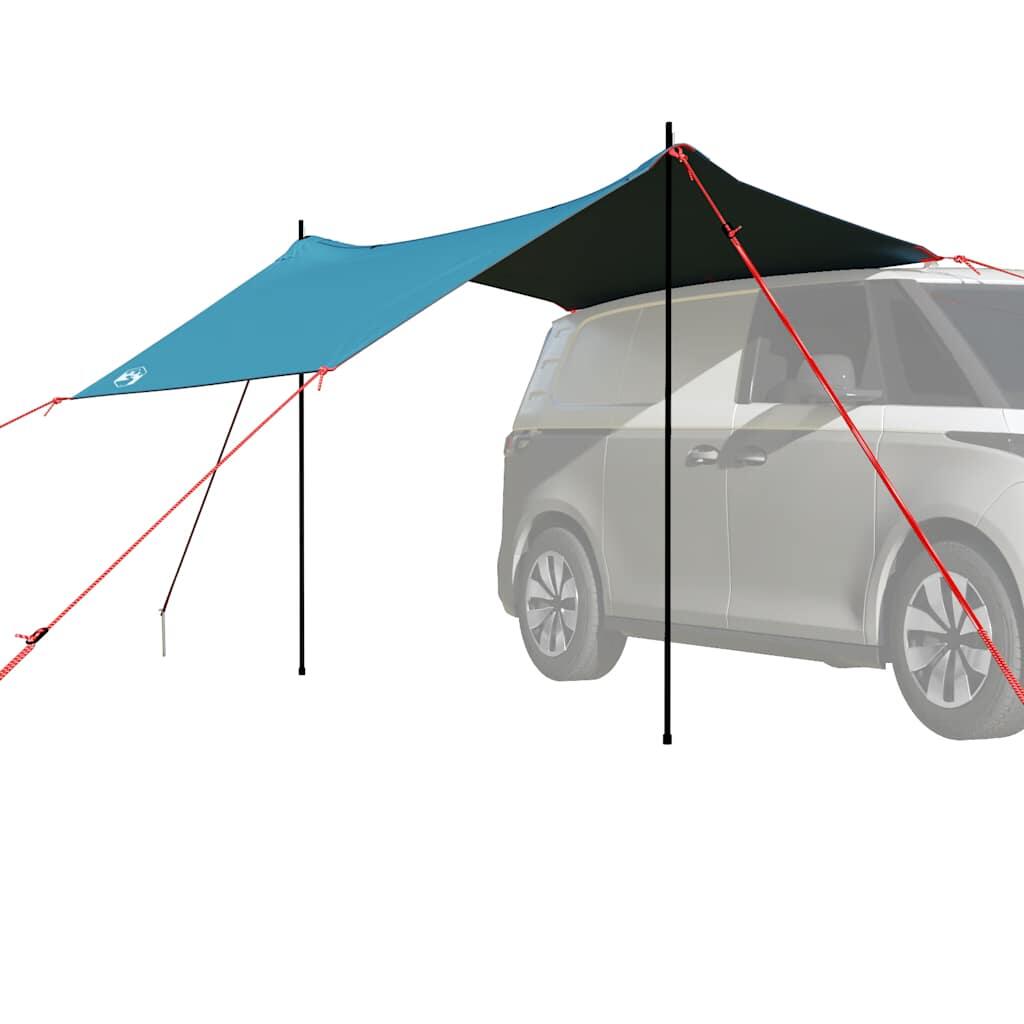
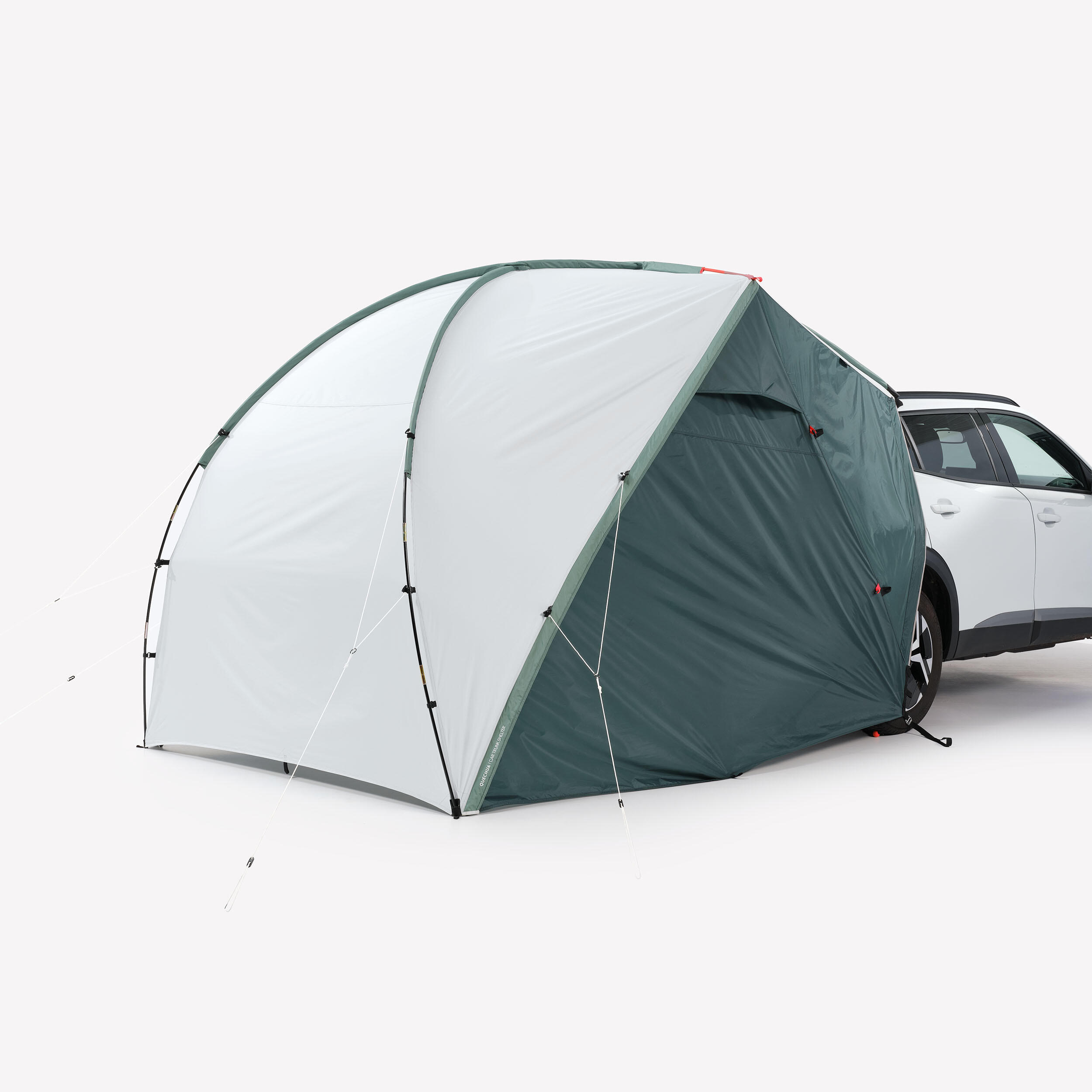
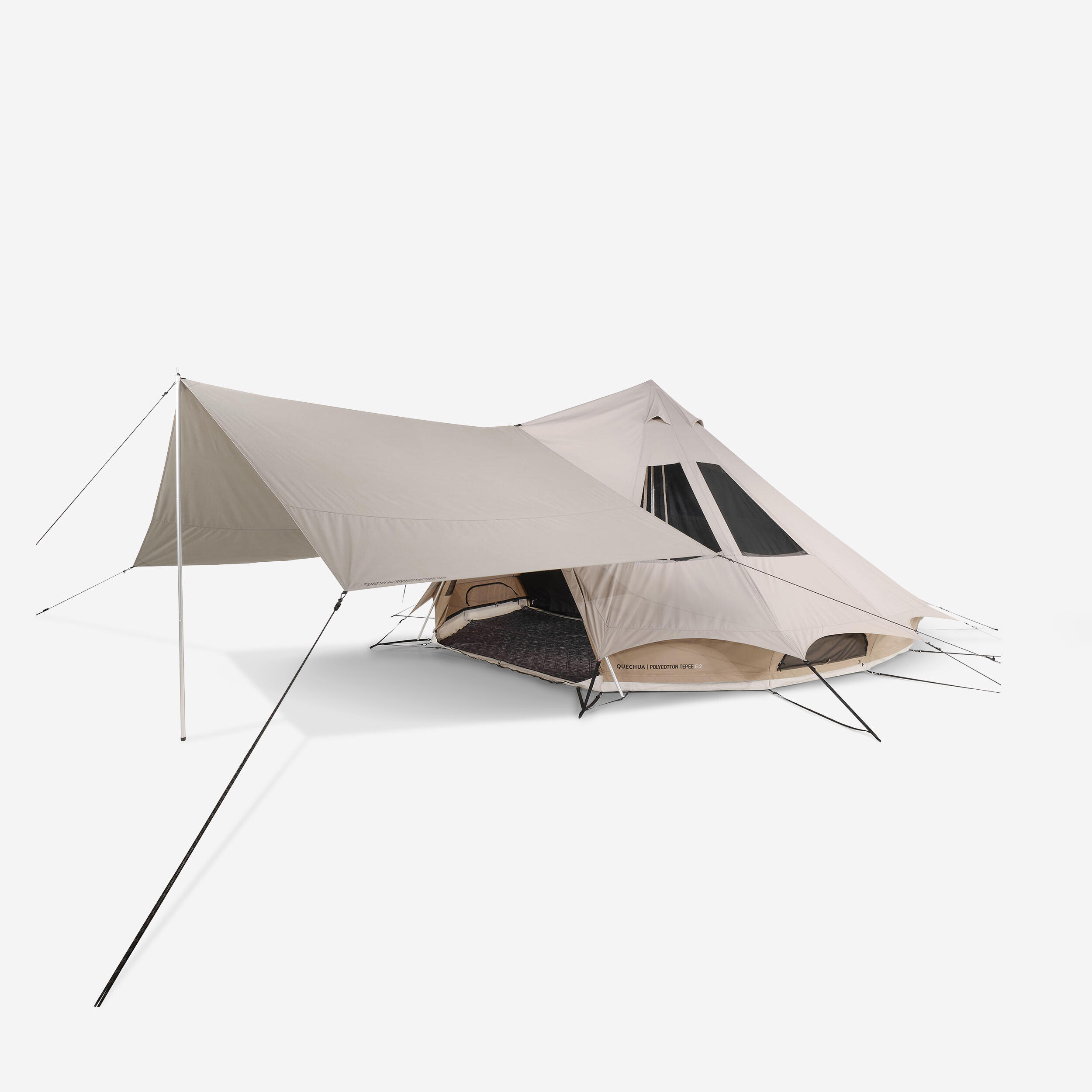
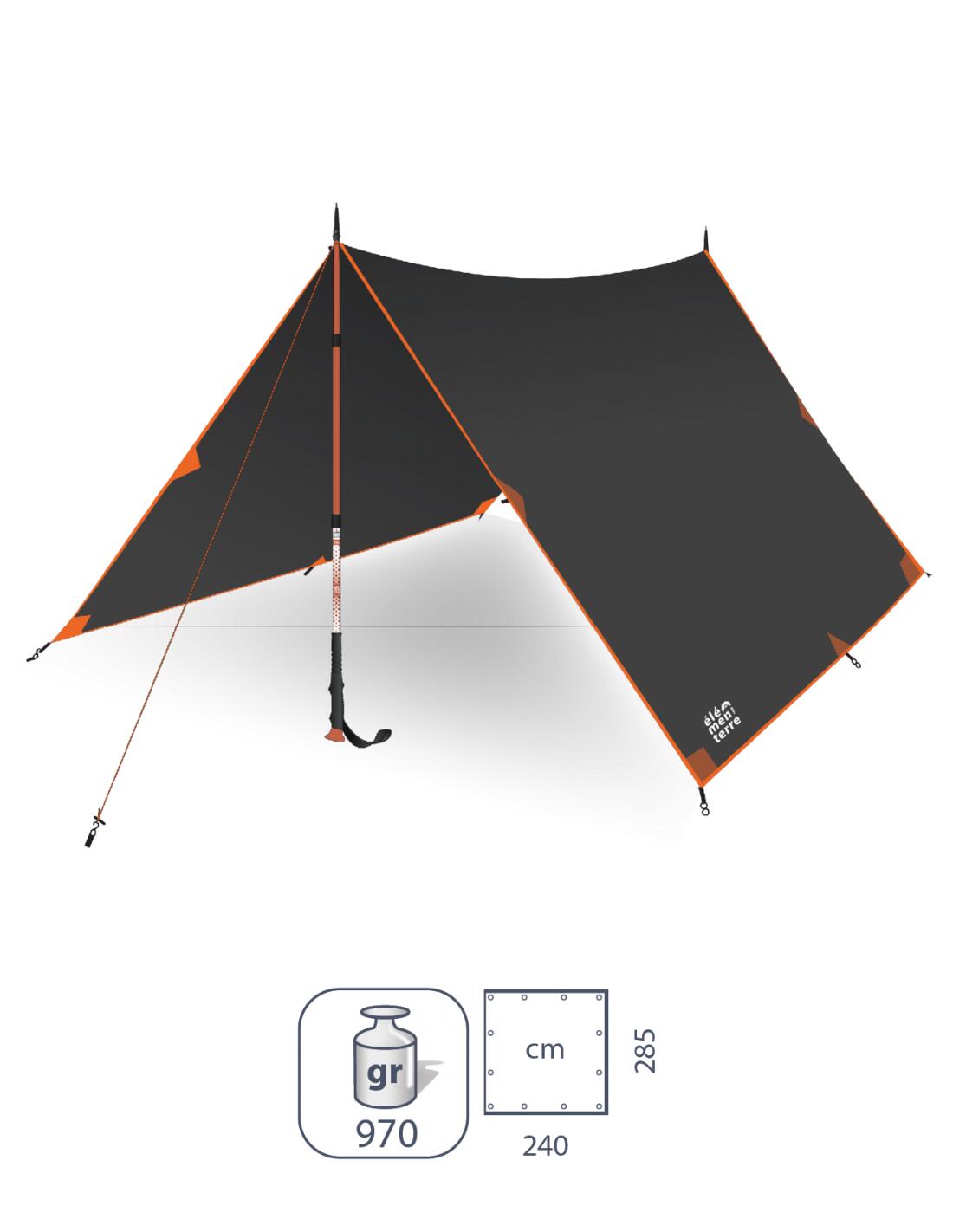
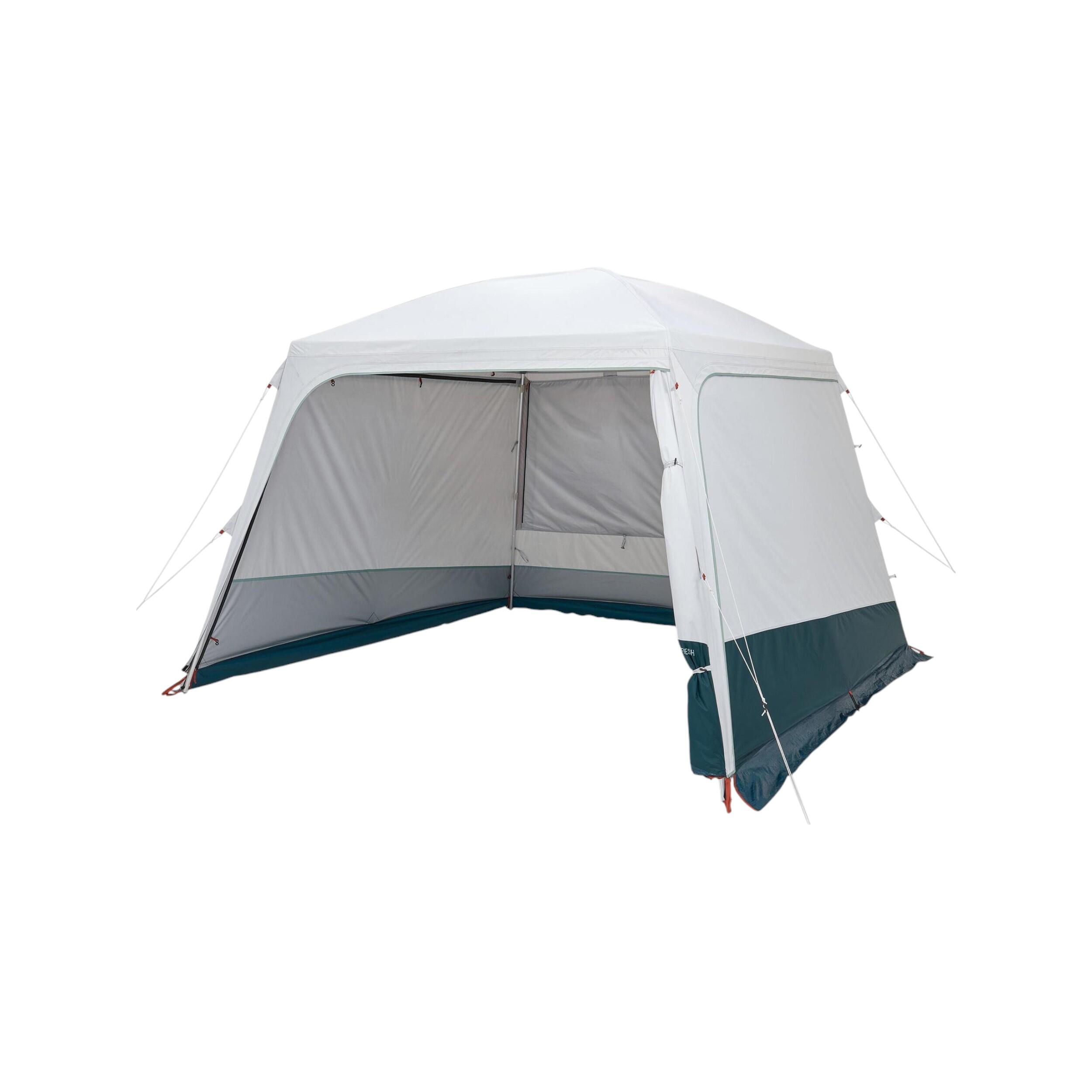
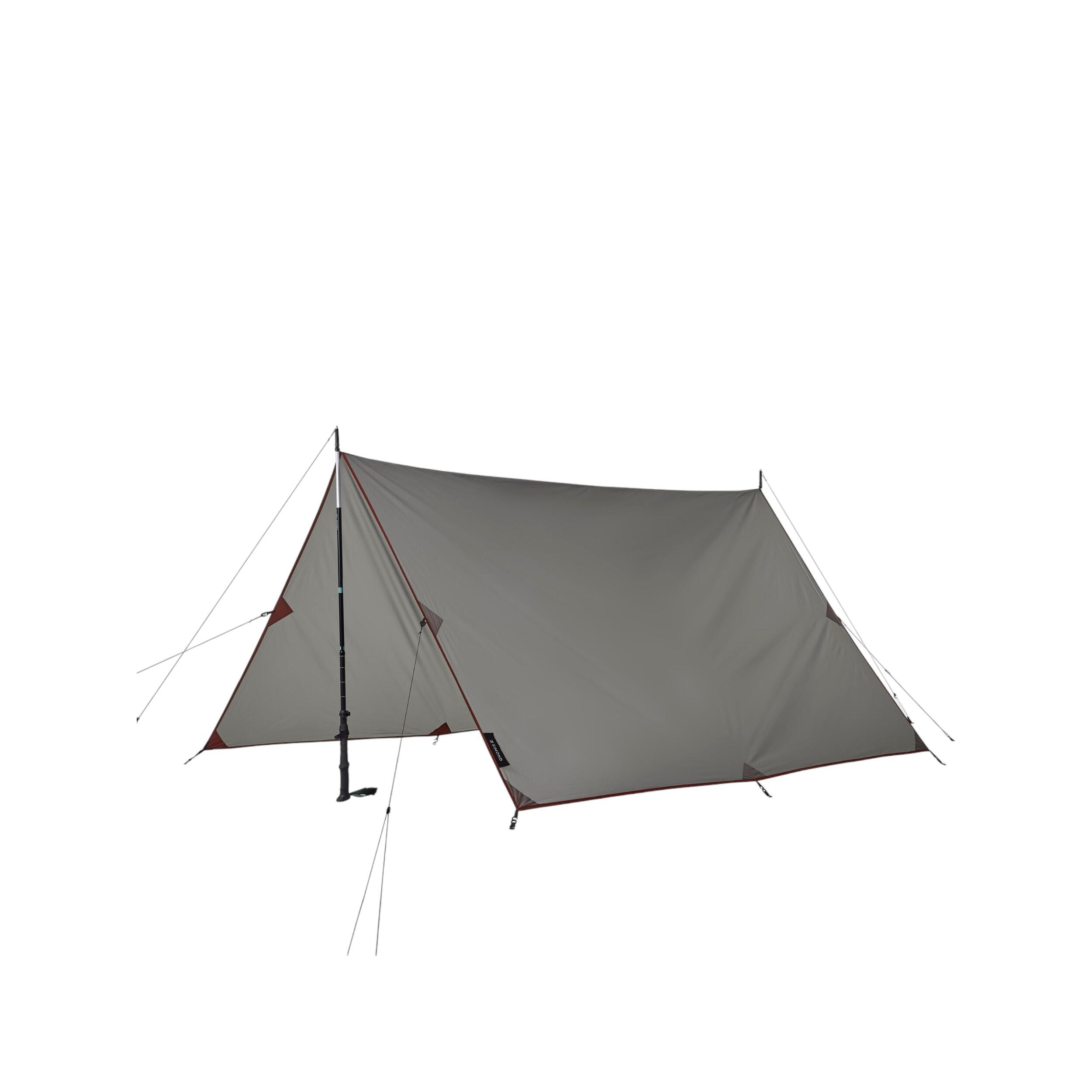
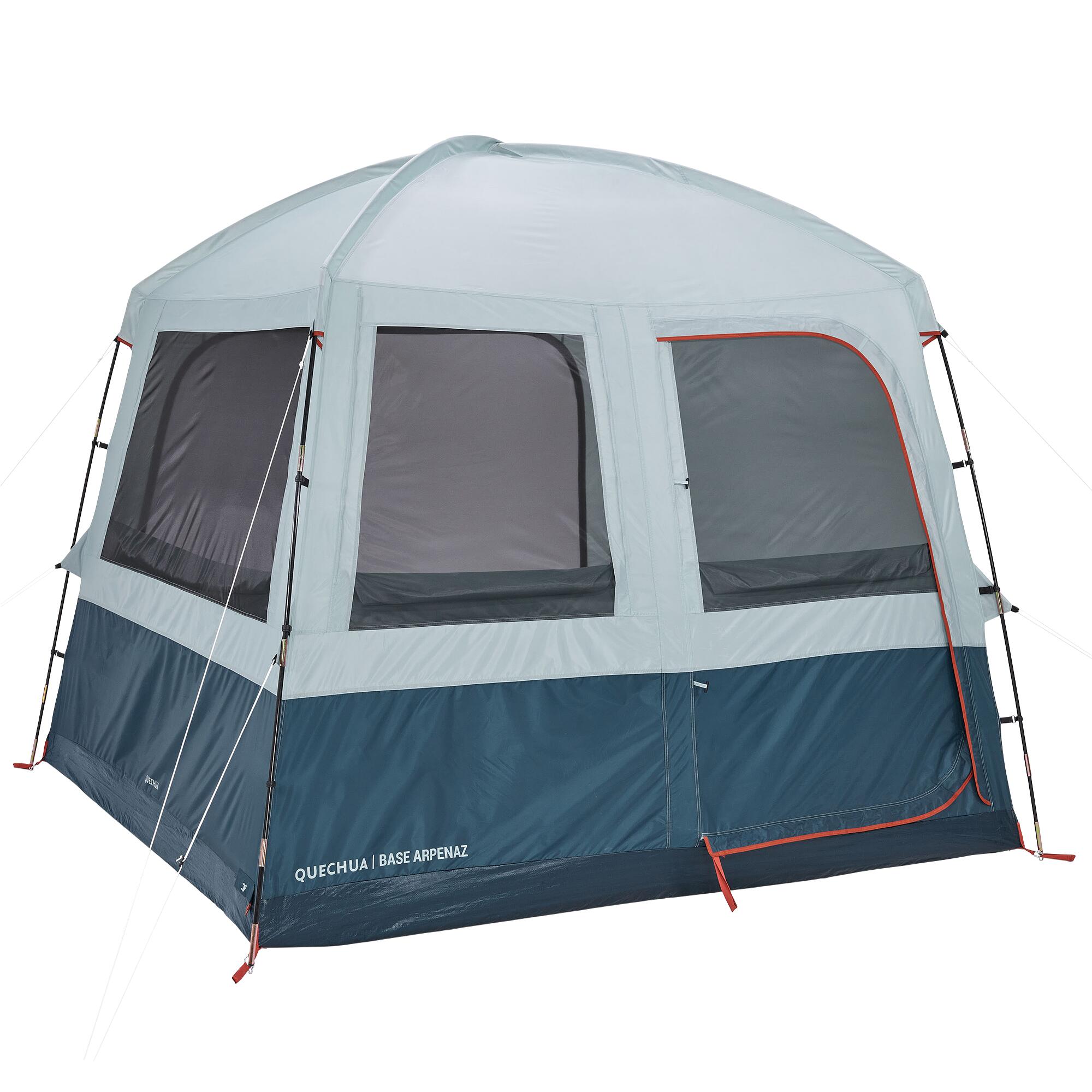
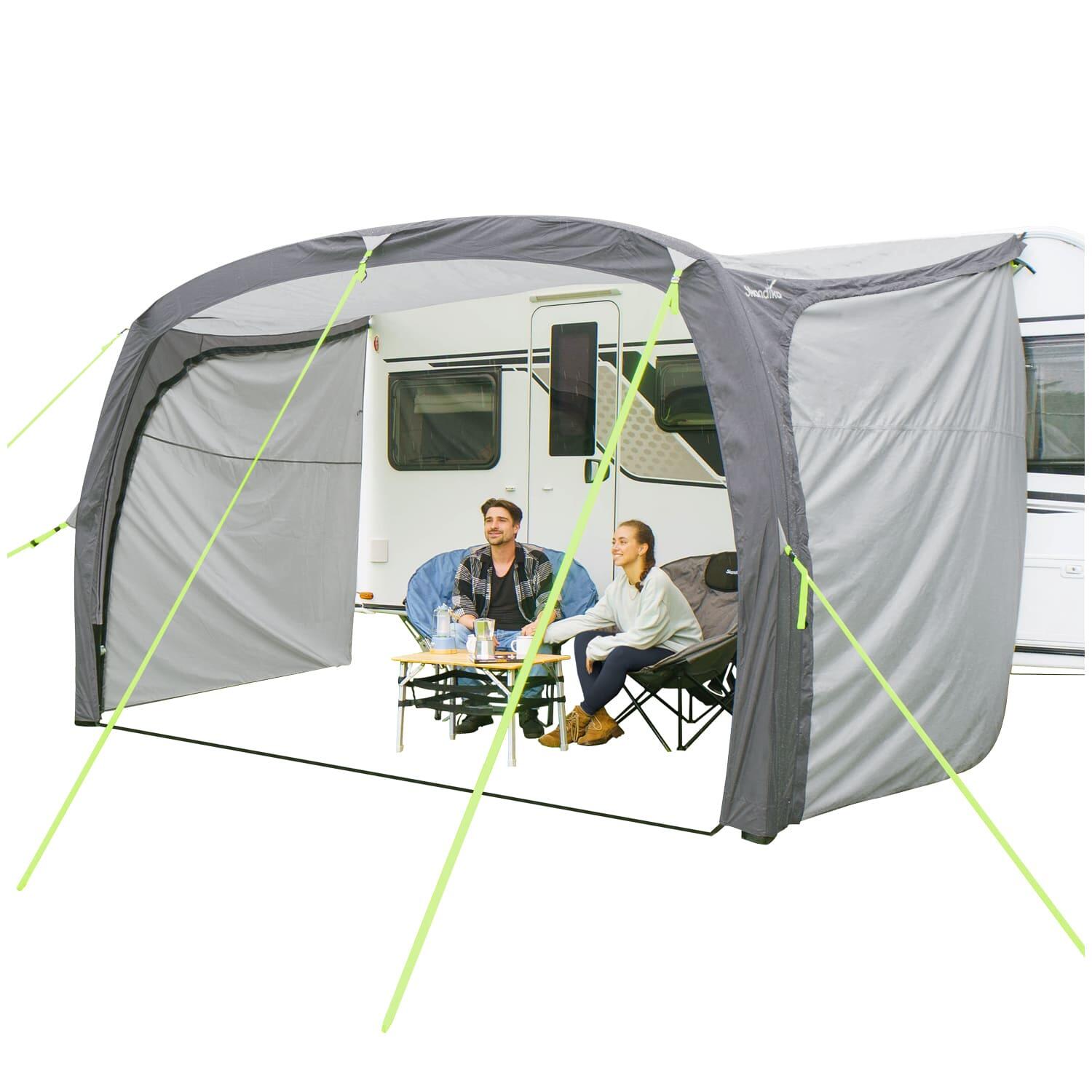
A camping shelter, a tarp, and an awning each serve a different primary function, though they overlap in how they are used at a pitch. A tarp is the most versatile of the three: it is a flat or shaped sheet of waterproof fabric with attachment points around its perimeter that can be pitched in multiple configurations depending on the weather and terrain. Used as a lean-to, an A-frame, or a flat overhead canopy, it provides rain and sun protection with minimal pack weight, which makes it the preferred choice for backpackers and ultralight campers who need a shelter they can adapt on the fly. A camping shelter is a more structured product, typically with pre-set poles or an integrated frame that pitches in a fixed configuration. It trades the tarp's versatility for faster setup and a more defined covered area, making it better suited to families or groups who want a consistent living space at a fixed campsite. An awning attaches directly to a vehicle, tent, or gazebo frame and extends the covered area outward rather than standing independently. The technical reason awnings use a different attachment system is to transfer wind load back into the main structure rather than relying on independent pegging, which makes them more stable in gusty conditions. A shelter and sleeping setup can come as one, since the range of camping tents offers integrated porch designs that function as a built-in awning without a separate purchase.
How do I choose a tarp or windbreak for exposed coastal or festival camping?

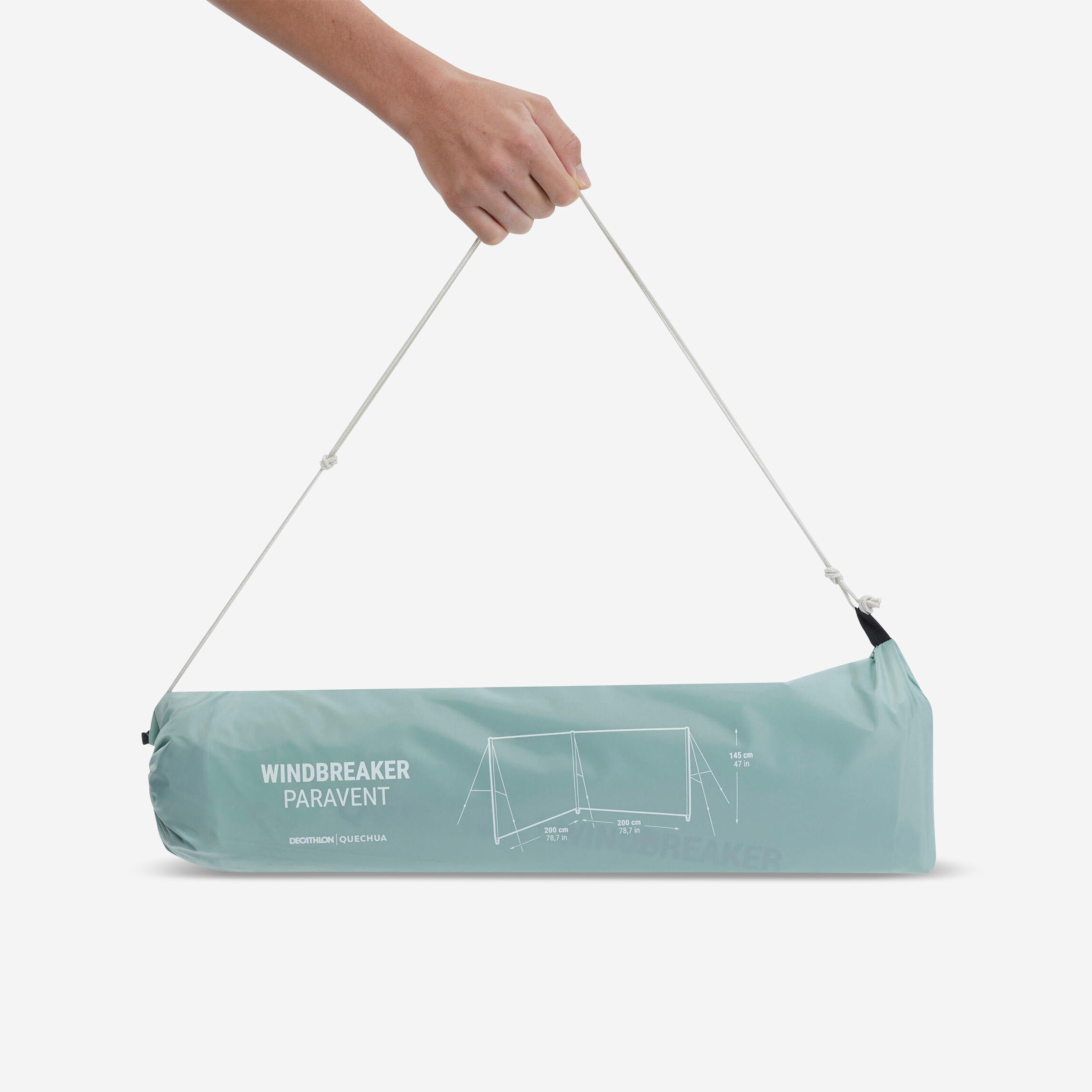
For exposed coastal or festival pitches where wind is the primary concern rather than rain, the key specifications to look for in a tarp or windbreak are fabric weight, attachment point density, and peg compatibility with soft ground. A heavier fabric with a tighter weave resists billowing under lateral wind load better than a lightweight ripstop, which acts like a sail when unsupported along its mid-panel. Attachment points spaced at regular intervals along the full perimeter allow the fabric to be tensioned evenly, which prevents the stress concentration that tears a lightly reinforced edge under sustained wind load. Smart tip: use sand pegs or deadman anchors rather than standard skewer pegs on sandy coastal ground; a standard peg pulls straight out of dry sand under any lateral tension, while a deadman anchor buried horizontally holds under the same load. The full range of tarps, windbreaks, and awning options for varied pitch conditions is mentioned under camping tarps, windbreaks and awnings.

What UPF rating should a beach shelter or sun canopy have to provide effective UV protection?

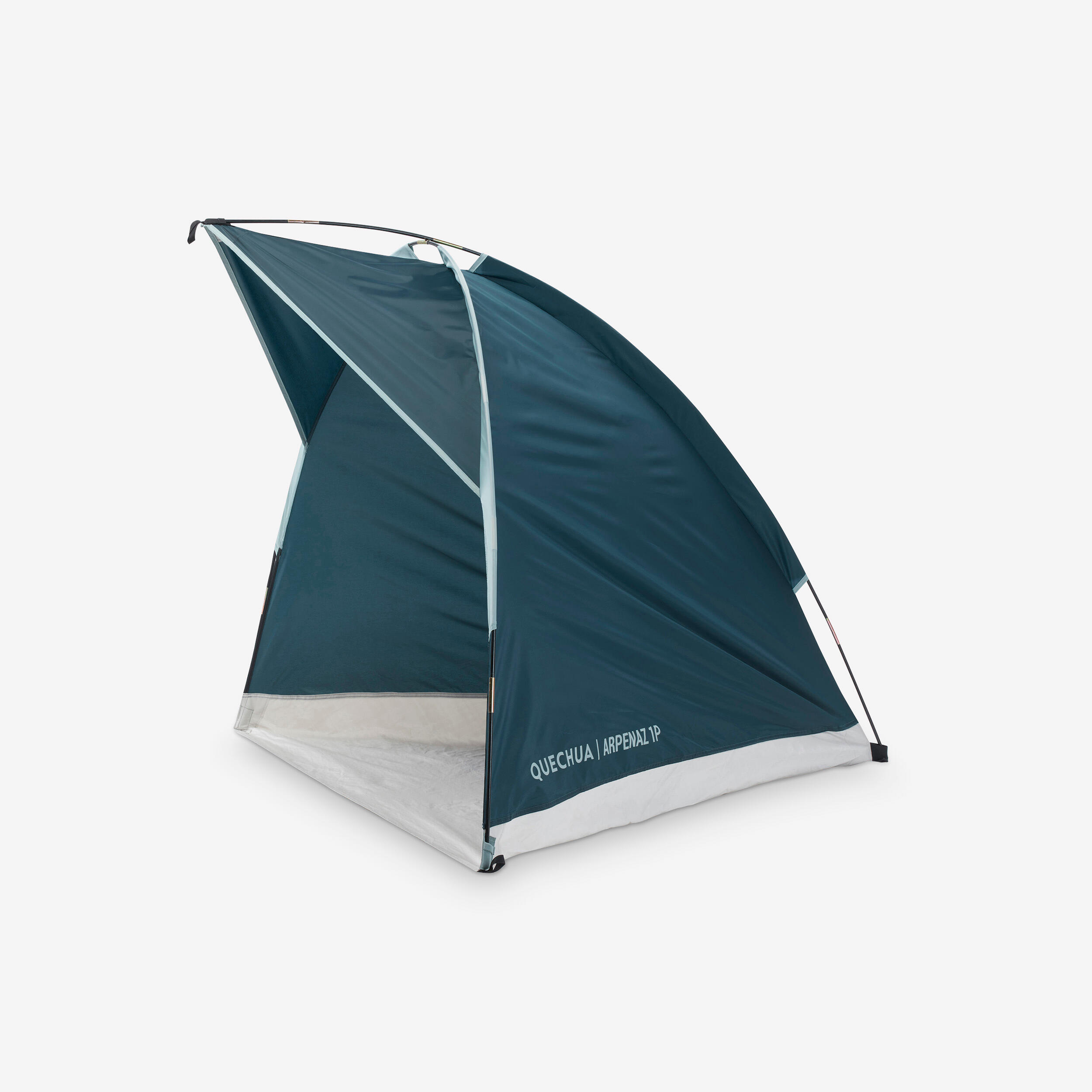
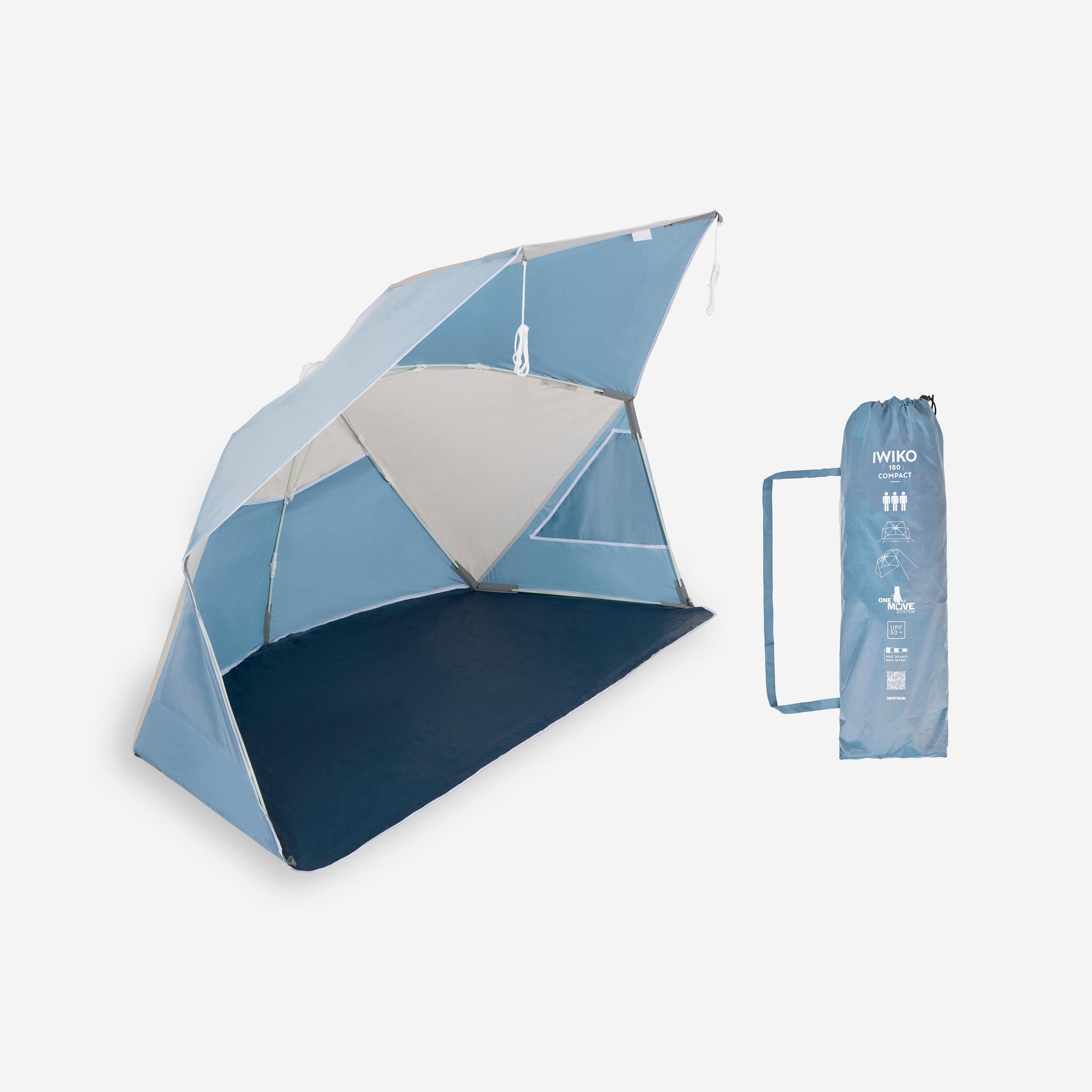
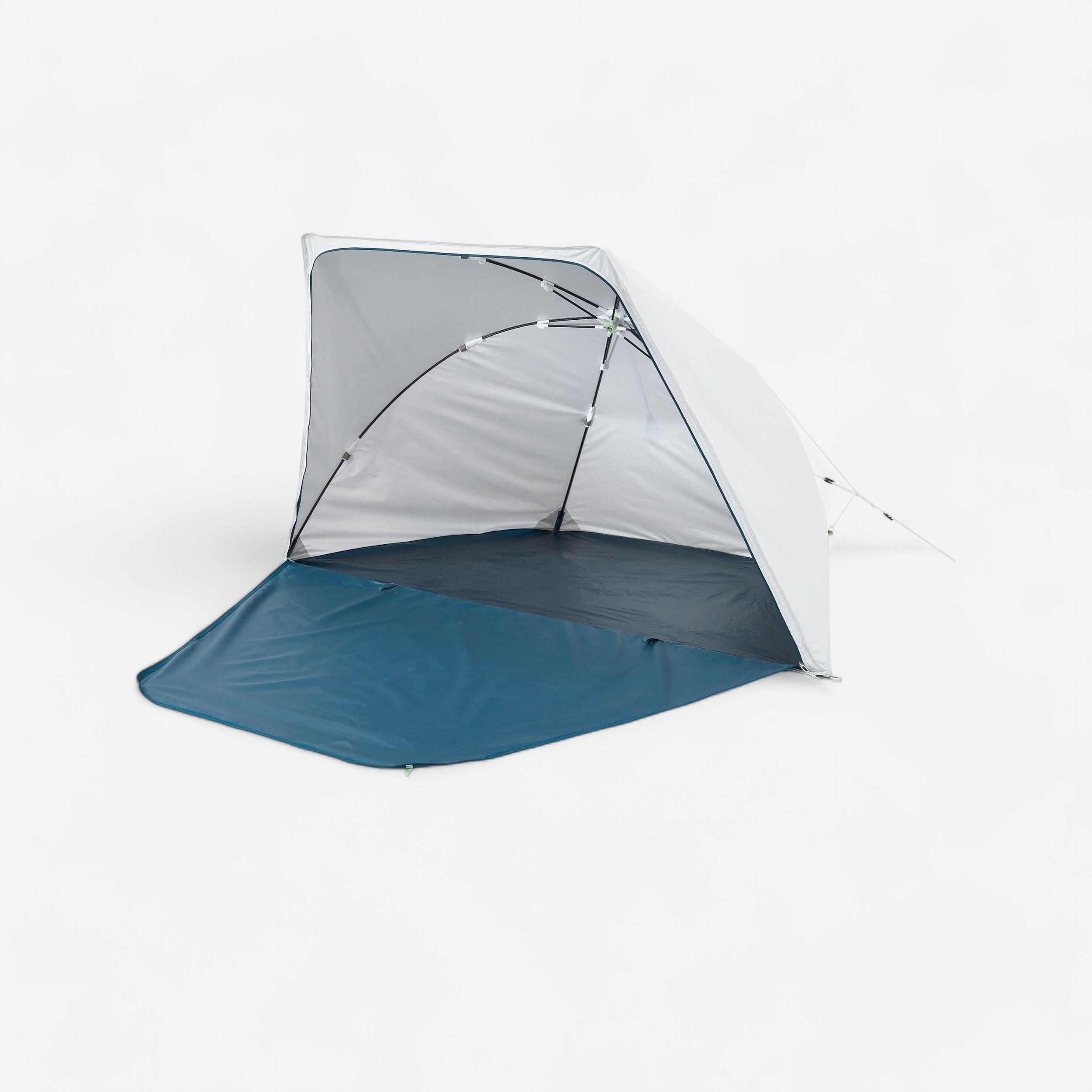
A UPF rating describes how much UV radiation passes through a fabric; a rating of UPF 30 blocks roughly 97% of UV rays, while UPF 50 and above blocks over 98%. For a beach shelter used during peak sun hours, a minimum UPF 50 rating is the appropriate choice, particularly for families with children whose skin burns faster under direct sun exposure. The technical reason fabric UPF ratings vary is that weave density, fibre type, and any applied UV-blocking treatment all affect how much UV passes through; a wet or stretched fabric also has a lower effective UPF than the rating quoted for dry, unstretched material. Pop-up beach shelters with integrated UV protection panels are faster to pitch than pole-and-guy-line models, which matters when setting up on a busy beach with young children. Dedicated sun shelter models with anti-UV fabric are mentioned in the catalog of camping shelters and gazebos, where products are filterable by UPF rating and capacity.

When should I choose a pop-up beach tent over a standard beach shelter?

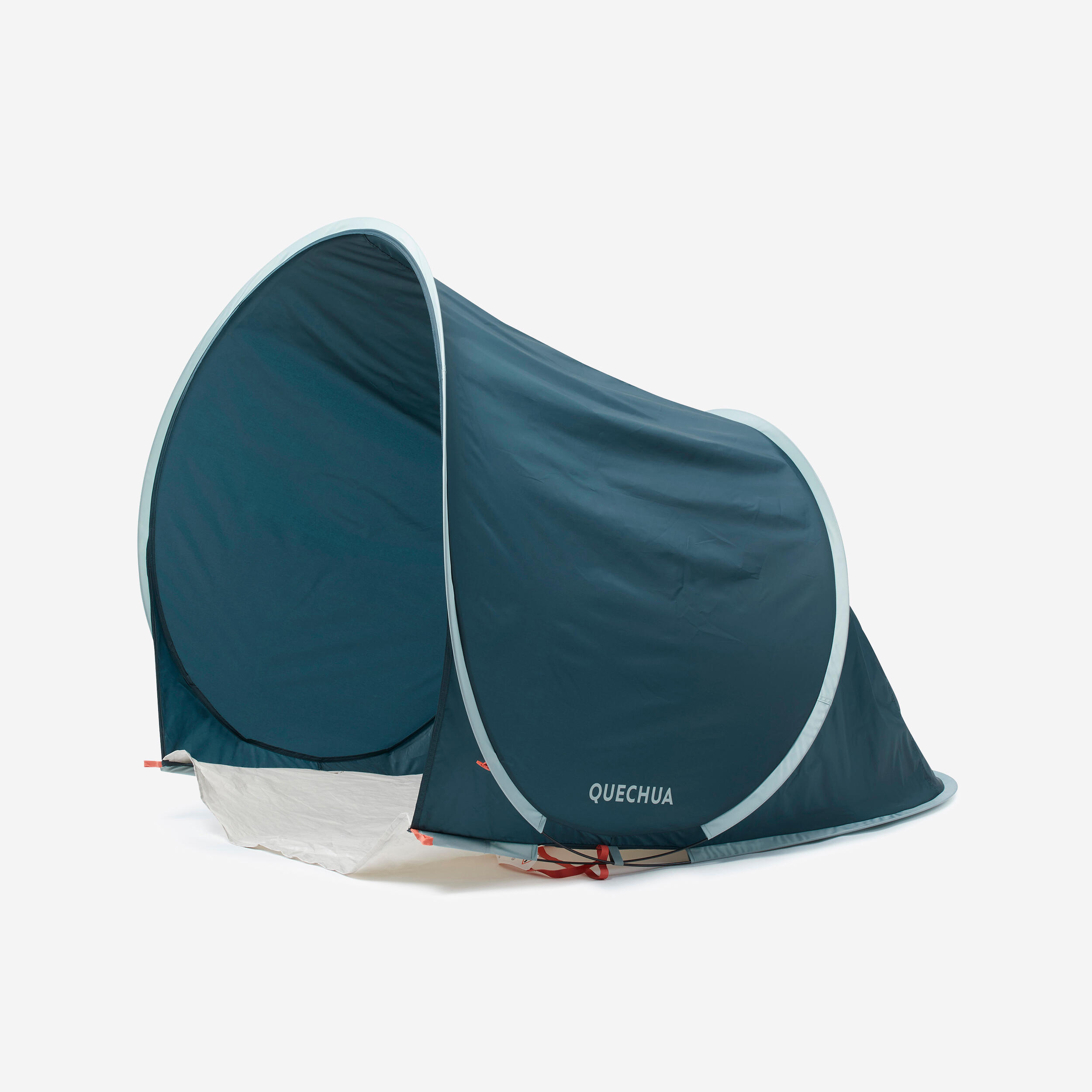
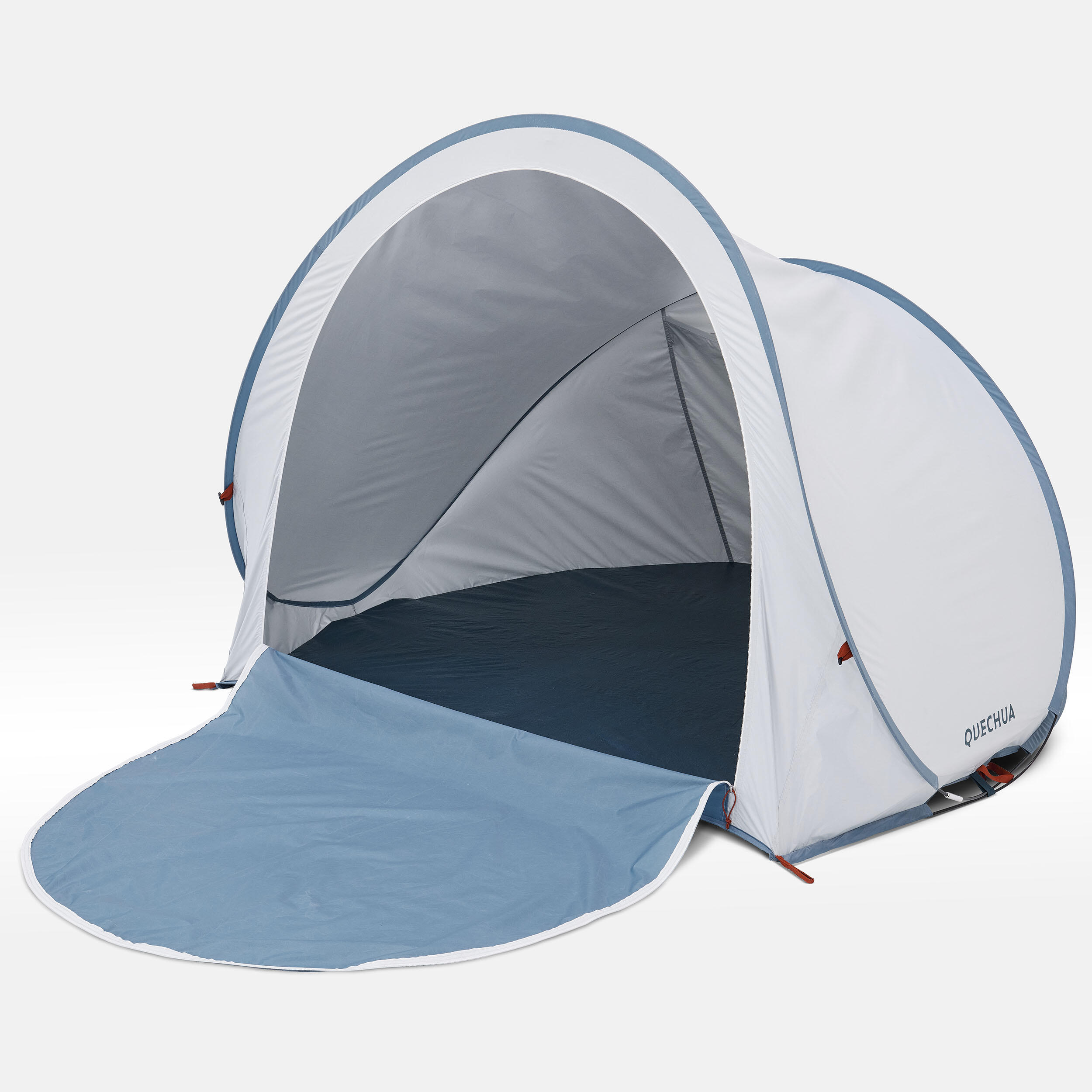
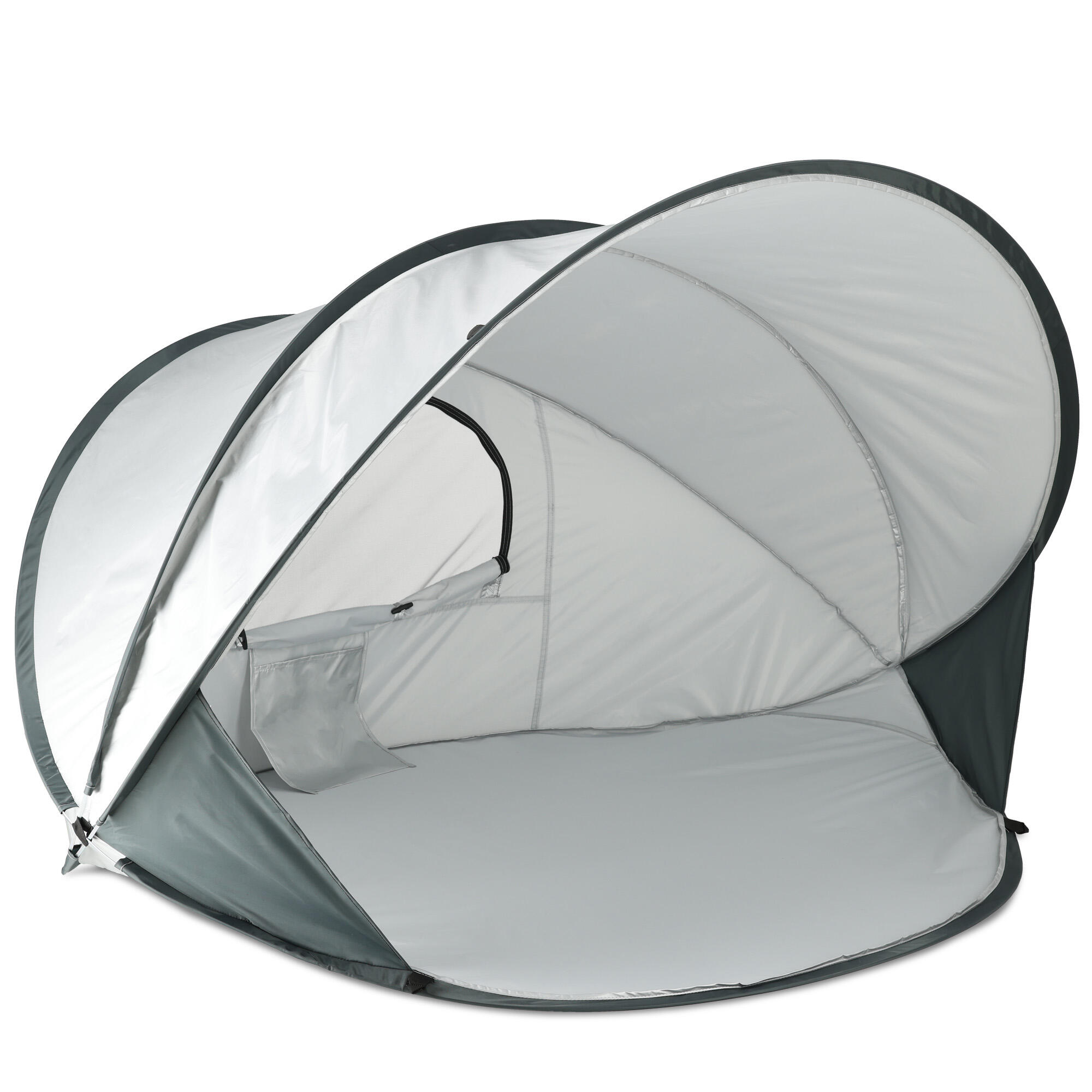
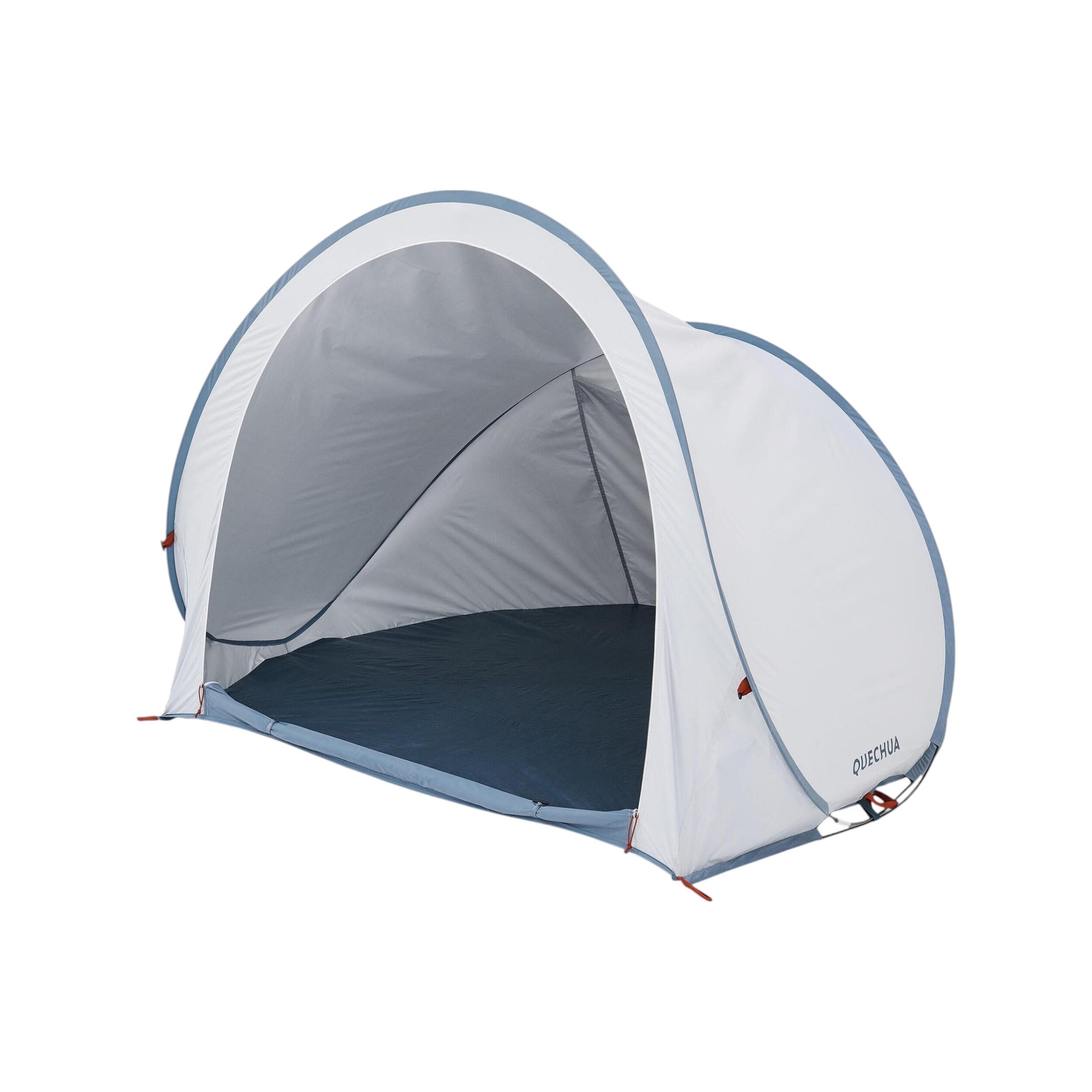
A pop-up beach tent suits situations where fast setup and enclosed privacy matter more than maximum covered area. The pop-up mechanism deploys the tent in seconds without threading poles or clipping attachments, which is a practical advantage when arriving at a crowded beach with limited space to lay out components. Enclosed sides also provide a changing area and block wind-driven sand more effectively than an open-sided shelter. The trade-off is that pop-up tents are harder to repack than a flat-fold shelter panel, and the rigid spring frame is more vulnerable to damage in transit if not folded along its designed crease lines. For families wanting a fully enclosed sleeping option rather than a day shelter, review the full batch of purpose-built options is listed under beach tents, which includes models with UV-protective fabric and ventilated mesh panels for overnight coastal use.

How do camping shelters and tarps differ from roof tent awning systems?

A ground-level camping shelter or tarp is an independent structure that pitches away from any vehicle, whereas a roof tent awning attaches directly to the roof tent body or roof rack and extends outward to create a covered transition zone between the tent entrance and the ground. The structural difference matters because a roof tent awning transfers its load back into the vehicle mounting system, meaning the tent and awning move together if the vehicle shifts on soft ground. A ground-level tarp does not have this connection, so it needs its own pegging and guying system to remain stable. Roof tent awnings are also sized and shaped to integrate with specific tent models, which means compatibility needs to be confirmed before purchase. If you want the full picture on roof tent systems before picking an awning, the complete range of elevated sleeping options is listed under roof tents, where awning compatibility is noted against each model.