29 items
4.4/5 based on 956 reviews collected online and in stores

ROOF TENTS FAQS

How do I check if my car is compatible with roof tents?

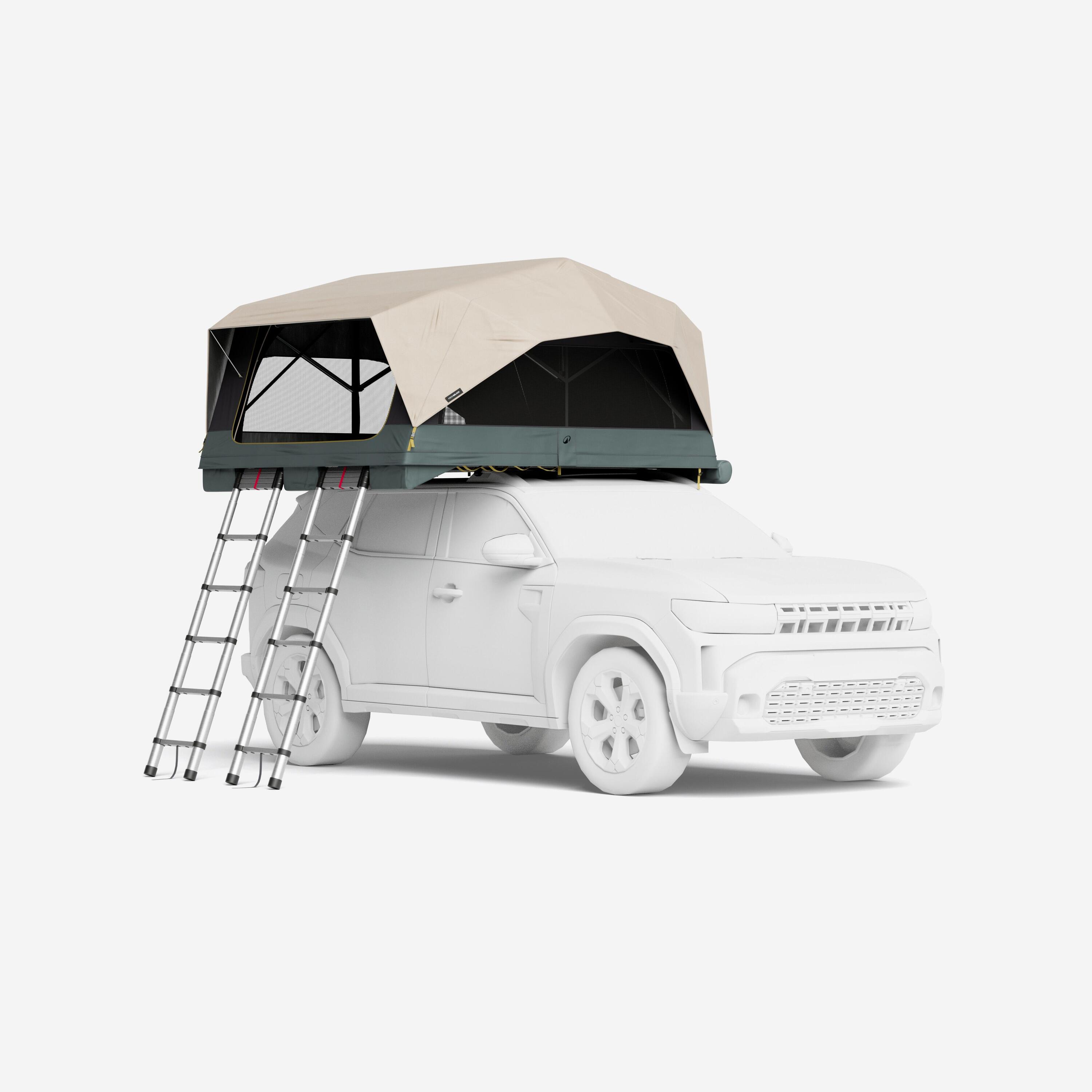
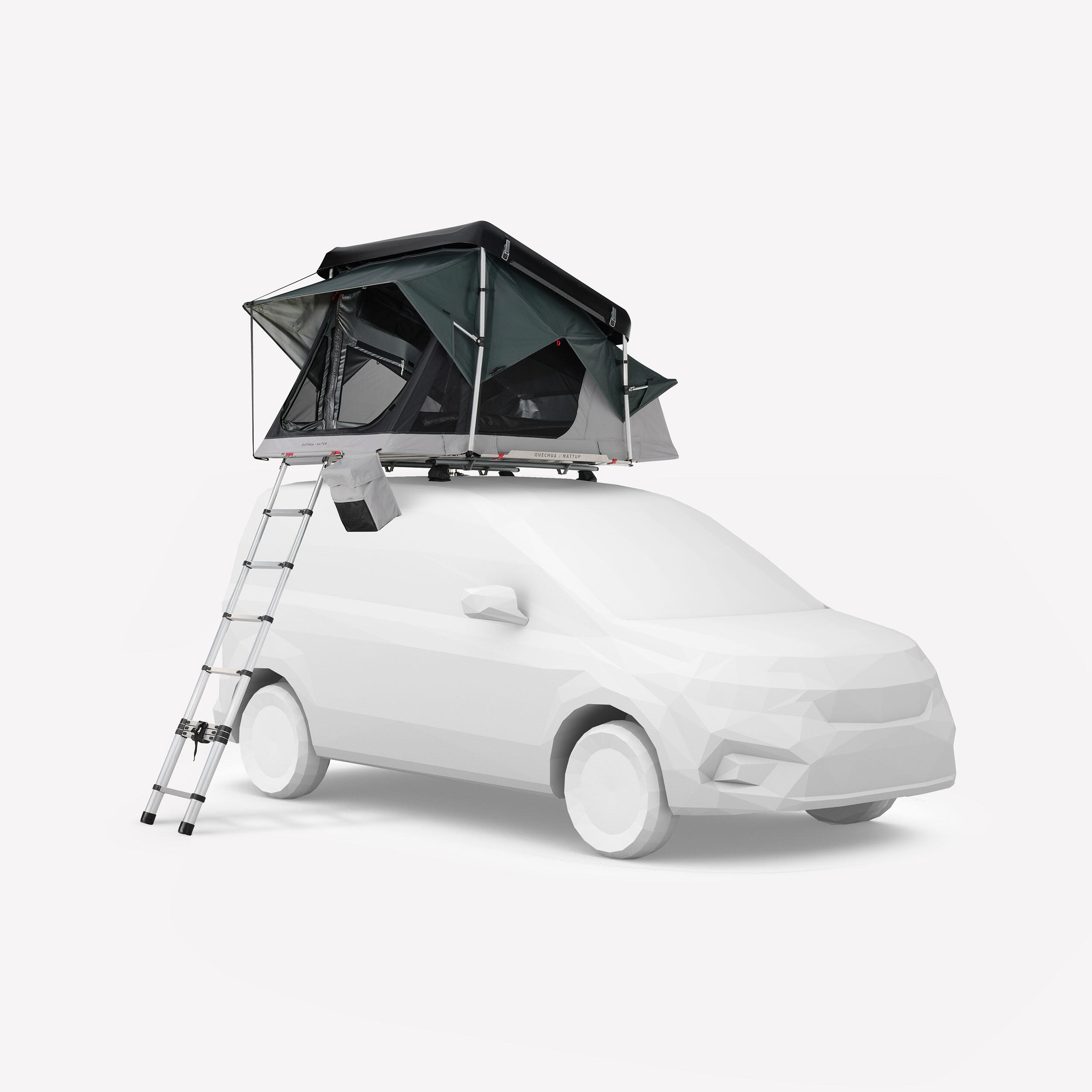
Compatibility relies on your vehicle's dynamic roof load limit and the spacing of your crossbars. Unlike standard ground-based camping tents, these units exert force on the car's structural frame while in motion. The technical reason behind checking the dynamic limit is to prevent damage to the roof pillars during cornering or braking when the tent weight shifts. Most roof tents require a rack system that can support at least 75kg of moving weight, even though the static limit (when parked) is much higher to accommodate sleeping adults. For the frequent road-tripper, ensuring your bars are securely bolted and match the tent's mounting tracks is vital for a rattle-free journey. Expert insight: Always check your car’s manual for the "Maximum Roof Load" rather than relying on the rack's individual rating alone.

What are the benefits of choosing car roof tents over ground setups?

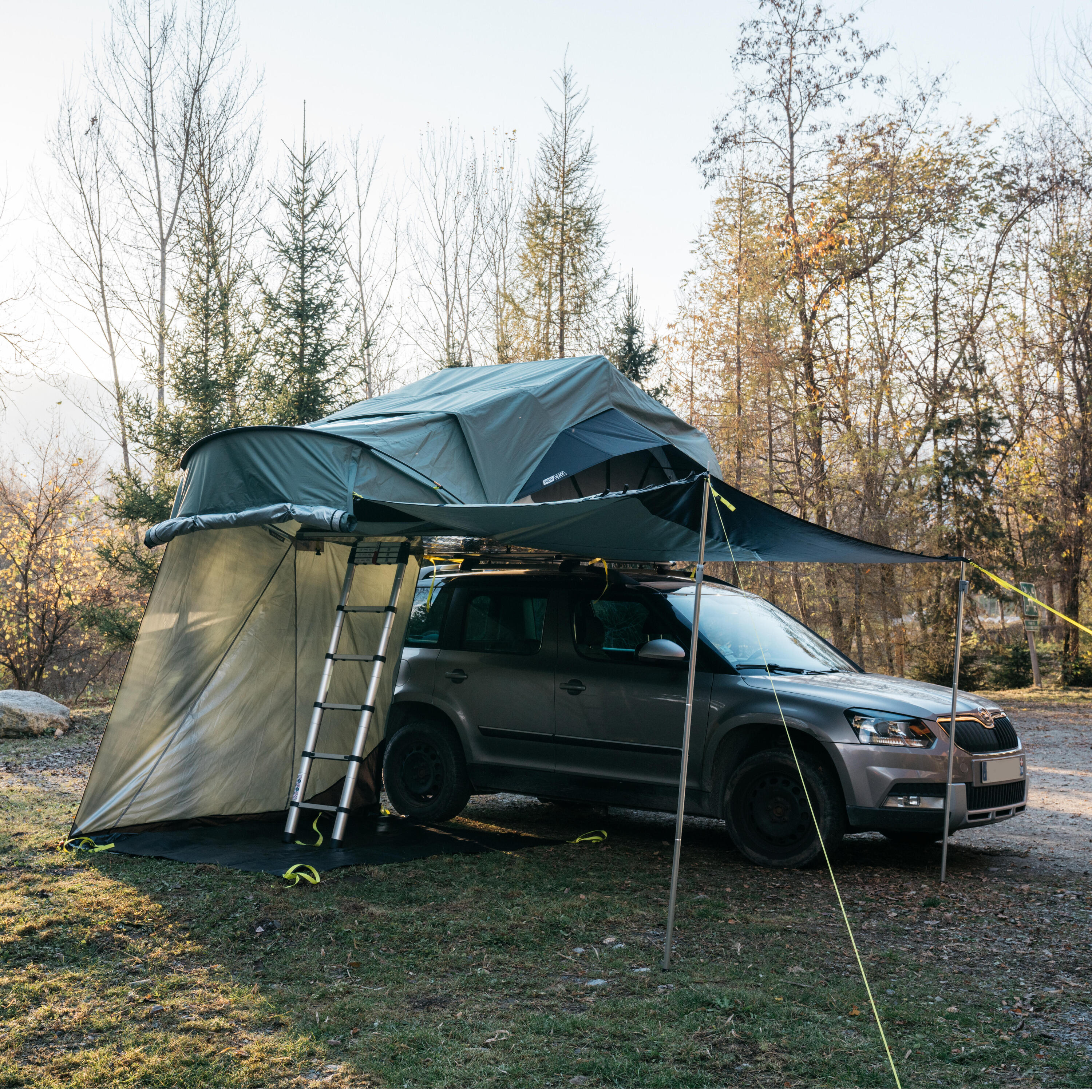
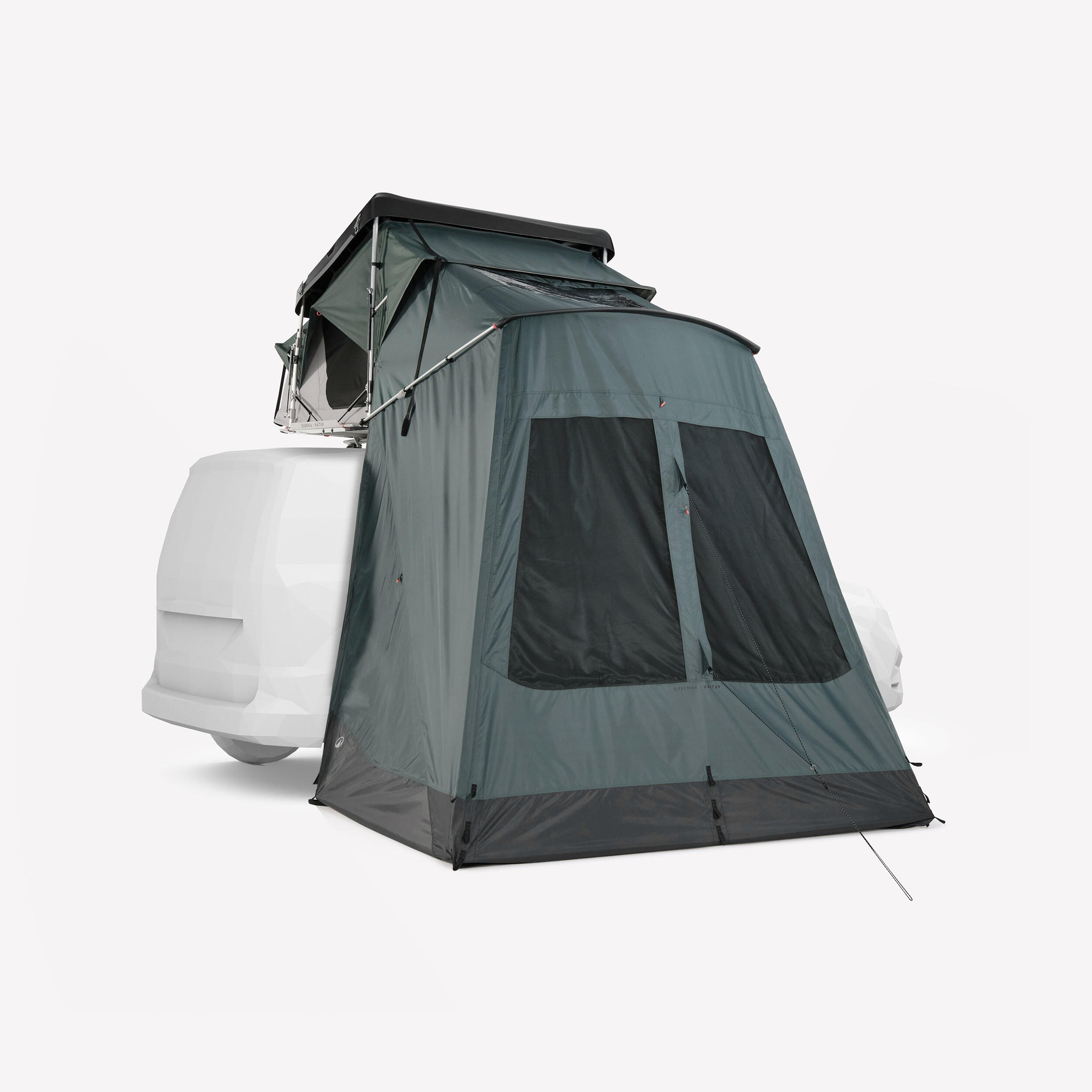
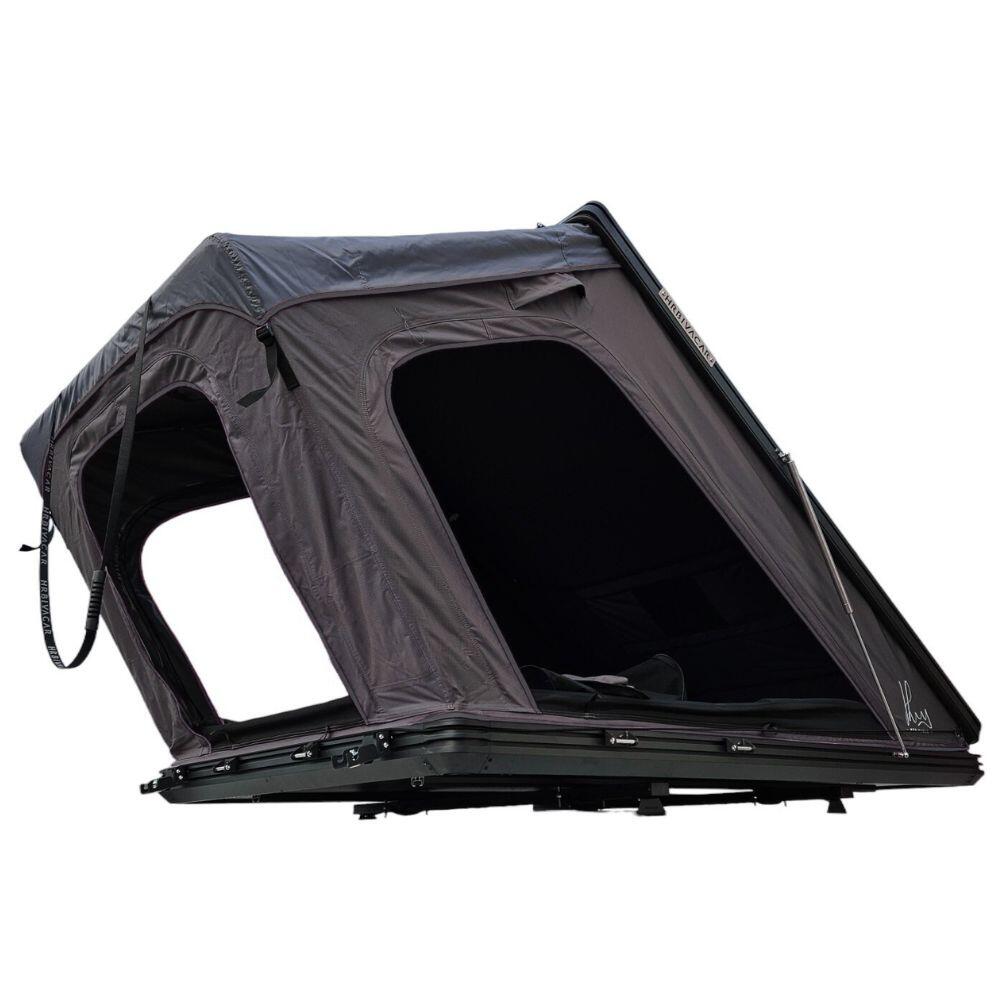
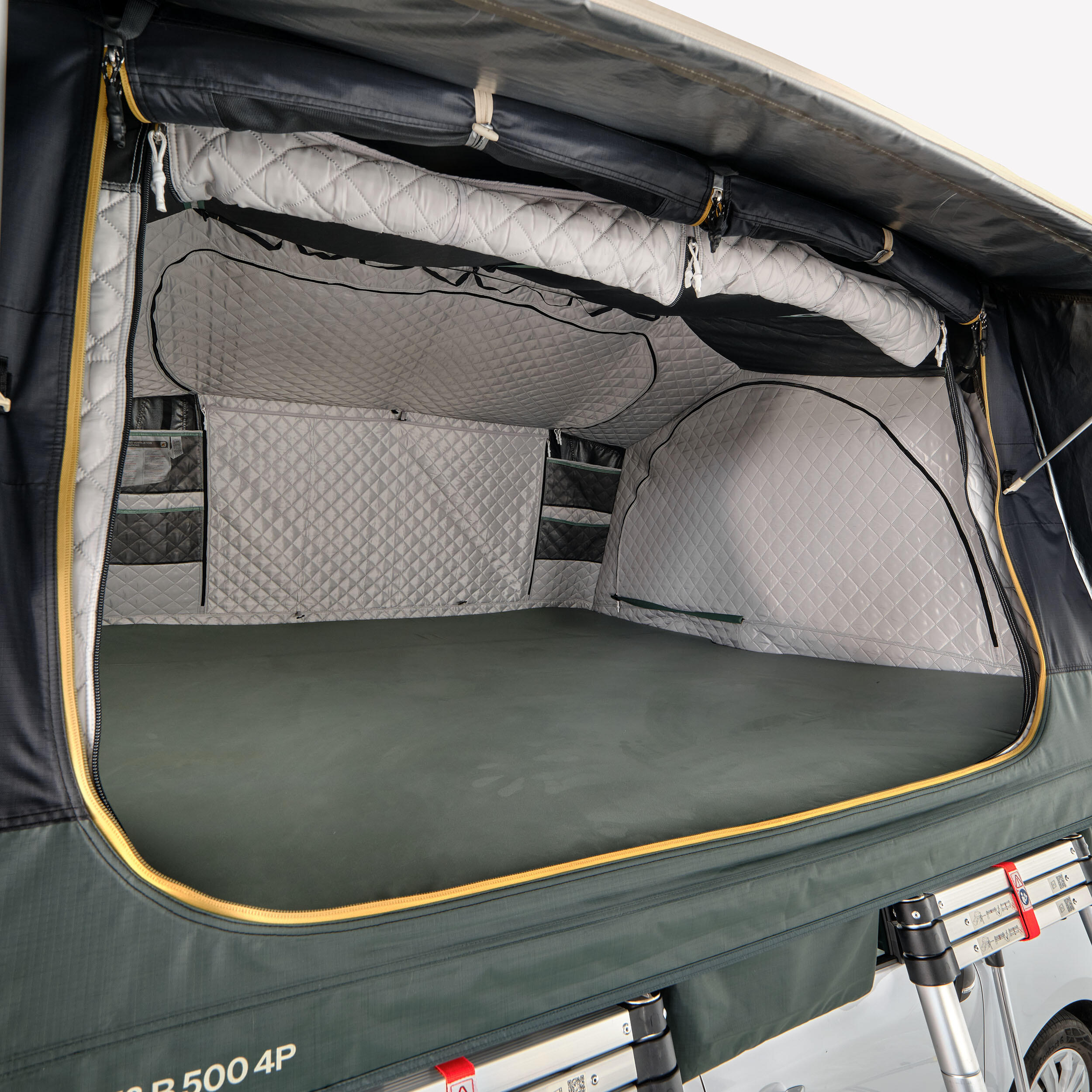
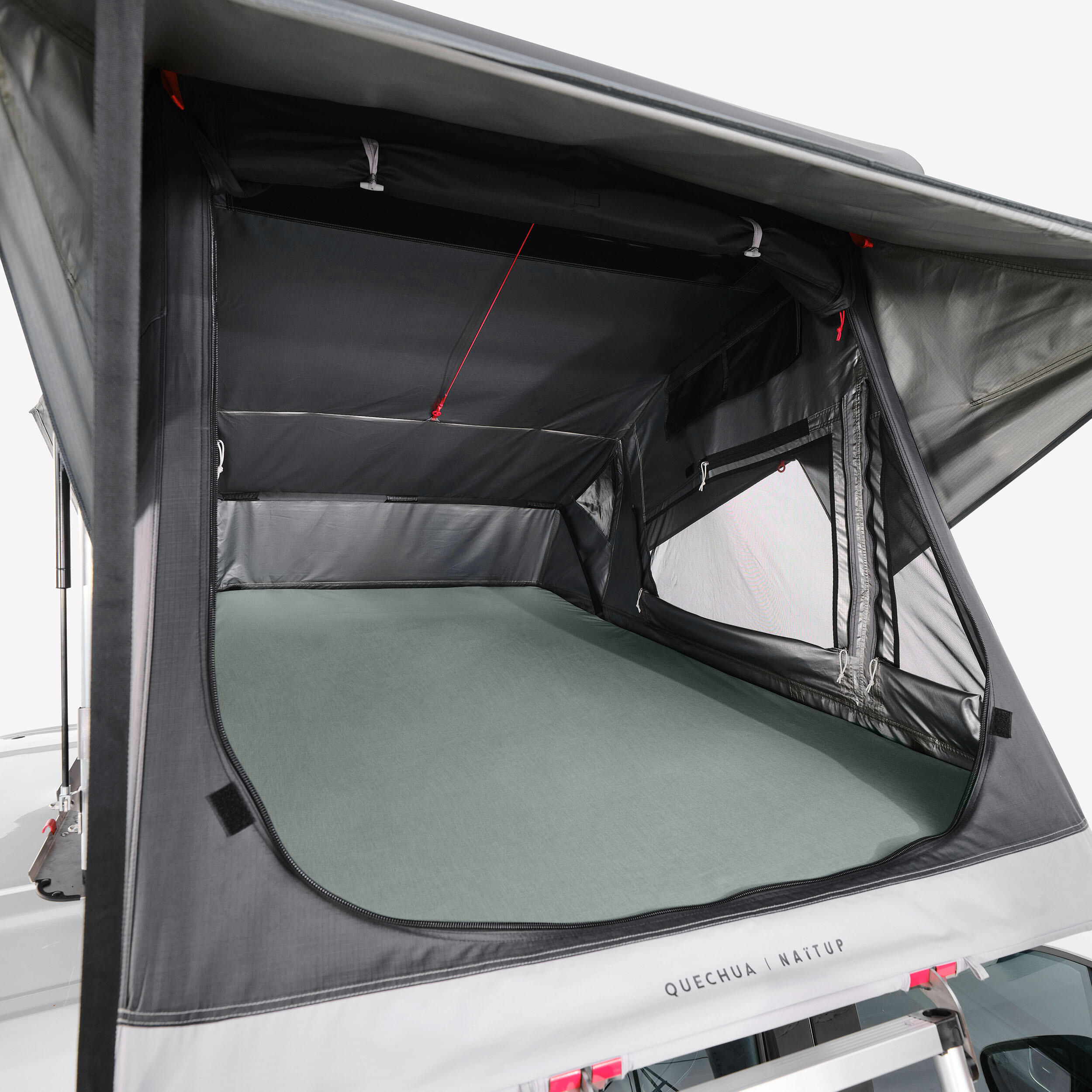
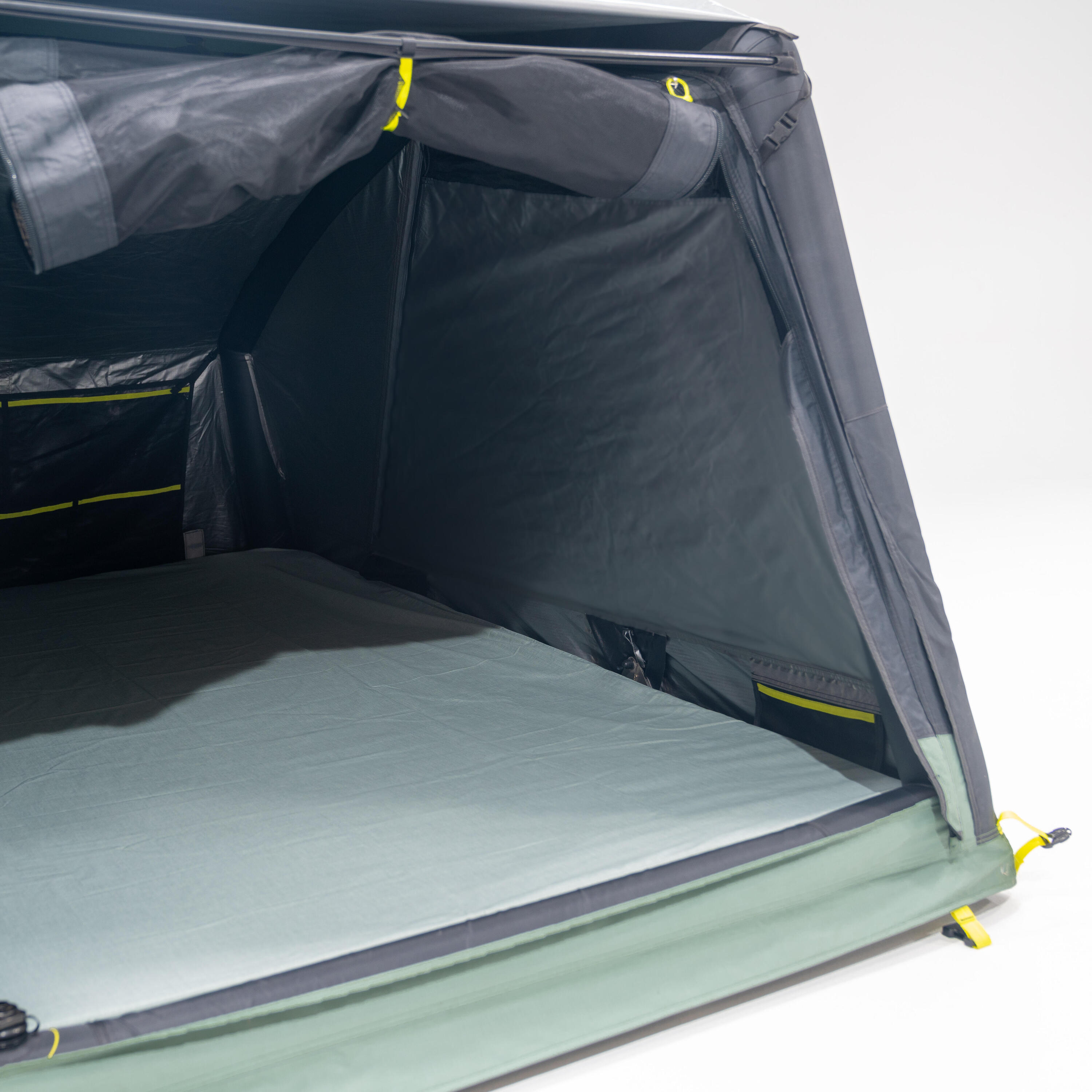
The primary advantage is the ability to camp on rocky, muddy, or uneven terrain that would be impossible for traditional stakes to penetrate. While trekking tents offer portability for hikers, car roof tents provide a perfectly flat, elevated sleeping platform that keeps you away from damp soil and insects. The reason for the integrated high-density foam mattress is to eliminate the need for inflatable mats, saving significant interior boot space for other gear. This elevation also improves airflow, reducing condensation buildup in humid conditions. Expert advice: Use the telescopic ladder as a secondary stabilizer by ensuring it is locked at the correct angle to support a portion of the overhanging weight.

Which vehicle roof tents are best for winter conditions?

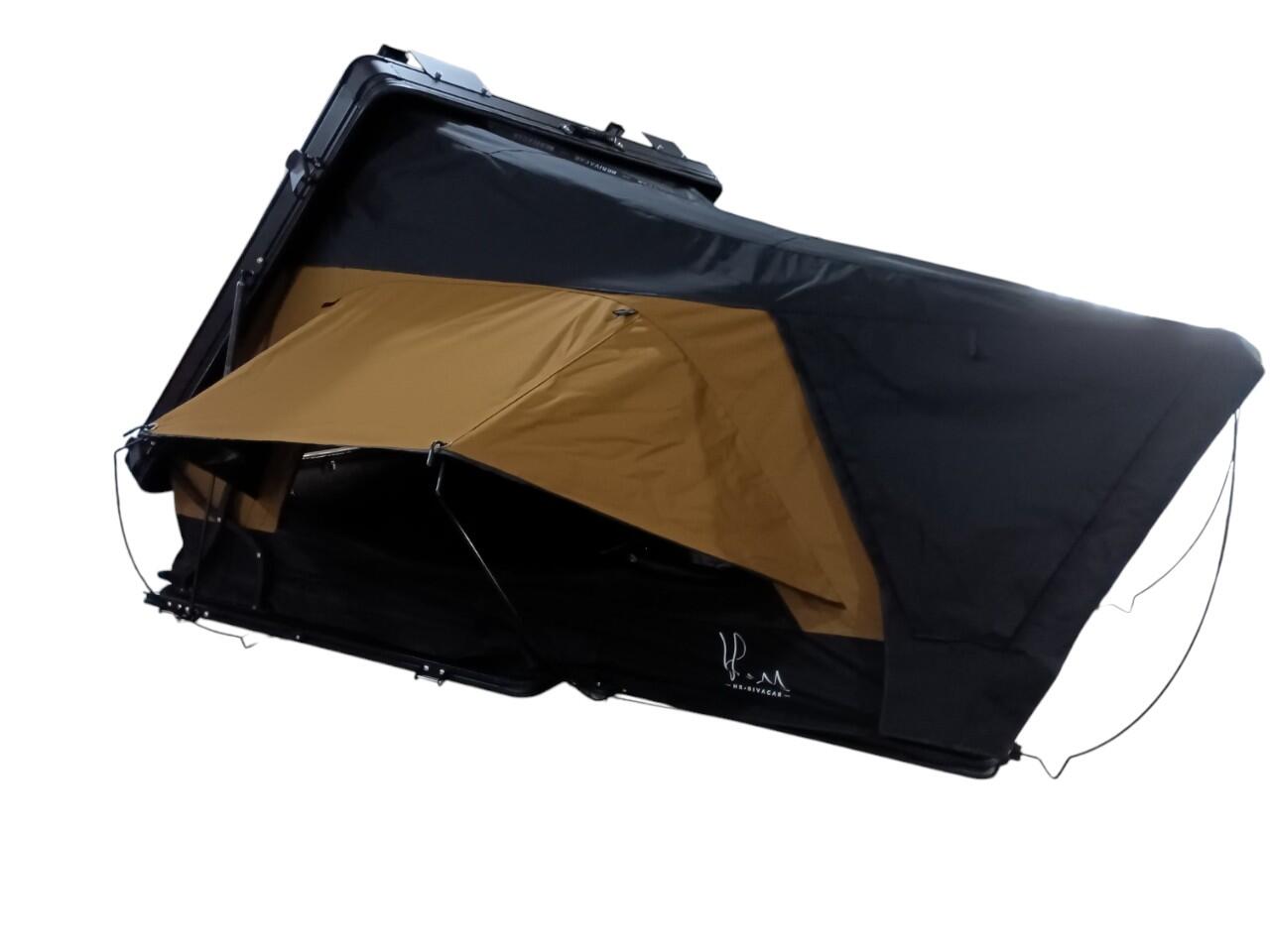
For colder seasons, look for models with thick ripstop canvas and a higher denier rating to block biting winds and retain internal warmth. Many rooftop tents include a robust outer flysheet that creates a thermal air gap, which is the technical reason for reduced heat loss during frosty nights. To enhance your setup, you can browse various tent accessories such as thermal liners or anti-condensation mats that sit beneath the mattress to keep moisture at bay. Choosing a model with a hard shell often provides better protection against snow accumulation than soft-shell alternatives. Practical tip: Before closing the tent in winter, ensure all snow is brushed off the fabric to prevent moisture from being trapped inside the shell during transit.

How do rooftop tents affect vehicle fuel efficiency?

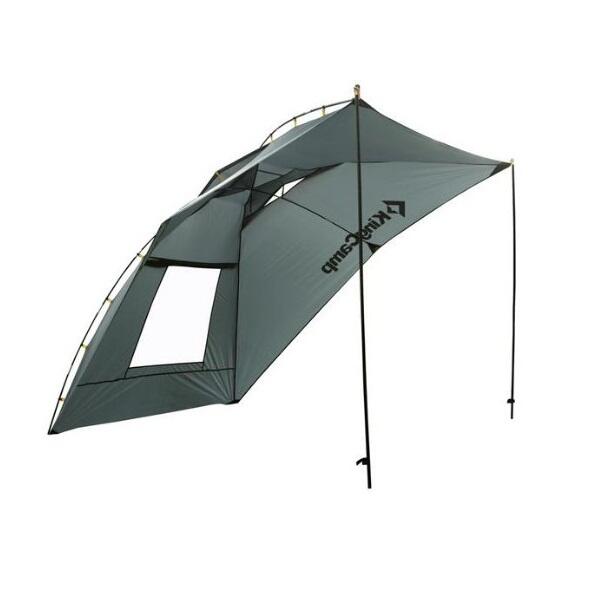
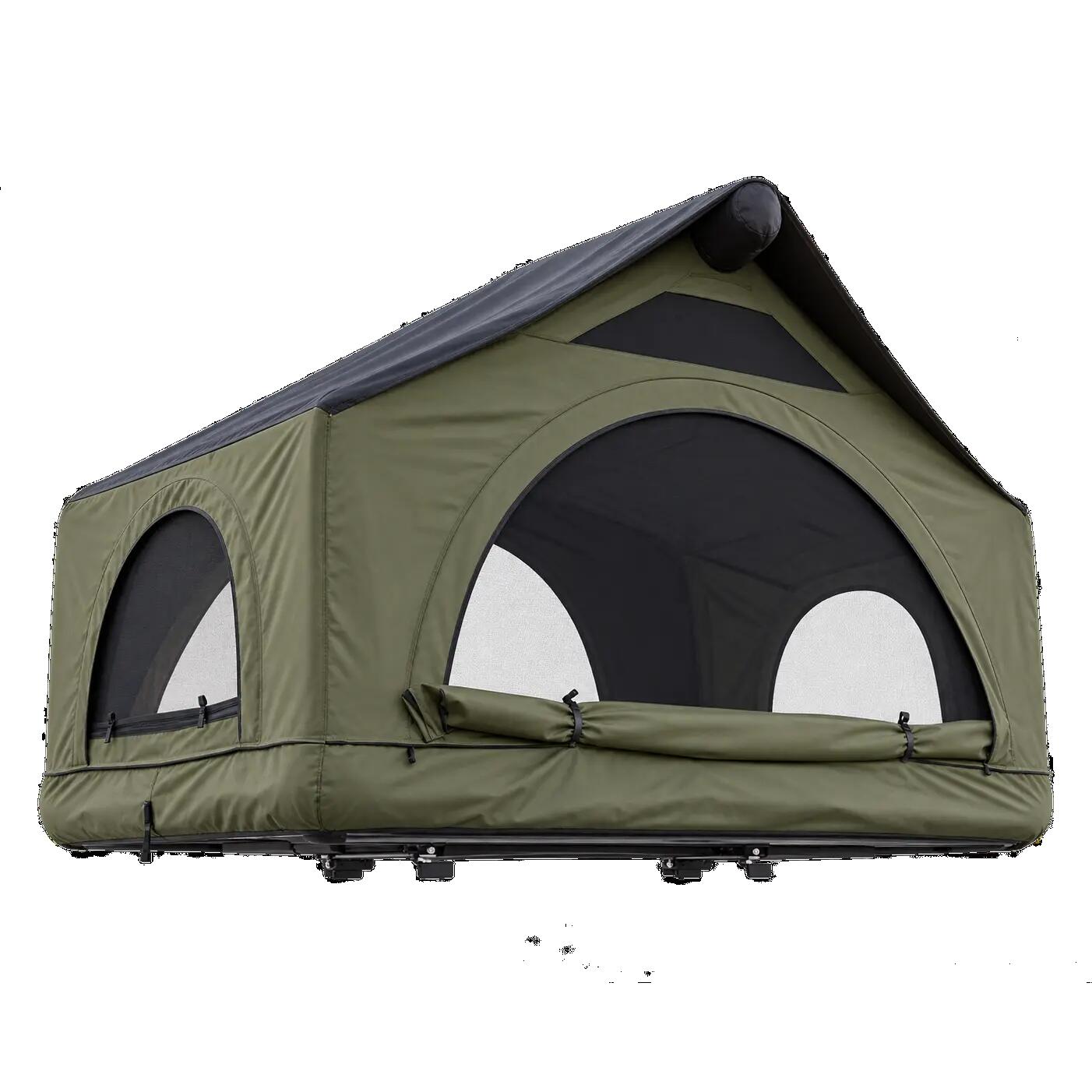
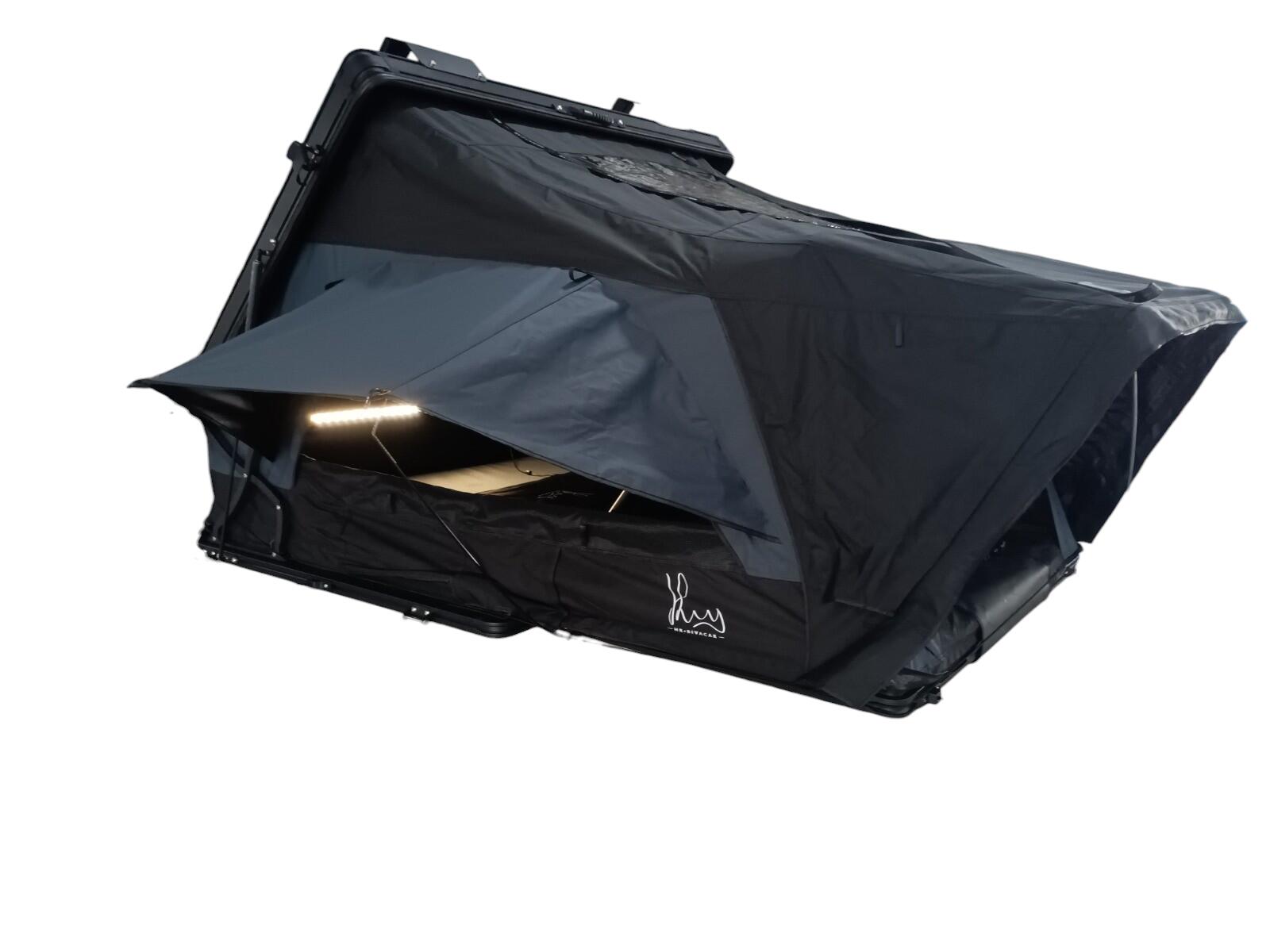
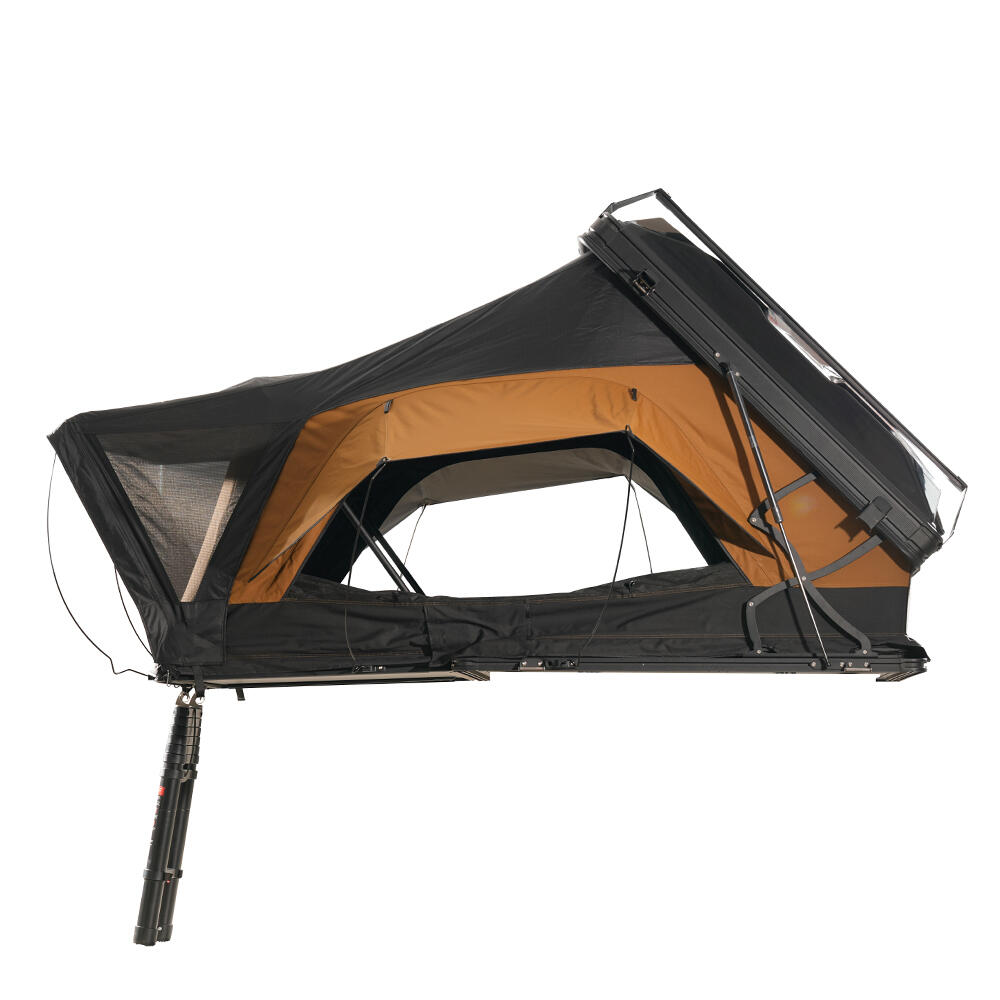
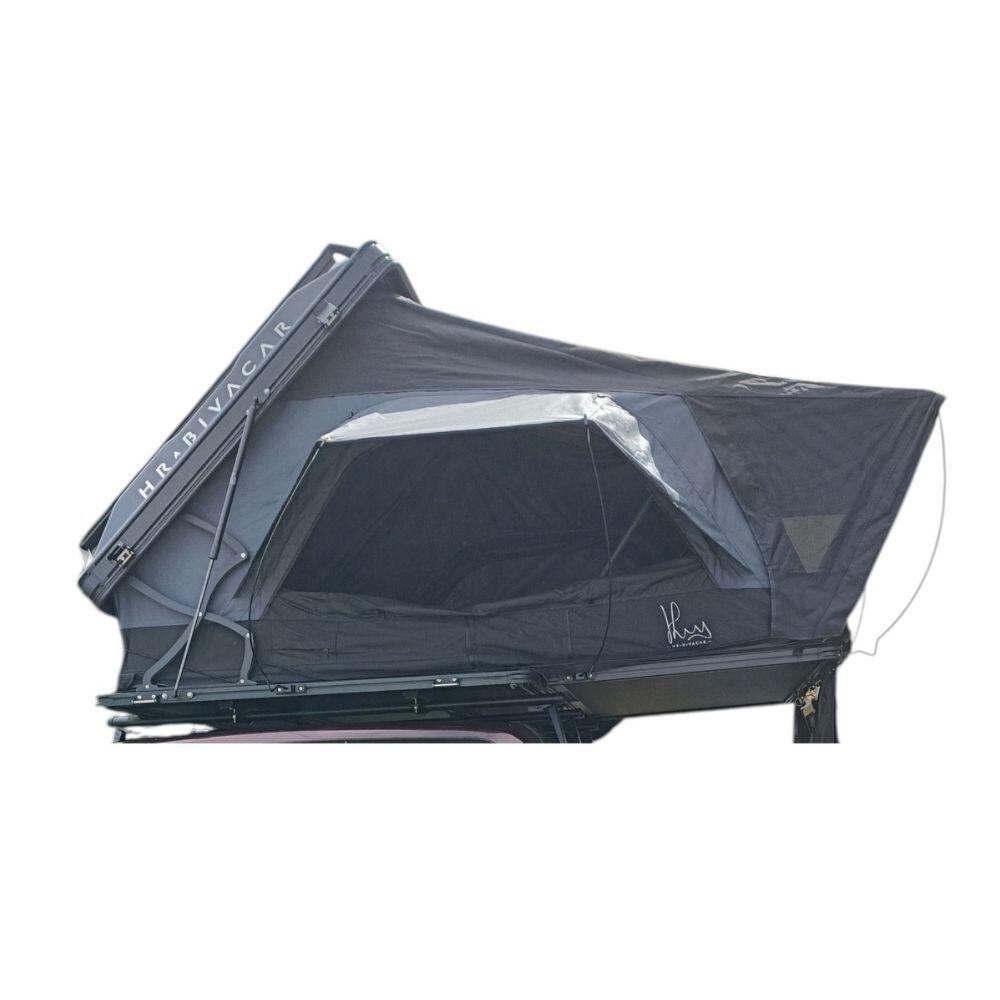
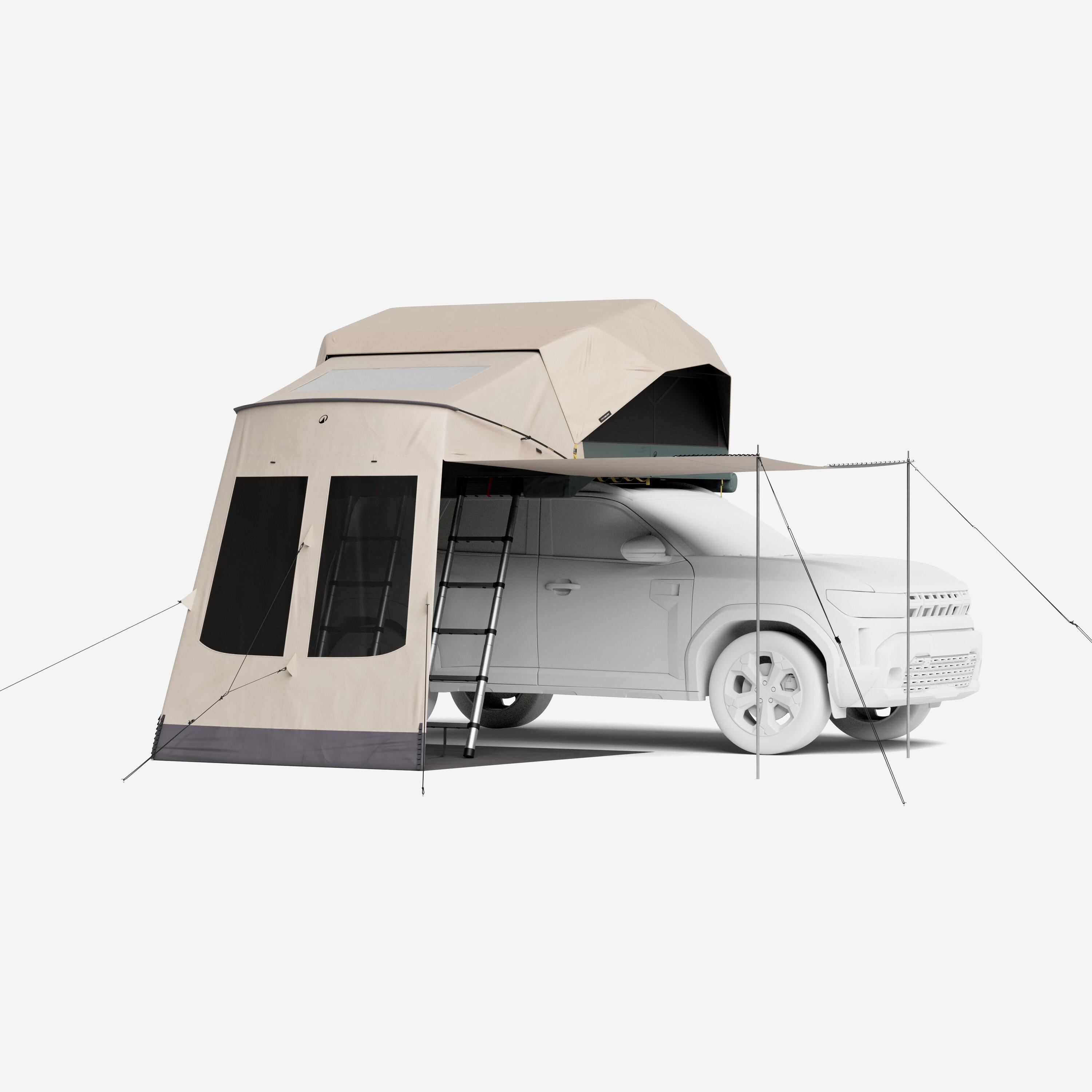
Adding a large object to your roof increases aerodynamic drag, which naturally impacts fuel consumption. Most vehicle roof tents feature a low-profile outer casing to minimize wind resistance, but drivers should still expect a slight decrease in MPG depending on speed and wind direction. The technical reason behind this is the disruption of laminar airflow over the car's body, creating a low-pressure wake behind the tent. Modern hardshell models are specifically shaped to act as a fairing, slicing through the air more effectively than folded soft-shell versions. For a more complete outdoor setup, integrating camping shelters, tarps, and awnings can enhance protection and comfort once you reach your destination. Secret hack: Driving at a steady speed of 100km/h rather than 120km/h can significantly offset the extra fuel cost associated with carrying heavy roof-mounted equipment.