6 items
4.7/5 based on 449 reviews collected online and in stores

Livebait Fishing Buckets FAQs

What features help when carrying livebait to your fishing spot?

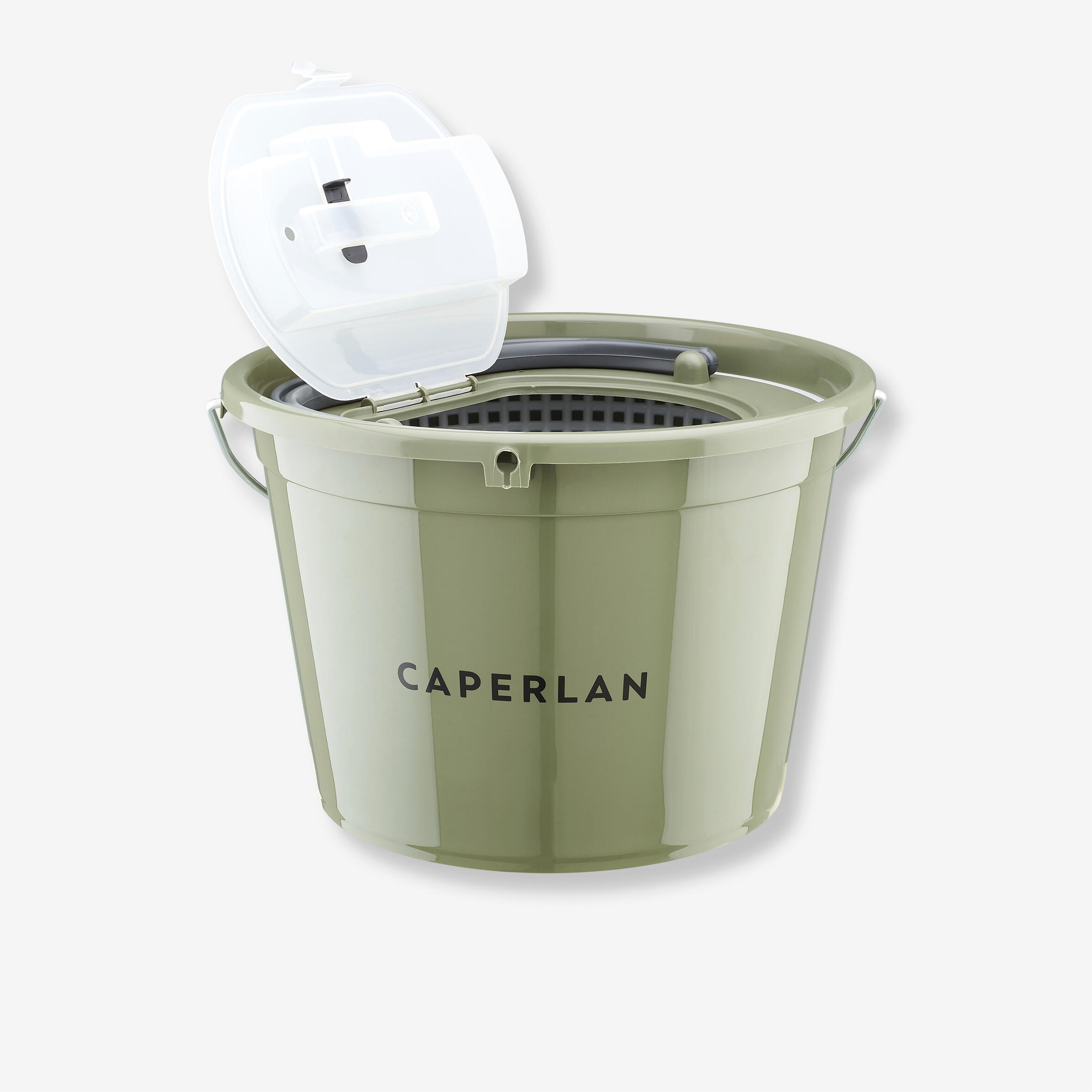
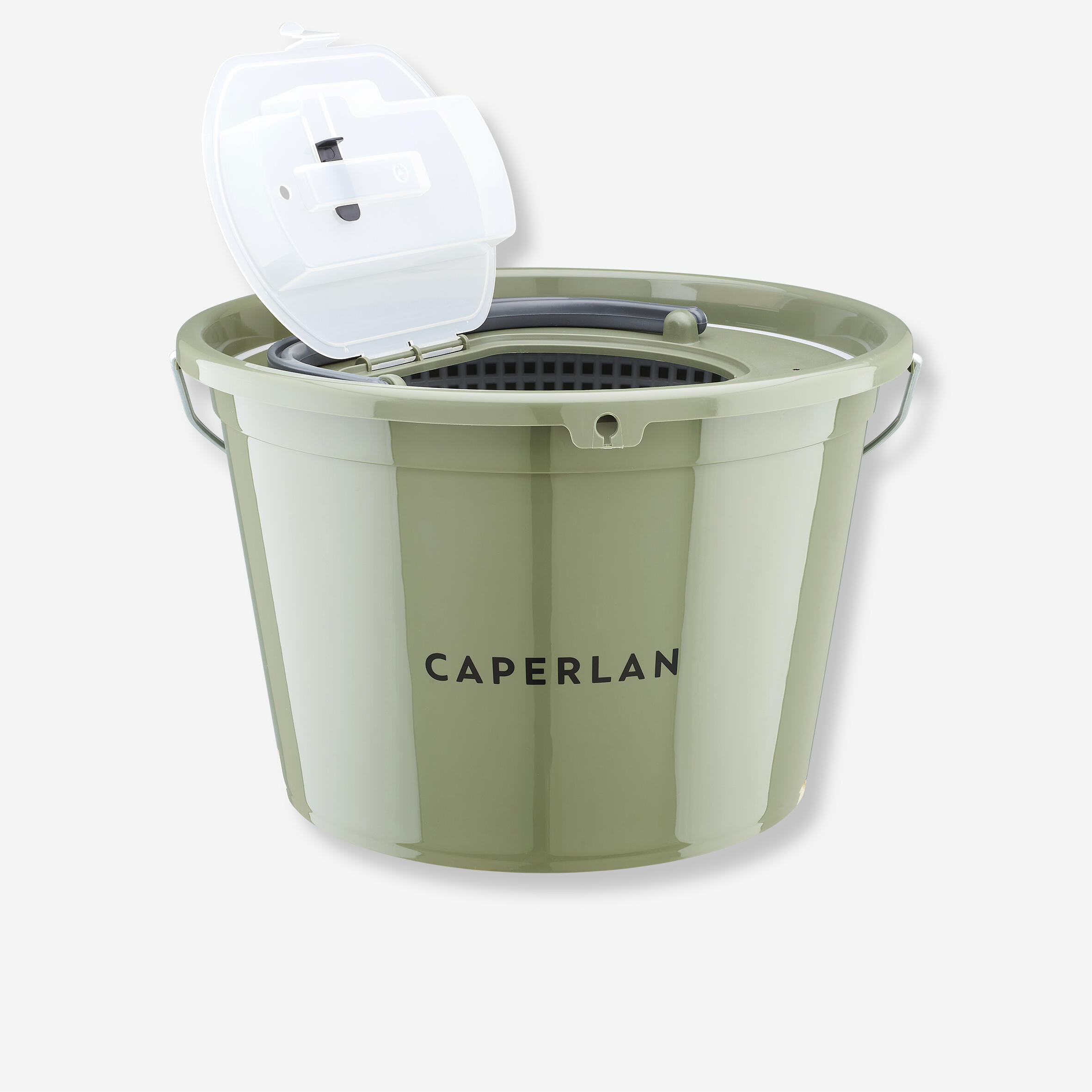
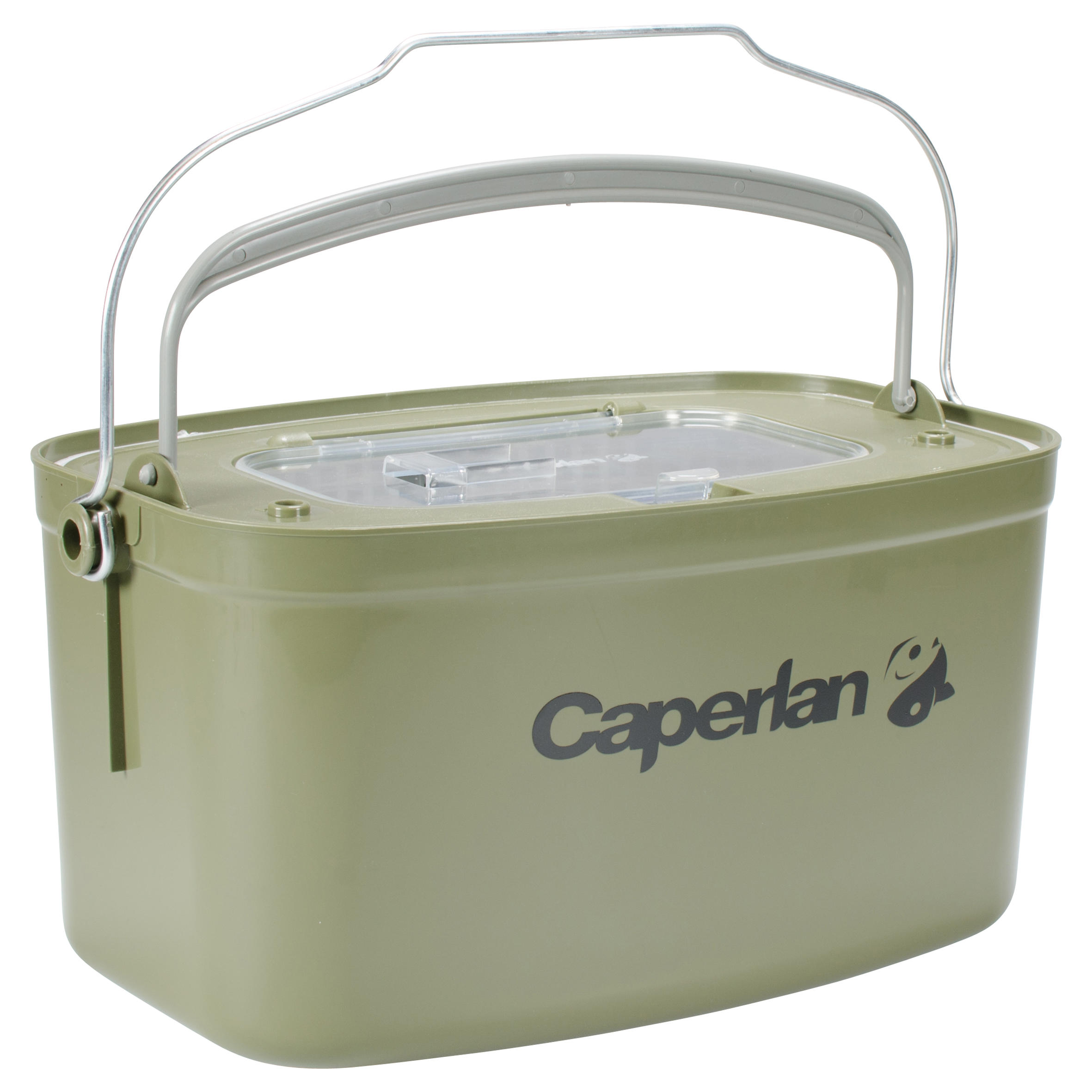
Dedicated livebait containers make it easier to carry water and bait without relying on an ordinary open bucket. Caperlan's smaller livebait models include features such as removable inner tanks or baskets, helping you handle bait and refresh water with less disturbance. The 7 L version also provides a lid position for a compatible aerator, while the 12 L and 17 L models use removable baskets for easier access. These features make sense when preparing for predator ledgering fishing, where livebait may need to remain in suitable condition while you organise rods, terminal tackle and the fishing position before casting.

How do you select the right livebait bucket capacity?

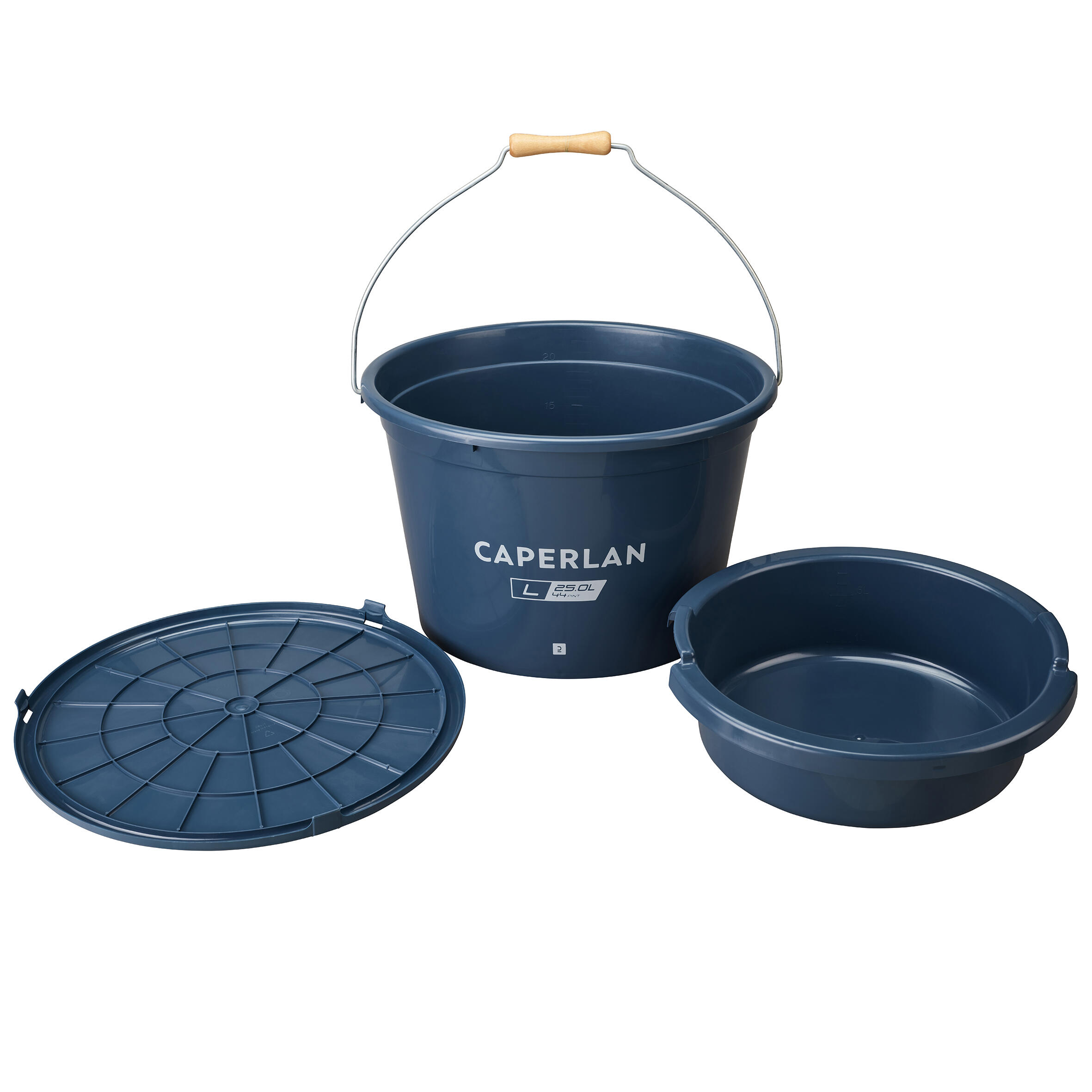
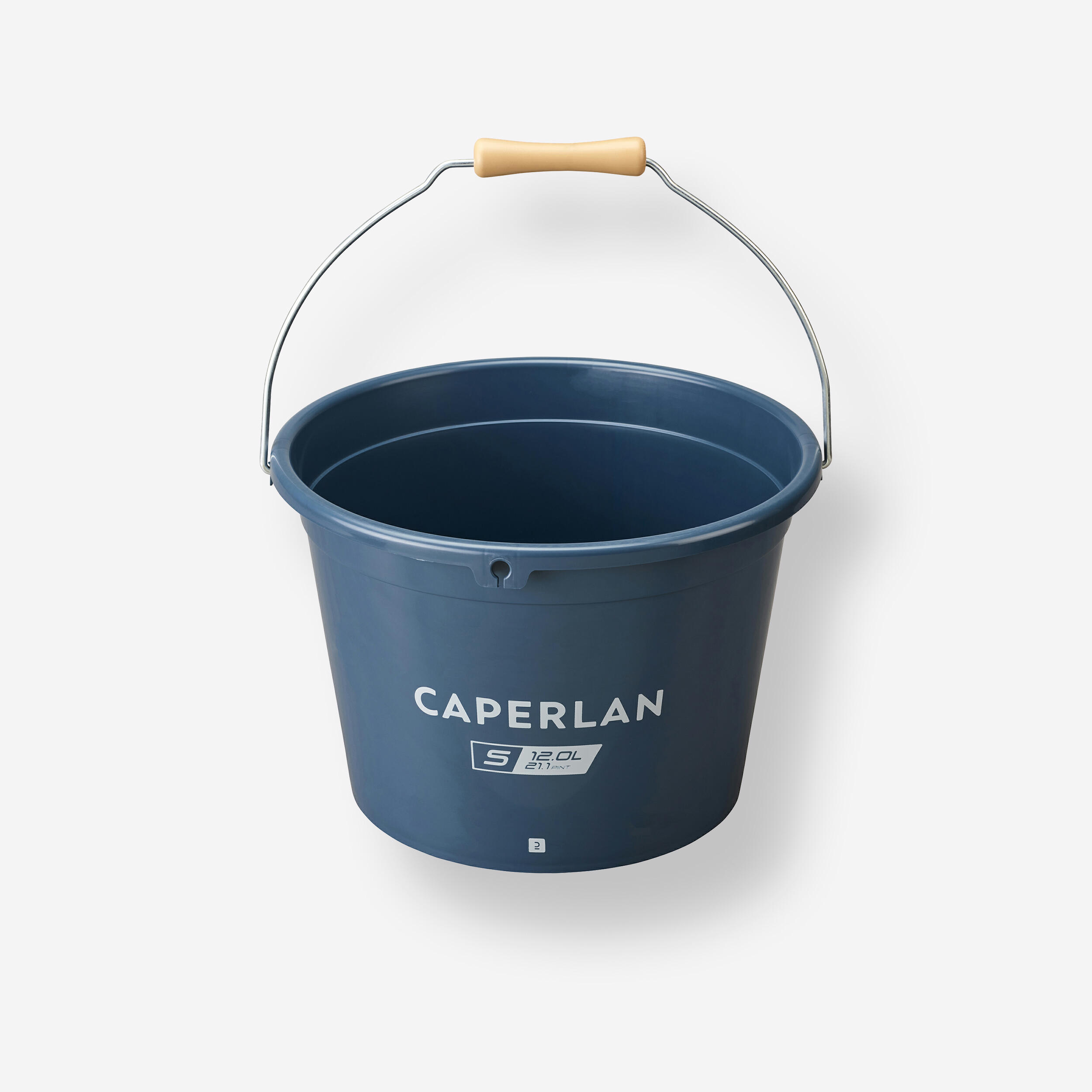
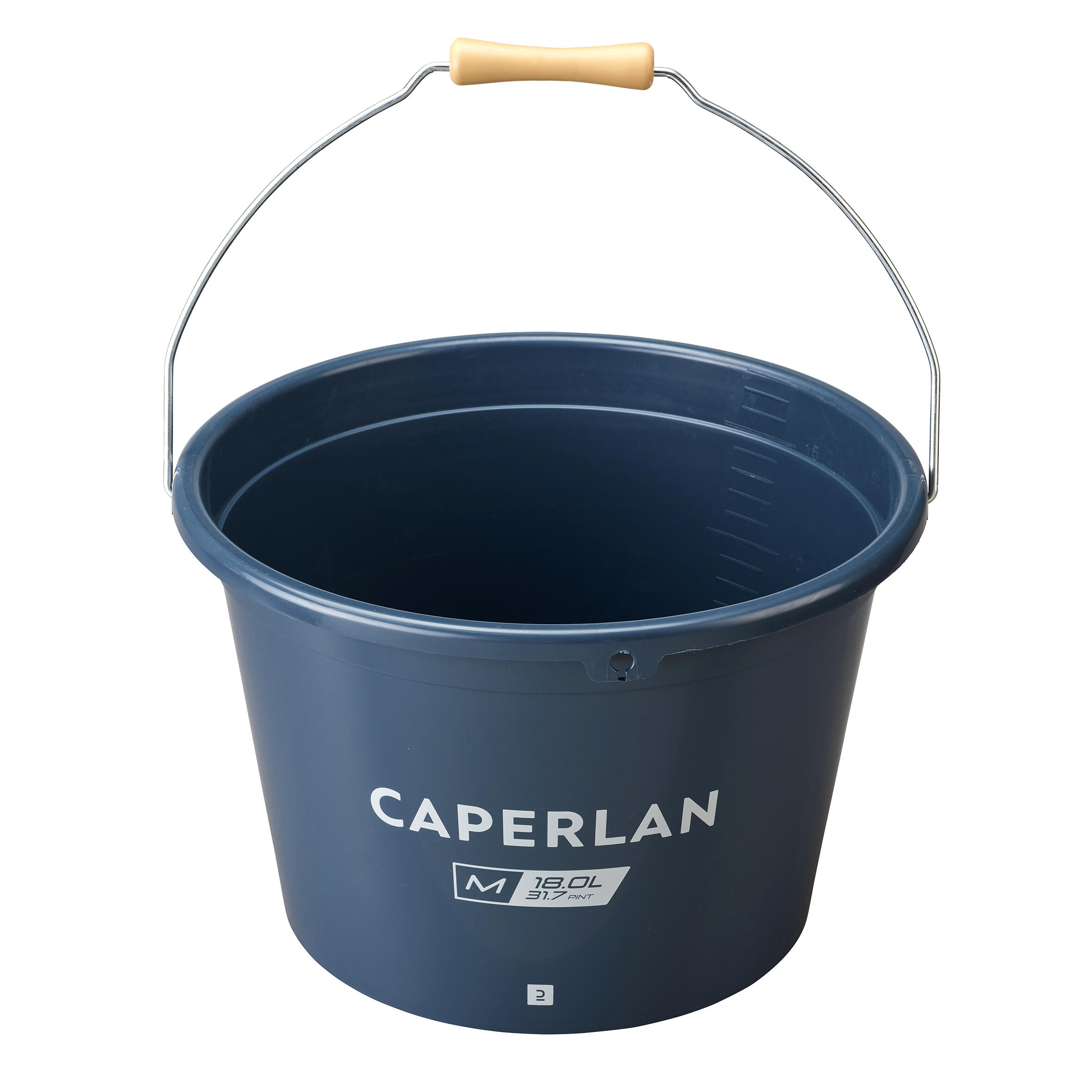
Match capacity to the amount of bait, water required and distance you need to carry the container. A compact 7 L bucket reduces bulk for shorter sessions, while 12 L and 17 L versions provide more room when you need greater capacity. Remember that the weight rises quickly once you add water, so a larger container is not automatically more practical. Caperlan also separates dedicated livebait containers from larger bait-preparation systems. The livebait fishing bucket and basin pack combines a graduated 25 L bucket, nested 8 L basin and lid, making it more suitable when you need additional space for preparing or carrying bait beside the water.

Why do removable baskets help with livebait handling?

A removable basket lets you lift bait from the water without repeatedly reaching into the complete bucket. This can make transfers quicker while also reducing unnecessary disturbance inside the container. Caperlan uses removable baskets in its 12 L and 17 L livebait buckets, while its compact 7 L version takes a different approach with a separate internal water tank. The same 7 L design includes a position for an aerator in the lid, giving you a dedicated place for additional water circulation equipment. When building your wider predator fishing setup, place the bucket where it stays stable and shaded, and avoid leaving it where direct sun can heat the water unnecessarily during a longer session.

What tackle goes with a livebait bucket?

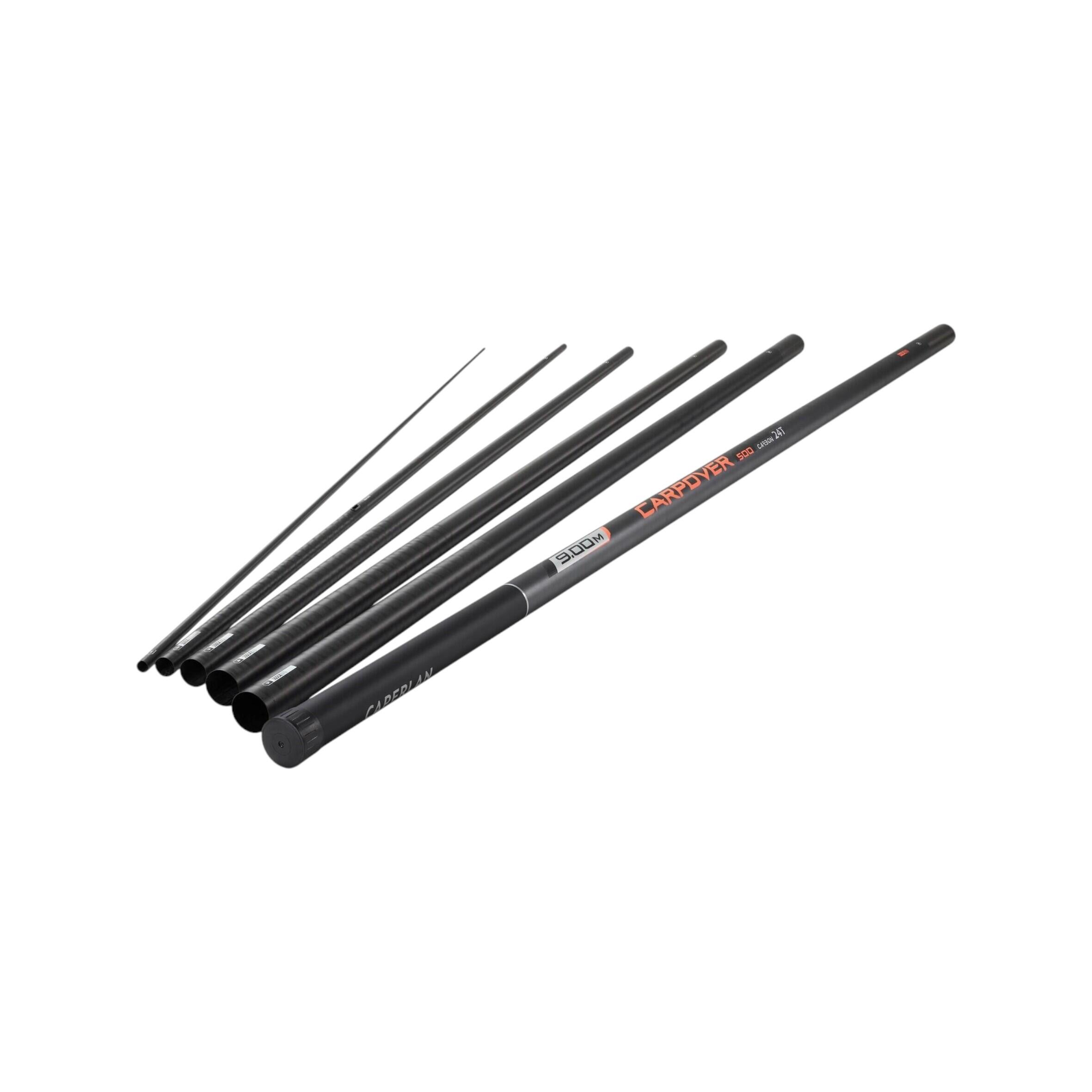
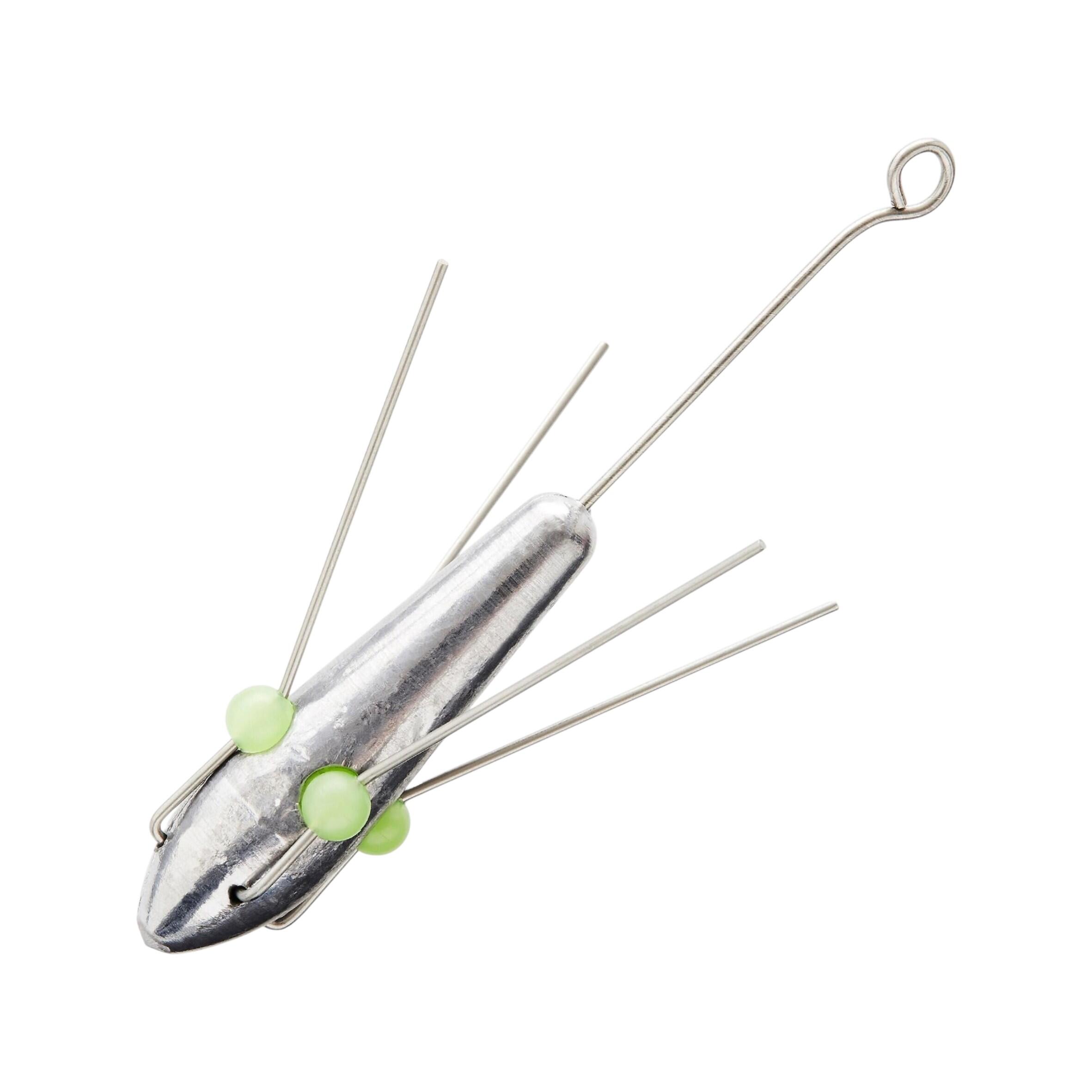
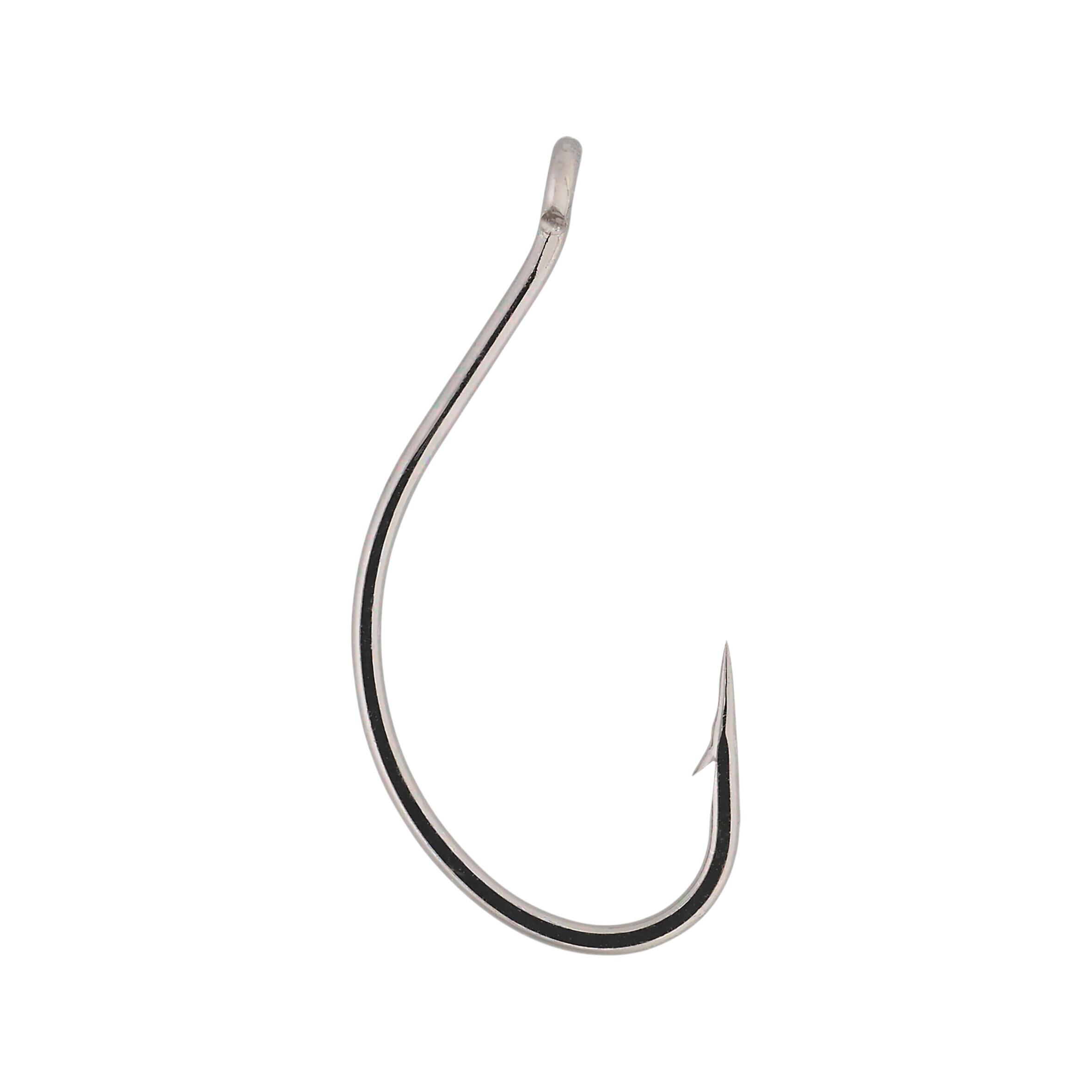
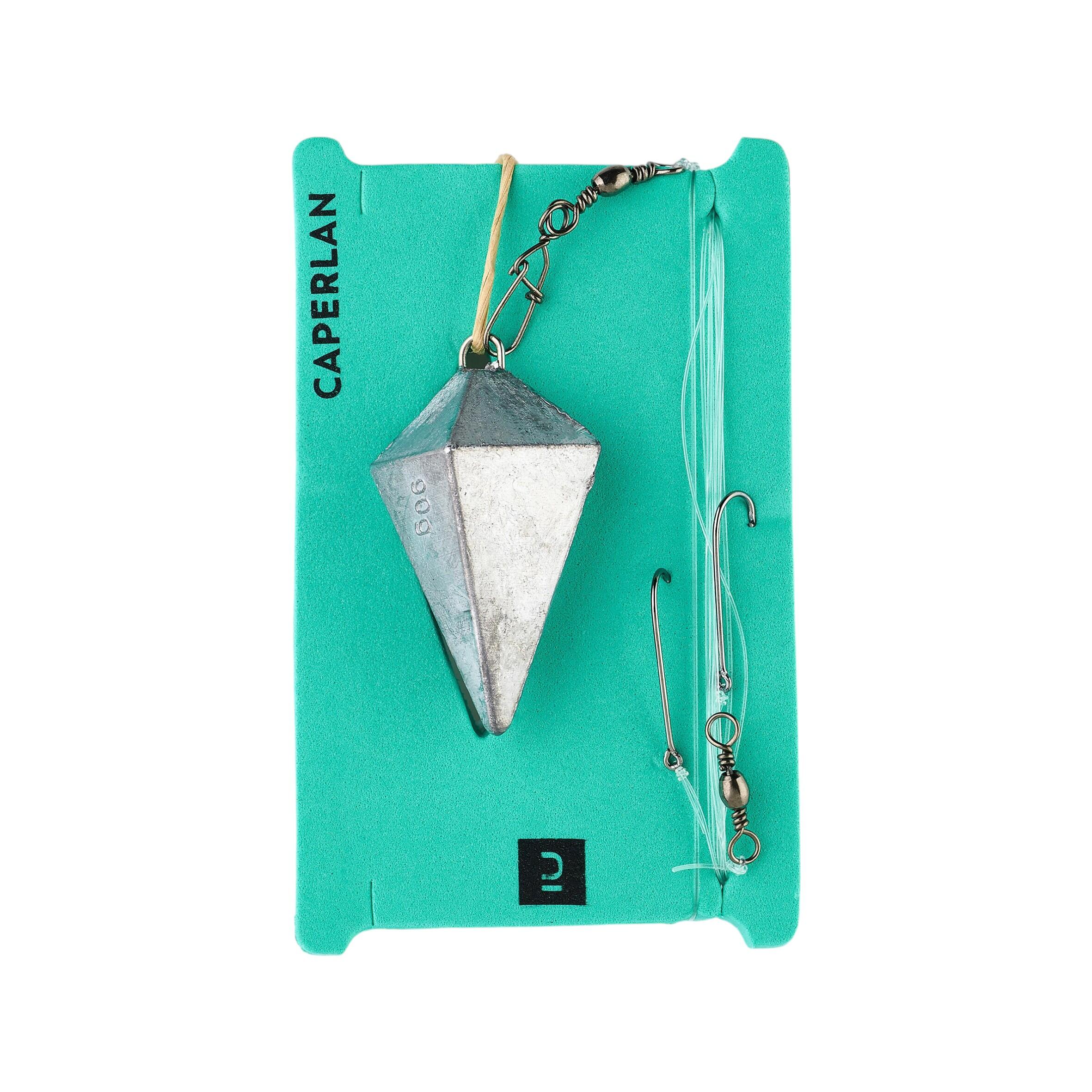
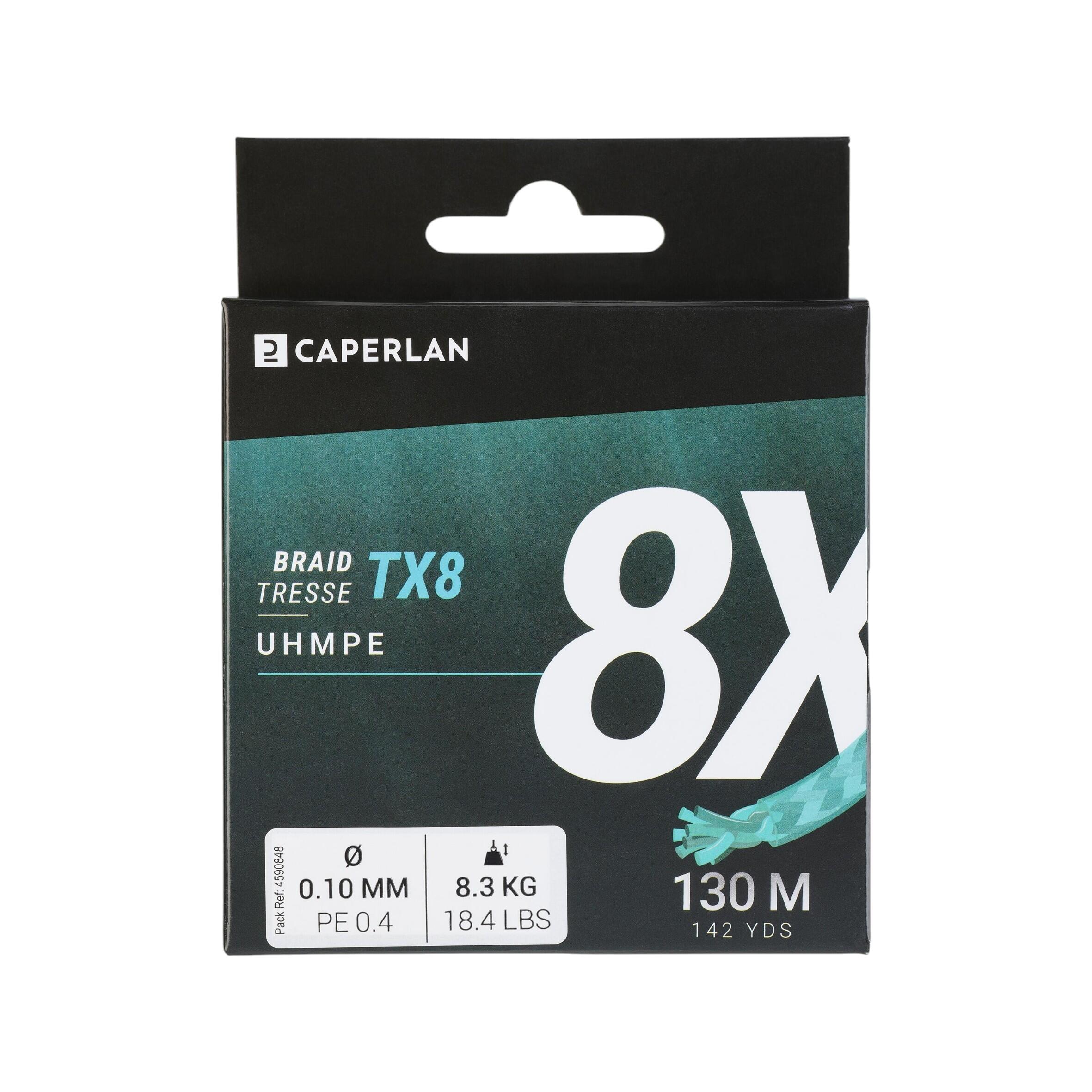
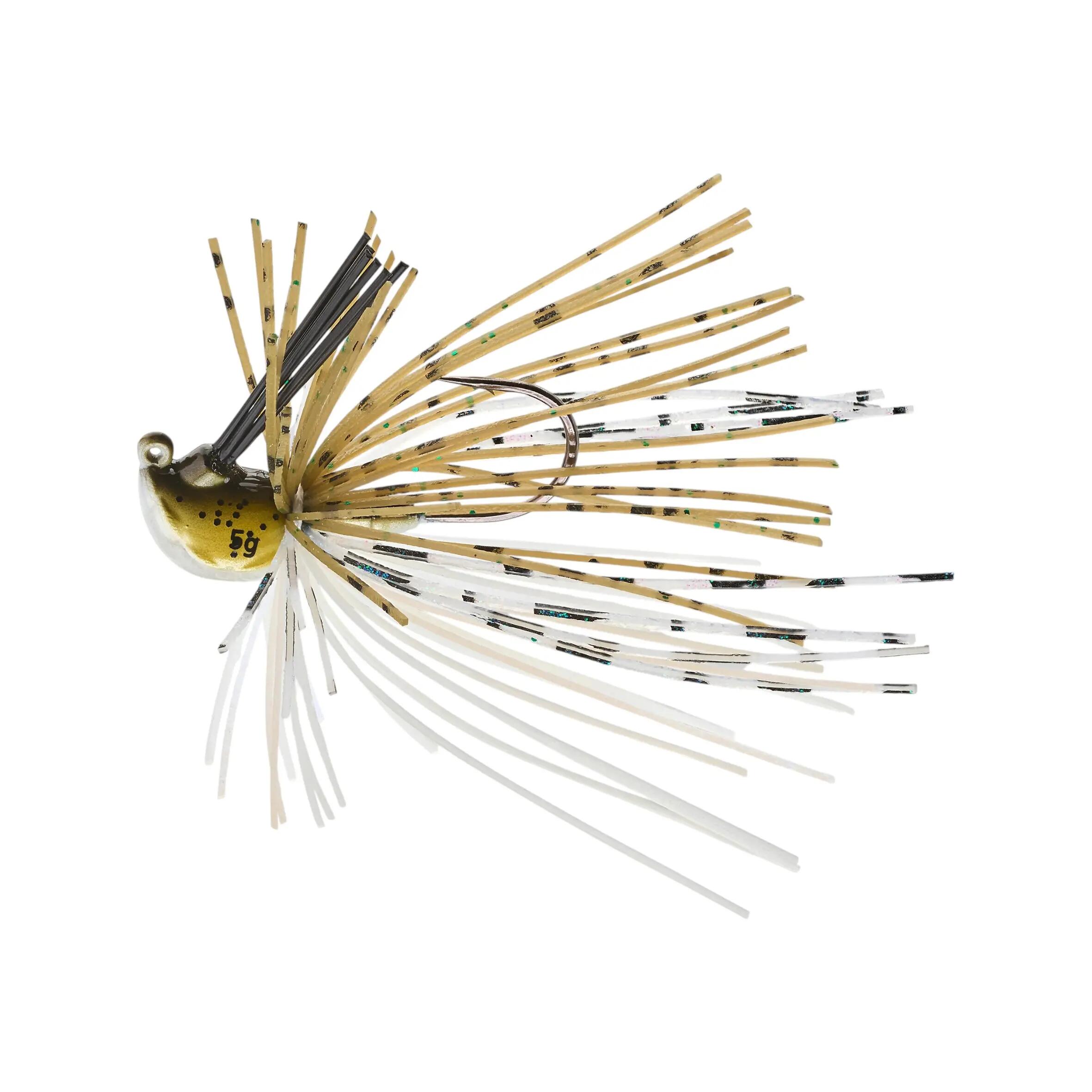
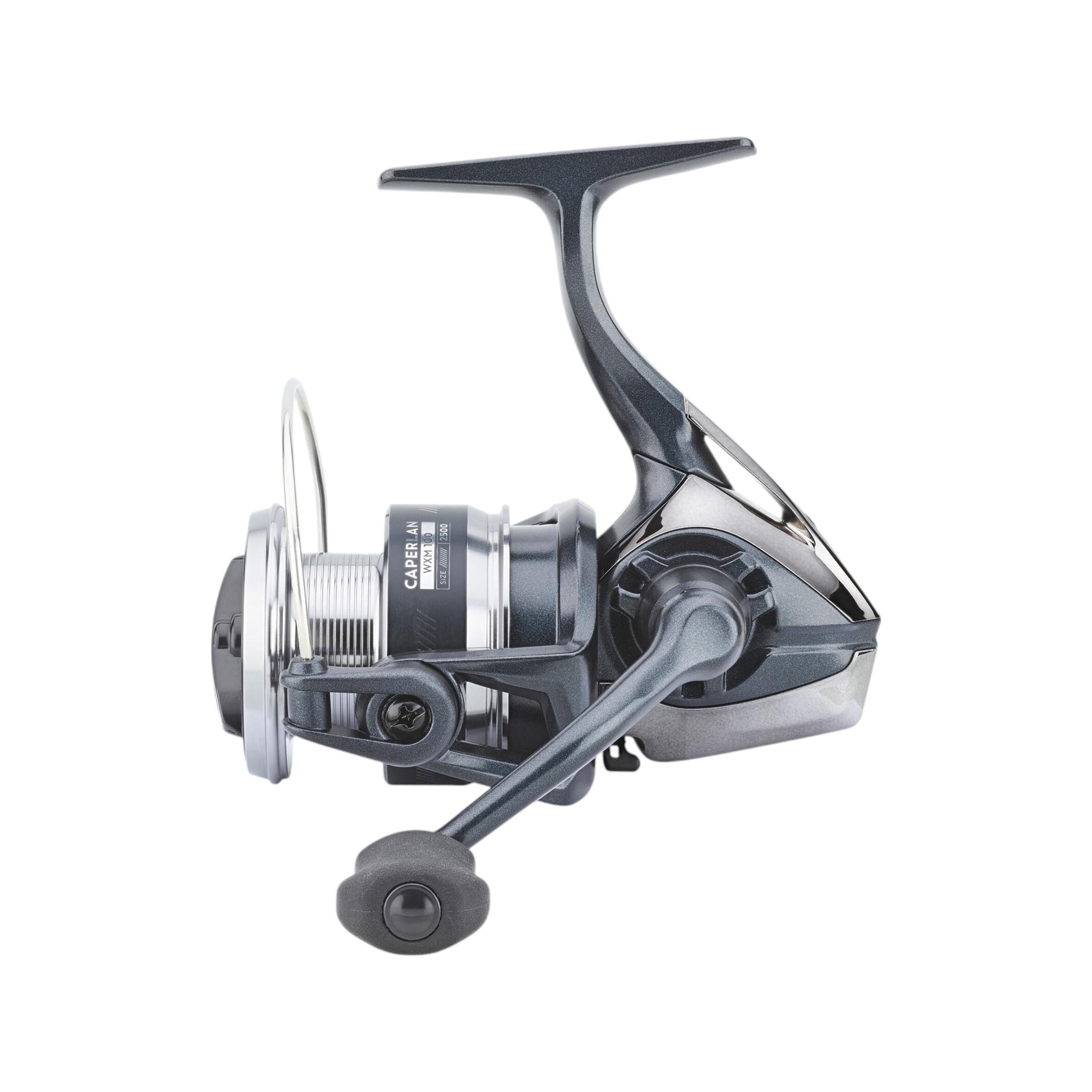
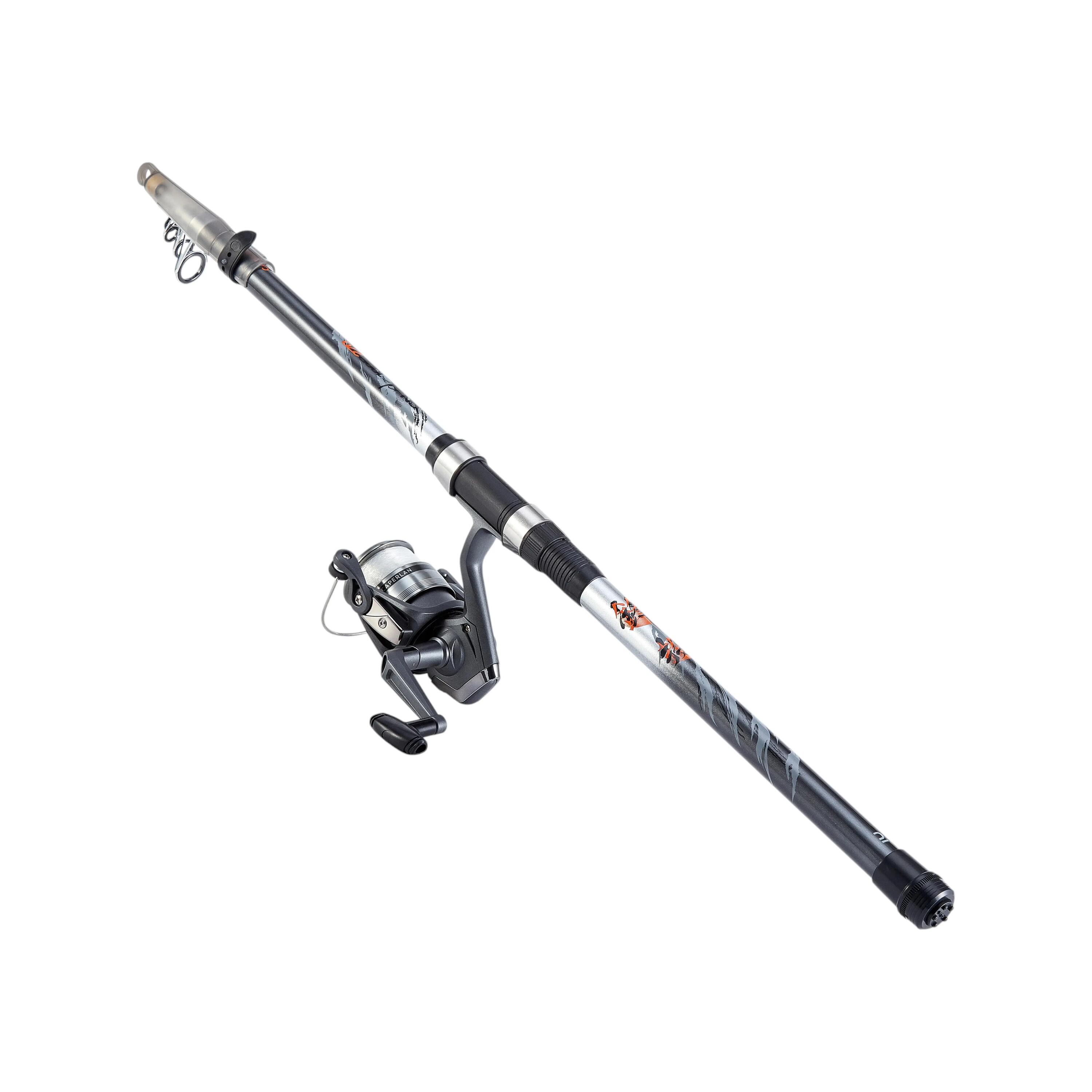
Keep the bucket close enough for easy access but away from rod rests, loose line and the route you use when striking or landing a fish. A ledgering arrangement may also include a rod matched to the intended casting weight, a suitable reel, a leader, hooks and a bite indication. Organising these parts before handling the bait reduces unnecessary movement around the fishing position. The correct predator ledgering rods and sets can form the main system, while the livebait container remains separate from sharp terminal tackle. Avoid placing hooks, tools or loose rigs inside the bucket lid or basin unless the container includes a dedicated dry compartment, as exposed hooks can complicate bait handling and create unnecessary snagging.

How do you clean and store livebait fishing buckets?

Empty the bucket completely after use and rinse away bait residue, mud and groundbait before allowing every part to dry. Remove inner tanks or baskets where possible so moisture does not remain trapped between components. Caperlan subjects its dedicated 7 L, 12 L and 17 L livebait buckets to repeated one-metre drops onto concrete, but durability testing does not remove the need for basic care. Store containers away from excessive heat and inspect handles, lids and baskets before the next trip. Keep hooks and rigs with suitable predator ledgering hooks rather than leaving terminal tackle loose inside the bucket. A clean, dry container is easier to prepare quickly when you next need to transport bait to the water.