30 items
4.8/5 based on 1293 reviews collected online and in stores

Predator Fishing Floats FAQs

How can different float weights help with predator ledgering?

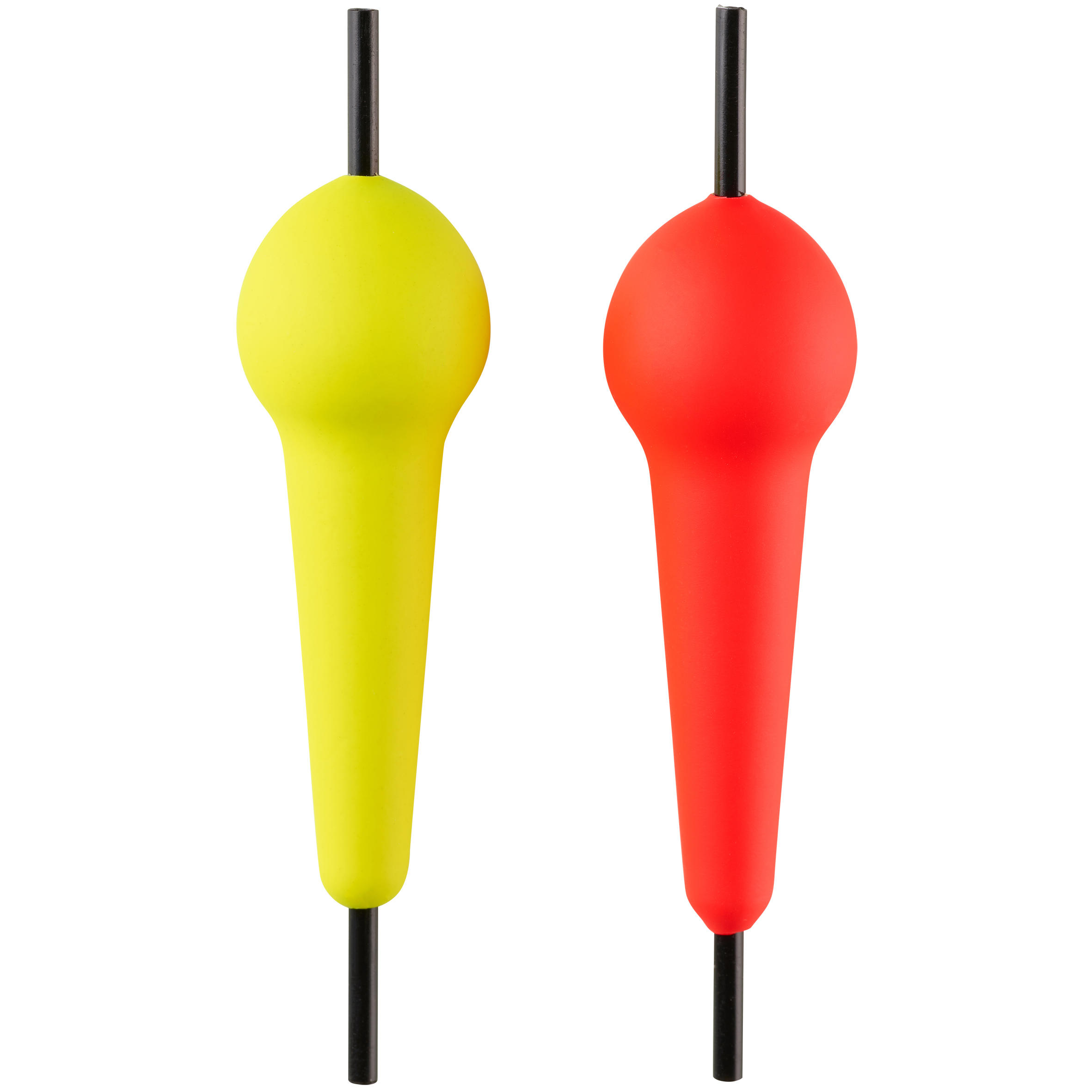
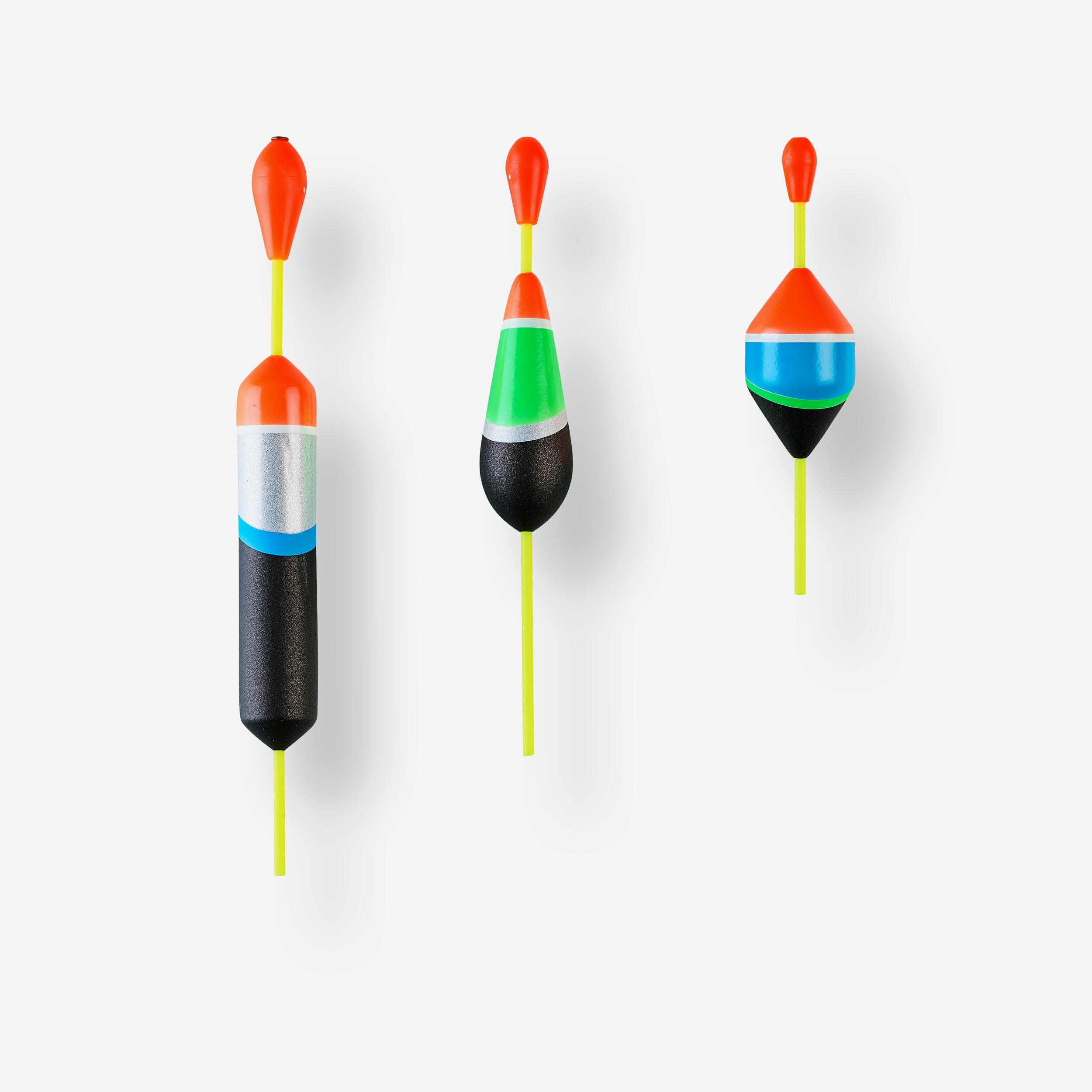
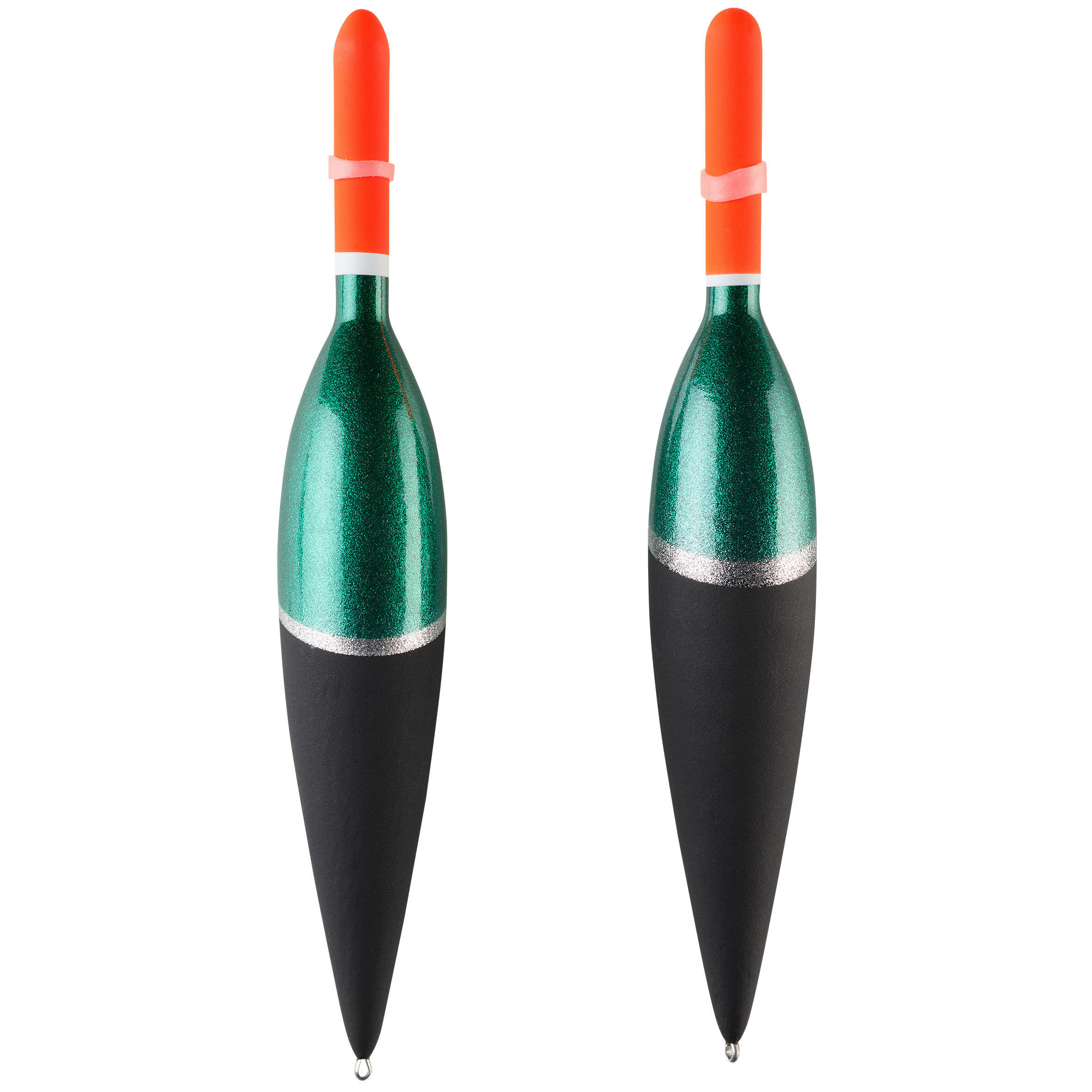
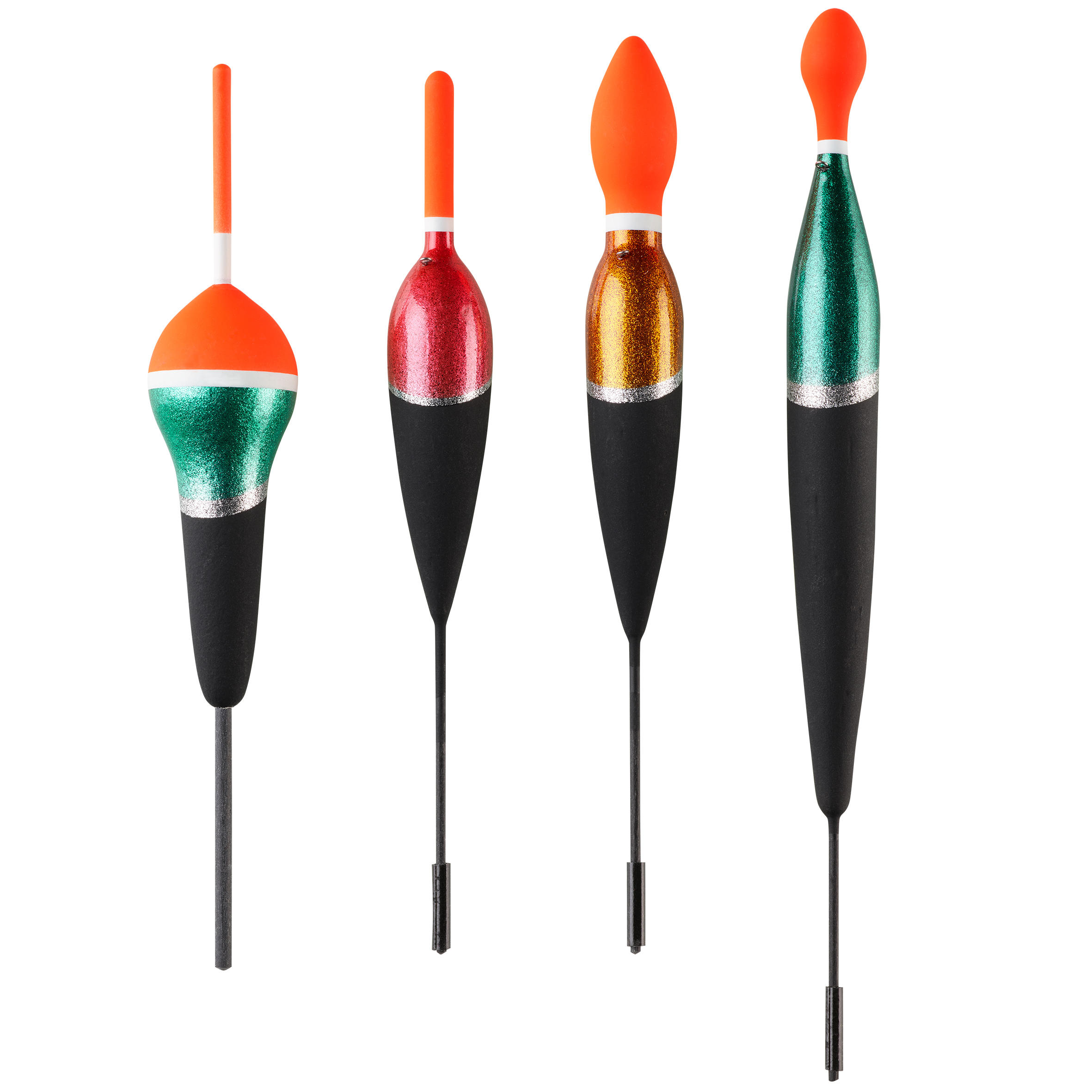
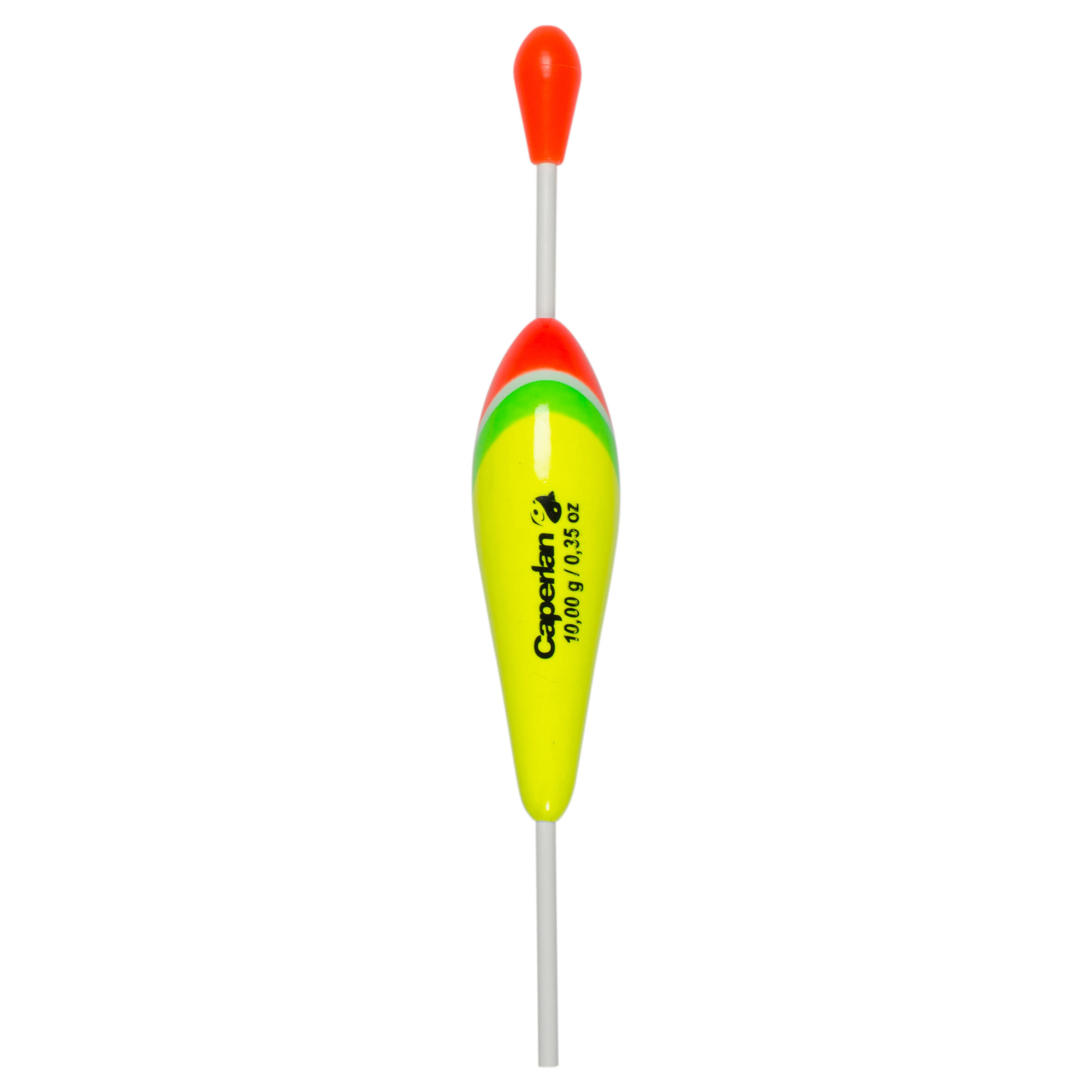
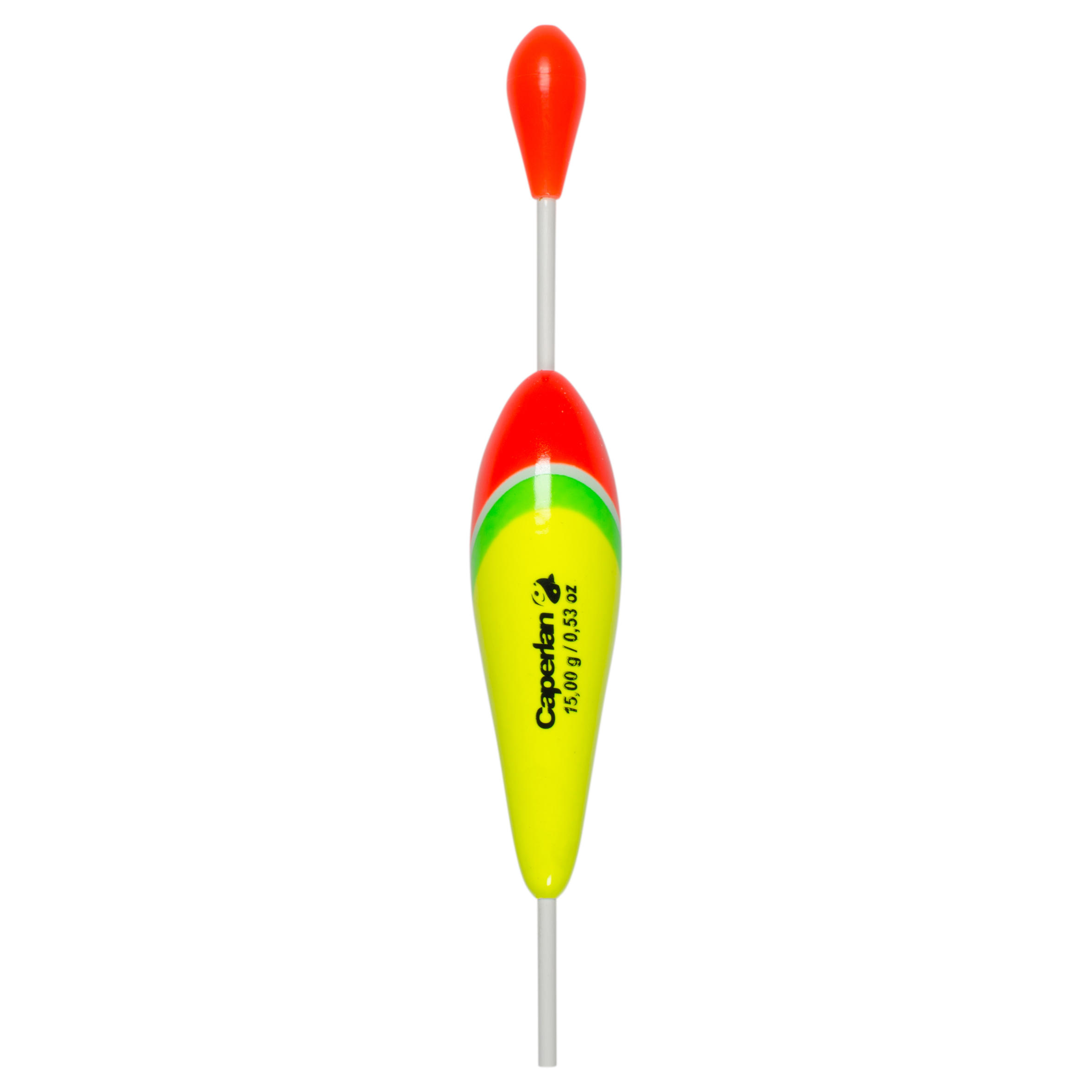
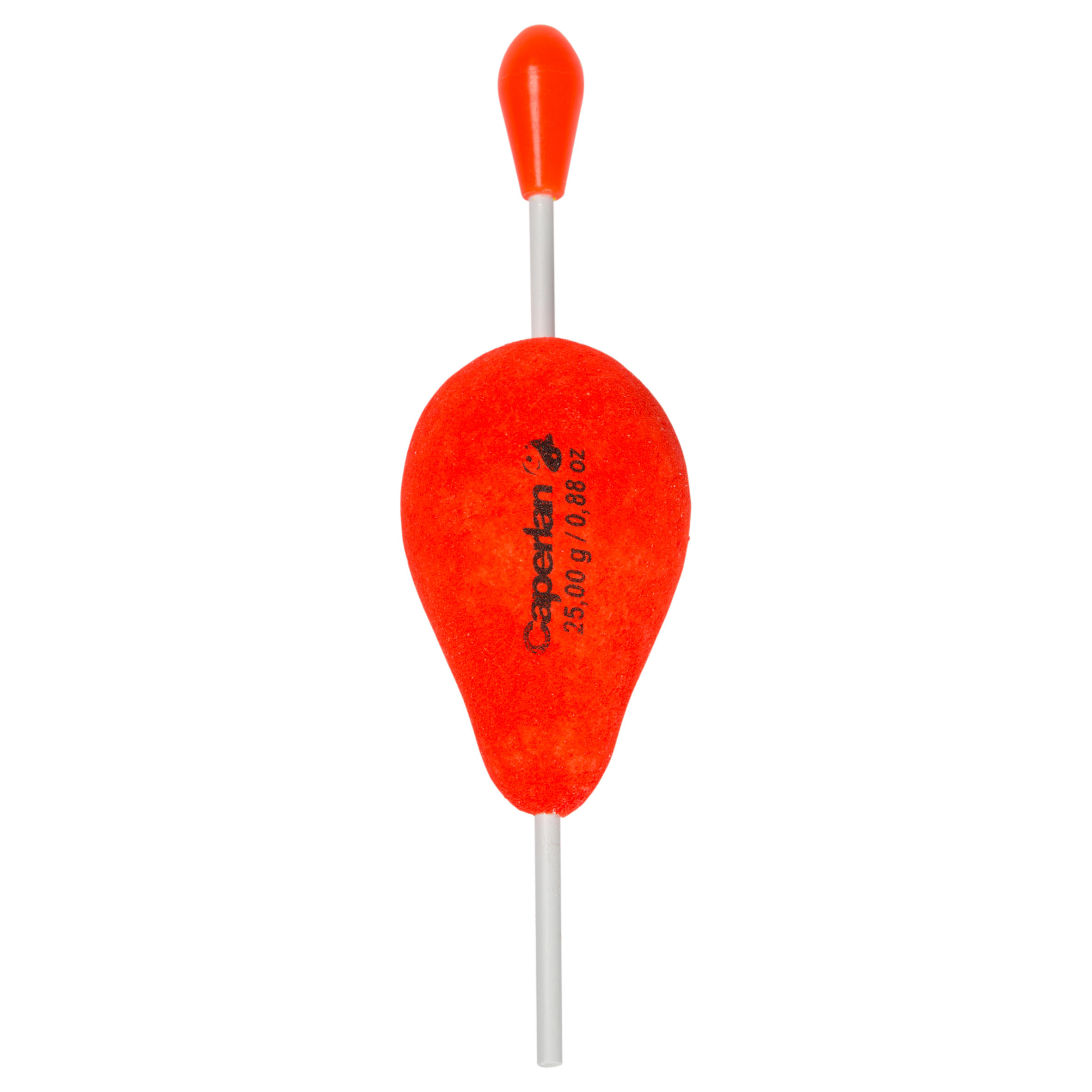
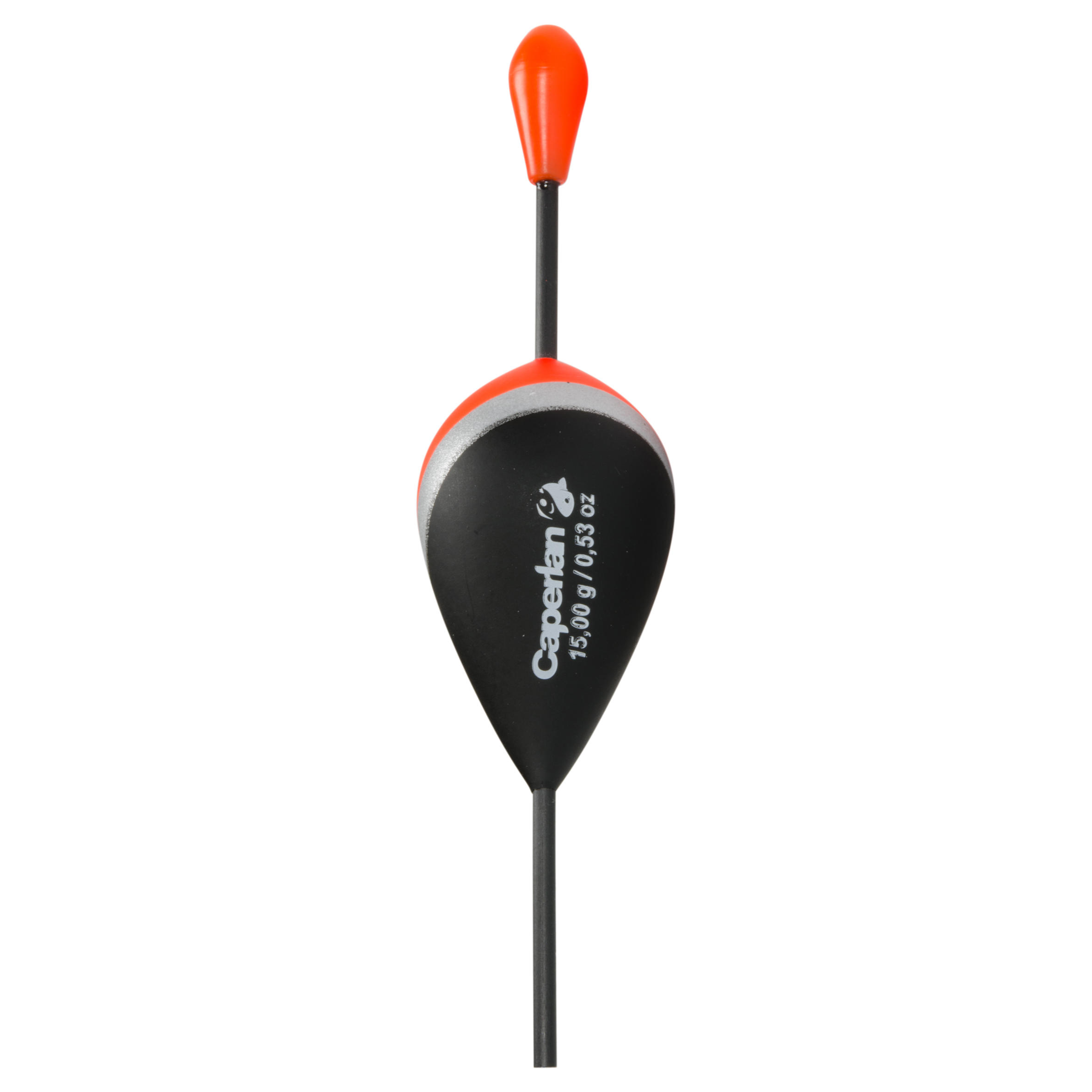
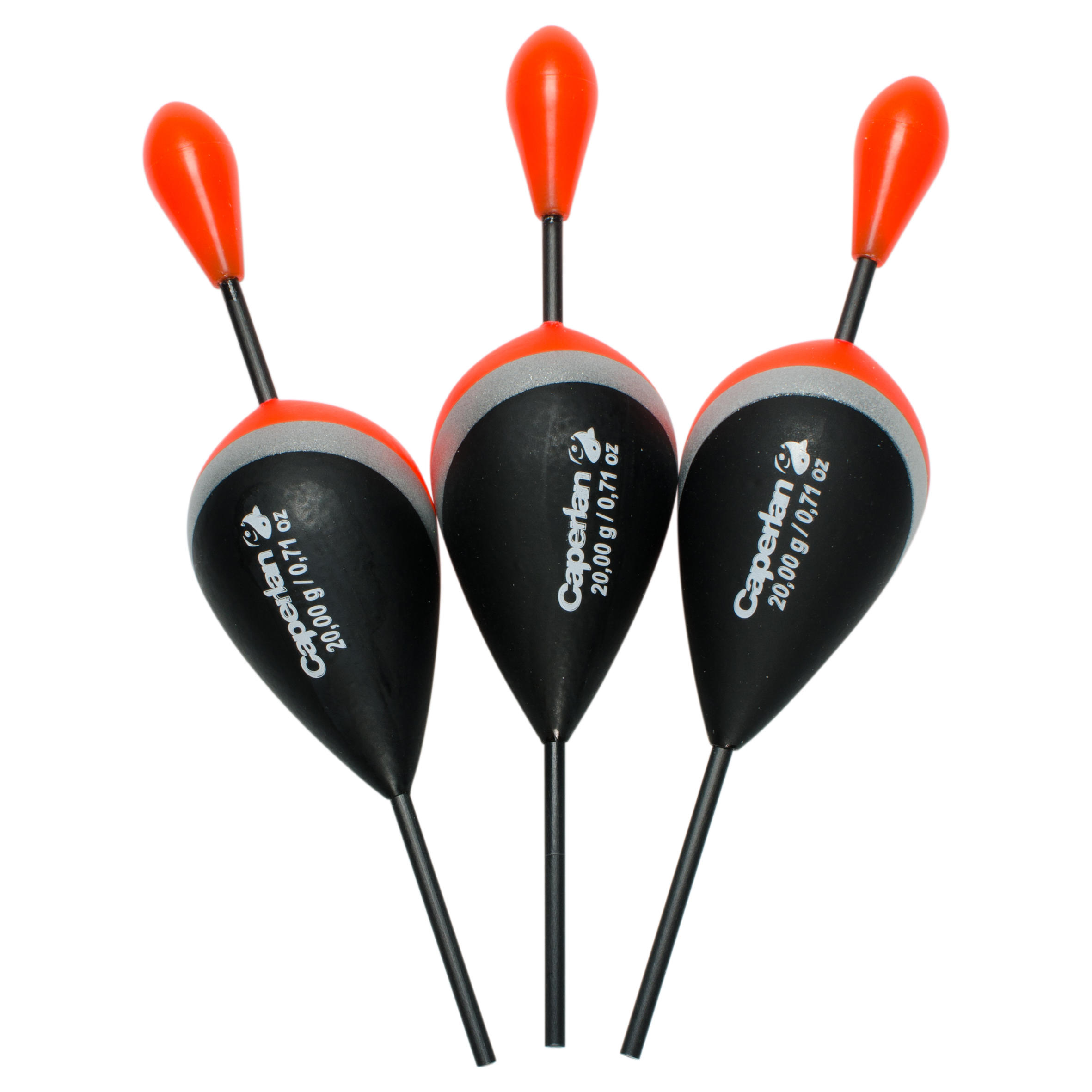
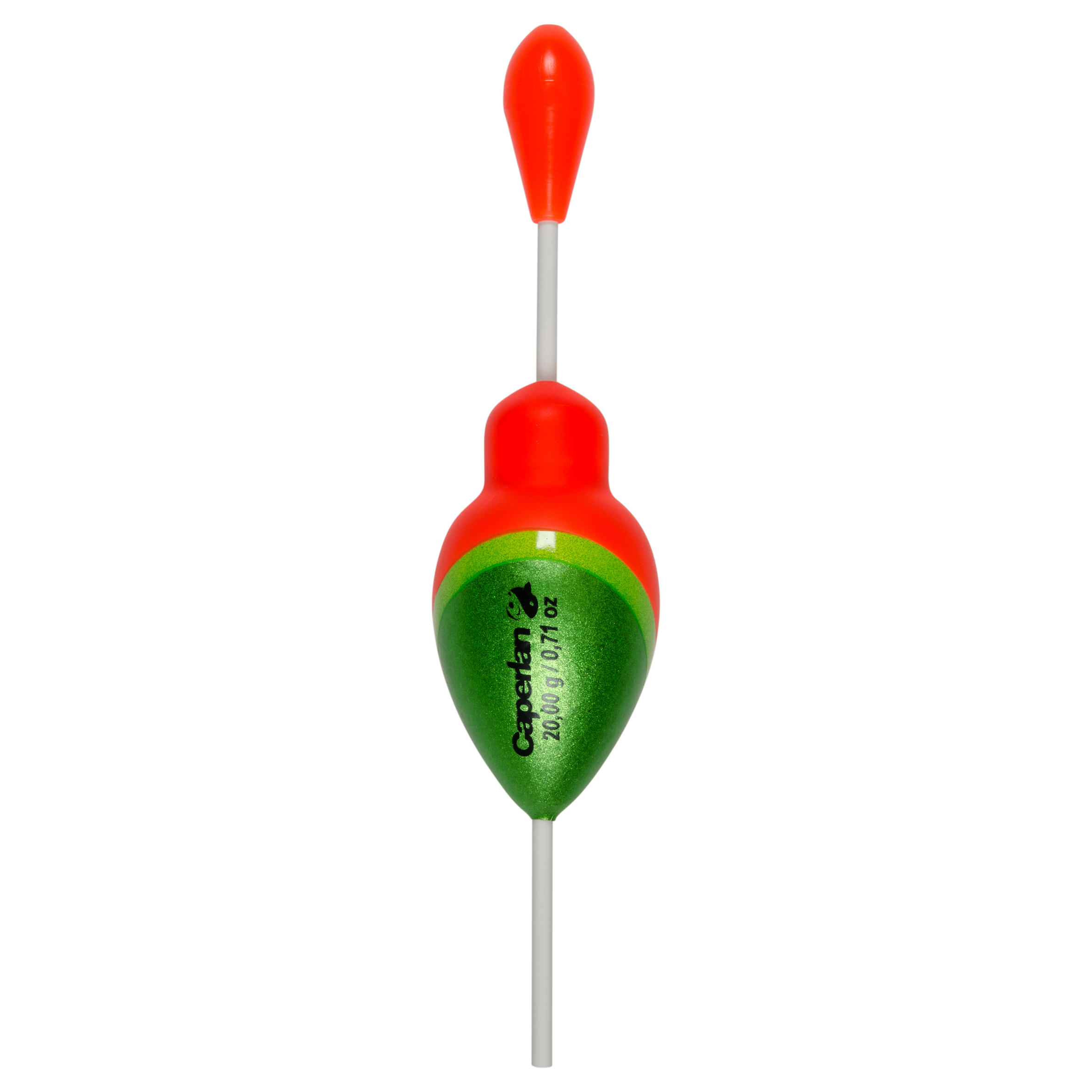
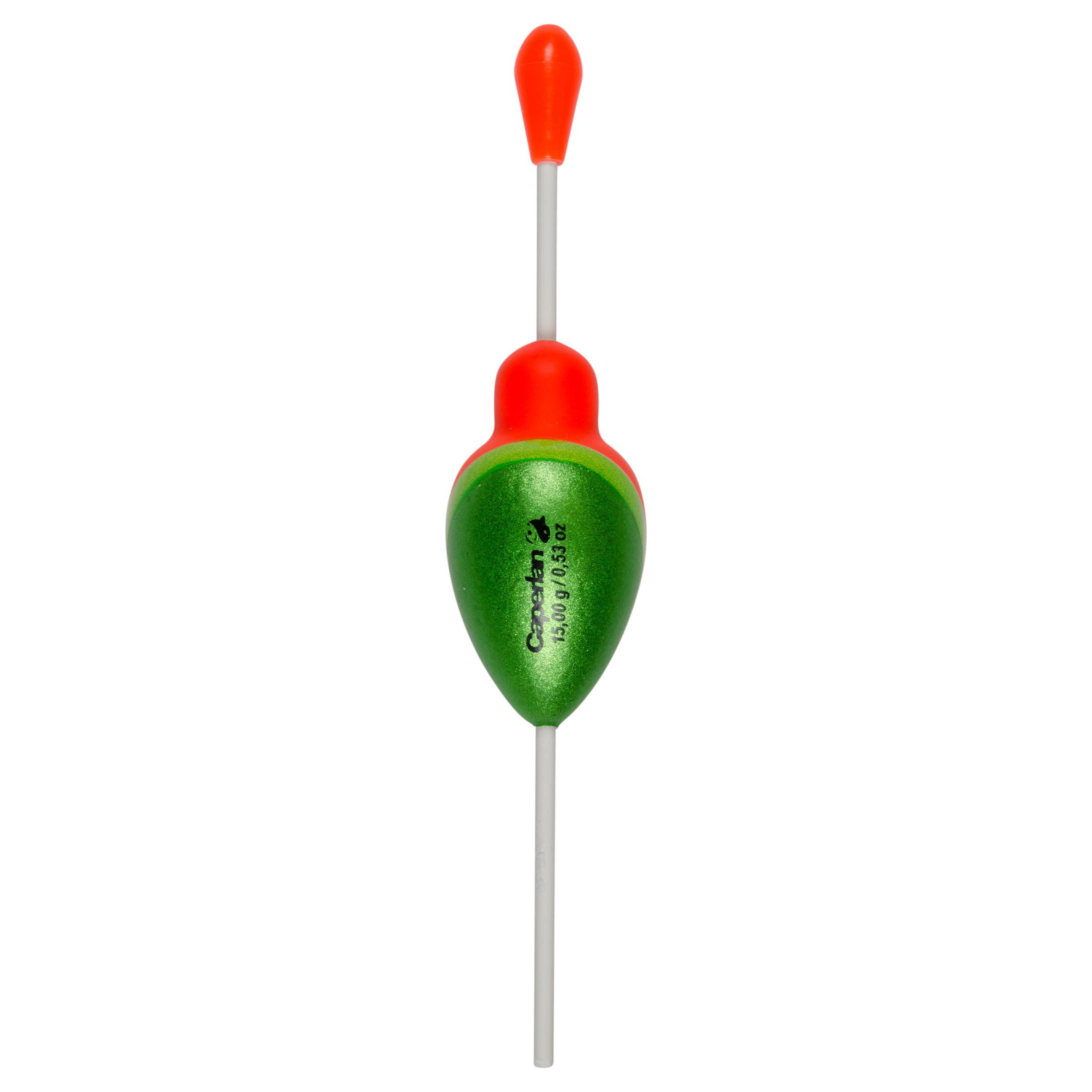
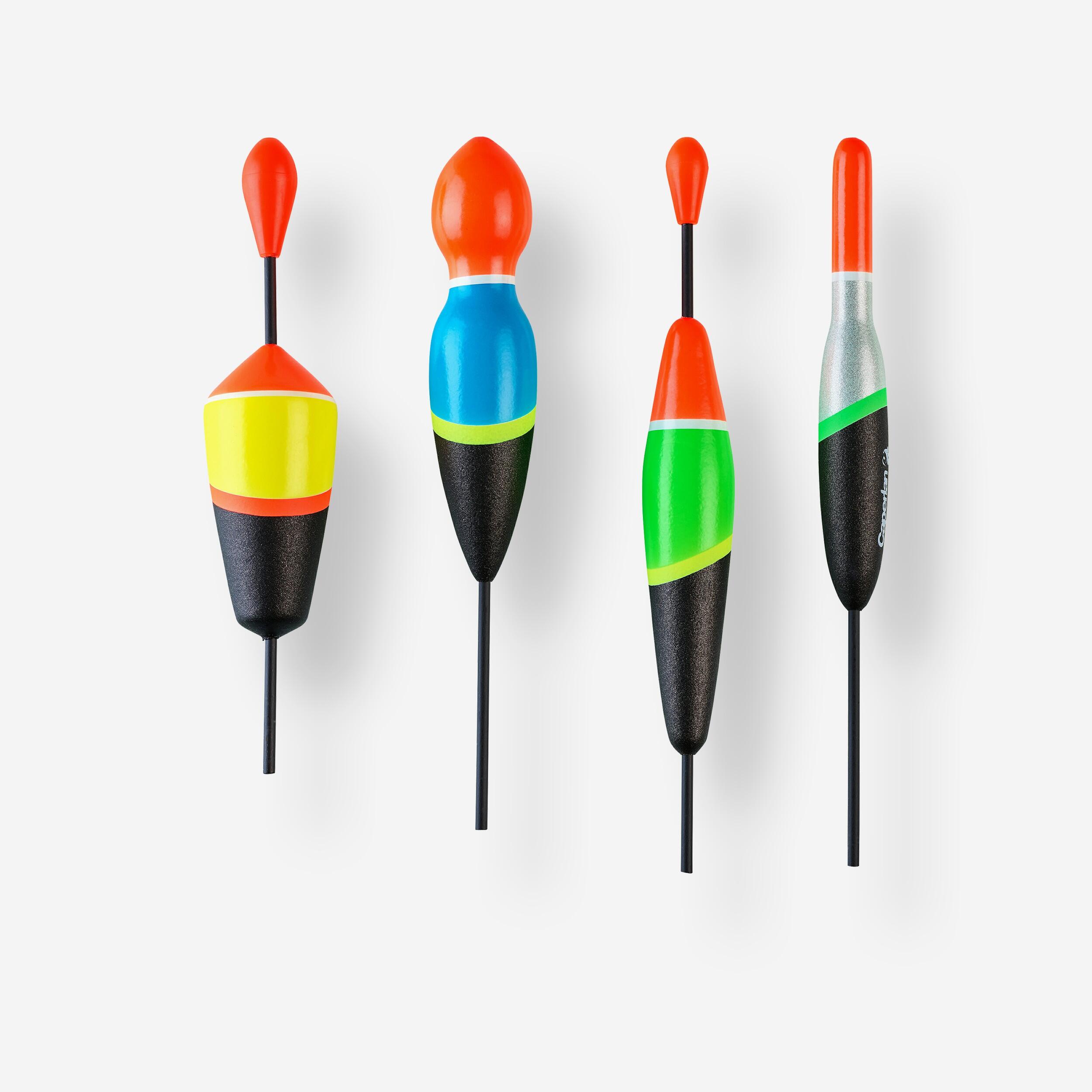
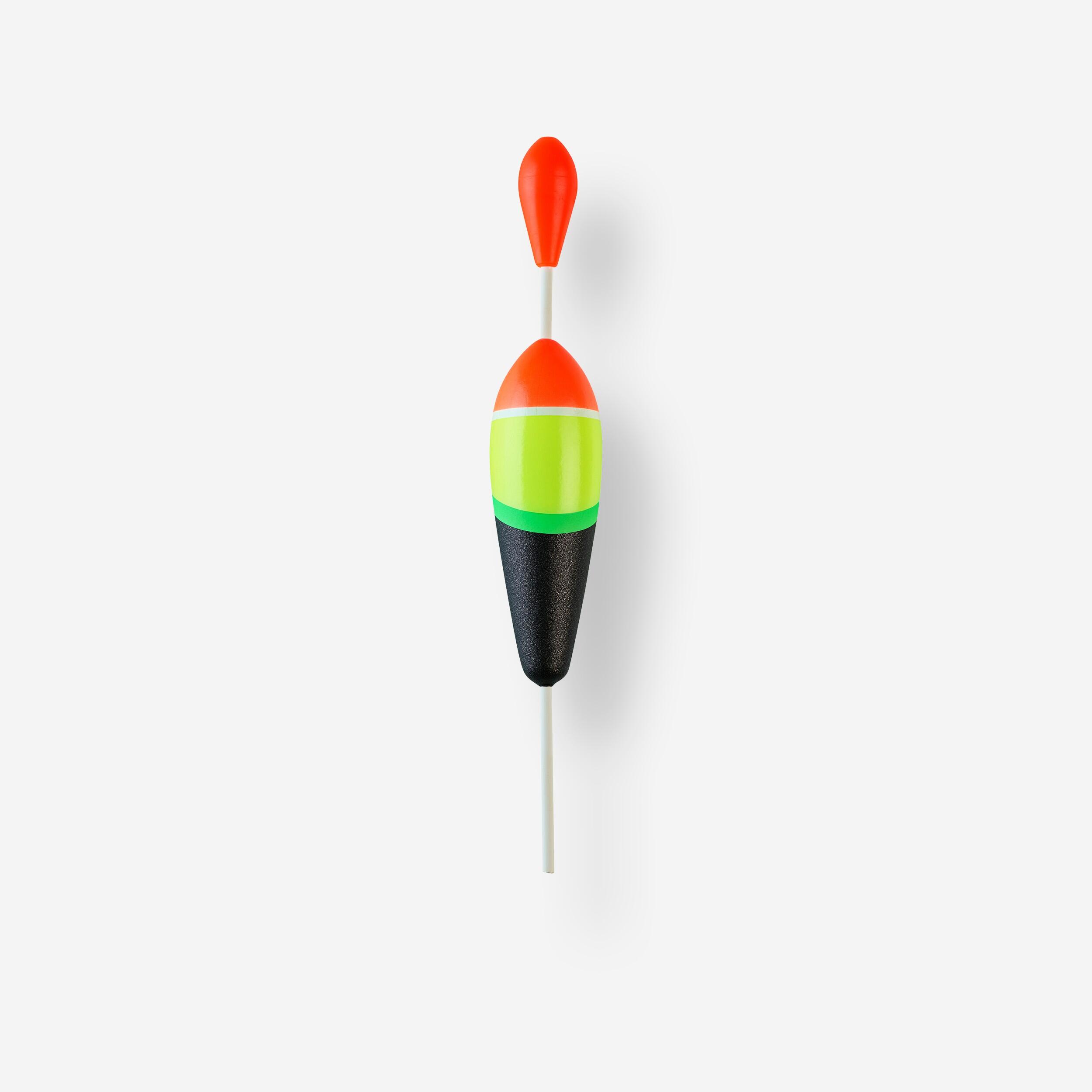
Changing float weight lets you adapt the rig when bait size, casting distance or water conditions alter during a session. Caperlan's PL-KIT.Y1 contains three sliding floats at 8 g, 10 g and 15 g, with different shapes and sizes rather than three identical floats. This gives you several options without rebuilding your tackle collection around one fixed weight. The ledgering fishing float kit uses foamed polyurethane bodies and suits predator ledgering where you need to alter buoyancy as the bait or fishing position changes.

What makes a foam sliding float useful in changing depths?

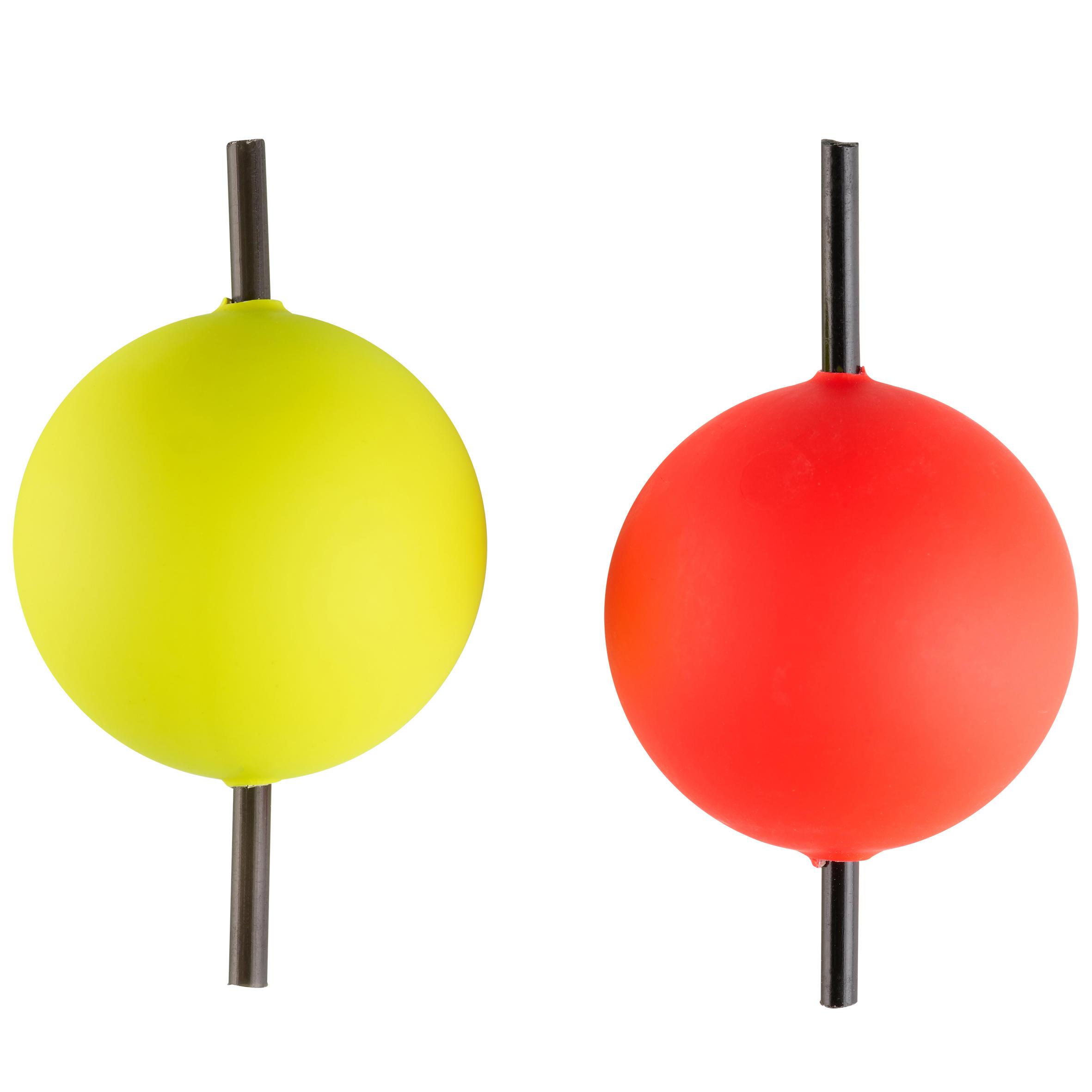
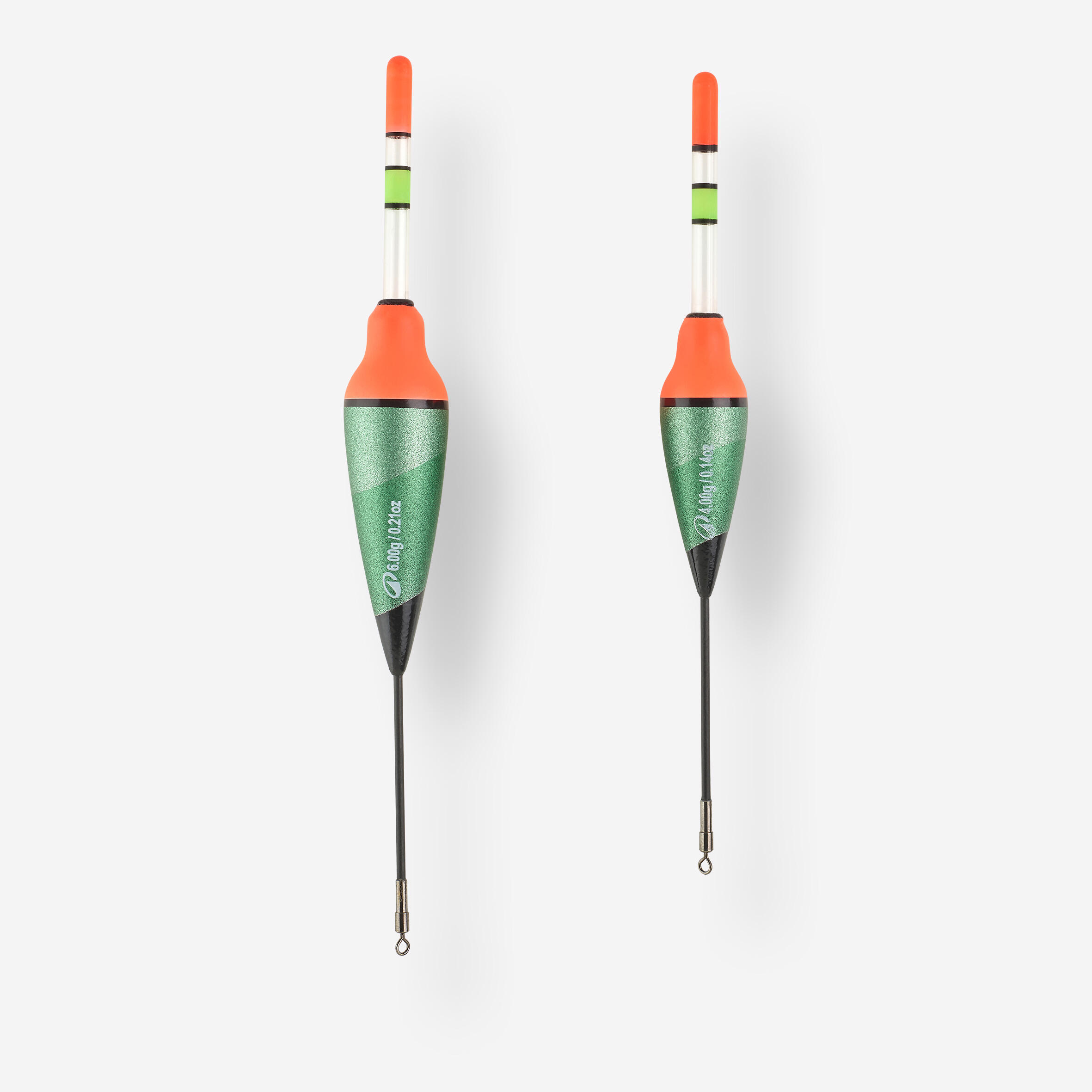
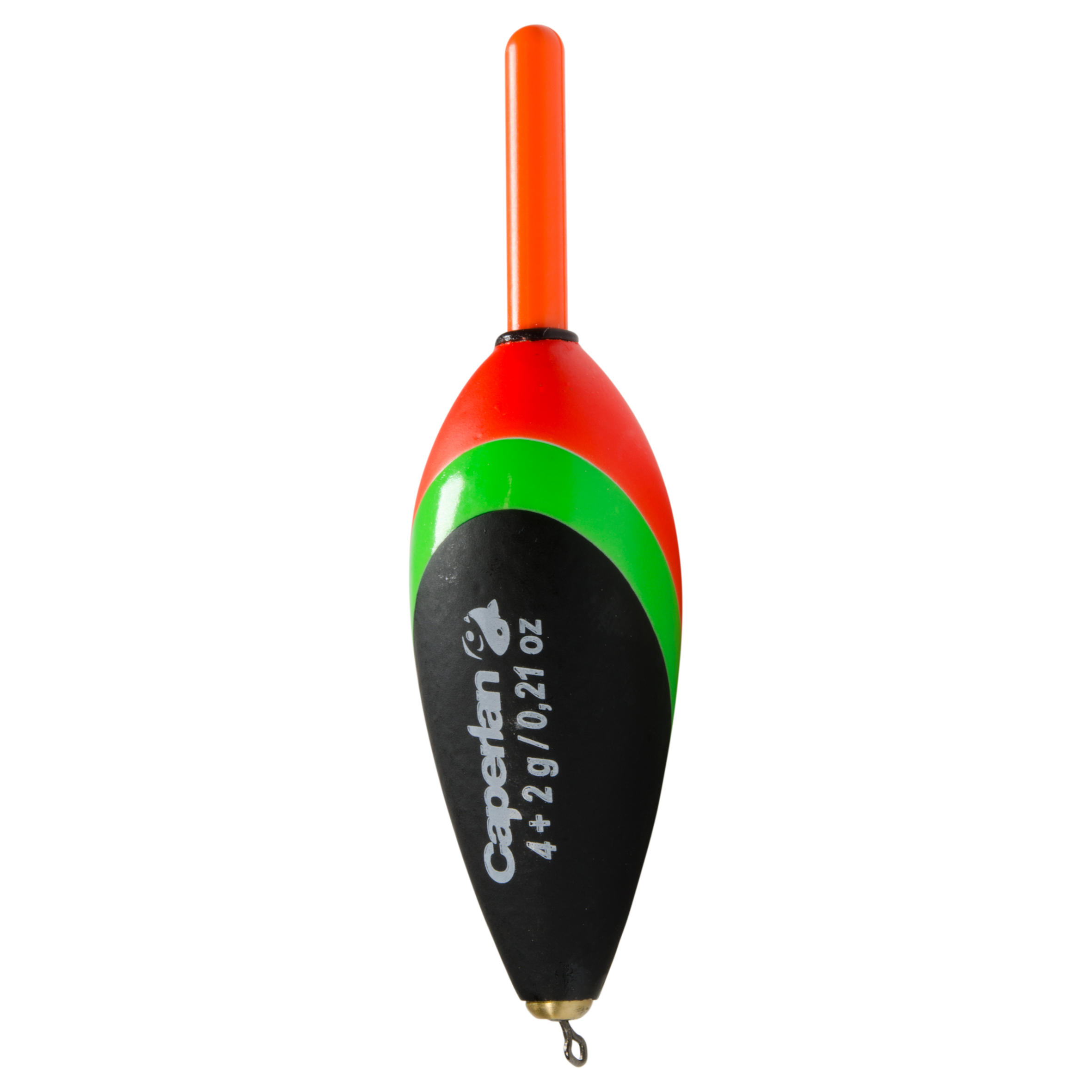
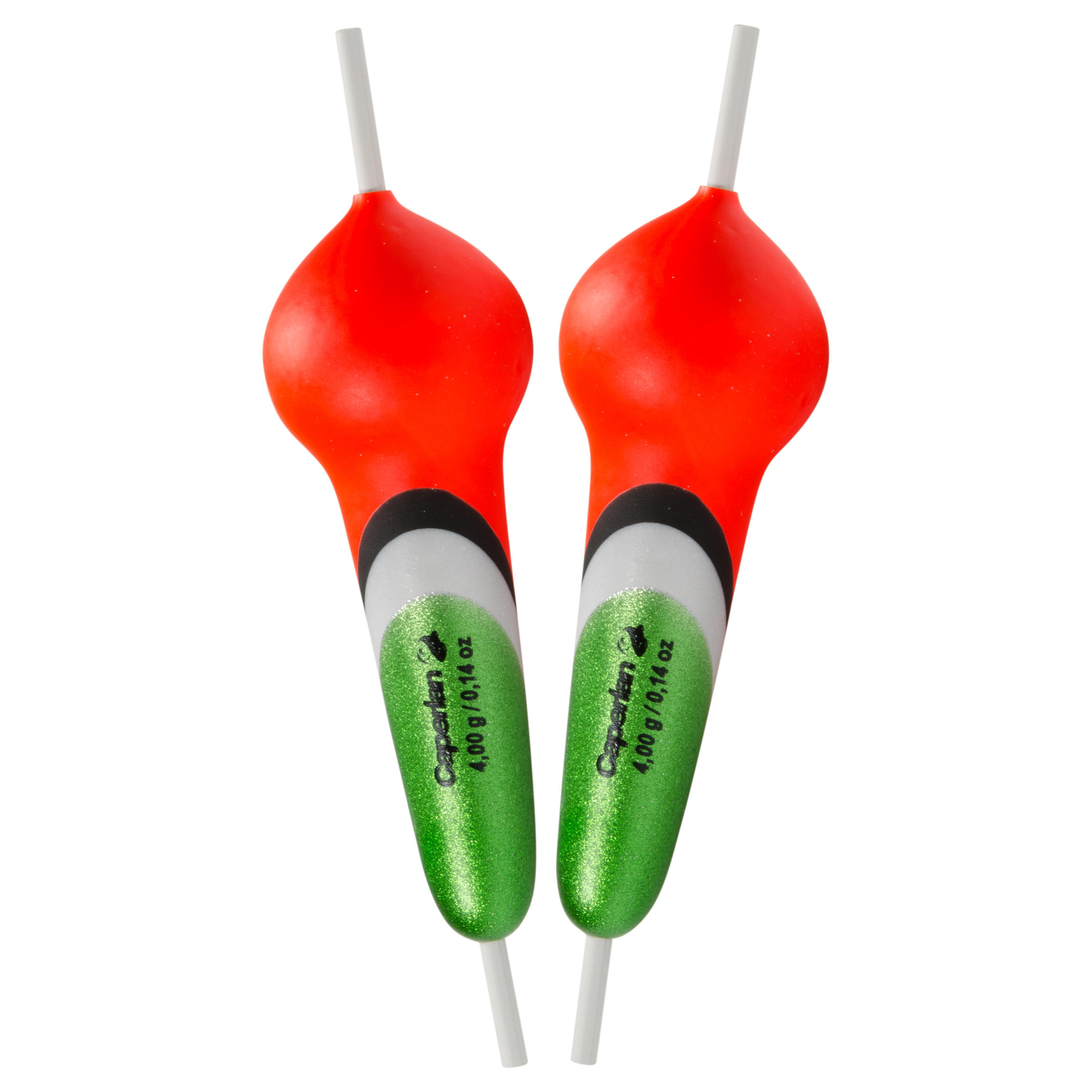
A sliding rig allows the line to move through the float until the rig reaches the stop, making depth changes easier than permanently fixing the float in one position. Caperlan's SF6 set combines 4 g and 6 g foamed polypropylene floats with flared bodies for greater stability. Bright antennas improve visibility, while the hollow antenna can accept a 4 mm light stick for lower-light fishing. The swivel is bonded directly to the stem to reinforce the connection. These foam sliding fishing floats work for predator and trout ledgering when you want to alter depth while keeping a visible, stable float above the rig.

How can one float set cover different visibility conditions?

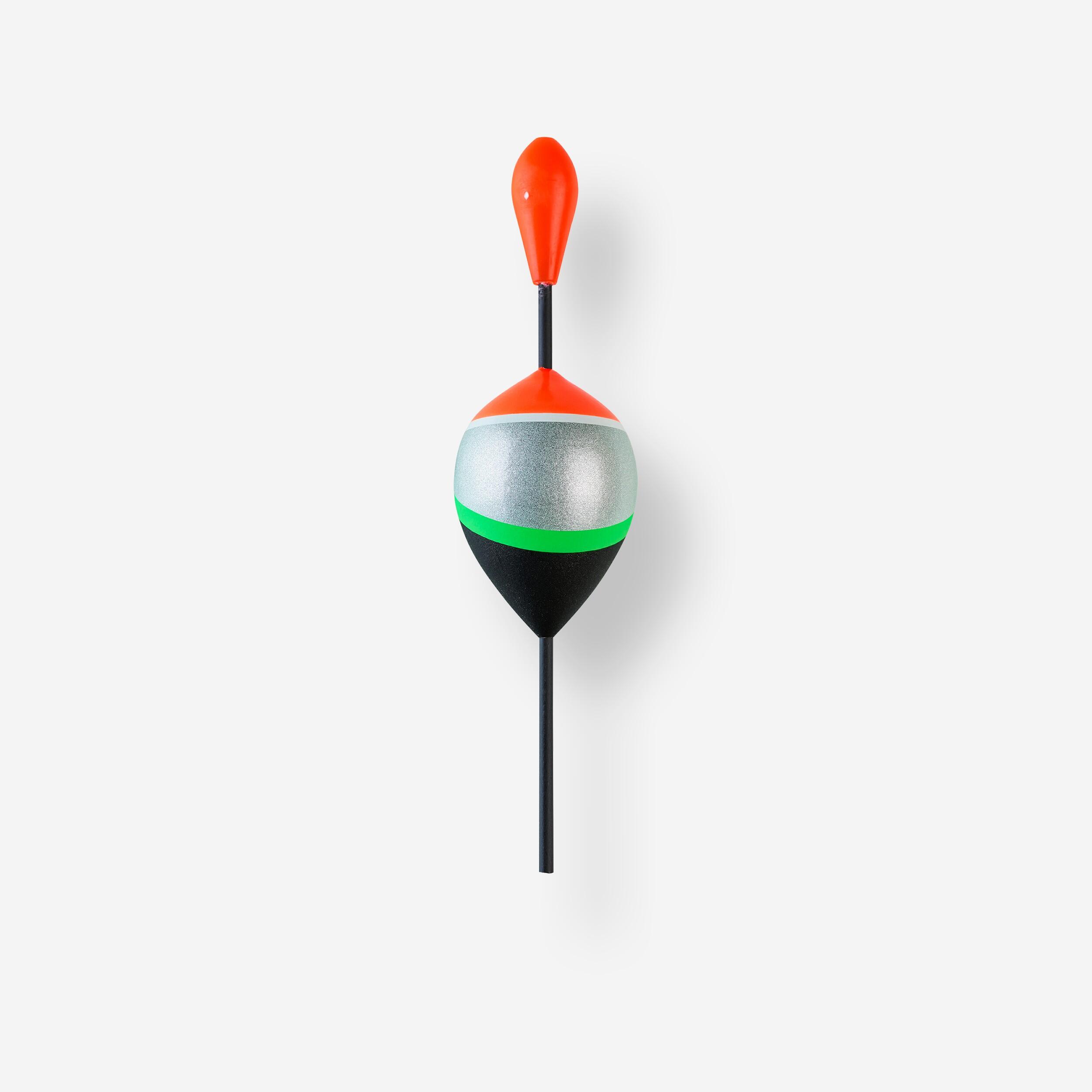
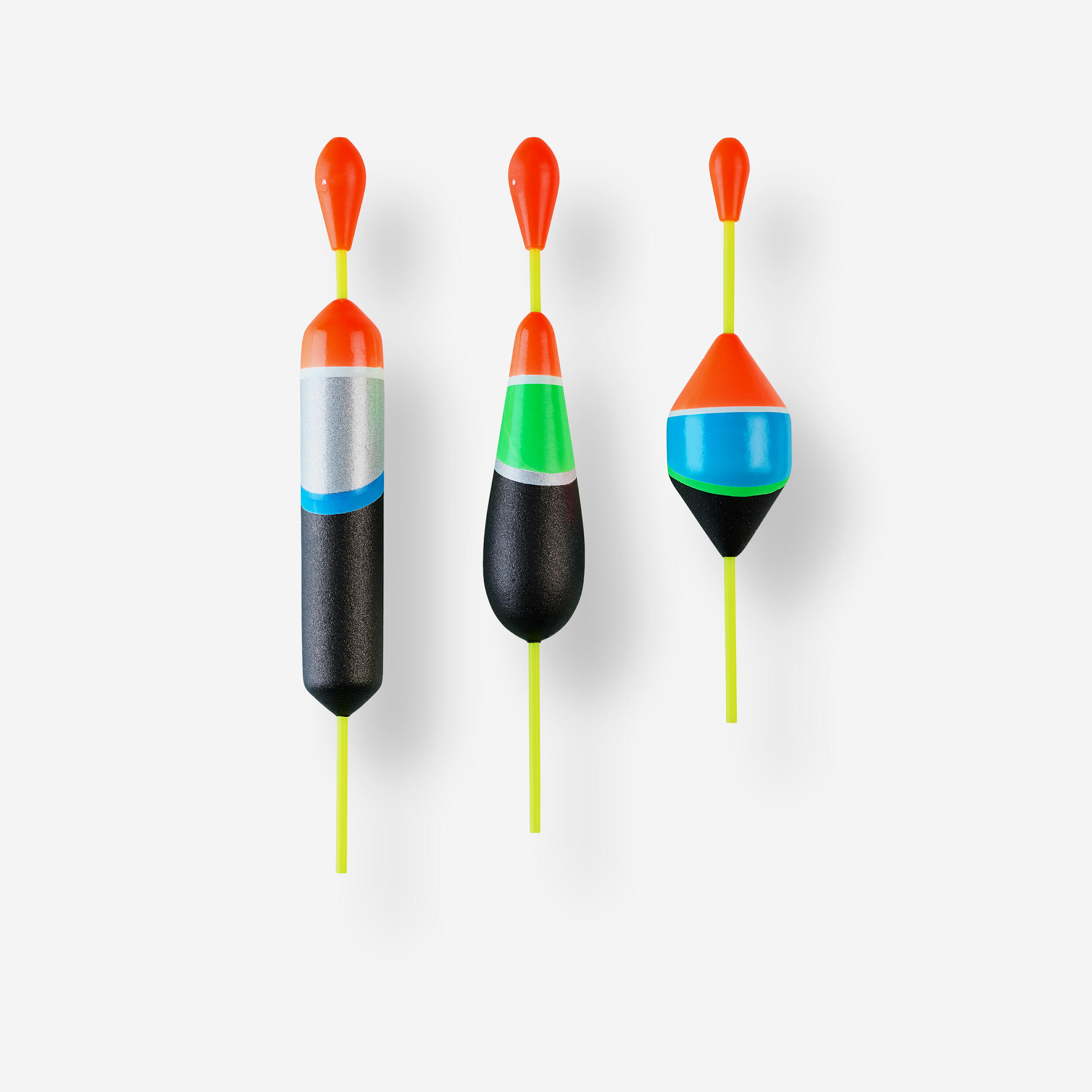
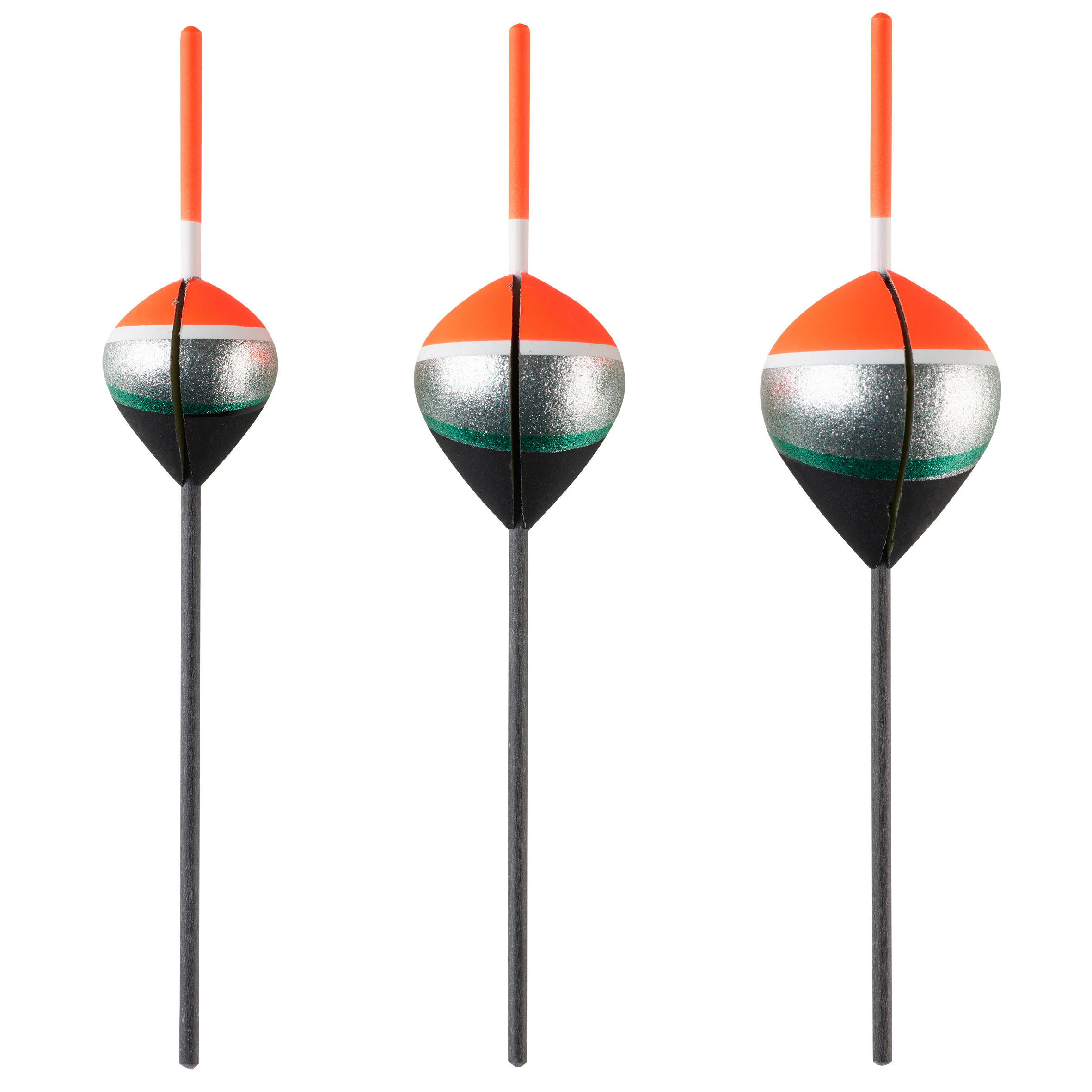
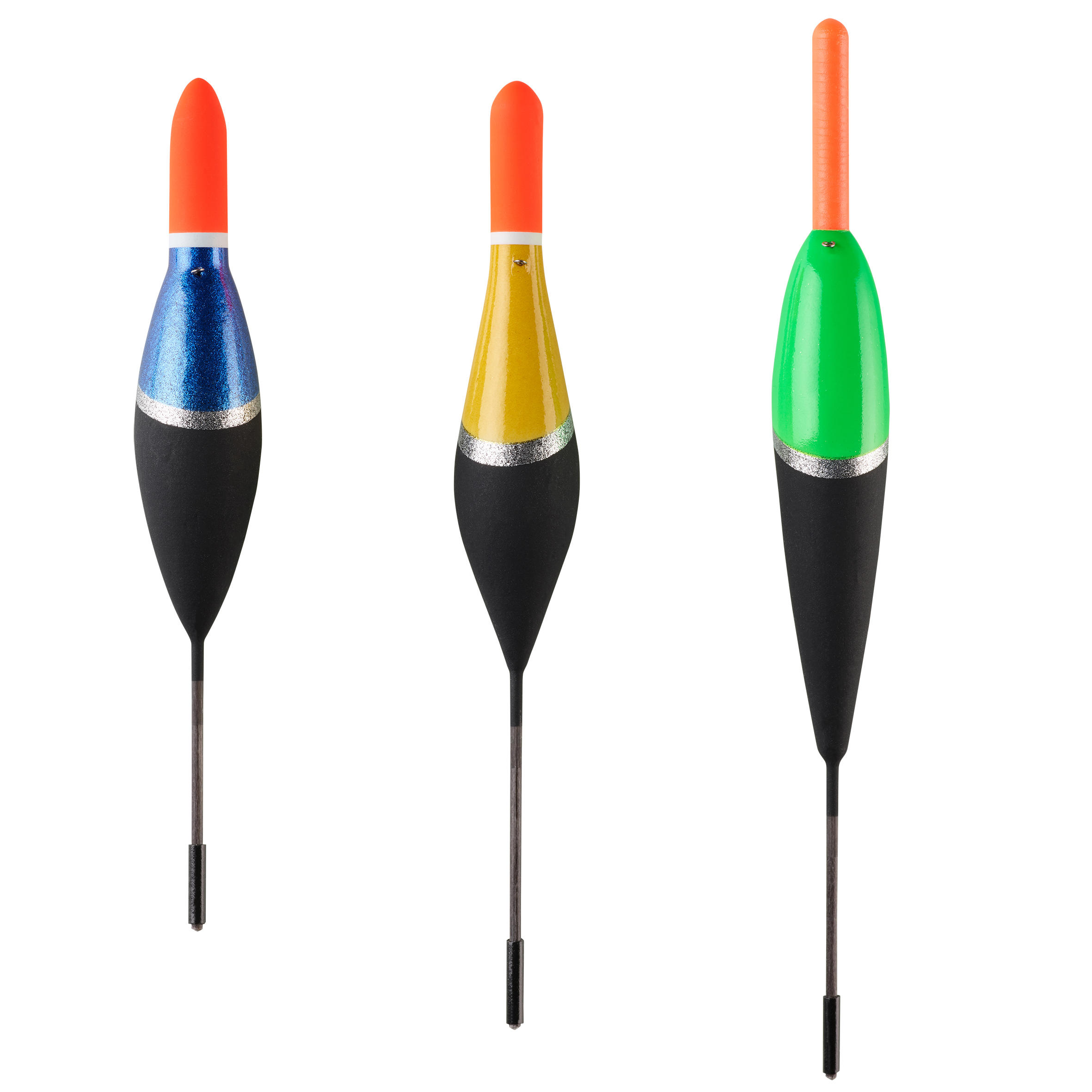
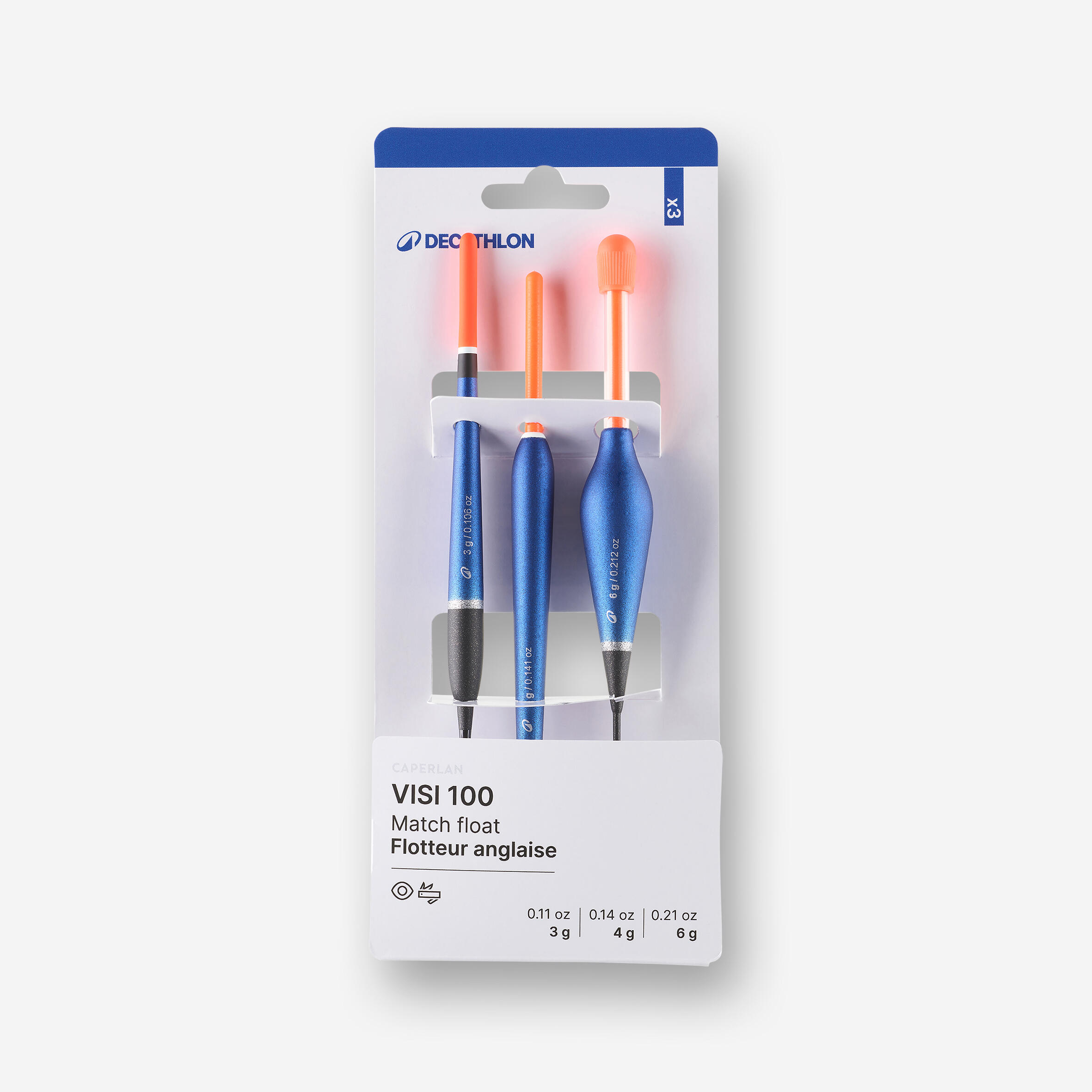
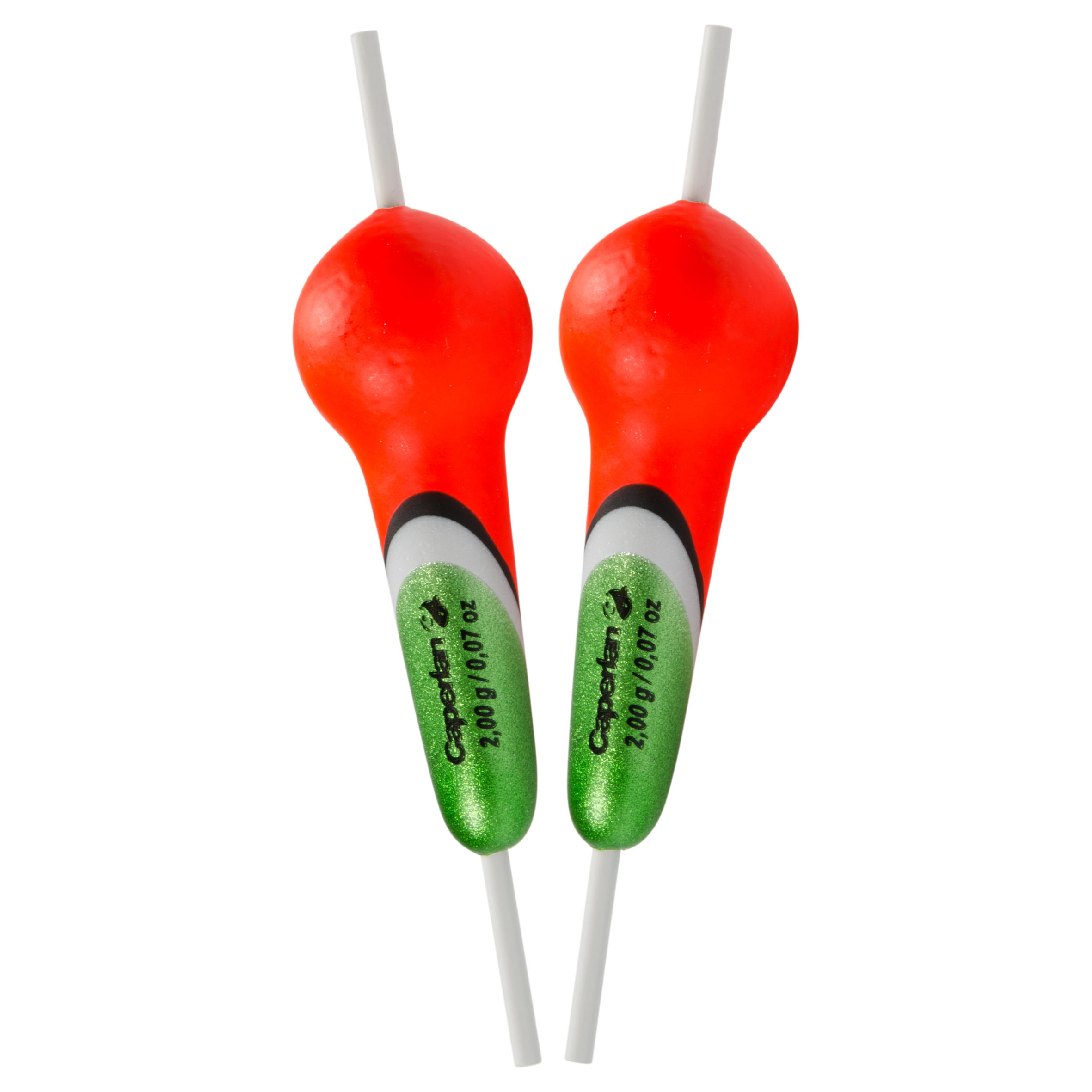
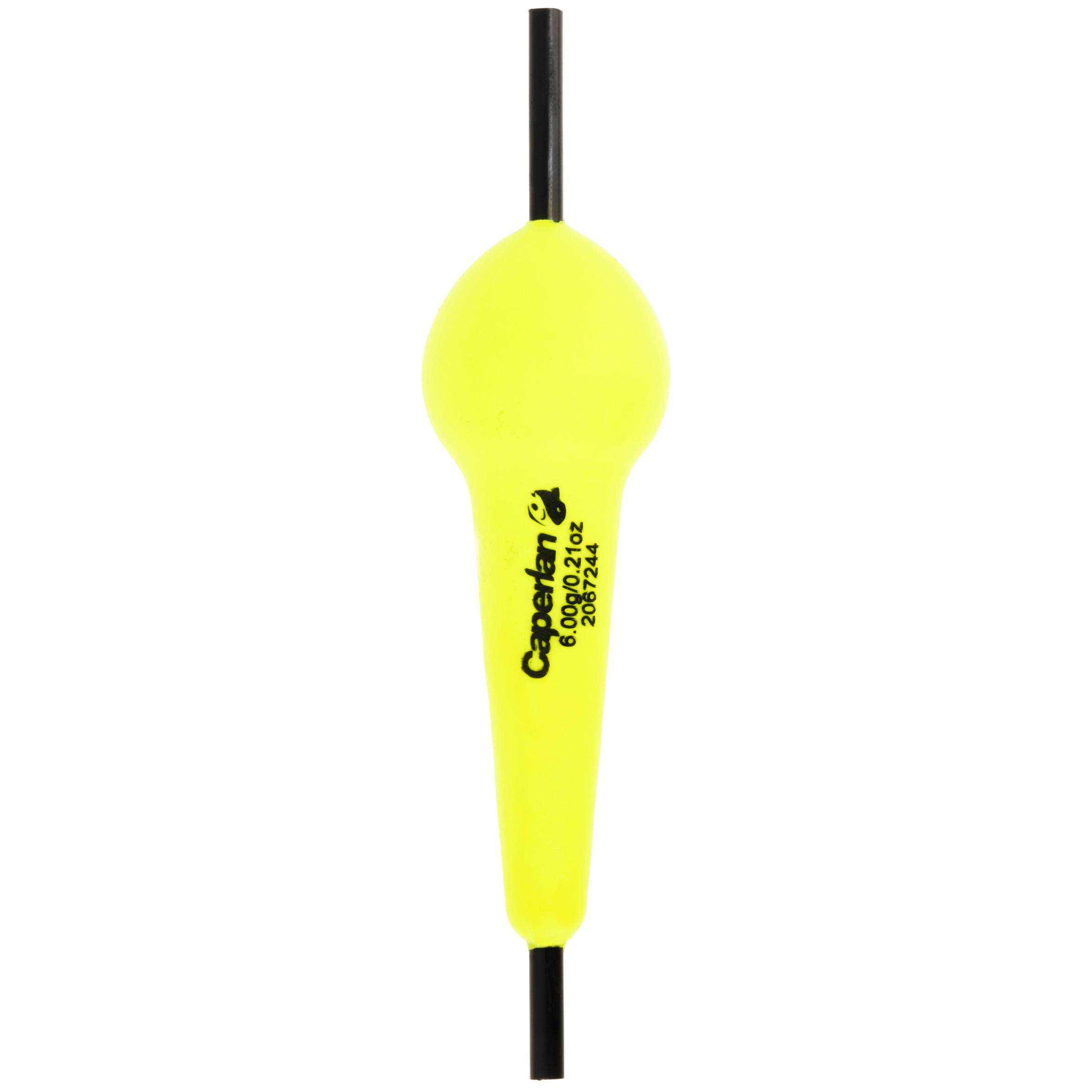
Float visibility depends on antenna size, colour, distance and available light, not only on the weight supporting the rig. Caperlan's MTCH 100 Visi set includes sliding floats at 3 g, 4 g and 6 g with three large antennas. Two antennas can accept a 4.5 mm glow stick, while the 6 g model uses a hollow transparent antenna with a removable orange insert and rolling-swivel guide. The balsa-bodied multi-purpose fishing floats also use two float stops for adjustment. This setting gives you several buoyancy and visibility options when the light level or required presentation changes.

How do you match float shape to predator-ledgering conditions?

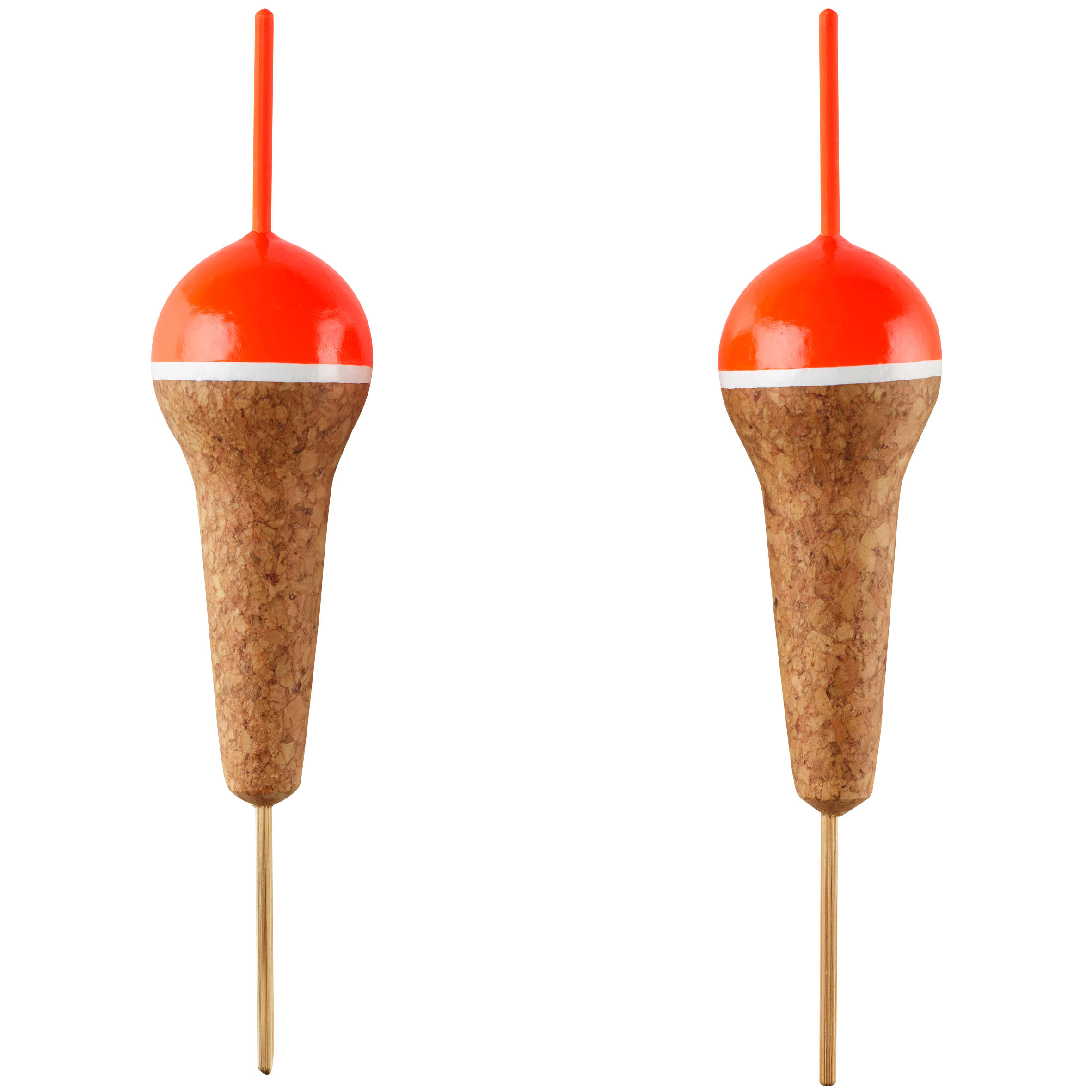
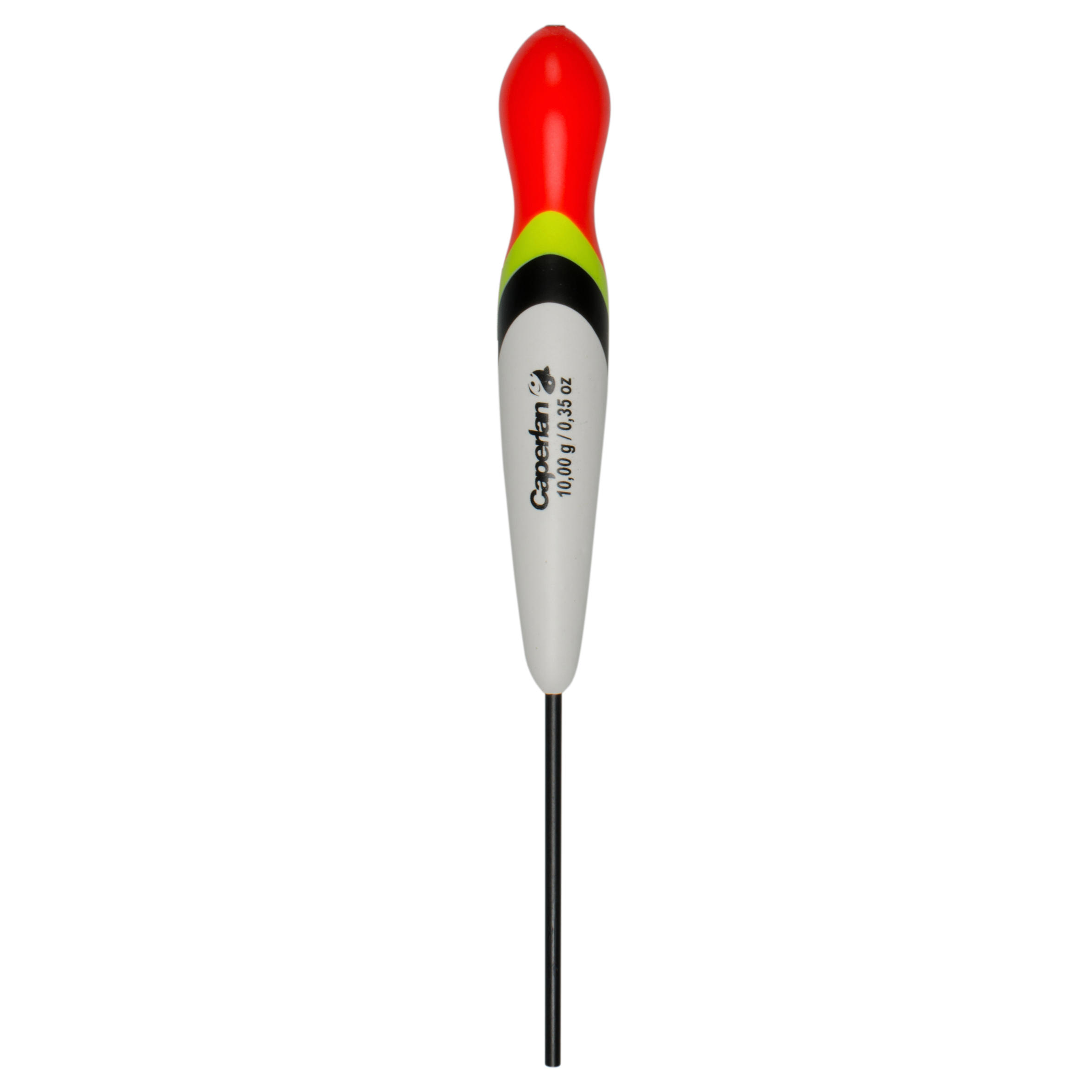
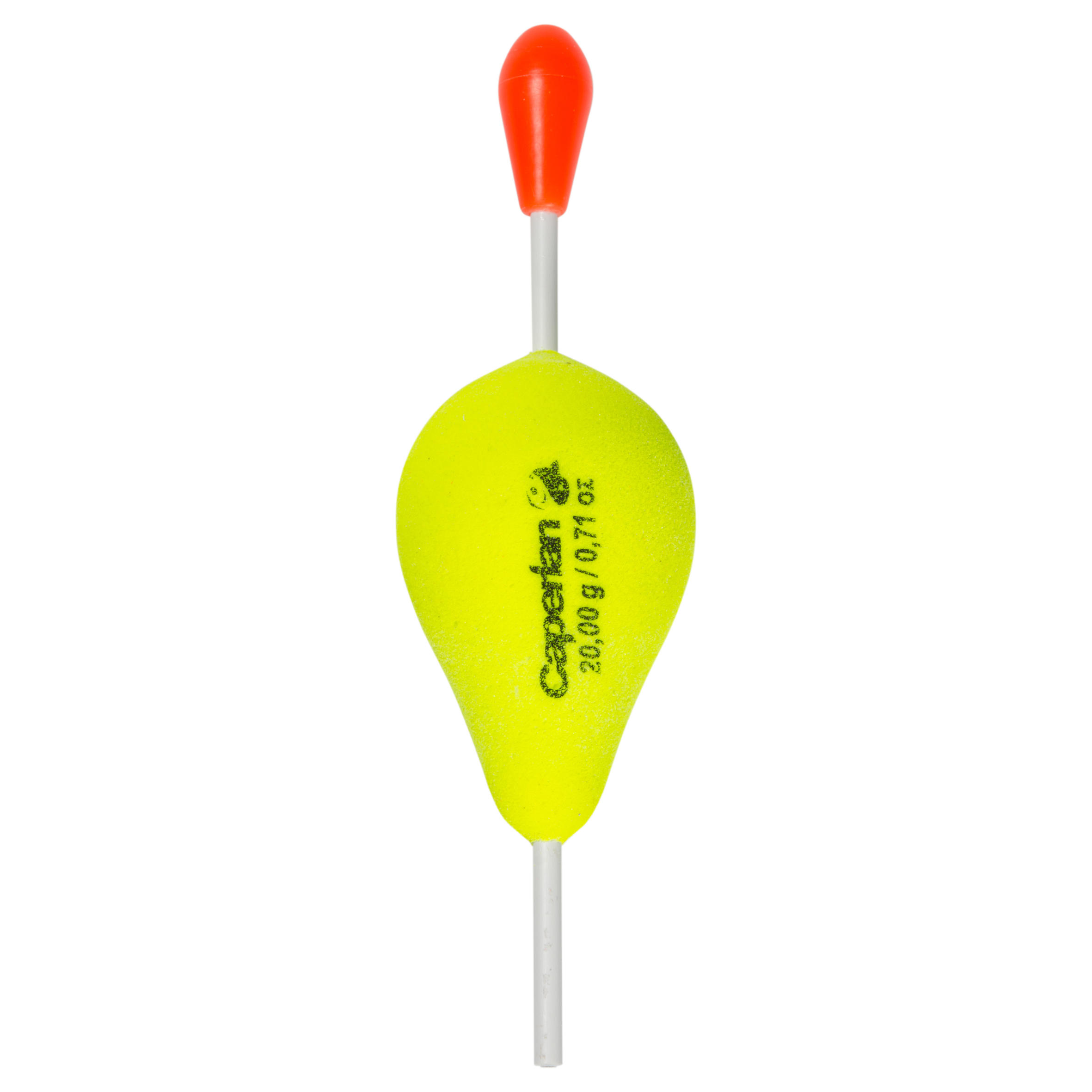
Use the water movement and presentation style to guide the shape rather than selecting a float only by its stated weight. Caperlan uses different profiles across its floats for sensitivity, buoyancy and stability. A slimmer shape can make small movements easier to read, while a squatter body can hold a steadier position in current. Flared models provide another option when stability matters. Sliding construction also lets you change fishing depth without moving a fixed attachment point along the complete line. When setting up for predator ledgering fishing, balance the float with the bait, sinker and fishing depth so one component does not overpower the rest of the rig.

How do you keep fishing floats ready for the next session?

Inspect the antenna, stem, swivel and body after use, particularly if the float has contacted rocks, banks or other hard surfaces. Keep sliding holes and swivel connections free from grit so the float can move properly on the line. Bright antennas also need protection from crushing during transport, so store floats separately from heavy sinkers and tools. Caperlan advises keeping its MTCH 100 Visi floats away from excessive heat and direct sunlight. Organise them with the rest of your predator fishing tackle by weight and shape so you can replace or adjust a float quickly at the water rather than searching through mixed terminal tackle.