10 items
4.8/5 based on 457 reviews collected online and in stores

Predator Ledgering Rod Bags FAQs

How many rigged rods can a predator ledgering rod bag carry?

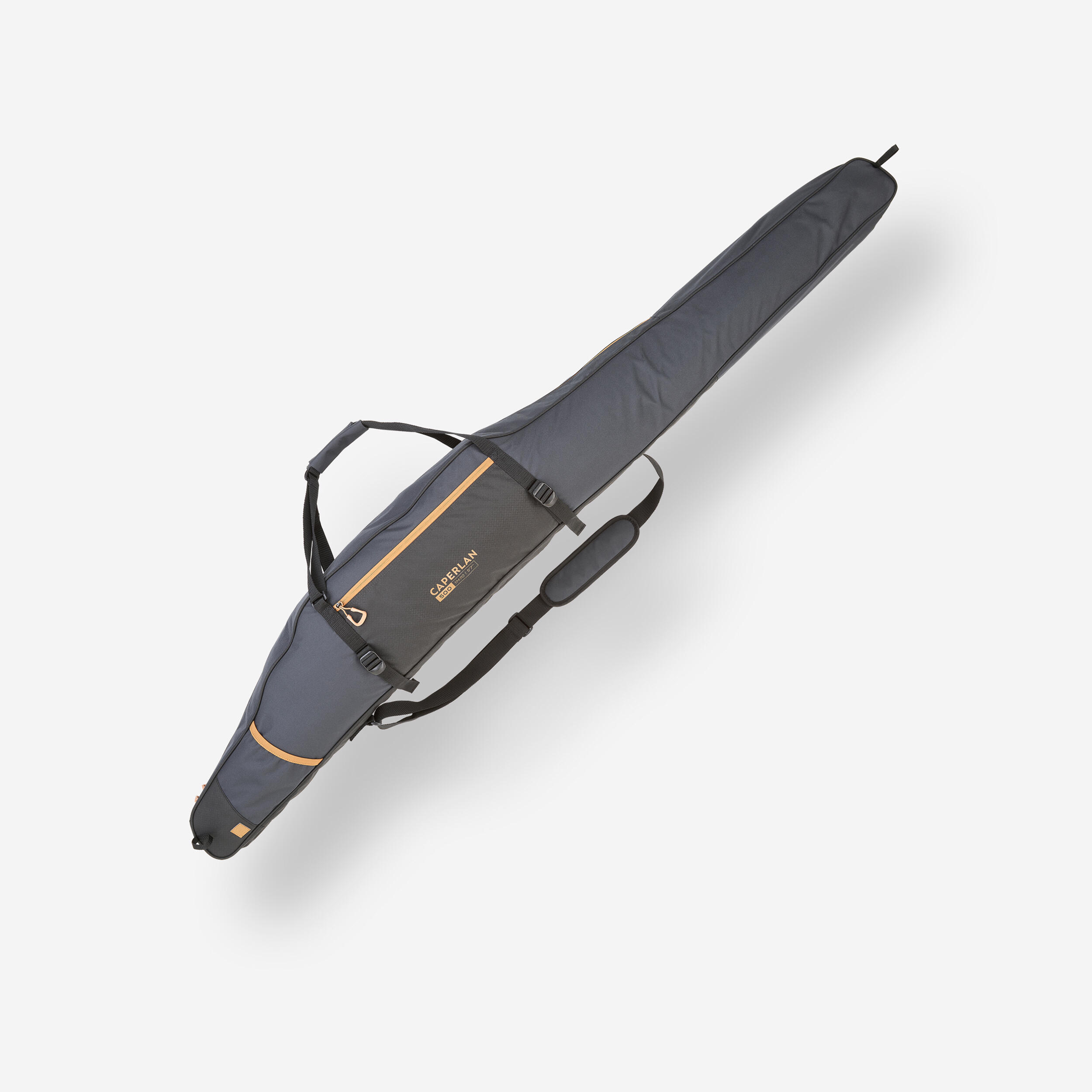
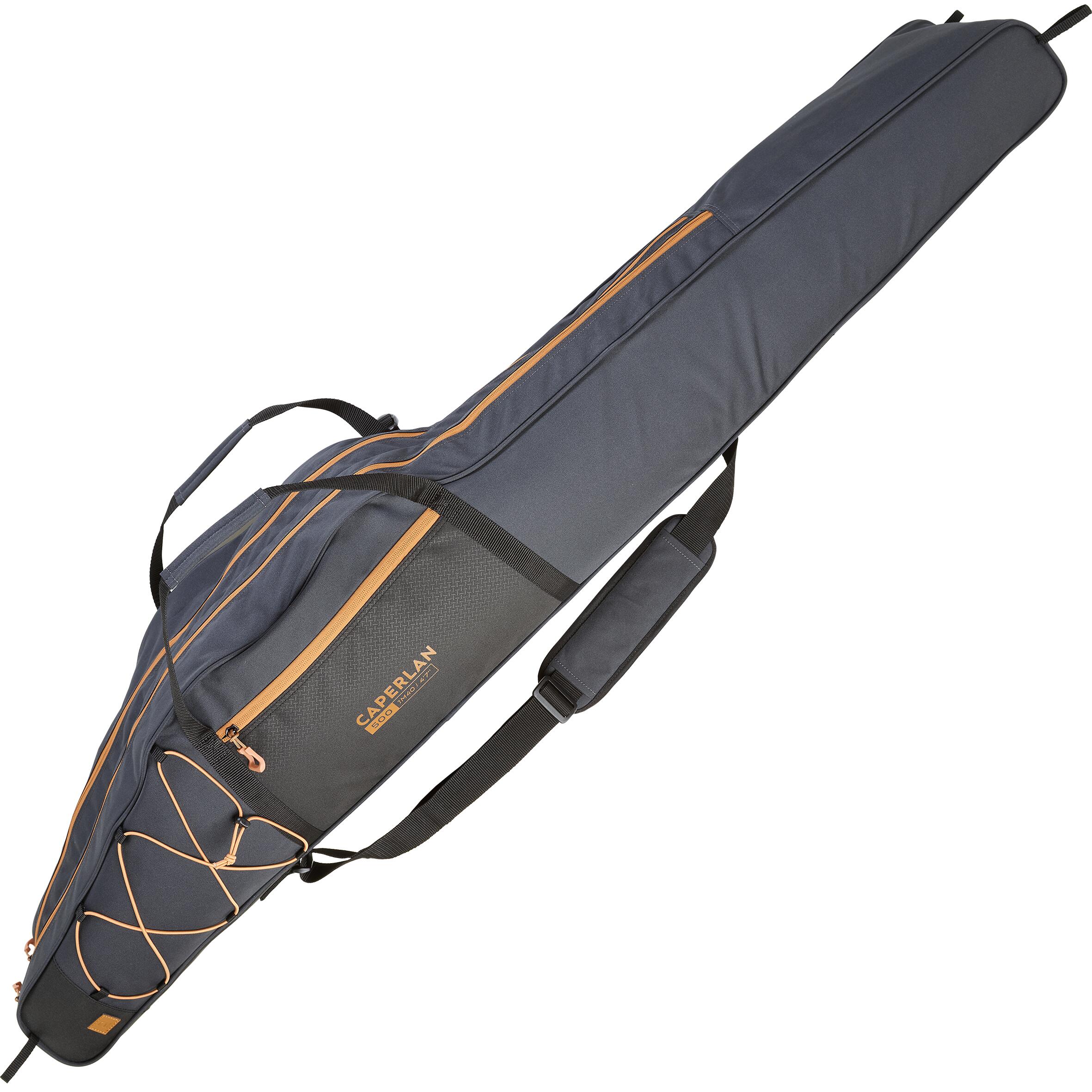
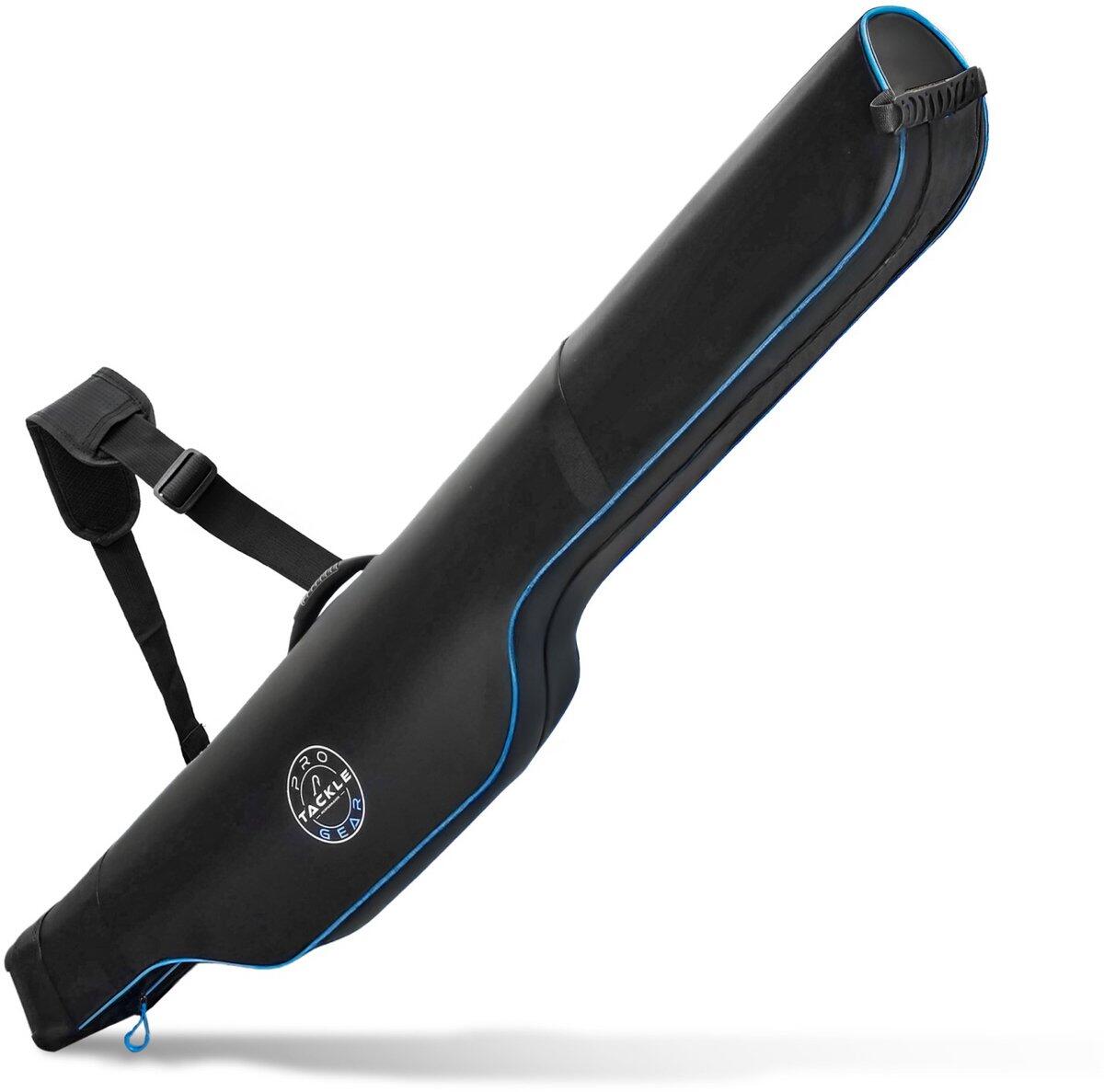
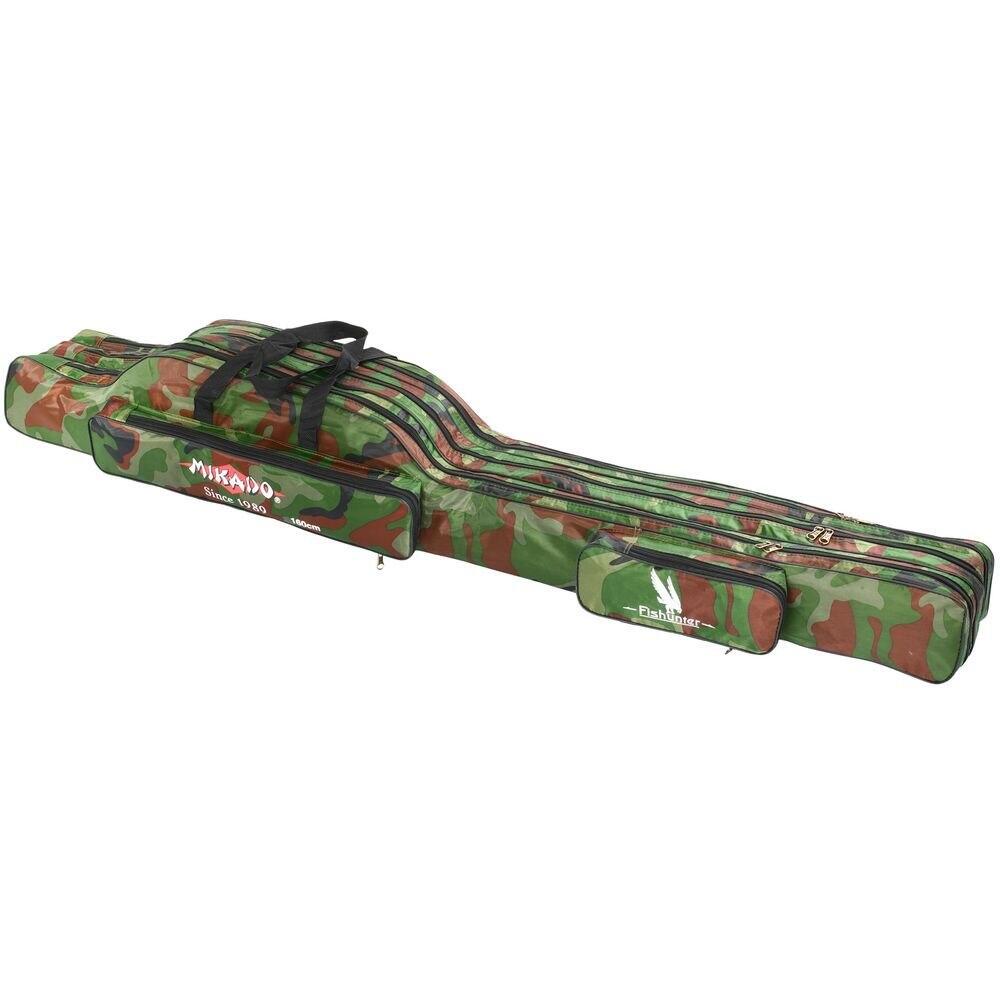
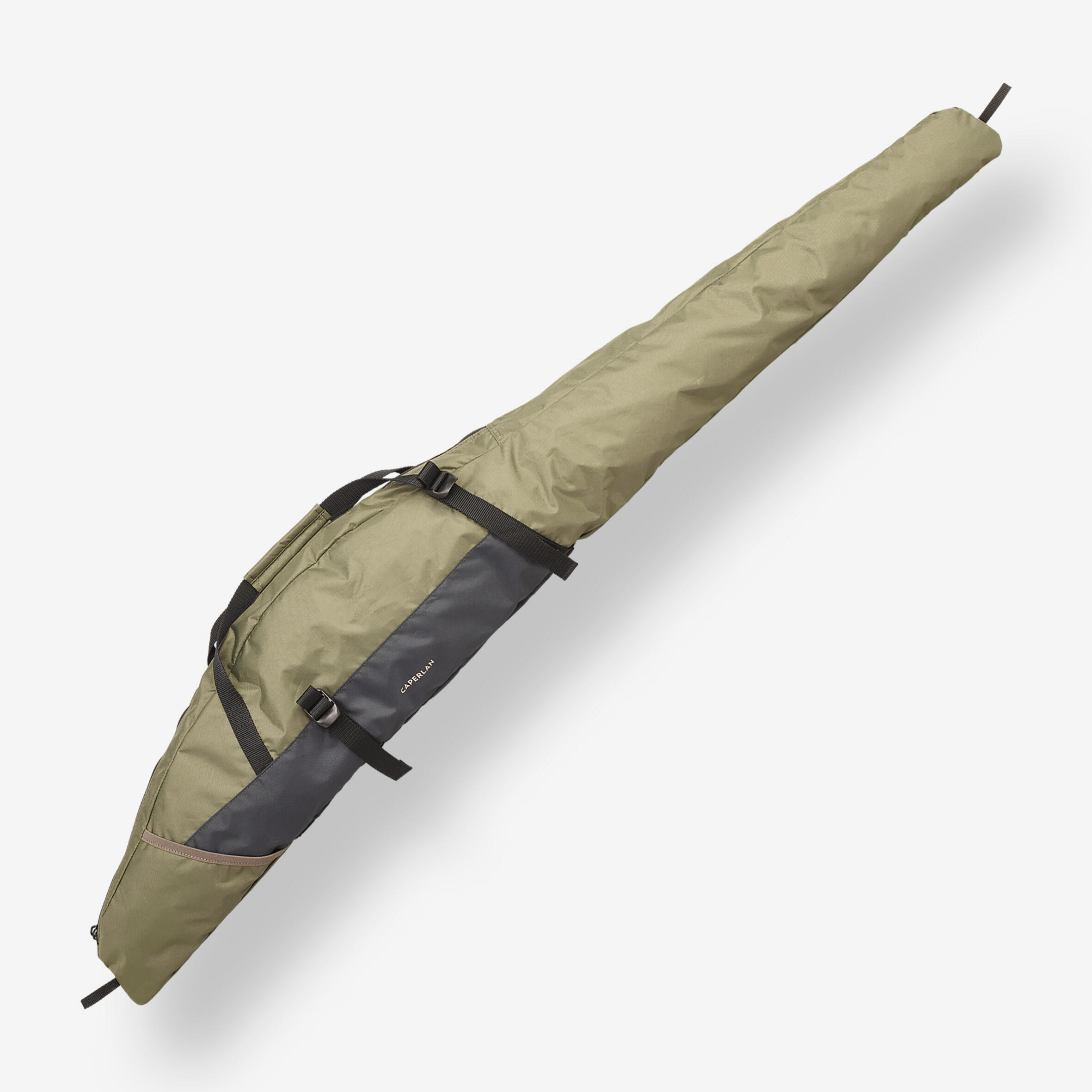
Think about how many complete sets you normally prepare before deciding how much bag capacity you need. Caperlan's RH 500 1.40 m carries up to four rods with their reels attached, using two separate compartments that each hold two combinations. Foam lining cushions the contents, while tougher 1680-denier polyester reinforces areas that are more likely to contact the ground. The ledgering fishing rod bag also provides hook holders and separate storage for a landing net or banksticks. This arrangement helps prevent several rigged rods, hooks and long accessories from moving together inside one open sleeve during transport.

What rod-bag length works with your ledgering layout?

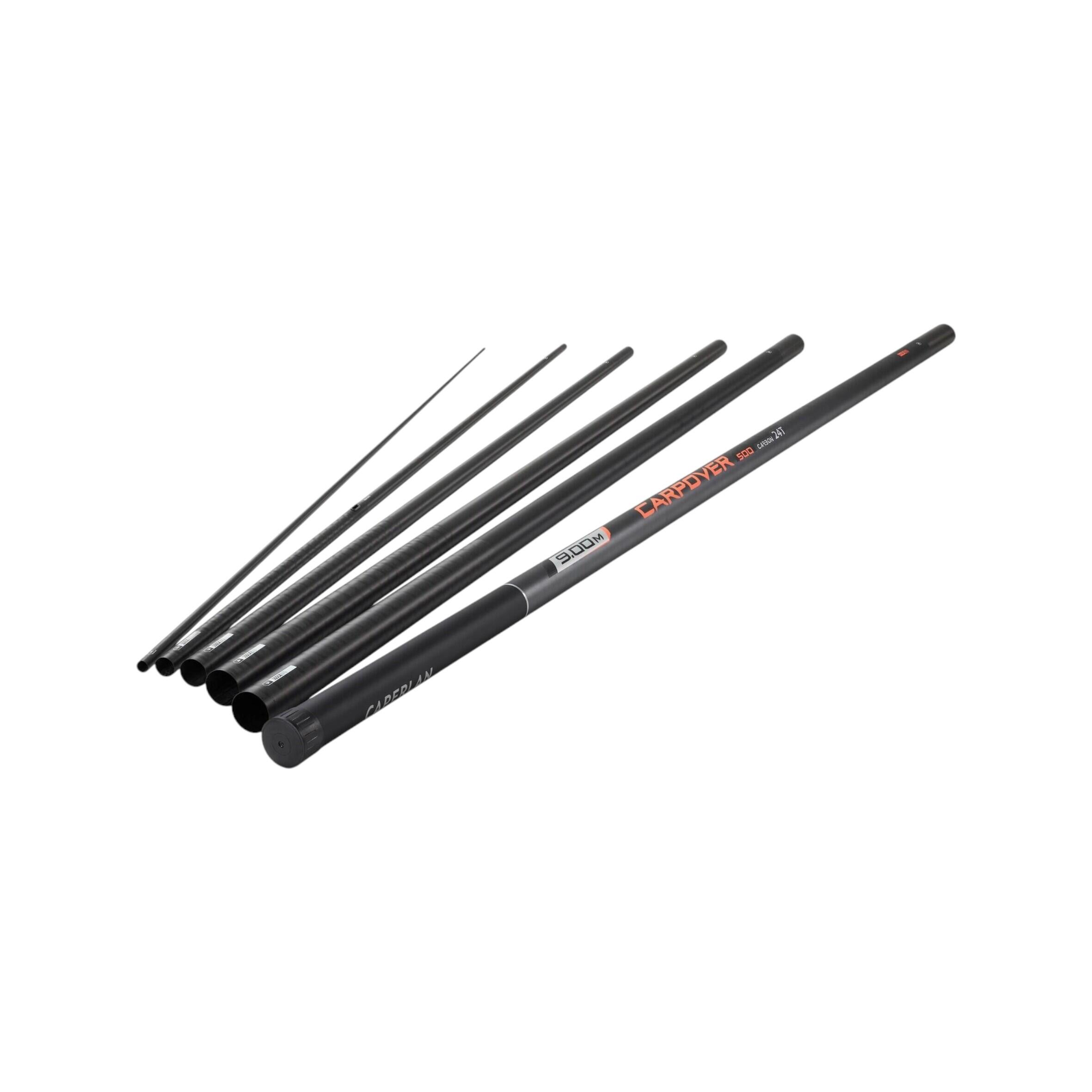
Measure the rod in its packed configuration rather than using its full fishing length. A 2.40 m telescopic rod may collapse to well under one metre, while a multi-piece rod can leave much longer sections once dismantled. Caperlan currently offers predator-ledgering bags for combinations under approximately 1.40 m as well as an RH 500 version for arrangements under 1.70 m. The longer model still carries four rigged rods and adds internal separators that help stop the combinations knocking against one another. Match the bag to the packed dimensions of your ledgering fishing rods and sets, leaving enough room around the rod tips and reels rather than forcing a slightly oversized rig into a shorter case.

Why does internal padding matter for predator ledgering rods?

Rod tips, guides and reels can take repeated knocks when several complete setups travel together, especially when the bag also moves across rough banks or inside a loaded car. Caperlan's RH 500 models use foam around the rod compartments, while the 1.70 m version adds foam-covered separators and individual rod holders to reduce direct contact between combinations. This additional protection can be useful when your predator ledgering fishing technique includes several rods prepared for different baits or rig weights. Secure hooks in their intended holders before transport and remove any heavy loose accessories from the rod compartments. Padding reduces impact, but careful packing still protects delicate guides, reel handles and rod tips more effectively.

How can a rod bag help organise landing nets and banksticks?

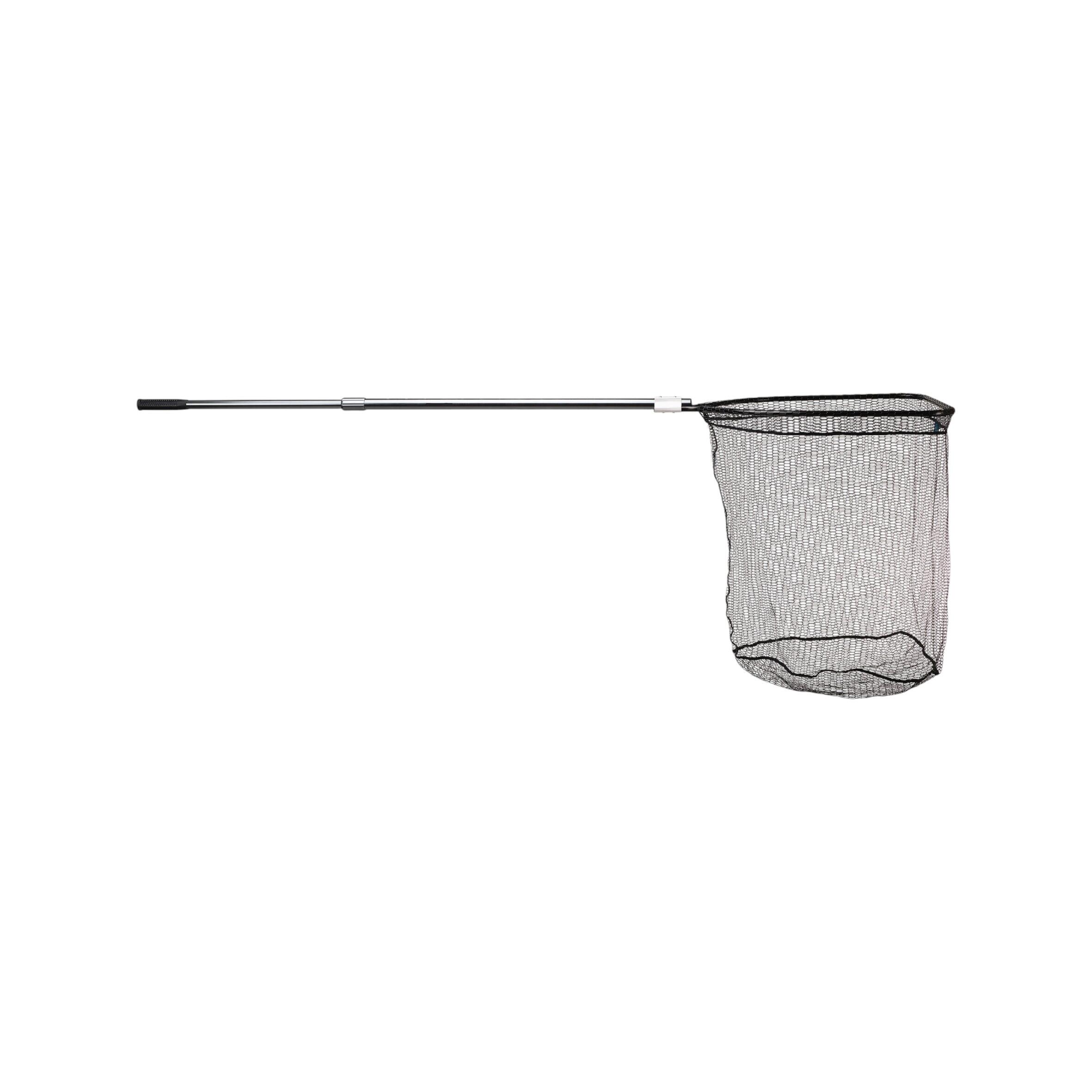
Long accessories become awkward when they travel separately from your rods, particularly if you also need to carry tackle boxes, bait and a chair to the fishing position. Caperlan builds landing-net or bankstick storage into its current rod bags, while the longer RH 500 provides two external holders for nets or stakes. Selected models also add zipped or mesh pockets for smaller items. Combine this storage with other predator fishing equipment so frequently used tools stay accessible without being packed beside vulnerable rod sections. The 1.70 m RH 500 can also be carried backpack-style using its adjustable handles, which can free your hands for tackle or bank-side equipment when walking farther from the car.

How do you care for a water-repellent rod bag after fishing?

Water-repellent fabric limits water penetration, but it does not turn the bag into a sealed waterproof case. After a wet session, remove damp rods, nets and accessories, empty the pockets, and let the bag dry naturally before storing everything again. Caperlan uses polyurethane-coated polyester on its rod bags and recommends hand washing at a maximum of 40 degrees Celsius, while tumble drying, ironing, bleaching and dry cleaning are excluded. Keep the bag dry between predator fishing trips and inspect the straps, zips, foam lining and internal holders for wear. Cleaning away grit before storage can also reduce abrasion around zips and fabrics when you repeatedly load and unload complete rod-and-reel combinations.