23 items
4.5/5 based on 1242 reviews collected online and in stores

Predator Ledgering Landing Nets FAQs

How much reach do you need from a predator ledgering landing net?

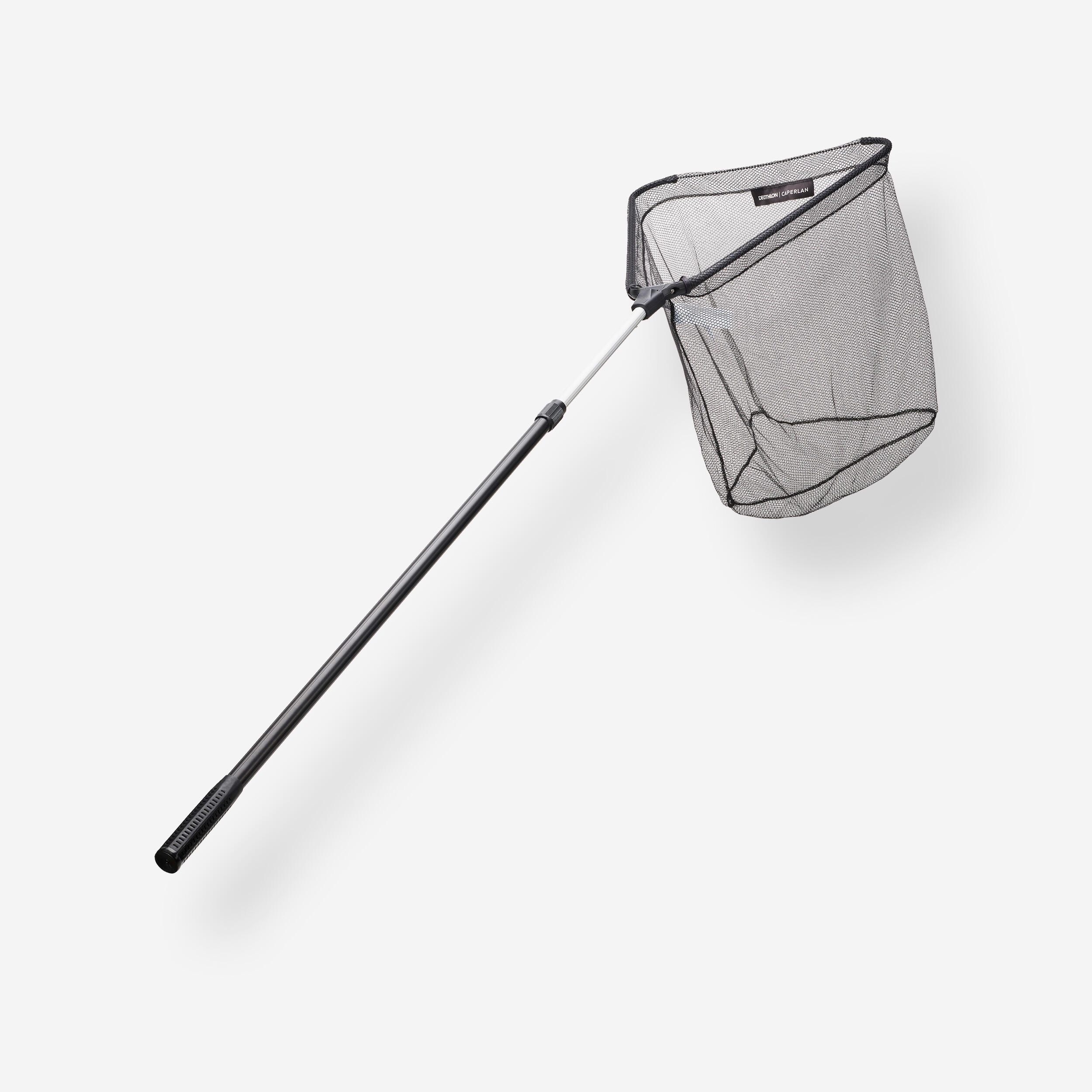
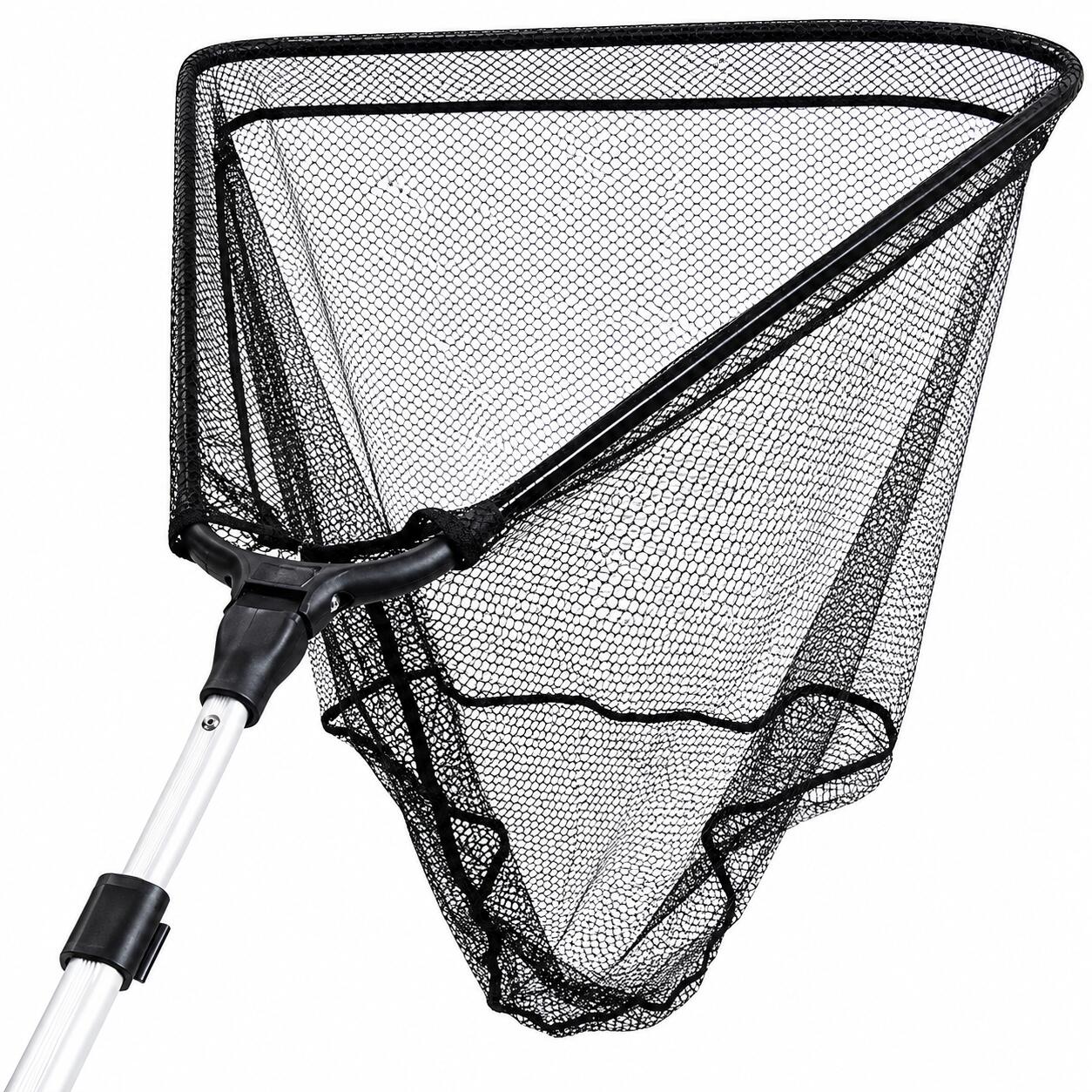
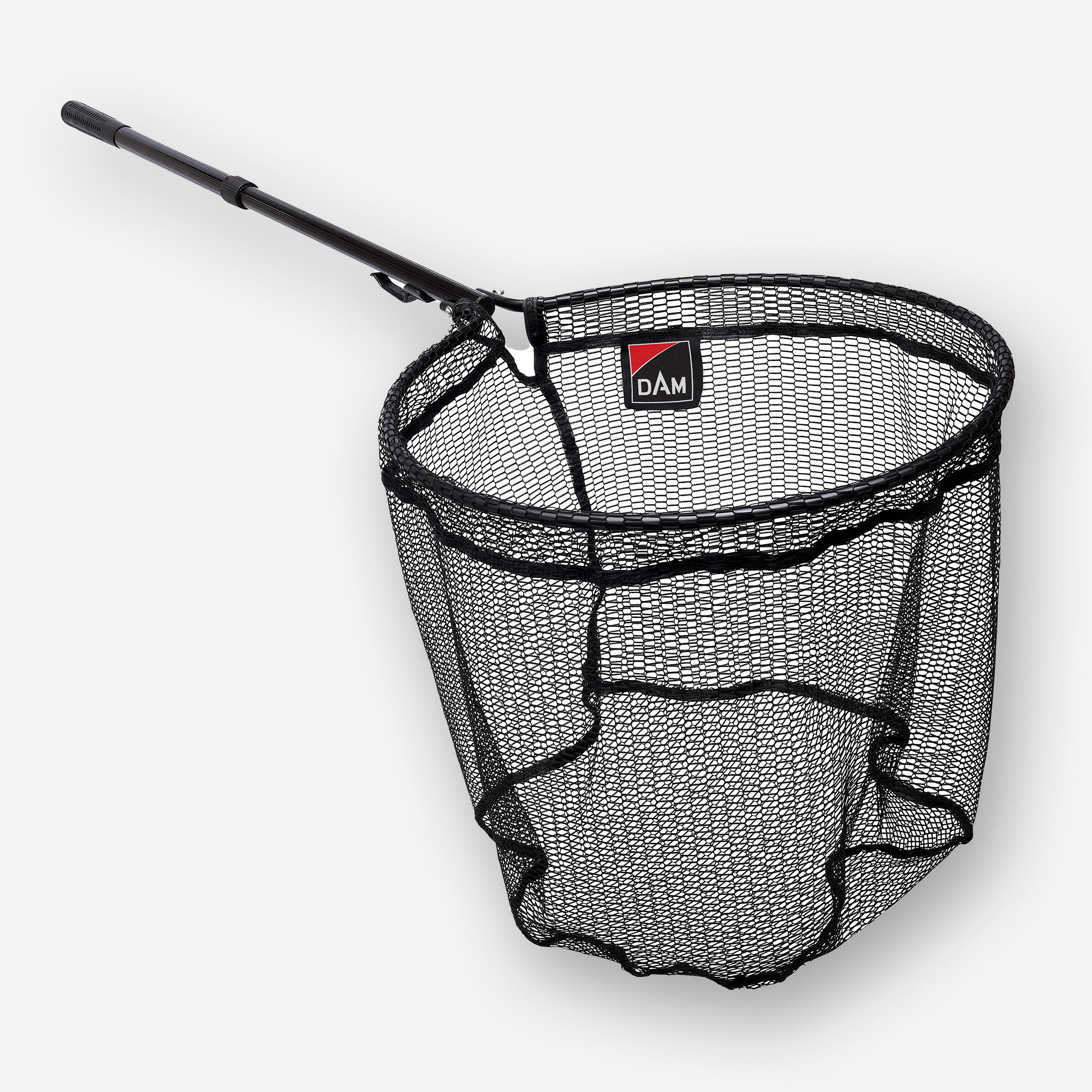
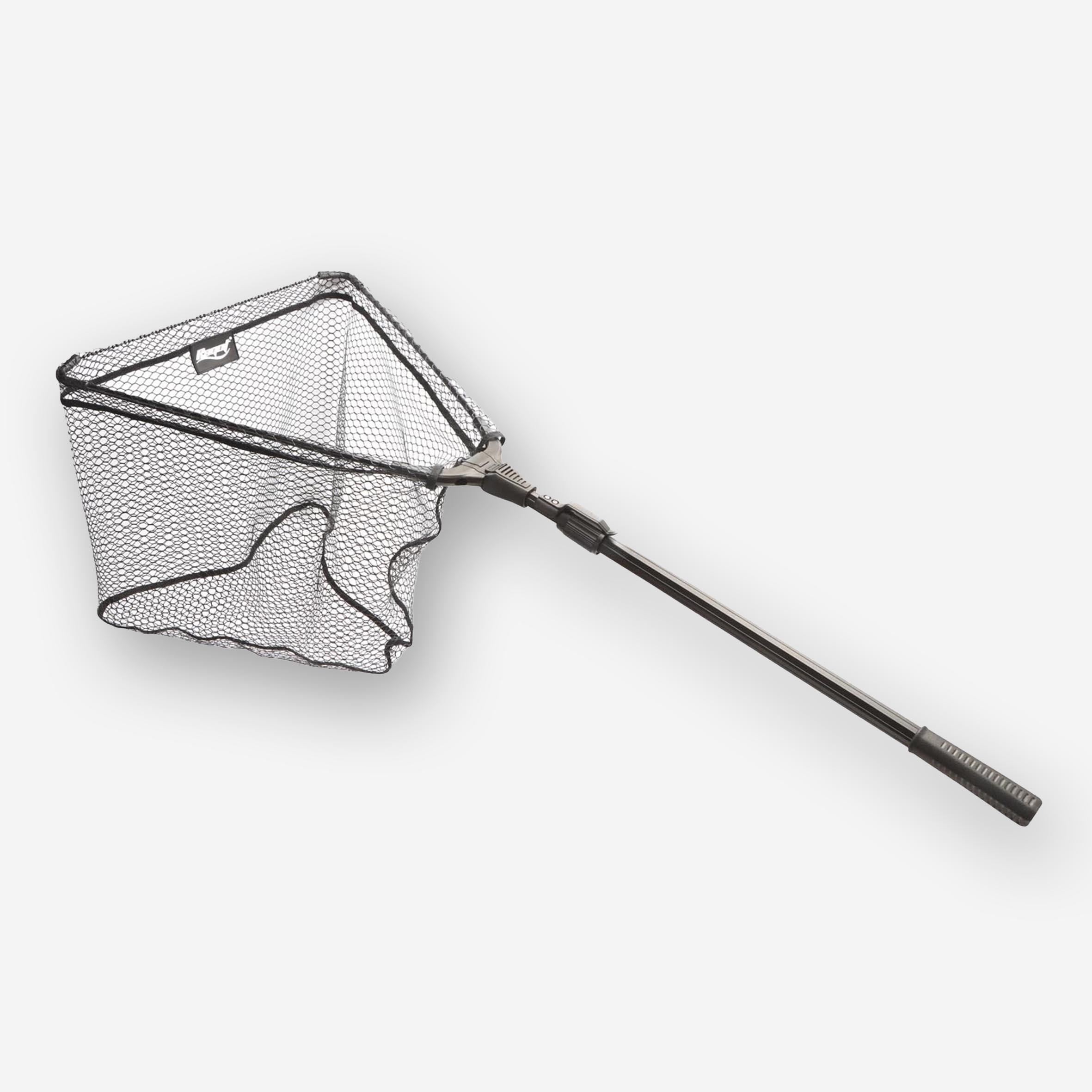
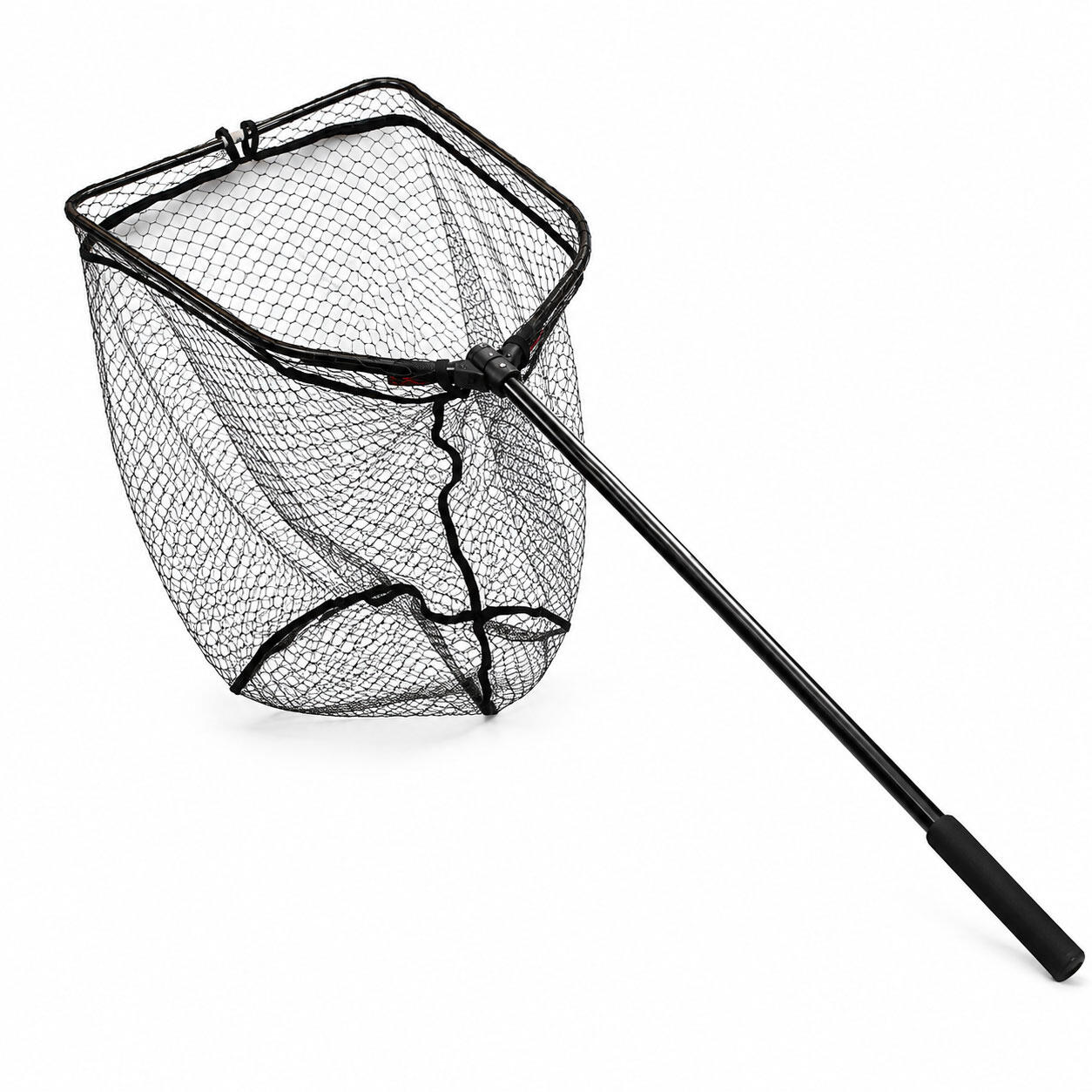
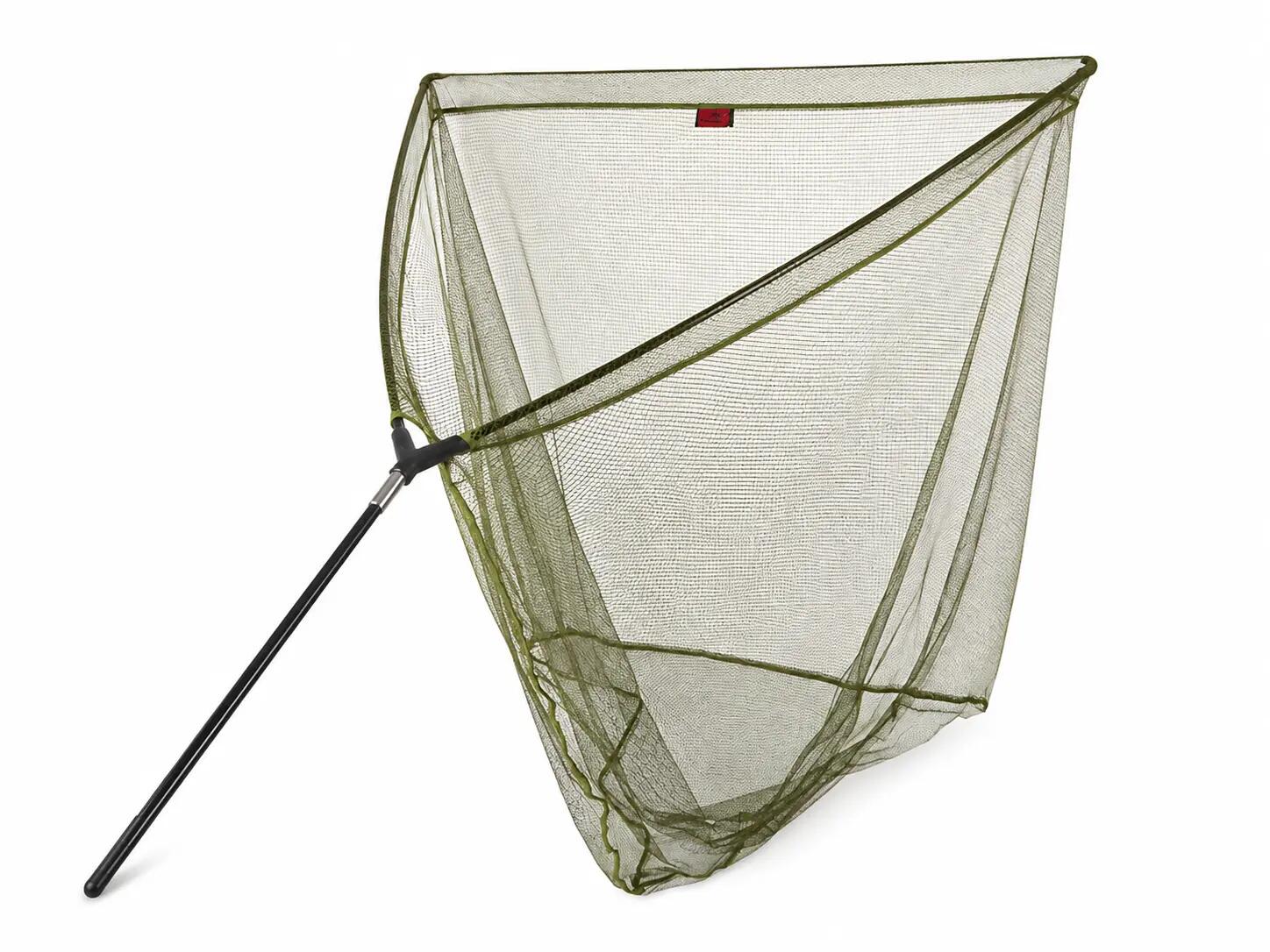
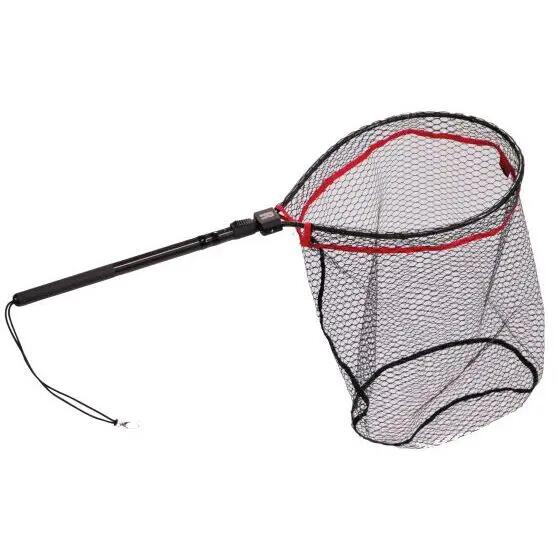
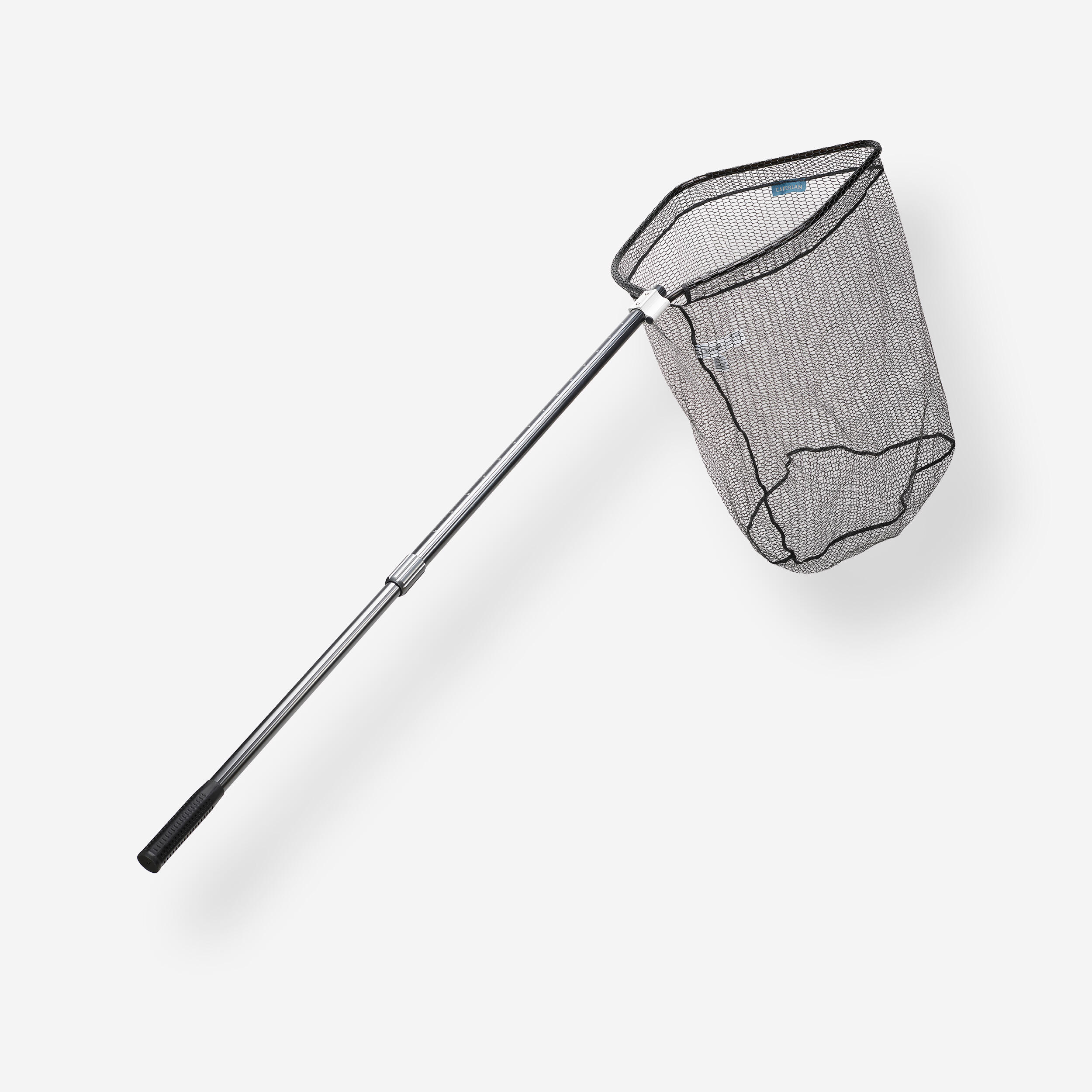
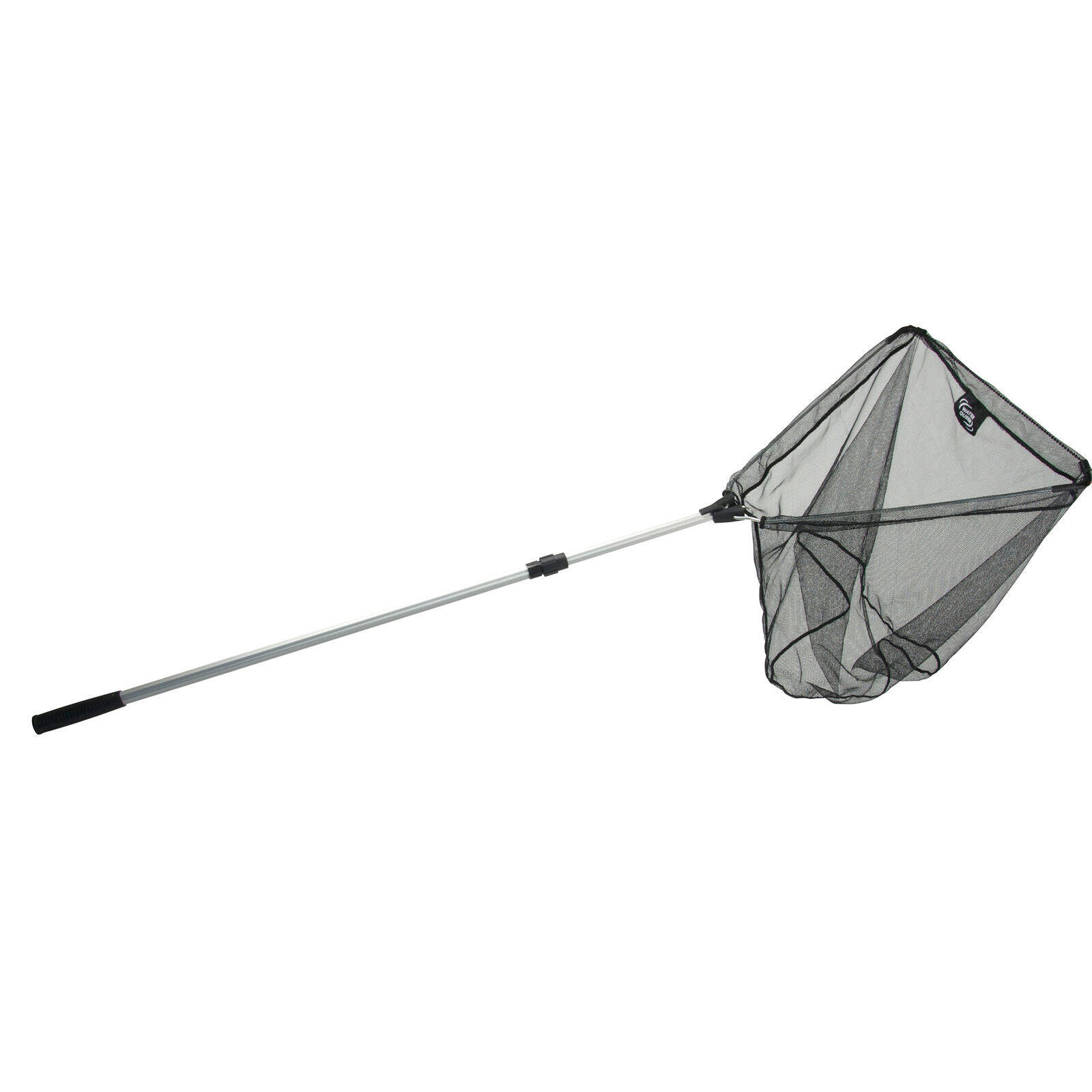
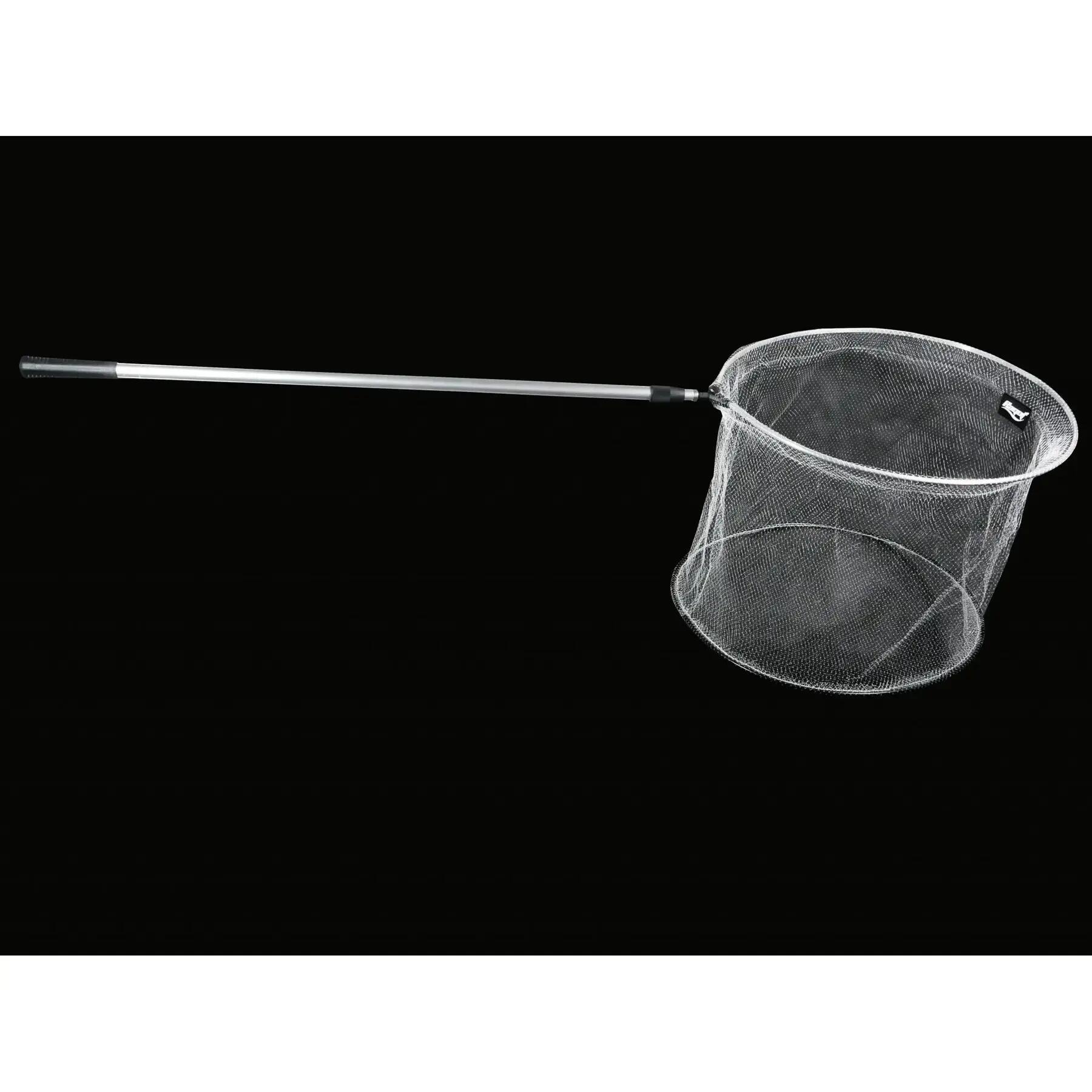
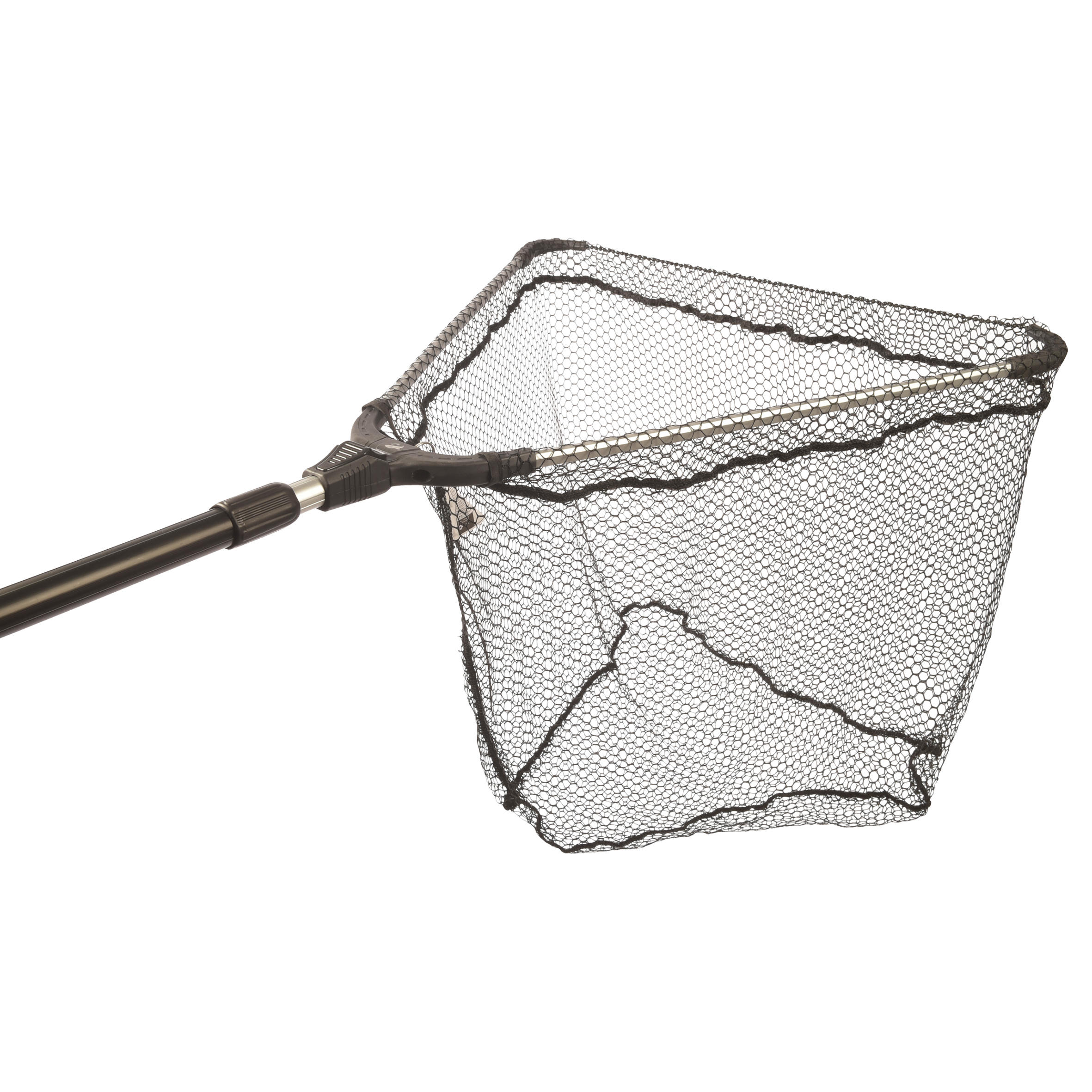
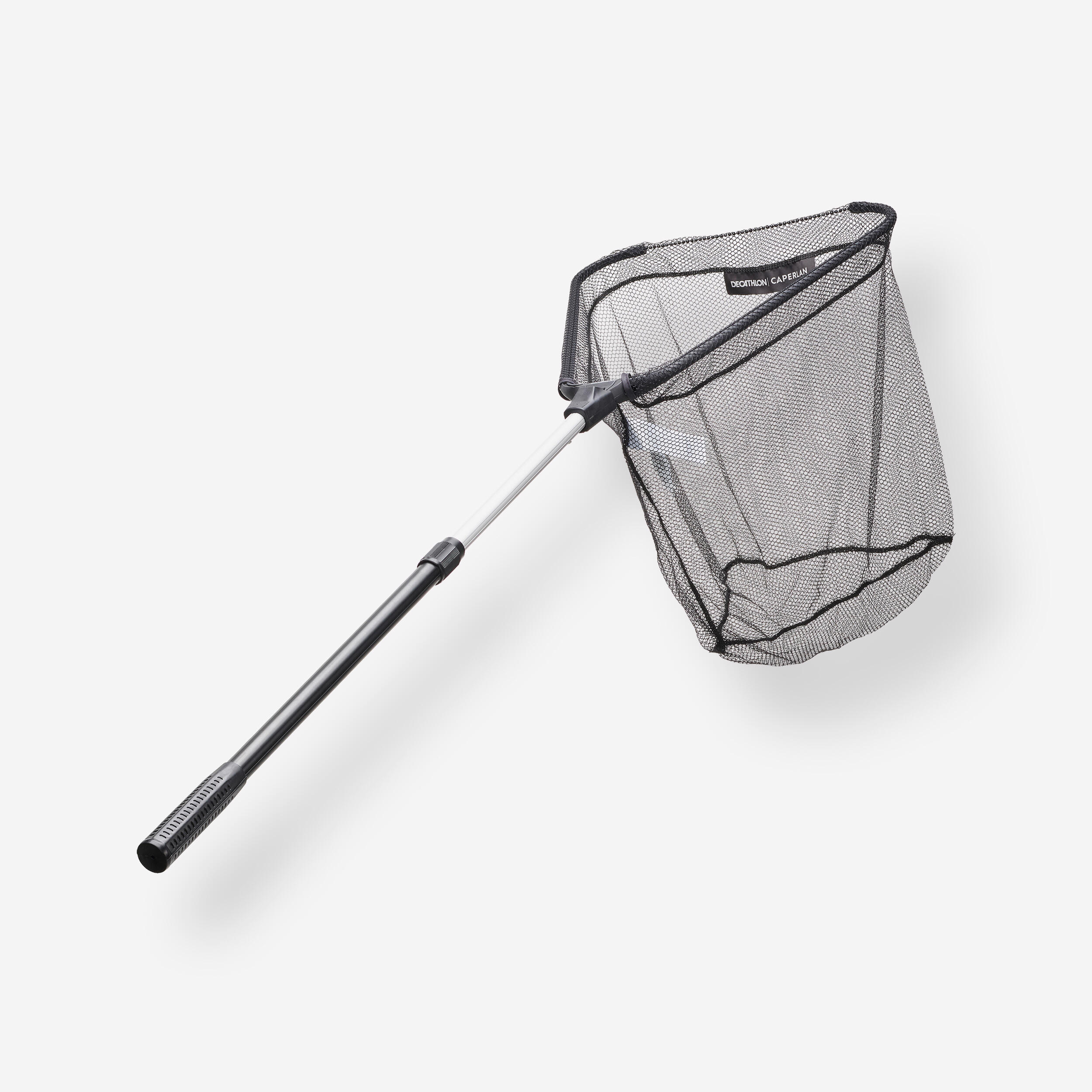
Your fishing position determines how much handle length helps when a fish reaches the bank. A longer telescopic net can make landing easier from raised banks, platforms or margins where you cannot step close to the water. Caperlan's predator-focused PRF 240 R extends from approximately 1.70 m to 2.40 m, then reduces to about 1.10 m for transport. Rubber-coated mesh helps limit hook snagging and provides a smoother surface around the fish during landing. More compact ledgering fishing keepnets use folding frames and telescopic aluminium handles, giving you another option when portability matters more than maximum reach.

When does a racket landing net work well for ledgering?

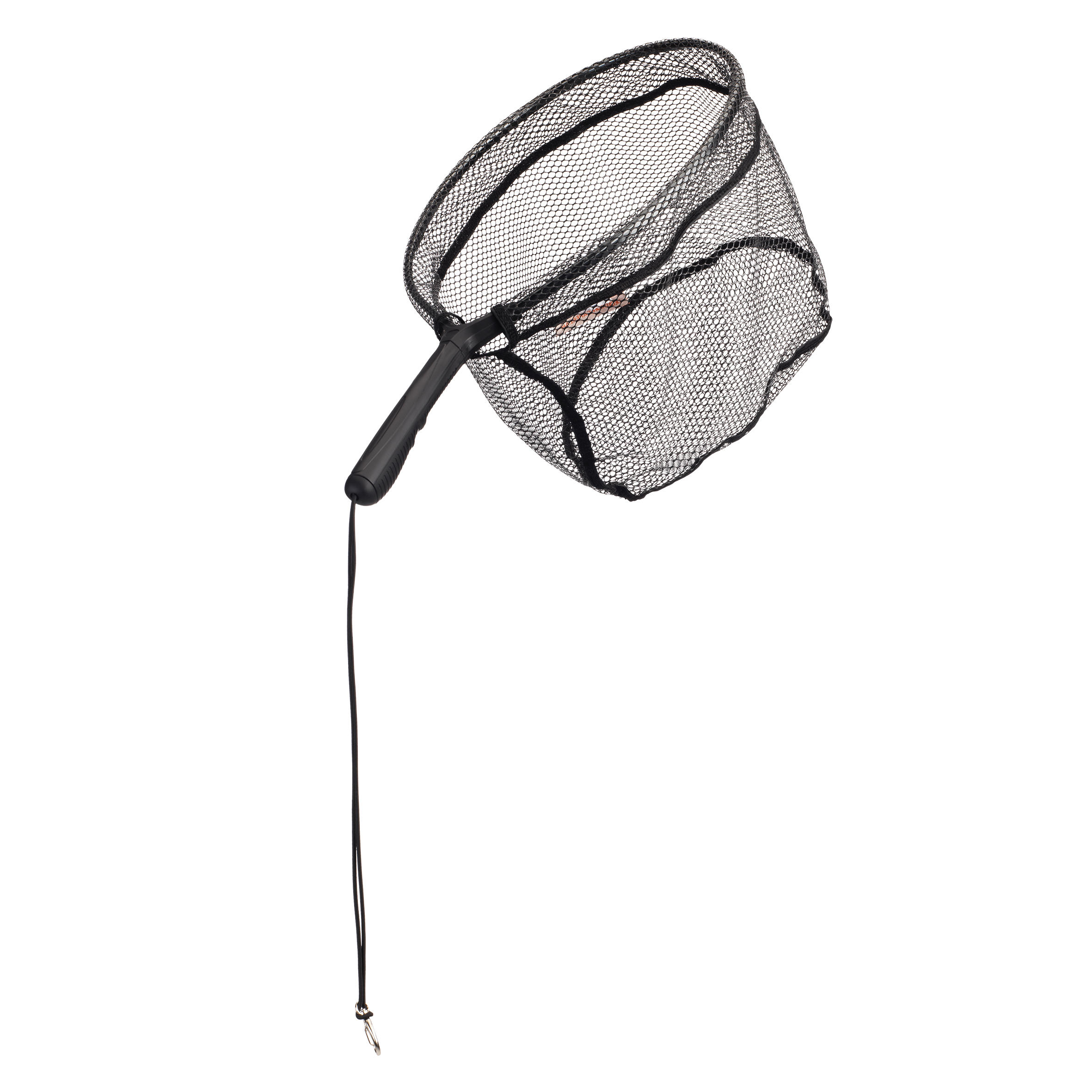
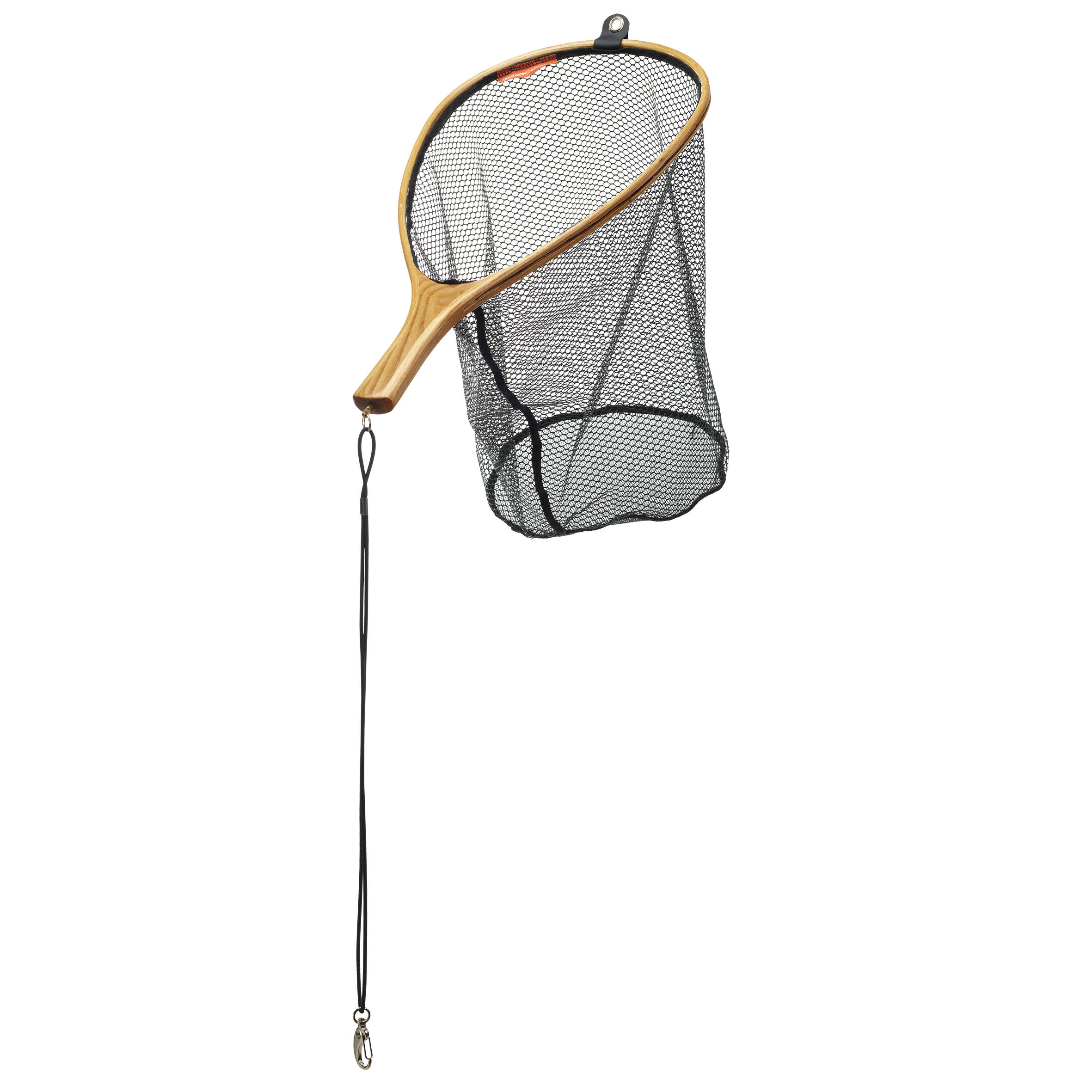
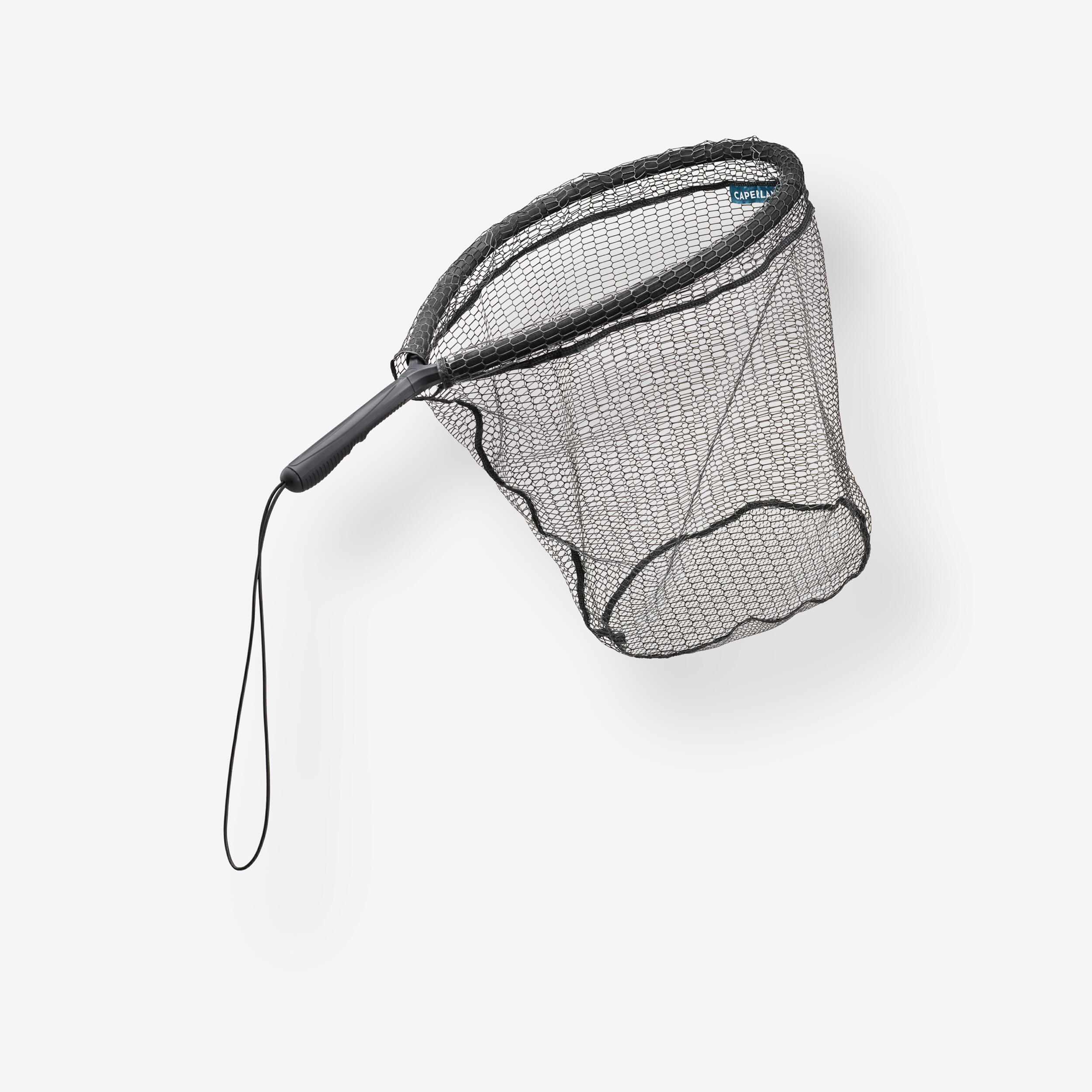
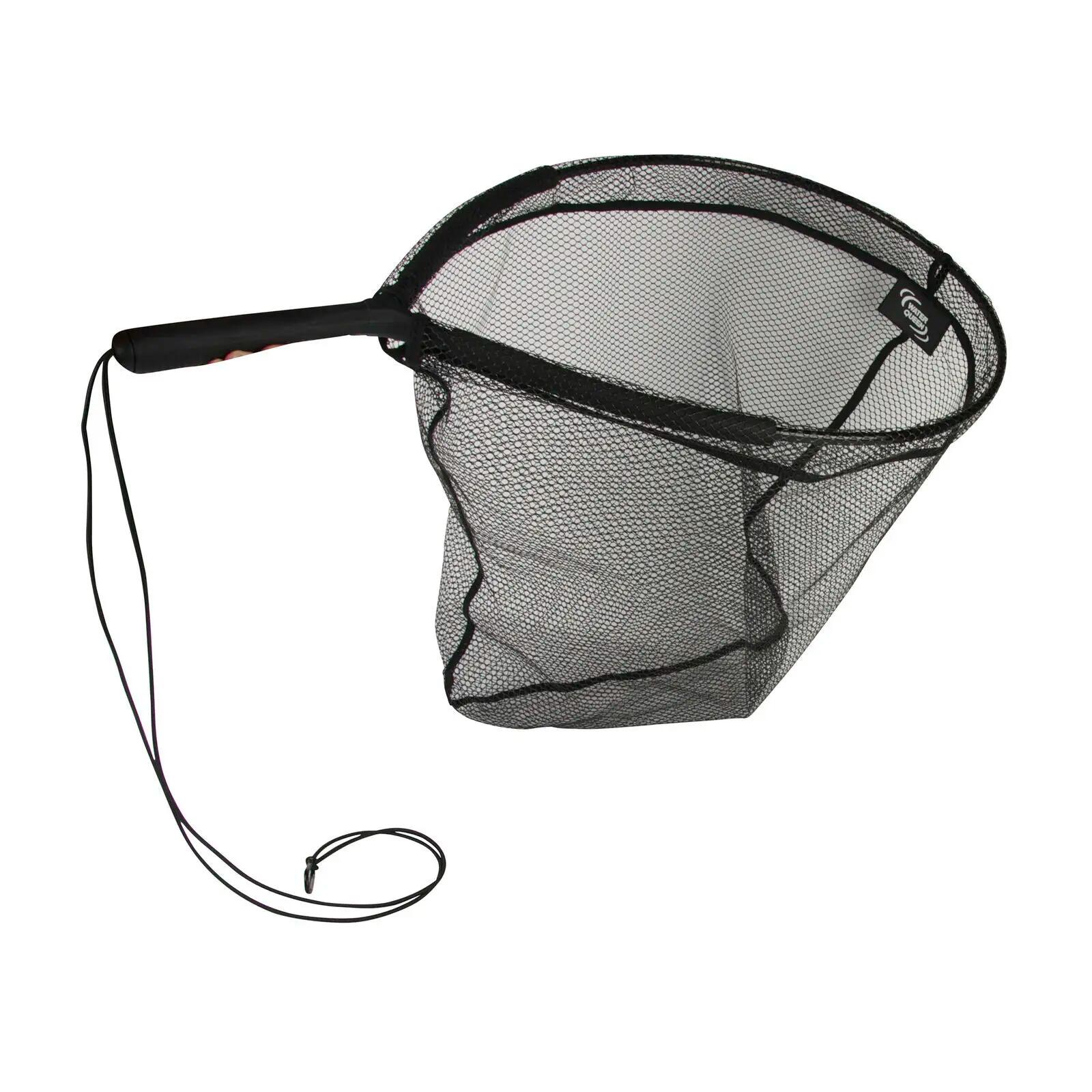
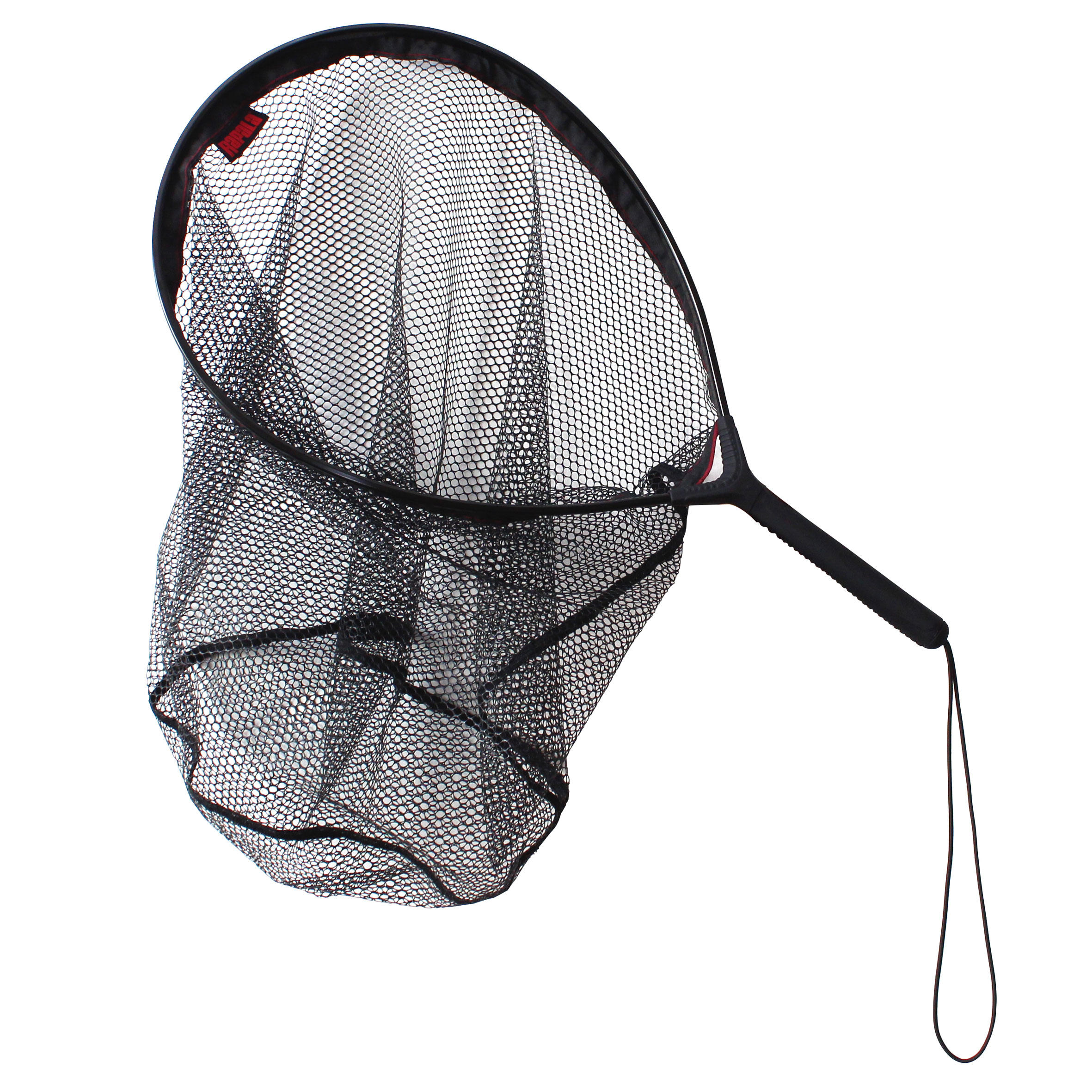
A racket-style net suits mobile sessions where you want a compact net attached to your clothing or pack rather than carrying a long handle between swims. Caperlan's RN100 combines an aluminium frame with an ergonomic hand grip and elastic retaining cord, helping you keep the net secured while moving. Its rubber-coated 6 mm mesh reduces the chance of lure hooks becoming deeply caught in the netting and provides a smoother surface during fish handling. The ledgering trout fishing racket landing net weighs about 250 g and measures roughly 60 cm overall, making it particularly practical where access is tight, or you regularly change position along a river or bank.

Can a floating landing net help with lure or float-tube fishing?

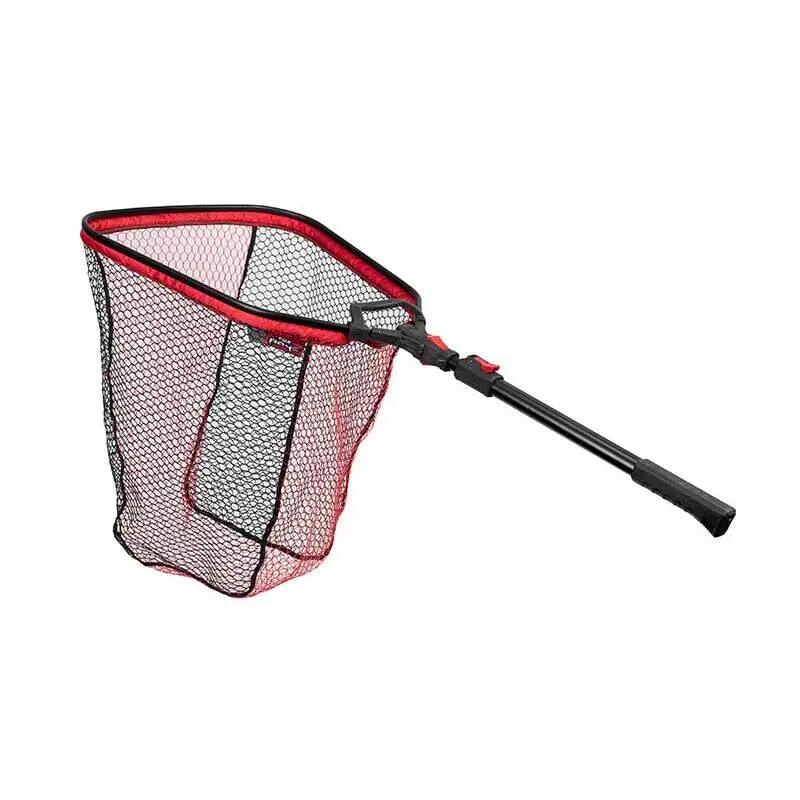
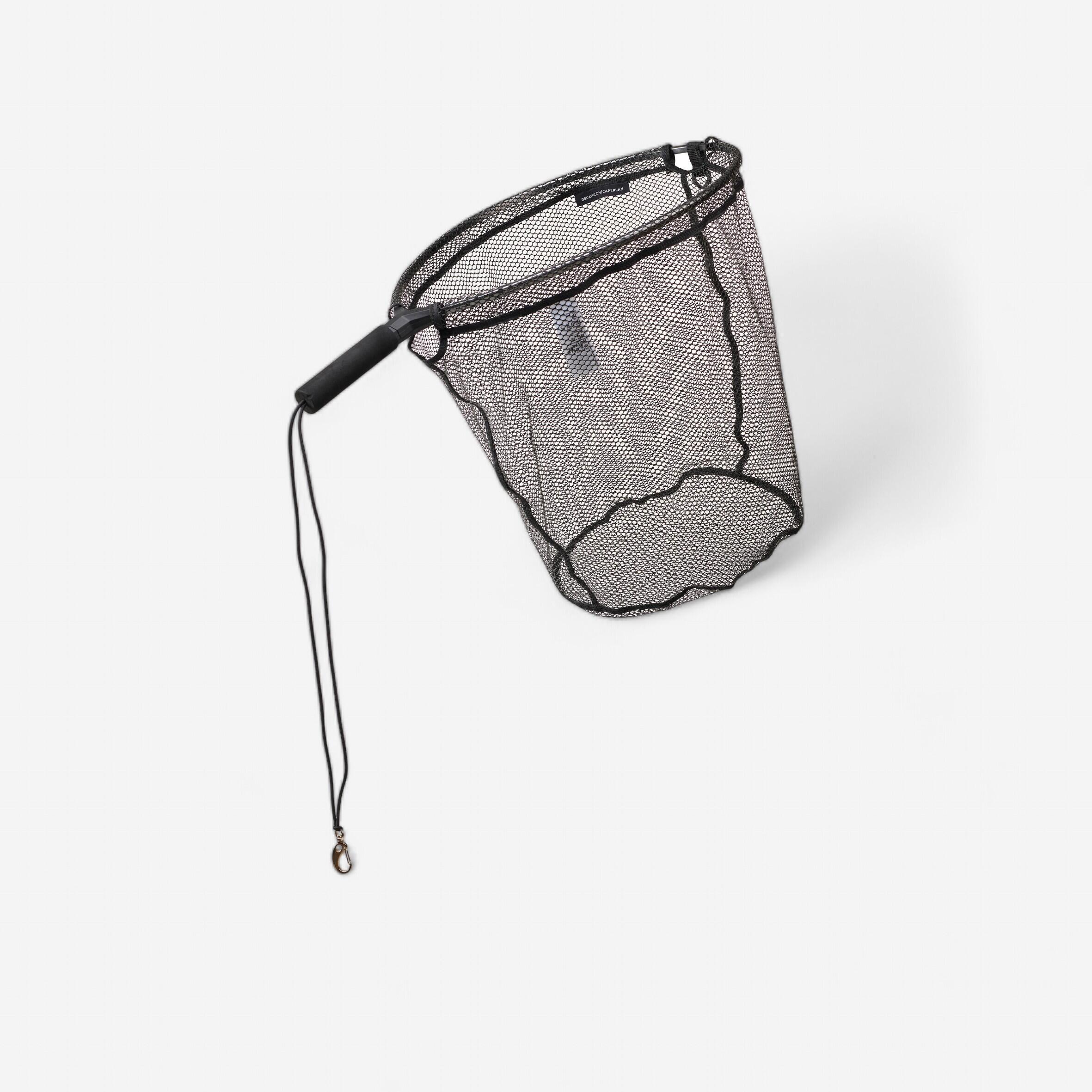
A floating net can remove one common problem when you fish from a float tube: losing the landing net after releasing it to control the rod or fish. Caperlan's FLTB NT uses foam around the rim so the complete net remains buoyant if it falls into the water. An elastic tether secures it directly to the float tube, while rubber-coated mesh helps reduce hook snagging during fish handling. The ledgering lure fishing landing net provides an inner space around 48 cm high, 38 cm wide and 50 cm deep. This makes it useful when a seated fishing position calls for a compact net that stays close without occupying a long handle space.

Why does rubber-coated mesh matter when landing predators?

Predator hooks can become difficult to remove when they bury themselves in conventional netting, especially with lures carrying multiple hook points. Rubber-coated Caperlan mesh reduces this snagging risk while giving the fish a smoother surface during landing and unhooking. The same approach appears across racket nets, larger predator nets and float-tube models, showing that Caperlan uses the material across several fishing positions rather than on one specialist product. When setting up for predator ledgering fishing, place the net within reach before a bite occurs and select a frame size and mesh depth that give the expected fish enough room. Secure loose hooks before carrying the net between swims so they do not catch in the mesh during transport.

How do you care for a landing net after predator fishing?

Rinse away mud, weed and other residue after the session, then let the frame and mesh dry fully before storing the net in a closed vehicle or fishing bag. Several Caperlan landing nets allow hand washing at a maximum of 40 degrees Celsius, while tumble drying, ironing, bleaching and dry cleaning are excluded. Inspect telescopic joints, clips, retaining cords and rubber-coated mesh for wear before your next trip. Keep the net alongside other predator fishing equipment without placing heavy sinkers or sharp tools against the mesh. Dry storage helps protect both the fabric and metal components, while routine inspection gives you time to replace damaged attachments before you need the net during fish handling.