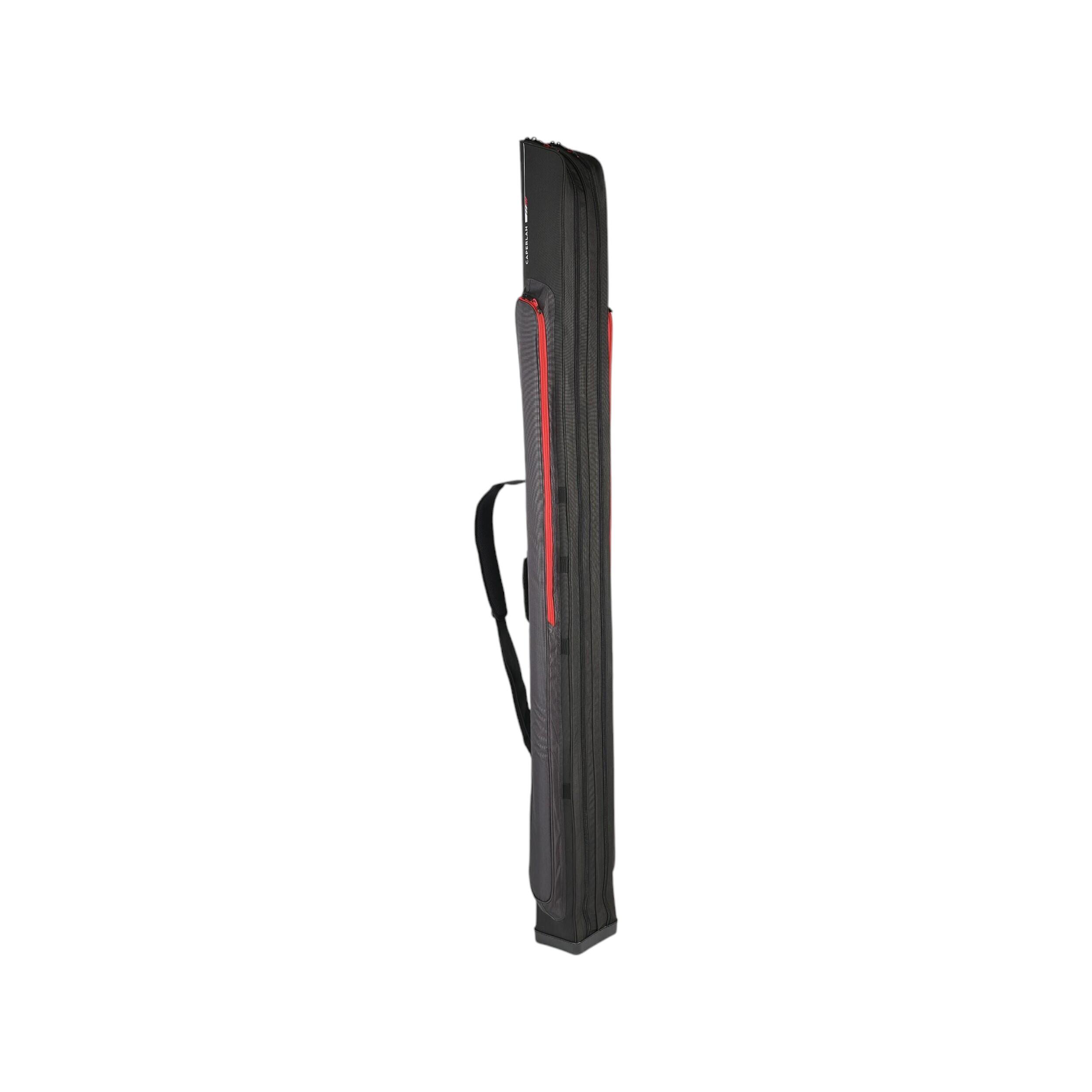
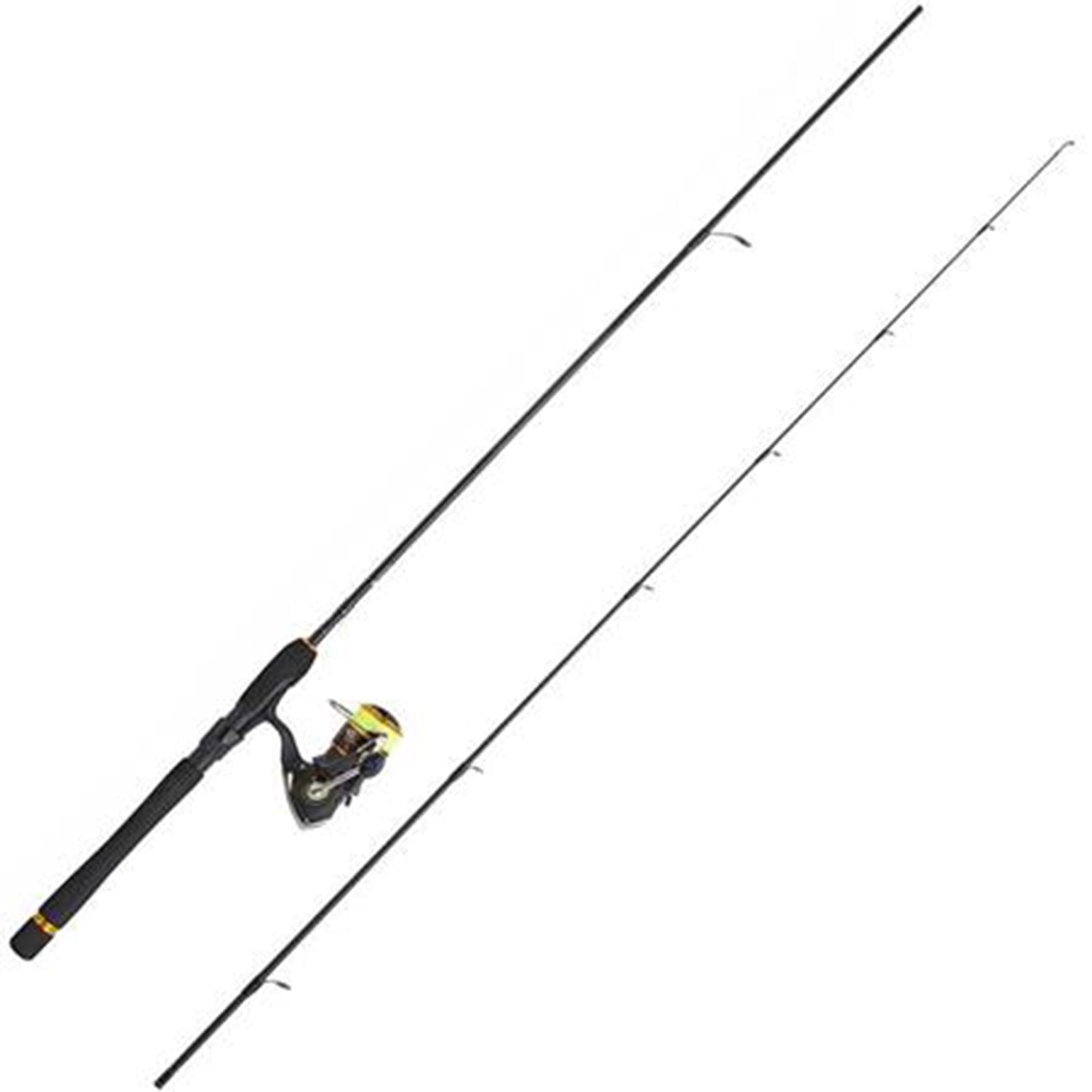
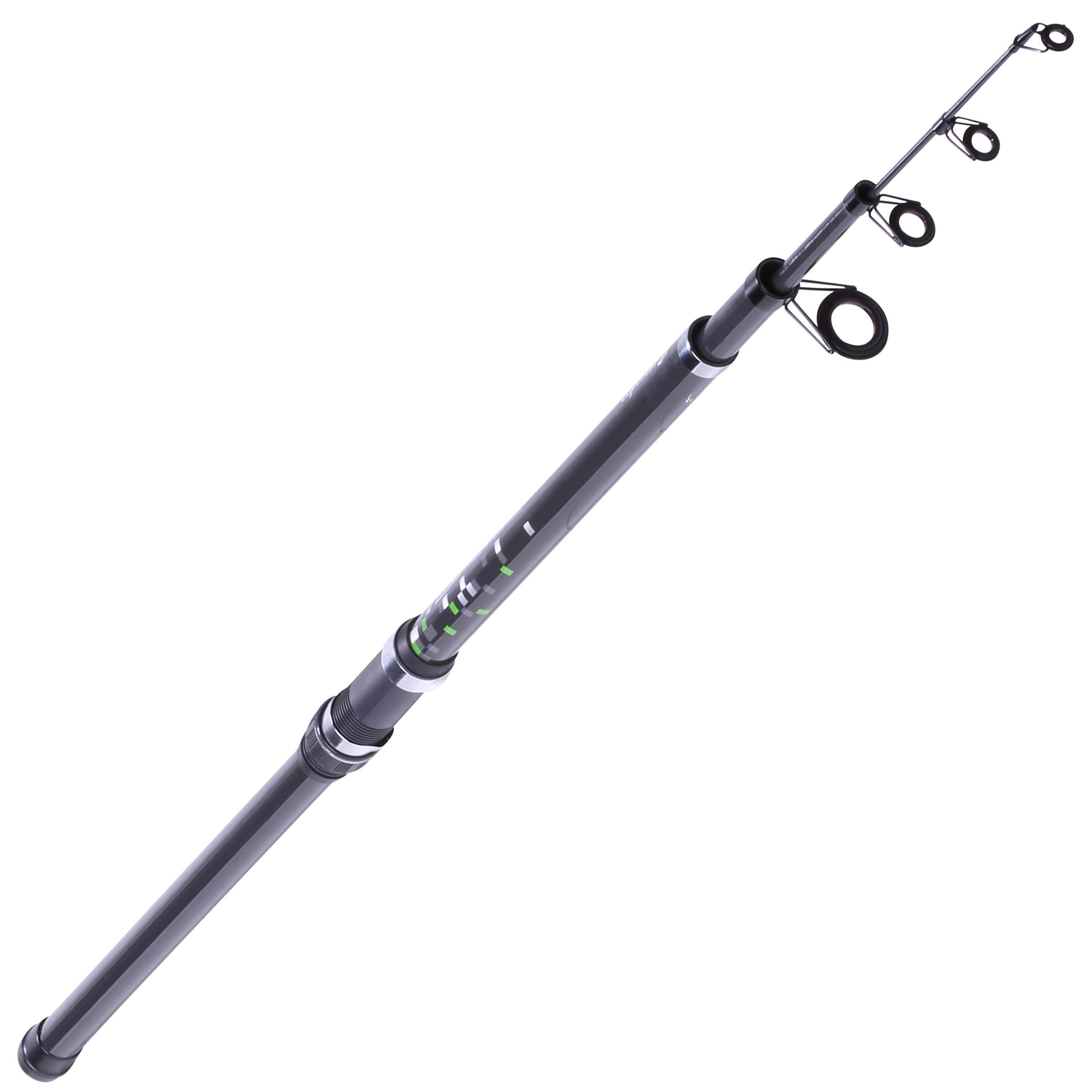
3 items

Deadbait Jigging FAQs

How does deadbait jigging differ from leaving bait stationary?

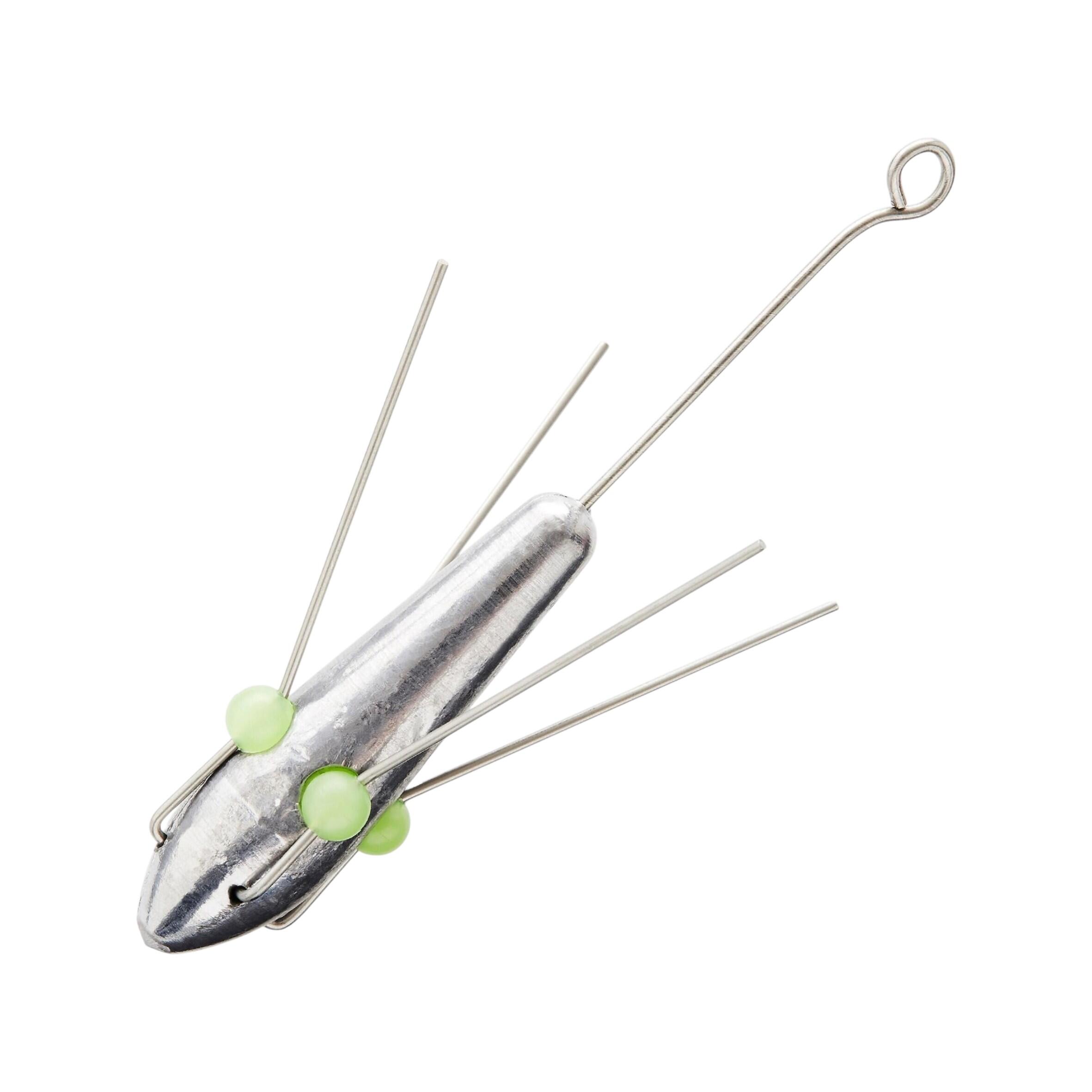
Deadbait jigging involves actively controlling the bait rather than leaving the complete presentation motionless for long periods. You can alter the depth and movement as you work the bait through the water, which makes rod control and awareness of the rig important throughout the session. The weight of the bait, sinker and terminal components all influence how the rig responds when you lift or lower it. If you also use more stationary methods, the wider predator ledgering fishing category can help you organise related rods, lines, rigs and accessories separately. Keep each method clearly arranged so you know which rig is ready for active presentation and which one is prepared for conventional ledgering.

How do you match a rod to deadbait jigging?

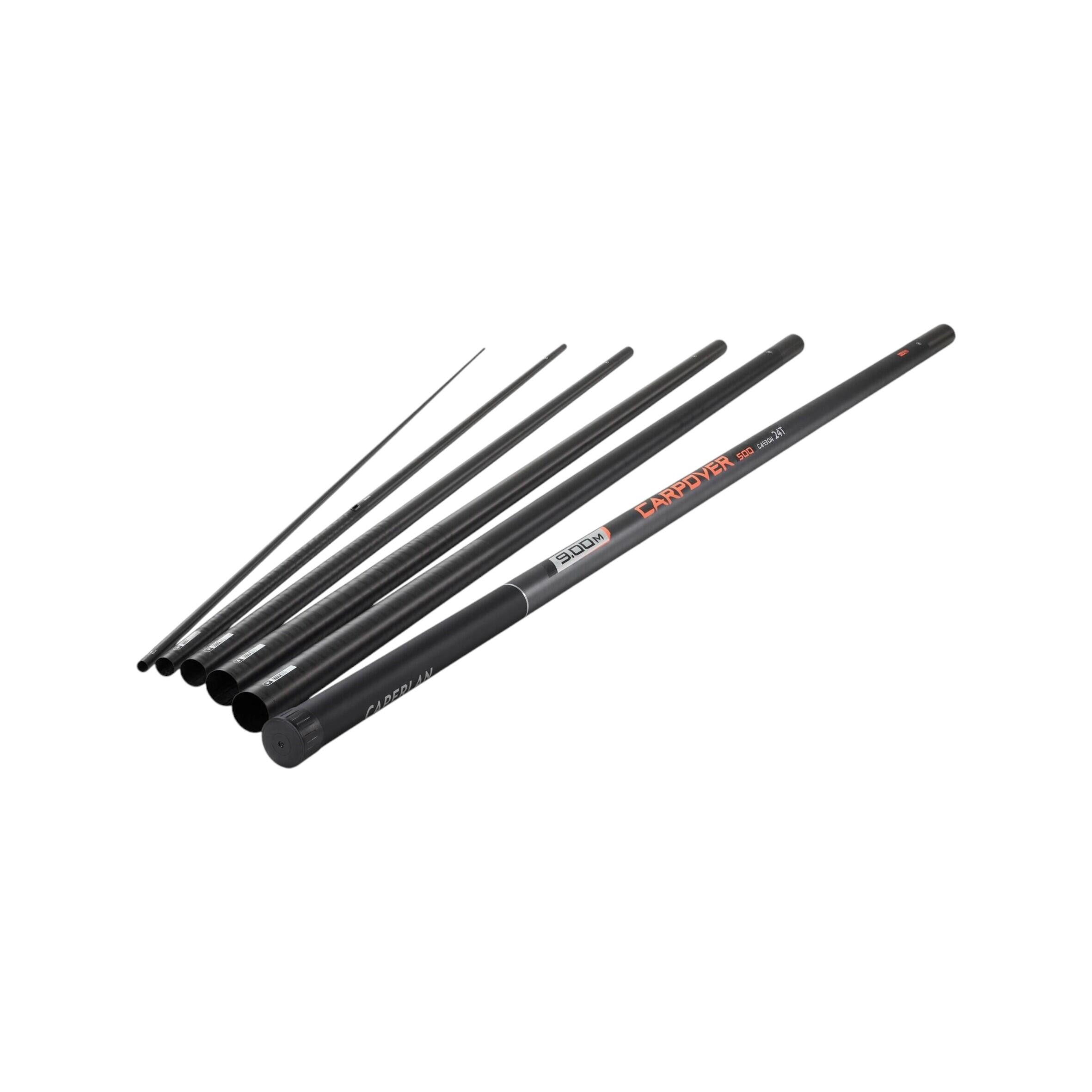
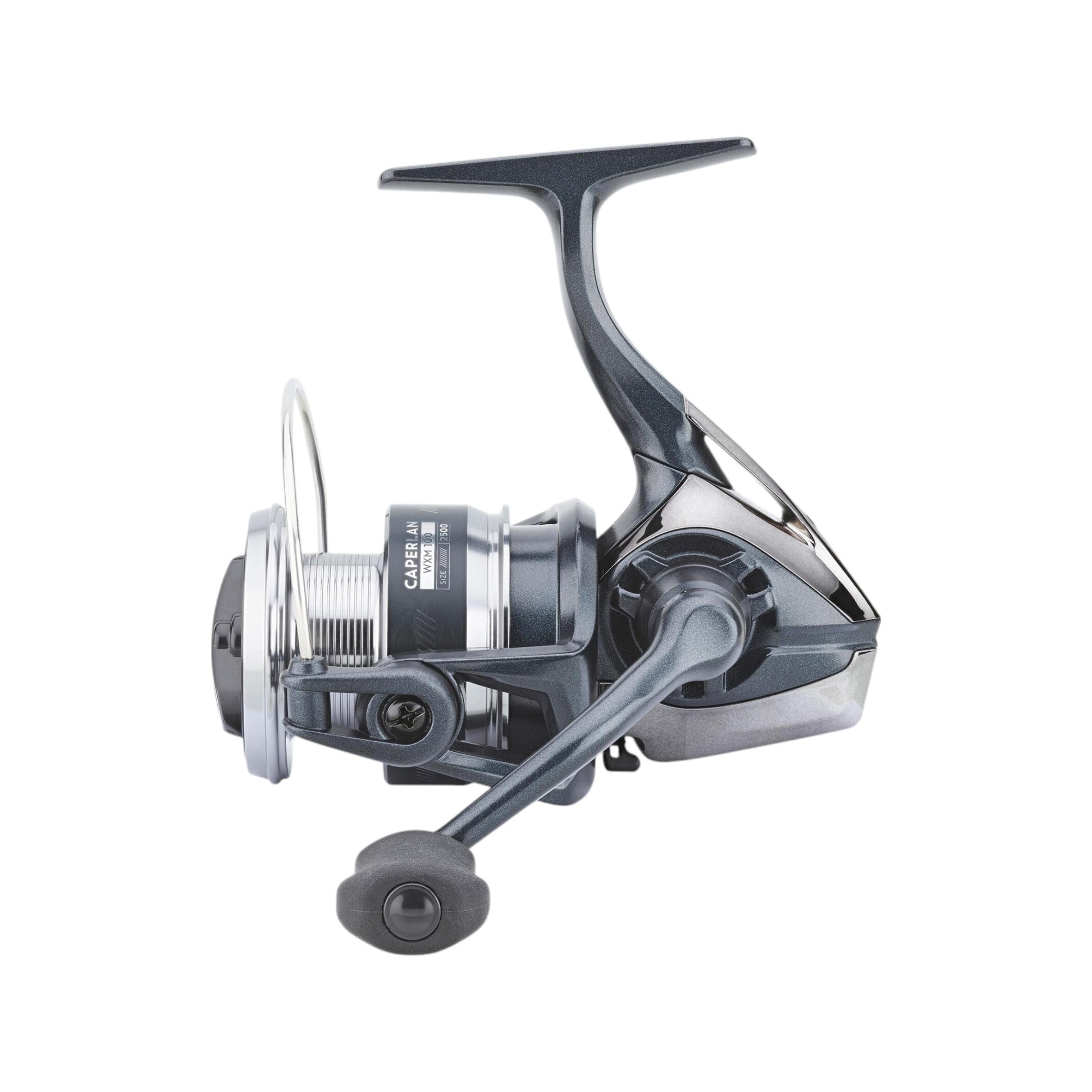
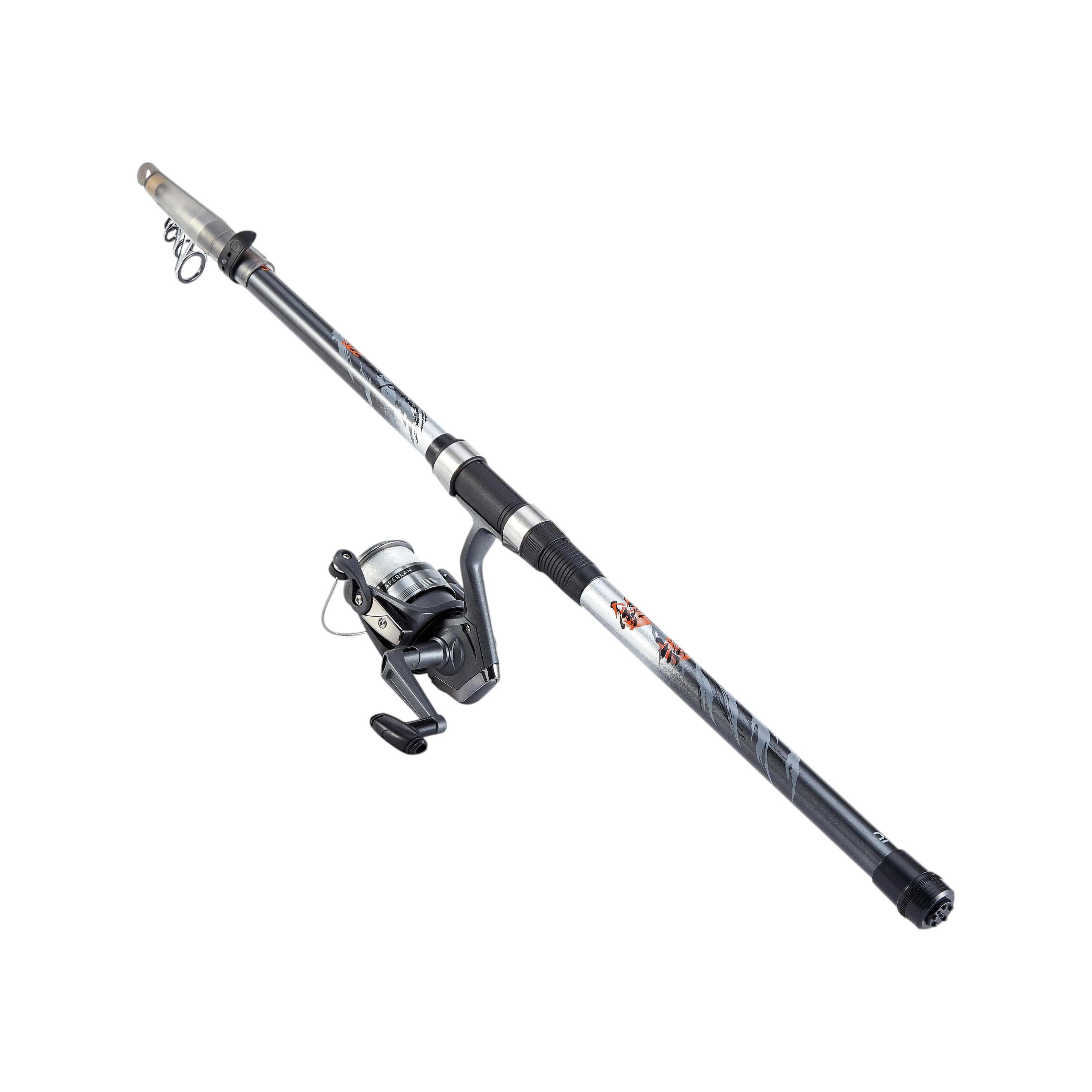
Consider the combined weight of the bait and terminal rig before selecting the rod. A standard arrangement that feels manageable with a small bait can become much heavier once you add a larger deadbait, sinker, leader and hooks. Rod length also affects how easily you control the bait close to the bank, from a platform or when working more vertically. Suitable ledgering fishing rods and sets can give you a useful starting point when comparing casting ratings and transport formats. Keep the complete rig within the rod's stated capabilities and test its balance at short distance before making stronger casts or working the bait farther from your position.

Why does the leader matter when fishing deadbait for predators?

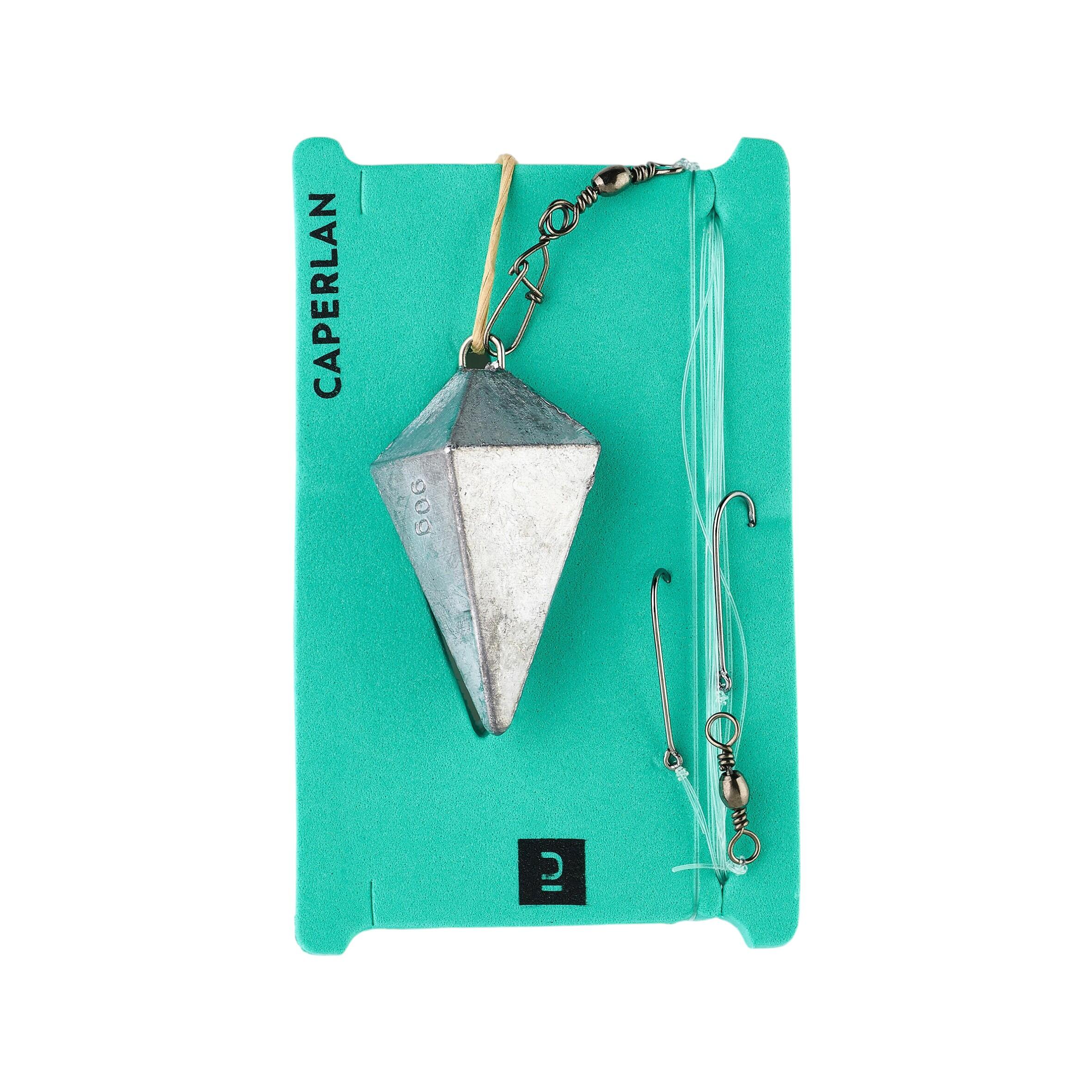
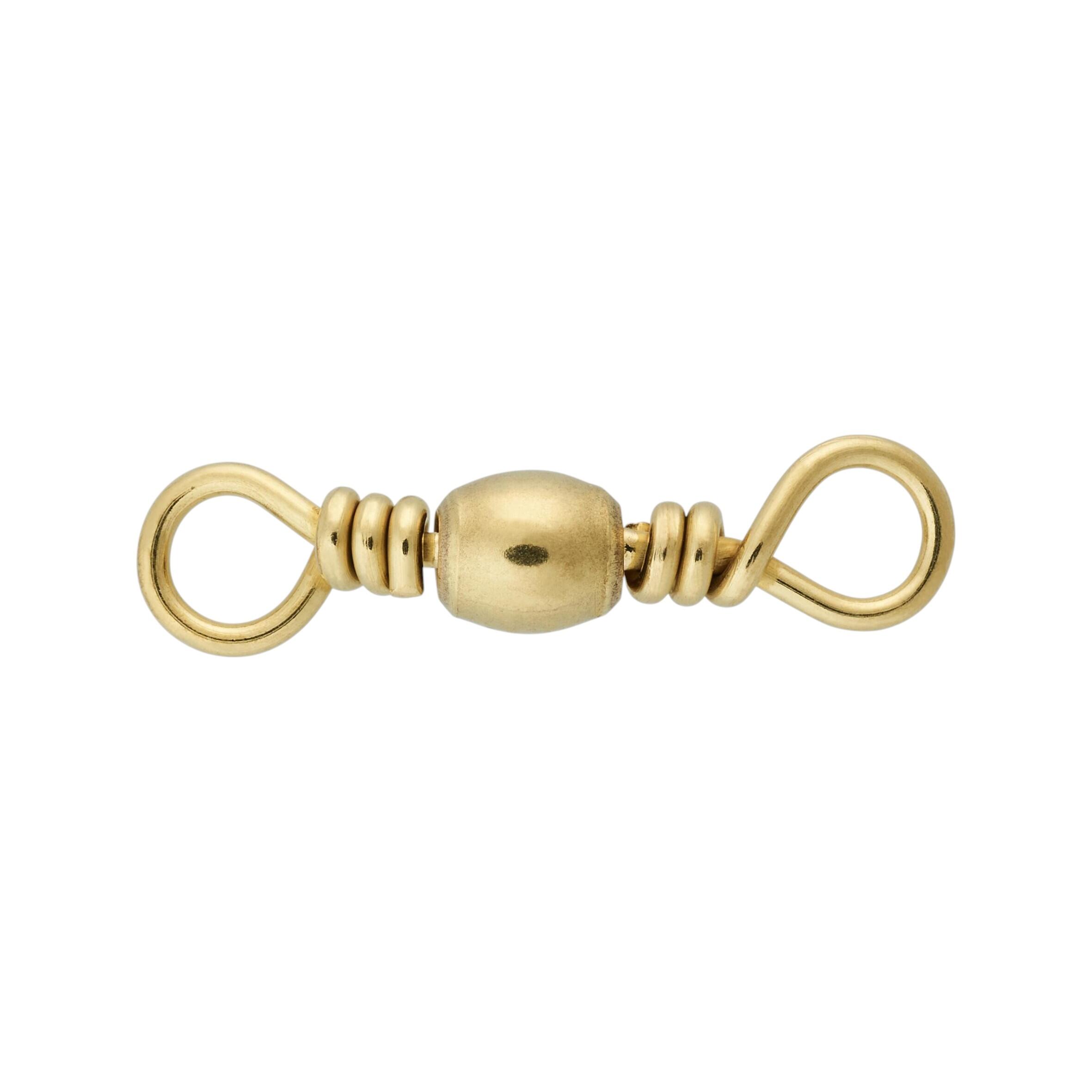
The leader forms the final connection between the main line and the baited hook structure, so it needs to suit the predator you are targeting and the way the bait moves. Species with sharp teeth can place different demands on the terminal section than smaller fish, while a leader that is excessively stiff may also change how freely the bait behaves. Pre-assembled predator ledgering rigged lines can help you organise leader strengths and connection styles without building every terminal section from loose components at the water. Inspect loops, clips, knots and hook connections after contact with fish, vegetation or rough ground, and replace any damaged section before presenting the bait again.

Which accessories help you manage deadbait jigging more efficiently?

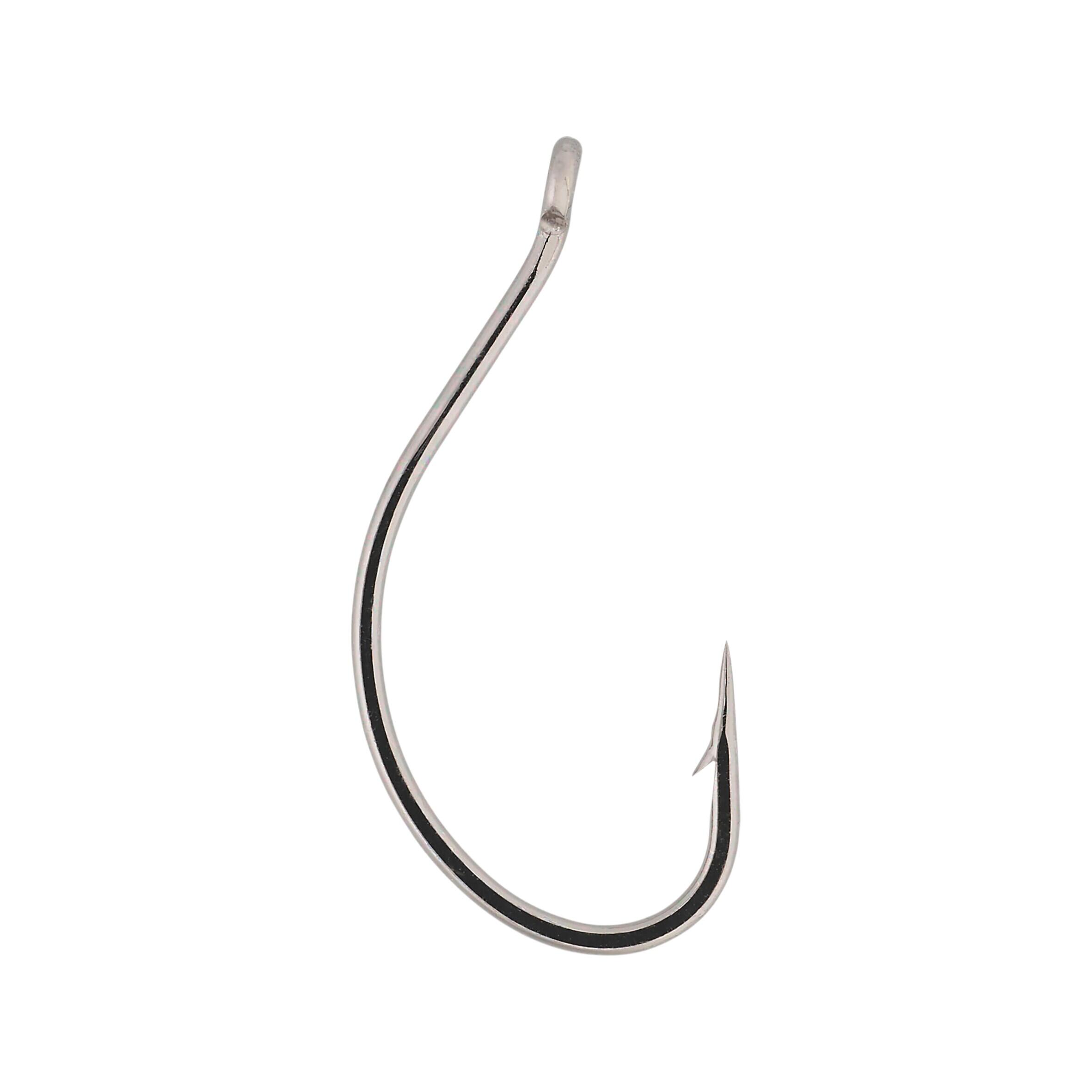
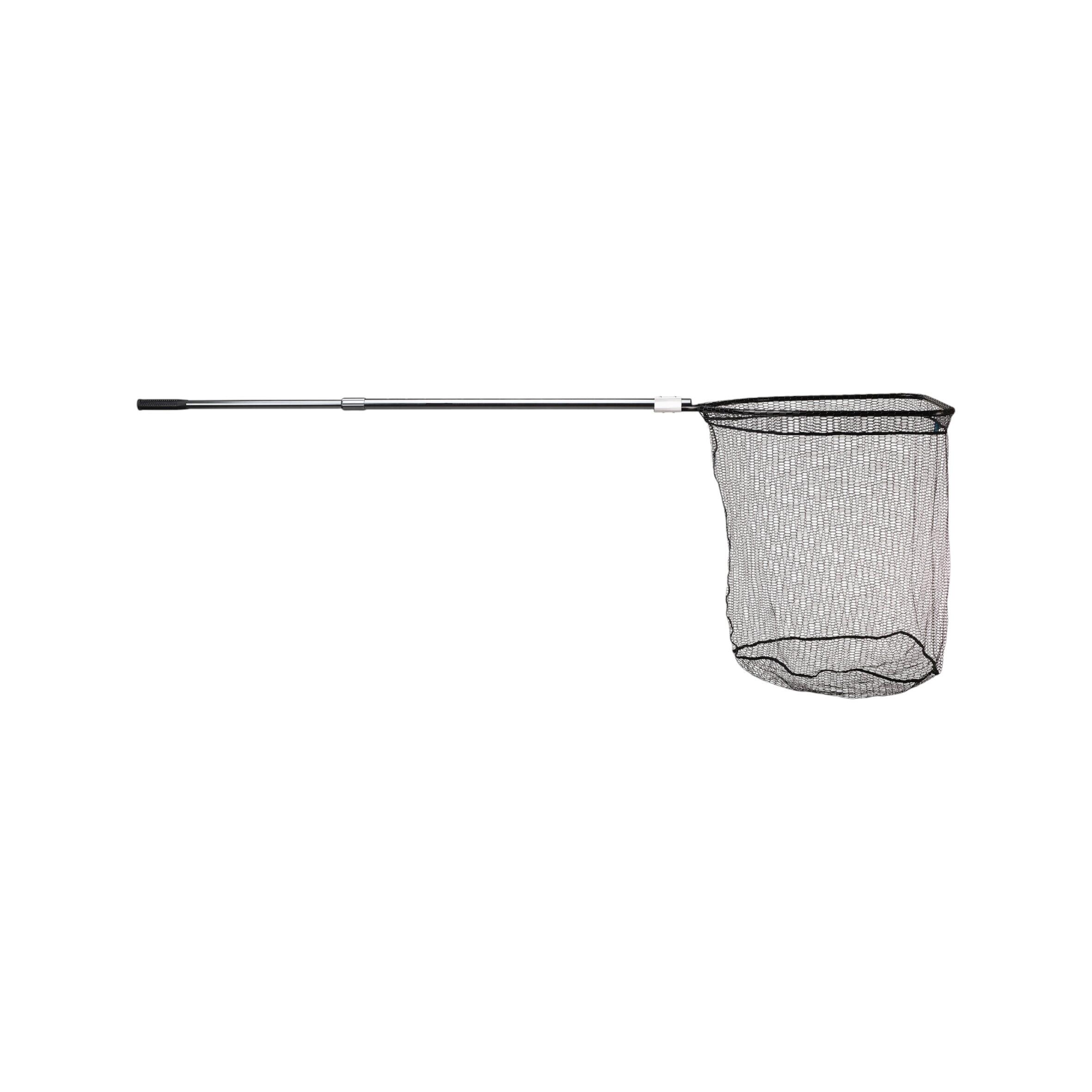
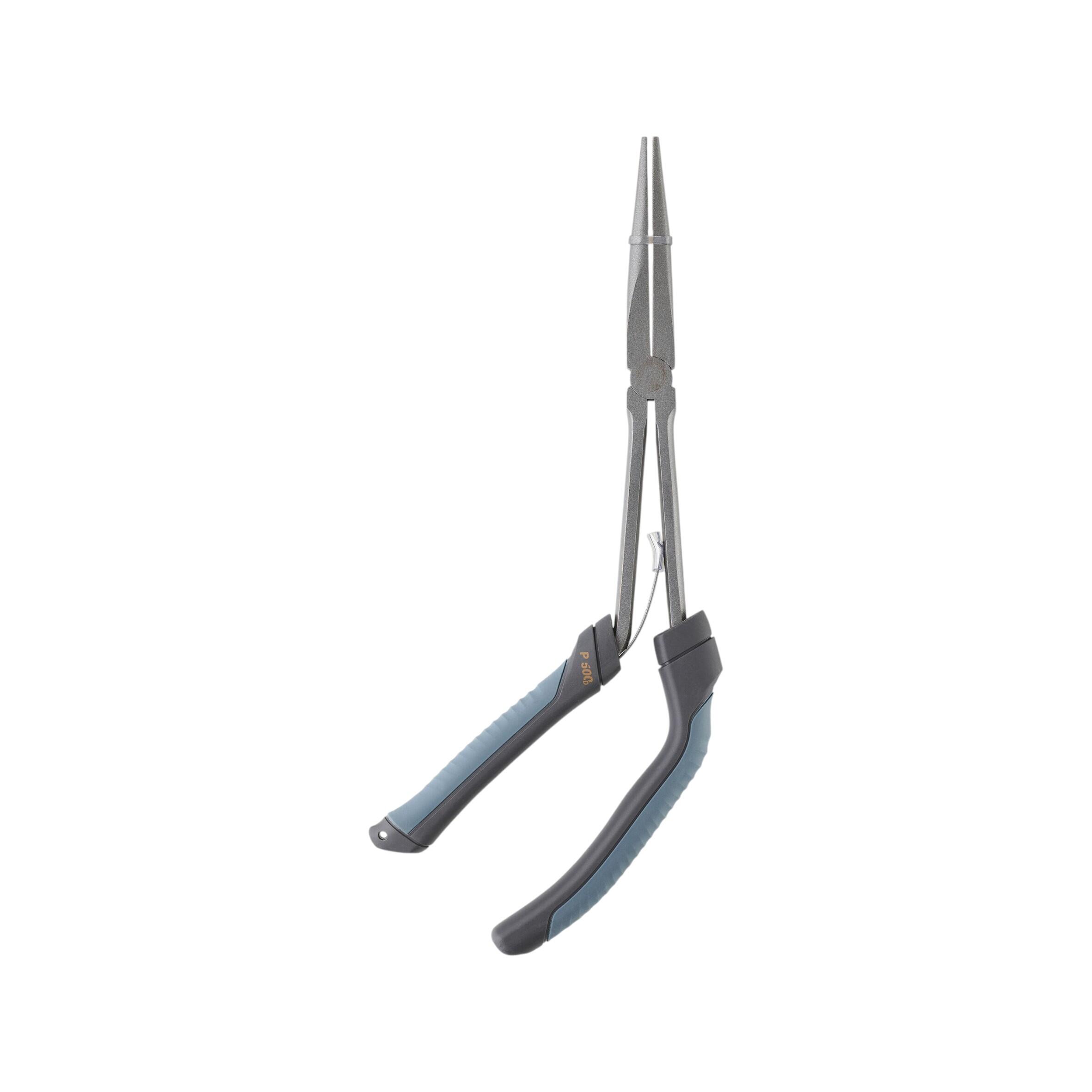
Keep hook-removal tools, cutters, a landing net and secure storage within reach before starting the session. Active presentation means you may reposition the rod and rig frequently, so loose tools on the ground can quickly become awkward. The appropriate predator fishing equipment can help you organise pliers, landing gear and other accessories around the fishing position. Sharp hooks also matter because the bait and terminal rig can move repeatedly through the water. Inspect the hook point after contact with stones or other hard surfaces, and keep spare terminal tackle separated from used bait equipment so you can change damaged parts without searching through the whole bag.

How do you store deadbait jigging tackle after fishing?

Remove bait residue from hooks, tools and reusable terminal components before packing them away. Dry leaders, swivels and other metal parts thoroughly, then separate wet equipment from rods and reels during transport. Organising the tackle by purpose can make the next session easier, with hooks and leaders in one section, weights in another and fish-handling equipment kept readily accessible. When preparing your broader predator fishing set, inspect line, hook points, clips and connections before reusing a deadbait rig. Replace damaged or corroded components rather than relying on them for another session, and keep stored tackle away from unnecessary moisture so terminal parts remain easier to identify and prepare.