7 items
4.7/5 based on 422 reviews collected online and in stores

Predator Fishing Reels FAQs

Why does usable drag matter when selecting a predator fishing reel?

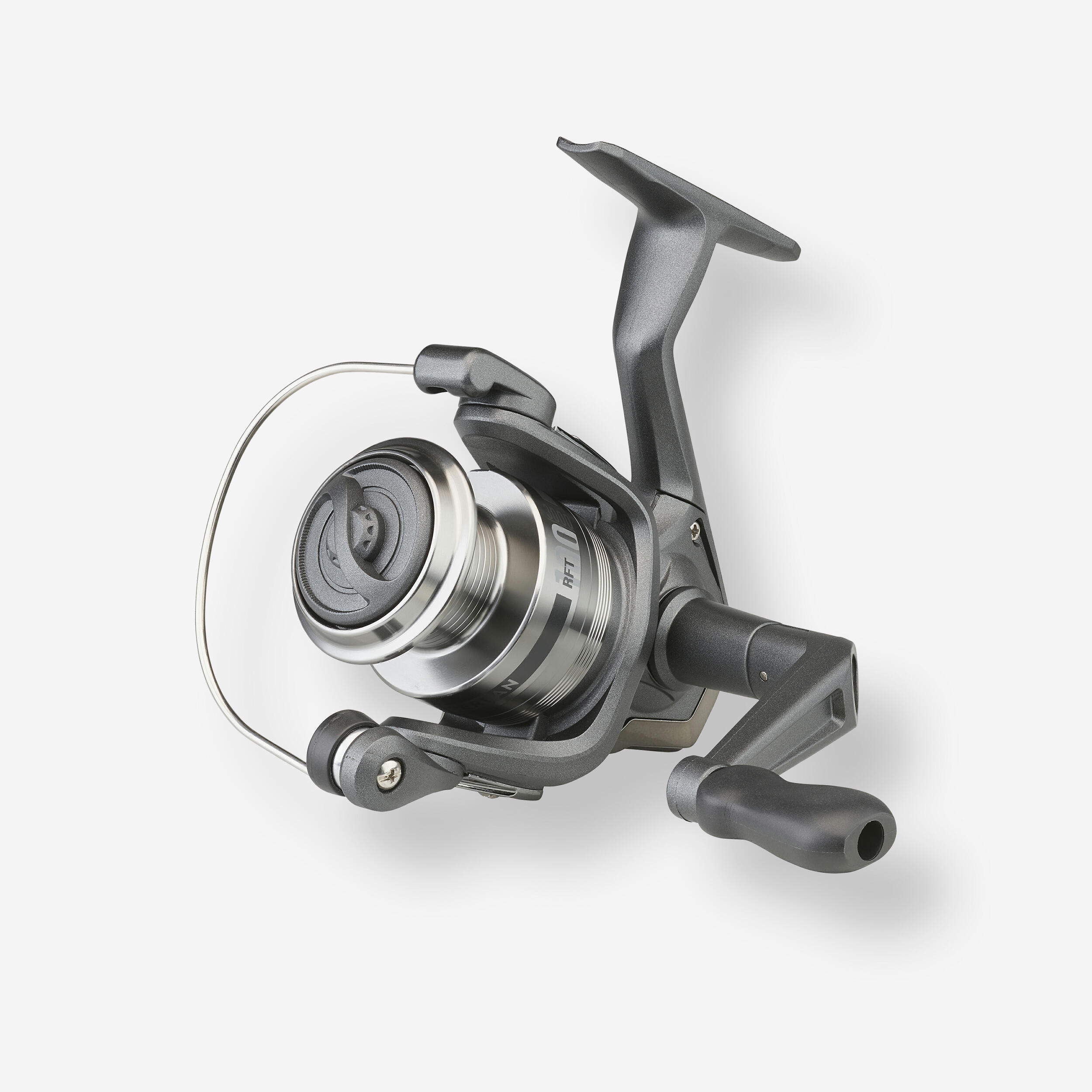
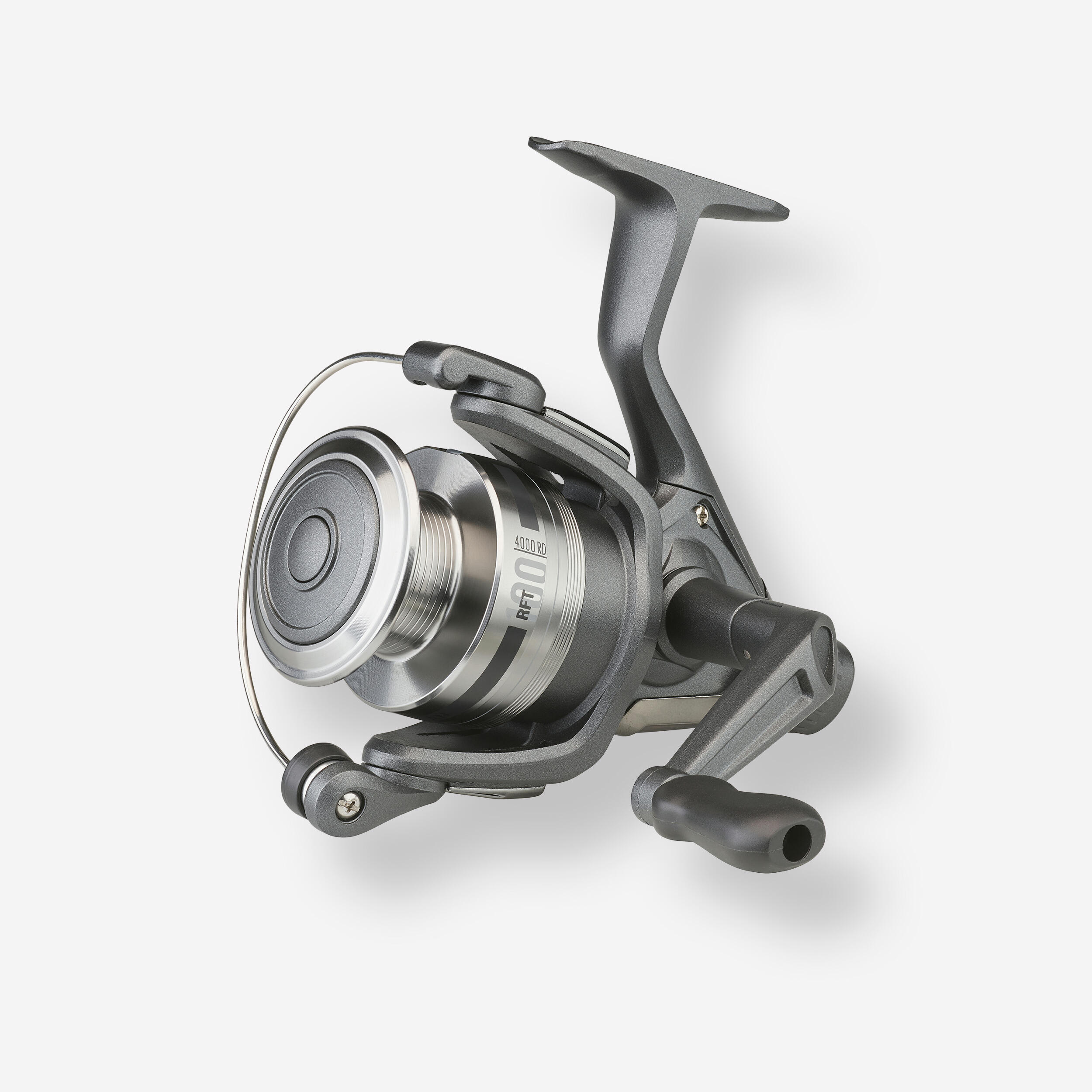
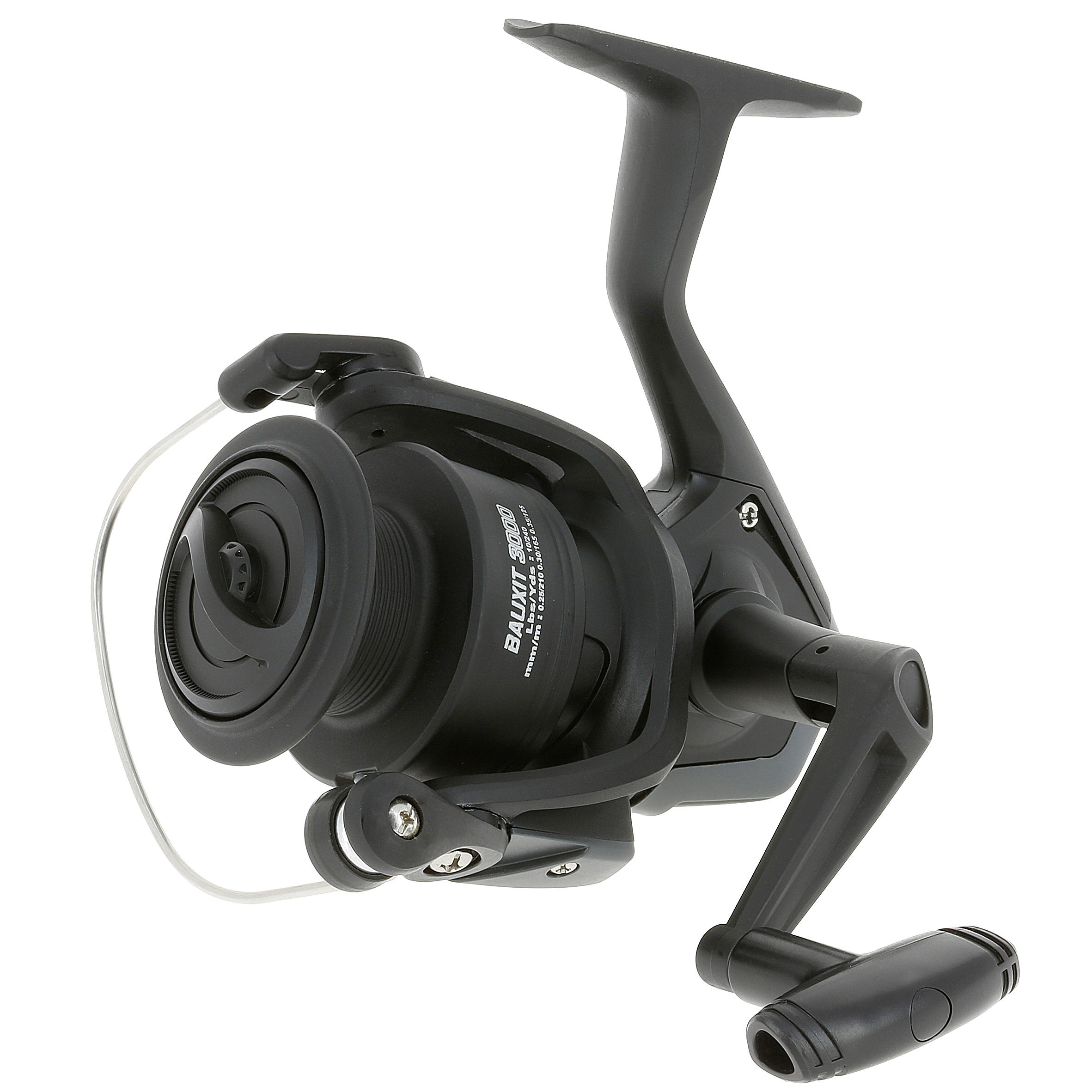
Usable drag gives you a more practical indication of the force available while you play a fish than the reel's theoretical maximum figure alone. Caperlan publishes both measurements on its RFT reels. The RFT Rear 100-4000, for example, provides 5 kg maximum drag and 4 kg usable drag. It also retrieves approximately 80 cm of line per crank and pairs an aluminium spool with a fibreglass-loaded polyamide casing and reinforced rotor. Caperlan recommends 0.30 mm monofilament with a 15-60 g rod for this ledgering drag fishing reel, giving you a useful reference point when matching the reel with the rest of your setup.

When can a freespool reel help with predator ledgering?

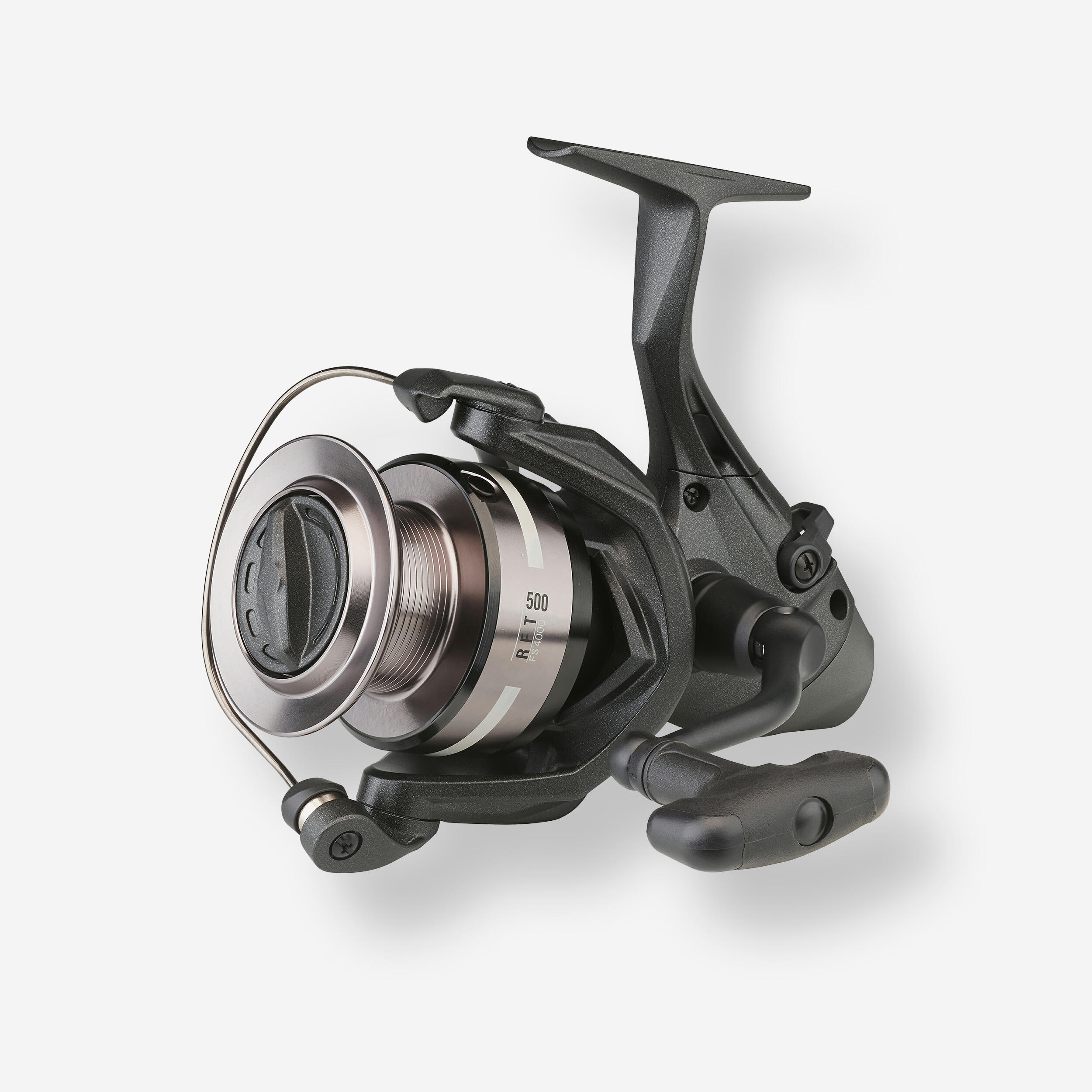
A freespool system can help when you want a predator to take line with reduced resistance before you engage the main drag. Caperlan's RFT 500 Freespool 4000 releases the drag brake in one movement and is developed for larger freshwater predators such as pike and zander. Its 3+1 bearings provide smoother operation than the simpler single-bearing RFT 100 models, while the reel delivers 6 kg maximum drag and 5 kg usable drag. The ledgering freespool fishing reel retrieves around 80 cm per crank and works with approximately 0.35 mm monofilament and a 20-80 g rod, helping you build a balanced heavier ledgering setup.

When does a 5000-size reel suit predator ledgering?

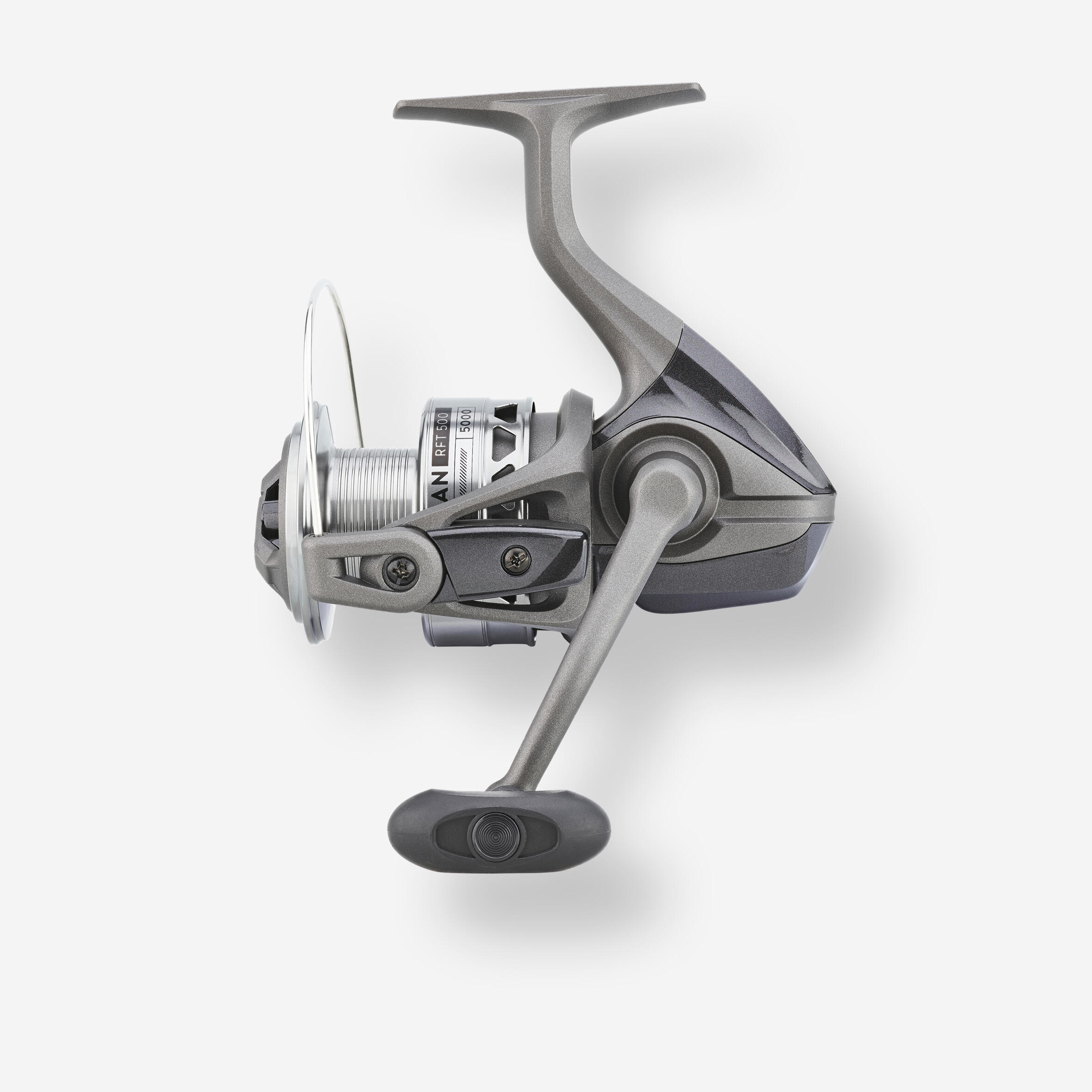
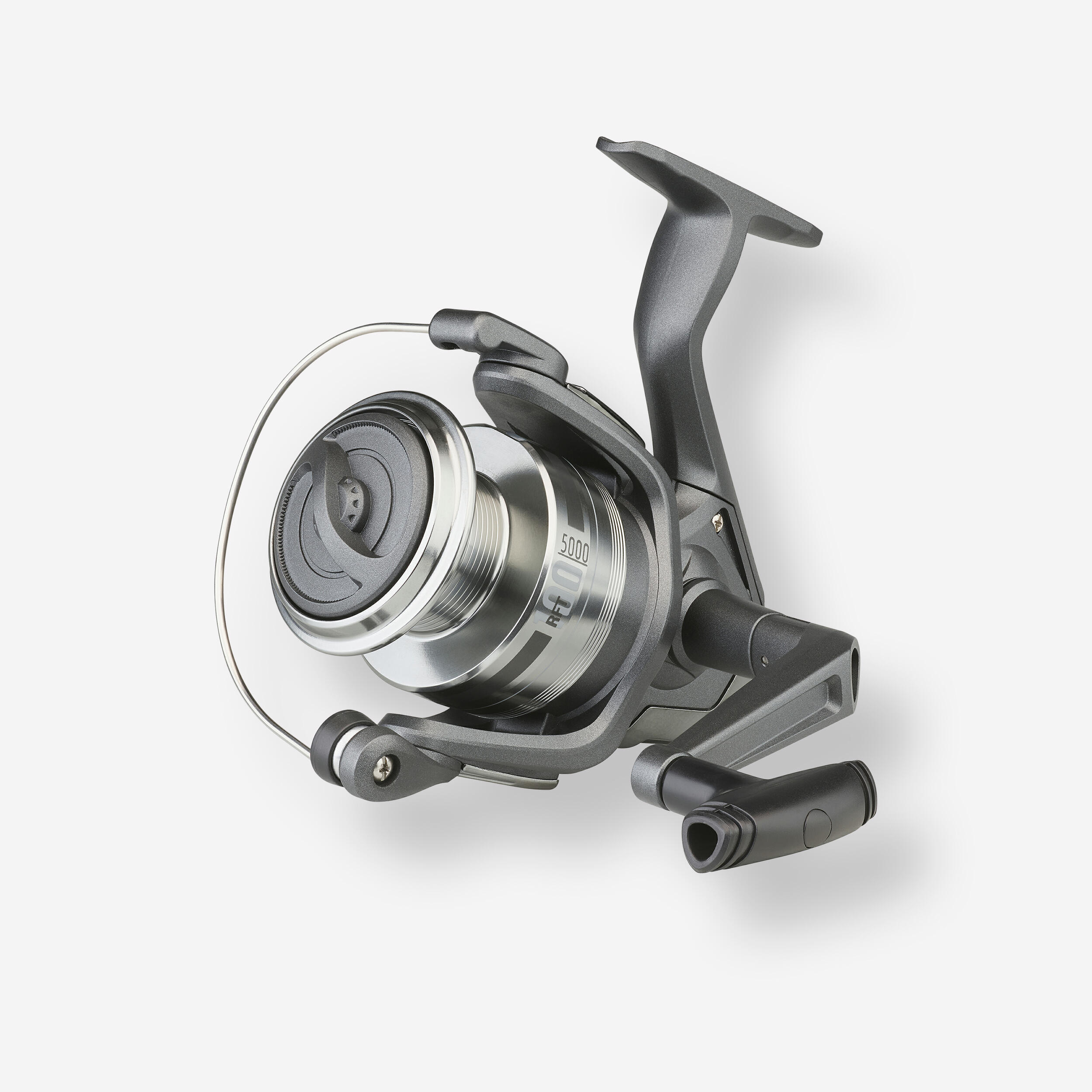
A larger reel can give you more line capacity and stronger usable drag when you fish with heavier rods or thicker monofilament. The Caperlan RFT 100-5000 provides 6.8 kg maximum drag and 6 kg usable drag while holding approximately 240 m of 0.30 mm, 170 m of 0.35 mm or 140 m of 0.40 mm line. Its 5.2:1 gearing retrieves about 86 cm with each crank turn. Caperlan pairs these predator ledgering fishing reels with roughly 0.35 mm monofilament and 20-80 g rods. That specification makes the 5000 size more relevant to stronger setups than selecting it simply because a larger reel appears more powerful.

How do you match a reel with a predator ledgering system?

Start with the rod's casting power and the line diameter required for the fish and water you plan to tackle. Caperlan links its 4000 rear-drag reel with 15-60 g rods and 0.30 mm monofilament, while its 5000 model moves to 20-80 g rods and around 0.35 mm line. Spool capacity also decreases as line diameter increases, so account for both strength and the amount of line you need. Within predator ledgering fishing, match the reel with the sinker, rig weight, fishing distance and target species instead of treating reel size as an isolated number. The live category currently includes several Caperlan RFT options intended for ledgering and predator techniques.

How do you maintain a predator fishing reel between sessions?

Remove moisture before storage and release the drag rather than leaving the mechanism tightened between trips. Caperlan advises rinsing and drying its RFT reels after fishing, loosening the drag after each session and oiling the mechanism approximately once a year. Store the reel only when it has dried completely. The current RFT models also offer replaceable parts such as spools, cranks, crank buttons and selected drag components, so damage to one part does not always mean replacing the complete reel. These reels are specified for freshwater rather than sea use. When preparing your wider predator fishing equipment, inspect the line roller, spool, crank and drag operation before leaving home so small maintenance issues do not interrupt the session at the water.