7 items
4.6/5 based on 3039 reviews collected online and in stores

Predator Ledgering Lines FAQs

When can a highly visible line help with predator ledgering?

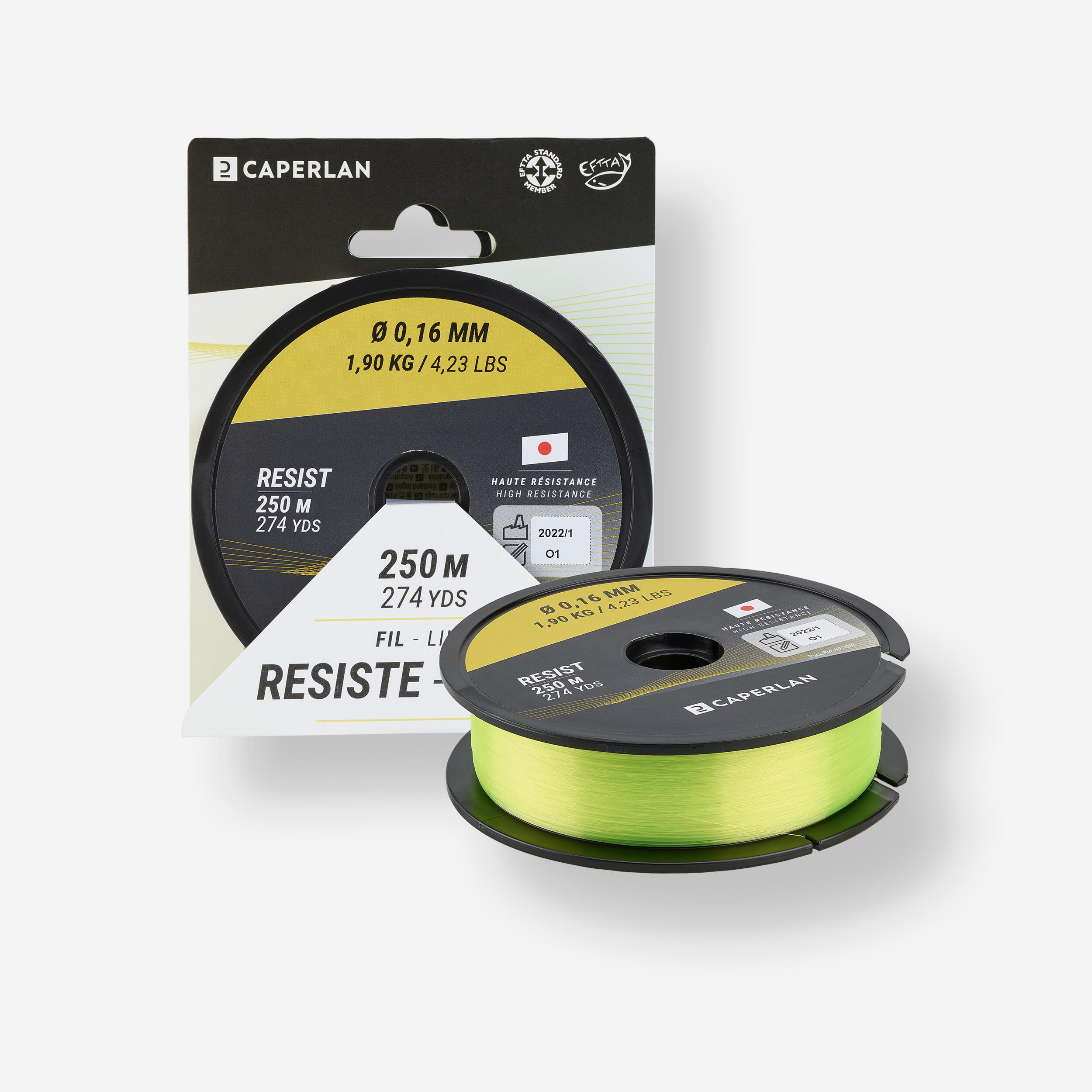
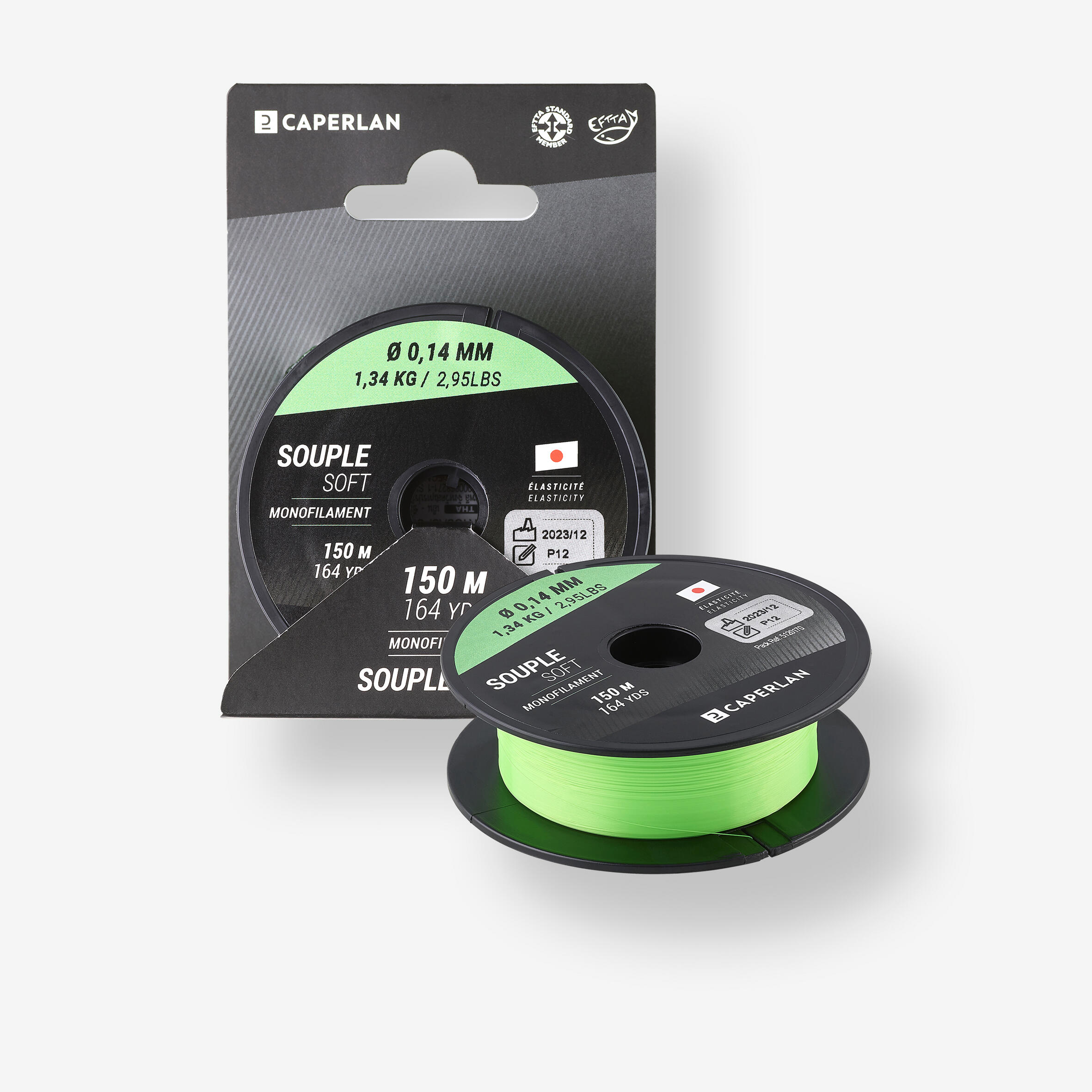
A visible main line can make it easier to follow its direction between the rod tip and your rig, particularly when several rods are positioned along the bank. It can also help you notice slack developing after a cast or while repositioning a ledgered setup. The ledgering soft neon fishing line gives you a bright line option when visibility above the water matters. Match the diameter and breaking strain with your reel, rod and target fish rather than selecting line colour alone. Leave enough line on the spool for your expected casting distance and regularly inspect the final metres, as contact with stones, vegetation or other bank-side obstacles can weaken monofilament over time.

When does Crystal Resist line suit a predator ledgering system?

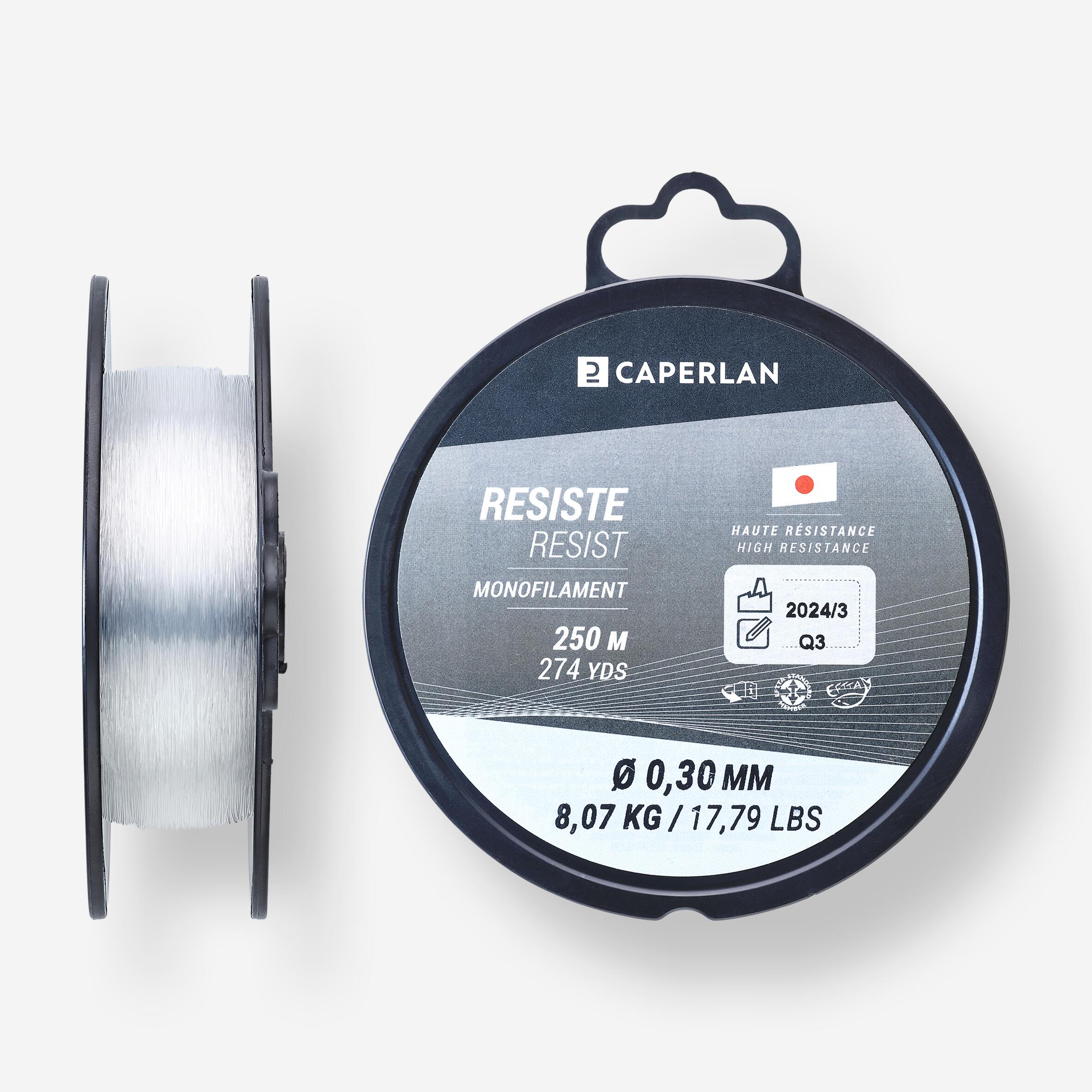
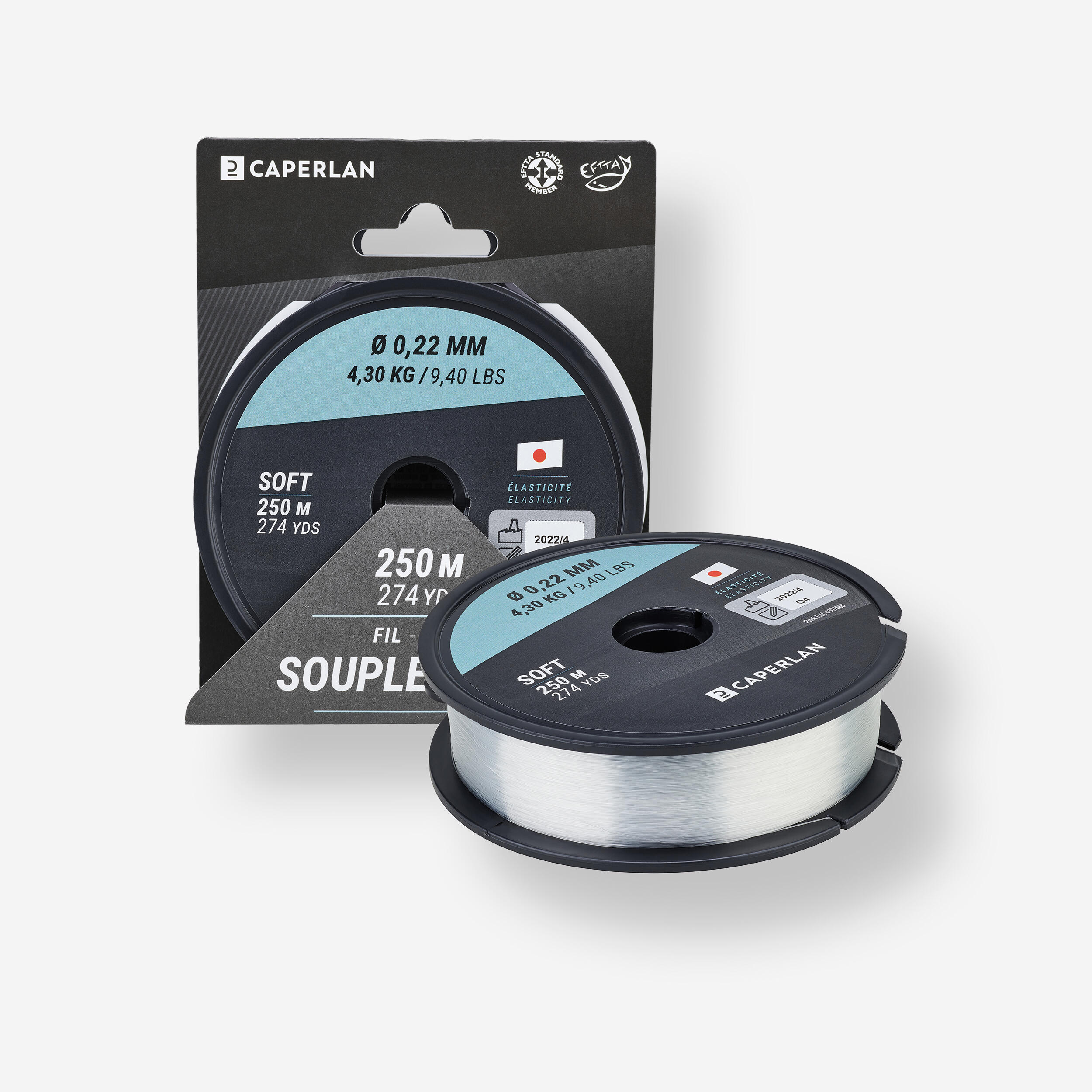
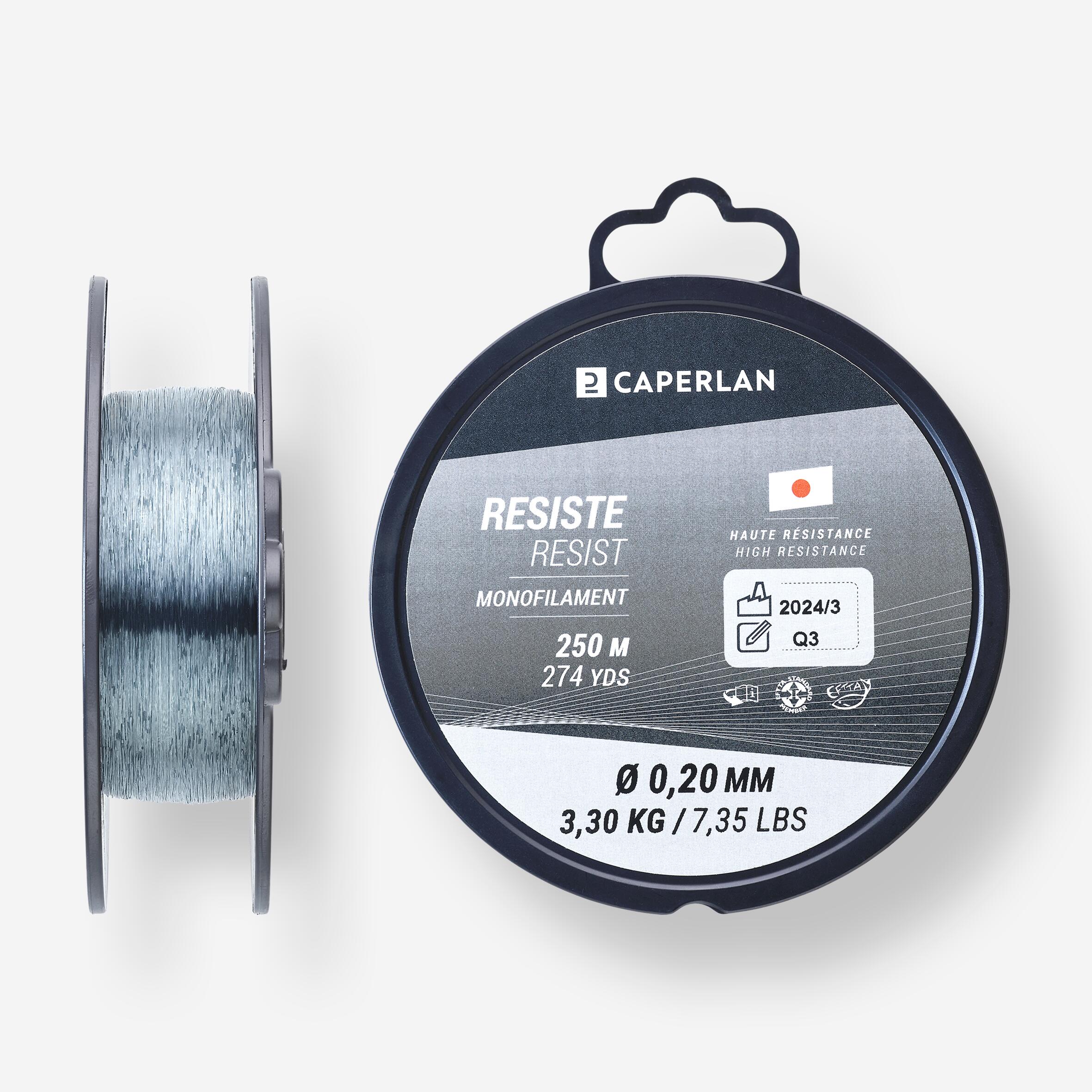
Crystal Resist provides a different option when you want a discreet line with additional resistance around demanding fishing areas. Caperlan uses a Japanese co-polymer construction with a fluorocarbon coating, combining the handling of a conventional fishing line with added surface protection. The ledgering Crystal Resist fishing line can work for rigs where the line may encounter vegetation, stones or other abrasive features. Select the diameter according to the fish and conditions rather than automatically moving to the thickest available version. A heavier line adds strength but also changes spool capacity, casting behaviour and how the complete rig moves through the water.

How do you match line strength to predator ledgering?

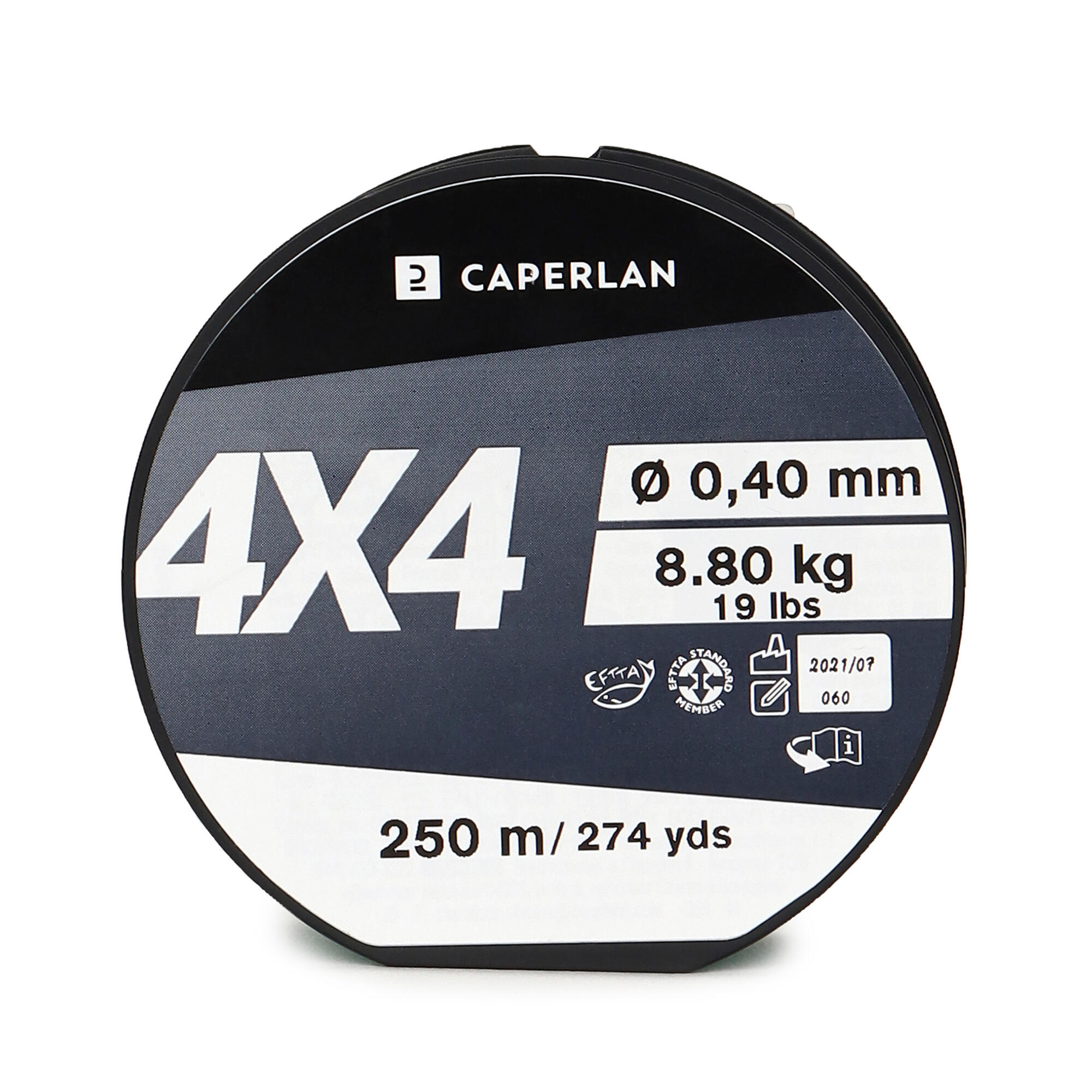
Build the layout around the expected fish, casting weight and fishing environment. Open water can allow a lighter line than a swim containing branches, rocks or heavy vegetation, while larger predators can demand greater breaking resistance. The rod, reel, leader and hook also need compatible strengths because an extremely strong main line cannot compensate for a weak connection elsewhere. When preparing for predator ledgering fishing, consider how far you cast and how much line the reel holds at your selected diameter. Leave a sensible margin of strength for casting and playing fish, but avoid excessive line thickness when it reduces capacity or makes the configuration unnecessarily heavy.

How does sinker weight affect your choice of fishing line?

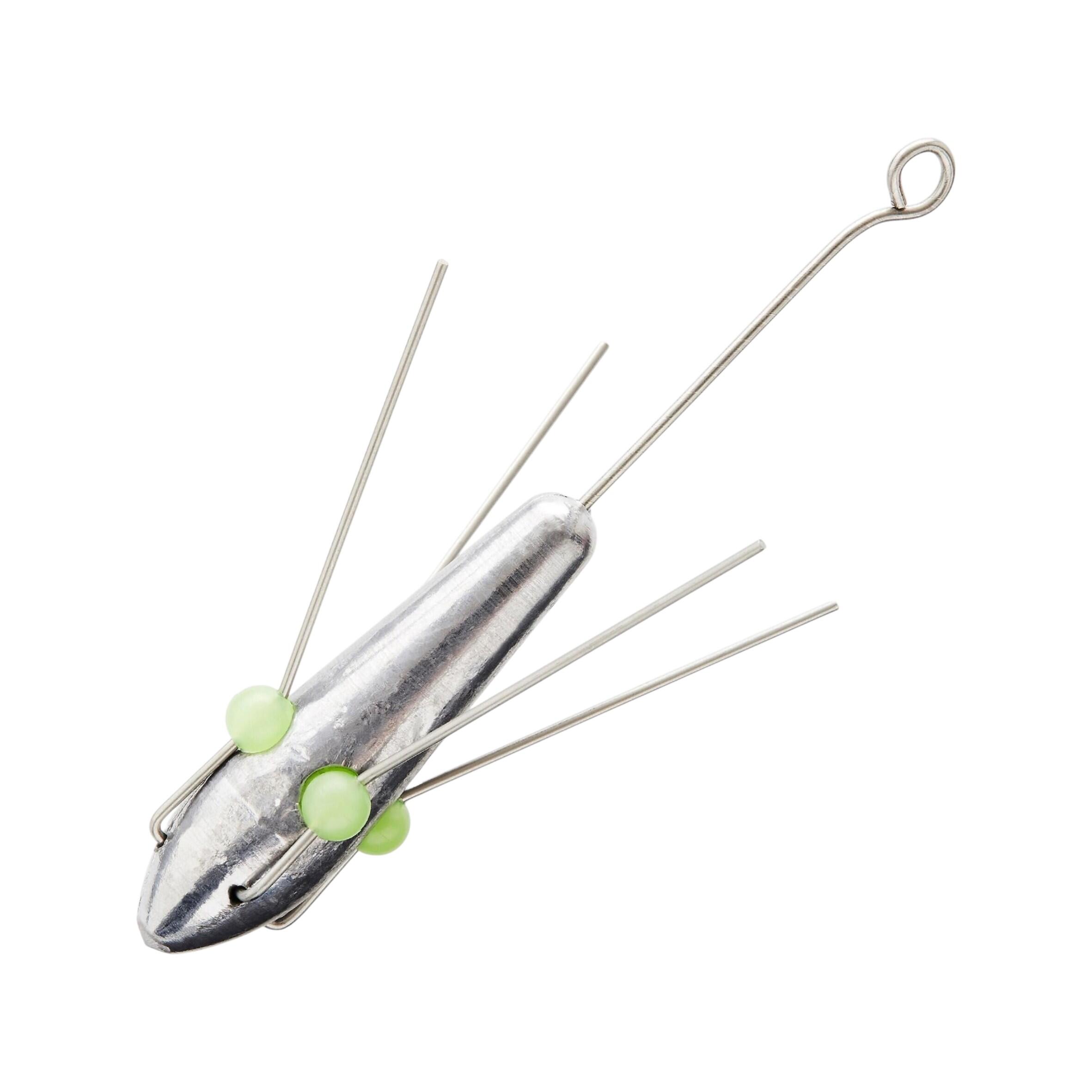
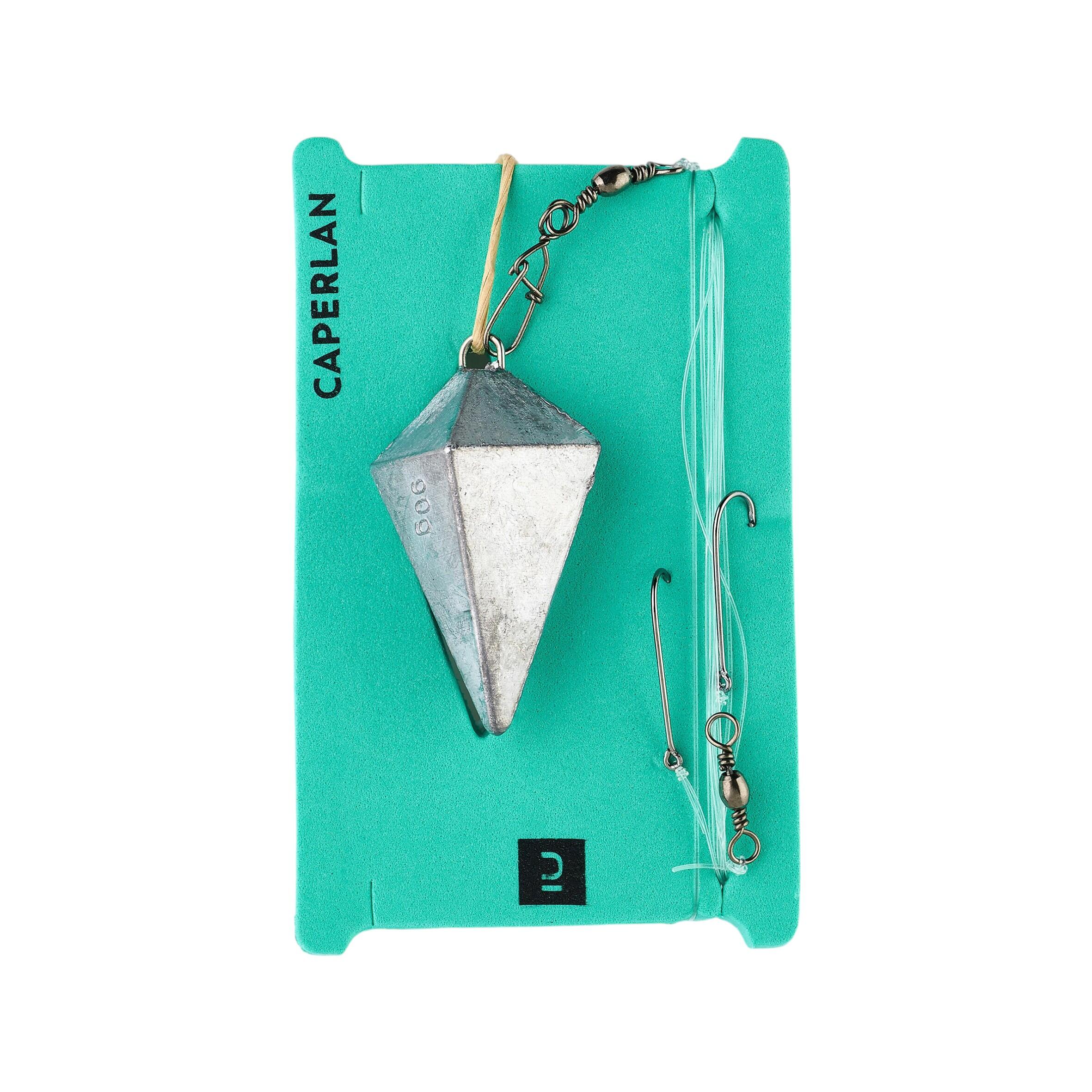
Heavier ledgering weights create more load during the cast, so the main line needs to work safely with the rod's casting rating and the total rig weight. A 20 g system places far less stress on the line than a heavier rig carrying a large sinker, bait and terminal components. Review your line condition whenever you change to heavier predator fishing sinkers, particularly if you cast repeatedly at distance. Knots also become critical under greater casting load, so tie them carefully and retest any connection that has been dragged through weeds or across rough ground. If the first metres of line feel rough, flattened or visibly damaged, remove the affected section before the next cast.

How can you make predator ledgering line last longer?

Inspect the line during every session instead of waiting for a breakage to reveal damage. Run your fingers carefully along accessible sections and look for abrasion, flattening, knots or areas that feel unusually rough. Keep the line away from unnecessary heat and prolonged direct sunlight during storage, and avoid leaving reels wet inside a closed bag after fishing. Re-spool when the line has developed persistent memory or significant wear that trimming cannot remove. Before your next predator fishing trip, test the drag, inspect the leader connection and confirm that the line sits evenly on the reel. Good line care supports more reliable casting and fish control without forcing you to replace usable line after every session.