
63 items
4.5/5 based on 55 reviews collected online and in stores

Surfboard Fins FAQs

How do I choose the right fin setup for my surfboard?

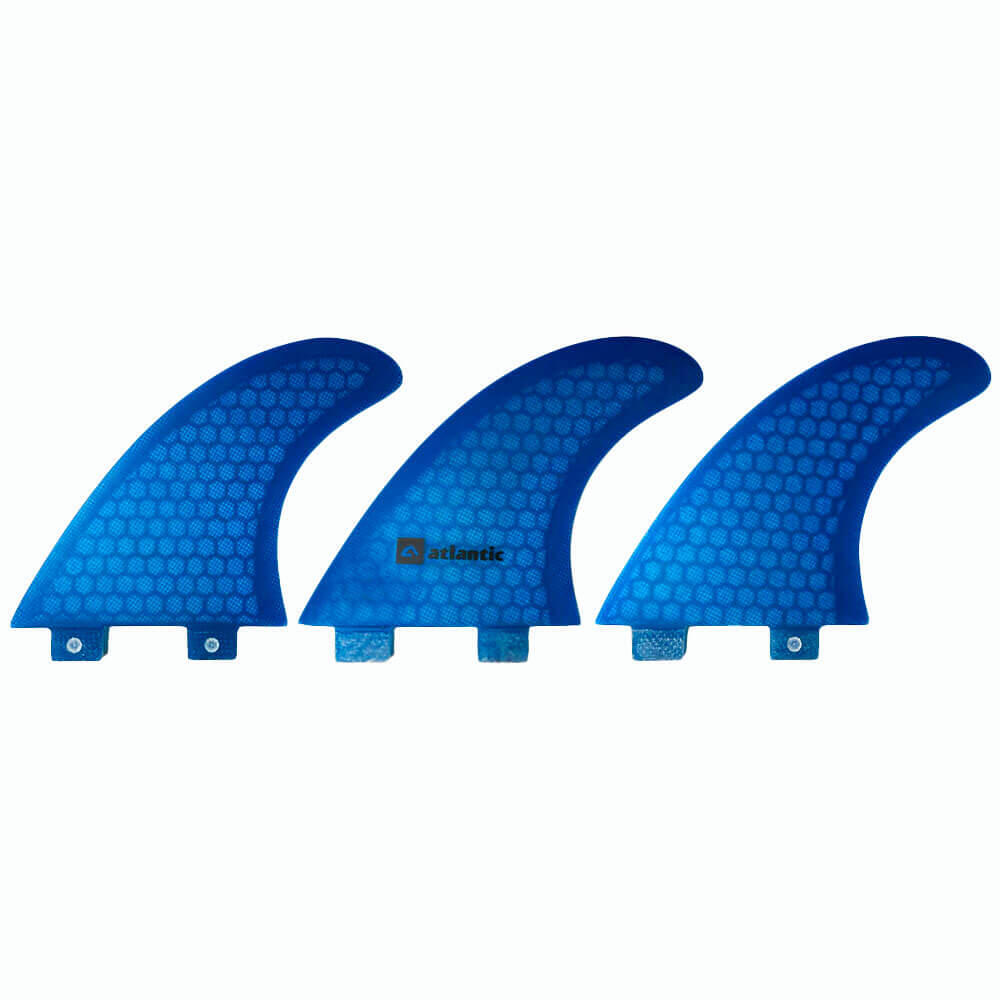
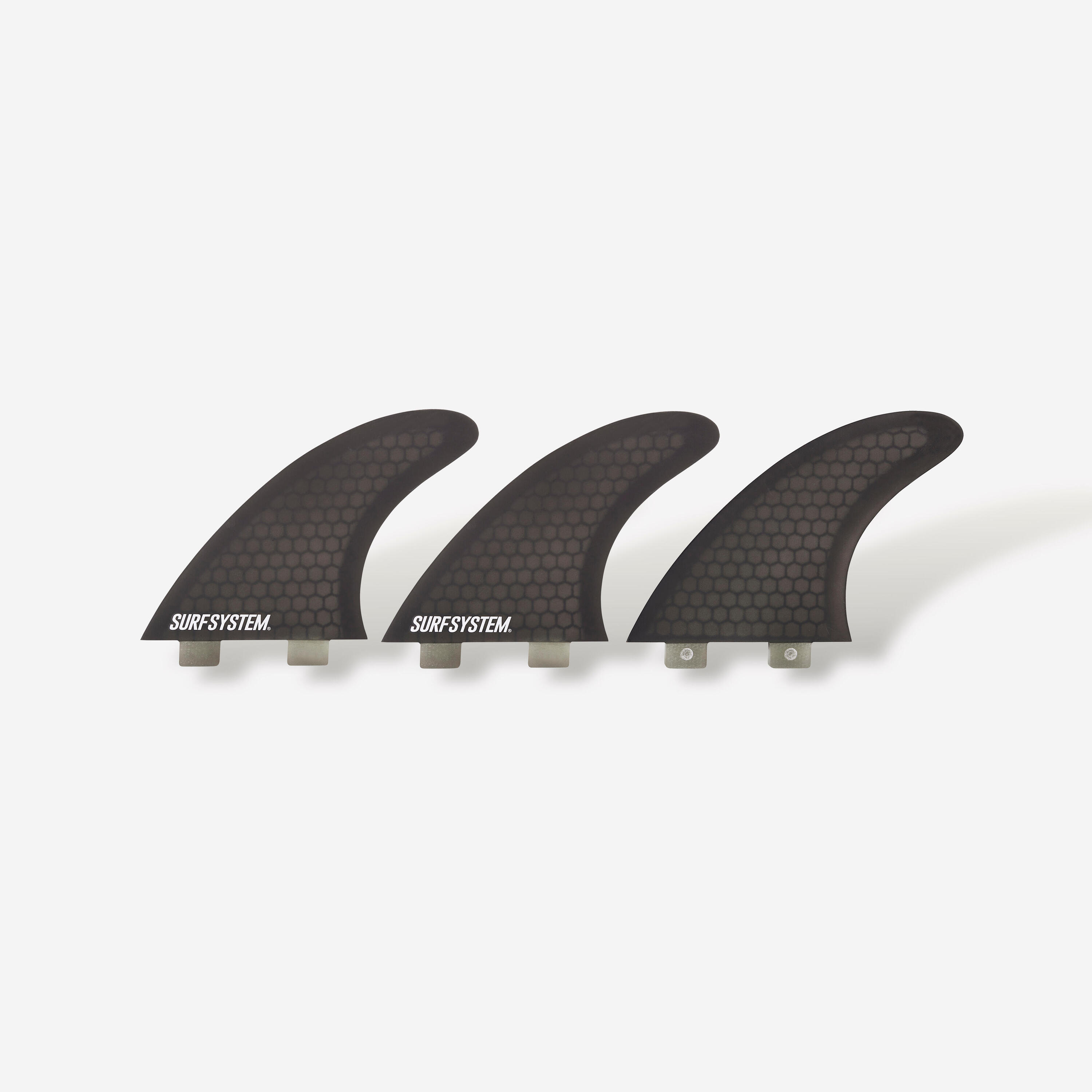
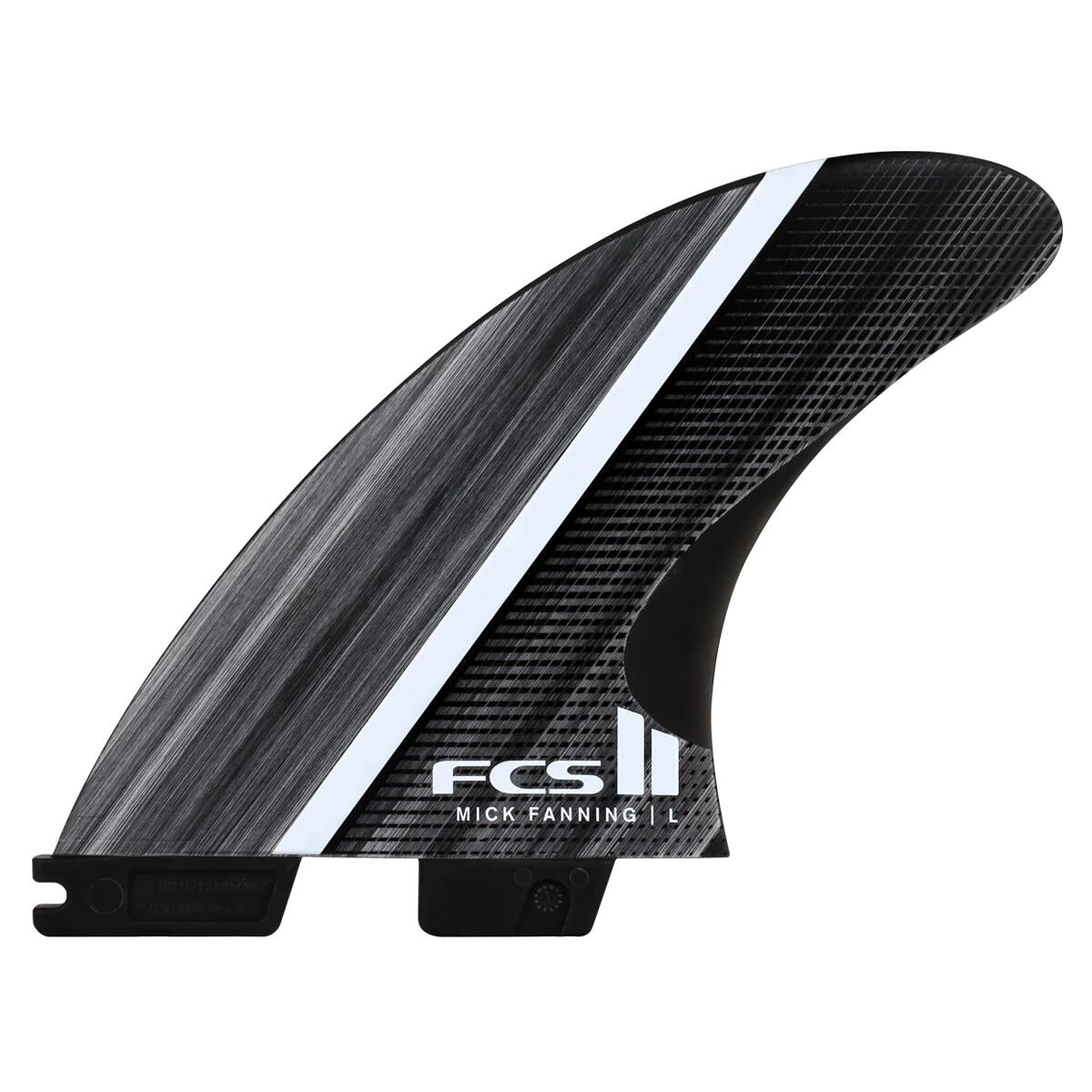
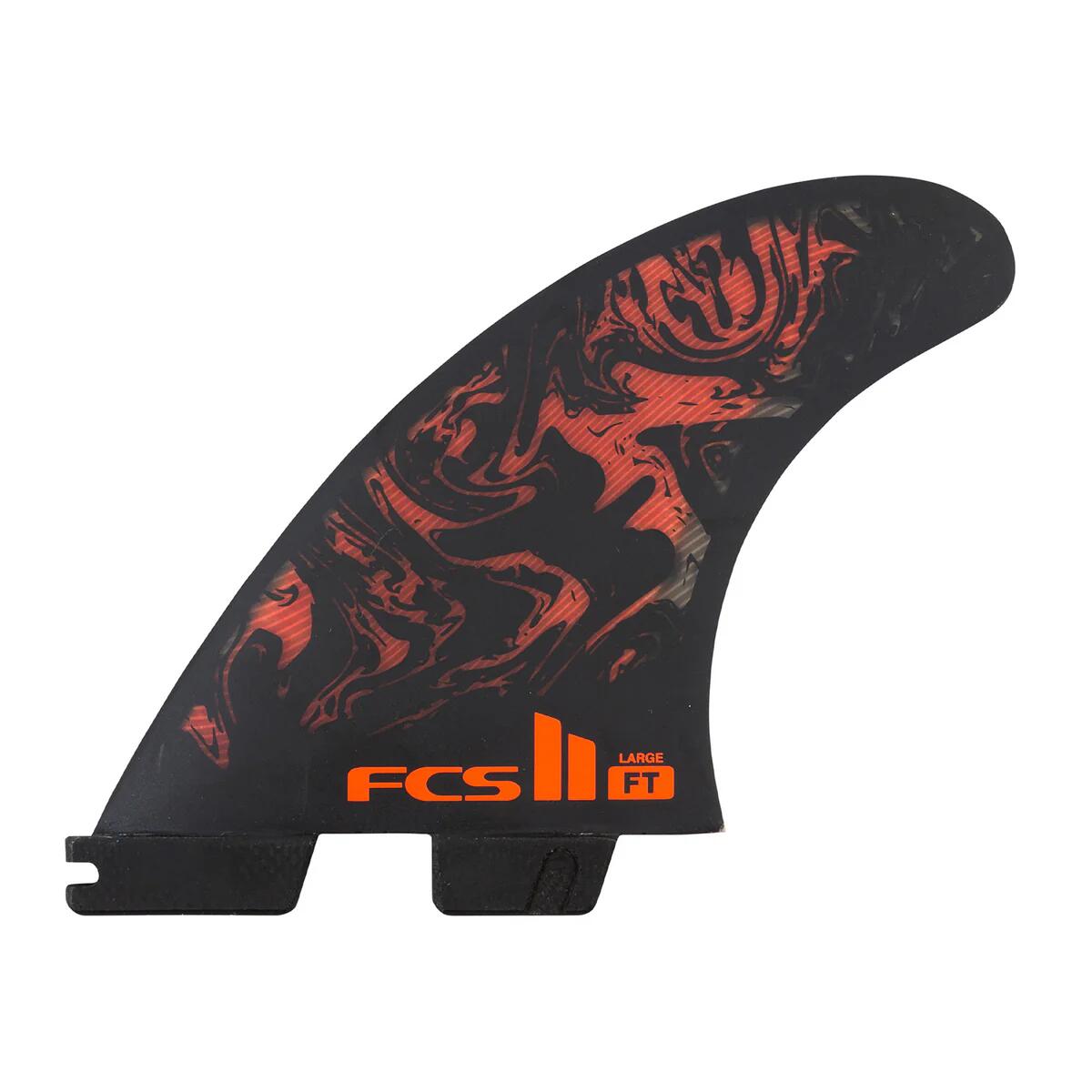
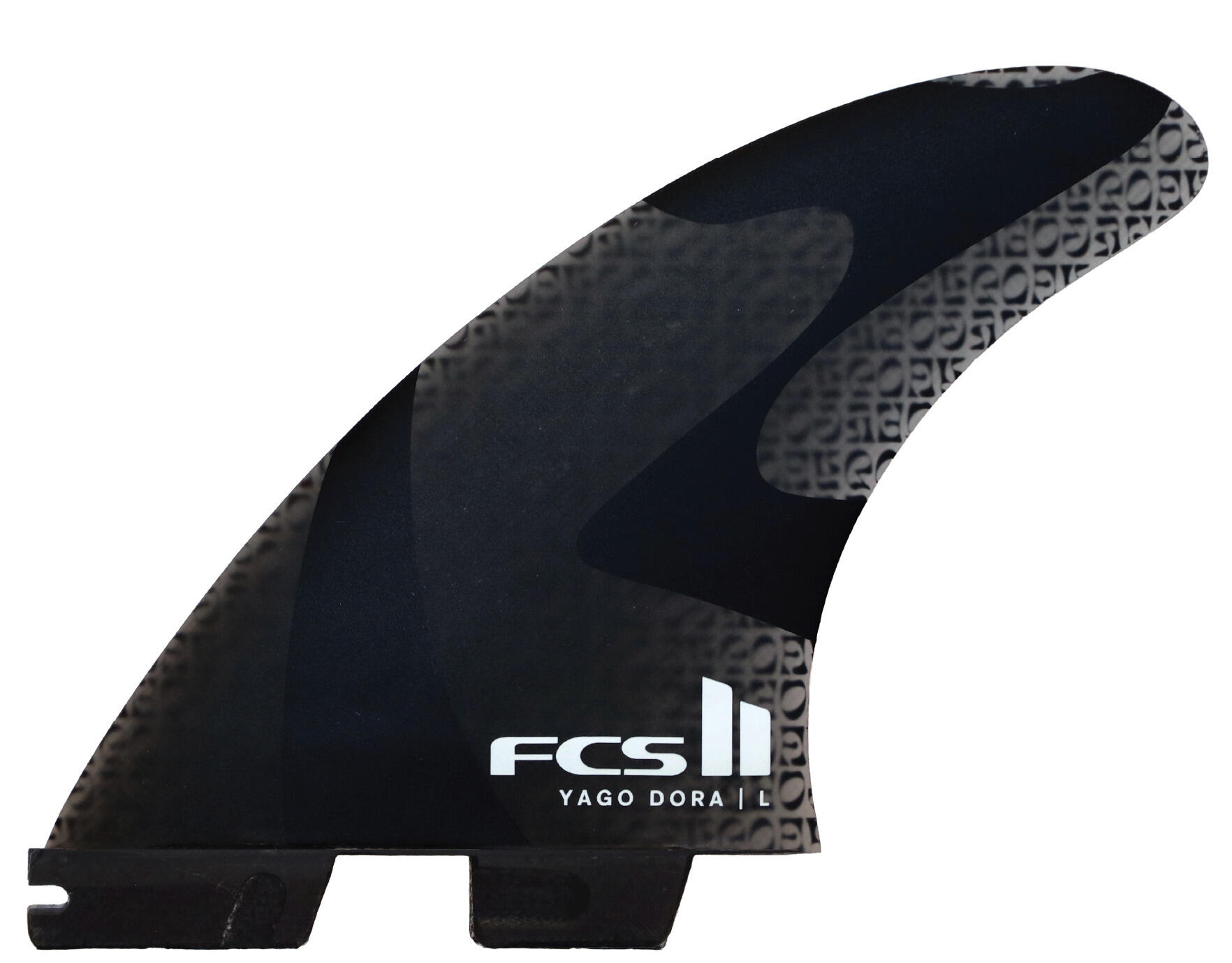
The fin configuration you need depends on your board shape and the type of surfing you do. A thruster setup, with three fins of equal size, is the most versatile, delivering a balance of drive and control across most wave conditions. Twin fins, as used on fish shapes, generate speed and a looser, more flowing feel, while a 2+1 setup pairs a larger centre fin with two smaller side fins to give longboards and mid-lengths directional stability without sacrificing pivot. Before buying, always check your board's fin boxes: FCS1, FCS2, Futures, and US Box systems are not interchangeable, and fitting the wrong fin will damage both the box and the fin tab. Tip: photograph your fin boxes before ordering so you know which system you're working with. Pairing the right fins with a well-fitted surfboard leash of the correct length for your board is equally important; a leash that's too long adds drag, while one that's too short snaps back too quickly after a wipeout.

What is the difference between foam surfboard fins and fibre fins?

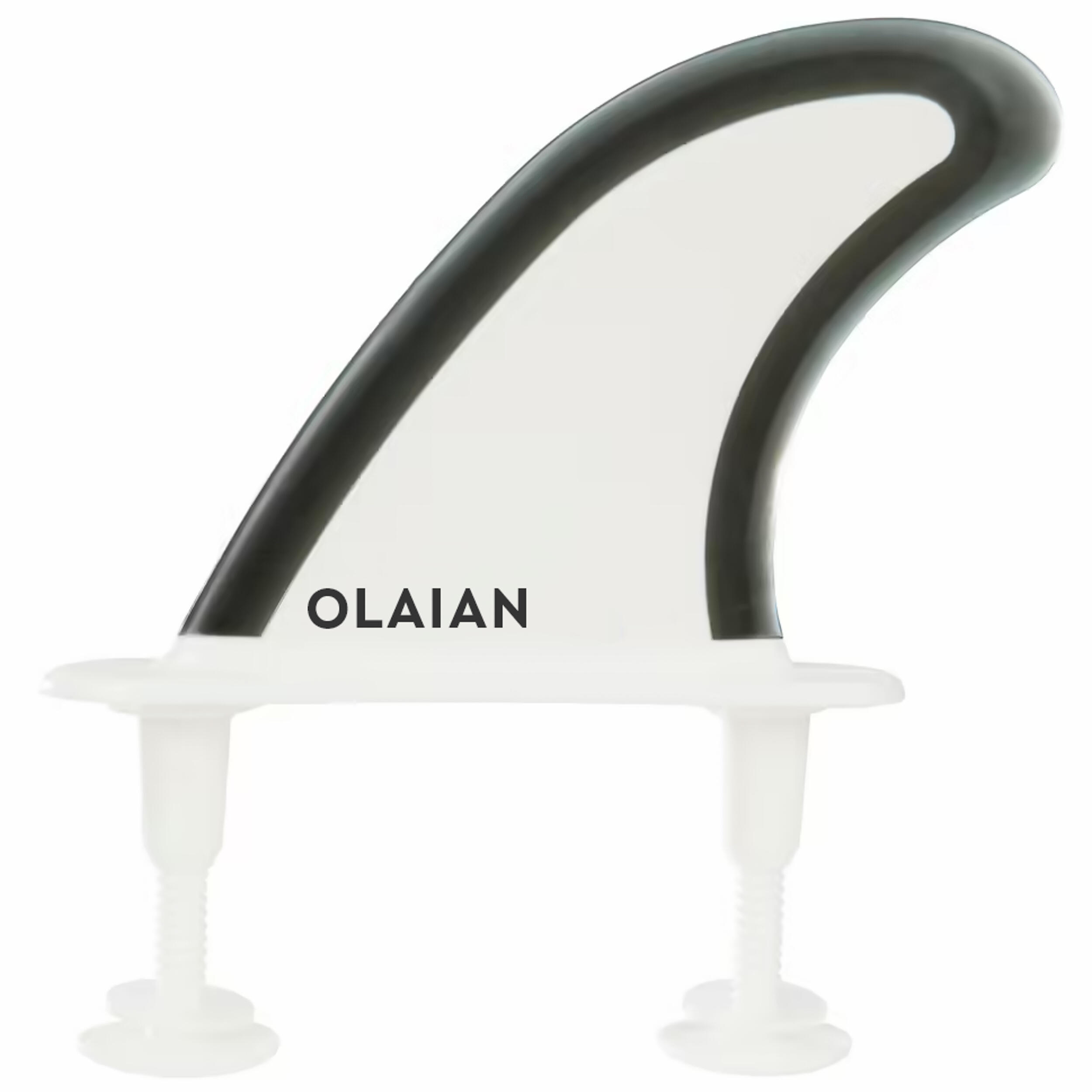
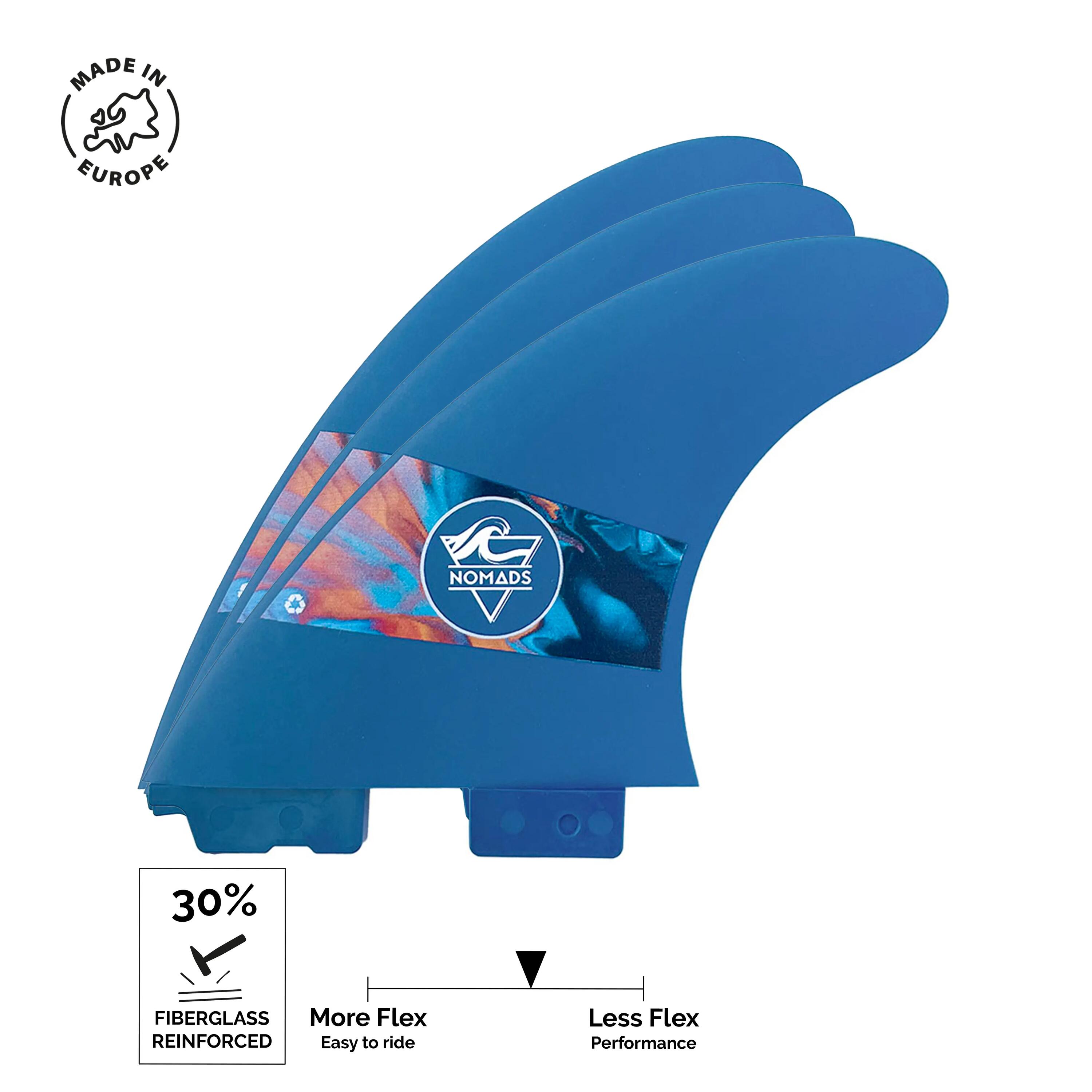
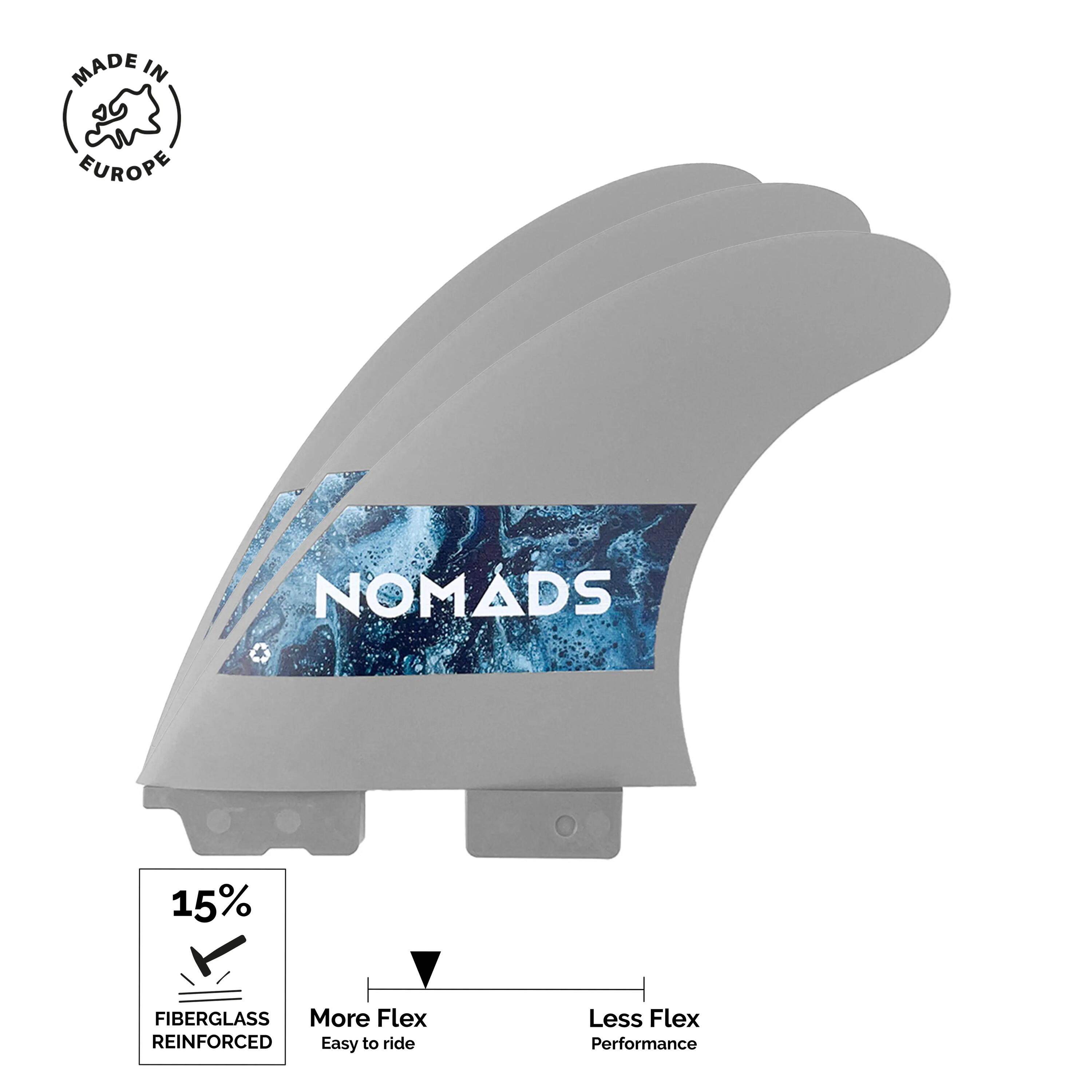
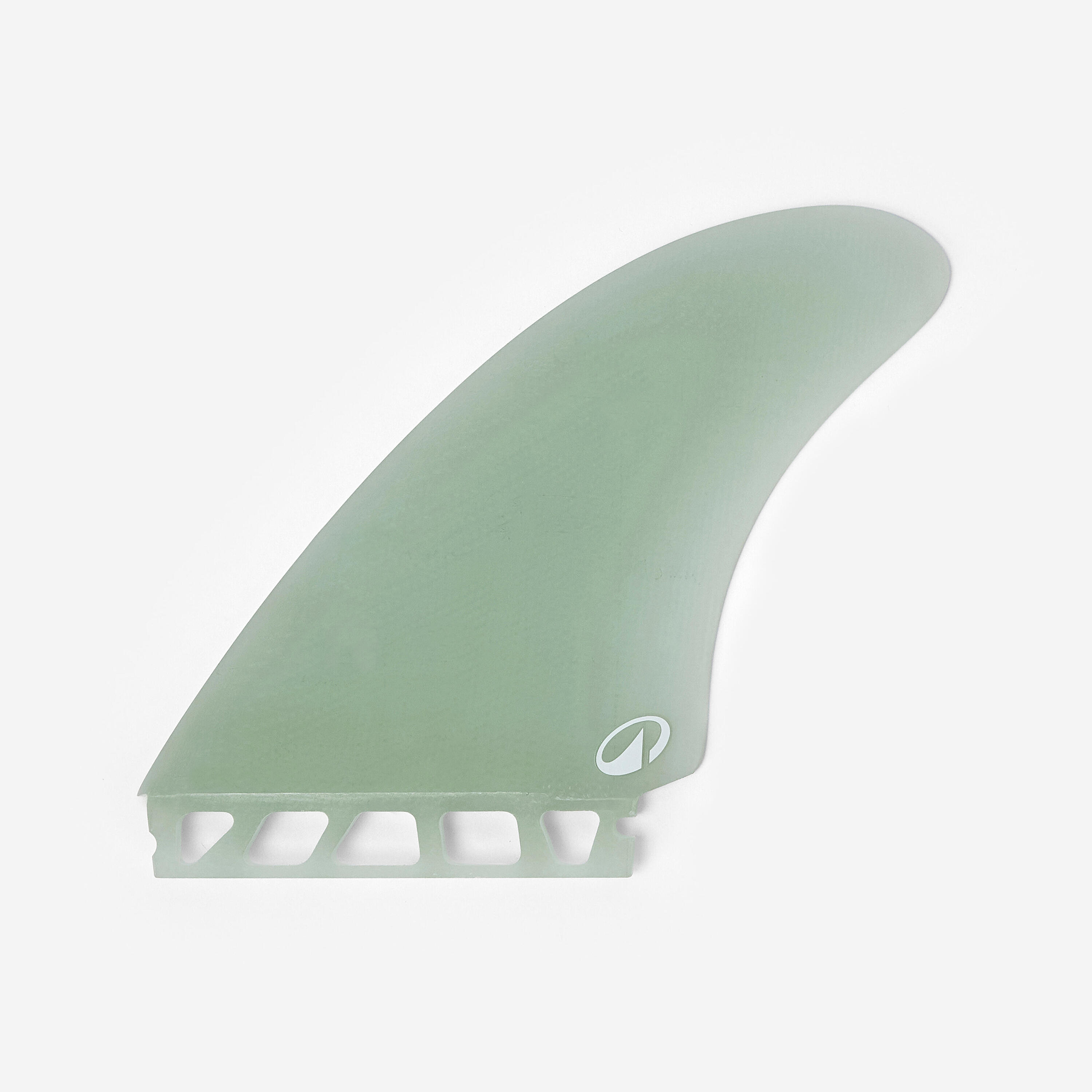
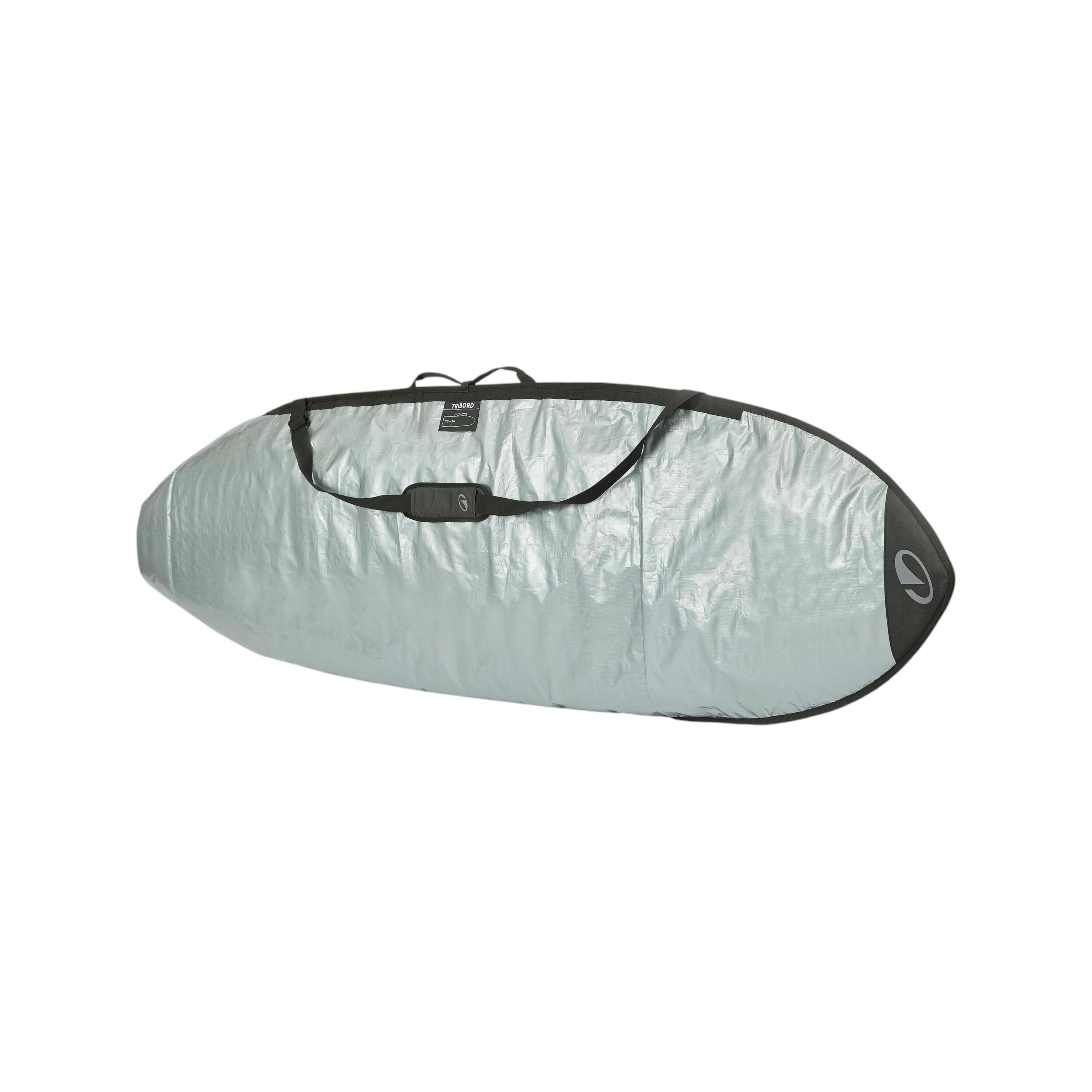
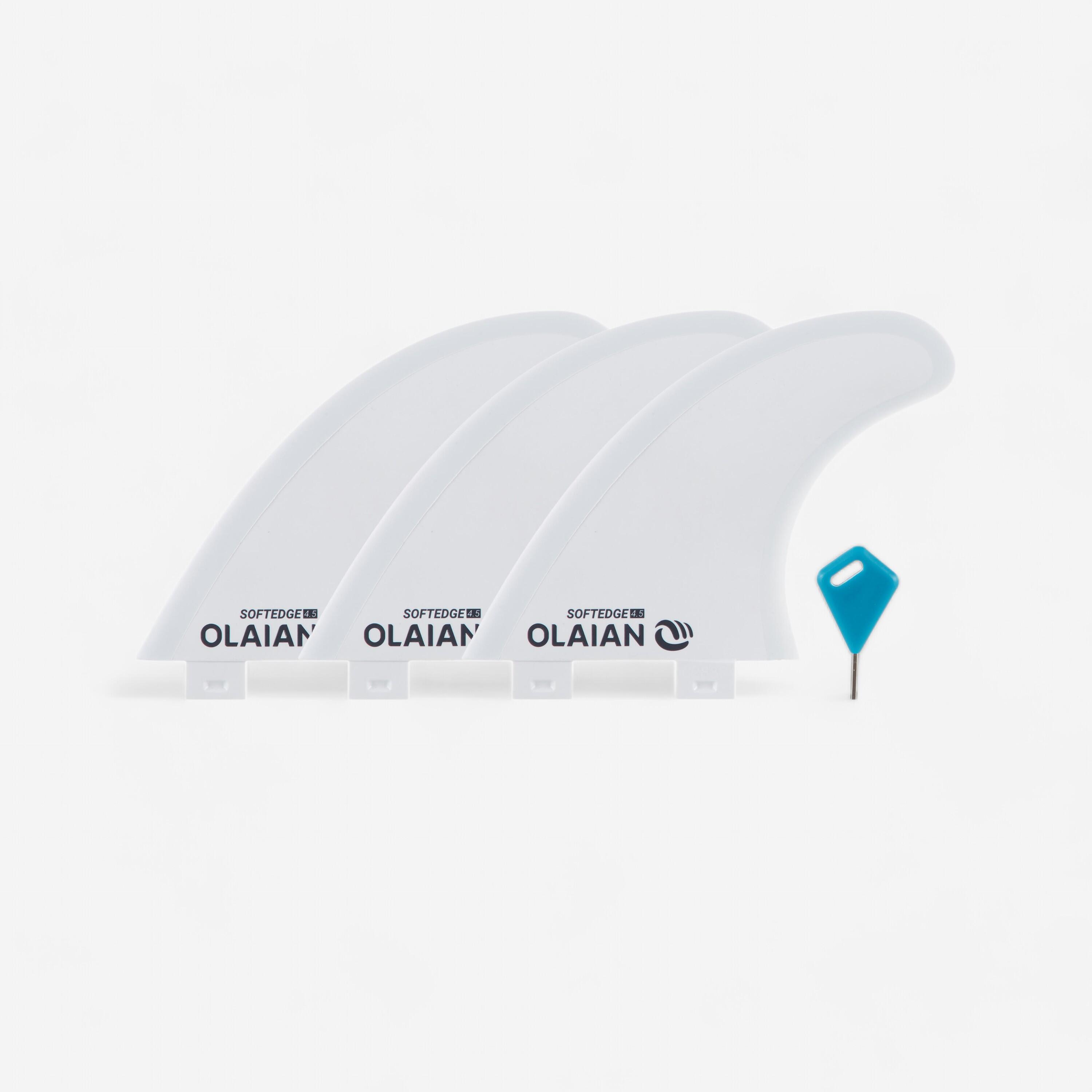
Foam surfboard fins, such as the soft-edge 100 model, use a flexible construction that reduces the risk of injury on impact, making them the practical choice for beginners and younger surfers still building their pop-up technique. The soft edges flex on contact rather than cutting, which matters when a board bounces back in shore break. Fibre fins, by contrast, use woven fibreglass or carbon-composite construction that holds its shape under load, transmitting more of your foot pressure directly into the water for a crisper, more responsive turn. For those who have moved past the learning stage and want to feel their rail-to-rail transitions more precisely, fibre twin fish fins or FCS1 fibre thruster sets are worth the step up in price. Fin performance means little if the tabs arrive damaged, which is why many surfers use surfboard storage bags between sessions.

When should I consider carbon surf fins?

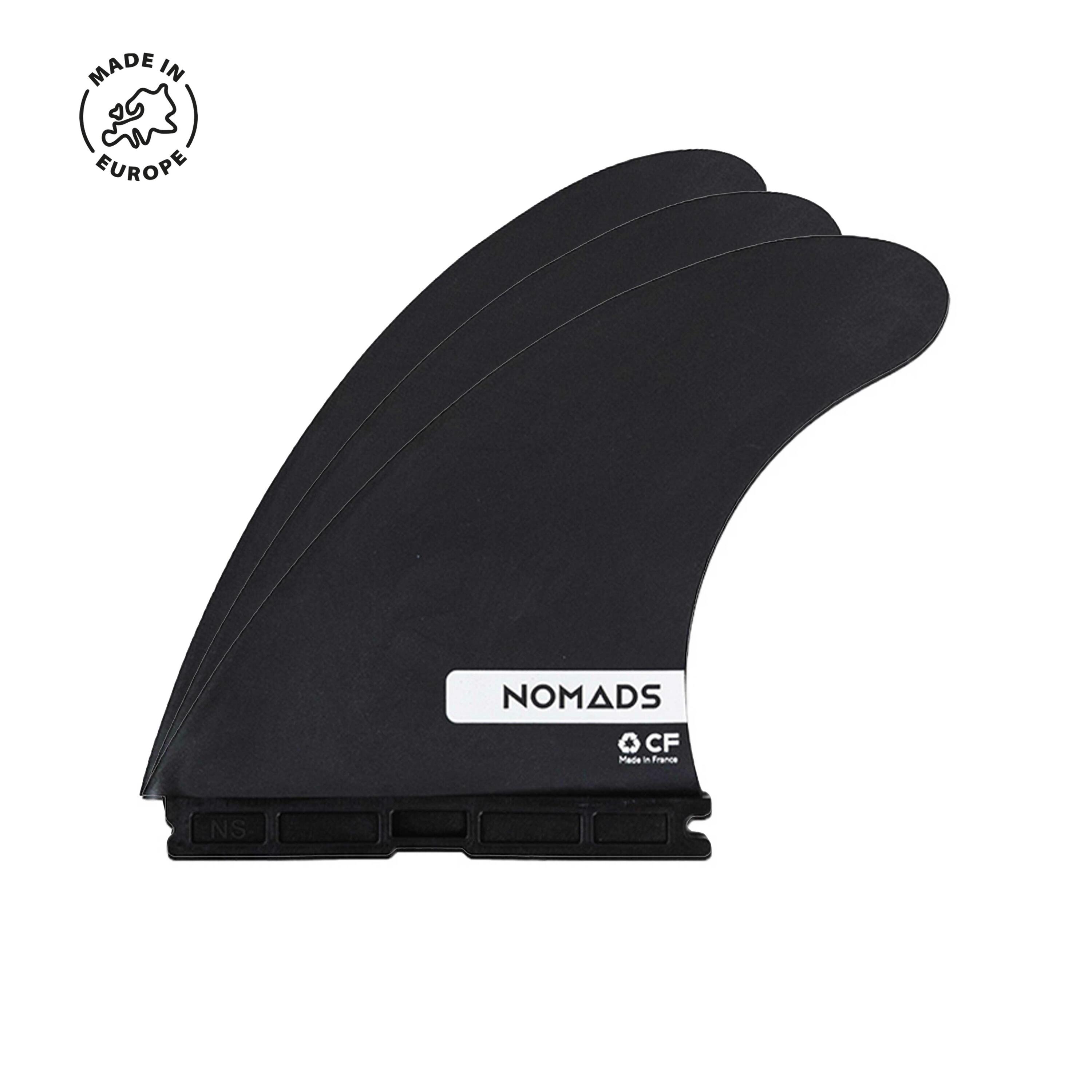
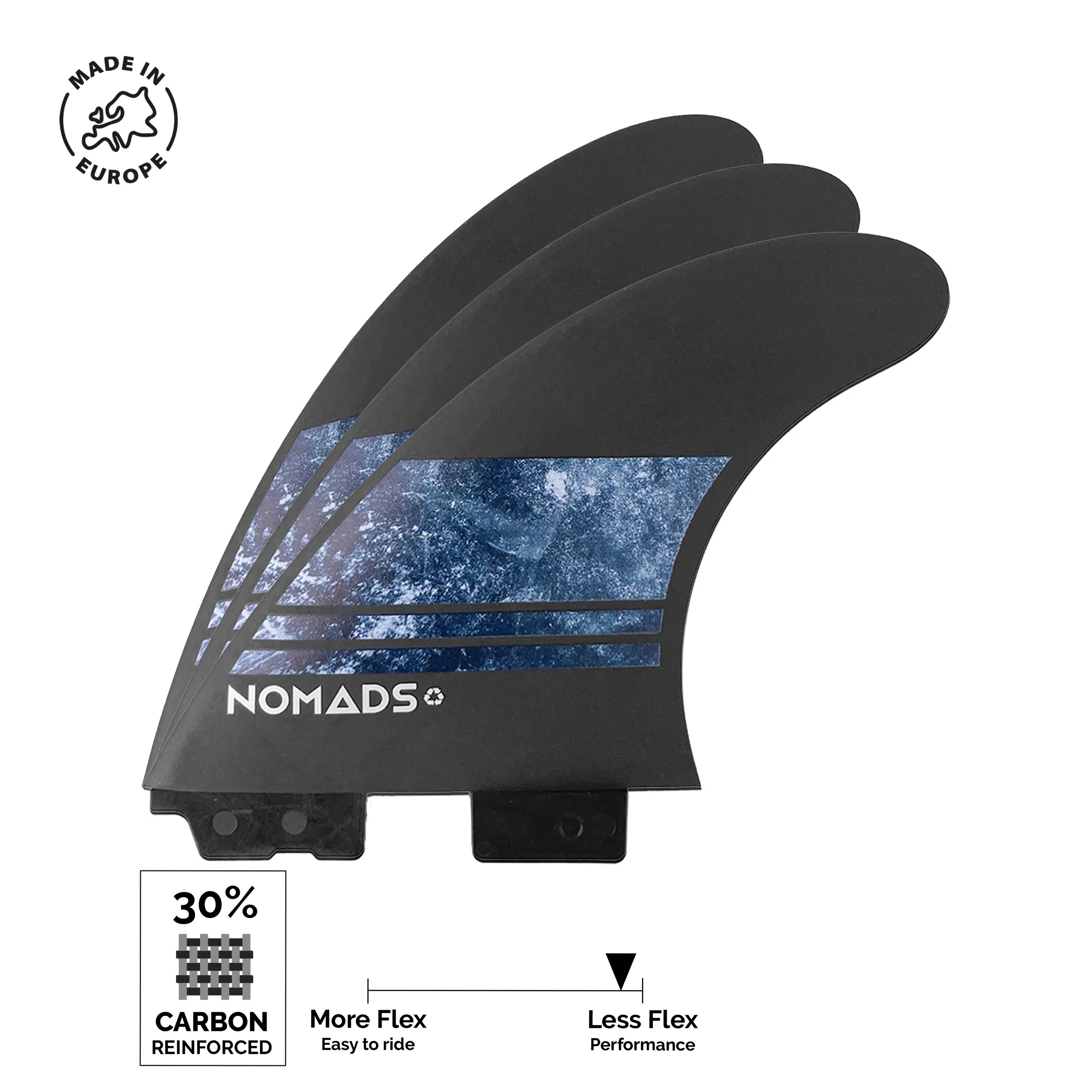
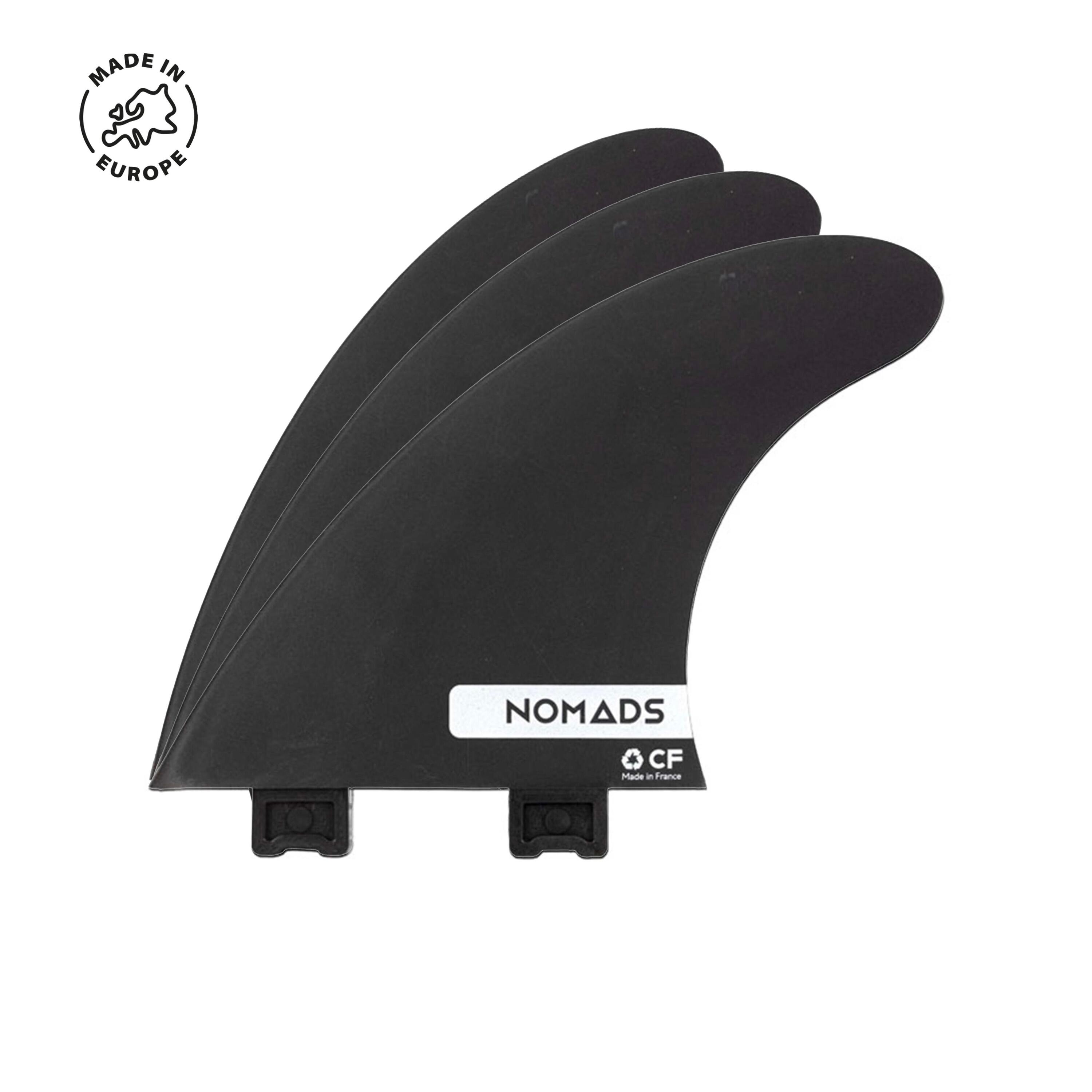
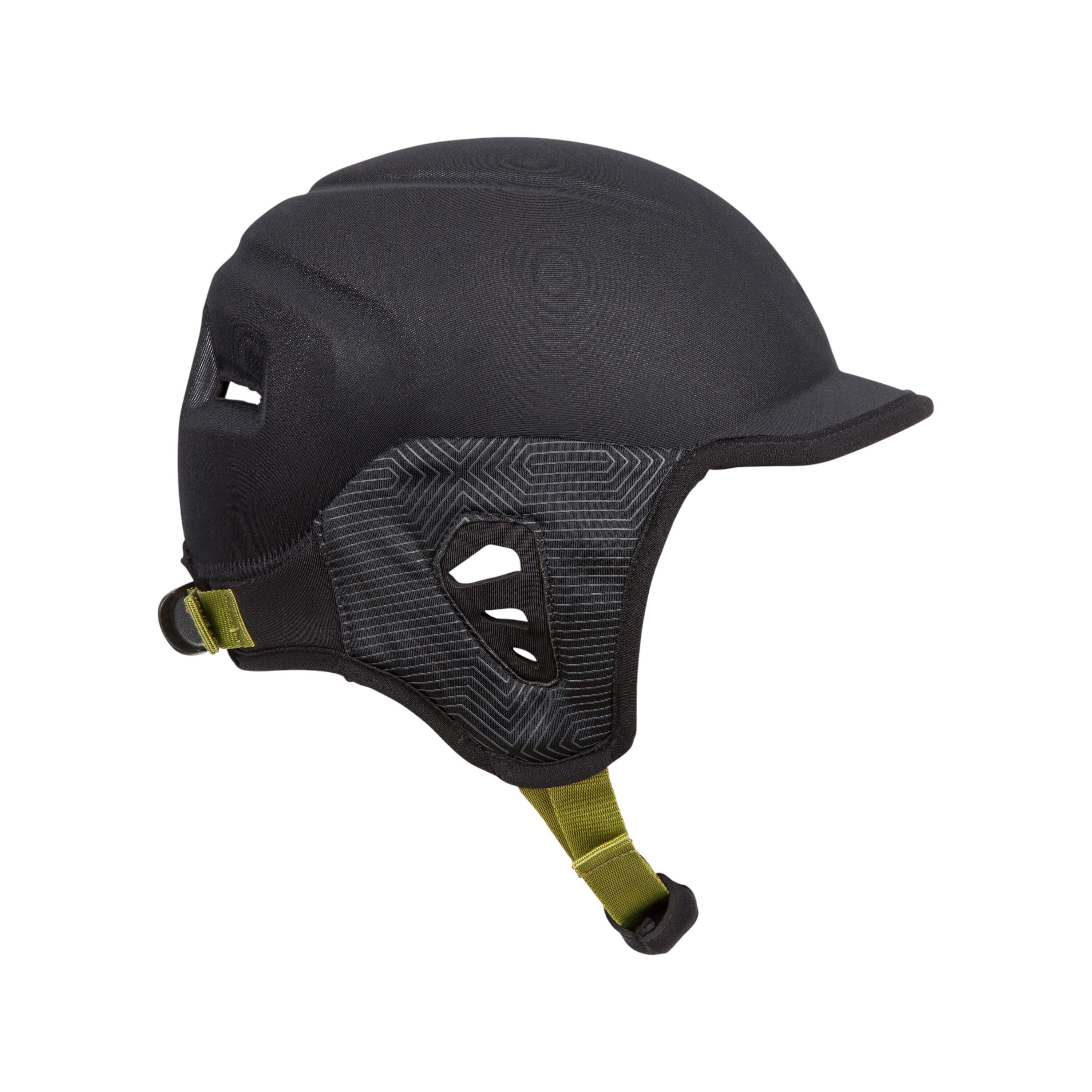
Carbon surf fins sit at the top of the performance range for a reason. The material is significantly stiffer than fibreglass at a comparable weight, which means less energy is lost to flex during a hard bottom turn or a tight snap off the lip. For riders hitting powerful, fast-breaking waves where milliseconds of response matter, that stiffness translates directly into more explosive, committed surfing. The Nomads Surfing recycled carbon fins and Atlantic Boards carbon series on this page are worth considering for intermediate to advanced surfers who already know their preferred template and want to maximise output from it. Carbon fins are not the right starting point; the rigidity that makes them fast can feel unforgiving for surfers still developing their timing. Wearing a surf helmet during more committed sessions on powerful days is a sensible precaution regardless of fin choice, particularly in hollow or shallow-water breaks.

What are surfboard side fins used for in a 2+1 setup?

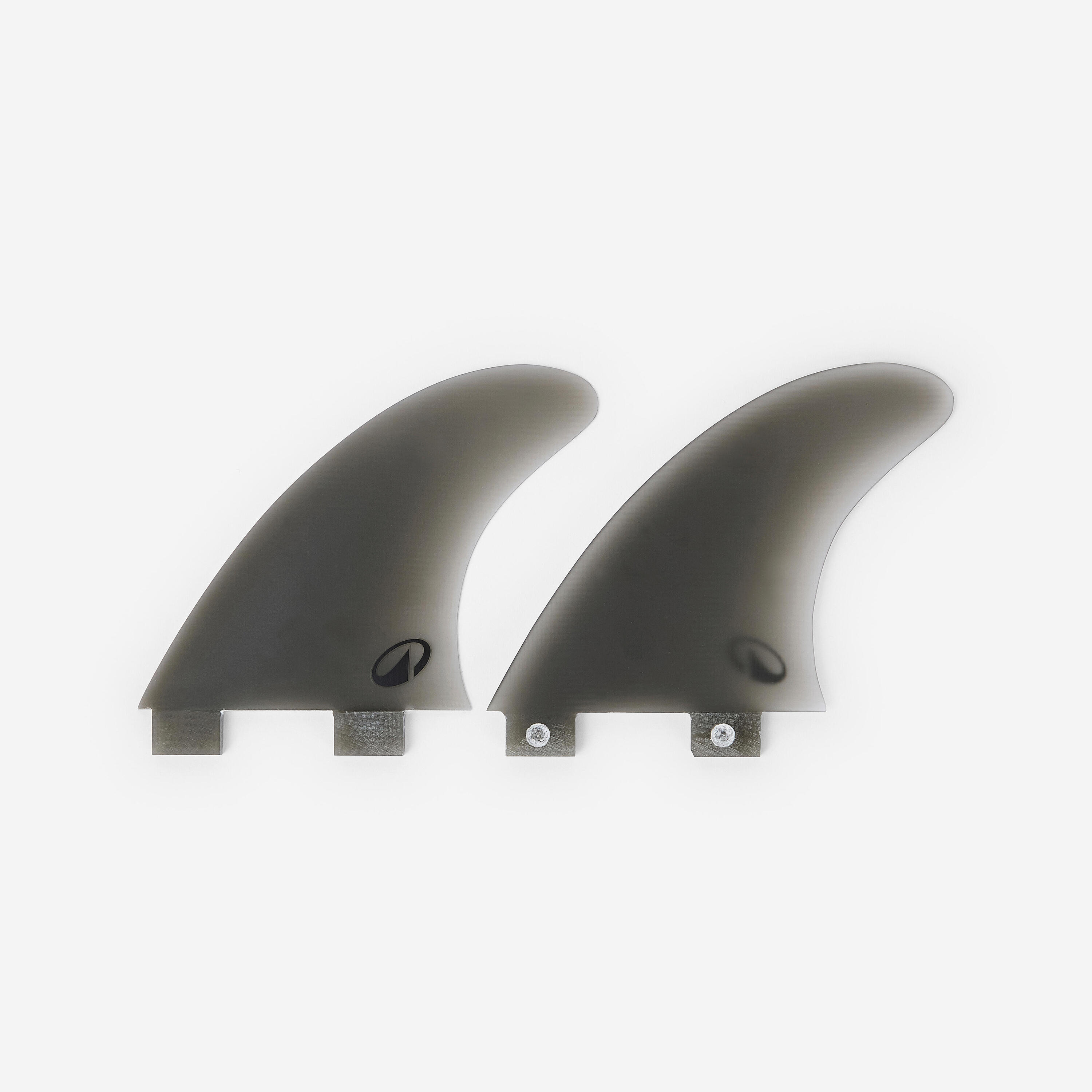
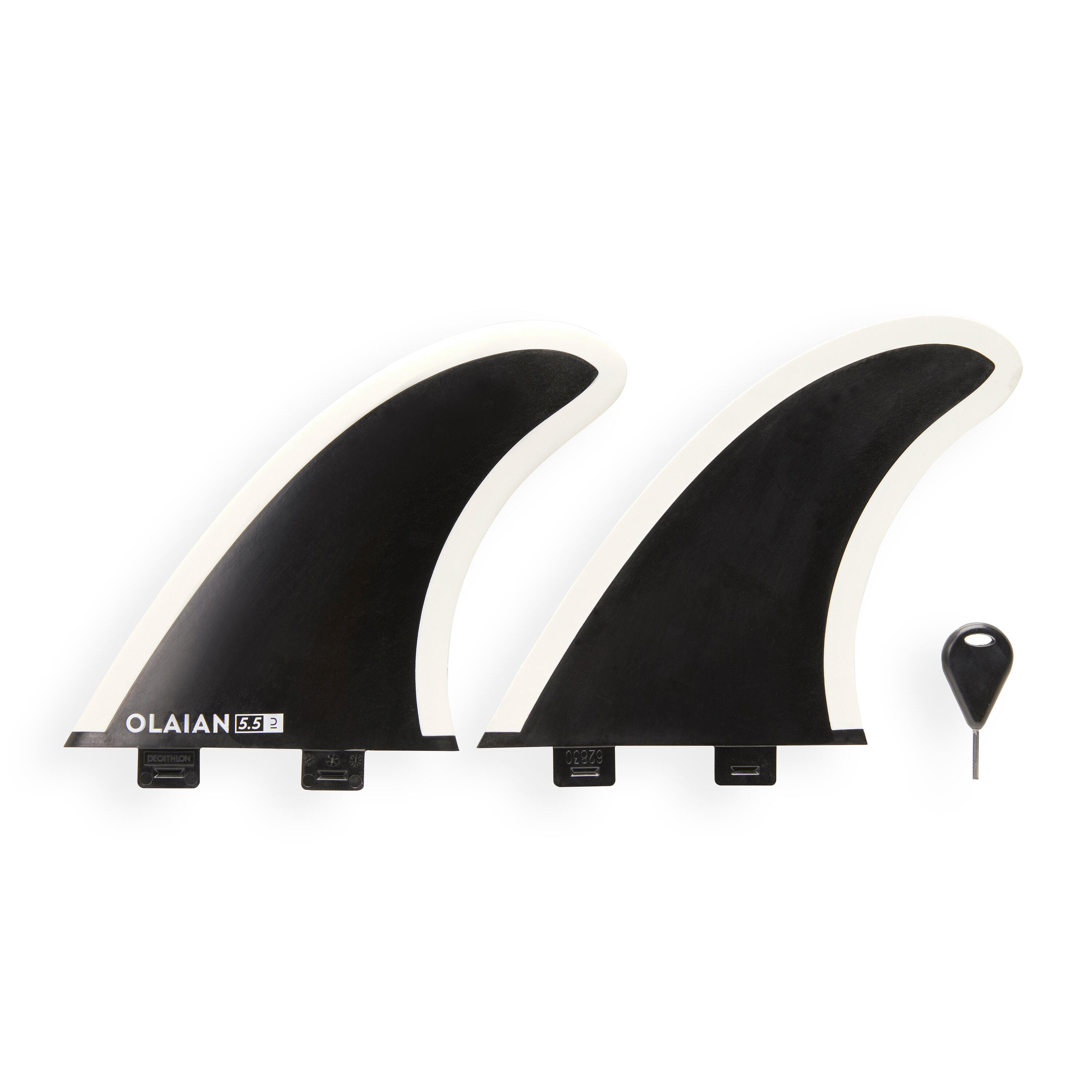
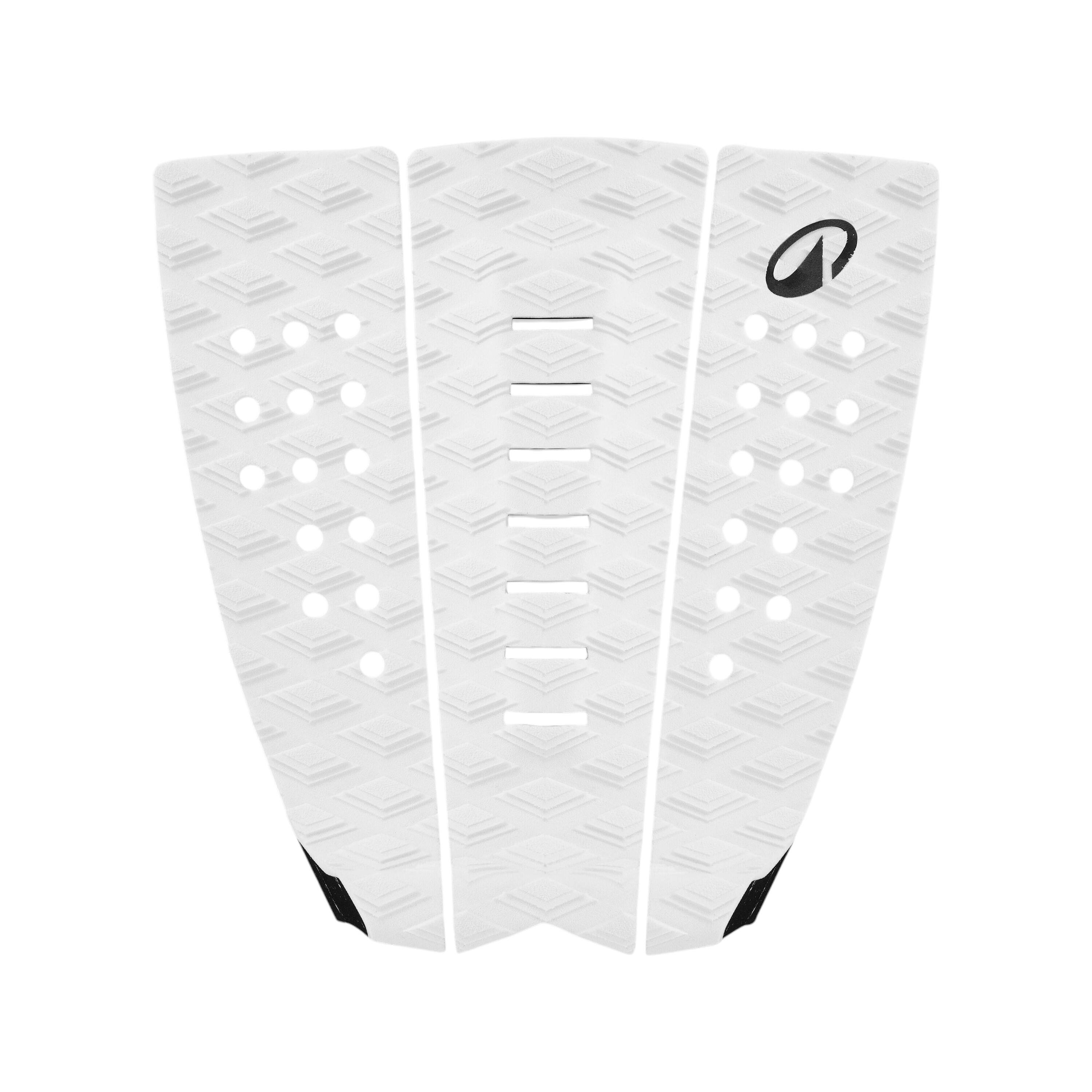
In a 2+1 configuration, the two smaller side fins work alongside the central fin to widen the board's pivot point and add hold on steeper wave faces. Without them, a single central fin tends to track in a straight line, great for noseriding, but limiting for cutbacks and direction changes. The 900 surfboard side fins for FCS1 boxes are built specifically for this purpose, adding enough resistance to grip the face without overpowering the drive generated by the larger centre fin. Getting the toe-in angle right when fitting side fins matters too: a slight inward angle directs water flow towards the centre fin, increasing speed and lift. Traction underfoot plays into board control just as much as fin setup, and surfers who haven't yet fitted surfboard pads to their tail will notice an immediate difference in foot stability during hard turns.

What should I know about fin box systems before buying?

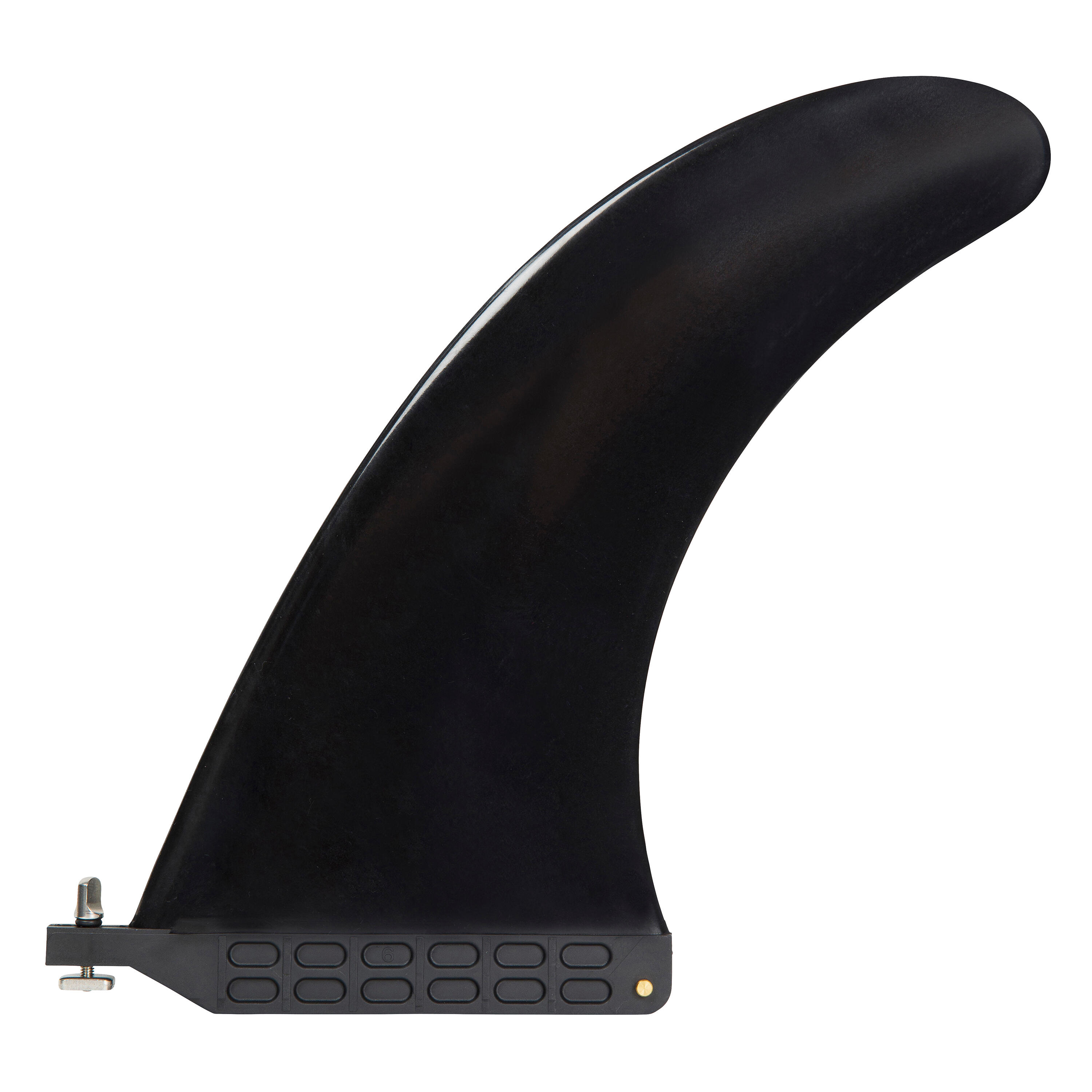
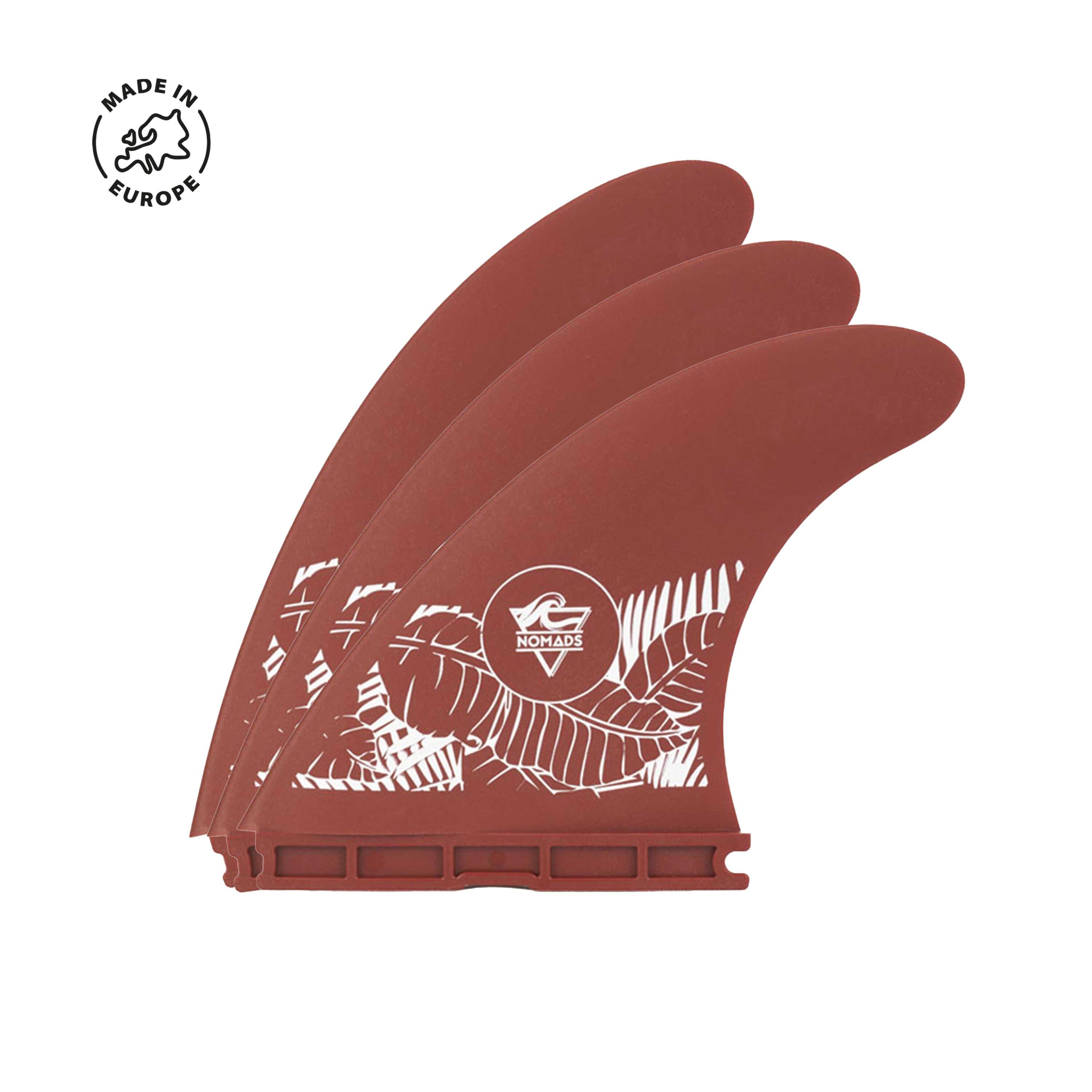
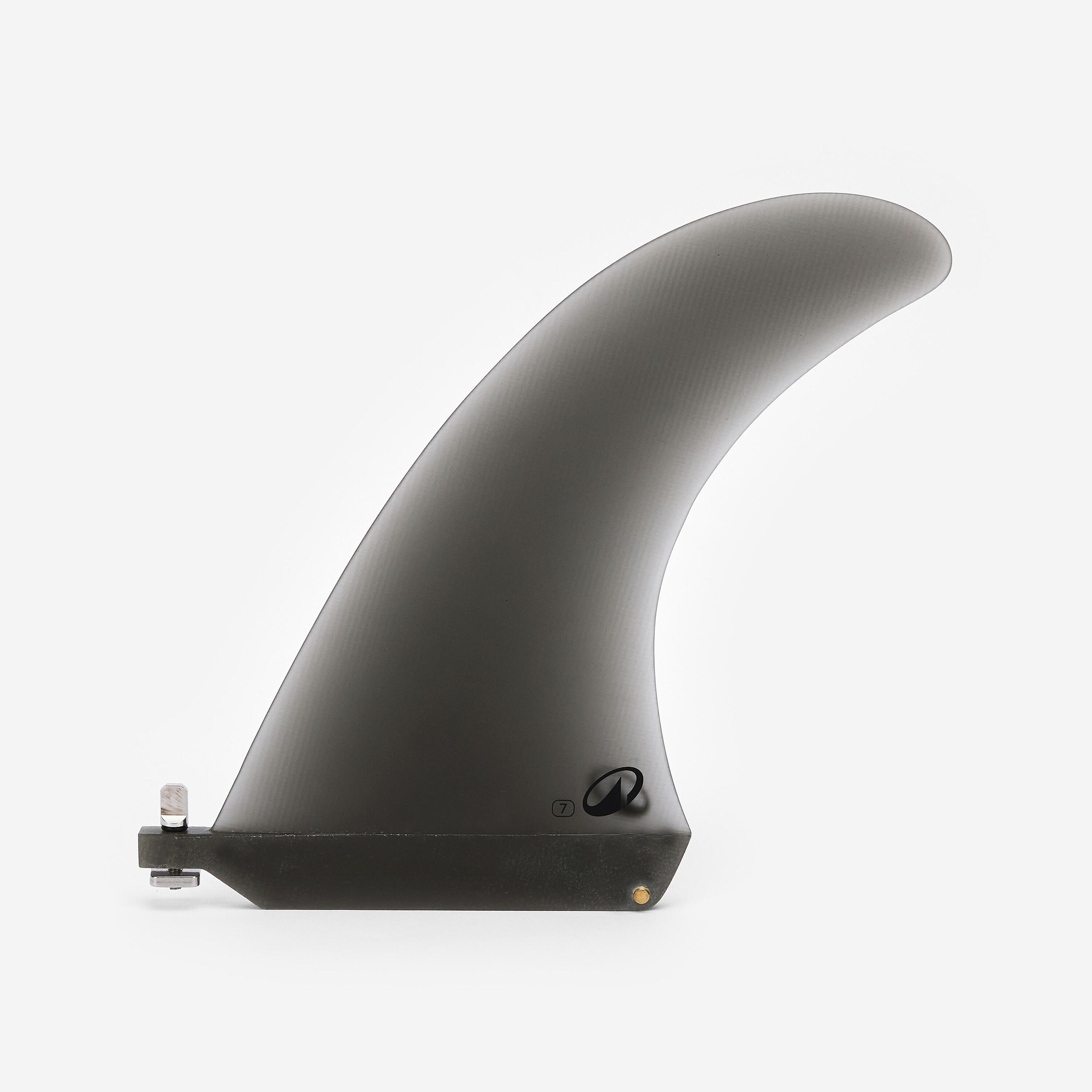
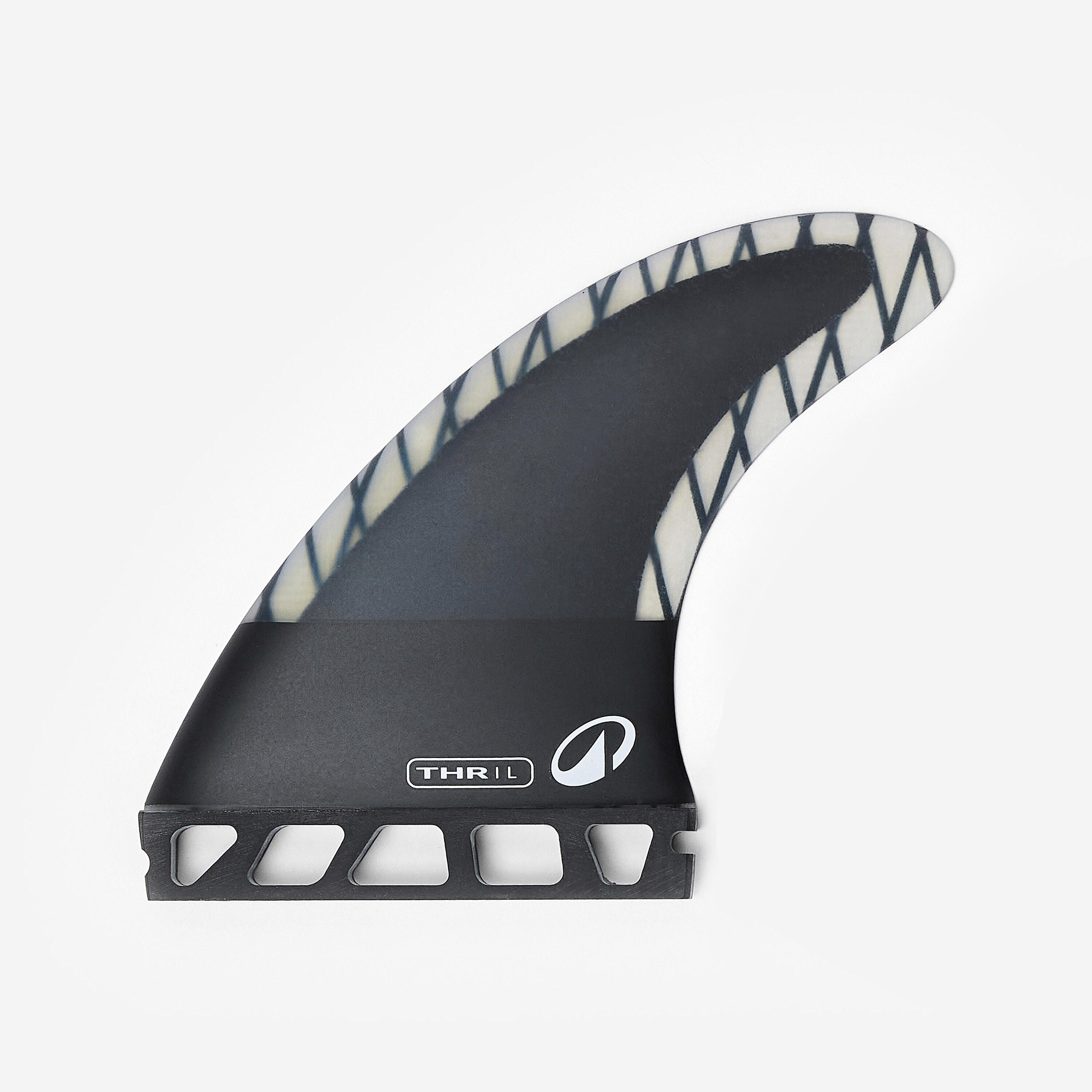
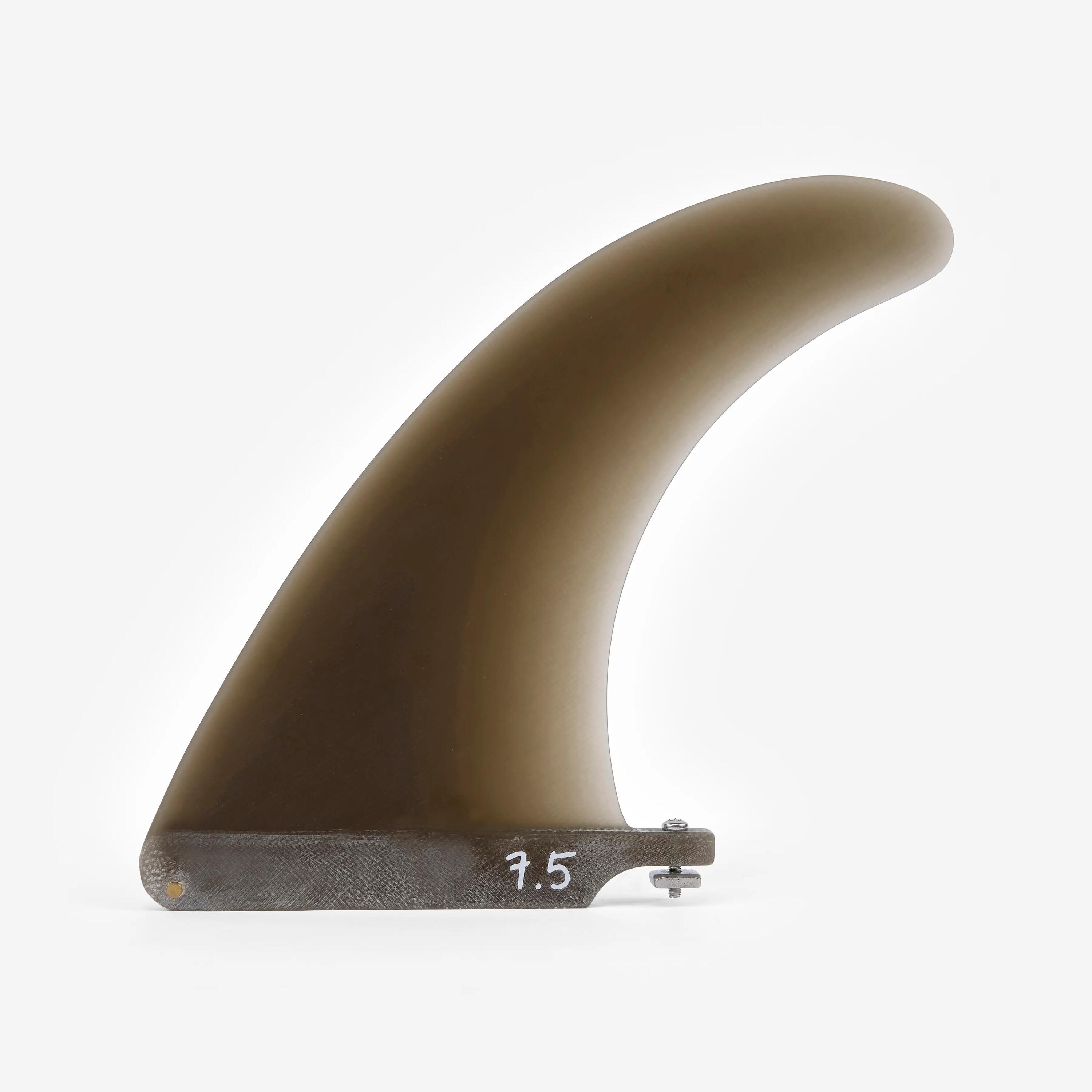
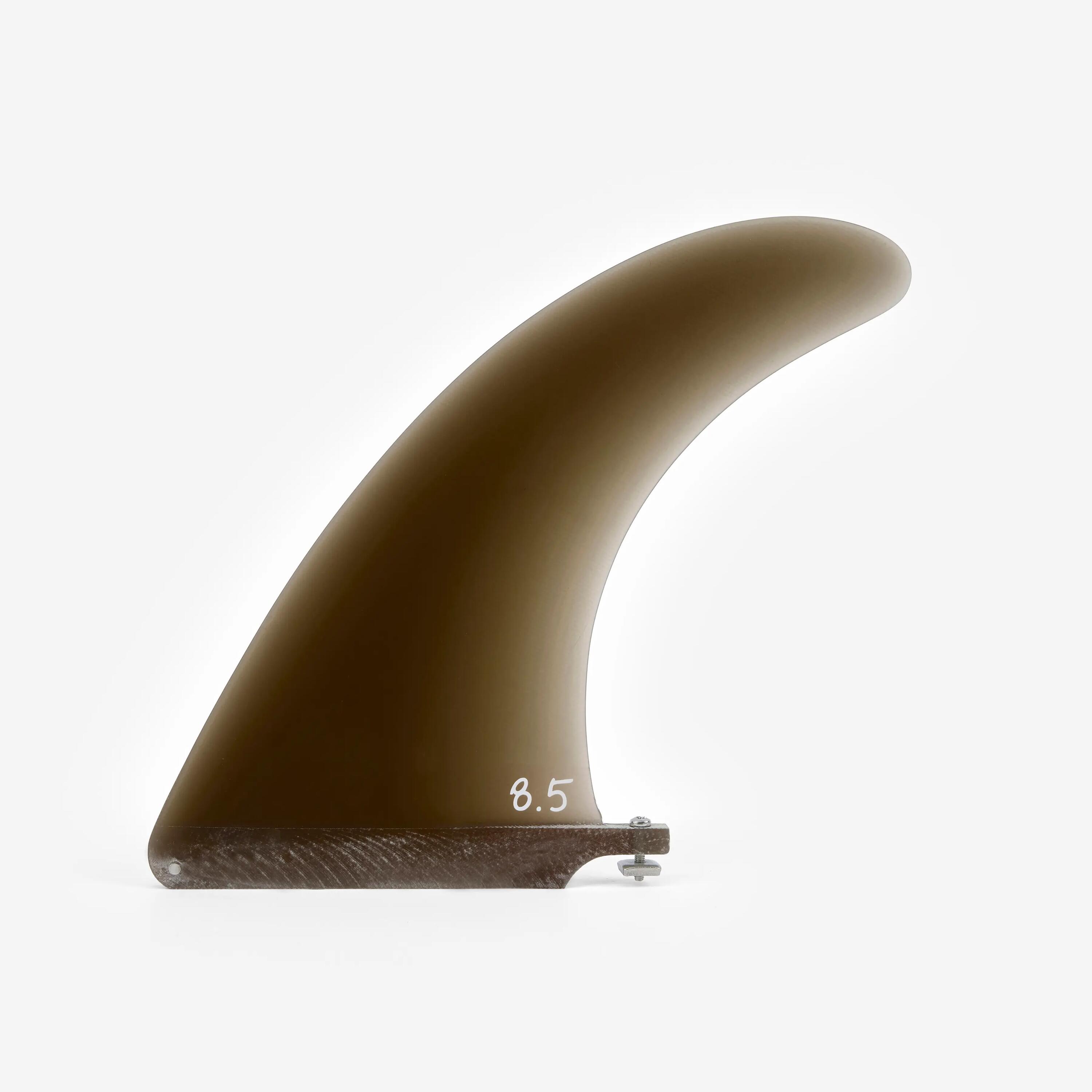
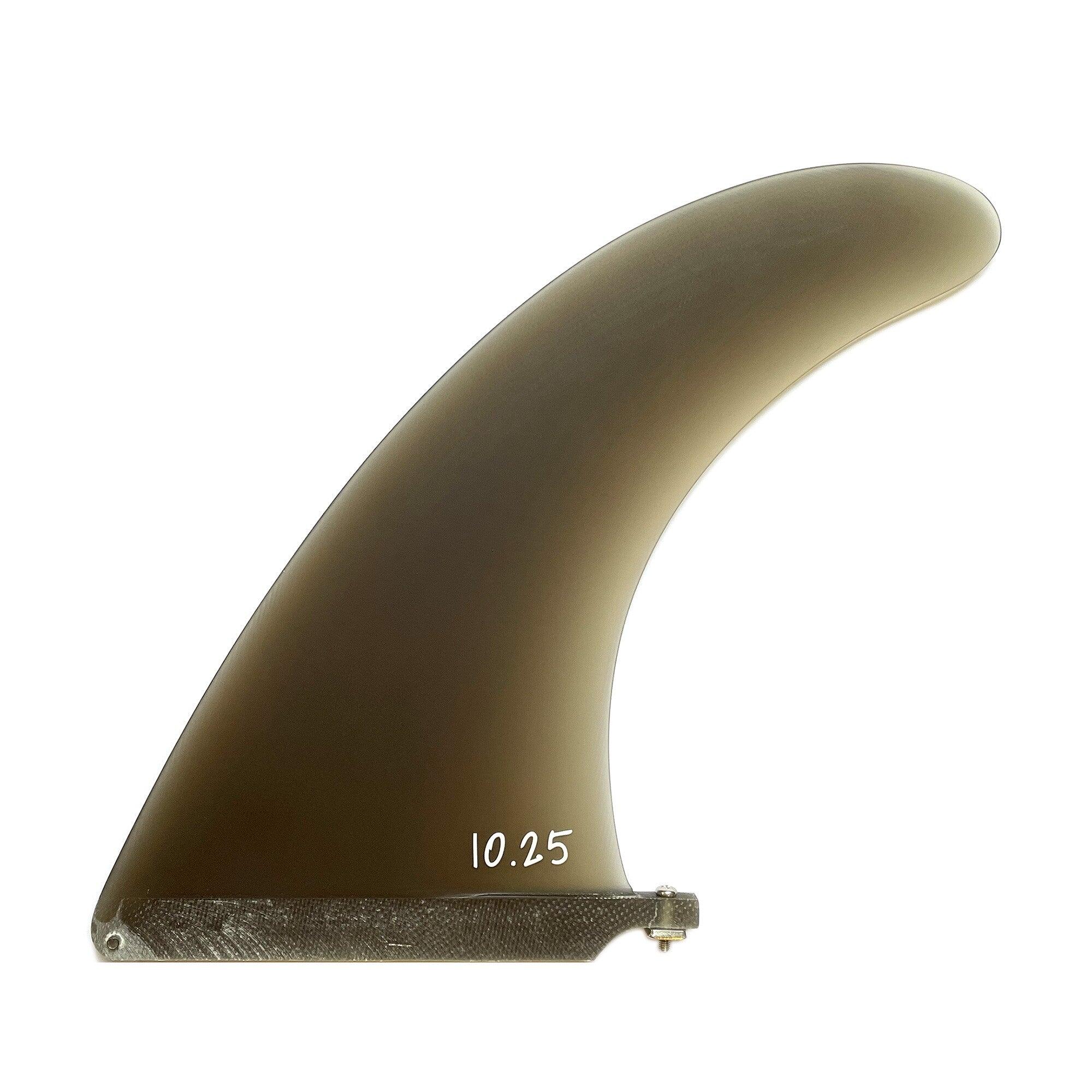
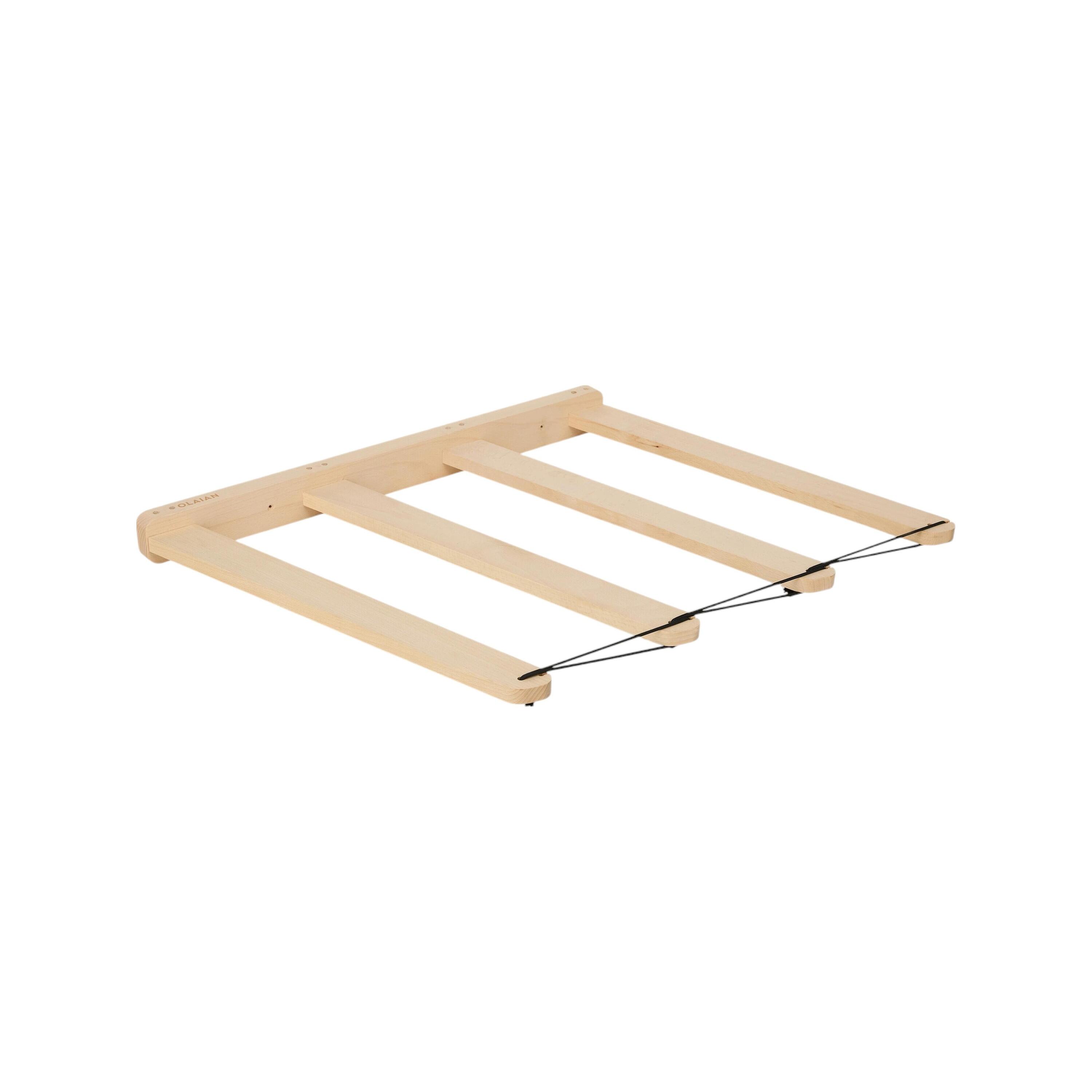
There are four main fin box systems in common use: FCS1, FCS2, Futures, and US Box, and they require different fin tabs entirely. FCS1 is the most widely stocked system and uses two small tabs that slot into the box with a grub screw. FCS2 removes the screw entirely, using a click-in mechanism for faster swaps between sessions. Futures fins use a single long tab running the full base length of the fin for maximum strength and stiffness. US Box is standard on longboards and larger single-fin boards, accepting a sliding fin that can be positioned fore or aft to alter trim. Knowing your system before buying avoids unnecessary expense; if you're unsure, check with the shaper or read the board's spec sheet. For anyone travelling with multiple boards and fins, organising everything through dedicated surf transport and storage solutions keeps sets separated and prevents fin tabs from snapping in transit.