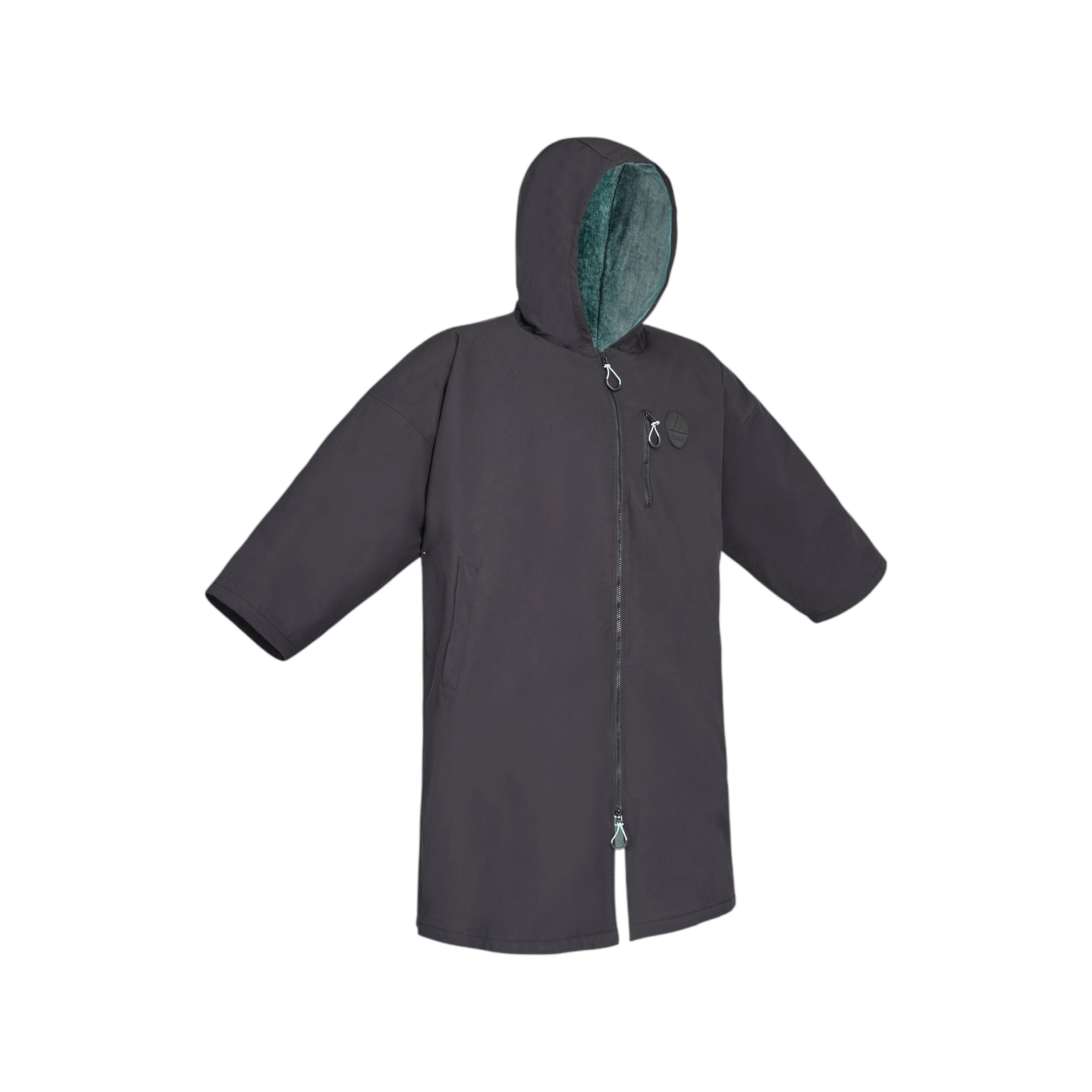
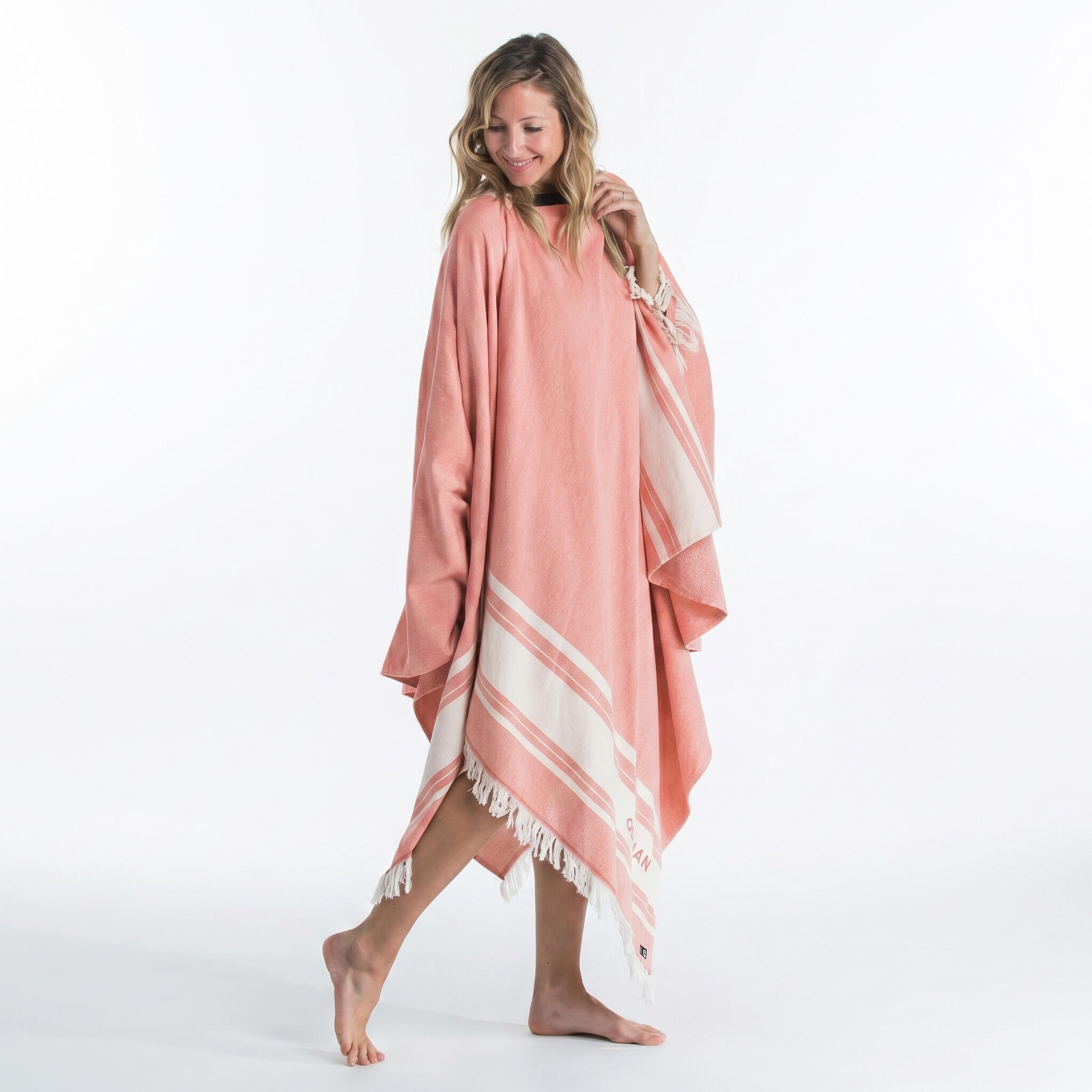
2 coloursDECATHLON Poncho beach towel 190 x 190 cm grey blue4.7(631)Reviews.votesAria2 coloursCurrent price {{currentPrice}} €29.00
Last chance Last chance2 coloursLast chanceDECATHLON Poncho beach towel XXL 190 x 190 cm, orange4.7(631)Reviews.votesAria2 coloursCurrent price {{currentPrice}} €16.00 Former price €20.00 20% offLowest price: €20.00Starting on 28/8/2026 and valid for the entire duration of the promo
Last chance Last chanceLast chanceQUIKSILVER Double-sided cotton beach towel 160 x 80 cm Quicksilver, blue4.5(11)Reviews.votesAriaCurrent price {{currentPrice}} €19.00 Former price €30.00 36% offLowest price: €30.00Starting on 28/8/2026 and valid for the entire duration of the promo
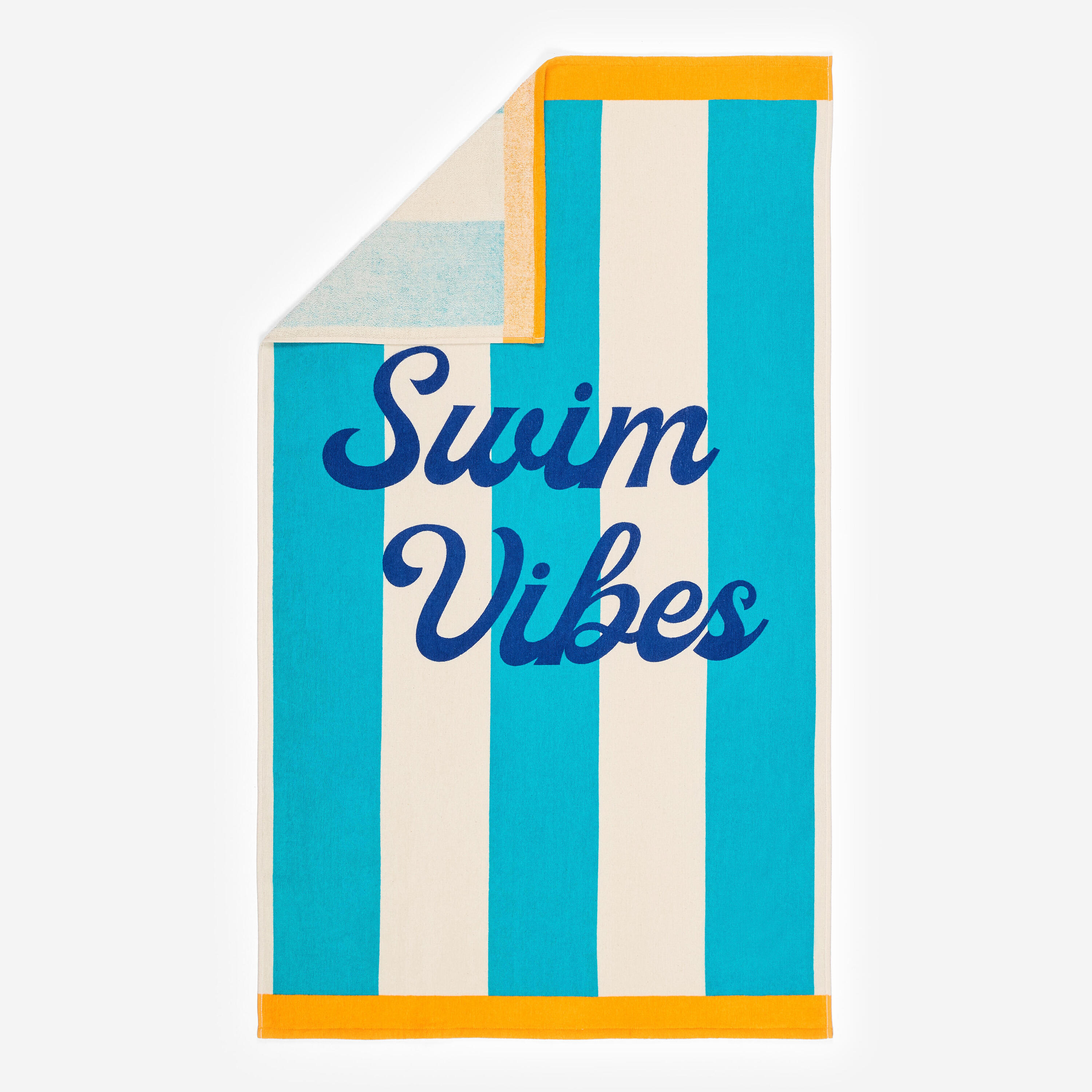
Promotion Promotion14 coloursPromotionDECATHLON Beach towel size L 145 x 85 cm print swim turquoise4.8(2,136)Reviews.votesAria14 coloursCurrent price {{currentPrice}} €10.00 Former price €12.00 16% offLowest price: €12.00Starting on 21/6/2026 and valid for the entire duration of the promo
Last chance Last chance14 coloursLast chanceDECATHLON Beach towel size L 145 x 85 cm jungle blue print4.8(2,136)Reviews.votesAria14 coloursCurrent price {{currentPrice}} €10.00
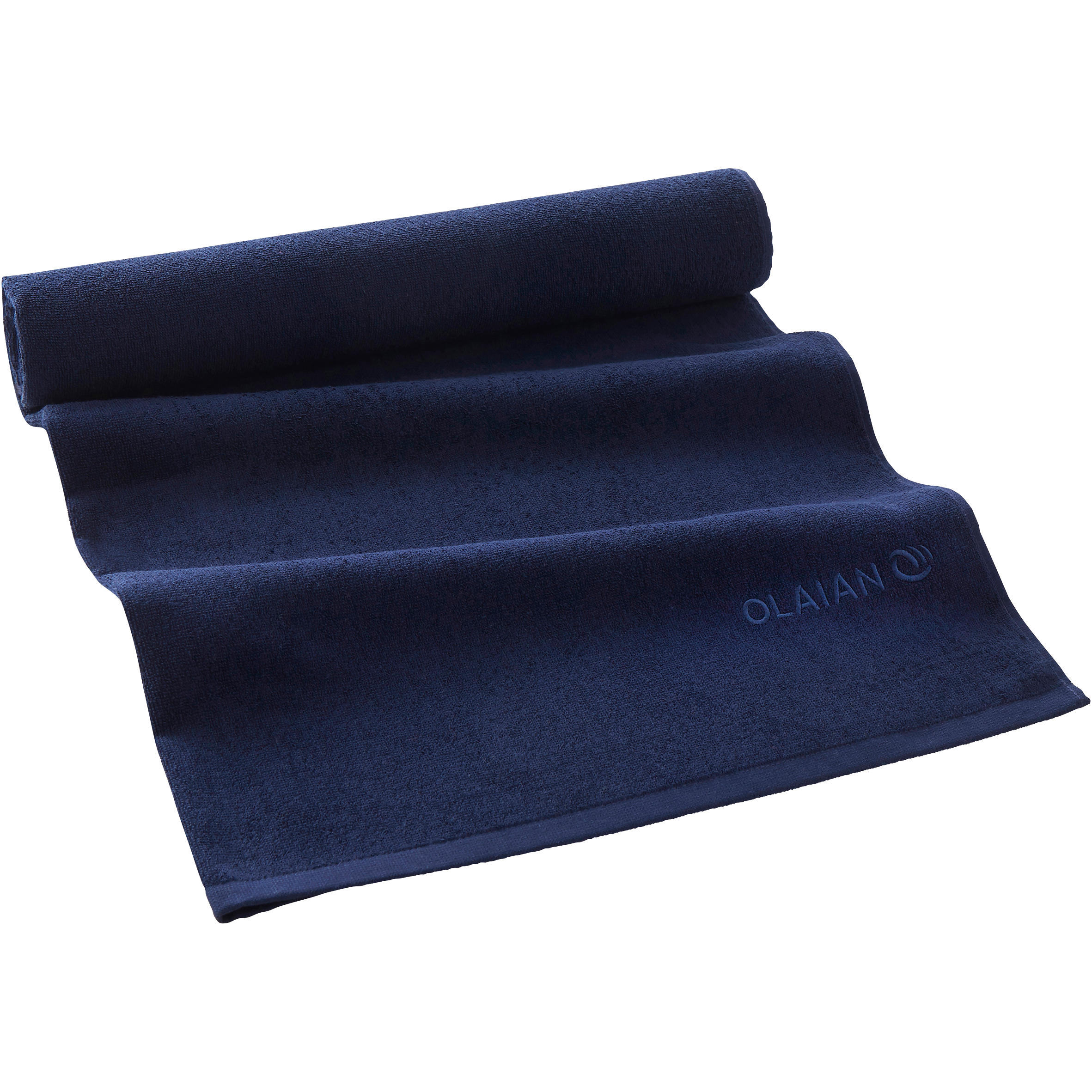
4 coloursDECATHLON Towel 145 x 85 cm - dark blue4.7(1,188)Reviews.votesAria4 coloursCurrent price {{currentPrice}} €9.00
Last chance Last chance14 coloursLast chanceDECATHLON Beach towel size L 145 x 85 cm print dori pink4.8(2,136)Reviews.votesAria14 coloursCurrent price {{currentPrice}} €10.00
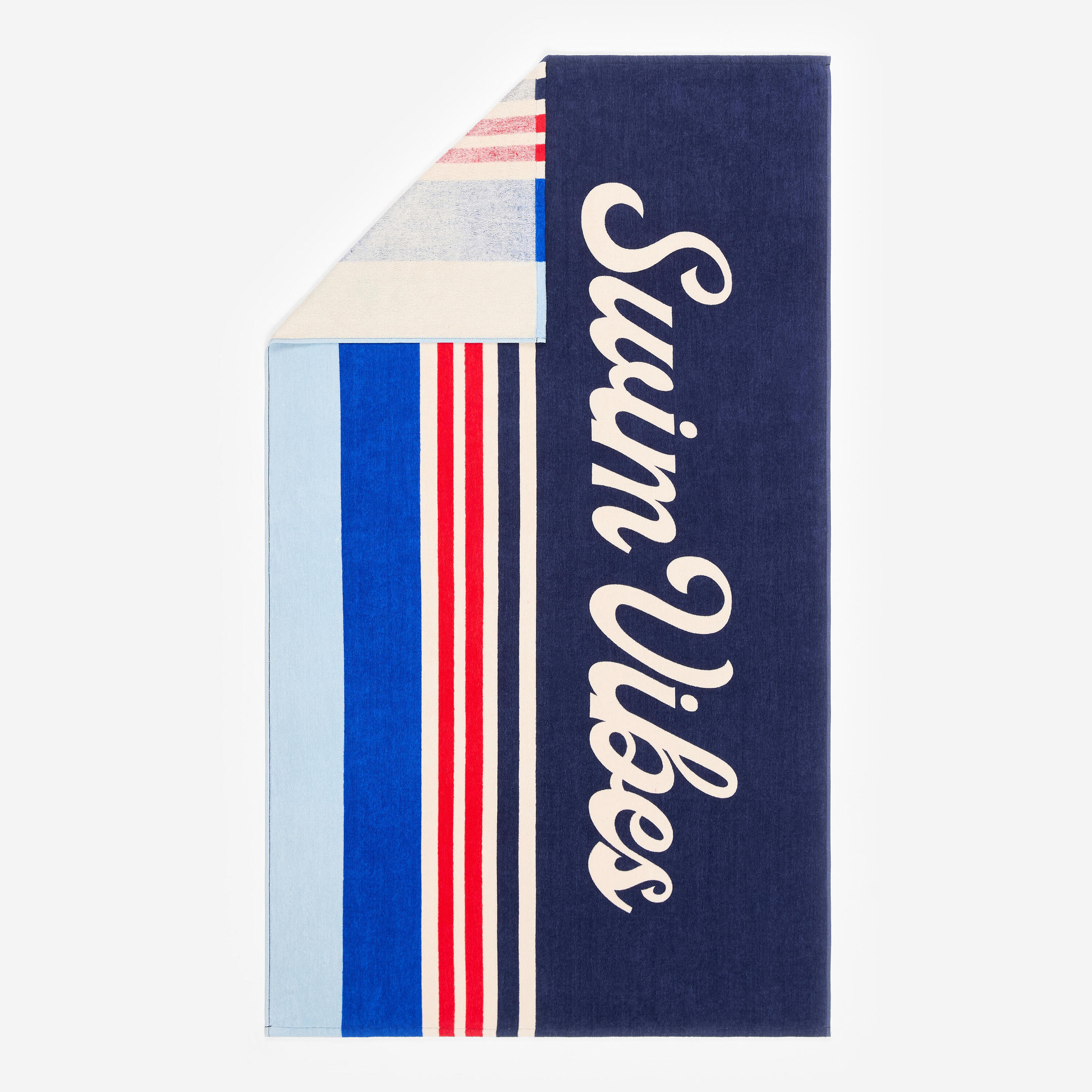
Promotion Promotion14 coloursPromotionDECATHLON Beach towel size L 145 x 85 cm - print dark blue vibes4.8(2,136)Reviews.votesAria14 coloursCurrent price {{currentPrice}} €10.00 Former price €12.00 16% offLowest price: €12.00Starting on 21/6/2026 and valid for the entire duration of the promo
Promotion Promotion4 coloursPromotionDECATHLON Fouta beach towel 170 x 100 cm - Powders4.6(248)Reviews.votesAria4 coloursCurrent price {{currentPrice}} €12.00 Former price €15.00 20% offLowest price: €15.00Starting on 21/6/2026 and valid for the entire duration of the promo
Promotion Promotion4 coloursPromotionDECATHLON Fouta beach towel 170 x 100 cm - avorio navy4.6(248)Reviews.votesAria4 coloursCurrent price {{currentPrice}} €12.00 Former price €15.00 20% offLowest price: €15.00Starting on 21/6/2026 and valid for the entire duration of the promo
4 coloursDECATHLON Cotton towel 145 x 85 cm, blue4.7(1,188)Reviews.votesAria4 coloursCurrent price {{currentPrice}} €9.00
Promotion Promotion14 coloursPromotionDECATHLON Beach towel size L 145 x 85 cm print summer blue4.8(2,136)Reviews.votesAria14 coloursCurrent price {{currentPrice}} €10.00 Former price €12.00 16% offLowest price: €12.00Starting on 21/6/2026 and valid for the entire duration of the promo
Last chance Last chanceLast chanceSUN & SURF Ultra-light compact folding beach backrest - turquoise blue3.8(143)Reviews.votesAriaCurrent price {{currentPrice}} €14.00
Marketplace -Online Only Marketplace -Online Only2 coloursMarketplace -Online OnlyOXBOW Poncho COXOS2 coloursCurrent price {{currentPrice}} €34.99 Former price €49.99 30% offLowest price: €49.99Starting on 24/8/2026 and valid for the entire duration of the promoSold and shipped by OXBOW
Marketplace -Online Only Marketplace -Online Only2 coloursMarketplace -Online OnlyOXBOW Poncho COXOS2 coloursCurrent price {{currentPrice}} €34.99 Former price €49.99 30% offLowest price: €49.99Starting on 24/8/2026 and valid for the entire duration of the promoSold and shipped by OXBOW
Promotion Promotion14 coloursPromotionDECATHLON Beach towel size L 145 x 85 cm, print fun turquoise4.8(2,136)Reviews.votesAria14 coloursCurrent price {{currentPrice}} €10.00 Former price €12.00 16% offLowest price: €12.00Starting on 21/6/2026 and valid for the entire duration of the promo
4 coloursDECATHLON Cotton towel 145 x 85 cm, purple4.7(1,188)Reviews.votesAria4 coloursCurrent price {{currentPrice}} €9.00
Last chance Last chanceLast chanceROXY Double-sided cotton beach towel 160 x 80 cm Roxy, Aqua4.5(6)Reviews.votesAriaCurrent price {{currentPrice}} €19.00 Former price €30.00 36% offLowest price: €30.00Starting on 28/8/2026 and valid for the entire duration of the promo
SUN & SURF Reclining backrest beach mat - Sun&Surf green4.5(73)Reviews.votesAriaCurrent price {{currentPrice}} €20.00
Marketplace -Online Only Marketplace -Online Only2 coloursMarketplace -Online OnlyOXBOW Towel INIZIO2 coloursCurrent price {{currentPrice}} €24.49 Former price €34.99 30% offLowest price: €34.99Starting on 24/8/2026 and valid for the entire duration of the promoSold and shipped by OXBOW
Marketplace -Online Only Marketplace -Online Only2 coloursMarketplace -Online OnlyOXBOW Towel INIZIO2 coloursCurrent price {{currentPrice}} €24.49 Former price €34.99 30% offLowest price: €34.99Starting on 24/8/2026 and valid for the entire duration of the promoSold and shipped by OXBOW
Marketplace -Online Only Marketplace -Online OnlyMarketplace -Online OnlyOXBOW Poncho CENITZCurrent price {{currentPrice}} €41.99 Former price €59.99 30% offLowest price: €59.99Starting on 24/8/2026 and valid for the entire duration of the promoSold and shipped by OXBOW
Marketplace -Online Only Marketplace -Online OnlyMarketplace -Online OnlyOXBOW Poncho OUILLECurrent price {{currentPrice}} €169.99Sold and shipped by OXBOW
Marketplace -Online Only Marketplace -Online OnlyMarketplace -Online OnlyRIP CURL Product Unisex Serviette de plage Surf Revival Double II - Blissful BlueCurrent price {{currentPrice}} €76.99Sold and shipped by Sportano EU
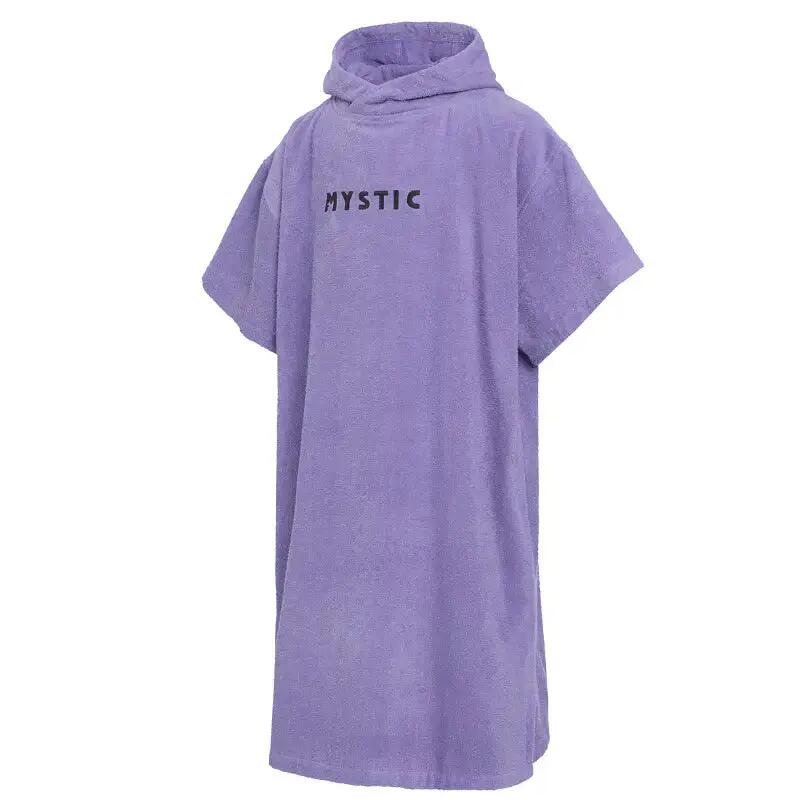
Marketplace -Online Only Marketplace -Online OnlyMarketplace -Online OnlyMYSTIC Mystic Mystic Brand PonchoCurrent price {{currentPrice}} €95.85Sold and shipped by Sports Lab IE
Marketplace -Online Only Marketplace -Online OnlyMarketplace -Online OnlyRIP CURL Product Unisex Serviette Search Packable - Deep CactusCurrent price {{currentPrice}} €70.99Sold and shipped by Sportano EU
Marketplace -Online Only Marketplace -Online Only2 coloursMarketplace -Online OnlyREGATTA Beach Towel (Laser Blue)2 coloursCurrent price {{currentPrice}} €23.34Sold and shipped by Pertemba IE
Marketplace -Online Only Marketplace -Online Only2 coloursMarketplace -Online OnlyREGATTA Beach Towel (Winberry Purple)2 coloursCurrent price {{currentPrice}} €23.34Sold and shipped by Pertemba IE
Marketplace -Online Only Marketplace -Online OnlyMarketplace -Online OnlyRIP CURL Product Unisex Serviette jumbo Mixed Jacquard - RedCurrent price {{currentPrice}} €76.99Sold and shipped by Sportano EU
Marketplace -Online Only Marketplace -Online Only2 coloursMarketplace -Online OnlyOXBOW Towel ICQUARD2 coloursCurrent price {{currentPrice}} €20.99 Former price €29.99 30% offLowest price: €29.99Starting on 24/8/2026 and valid for the entire duration of the promoSold and shipped by OXBOW
Marketplace -Online Only Marketplace -Online Only2 coloursMarketplace -Online OnlyOXBOW Towel ICQUARD2 coloursCurrent price {{currentPrice}} €20.99 Former price €29.99 30% offLowest price: €29.99Starting on 24/8/2026 and valid for the entire duration of the promoSold and shipped by OXBOW
14 coloursDECATHLON BASIC L TOWEL 145 x 85 cm Tattoo Print4.8(2,136)Reviews.votesAria14 coloursCurrent price {{currentPrice}} €10.00Out of stock
14 coloursDECATHLON Basic L Towel 145 x 85 cm Print - Surf Blue4.8(2,136)Reviews.votesAria14 coloursCurrent price {{currentPrice}} €10.00Out of stock
14 coloursDECATHLON Basic L Towel 145 x 85 cm Print - Riyu4.8(2,136)Reviews.votesAria14 coloursCurrent price {{currentPrice}} €7.00 Former price €10.00 30% offLowest price: €10.00Out of stockStarting on 1/10/2020 and valid for the entire duration of the promo
14 coloursDECATHLON Towel Basic L 145x85 cm Print - Okyo4.8(2,136)Reviews.votesAria14 coloursCurrent price {{currentPrice}} €7.00Out of stock
14 coloursDECATHLON BASIC L TOWEL 145 x 85 cm - Print Square4.8(2,136)Reviews.votesAria14 coloursCurrent price {{currentPrice}} €6.00 Former price €9.00 33% offLowest price: €9.00Out of stockStarting on 25/6/2019 and valid for the entire duration of the promo
14 coloursDECATHLON BASIC L GEO PRINT TOWEL 145 x 85 cm - Pink4.8(2,136)Reviews.votesAria14 coloursCurrent price {{currentPrice}} €7.00 Former price €9.00 22% offLowest price: €9.00Out of stockStarting on 22/5/2019 and valid for the entire duration of the promo
14 coloursDECATHLON BASIC L TOWEL 145 x 85 cm - Print Fake4.8(2,136)Reviews.votesAria14 coloursCurrent price {{currentPrice}} €6.00 Former price €9.00 33% offLowest price: €9.00Out of stockStarting on 25/6/2019 and valid for the entire duration of the promo
4 coloursDECATHLON BASIC L TOWEL 145 x 85 cm Coral4.7(1,188)Reviews.votesAria4 coloursCurrent price {{currentPrice}} €6.00 Former price €7.00 14% offLowest price: €7.00Out of stockStarting on 1/9/2019 and valid for the entire duration of the promo