
28 items
4.6/5 based on 105 reviews collected online and in stores

Surfboard Storage Bags FAQs

What bag type gives a surfboard adequate protection during air travel?

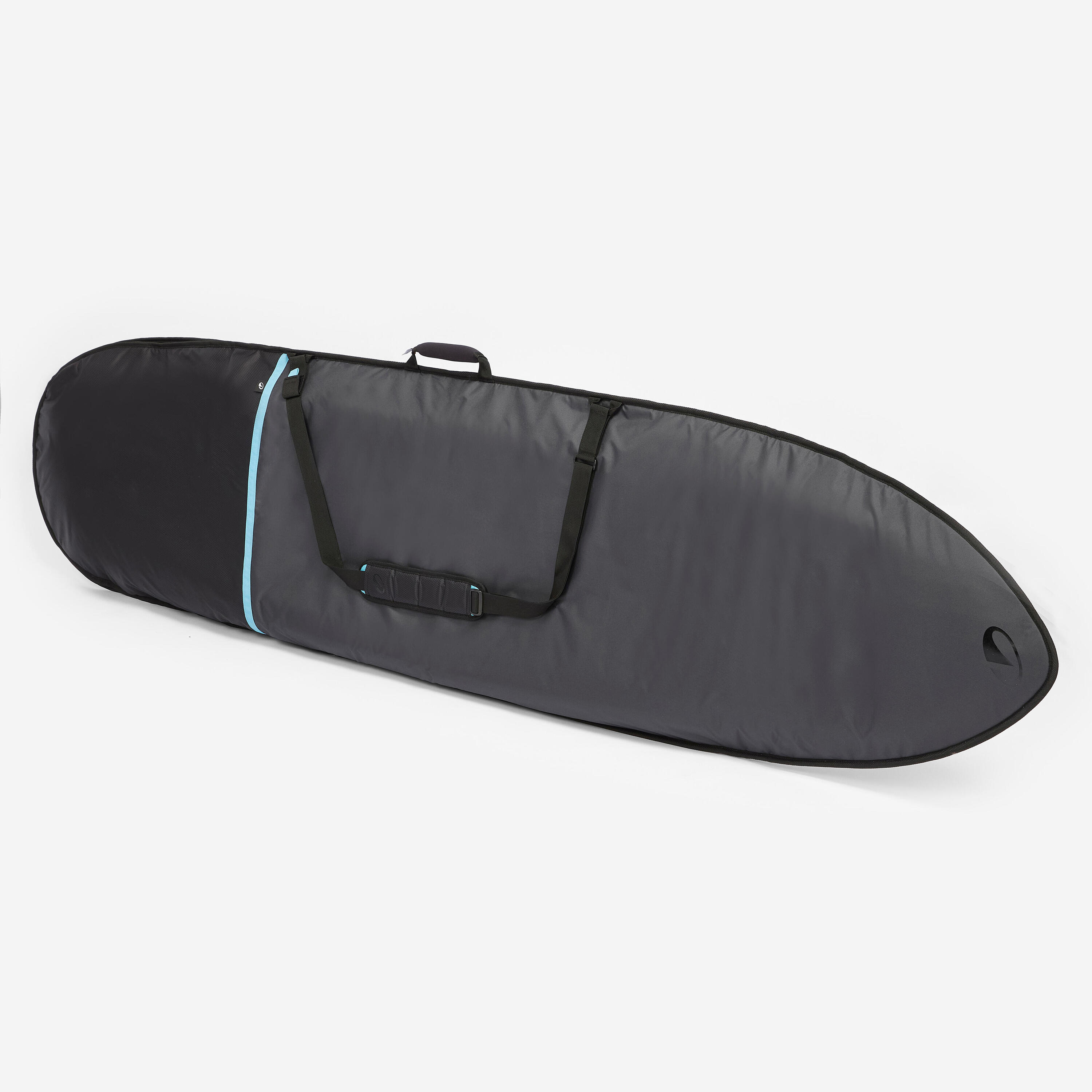
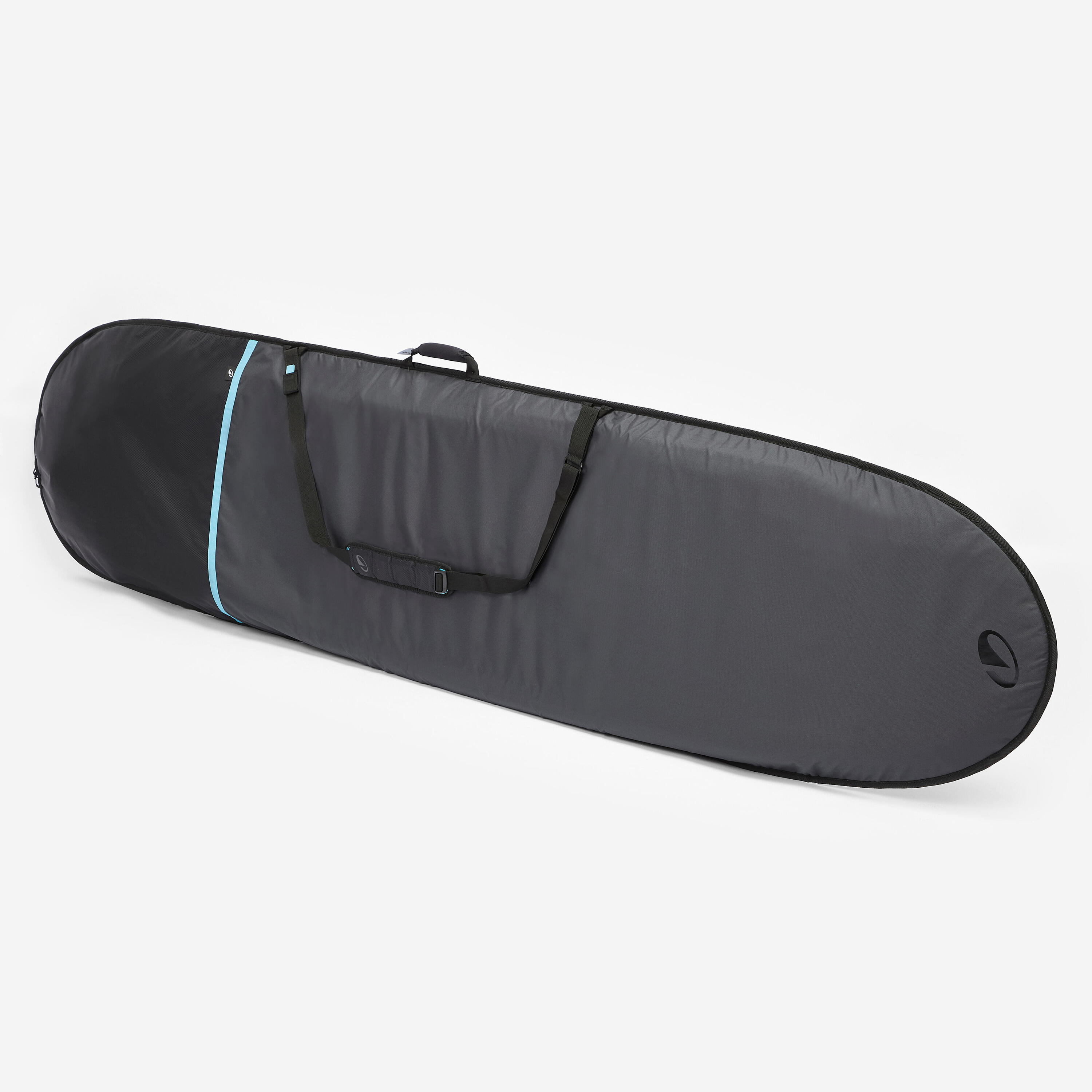
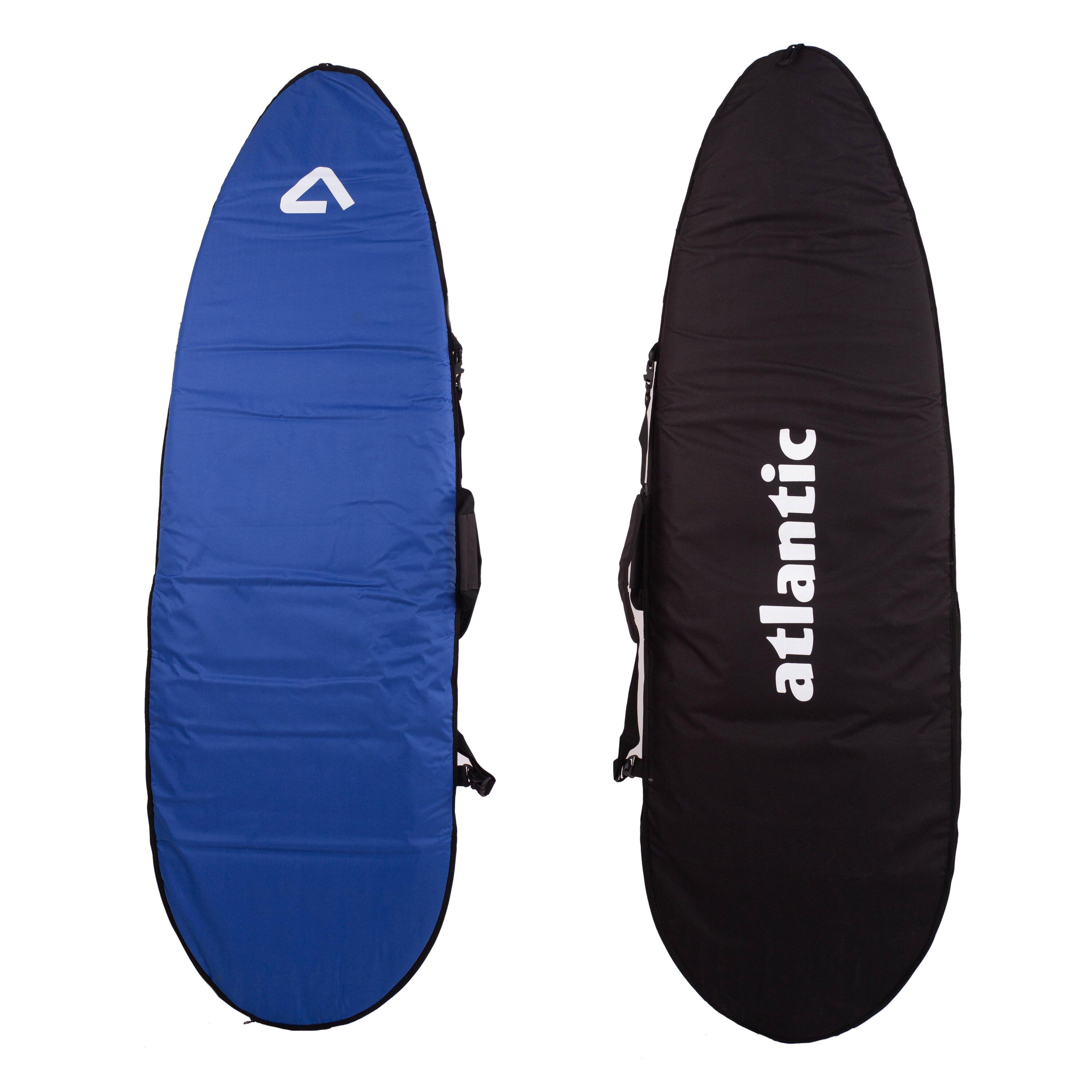
Checked luggage during flights is handled by machinery and stacked under significant weight, neither of which a sock cover or thin day bag is built to withstand. A padded travel bag with a minimum of 10 mm of multi-density foam throughout is the baseline for airline transit. Anything less than that and the board relies on the surrounding luggage for protection rather than the bag itself. Multi-density foam features a firmer outer layer bonded to a softer inner layer, which absorbs sharp impacts at the surface while distributing the force more gradually toward the board. Nose and tail reinforcement panels are the most critical zones because drops from conveyor belts transfer force directly to those points. An adjustable length or rolltop nose section that closes tightly around the board prevents the board from shifting inside the case and gaining momentum during handling. Internal anchor points, such as D-ring attachments or webbing straps, hold the board centred within the foam rather than allowing it to press unevenly against one side. Surfers who pack their ankle attachment coiled inside the case should keep it away from the fin area. A coiled surfboard leash resting across the fin boxes can apply enough sustained pressure to crack the surrounding glass on longer haul journeys. Expert tip: remove fins before packing and wrap them separately; fin boxes under load are one of the most common travel damage points on glassed boards.

When does removing fins before bagging a board become essential rather than optional?

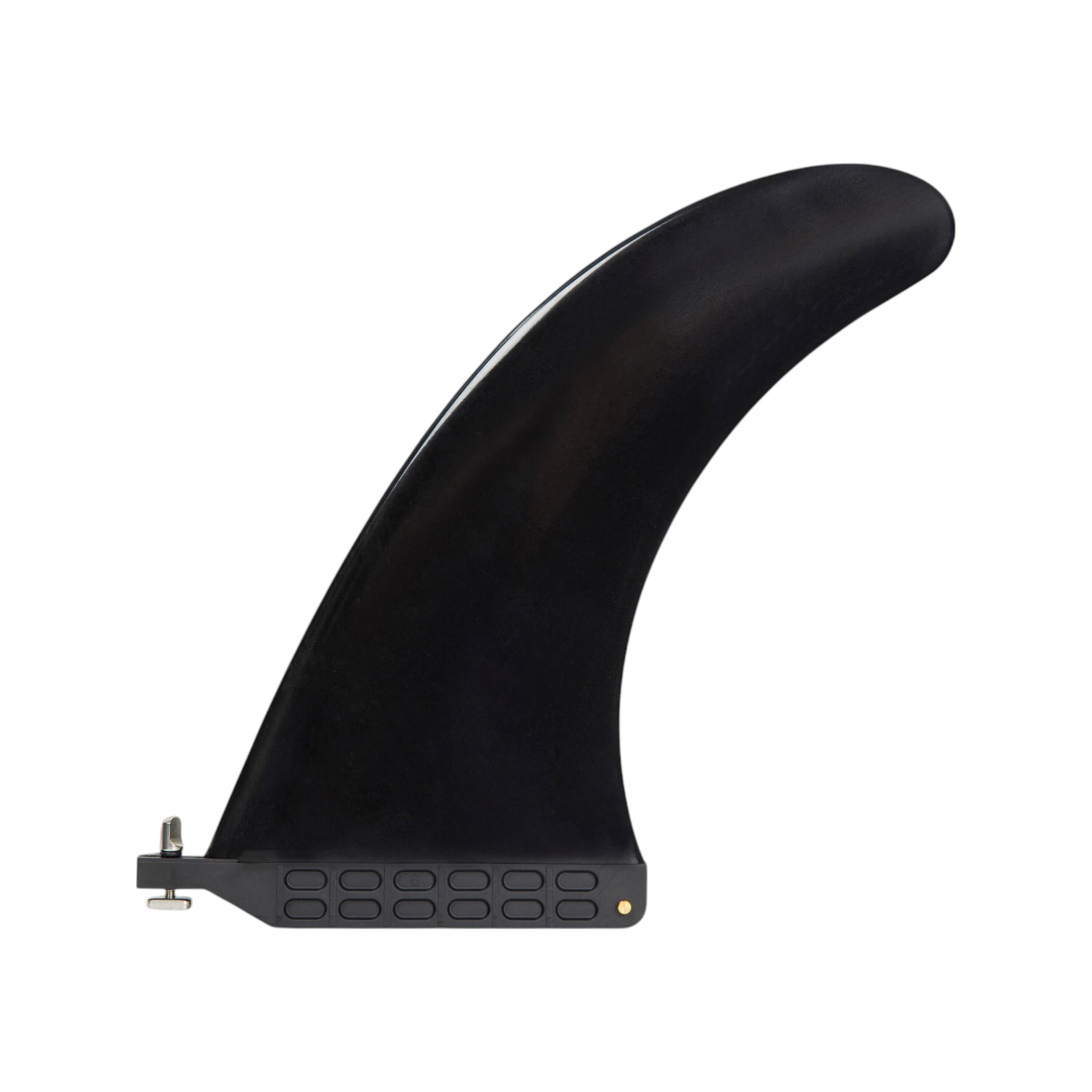
Fins left fitted in the box during transit create a rigid lever arm that transfers any lateral force directly into the base of the box, and the laminate surrounding the box is often the first thing to crack when the board is compressed or knocked sideways in a bag. A thruster set left in position adds three separate stress points to an area of the board that is already under pressure from the bag compression. Glassed-in fins on older single-fin longboards present a higher risk than FCS or Futures box systems, because there is no mechanism for the fin to release rather than transmit force. Surfers who store fins loose inside the board bag rather than in a dedicated pouch often find that the fin edges abrade the slick bottom during transport. Keeping a matched set of surfboard fins in a padded fin wallet within the bag separates them from the board surface entirely and prevents the edge contact that causes scratch patterns across the bottom.

What effect does heat build-up inside a stored board bag have on epoxy construction?

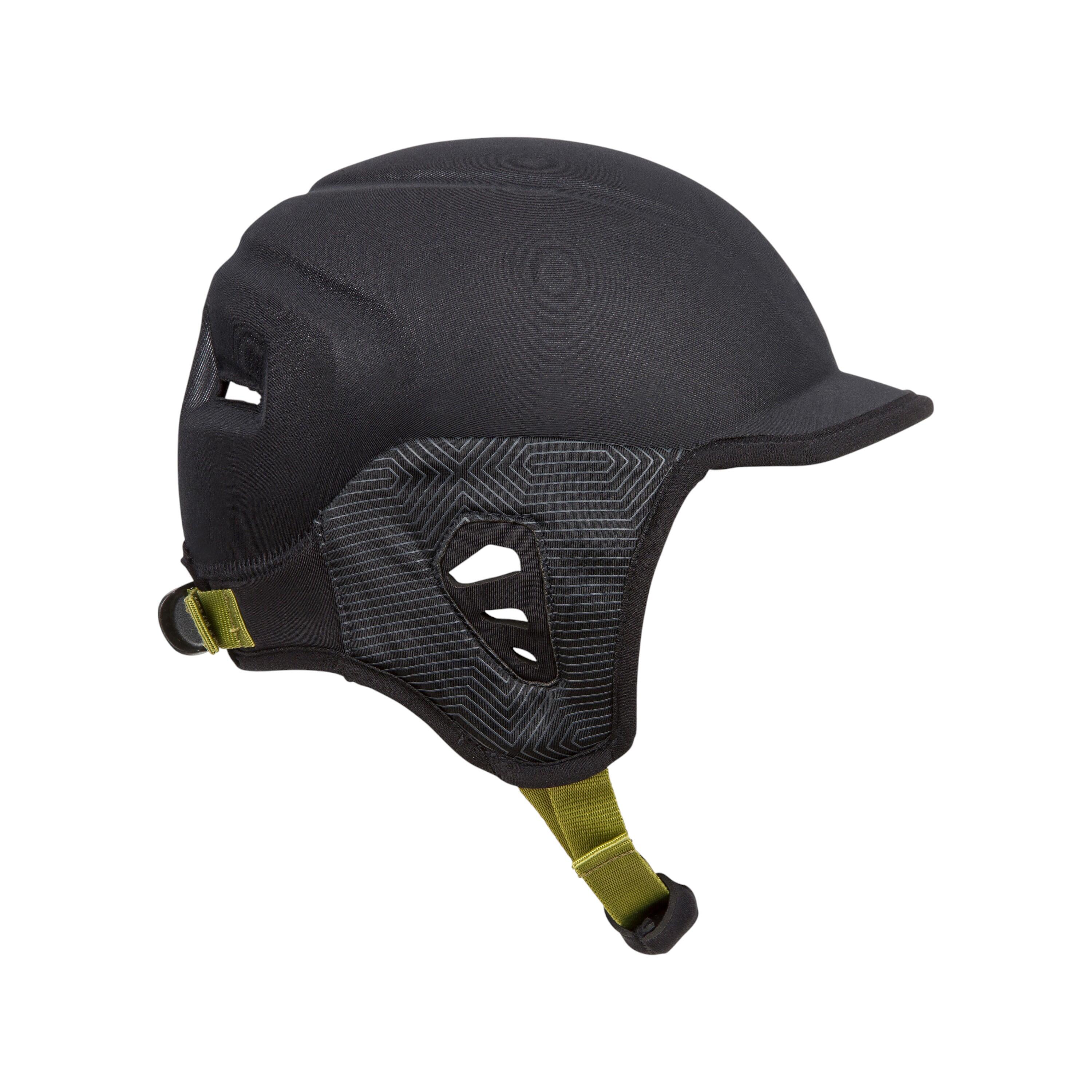
Epoxy resin softens at sustained temperatures above roughly 40 degrees Celsius, and the EPS foam core beneath it expands with heat at a faster rate than the skin above it. The pressure differential between an expanding core and a constrained outer shell creates delamination bubbles, typically visible as raised patches on the deck or bottom, that cannot be reversed without professional repair. A dark-coloured bag left in a car boot on a warm summer afternoon can reach those temperatures within an hour, even when the outside air temperature is moderate. Silver or foil-lined outer fabrics reflect solar radiation rather than absorbing it, slowing the internal heat rise significantly. To protect both your gear and safety equipment during transport, pack a surf helmet inside the mid-section of a padded bag rather than at the nose or tail, where pressure is more likely to compress the protective foam panels.

How does a deck traction pad affect how a board fits inside a storage bag?

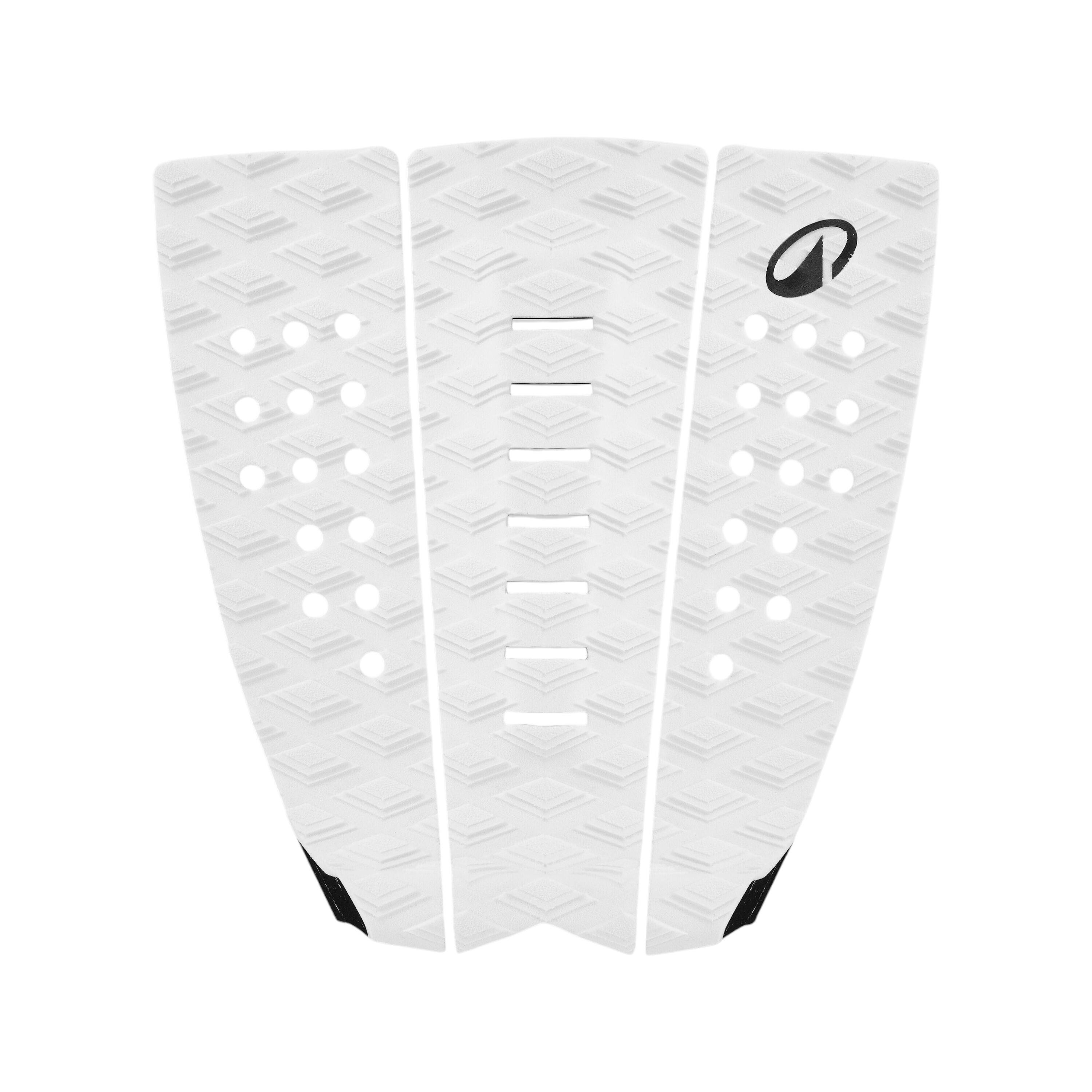
A traction pad adds between three and six millimetres of height to the tail section of the board, and a kick tail adds further elevation at the rear edge. In a snug-fitting bag, the kick tail is the most likely point of interference with the zip closure during insertion, particularly on bags where the zip runs close to the tail end rather than along the length of the bag. Boards with high-profile kick tails generally require a bag with a slightly wider gusset or a longer zip run to allow the tail to clear during entry. When selecting a replacement traction pad for a board that already has a fitted bag, check the kick profile against the bag dimensions before committing; a low-profile surfboard pad with a modest kick angle creates significantly less interference than a steep performance kick on the same board length.

How do surfboard bags fit within the broader category of surf transport solutions?

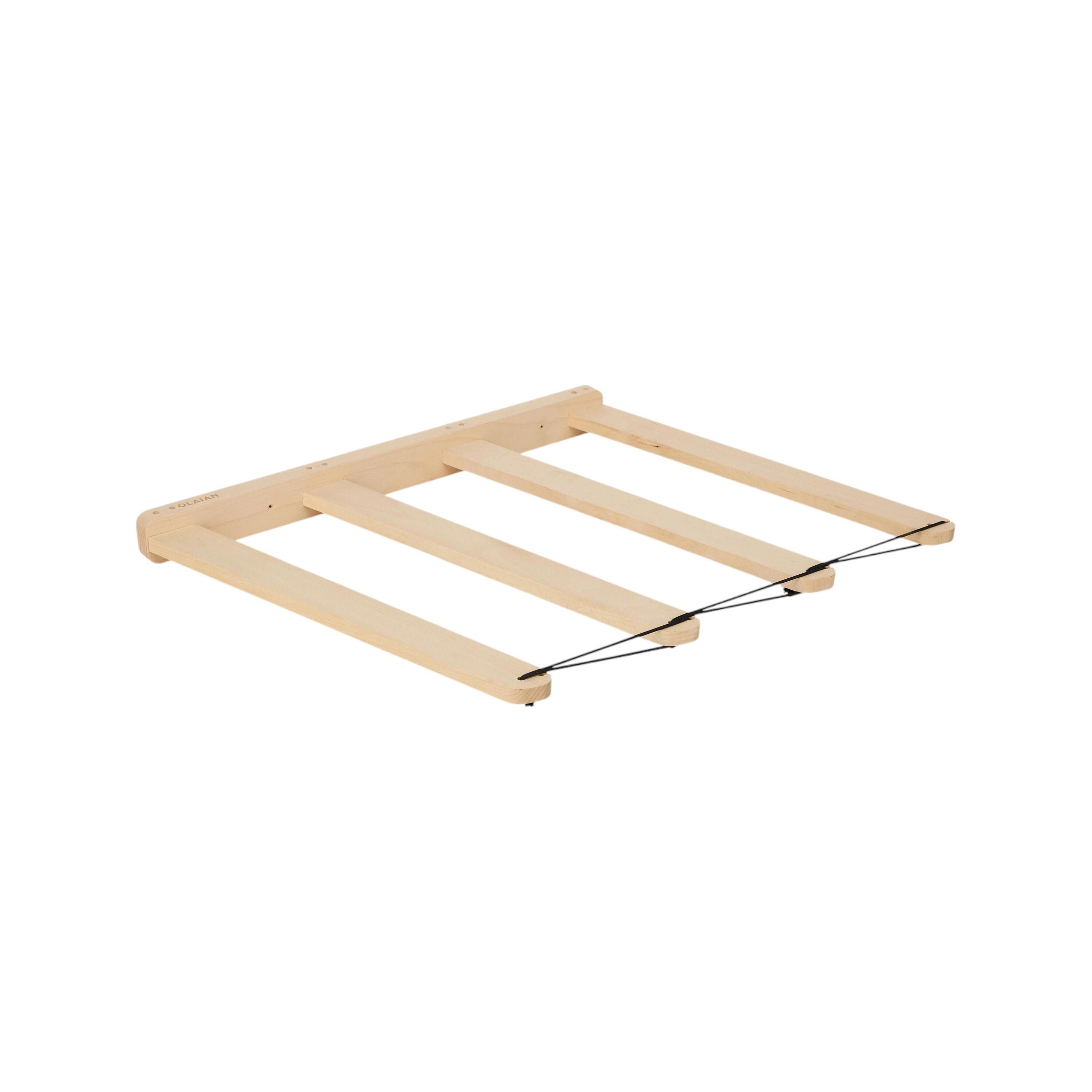
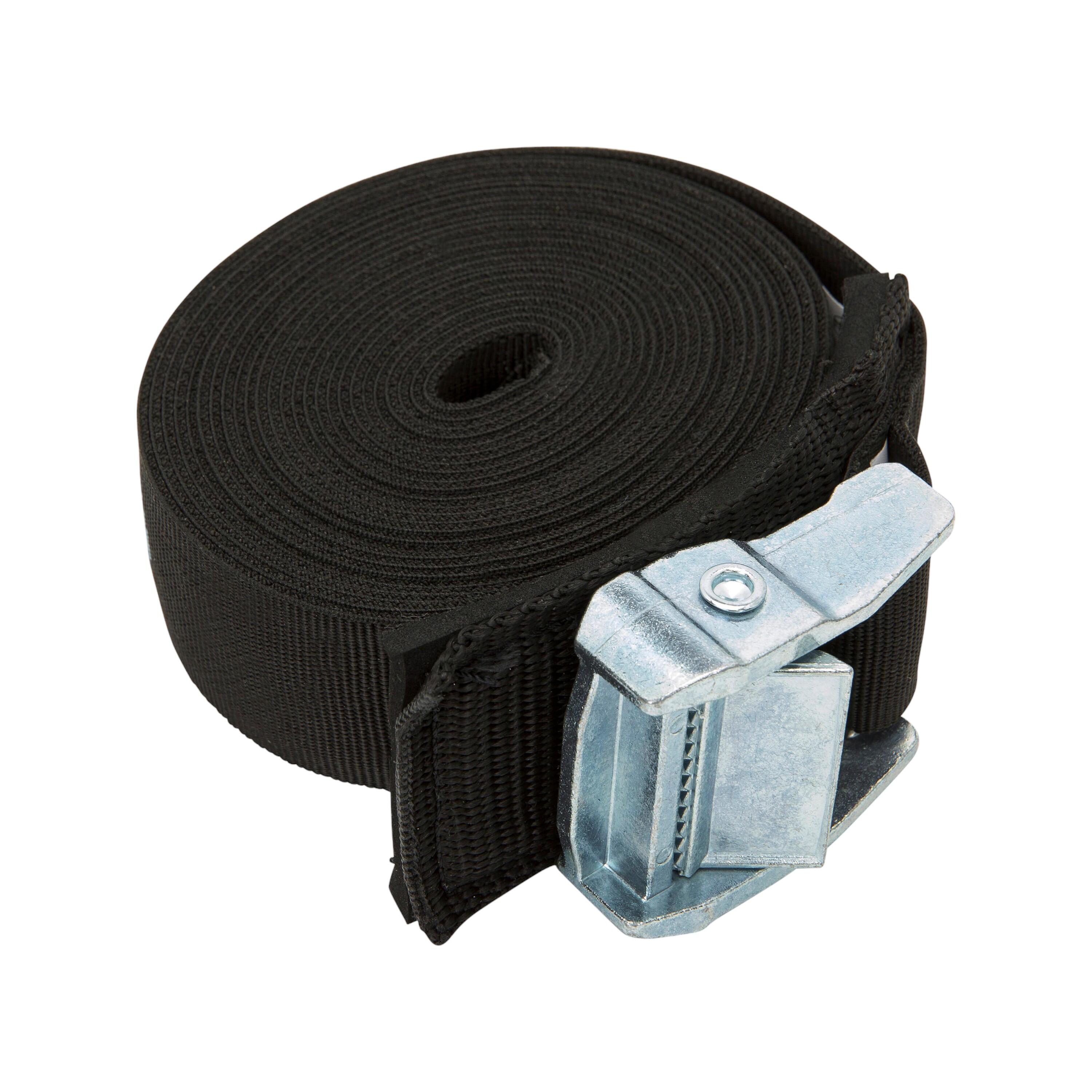
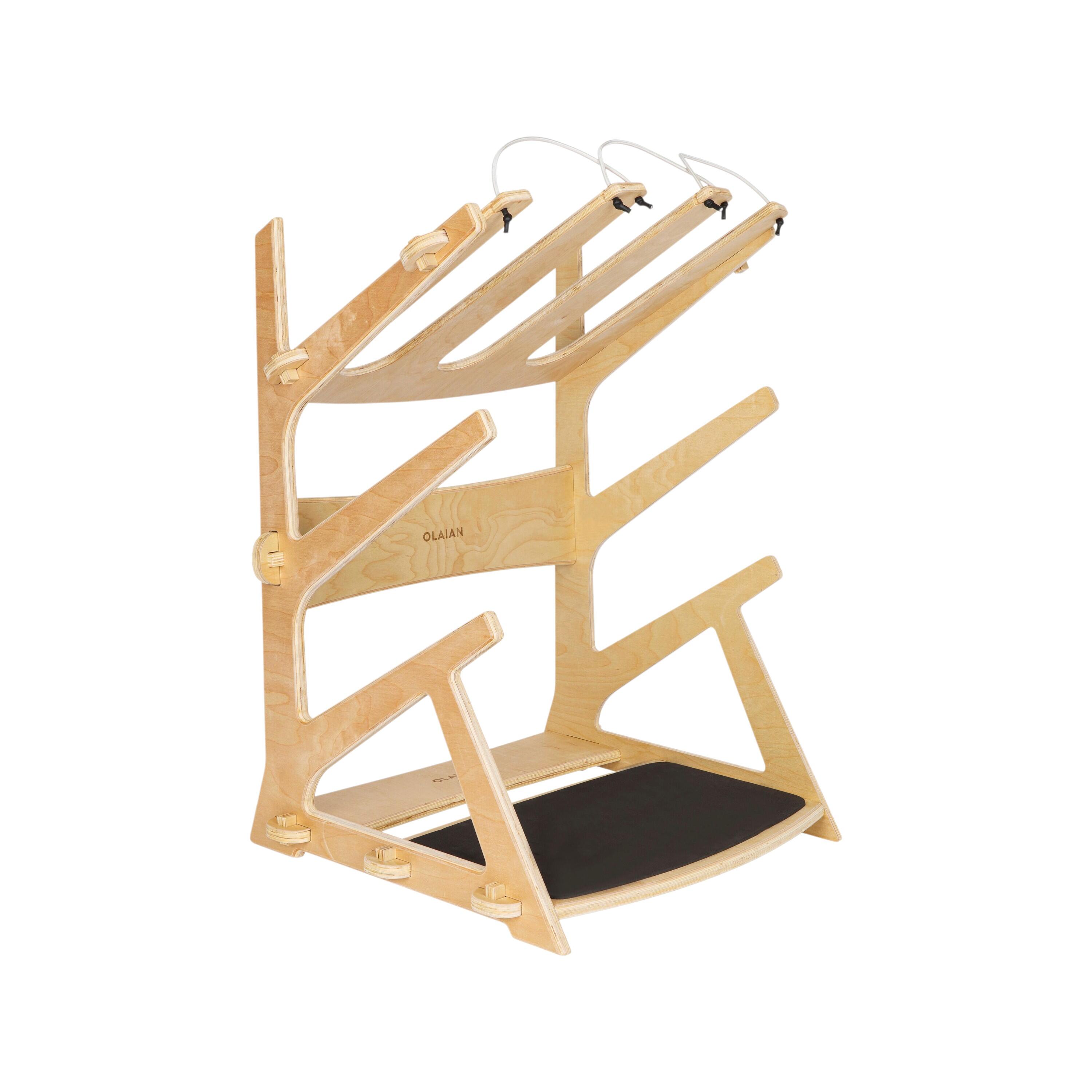
A board bag addresses storage and airline transit, but getting a board to the water also requires a way to secure it to or inside a vehicle. Soft roof rack systems use foam blocks and cam straps to hold boards on car roofs without requiring a permanently fitted rack, which suits surfers who use multiple vehicles or do not want roof hardware on everyday transport. Fin-first positioning on a roof reduces wind resistance and prevents the nose from lifting at motorway speeds. Board socks and day bags protect the car interior from wax transfer when boards travel inside the vehicle rather than on top. Surfers building out a full transport solution, from vehicle carry through to airline-ready protection, will find that dedicated racks, soft carriers, and supplementary storage items sit within the surf transport and storage category, where products address the journey from the car park to the line-up as a connected system rather than isolated items.