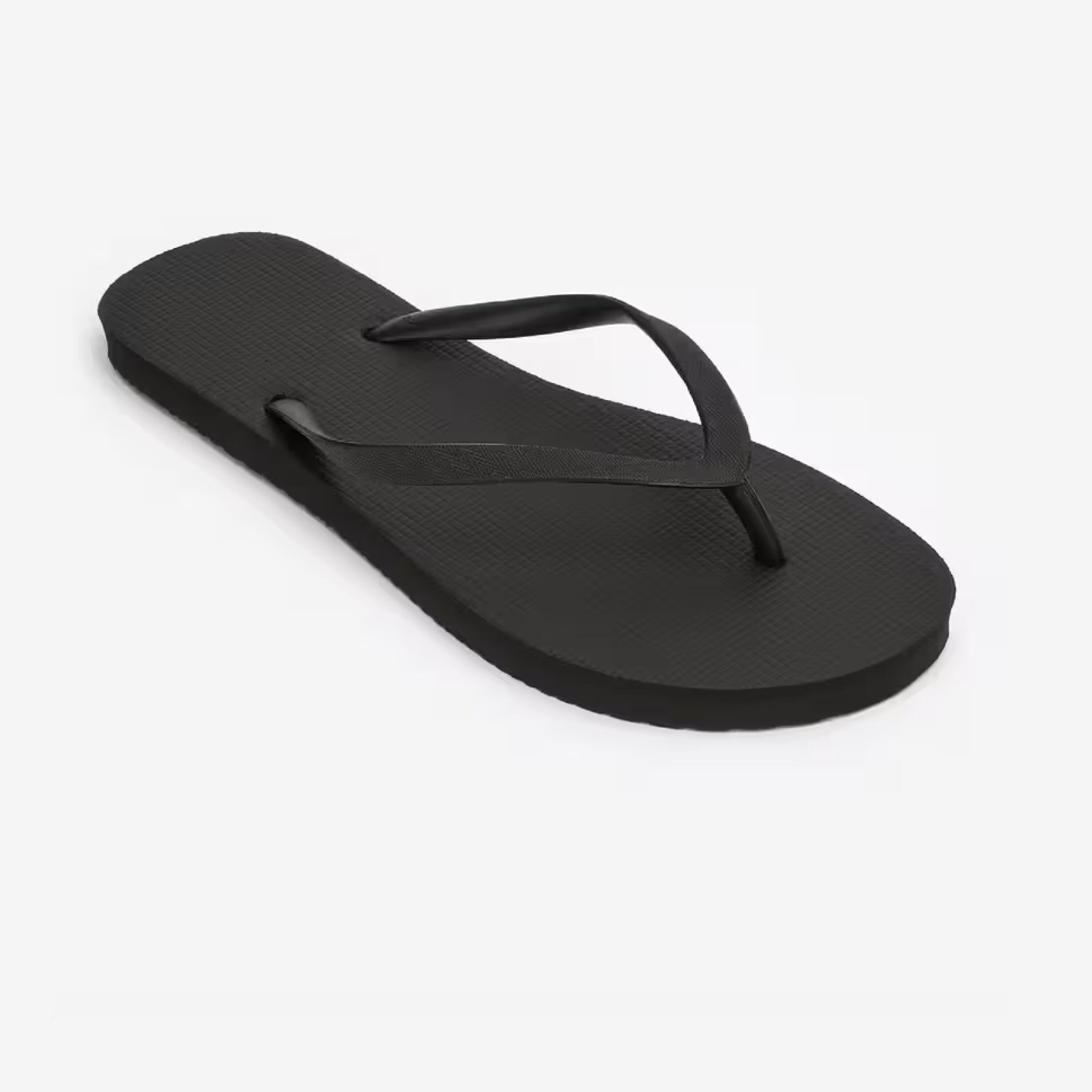
368 items
4.6/5 based on 173361 reviews collected online and in stores

Flip Flops FAQs

What sole construction makes a surf flip-flop more practical than a standard sandal at the beach?

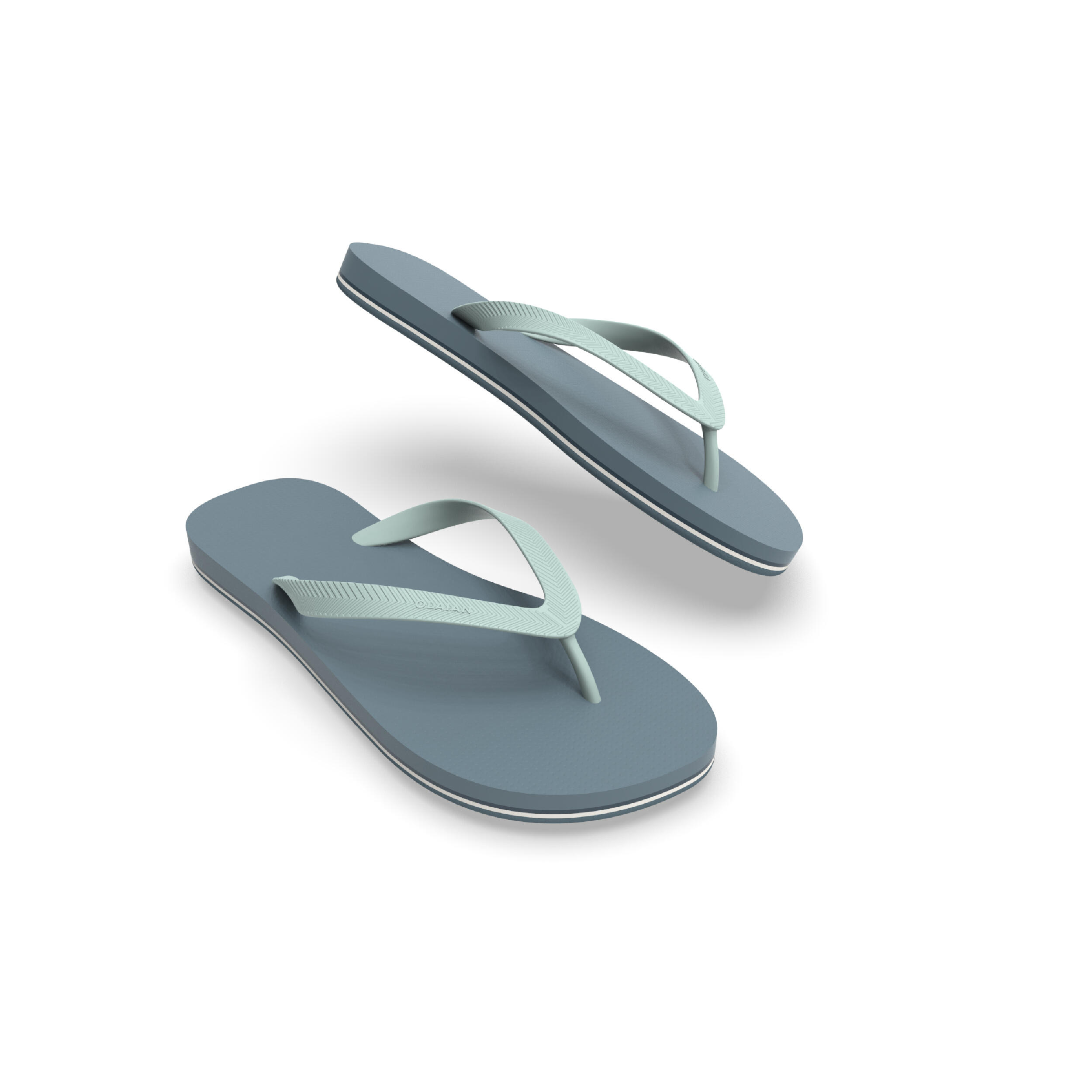
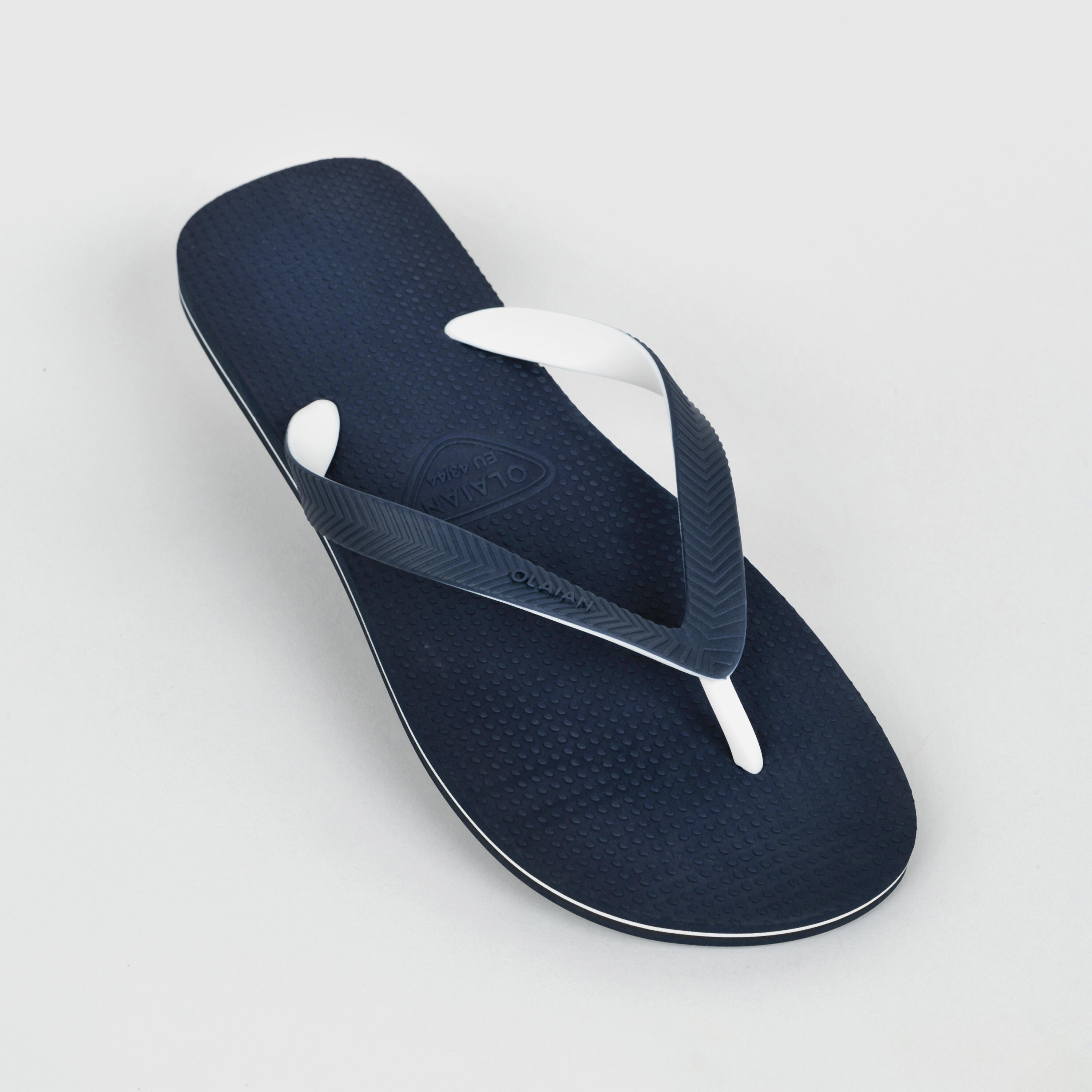
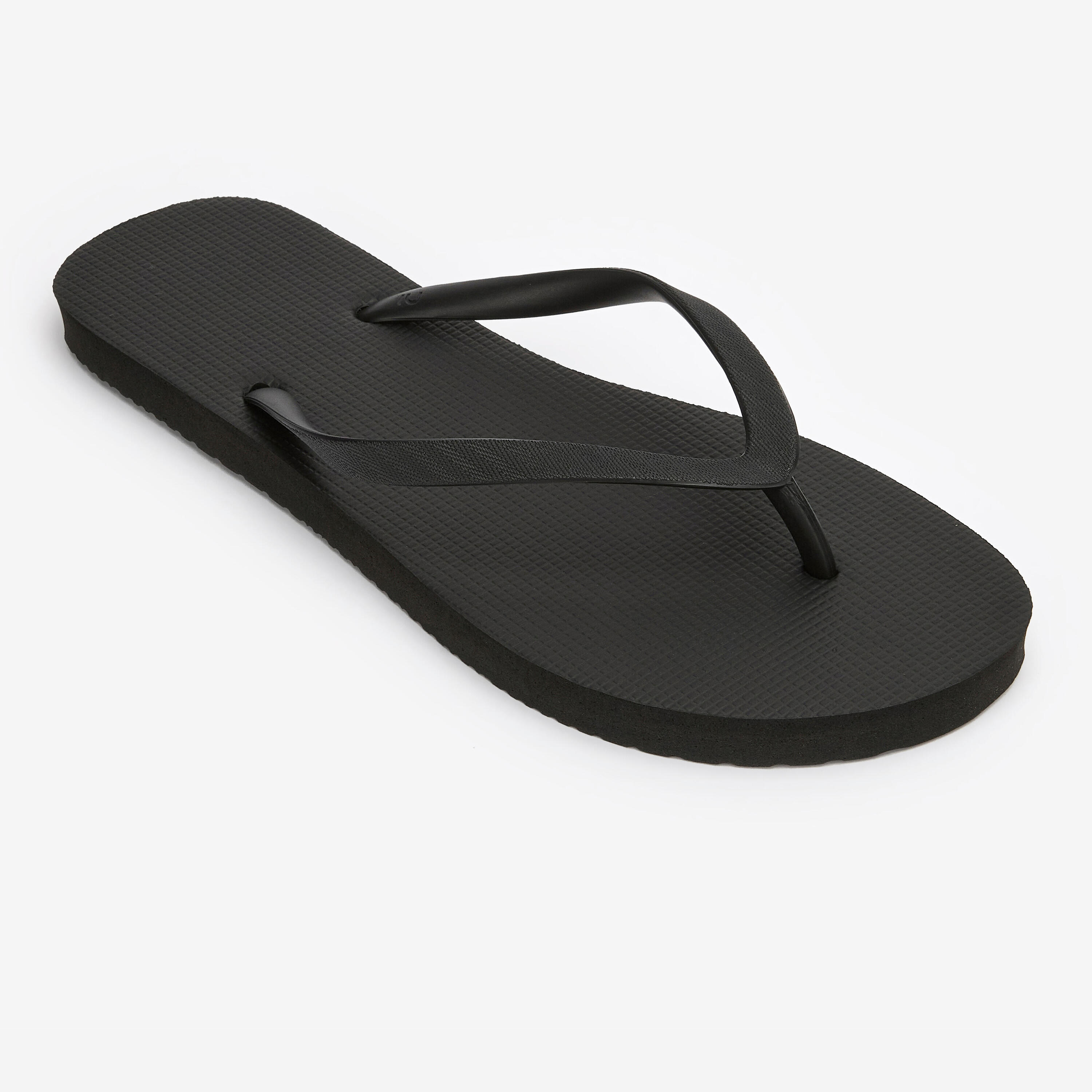
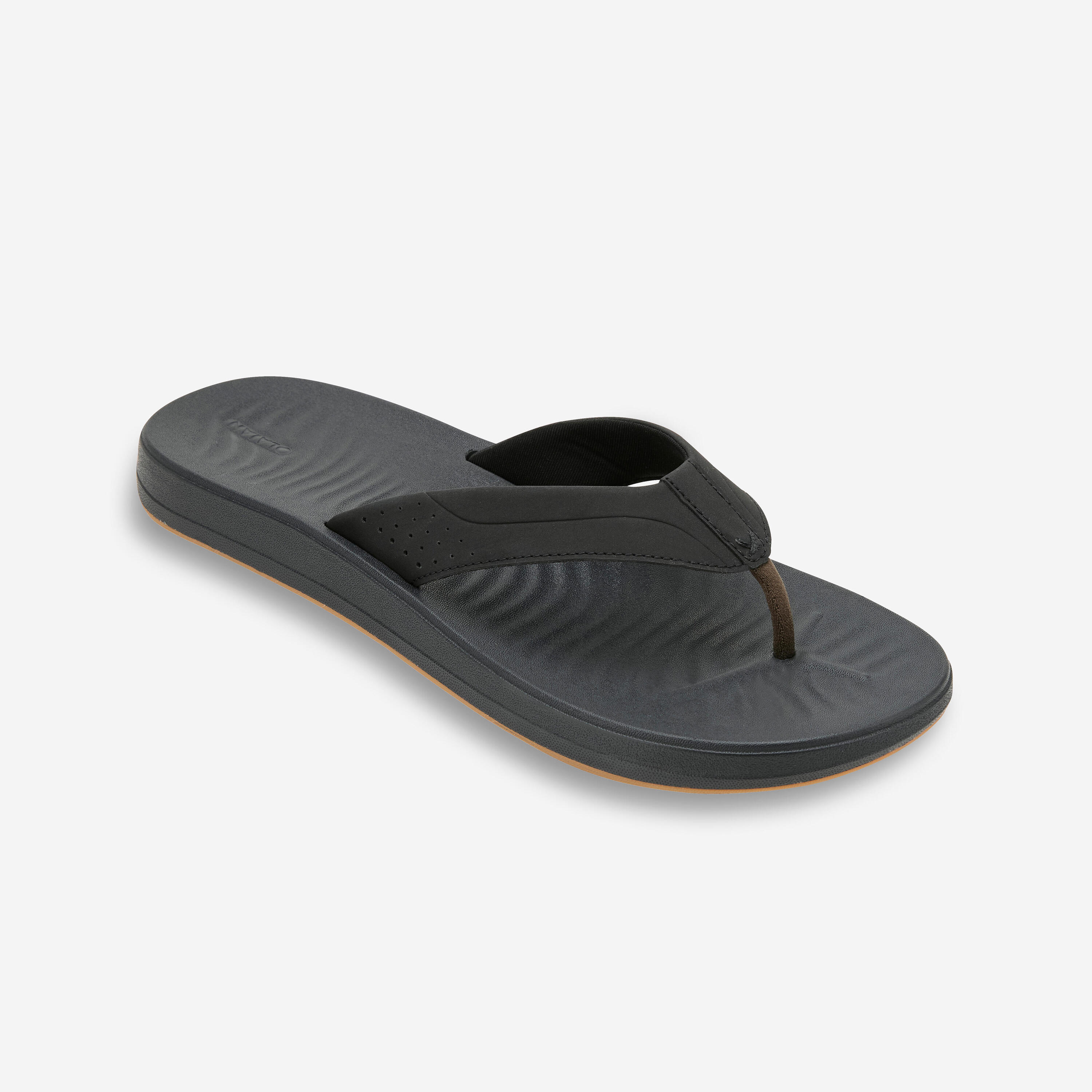
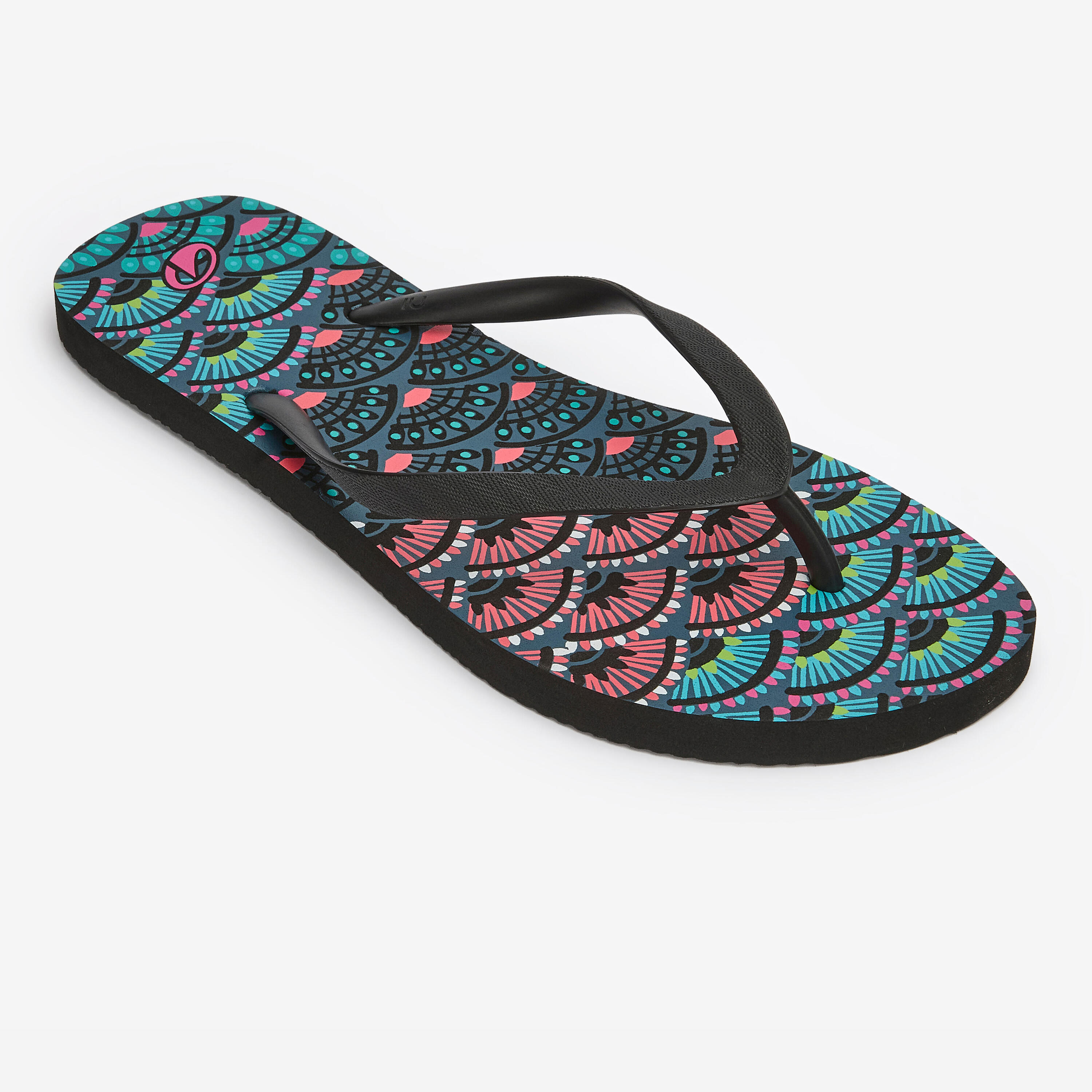
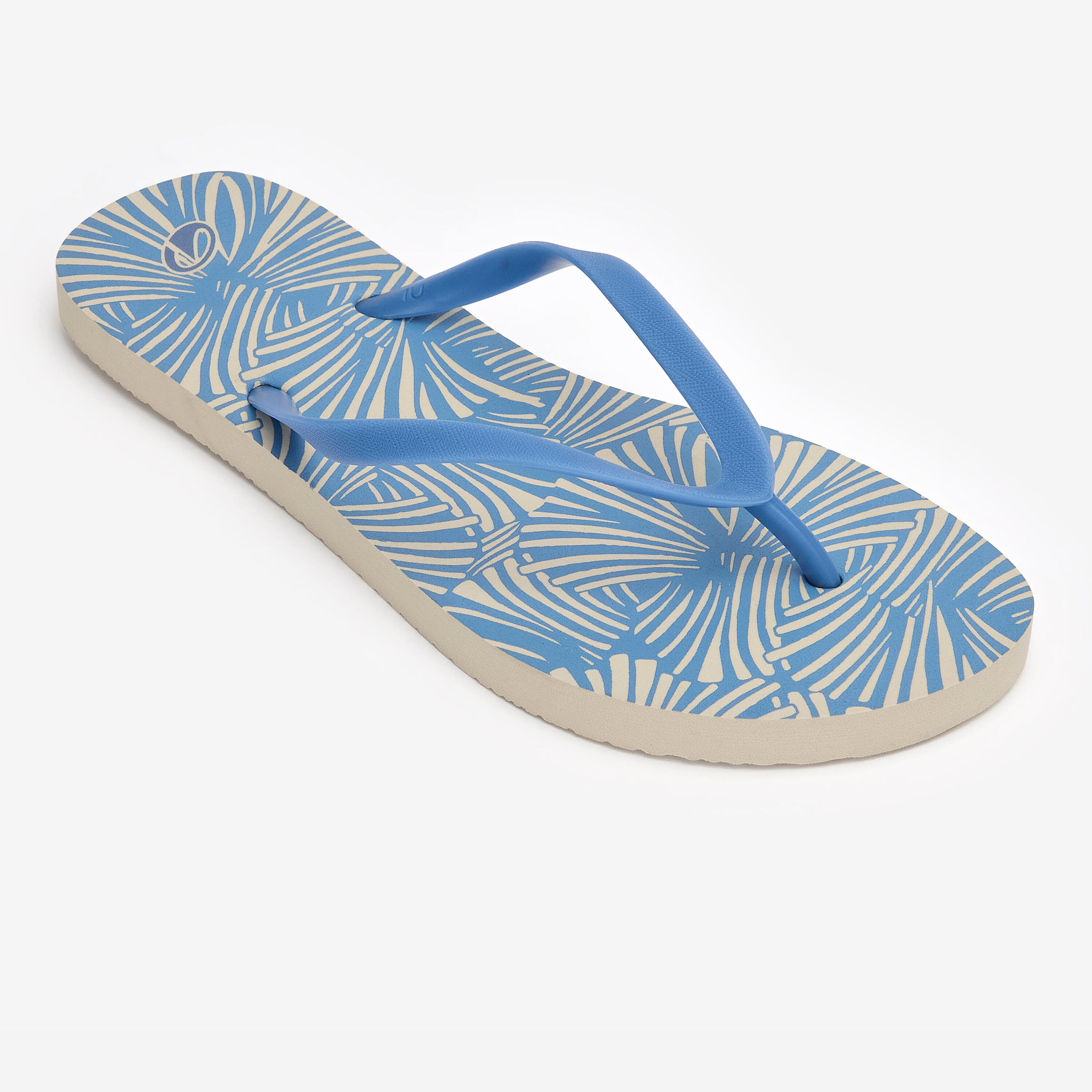
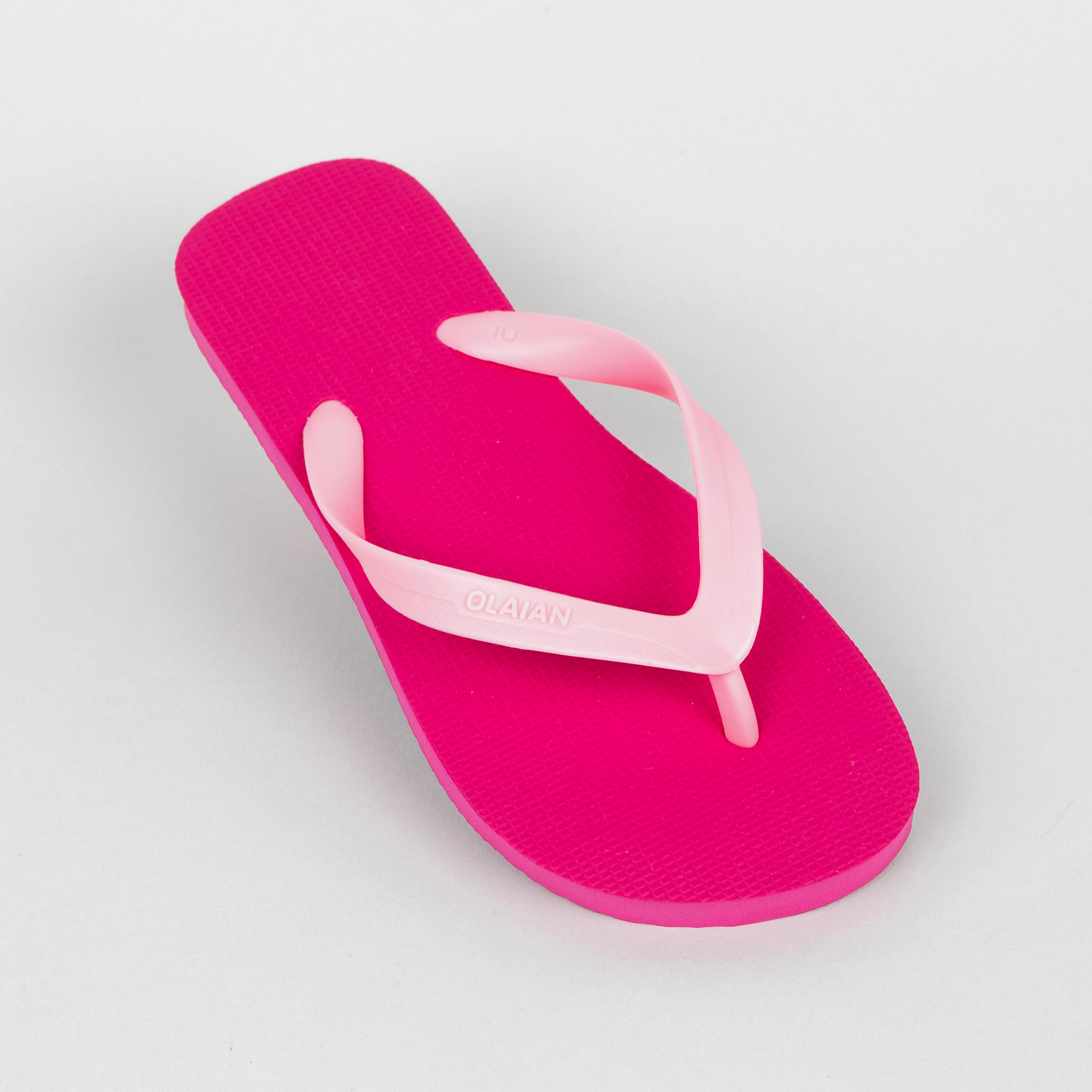
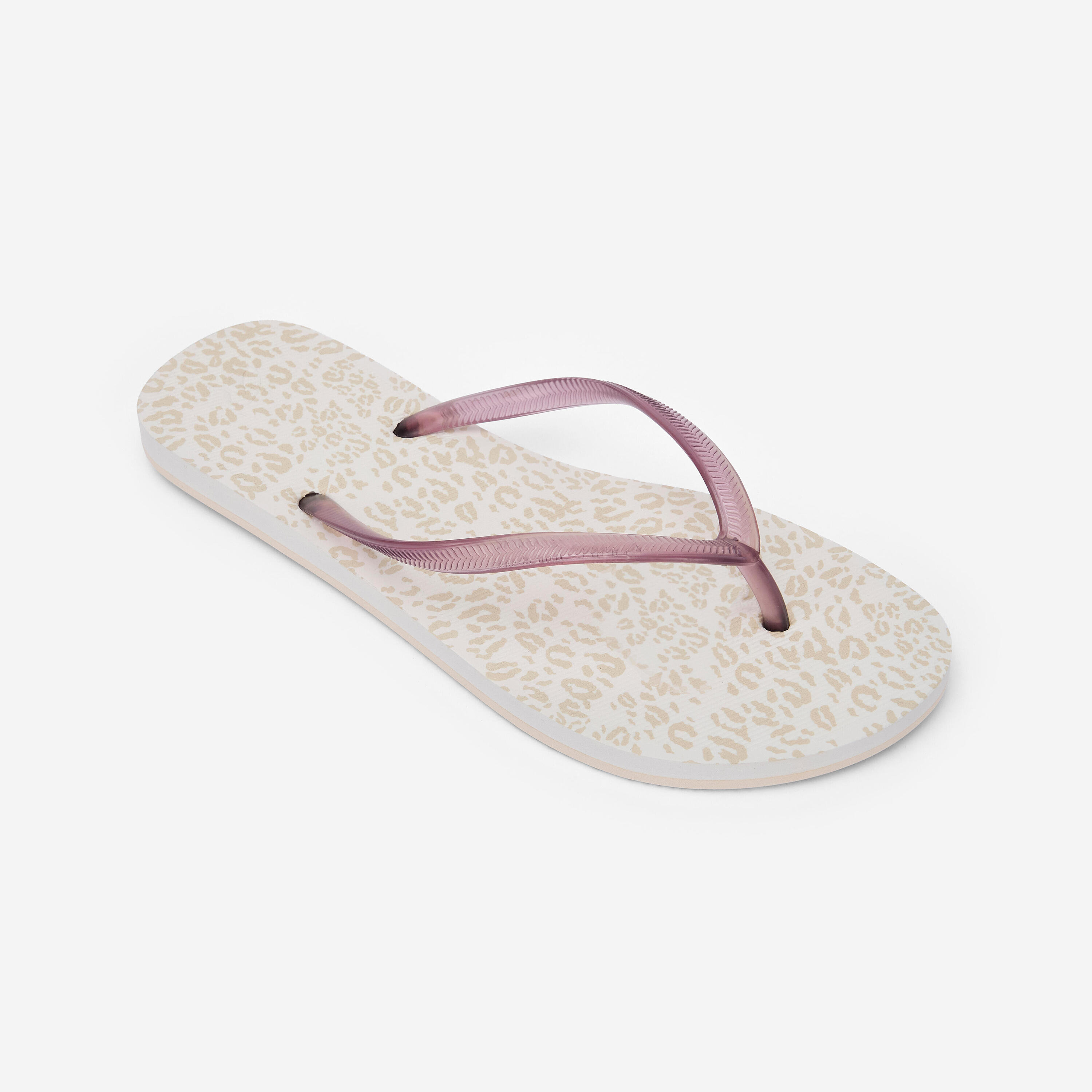
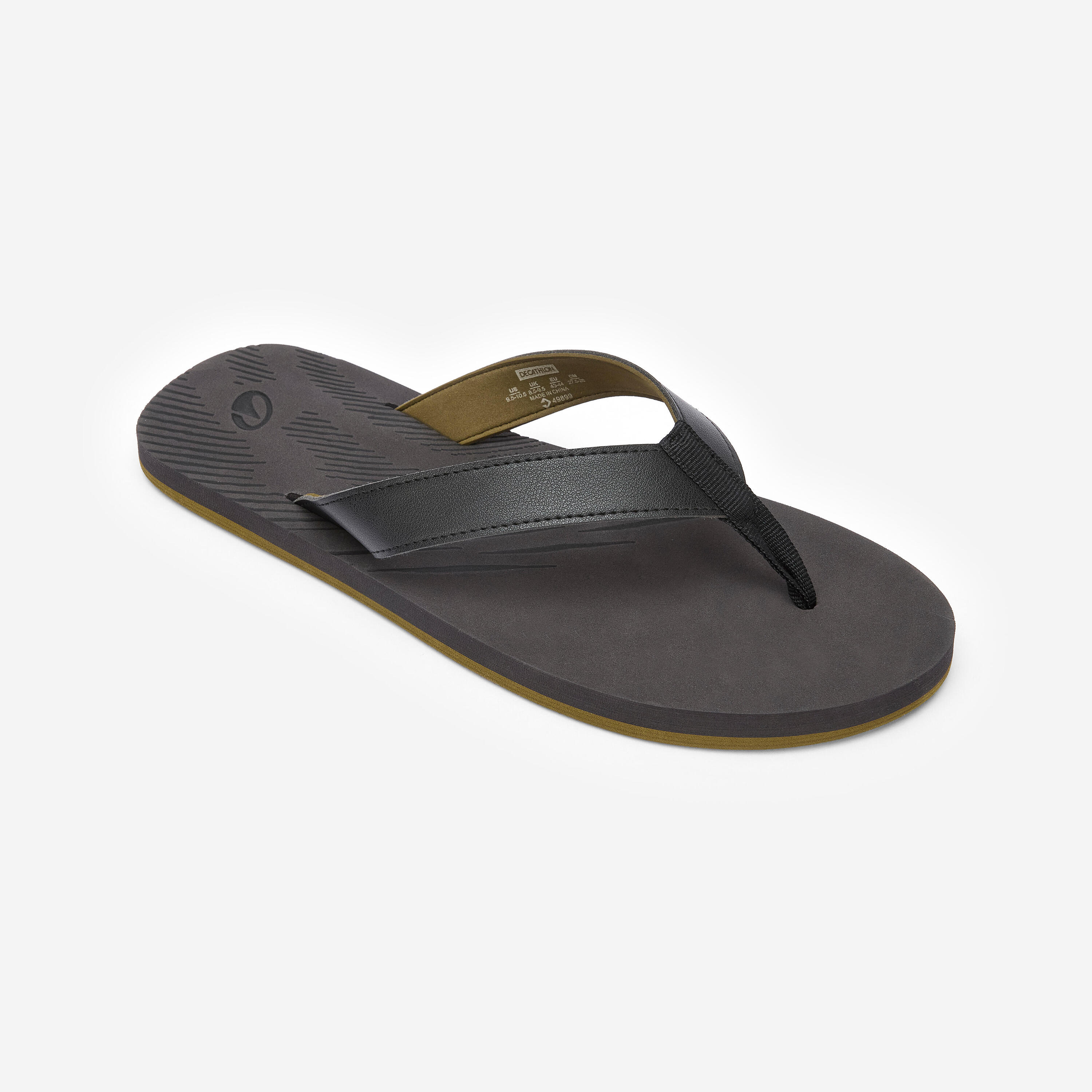
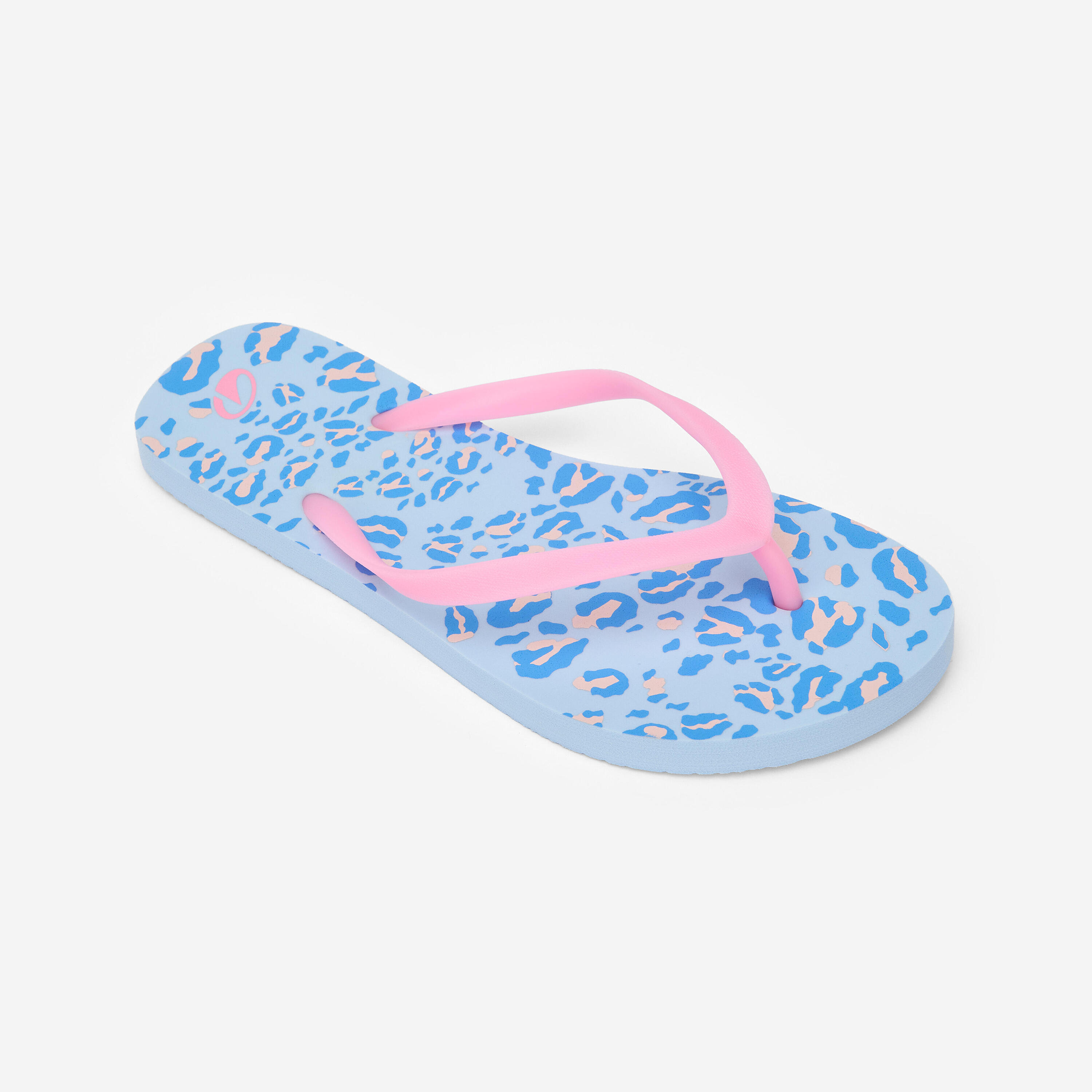
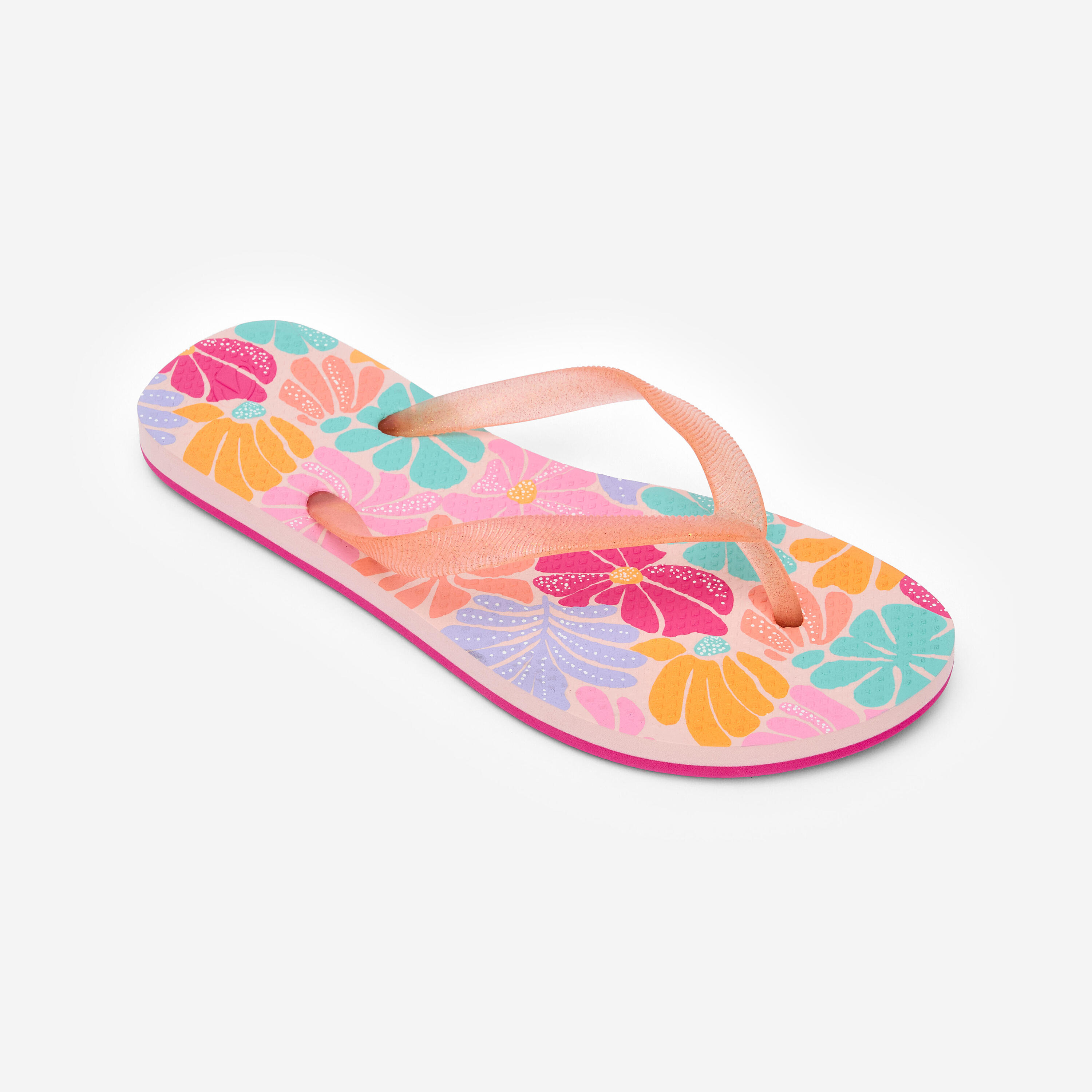
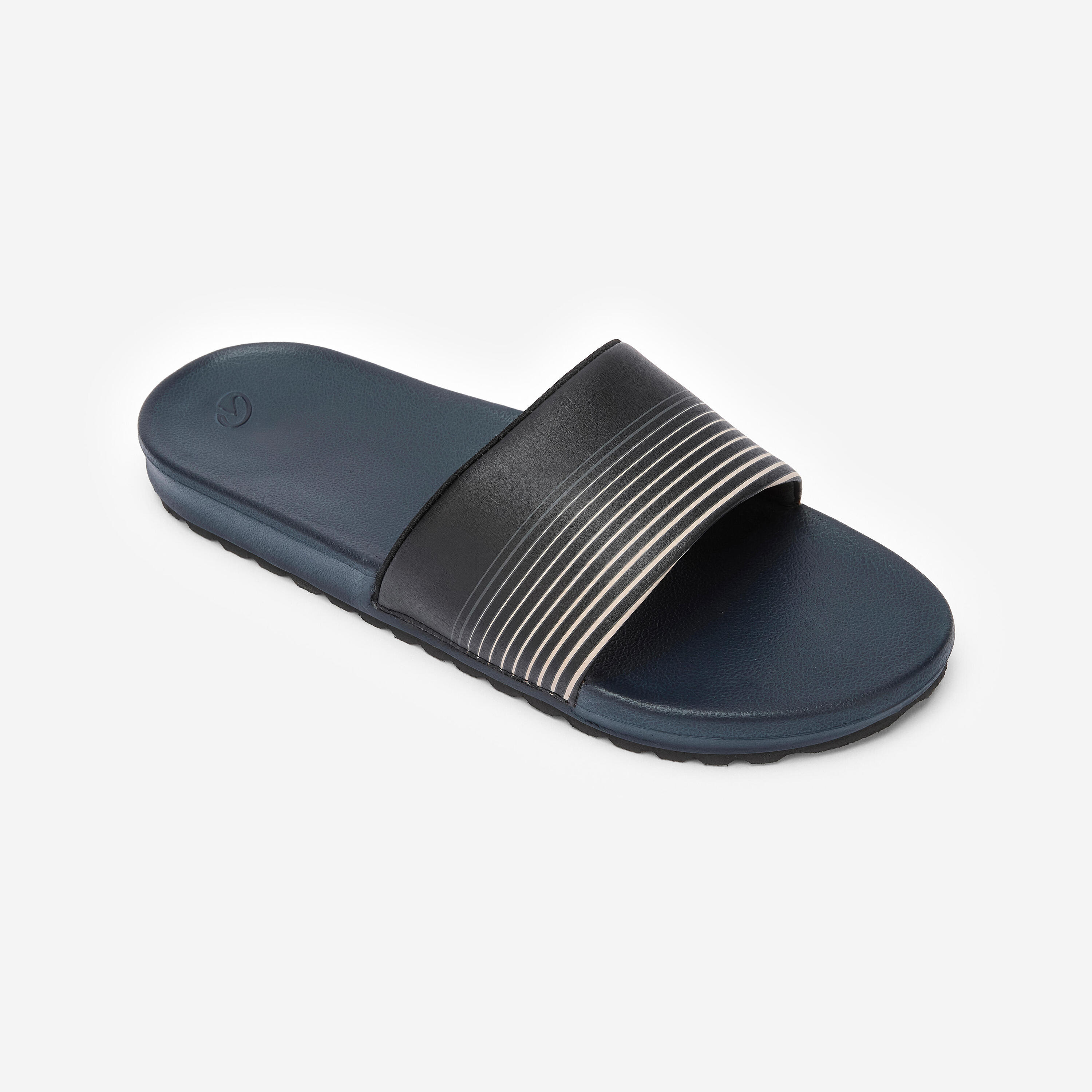
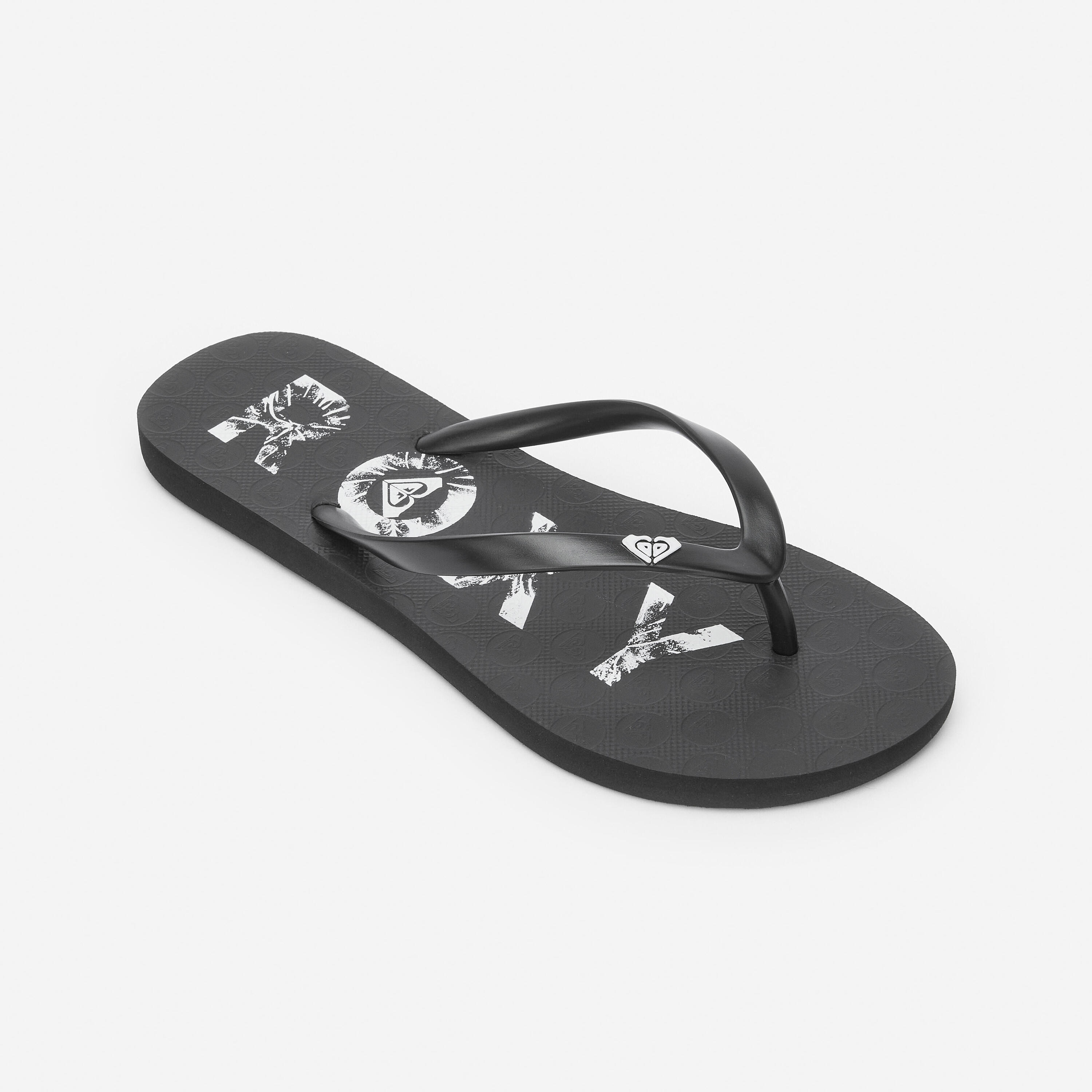
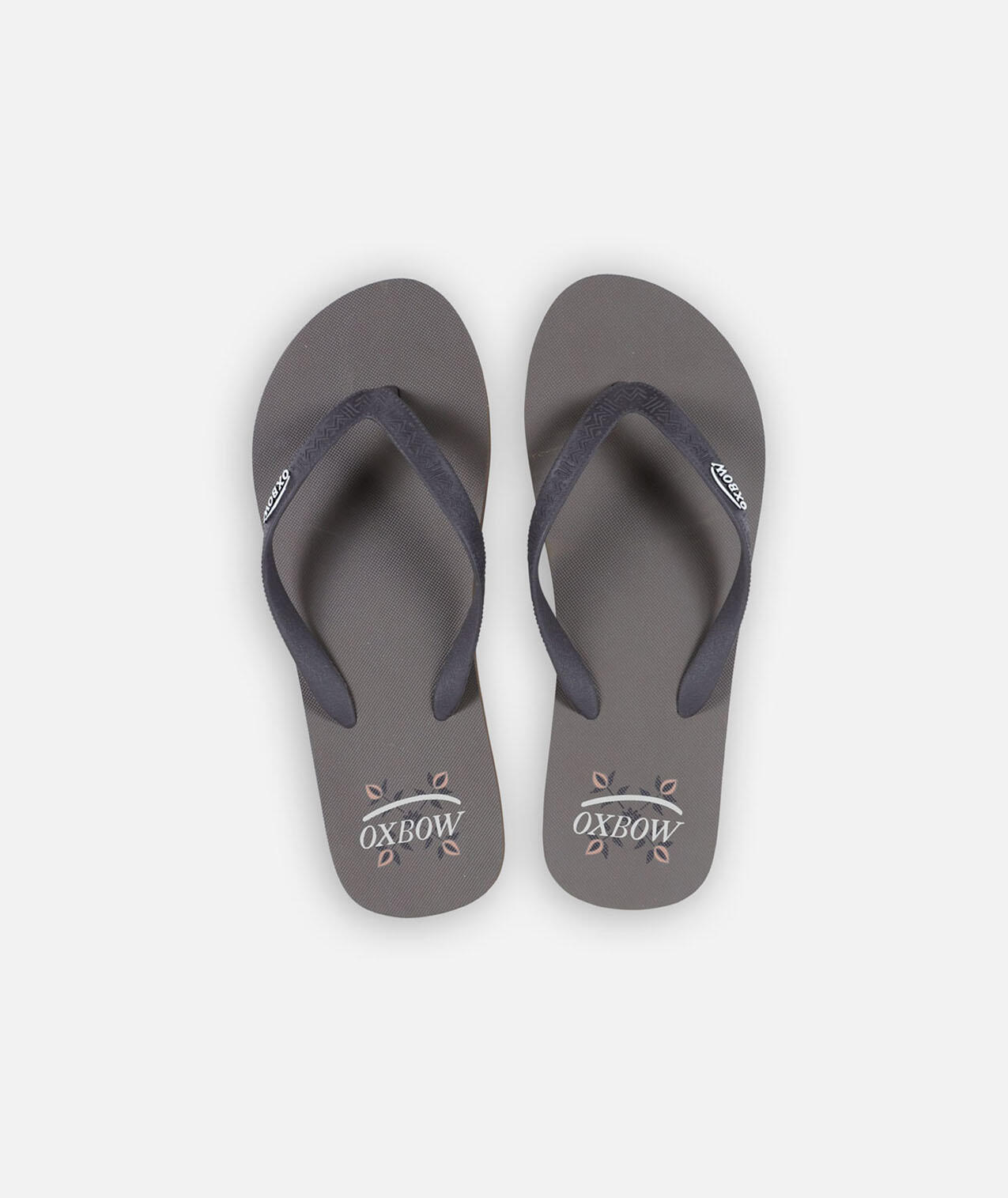
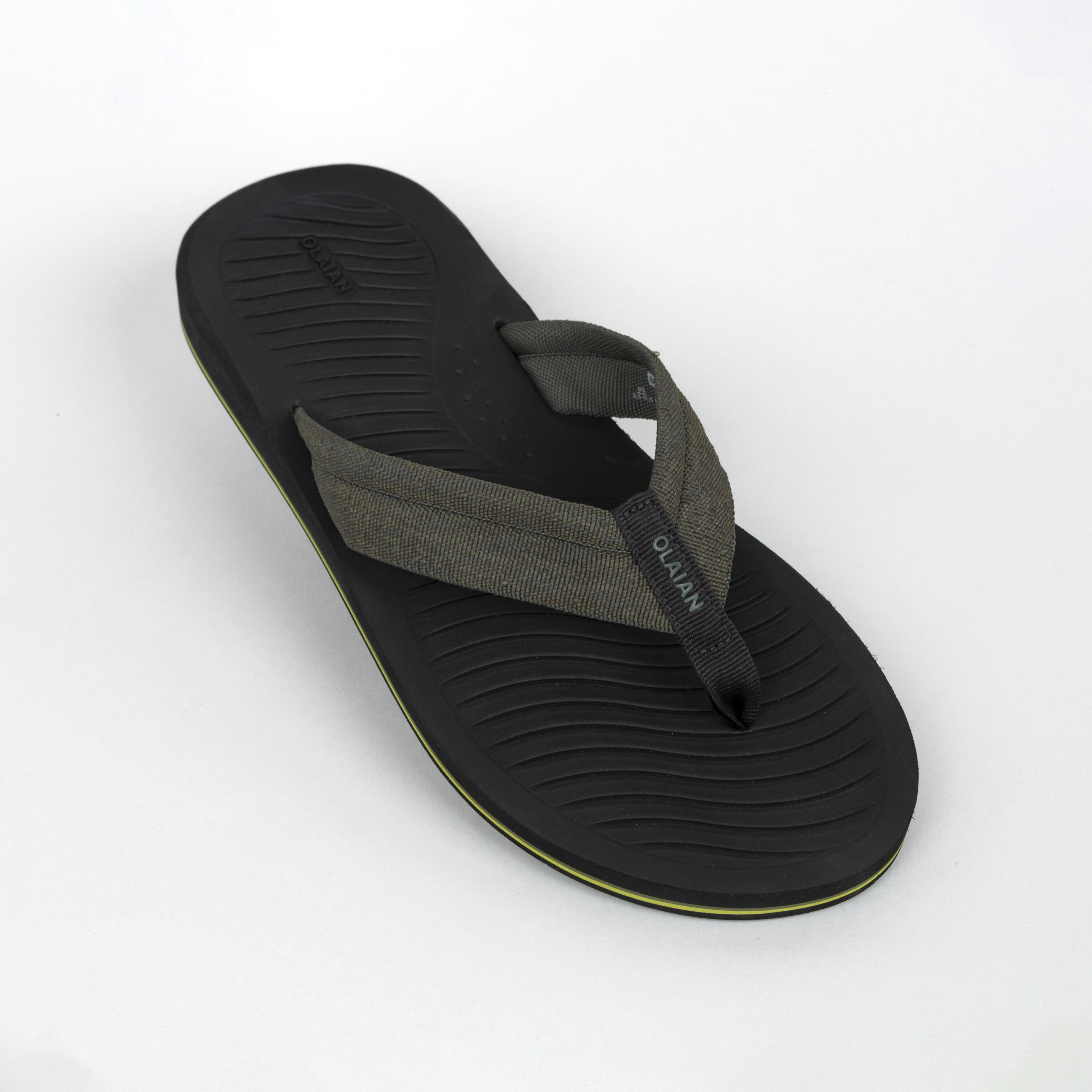
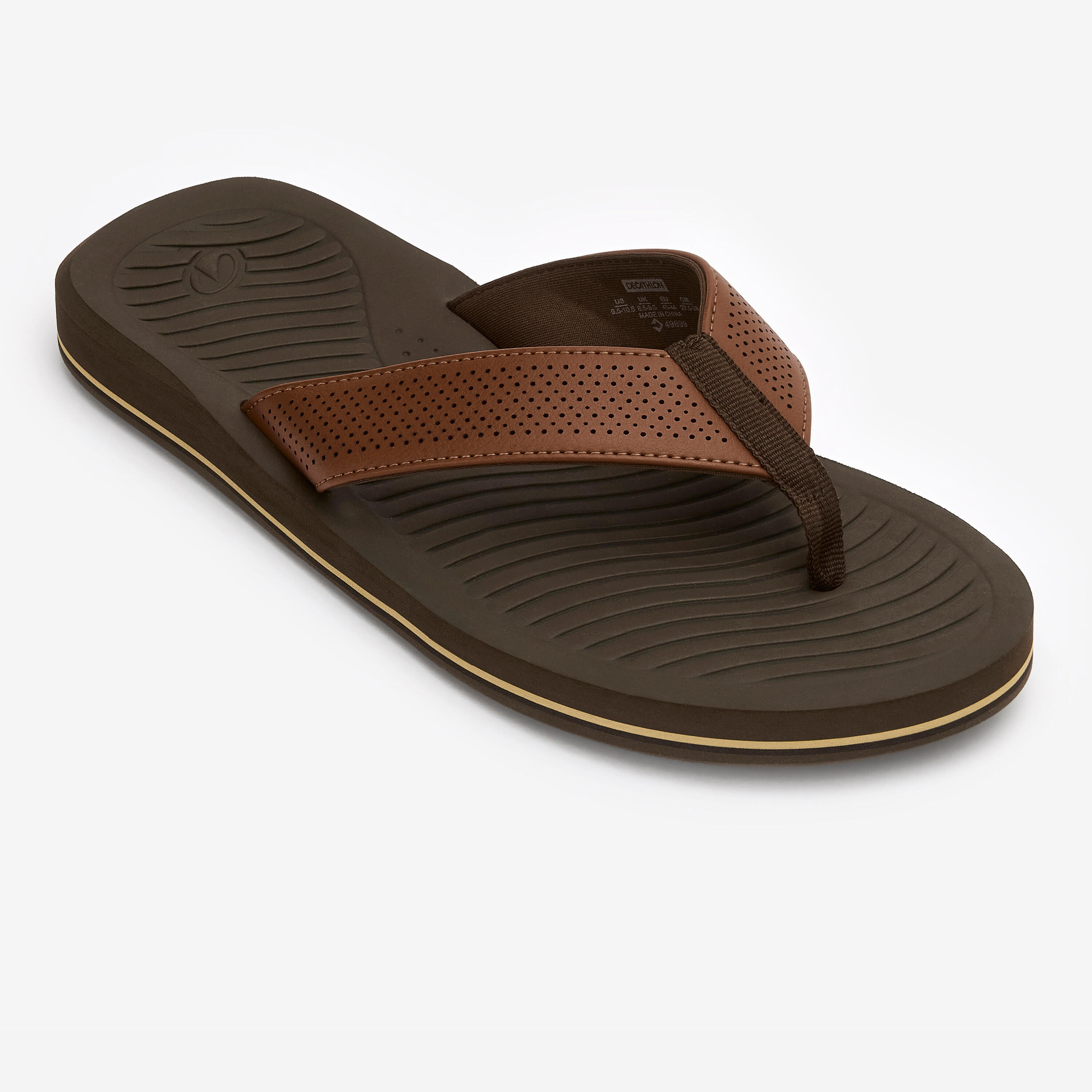
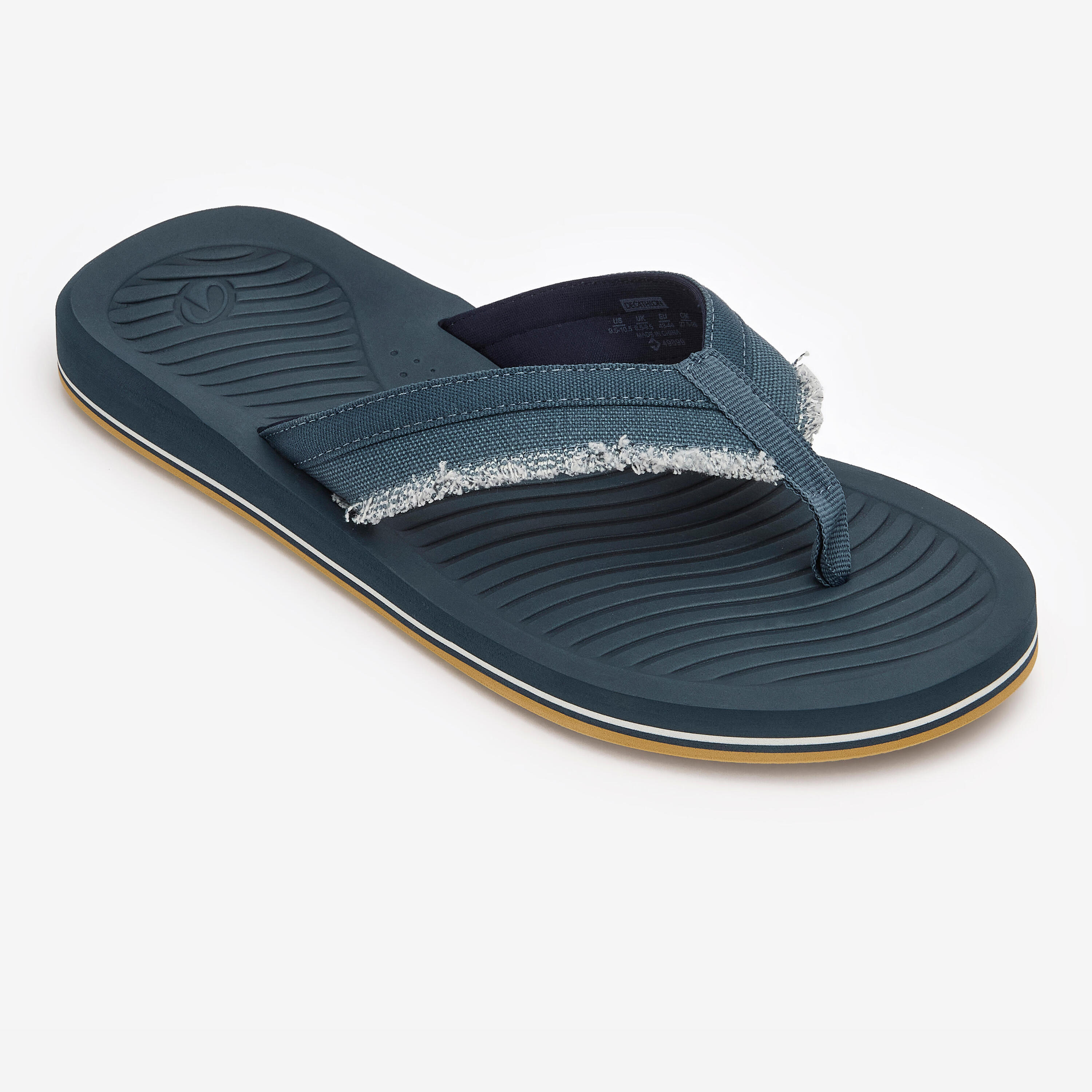
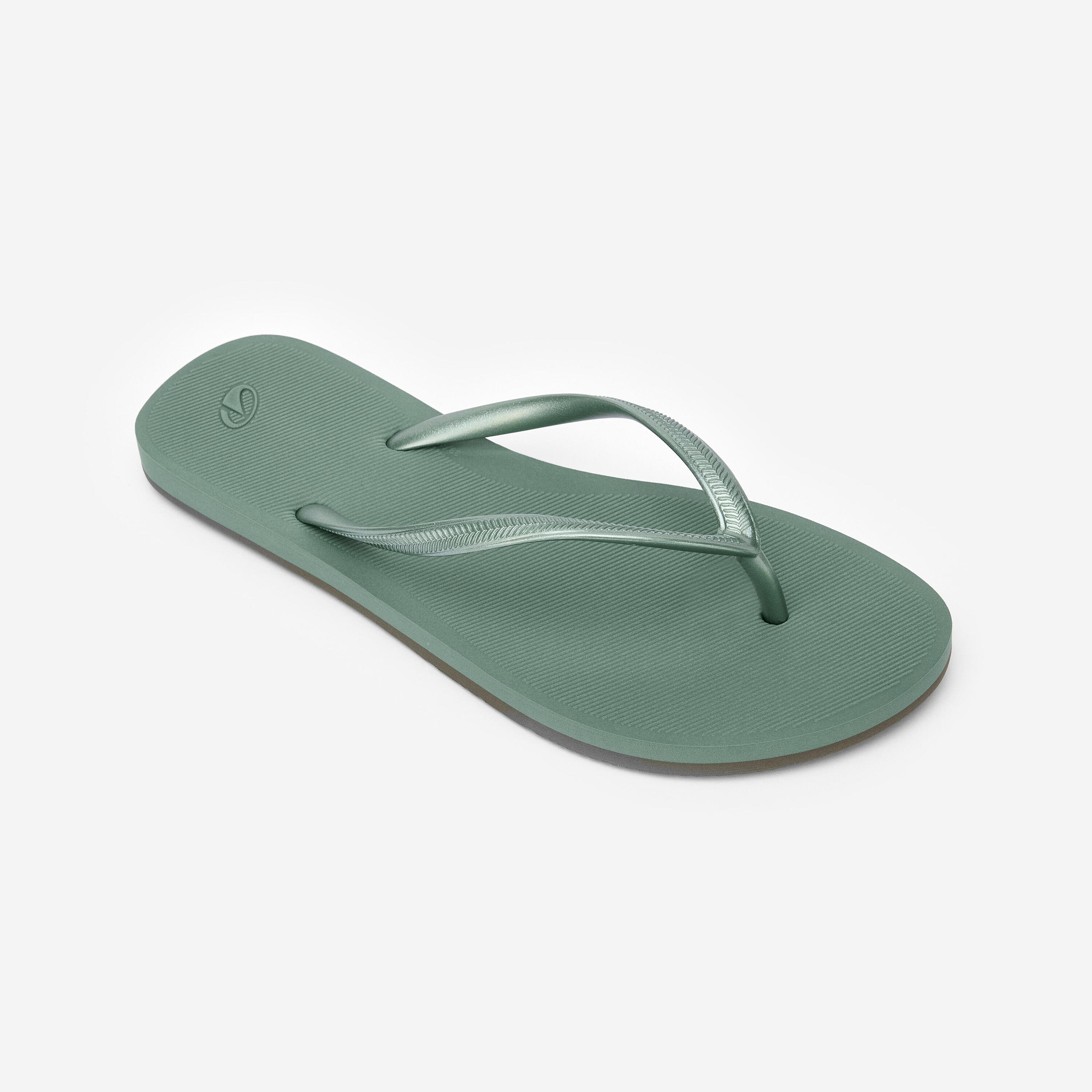
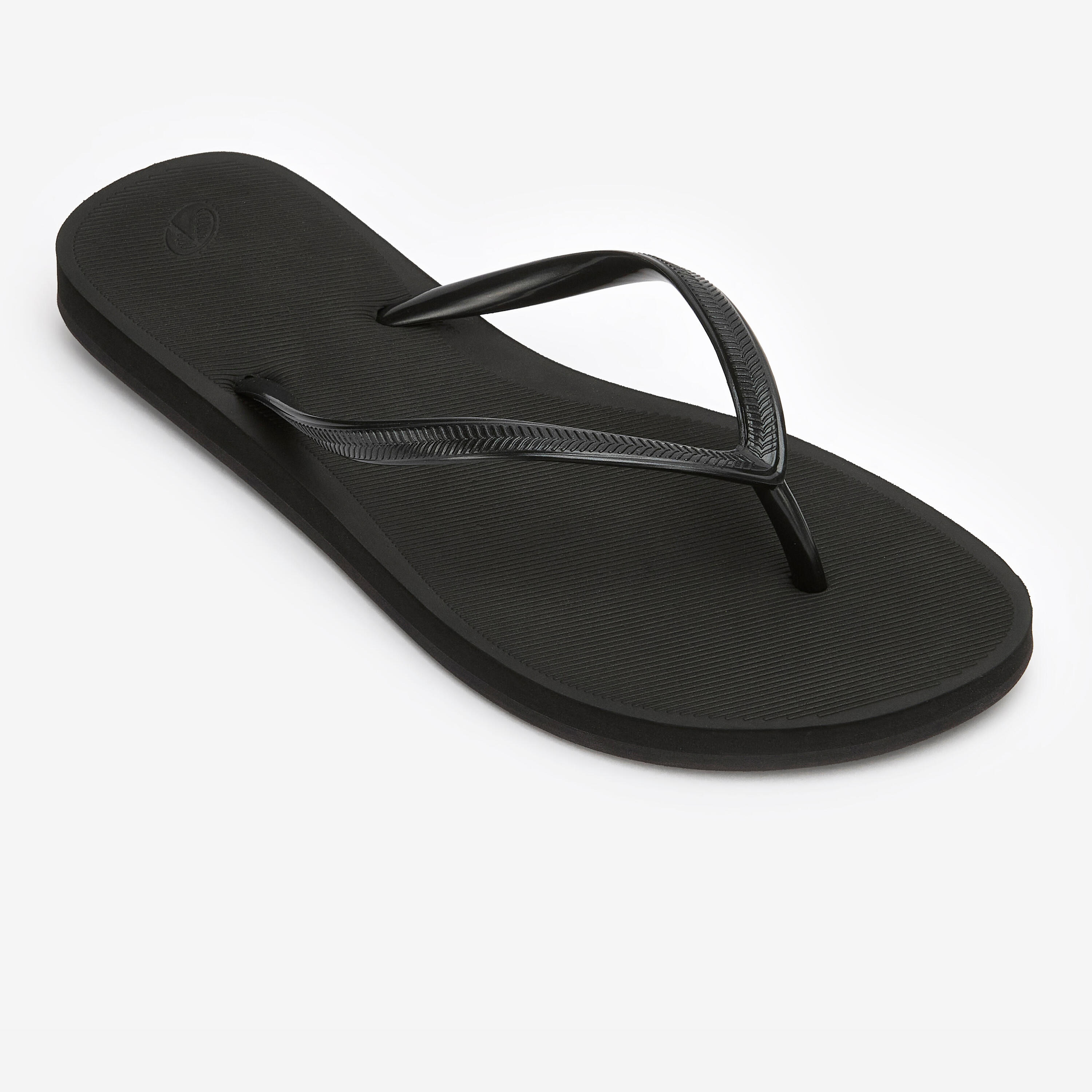
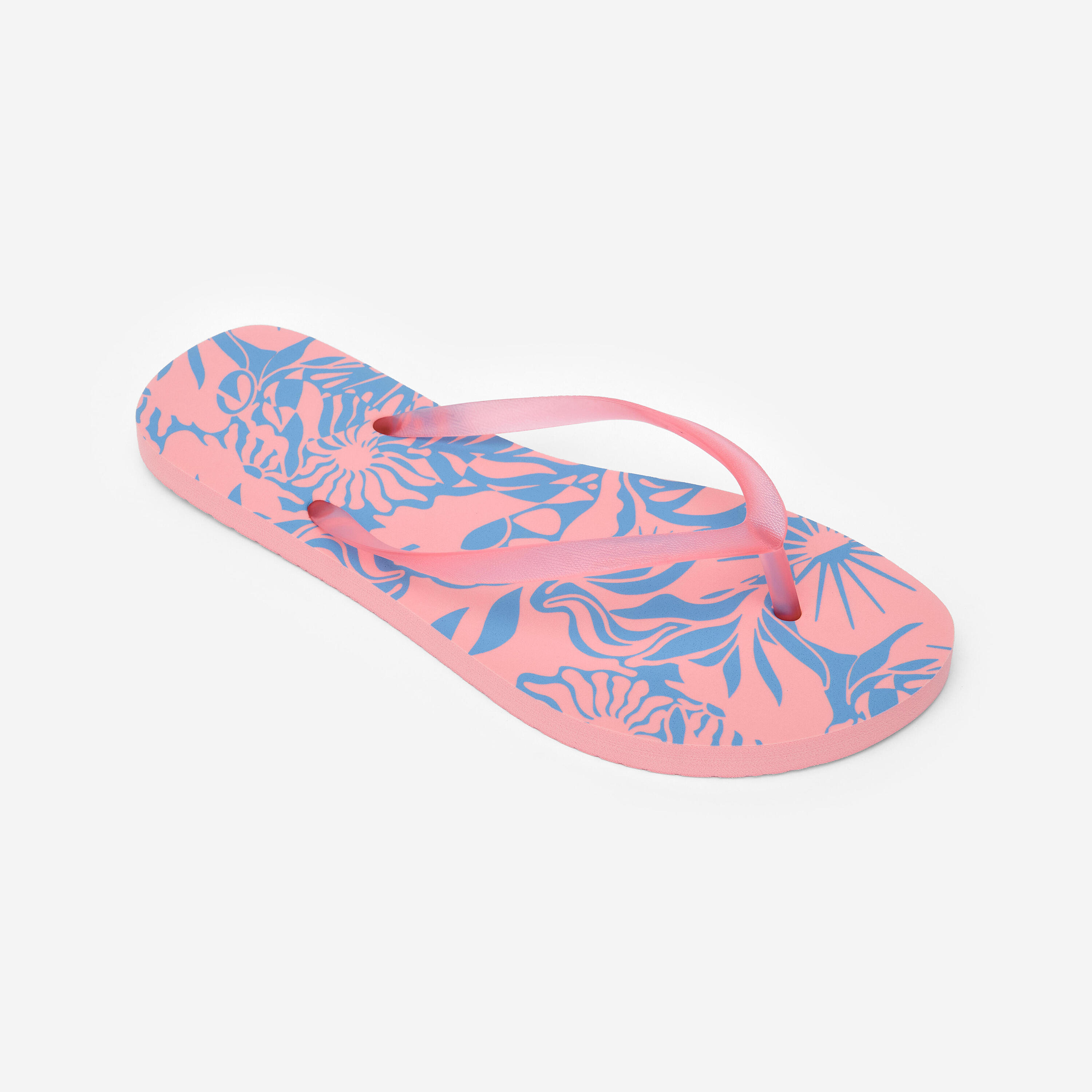
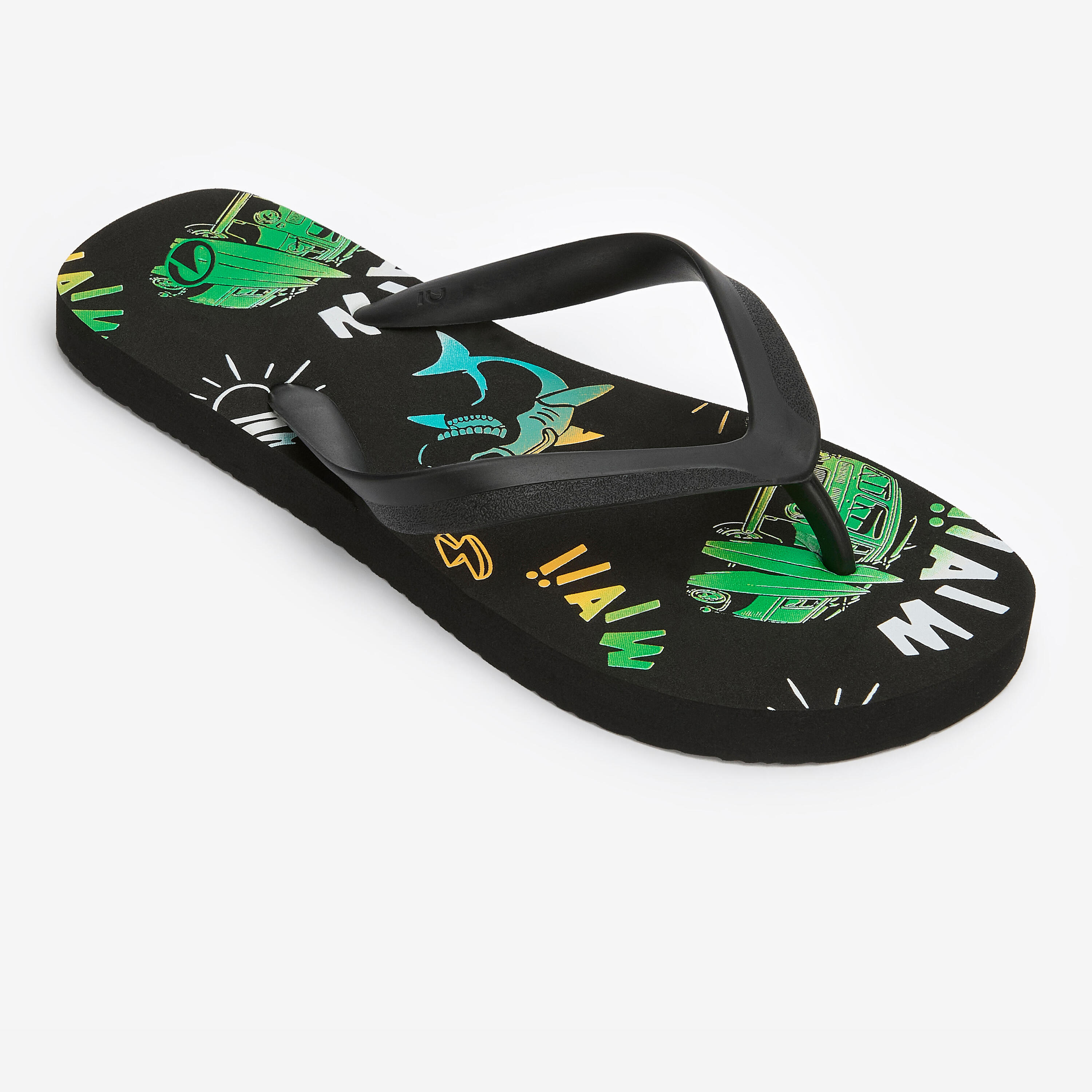
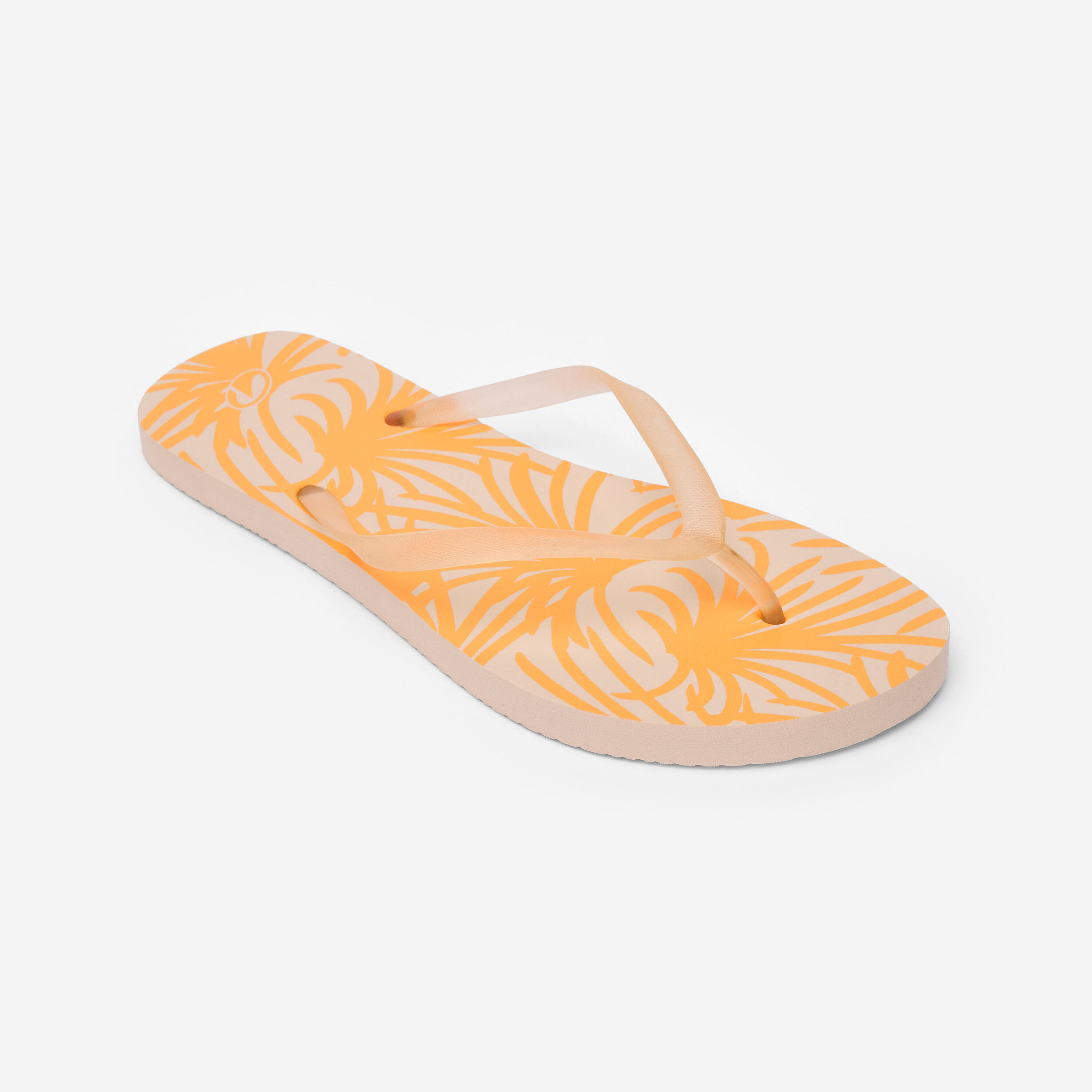
A surf flip-flop is built around a foam midsole that absorbs the repetitive compression of walking on hard surfaces like car parks and promenades, rather than the thin, flat rubber typical of fashion sandals. The foam compound matters: EVA foam is the most common choice because it is lightweight, water-resistant, and retains its cushioning even when wet, which a denser rubber sole does not. The outsole tread pattern determines grip on wet stone and sloped beach ramps, where smooth rubber becomes genuinely hazardous. The toe post construction is the other critical variable; a rigid post that does not flex causes friction between the toes on longer walks, while a softer ergonomic post moves with the foot rather than against it. Anatomical footbeds that follow the natural arch contour distribute weight more evenly than a completely flat base, which reduces fatigue during extended poolside or beach days. Two pairs of footwear tend to cover a full day at the beach: surf shoes for the rocky scramble in and out of the water, and flip-flops for everything in between, since a closed shoe on the sand often feels like overkill. Pro tip: rinse the footbed after each beach day to remove sand and salt that abrade the foam compound and shorten the lifespan of the midsole.

What foot coverage does a flip-flop provide compared to water shoes for surfing?

A flip-flop is suited to dry surfaces between sessions and casual beach movement, but it offers no protection for in-water use, reef entries, or rocky shore crossings where the open toe and heel expose the foot to abrasion and impact. The distinction matters in practice because surfers often underestimate how much damage a single unprotected reef entry can cause; barnacle cuts in saltwater are slow to heal and prone to infection. A flip-flop also provides no thermal insulation, which becomes relevant when the water is cold enough to cause foot numbness that affects pop-up precision. The choice of board shape for a session has a similar logic to footwear selection; a high-volume surfboard forgives small technique errors in the same way a closed shoe forgives rough terrain, while a low-volume performance shape rewards precision and is best suited to favourable conditions.

When does neoprene become a more appropriate choice than flip-flops for a cold session?

Flip-flops are a warm-weather, dry-land item with no thermal function in the water. For most regular surfers, the sea is usually too cold for in-water flip-flop use from around October. Below 15 degrees, foot numbness sets in quickly enough to affect balance and board feel during a session, and no amount of post-surf flip-flop use compensates for cold feet during the actual surfing. A five millimetre round-toe boot retains warmth through sustained winter immersion, where a split-toe version would prioritise feel over insulation. The broader category of neoprene thermal kit addresses the transition point between summer footwear and serious cold-water gear, covering everything from thin shorty suits through to full five-millimetre steamer setups.
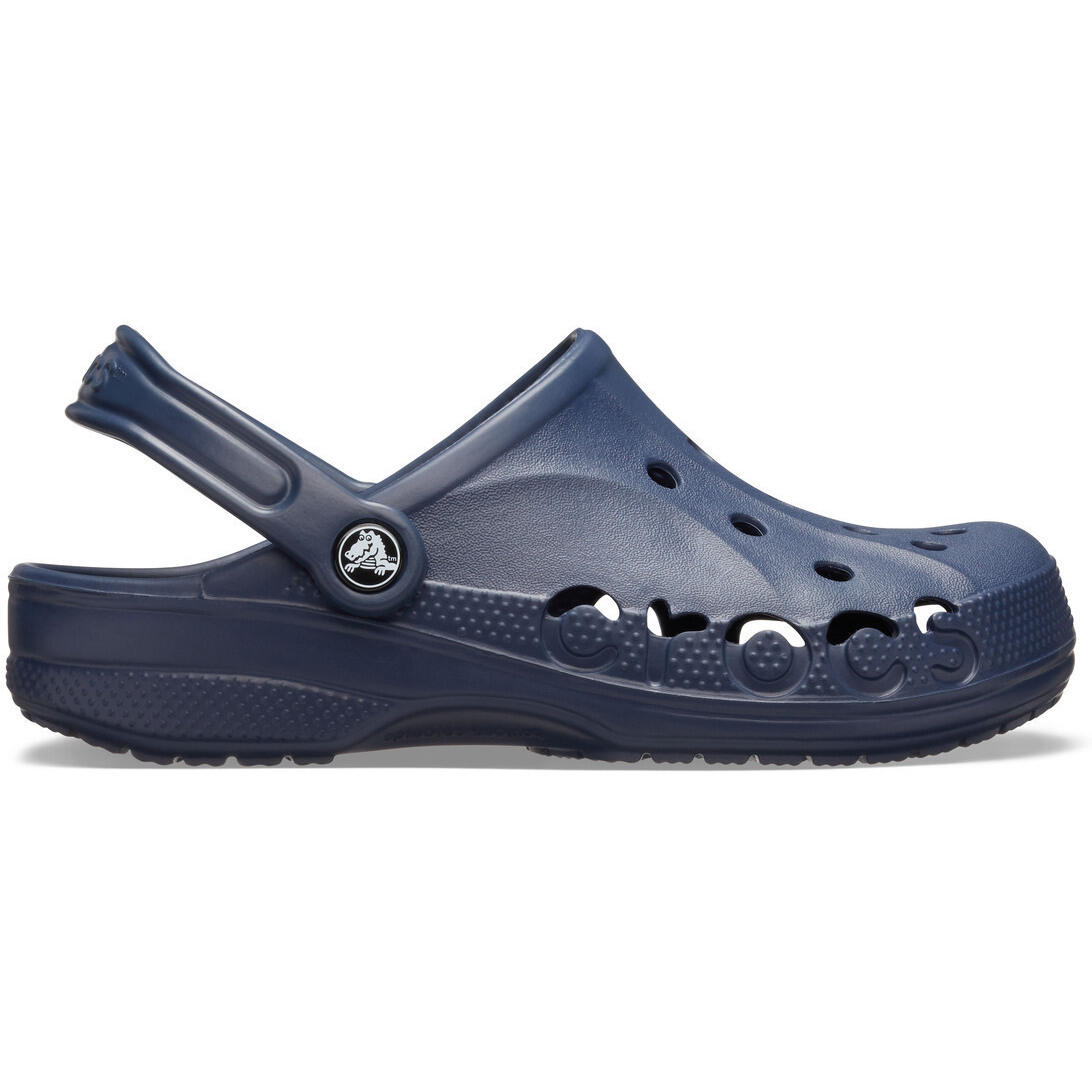
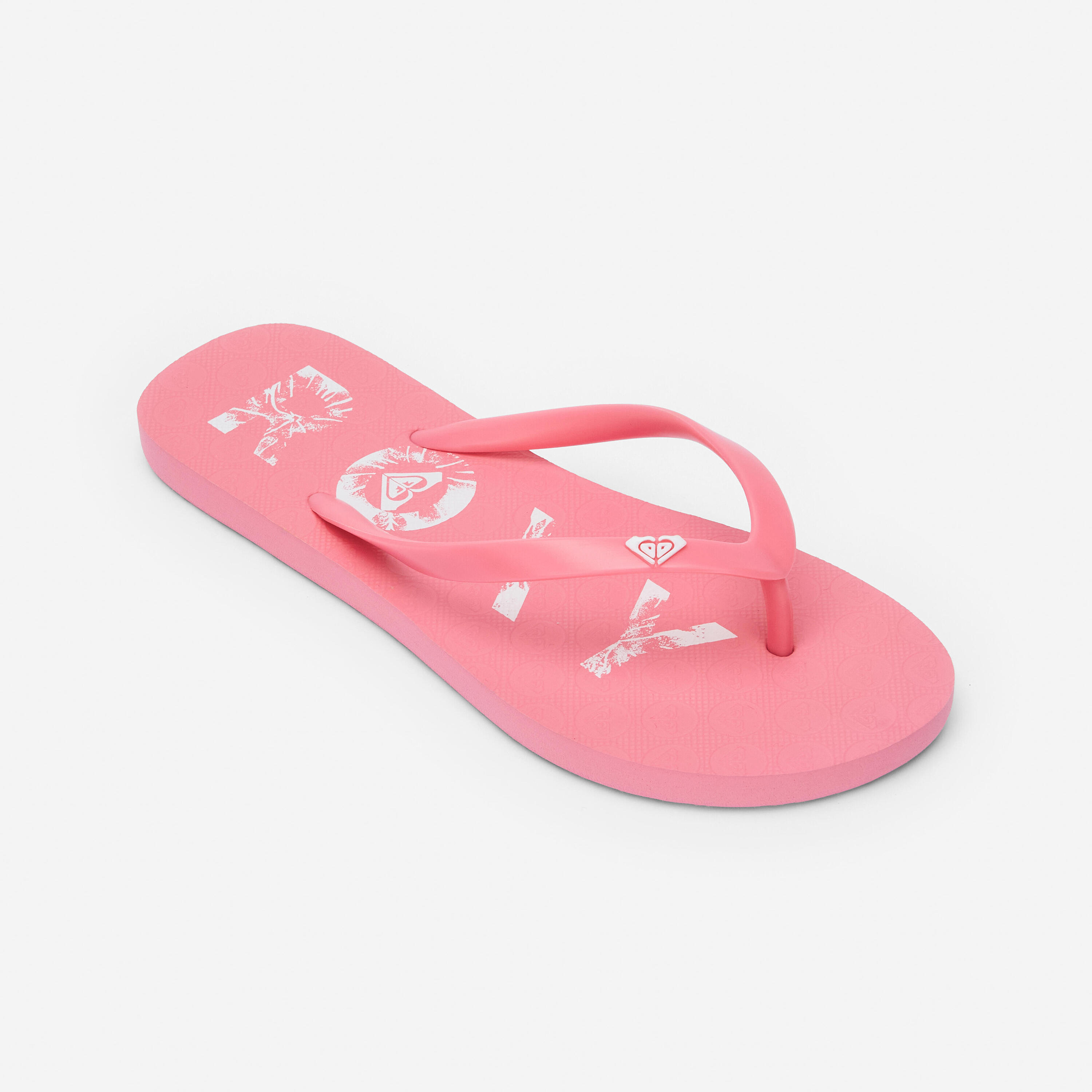
What accessories pair practically with flip-flops for a full beach day session?

A complete beach day kit built around flip-flops typically includes a board or bodyboard, wax, a leash, and sun protection. Flip-flops handle the walk from the car to the shore and back, but the rest of the session requires items suited to the water. A changing mat that doubles as a boot liner keeps sand off dry clothes during the post-surf change, which is one of those small, practical items that make the end of a session significantly less frustrating. Wax combs, fin keys, and nose guards round out the in-car kit that most surfers carry without thinking about it. You'll find essentials such as leashes, wax, fin sets, and repair patches throughout the surf accessories range, making it easier to build a complete beach-day setup.

How do flip-flops fit into the broader surf clothing and footwear system?

Surf clothing operates as a layered system that shifts with the season: boardshorts and a rash vest for summer, a shortie or spring suit as water temperature drops, and a full steamer with boots, gloves, and a hood for winter. Flip-flops occupy the warm end of that spectrum, pairing naturally with the lightest clothing layers during sessions where neoprene would be overkill. The qualities that separate a good pair of flip-flops from a great one are quick-drying materials, a secure fit, and all-day practicality. Similar considerations apply to swimwear and boardshorts, where salt-shedding fabrics, secure waistbands, and paddling-friendly cuts improve comfort in the water.