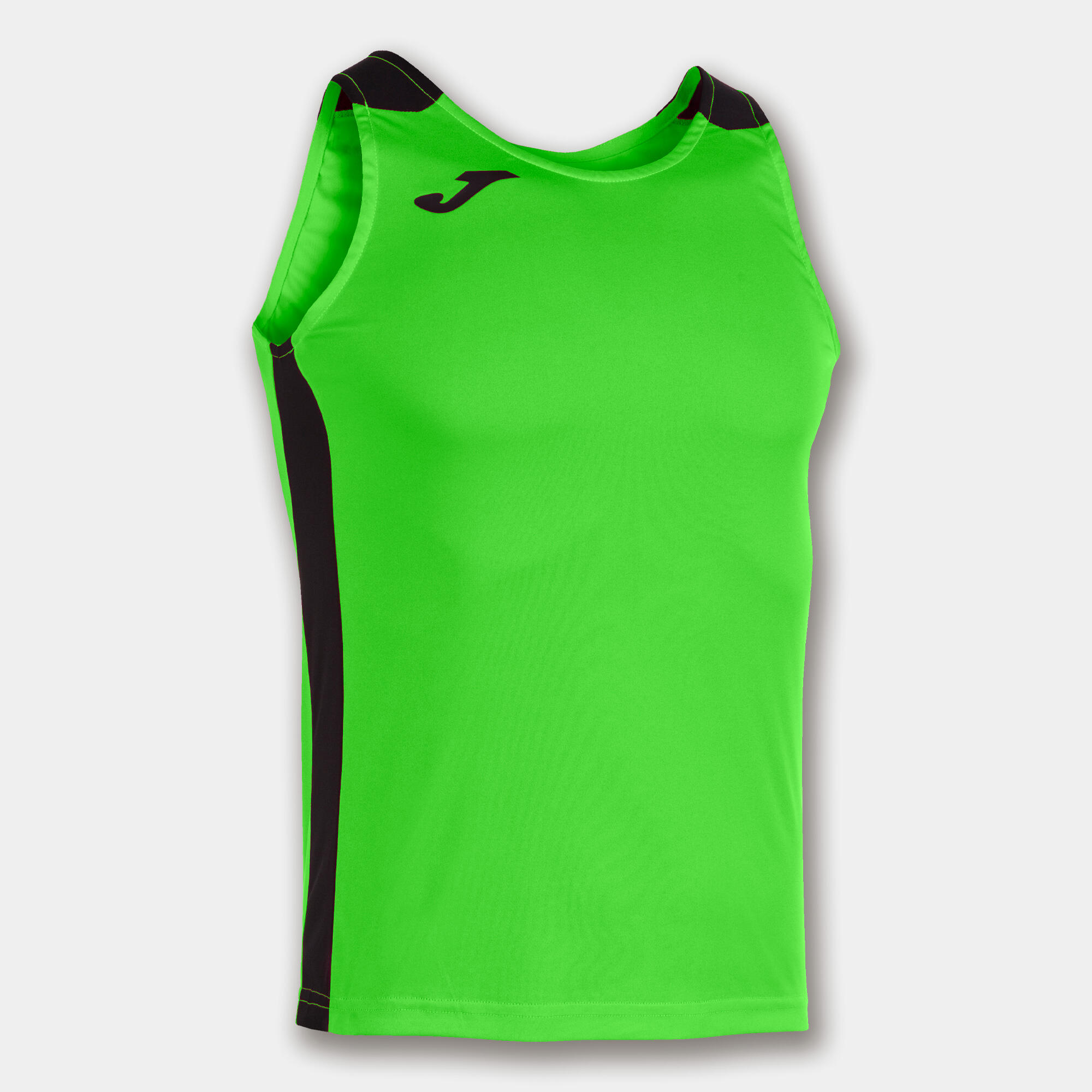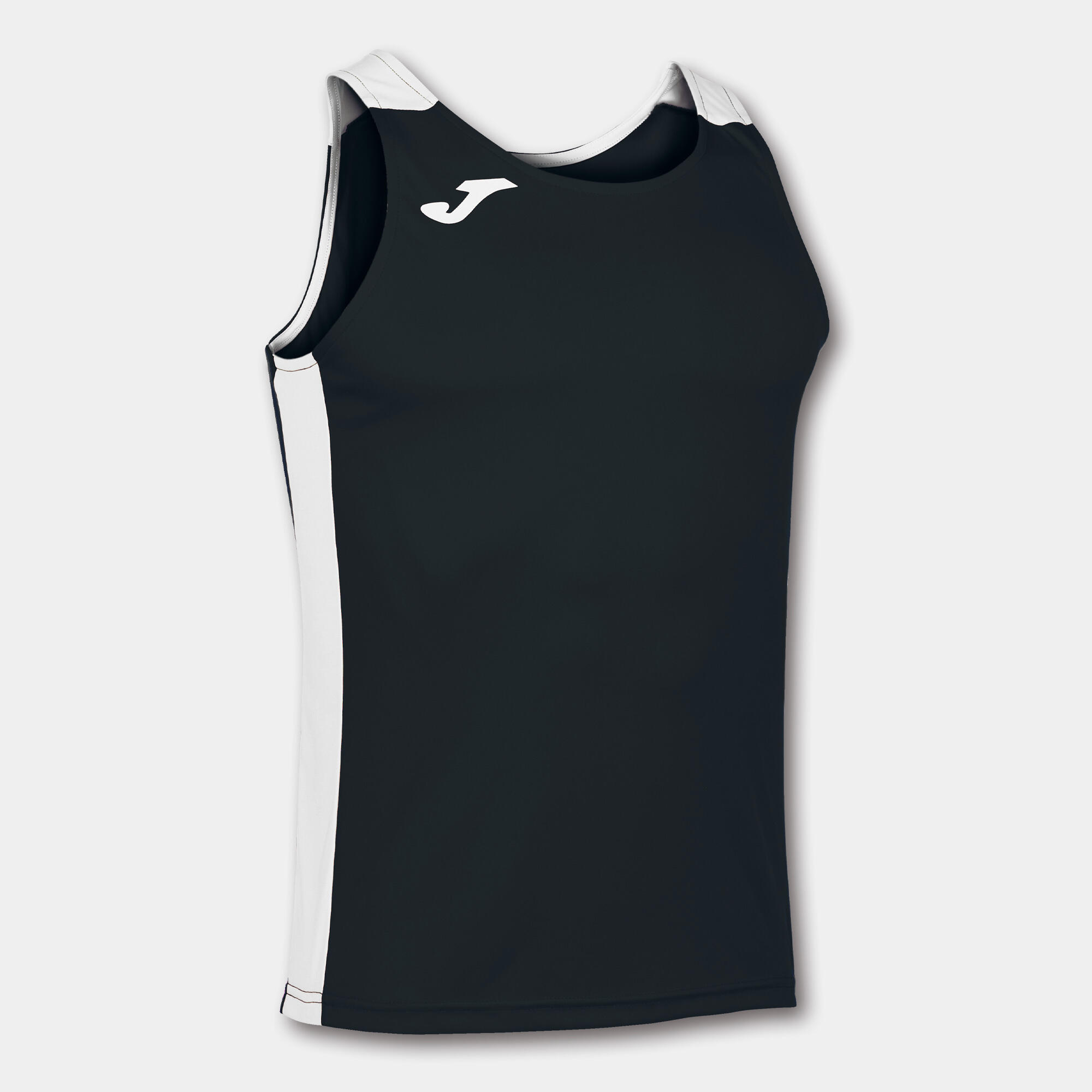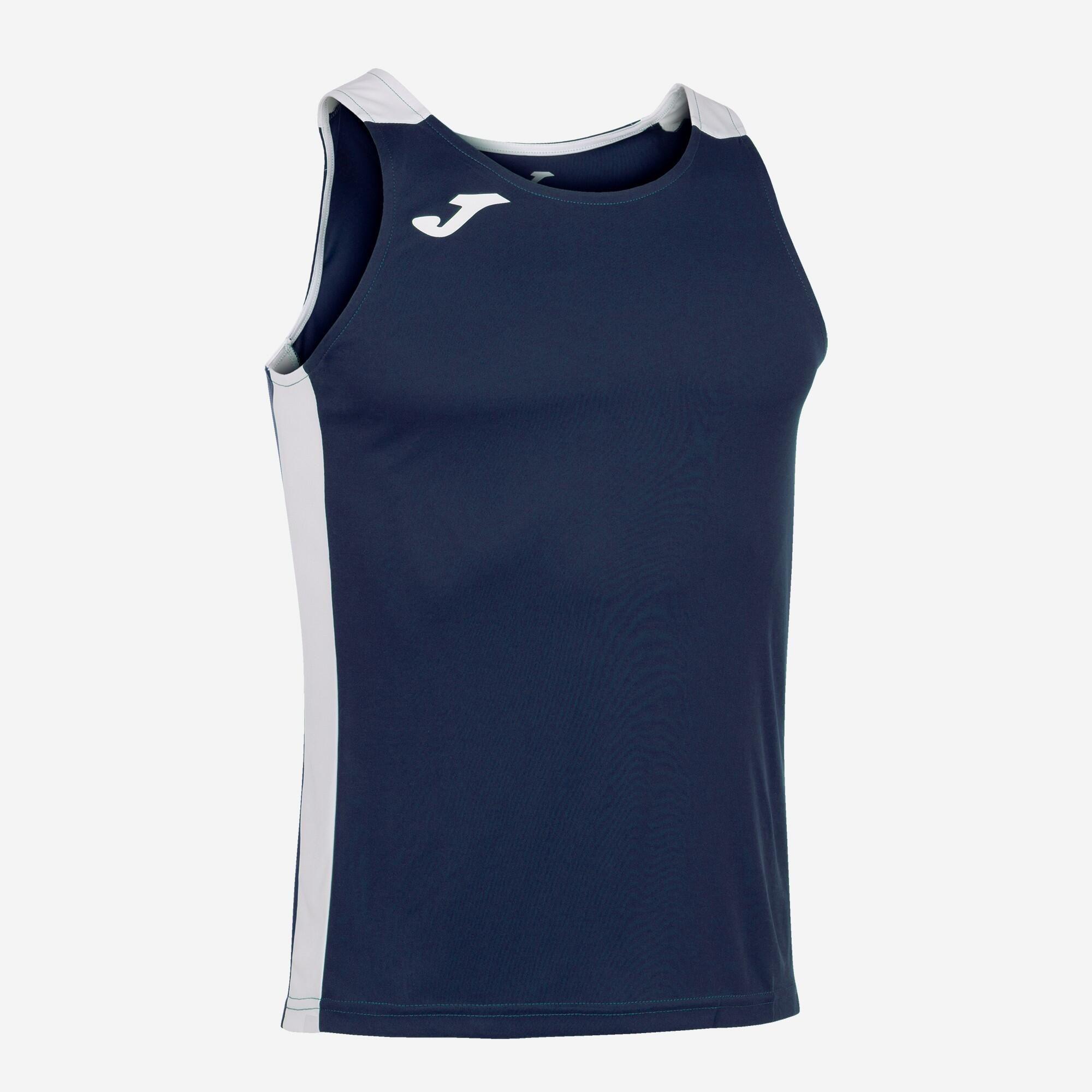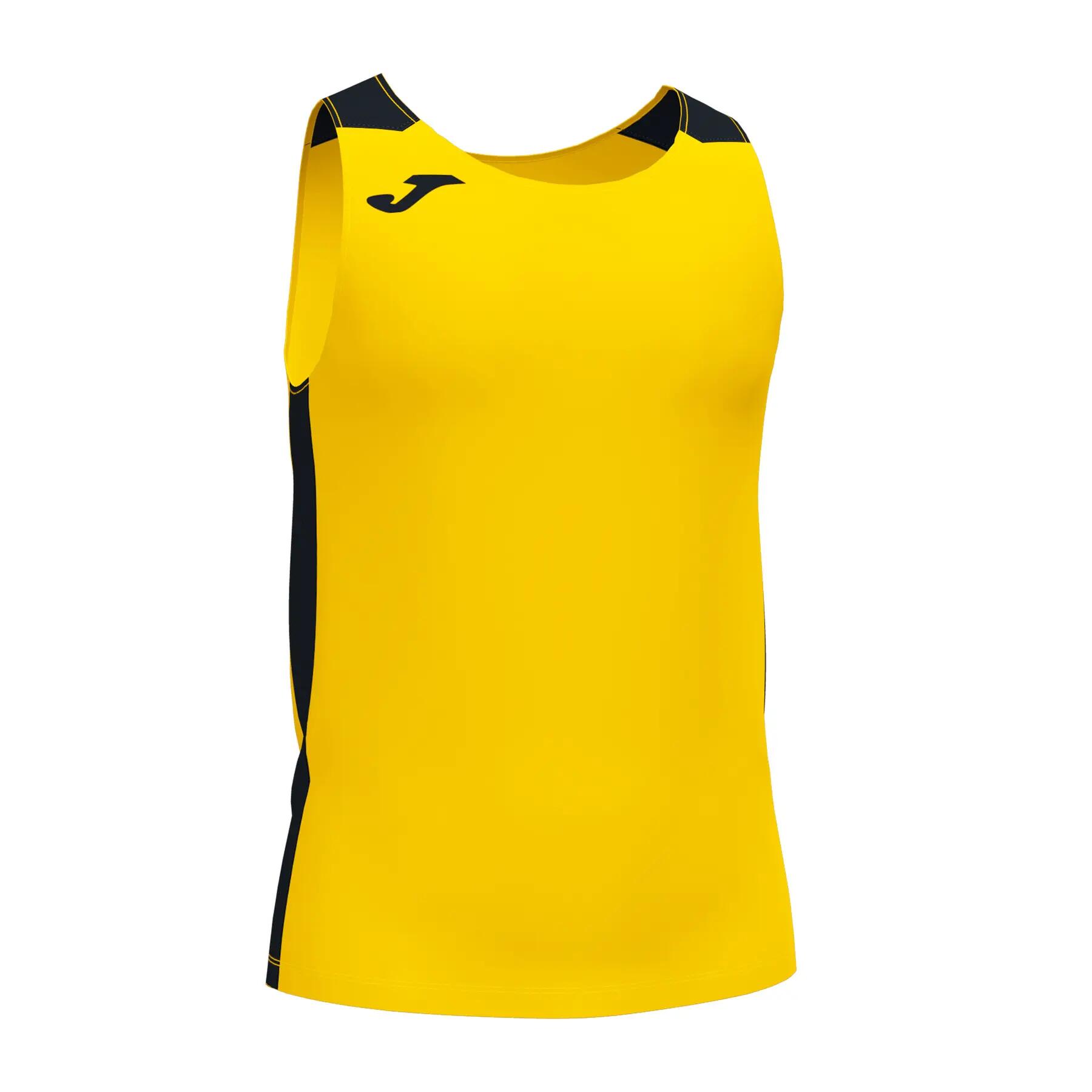
124 items
  • Marketplace -Online Only Marketplace -Online Only
  • Marketplace -Online Only Marketplace -Online Only
  • Marketplace -Online Only Marketplace -Online Only
  • Marketplace -Online Only Marketplace -Online Only
  • Marketplace -Online Only Marketplace -Online Only
  • Marketplace -Online Only Marketplace -Online Only
  • Marketplace -Online Only Marketplace -Online Only
  • New Lower Price New Lower Price
  • Marketplace -Online Only Marketplace -Online Only
  • Marketplace -Online Only Marketplace -Online Only
  • Marketplace -Online Only Marketplace -Online Only
  • Marketplace -Online Only Marketplace -Online Only
  • Marketplace -Online Only Marketplace -Online Only
  • Marketplace -Online Only Marketplace -Online Only
  • Marketplace -Online Only Marketplace -Online Only
  • Marketplace -Online Only Marketplace -Online Only
  • Marketplace -Online Only Marketplace -Online Only
  • Marketplace -Online Only Marketplace -Online Only
  • Marketplace -Online Only Marketplace -Online Only
  • Marketplace -Online Only Marketplace -Online Only
  • Marketplace -Online Only Marketplace -Online Only
  • Marketplace -Online Only Marketplace -Online Only
  • Marketplace -Online Only Marketplace -Online Only
  • Marketplace -Online Only Marketplace -Online Only
4.5/5 based on 14739 reviews collected online and in stores

Men's Trail Running Tank Tops FAQs

When should you wear a men's trail running tank top?

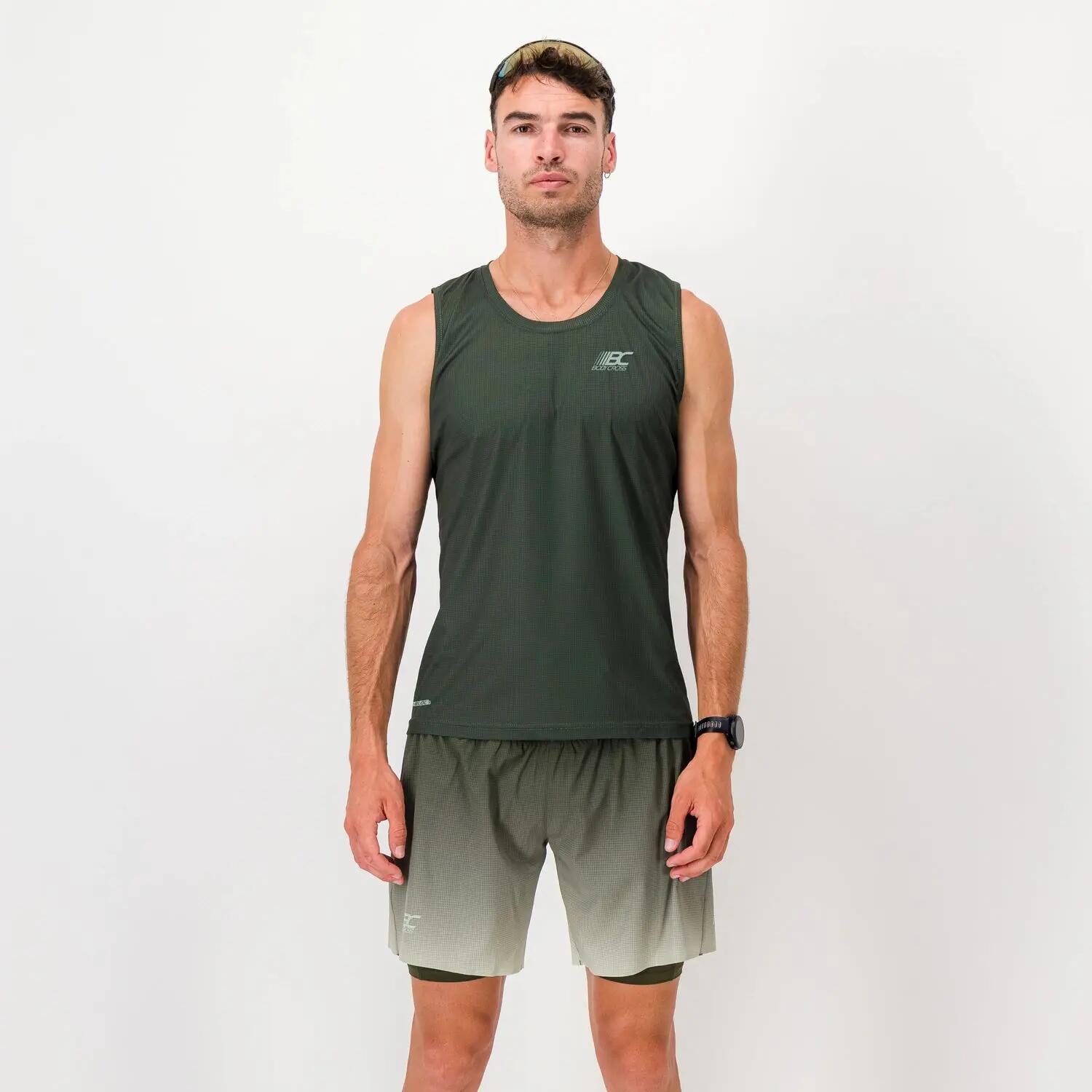
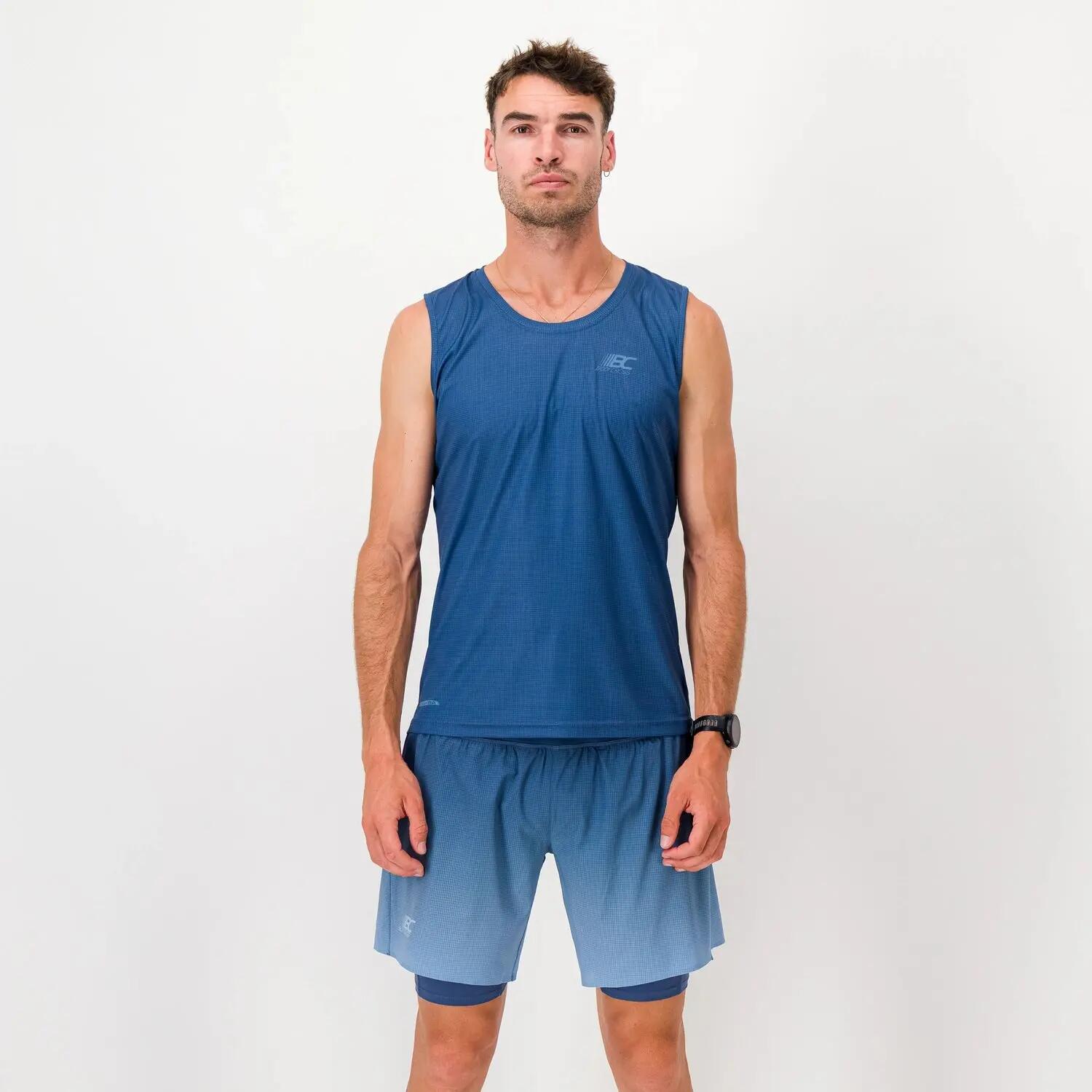
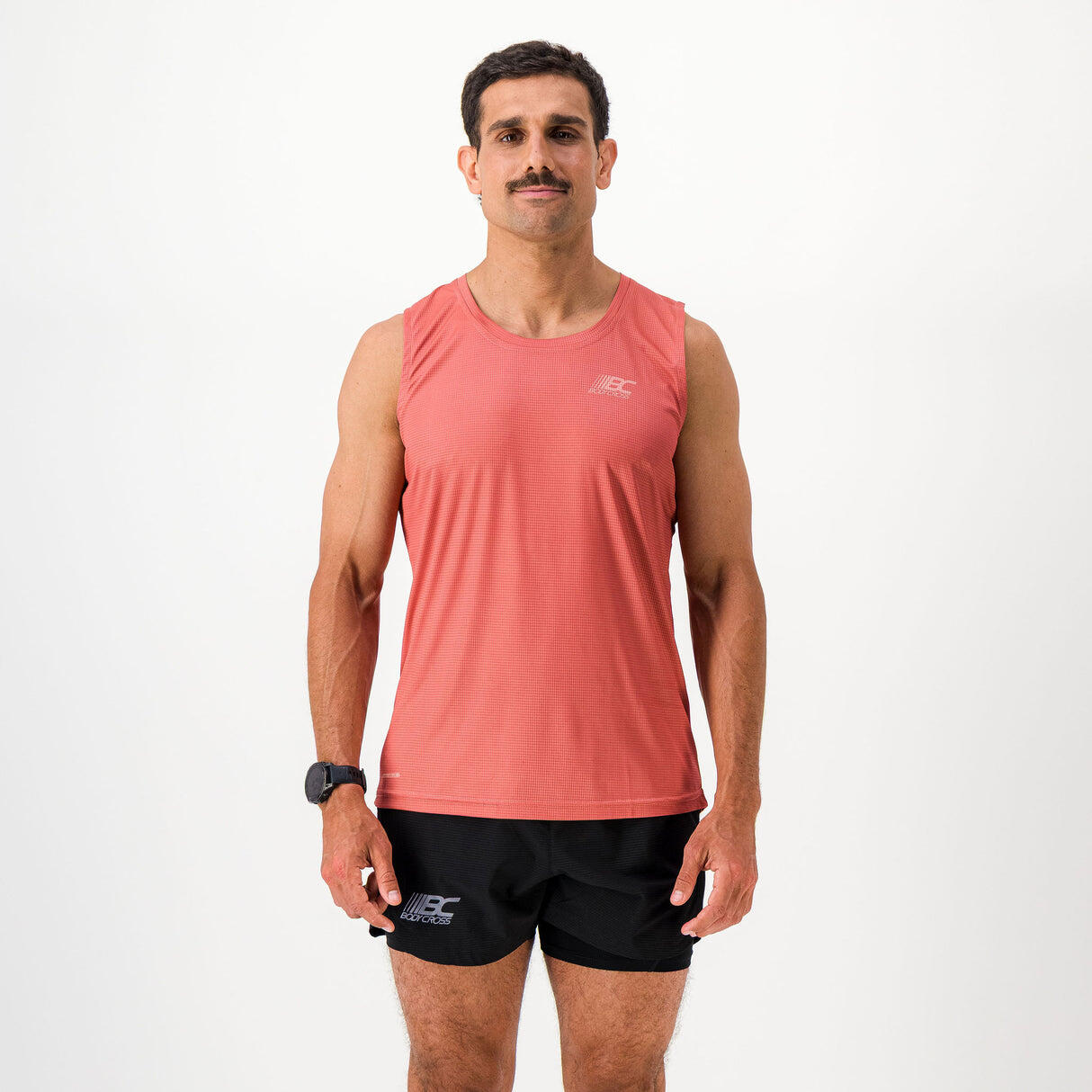
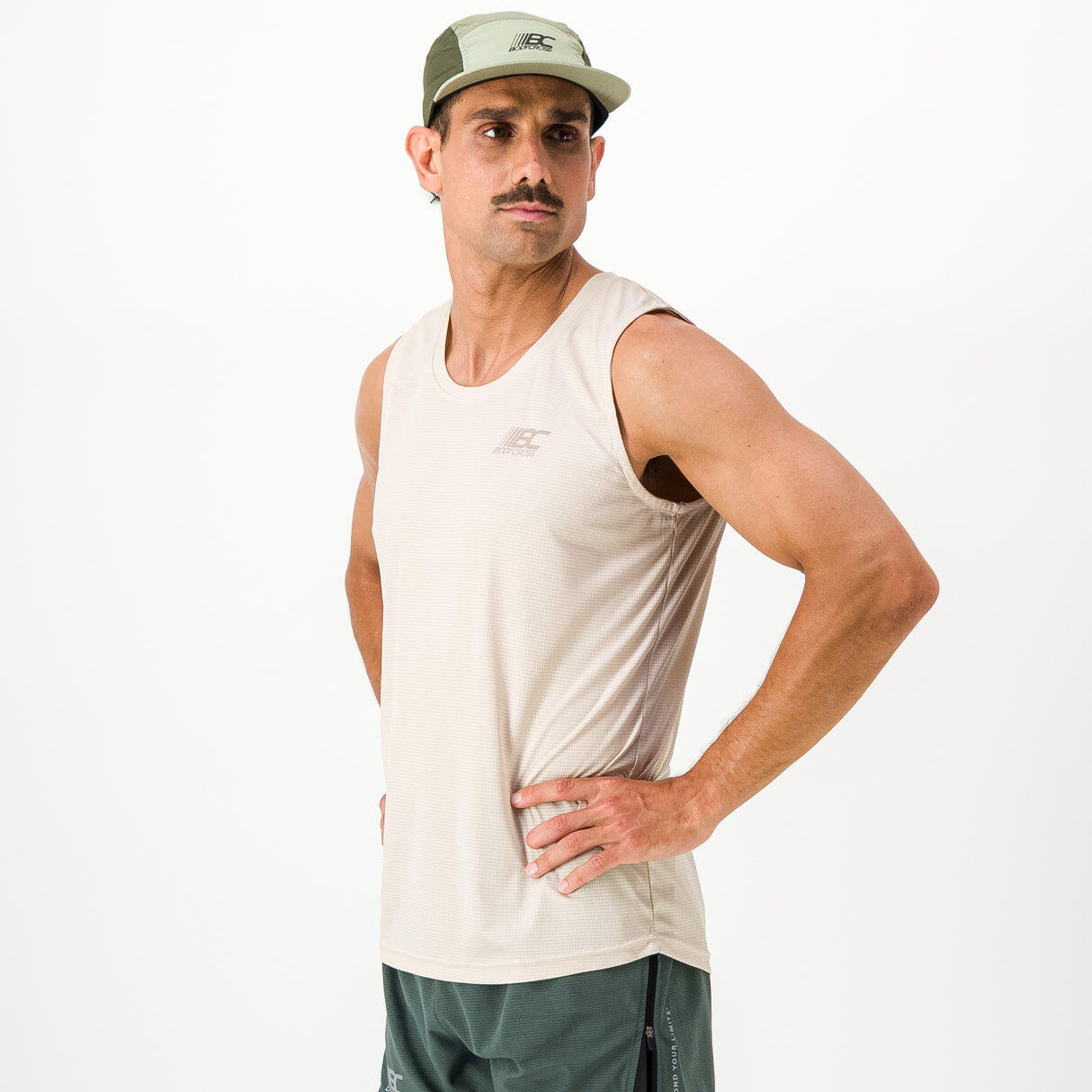
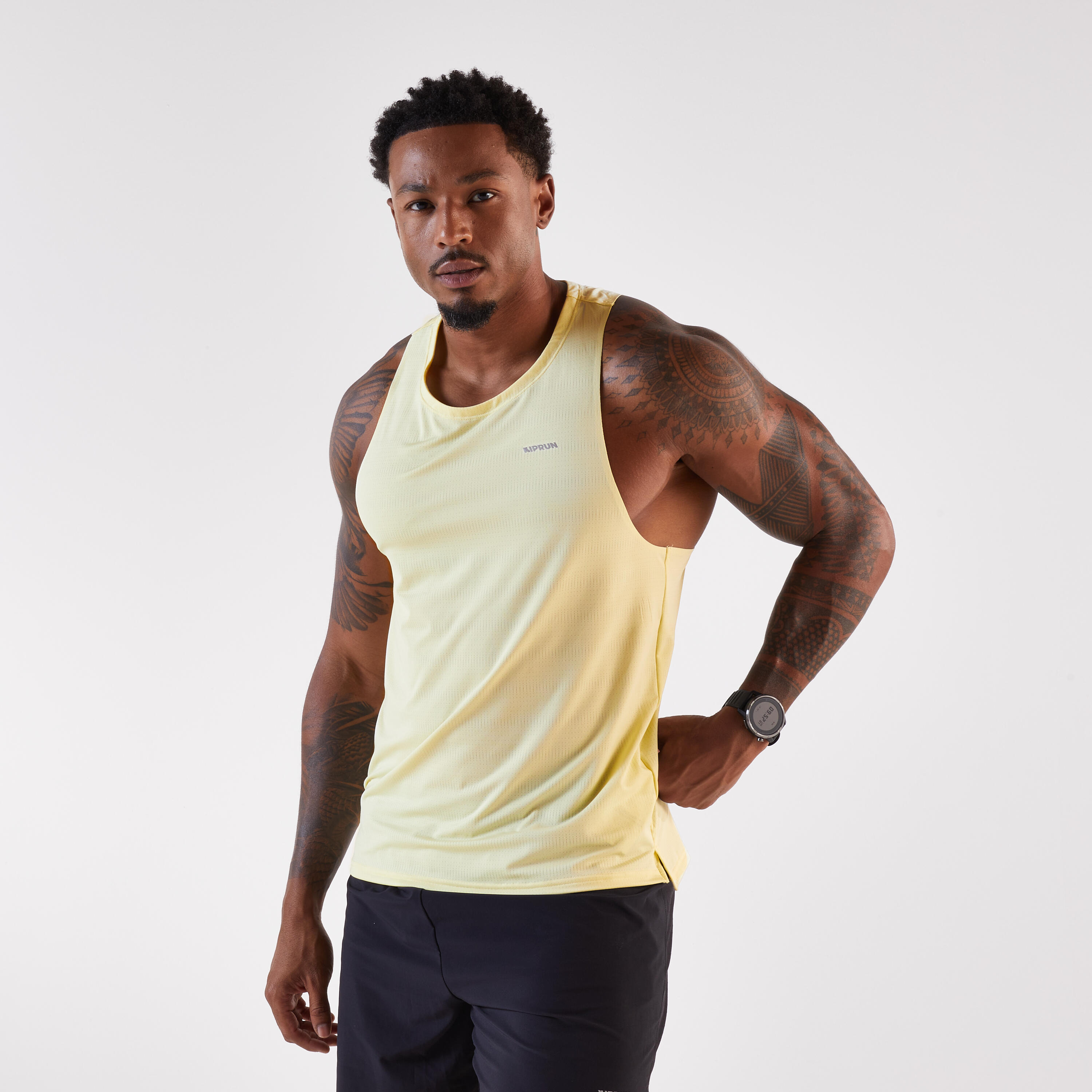
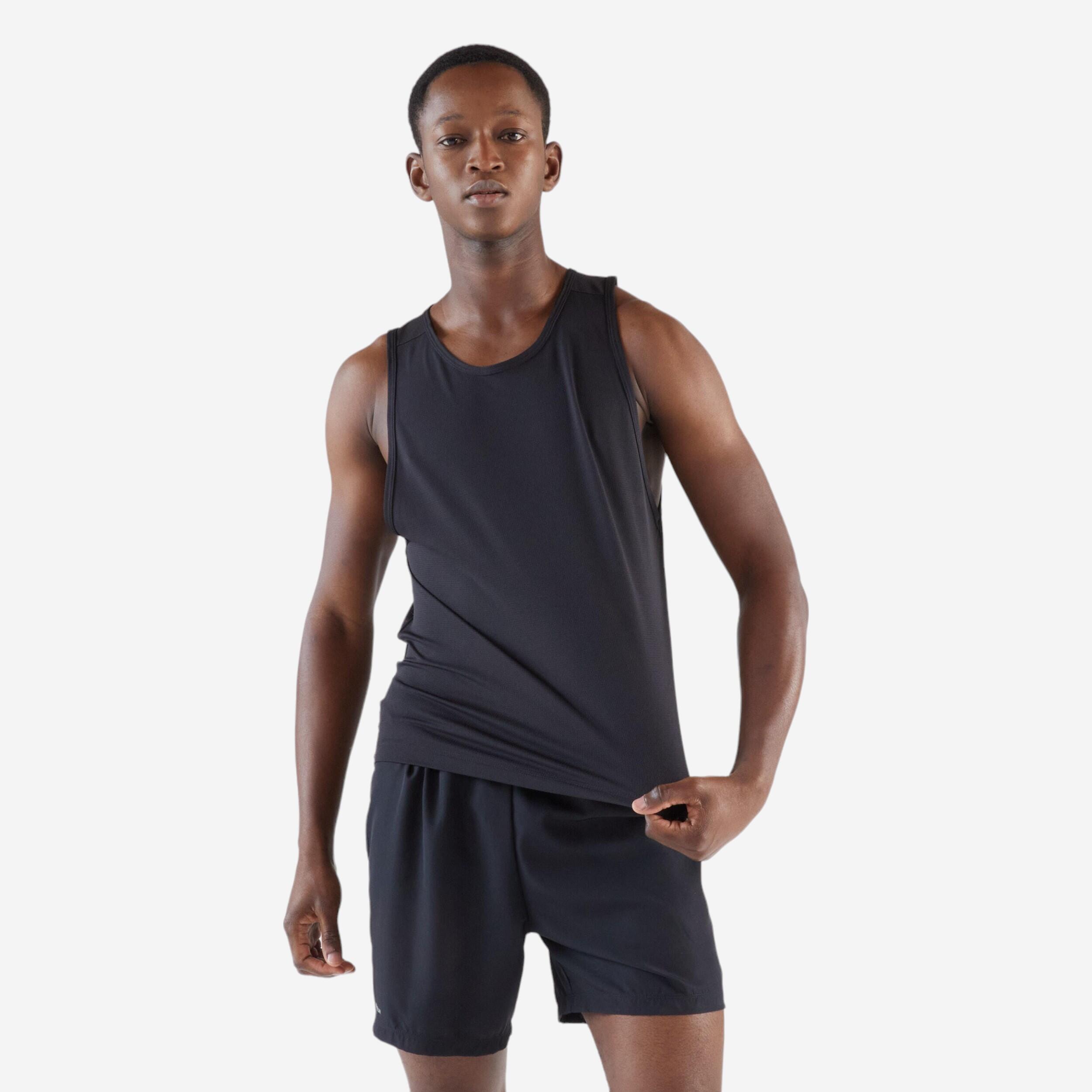
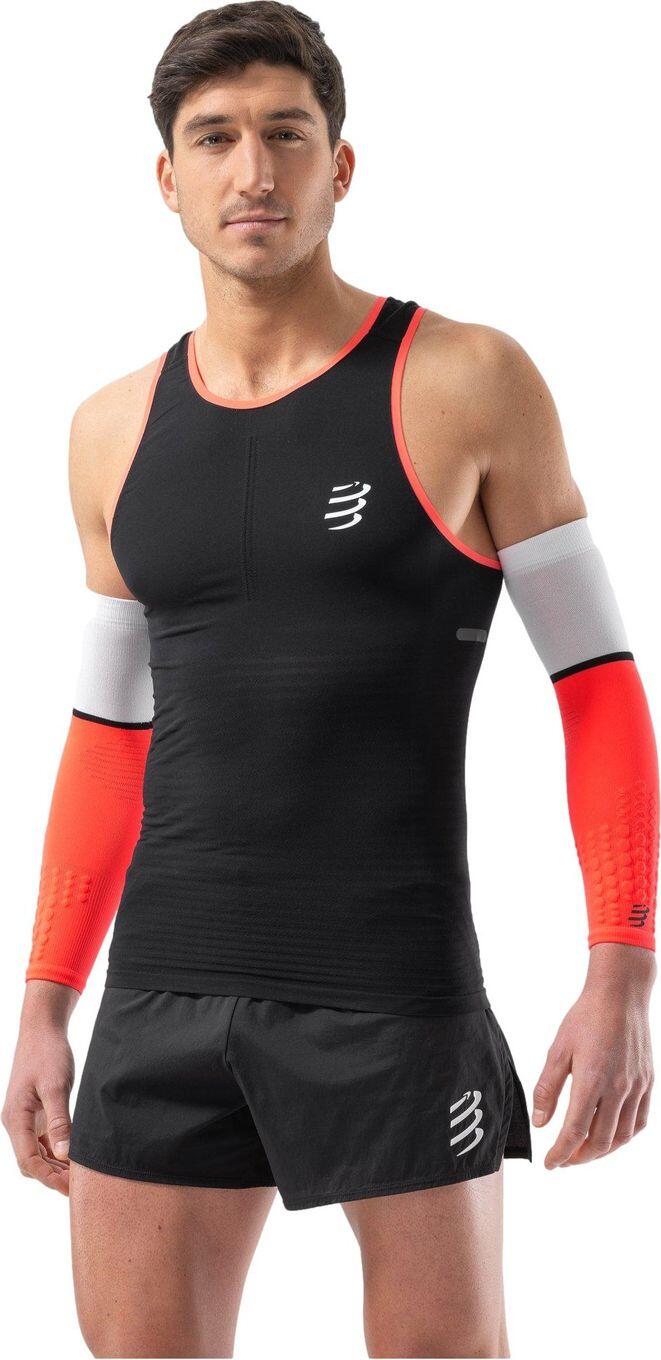
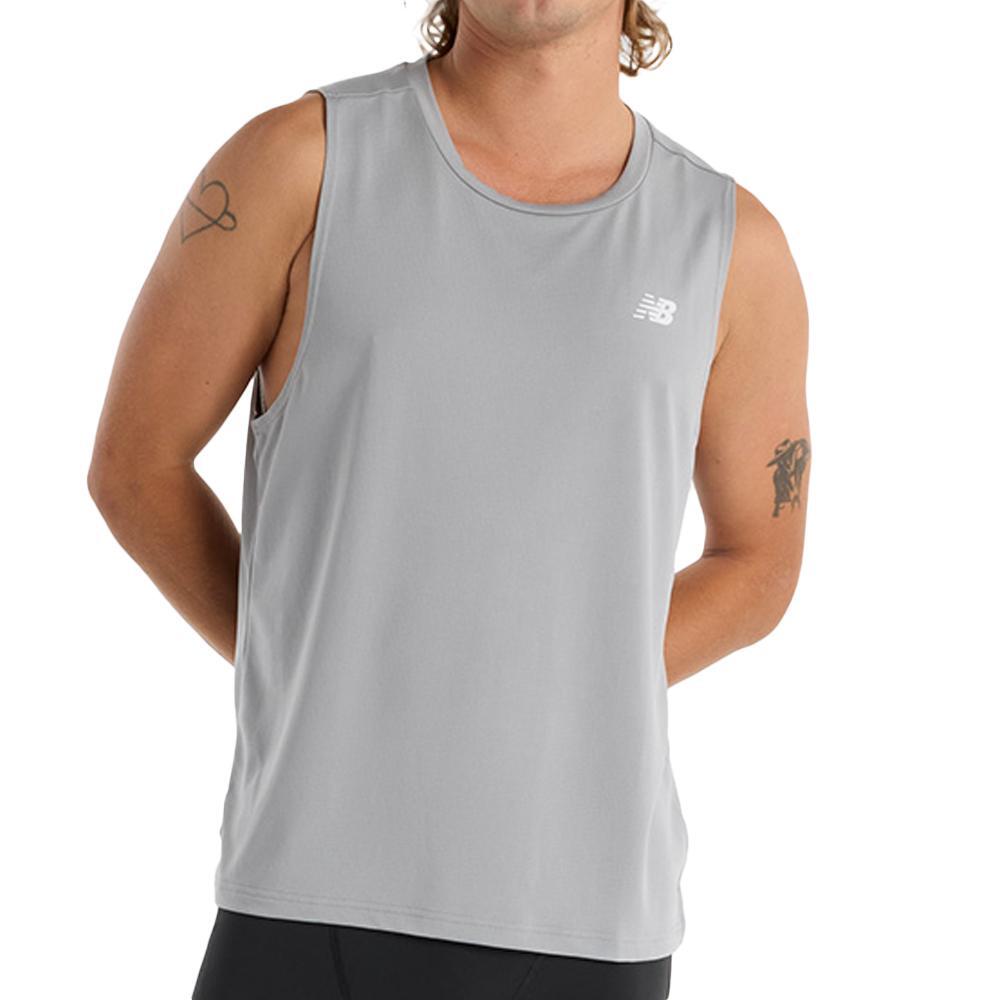
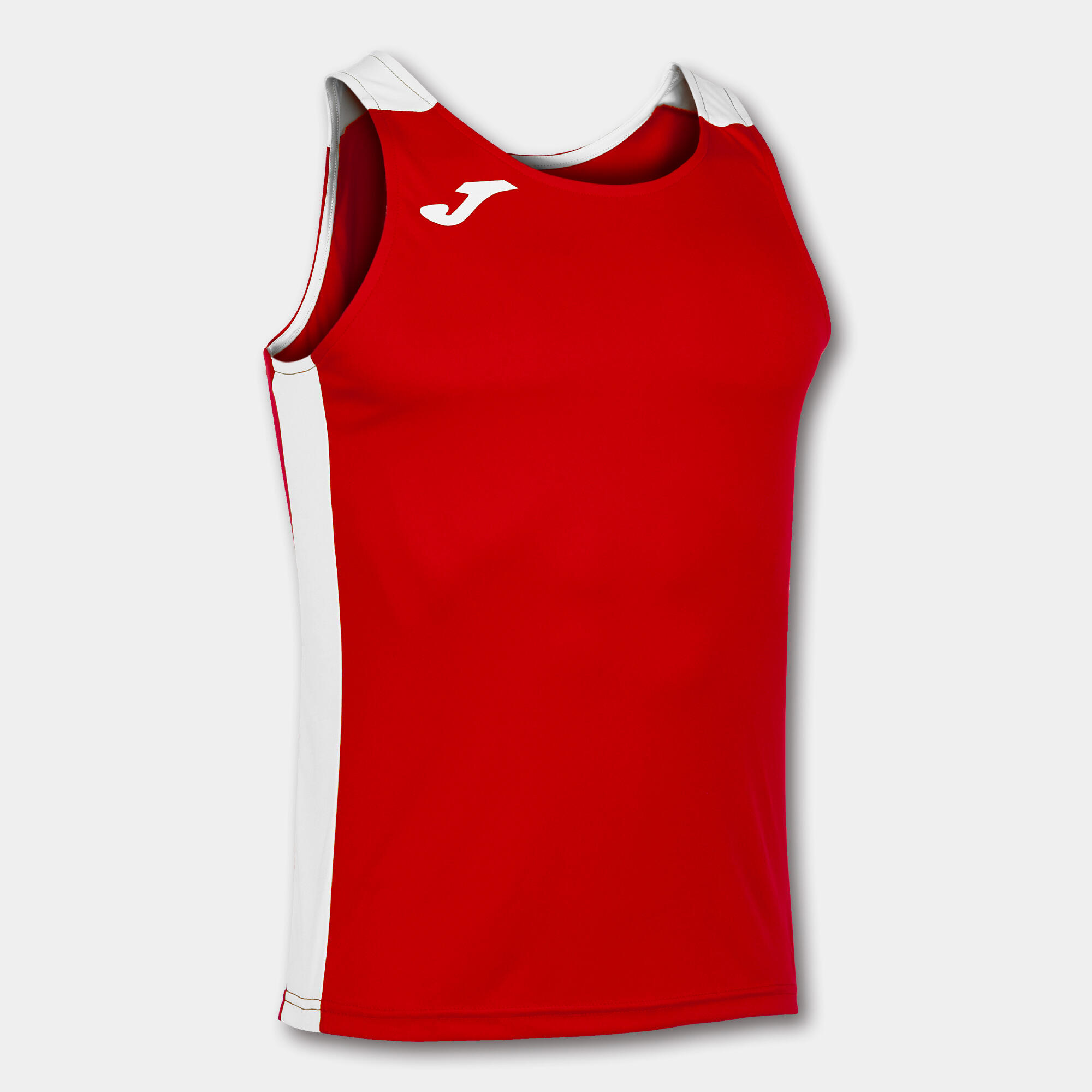
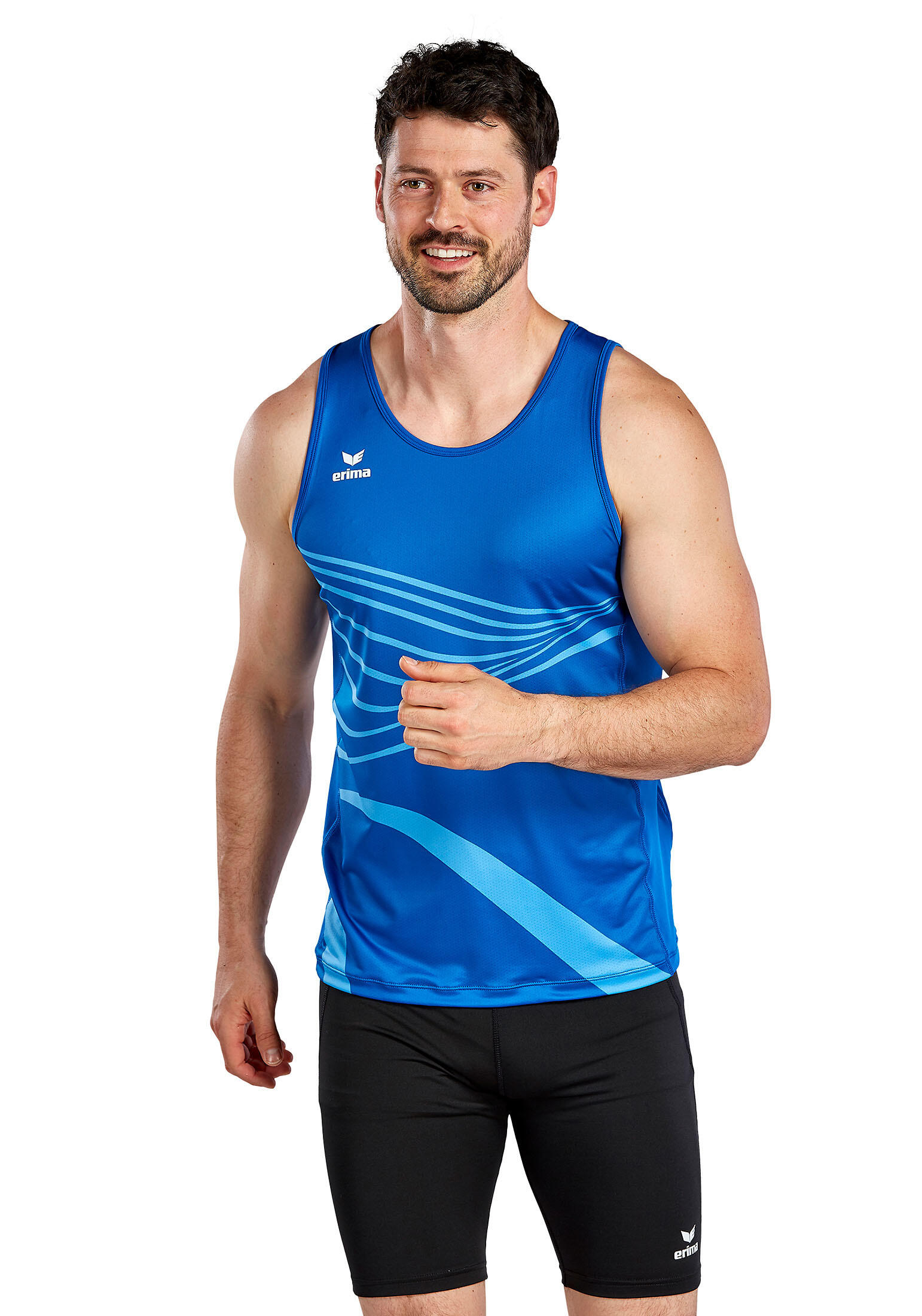
A sleeveless running top suits warm trail sessions where airflow and unrestricted shoulder movement matter more than upper-body coverage. Lightweight synthetic fabric also moves perspiration away from the skin more effectively than everyday cotton. The opening KIPRUN models are general running tank tops that can work on road and trail routes, rather than specialist garments built solely around hydration-pack use. Choose one for warm, sheltered trails and regular training, then add another layer when wind, rain or exposed ground is expected. Try an additional men's trail running tops when you need short sleeves, long sleeves or greater shoulder coverage. Pro tip: test the tank top beneath your vest or belt because shoulder straps can change how the armholes and neckline sit.

What is the difference between KIPRUN Run 100, Run 500 and Run 900 tank tops?

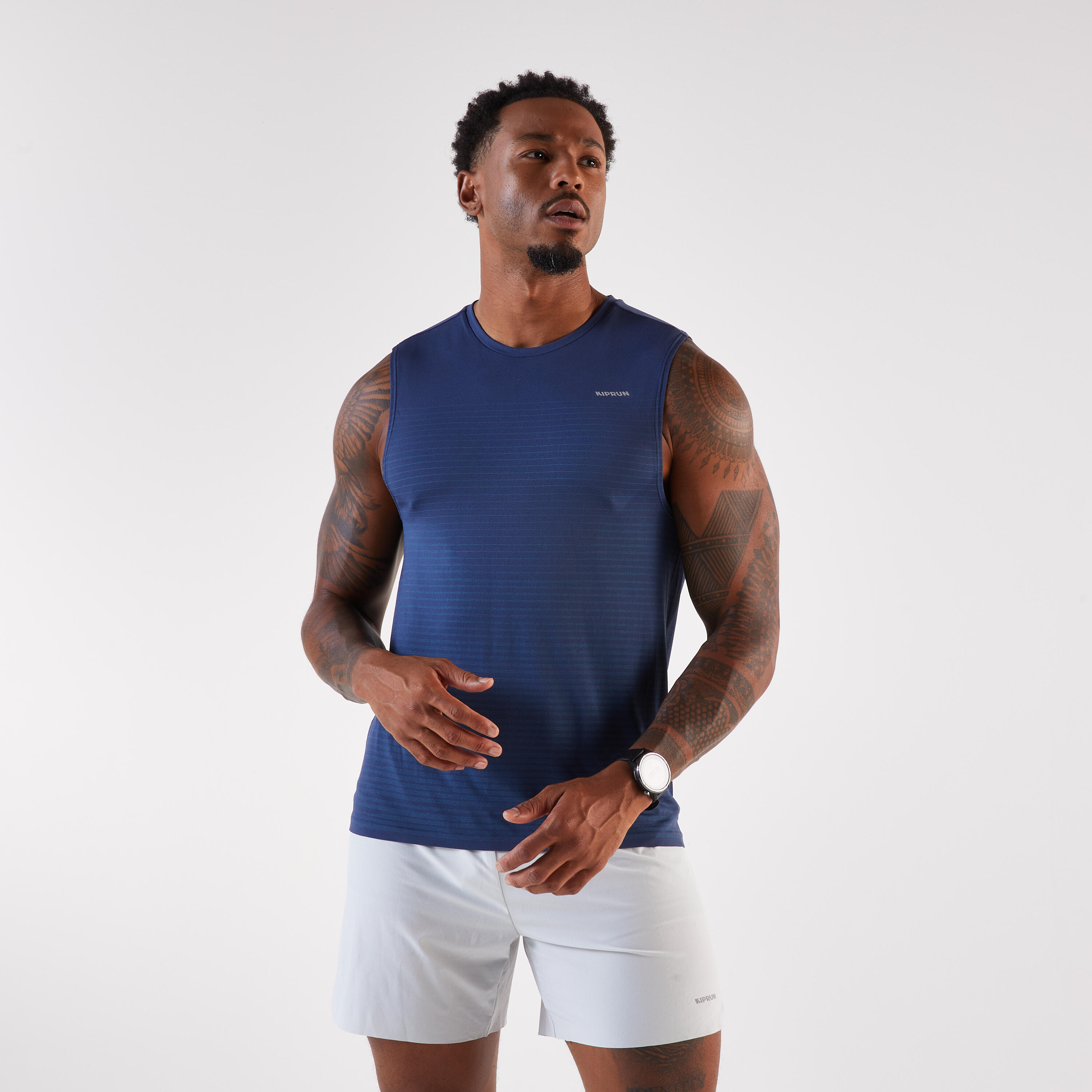
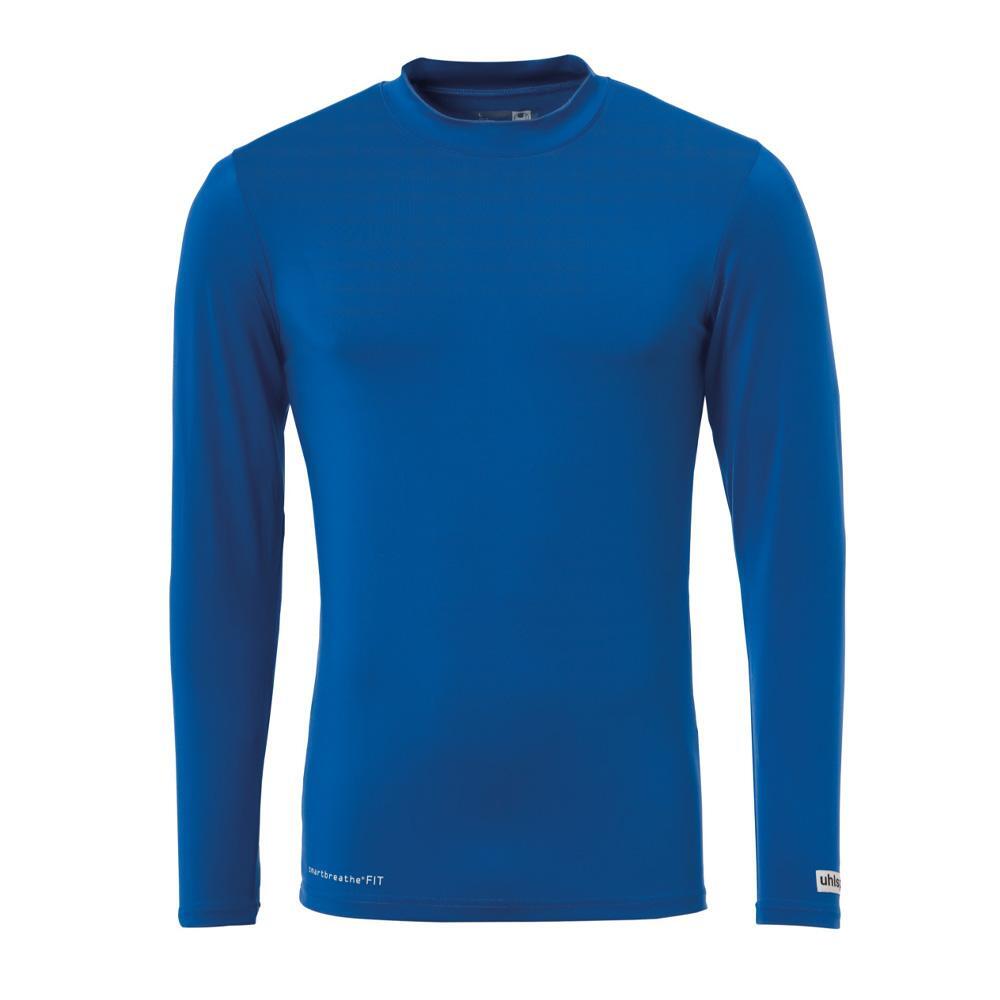
Run 100 provides a straightforward lightweight option for regular running, with polyester fabric that manages perspiration and weighs approximately 93 g in size M. Run 500 Comfort focuses more on softness and reduced rubbing, using a knitted construction without conventional side seams. The blue running tank top weighs about 80 g and has a flowing, stretchable feel. Run 900 Light is the lightest and most performance-focused construction of the three, adding micro-perforated fabric, targeted back ventilation and bonded armhole edges. Choose according to whether you prioritise simplicity, seamless comfort or lower weight during faster and hotter sessions.
How breathable should a men's trail running tank top be?

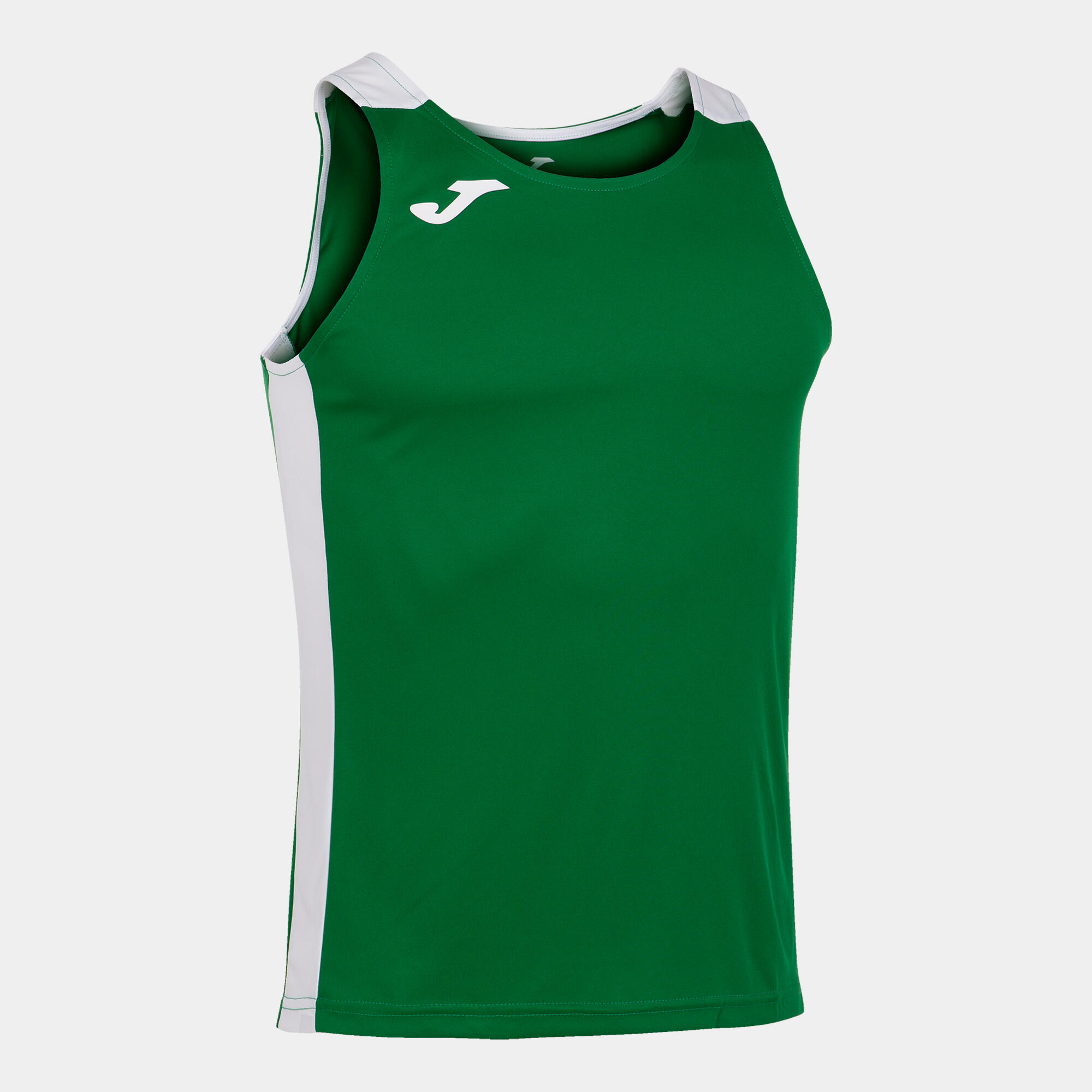
Breathability should match the temperature, effort and amount of equipment worn over the garment. A basic synthetic tank top can work for steady warm-weather running, while intense climbs and faster trail sessions benefit from perforated areas that release more heat. The KIPRUN men's light running tank top uses micro-perforated fabric and a perspiration-wicking section down the back, where moisture commonly builds. Its elastane content also allows the fabric to follow arm drive and torso rotation without requiring an excessively loose fit. Low weight can improve comfort, but neckline shape, armhole finish and fabric stability are equally important during repeated trail movement.
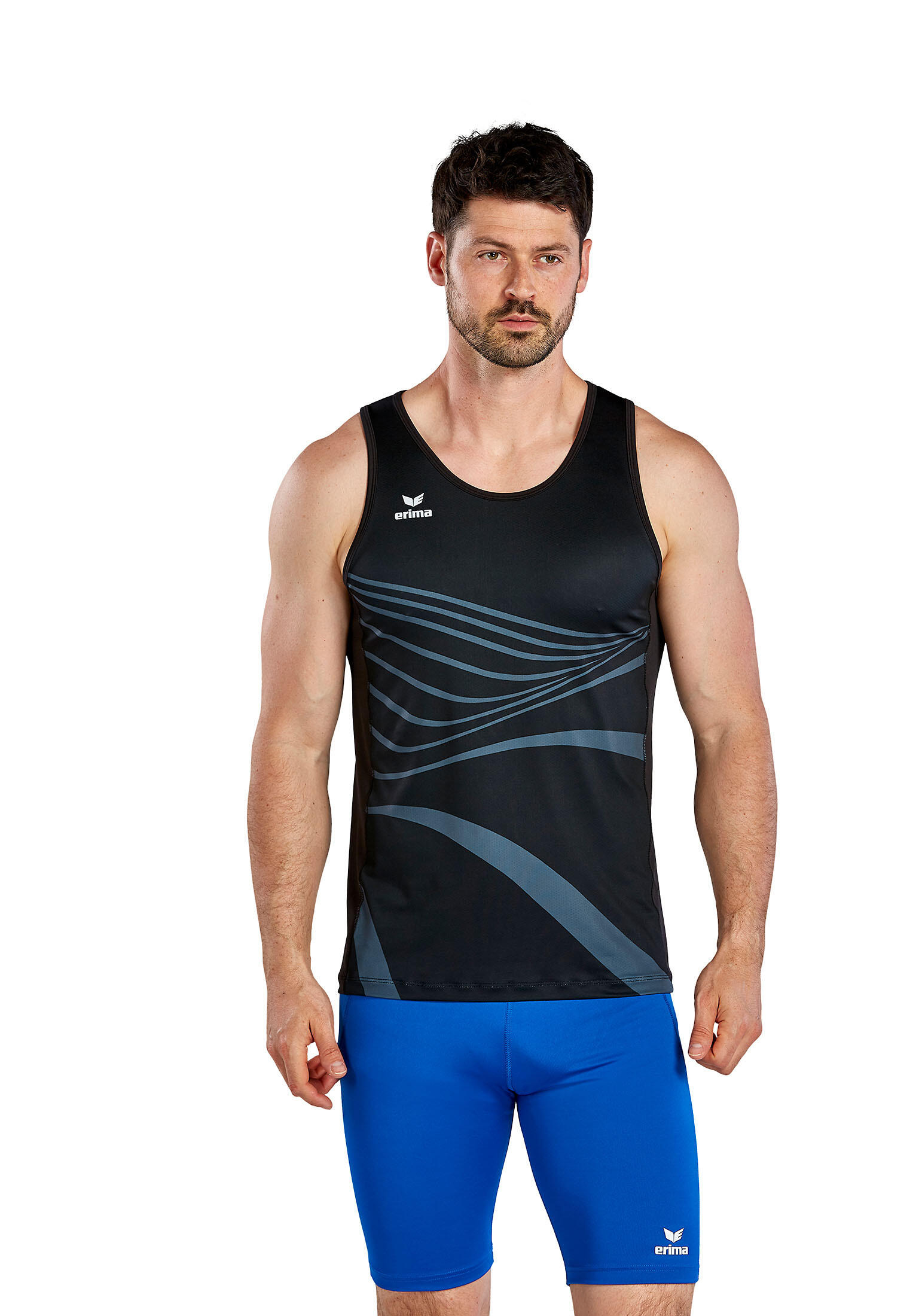
Can men's trail running tank tops be worn beneath a trail vest?

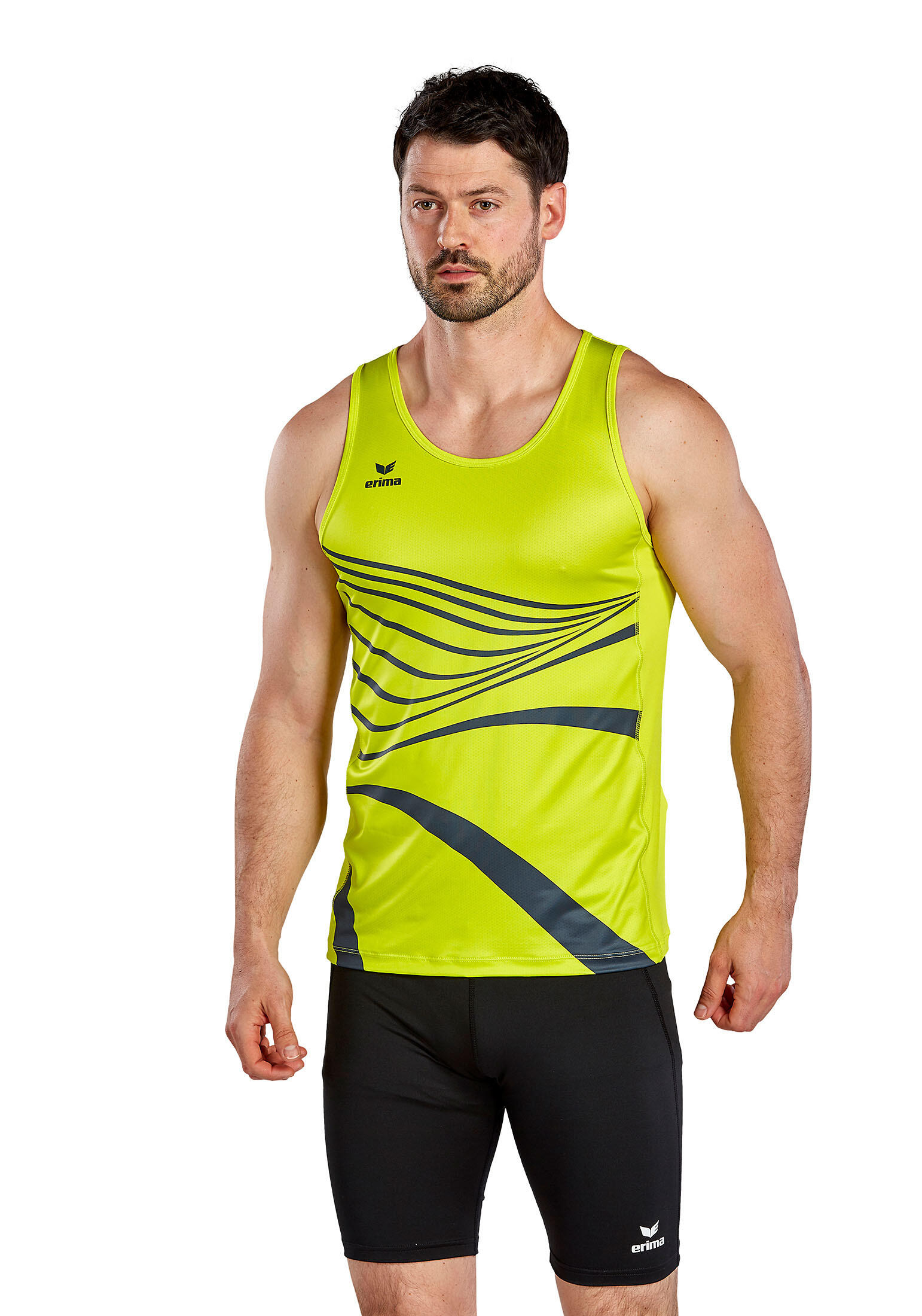
Men's trail running tank tops can be worn beneath hydration vests during warm-weather sessions, but the exposed shoulder area may leave vest straps resting directly against your skin. Heat, perspiration and repeated movement can increase rubbing over longer routes. A seamless tank top may reduce raised contact points around the sides, although it cannot fully prevent pack abrasion. Test the exact vest, loading arrangement and tank top together before using them for a long run or race. If you prefer extra coverage beneath shoulder straps, explore men's trail running clothes for short-sleeved alternatives. Adjust the vest firmly enough to limit movement without overtightening it, and check your shoulders, neckline and lower back for redness after training.

How should men's lightweight trail running tank tops be washed?

Wash technical tank tops after sweaty runs so salt, dirt and body oils do not remain within the lightweight fibres. Follow the garment label and use a cycle no warmer than 30 degrees where advised. Avoid fabric softener because it can leave a coating that reduces moisture transfer. KIPRUN also advises against tumble drying, ironing, bleaching and dry cleaning the reviewed models. These precautions are particularly important for micro-perforated fabric and bonded armhole finishes, which can be affected by excessive heat. Turn the garment inside out, wash it with similar lightweight trail running clothing and keep it away from open zips or hook-and-loop fasteners. Air dry it fully before storing it in a dry, ventilated place.