73 items
4.3/5 based on 10257 reviews collected online and in stores

Men's Trail Running Compression Gear FAQs

What men's trail running compression gear is available?

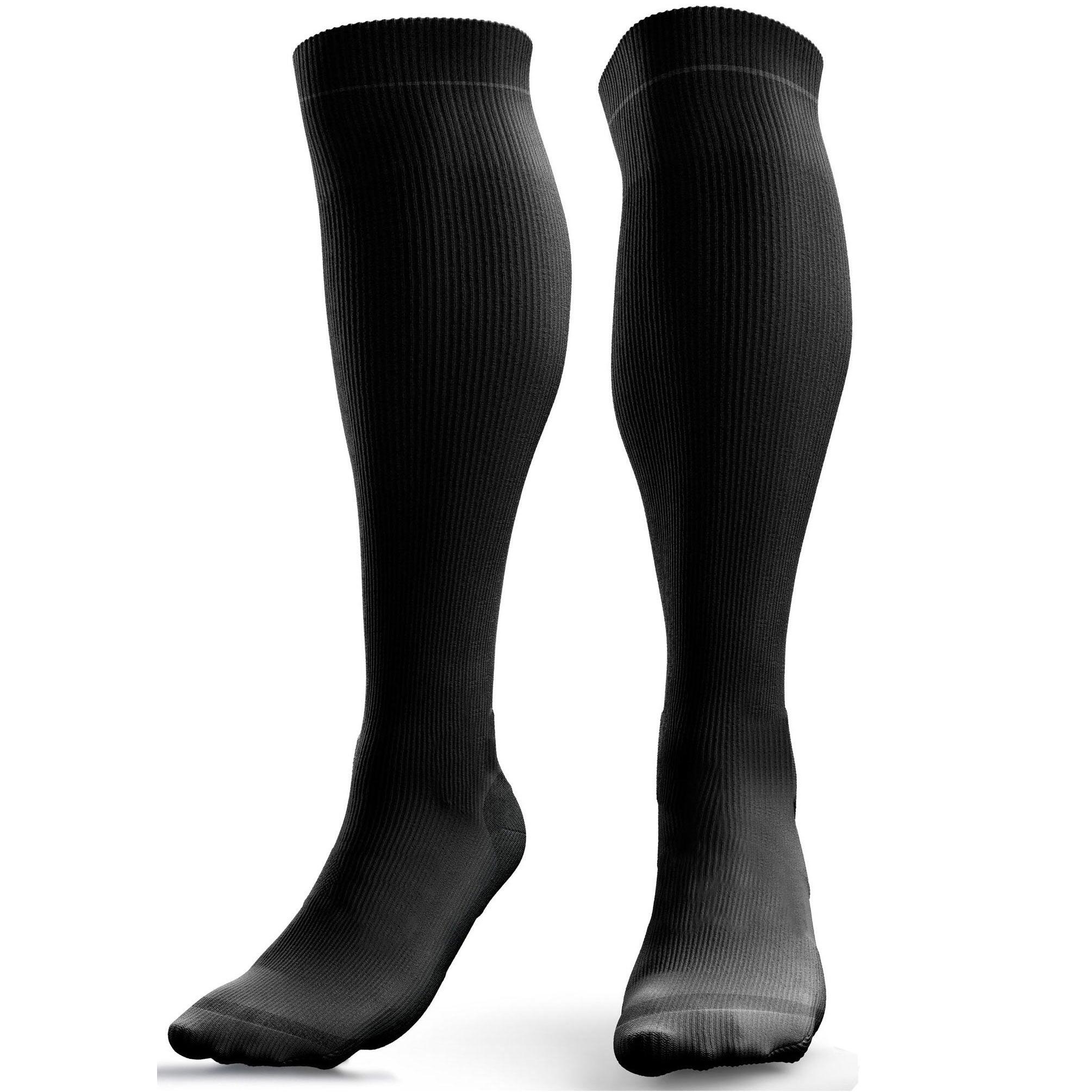
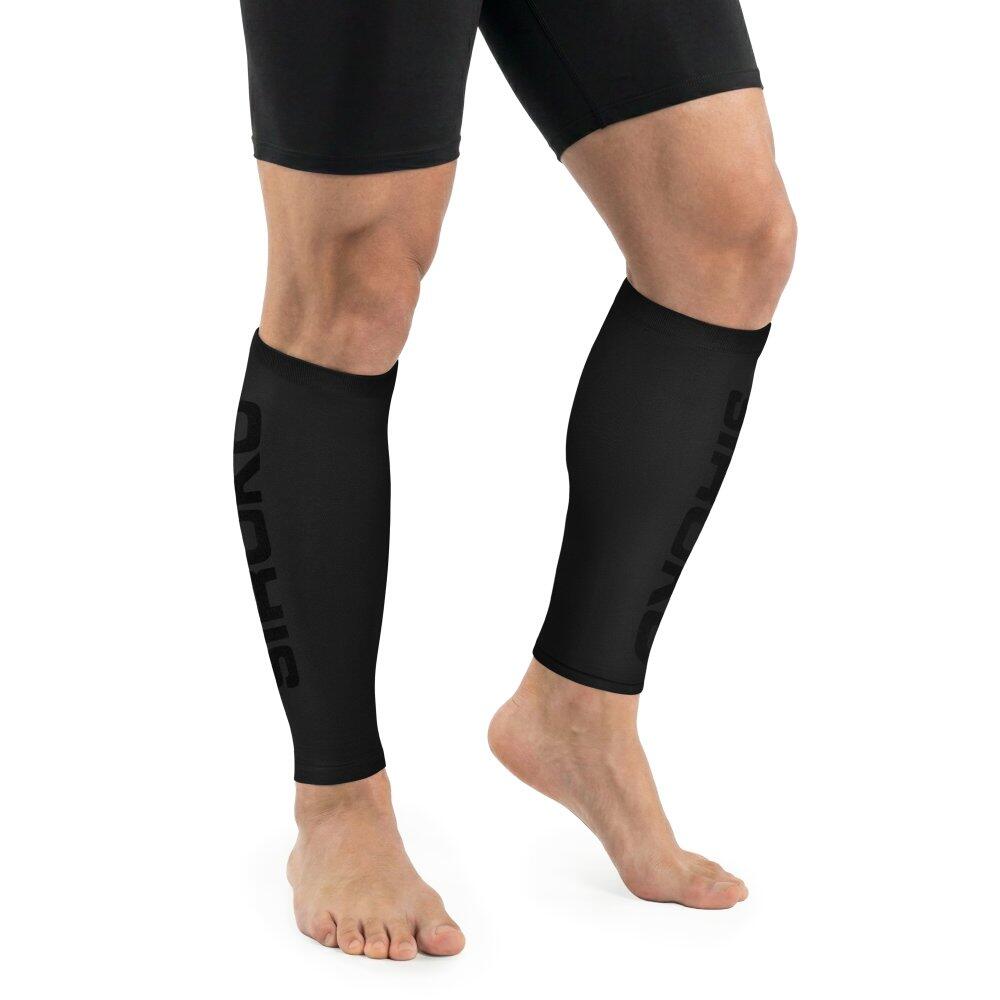
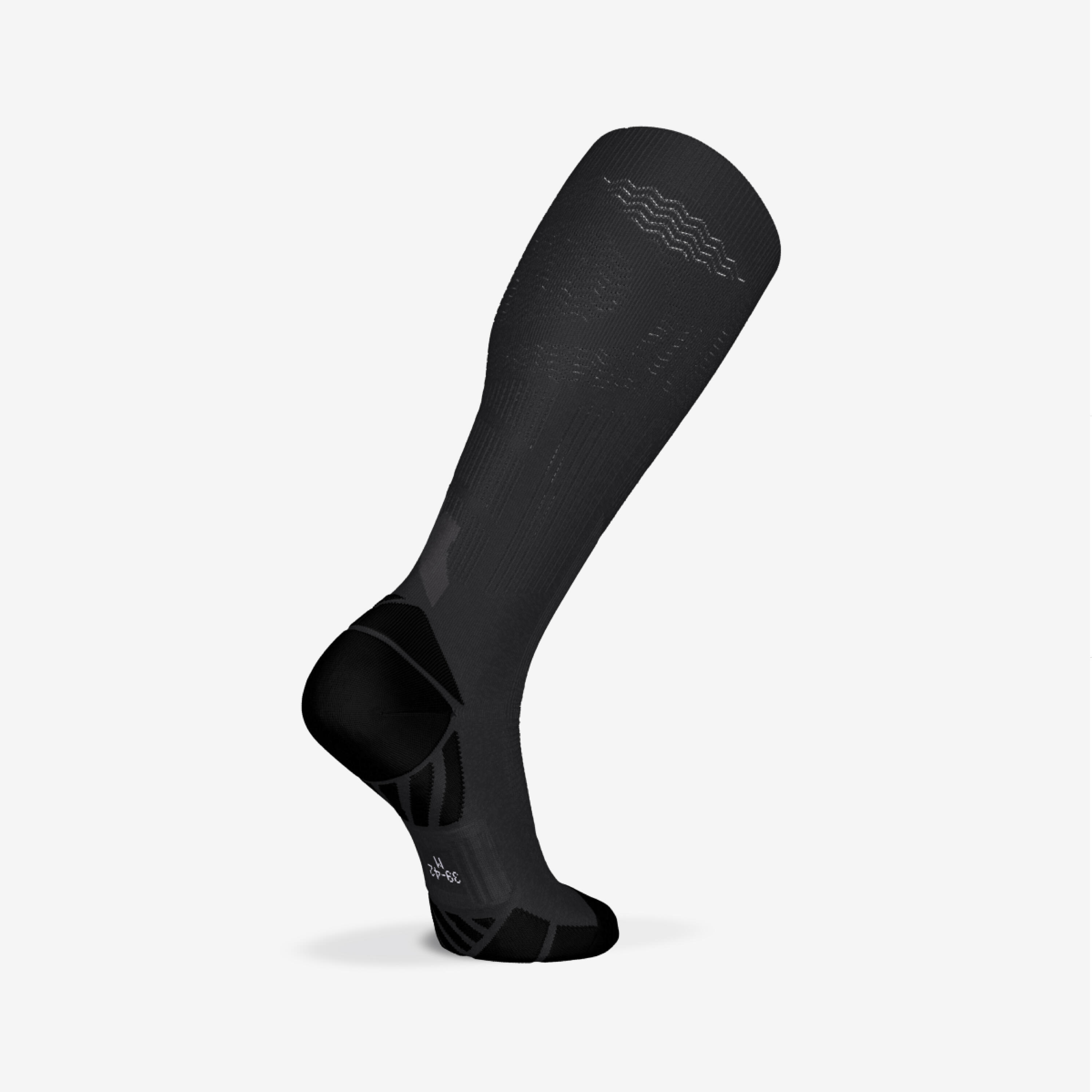
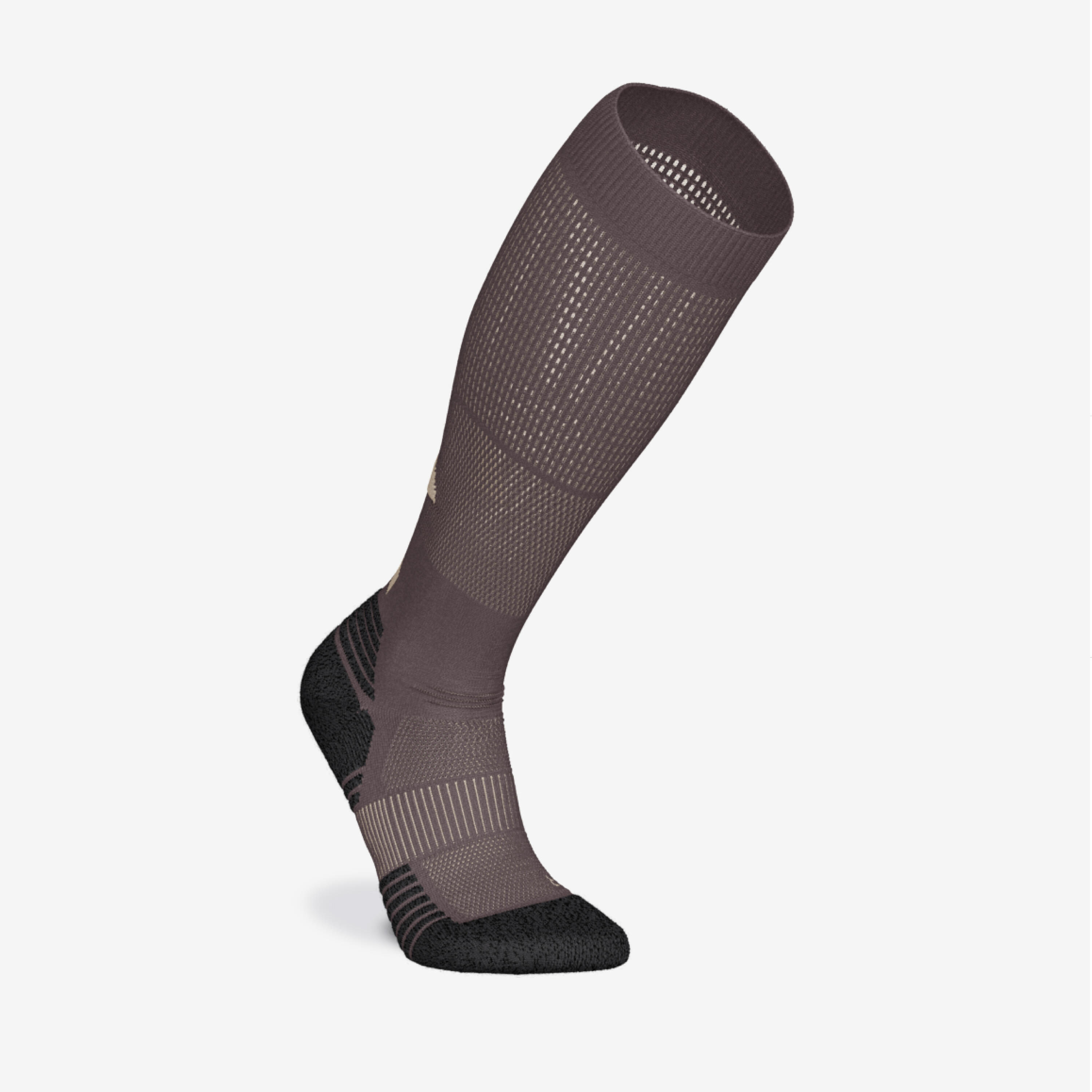
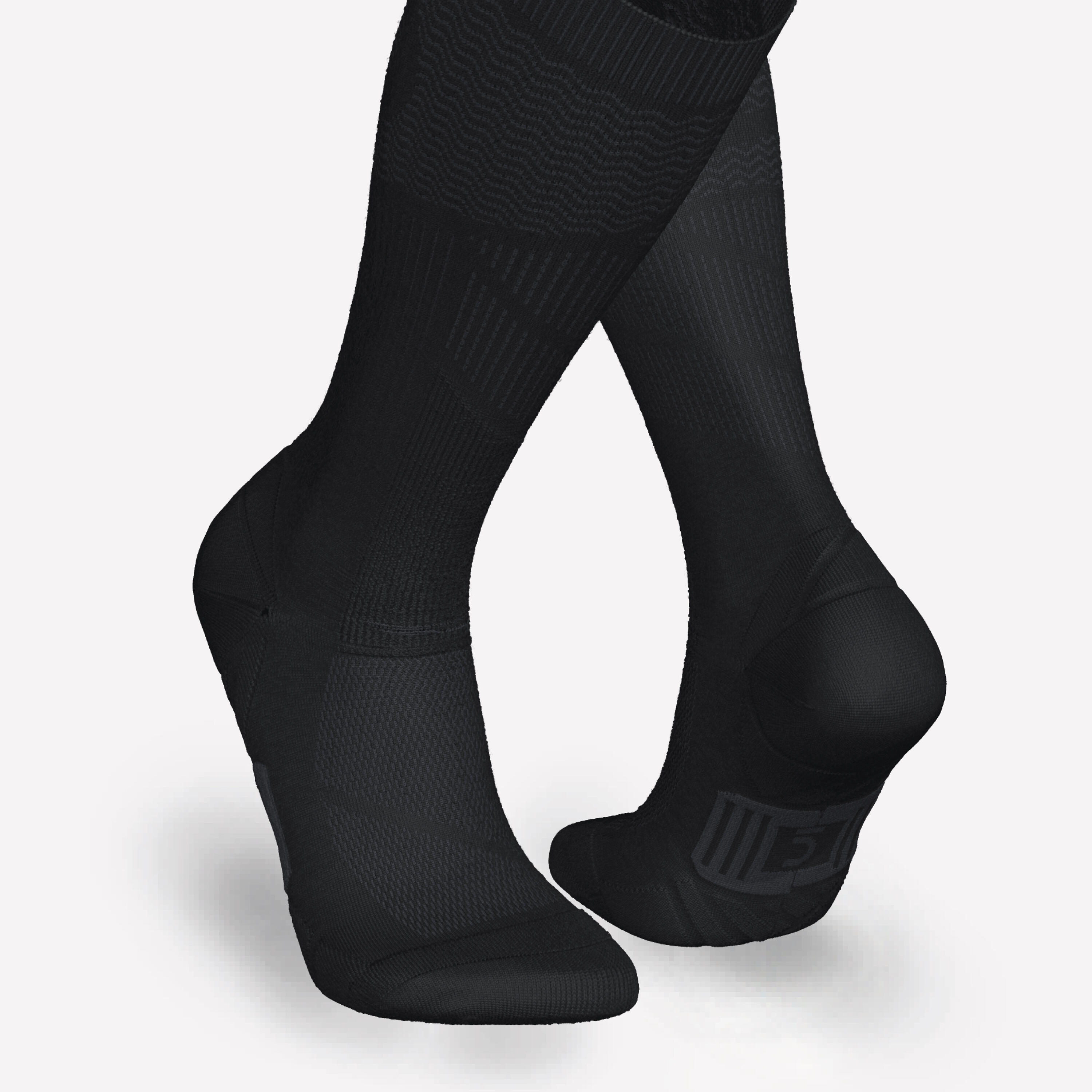
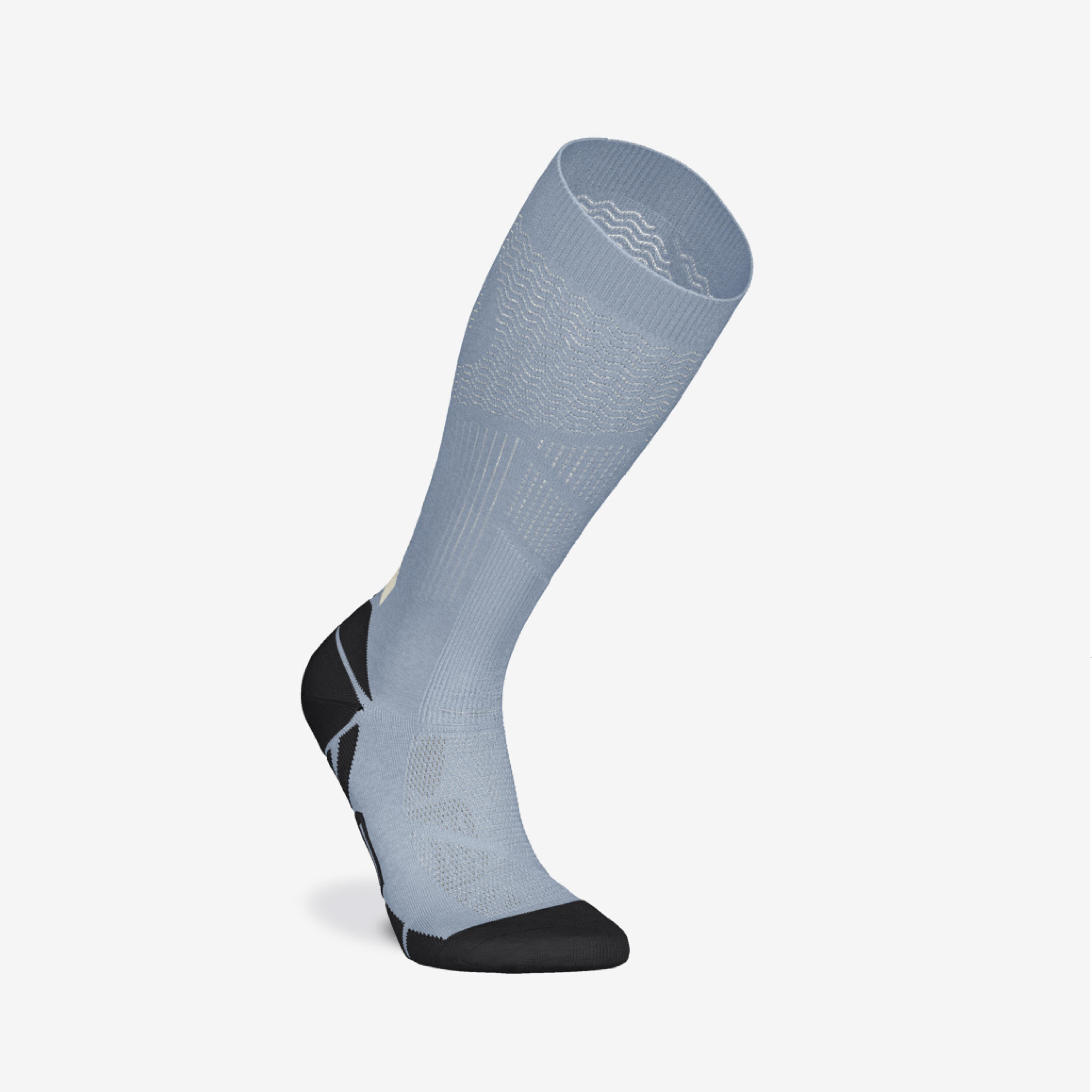
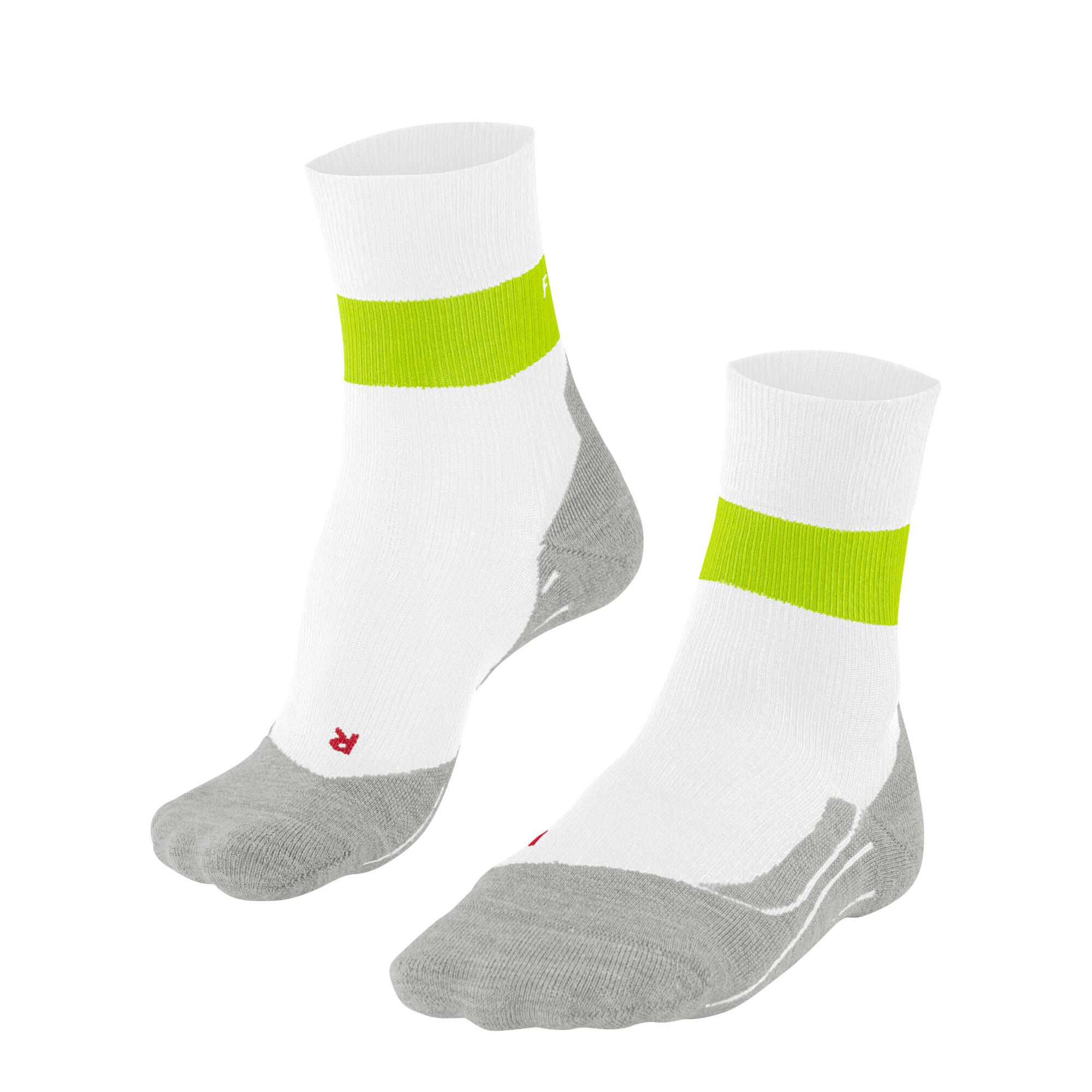
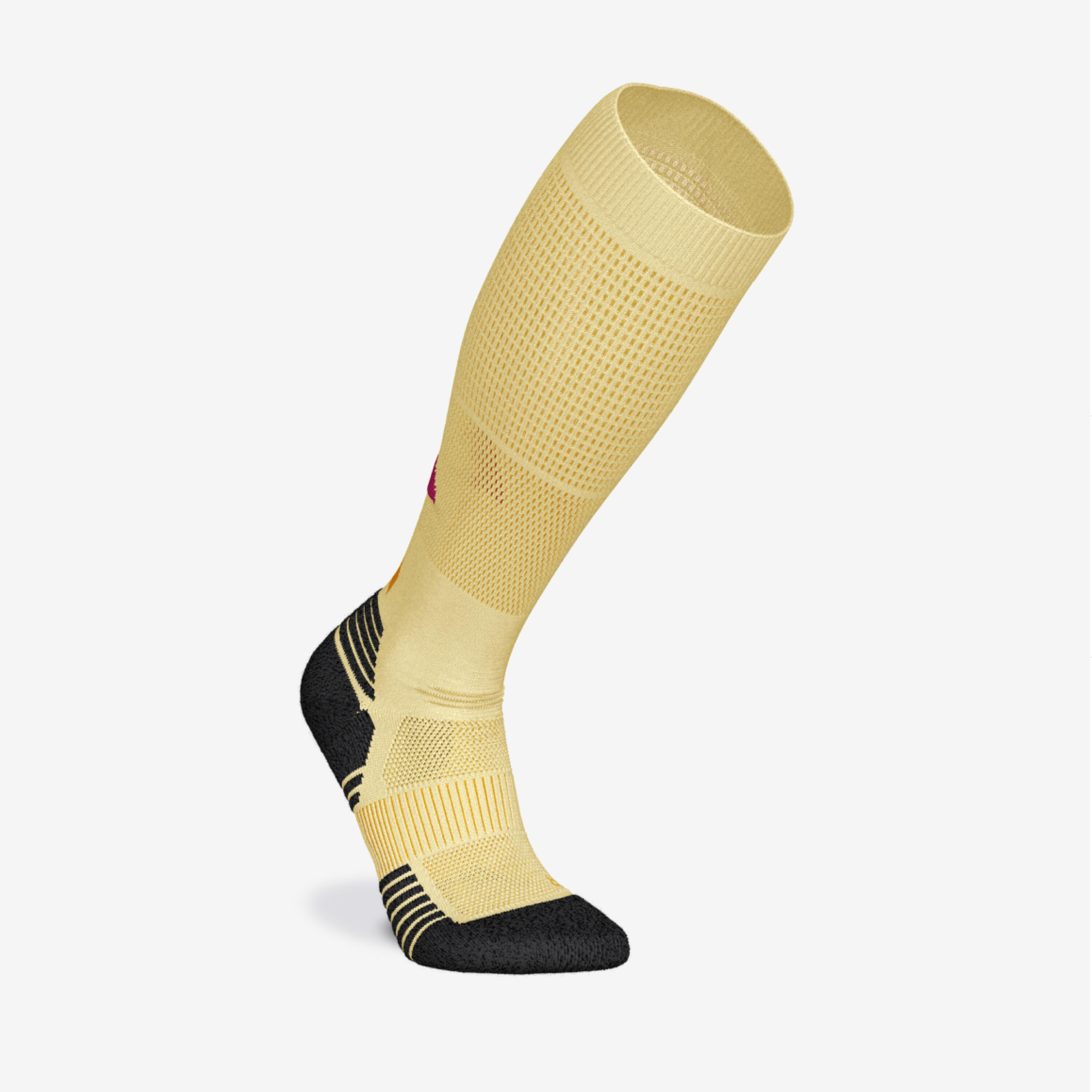
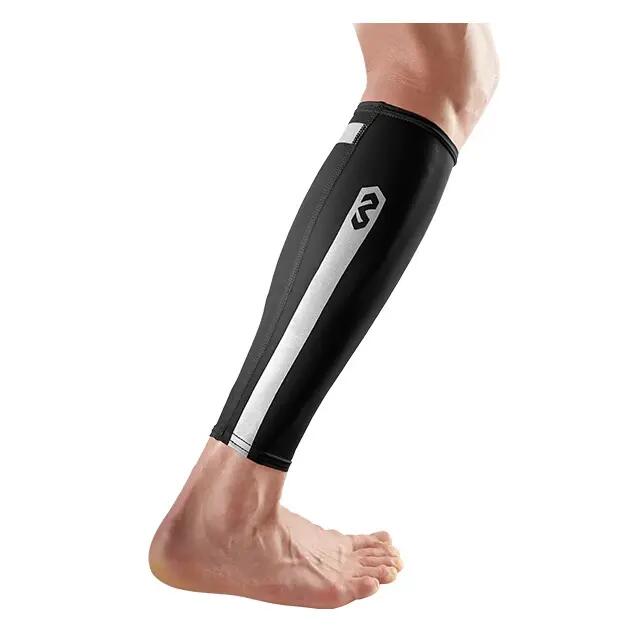
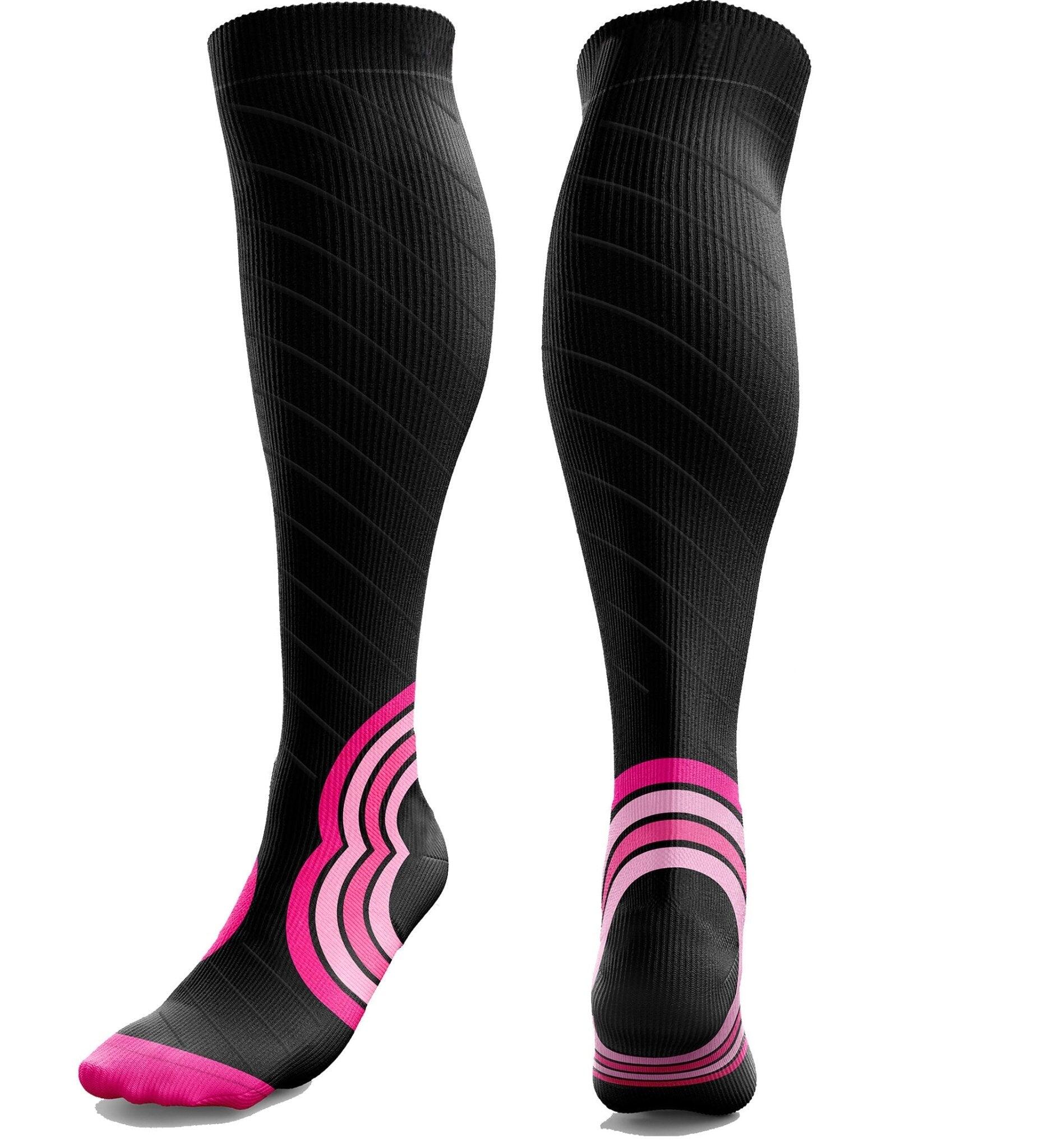
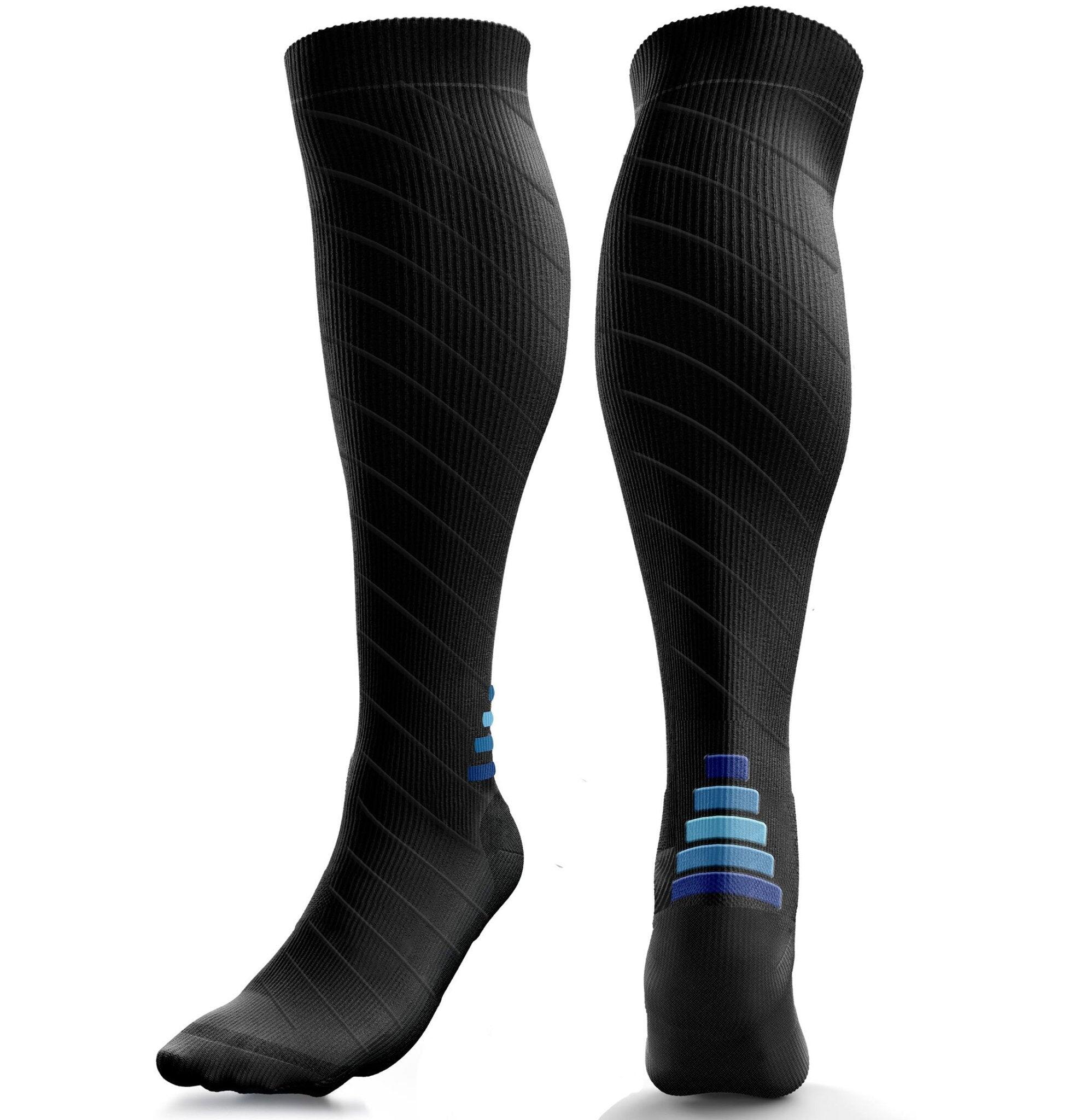
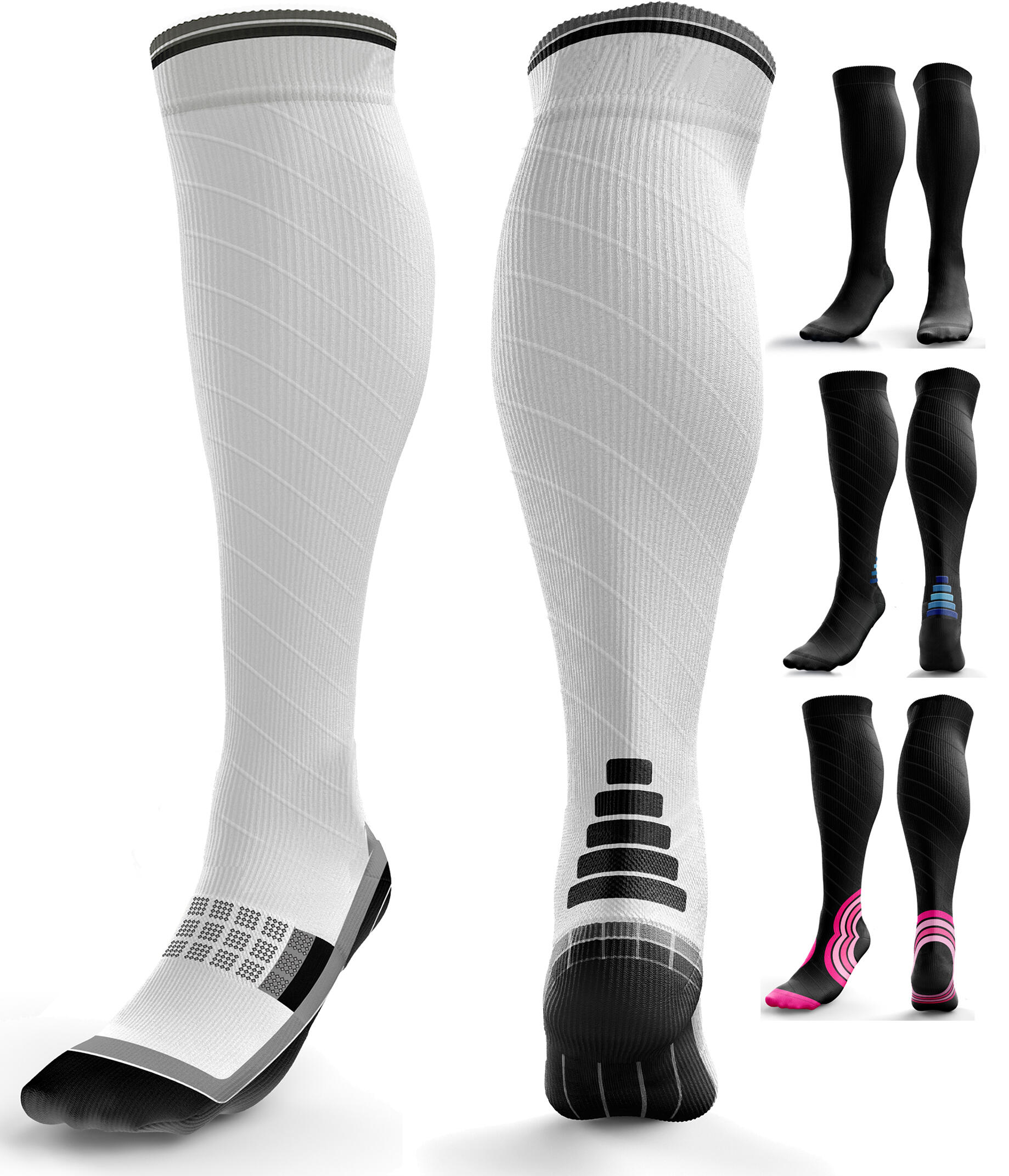
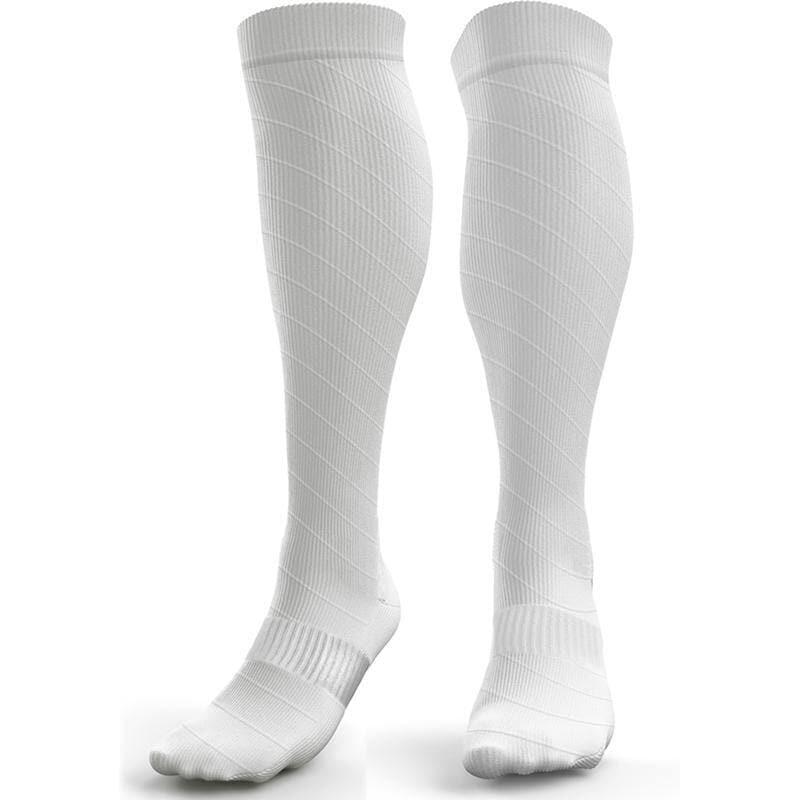
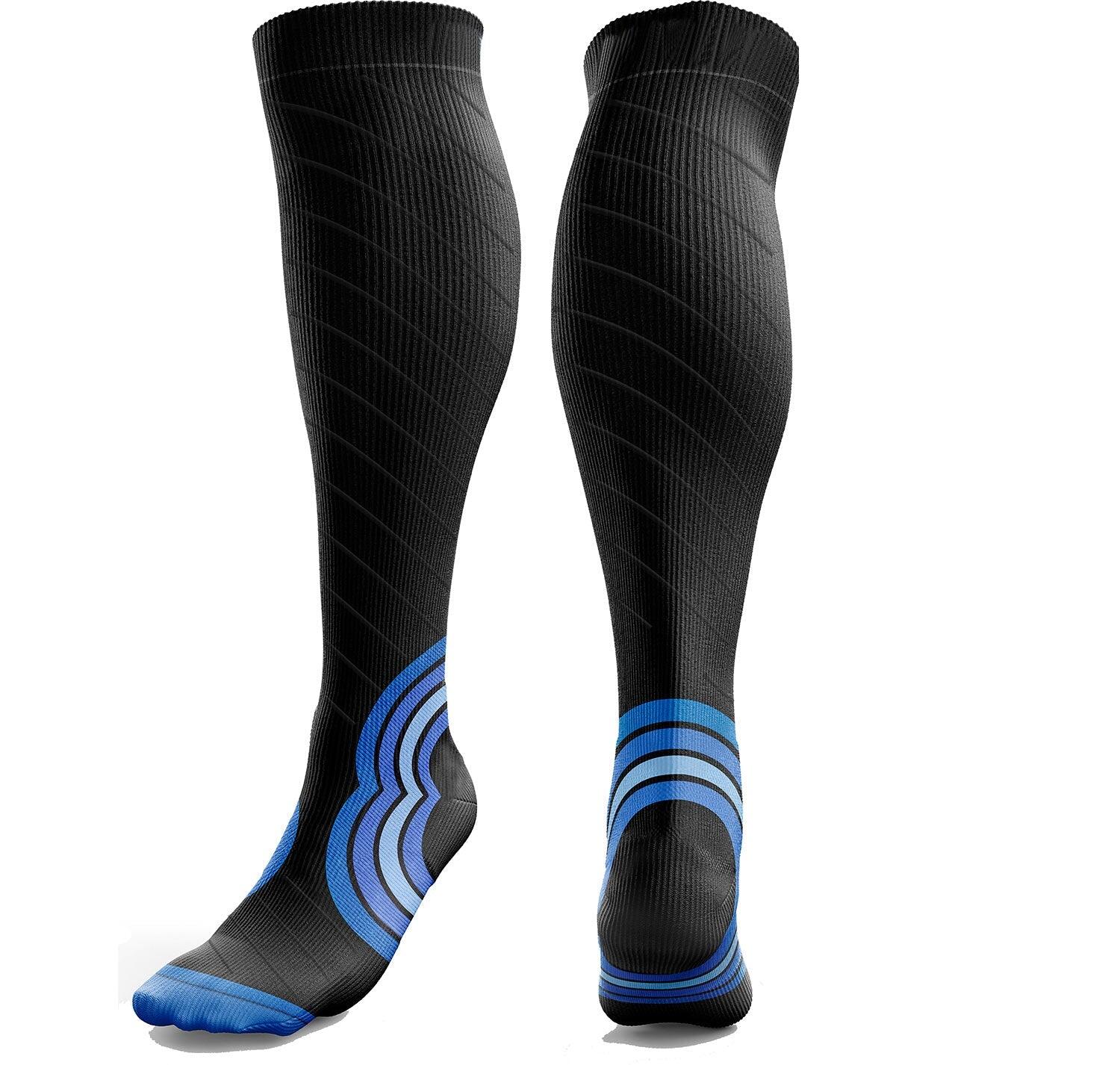
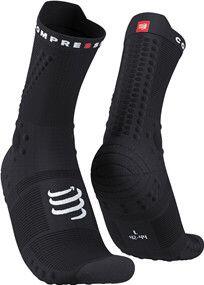
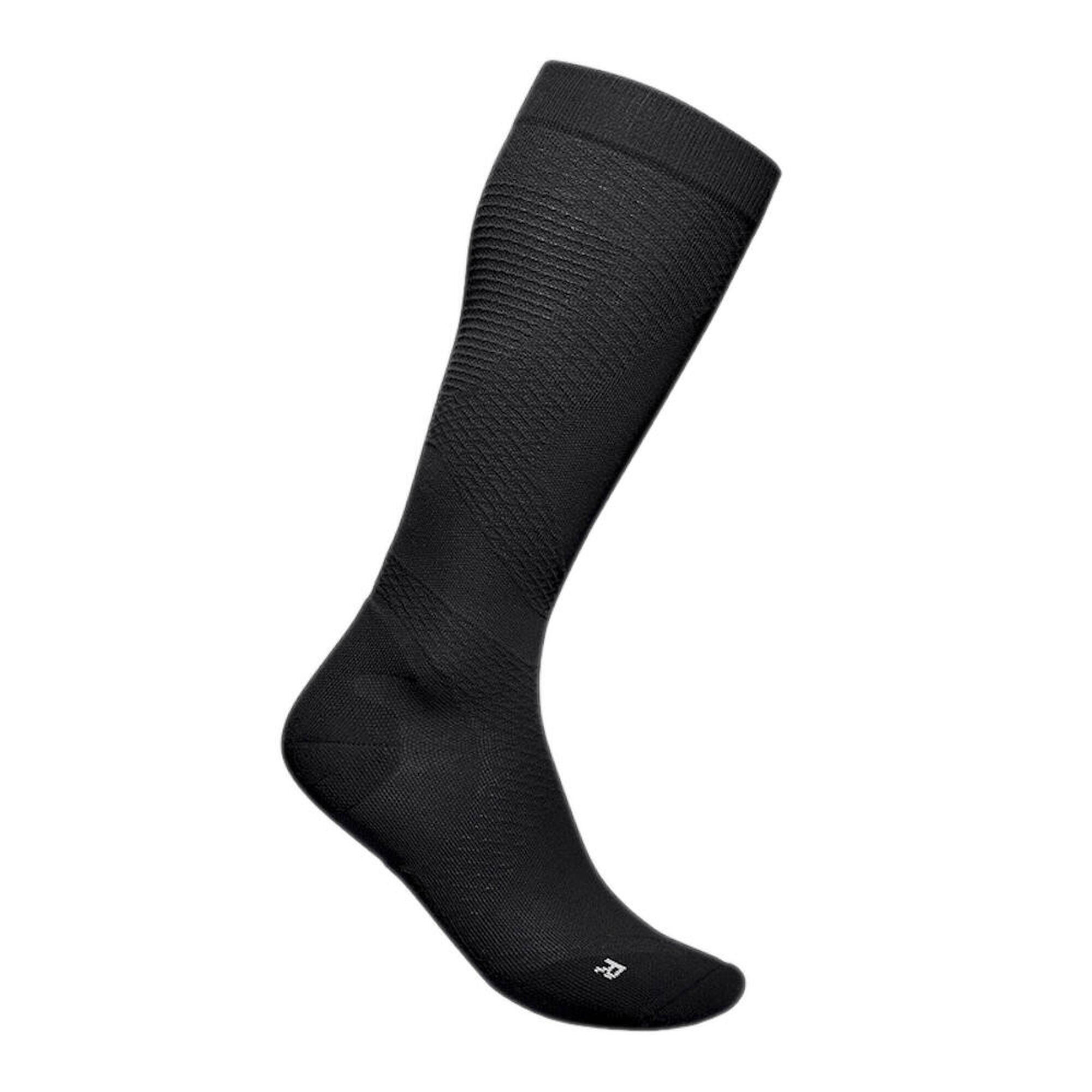
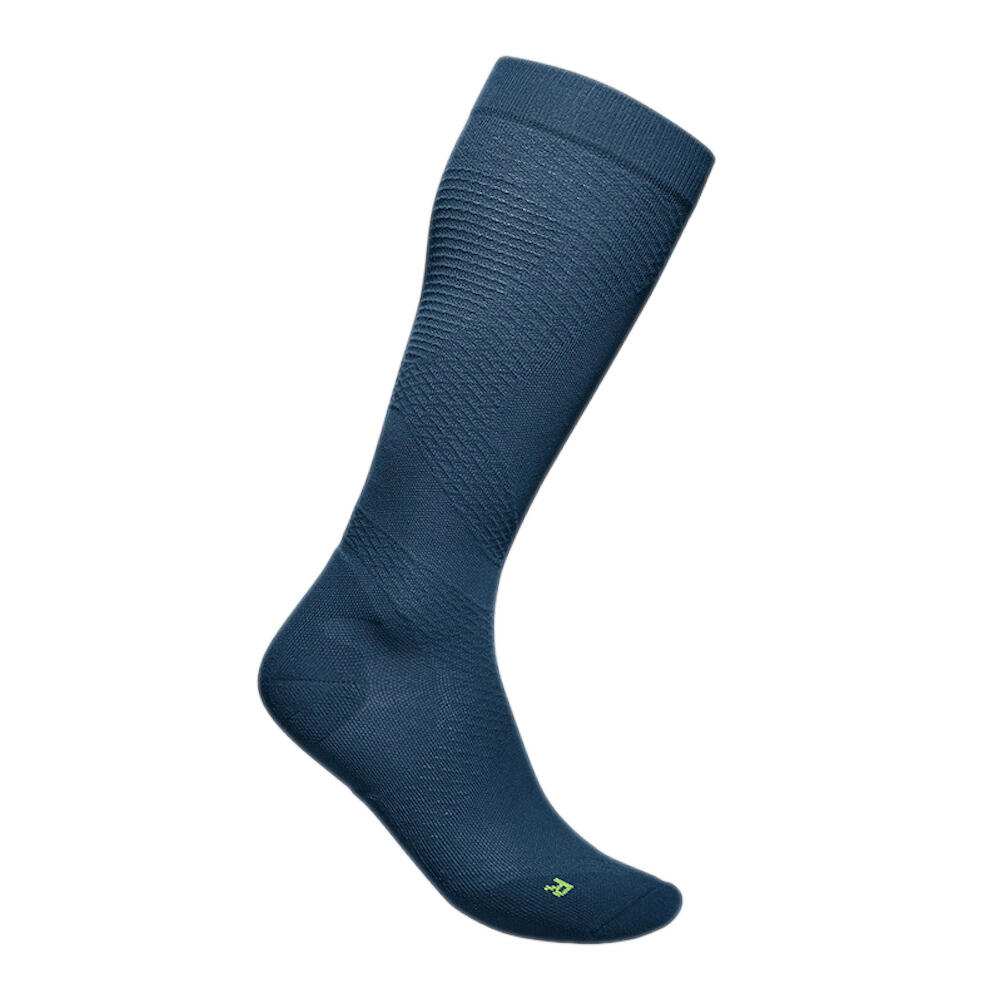
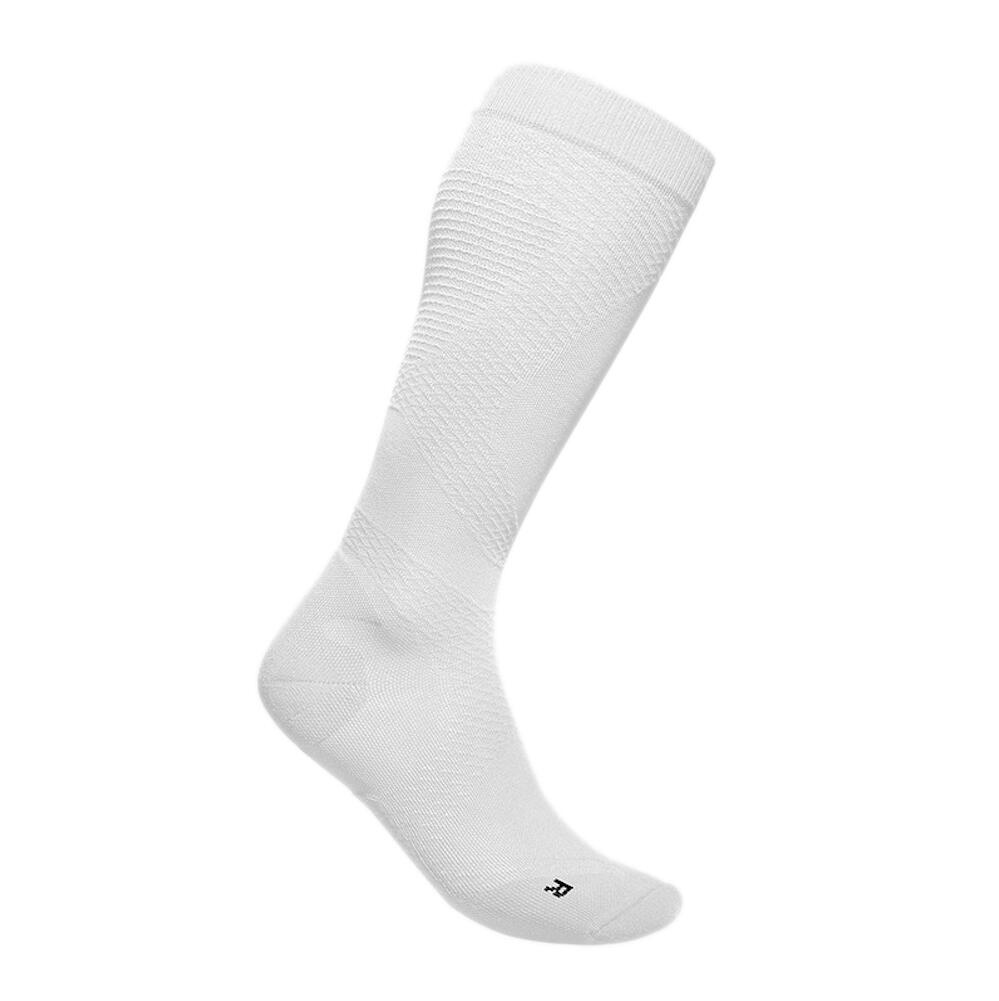
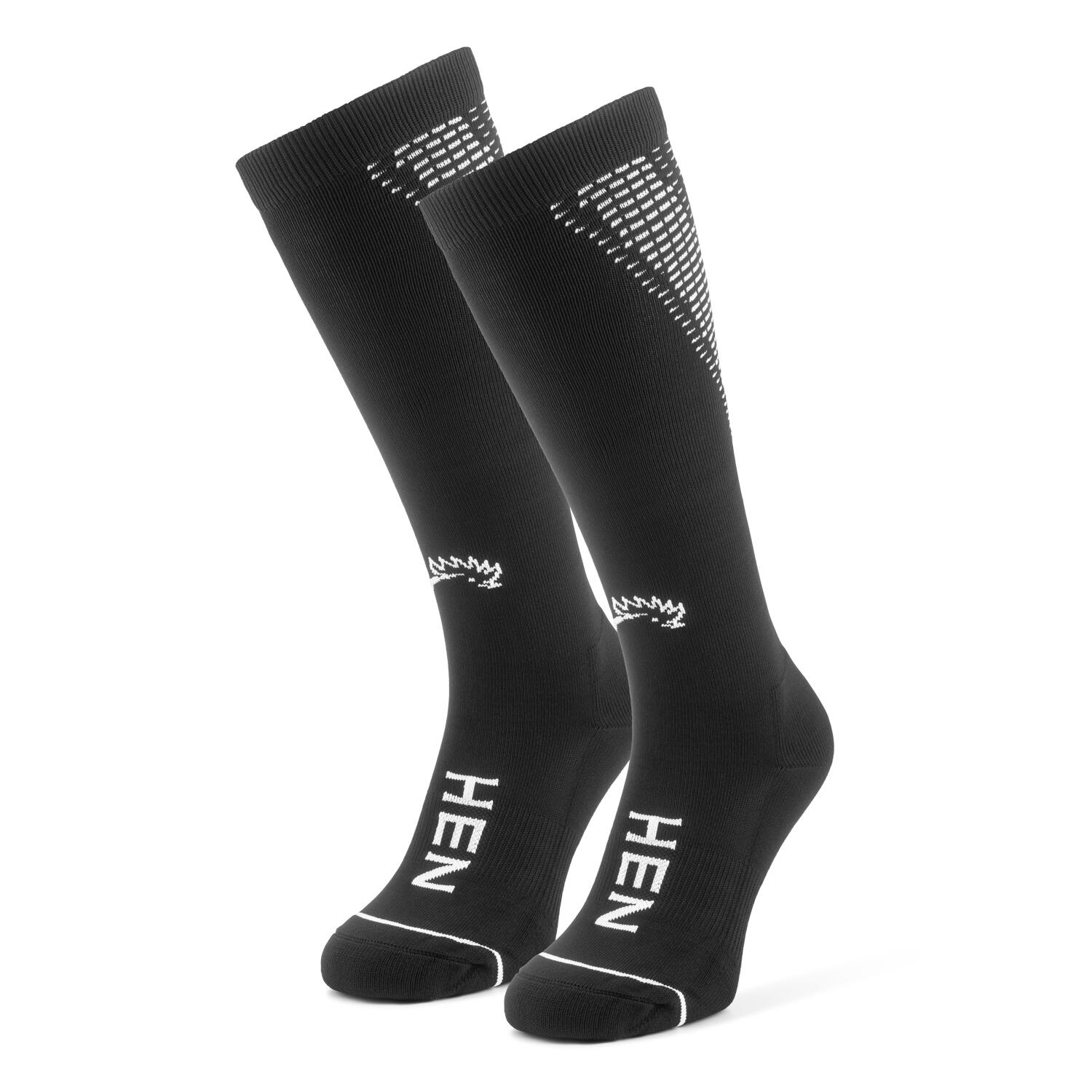
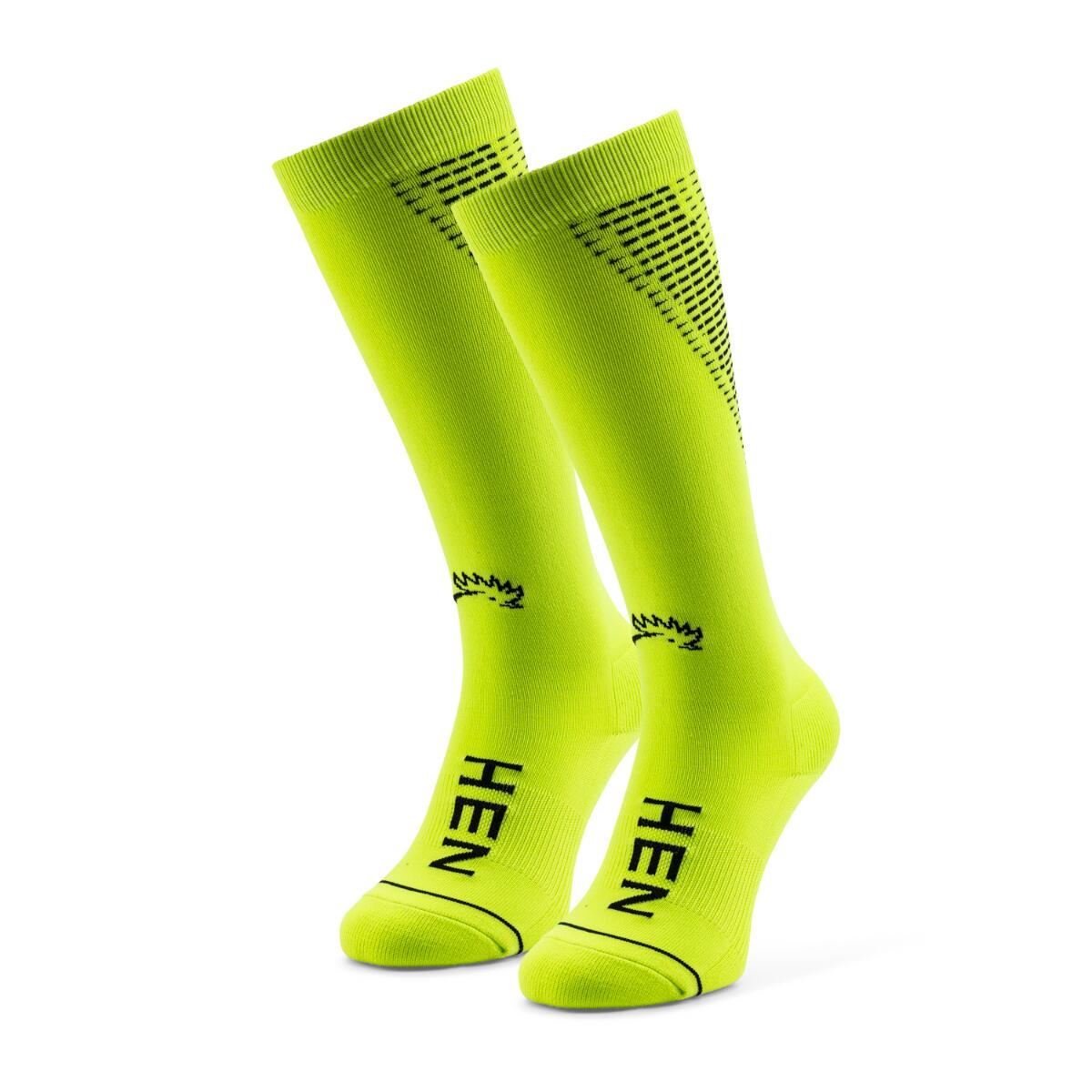
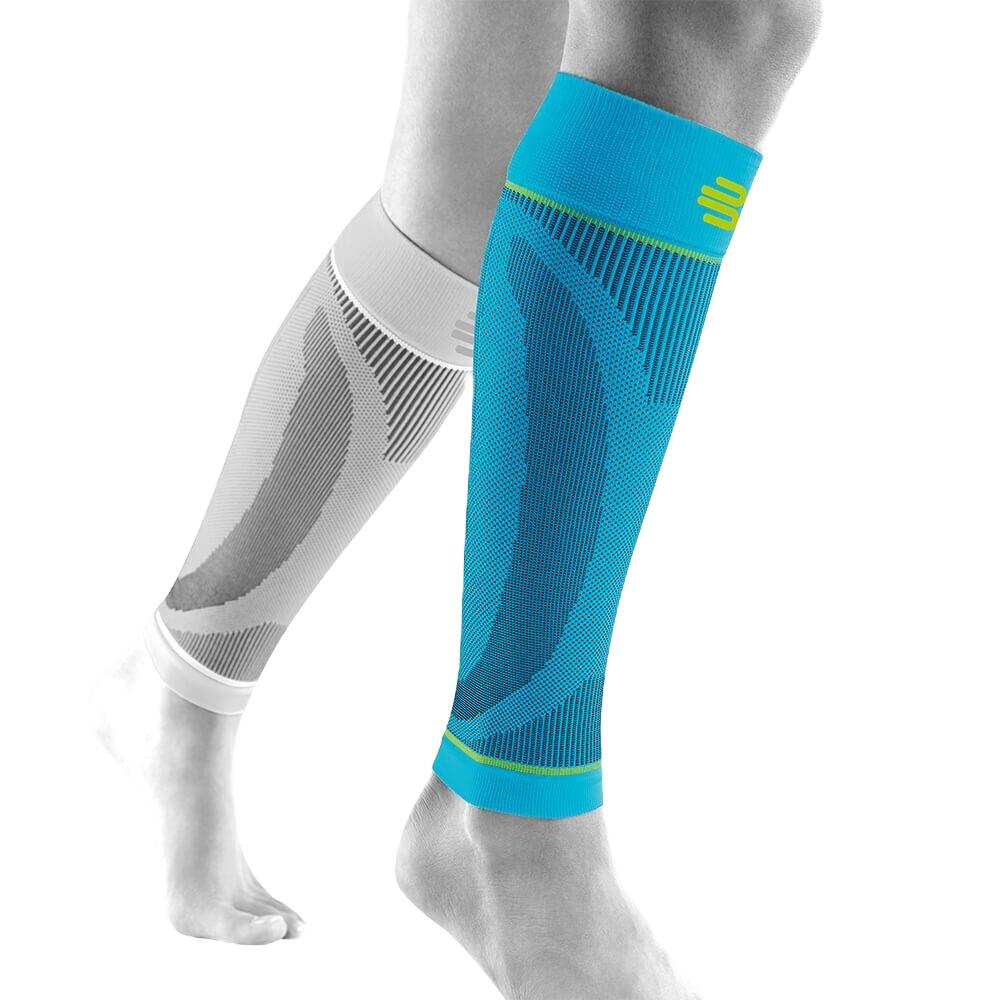
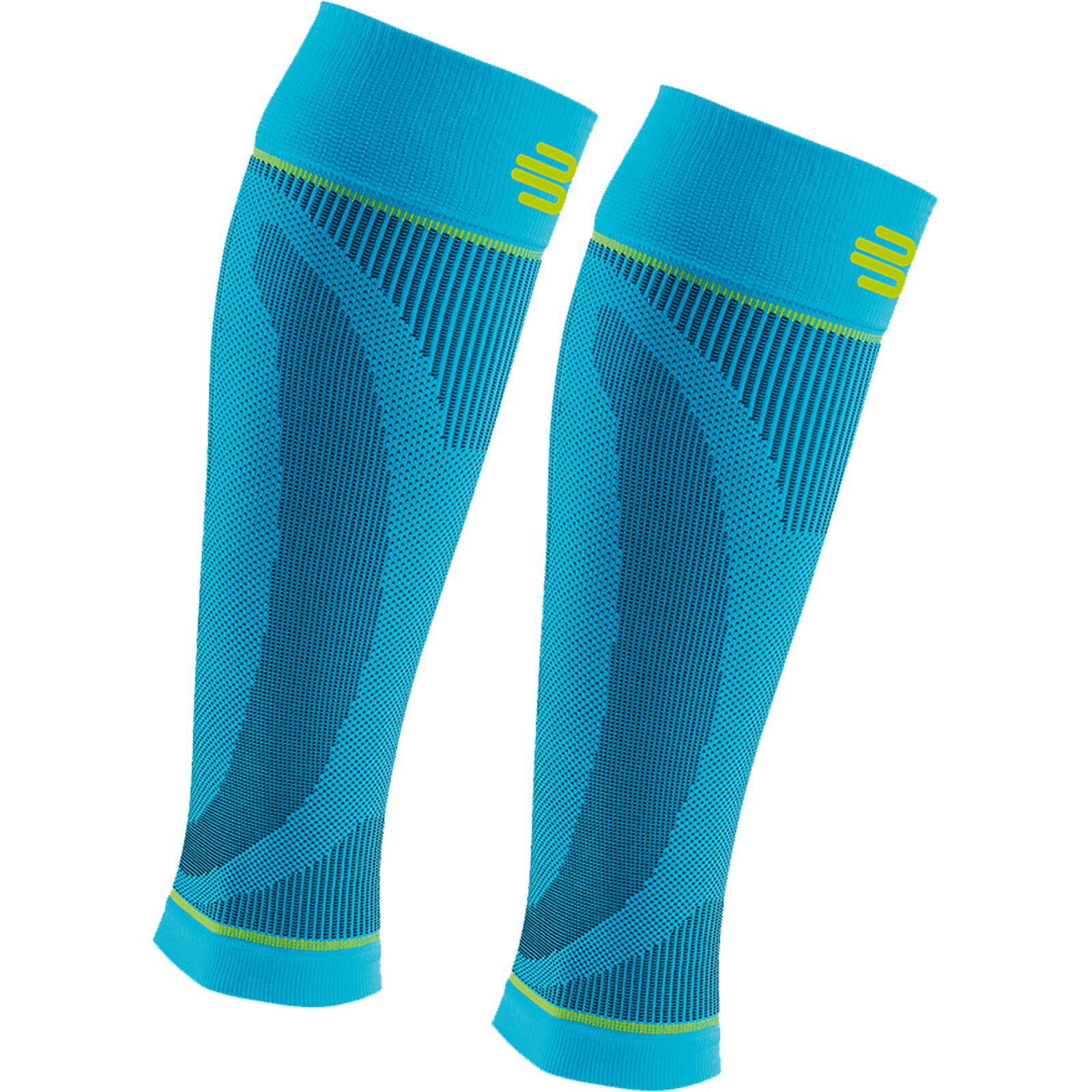
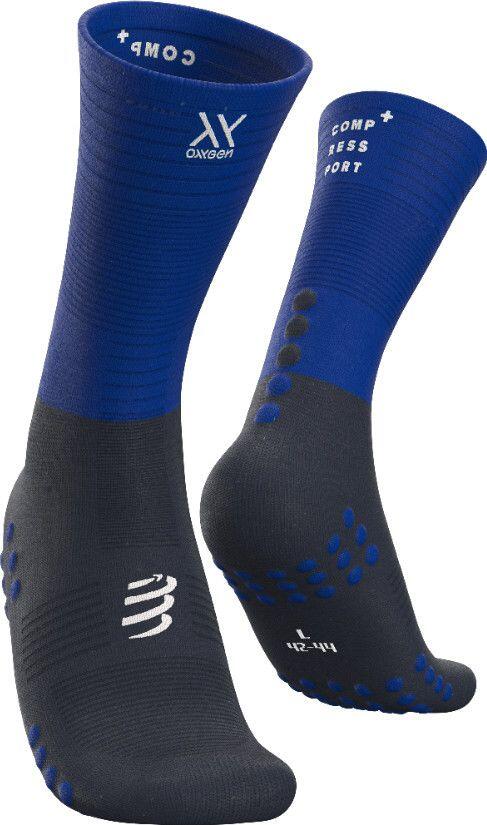
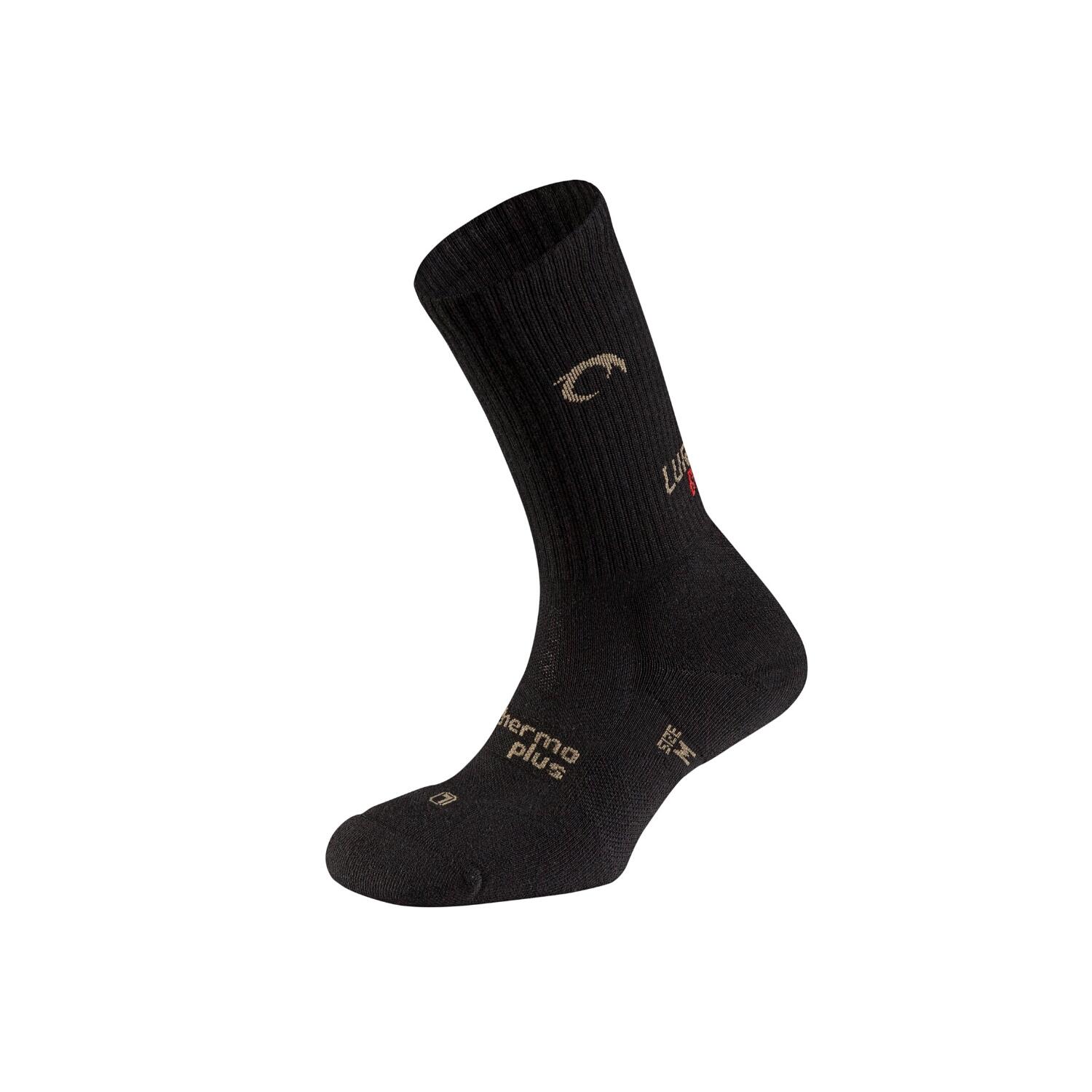
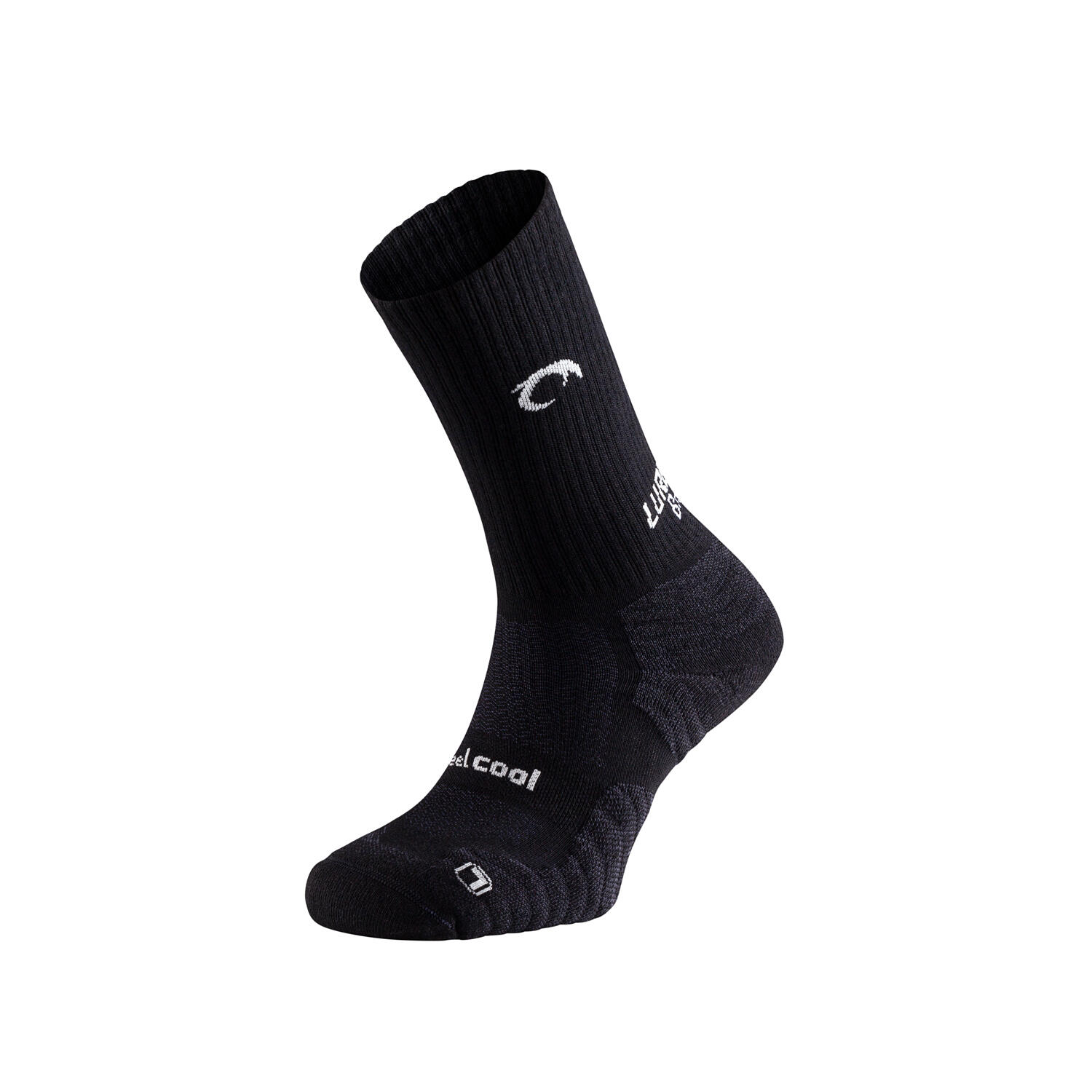
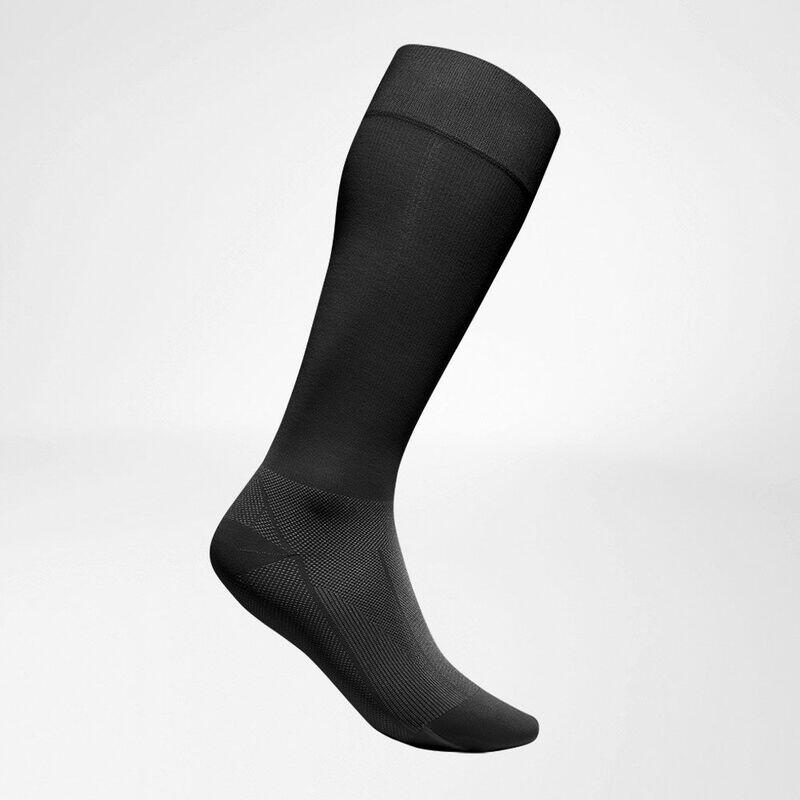
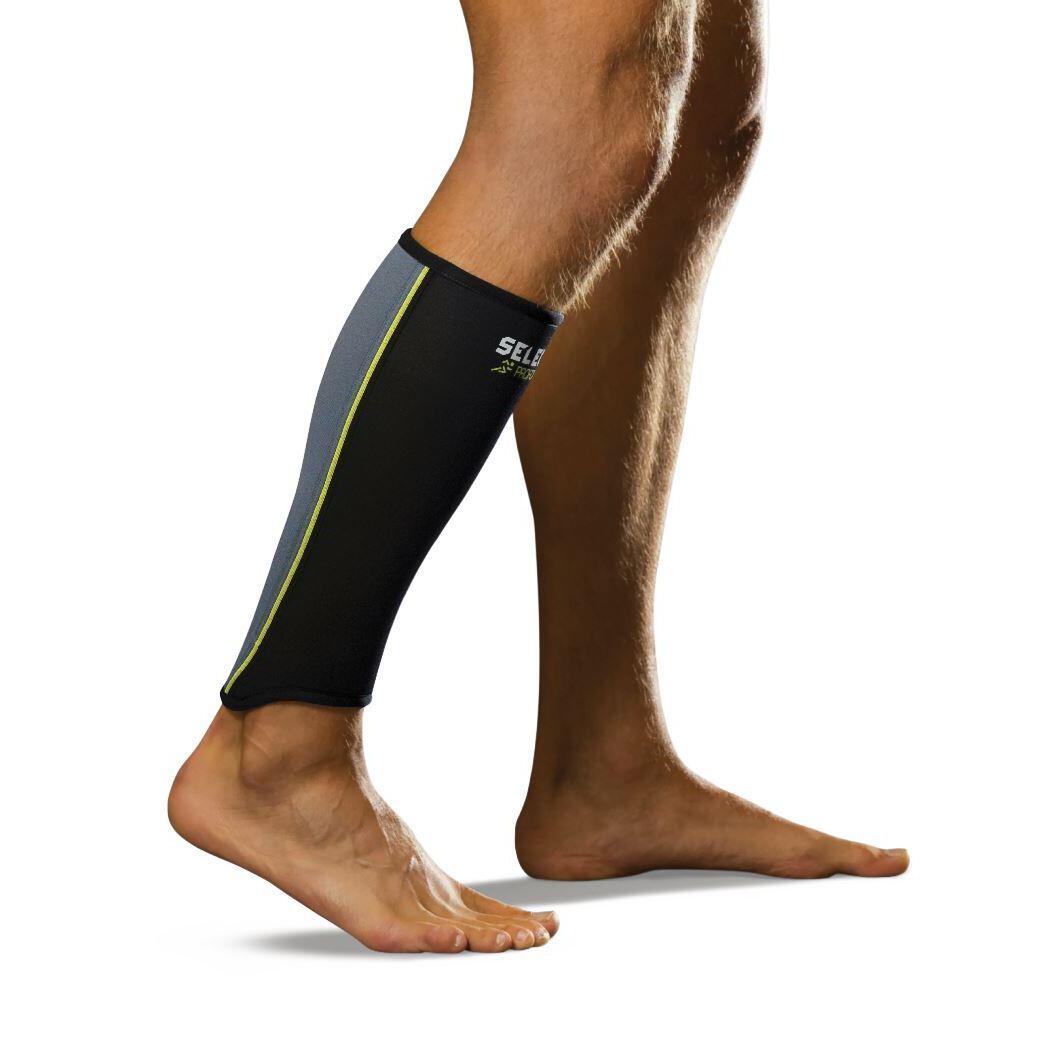
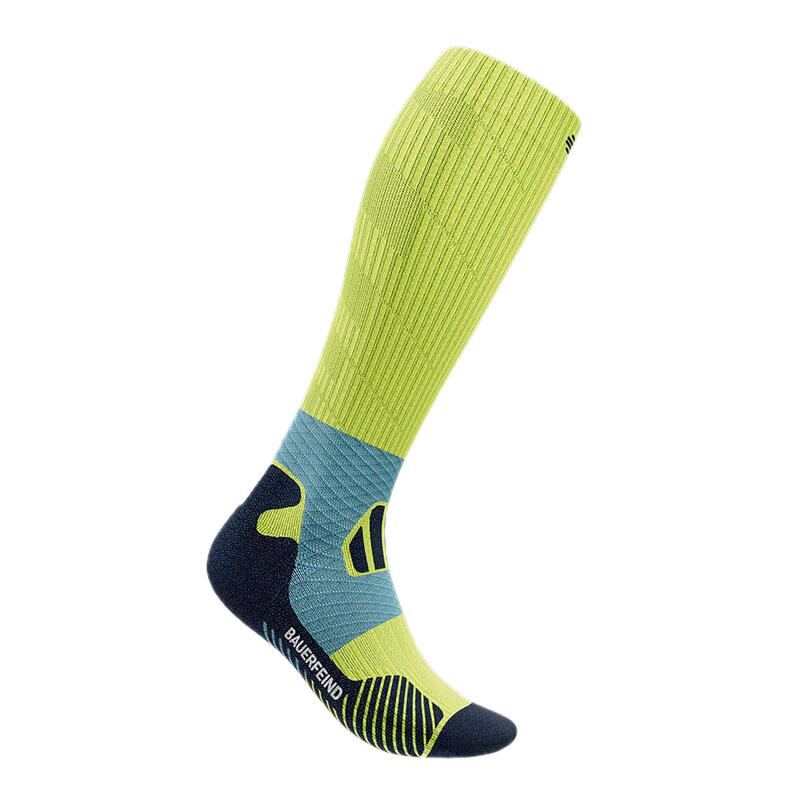
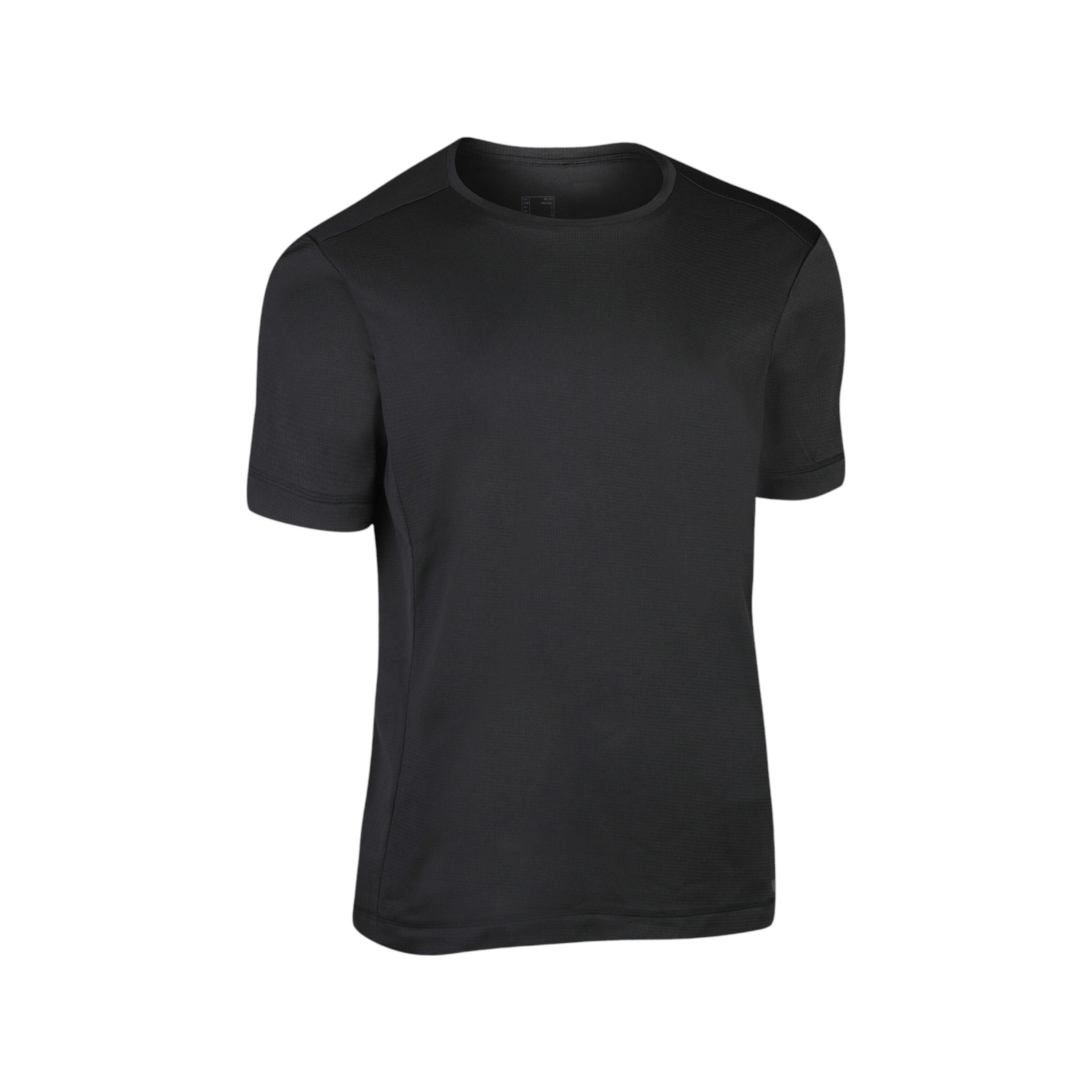
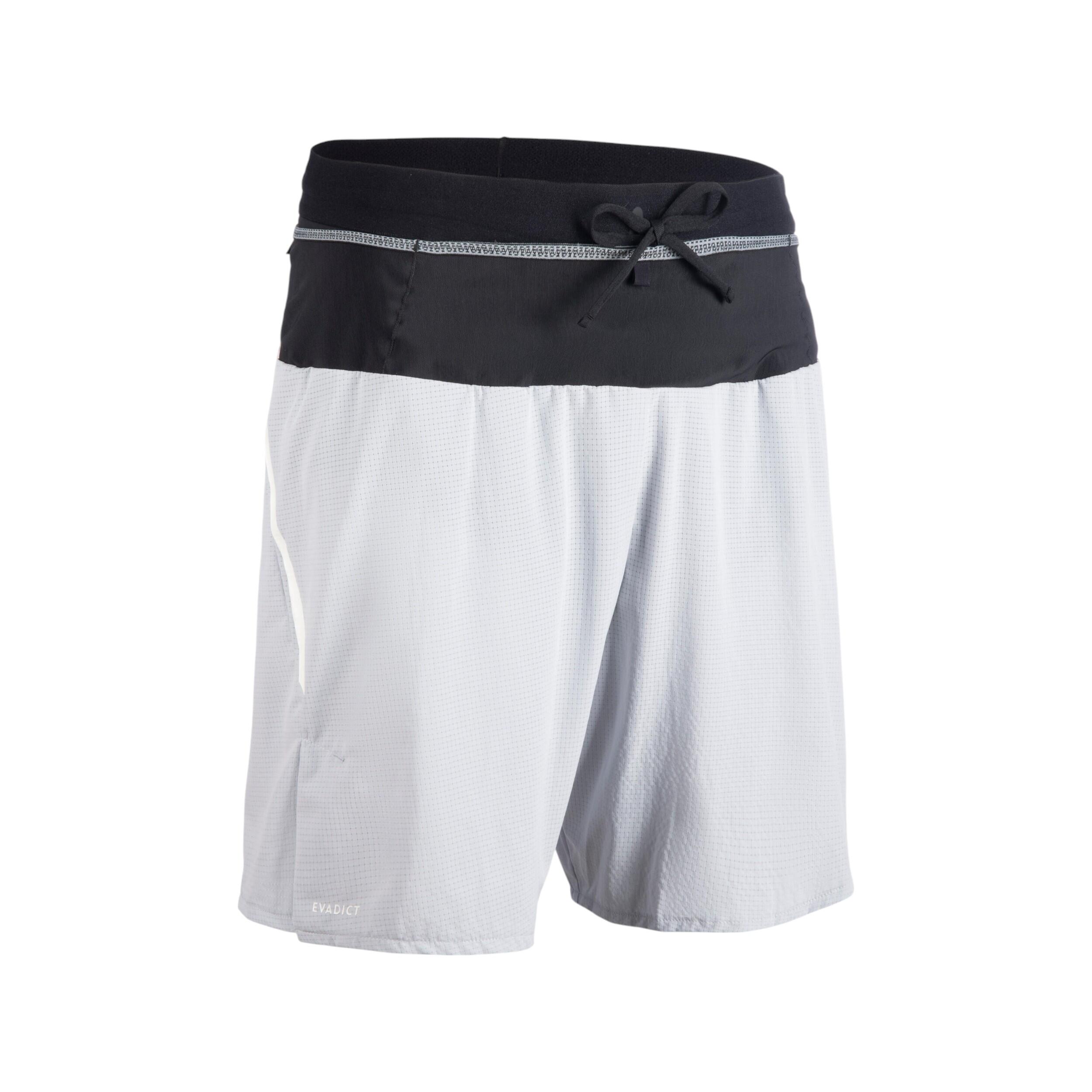
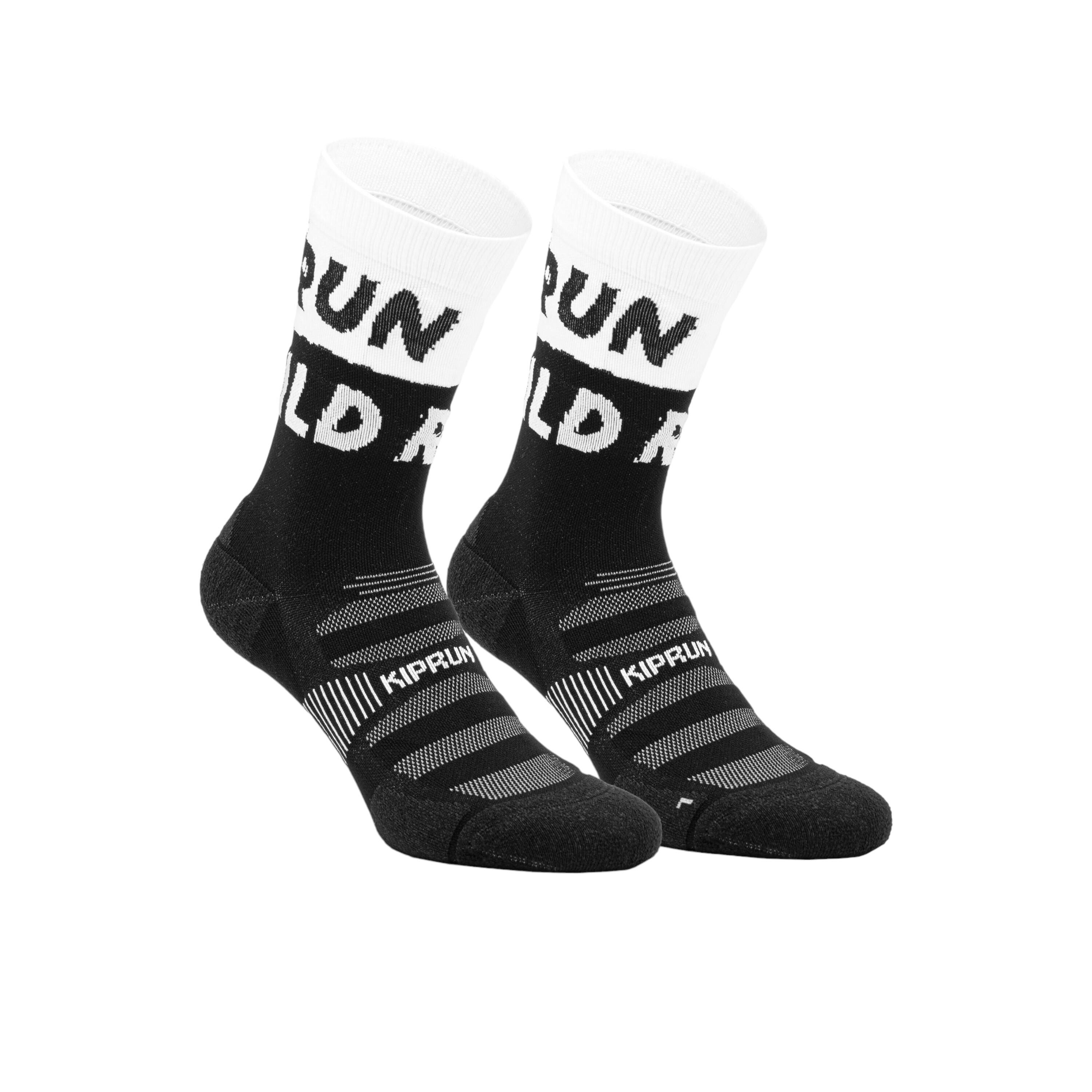
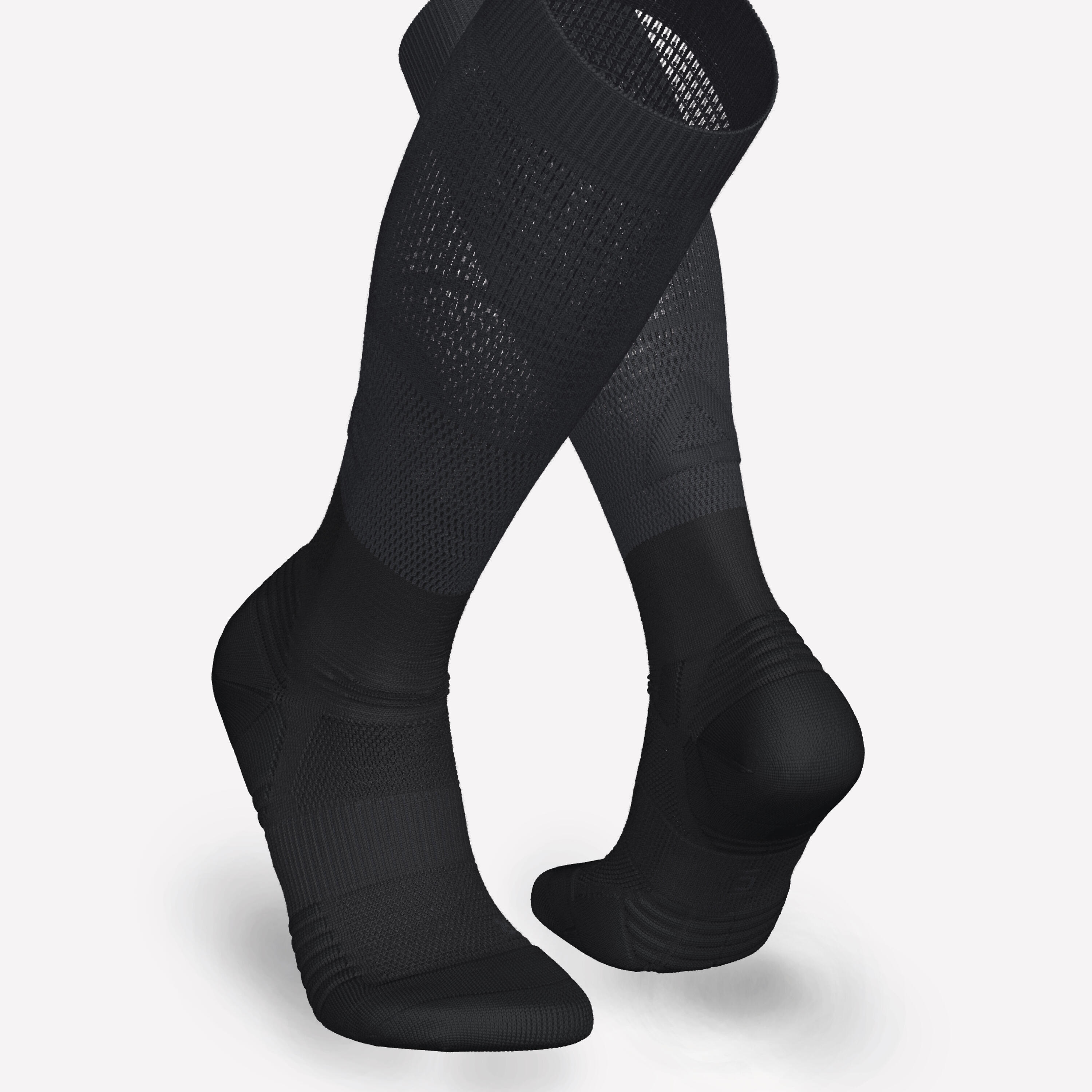
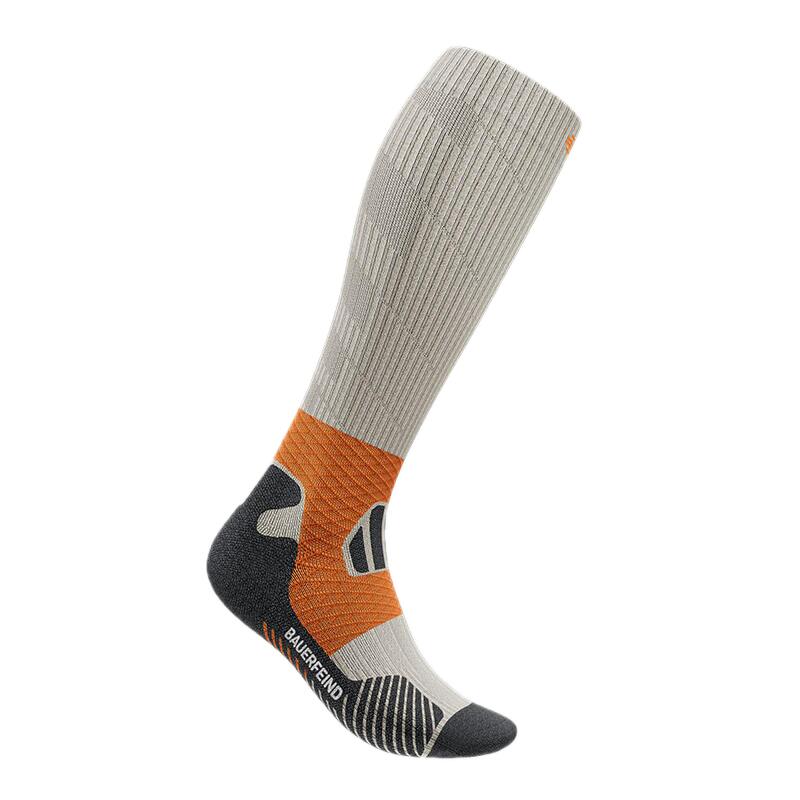
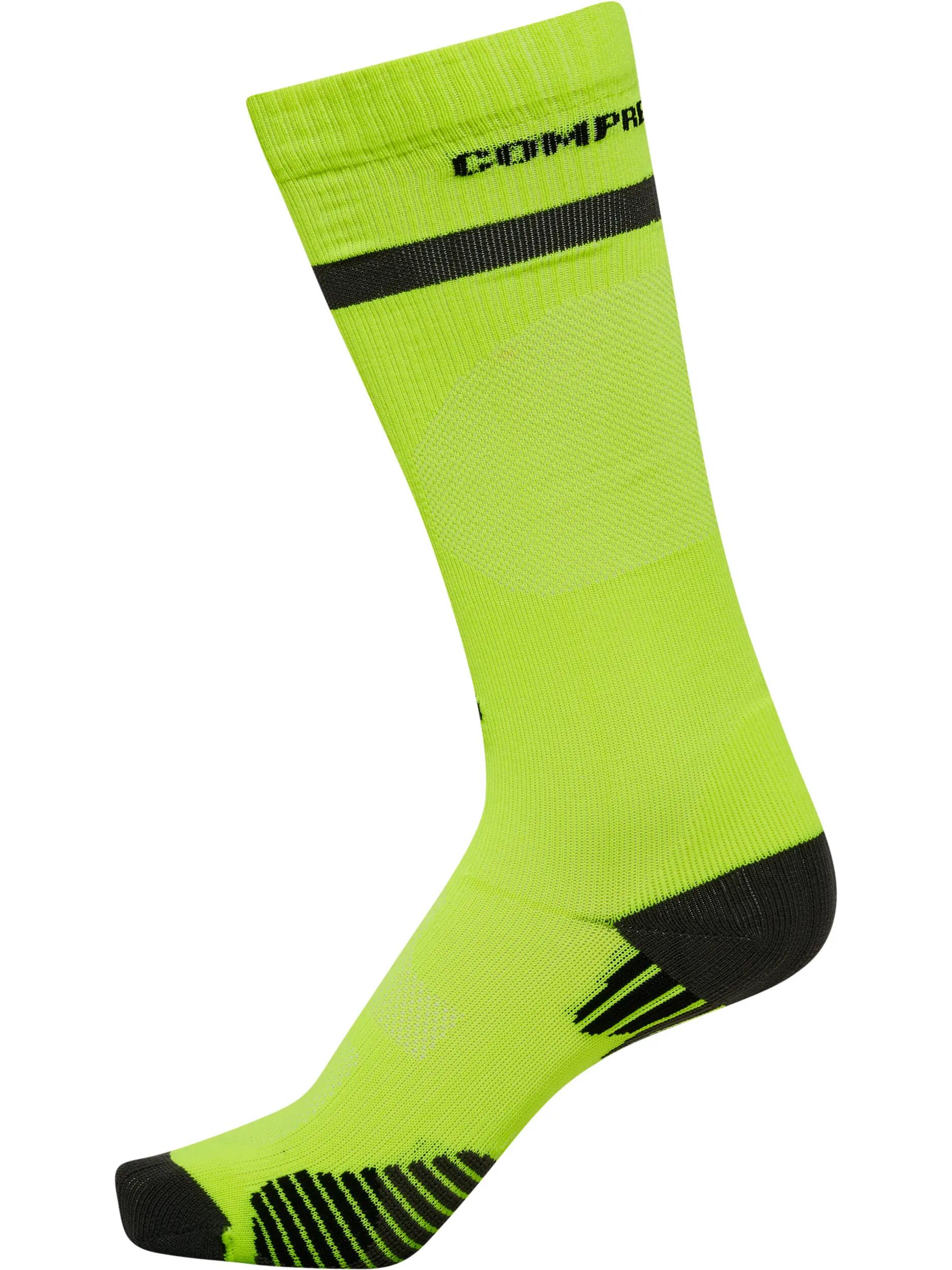
The current category is focused on calf-length compression socks rather than compression tights, shorts or tops. KIPRUN Run 500 and Run 900 socks provide two Decathlon-developed options, while the remaining listings come from marketplace brands whose compression systems should be assessed separately. These socks are intended to apply controlled pressure around the calf while you run, helping limit excessive fabric movement and calf vibration. They are general running products that can be used on trails rather than trail-exclusive medical equipment. Complete your outfit with breathable men's trail running tops that manage perspiration without adding restrictive layers. A practical pro tip is to test compression socks on a familiar route before wearing them for a long event.
What features help compression running socks fit well?

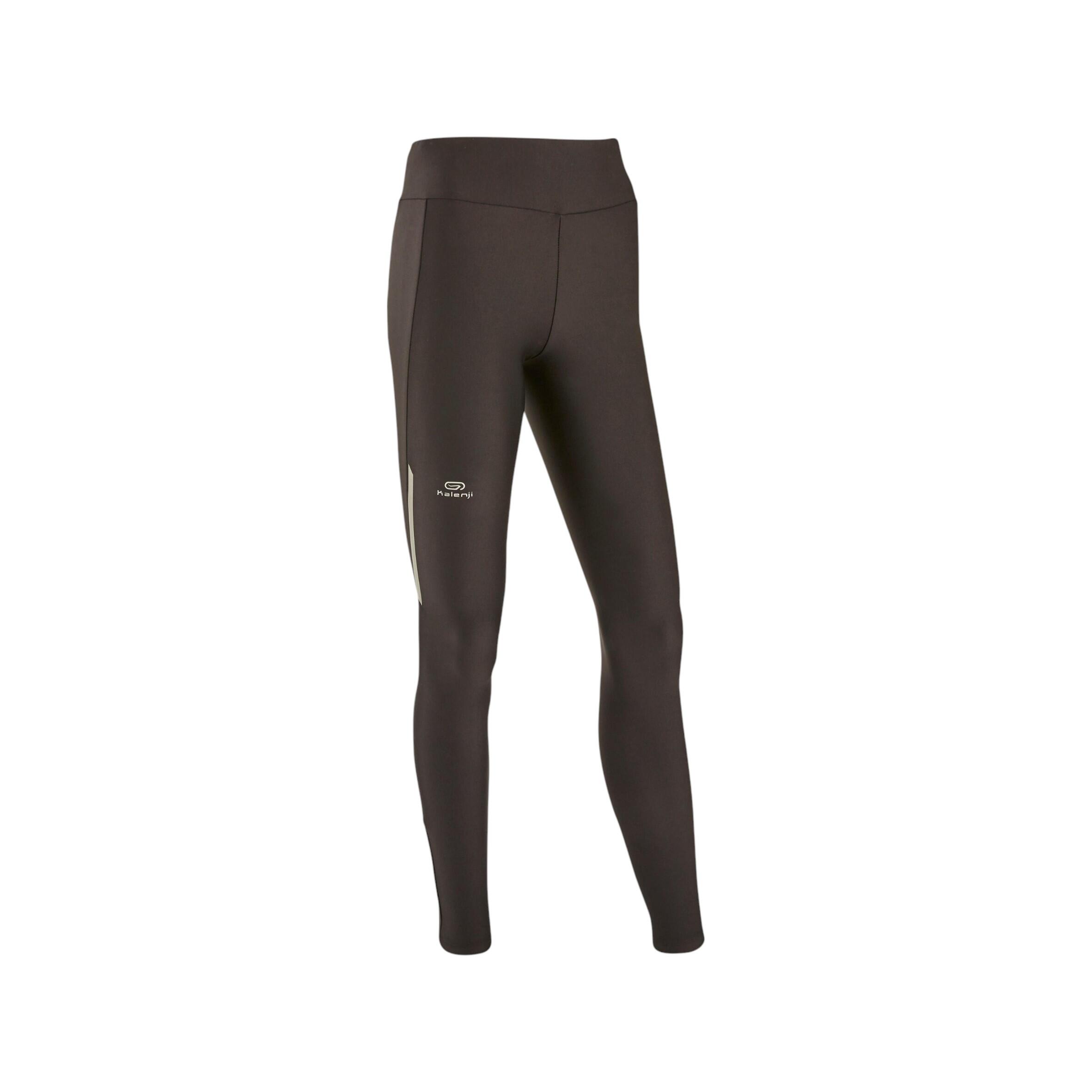
Measure the widest part of your calf rather than choosing by shoe size alone. Calf circumference determines how firmly the knitted structure applies pressure, so an incorrect size may feel loose, excessively tight or uneven. The sock should finish just below the knee and remain smooth from the ankle upwards without folds or rolled sections. Your toes should move naturally, and the upper cuff should not leave painful marks. When wearing men's trail running tights, check that the lower hem does not bunch over the compression cuff. Spread the fabric evenly around the calf because concentrated folds can create uncomfortable pressure instead of consistent support.

When should you wear trail running compression socks?

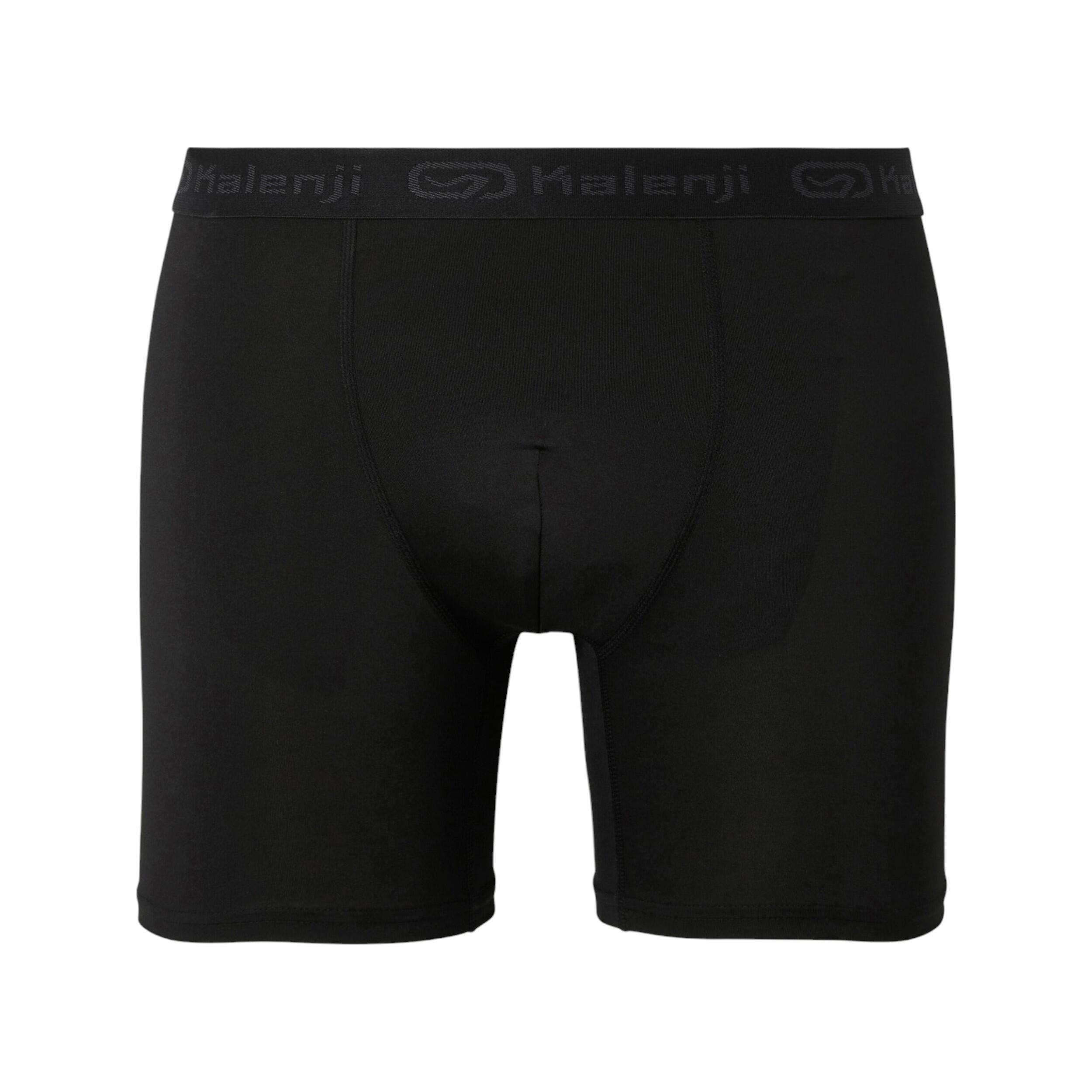
KIPRUN compression socks are intended for use during running effort rather than as post-run recovery garments. They can suit training and races when you prefer close calf support over long or uneven terrain, but they are not medical products and should not be treated as a solution for injuries, swelling or circulation conditions. Wear them only after testing the fit and checking that they do not cause numbness, pain or unusual pressure. While compression socks support your calves, overall running comfort also depends on the rest of your kit. Breathable men's trail running underwear helps manage moisture and minimise chafing on longer runs. Reducing friction across the complete outfit is more useful than relying on calf compression alone.

What is the difference between KIPRUN Run 500 and Run 900 compression socks?

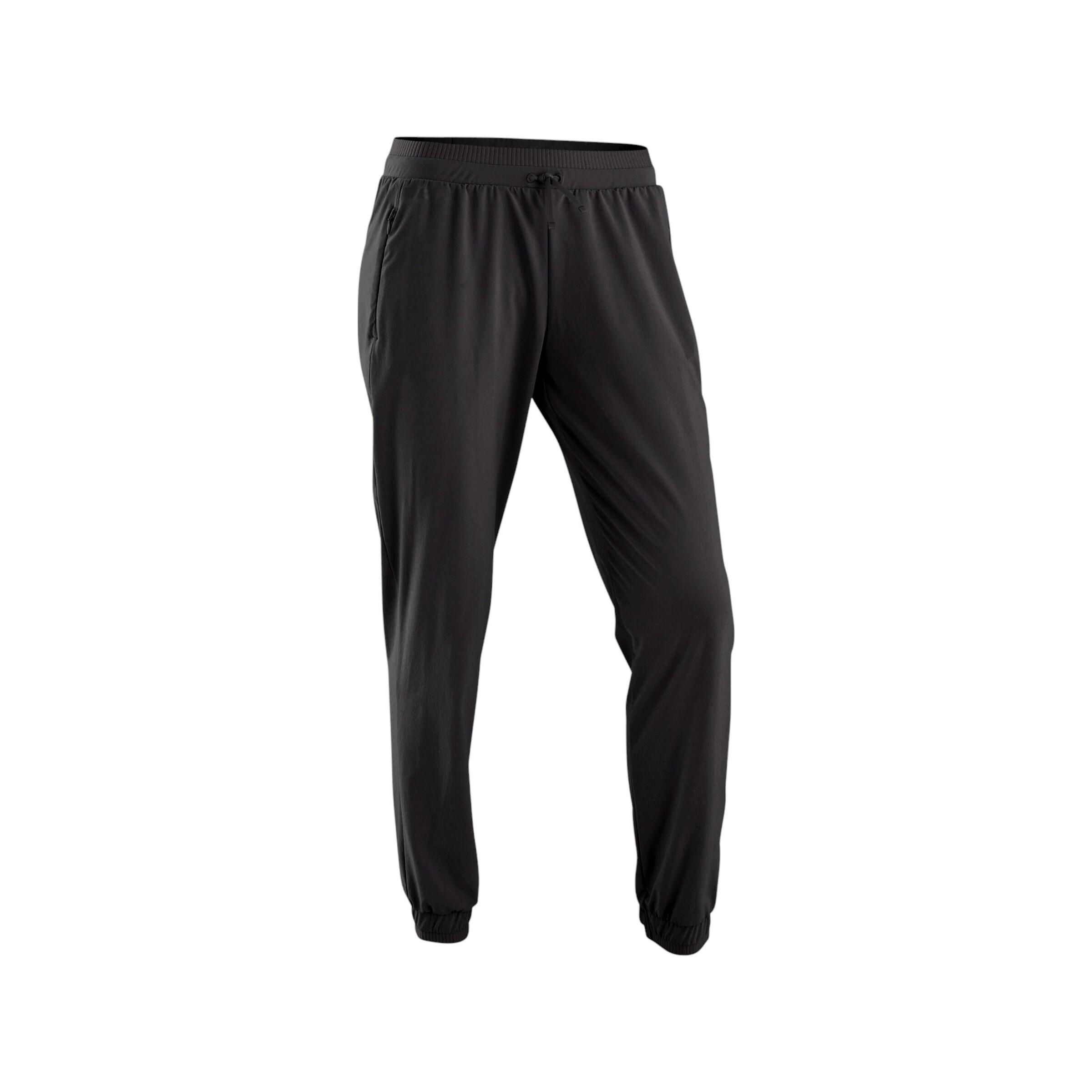
The Run 500 uses broader calf-size bands and provides an accessible compression option for runners who want support during exercise. The Run 900 offers narrower calf measurement bands, a finer knit and a higher elastane content, helping the sock follow the calf more precisely. It also uses specialised yarn around friction-prone areas and a mineral-containing fibre with Decathlon-published textile testing. These features should not be interpreted as guaranteed medical benefits. Choose according to calf size, fit and comfort rather than automatically selecting the higher model. If you wear men's trail running trousers over the socks in cold weather, make sure the cuffs do not compress or fold the knitted upper section.

How should you put on and care for men's compression gear?

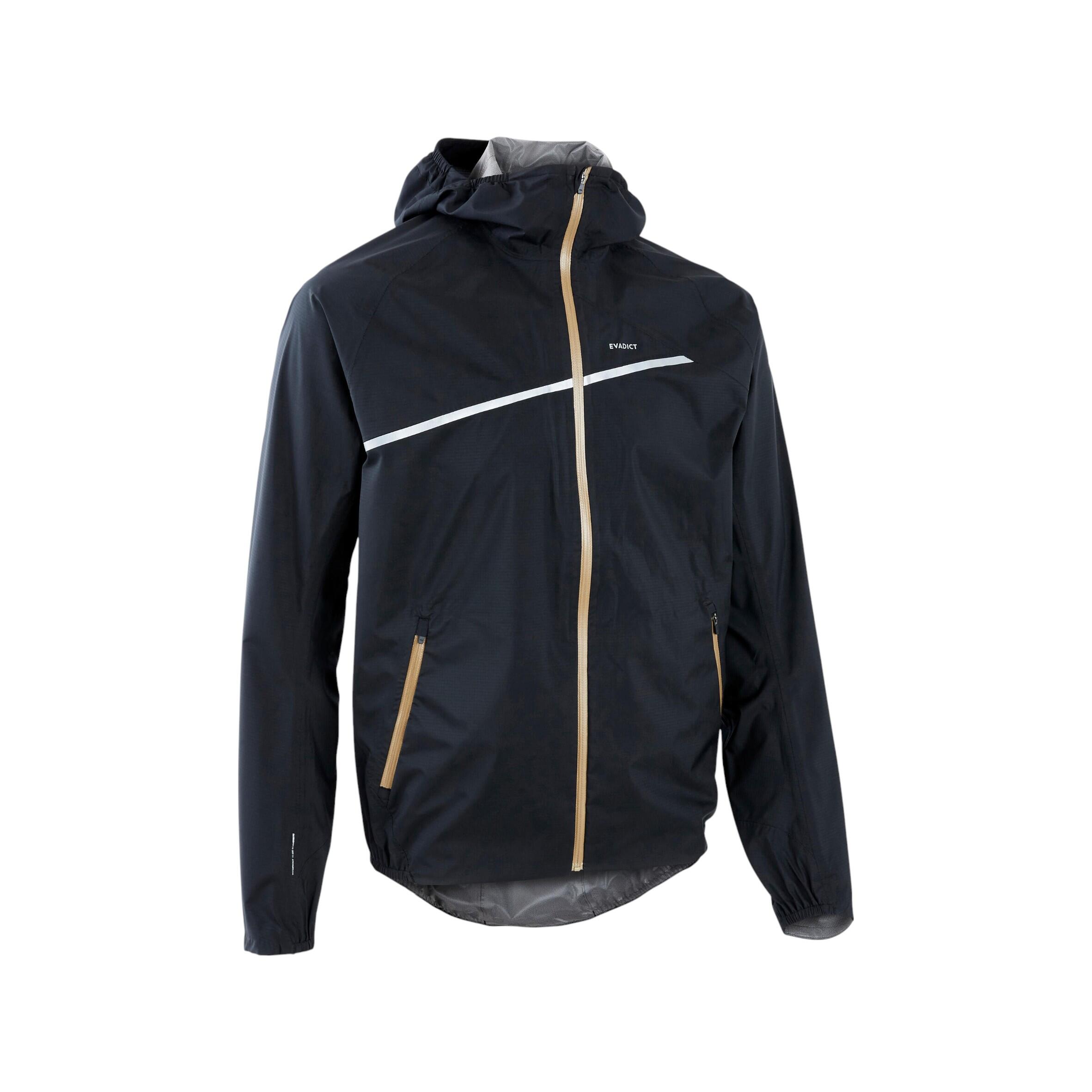
Turn the sock down towards the ankle, place your foot inside and gradually roll the fabric up the calf. Do not pull hard from the top cuff, as this can overstretch the edge and create uneven pressure. Smooth out every crease and confirm that the sock finishes below the knee before running. Wash KIPRUN compression socks at no more than 30 degrees Celsius and avoid tumble drying, ironing, bleach or dry cleaning, which may affect the elastic structure. Air-dry them fully before storage. During wet or cold outings, carry a dry spare pair with your men's trail running jacket and other weather layers so you do not remain in soaked compression socks after the session.